Bali Art Style
Explore Bali Art Style: Kamasan narrative painting, weathered temple reliefs, gold-black wood carving, tiered figures, and tropical detail.
Instantly rendered in Bali — or transform a photo
Bali Gallery
Tap any artwork to explore it
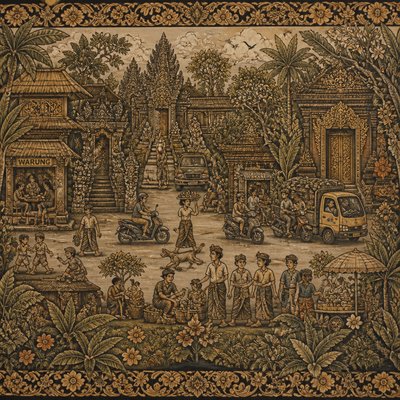
What is Bali Art Style?
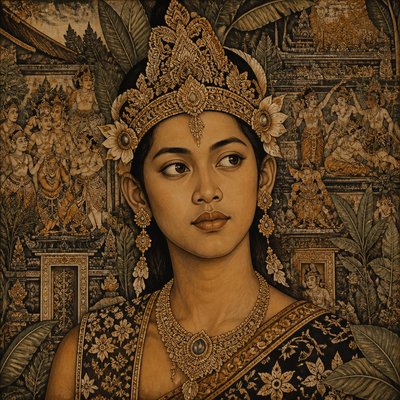
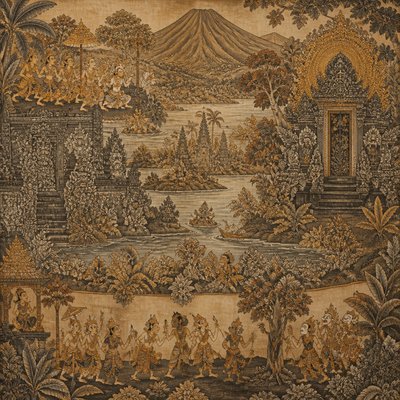
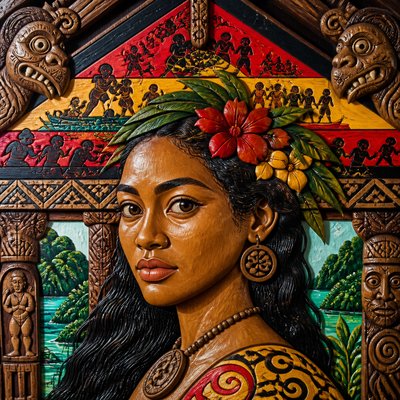
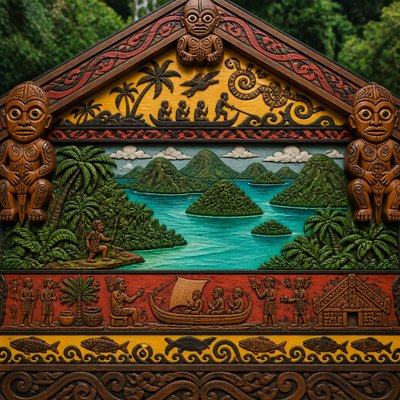
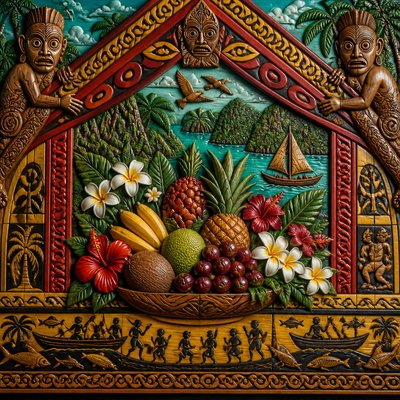
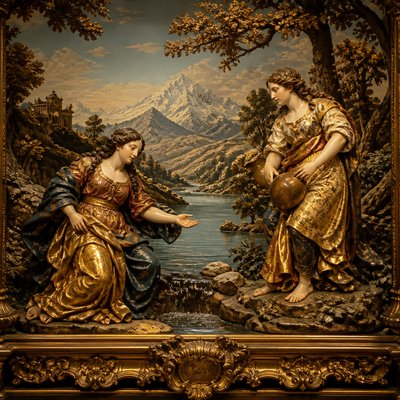
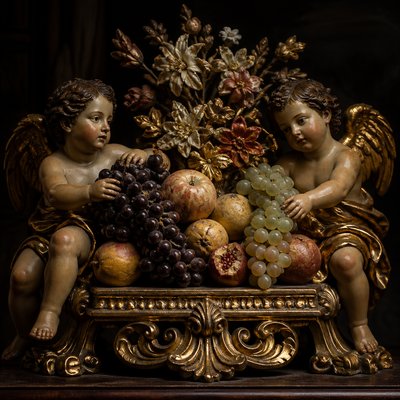
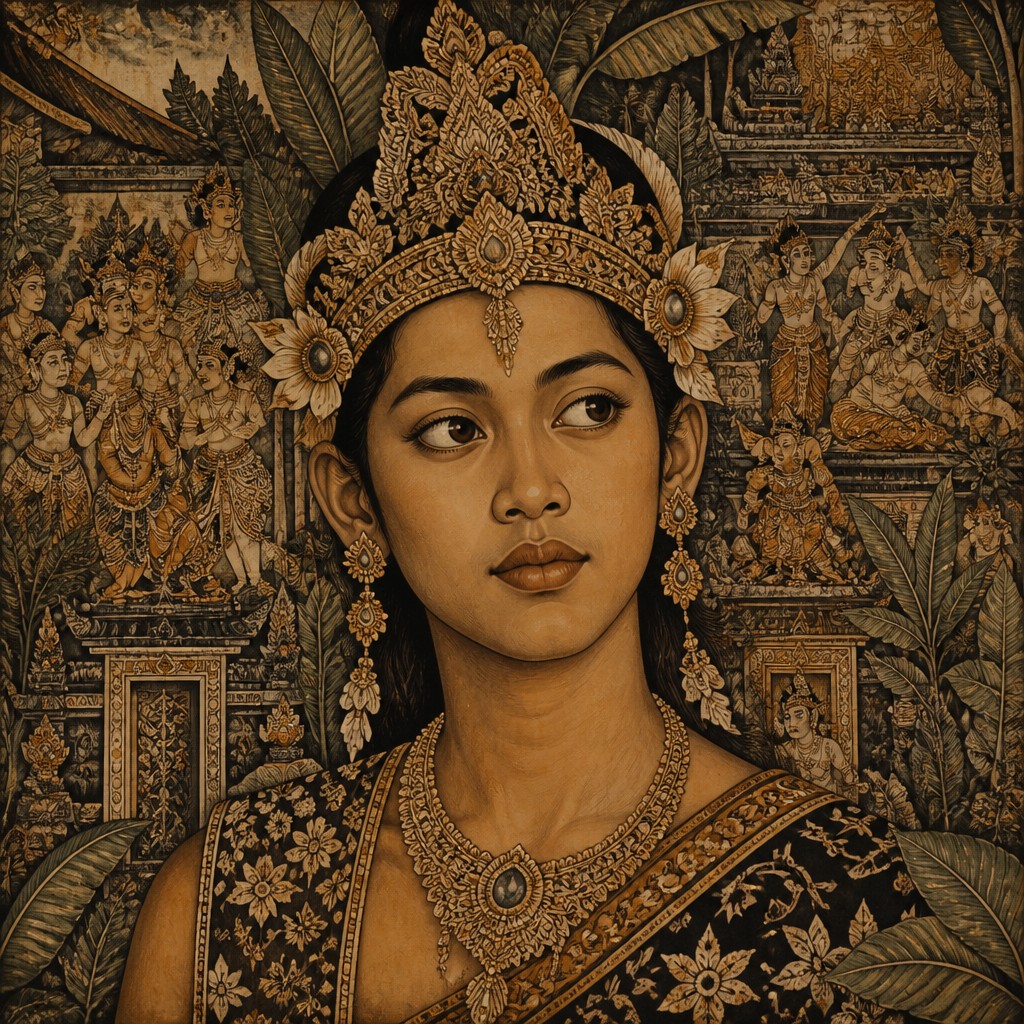
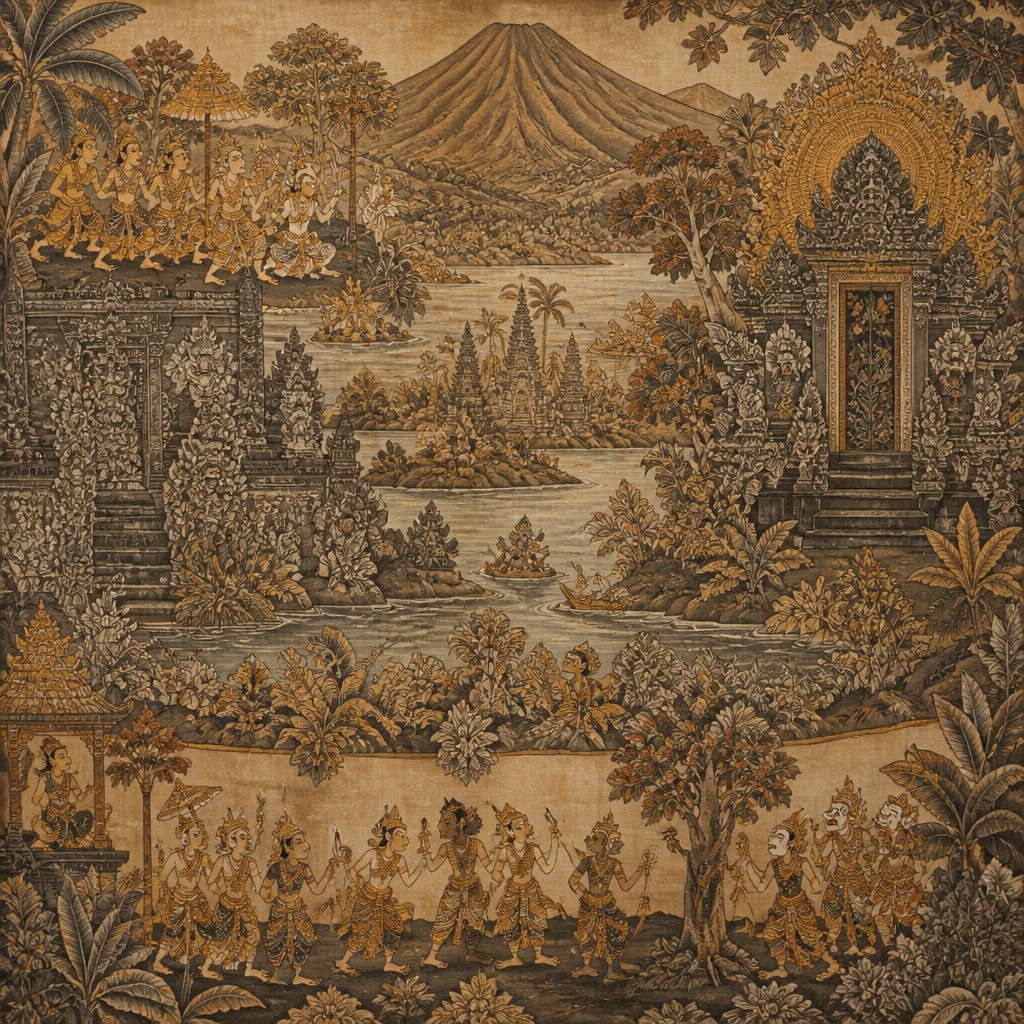
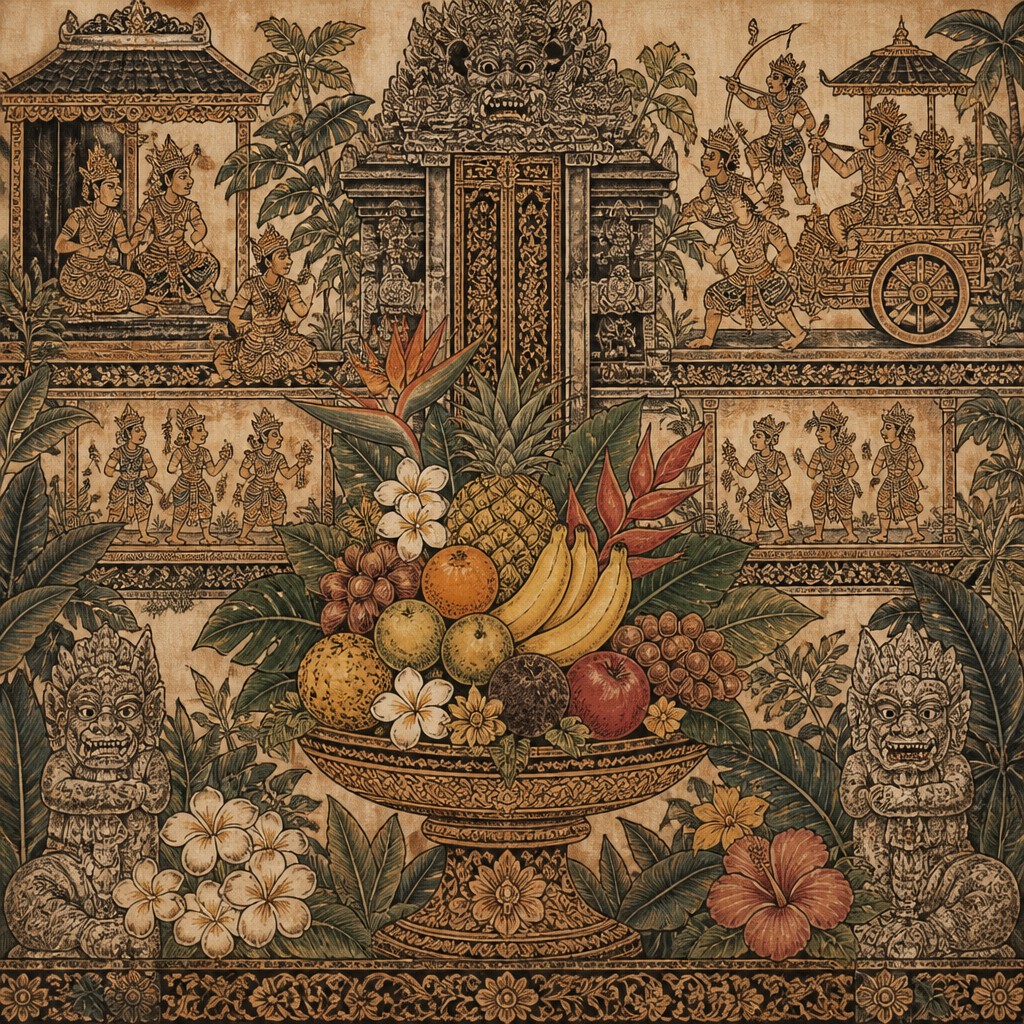
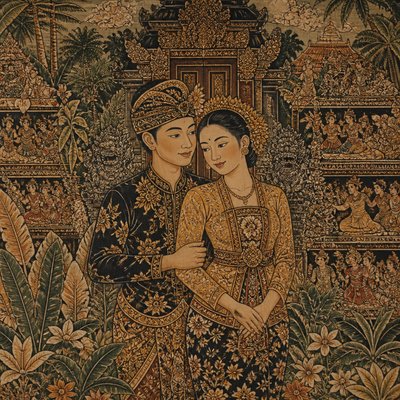
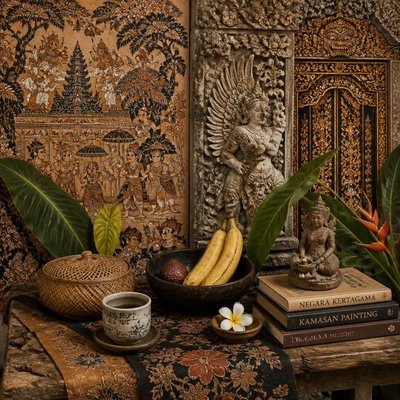
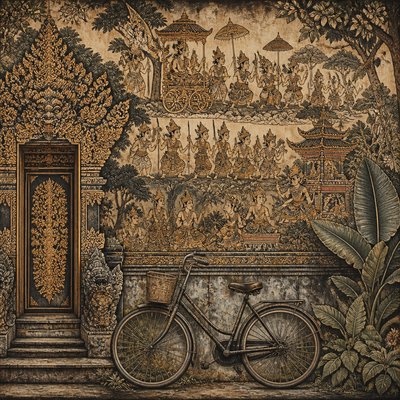
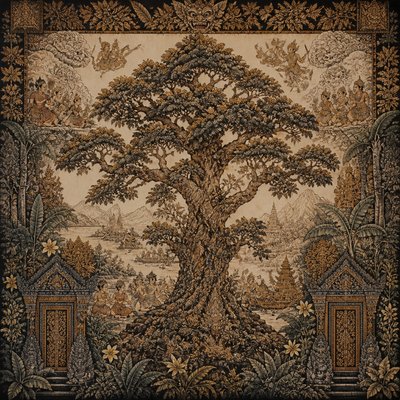
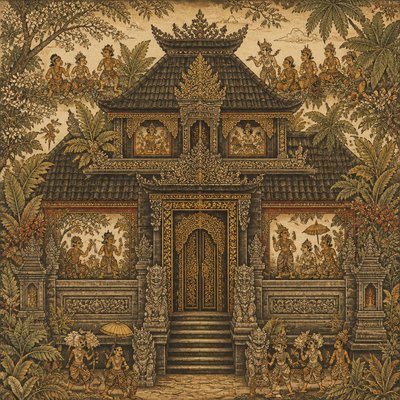
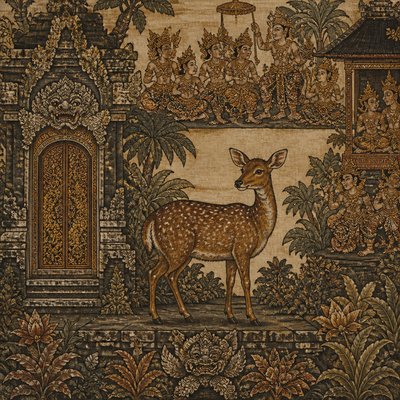
Bali Art Style is a contemporary descriptive category built from several Balinese visual traditions rather than a single historical movement. Its central language combines Kamasan narrative painting with the carved stone surfaces of Balinese temples and the ornate gold-and-black decoration of traditional wooden doorways. The result is a densely patterned image world of mythic figures, ritual architecture, tropical plants, and stories arranged in legible horizontal or vertical tiers.
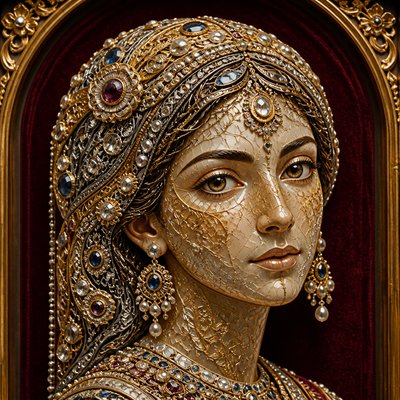
The style is defined by controlled outlines, flattened spatial organization, warm earth pigments, dark soot-like accents, aged gold, and the visual texture of materials exposed to a humid island climate. Figures often appear in profile or formal poses, while foliage, clouds, architectural borders, and ornamental motifs fill open space. Weathering is important: rain-softened stone, faded paint, moss, cracks, and uneven pigment give the imagery a sense of use, ritual continuity, and place.
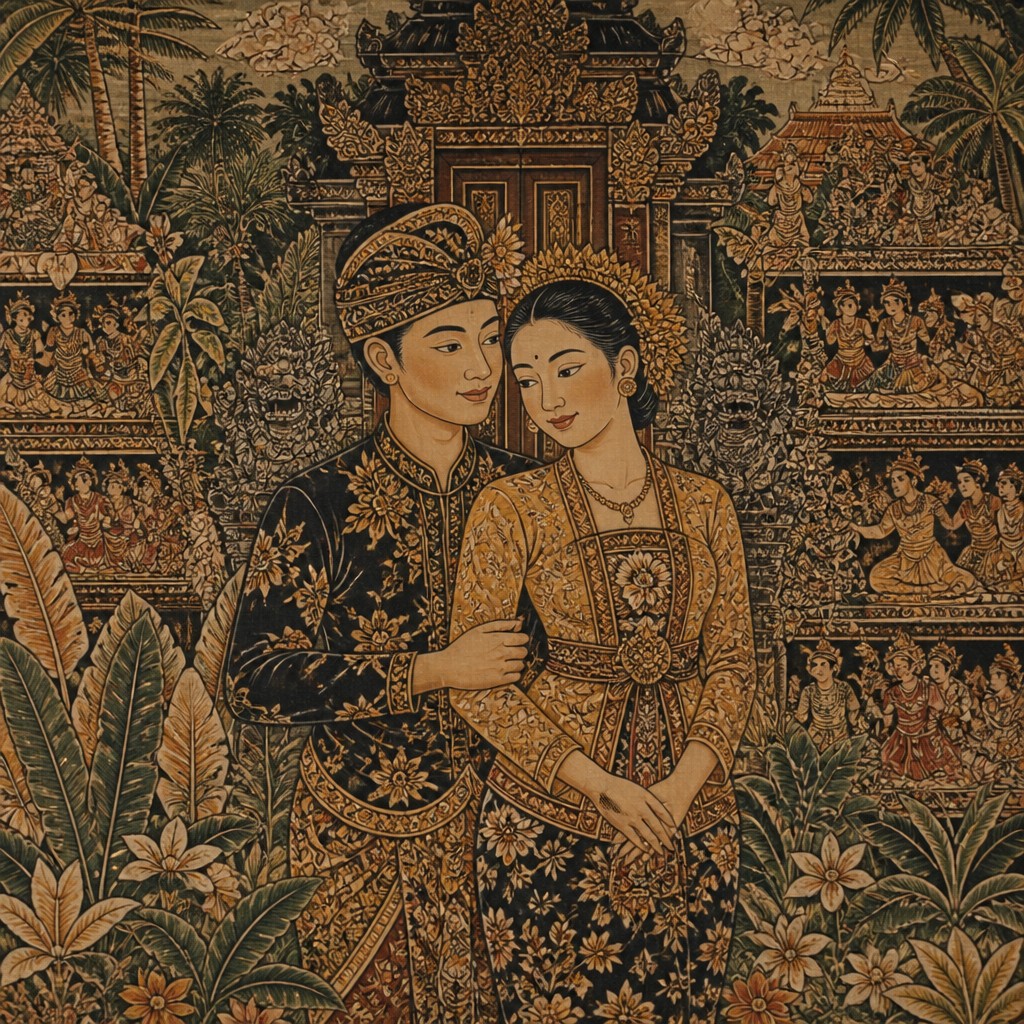
Try It On Your Photos
Upload any photo and convert it into Bali Art Style — drag the sliders to compare before and after.
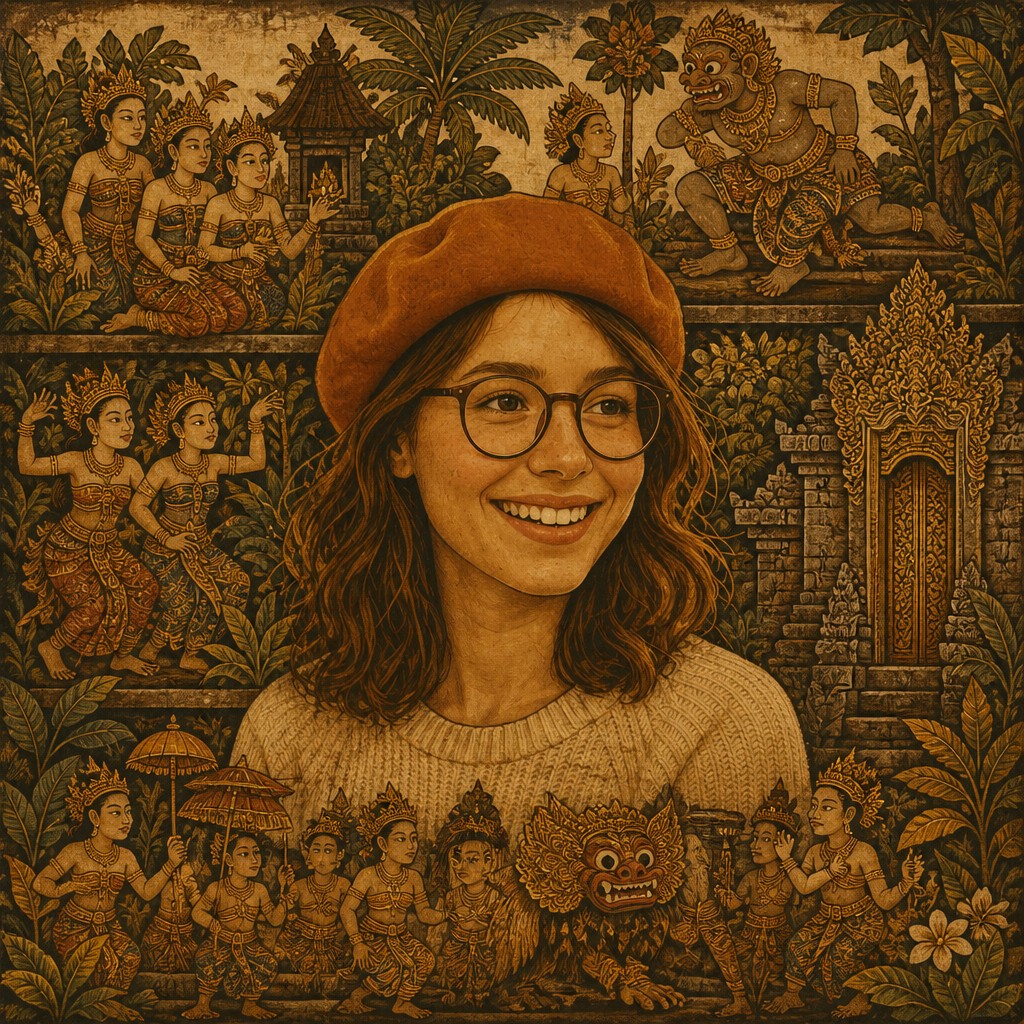

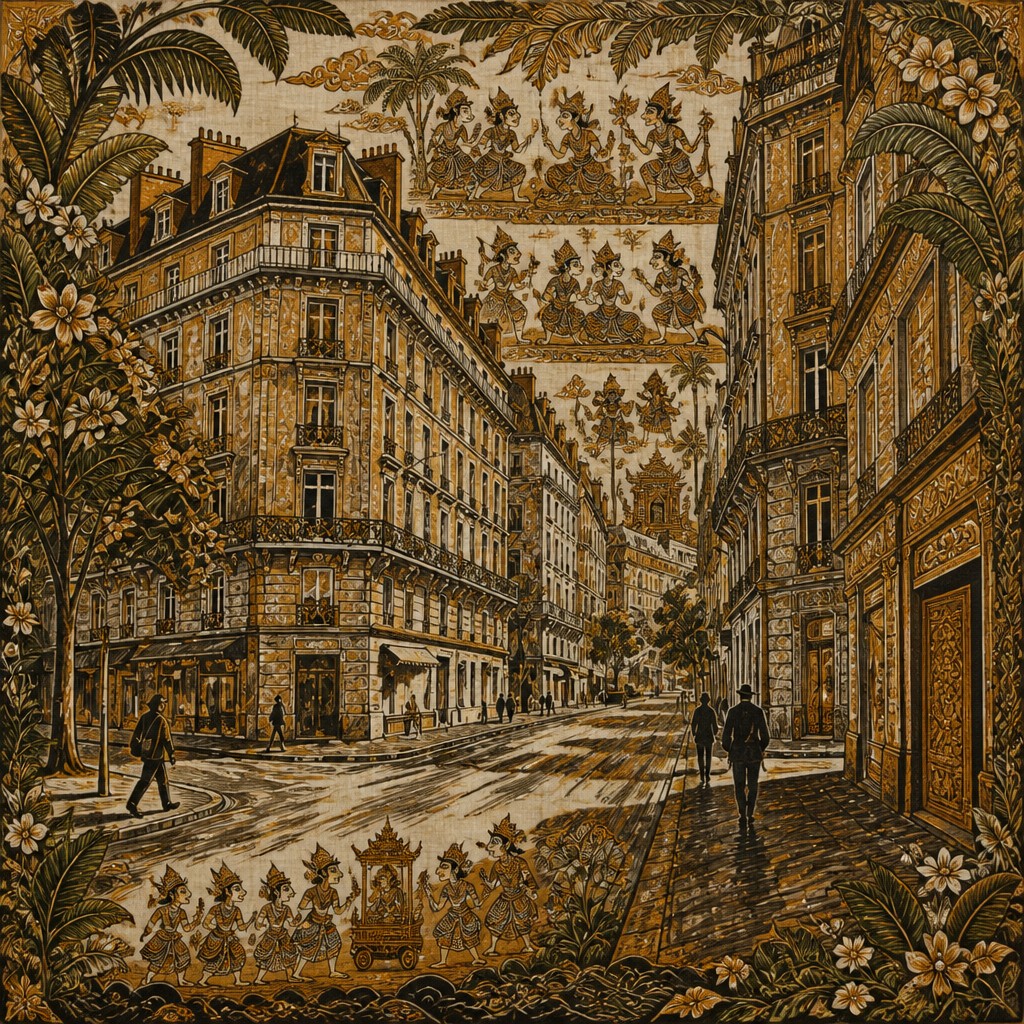

Or use the free Bali photo filter
What Defines Bali Art Style
The signature details, up close
Kamasan narrative structure
Scenes are organized in stacked registers, framed panels, or crowded theatrical groupings that allow several moments of a story to appear together. Figures and symbols remain readable even within a highly ornamented composition.
Wayang-derived figures
Human and divine characters often use formal profiles, elongated proportions, emphatic gestures, elaborate headdresses, and carefully patterned costumes. Their poses communicate rank, identity, and action through convention rather than naturalistic anatomy.
Earth and soot palette
Natural ochres, muted reds, clay yellows, cream, brown, and black create a restrained pigment range. Dark contour lines and soot-like shadows provide structure, while small areas of gold or saturated color establish ritual emphasis.
Carved stone weathering
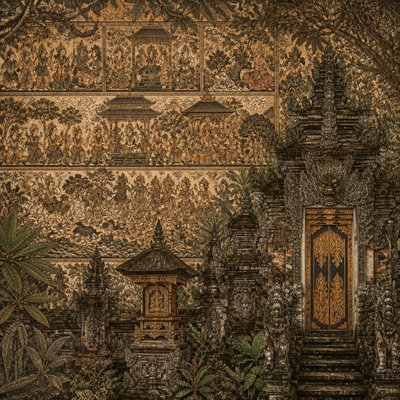
Relief-like surfaces suggest porous volcanic stone shaped by tropical rain, with softened edges, lichen, moss, cracks, mineral streaks, and darkened recesses. The erosion should enrich the surface without obscuring the underlying iconography.
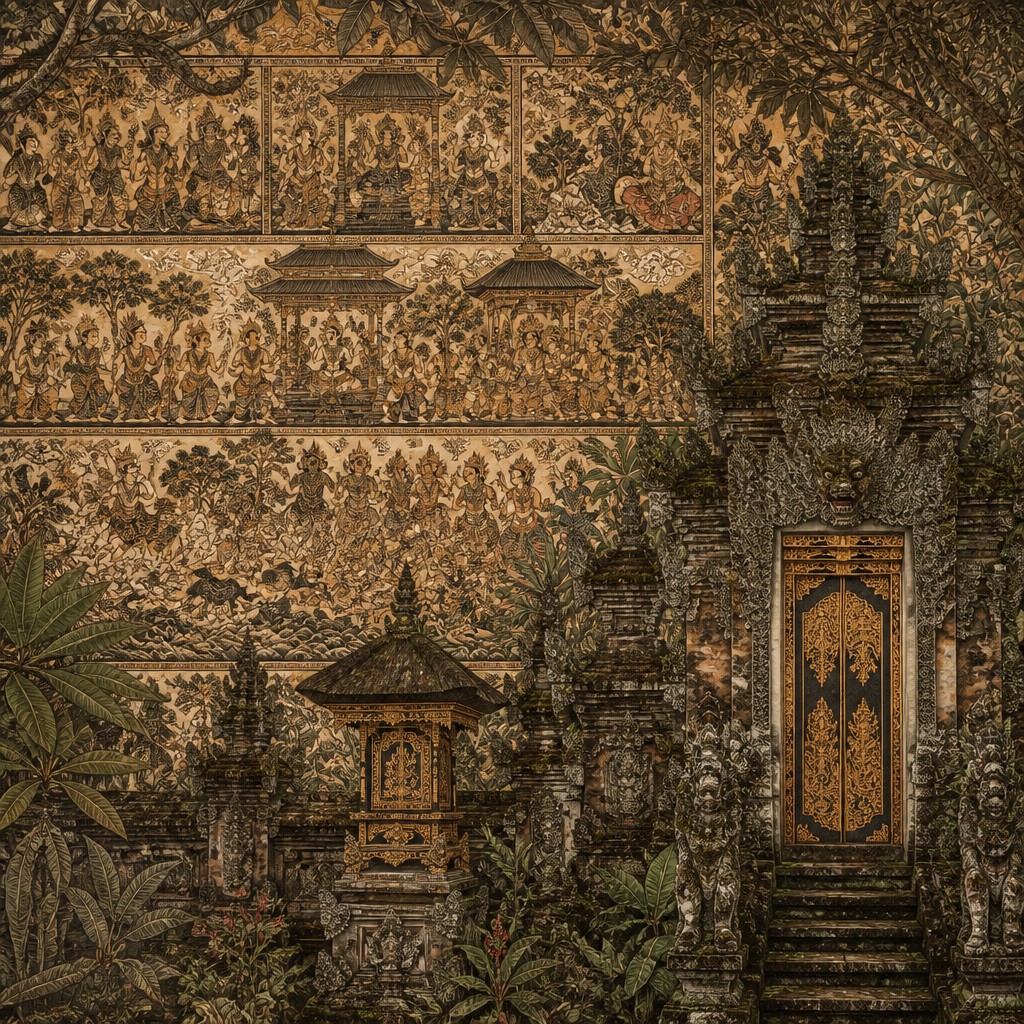
Gold-and-black wood ornament
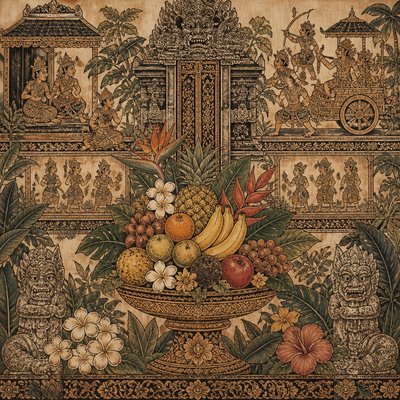
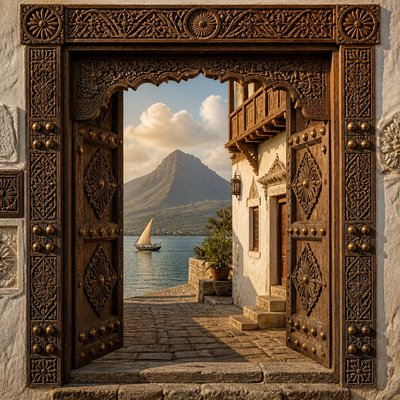
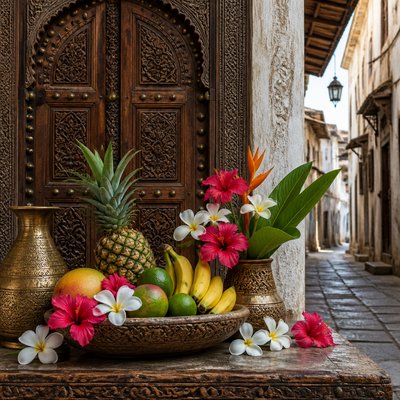
Doorways, beams, masks, and architectural borders may feature dense floral carving with black ground and worn gold highlights. Repeated scrolls, foliage, guardian motifs, and symmetrical framing create a ceremonial threshold effect.
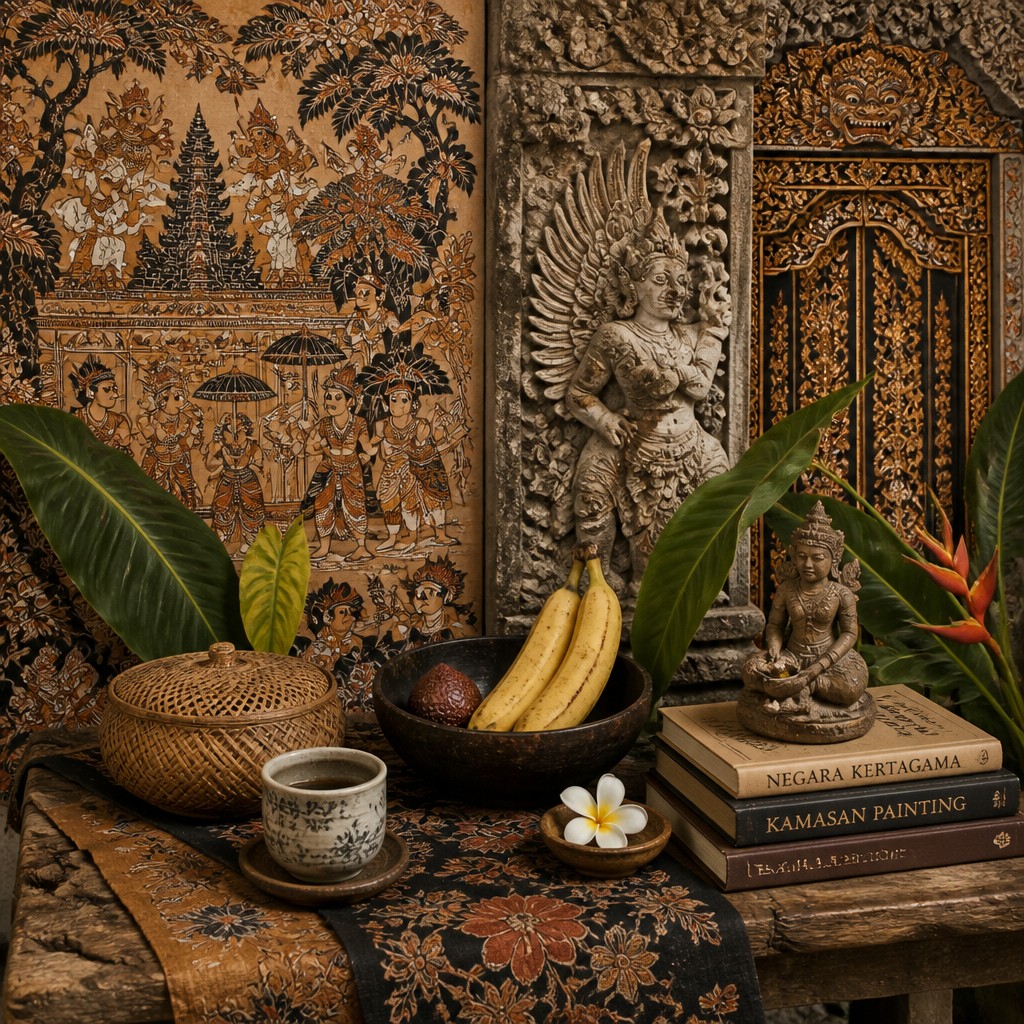
Layered tropical framing
Banana leaves, palms, vines, flowering plants, clouds, birds, and dense undergrowth surround the narrative action. Foliage functions both as environmental setting and as a decorative border that fills negative space.
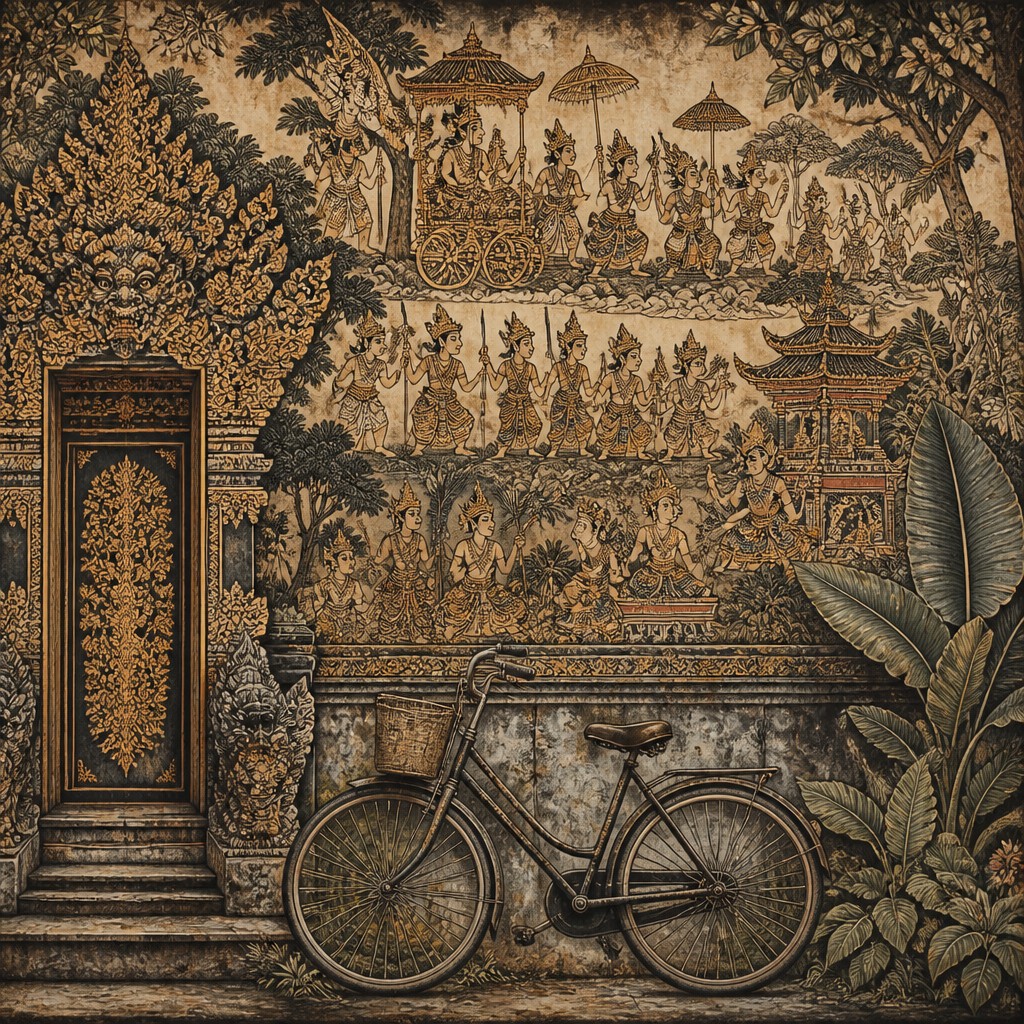
Flattened sacred space
Depth is conveyed through overlap, scale, tiers, borders, and symbolic placement rather than one-point perspective. Architecture and landscape may be compressed so that ritual meaning and narrative clarity take priority over optical realism.
Bali Prompt Ideas
Start from an idea — each one opens the generator with the style ready to go. See all 40 Bali prompts →
How to Create Bali Art
Master the craft step by step — or skip straight to creating. Read the full guide →
- 1
Build a tiered composition
Begin with a clear story or central subject, then arrange secondary figures and events in horizontal registers or nested framed zones. Keep silhouettes distinct and reserve the strongest contrast for the main action.
- 2
Use a disciplined pigment range
For physical work, try cloth or wood with earthy ochres, charcoal or soot black, chalky light tones, and restrained red or yellow accents. In digital work, reduce saturation and add subtle pigment granulation rather than applying a generic sepia filter.
- 3
Draw ornamental contours first
Establish confident dark outlines around figures, costume patterns, plants, and architectural motifs before adding internal color. Vary line weight slightly to suggest hand-painted cloth or carved recesses.
- 4
Add material age selectively
Use moss, rain marks, pigment loss, softened edges, cracks, and mineral staining mainly on stone, wood, and exposed borders. Avoid covering every surface equally, since uneven weathering makes the object feel physically situated.
- 5
Combine relief and painting cues
For a hybrid image, specify a flat narrative scene mounted against carved volcanic stone or framed by a gold-black wooden doorway. Describe whether the subject should read primarily as painted cloth, shallow relief, or a layered ceremonial object.
- 6
Write precise generation prompts
Name the subject, narrative action, tiered layout, earth-and-soot palette, tropical framing, and material condition separately. For image-to-image work, preserve the source silhouette while directing the transformation toward Kamasan-like contouring, carved texture, and restrained ceremonial ornament.
The Story
History & Origins of Bali
This label does not describe one formally recognized historical school. Its principal lineage is Kamasan painting, a Balinese narrative tradition associated with Kamasan village in Klungkung and shaped by older wayang-derived, Hindu-Balinese, and courtly image conventions. Kamasan works commonly present episodes from epics, religious narratives, and moral stories on cloth or other prepared surfaces, using clear contour drawing, symbolic gestures, patterned garments, and multiple registers of action.
The style also draws on Balinese temple architecture and sculpture, whose stone reliefs and guardians are produced within living ceremonial traditions. Carved gateways, shrine ornament, painted woodwork, and relief surfaces vary by region, period, and workshop; their combination here is an aesthetic synthesis rather than a claim that all belong to one uniform style. Tropical weathering, moss, mineral staining, and repeated ritual maintenance provide the aged surface character associated with the category.
Influences: The style is related to Kamasan painting, Balinese wayang and Hindu-Balinese narrative imagery, temple relief sculpture, carved wooden architecture, ceremonial mask and shrine ornament, and the broader Southeast Asian practice of combining religious storytelling with decorative pattern. It also shares selected traits with flat manuscript and scroll traditions: sequential scenes, symbolic scale, strong contour, and compressed space. Its weathered surfaces connect it to architectural photography, ruin aesthetics, and contemporary material-focused digital art, but those modern treatments are interpretive additions rather than historical components of Kamasan practice.
Frequently Asked Questions
What defines the Bali Art Style?
It is defined by a synthesis of Kamasan-like narrative painting, Balinese temple relief textures, and ornate gold-and-black wood carving. Common features include tiered storytelling, formal profile figures, dark contour lines, earthy pigments, tropical foliage, and visible rain weathering.
Is Bali Art Style an established historical art movement?
No. The term is best understood as a contemporary umbrella label or aesthetic synthesis, not the name of one unified Balinese school. Its historical references should be distinguished from the specific traditions of Kamasan painting, temple sculpture, and architectural carving.
What is Kamasan painting?
Kamasan painting is a Balinese narrative tradition associated with Kamasan village in Klungkung. It commonly uses clear outlines, flattened or tiered compositions, patterned figures, and stories drawn from Hindu-Balinese religious and epic traditions, often painted on cloth or prepared panels.
How does this style differ from generic Balinese or Southeast Asian art?
It narrows a broad regional field into a particular combination of narrative cloth painting, temple-carved surfaces, and tropical architectural ornament. Generic labels may include many unrelated media and regional traditions, whereas this category emphasizes tiered storytelling, ochre-black pigments, formal figures, and weathered stone.
Can I make this style with traditional materials?
Yes. A practical approach is to prepare cloth or wood, sketch strong contour lines, apply earth-colored pigments in flat areas, and add patterned garments and ornamental borders. Weathering should be introduced with controlled pigment loss, dark recesses, mineral stains, and small areas of moss rather than random distressing.
Where is this visual language commonly used?
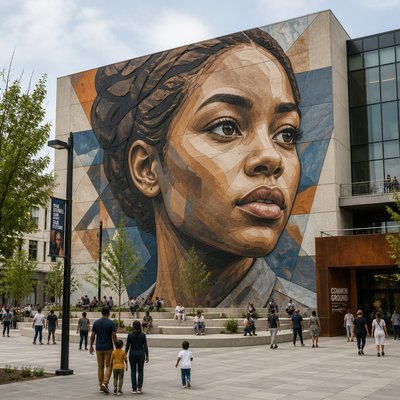
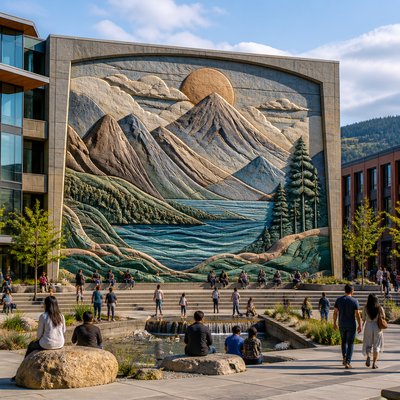
Its source traditions appear in religious and ceremonial painting, temple architecture, shrine decoration, carved gateways, masks, and narrative objects. Contemporary adaptations may appear in illustration, murals, editorial images, game environments, textile design, and digital compositions, provided they do not imply that the hybrid label is itself a traditional Balinese category.
Create your first Bali artwork
Describe anything — or upload a photo — and see it in Bali Art Style in seconds.
Related Styles
Discover similar art styles