Cusco Art Style
Explore Cusco art: Andean Baroque, radiant gold leaf, earth pigments, sacred iconography, brocade textures, and flattened textile patterns.
Instantly rendered in Cusco — or transform a photo
Cusco Gallery
Tap any artwork to explore it
What is Cusco Art Style?
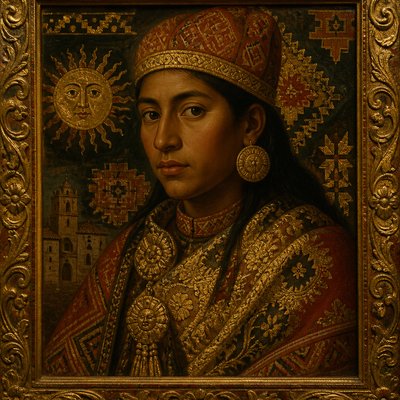
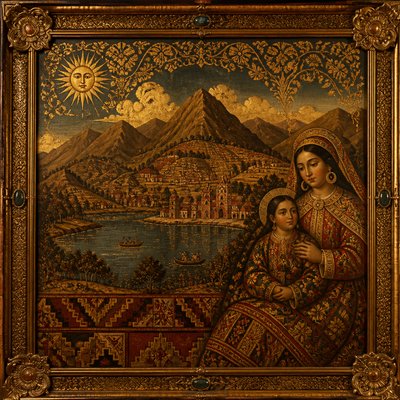
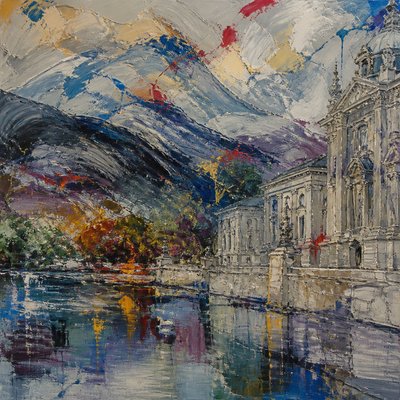
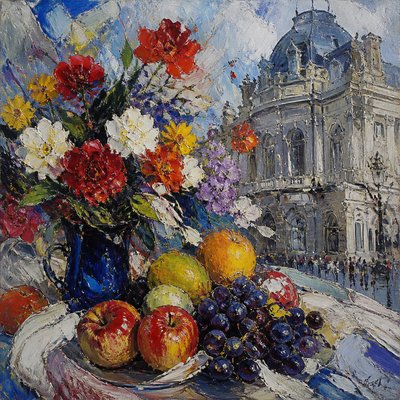
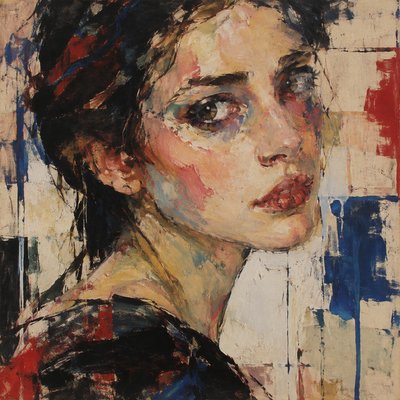
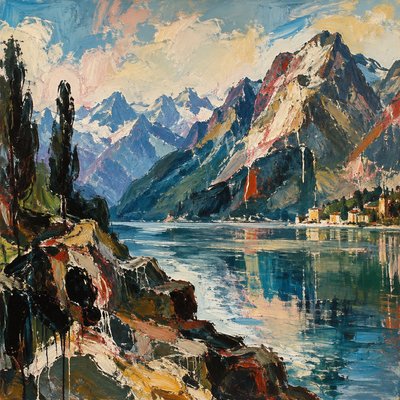
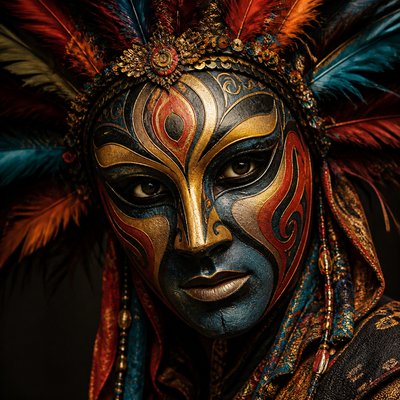
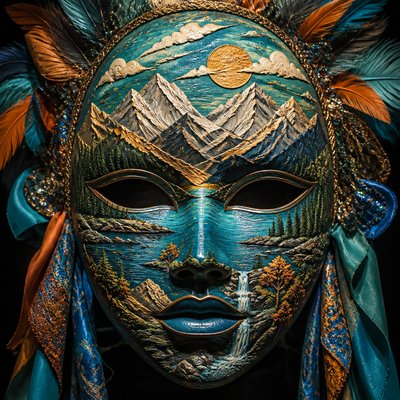
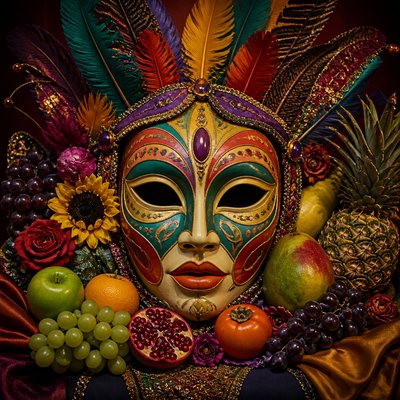
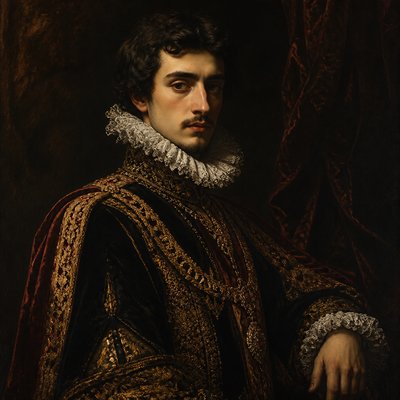
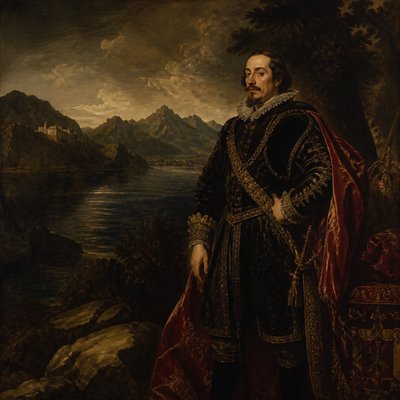
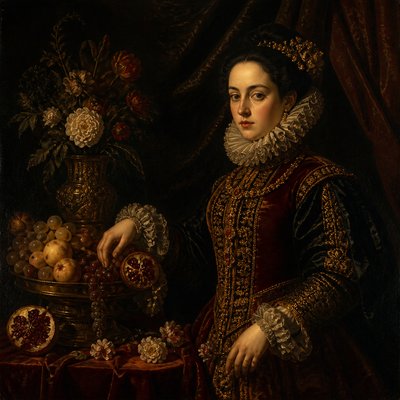
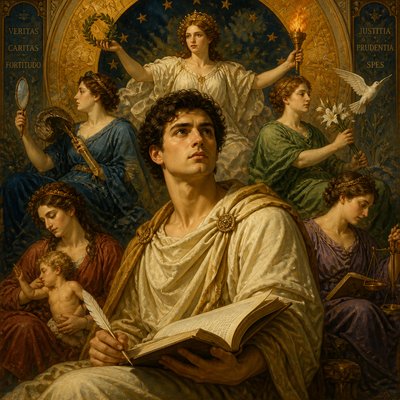
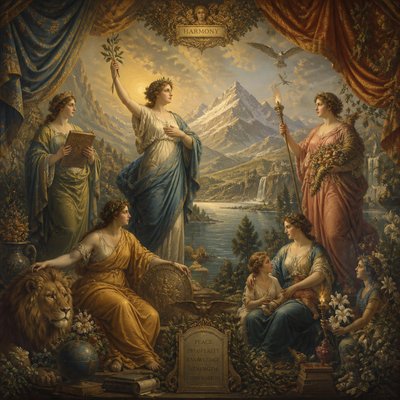
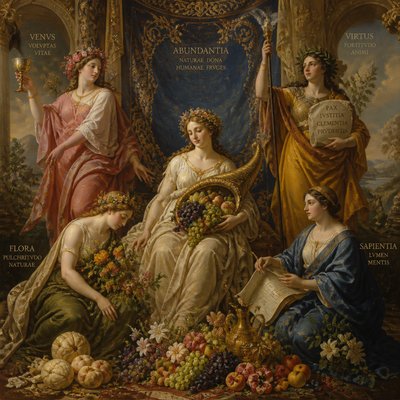
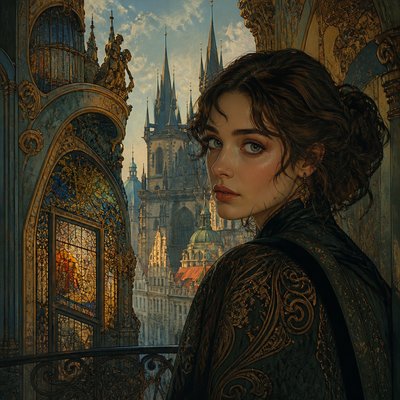
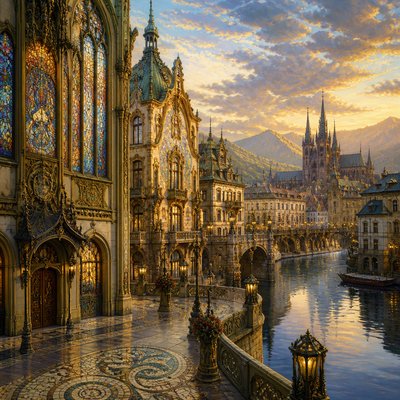
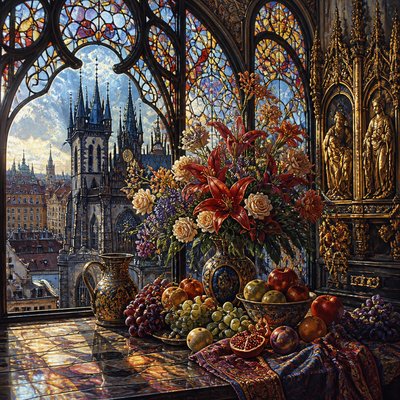
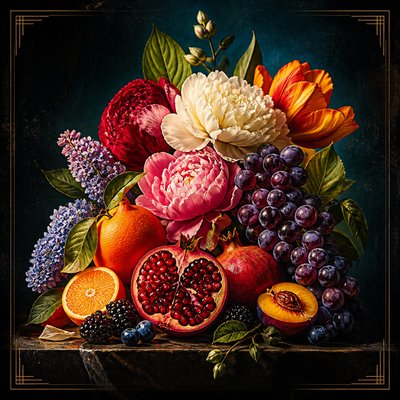
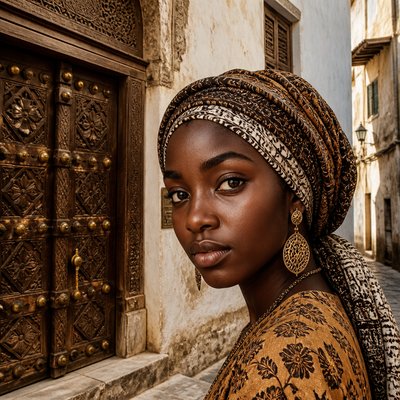
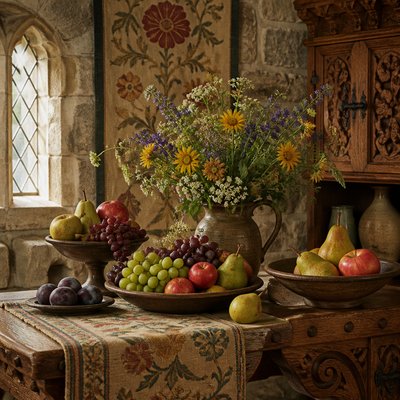
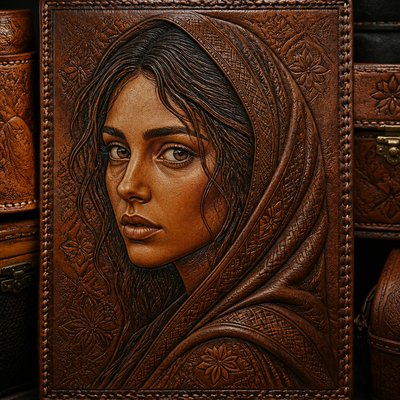
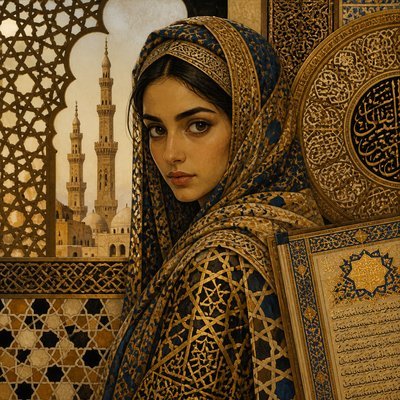
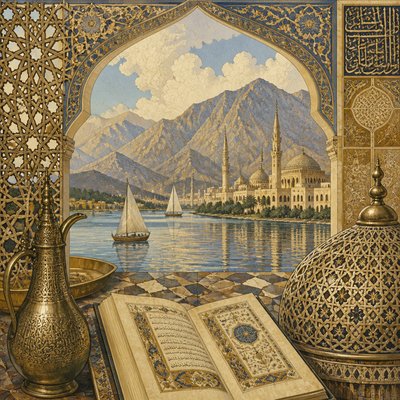
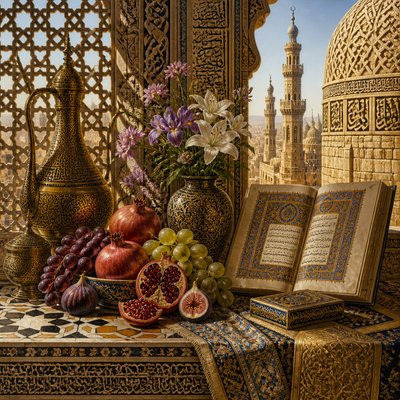
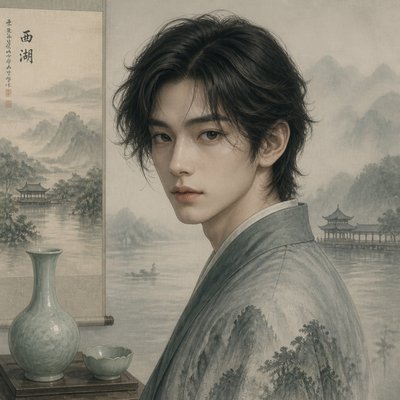
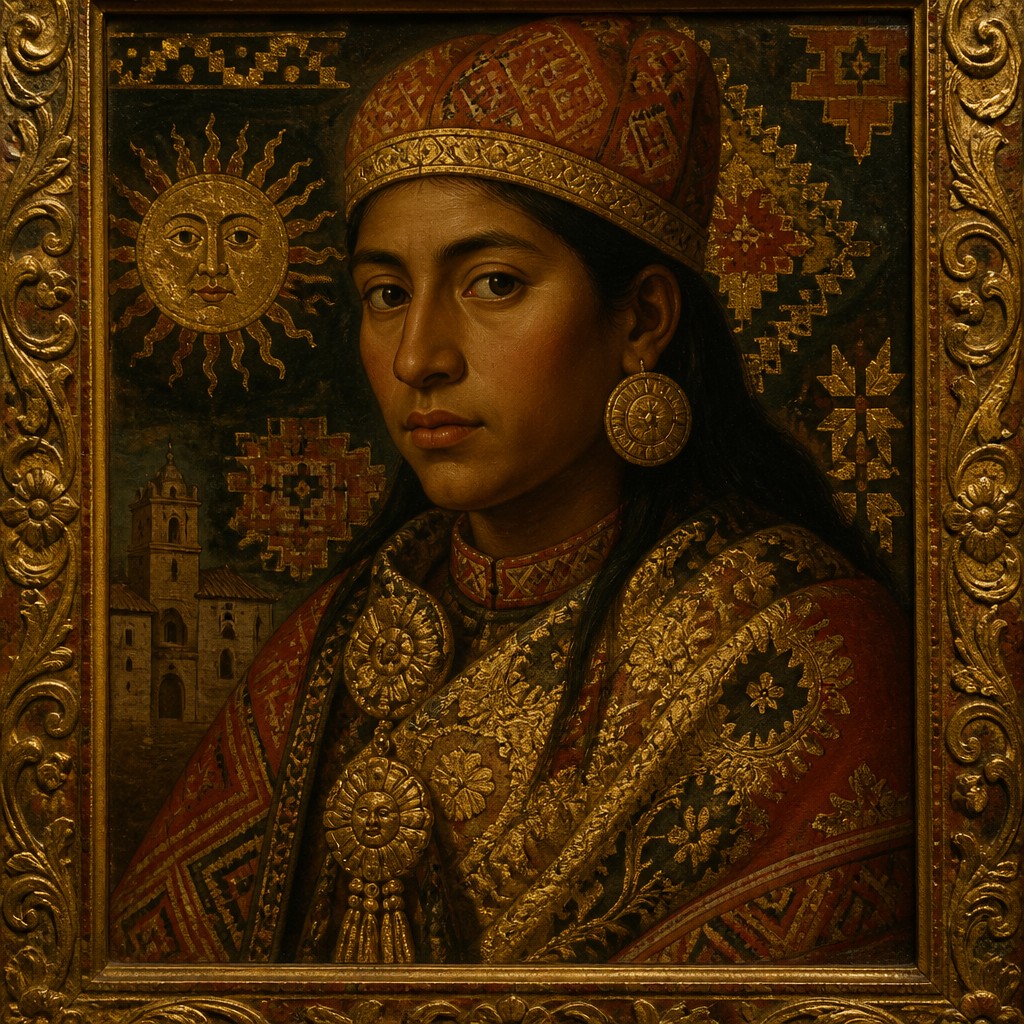
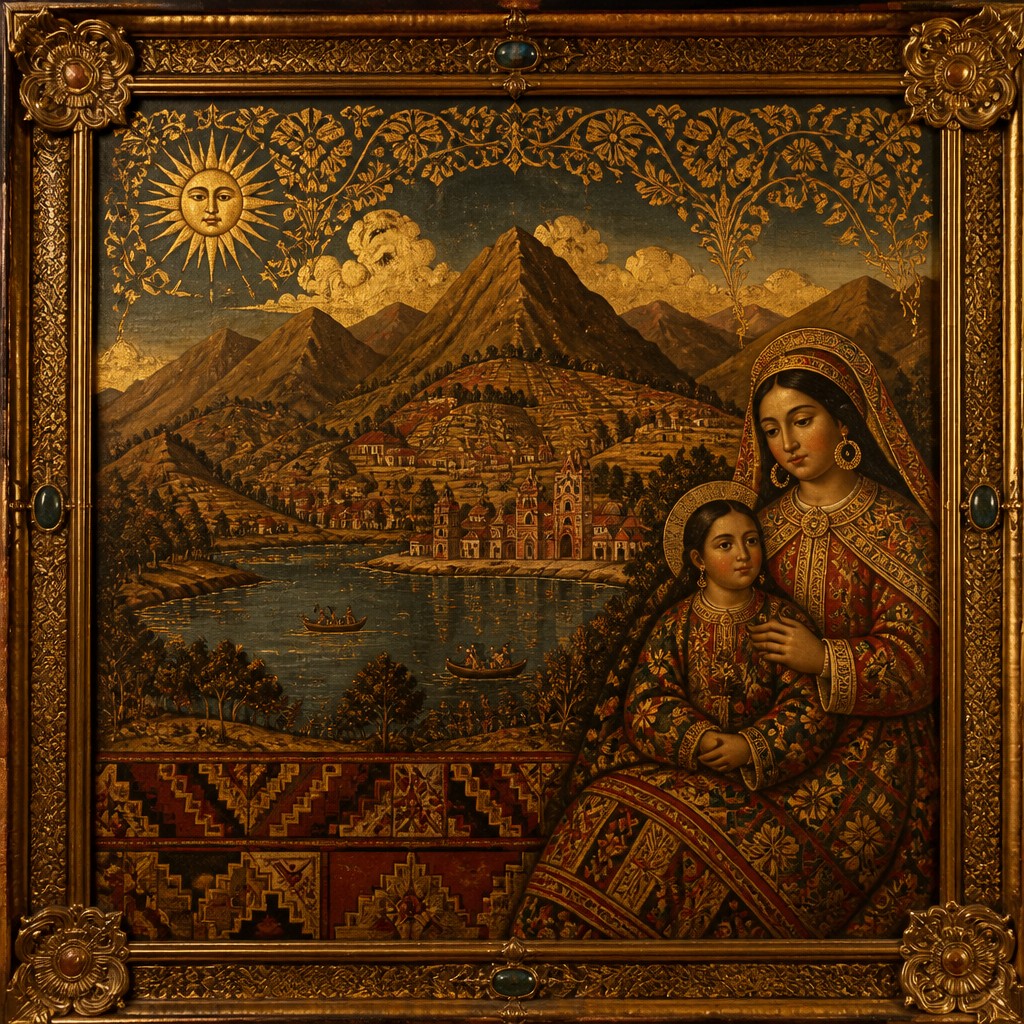
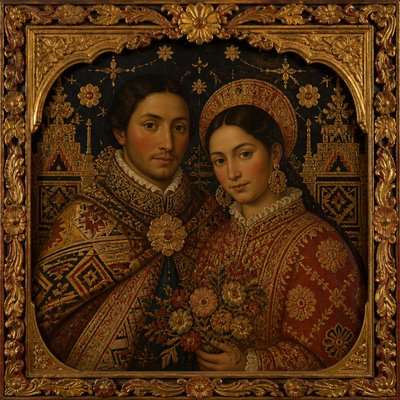
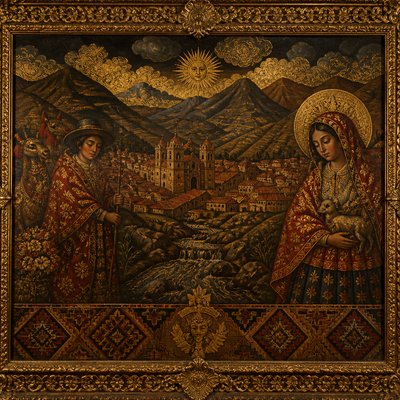
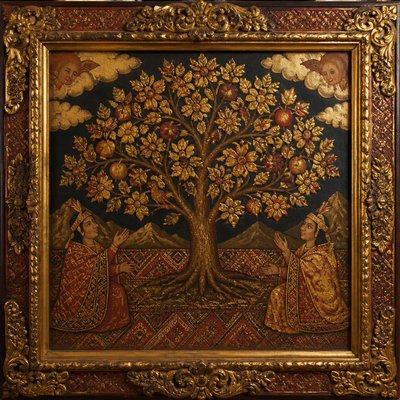
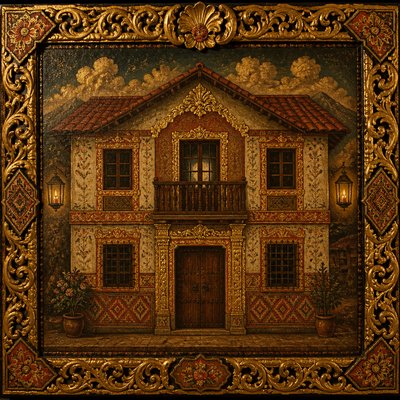
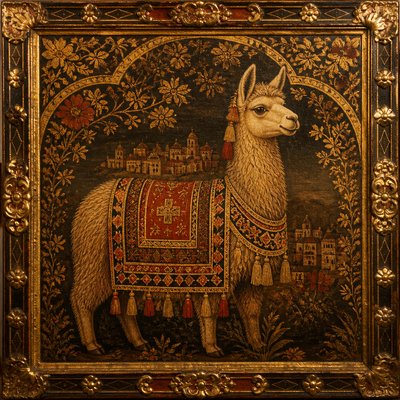
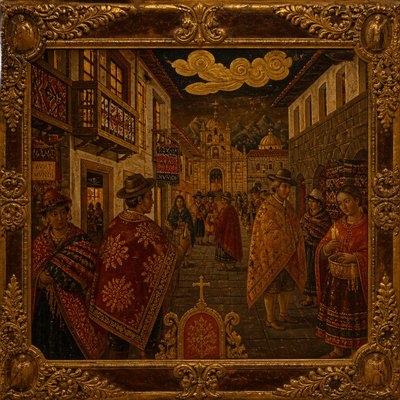
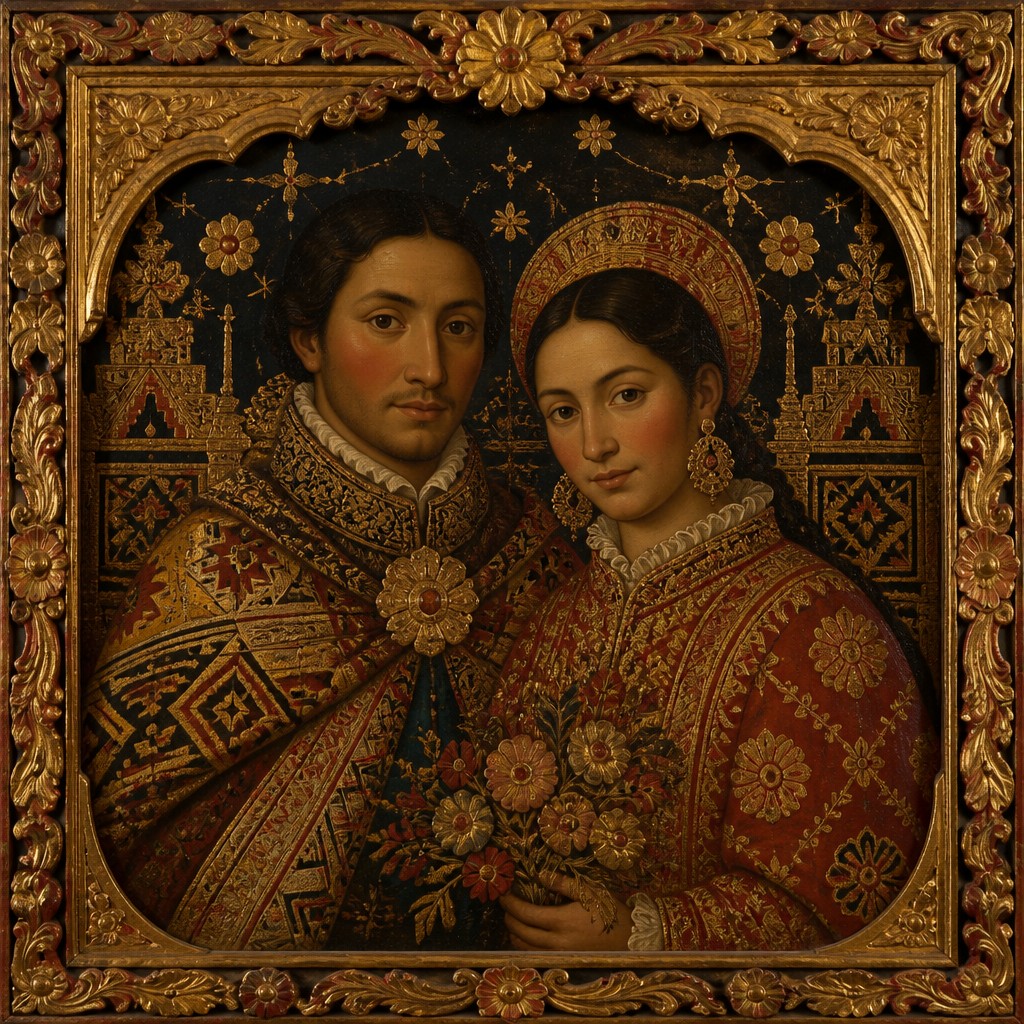
Cusco Art Style is a contemporary descriptive label for imagery inspired by the colonial Andean painting tradition commonly associated with the Cusco School. It combines Baroque religious drama with Indigenous Andean patterning, radiant gilding, dark grounds, symbolic ornament, and a deliberately flattened sense of space. Figures often appear solemn and front-facing, surrounded by elaborate textiles, floral motifs, halos, architectural details, and carved-looking borders.
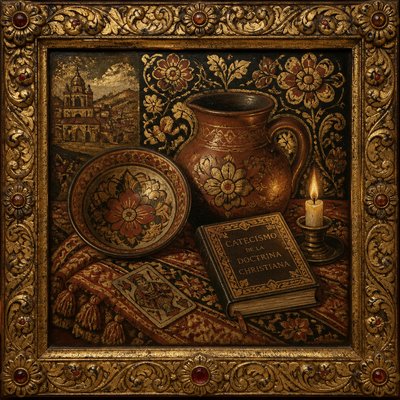
Its visual identity depends on contrast: warm gold against deep brown or black, muted earth red against ochre, and softly modeled faces against highly patterned garments. The style looks richly ceremonial because gold leaf, brocade, raised decoration, and textile-like repetition are treated as essential image structures rather than minor embellishments. In contemporary use, the term can describe both historically informed paintings and a decorative digital aesthetic that intensifies these features.
Try It On Your Photos
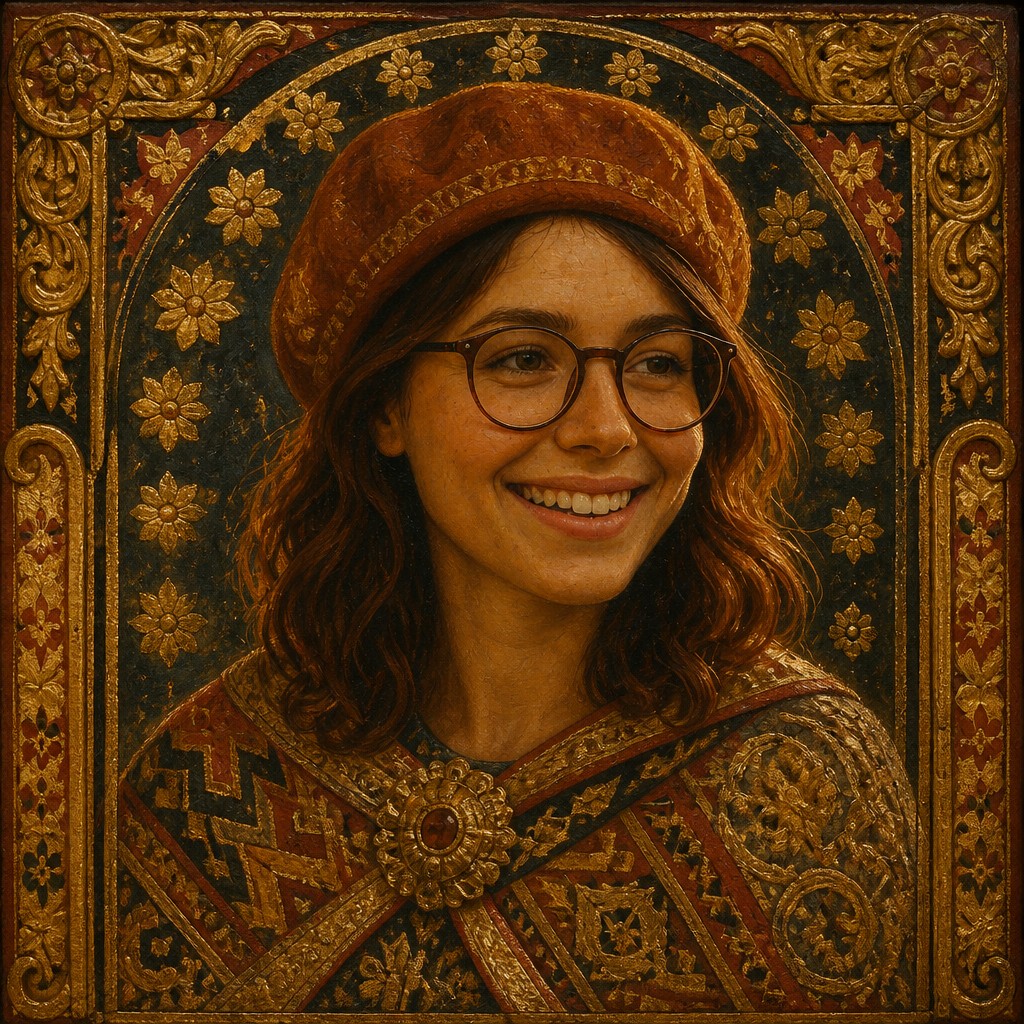
Upload any photo and convert it into Cusco Art Style — drag the sliders to compare before and after.


What Defines Cusco Art Style
The signature details, up close
Radiant gilding
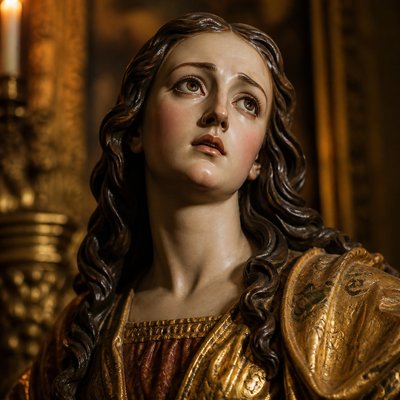
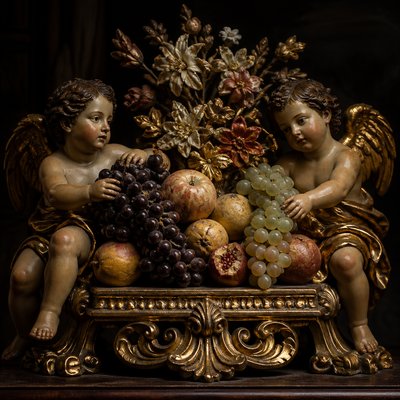
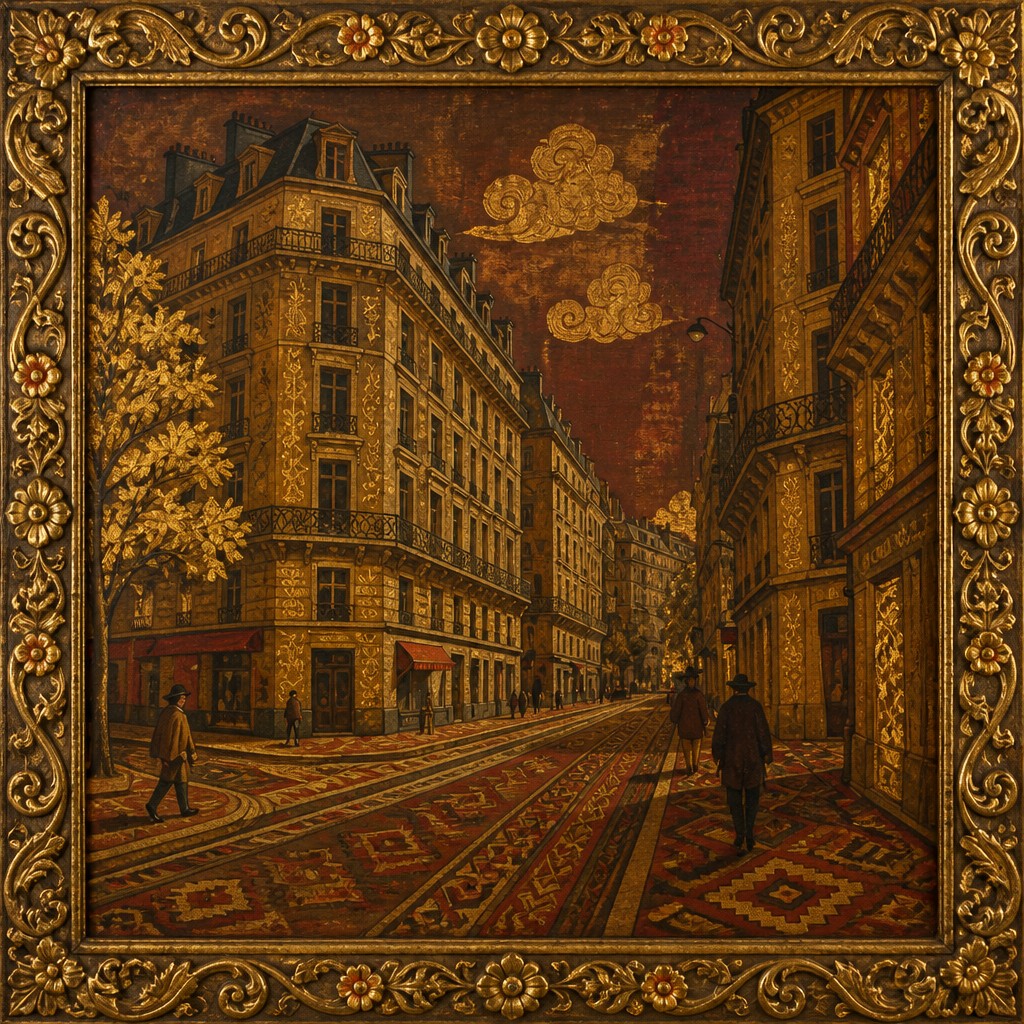
Gold-leaf effects appear in halos, garments, frames, foliage, and architectural details. The gold is usually warm and uneven enough to suggest burnished metal rather than flat yellow paint.
Dark tonal grounds
Deep umber, brown, charcoal, and near-black backgrounds make the metallic ornament and illuminated faces stand out. This creates the concentrated, devotional atmosphere associated with candlelit interiors.
Andean textile patterning
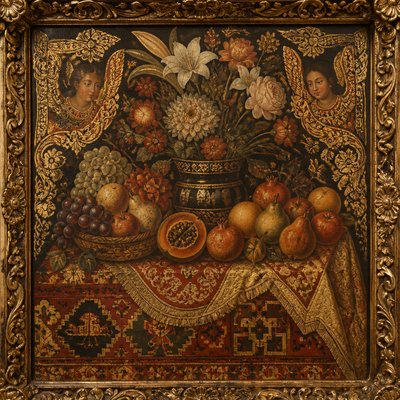
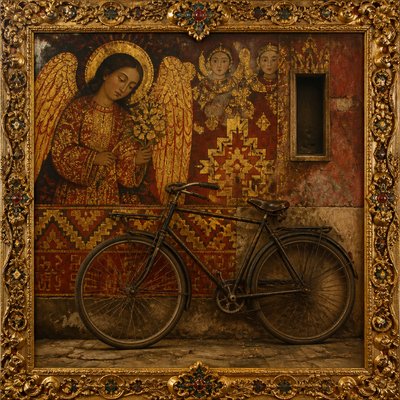
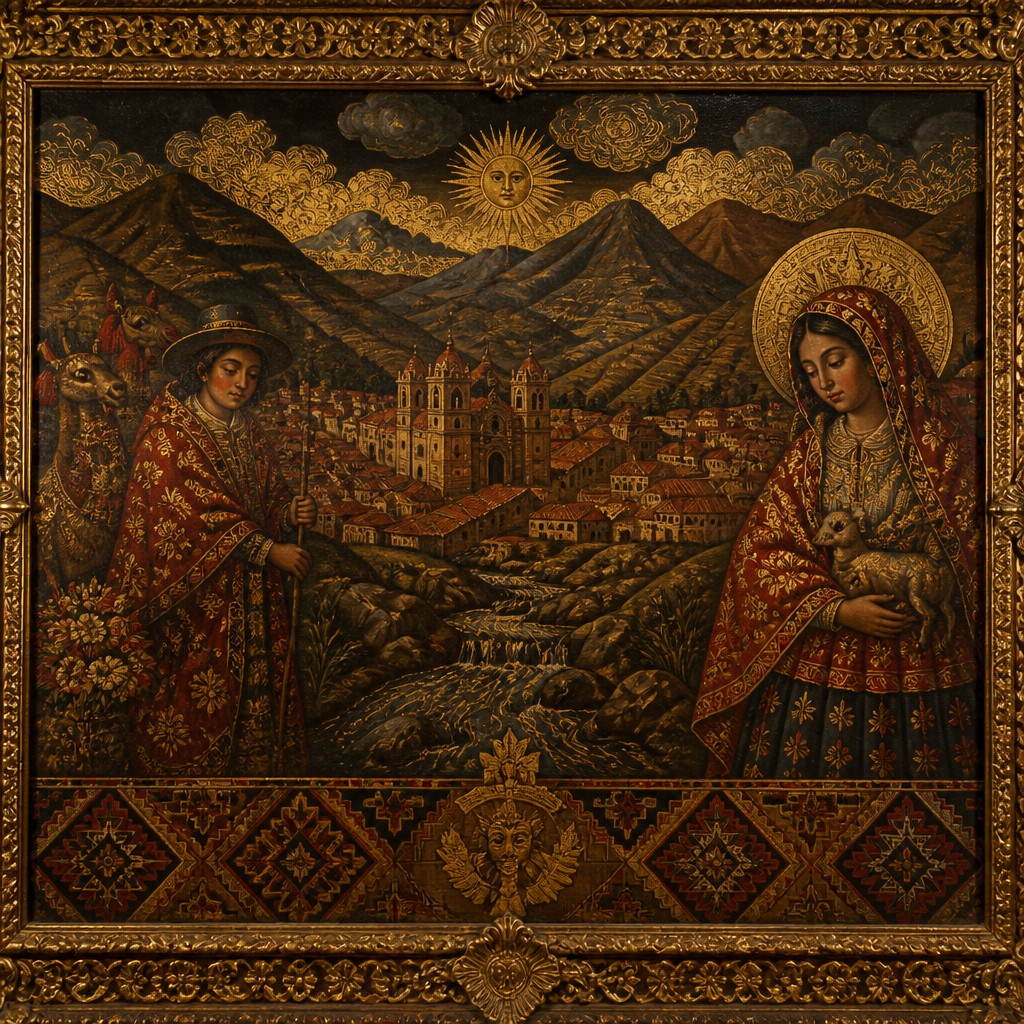
Repeated geometric bands, stepped forms, floral arrangements, and rhythmic motifs flatten portions of the image like woven cloth. Pattern is used to organize garments, backgrounds, and borders.
Earth-based palette
Muted ochre, clay red, mineral blue, cream, brown, and subdued green provide the dominant colors. Saturation is controlled so that the gilding remains the principal visual accent.
Brocade and raised ornament
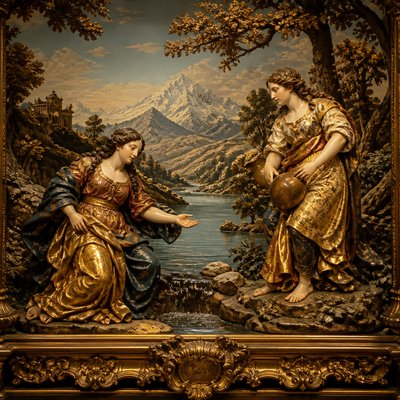
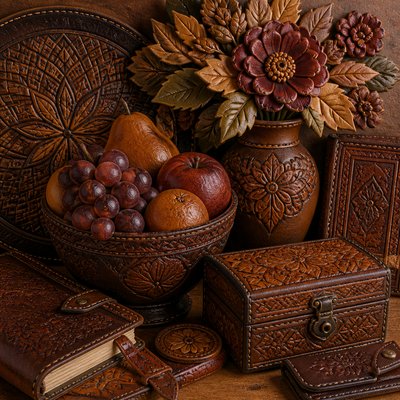
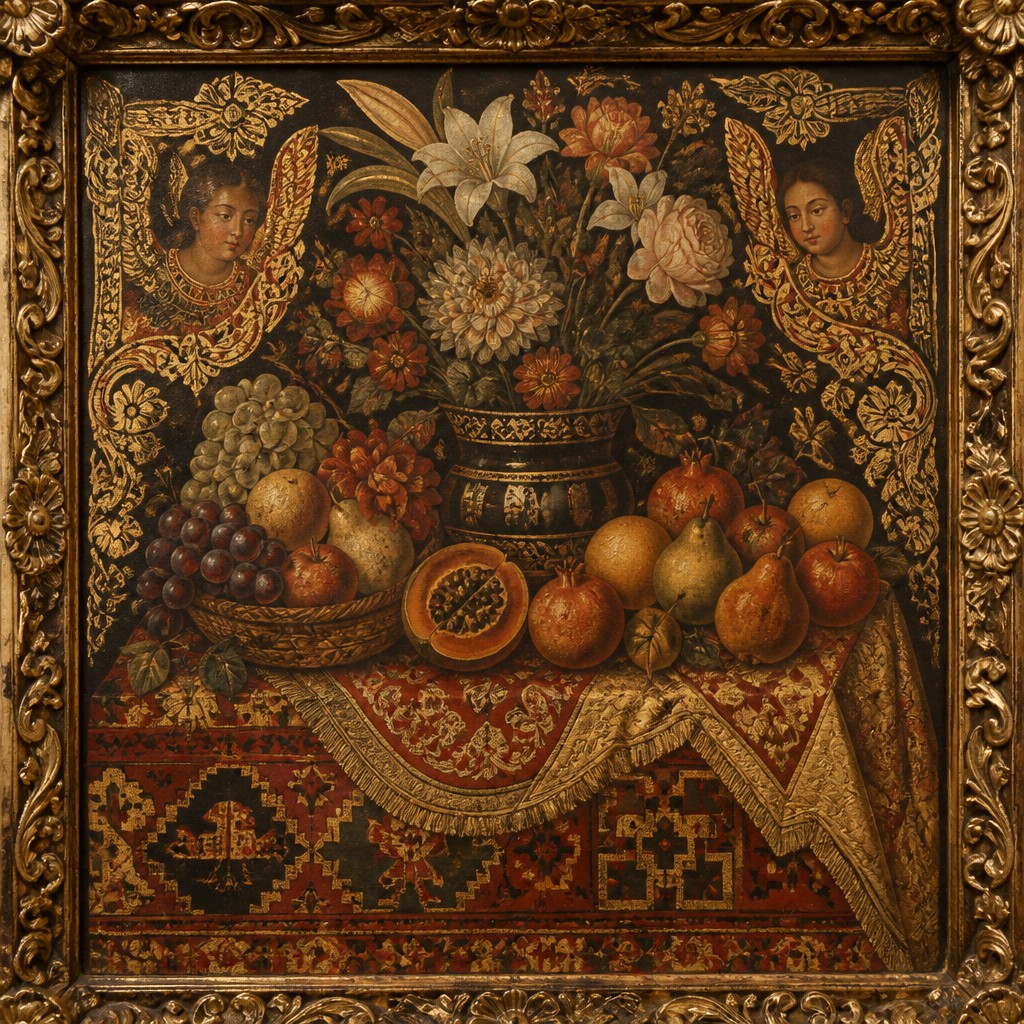
Drapery is rendered with dense floral or geometric decoration, often suggesting embossed gesso, punched metal, stitched textile, or heavy brocade. Surface richness is as important as realistic volume.
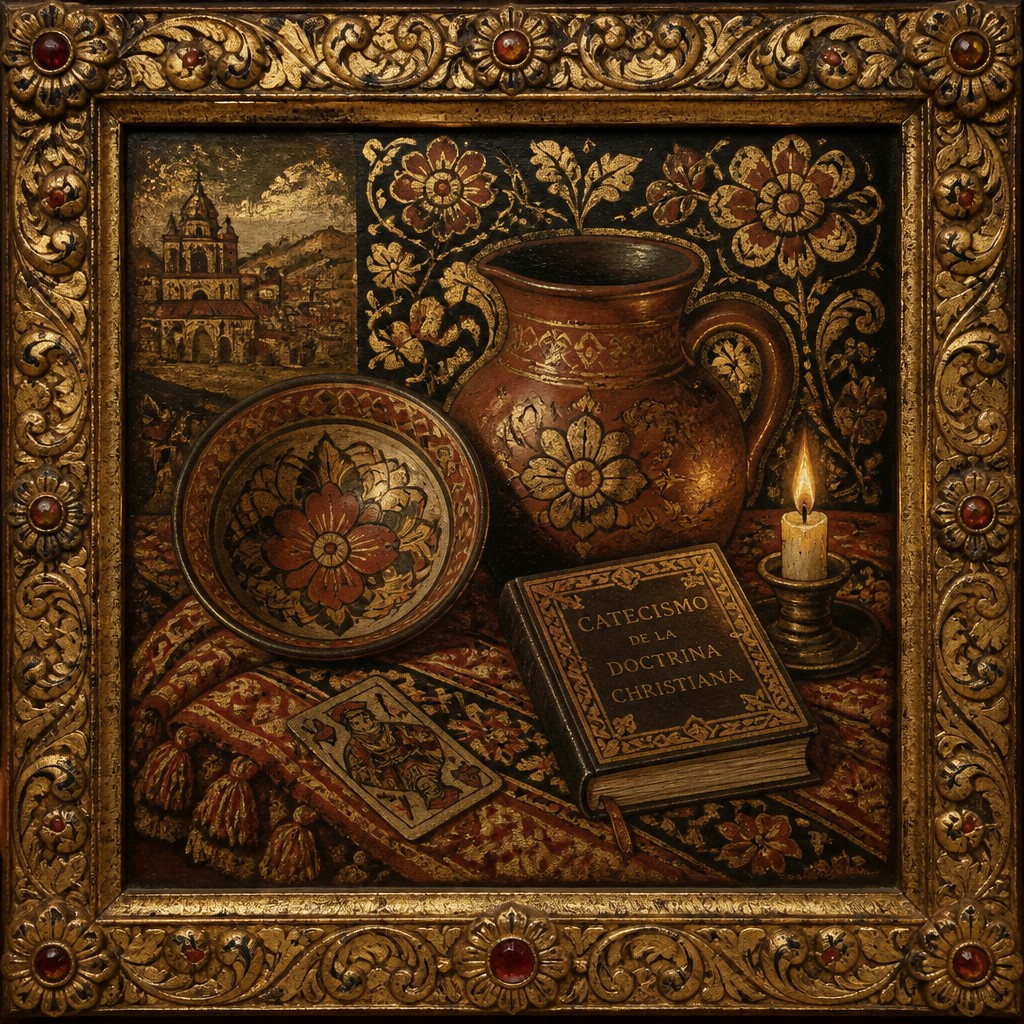
Ceremonial figure design
Subjects are commonly posed frontally or in calm three-quarter views, with composed expressions and softly modeled faces. Halos, crowns, staffs, flowers, and formal garments communicate dignity and symbolic importance.
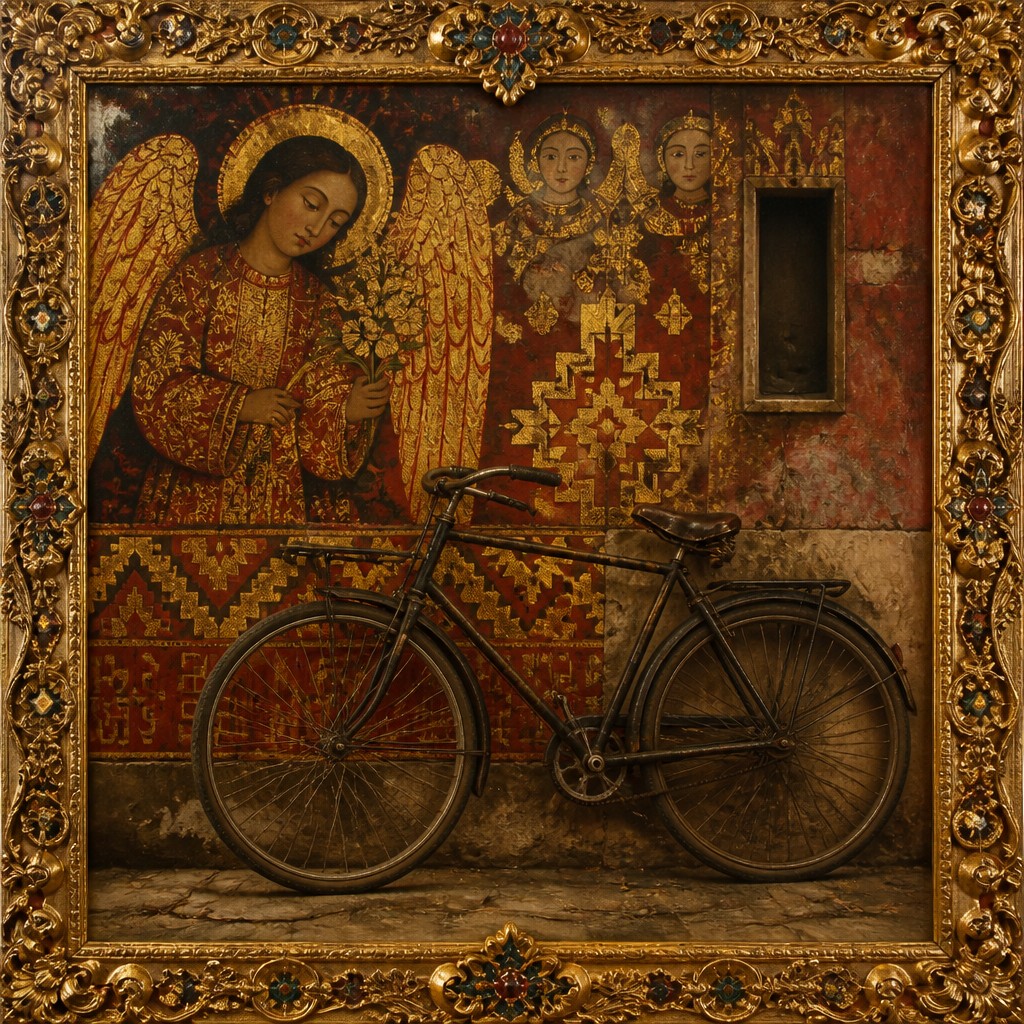
Ornate framing
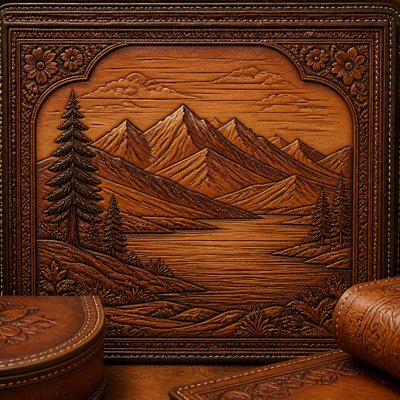
Carved gilt borders, scrollwork, floral moldings, and architectural surrounds make the image resemble a devotional panel or an elaborately framed altar painting. The frame may be treated as part of the composition.
Cusco Prompt Ideas
Start from an idea — each one opens the generator with the style ready to go. See all 40 Cusco prompts →
How to Create Cusco Art
Master the craft step by step — or skip straight to creating. Read the full guide →
- 1
Build a dark ground
Begin with a brown, umber, or black ground and establish the major silhouettes before adding ornament. In digital work, use a low-key base layer with warm, localized illumination rather than an evenly lit background.
- 2
Layer metallic ornament
Apply gold in separate passes: broad gilded shapes first, then darker tarnish, irregular highlights, and fine punched or painted details. A textured metallic brush or subtle variation in reflectivity prevents the gold from looking like flat yellow ink.
- 3
Separate modeling from pattern
Keep faces and hands softly volumetric while allowing garments, halos, and backgrounds to become flatter and more decorative. Combine smooth tonal gradients with crisp repeated motifs to preserve the style's tension between realism and ornament.
- 4
Use restrained earth pigments
Limit the palette to ochre, clay red, brown, cream, muted green, and selective blue, reserving the brightest values for faces and gilding. Add a warm candlelike glow around the focal subject instead of increasing overall brightness.
- 5
Compose a formal devotional panel
Center the subject, emphasize symmetry or balanced frontal arrangement, and surround the figure with patterned drapery, symbolic objects, and a carved-looking border. For digital or AI creation, specify the subject, dark ground, gold leaf, raised brocade, Andean textile geometry, and warm candlelit modeling in that order.
The Story
History & Origins of Cusco
The historical lineage begins in colonial Peru, especially around Cusco, where painting workshops developed from the late sixteenth century and flourished through the seventeenth and eighteenth centuries. Indigenous and mestizo artists adapted European Christian imagery, compositional formulas, and printed source images to local materials, workshops, symbols, and viewing traditions. Religious commissions commonly featured gilded surfaces, elaborate garments, celestial beings, saints, Marian imagery, and richly ornamented architectural settings.
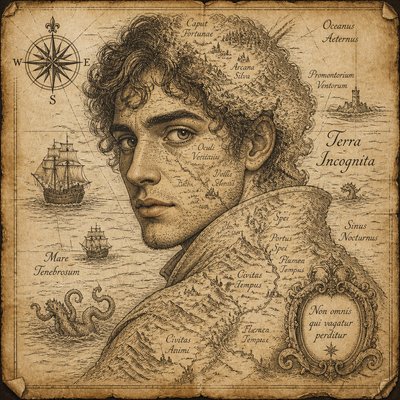
The modern phrase "Cusco Art Style" is broader than the historical Cusco School. It often denotes a stylized synthesis of Andean Baroque painting, colonial devotional art, gold-leaf craft, Indigenous textile design, and contemporary fantasy or portrait illustration. A digital interpretation may heighten the flat patterning, candlelit glow, decorative borders, and embossed ornament beyond what is typical of any single historical work.
Influences: The style draws primarily from the colonial Cusco School and broader Andean Baroque painting, especially their use of religious iconography, gilded surfaces, workshop production, and elaborately dressed figures. It also reflects Indigenous Andean textile traditions, pre-Columbian geometric design, Spanish Baroque devotional art, goldsmithing, embossed gesso, illuminated manuscript ornament, and contemporary fantasy portraiture. Its flattened patterning and decorative framing distinguish it from strictly illusionistic European Baroque naturalism.
Frequently Asked Questions
What defines the Cusco Art Style?
It is defined by the combination of Andean Baroque ornament, radiant gold-leaf effects, dark grounds, earth pigments, patterned textiles, formal figures, and elaborate frames. Faces may be softly realistic, while clothing and surroundings are intentionally flattened and highly decorative.
Is Cusco Art Style the same as the historical Cusco School?
Not exactly. The historical Cusco School was a colonial Peruvian painting tradition that developed from the late sixteenth century through the eighteenth century, while the modern label often describes a broader, stylized interpretation of that lineage. Contemporary versions may add fantasy subjects, digital textures, or intensified metallic effects.
How is it different from European Baroque painting?
Both can use dramatic lighting, religious subjects, and elaborate ornament, but Cusco-inspired imagery places greater emphasis on Indigenous Andean pattern systems, textile-like surfaces, frontal presentation, gilded decoration, and symbolic rather than strictly naturalistic space. Its visual richness often comes from surface design as much as from illusionistic depth.
What colors work best for this style?
Use dark umber, brown, ochre, clay red, cream, muted green, and restrained mineral blue. Warm gold should function as the strongest highlight, while faces and hands receive the clearest modeling and brightest nonmetallic values.
Can secular subjects be rendered in this style?
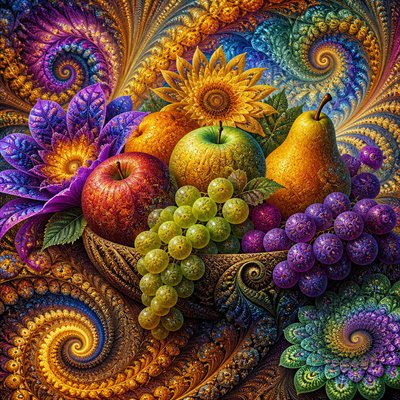
Yes. Landscapes, animals, portraits, fantasy characters, still lifes, and contemporary scenes can all use its visual vocabulary. Formal posing, ceremonial costume, symbolic objects, gilded ornament, and a devotional-panel composition help retain the stylistic identity.
How can I describe this look in an image prompt?
Name the subject first, then specify a dark oil ground, radiant gold leaf, muted Andean earth pigments, flattened woven geometry, raised brocade texture, softly modeled candlelit faces, and an ornate carved gilt frame. Mention whether the result should feel historically devotional, portrait-like, fantastical, or contemporary.
Create your first Cusco artwork
Describe anything — or upload a photo — and see it in Cusco Art Style in seconds.
Related Styles
Discover similar art styles