Nazarene Art Style
Explore Nazarene art: a devout nineteenth-century revival of medieval and early Renaissance painting defined by clear contours, fresco colors, and quiet piety.
Instantly rendered in Nazarene — or transform a photo
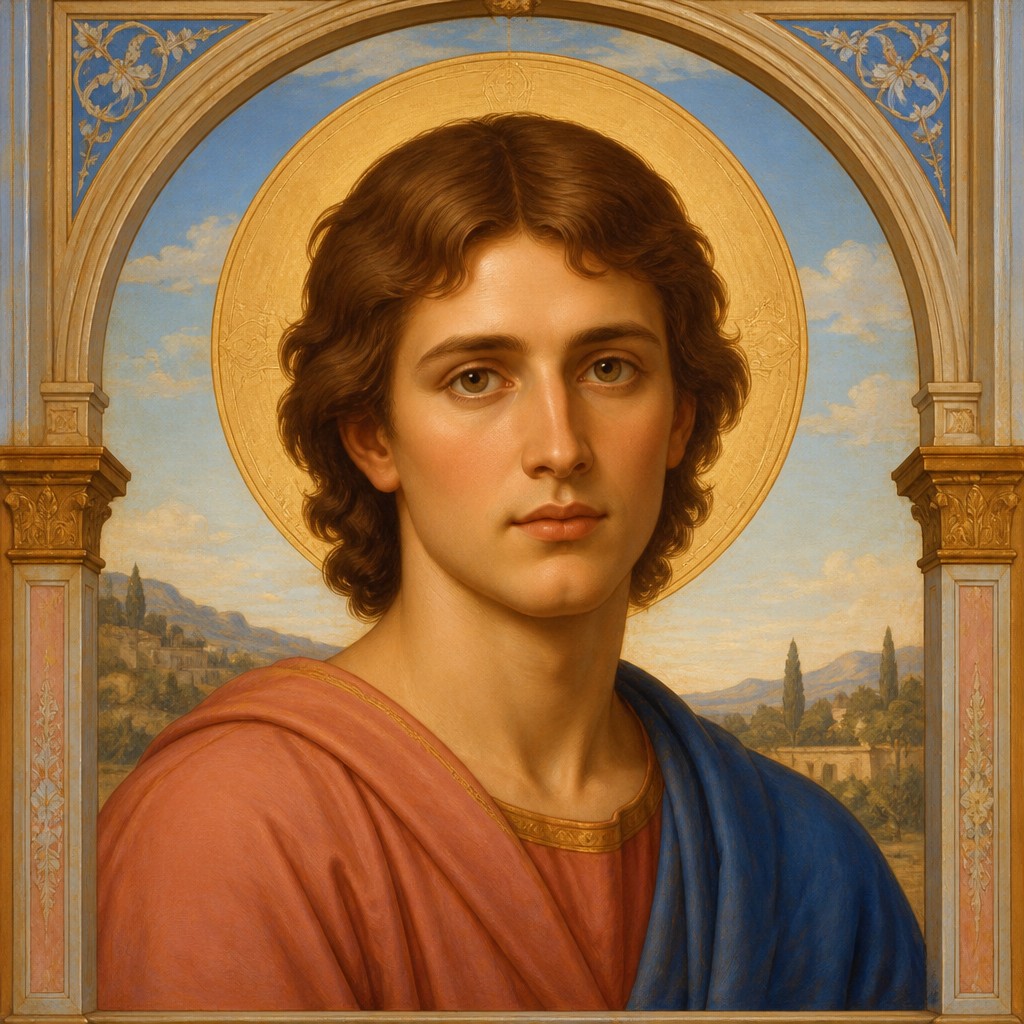
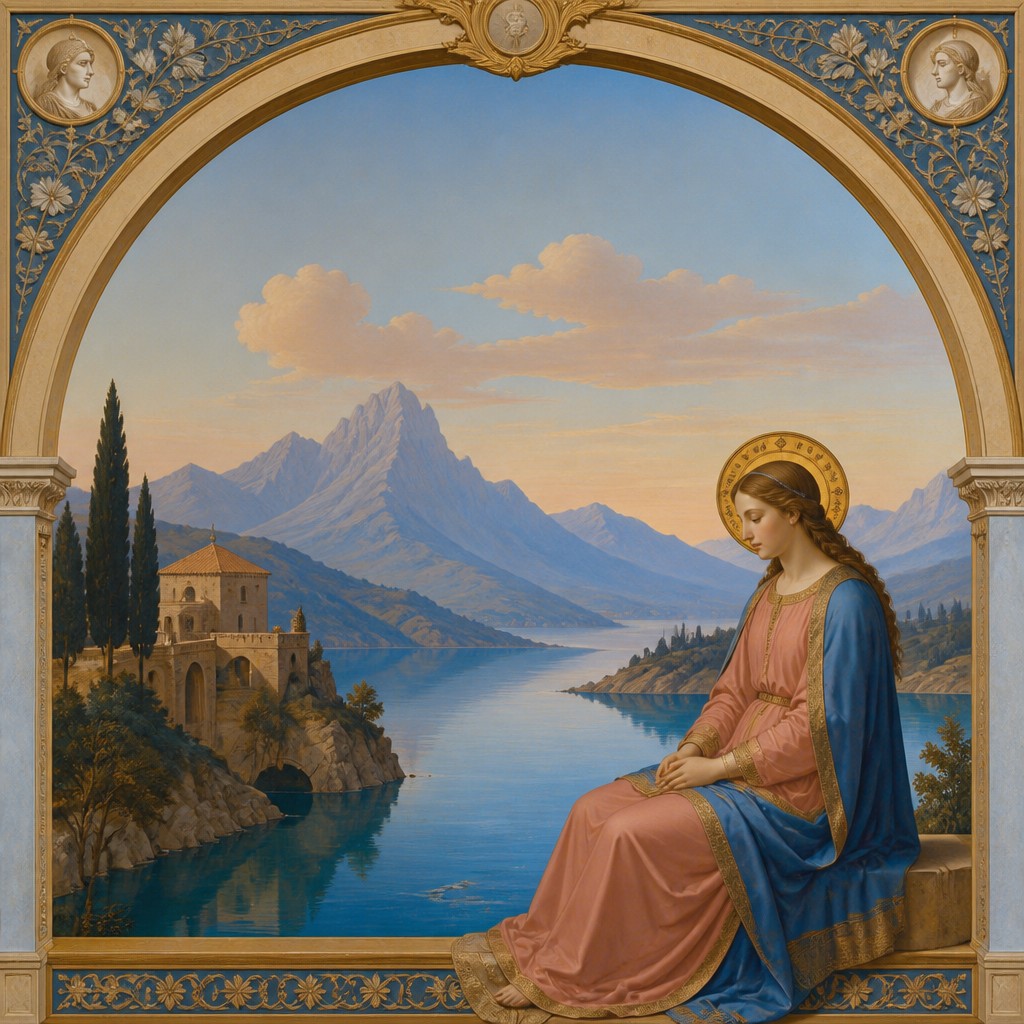
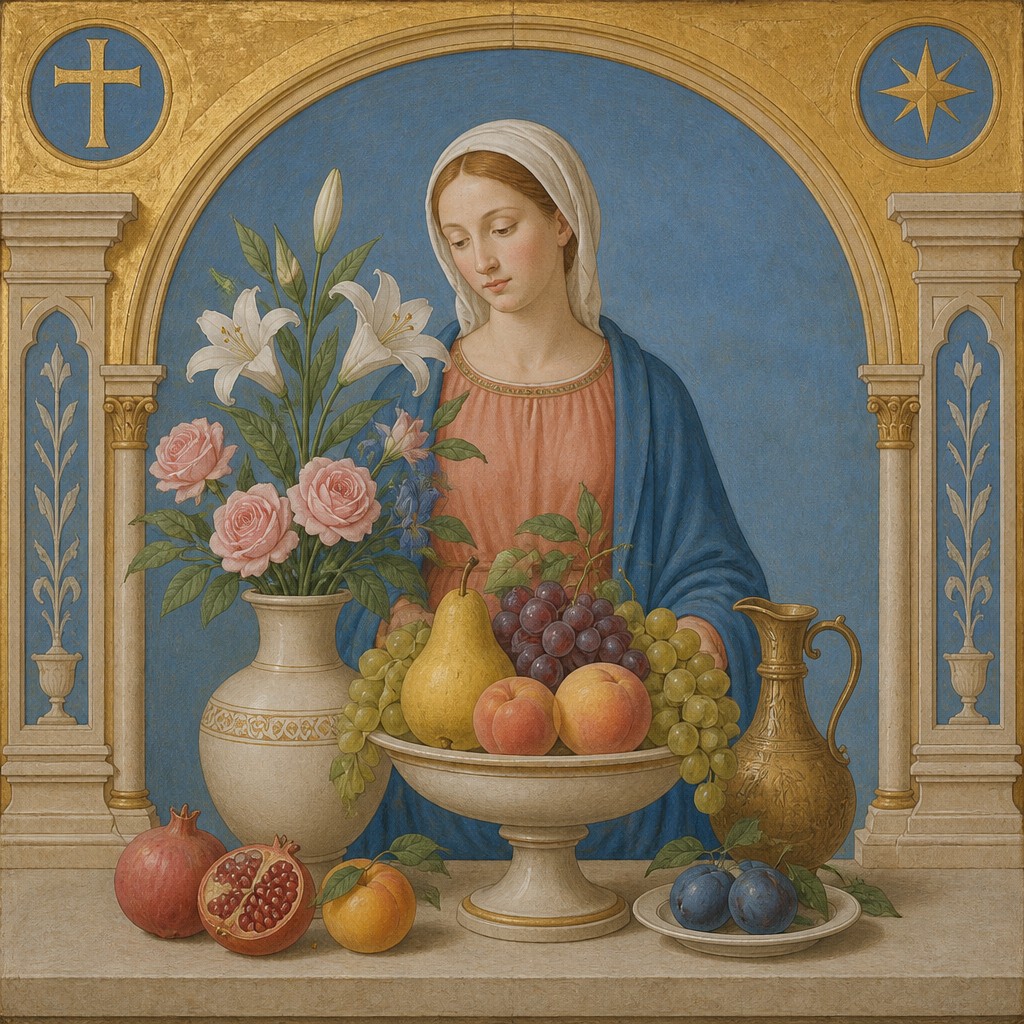
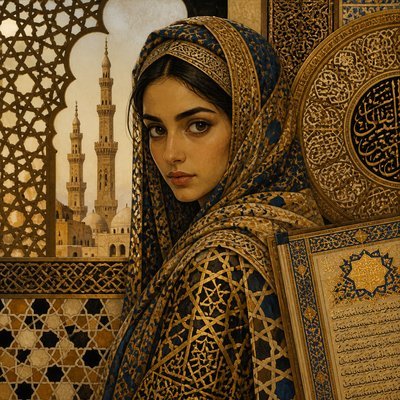
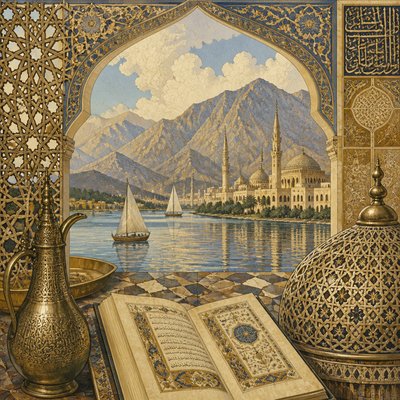
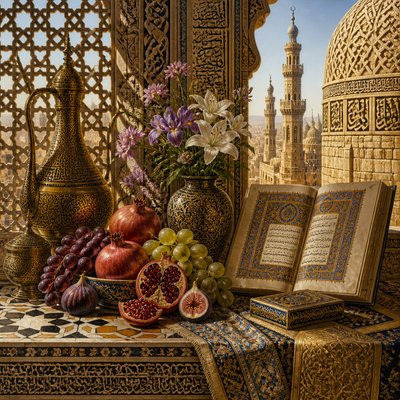
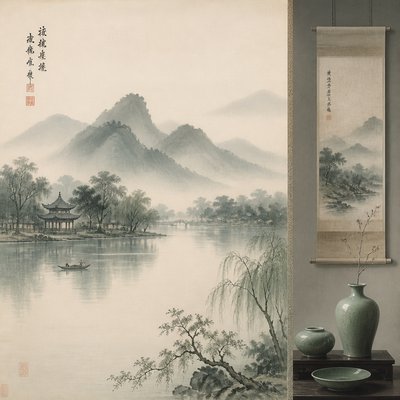
Nazarene Gallery
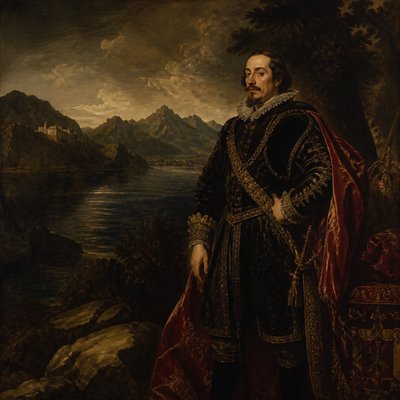
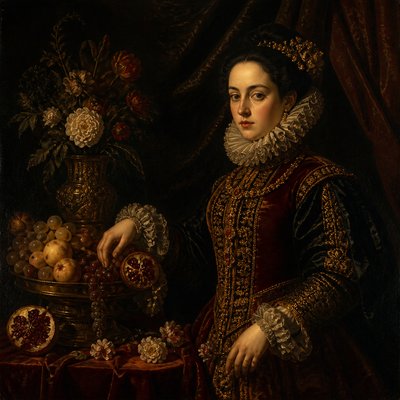
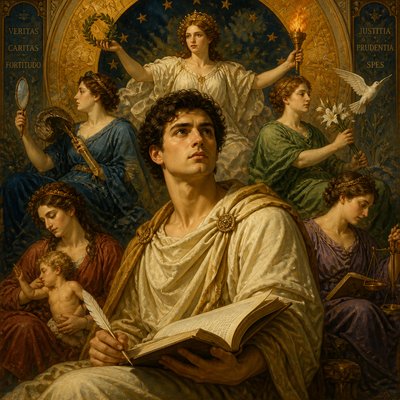
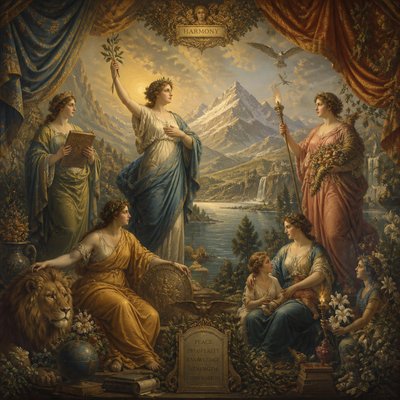
Tap any artwork to explore it
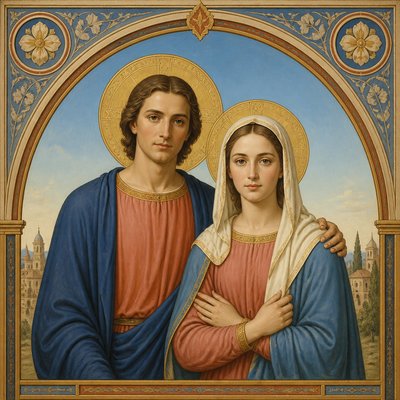
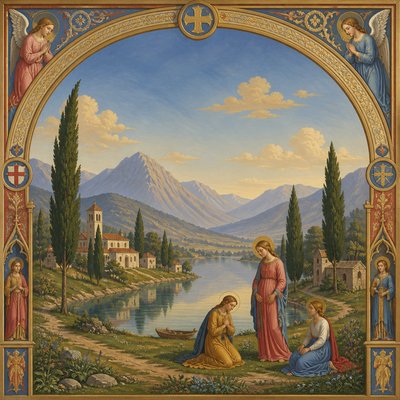
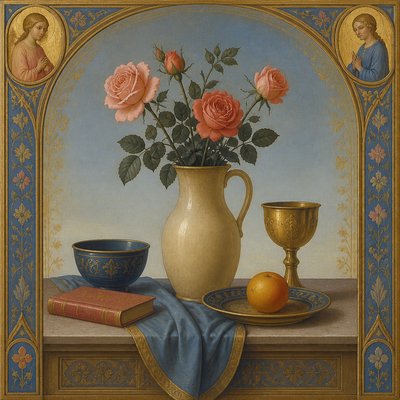
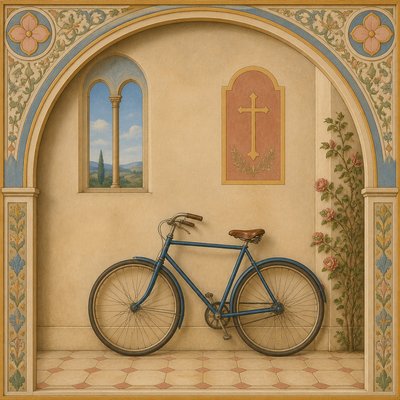
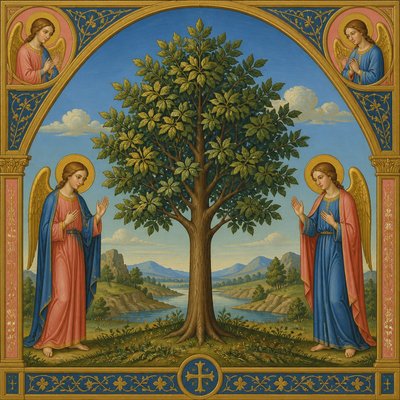
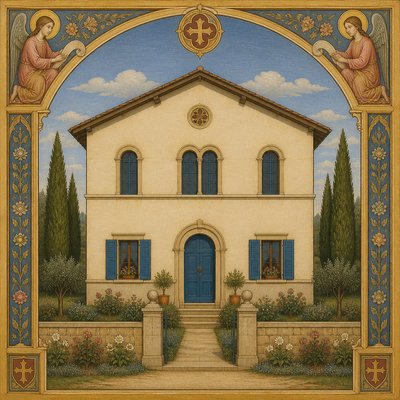
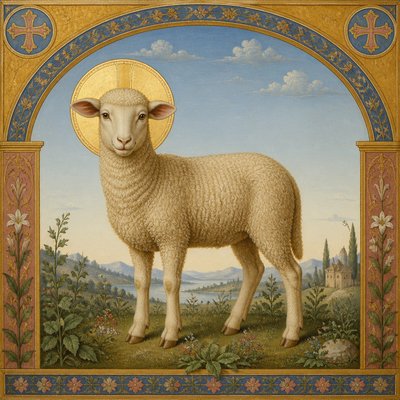
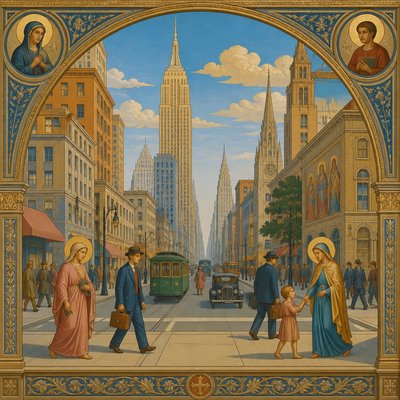
What is Nazarene Art Style?
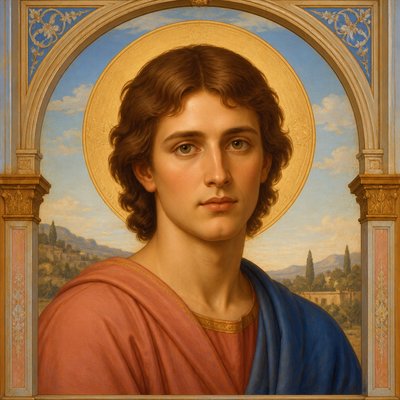
Nazarene art is a nineteenth-century religious painting movement that revived the perceived spiritual sincerity, linear clarity, and devotional focus of medieval and early Renaissance art. Its compositions favor calm symmetry, carefully arranged figures, gentle idealized faces, and narratives drawn from Christian scripture, sacred history, and religious legend.
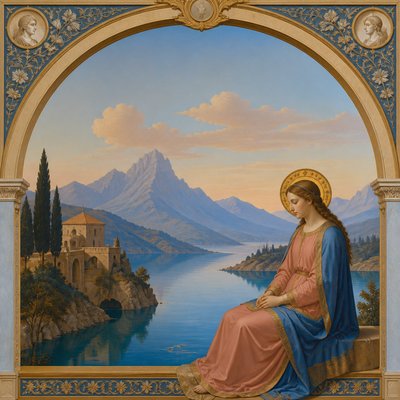
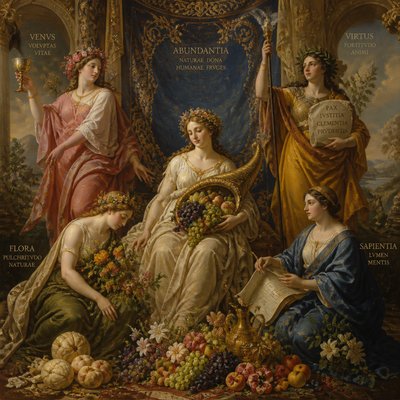
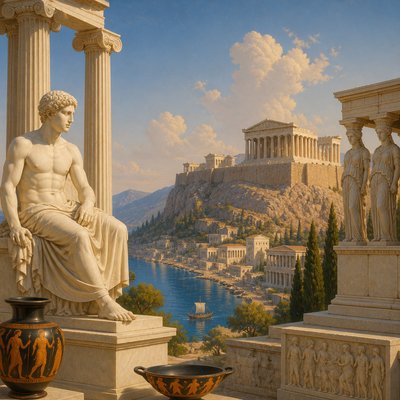
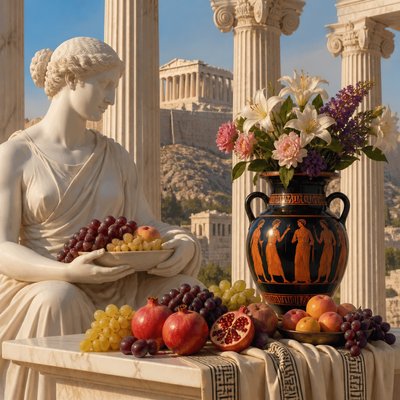
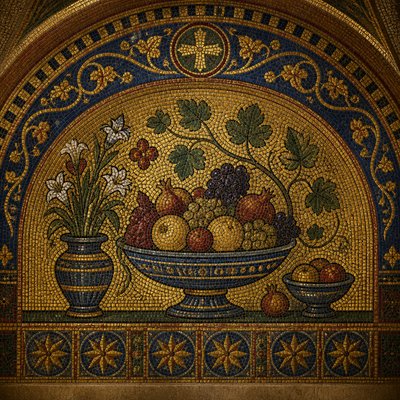
The style is recognized by precise contours, smooth paint handling, restrained modeling, and luminous colors associated with fresco and tempera: clear blues, rose, ochre, ivory, and gold. Medieval framing devices, orderly groupings, soft even illumination, and an atmosphere of solemn stillness make the imagery feel contemplative rather than theatrical. Although it looks backward to earlier art, Nazarene painting belongs to the Romantic era and reflects nineteenth-century interest in spiritual renewal and historical revival.
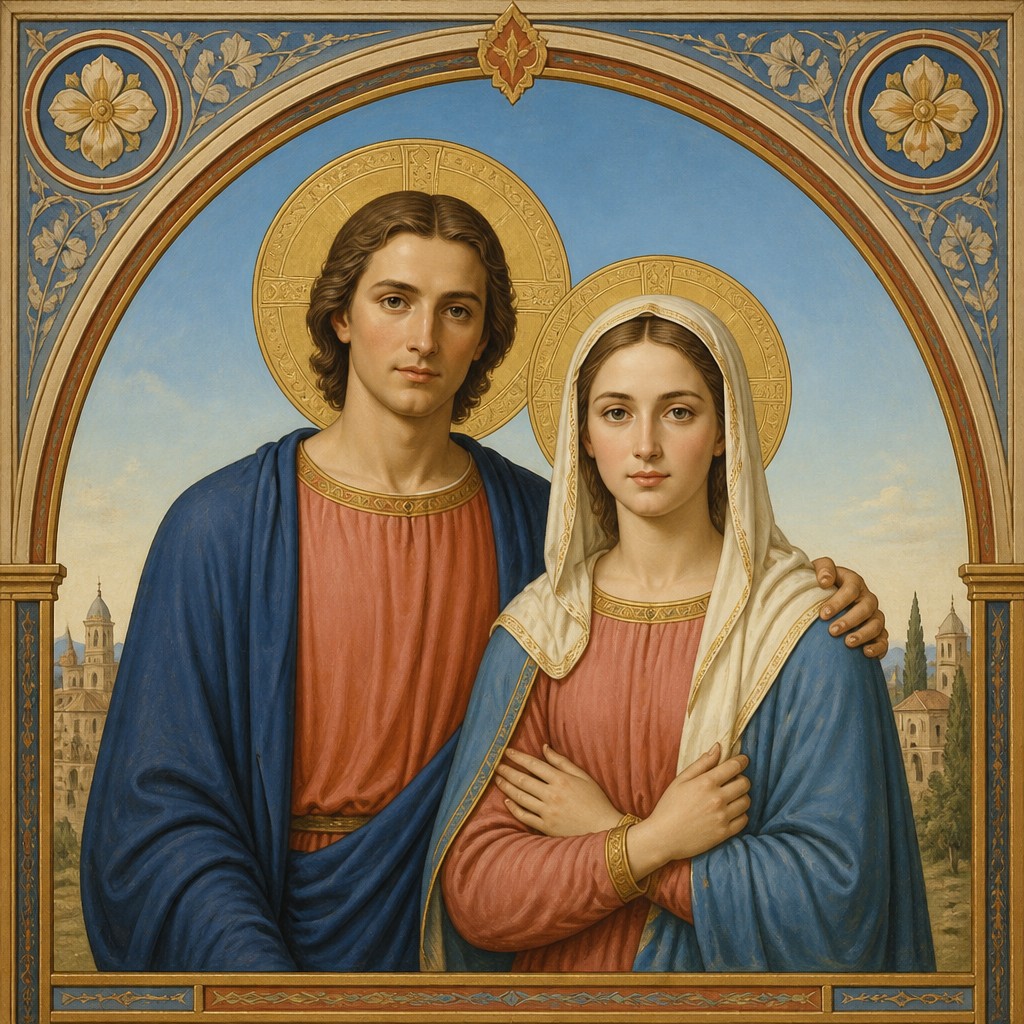
Try It On Your Photos
Upload any photo and convert it into Nazarene Art Style — drag the sliders to compare before and after.
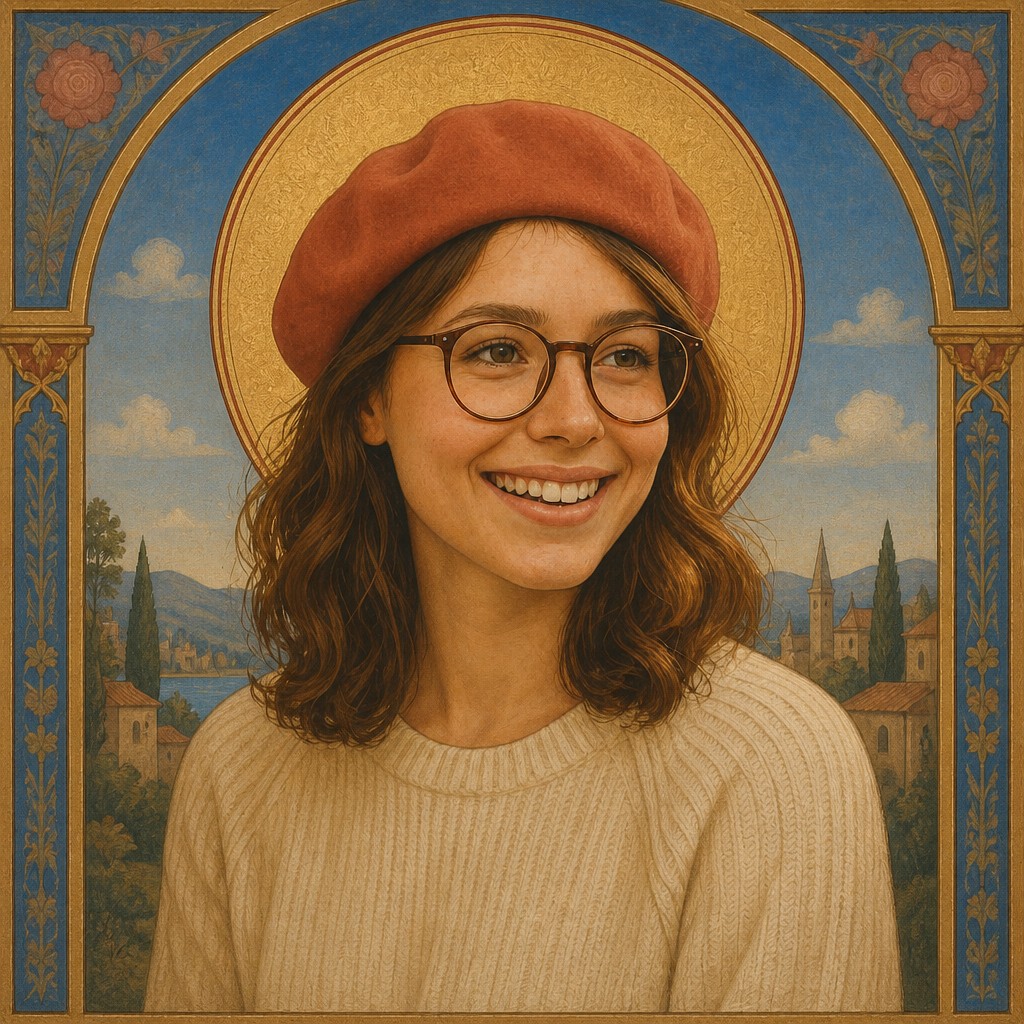

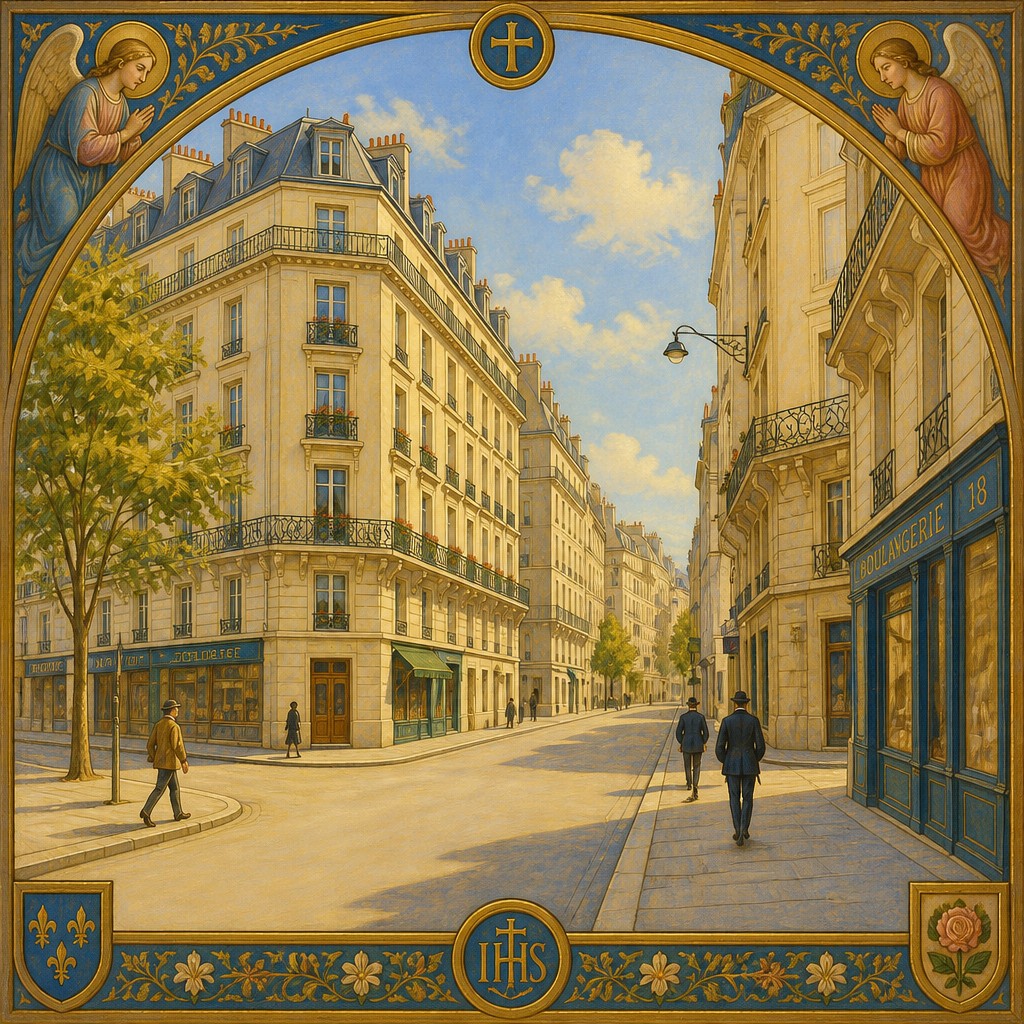

What Defines Nazarene Art Style
The signature details, up close
Precise linear contours
Figures, garments, architecture, and landscape forms are defined by clean, controlled outlines. This emphasis on drawing gives the compositions clarity and recalls medieval panel painting and early Renaissance fresco design.
Fresco-like color
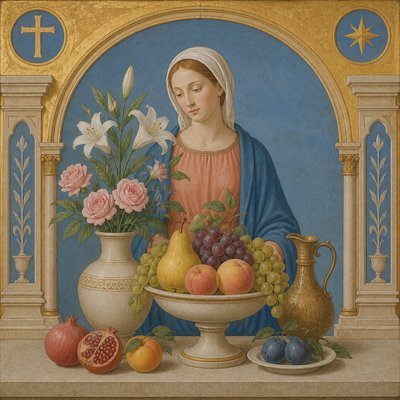
The palette is luminous but restrained, often combining clear blues, rose, warm ochres, ivory, and muted greens. Colors appear clean and matte or enamel-like rather than heavily blended or dramatically impastoed.
Devotional stillness
Expressions and gestures are quiet, composed, and reverent. Emotional intensity comes through posture, symbolism, and subject matter rather than theatrical movement or violent contrast.
Idealized human figures
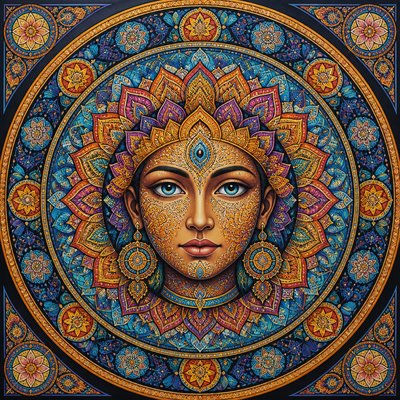
Faces are gentle, youthful, and dignified, with simplified anatomy and harmonious proportions. Individual likeness is usually less important than spiritual clarity and the symbolic role of each figure.
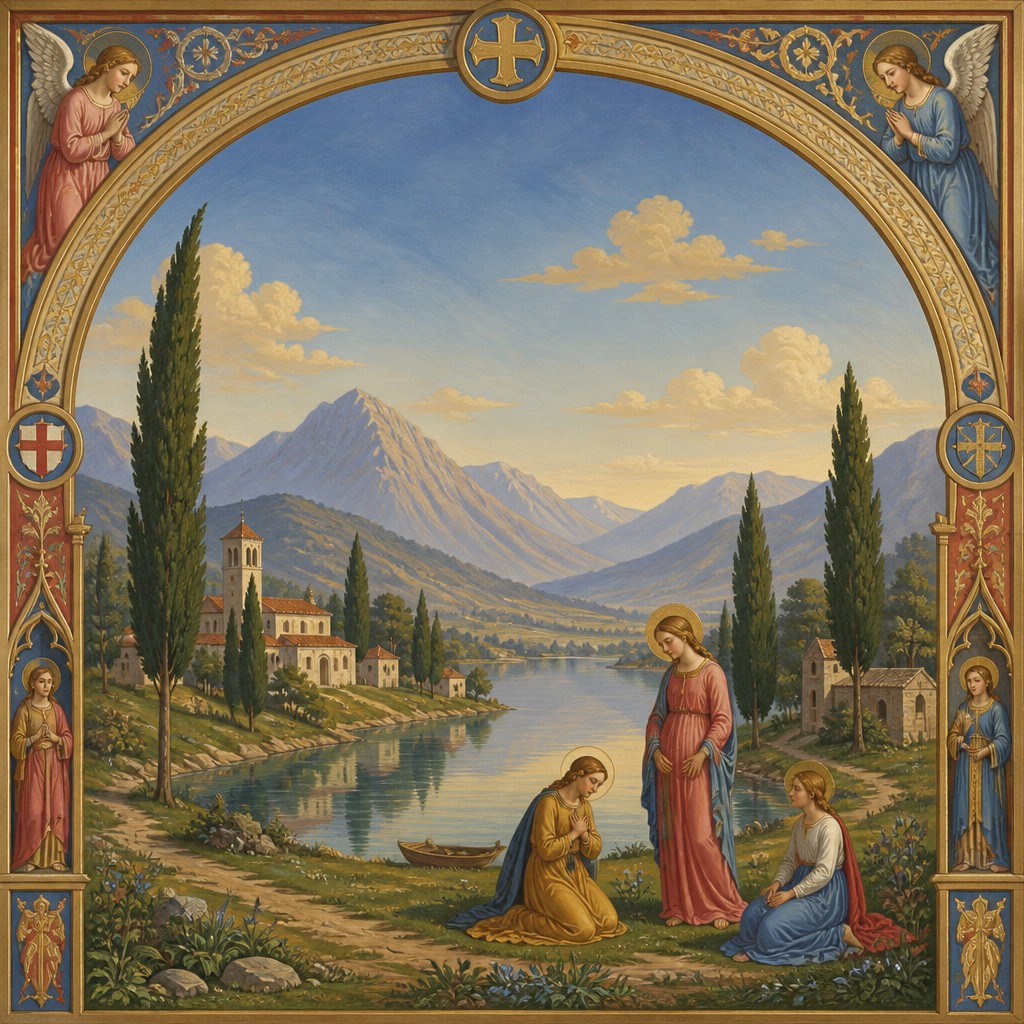
Balanced compositions
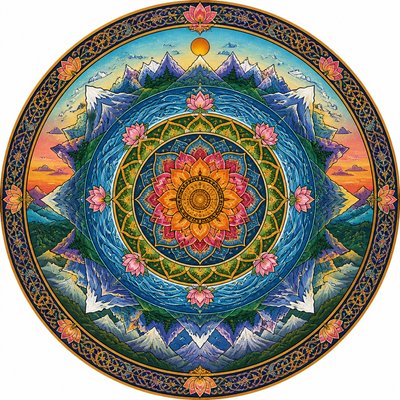
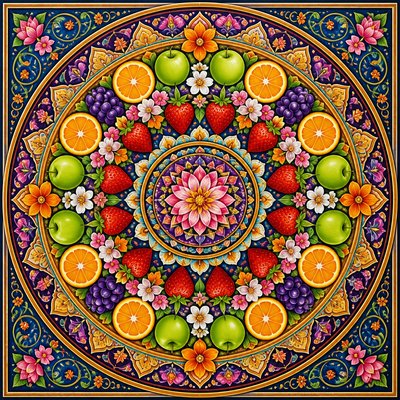
Scenes often use frontal or symmetrical arrangements, stable groupings, and carefully spaced figures. Central placement, repeated gestures, and orderly architectural settings guide the viewer toward the sacred subject.
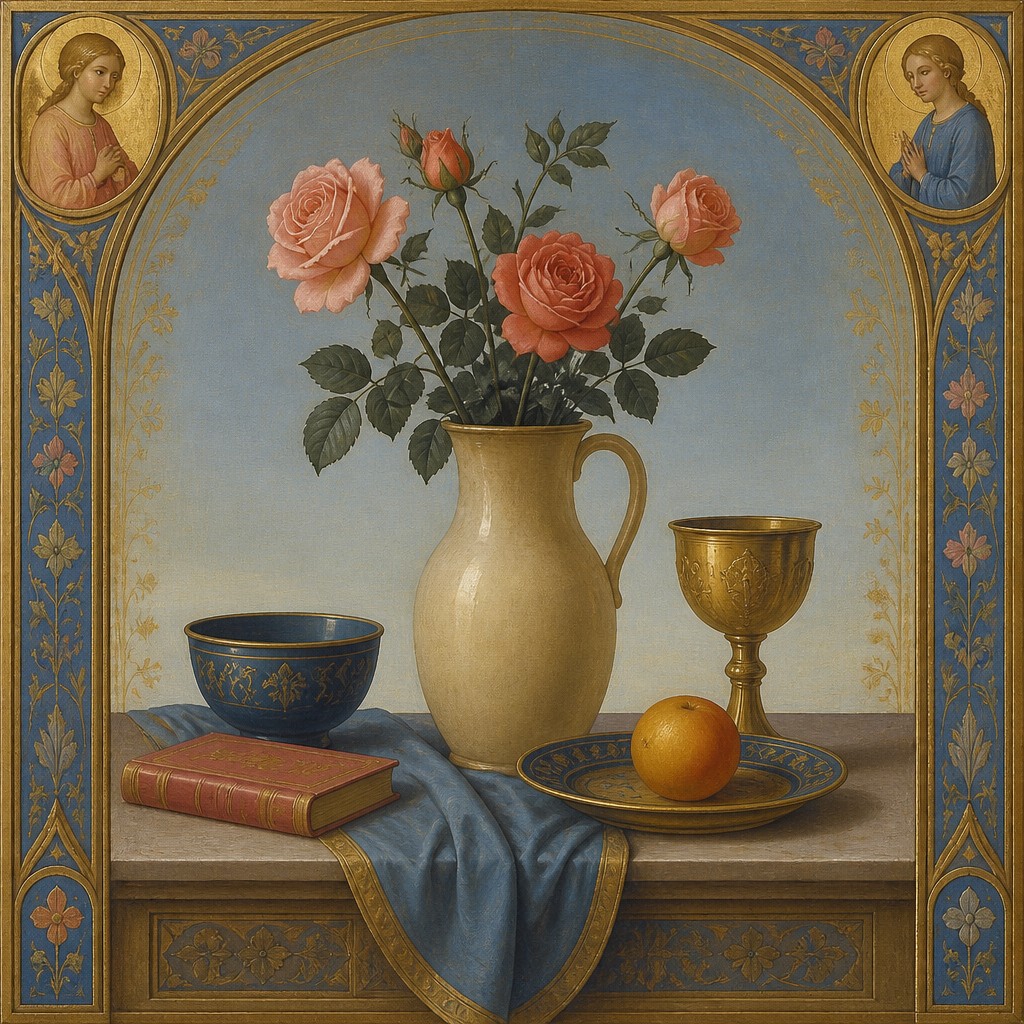
Medieval and early Renaissance framing
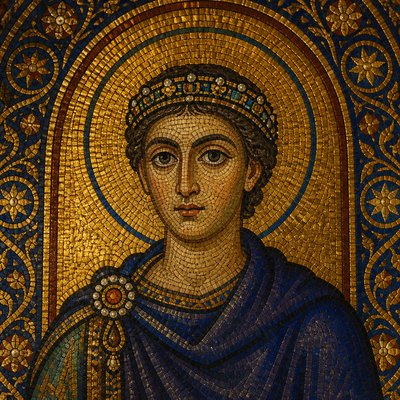
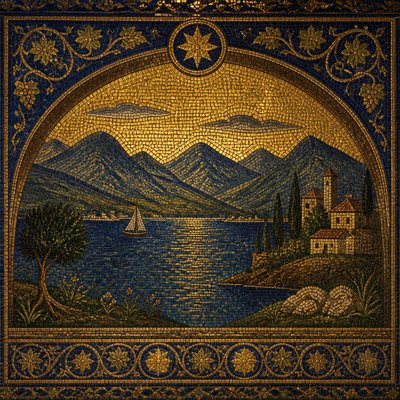
Arches, niches, gold accents, patterned borders, shallow interiors, and architectural divisions may frame the scene. These devices create a sense of timeless sacred space rather than ordinary contemporary setting.
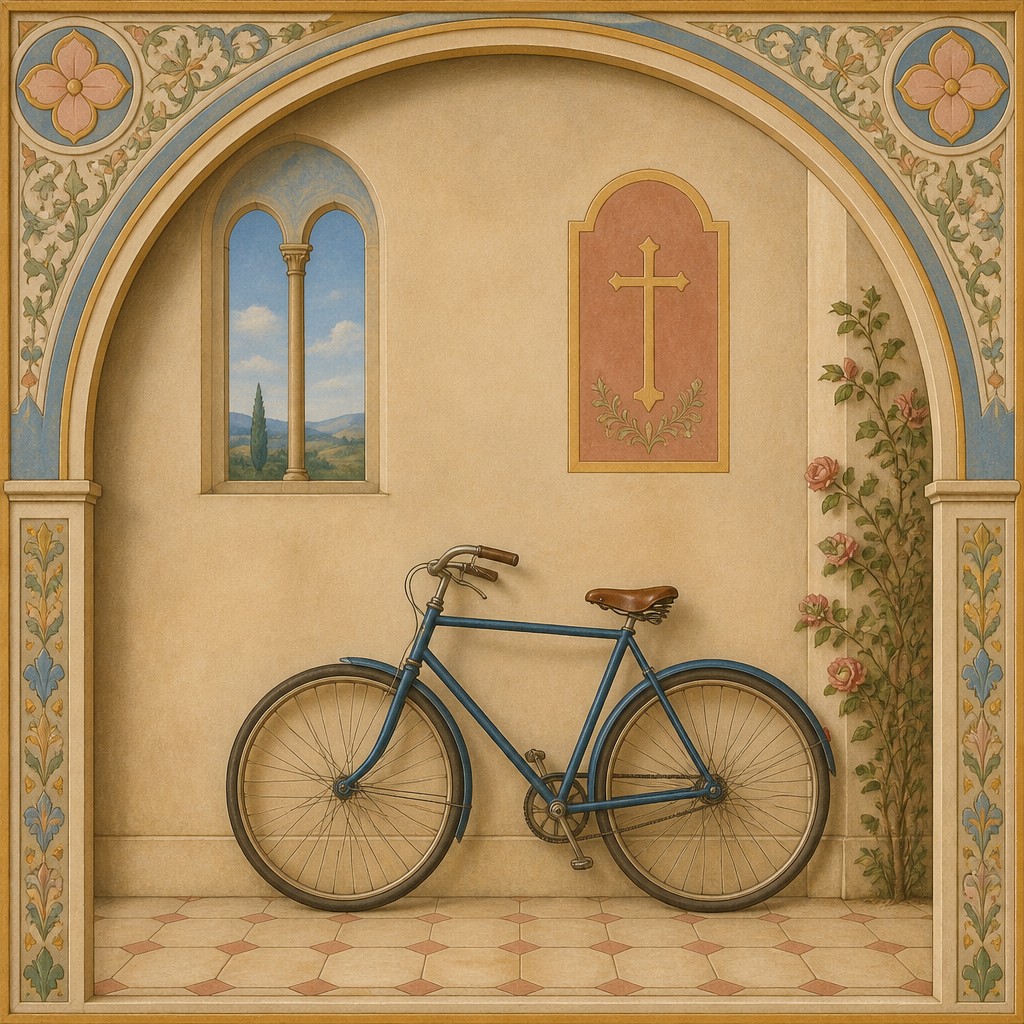
Even, luminous illumination
Light is soft and broadly distributed, with limited deep shadow and little emphasis on dramatic spotlighting. The result is a calm, legible surface suited to contemplation and mural-scale viewing.
Try It
Create Videos in Nazarene Art Style
Styles aren't just for stills — describe a scene or animate an image and get a short video rendered in Nazarene. Press play to see this pond come to life.
Make a VideoNazarene Prompt Ideas
Start from an idea — each one opens the generator with the style ready to go. See all 40 Nazarene prompts →
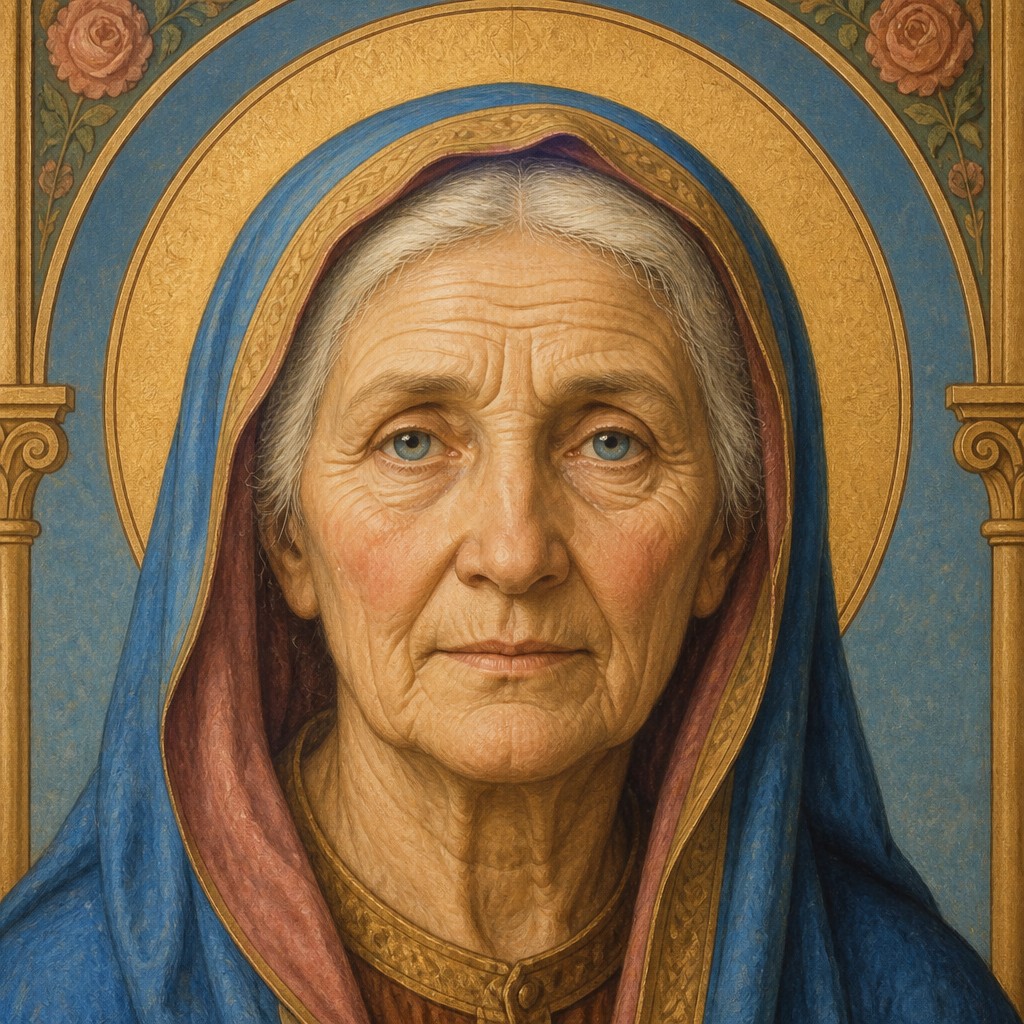
“close-up portrait of an elderly person with expressive weathered features”
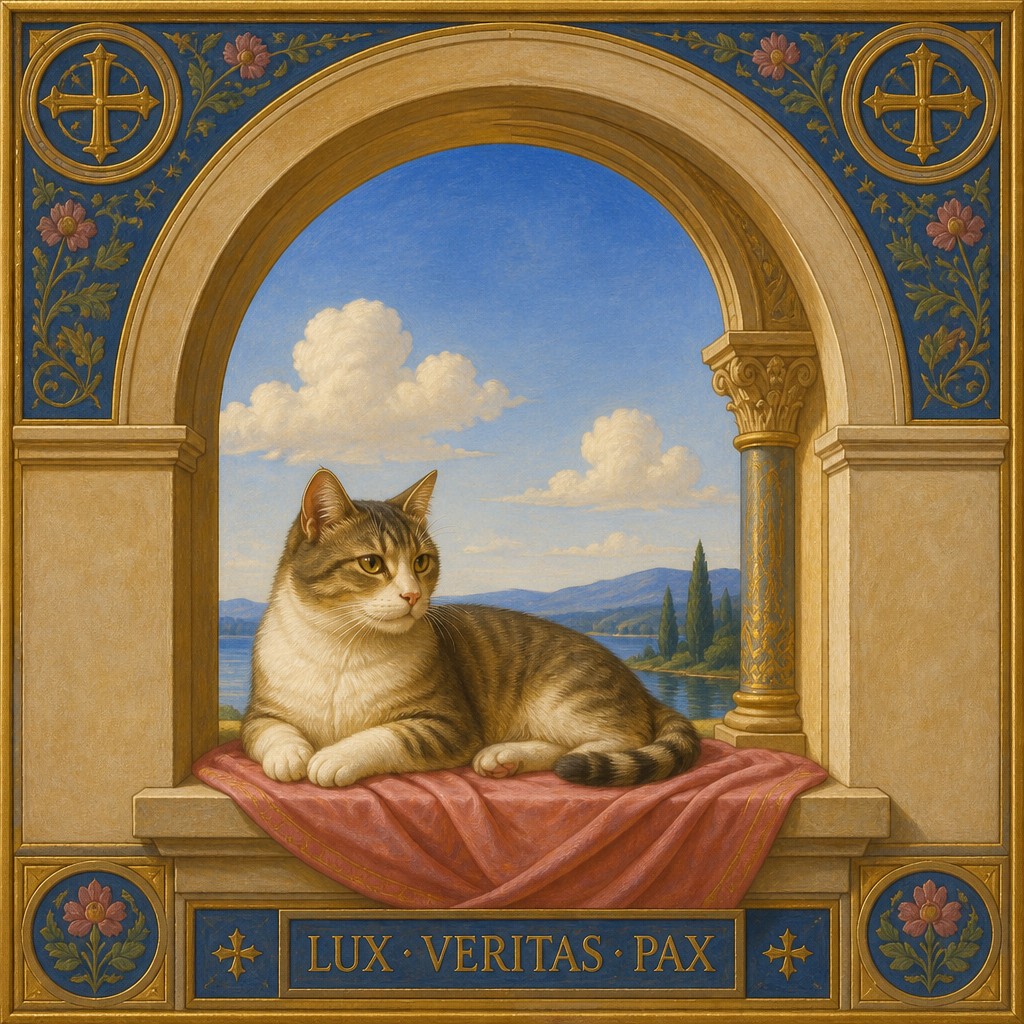
“a cat lounging in a sunlit window”
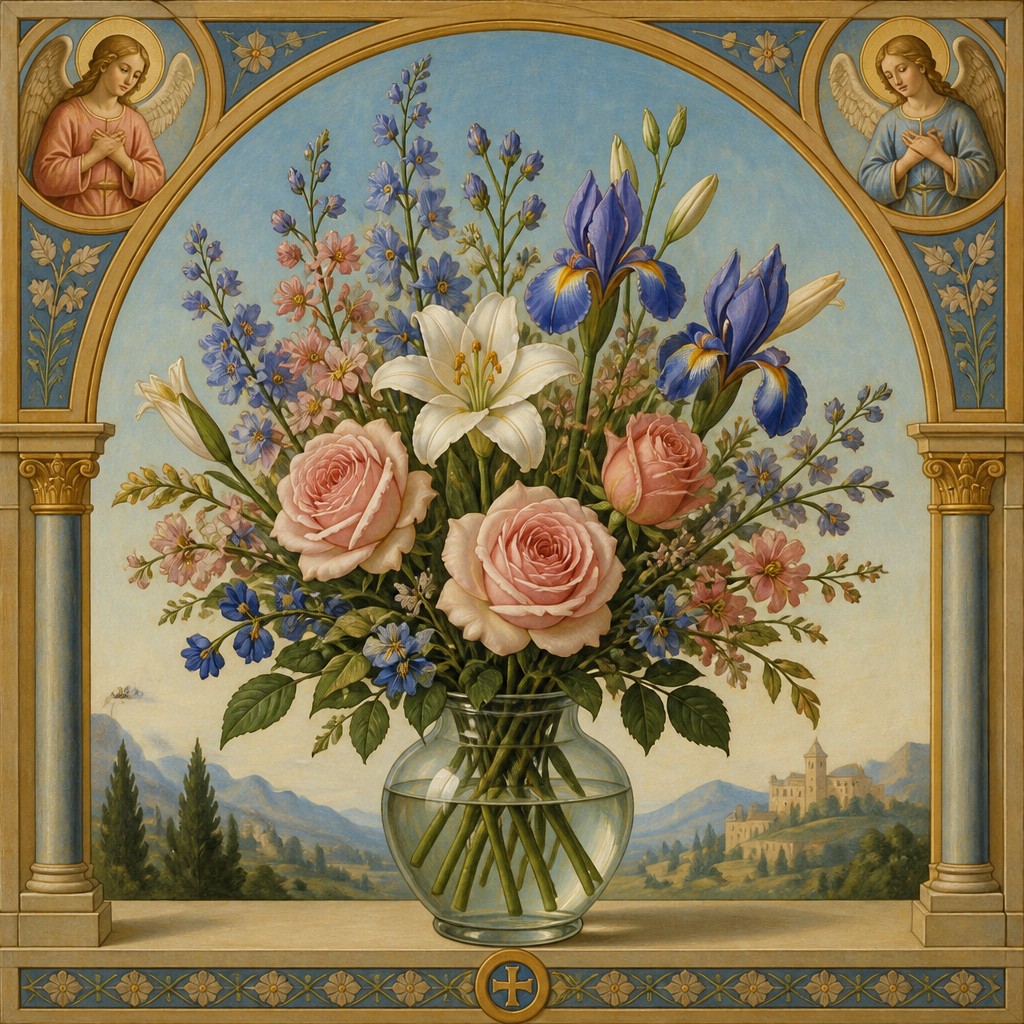
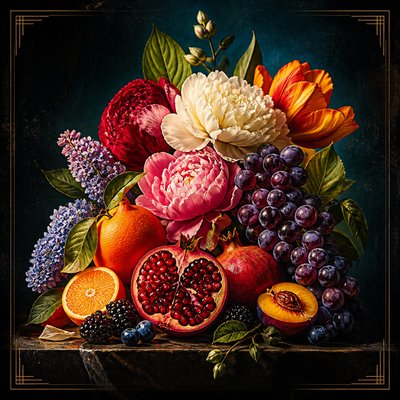
“bouquet of flowers in a glass vase”
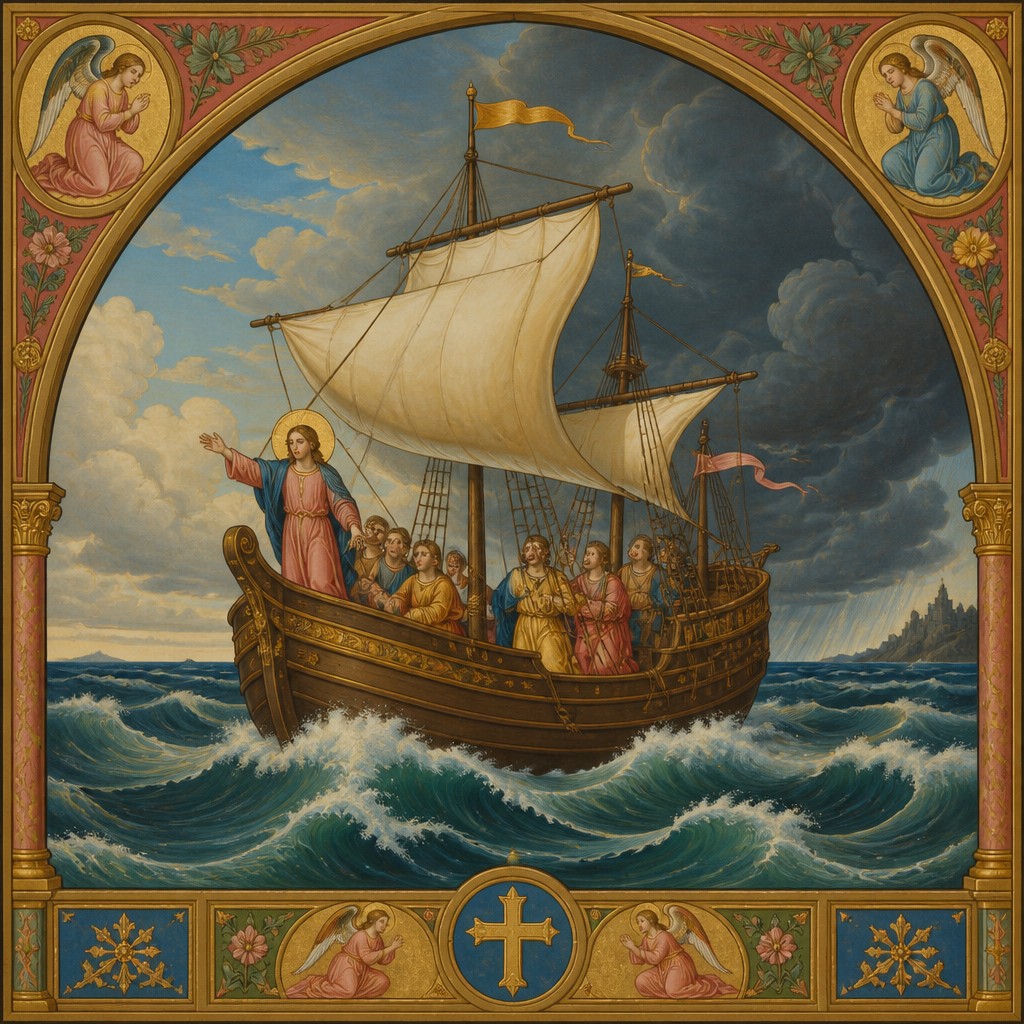
“sailing ship on a stormy sea”
How to Create Nazarene Art
Master the craft step by step — or skip straight to creating. Read the full guide →
- 1
Begin with disciplined drawing
Make a clear preparatory sketch using simple geometric masses, strong contours, and carefully balanced figure groups. Avoid overly gestural lines and preserve readable silhouettes.
- 2
Use a restrained sacred palette
Build the image from clear ultramarine or blue, rose, ochre, ivory, muted green, and touches of gold. Keep saturation controlled and favor broad, clean color areas over muddy mixtures.
- 3
Model forms gently
Use limited tonal transitions and soft, even daylight to describe volume. Smooth surfaces, modest shadows, and calm highlights will better suggest fresco, tempera, or polished devotional panel painting.
- 4
Construct a stable composition
Place the principal figure or symbolic action near the center, then arrange supporting figures in balanced groups. Arches, columns, niches, or patterned borders can provide a distinctly historicizing frame.
- 5
Choose contemplative subject matter
Biblical scenes, saints, quiet family groups, processions, and allegories suit the style particularly well. Favor solemn gestures and inward attention over crowded action or sensational drama.
- 6
Translate the qualities into a digital prompt
Specify precise contours, smooth enamel-like surfaces, clear blue and rose colors, symmetrical composition, idealized faces, medieval framing, soft daylight, and devotional stillness. For image transformation, preserve the subject's essential pose while simplifying clutter and regularizing the lighting.
The Story
History & Origins of Nazarene
The Nazarene movement emerged in the early nineteenth century among a circle of German-speaking painters who rejected aspects of academic classicism and contemporary artistic fashion. They formed a religiously oriented brotherhood in Vienna and later established themselves in Rome, where they studied medieval and early Renaissance works and pursued a communal, morally serious approach to art.
Their influence extended through religious commissions, murals, illustrations, and history painting across Europe. The movement was especially associated with fresco projects and large-scale sacred cycles, while its ideals also contributed to later historicist and devotional art. Nazarene painting should therefore be understood as a modern revival of earlier traditions, not as an unchanged continuation of medieval or Renaissance practice.
Influences: Nazarene art draws on medieval manuscript illumination, Byzantine and Gothic devotional imagery, Italian and northern European early Renaissance painting, tempera panel technique, and fresco traditions. It is also connected to nineteenth-century Romantic historicism, religious revival movements, and the broader pre-modernist interest in recovering supposedly direct and spiritually purposeful forms of art. Related visual languages include Gothic Revival, religious academic painting, historicist mural art, and later devotional illustration, though Nazarene work is generally quieter, more linear, and less theatrically dramatic than many academic history paintings.

Frequently Asked Questions
What defines Nazarene art?
Nazarene art is defined by religious subject matter, precise contours, idealized figures, calm symmetrical compositions, and a revival of medieval and early Renaissance visual principles. Its soft light and clear fresco-like colors support an atmosphere of spiritual seriousness and contemplation.
When did the Nazarene movement develop?
The movement developed in the early nineteenth century among German-speaking painters and became centered in Rome. It was part of the Romantic-era revival of earlier European traditions, rather than an actual medieval or Renaissance school.
How is Nazarene art different from Gothic art?
Nazarene art consciously borrows from Gothic art but was created centuries later, during the nineteenth century. Compared with much Gothic imagery, it often uses more naturalistic early Renaissance spatial organization while retaining medieval linearity, symbolism, and devotional directness.
How is it different from academic history painting?
Academic history painting often emphasizes theatrical action, complex perspective, dramatic lighting, and polished anatomical display. Nazarene art generally favors frontal clarity, restrained emotion, stable groupings, and spiritual or moral concentration.
What materials and techniques suit this style?
Tempera, fresco, and smooth oil painting are appropriate because they support clear contours, matte or polished surfaces, and controlled color. Work from a detailed underdrawing, apply thin even layers, and limit heavy impasto and deep chiaroscuro.
Can contemporary or nonreligious subjects use Nazarene visual language?
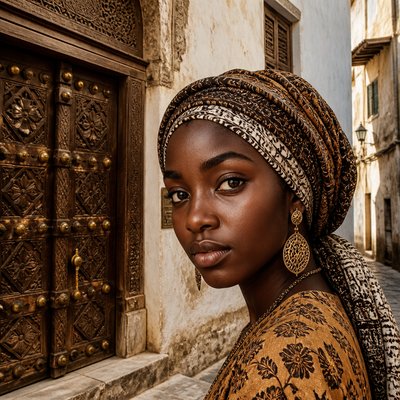
Yes. A family gathering, landscape, civic ceremony, or portrait can adopt the style's symmetry, idealized faces, quiet gestures, fresco palette, and historicizing architectural frame. The result will feel Nazarene-inspired even when the subject is not explicitly devotional.

Create your first Nazarene artwork
Describe anything — or upload a photo — and see it in Nazarene Art Style in seconds.
Related Styles
Discover similar art styles