CoBrA Art Style
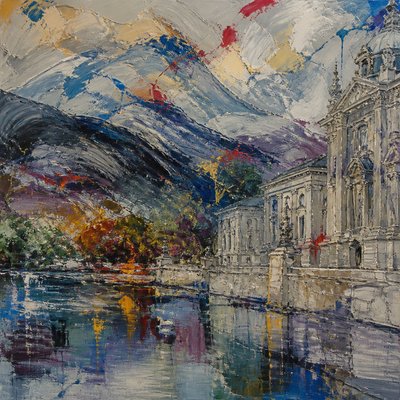
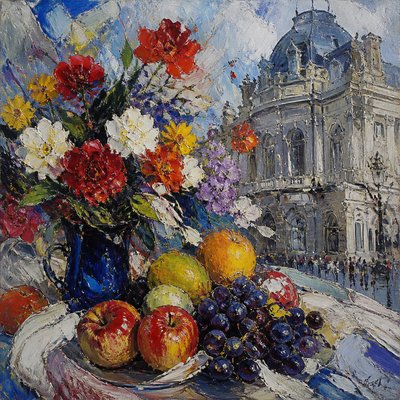
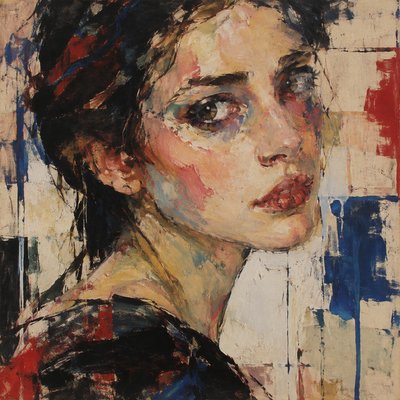
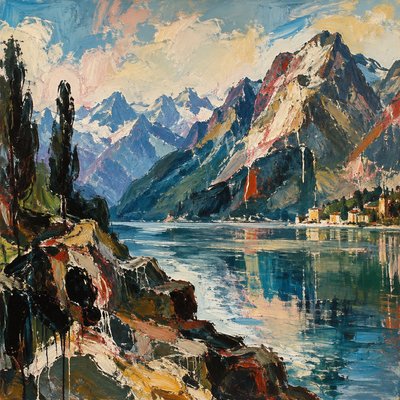
Explore CoBrA art: spontaneous mythical figures, thick impasto, ferocious primary colors, and unruly childlike expressionism.
Instantly rendered in CoBrA — or transform a photo
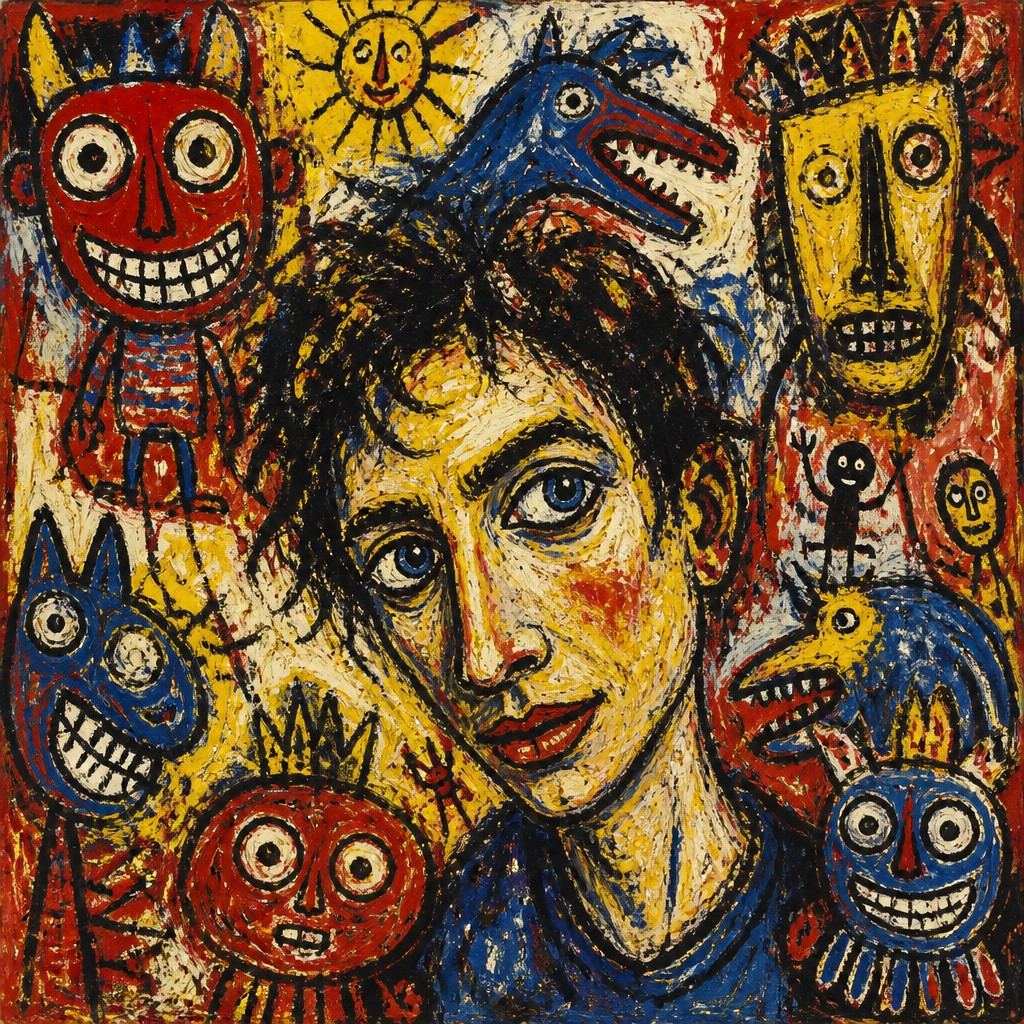
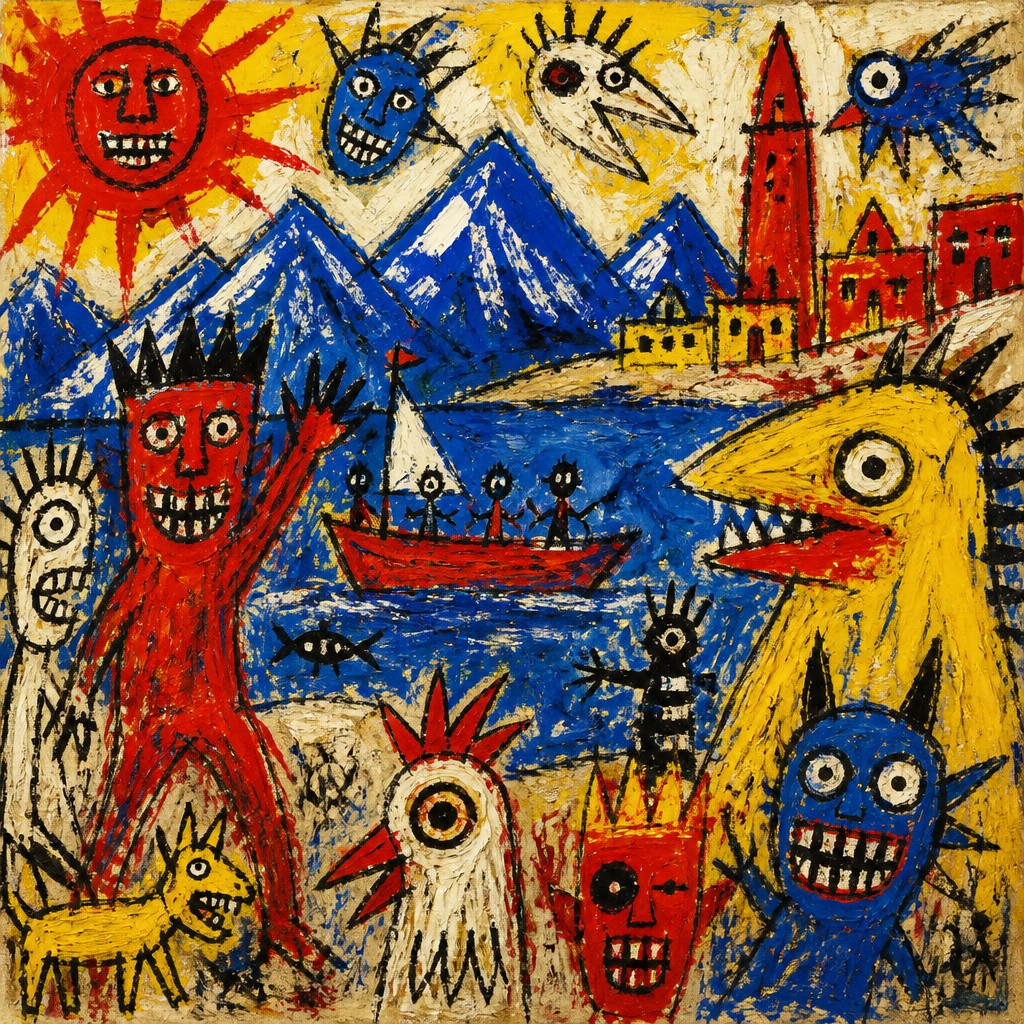
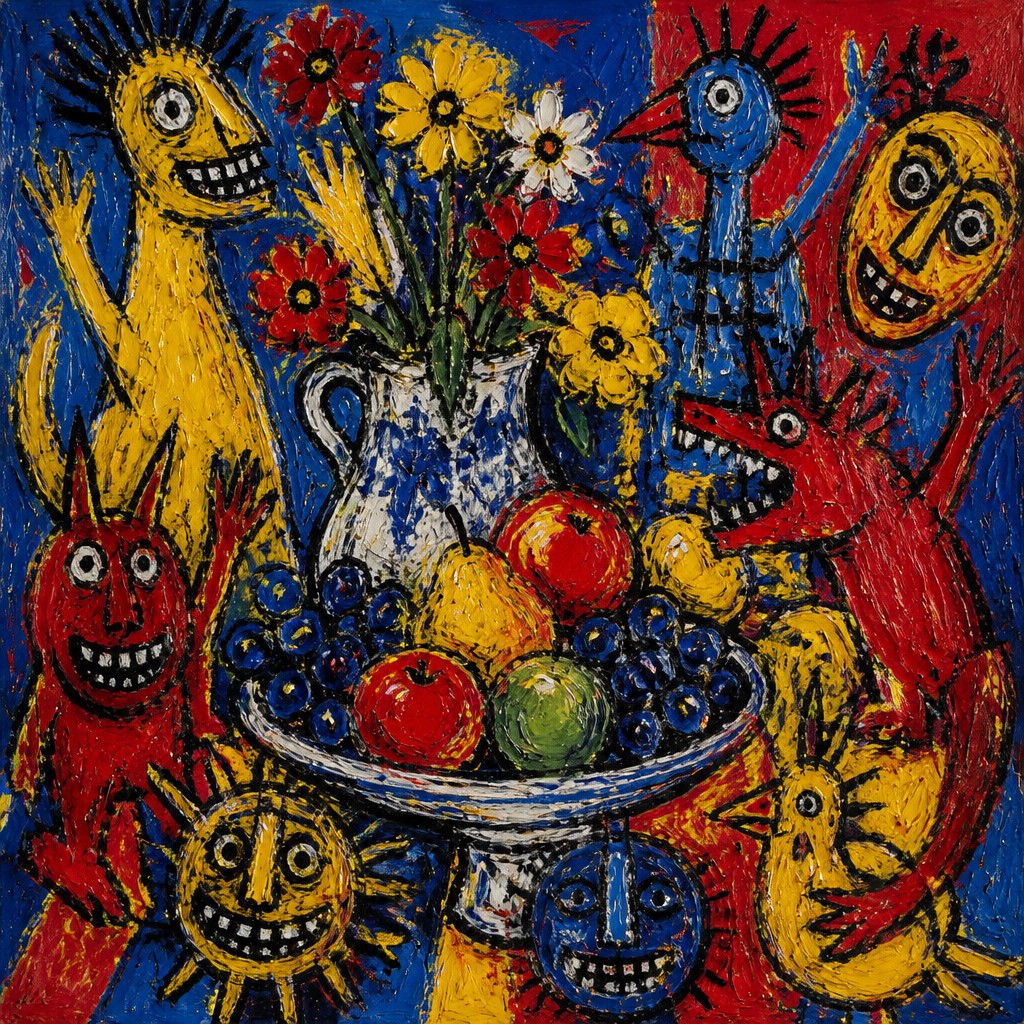
CoBrA Gallery
Tap any artwork to explore it
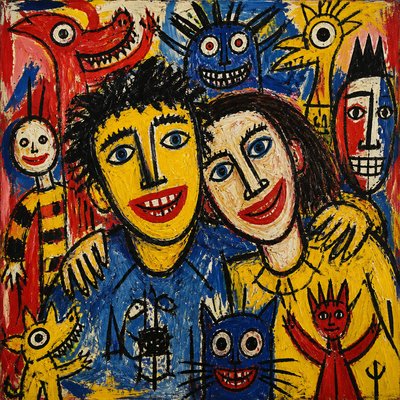
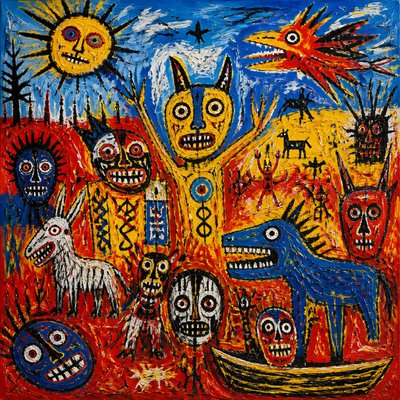
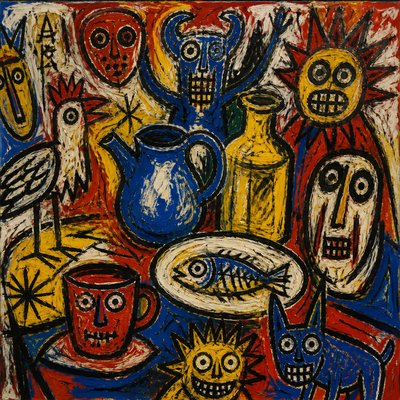
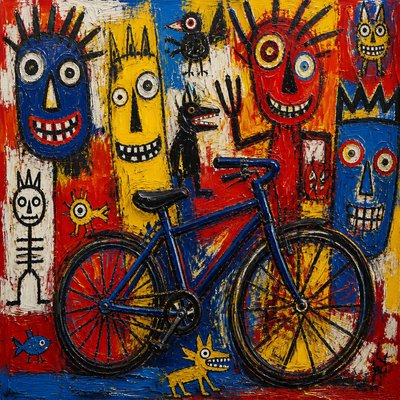
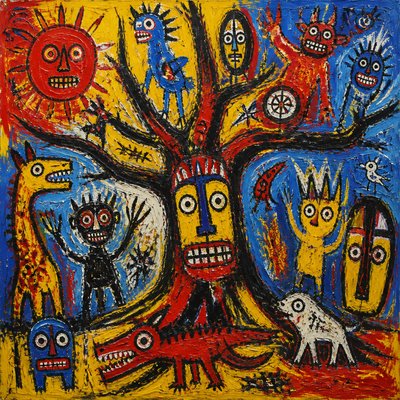
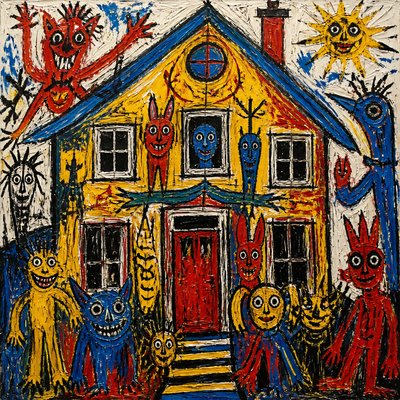
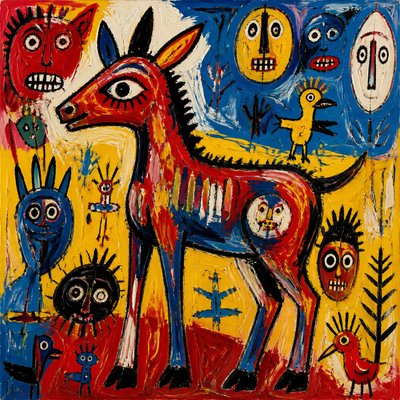
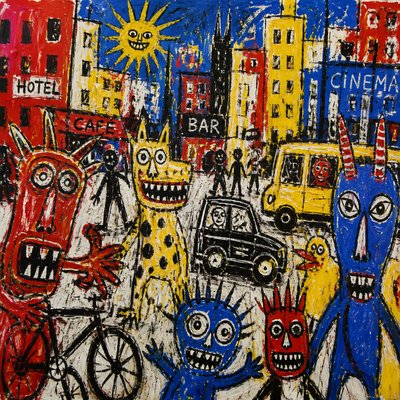
What is CoBrA Art Style?
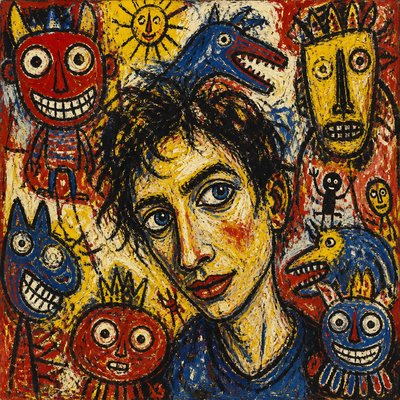
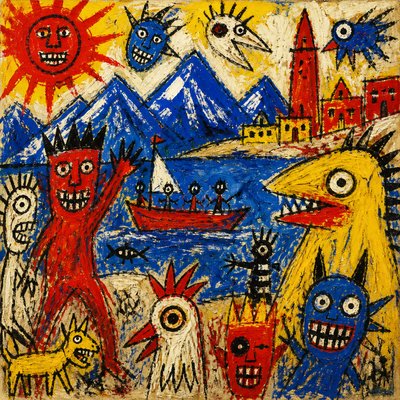
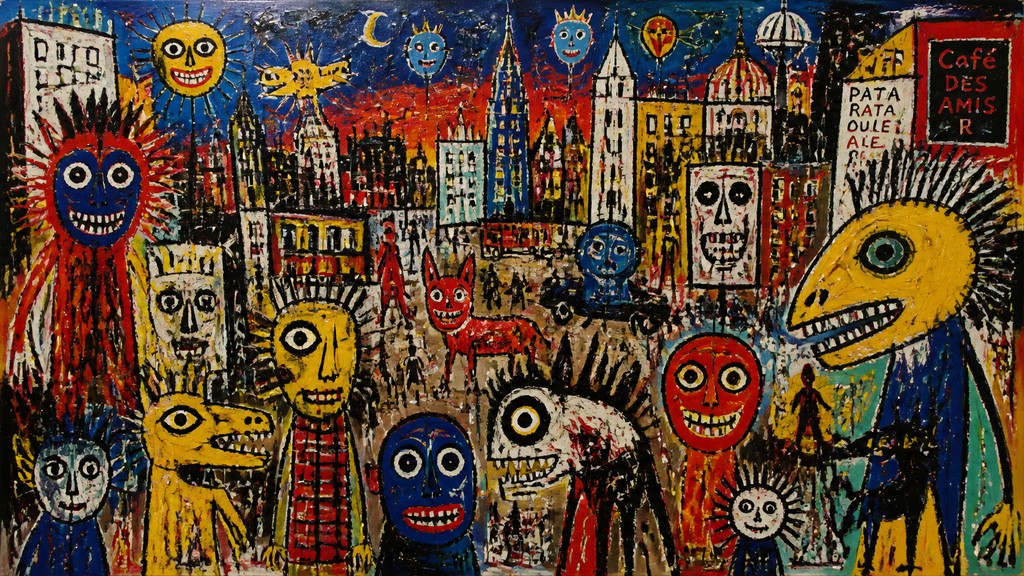
CoBrA is a postwar European avant-garde art movement known for raw, spontaneous imagery, intensely colored surfaces, and deliberately untutored-looking forms. Its name comes from the cities Copenhagen, Brussels, and Amsterdam, where many of its participating artists were based. The style often features fantastic creatures, masks, distorted bodies, invented signs, and childlike figures packed into an energetic field of paint or line.
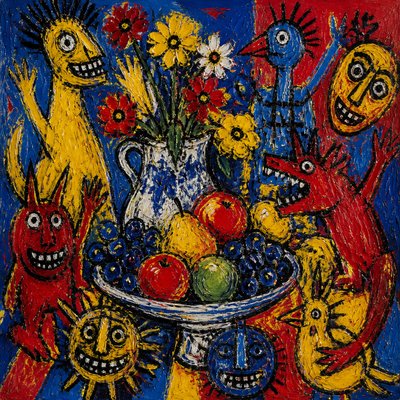
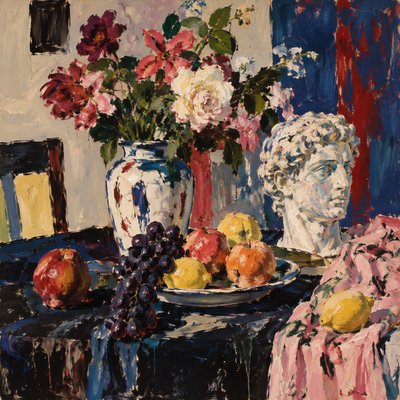
Rather than pursuing realistic representation or polished composition, CoBrA artists valued instinct, experimentation, and direct emotional expression. Thick impasto, clashing primary colors, black linear marks, scraped textures, and unstable proportions create an image that feels rapidly made and constantly in motion. The apparent naivety is intentional: it draws on children’s art, folklore, dreams, myths, and nonacademic visual cultures as alternatives to conventional European artistic standards.
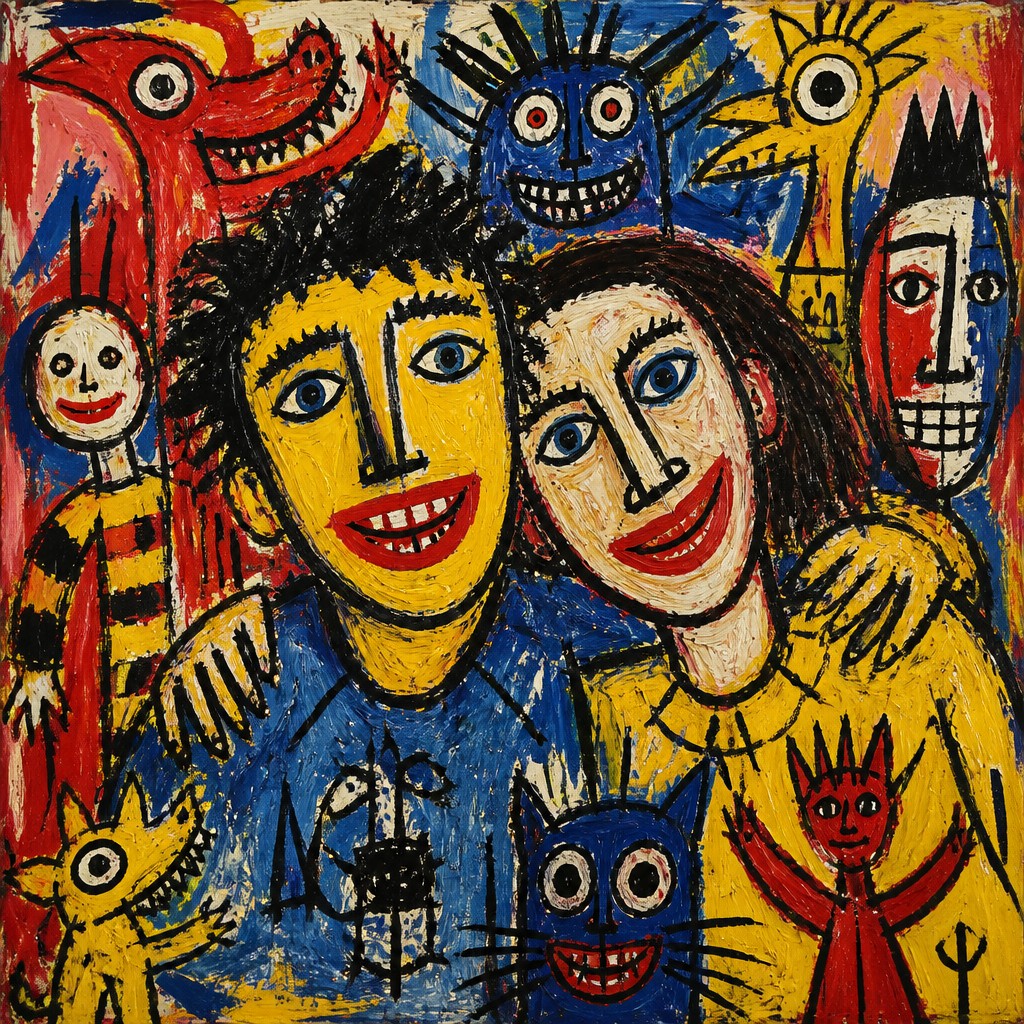
Try It On Your Photos
Upload any photo and convert it into CoBrA Art Style — drag the sliders to compare before and after.
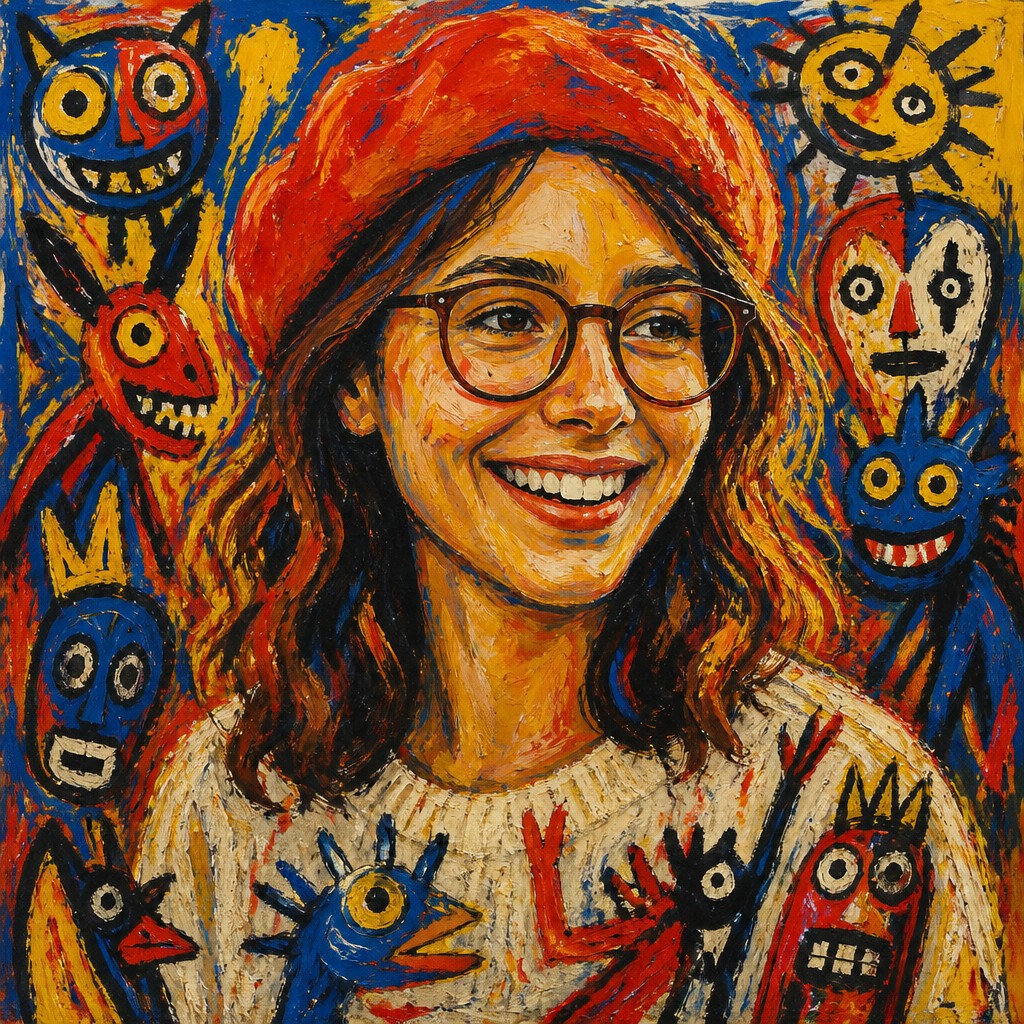

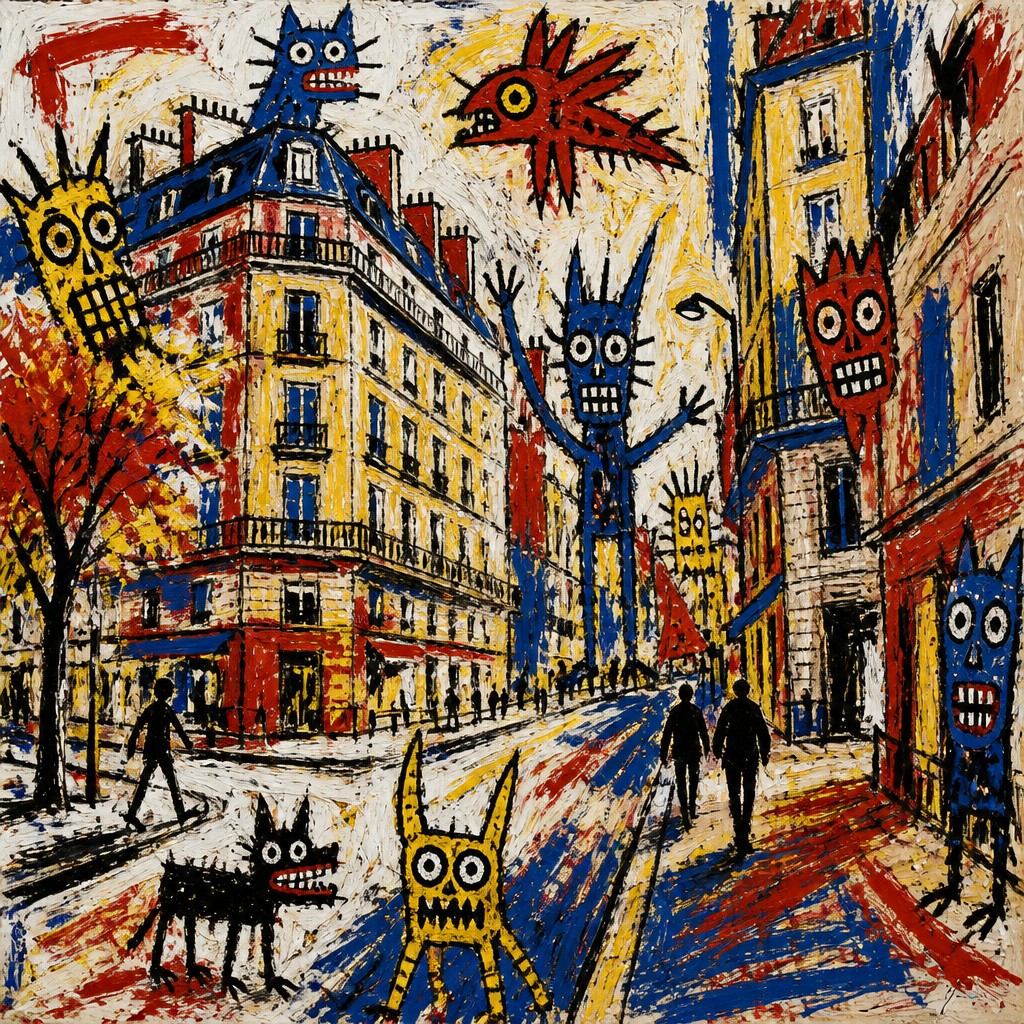

What Defines CoBrA Art Style
The signature details, up close
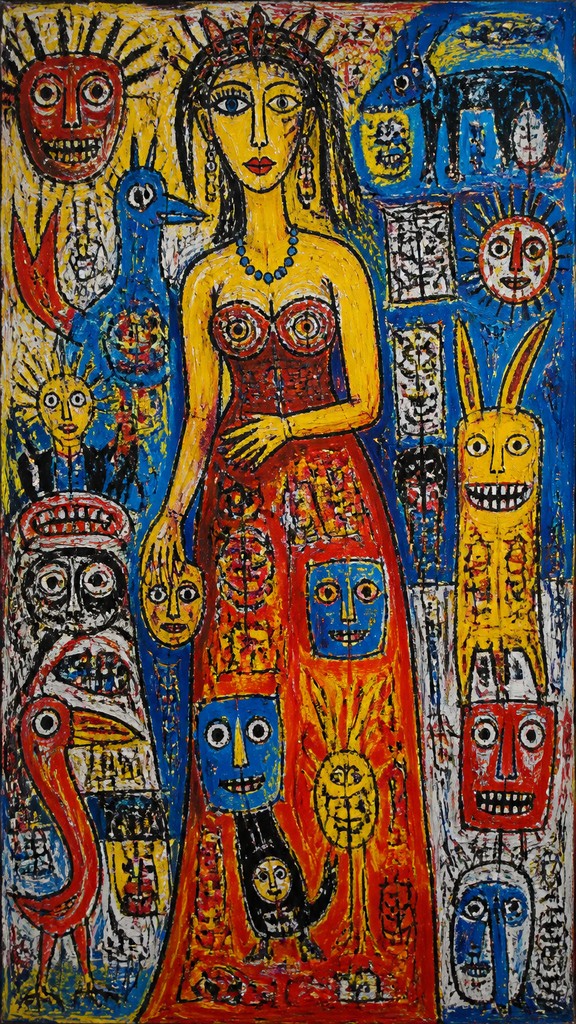
Childlike mythical figures
Creatures, masks, birds, beasts, and hybrid bodies appear with simplified anatomy and exaggerated features. Their apparent naivety conveys instinct, play, and psychological intensity rather than literal childishness.
Ferocious primary color
Saturated reds, yellows, and blues are often placed side by side with little concern for naturalistic color. High contrast gives the image a heated, celebratory, and confrontational energy.
Thick impasto and tactile surface
Heavy paint is dragged, dabbed, scraped, or layered to make the surface physically active. Visible brushwork and irregular buildup preserve the sense of a direct encounter with the material.
Energetic black line
Scrawled contours, hooks, spirals, symbols, and abrupt marks interrupt areas of color. Line may describe a figure, divide the picture, or function as an independent emotional gesture.
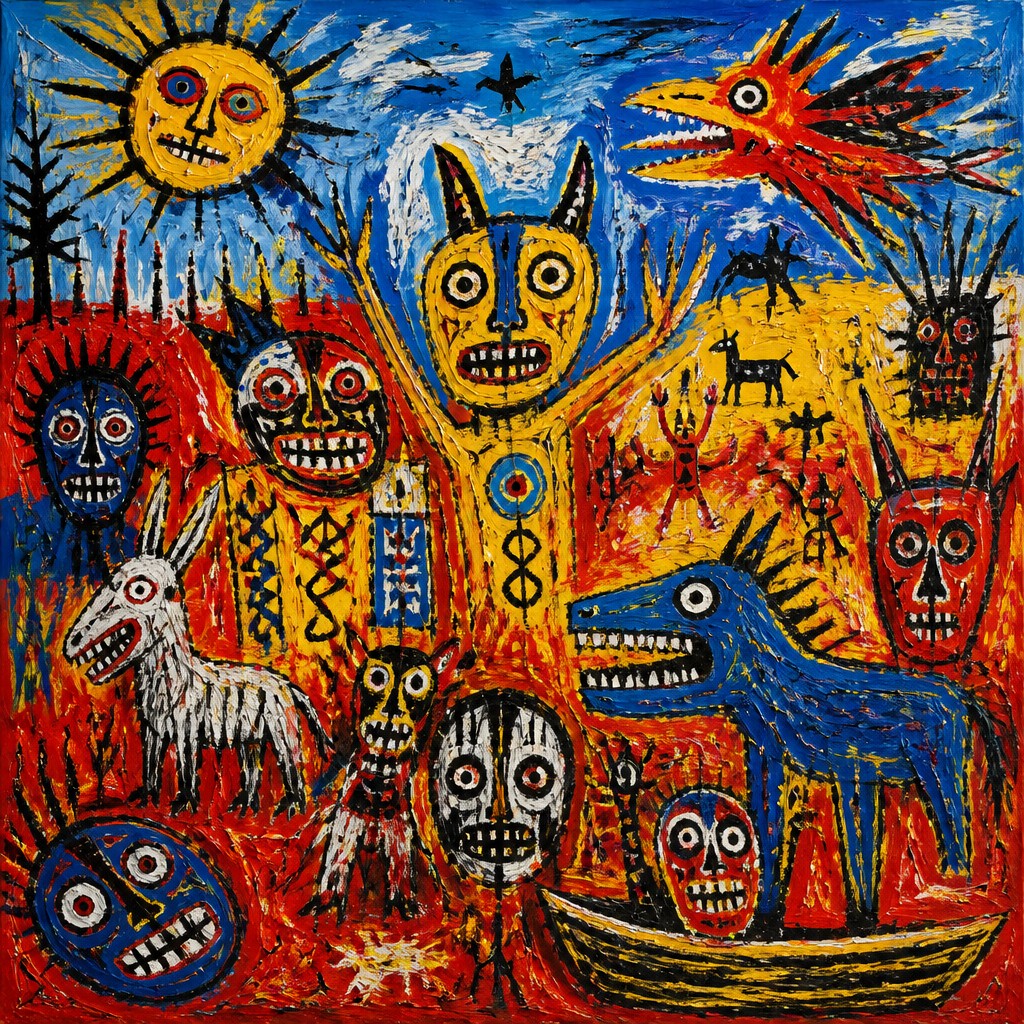
Distortion and unstable anatomy
Bodies are stretched, compressed, fragmented, or fused with animals and objects. Spatial logic is often secondary to rhythm, emotional force, and the expressive presence of the figure.
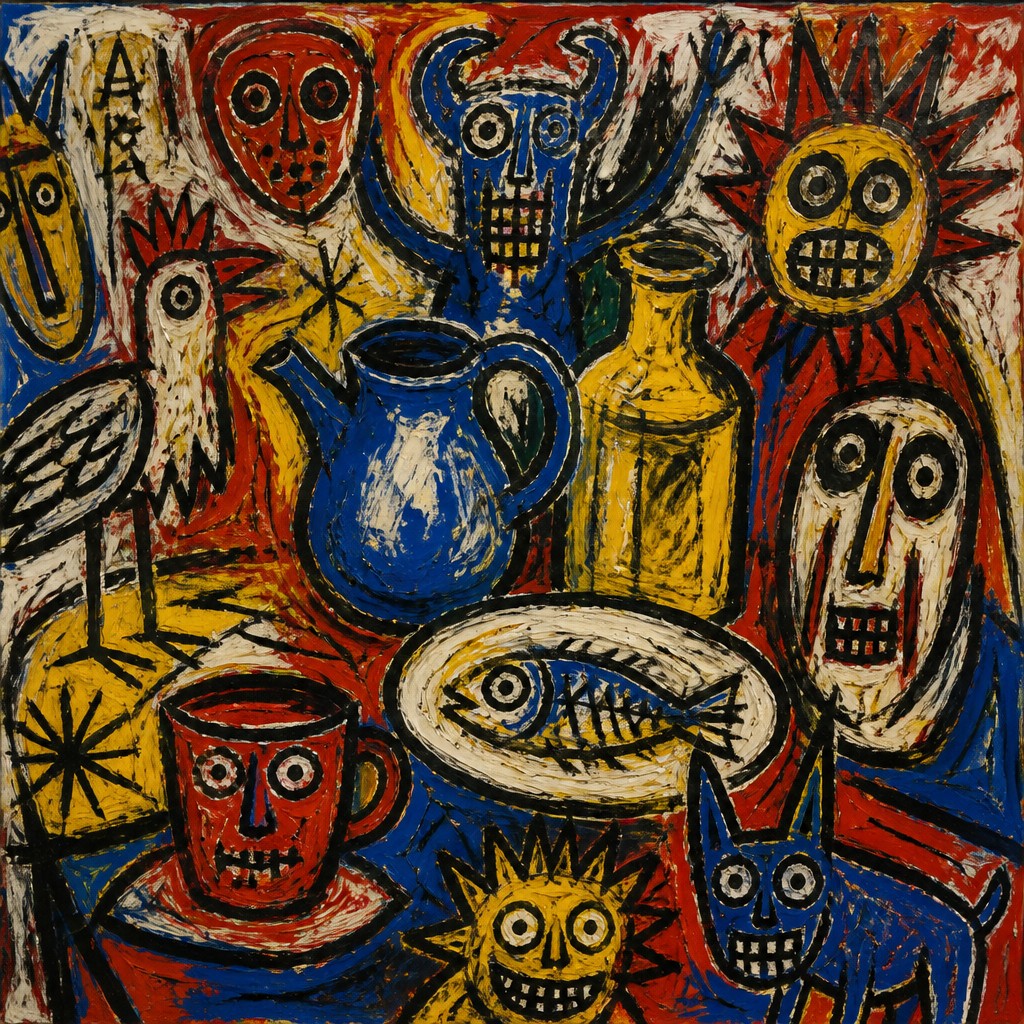
Dense, all-over composition
Figures and marks frequently fill the frame, leaving little conventional background or empty space. The resulting surface feels crowded, animated, and resistant to a single fixed viewpoint.
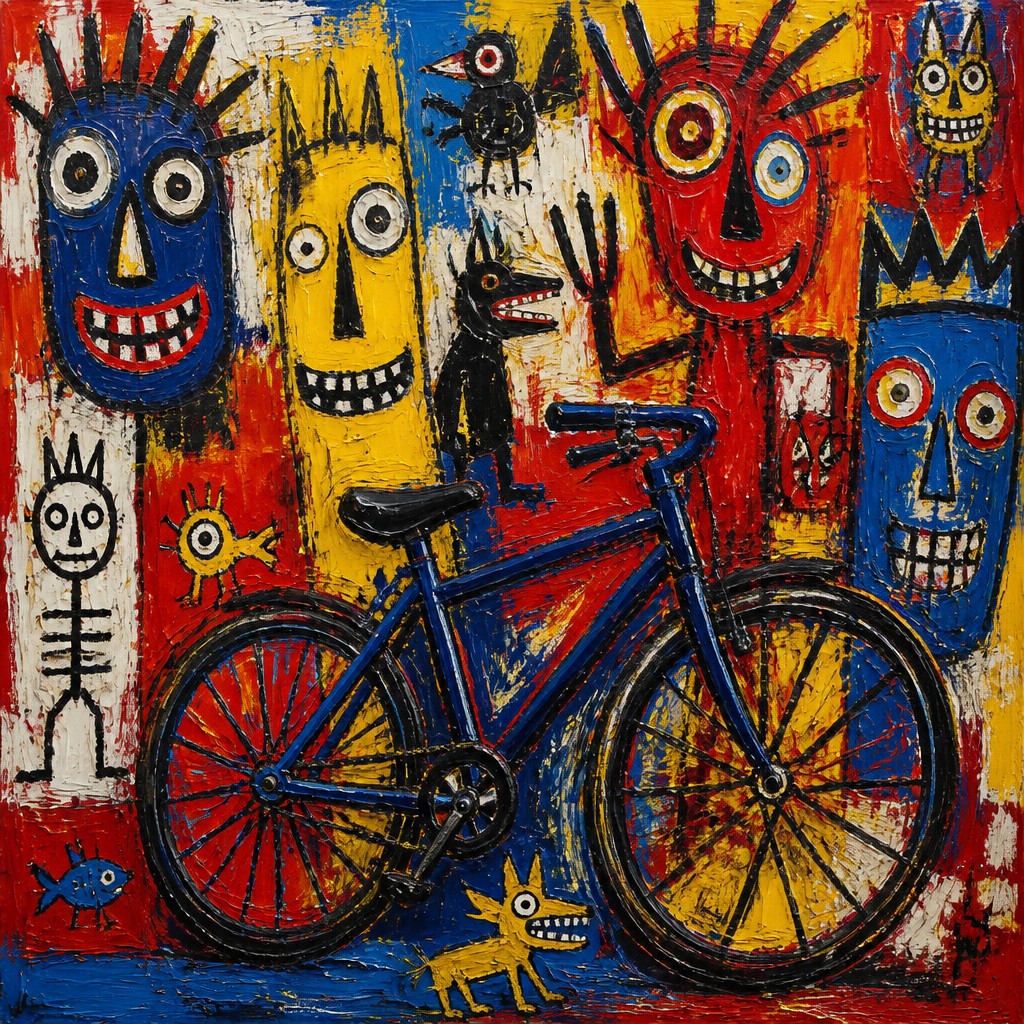
Raw spontaneity
The style favors improvisation, accident, and visible process over refinement. Scratches, overlaps, awkward proportions, and unfinished-looking passages are treated as essential signs of vitality.
Try It
Create Videos in CoBrA Art Style
Styles aren't just for stills — describe a scene or animate an image and get a short video rendered in CoBrA. Press play to see this pond come to life.
Make a VideoCoBrA Prompt Ideas
Start from an idea — each one opens the generator with the style ready to go. See all 40 CoBrA prompts →
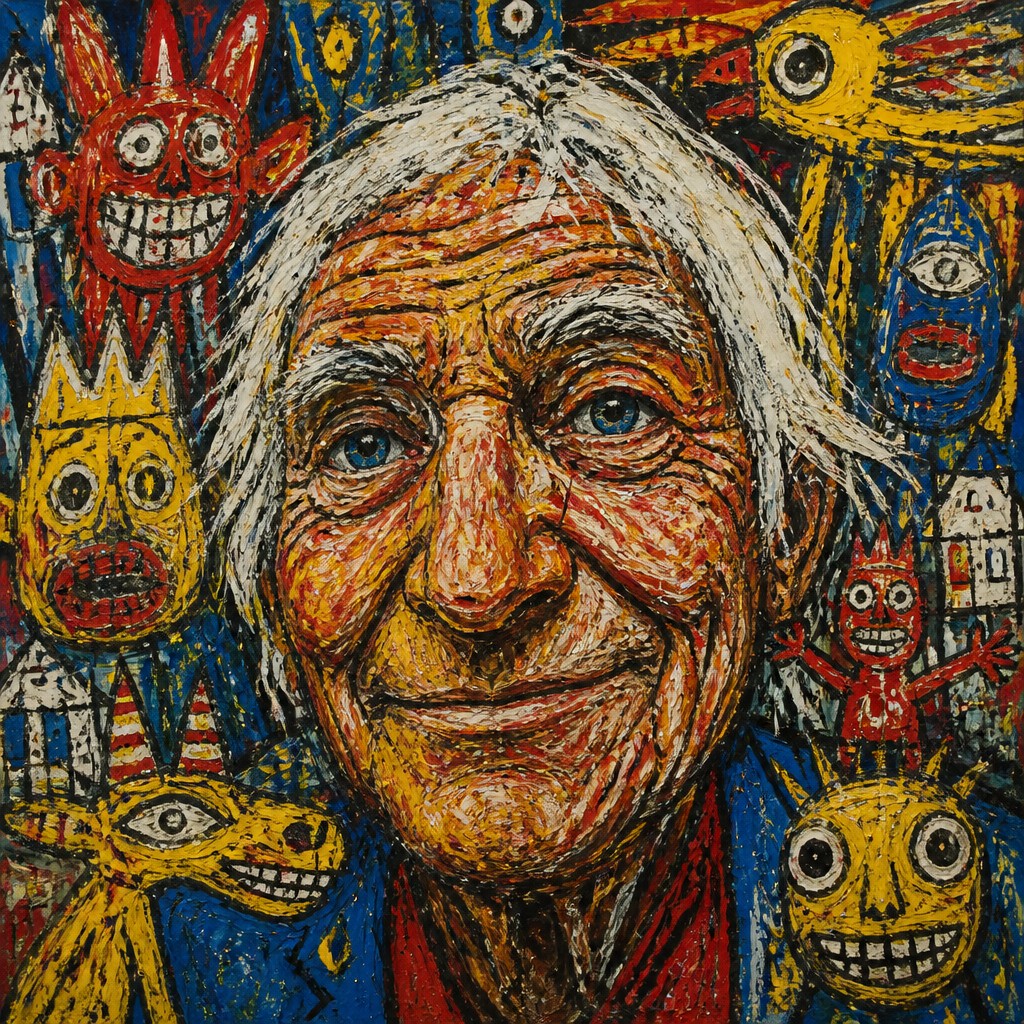
“close-up portrait of an elderly person with expressive weathered features”
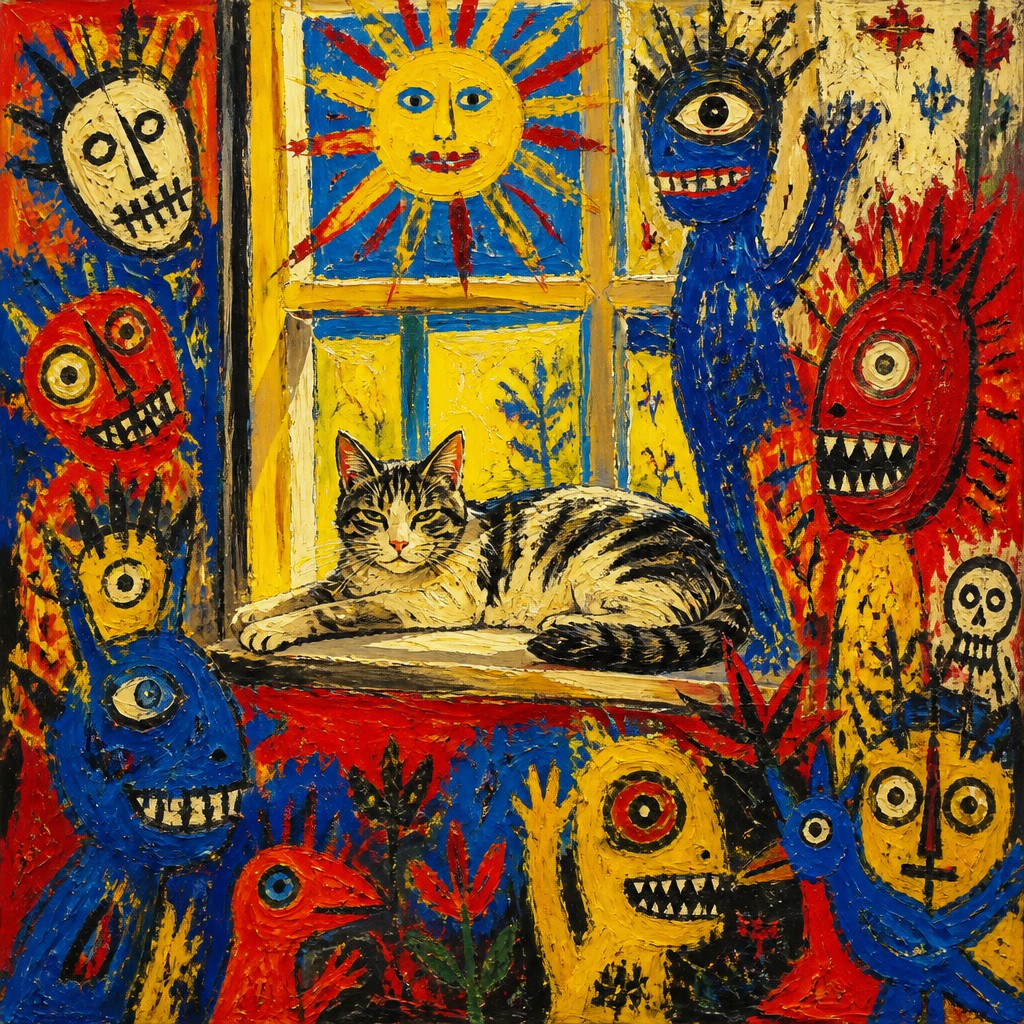
“a cat lounging in a sunlit window”
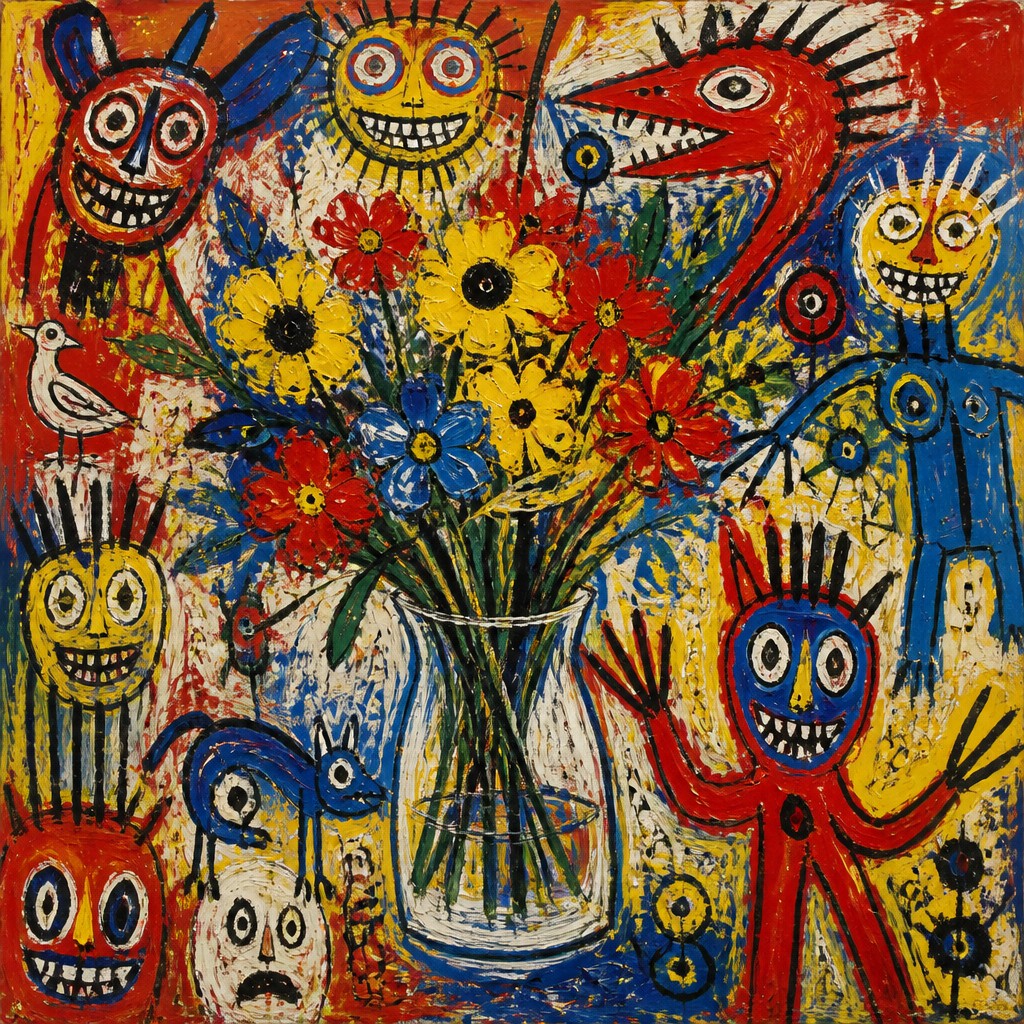
“bouquet of flowers in a glass vase”
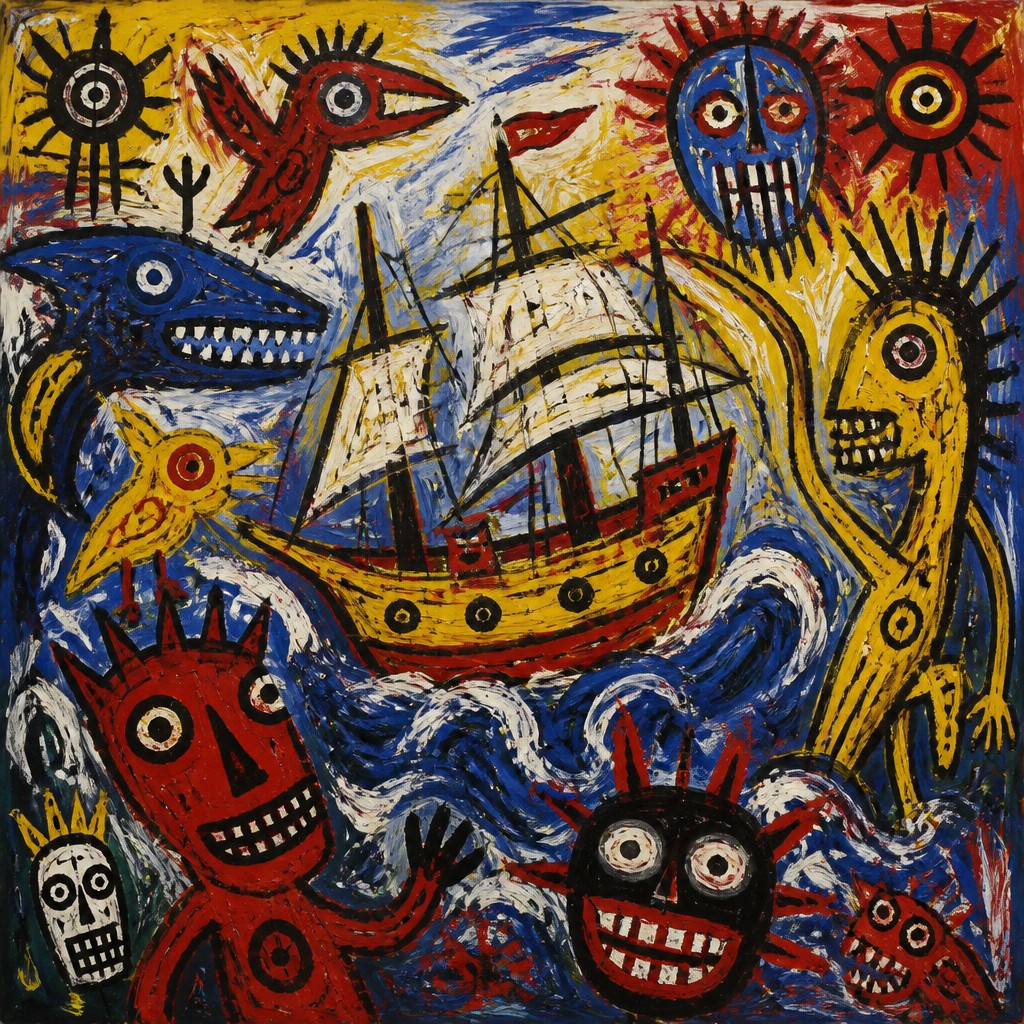
“sailing ship on a stormy sea”
How to Create CoBrA Art
Master the craft step by step — or skip straight to creating. Read the full guide →
- 1
Begin with automatic drawing
Work quickly without planning a polished outline, allowing loose shapes and accidental marks to suggest creatures or masks. Develop the most compelling forms afterward without erasing every irregularity.
- 2
Build a physical surface
Use heavy acrylic or oil paint, palette knives, dry brushes, scraping tools, and layered marks to create impasto and abrasion. Let underlayers remain visible so the image records its own construction.
- 3
Use a restricted but intense palette
Start with saturated red, yellow, blue, white, and black, then introduce secondary colors sparingly. Place complementary or near-complementary colors beside one another instead of blending everything into realistic transitions.
- 4
Invent rather than illustrate
Combine animal, human, mask, and dream imagery into ambiguous hybrids. Avoid carefully rendered perspective and anatomy; let scale, overlap, and proportion respond to the emotional rhythm of the composition.
- 5
Adapt the method digitally
In a digital painting program, use textured brushes, opaque layers, rough masks, and gesture-based strokes rather than clean vector shapes. Preserve uneven edges, visible revisions, and a tactile relationship between line and color.
- 6
Describe the visual behavior in prompts
For prompt-based generation, specify spontaneous childlike mythical creatures, thick impasto, saturated primary colors, black scrawled lines, distorted figures, dense framing, and raw expressionist energy. Add a subject and setting while avoiding requests for polished realism or smooth decorative symmetry.
The Story
History & Origins of CoBrA
CoBrA emerged in 1948 in the aftermath of the Second World War and remained especially active through the early 1950s. The movement connected experimental artists, writers, and critics from Denmark, Belgium, and the Netherlands who sought a new, collective language beyond academic art and the cultural constraints associated with prewar Europe. Its participants worked across painting, drawing, printmaking, poetry, and collaborative publication.
The movement developed through exhibitions, journals, group projects, and informal experimentation rather than a single fixed technique. Although CoBrA was short-lived as an organized group, its emphasis on automatism, mythical imagery, material paint, and liberated mark-making continued to influence later expressionist, figurative, outsider, and neo-avant-garde practices.
Influences: CoBrA draws from postwar expressionism, automatic and surrealist methods, Nordic and Northern European folk imagery, mythology, children’s drawings, outsider and nonacademic art, and the directness of prehistoric and non-Western visual traditions. It is related to action-oriented painting and later figurative expressionism, but its distinctive combination of communal experimentation, invented creatures, playful grotesquerie, and deliberately uncultivated form sets it apart from more solemn or purely abstract approaches.
Frequently Asked Questions
What defines the CoBrA art style?
CoBrA is defined by spontaneous mark-making, distorted childlike figures, mythical or animal imagery, intense primary colors, and heavily textured paint. Compositions often feel crowded and improvised, with black lines and symbols moving across the surface.
Is CoBrA the same as expressionism?
CoBrA is an expressionist movement, but it has a particular postwar European identity and a strong interest in children’s art, folklore, myth, and invented creatures. Compared with many forms of expressionism, it is often more playful, collaborative, and deliberately naive.
Why do CoBrA figures look childlike or grotesque?
The style rejects academic ideals of proportion, finish, and realistic beauty. Simplified anatomy and hybrid forms give artists a way to express instinct, fantasy, anxiety, humor, and vitality without relying on conventional representation.
What materials work best for making CoBrA-inspired art?
Oil and acrylic paint are well suited to thick, tactile surfaces, while charcoal, ink, oil stick, pastel, and collage can strengthen the rough linear character. Scraping, dry brushing, layering, and drawing directly into wet paint help retain the sense of improvisation.
How can I create an image in this style digitally?
Use textured brushes and opaque layers, begin with loose gestures, and build creatures from overlapping shapes rather than precise construction. Keep edges irregular, colors saturated, and linework visibly active; prompt-based tools respond well to descriptions of impasto, mythical hybrids, primary colors, and raw childlike expression.
Where is CoBrA-inspired art commonly used today?
Its visual language appears in expressive painting, illustration, murals, posters, editorial art, animation, textiles, and playful contemporary design. It is especially useful when a project needs immediacy, fantasy, emotional intensity, and a hand-made appearance rather than realism.
Create your first CoBrA artwork
Describe anything — or upload a photo — and see it in CoBrA Art Style in seconds.
Related Styles
Discover similar art styles