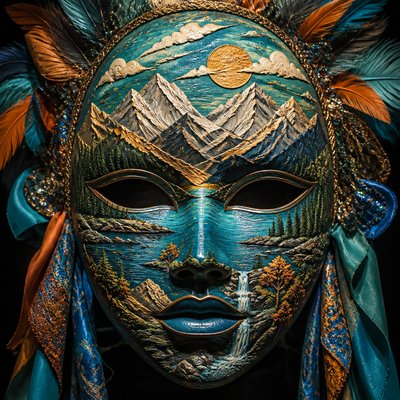
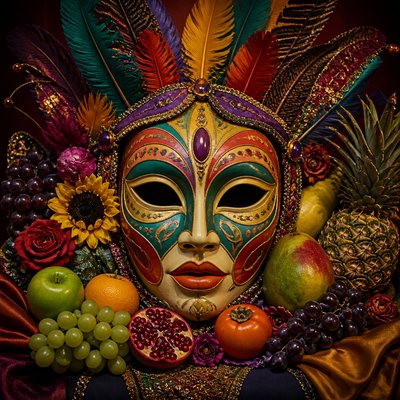
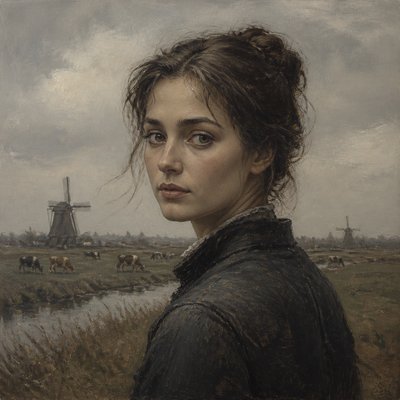
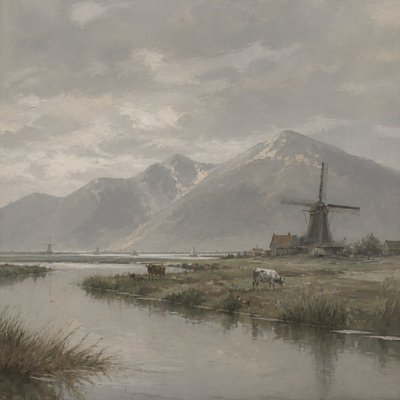
Malagasy Art Style
Explore Malagasy art: geometric Zafimaniry wood carving, woven lamba textiles, raffia craft, memorial posts, and Madagascar’s earth-toned visual language.
Instantly rendered in Malagasy — or transform a photo
Malagasy Gallery
Tap any artwork to explore it
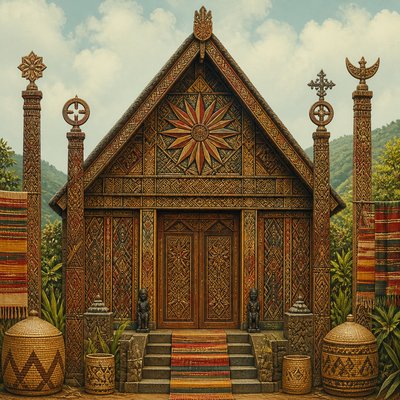
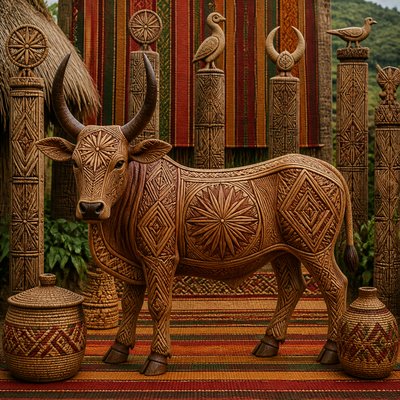
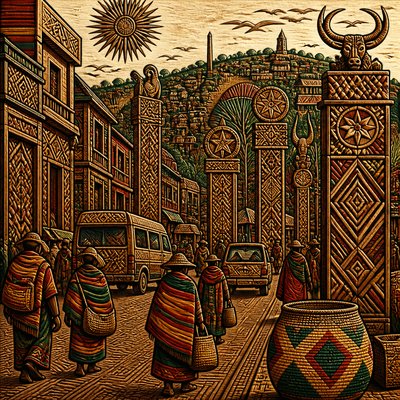
What is Malagasy Art Style?
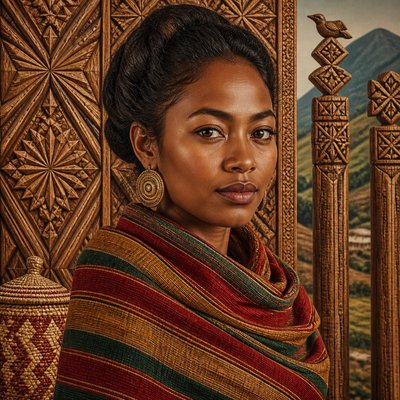
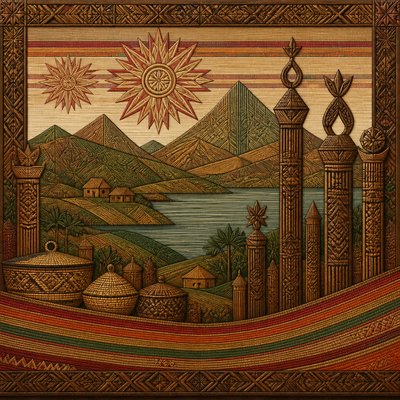
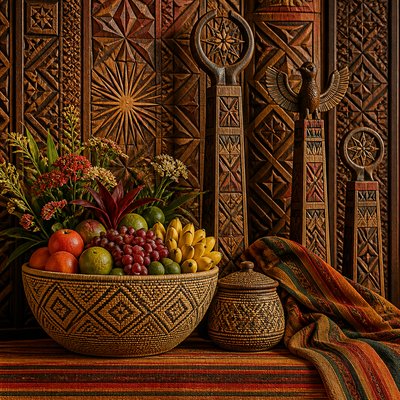
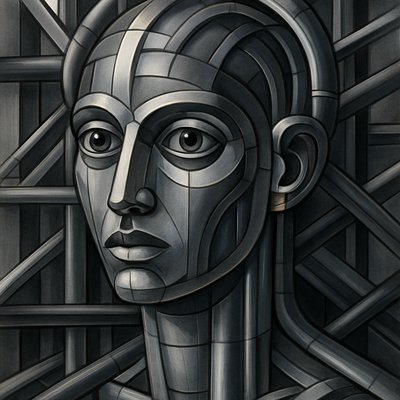
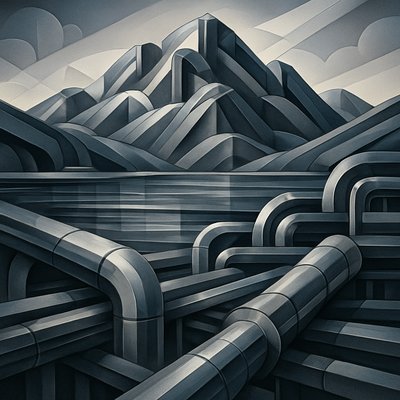
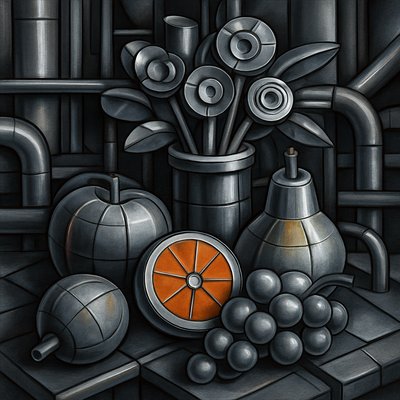
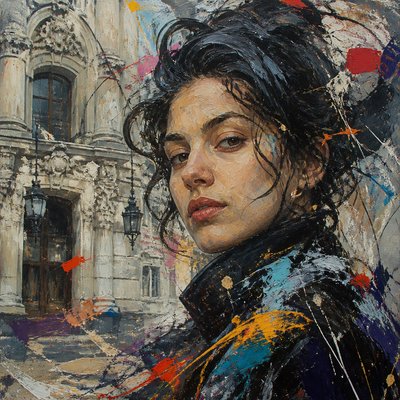
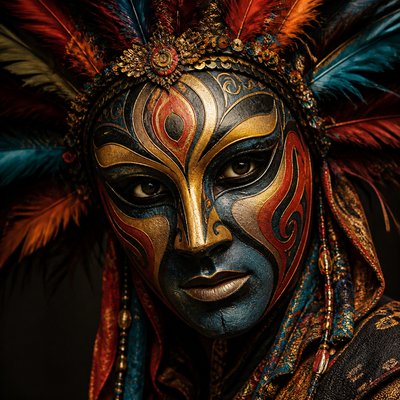
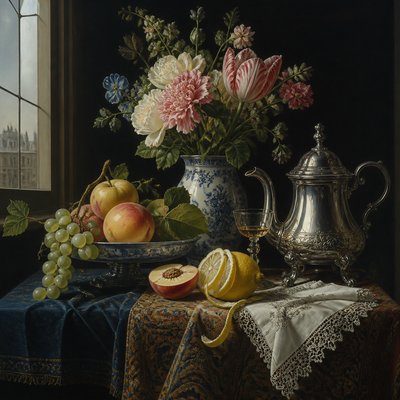
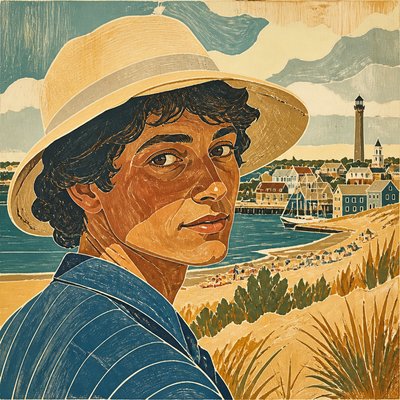
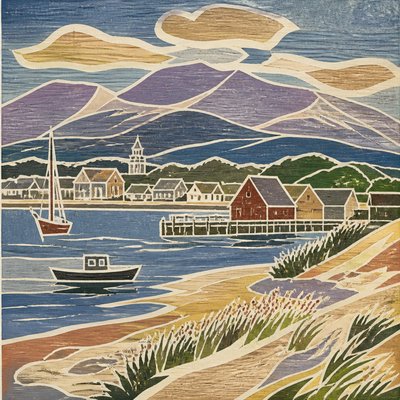
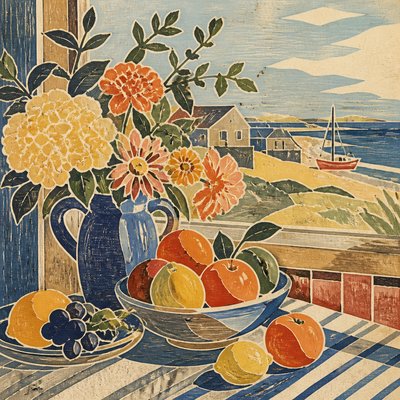
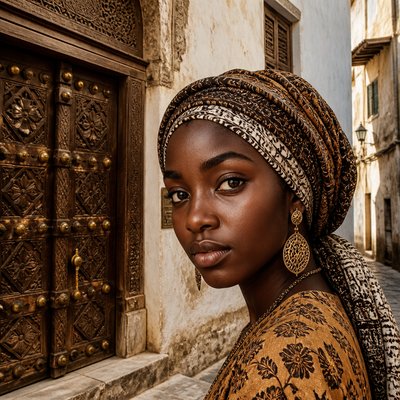
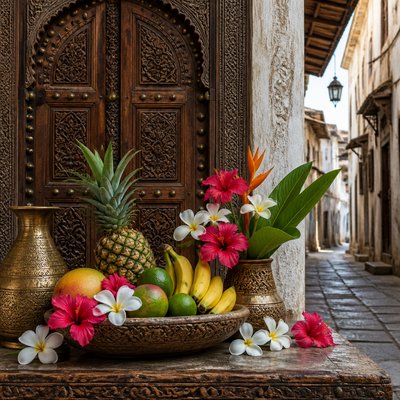
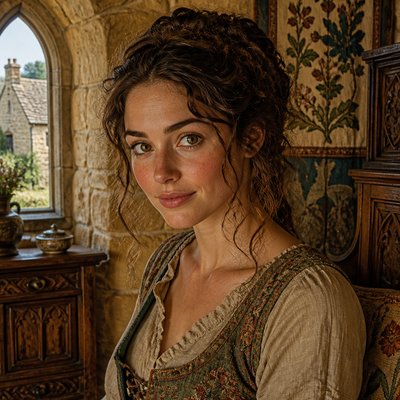
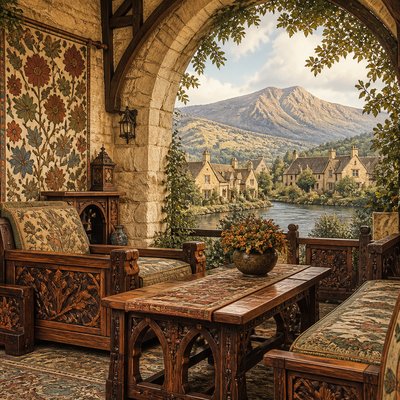
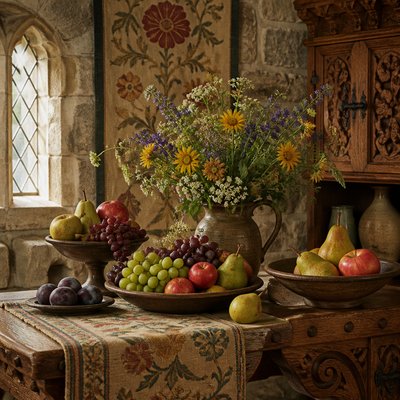
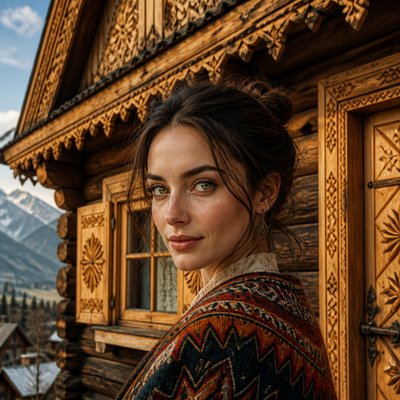
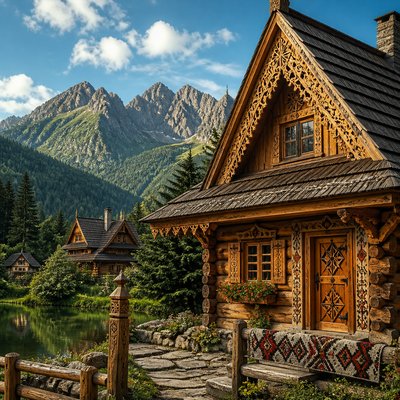
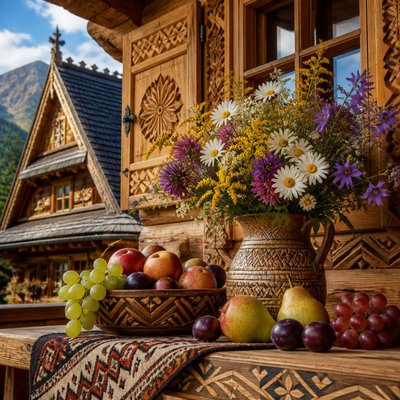
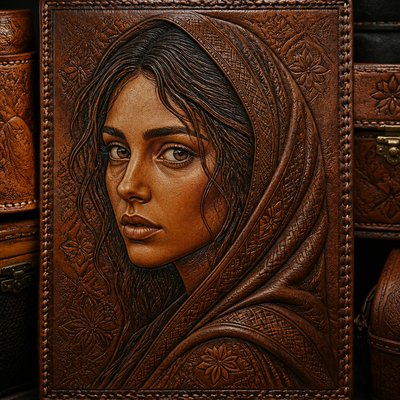
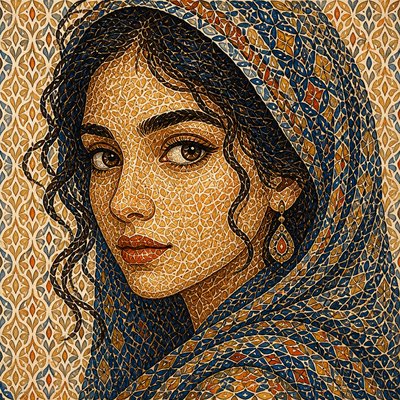
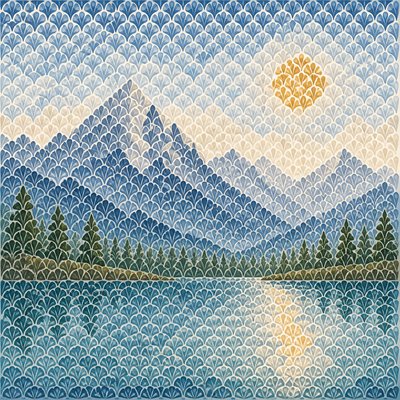
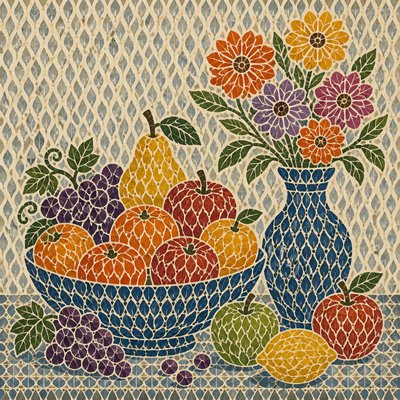
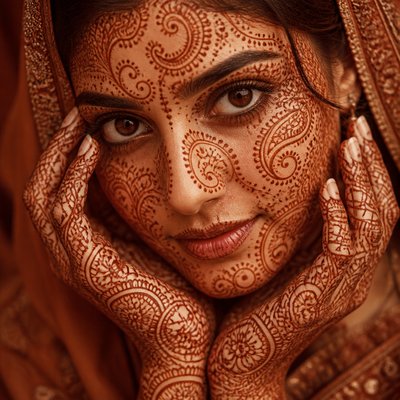
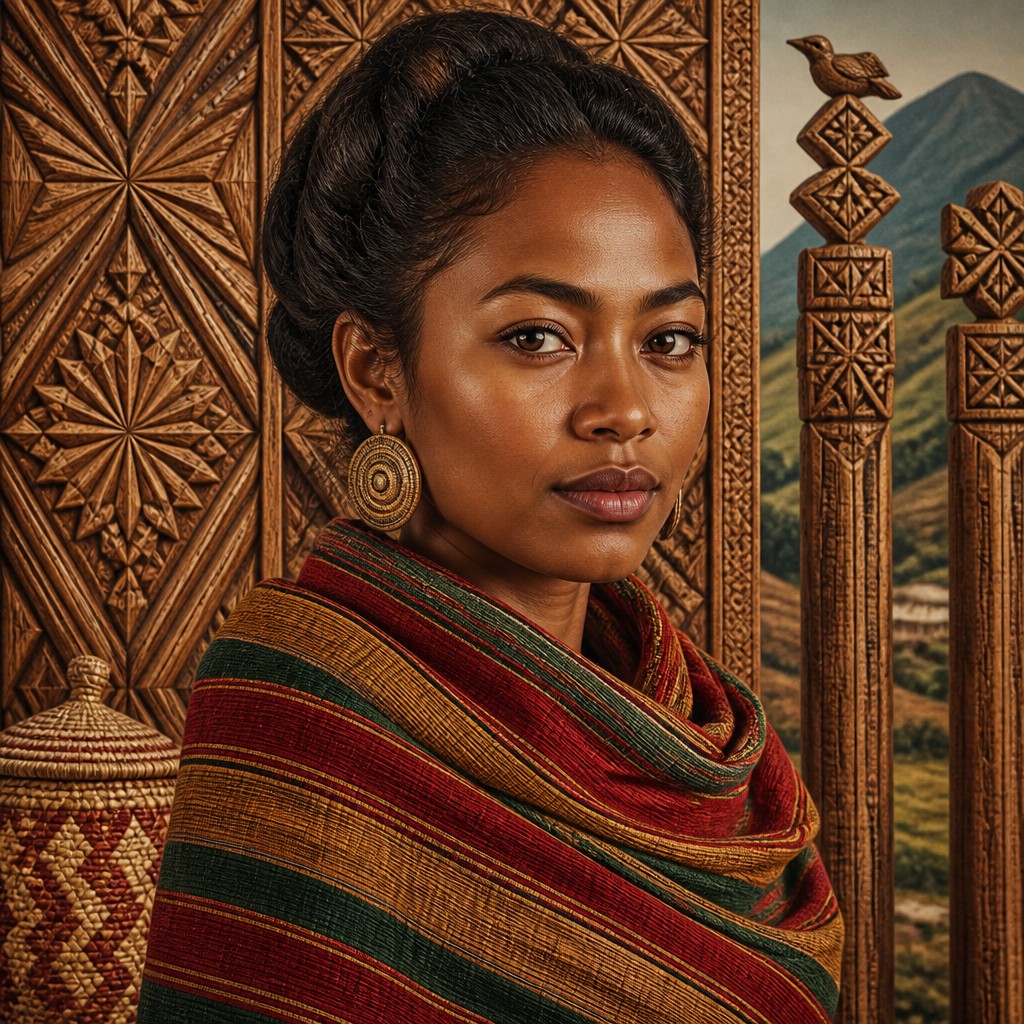
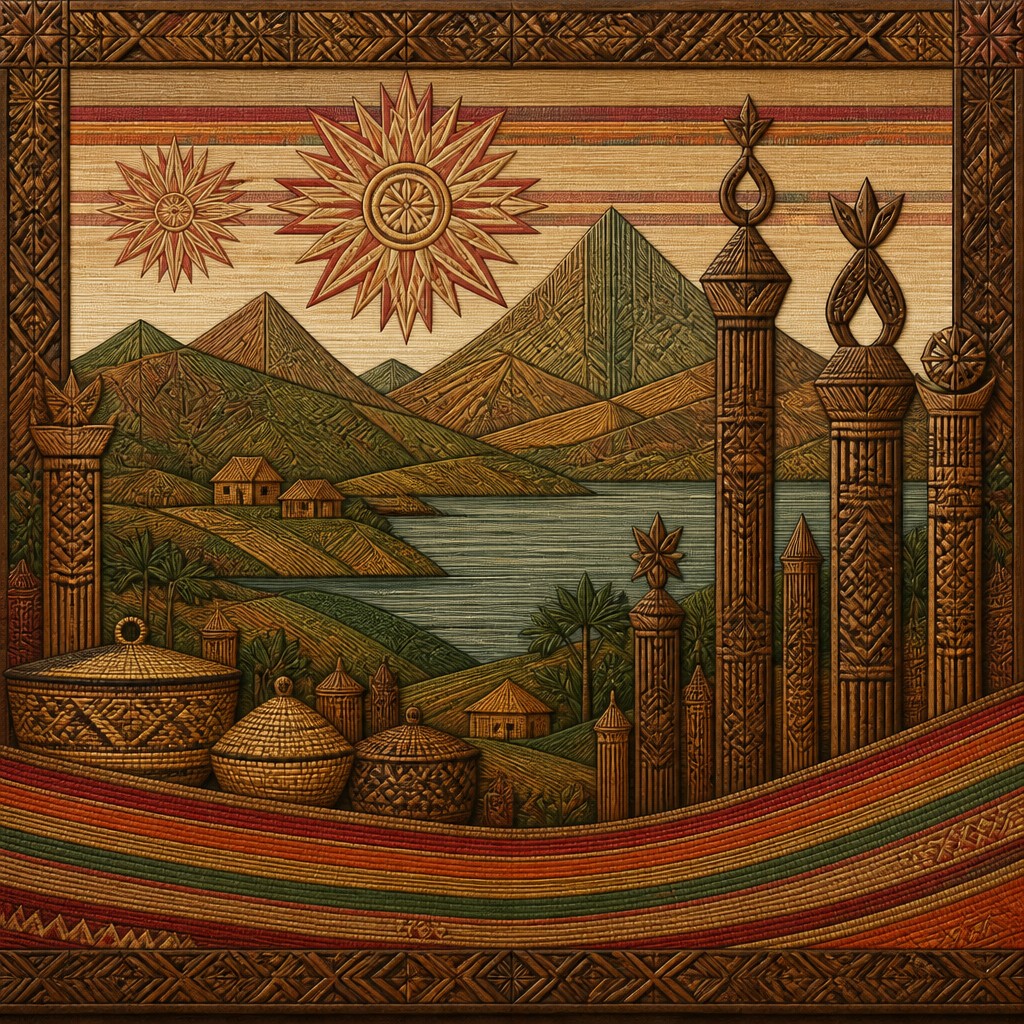
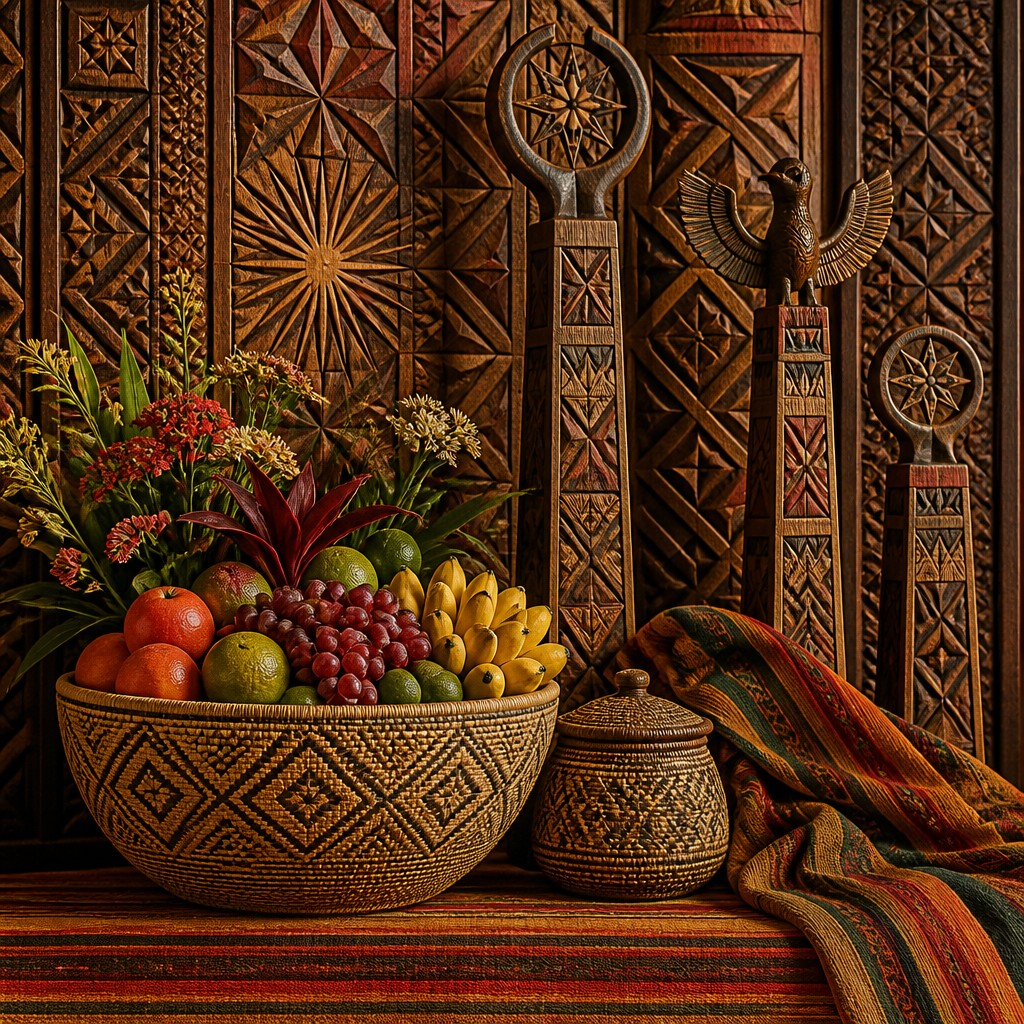
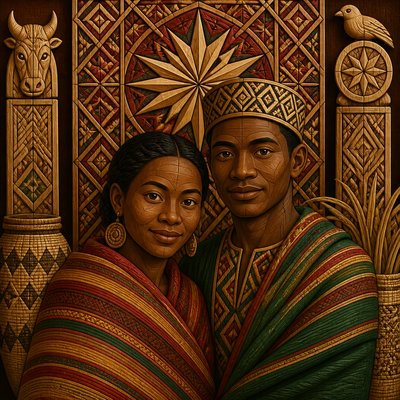
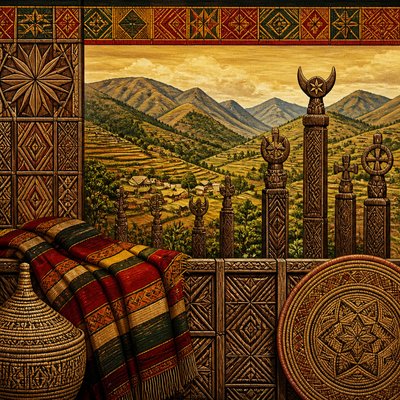
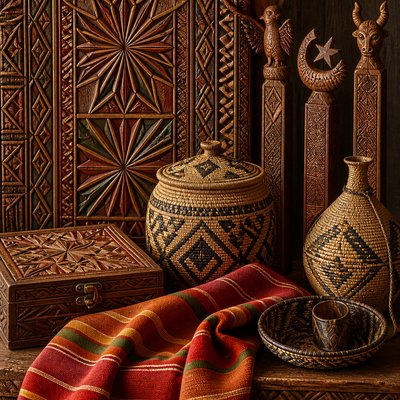
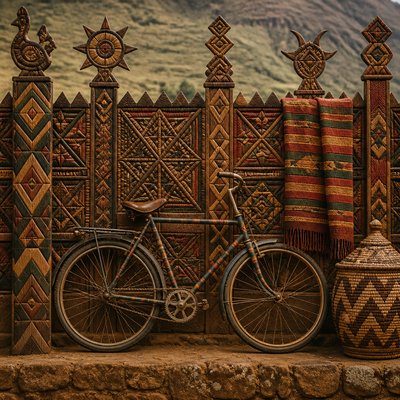
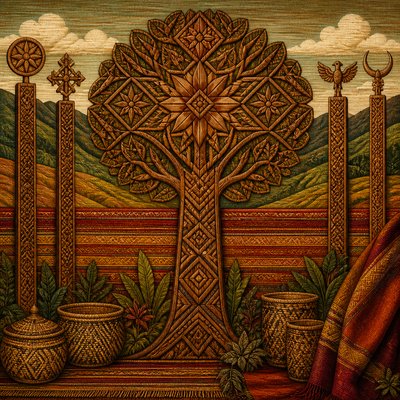
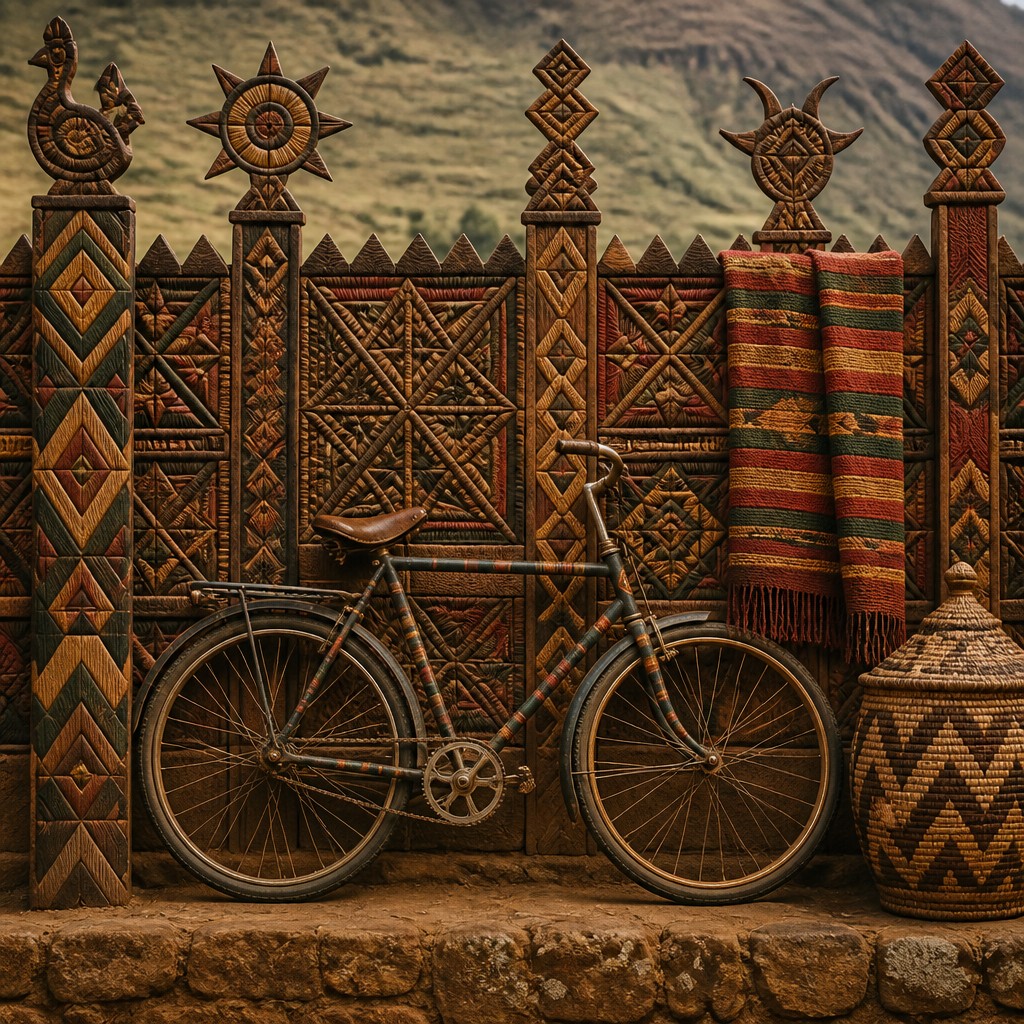
Malagasy art style is a contemporary visual synthesis inspired by Madagascar’s regional craft traditions, especially geometric Zafimaniry wood carving, woven lamba cloth, raffia basketry, and sculptural memorial posts. Its characteristic vocabulary combines angular panels, radiating stars, diamonds, stepped forms, carved emblems, and strong horizontal textile bands with a restrained palette of earthen red, ochre gold, deep green, brown, and natural fiber tones.
The style looks architectural and tactile because many of its source traditions are made from structural materials: carved timber, spun and woven fibers, bark, raffia, and silk. Repetition, symmetry, surface relief, and symbolic patterning are central, while the contrast between finely incised wood and soft, irregular textile weave gives the imagery a distinctly handmade character. In digital interpretation, these qualities can be extended to portraits, landscapes, objects, and environments without treating Madagascar’s diverse regional cultures as a single uniform tradition.
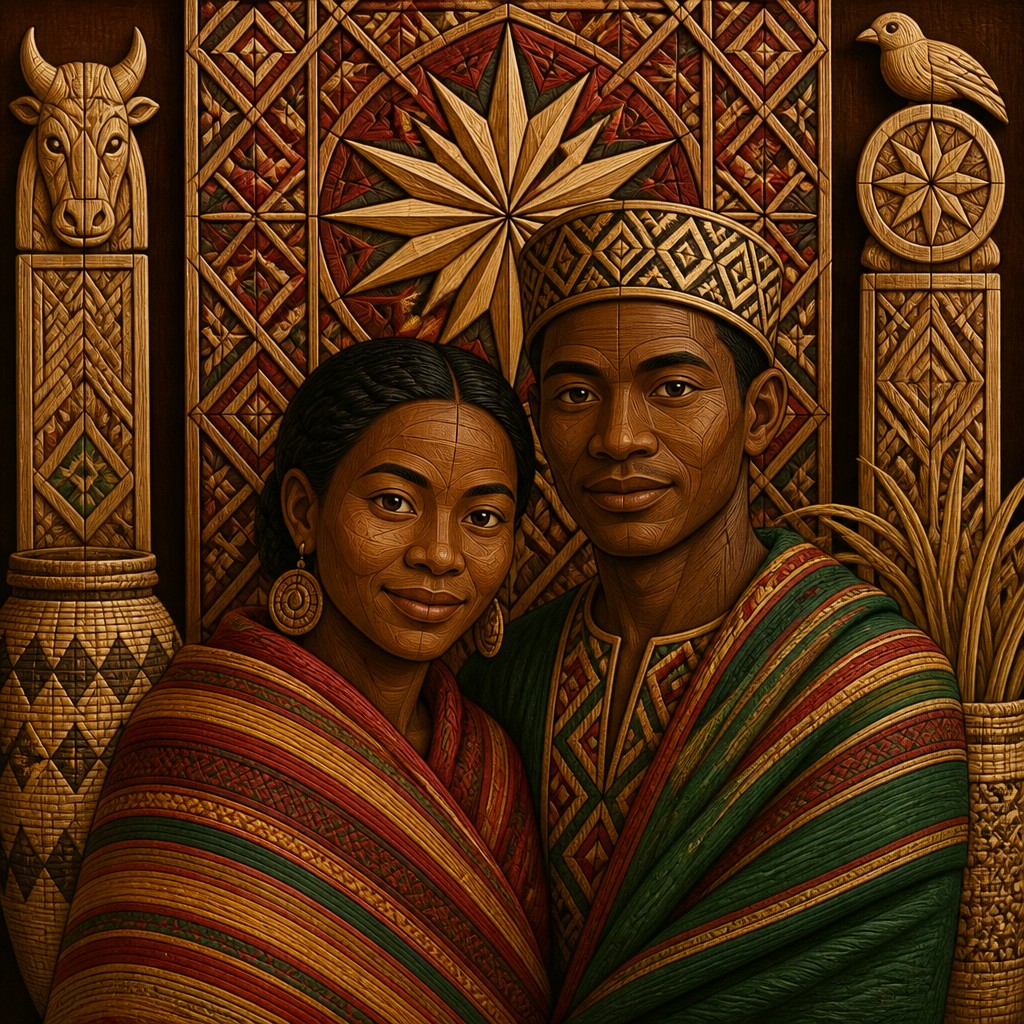
Try It On Your Photos
Upload any photo and convert it into Malagasy Art Style — drag the sliders to compare before and after.
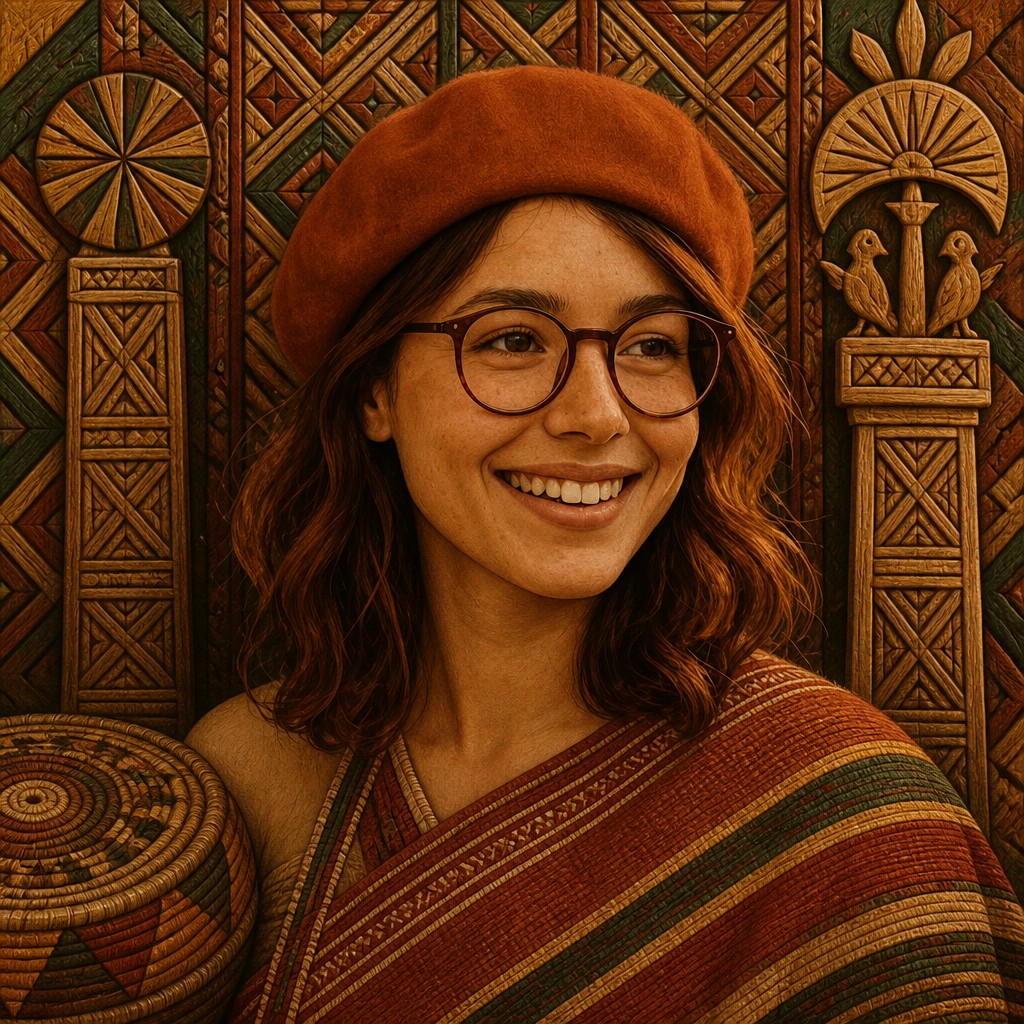

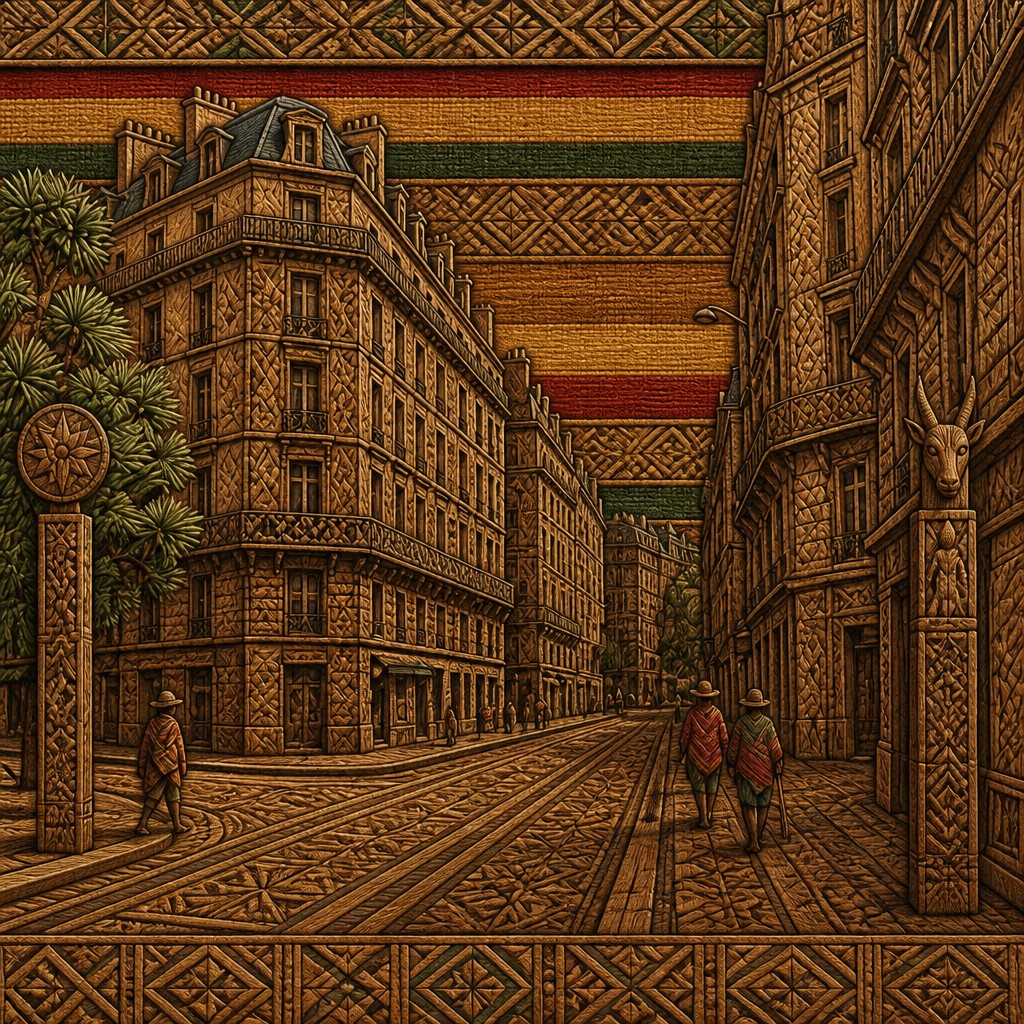

What Defines Malagasy Art Style
The signature details, up close
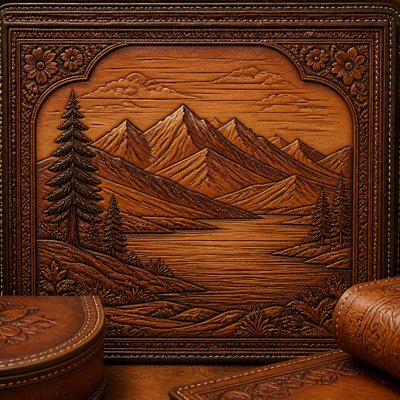
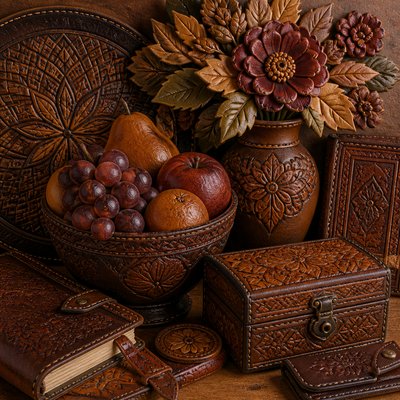
Geometric wood carving
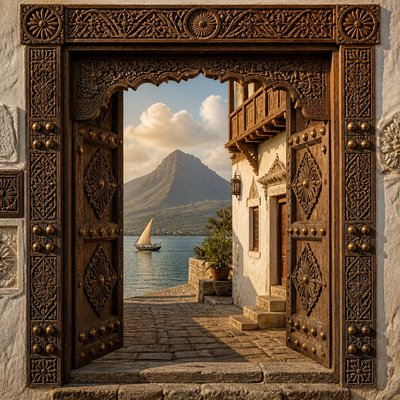
Angular diamonds, chevrons, grids, stepped forms, and radiating star patterns suggest the incised and relief-carved surfaces of highland wooden architecture and craft. Repetition creates rhythm while preserving a clear, balanced structure.
Carved memorial forms
Tall posts, finials, abstract animals, and emblematic silhouettes evoke the sculptural presence of aloalo and related funerary arts. These forms work best as symbolic vertical accents rather than generic decorative poles.
Woven lamba bands
Horizontal stripes and restrained geometric borders reference lamba textiles made from materials including cotton, silk, and synthetic fibers. Visible warp-and-weft irregularity helps prevent the cloth from looking like flat graphic color.
Raffia and natural fibers
Fine fraying, braided edges, basket-weave grids, and fibrous highlights add a dry, tactile surface. Raffia textures can appear in mats, bags, hats, walls, and background patterning.
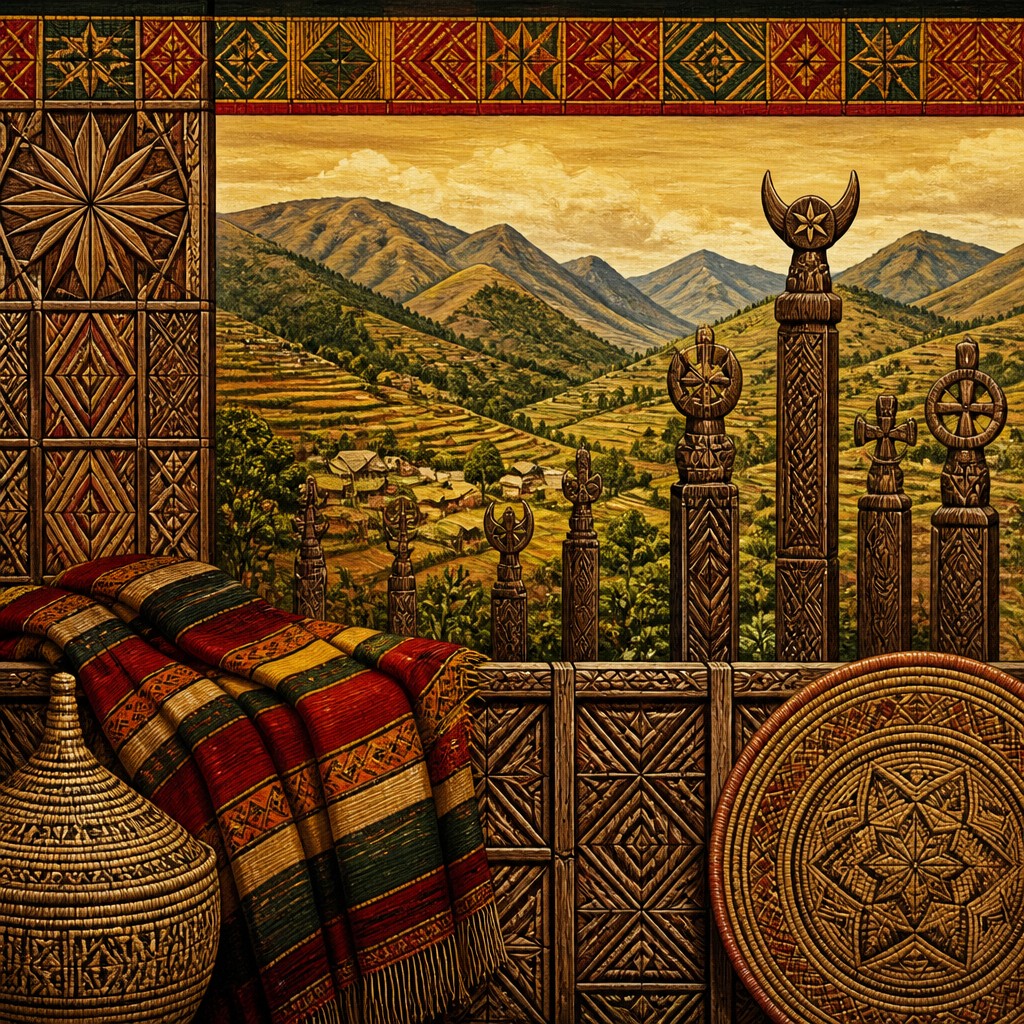
Highland earth palette
Terracotta red, ochre, muted gold, forest green, dark brown, charcoal, and undyed fiber create a grounded palette. Small areas of brighter color can be reserved for ceremonial textiles or focal details.
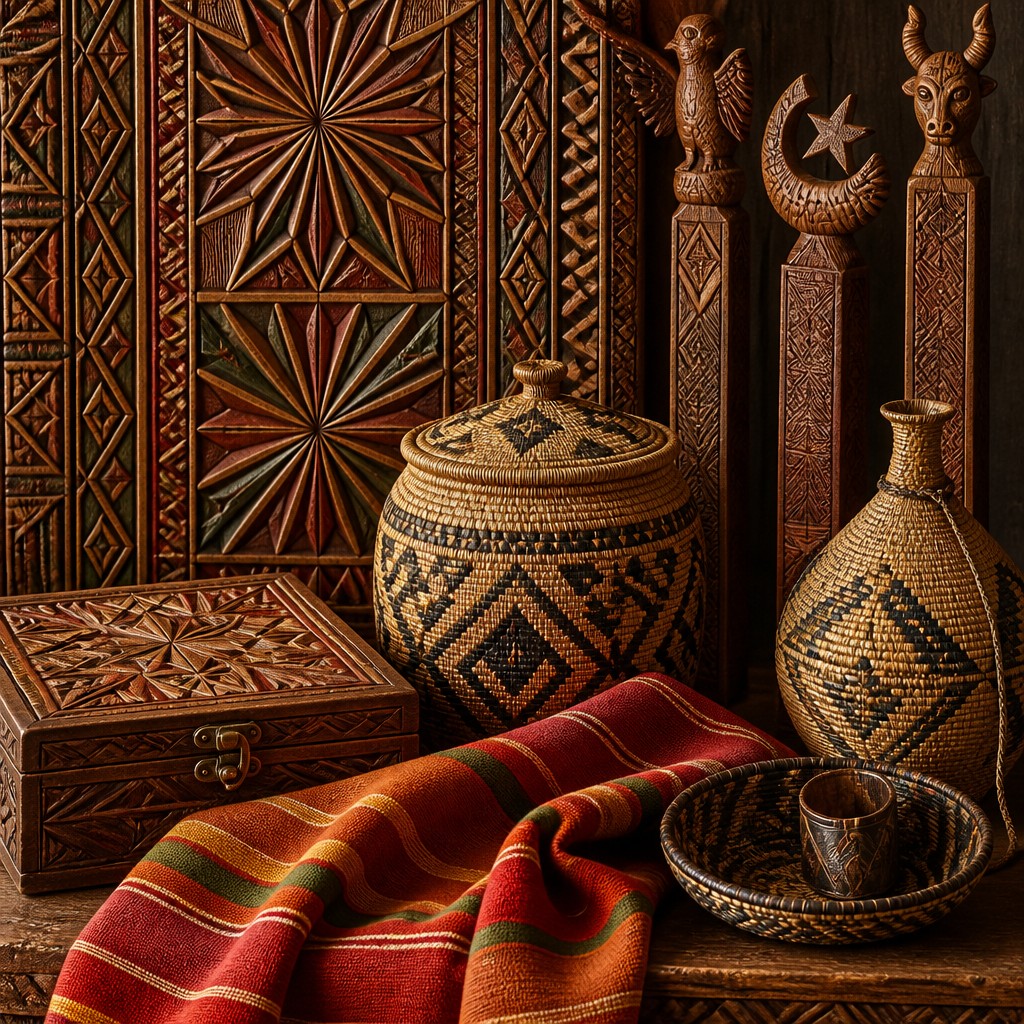
Symmetry and modular pattern
Balanced panels, repeated motifs, and axial compositions reflect the structural logic of carved surfaces and woven designs. The geometry is usually handmade and slightly varied rather than mechanically perfect.
Material contrast
The visual identity depends on juxtaposing hard, incised timber with soft silk, rough raffia, polished wood, and weathered earth. Layered relief, directional grain, and shallow shadows make the materials legible.
Malagasy Prompt Ideas
Start from an idea — each one opens the generator with the style ready to go. See all 40 Malagasy prompts →
How to Create Malagasy Art
Master the craft step by step — or skip straight to creating. Read the full guide →
- 1
Build a motif system
Start with a small vocabulary of diamonds, stars, chevrons, stepped bands, and plant or animal emblems, then repeat and vary them across panels. Keep the geometry symmetrical but introduce minor hand-carved irregularities.
- 2
Render the materials
For traditional drawing or painting, use dry-brush, gouache, colored pencil, or relief-like hatching to distinguish grain, incisions, silk sheen, and raffia fibers. In digital work, combine displacement or bump texture with soft directional lighting and restrained surface noise.
- 3
Organize the composition
Use carved borders, vertical memorial forms, and horizontal textile bands to create a stable architectural frame. Place the main subject inside or against these structures rather than covering every area with pattern.
- 4
Control the palette
Begin with terracotta, ochre, forest green, brown, charcoal, and natural cream, then add a limited accent color. Muting saturation and varying material brightness will make the result feel crafted rather than digitally synthetic.
- 5
Write precise image prompts
Specify the subject first, then request geometric carved wood panels, woven lamba stripes, raffia texture, memorial-post silhouettes, visible handmade detail, and the earth-toned palette. Add composition, lighting, and material terms such as shallow relief, incised grain, or soft textile sheen.
- 6
Respect regional context
If depicting a particular cultural practice, identify its region and function instead of combining every Malagasy motif indiscriminately. Avoid treating funerary objects, ceremonial garments, and everyday basketry as interchangeable decoration.
The Story
History & Origins of Malagasy
There is no single historical movement called Malagasy art style. Rather, it draws on the varied artistic cultures of Madagascar, an island whose visual traditions reflect African, Austronesian, Arab, and wider Indian Ocean connections. Zafimaniry communities in the central highlands are particularly associated with elaborately carved wooden houses, furniture, tools, and panels; their knowledge of woodcraft was inscribed on UNESCO’s Representative List of the Intangible Cultural Heritage of Humanity in 2008.
Other important sources include lamba, the rectangular woven cloth used throughout Madagascar for dress, exchange, ceremony, and social expression; raffia weaving and basketry; and aloalo, carved memorial posts associated especially with funerary monuments in southern Madagascar. Contemporary illustrations and design often combine selected elements from these traditions, but regional motifs should be identified carefully rather than presented as interchangeable symbols.
Influences: The style relates to Madagascar’s Zafimaniry woodcraft, regional lamba weaving, southern memorial sculpture, and raffia basketry, while also sharing visual principles with African geometric pattern traditions, Austronesian textile design, Indian Ocean craft exchange, vernacular architecture, and contemporary material-focused illustration. It may overlap with folk art, textile art, relief sculpture, and eco-conscious design, but its identity comes from the combination of Malagasy material references, structured geometry, and island-specific color and symbolism.
Frequently Asked Questions
Is Malagasy art style a single traditional art movement?
No. The term generally describes a visual approach inspired by multiple artistic traditions from Madagascar rather than a unified historical movement. A responsible interpretation should distinguish regional practices such as Zafimaniry woodcraft, lamba weaving, raffia work, and southern memorial sculpture.
What defines the look of Malagasy-inspired art?
The most recognizable features are geometric carved patterns, strong symmetry, woven horizontal bands, natural-fiber texture, sculptural posts, and an earthy red, gold, brown, and green palette. Material contrast is equally important: wood should feel incised or grained, while cloth and raffia should retain visible softness and irregularity.
What is Zafimaniry wood carving?
Zafimaniry woodcraft is a highland Malagasy tradition known for detailed carving applied to houses, furniture, tools, and other wooden objects. Its geometric vocabulary includes repeated angular and radiating motifs, and the craft knowledge was recognized by UNESCO as intangible cultural heritage in 2008.
What is lamba in Malagasy culture?
Lamba is a rectangular cloth used across Madagascar for clothing, ceremony, exchange, and social communication. It can be made from different fibers and may feature stripes, checks, embroidery, or other regional designs; it is not one fixed pattern or fabric.
How can I create this look without making it appear generic?
Choose a specific material and regional reference, then describe its construction in concrete terms: incised wood grain, hand-woven warp and weft, raffia fringe, or a particular kind of memorial form. Limit the palette, use imperfect repetition, and avoid combining unrelated ceremonial symbols solely as decoration.
Where is this style commonly used?
It can inform editorial illustration, textile and fashion concepts, interior surfaces, packaging, pattern design, sculpture, architecture visualization, and digital environments. It is especially effective when the composition gives visible emphasis to material, craft process, and repeating structure.
Create your first Malagasy artwork
Describe anything — or upload a photo — and see it in Malagasy Art Style in seconds.
Related Styles
Discover similar art styles