Montenegrin Art Style
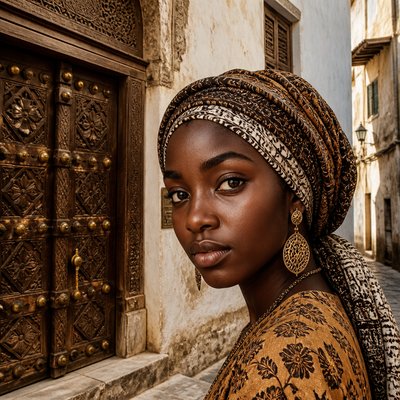
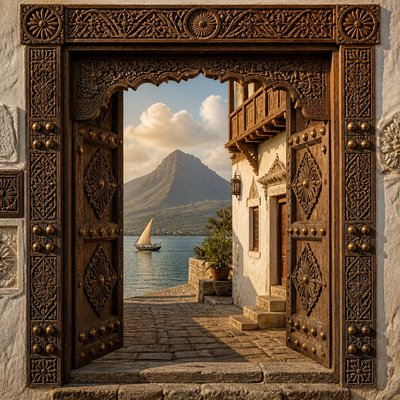
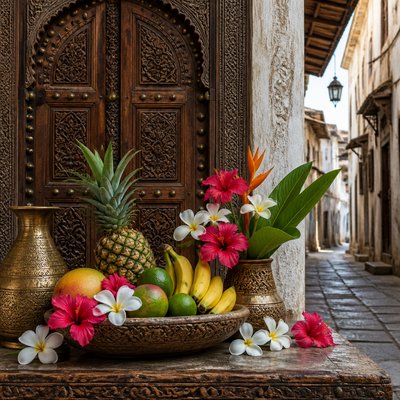
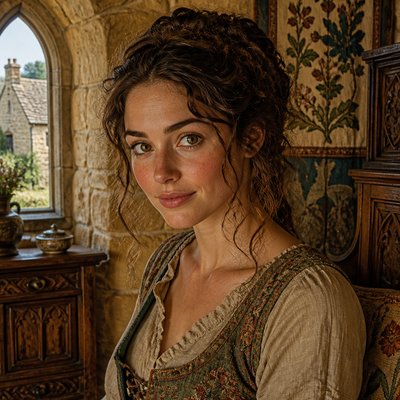
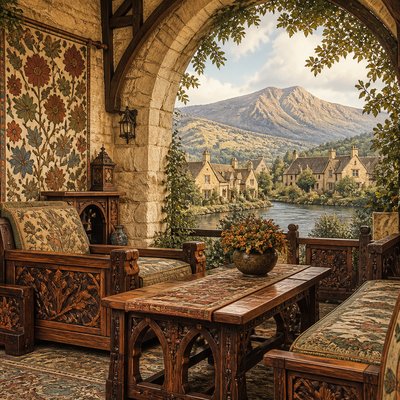
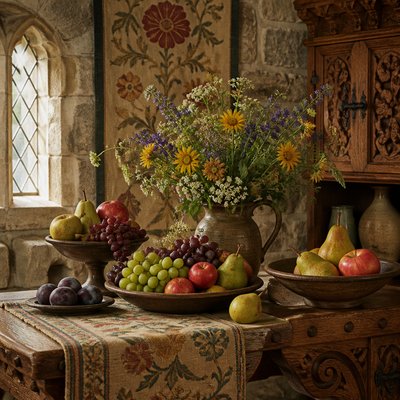
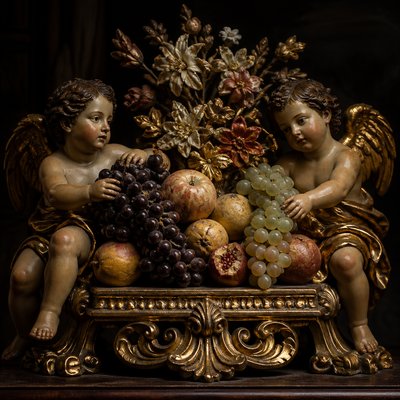
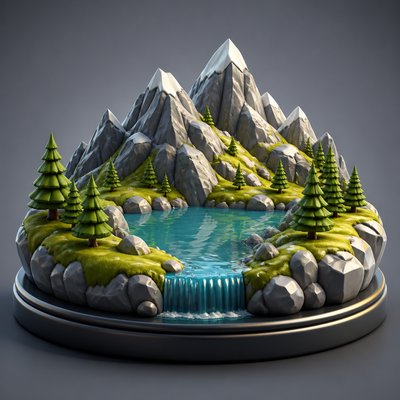
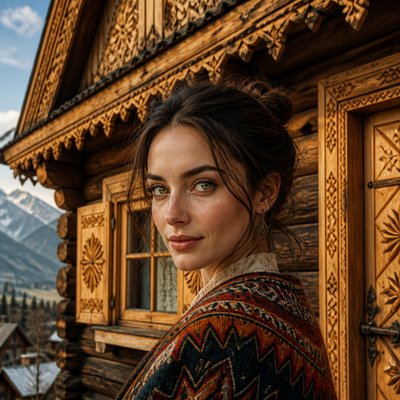
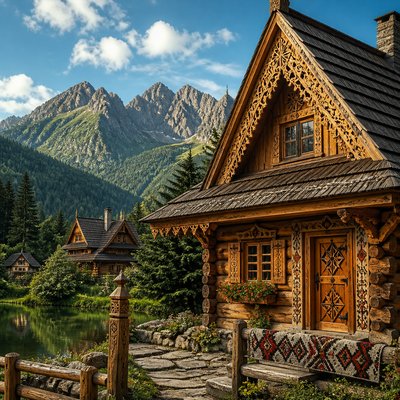
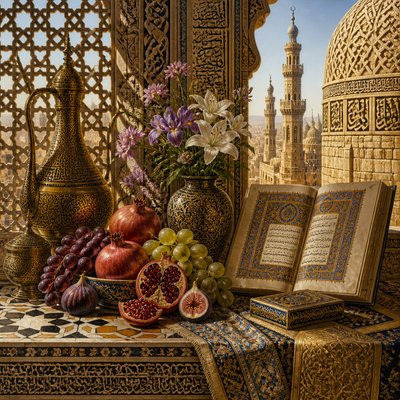
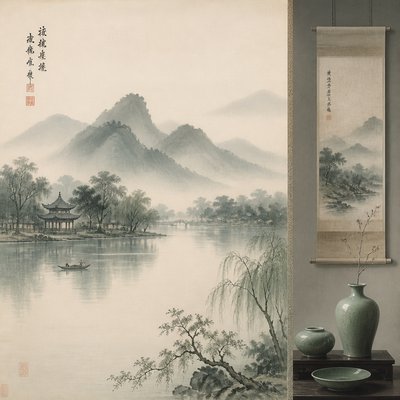
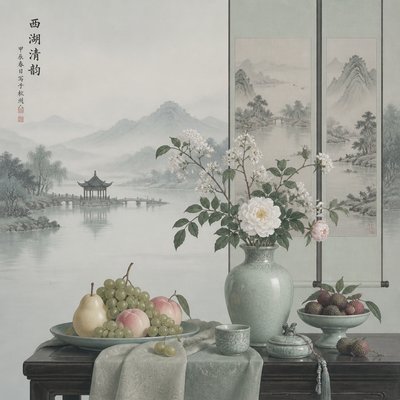
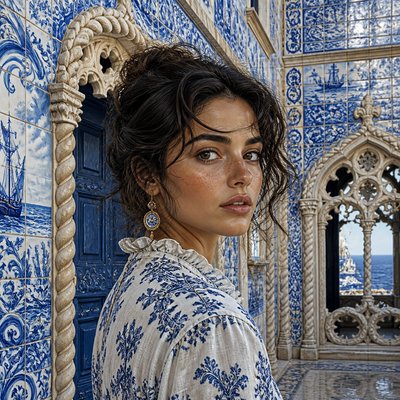
Explore Montenegrin art style: Bay of Kotor stone architecture, Orthodox fresco color, alpine peaks, and dramatic Adriatic light.
Instantly rendered in Montenegrin — or transform a photo
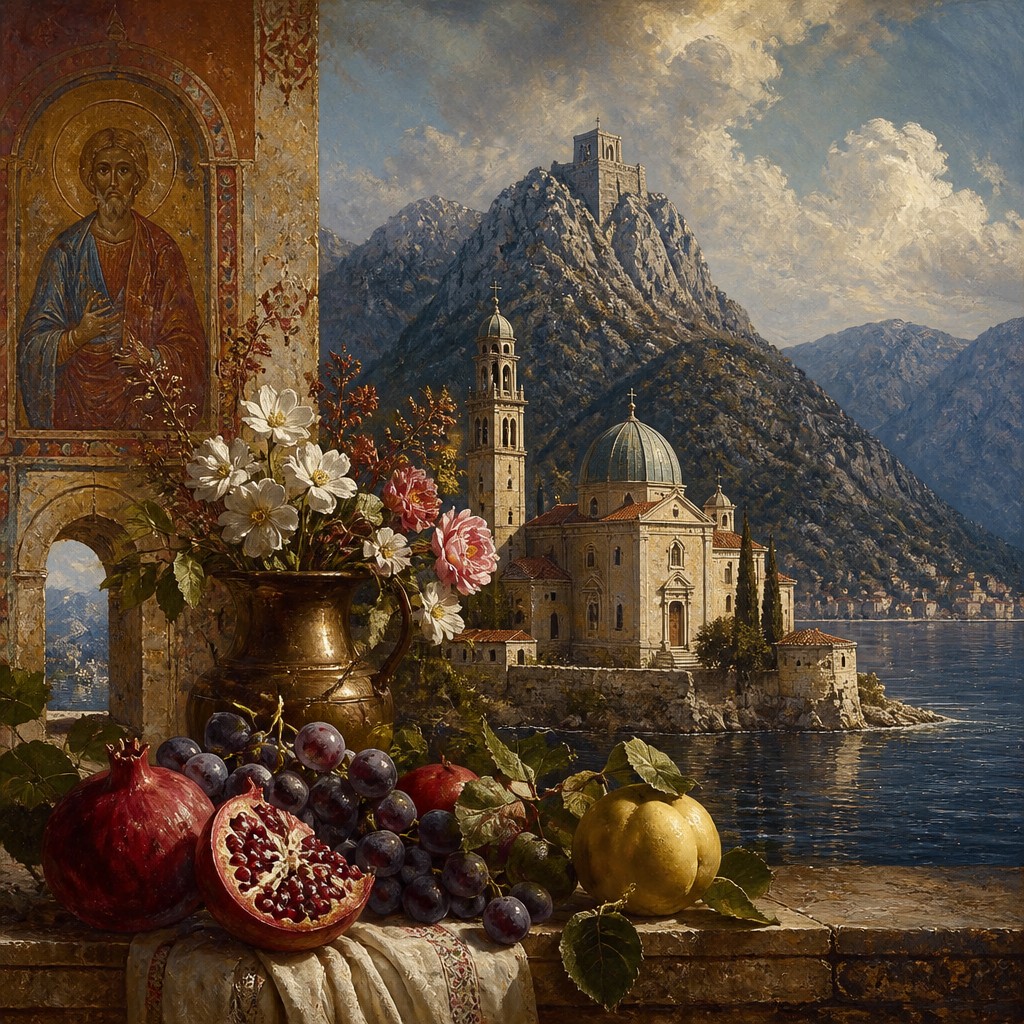
Montenegrin Gallery
Tap any artwork to explore it
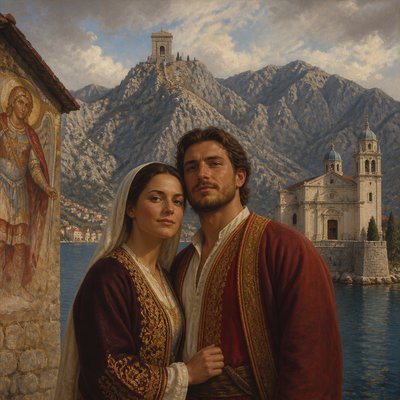
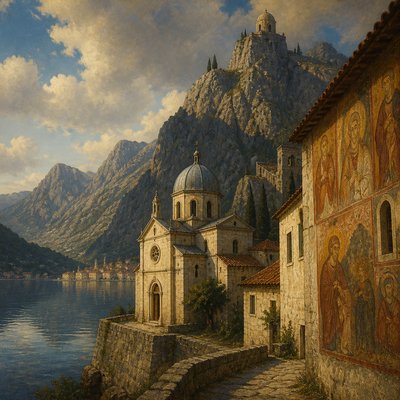
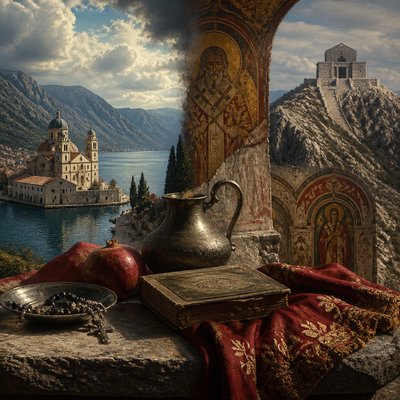
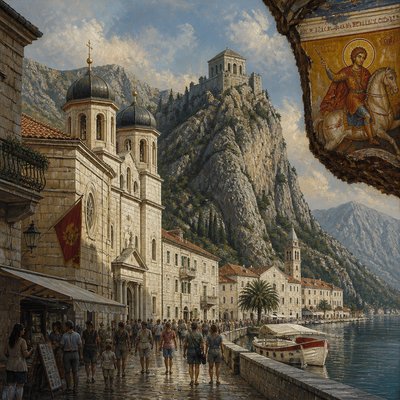
What is Montenegrin Art Style?
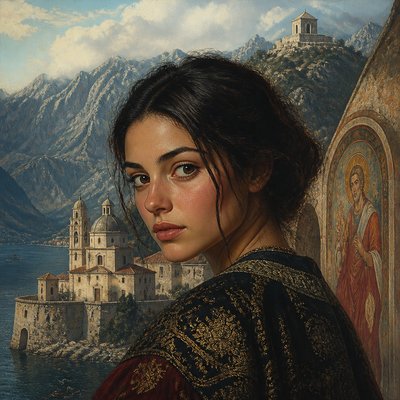
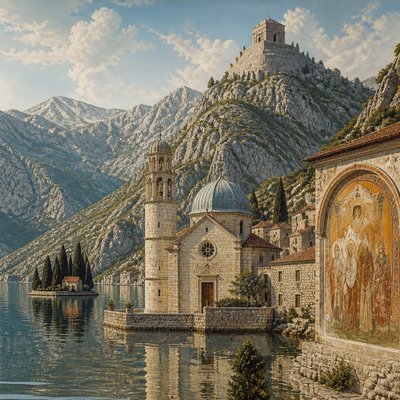
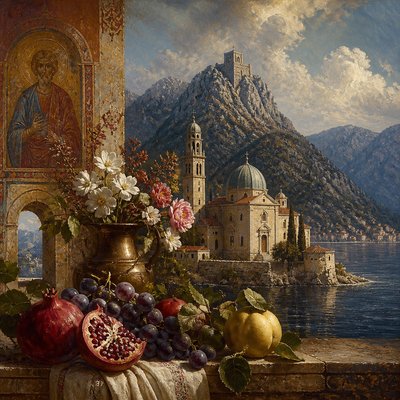
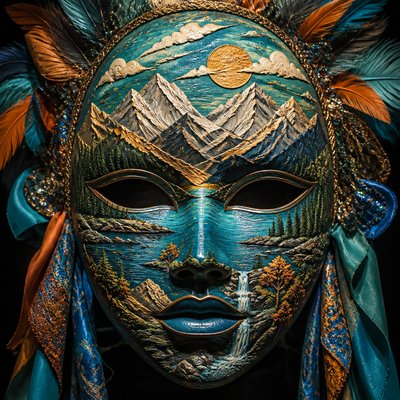
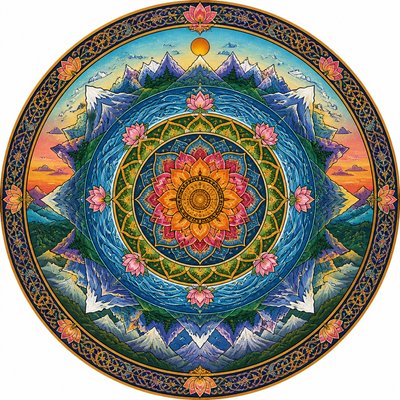
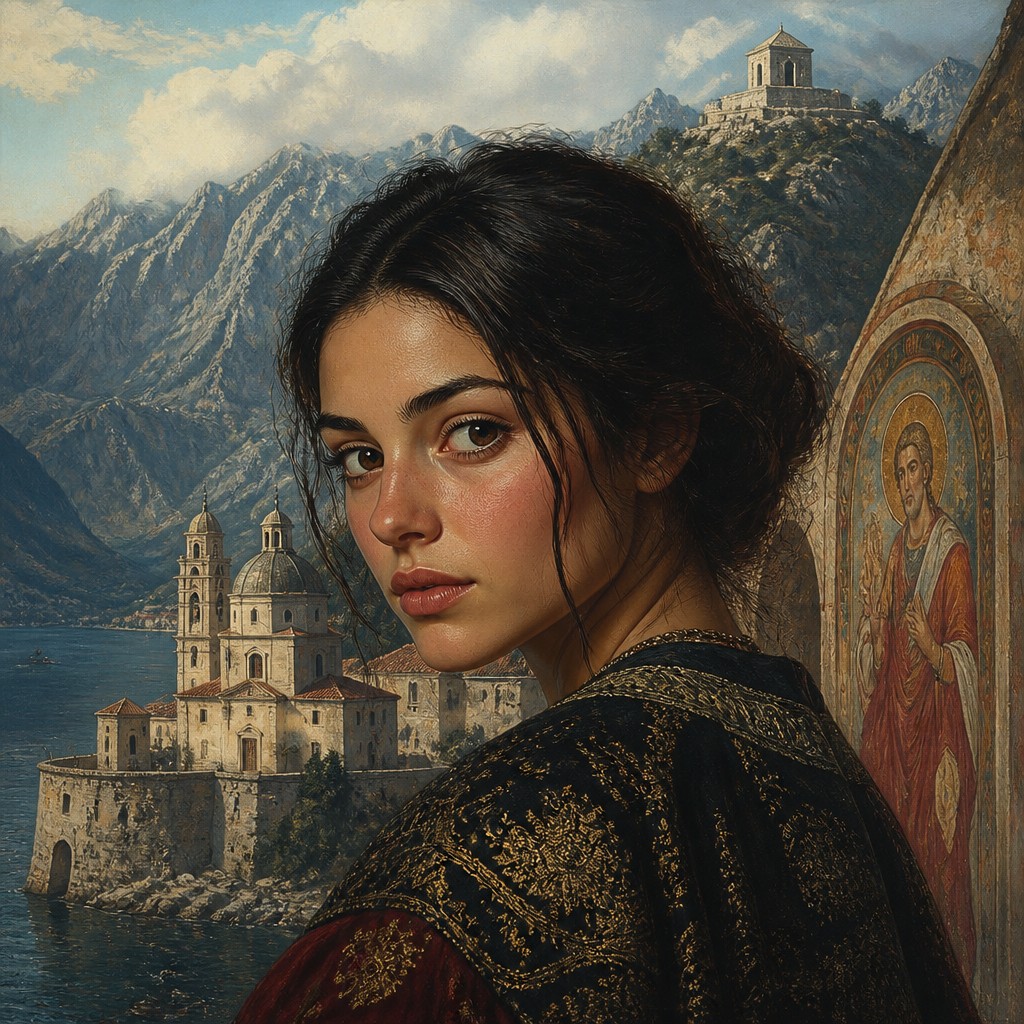
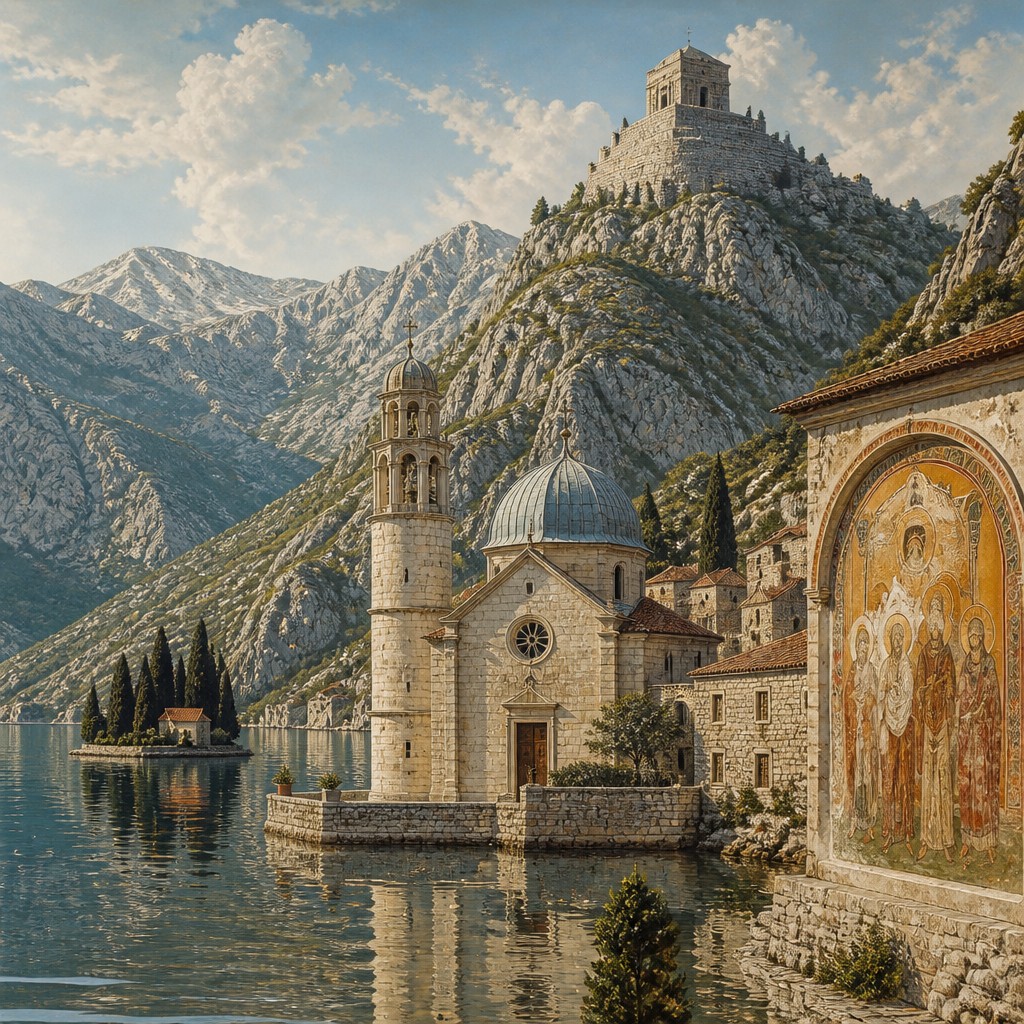
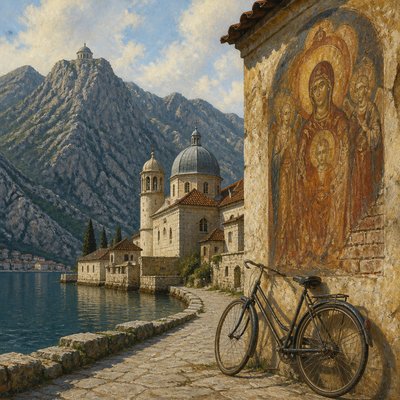
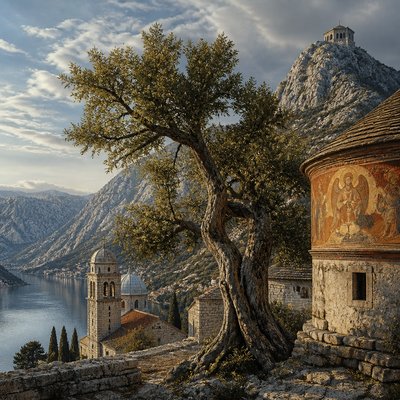
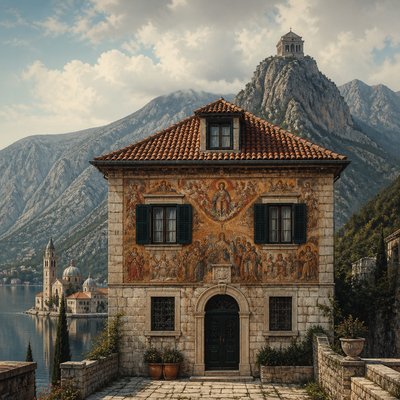
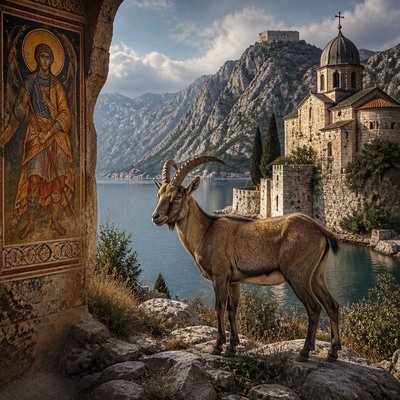
Montenegrin Art Style is an invented, place-based visual synthesis centered on Montenegro’s Bay of Kotor, mountain interiors, and monumental highland sanctuaries. It combines pale coastal stone, fortified Baroque churches, Orthodox fresco traditions, steep limestone terrain, and a mountaintop mausoleum silhouette into an image language of solemn grandeur and geographic contrast.
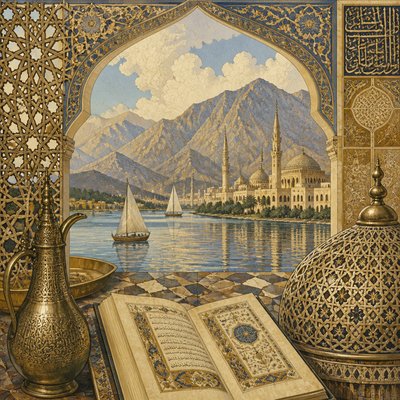
The style is defined less by a single historical school than by atmosphere and structure: narrow inlets and clustered settlements below, severe peaks above, and architecture that appears integrated with the rock. Warm ochres, deep reds, weathered whites, slate, granite gray, and Adriatic blue are shaped by hard directional light, giving scenes a monumental stillness that can move between devotional painting, architectural illustration, and cinematic landscape imagery.
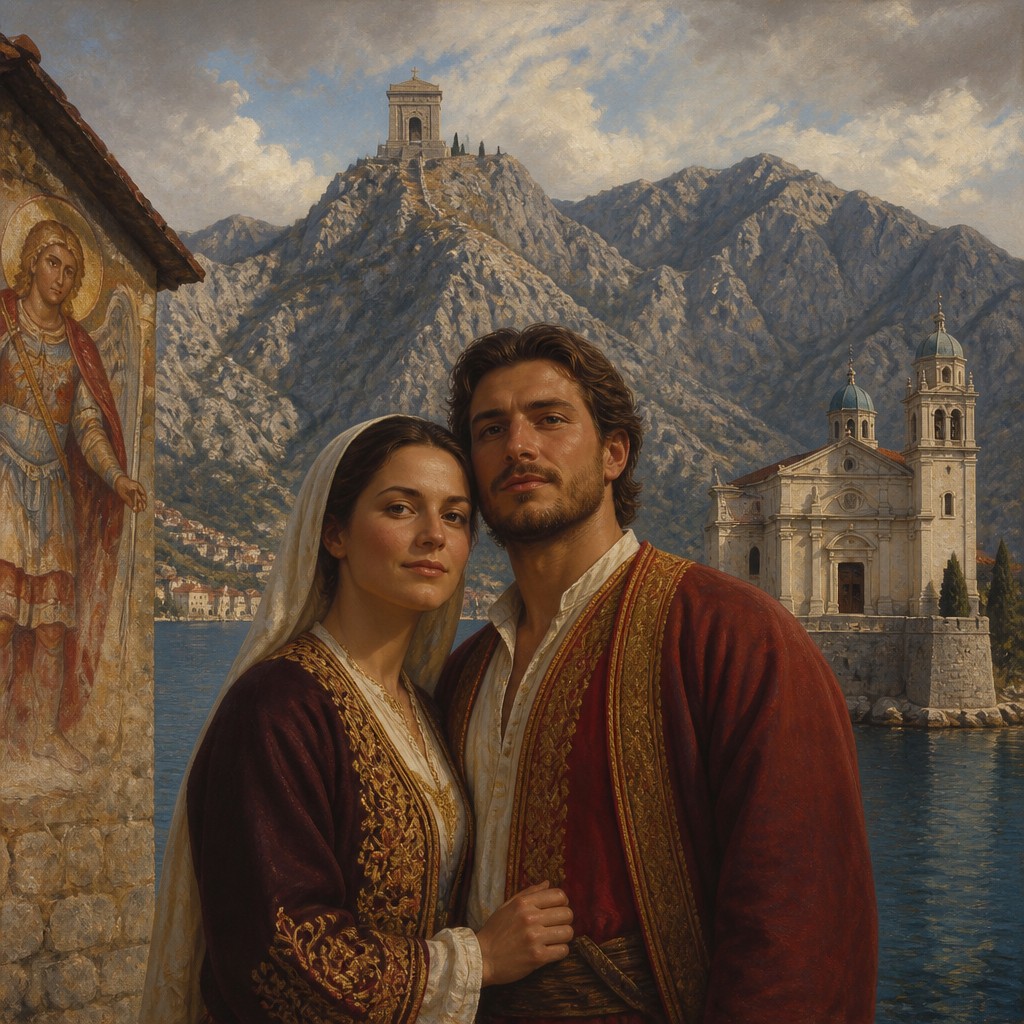
Try It On Your Photos
Upload any photo and convert it into Montenegrin Art Style — drag the sliders to compare before and after.
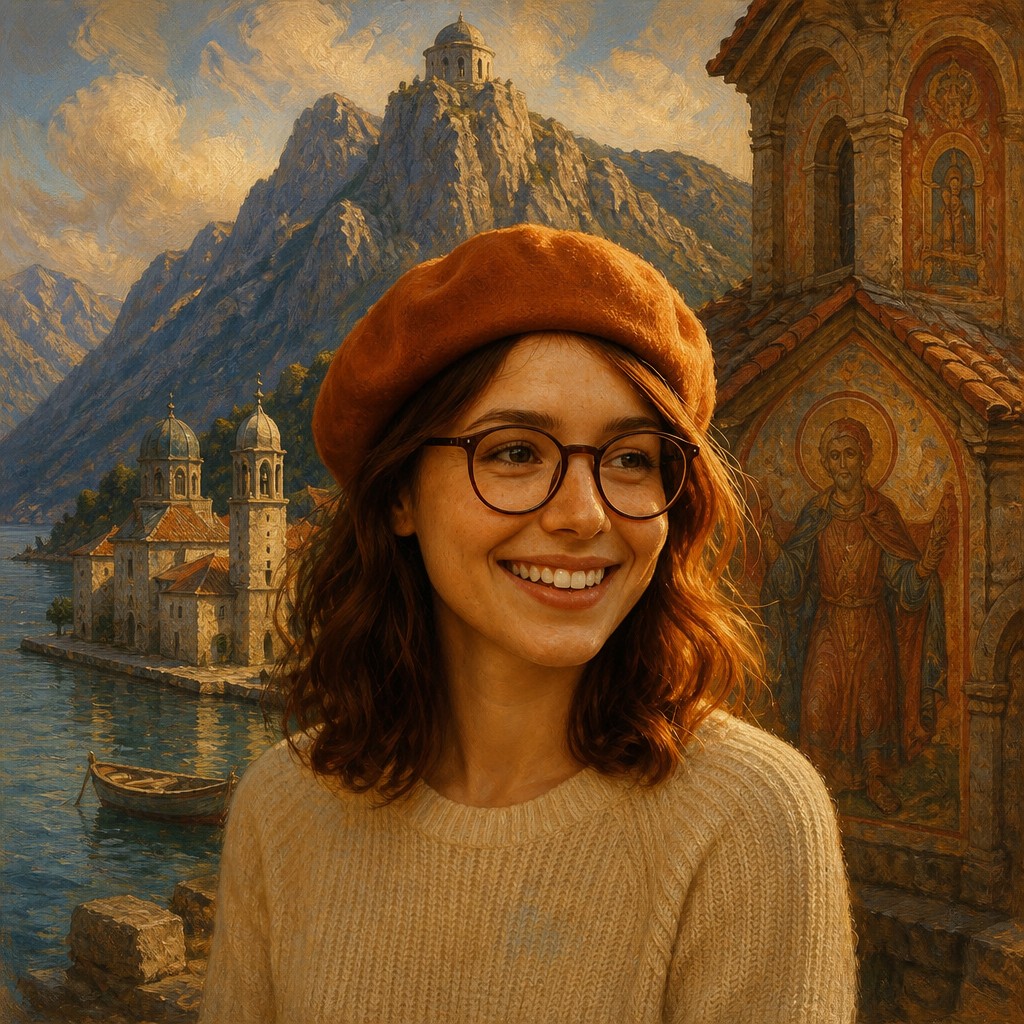

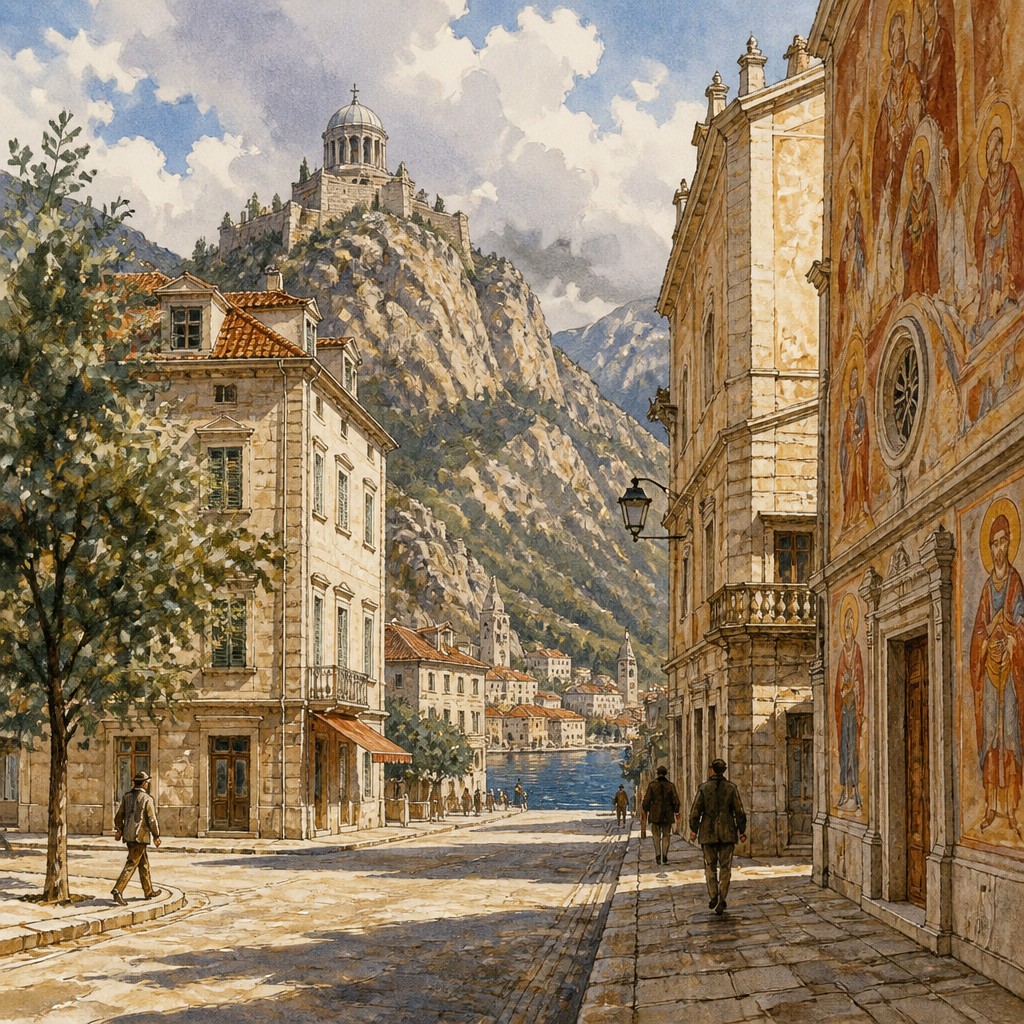

What Defines Montenegrin Art Style
The signature details, up close
Pale limestone architecture
Light gray and ivory stone facades, stepped roofs, bell towers, arcades, and retaining walls establish a strong coastal identity. Surfaces often show age through softened edges, mineral staining, and restrained weathering.
Bay-of-Kotor composition
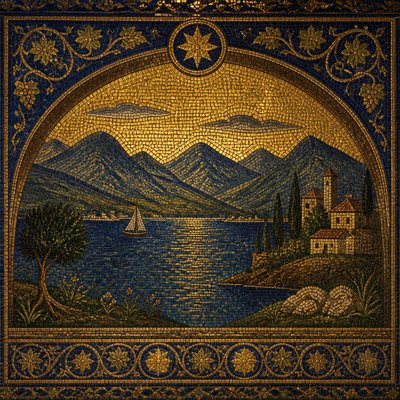
Scenes frequently use the narrow, fjord-like appearance of the bay as a layered stage, with water and fortified settlements in the middle distance and abrupt mountains enclosing the horizon.
Orthodox fresco color
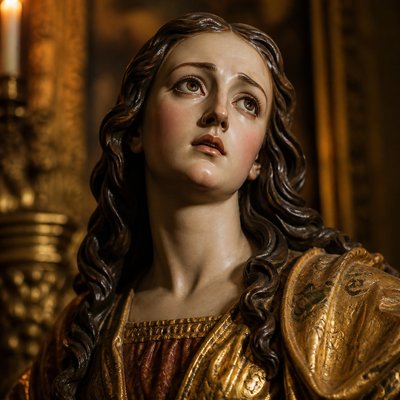
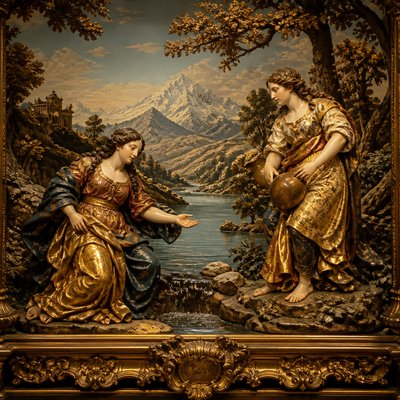
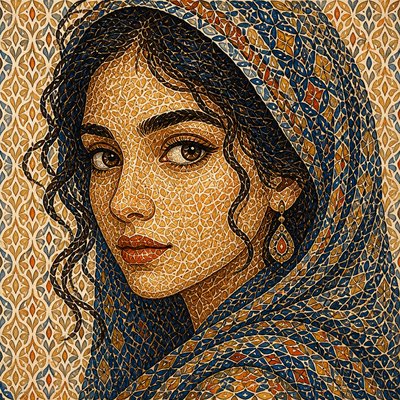
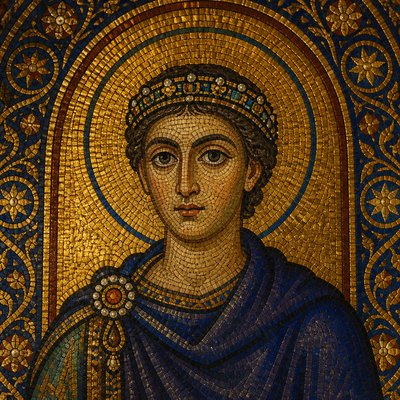
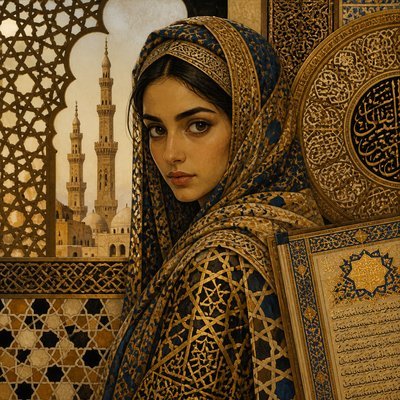
Ochre, terracotta, deep red, muted blue, and aged gold reference monastery frescoes painted on plaster. Figures and ornament, when present, are treated as solemn, flattened, and devotional rather than naturalistic.
Mountaintop monumentality
A mausoleum, chapel, monastery, or stone shrine may crown a ridge or summit, creating a visual axis between human architecture and vast alpine space. The monument functions as a symbol of endurance, memory, and spiritual elevation.
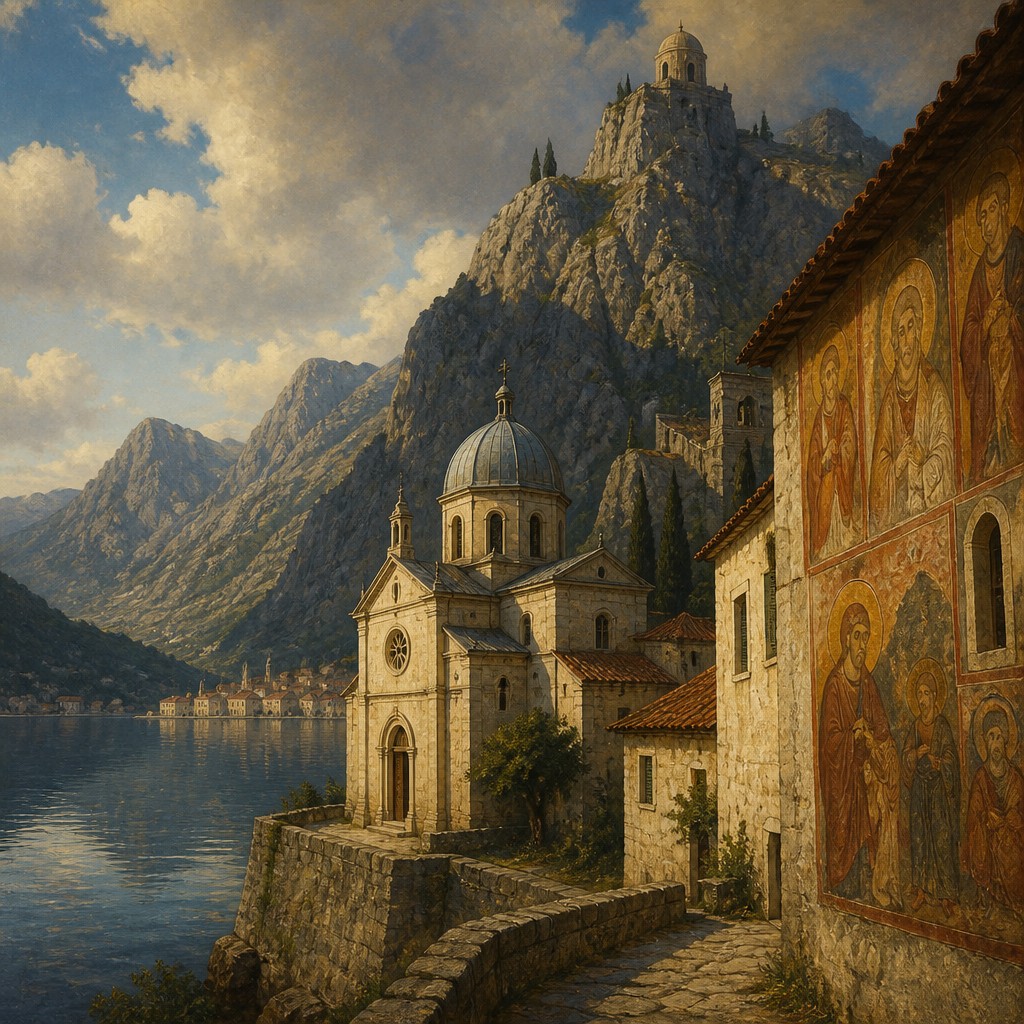
Dramatic Adriatic-to-alpine light
Clear coastal illumination meets cold mountain shadow, producing sharp highlights, deep recesses, and broad tonal transitions across rock faces. Dawn, storm breaks, and late-afternoon light are especially effective.
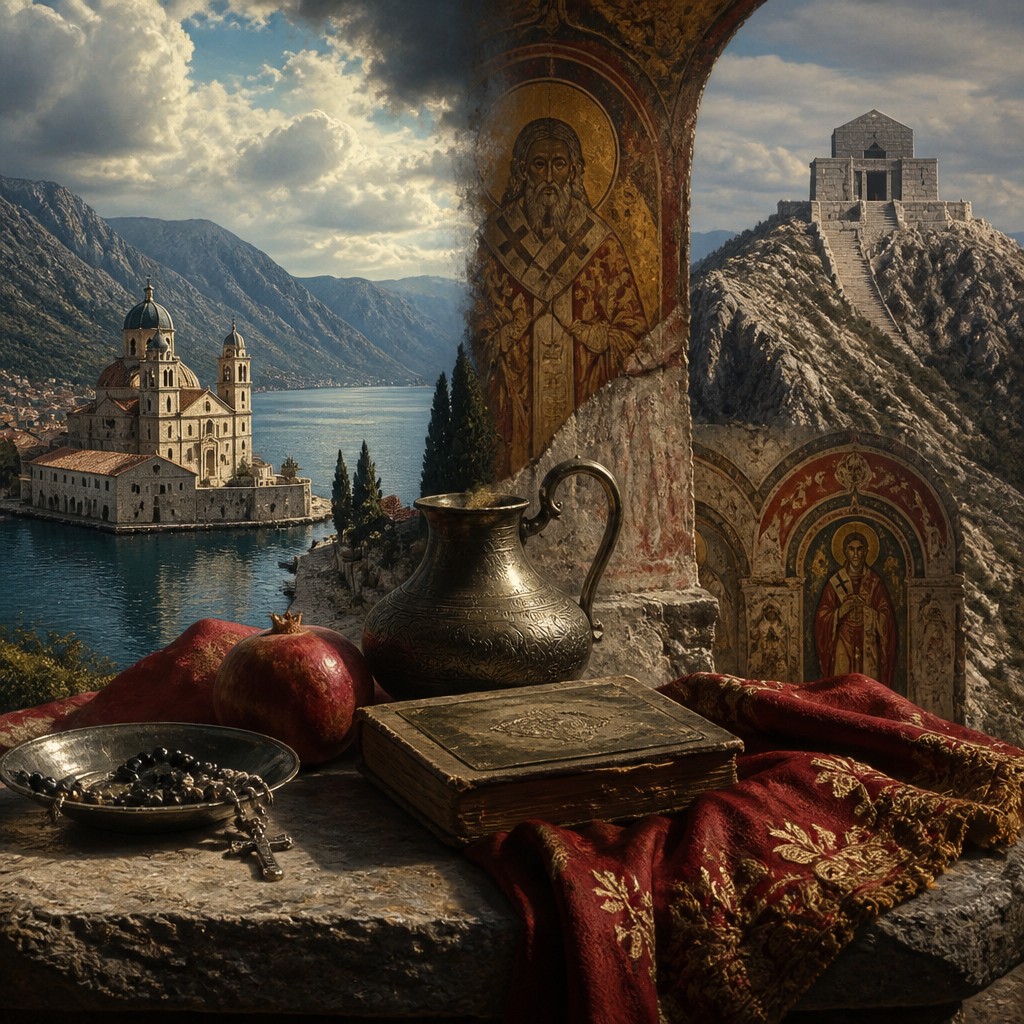
Rugged stillness
The style favors quiet, sparsely populated scenes with monumental scale and limited movement. Atmospheric haze, wind-shaped vegetation, and calm water reinforce a contemplative mood.
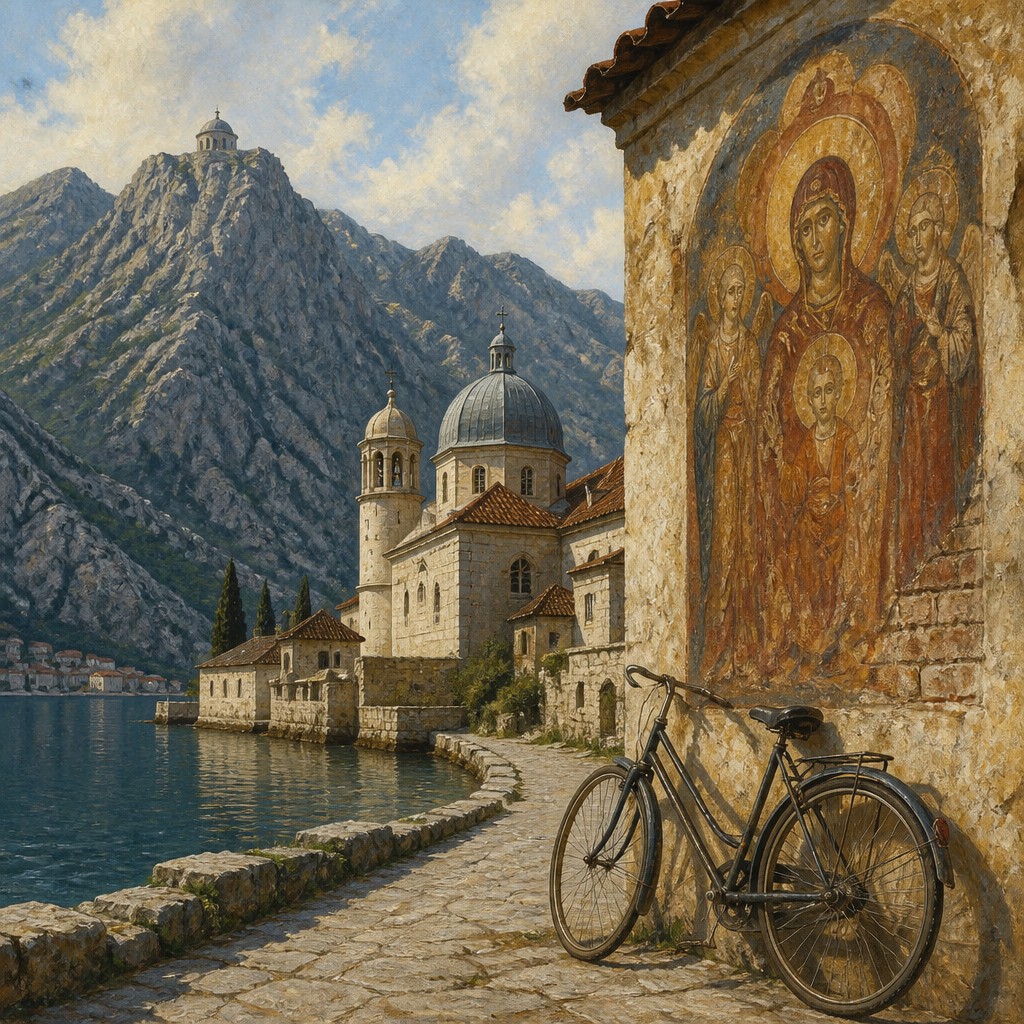
Restrained mineral palette
Stone white, limestone beige, charcoal, slate blue, olive green, ochre, and deep red dominate. Saturated color is concentrated in fresco details, tiled roofs, church interiors, or narrow bands of sunset.
Montenegrin Prompt Ideas
Start from an idea — each one opens the generator with the style ready to go. See all 40 Montenegrin prompts →
How to Create Montenegrin Art
Master the craft step by step — or skip straight to creating. Read the full guide →
- 1
Build the scene in geographic layers
Begin with a narrow bay or valley, place clustered stone architecture along the lower slopes, and reserve the highest point for a mausoleum or sanctuary. Use overlapping ridges to create the compressed depth associated with Montenegro’s terrain.
- 2
Use a mineral-based palette
Work with limestone whites, warm grays, ochre, iron red, slate blue, and muted green. In traditional painting, textured underpainting and dry-brush abrasion can suggest porous stone; digitally, use low-saturation color grading and localized texture overlays.
- 3
Contrast fresco flatness with landscape depth
Render distant mountains and water with atmospheric perspective, but keep fresco panels, icons, or ornamental walls comparatively flat and graphic. This juxtaposition makes the cultural references legible without overwhelming the landscape.
- 4
Control the light direction
Choose one strong source such as low Adriatic sunlight breaking through storm clouds. Specify illuminated facades, cool shadowed rock, crisp mountain contours, and restrained reflections so the image remains solemn rather than merely picturesque.
- 5
Add architectural specificity
Describe pale stone churches, fortified walls, bell towers, monastery courtyards, arched openings, and summit paths rather than relying on generic words such as 'old village.' For image-to-image work, preserve the subject’s pose or structure while transferring stone texture, fresco colors, and mountain light.
- 6
Prompt for a coherent visual synthesis
Combine a clear subject with location, materials, composition, palette, and lighting: for example, 'a candlelit monastery above a narrow Adriatic bay, pale limestone, ochre frescoes, deep mountain shadows, solemn architectural painting.' Add terms such as weathered plaster, monumental scale, and restrained detail when needed.
The Story
History & Origins of Montenegrin
Montenegrin Art Style is not a documented historical movement or unified school. It is a contemporary aesthetic lineage assembled from the cultural landscape of Montenegro, especially the Bay of Kotor’s Venetian and Adriatic architectural heritage, Orthodox Christian mural painting, Balkan stone-building traditions, and the monumental symbolism of mountain mausoleums.
Its visual vocabulary also draws on the region’s layered history: medieval and early modern religious foundations, fortified coastal settlements, maritime light, and the rugged Dinaric Alps. In modern image-making, these elements are often recombined into a cohesive scene rather than presented as a strictly period-accurate reconstruction.
Influences: The style draws on Adriatic and Venetian coastal architecture, Balkan Orthodox fresco painting, medieval and early modern fortified settlements, mountain landscape painting, devotional mural traditions, and modern monumental memorial architecture. It also shares atmospheric strategies with Romantic landscape art and cinematic architectural visualization, while retaining a specifically Montenegrin emphasis on limestone, enclosed bays, steep relief, and sacred or commemorative structures placed high above the landscape.
Frequently Asked Questions
Is Montenegrin Art Style a recognized historical art movement?
No. It is a contemporary, place-based aesthetic label rather than a documented movement with a formal period, manifesto, or unified group of artists. Its identity comes from combining established Montenegrin, Adriatic, Balkan, Orthodox, and mountain visual traditions.
What defines the Montenegrin Art Style?
Its defining elements are pale coastal stone, steep bay or mountain compositions, Orthodox fresco colors, summit monuments, and dramatic contrasts between warm sunlight and cool alpine shadow. The overall mood is monumental, quiet, devotional, and rugged.
How is it different from generic Mediterranean or Balkan art?
Generic Mediterranean imagery often emphasizes bright coastal leisure, while this style focuses on enclosed water, fortified religious architecture, and severe mountain scale. Compared with broader Balkan aesthetics, it places unusual emphasis on the specific dialogue between the Bay of Kotor’s maritime stone culture and Montenegro’s highland monuments.
What subjects work best in this style?
Effective subjects include monasteries, fortified churches, stone villages, mountain shrines, mausoleums, pilgrimage paths, fishing boats, and portraits set against dramatic coastal terrain. Quiet scenes with a strong vertical relationship between settlement and summit usually produce the clearest result.
How can I make an image in this style?
Specify the subject, a narrow Adriatic bay or rugged mountain setting, pale limestone construction, ochre and deep red fresco details, and directional coastal-to-alpine light. Traditional artists can use textured layers and mineral colors, while digital artists can combine architectural references, atmospheric perspective, stone surfaces, and restrained color grading.
Is the style historically accurate for every Montenegrin scene?
Not necessarily. It is a visual synthesis, so it may combine coastal Baroque architecture, Orthodox fresco motifs, and modern mountain memorial forms in one composition. For historical accuracy, identify a specific town, monument, century, religious tradition, and material palette rather than using the broad style label alone.
Create your first Montenegrin artwork
Describe anything — or upload a photo — and see it in Montenegrin Art Style in seconds.
Related Styles
Discover similar art styles