Azerbaijani Art Style
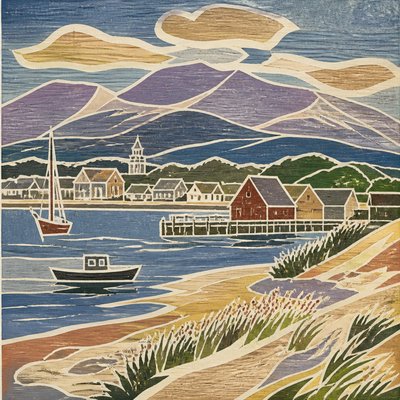
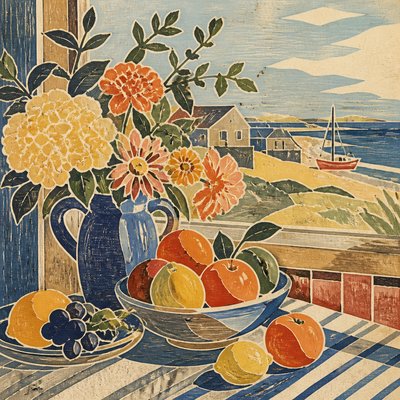
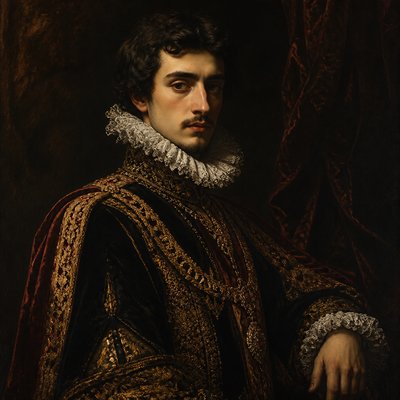
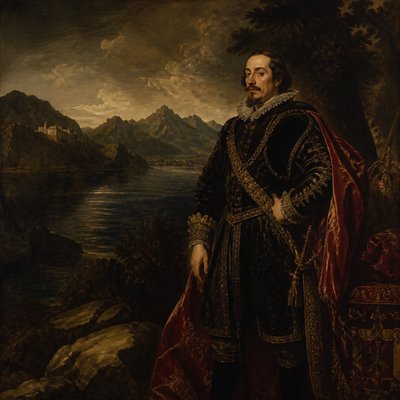
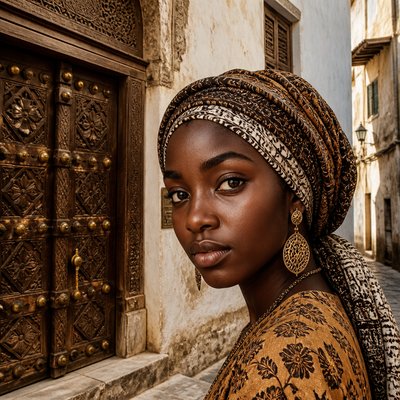
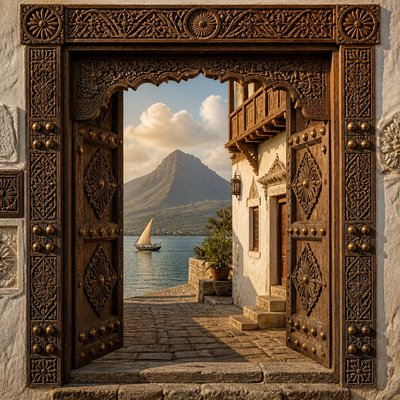
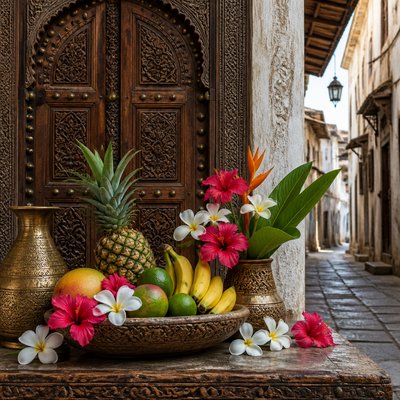
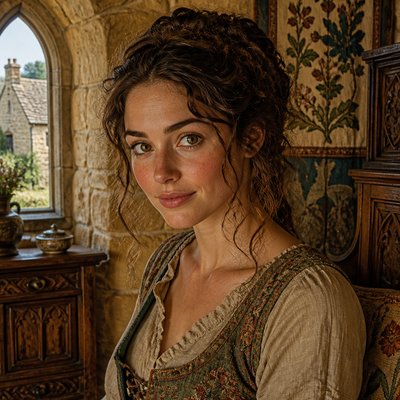
Explore Azerbaijani art style: Gobustan petroglyphs, Karabakh carpets, silver filigree, ochre stone, and Caspian architectural heritage.
Instantly rendered in Azerbaijani — or transform a photo
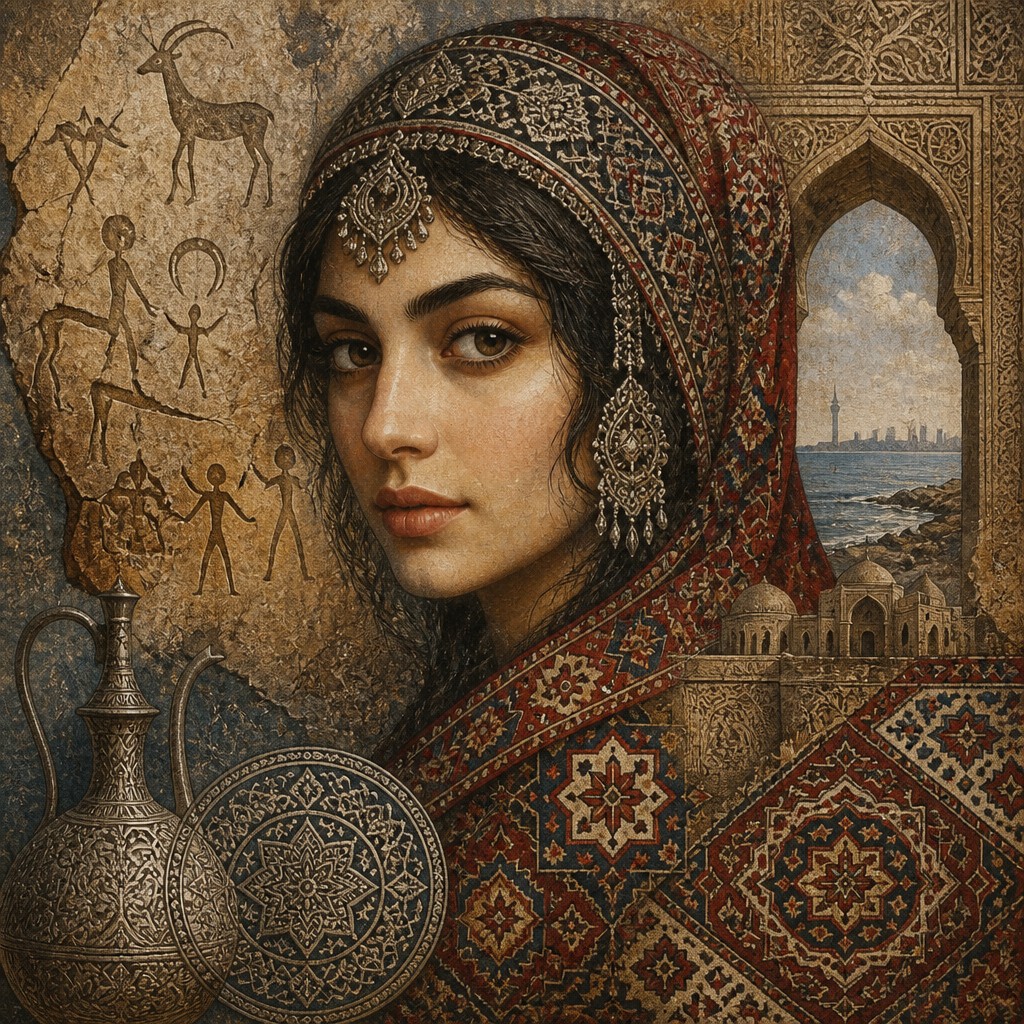
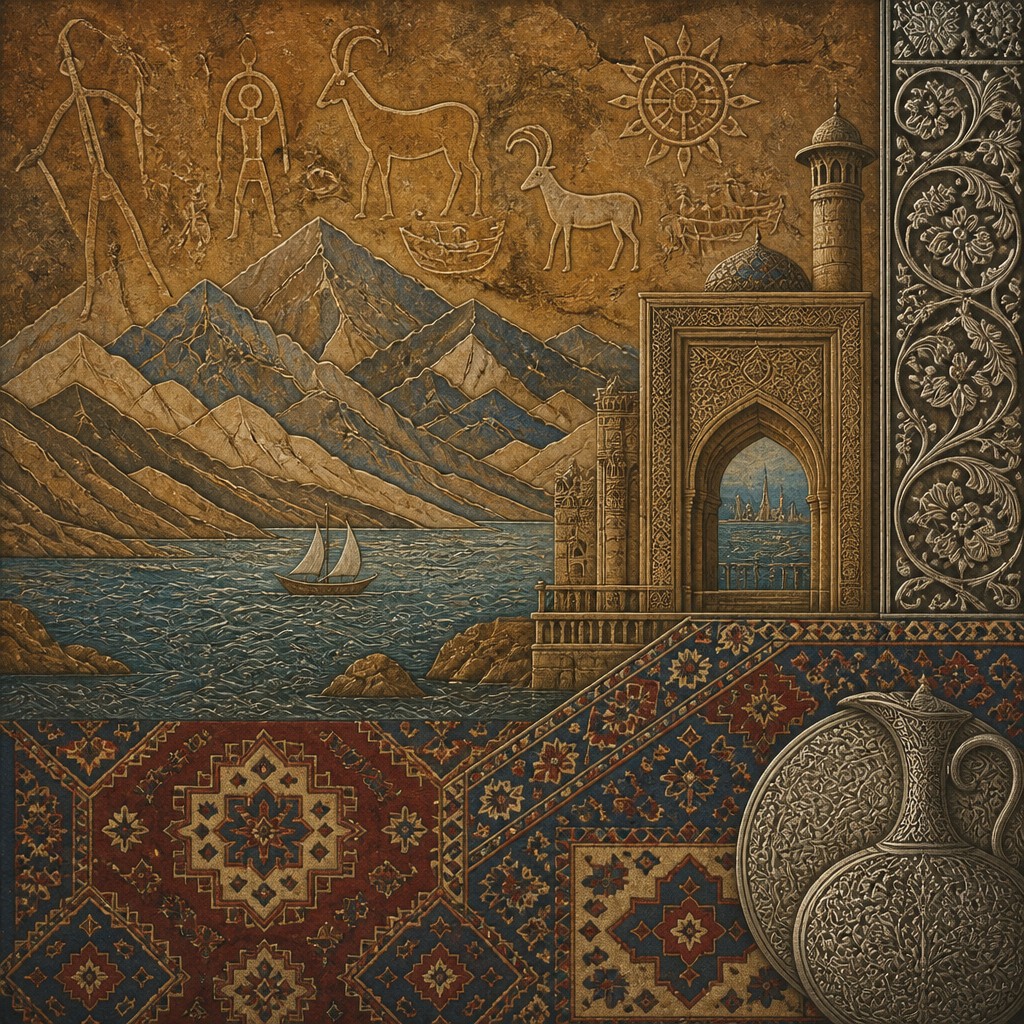
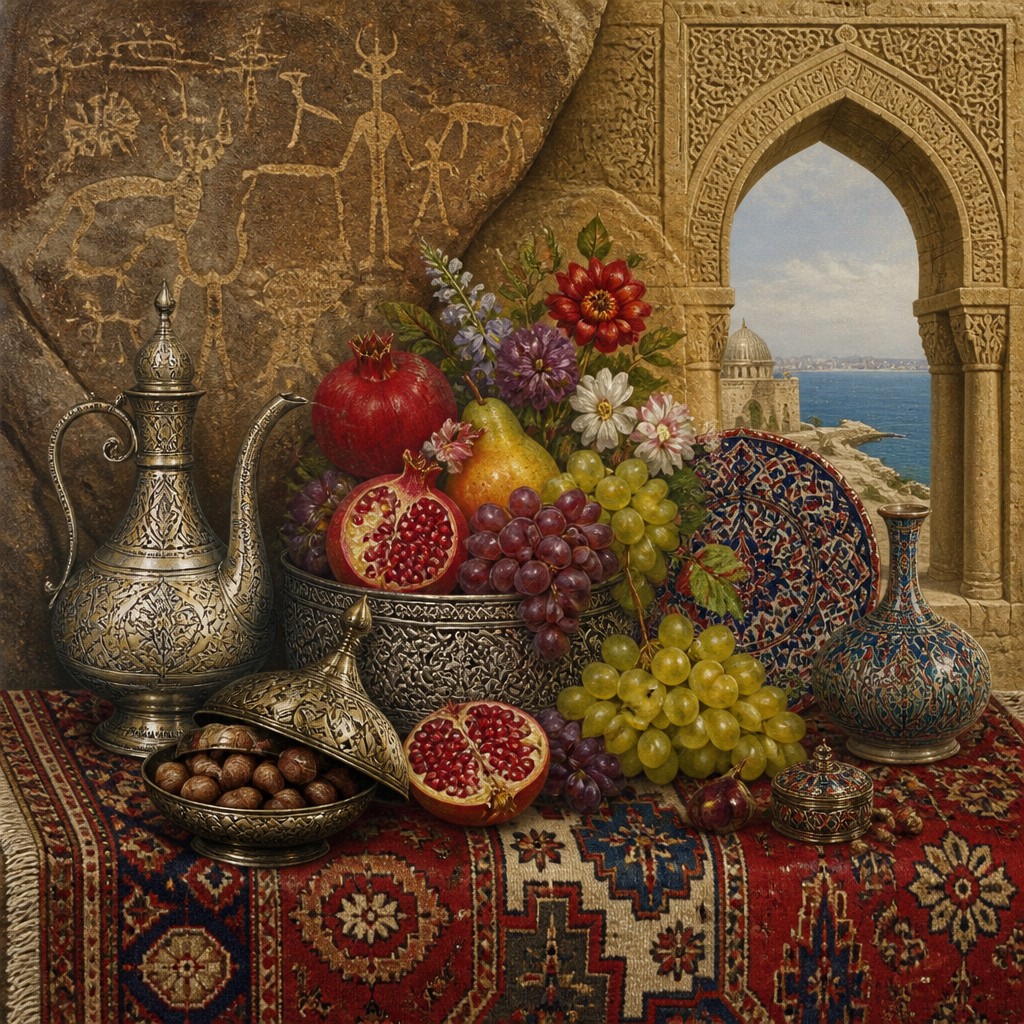
Azerbaijani Gallery
Tap any artwork to explore it
What is Azerbaijani Art Style?
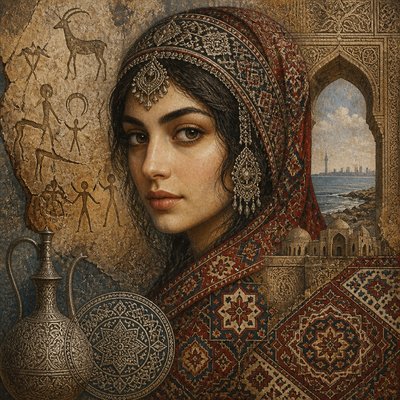
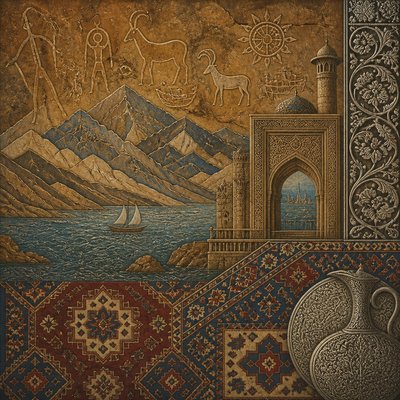
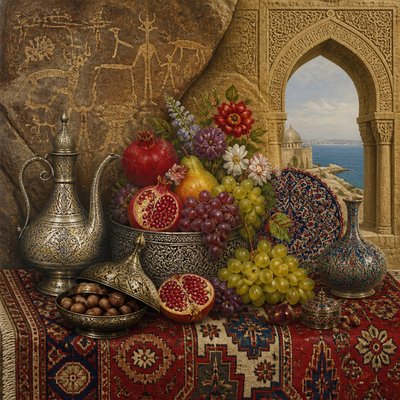
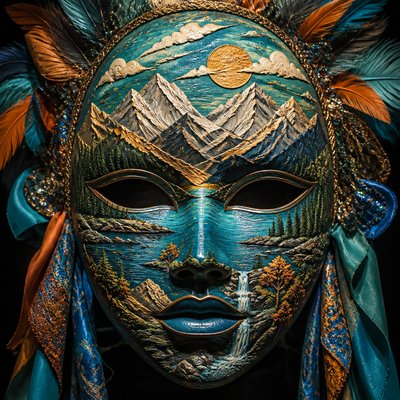
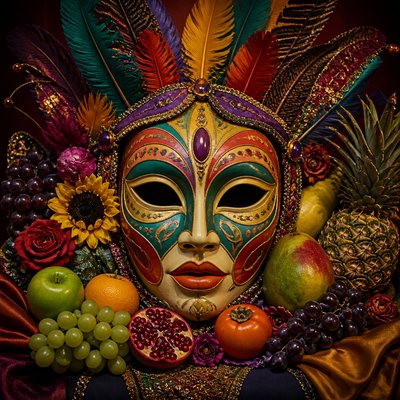
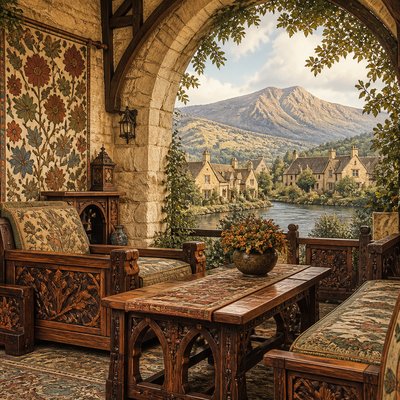
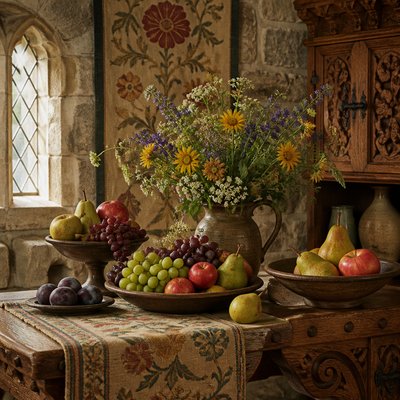
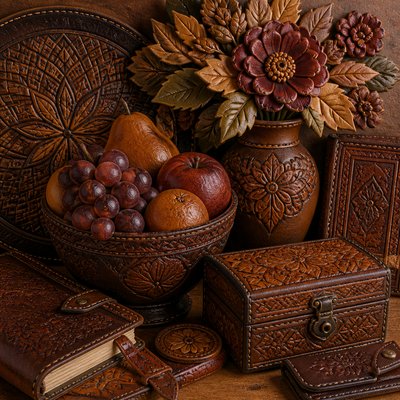
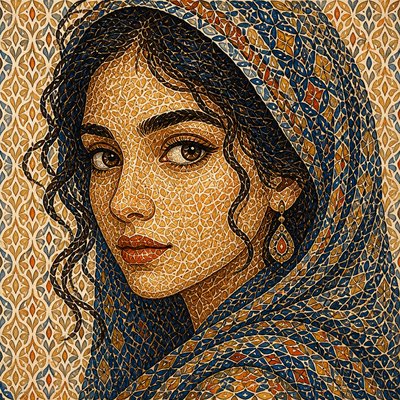
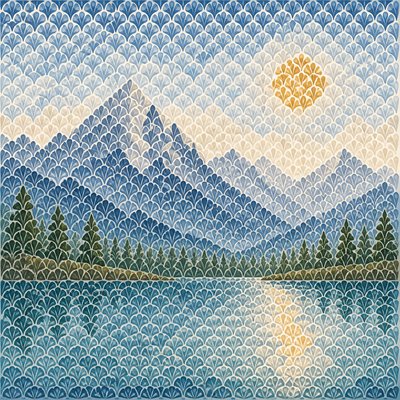
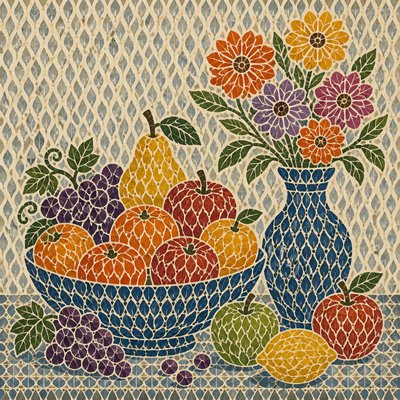
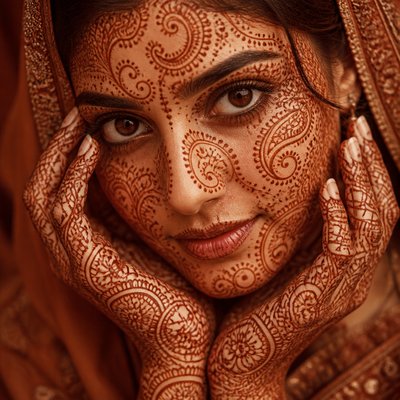
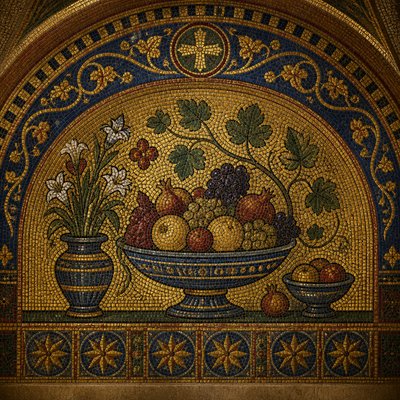
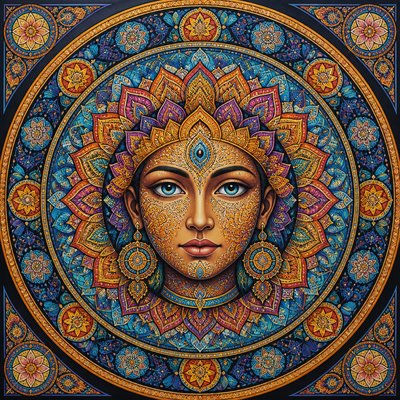
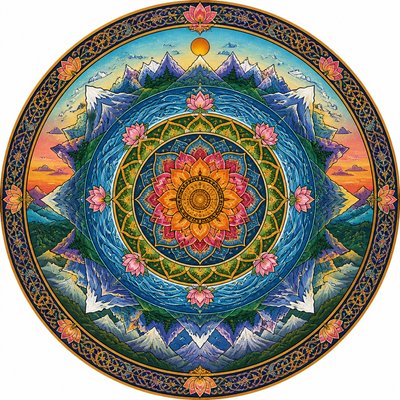
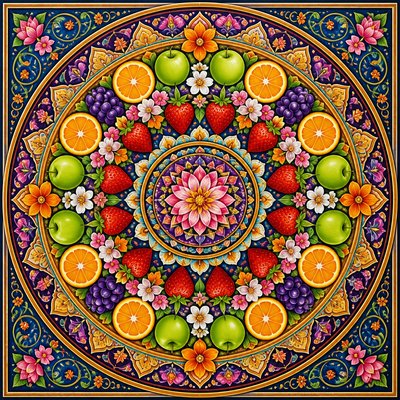
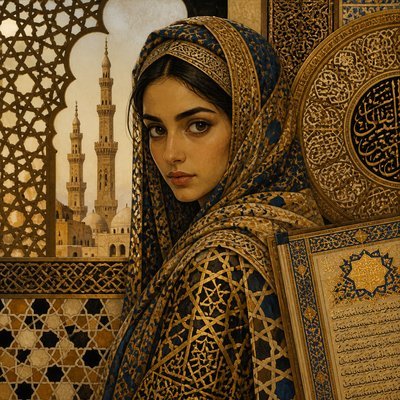
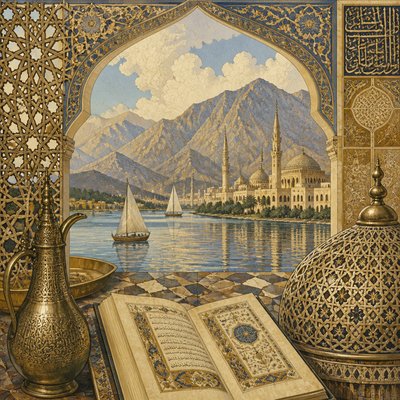
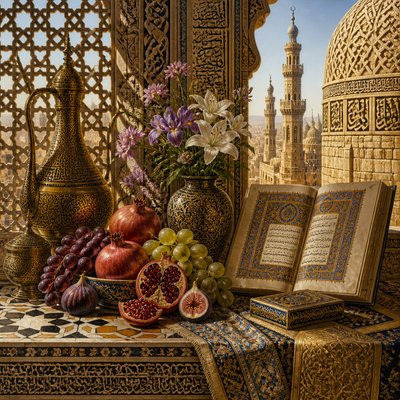
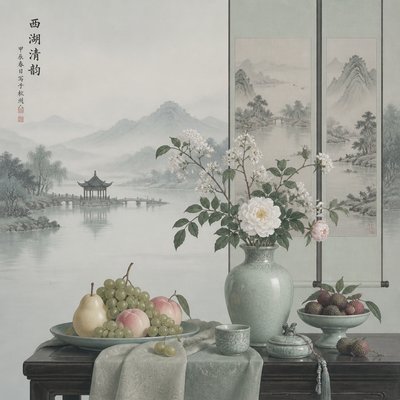
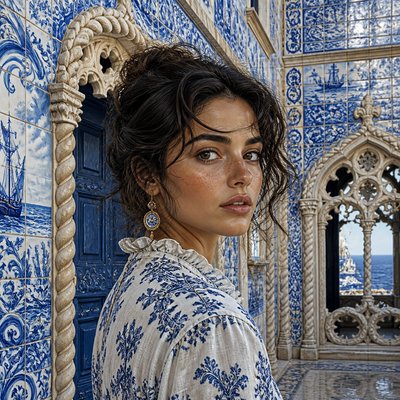
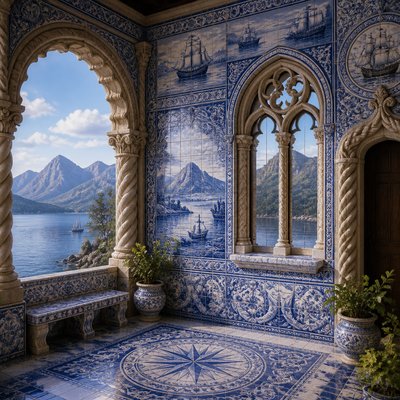
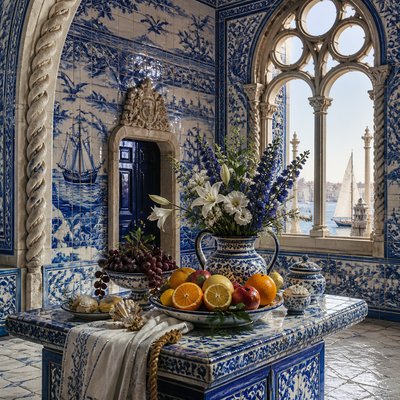
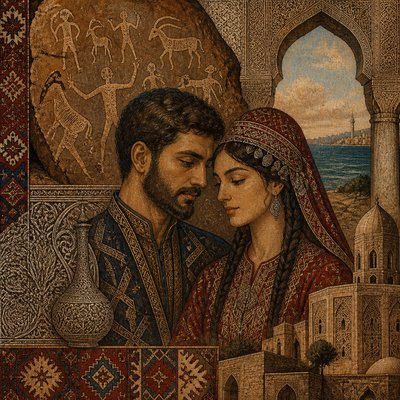
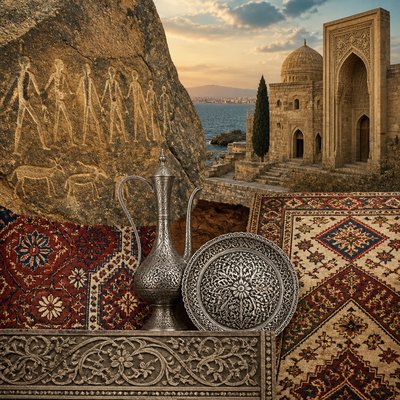
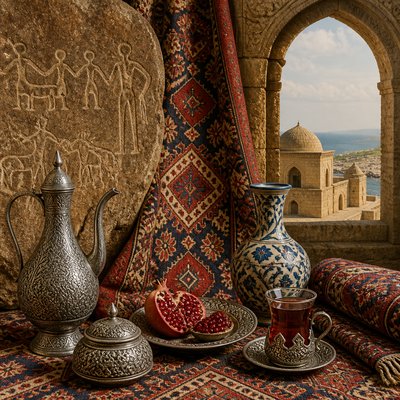
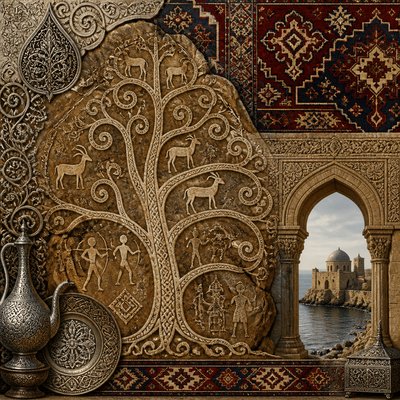
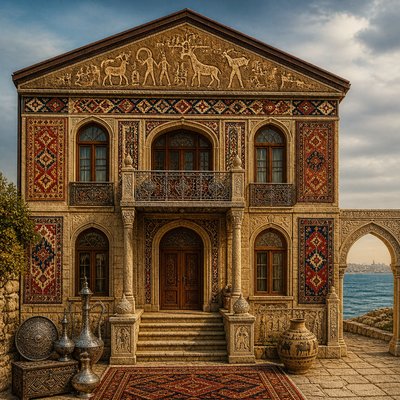
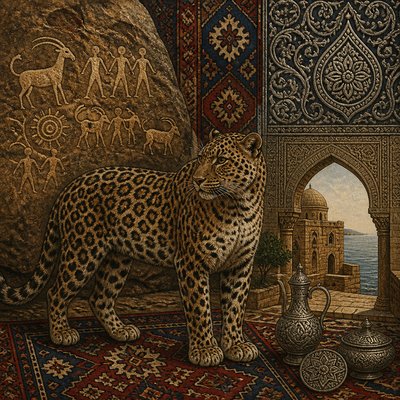
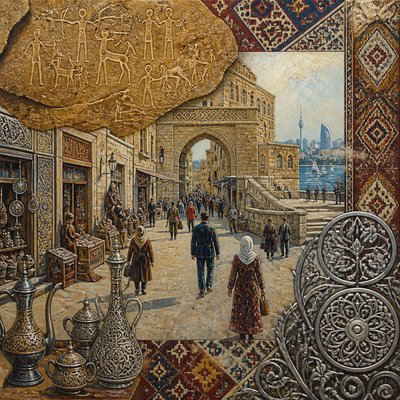
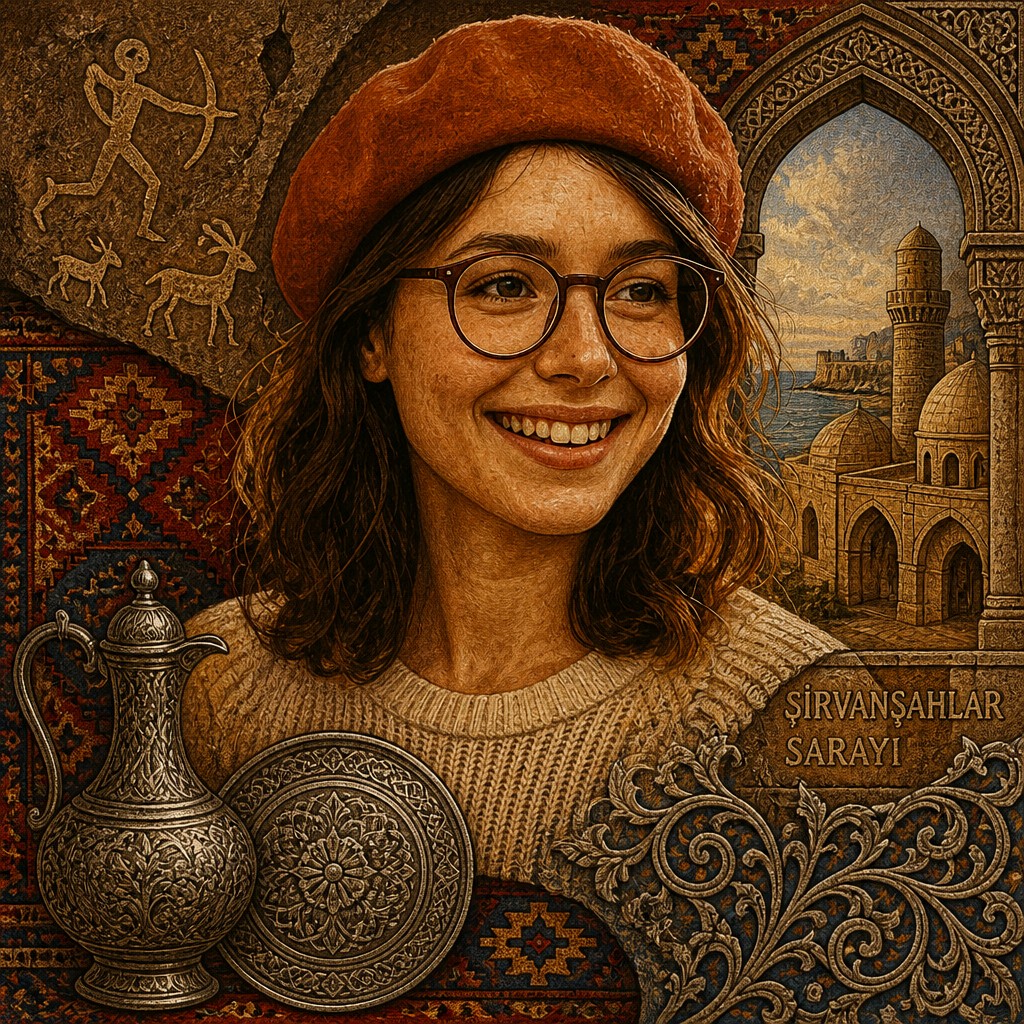
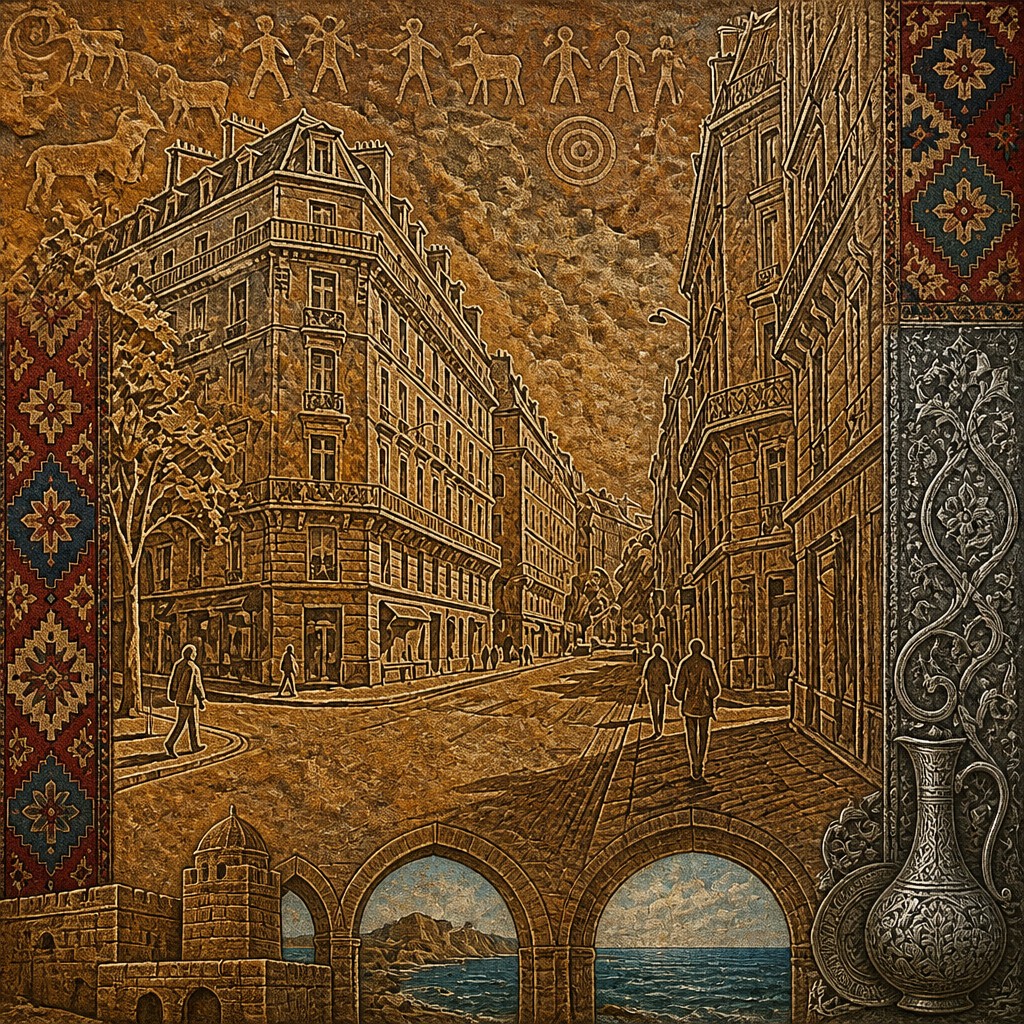
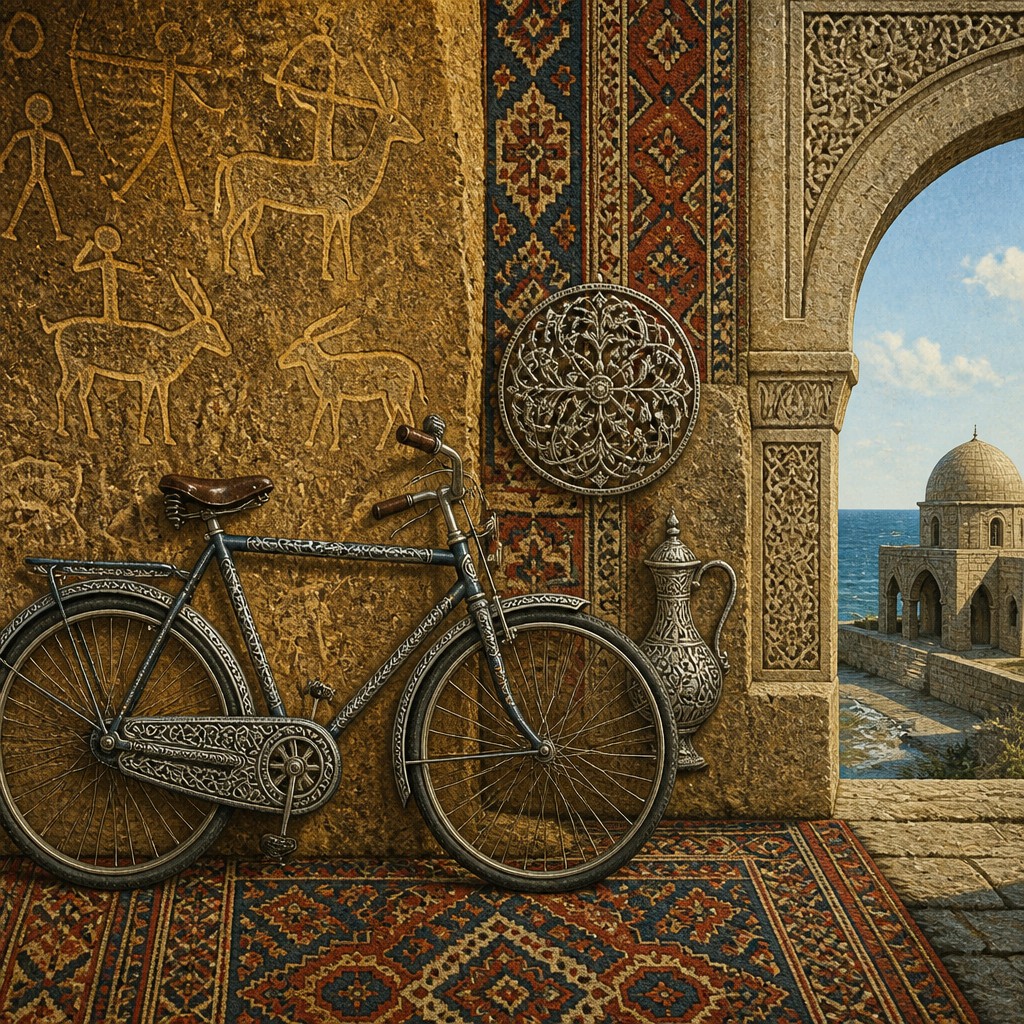
Azerbaijani Art Style is a contemporary synthesis of Azerbaijan’s ancient and regional visual traditions rather than a single historical movement. Its imagery combines the spare, weathered lines of Gobustan rock carvings with the dense geometry of Karabakh and Shirvan carpets, the precision of engraved silverwork, and the monumental stone vocabulary of Shirvanshah-era architecture. Ochre, madder red, indigo, cream, charcoal, and oxidized silver form its characteristic palette.
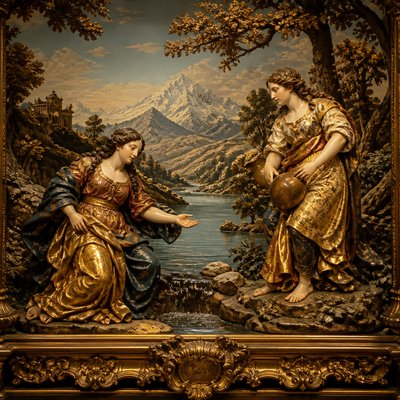
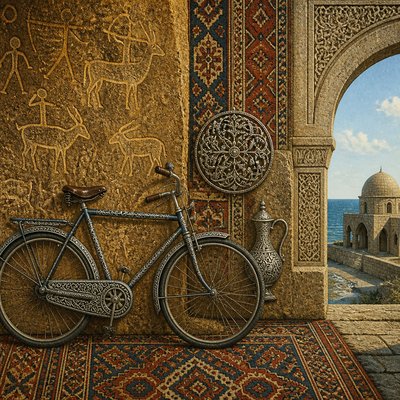
The style is defined by a tension between archaeological surface and ornamental richness. Figures may appear as simplified petroglyph silhouettes, while surrounding fields carry repeating carpet medallions, hooked forms, vegetal motifs, and border patterns. Stone arches, Caspian horizons, flames, horses, dancers, and stylized plants often serve as subjects, creating an image that feels both ancient and carefully crafted.
Try It On Your Photos
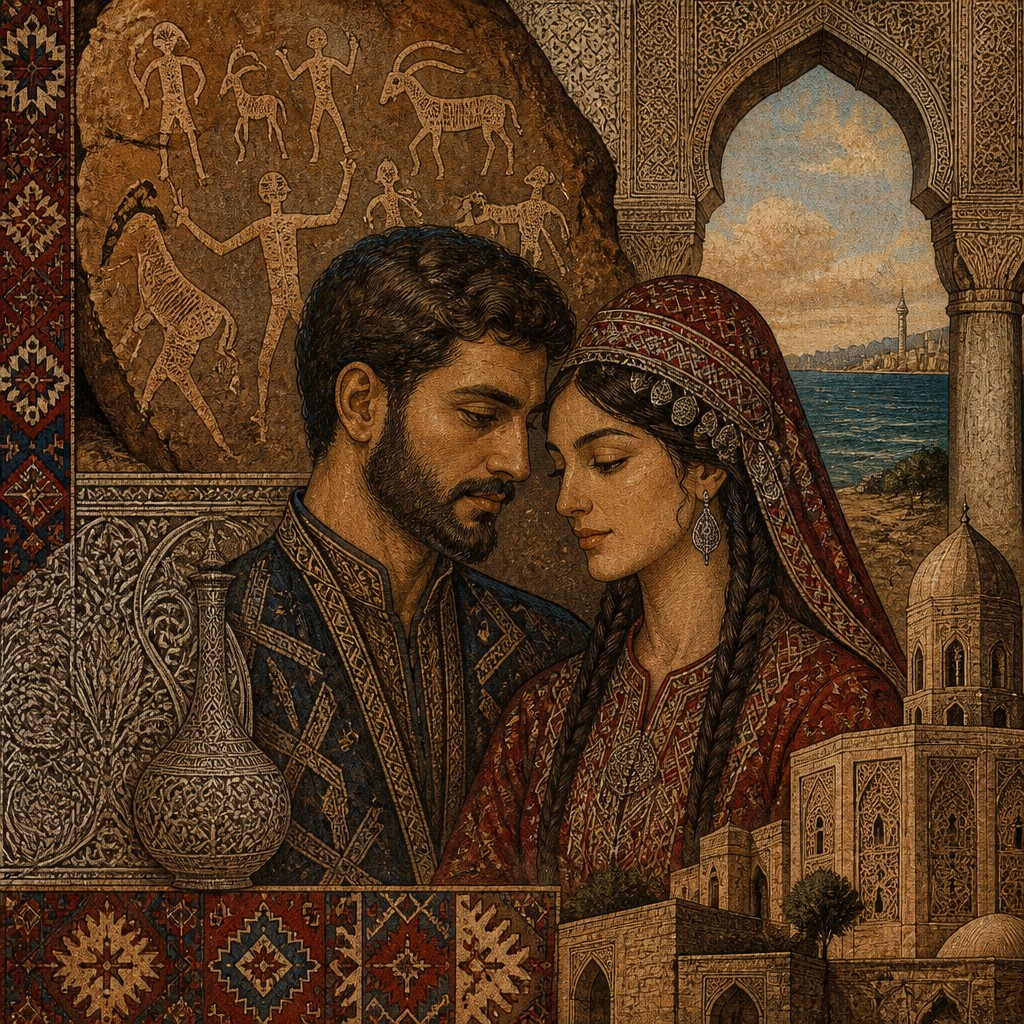
Upload any photo and convert it into Azerbaijani Art Style — drag the sliders to compare before and after.


What Defines Azerbaijani Art Style
The signature details, up close
Petroglyph linework
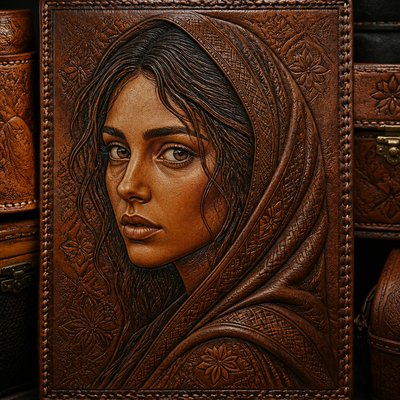
Human and animal forms are reduced to direct, incised contours resembling weathered Gobustan engravings. Uneven lines, shallow grooves, and simplified silhouettes suggest images cut into stone rather than smoothly painted.
Carpet geometry
Karabakh and Shirvan-inspired medallions, stepped diamonds, hooks, stars, borders, and repeated floral abstractions organize the composition. Ornament is often layered behind or around the main subject.
Earth-and-jewel palette
Ochre, sandstone, umber, charcoal, cream, madder red, and indigo create the foundation. Small areas of tarnished silver or warm metallic color provide a crafted, jewel-like accent.
Weathered material surfaces
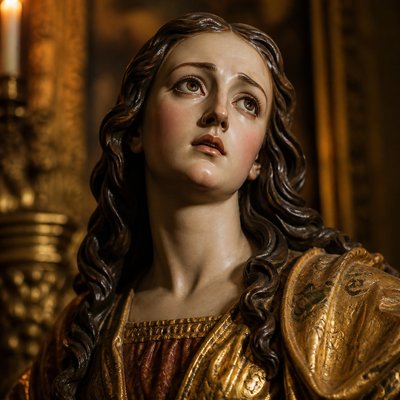
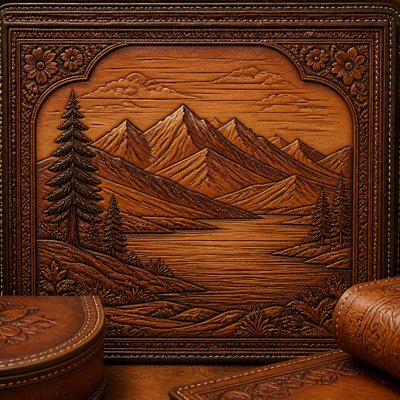
Cracks, abrasion, mineral deposits, faded pigment, woven fibers, and irregular stone grain are central to the appearance. Surfaces should feel touched by age without becoming uniformly distressed.
Engraved metal ornament
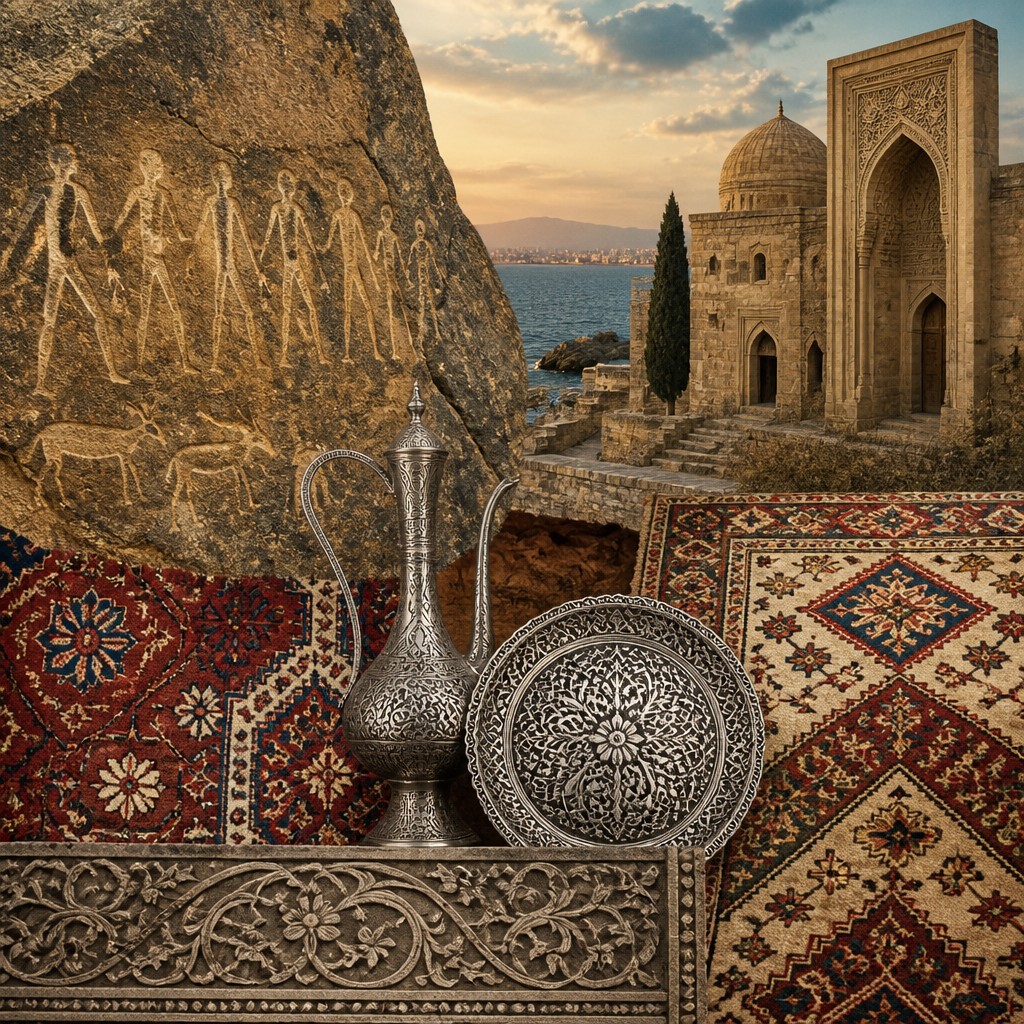
Fine filigree, punched patterns, vegetal scrolls, and etched silver details introduce delicate linear density. These elements contrast with the broad, blunt marks of rock carving.
Caspian and palace architecture
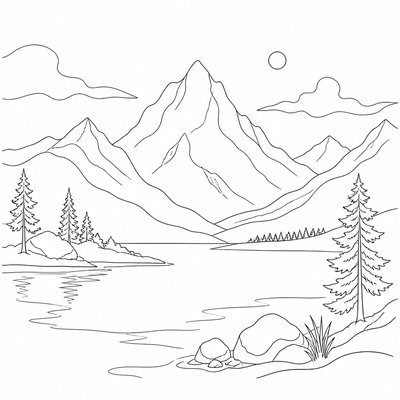
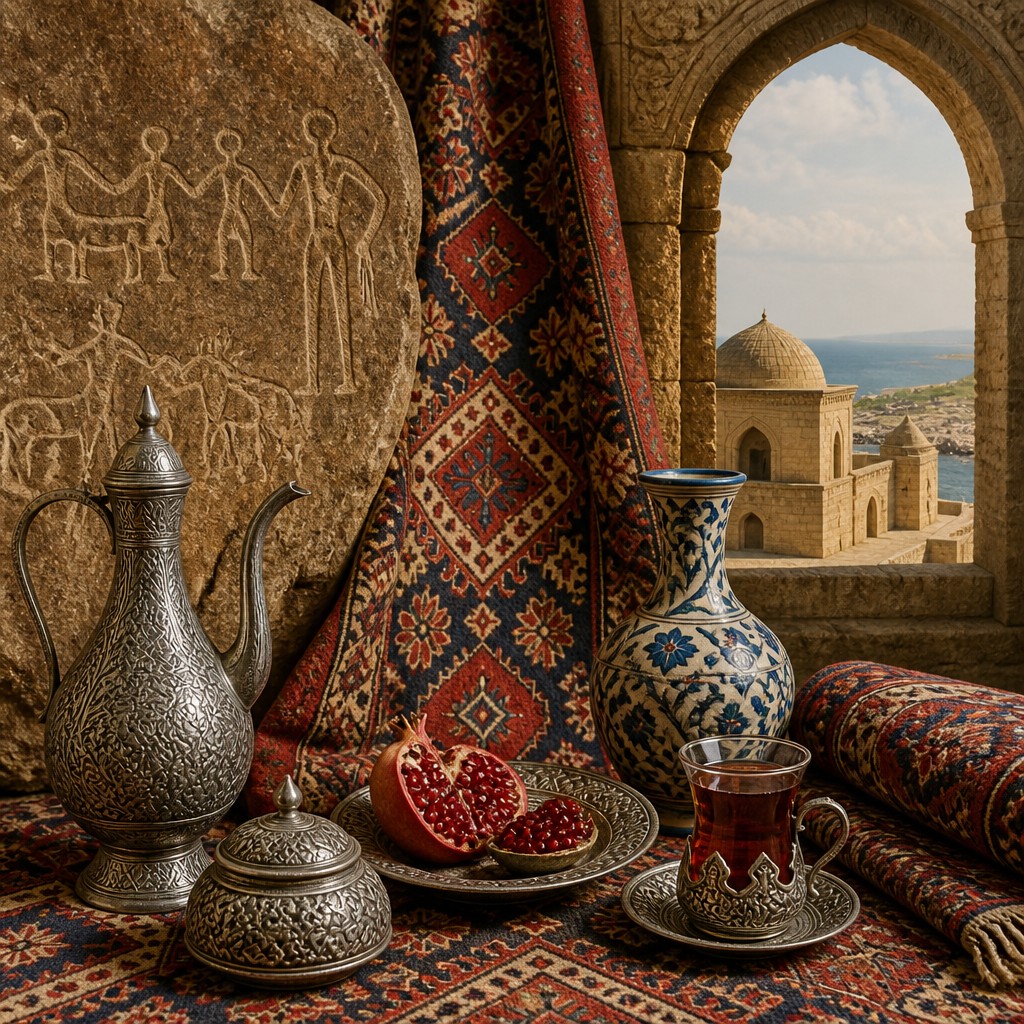
Stone archways, crenellated silhouettes, carved portals, courtyards, and distant shorelines provide structural settings. Architecture is usually simplified into strong planes and rhythmic openings.
Symbolic movement and flame
Horses, dancers, boats, birds, solar forms, and stylized fire can be arranged in friezes or repeating bands. Their purpose is decorative and emblematic rather than strictly naturalistic.
Azerbaijani Prompt Ideas
Start from an idea — each one opens the generator with the style ready to go. See all 40 Azerbaijani prompts →
How to Create Azerbaijani Art
Master the craft step by step — or skip straight to creating. Read the full guide →
- 1
Build the ground first
For a traditional piece, begin with ochre paper, plaster, wood, or a textured panel and add irregular mineral-like variation. In digital work, use layered sandstone, woven-fiber, and distressed pigment textures rather than a single flat background.
- 2
Draw with incised contours
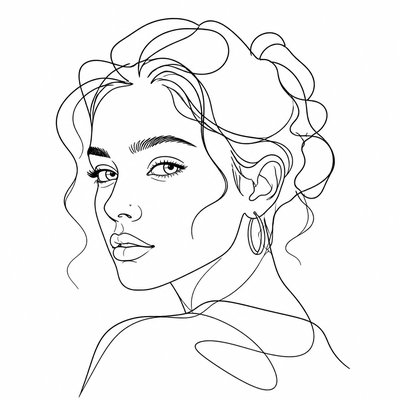
Reduce figures to confident profiles and shallow, uneven lines, as if carved with a hard tool. Vary pressure and width so the marks resemble erosion and hand engraving instead of polished vector outlines.
- 3
Organize ornament as a textile
Place a central medallion, frieze, or symbolic figure within borders and repeating motifs inspired by regional carpet structure. Keep the pattern rhythm consistent, then allow selected areas to break or fade for a handmade surface.
- 4
Balance stone and metal
Use broad matte areas for masonry and rock, then reserve thin high-contrast lines for silver filigree and engraved details. Metallic accents work best in small quantities against red, indigo, cream, and ochre.
- 5
Compose in layered planes
Separate foreground symbols, patterned textile fields, palace architecture, and the Caspian horizon into clear overlapping bands. This preserves the legibility of the motifs while creating archaeological depth.
- 6
Direct a digital or prompt-based workflow
Specify the subject first, then request weathered Gobustan-style incised lines, Karabakh and Shirvan carpet geometry, ochre stone, engraved silver filigree, and medieval Caspian masonry. For image-to-image work, preserve the source silhouette while applying restrained texture and regional ornament rather than covering every detail with pattern.
The Story
History & Origins of Azerbaijani
This style draws on several distinct layers of Azerbaijani cultural heritage. Gobustan, near the Caspian Sea, contains prehistoric rock engravings depicting human figures, animals, boats, hunting, ritual activity, and communal movement. Azerbaijani carpet weaving developed through regional traditions including Karabakh and Shirvan, whose designs are known for varied medallions, geometric organization, stylized flora, and strong borders. Metalworking traditions, including engraved and filigreed silver objects, add another source of finely scaled ornament.
The style’s architectural references often recall the medieval stone buildings associated with Shirvanshah-era Baku, especially arched portals, carved masonry, and compact monumental façades. Bringing these sources together is a modern interpretive practice: it should not be presented as an uninterrupted historical school, but as a visual lineage that translates archaeological, textile, architectural, and decorative forms into one cohesive aesthetic.
Influences: Its principal influences are Gobustan prehistoric petroglyphs, Azerbaijani carpet-weaving traditions associated with Karabakh and Shirvan, Caucasian geometric ornament, Persianate decorative conventions, Islamic medieval stone architecture, and regional silver filigree. It also relates to archaeological modernism, folk-art revival, textile design, relief printmaking, and contemporary mixed-media illustration that combines historical artifacts with symbolic composition.
Frequently Asked Questions
What defines the Azerbaijani art style?
It is defined by the combination of weathered petroglyph-like contours, Azerbaijani regional carpet geometry, engraved silver ornament, ochre stone surfaces, and Caspian architectural references. The style favors symbolic silhouettes, repeated borders, and a tactile sense of age.
Is Azerbaijani Art Style a historical art movement?
No. This specific label describes a contemporary synthesis rather than a formally documented historical movement. Its components come from separate traditions, including prehistoric Gobustan carvings, regional carpets, medieval architecture, and metalwork.
How is it different from Persian or broader Middle Eastern decorative art?
It may share geometric ornament and architectural vocabulary with neighboring traditions, but its strongest identifiers are the Gobustan petroglyph lineage and the particular carpet references to Karabakh and Shirvan. The visual emphasis is often more incised, archaeological, and stone-based than purely manuscript-like or floral.
What colors are commonly used?
The foundation is usually ochre, sandstone, umber, charcoal, and cream. Madder red and indigo provide textile-like contrast, while muted silver or warm metallic highlights suggest engraved metalwork.
Can this style be applied to a photograph?
Yes. Preserve the main silhouette and lighting structure of the photograph, then introduce carved contours, carpet borders, mineral texture, and selective filigree. A restrained transformation is usually more convincing than applying dense ornament uniformly across every surface.
What subjects work well with this style?
Horses, dancers, boats, birds, pomegranates, flames, palace courtyards, Caspian coastlines, and ceremonial objects fit naturally. Subjects with clear silhouettes and strong symbolic or historical associations are especially effective.
Create your first Azerbaijani artwork
Describe anything — or upload a photo — and see it in Azerbaijani Art Style in seconds.
Related Styles
Discover similar art styles