Banquet Still Life Art Style
Explore Banquet Still Life: sumptuous tables, pewter, glass, fruit, linen and dramatic light shaped by European still-life traditions.
Instantly rendered in Banquet Still Life — or transform a photo
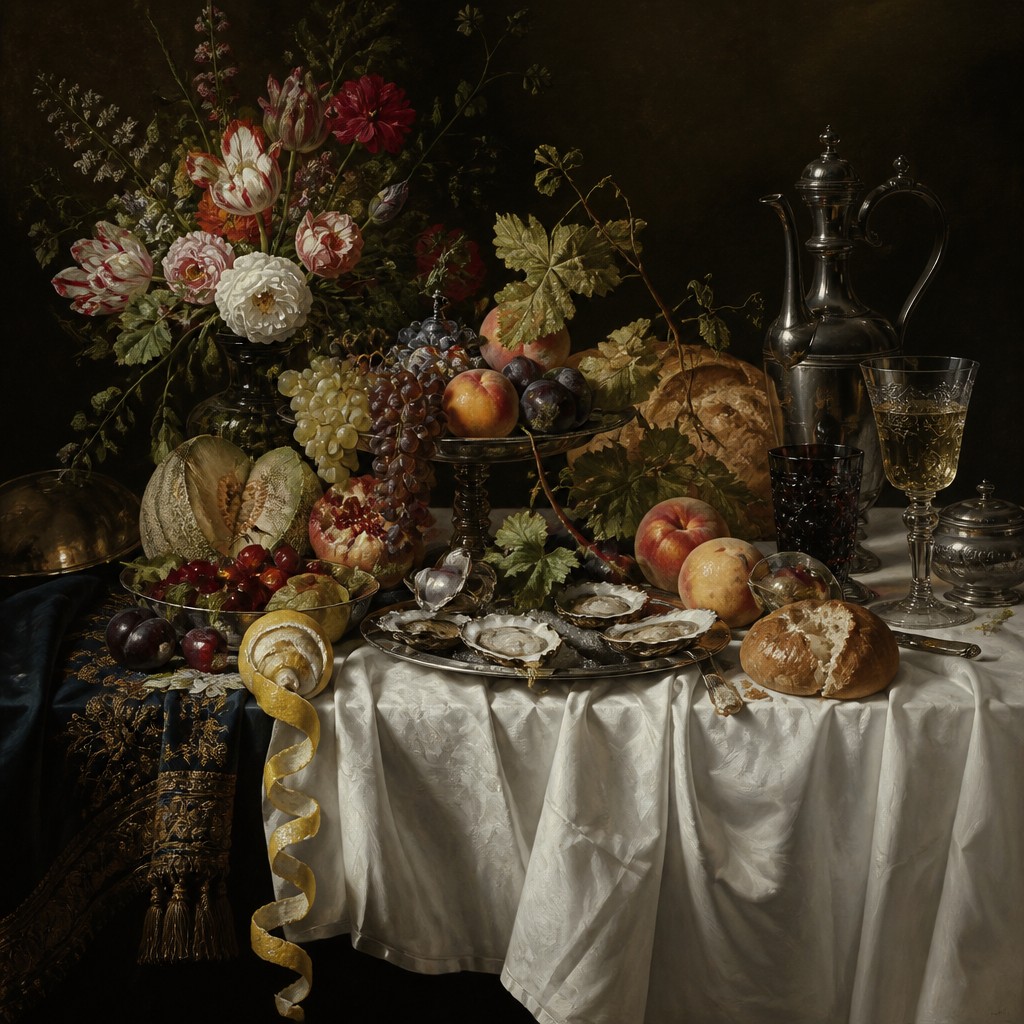
Banquet Still Life Gallery
Tap any artwork to explore it
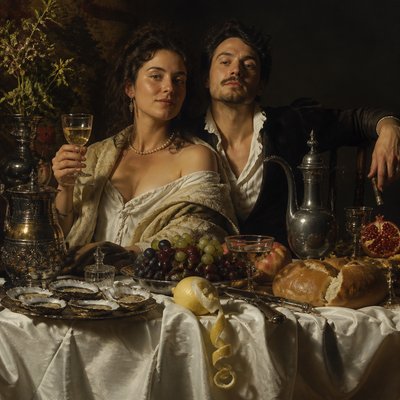
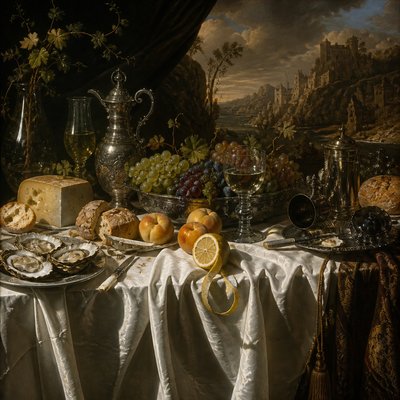
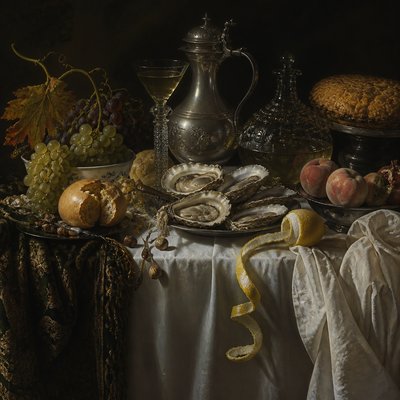
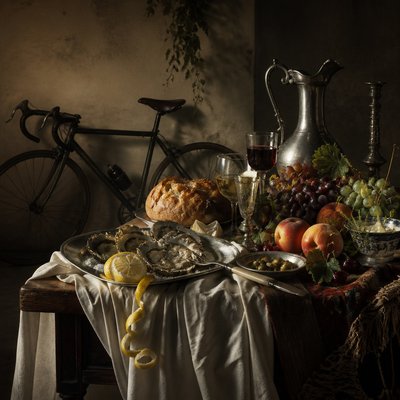
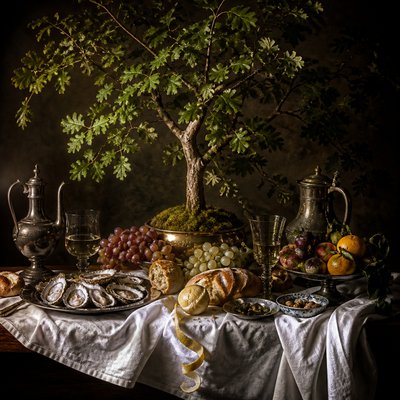
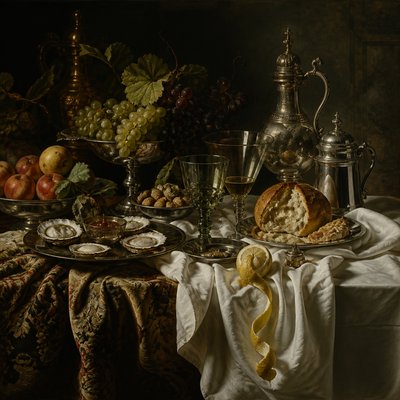
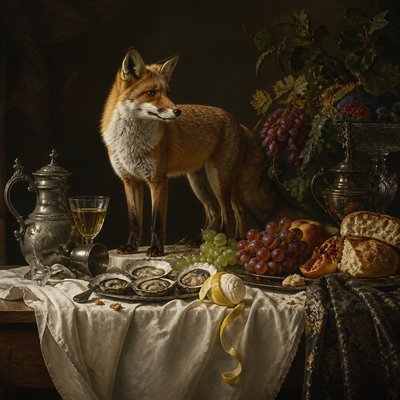
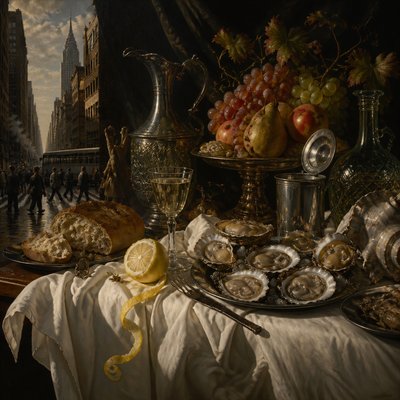
What is Banquet Still Life Art Style?
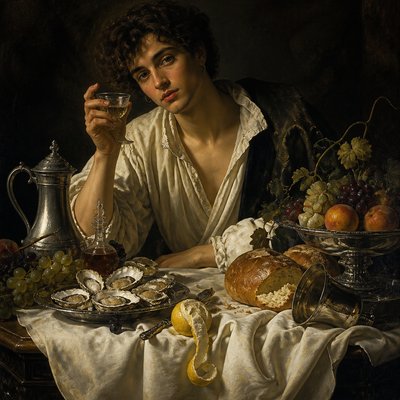
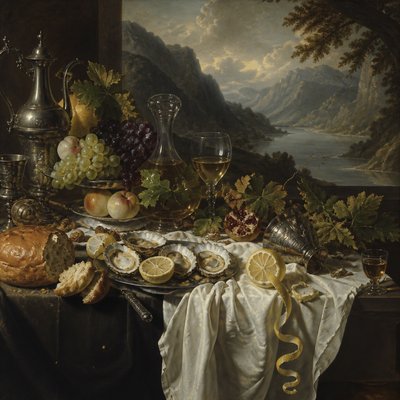
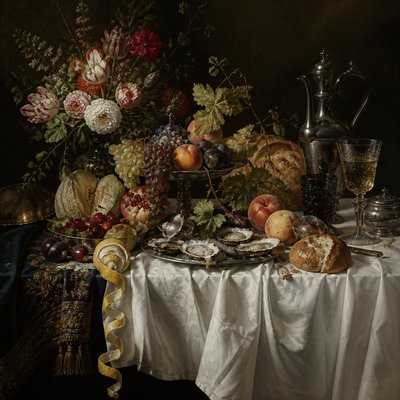
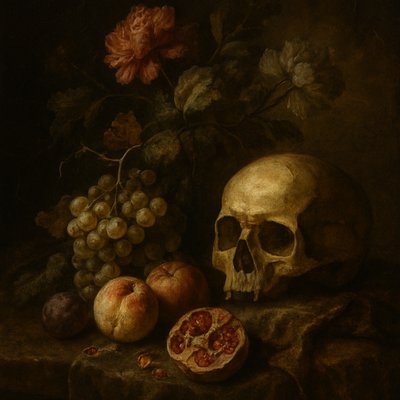
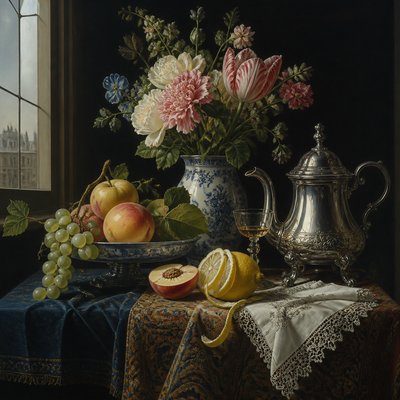
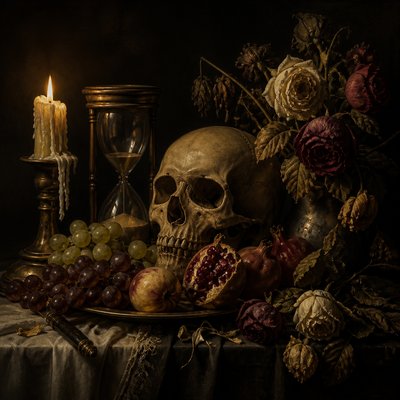
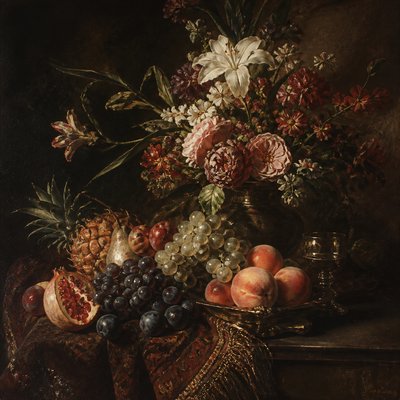
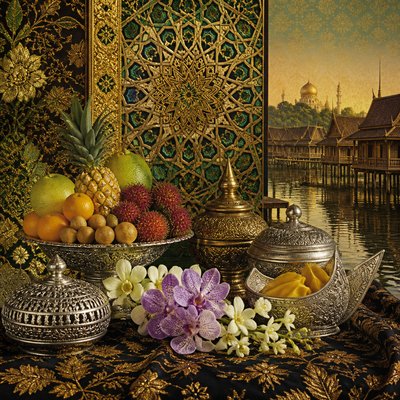
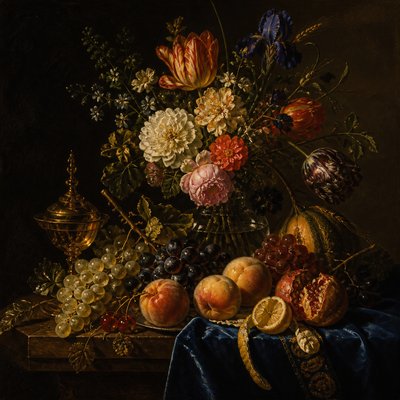
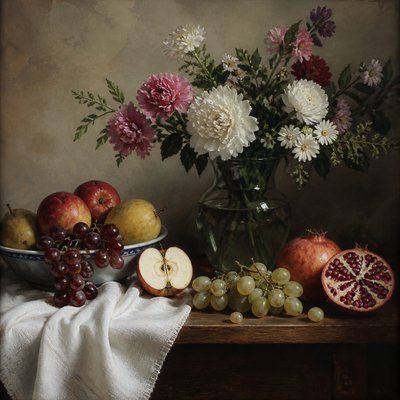
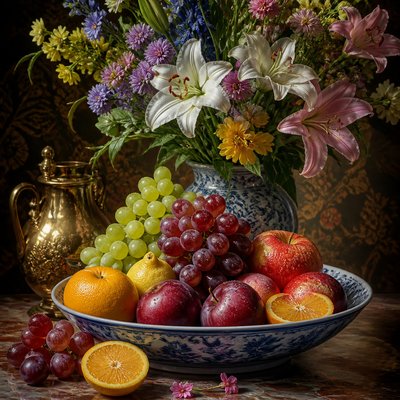
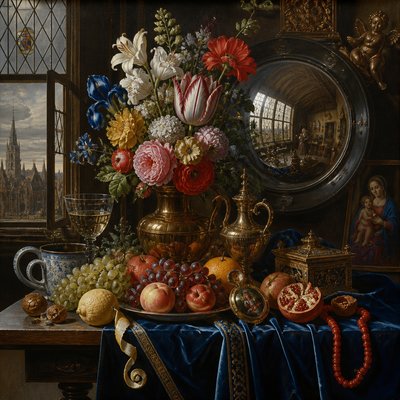
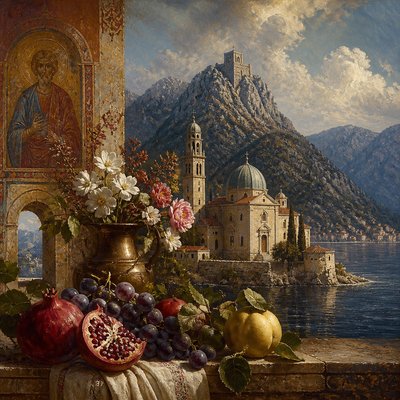
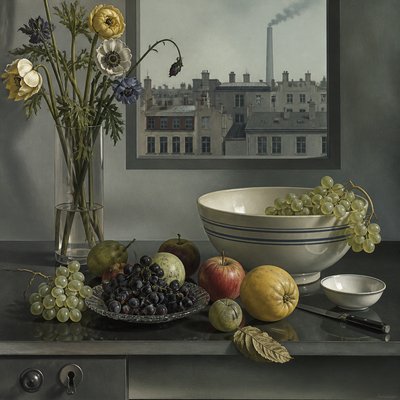
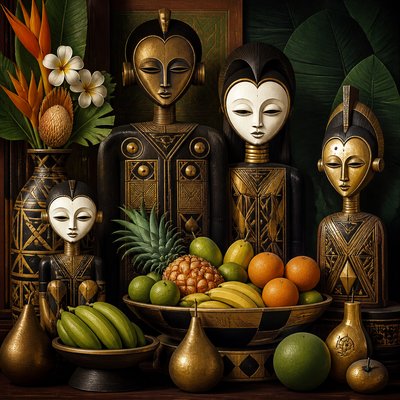
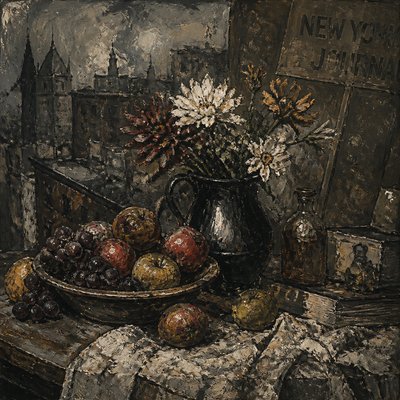
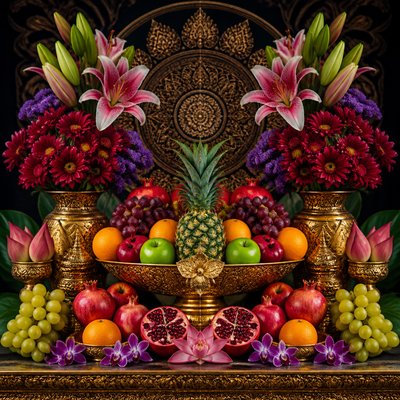
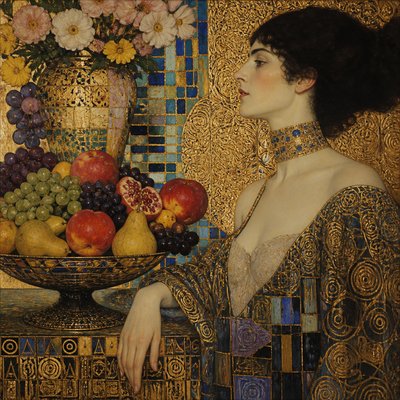
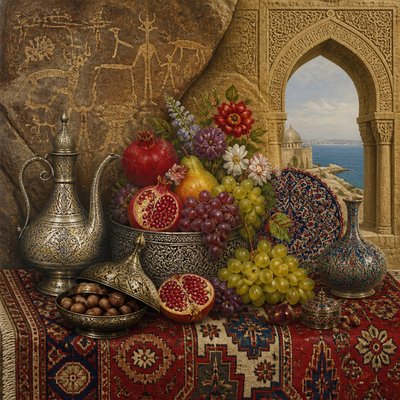
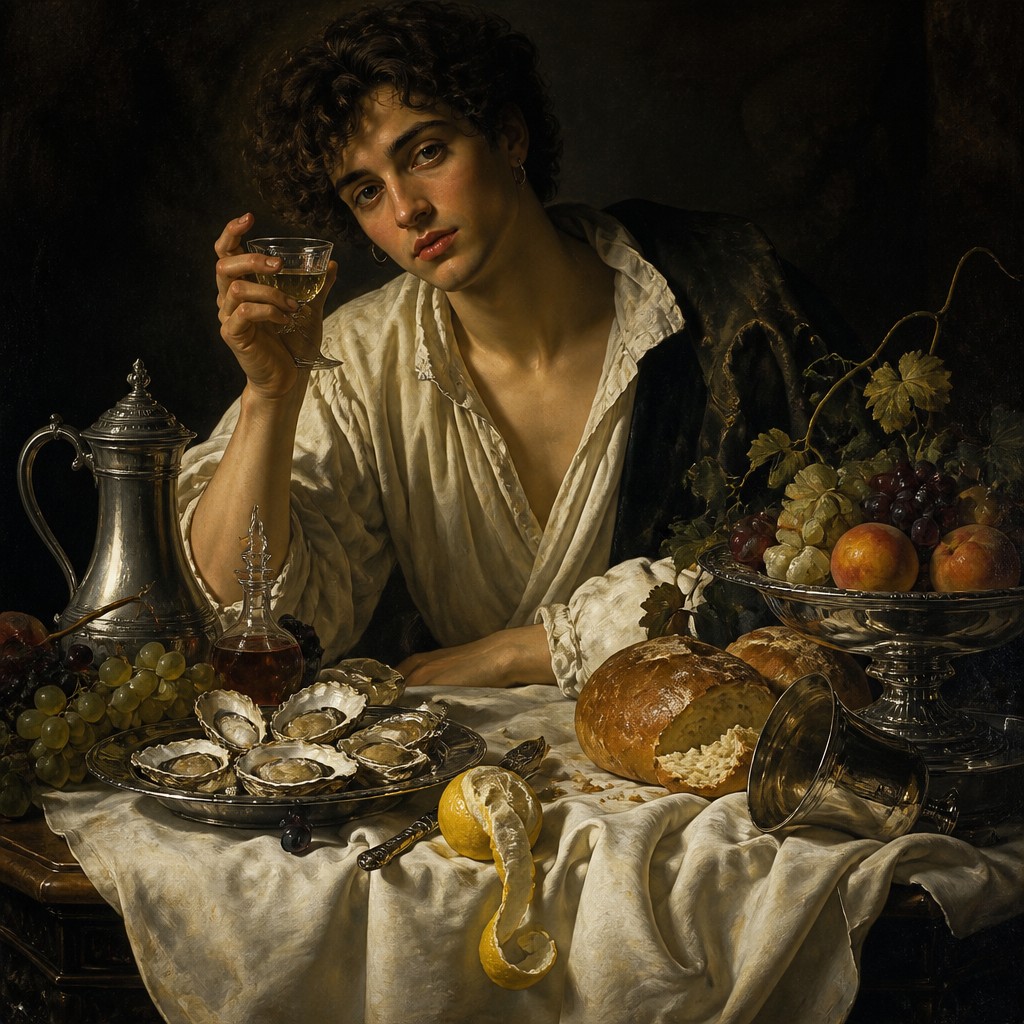
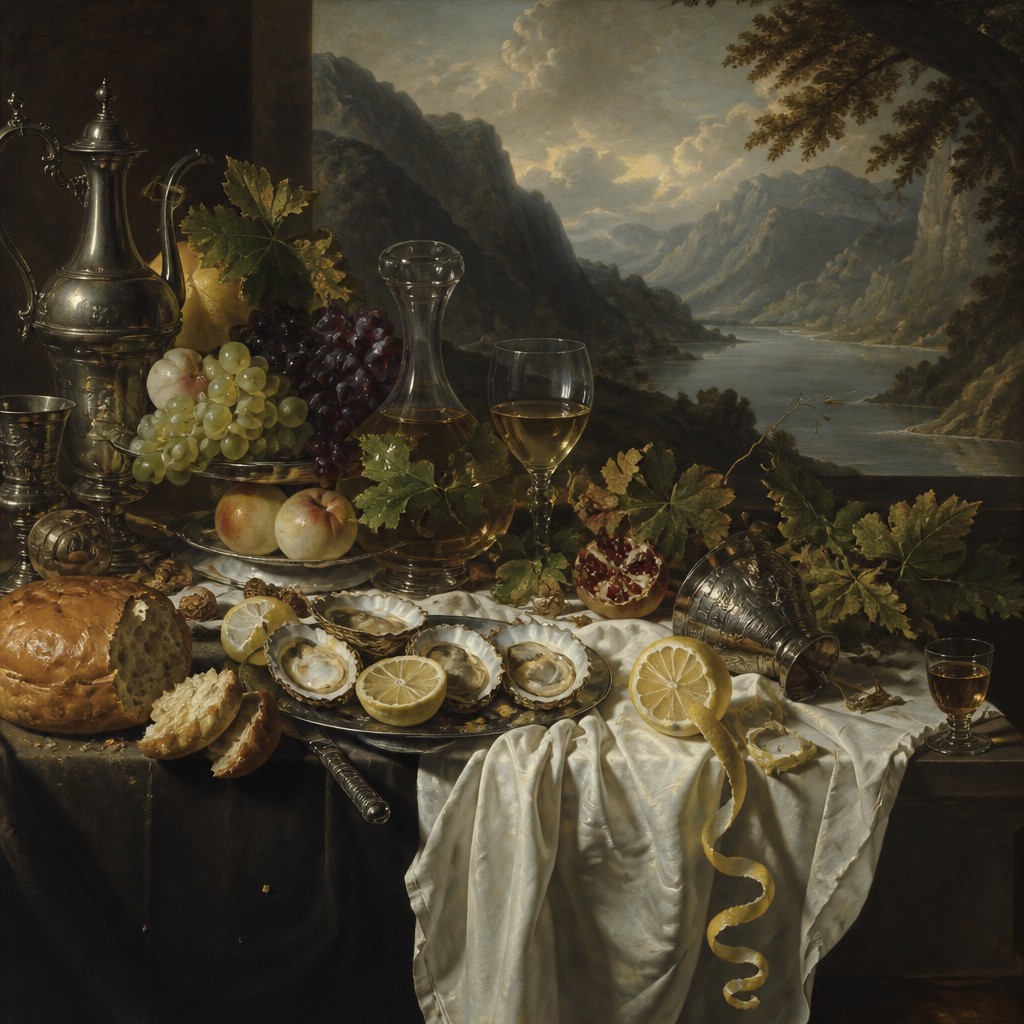
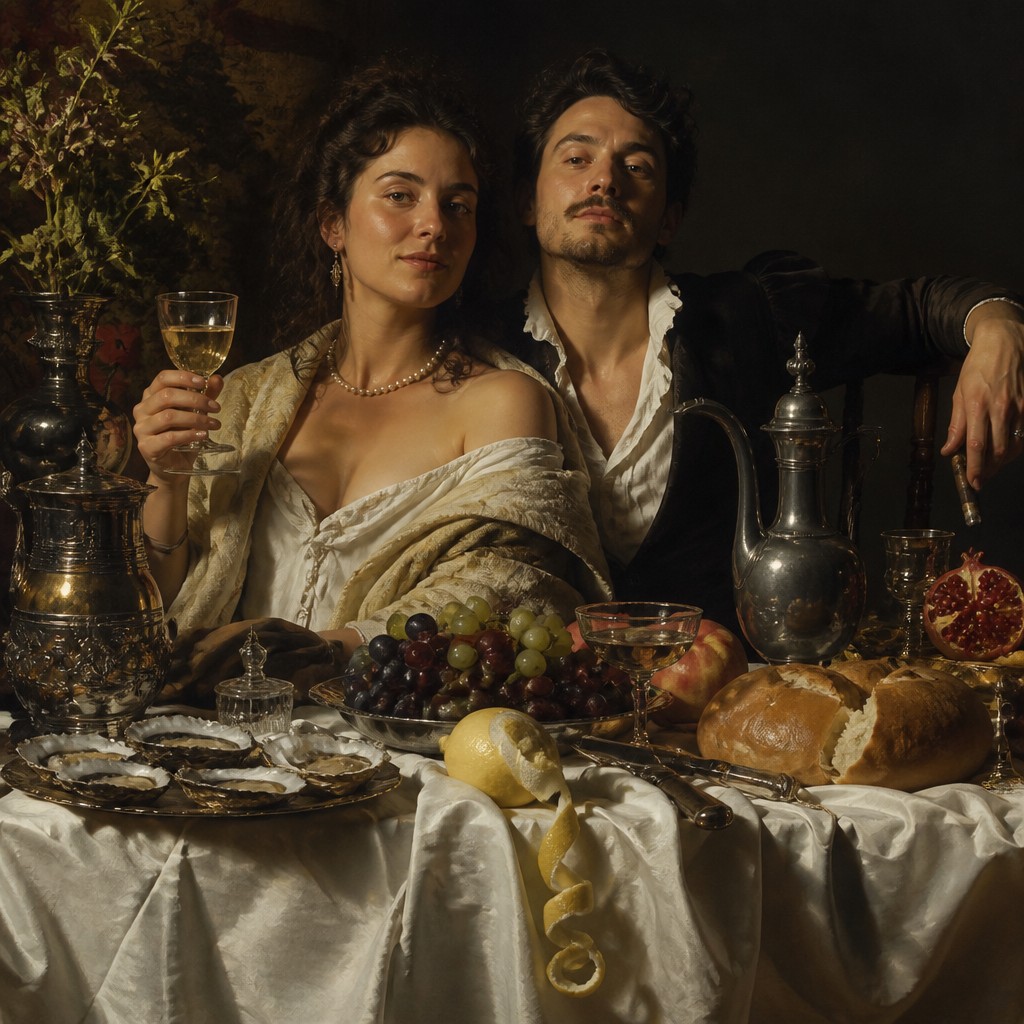
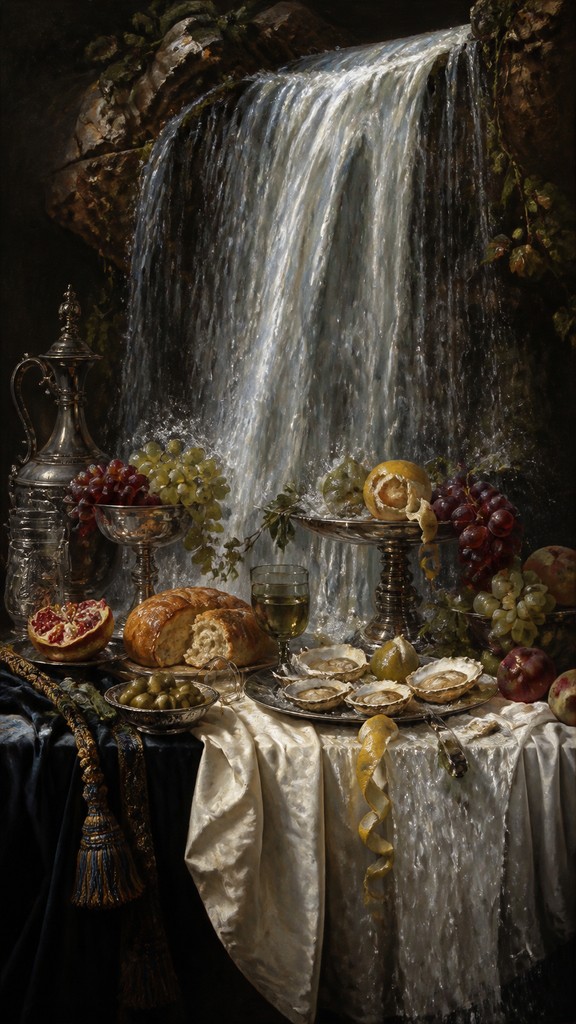
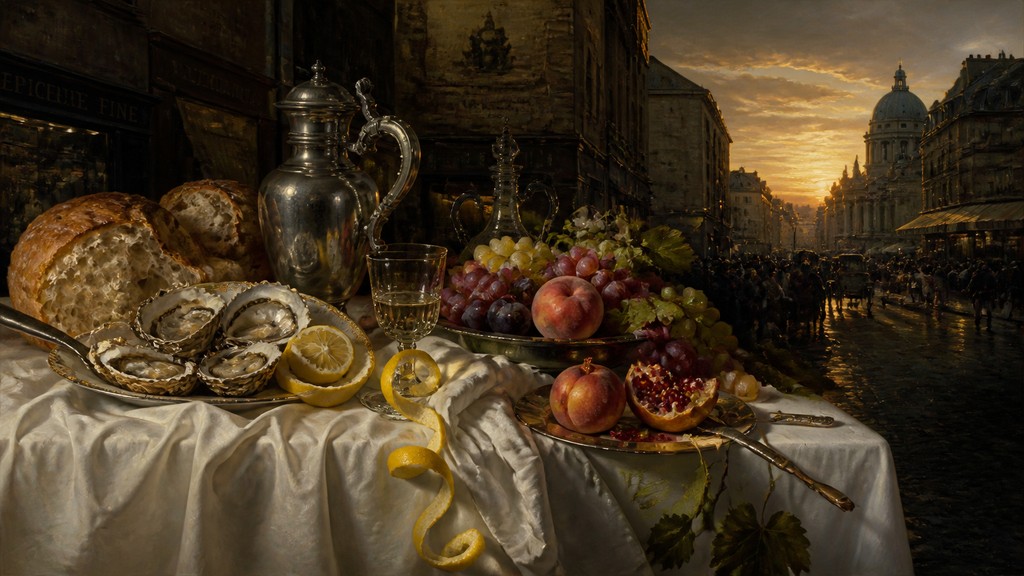
Banquet Still Life is a richly theatrical approach to still-life imagery centered on a table crowded with food, serving vessels, linens and reflective surfaces. Bread, oysters, fruit, citrus, glassware and pewter appear as tactile objects rather than mere decoration, arranged to suggest abundance, hospitality and the fleeting nature of a meal.
Its visual identity depends on contrast: a deep, restrained background sets off a laden table illuminated by raking directional light. Rumpled white linen, glints in metal and glass, moist shellfish, translucent fruit flesh and a lemon peel curling over the table edge create a dense field of material sensations. The style is typically painterly, sumptuous and slightly dramatic, combining observed detail with deliberate theatrical composition.
Try It On Your Photos
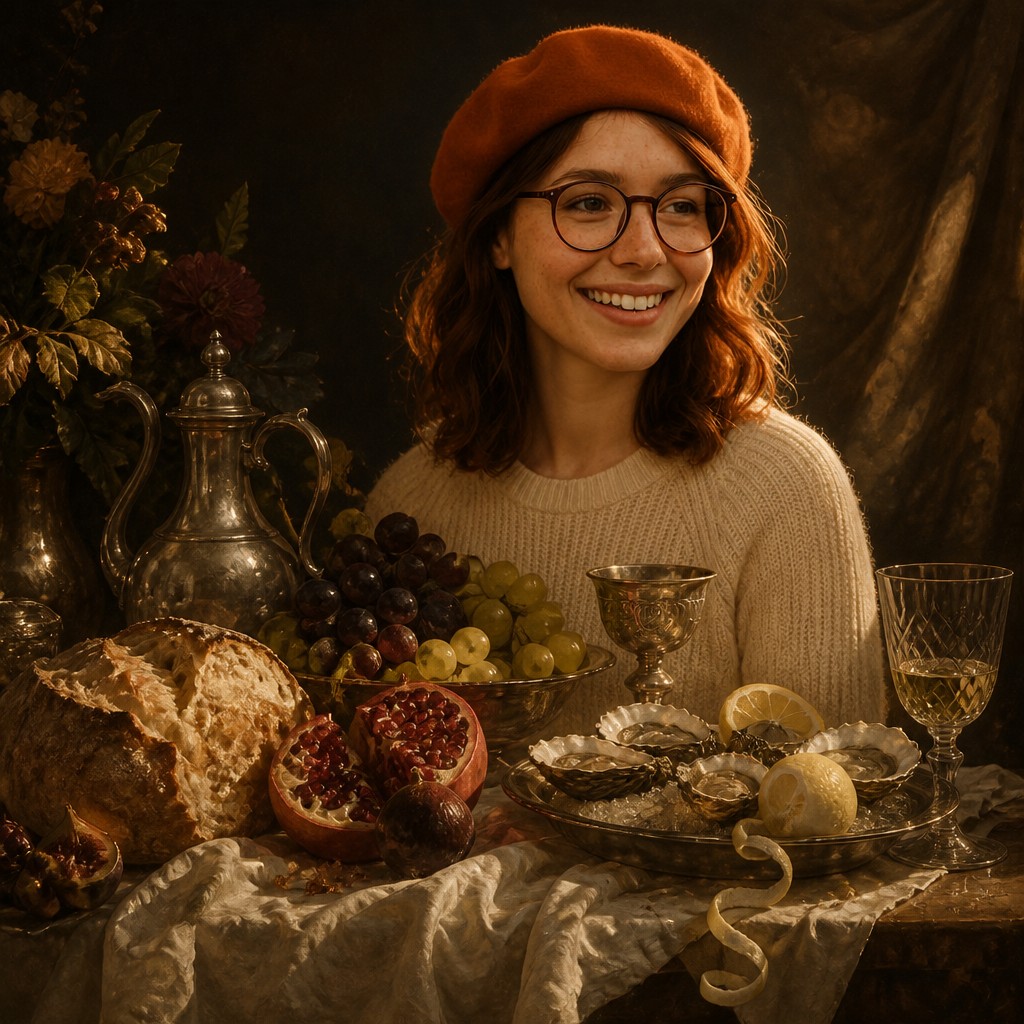
Upload any photo and convert it into Banquet Still Life Art Style — drag the sliders to compare before and after.


What Defines Banquet Still Life Art Style
The signature details, up close
Laden tabletop
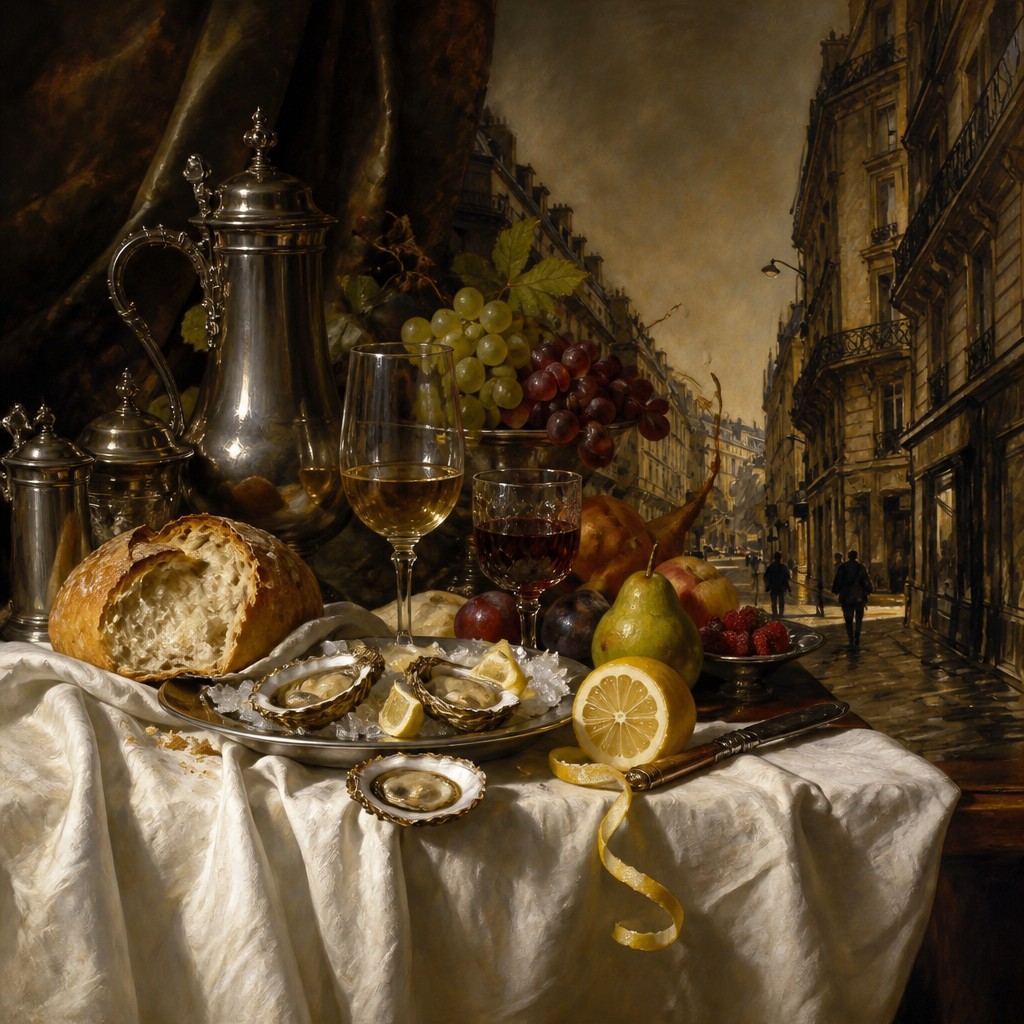
The composition is built around a crowded horizontal table carrying food, vessels and folded or rumpled cloth. Overlapping objects create depth and make the feast feel larger than the frame.
Dramatic raking light
A strong light source enters from one side, traveling across the table and picking out edges, textures and reflective surfaces. The surrounding background remains deeply shadowed to heighten theatrical focus.
Reflective pewter and glass
Metal plates, tankards and serving pieces are rendered through cool highlights, soft reflections and dark tonal transitions. Glassware adds thin contours, transparency and small points of refracted light.
Tactile food detail
Bread crusts, oyster shells, fruit skins, wet interiors and cut surfaces receive close observational attention. The emphasis is on touch, moisture, weight and freshness rather than idealized perfection.
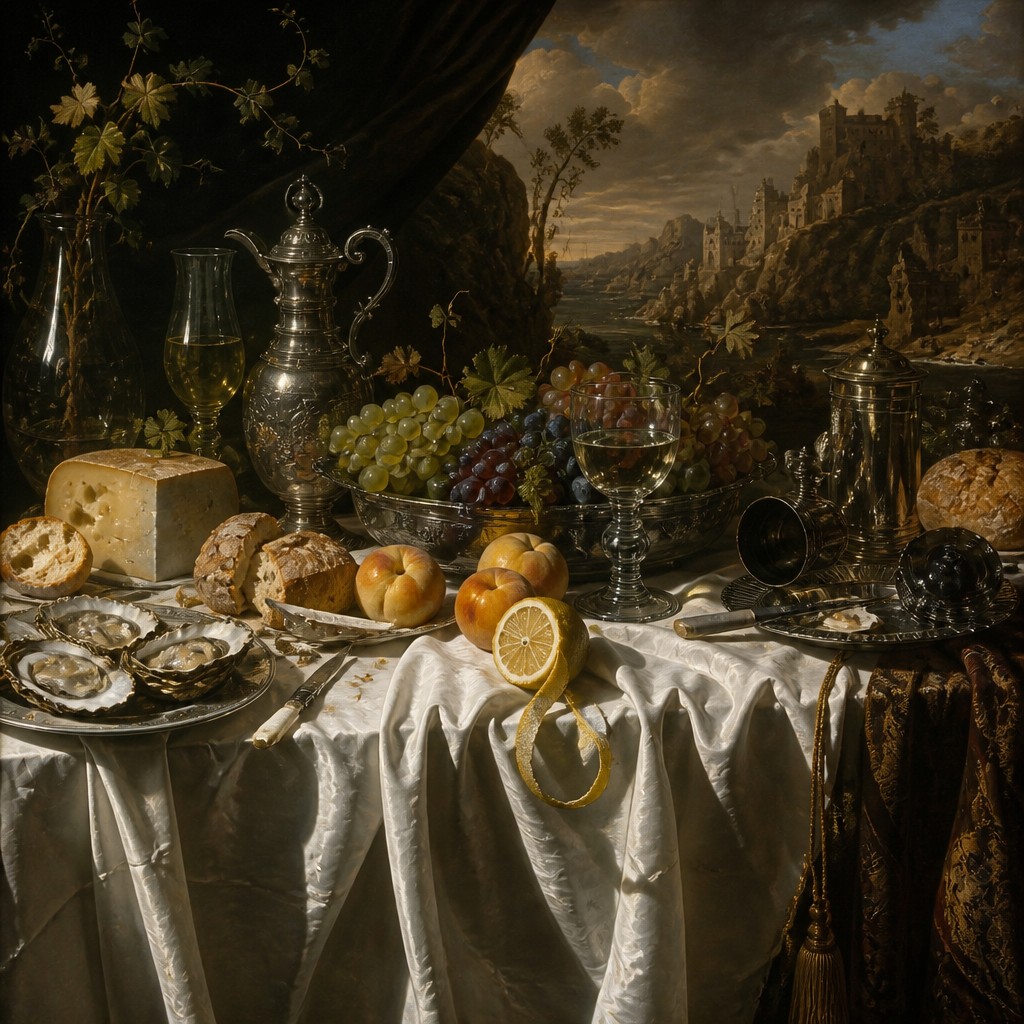
Rumpled white linen
Loose folds and irregular creases break up the tabletop and provide a luminous counterpoint to the dark setting. The cloth also guides the eye between foreground objects.
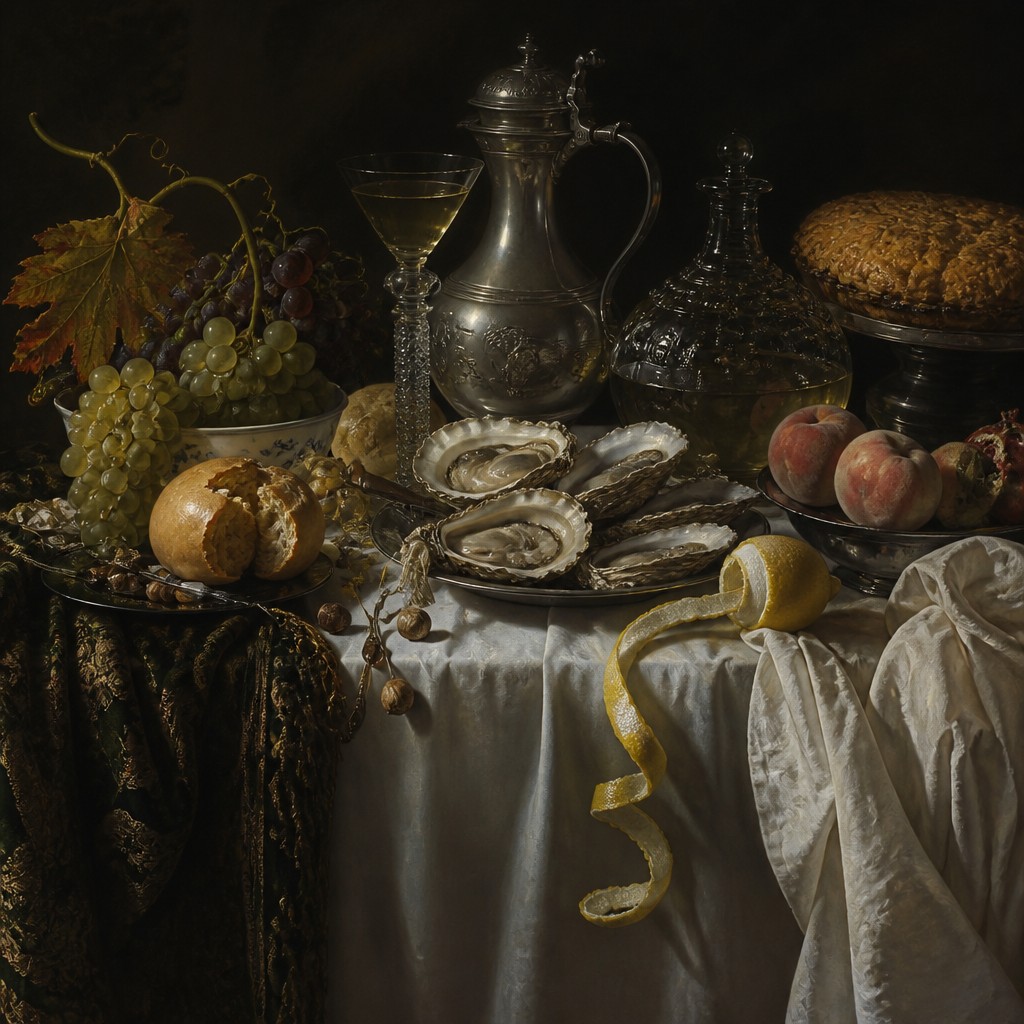
Citrus gesture
A half-peeled lemon or curling strip of rind introduces a distinctive diagonal or spiral movement. It can imply active preparation, consumption and the passage of time.
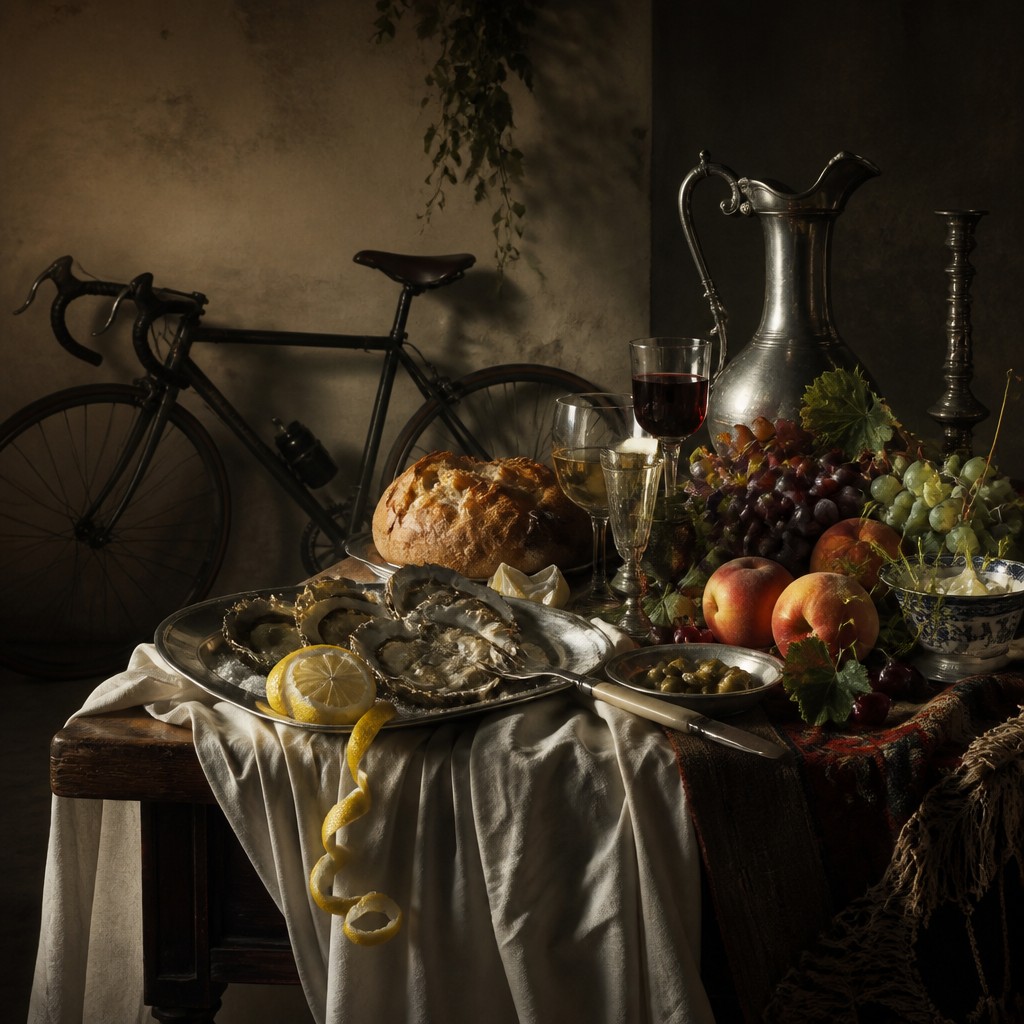
Controlled sumptuousness
Although the table is abundant, the arrangement is carefully balanced through clusters, diagonals and negative space. Rich color and detail are concentrated where the light falls.
Try It
Create Videos in Banquet Still Life Art Style
Styles aren't just for stills — describe a scene or animate an image and get a short video rendered in Banquet Still Life. Press play to see this pond come to life.
Make a VideoBanquet Still Life Prompt Ideas
Start from an idea — each one opens the generator with the style ready to go. See all 40 Banquet Still Life prompts →
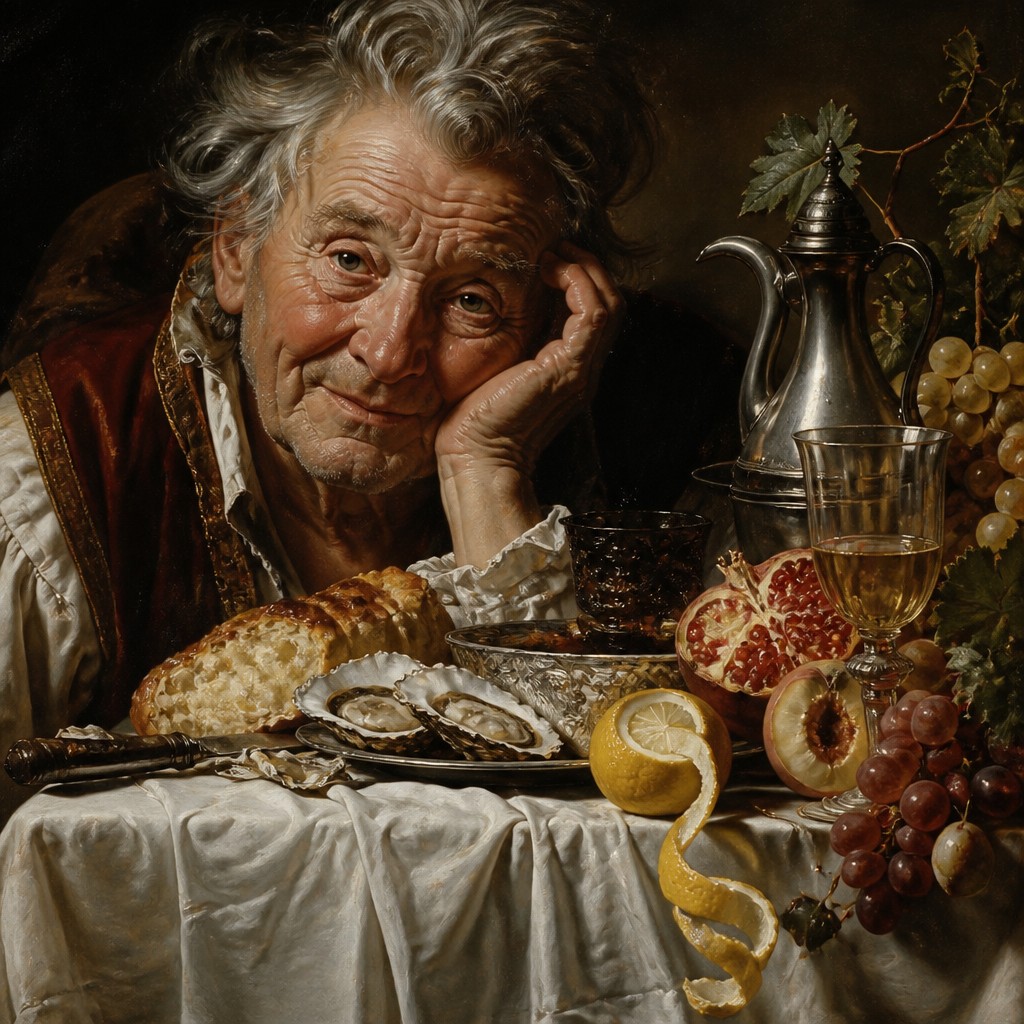
“close-up portrait of an elderly person with expressive weathered features”
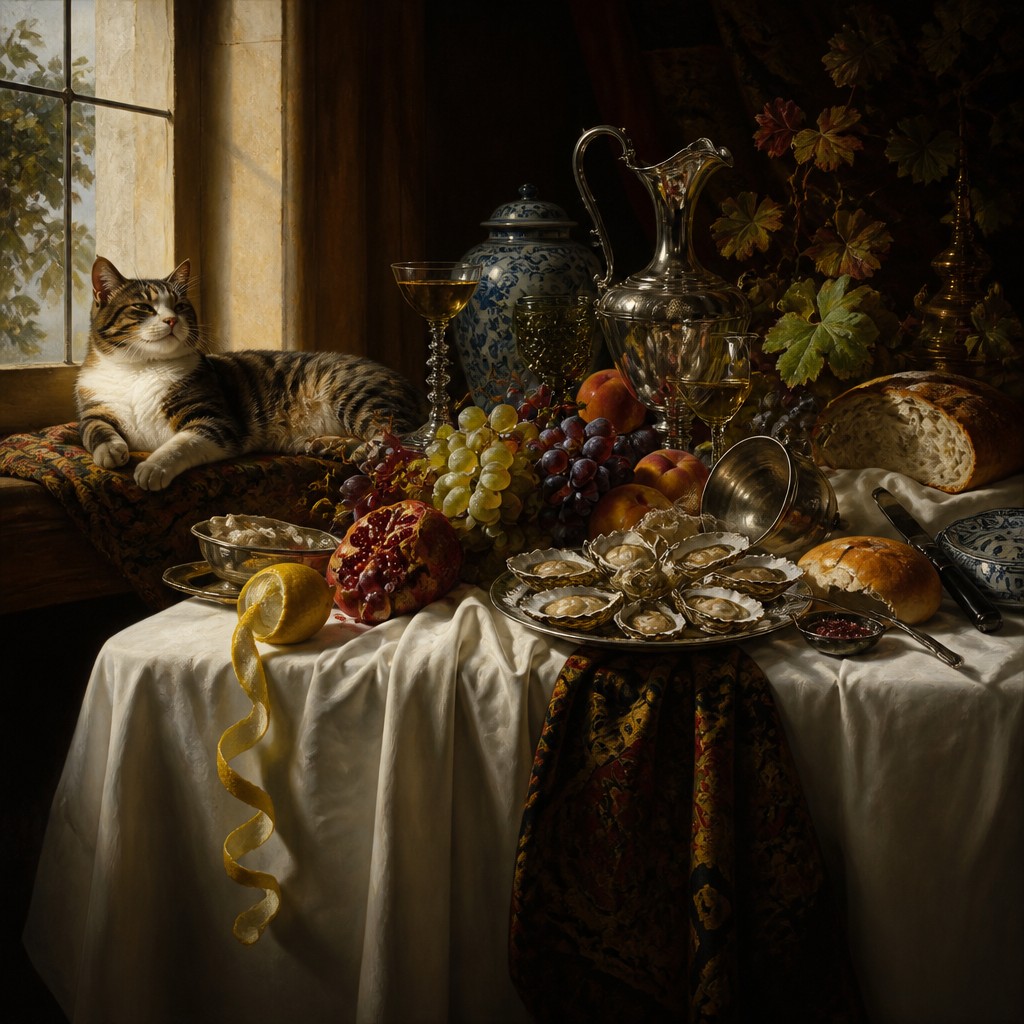
“a cat lounging in a sunlit window”
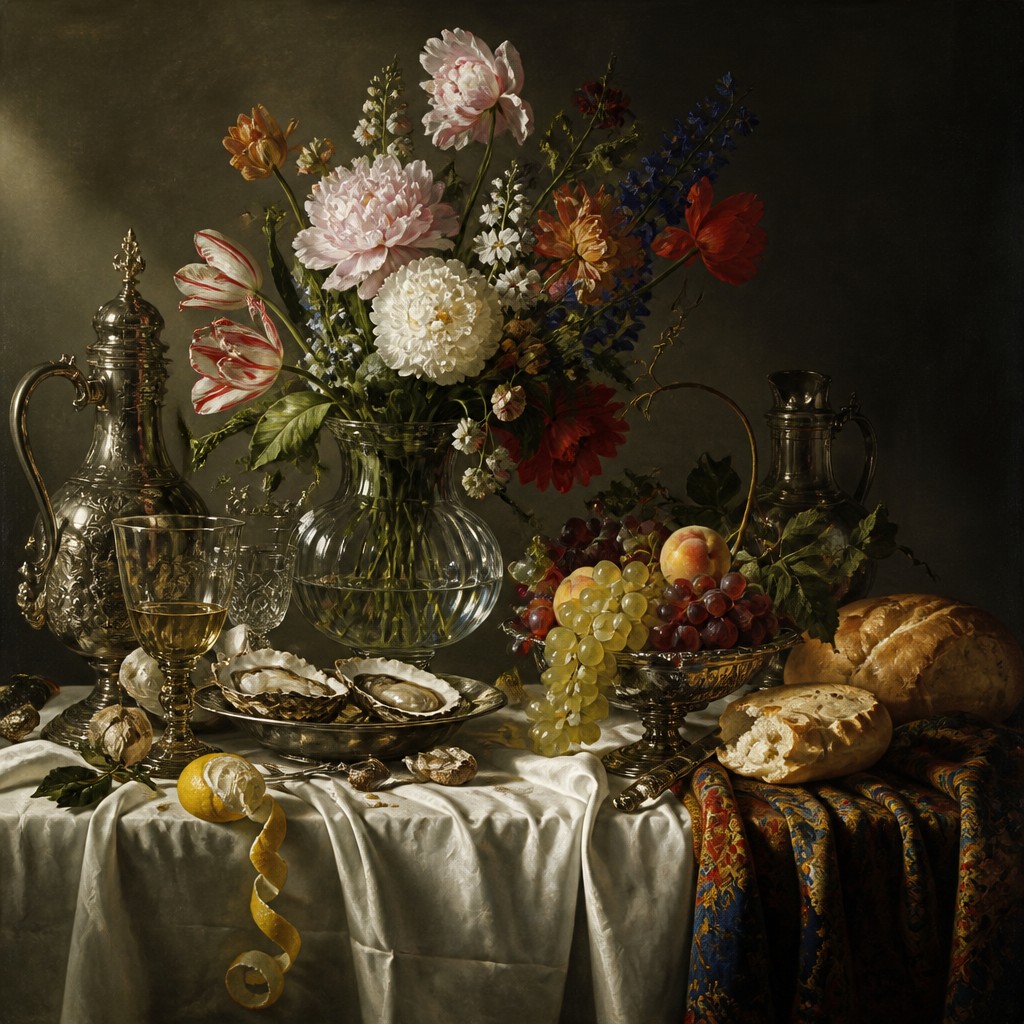
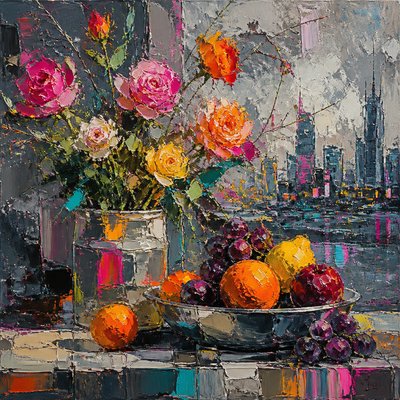
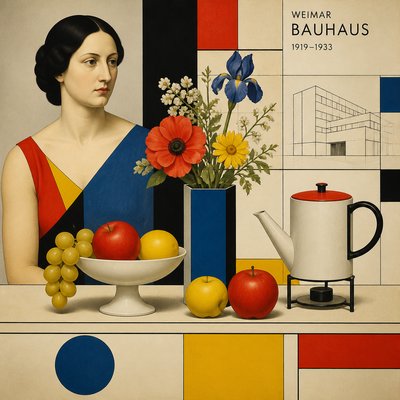
“bouquet of flowers in a glass vase”
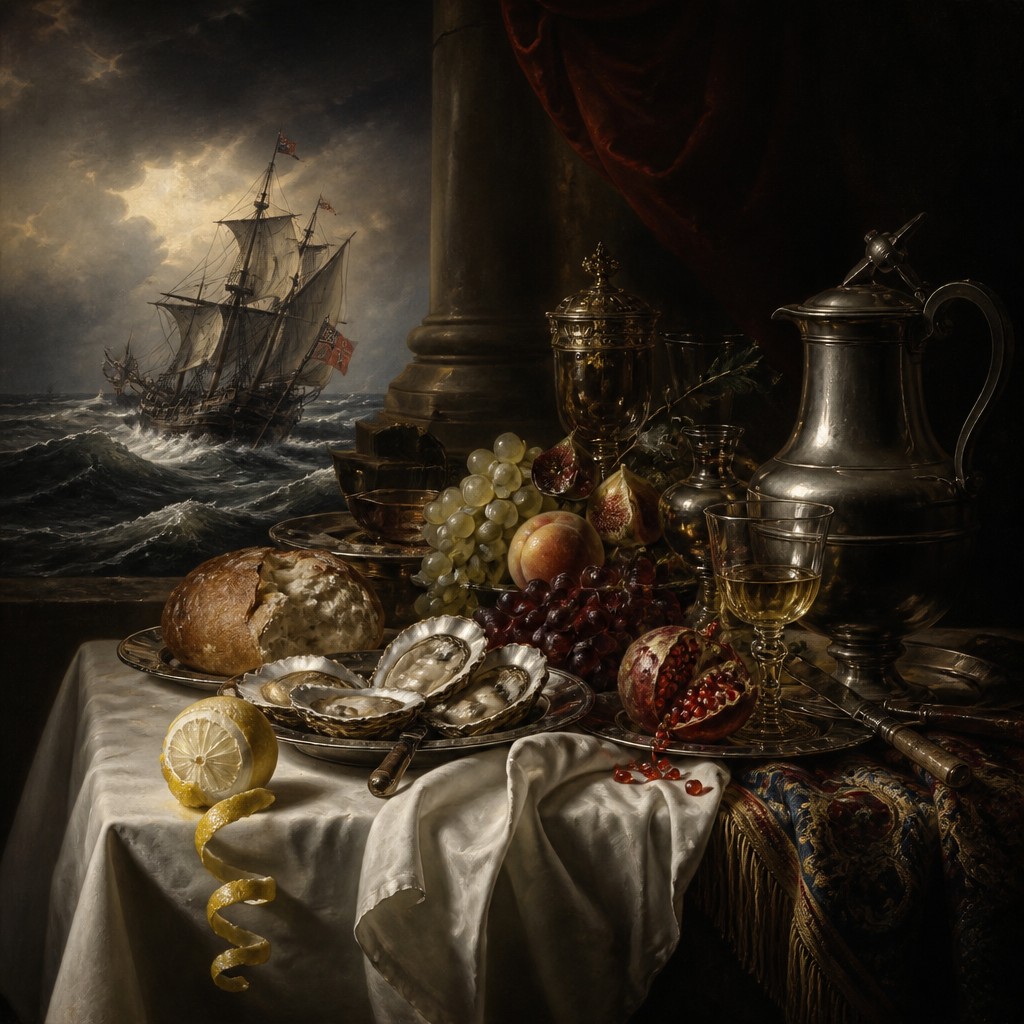
“sailing ship on a stormy sea”
How to Create Banquet Still Life Art
Master the craft step by step — or skip straight to creating. Read the full guide →
- 1
Build the composition in layers
Begin with the table plane, establish the largest dark and light masses, then place major vessels and food clusters before adding small details. Keep some objects partially hidden so the arrangement feels natural rather than diagrammatic.
- 2
Use a restricted, rich palette
Combine warm browns, umbers, muted reds, ochres and cream with restrained greens and cool metal notes. Reserve the brightest whites for linen, glass highlights and selected food accents.
- 3
Model surfaces by material
Use broken, varied brushwork for bread and fruit, sharper accents for metal and glass, and broad soft transitions for linen and background shadow. In digital painting, separate these materials into layers or passes with different texture brushes.
- 4
Light from one decisive direction
Place a large side light above table height and let objects cast readable shadows toward the opposite side. Preserve dark background areas instead of filling every region with detail.
- 5
Add narrative signs of use
Include a cut fruit, a partly consumed oyster, a tilted glass or a curling peel to imply an interrupted meal. These small irregularities prevent the scene from becoming a sterile product arrangement.
- 6
Guide text-to-image prompts precisely
Specify the table contents, viewpoint, lighting direction, materials, background tone and degree of painterly texture. For image-to-image work, retain the source image's main silhouettes while asking for dark chiaroscuro, tactile surfaces and restrained banquet composition.
The Story
History & Origins of Banquet Still Life
Banquet Still Life is best understood as a contemporary descriptive style rather than a formally codified historical movement. Its aesthetic lineage reaches back to European table and banquet still lifes of the sixteenth and seventeenth centuries, particularly compositions that displayed costly foods, imported fruit, silver or pewter vessels and fine textiles as signs of prosperity.
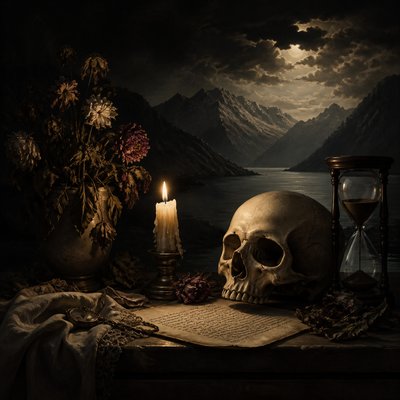
It also draws on Baroque chiaroscuro, Northern European attention to surface detail and vanitas symbolism. Historical still lifes often used overturned glasses, extinguished candles, partially eaten food and peeling fruit to suggest time, appetite and mortality. The present style selectively borrows those visual conventions while emphasizing abundance, sensory richness and cinematic lighting.
Influences: The style is related to Northern European banquet and table still life, Baroque chiaroscuro, Dutch and Flemish traditions of material observation, and vanitas imagery concerned with consumption and impermanence. It also shares qualities with contemporary food photography, cinematic low-key lighting and editorial images of rustic luxury, but translates those influences into a deliberately painted, tactile surface.
Frequently Asked Questions
What defines Banquet Still Life?
It is defined by an abundant tabletop, highly tactile food, reflective pewter or glass, rumpled linen and dramatic side lighting against a dark background. The arrangement should feel both carefully composed and recently used.
Is Banquet Still Life a historical art movement?
No. The term describes a contemporary stylistic synthesis rather than a single historical school with a fixed membership or date range. It borrows extensively from European banquet still lifes, Baroque lighting and vanitas traditions.
How does it differ from a general food still life?
A general food still life may emphasize ingredients, freshness or commercial clarity. Banquet Still Life usually presents food as part of a complete social table, with stronger shadows, more reflective vessels, visible signs of use and a more theatrical sense of abundance.
What medium works best for this style?
Oil paint is especially suitable because it can build transparent shadows, soft transitions and dense impasto highlights. Gouache, acrylic, digital painting and carefully lit photography can also achieve the look when they preserve the material contrasts and dark tonal structure.
How can I make the scene look painterly rather than photographic?
Simplify secondary details, group textures into deliberate brushwork and emphasize broad tonal relationships before adding highlights. Uneven edges, visible strokes and selective sharpness help maintain a painted interpretation.
Where is this style commonly used?
It suits editorial food imagery, historical or period-inspired interiors, culinary packaging concepts, book covers, restaurant artwork and atmospheric still-life studies. It is also effective for visual storytelling about hospitality, excess, ritual and mortality.
Create your first Banquet Still Life artwork
Describe anything — or upload a photo — and see it in Banquet Still Life Art Style in seconds.
Related Styles
Discover similar art styles