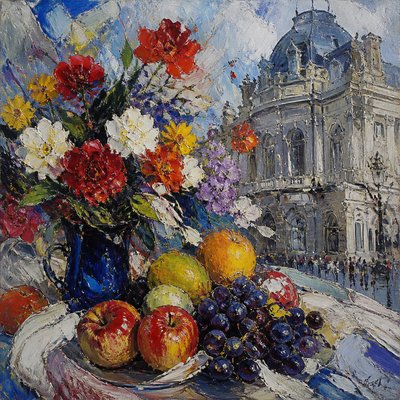
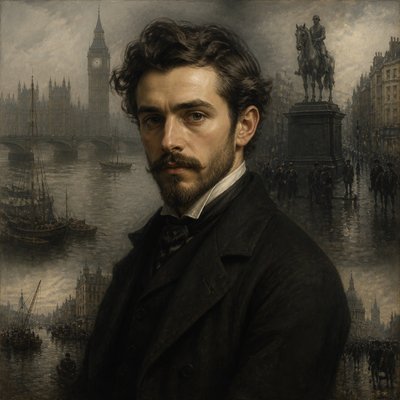
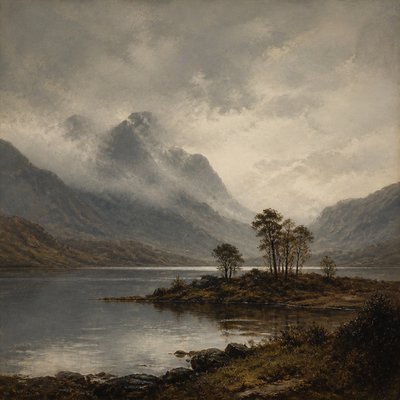
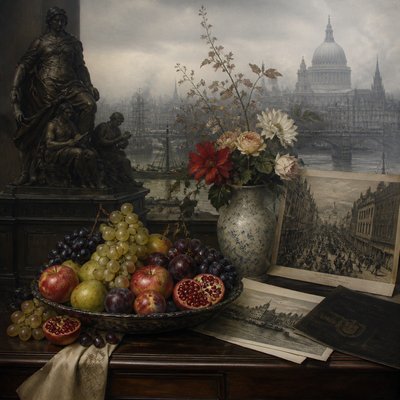
Malawian Art Style
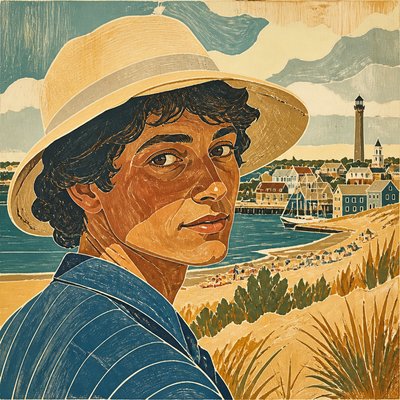
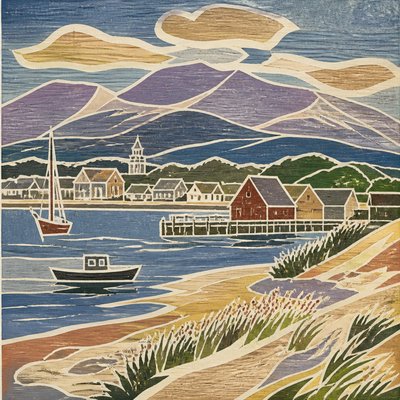
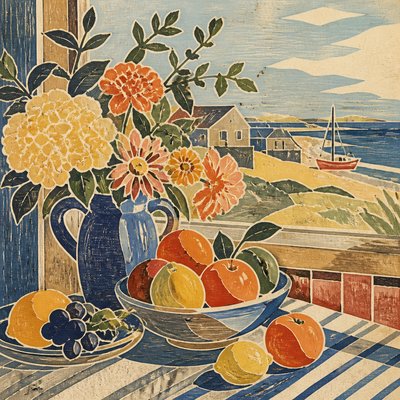
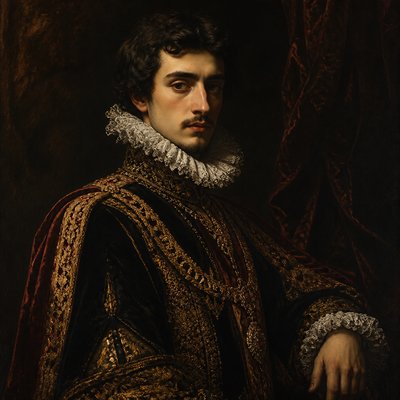
Explore Malawian Art Style: raffia masquerade textures, carved wood, woven forms, Lake Malawi light, ochre hues, and communal pattern.
Instantly rendered in Malawian — or transform a photo
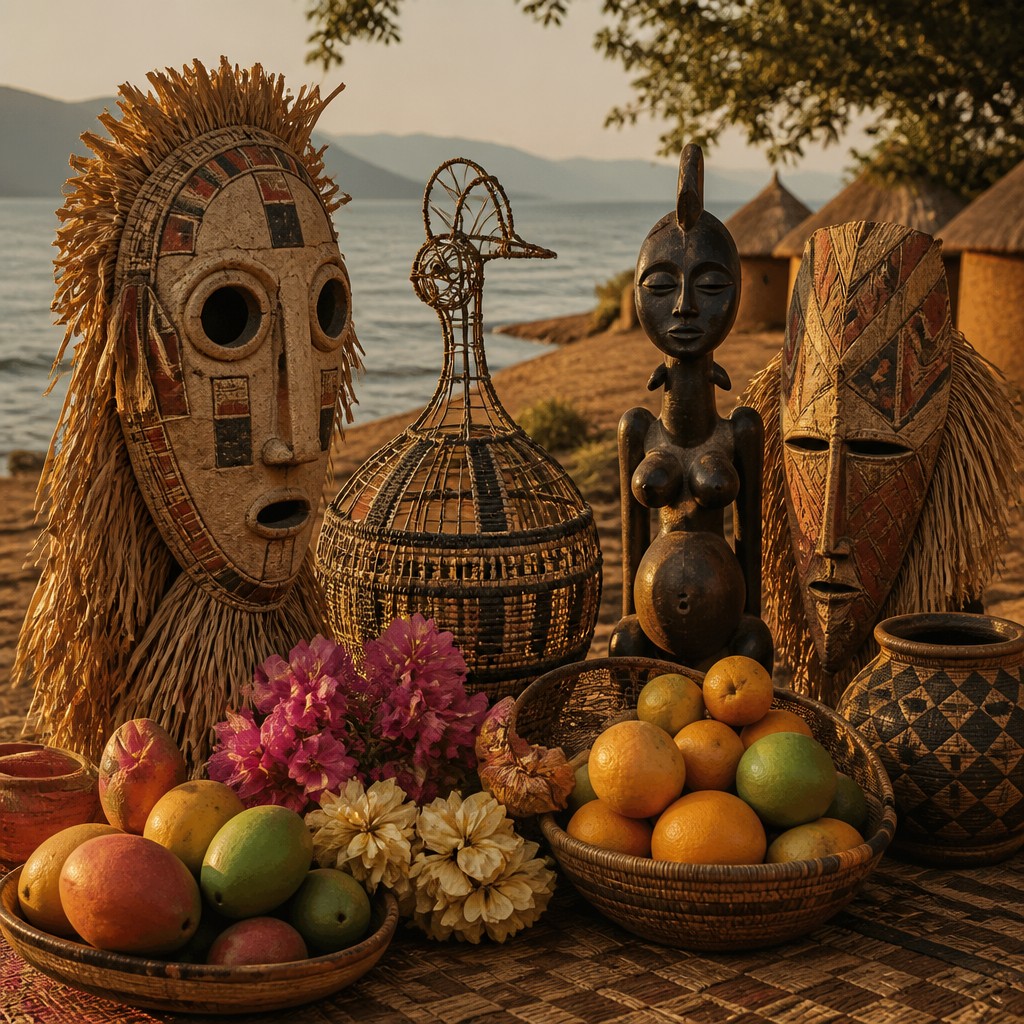
Malawian Gallery
Tap any artwork to explore it
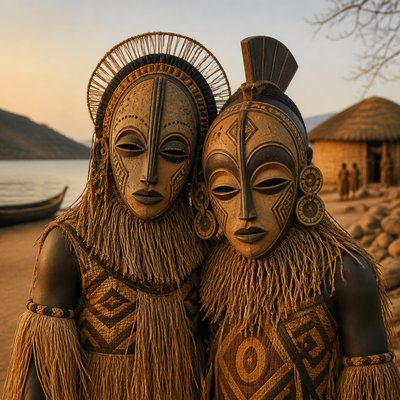
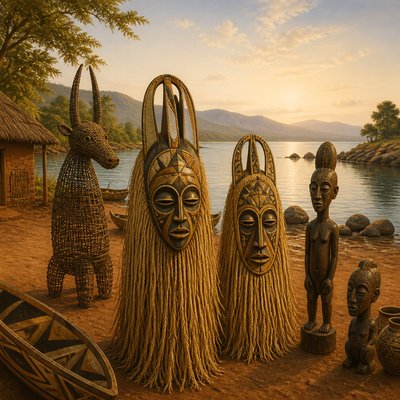
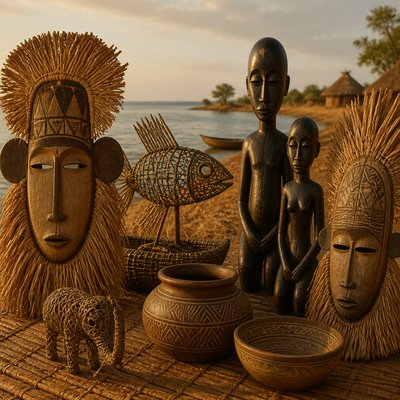
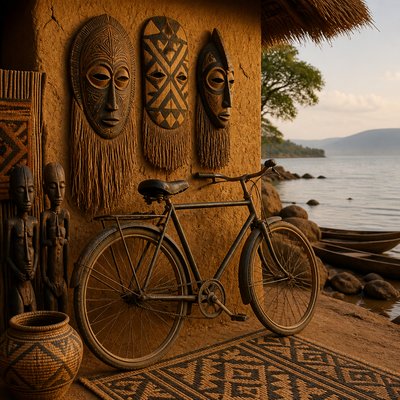
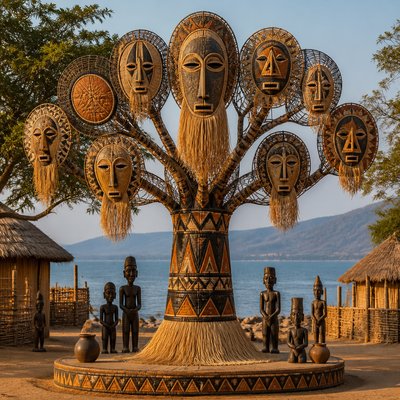
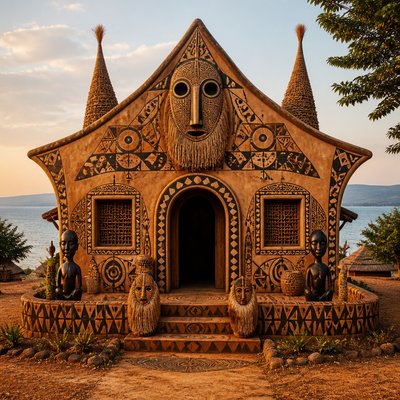
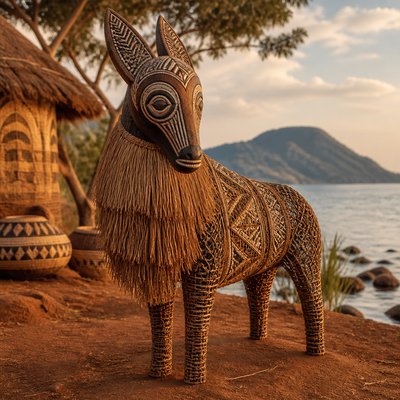
What is Malawian Art Style?
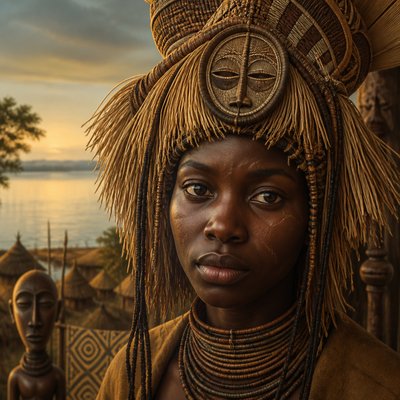
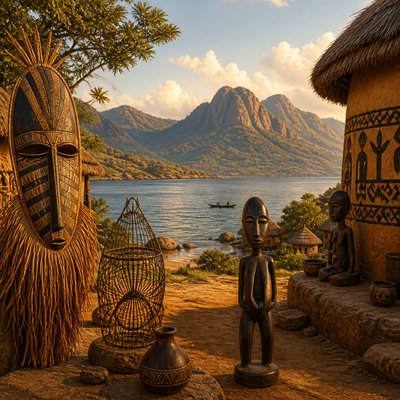
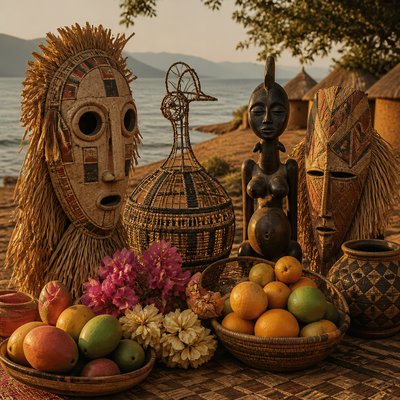
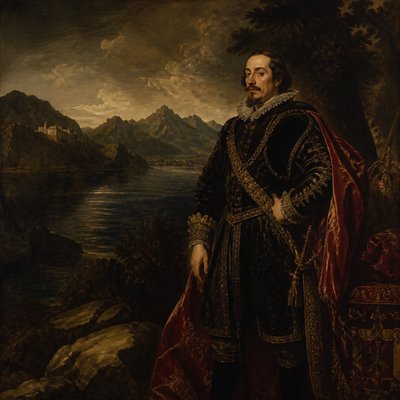
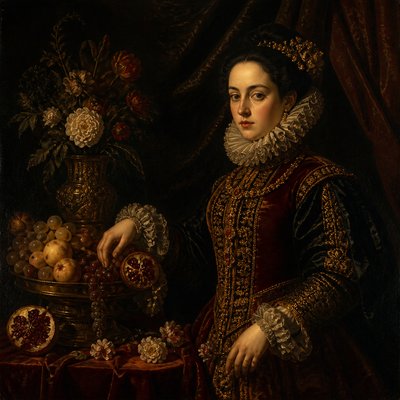
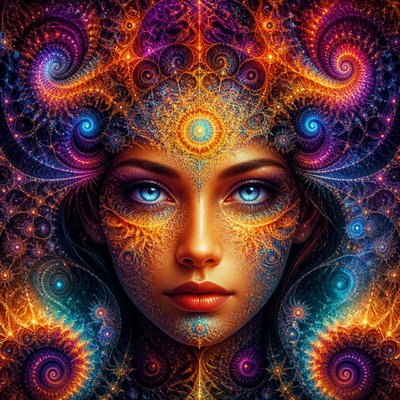
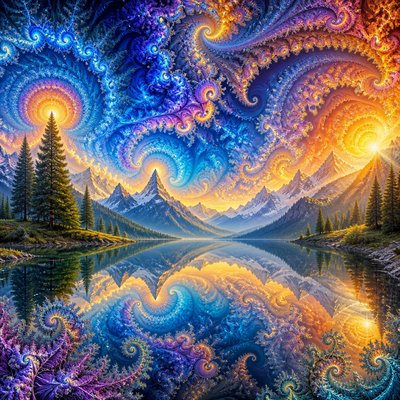
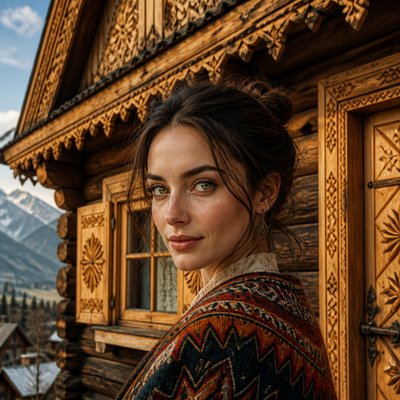
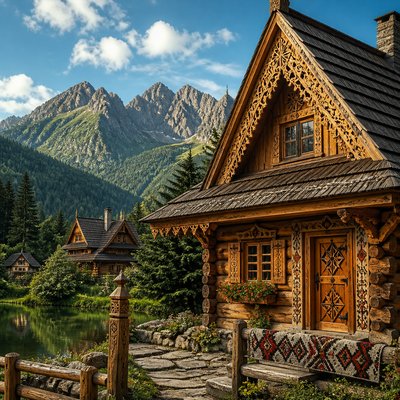
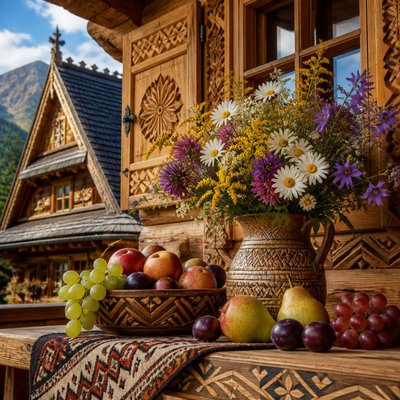
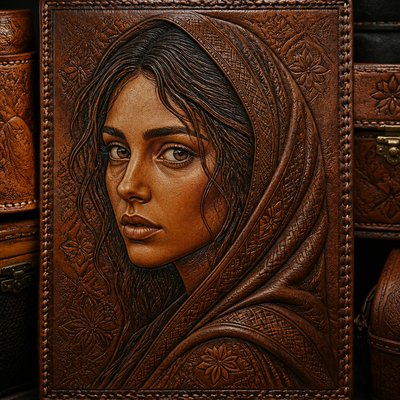
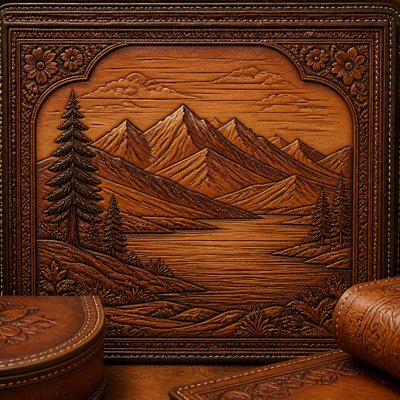
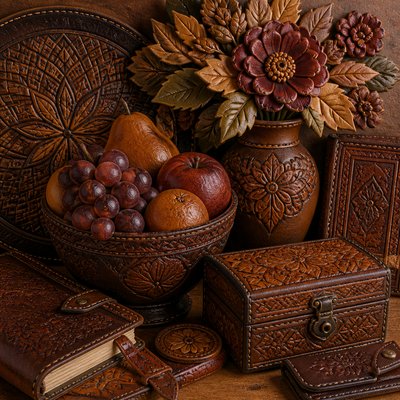
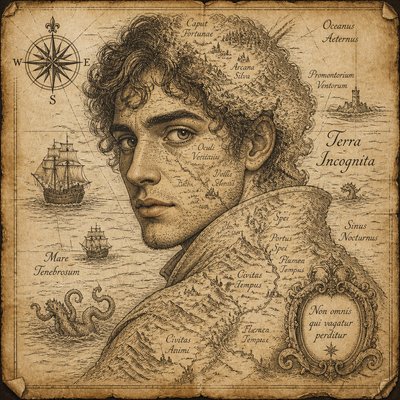
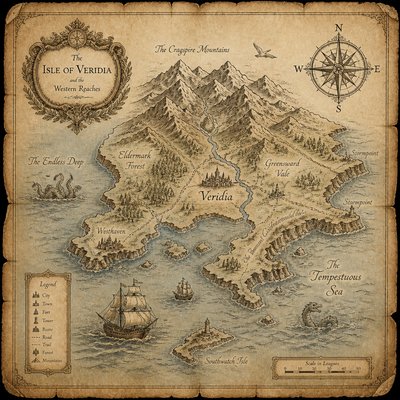
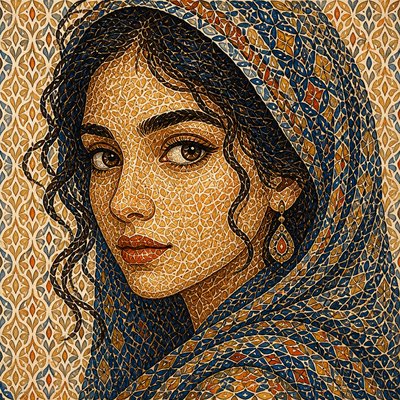
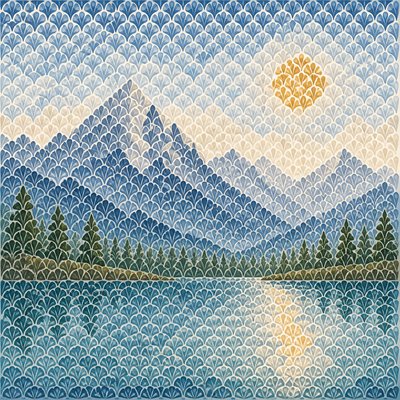
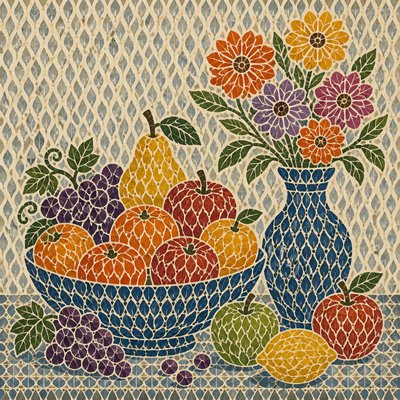
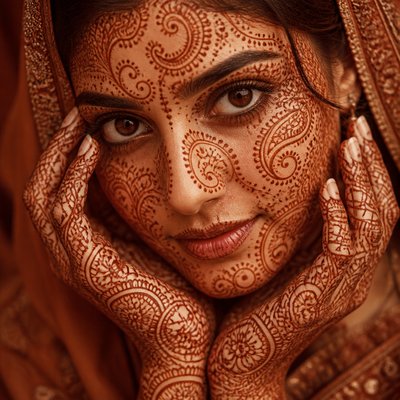
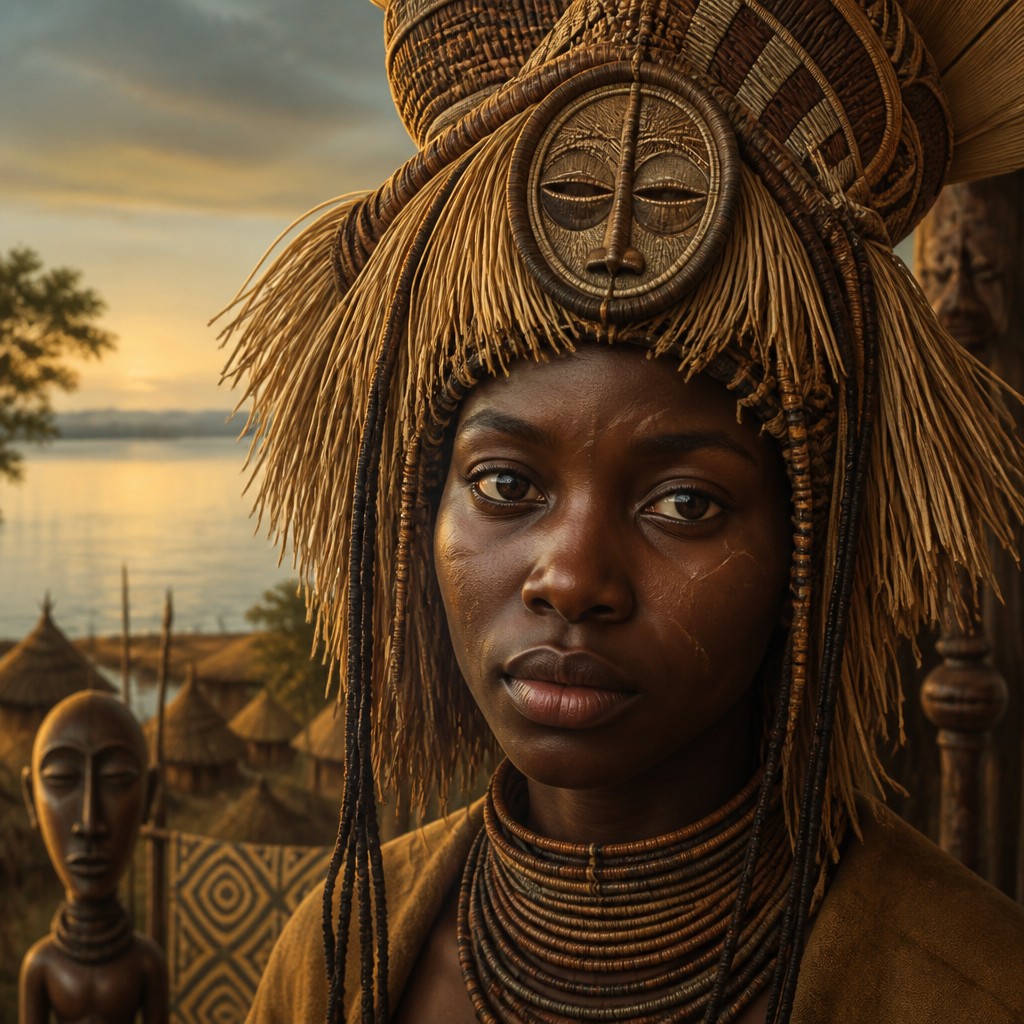
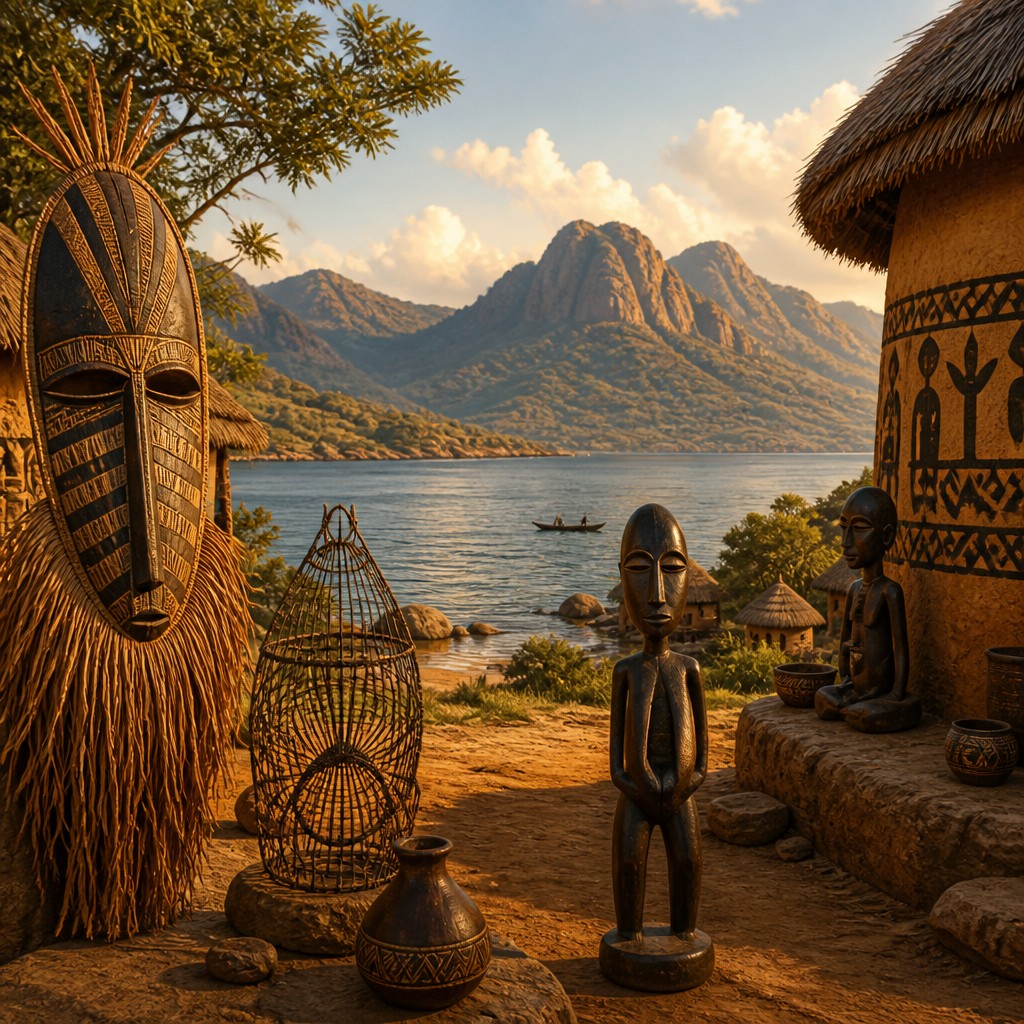
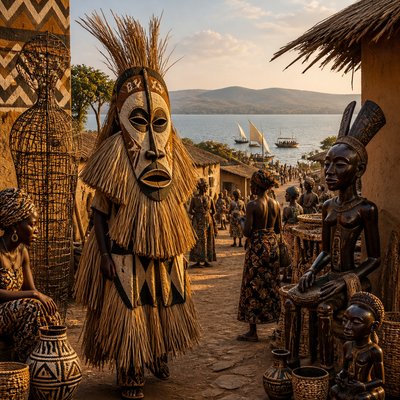
Malawian Art Style is a contemporary, AI-friendly visual synthesis inspired by material culture and landscapes associated with Malawi, especially the lakeshore environment. Its signature imagery combines raffia-fringed masquerade forms, carved wooden figures, woven grass and wire structures, earthen surfaces, and the warm, subdued colors of villages near Lake Malawi. The style favors symbolic silhouettes and tactile surfaces over naturalistic detail.
Its visual identity is grounded in contrast: rough raffia against smooth dark wood, geometric pattern against quiet open space, and deep umber, ochre, clay, charcoal, and muted lake blue against warm sunlight. The resulting atmosphere is ceremonial and communal without being theatrical, often presenting figures or objects in still, balanced compositions that suggest craft, ritual presence, and lakeside life.
Try It On Your Photos
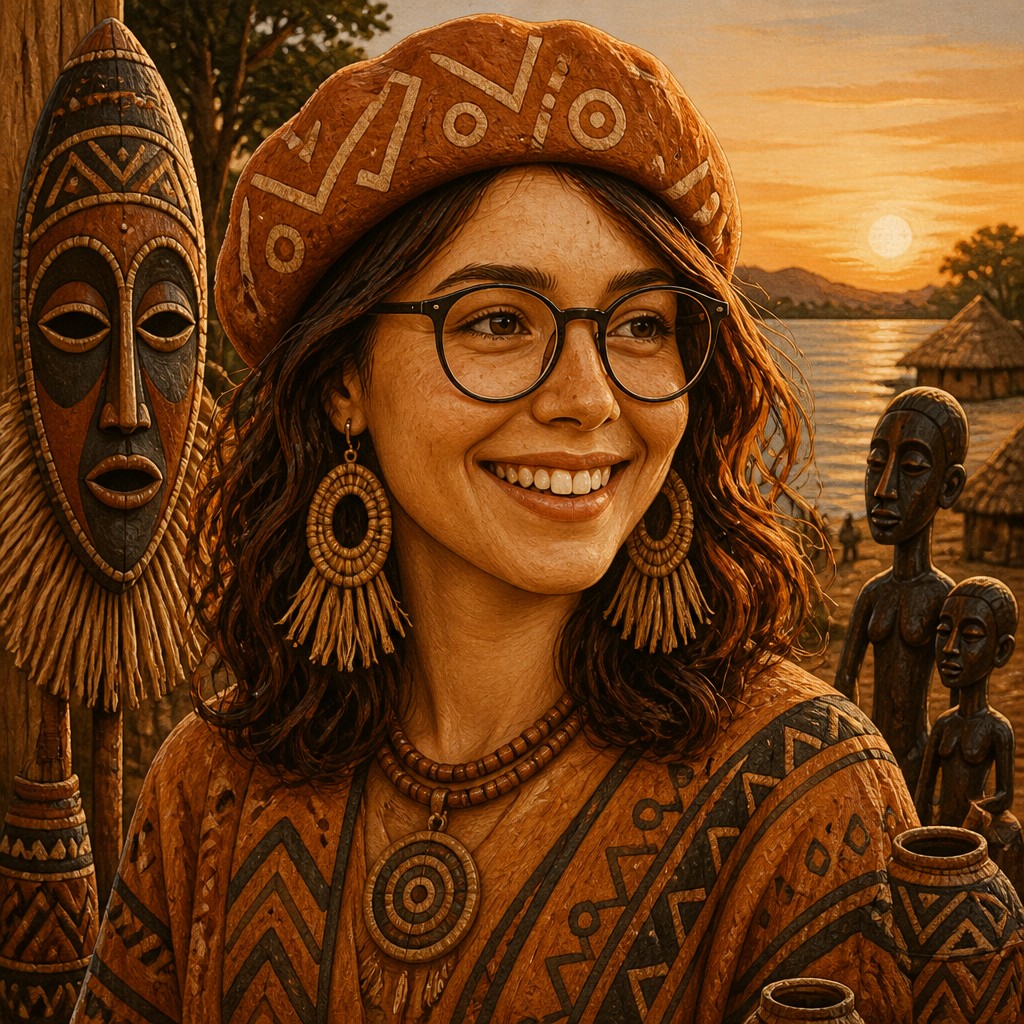
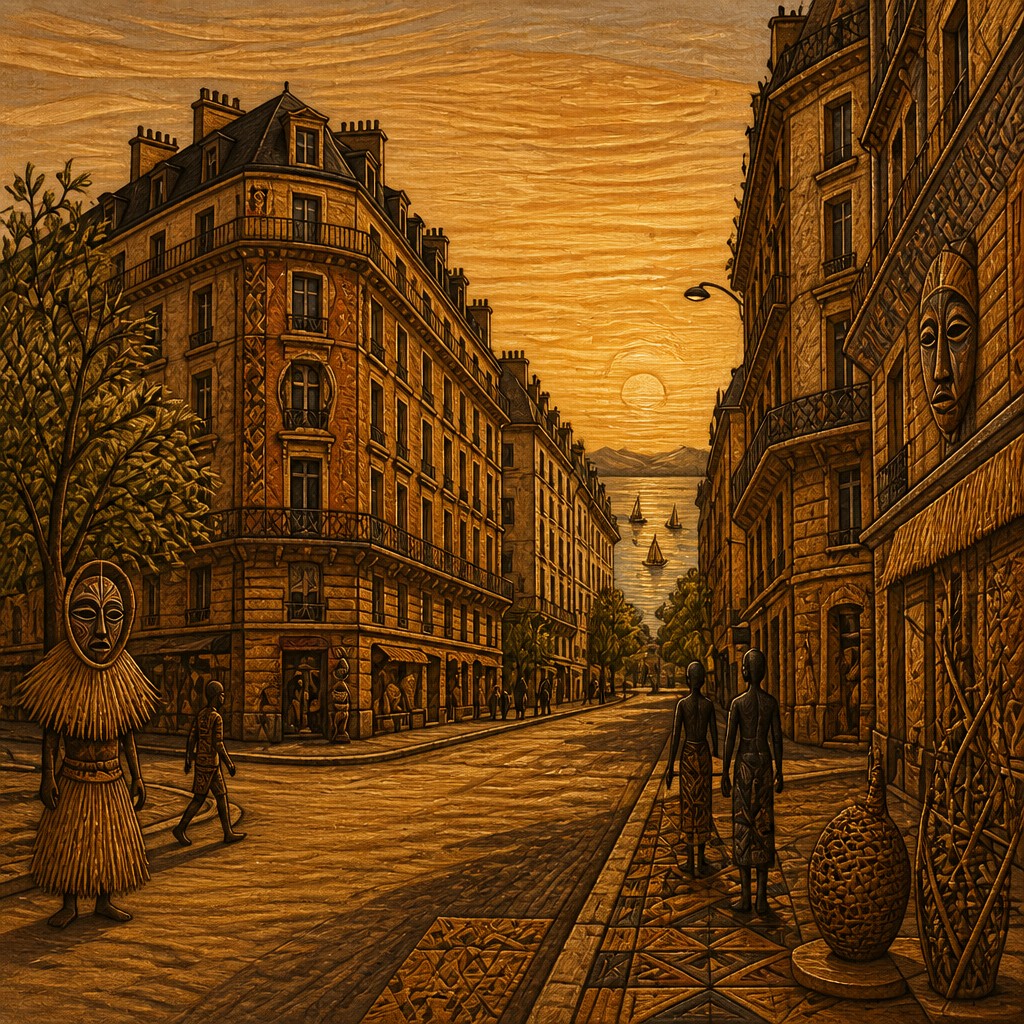
Upload any photo and convert it into Malawian Art Style — drag the sliders to compare before and after.


What Defines Malawian Art Style
The signature details, up close
Raffia-fringed silhouettes
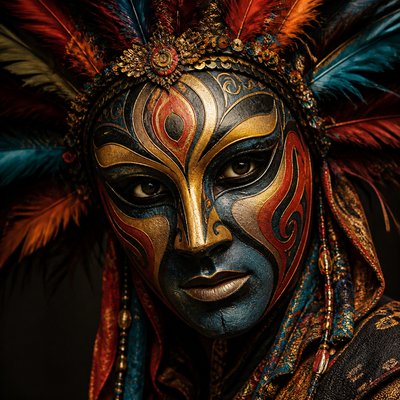
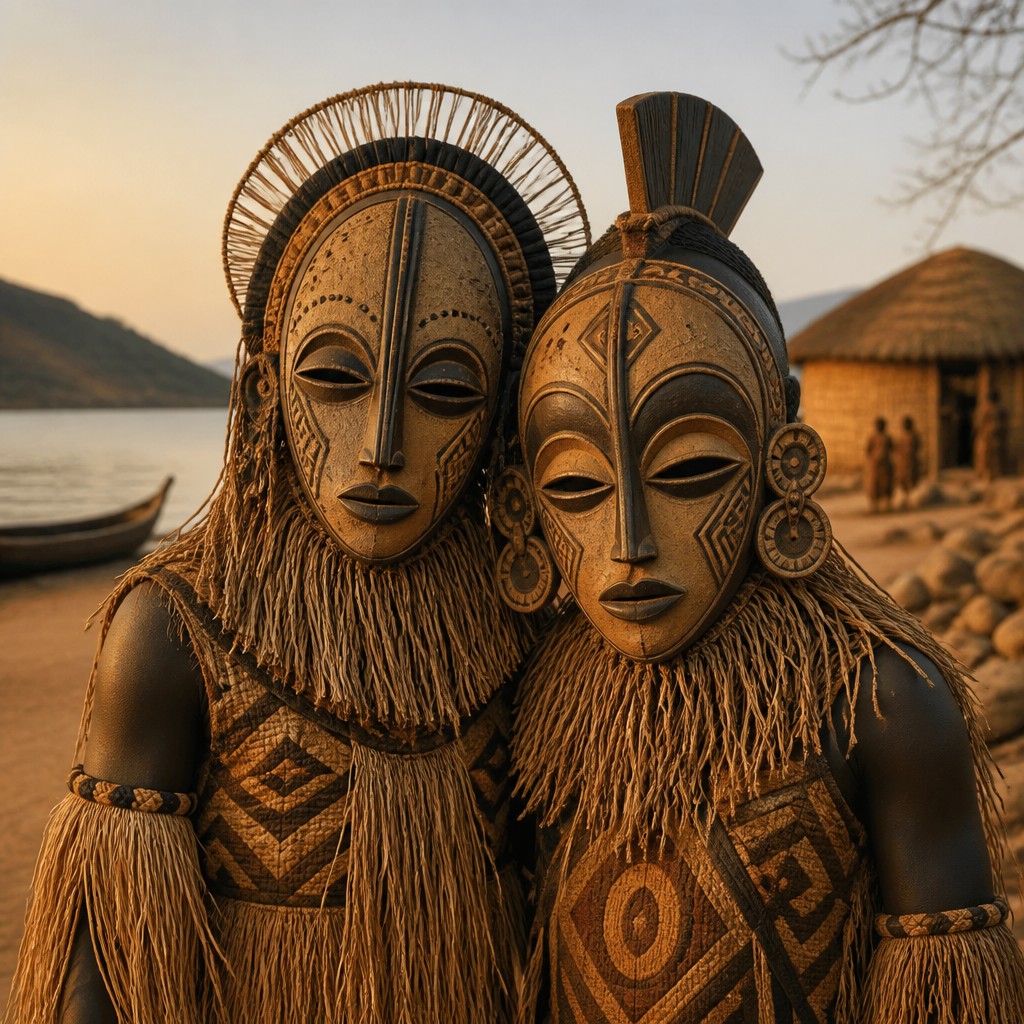
Masks, figures, and ceremonial forms are outlined with layered raffia or grass fibers that create a shaggy, kinetic edge. The fringe can obscure facial detail and emphasize presence, movement, and texture.
Earthen and ochre palette
Clay red, ochre, umber, soot black, dusty beige, and subdued green dominate the palette. Muted lake blue and warm golden light provide restrained accents rather than bright, synthetic color.
Carved wood and dark patina
Figures often appear simplified and totemic, with rounded planes, restrained anatomy, and a smooth, deep brown or blackened wood surface. Small irregularities preserve the impression of hand carving.
Woven structural detail
Fine wire, reeds, grass, and basket-like grids introduce linear rhythm and visible construction. These elements work as sculpture, costume, framing, or patterned backgrounds.
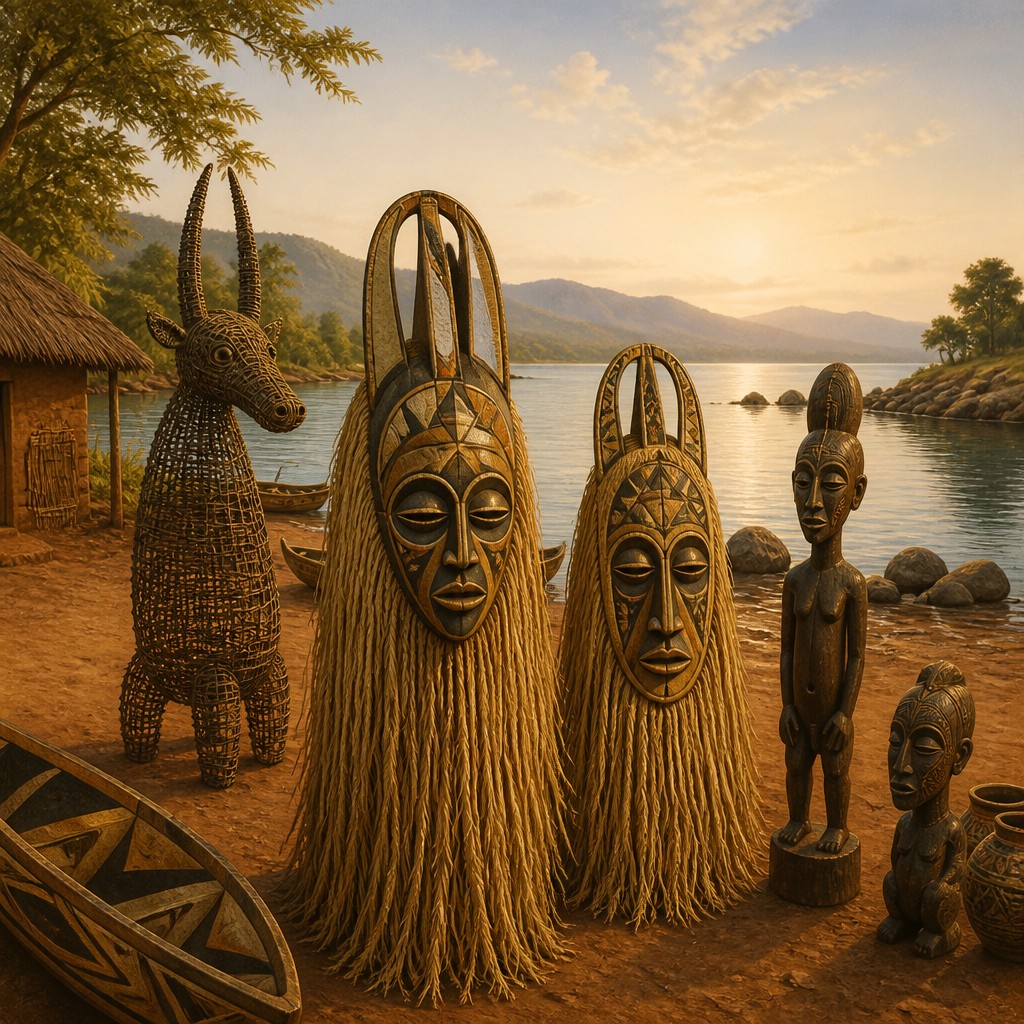
Totemic composition
Subjects are commonly frontal, vertical, or hieratically arranged, with strong silhouettes and limited gestures. Repetition and symmetry suggest communal pattern without requiring literal narrative.
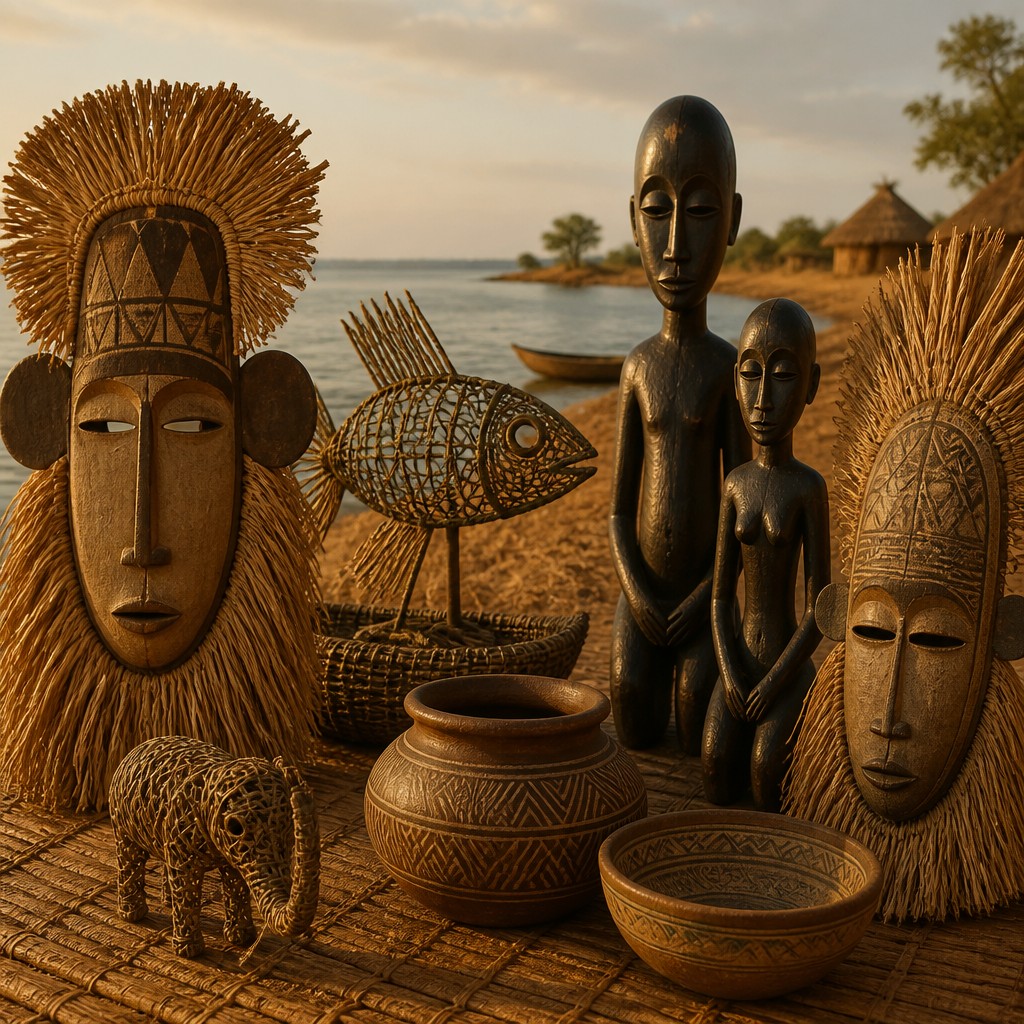
Lakeside luminosity
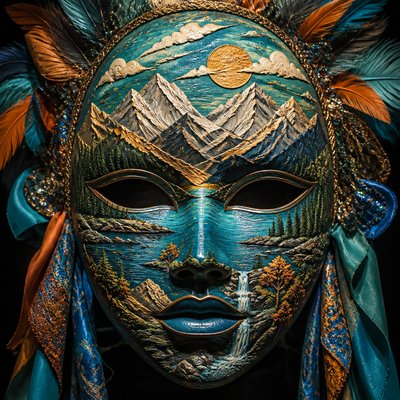
Soft sunlight, hazy horizons, and reflected warmth evoke the shore of Lake Malawi and nearby rural landscapes. Lighting is usually gentle and dusty, with long tonal transitions instead of harsh studio contrast.
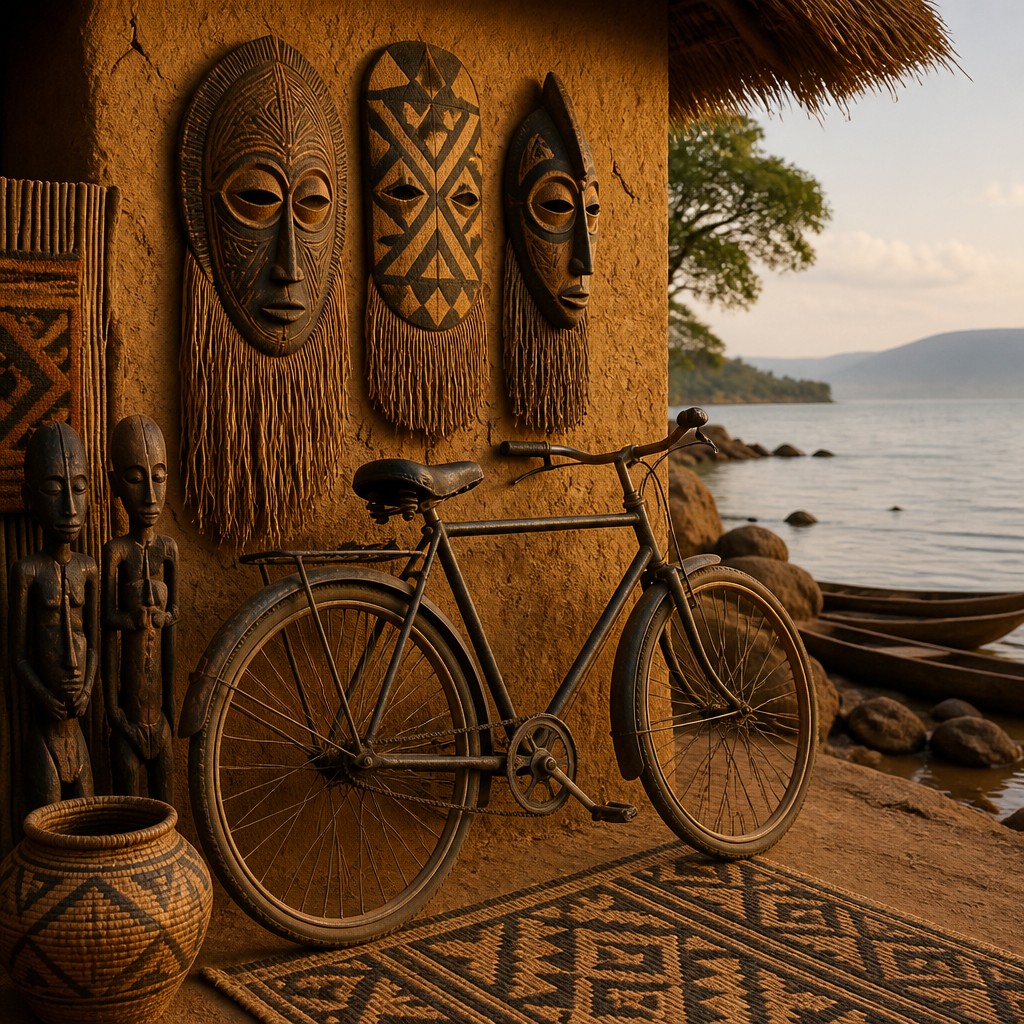
Quiet communal atmosphere
Scenes favor stillness, shared space, and understated ceremony: a village clearing, a group of crafted figures, or a solitary object beside the water. Negative space helps the tactile forms remain legible.
Malawian Prompt Ideas
Start from an idea — each one opens the generator with the style ready to go. See all 40 Malawian prompts →
How to Create Malawian Art
Master the craft step by step — or skip straight to creating. Read the full guide →
- 1
Build the form from materials
Begin with a simple carved-wood or clay volume, then add raffia, grass, reed, or wire as secondary structure. Keep joins and fibers visible so the object feels assembled by hand rather than digitally manufactured.
- 2
Use a restrained color map
Limit the base palette to earth pigments such as ochre, burnt umber, clay red, charcoal, and sand, adding only a muted lake blue or sunlit gold. Broad matte areas usually work better than glossy, saturated color.
- 3
Design a readable silhouette
Reduce facial and anatomical detail, strengthen the outer contour, and arrange the subject frontally or in a deliberate profile. A clear silhouette is especially important when raffia fringe or woven detail partially obscures the form.
- 4
Create tactile lighting
Use low-angle lakeside sunlight, soft haze, and gentle ambient shadows to reveal wood grain, fiber, clay, and woven wire. In digital work, combine roughness maps, displacement, and subtle asymmetry instead of relying on texture overlays alone.
- 5
Compose with rhythm and space
Repeat bands, knots, stripes, or woven intervals across the image, then balance them with an uncluttered background. A village clearing, shoreline, or earthen wall can provide context without competing with the central form.
- 6
Write material-specific prompts
For prompt-based creation, name the subject first and specify raffia fringe, carved dark wood, woven grass or wire, matte earthen texture, ochre tones, warm Lake Malawi light, and a quiet communal composition. Add exclusions such as plastic gloss, neon color, photorealistic metal, or ornate unrelated costume when needed.
The Story
History & Origins of Malawian
This named style is a contemporary aesthetic category rather than a documented historical movement or a single traditional art school. It draws selectively from Malawi's varied craft and performance cultures, including woodcarving, basketry, woven plant-fiber work, beadwork, textile pattern, and masquerade traditions found in parts of central and southern Africa. These practices are diverse across communities and should not be treated as one uniform national visual language.
Its modern formulation also borrows from documentary photography, contemporary sculpture, material-focused installation, and digital image-making. The style translates recognizable material qualities, such as frayed raffia, hand-worked wood, woven wire, and compact earthen pigments, into a coherent visual vocabulary while treating Lake Malawi and its surrounding settlements as an atmospheric setting rather than claiming to reproduce a specific historical artifact.
Influences: The style relates to African sculptural modernism, southern and central African masquerade and fiber traditions, vernacular woodcarving, basketry, textile pattern, and contemporary material-based sculpture. It also draws on documentary and ethnographic image composition, land-art sensibilities, minimalist form, and digital approaches to surface rendering. Its strongest common thread is an emphasis on handmade material, symbolic silhouette, and place-based atmosphere rather than adherence to one historical school.
Frequently Asked Questions
What defines the Malawian Art Style?
It is defined by raffia-fringed masquerade silhouettes, carved dark wood, woven grass or wire, matte earthen surfaces, and warm lakeside light. Ochre, umber, clay, charcoal, and muted blue create a grounded palette, while frontal compositions and repetition provide a ceremonial rhythm.
Is Malawian Art Style a historical art movement?
No. This is a contemporary style label and aesthetic synthesis, not a formally documented historical movement. It draws inspiration from diverse Malawian and regional craft and performance traditions, so it should not be presented as a single traditional or universally representative national style.
How does it differ from generic African tribal art imagery?
The style should avoid treating Africa as visually uniform or reducing cultural objects to generic symbols. It is more specifically centered on Malawi-associated lakeside atmosphere, raffia and woven material, carved wood, quiet village composition, and a restrained earth palette, while acknowledging that these references come from varied traditions.
What materials work best for making it traditionally?
Carved wood, clay, raffia, reeds, grasses, natural fibers, beads, and thin wire are suitable starting points. Preserve the irregularity of handwork, including uneven fibers, tool marks, knots, and slight asymmetry, rather than making every surface perfectly regular.
Can photographs be transformed into this style?
Yes. Portraits, still lifes, architecture, and shoreline scenes can be adapted by emphasizing a strong silhouette, matte earthen texture, raffia or woven accents, and warm atmospheric light. A subtle treatment usually preserves the original subject more effectively than covering every area with dense pattern.
Where is this style most effective?
It works well for masks, figures, editorial illustration, cultural storytelling, environmental scenes, museum-inspired still lifes, album artwork, and tactile concept art. It is especially effective when the composition has one clear crafted subject and enough open space to show its material qualities.
Create your first Malawian artwork
Describe anything — or upload a photo — and see it in Malawian Art Style in seconds.
Related Styles
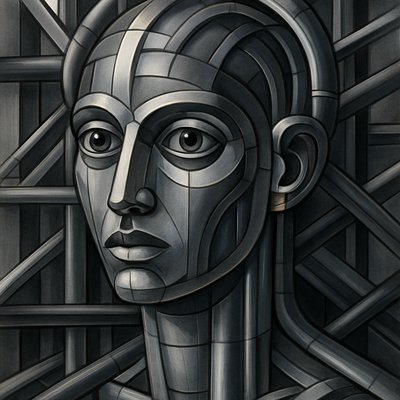
Discover similar art styles