Flemish Primitives Art Style
Explore Flemish Primitives: jewel-like oil detail, luminous glazing, symbolic interiors, and quiet devotional realism from fifteenth-century Flanders.
Instantly rendered in Flemish Primitives — or transform a photo
Flemish Primitives Gallery
Tap any artwork to explore it
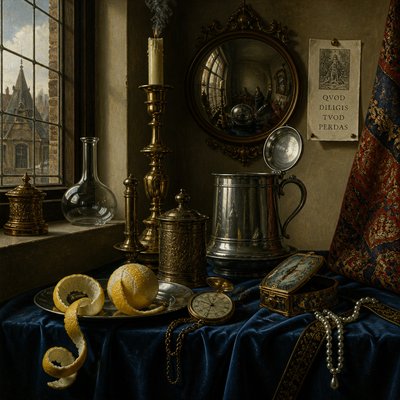
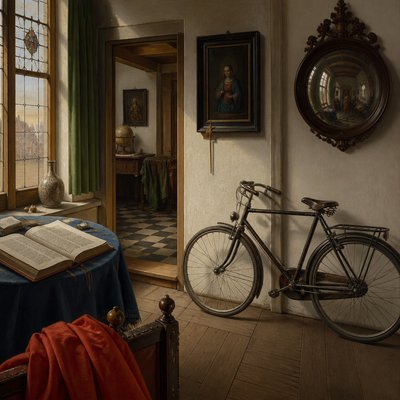
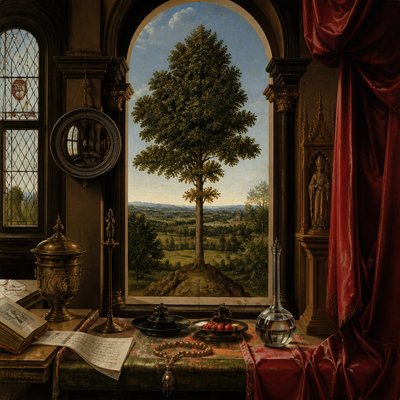
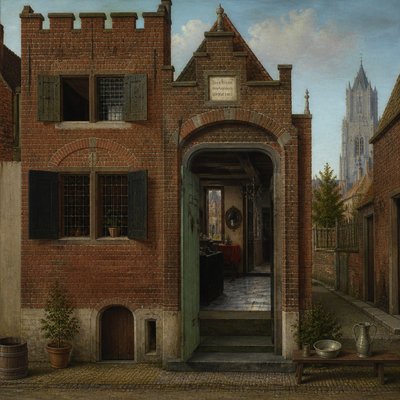
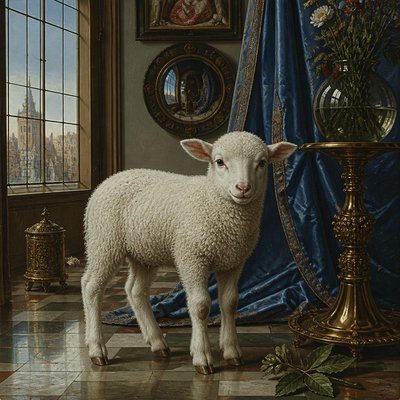
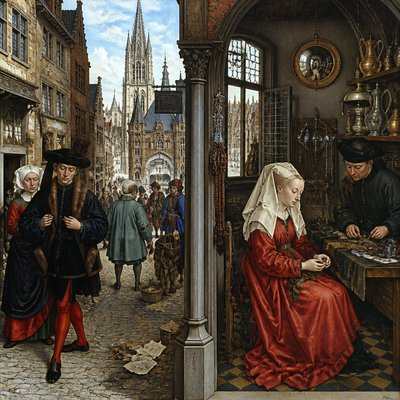
What is Flemish Primitives Art Style?
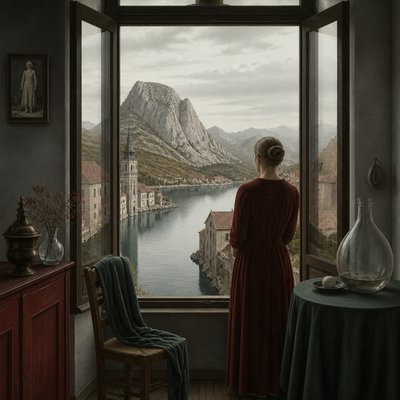
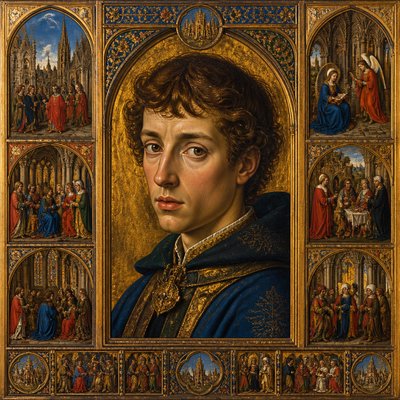
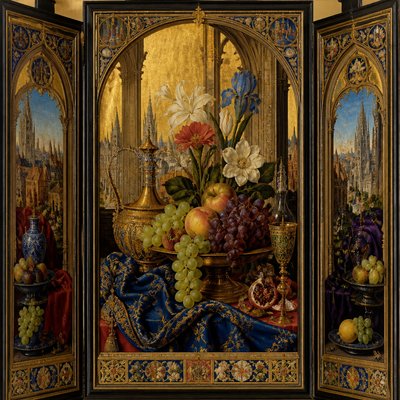
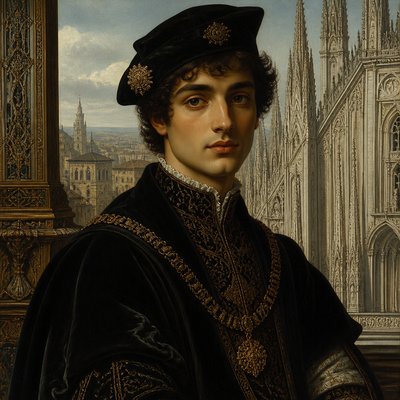
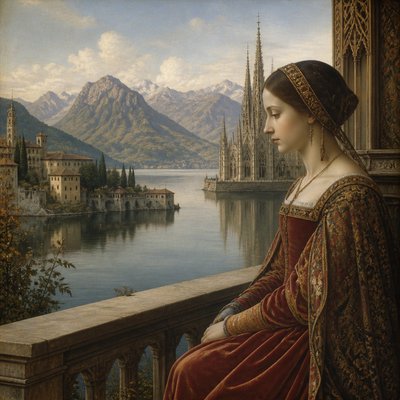
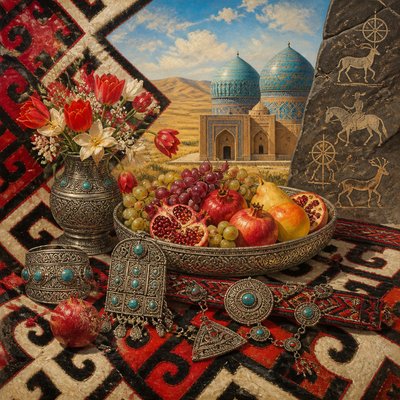
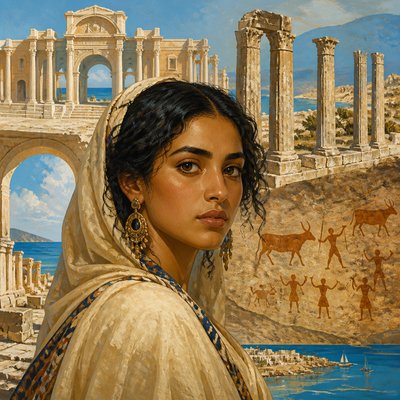
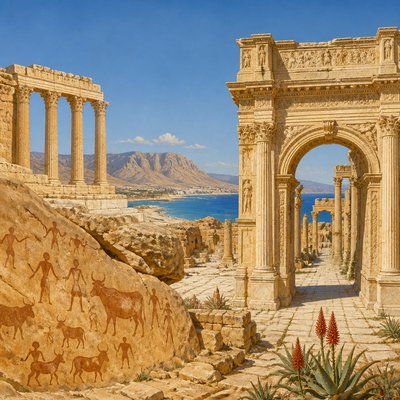
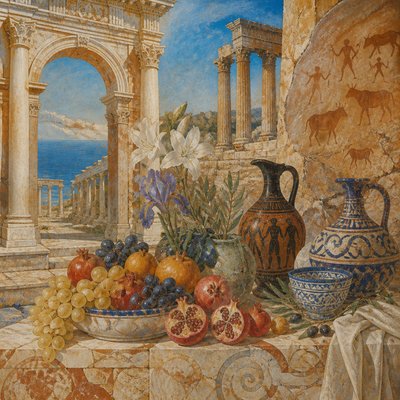
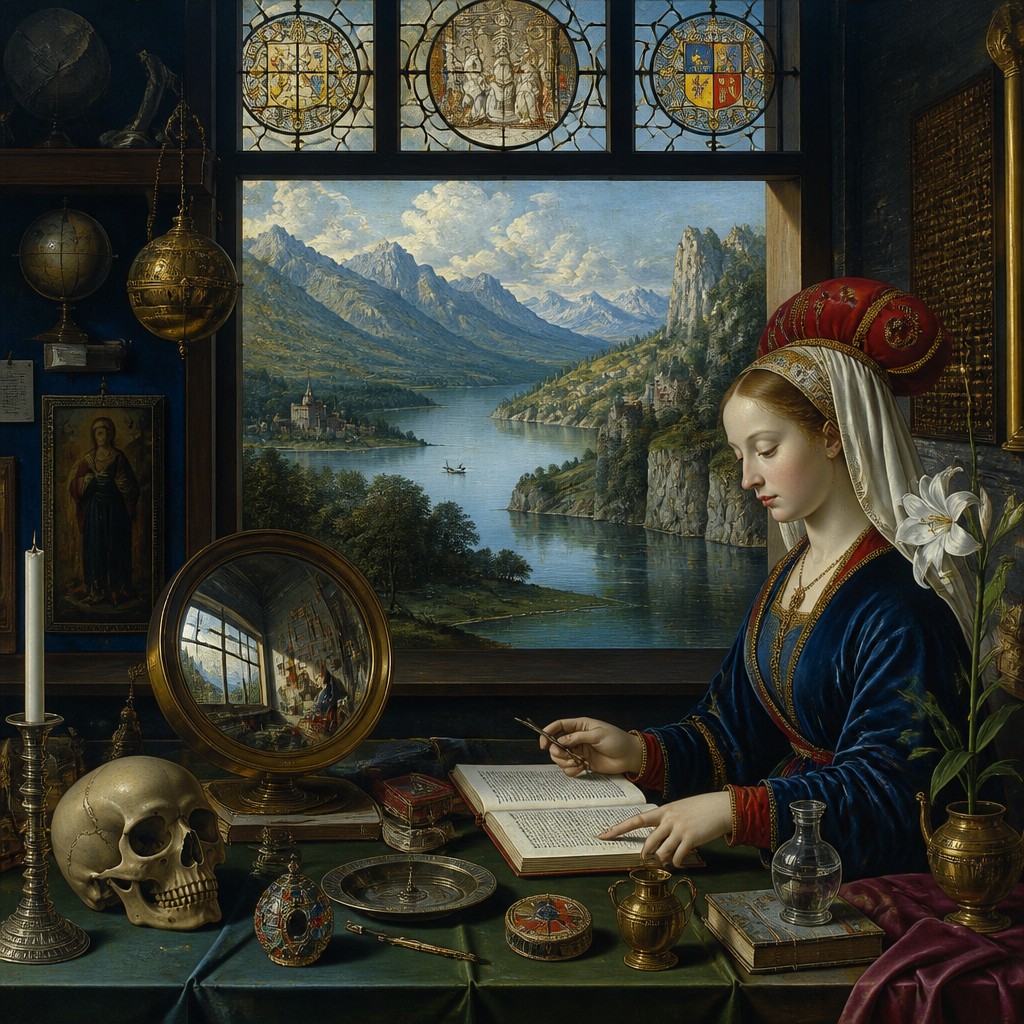
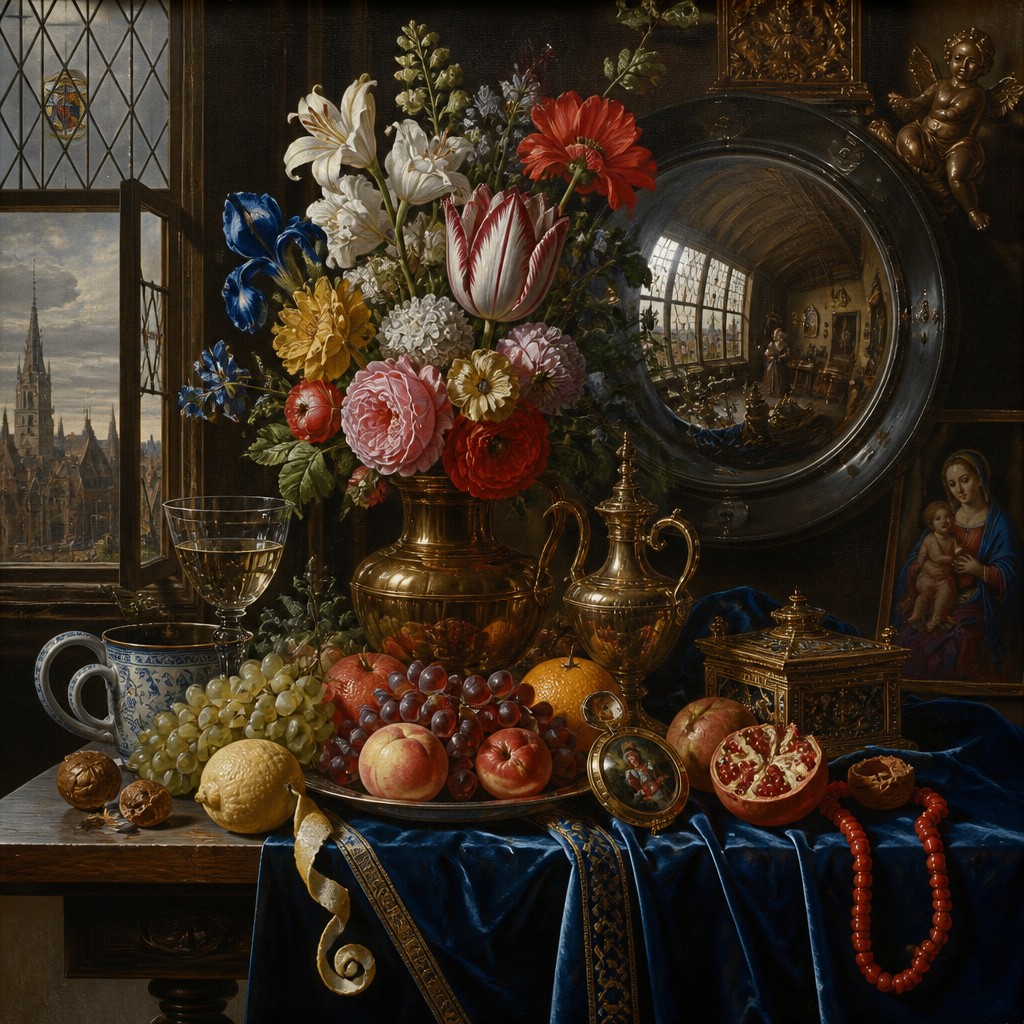
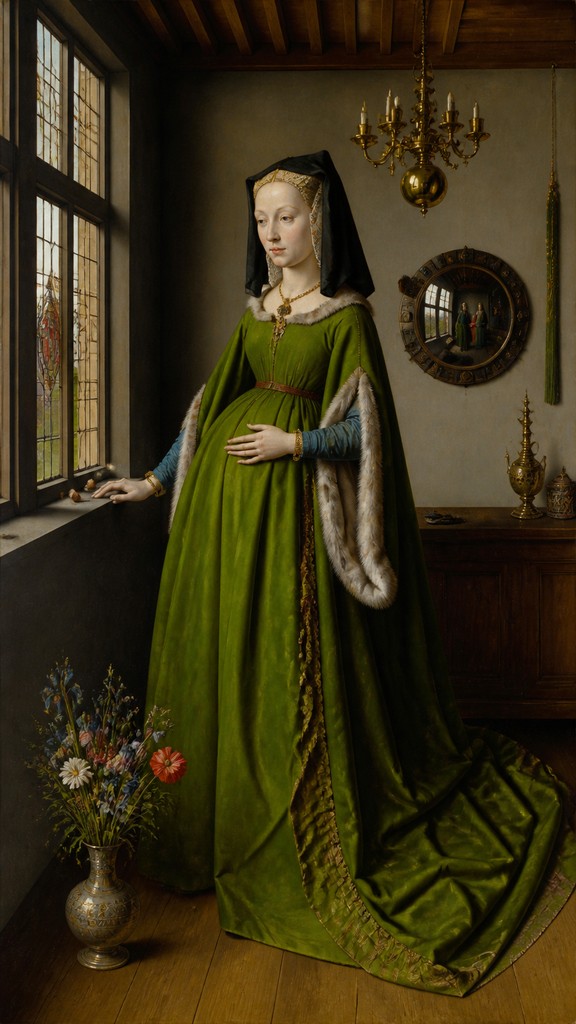
Flemish Primitives is a historical painting style associated with the Early Netherlandish tradition of the fifteenth and early sixteenth centuries. Developed in the prosperous urban centers of the Burgundian Netherlands, it is recognized for remarkably precise observation, luminous oil surfaces, carefully described textiles, and interiors filled with meaningful objects. Religious scenes, portraits, domestic rooms, and donor images are treated with the same concentrated attention.
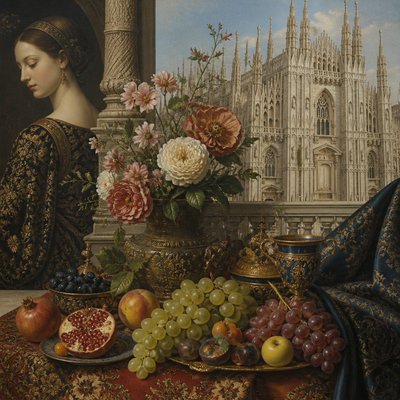
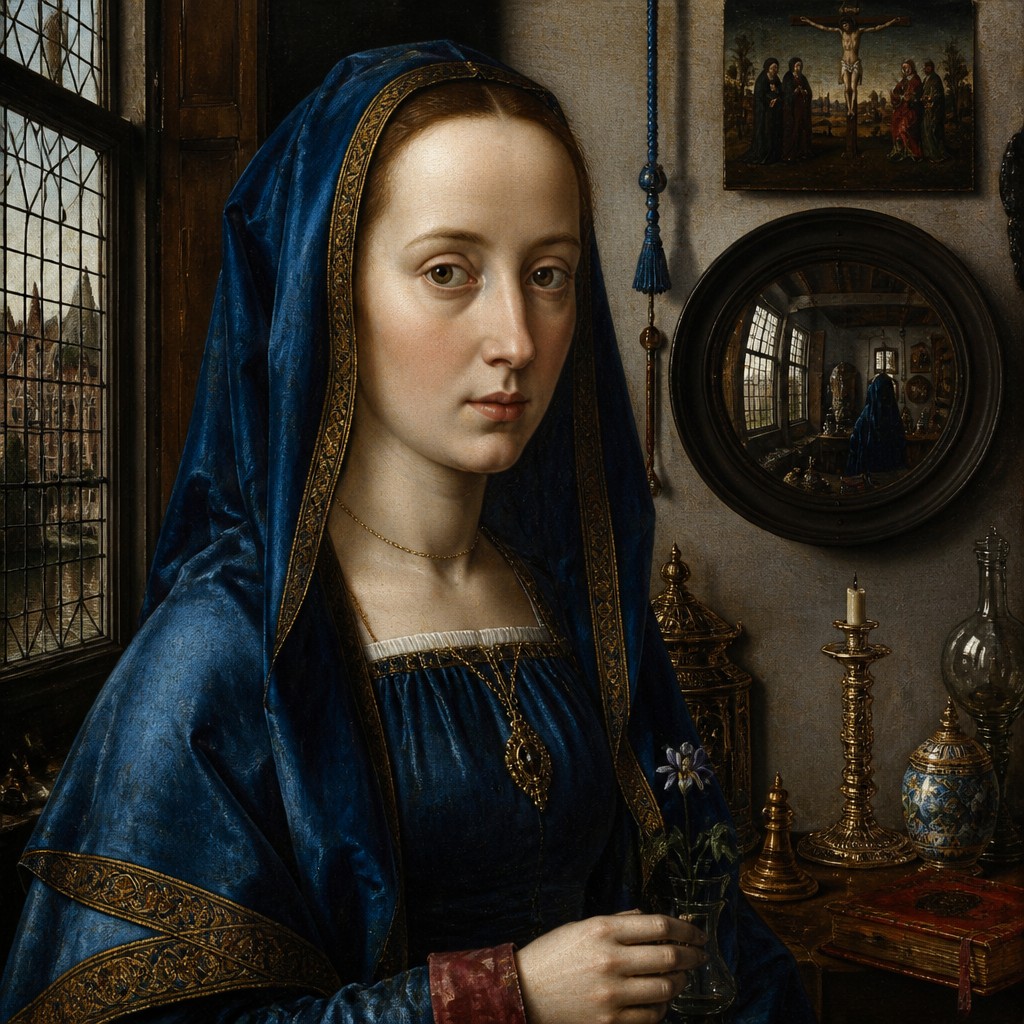
The style’s visual identity comes from the controlled layering of oil paint, which allows transparent glazes, saturated color, crisp highlights, and subtle transitions between light and shadow. Cool northern daylight, polished wood, reflective metal, patterned fabrics, glass, fruit, books, flowers, and mirrors often carry symbolic or social significance. Its stillness is not emptiness: every gesture, object, and architectural detail contributes to a carefully ordered devotional or narrative world.
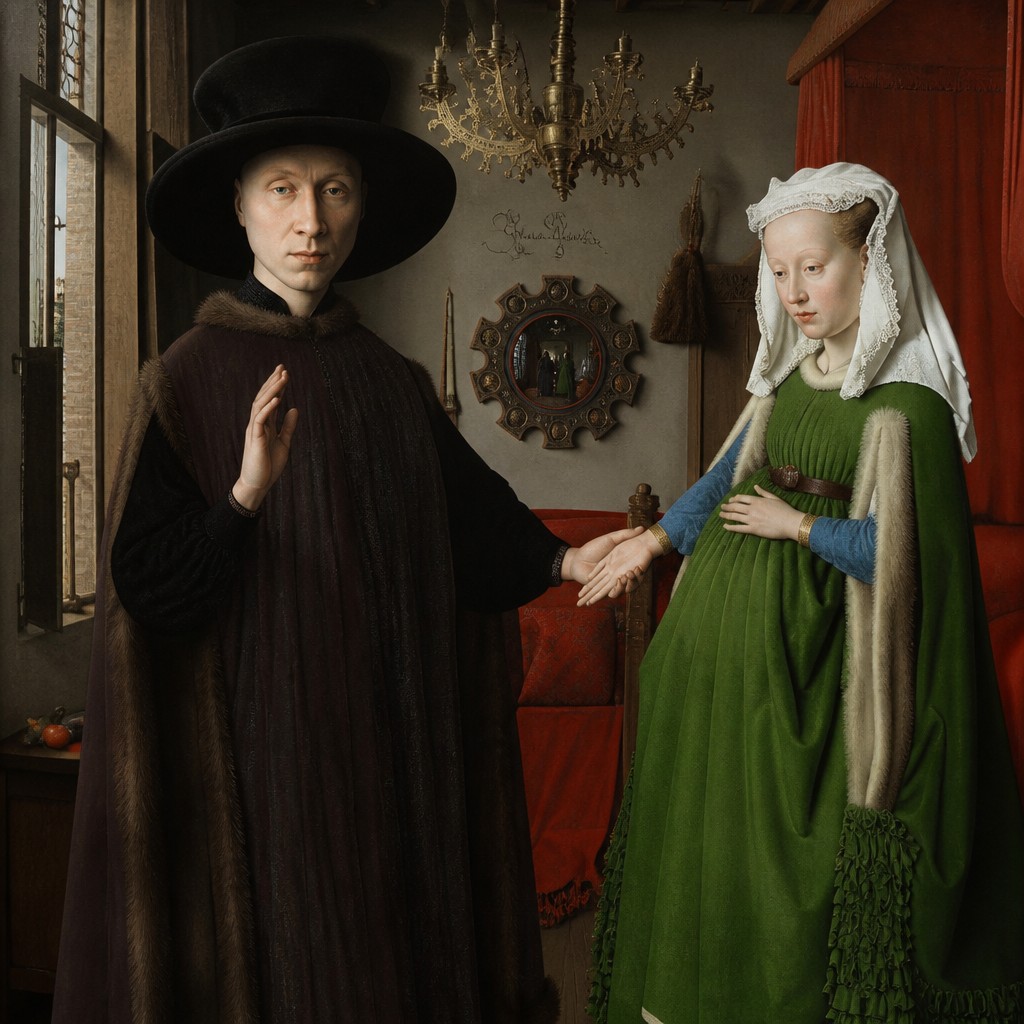
Try It On Your Photos
Upload any photo and convert it into Flemish Primitives Art Style — drag the sliders to compare before and after.
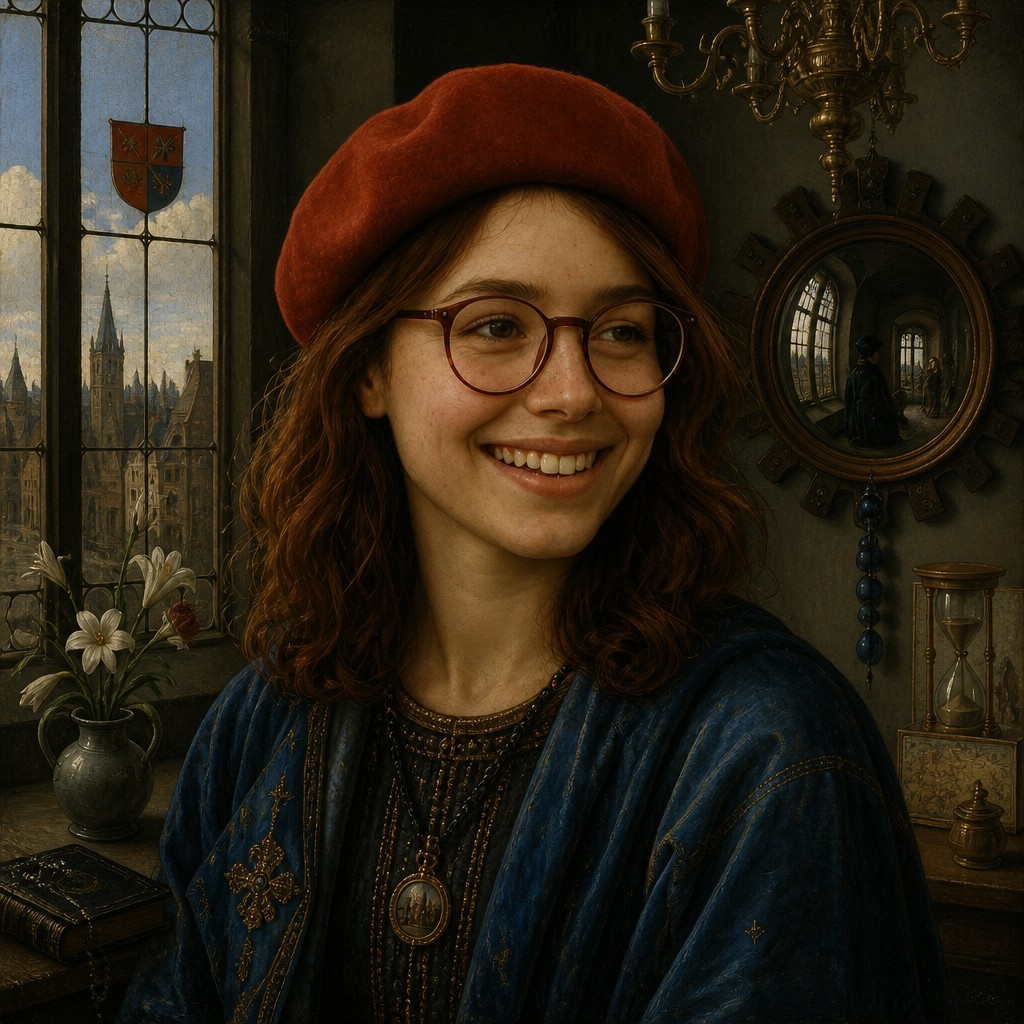

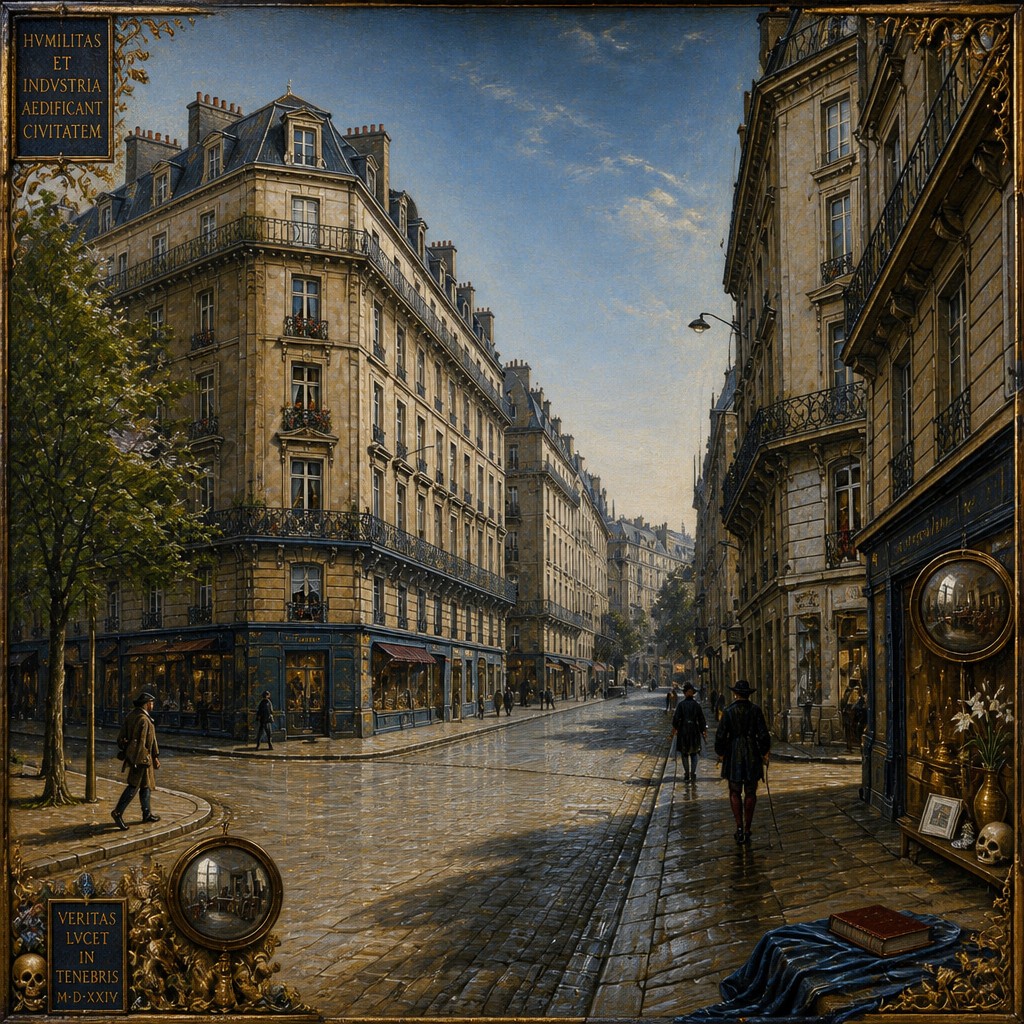

What Defines Flemish Primitives Art Style
The signature details, up close
Microscopic surface detail
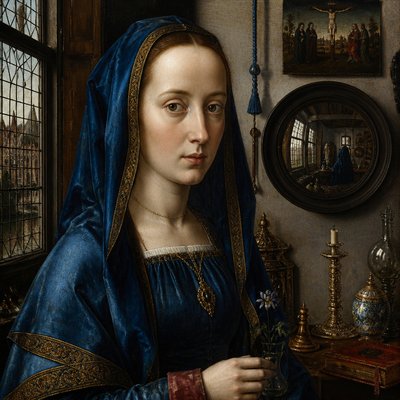
Hair, embroidery, wood grain, jewels, glass, and metal are rendered with close observational precision. Small details remain legible rather than dissolving into broad brushwork.
Layered oil luminosity
Thin transparent and semi-transparent glazes build depth over a carefully prepared ground. The result is a jewel-like surface with rich shadows, clear color, and controlled highlights.
Devotional stillness
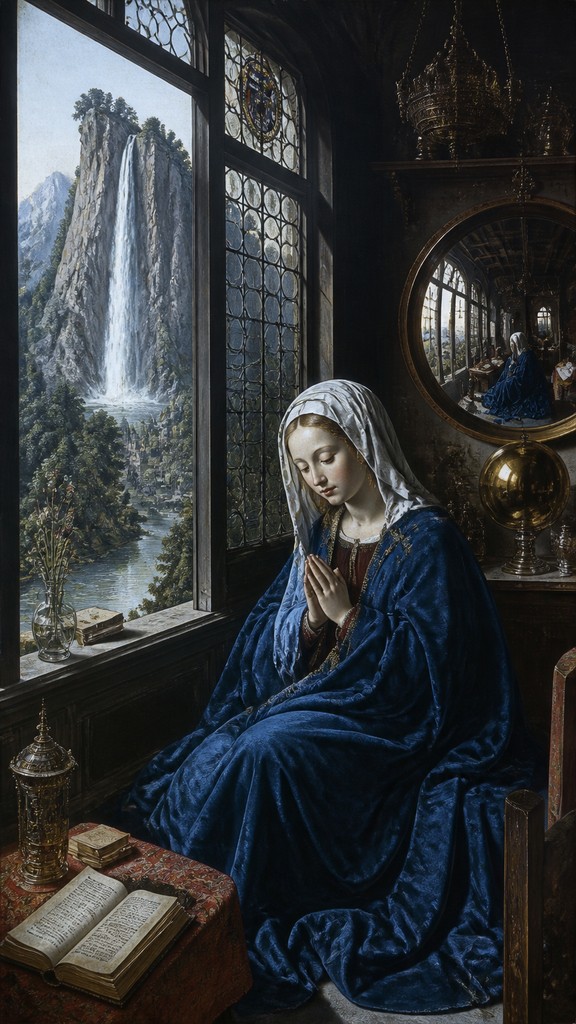
Figures often appear calm, self-contained, and absorbed in prayer, reading, contemplation, or formal presentation. Compositions favor deliberate gestures and a quiet sense of ceremony.
Symbolic objects
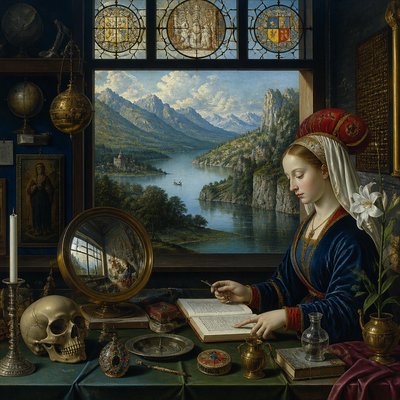
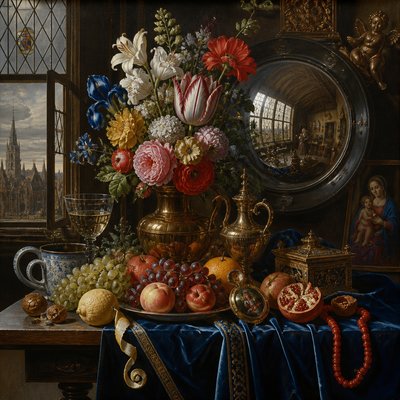
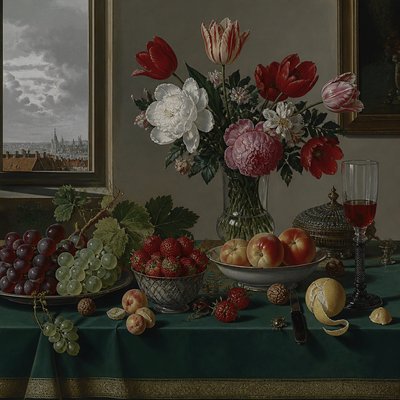
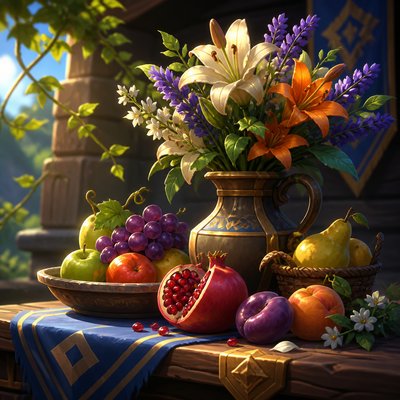
Candles, lilies, books, fruit, vessels, mirrors, textiles, and domestic tools may carry religious, moral, social, or marital meanings. Objects are painted as both tangible things and signs within the image.
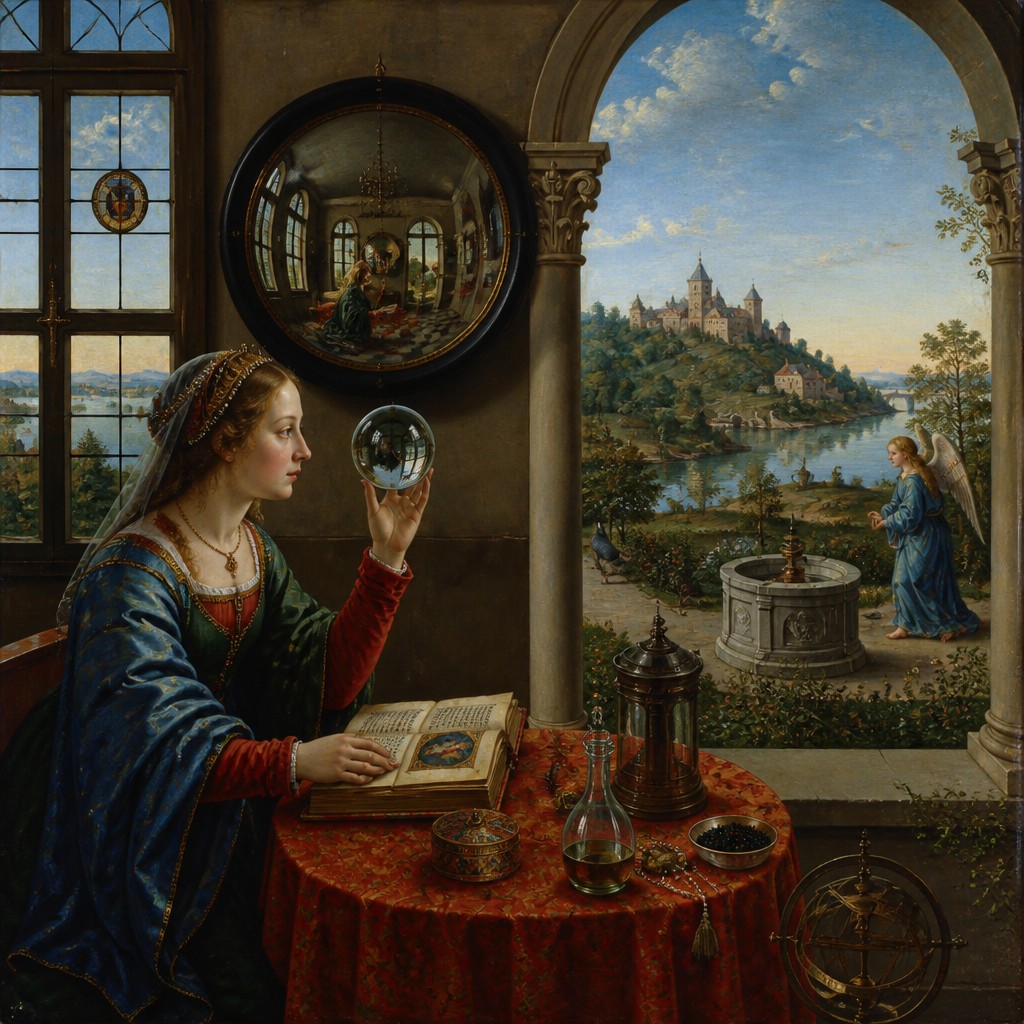
Northern light and interiors
Cool daylight enters through narrow or leaded windows and falls across rooms with measured clarity. Wooden beams, tiled floors, niches, furnishings, and architectural openings establish a convincing enclosed space.
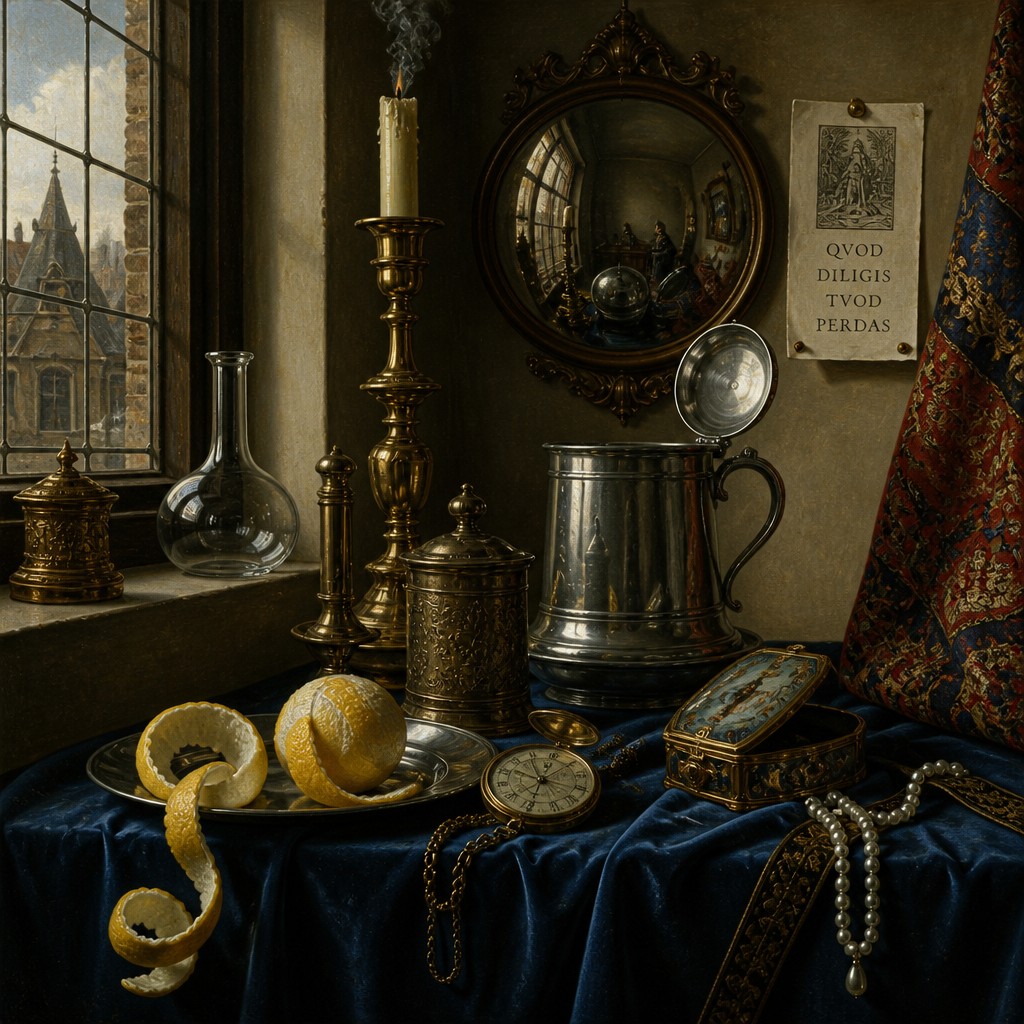
Jewel-toned materials
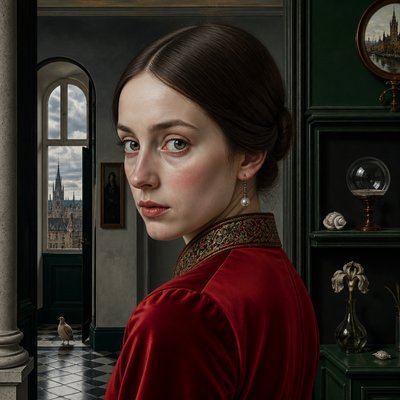
Deep reds, ultramarine blues, emerald greens, warm golds, and pearly whites distinguish drapery and precious surfaces. Contrasting textures make velvet, brocade, fur, metal, stone, and glass visually distinct.
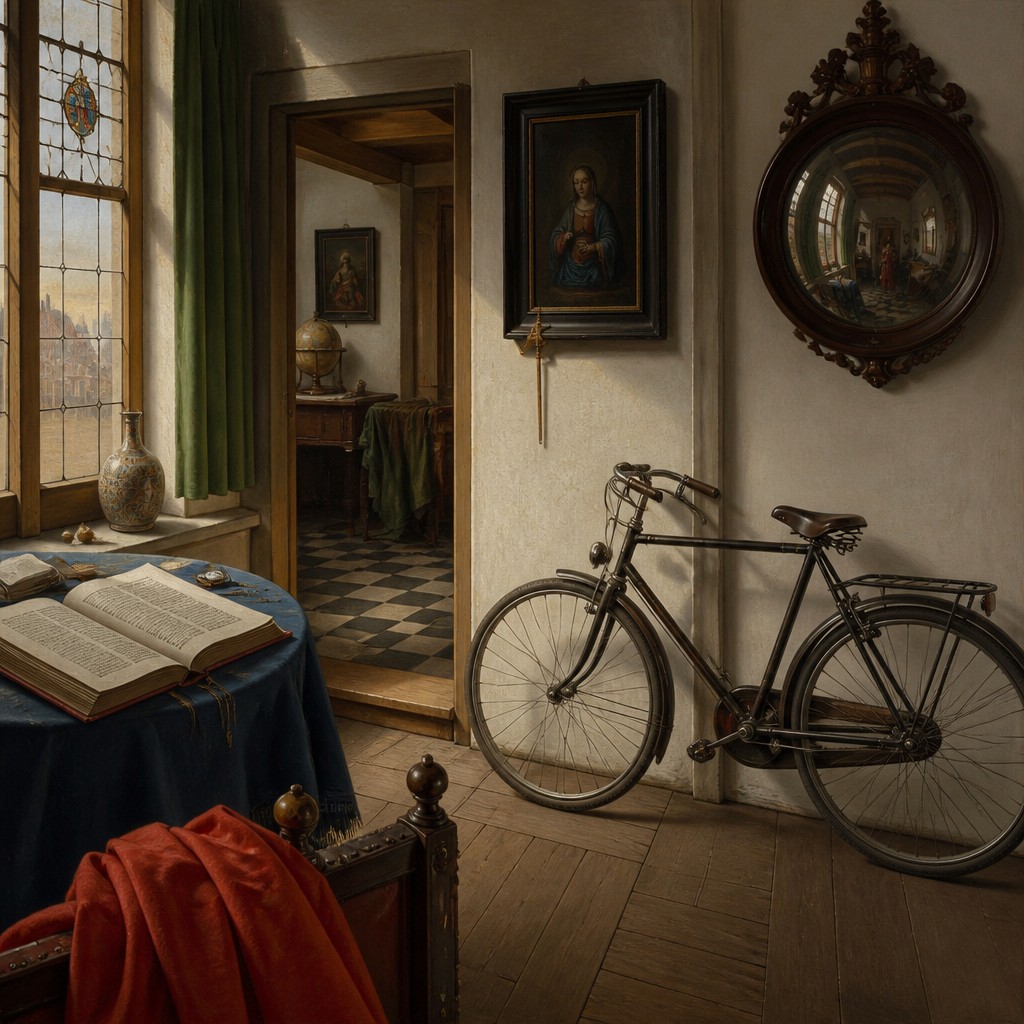
Reflective and spatial effects
Convex mirrors, polished vessels, windows, and glossy surfaces extend the depicted world and invite close inspection. Careful perspective and repeated reflections can suggest unseen figures or architectural space.
Try It
Create Videos in Flemish Primitives Art Style
Styles aren't just for stills — describe a scene or animate an image and get a short video rendered in Flemish Primitives. Press play to see this pond come to life.
Make a VideoFlemish Primitives Prompt Ideas
Start from an idea — each one opens the generator with the style ready to go. See all 40 Flemish Primitives prompts →
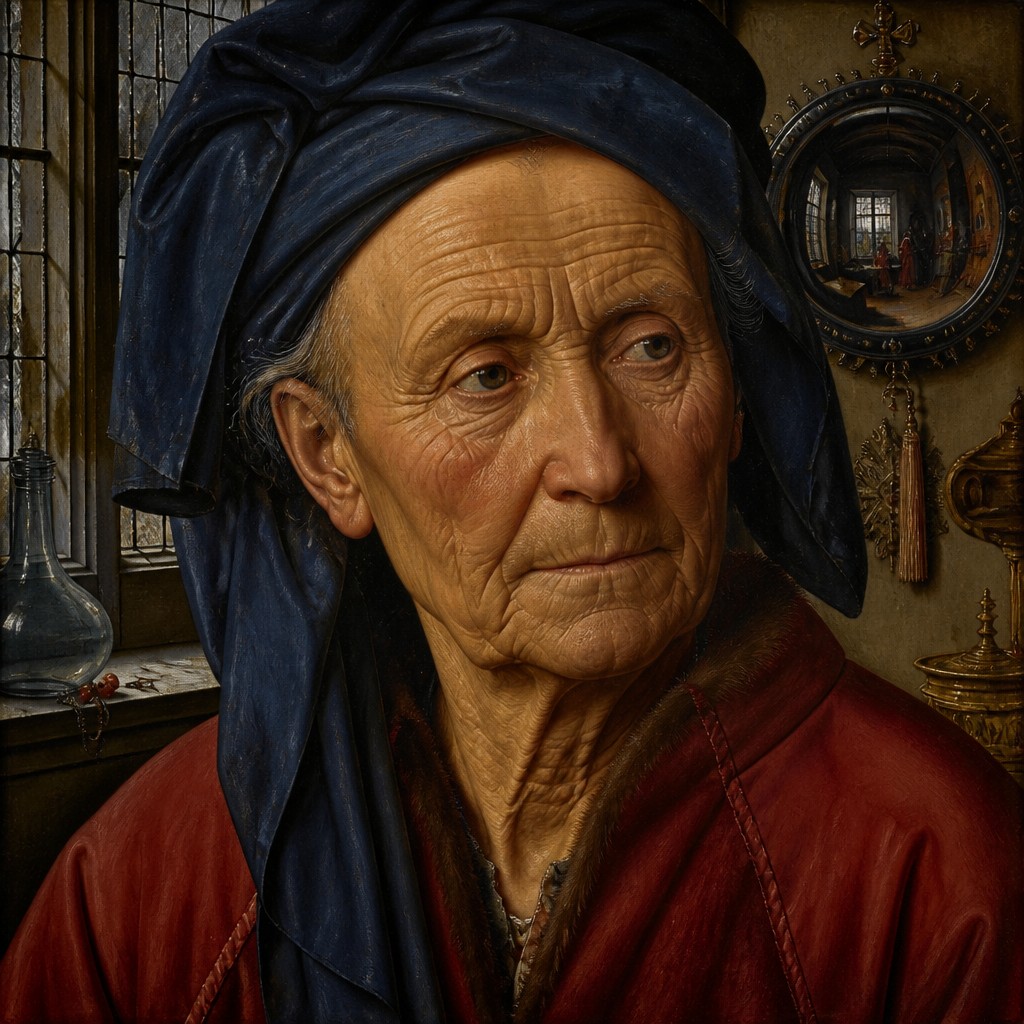
“close-up portrait of an elderly person with expressive weathered features”
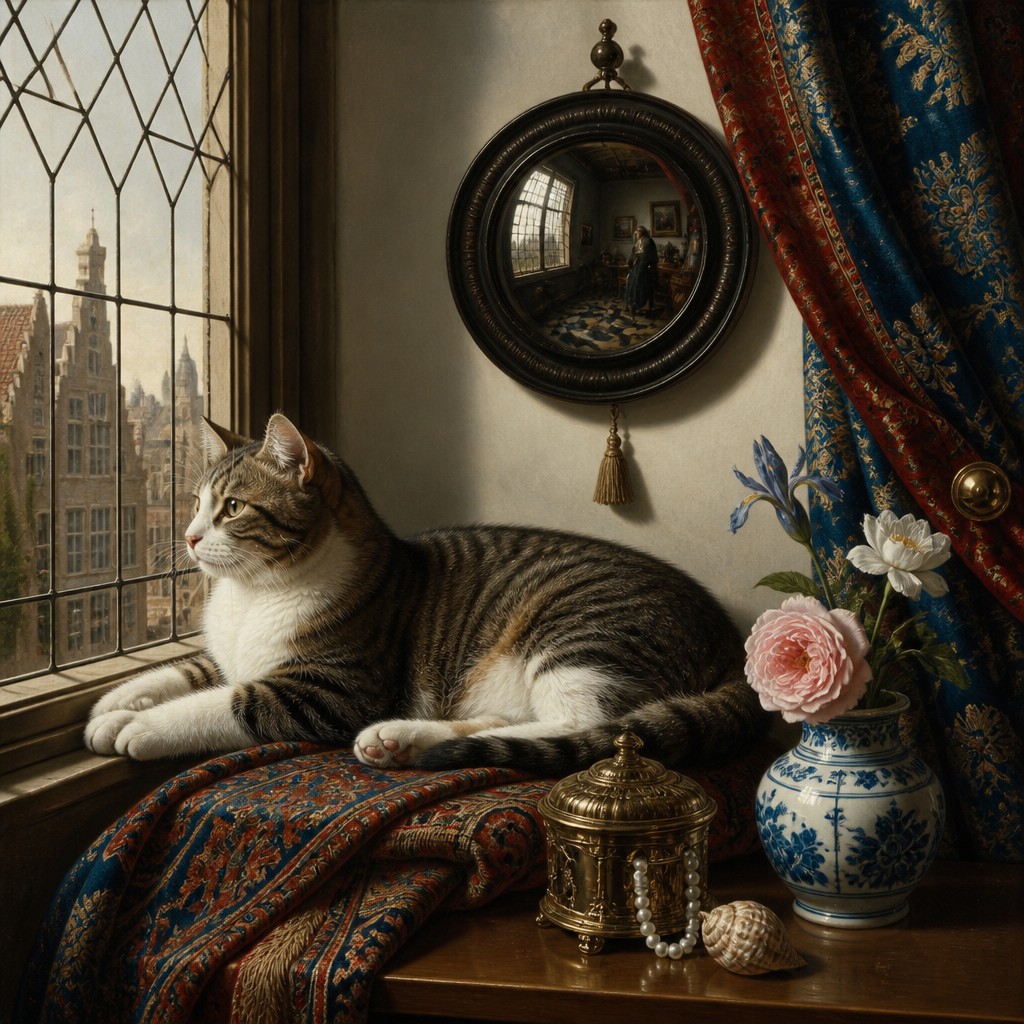
“a cat lounging in a sunlit window”
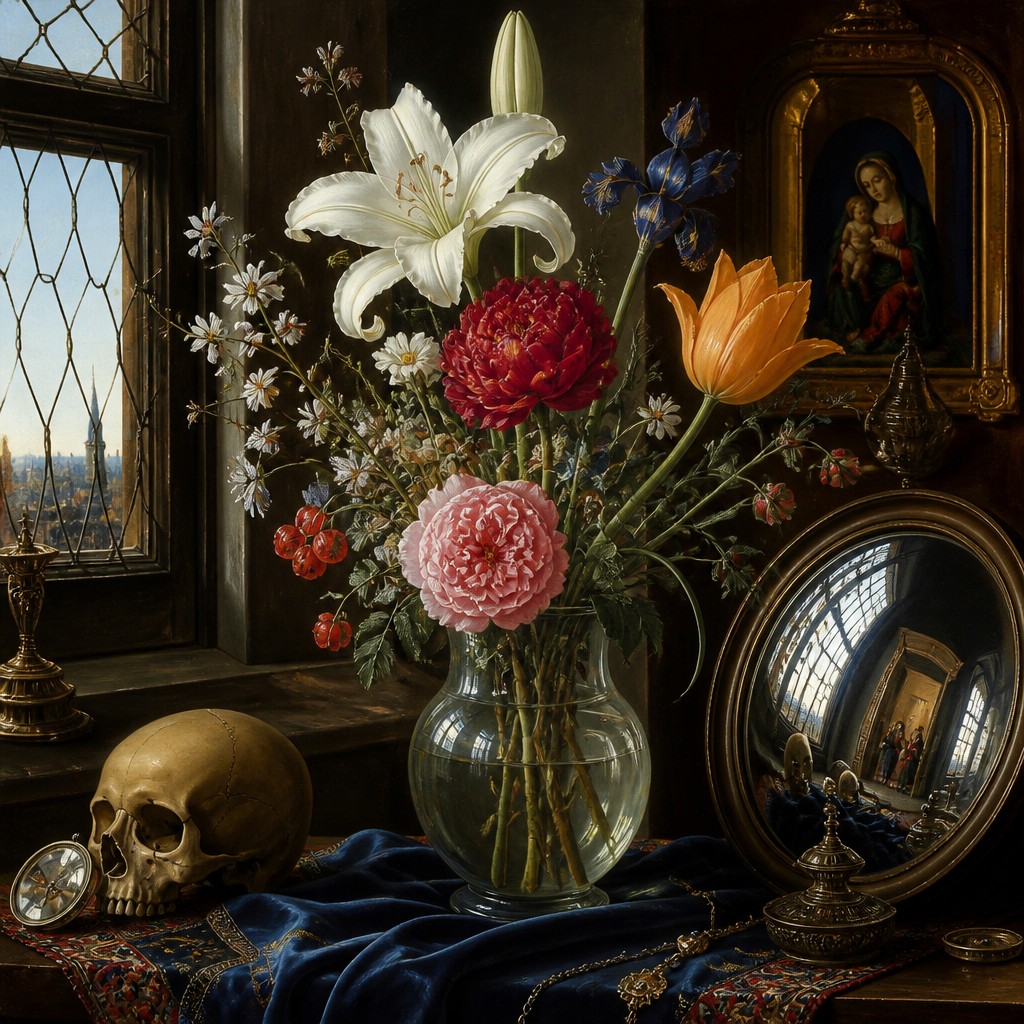
“bouquet of flowers in a glass vase”
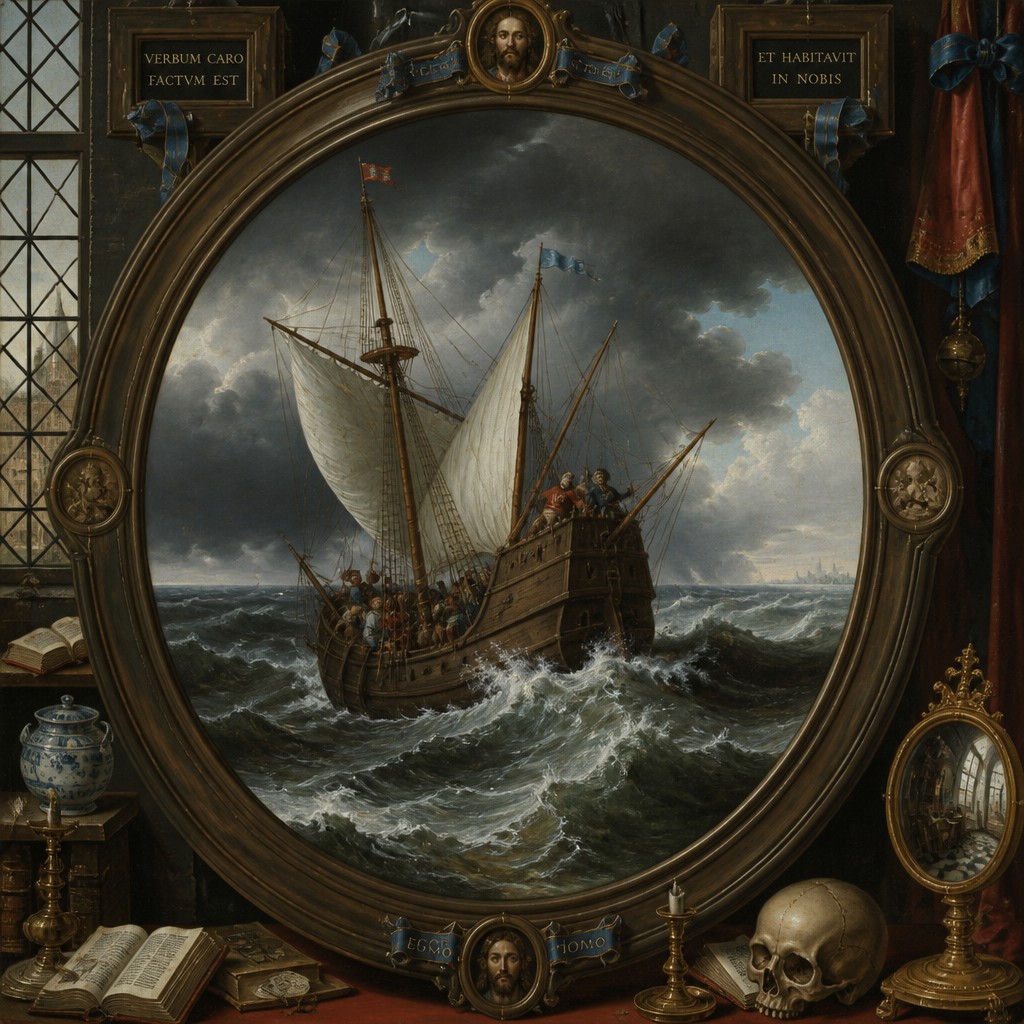
“sailing ship on a stormy sea”
How to Create Flemish Primitives Art
Master the craft step by step — or skip straight to creating. Read the full guide →
- 1
Prepare a precise foundation
For traditional work, use a rigid, smooth panel with a carefully leveled ground and detailed underdrawing. Digitally, begin with a clean structural sketch and establish perspective, proportions, and object placement before adding texture.
- 2
Build color through glazes
Apply opaque modeling first, then use thin transparent layers to deepen shadows and enrich jewel colors. In digital painting, separate translucent glaze passes from sharper opaque detail so the image retains a luminous oil-like depth.
- 3
Control the northern light
Choose one cool, directional window source and let it describe form across faces, fabrics, and architecture. Avoid diffuse, evenly lit scenes; the style depends on restrained contrast and clearly observed reflected light.
- 4
Give objects symbolic weight
Include a small number of carefully chosen books, flowers, vessels, mirrors, candles, or fruits, and make each one materially specific. Prompt-based creation works best when the subject, setting, lighting, symbolic objects, and surface treatment are explicitly described.
- 5
Refine edges selectively
Keep important contours, facial features, embroidery, and foreground objects exceptionally crisp while allowing distant areas to soften slightly. Excessive uniform sharpness can make the image look mechanically rendered rather than hand-observed.
- 6
Use a focused generation prompt
Specify a quiet devotional composition, early Netherlandish panel-painting qualities, layered oil glazes, cool leaded-window light, symbolic domestic objects, and jewel-toned textiles. For image-to-image work, preserve the source pose and major forms while requesting a smooth painted surface and period-like interior detail.
The Story
History & Origins of Flemish Primitives
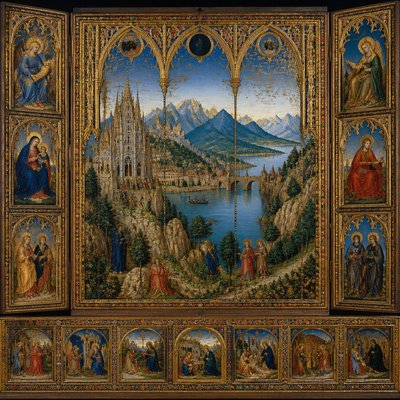
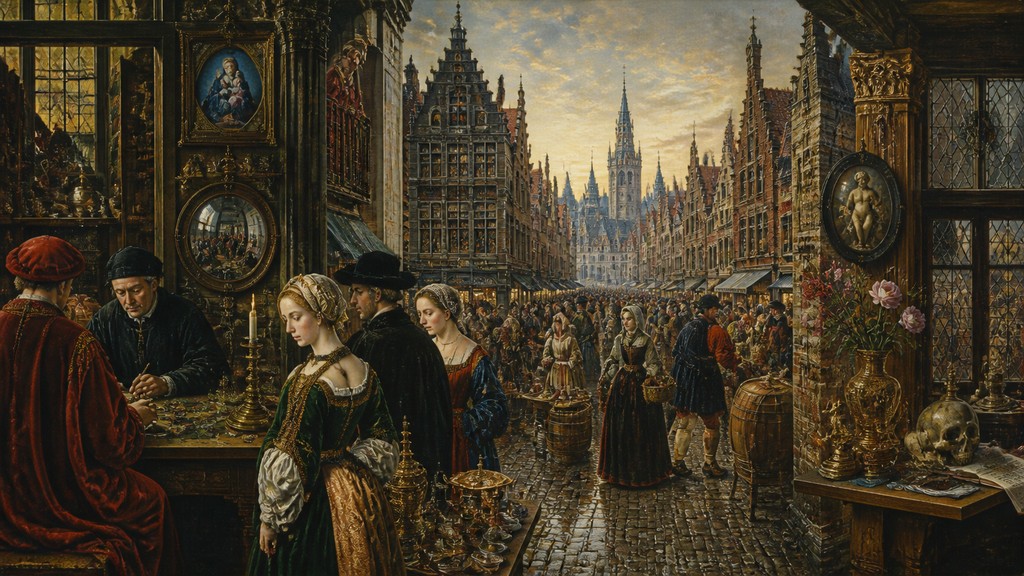
The Flemish Primitives emerged in the Southern Netherlands during the early fifteenth century, particularly within manuscript, panel-painting, and courtly workshop cultures in cities such as Bruges, Ghent, Brussels, and Tournai. The term is a later art-historical label and does not mean the painters were technically primitive; it refers broadly to the first major generation of Early Netherlandish oil painters whose work transformed European panel painting.
The tradition developed from Gothic religious art, illuminated manuscripts, local devotional images, and established tempera and oil practices. Workshop production, improved preparation of wooden panels, and increasingly sophisticated use of transparent oil glazes encouraged an unprecedented combination of surface realism and symbolic density. Its influence continued through the sixteenth century and later shaped Northern Renaissance painting, devotional art, portraiture, and the modern fascination with meticulously rendered historical interiors.
Influences: Flemish Primitives draws on Late Gothic devotional painting, Northern European manuscript illumination, medieval Christian symbolism, courtly portraiture, and the technical development of oil painting on wood panel. It is closely related to the broader Early Netherlandish and Northern Renaissance traditions, while its close observation of domestic space anticipates later Northern European genre painting. Modern visual interpretations may also borrow from still life, historical reconstruction, cinematic period interiors, and hyper-detailed digital painting.
Frequently Asked Questions
What defines the Flemish Primitives style?
It combines highly detailed observation with luminous oil glazes, jewel-like color, quiet devotional compositions, and symbolically charged objects. Carefully rendered interiors, reflective surfaces, patterned textiles, and cool northern daylight are especially characteristic.
When and where did Flemish Primitives painting develop?
The style developed mainly in the Southern Netherlands during the fifteenth and early sixteenth centuries, with important workshop centers in cities including Bruges, Ghent, Brussels, and Tournai. It belongs to the Early Netherlandish tradition, not to modern Flemish art in general.
Is Flemish Primitives the same as the Northern Renaissance?
They overlap but are not identical terms. Flemish Primitives usually refers to the early fifteenth-century Early Netherlandish panel-painting tradition, while Northern Renaissance is a broader label covering later developments across northern Europe.
What materials and techniques are associated with the style?
Traditional works were commonly painted in oil on prepared wooden panels, often over a detailed underdrawing. Smooth grounds, opaque modeling, transparent glazes, controlled highlights, and meticulous surface description created the characteristic depth and luminosity.
How can I make a modern image look Flemish Primitive?
Use a restrained composition, a single cool window light, jewel-toned fabrics, convincing materials, and a limited set of symbolic objects. Build the image in layers, preserve crisp observational detail, and avoid loose brushwork, theatrical lighting, or casually arranged contemporary backgrounds.
Where is this style commonly used today?
Its visual language appears in historical portraiture, religious and contemplative illustration, museum-inspired interiors, still life, editorial art, fantasy worldbuilding, and period narratives. Contemporary artists often adapt its precision and symbolism without reproducing its original religious subject matter.
Create your first Flemish Primitives artwork
Describe anything — or upload a photo — and see it in Flemish Primitives Art Style in seconds.
Related Styles
Discover similar art styles