Milan Art Style
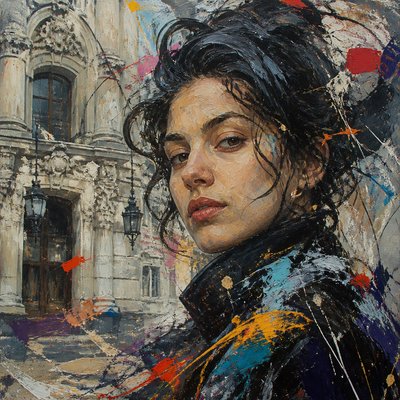
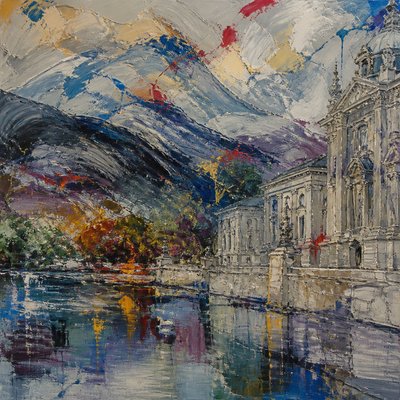
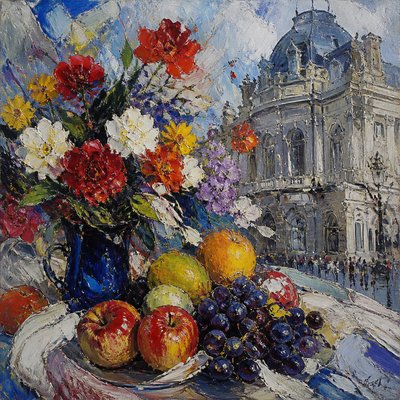
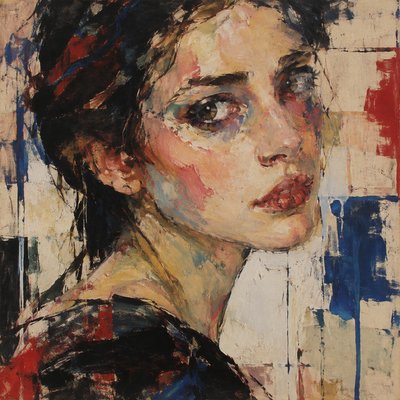
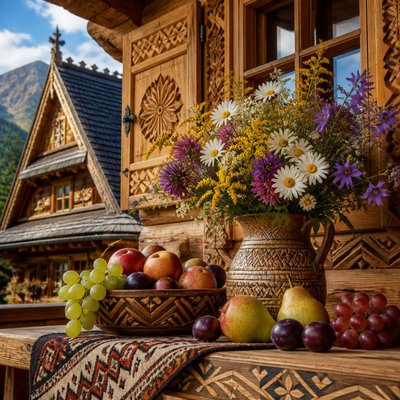
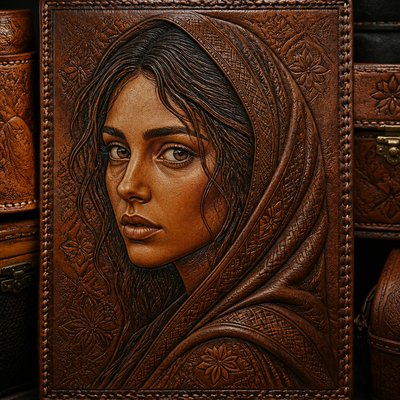
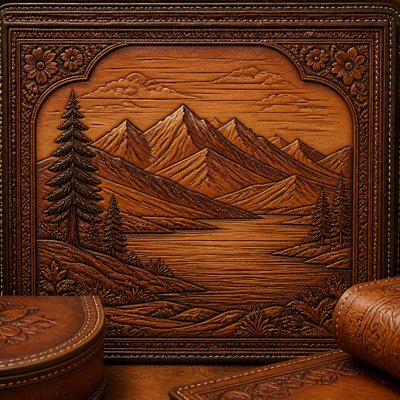
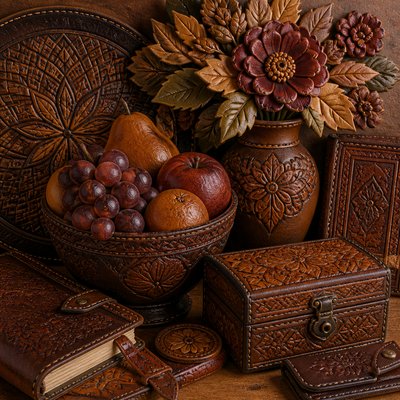
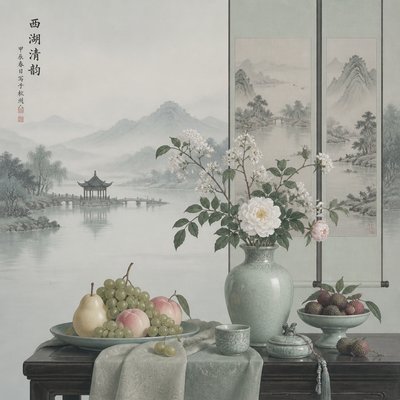
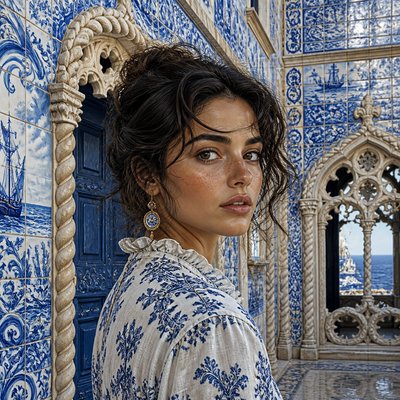
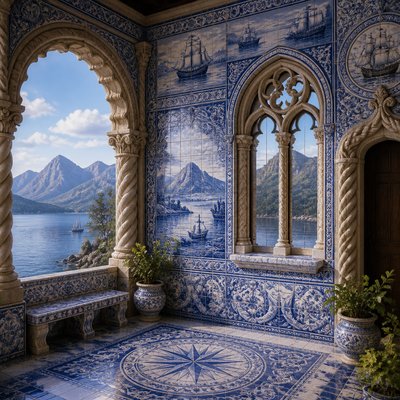
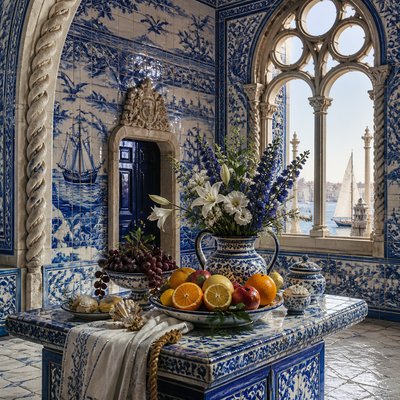
Explore Milan Art Style: Lombard Renaissance portraiture, soft sfumato, brocade, pale marble Gothic detail, and ordered perspective.
Instantly rendered in Milan — or transform a photo
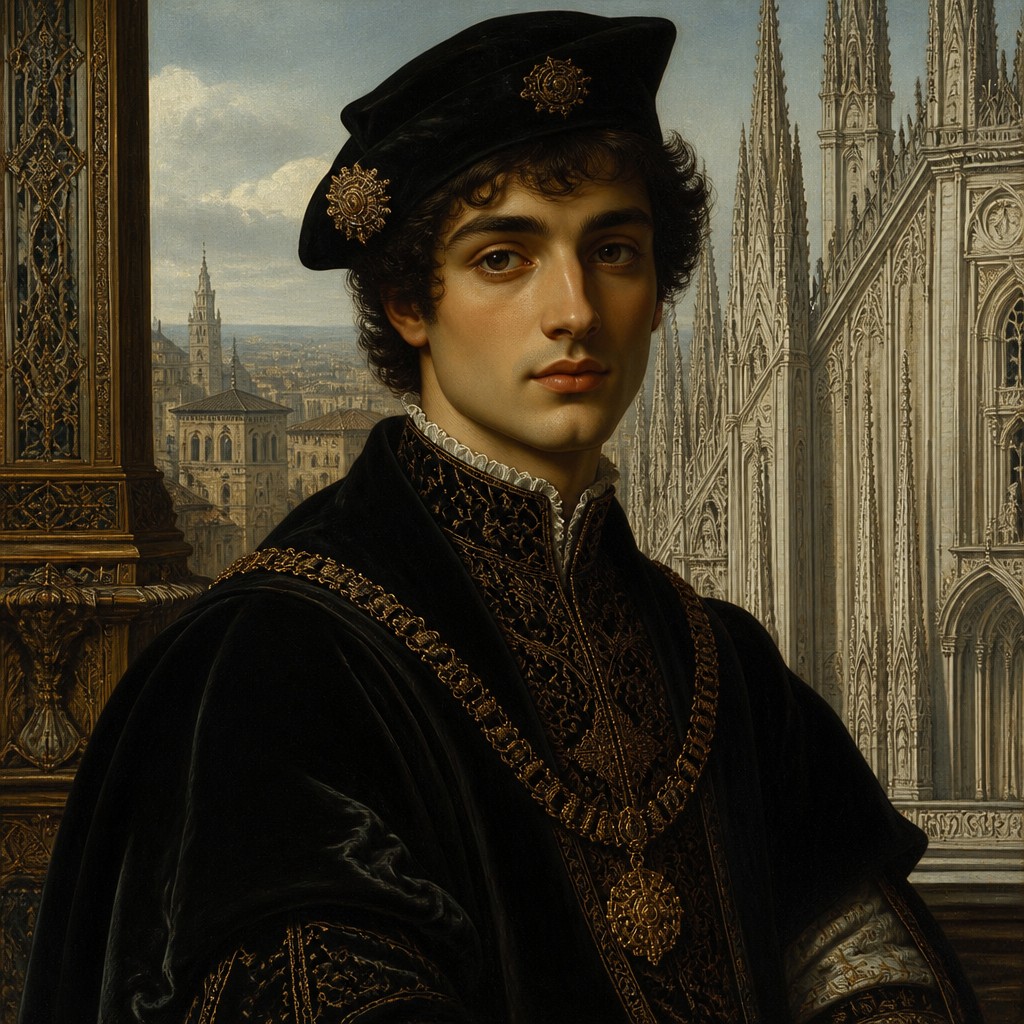
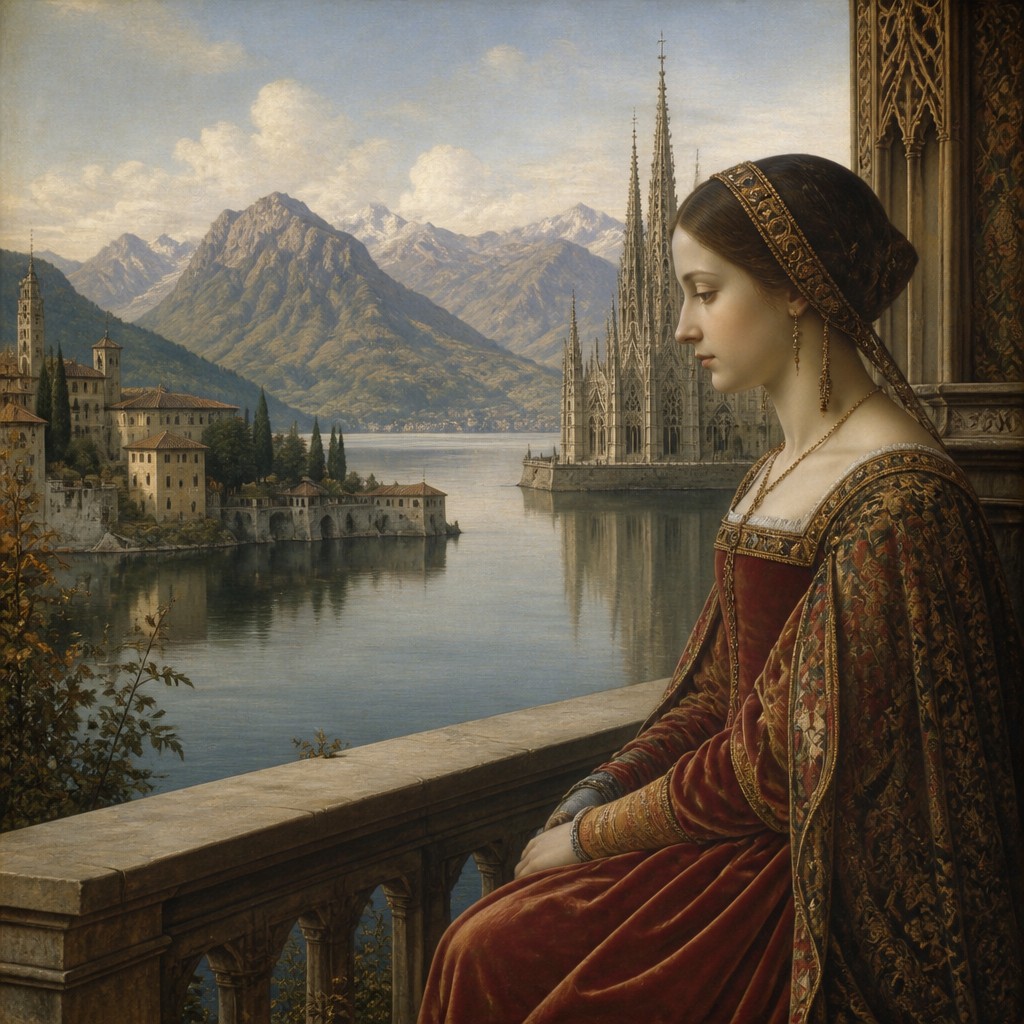
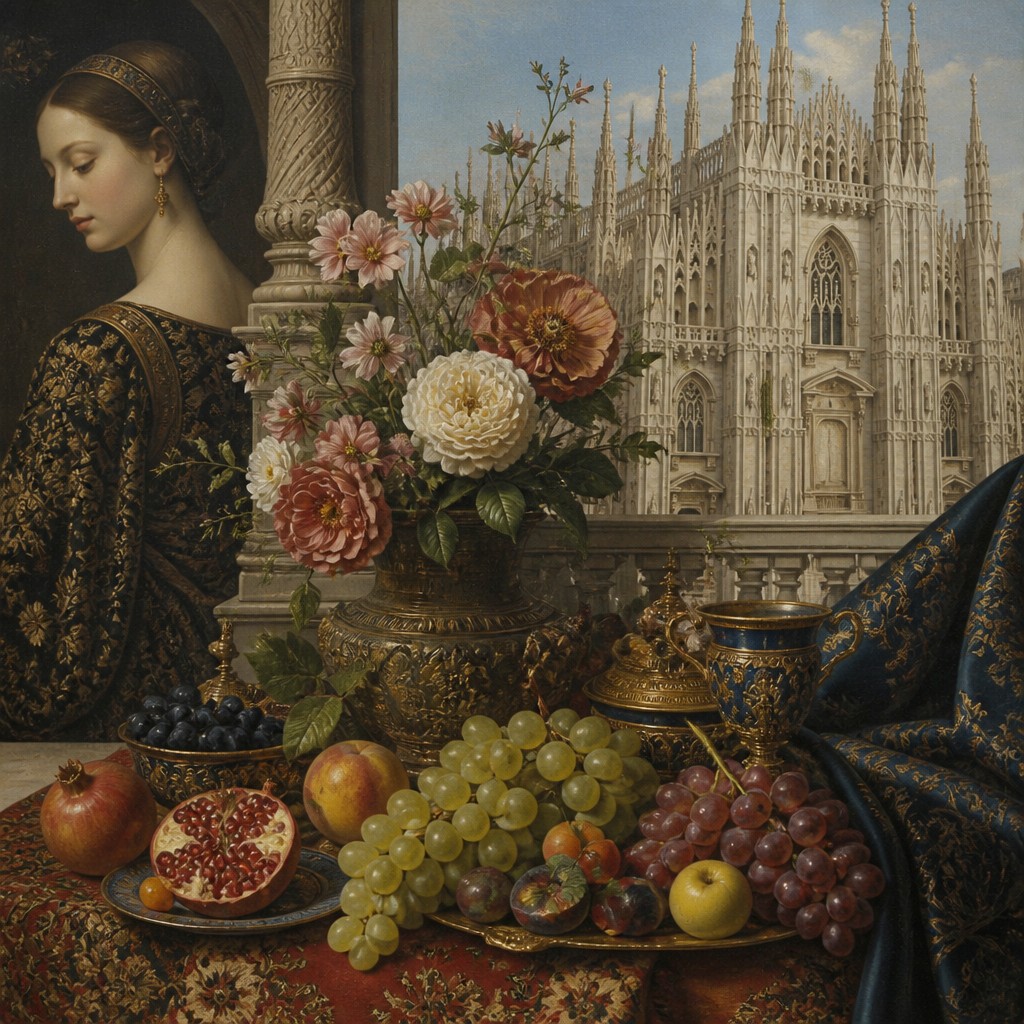
Milan Gallery
Tap any artwork to explore it
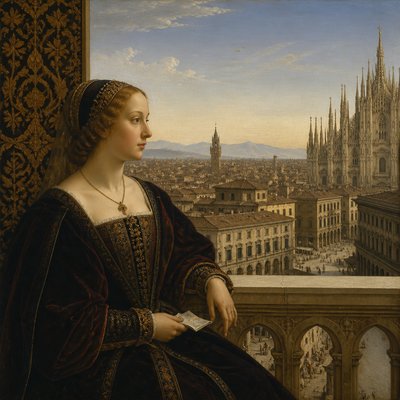
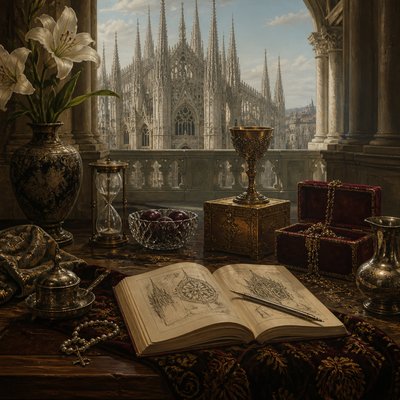
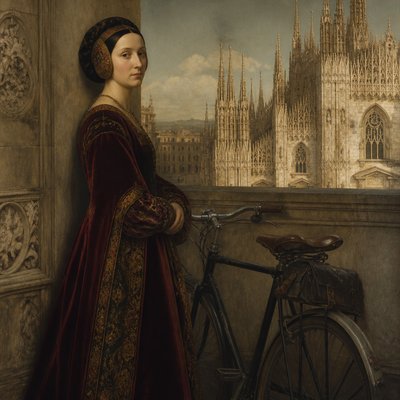
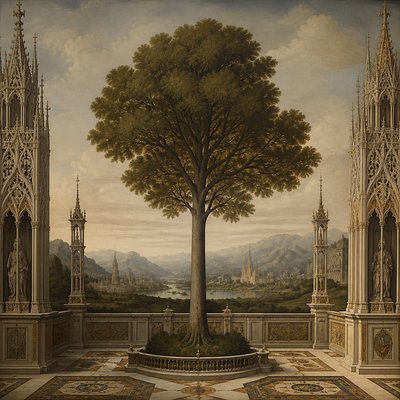
What is Milan Art Style?
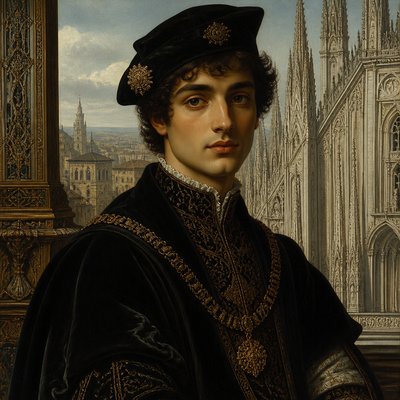
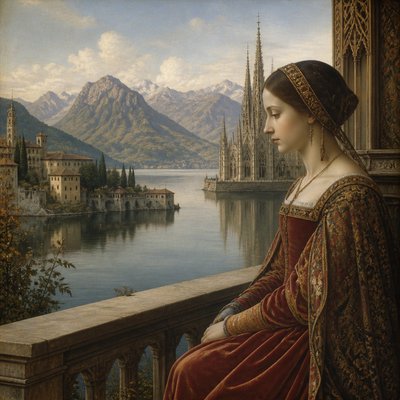
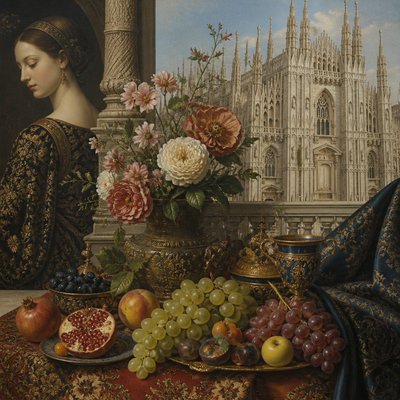
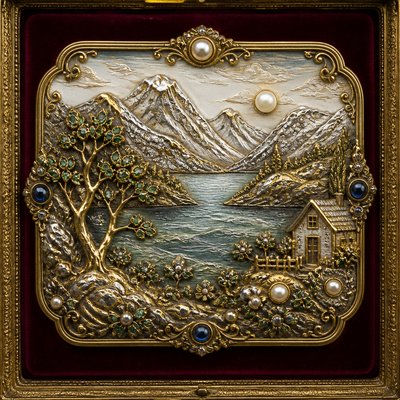
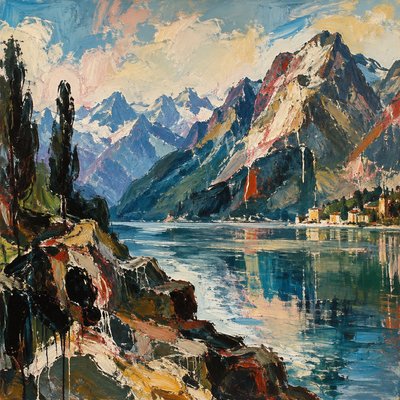
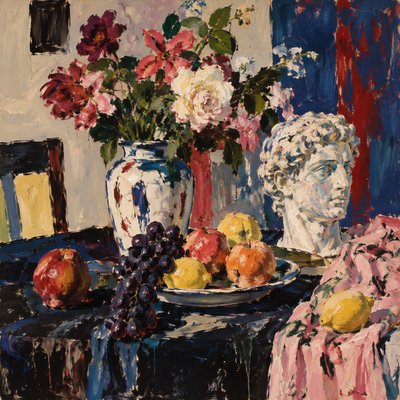
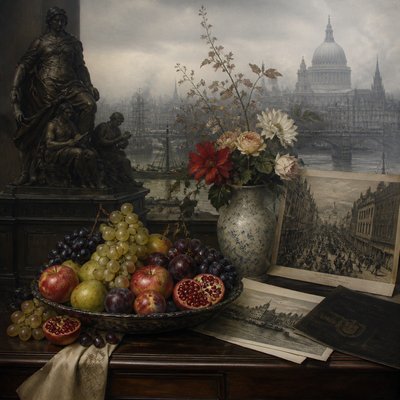
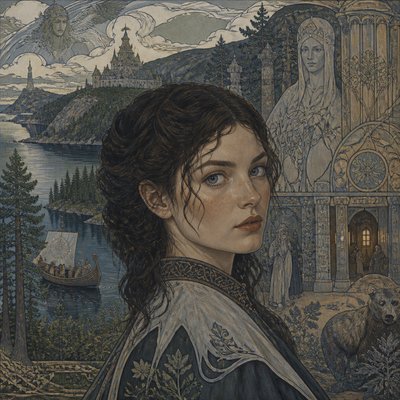
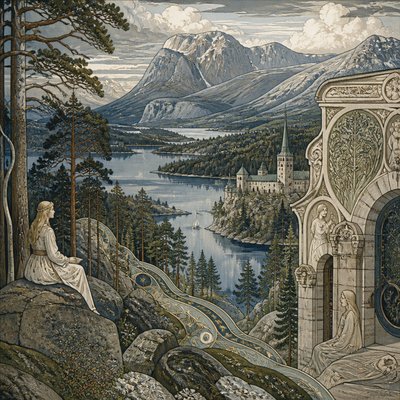
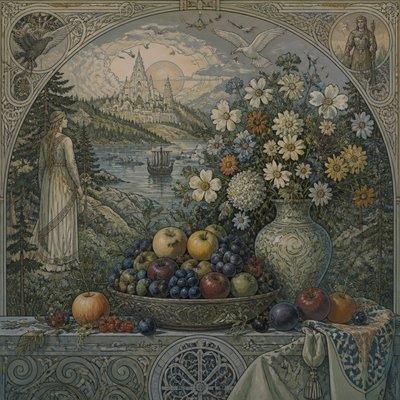
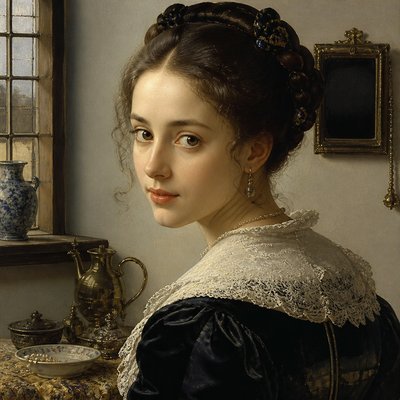
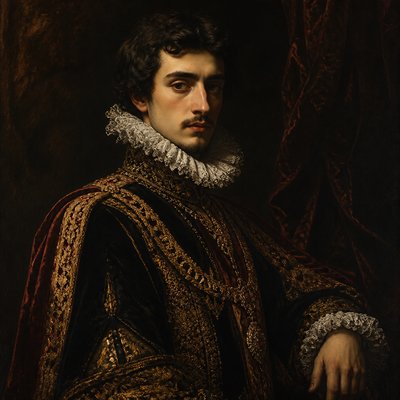
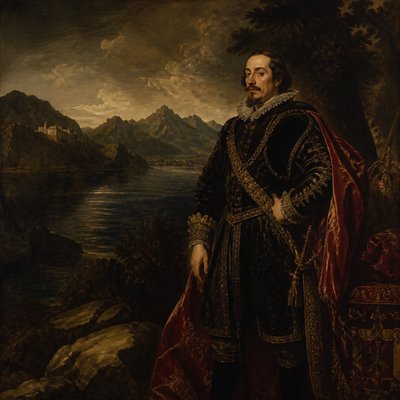
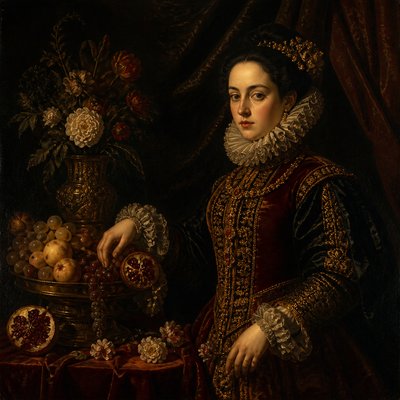
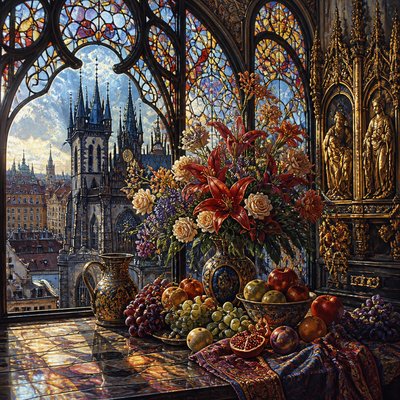
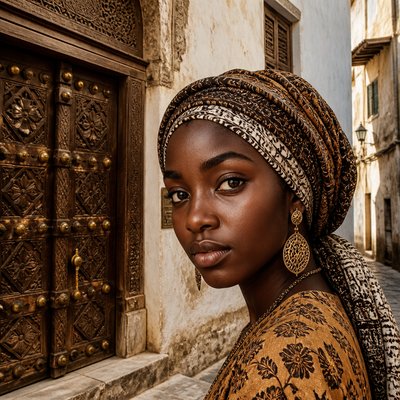
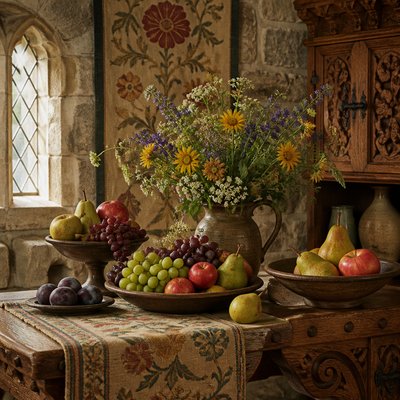
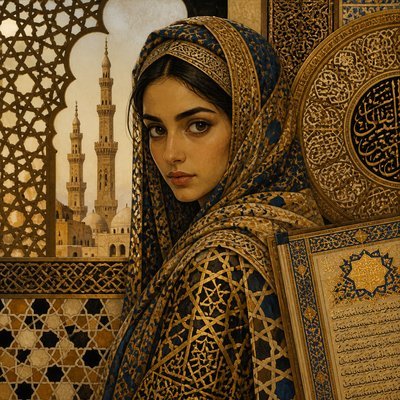
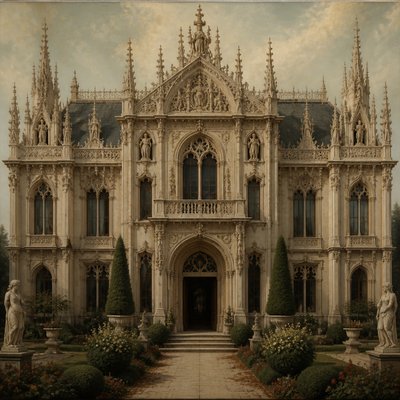
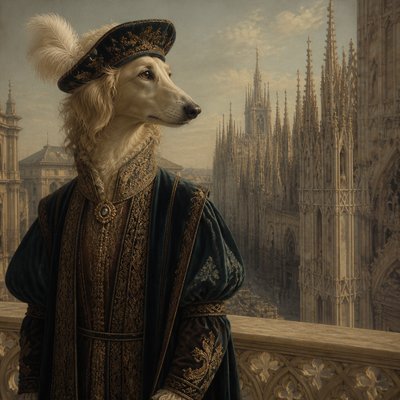
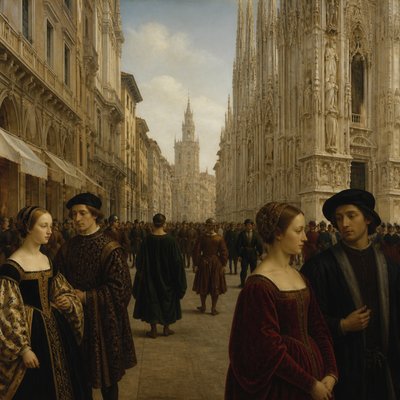
Milan Art Style is an invented hybrid aesthetic drawing on Lombard Renaissance court portraiture, soft sfumato modeling, Gothic cathedral ornament, and the restrained luxury of Renaissance costume. Its imagery combines luminous flesh tones and gradually melting shadows with richly described brocade, velvet, marble, and architectural filigree.
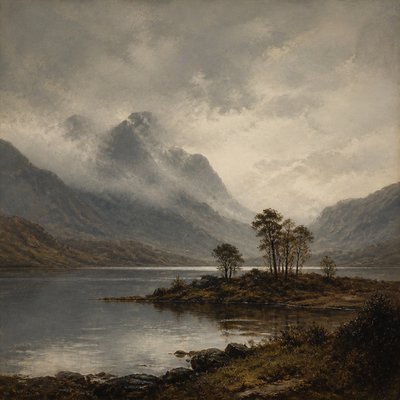
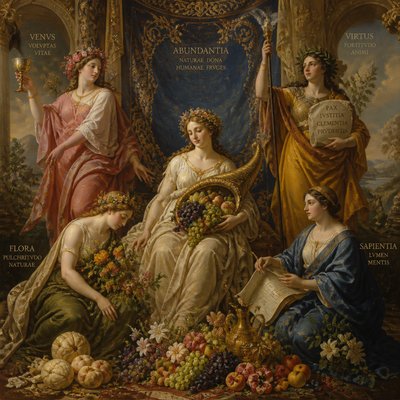
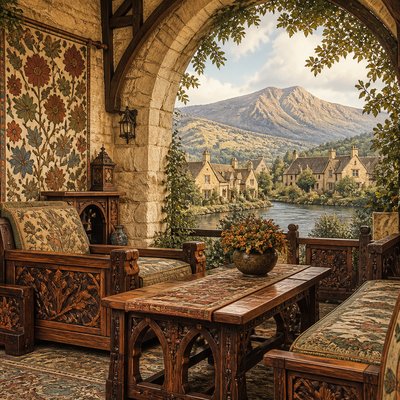
The style is defined by balance rather than theatrical excess. Figures are composed with formal poise, architectural spaces follow measured Renaissance perspective, and pale stone structures—especially spires, arcades, and cathedral façades—provide an elegant setting. The result suggests a cultivated northern Italian court: refined, devotional, tactile, and quietly monumental.
Try It On Your Photos
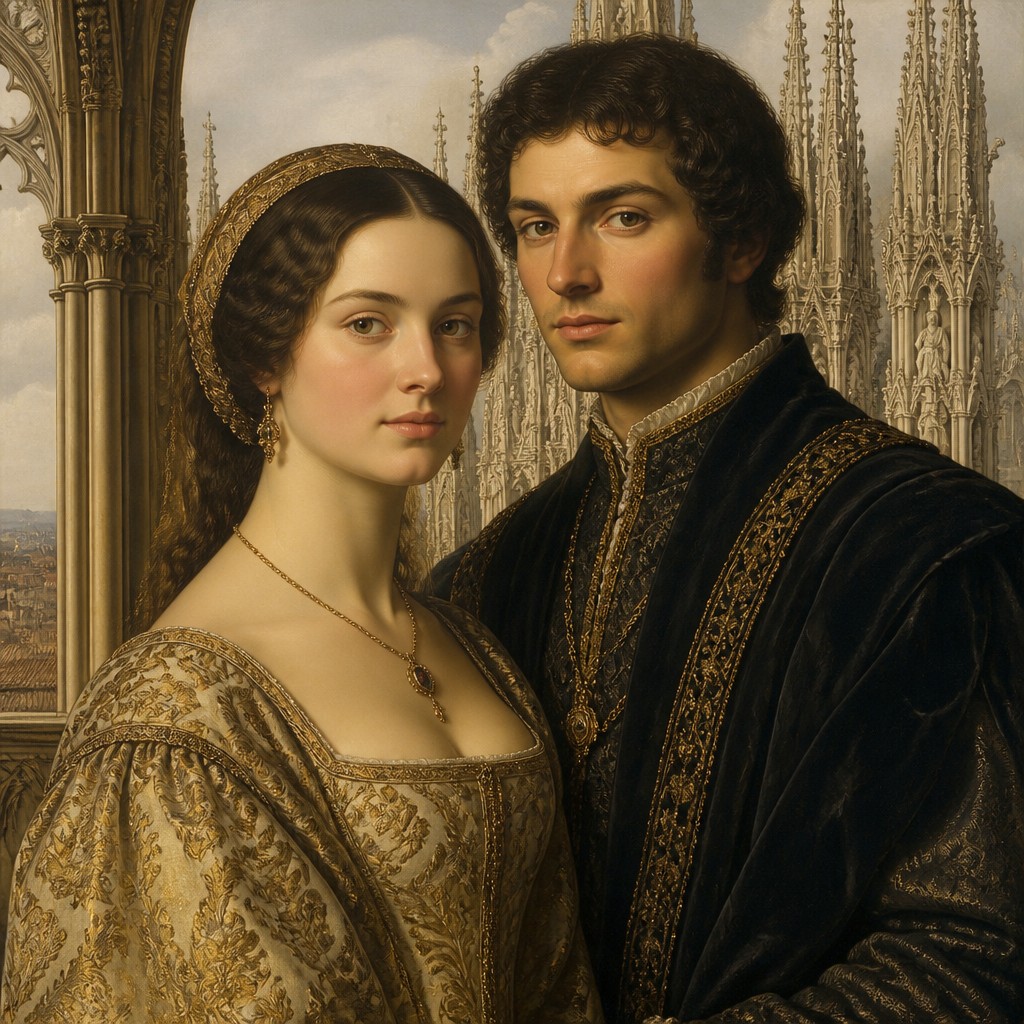
Upload any photo and convert it into Milan Art Style — drag the sliders to compare before and after.
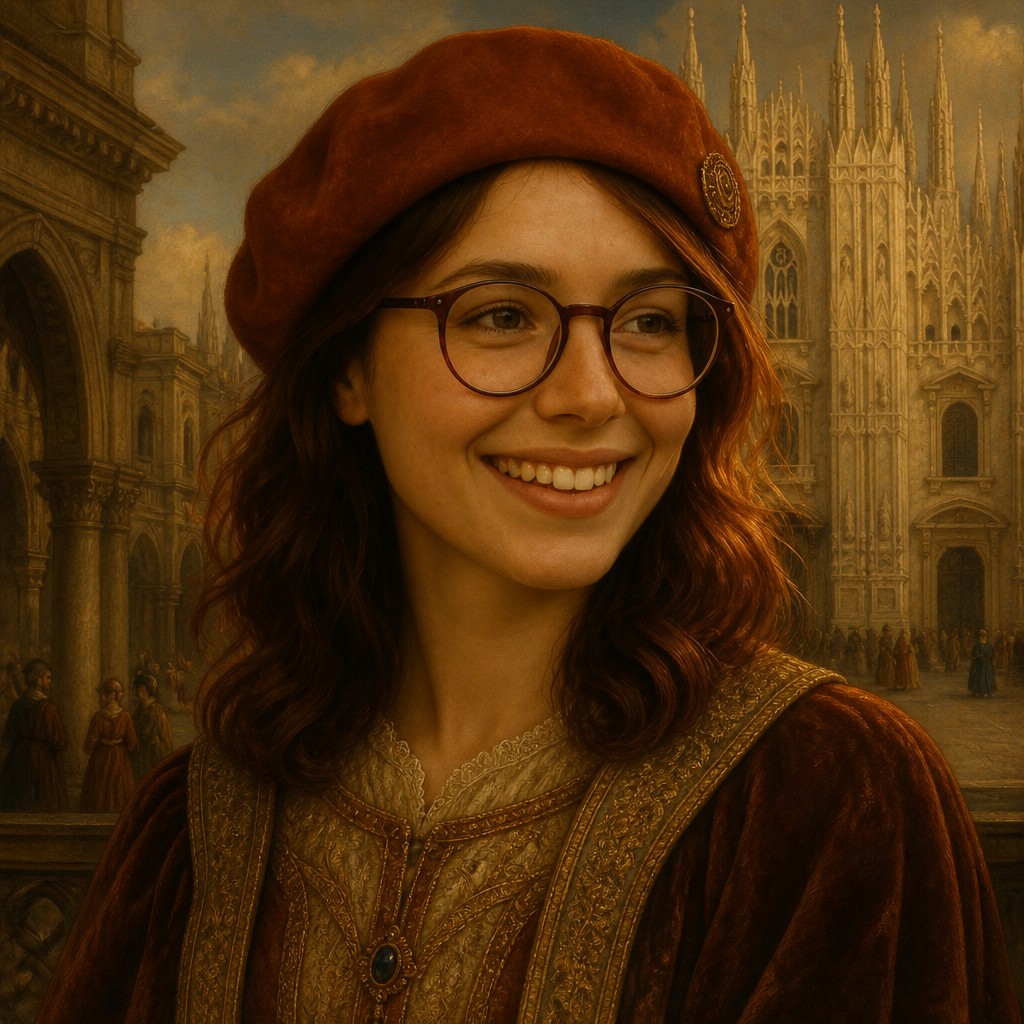

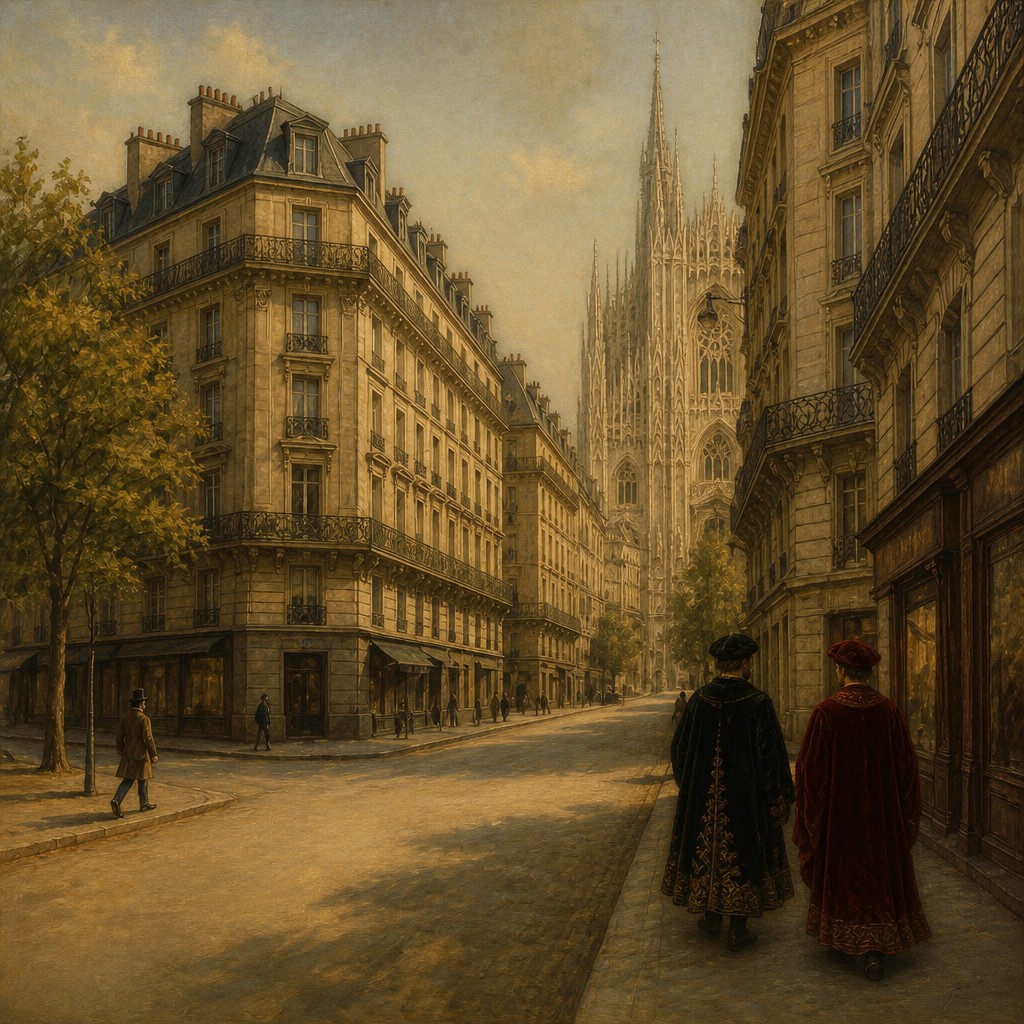

What Defines Milan Art Style
The signature details, up close
Soft sfumato modeling
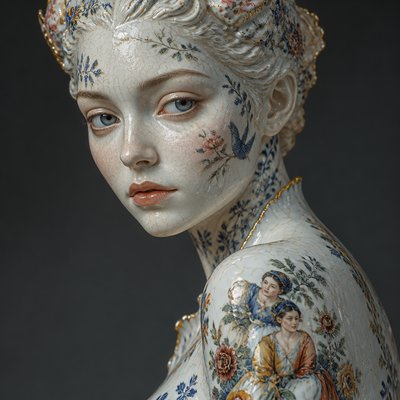
Shadows dissolve gradually into luminous flesh rather than ending in hard outlines. This creates a calm, atmospheric volume around the face, hands, and drapery.
Lombard court portraiture
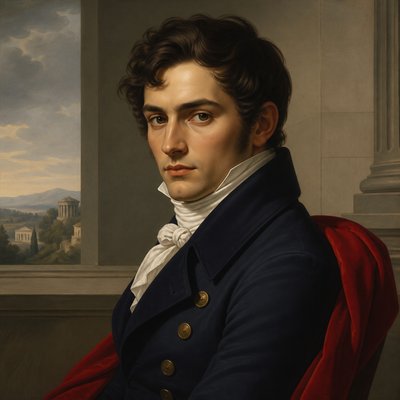
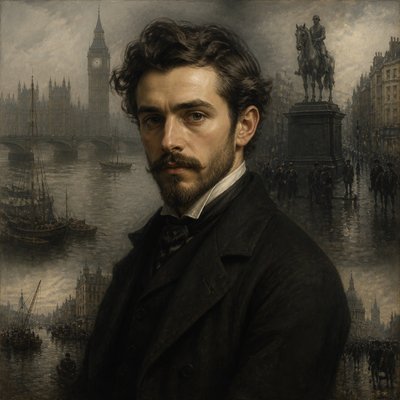
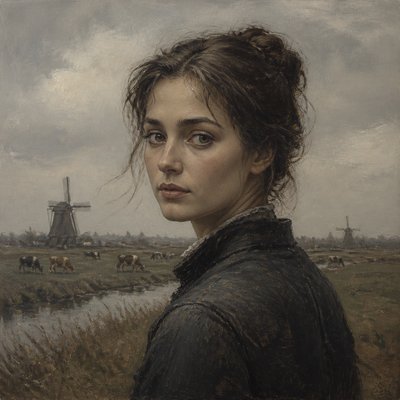
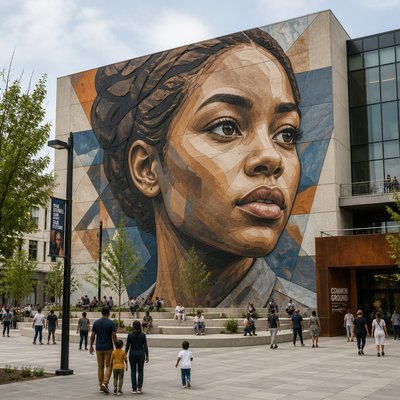
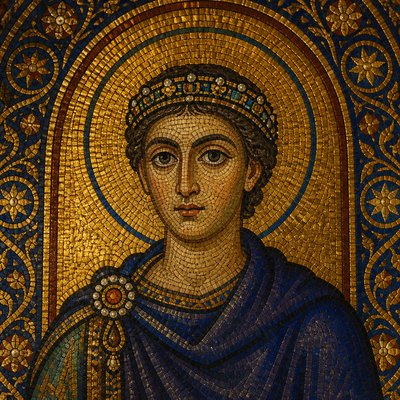
Figures appear composed, reserved, and socially formal, often shown in three-quarter view with carefully controlled posture. Expression is subtle, emphasizing dignity and interiority over overt drama.
Brocade and velvet detail
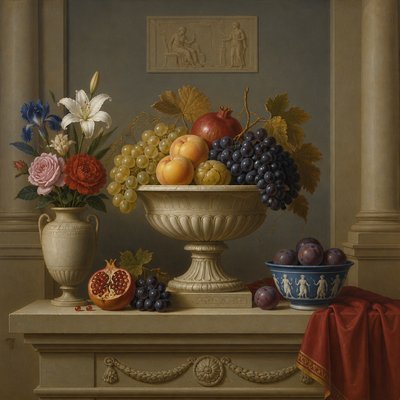
Rich fabrics are described through restrained patterns, weighty folds, and selective highlights. Gold thread, woven motifs, and deep jewel tones add status without overwhelming the composition.
Pale Gothic marble
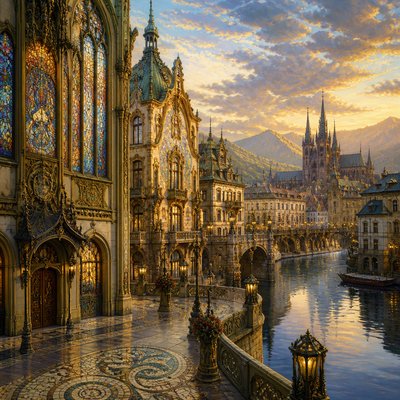
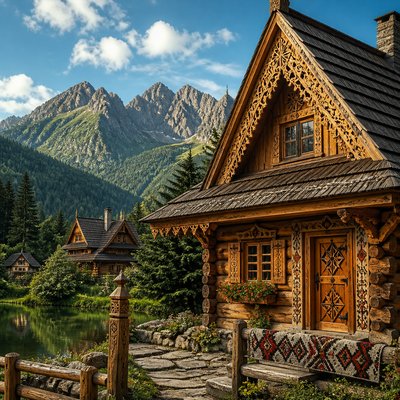
Cathedral spires, tracery, arcades, and sculpted façades are rendered as delicate pale stone. Filigree-like carving supplies vertical rhythm and tactile architectural richness.
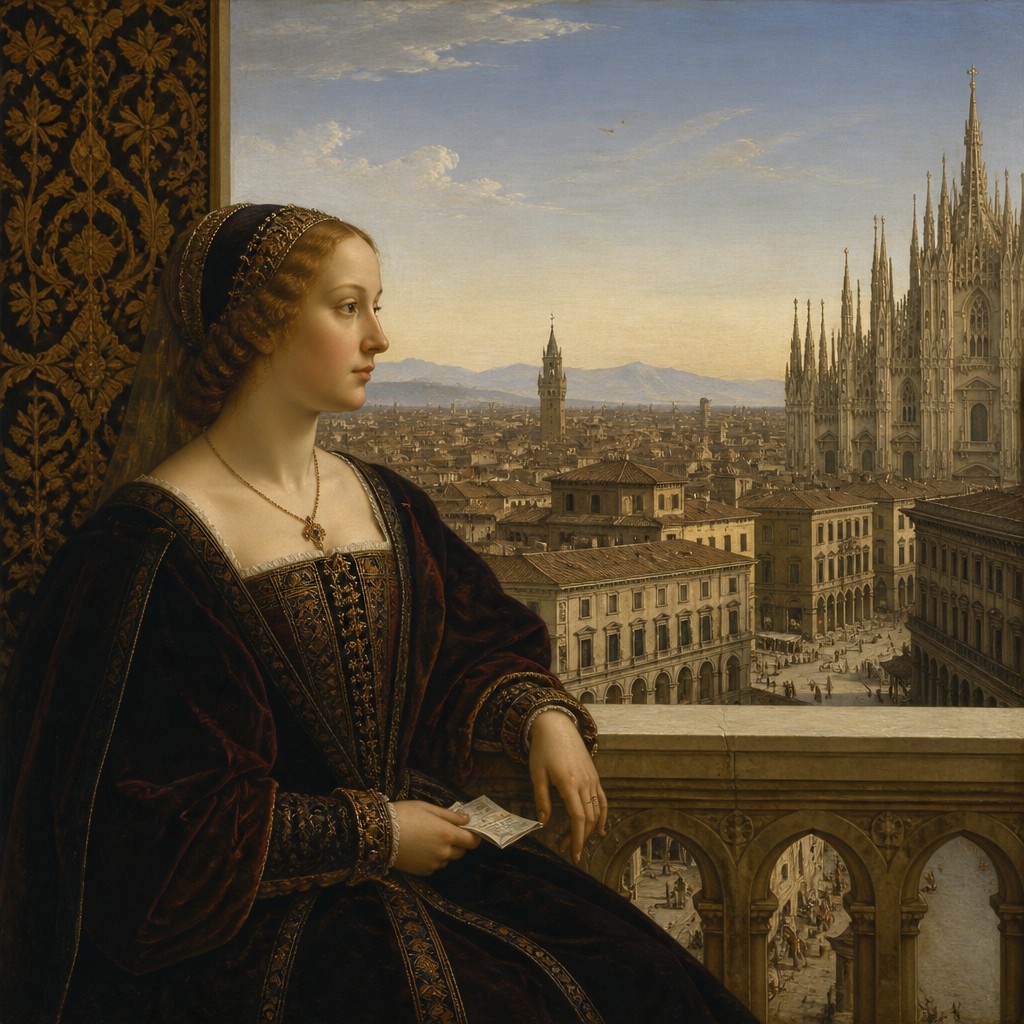
Ordered Renaissance perspective
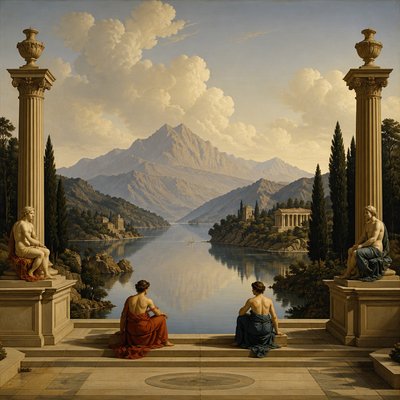
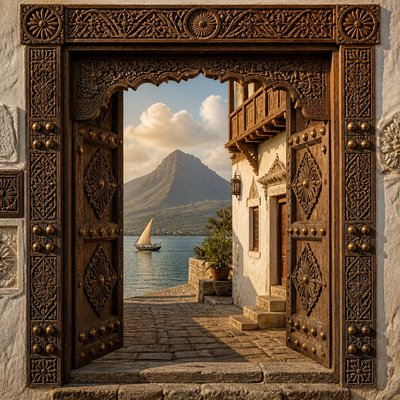
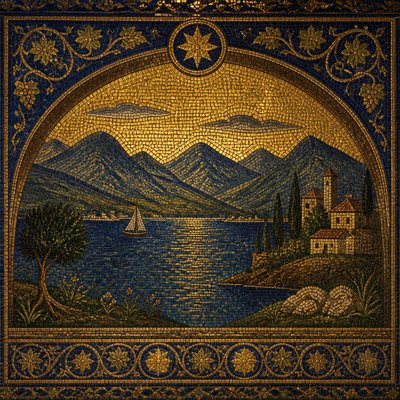
Architectural spaces are organized around clear vanishing points, stable horizons, and balanced foreground, middle-ground, and distance. Geometry supports the figure instead of competing with it.
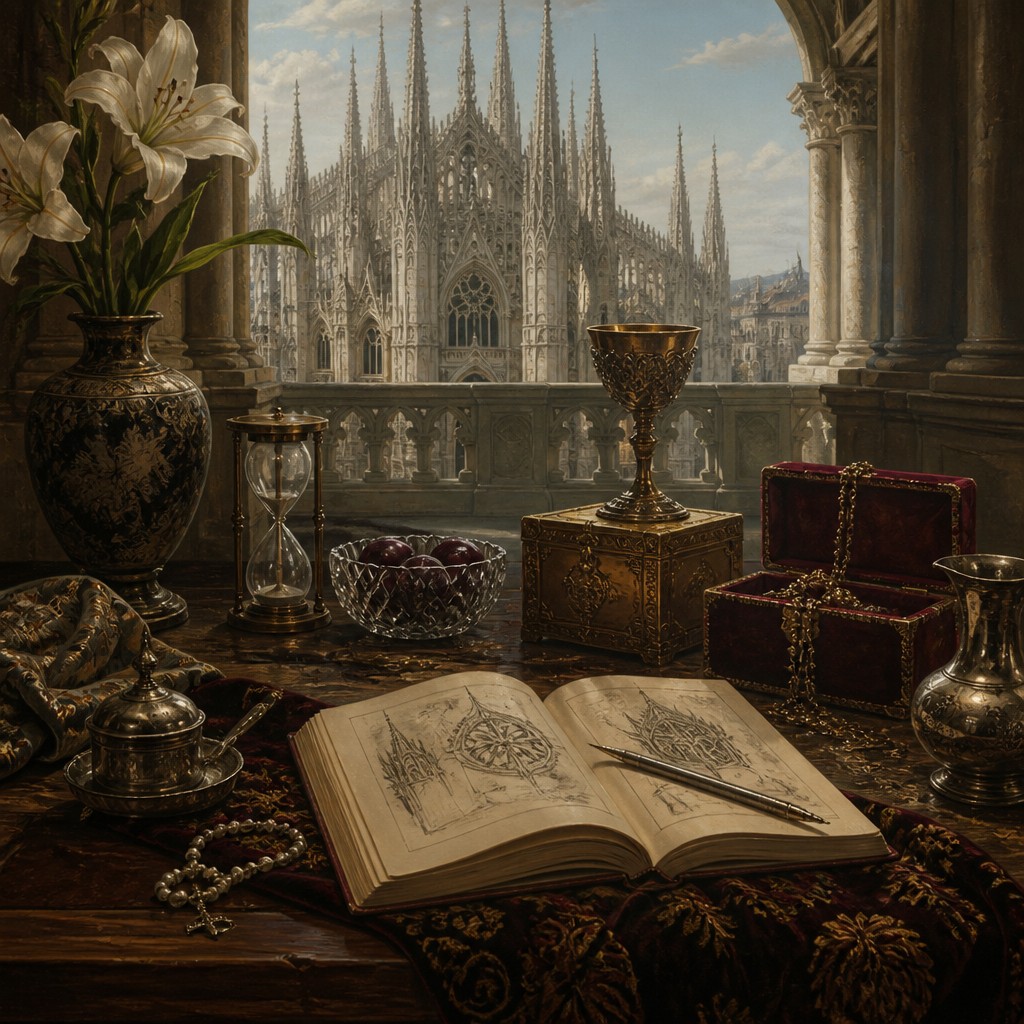
Restrained courtly grandeur
The palette and composition communicate wealth through precision and material quality rather than spectacle. Decorative elements are symmetrical or rhythmically distributed, preserving visual calm.
Milan Prompt Ideas
Start from an idea — each one opens the generator with the style ready to go. See all 40 Milan prompts →
How to Create Milan Art
Master the craft step by step — or skip straight to creating. Read the full guide →
- 1
Build a quiet tonal foundation
Begin with a warm neutral underpainting and establish broad light and shadow masses before adding detail. Blend transitions gradually around the face and hands to achieve a soft sfumato effect.
- 2
Control the composition geometrically
Place the main figure on a clear central or balanced axis, then construct the interior or piazza with one- or two-point perspective. Use arches, spires, and floor lines to guide the eye toward the subject.
- 3
Describe materials selectively
Reserve the sharpest edges and brightest accents for brocade, jewelry, marble ridges, and embroidered hems. Keep large areas of skin, stone, and background comparatively quiet so the tactile details remain legible.
- 4
Use a disciplined palette
Combine ivory, warm gray, muted rose, burgundy, deep green, umber, and subdued gold. Avoid uniformly saturated color; let cool stone and shadow offset the warmth of flesh and velvet.
- 5
Adapt the method digitally
In digital painting, work with layered glazing, low-opacity airbrushes, textured stone brushes, and carefully masked pattern layers. For prompt-based creation, specify the subject, three-quarter pose, sfumato lighting, brocade or velvet, pale Gothic marble, and balanced Renaissance perspective.
The Story
History & Origins of Milan
Milan Art Style is not a documented historical movement or period term. It is a contemporary synthesis whose aesthetic lineage reaches primarily to fifteenth- and sixteenth-century Lombardy, where Renaissance humanism interacted with late Gothic ornament, court culture, devotional imagery, manuscript detail, and the region's tradition of sculptural architecture.
Its visual logic also borrows from Renaissance portrait conventions, including frontal or three-quarter presentation, controlled gesture, hierarchical costume, and spatial order. The characteristic sfumato effect belongs to a broader Renaissance interest in continuous tonal transitions, while the pale marble filigree and vertical cathedral forms preserve the atmosphere of northern Italian Gothic craftsmanship.
Influences: The style relates to Lombard Renaissance painting, northern Italian court portraiture, late Gothic cathedral sculpture, Renaissance architectural perspective, devotional panel painting, manuscript illumination, and the material language of velvet, brocade, and carved marble. It shares sfumato's interest in gradual tonal transitions with Renaissance painting, while its vertical ornament and pale tracery recall the persistence of Gothic traditions in northern Italy. Its overall restraint also distinguishes it from the stronger movement, saturated color, and dramatic gestures associated with later Baroque art.
Frequently Asked Questions
What defines Milan Art Style?
It combines soft sfumato modeling, formal Lombard Renaissance portraiture, intricate brocade and velvet, pale Gothic marble architecture, and ordered Renaissance perspective. The mood is elegant and composed rather than dramatic or exuberant.
Is Milan Art Style a historical art movement?
No. The term describes a contemporary hybrid aesthetic rather than a documented school or period. It uses recognizable elements from Lombard Renaissance, late Gothic, courtly, and architectural traditions without claiming to represent a single historical movement.
How does it differ from general Renaissance art?
Its emphasis is specifically northern Italian and Lombard in atmosphere, with stronger Gothic architectural ornament and a cooler, more restrained sense of luxury. Compared with broad Renaissance imagery, it prioritizes pale marble filigree, court portrait formality, velvet, and softly blended shadow.
What subjects work well in this style?
Formal portraits, noble families, scholars, devotional figures, palace interiors, cathedral squares, cloisters, and architectural studies are especially suitable. Subjects with expressive fabric, carved stone, or carefully arranged perspective provide the strongest visual cues.
How can I make an image in this style?
Describe a calm three-quarter figure or balanced architectural scene, then add sfumato lighting, restrained jewel tones, brocade or velvet, pale Gothic marble, and Renaissance perspective. In traditional or digital painting, establish smooth tonal masses first and add crisp material details only at focal points.
Is this style suitable for transforming a photograph?
Yes, particularly for portraits, formal interiors, and architectural photographs with clear structure. Preserve the subject's pose and main silhouette while introducing softer facial transitions, courtly costume cues, marble ornament, and a controlled Renaissance-like palette.
Create your first Milan artwork
Describe anything — or upload a photo — and see it in Milan Art Style in seconds.
Related Styles
Discover similar art styles