Stuckism Art Style
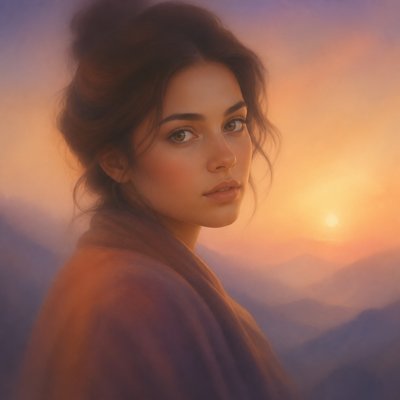
Explore Stuckism: a confrontational figurative painting style defined by bold outlines, loud color, raw brushwork, and everyday subjects.
Instantly rendered in Stuckism — or transform a photo
Stuckism Gallery
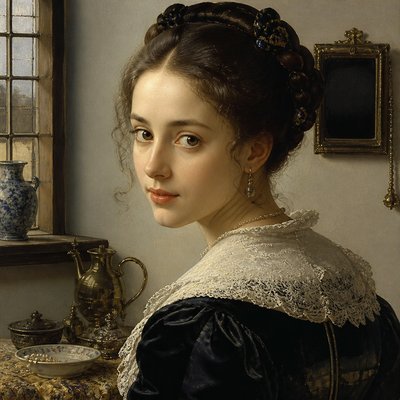
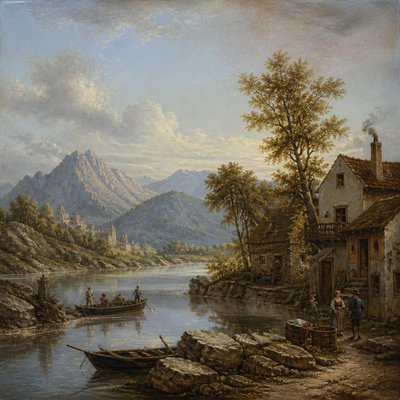
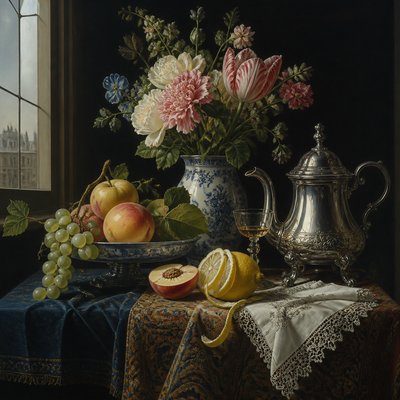
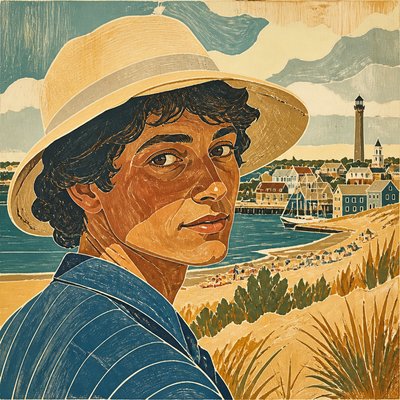
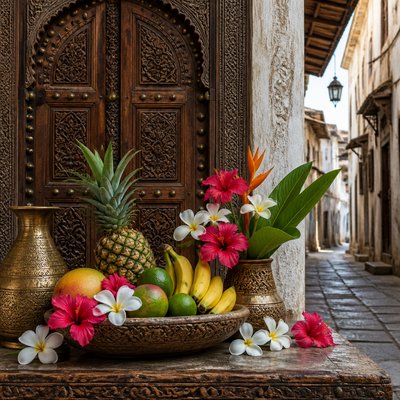
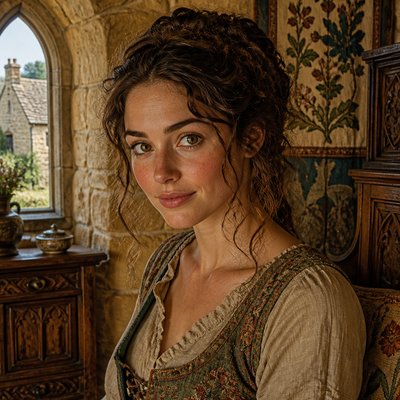
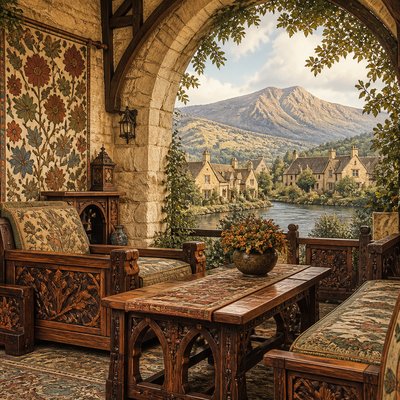
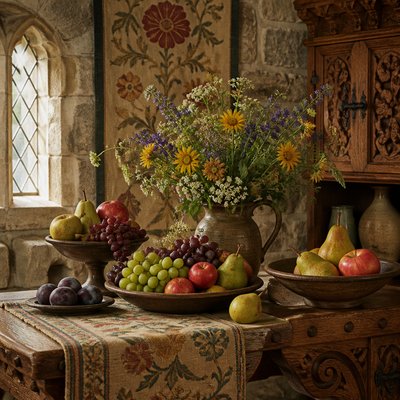
Tap any artwork to explore it
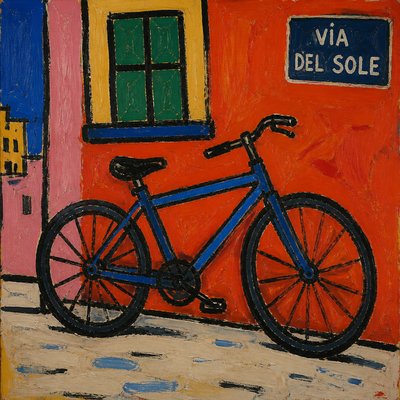
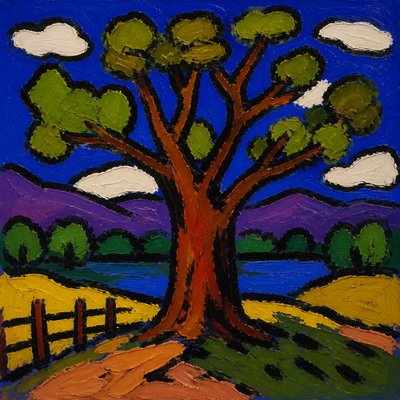
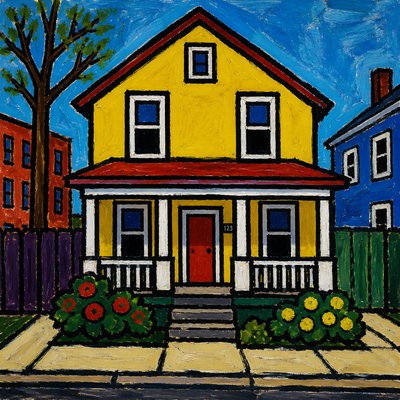
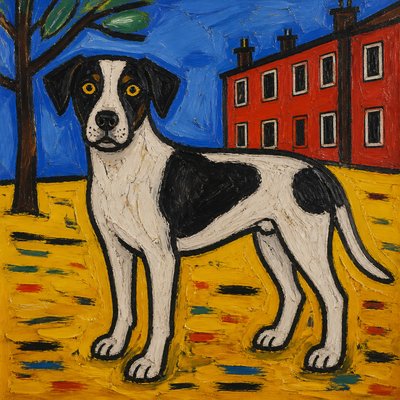
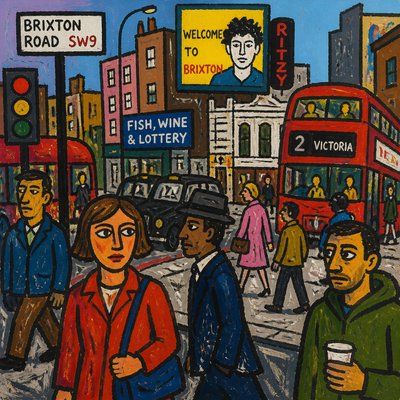
What is Stuckism Art Style?
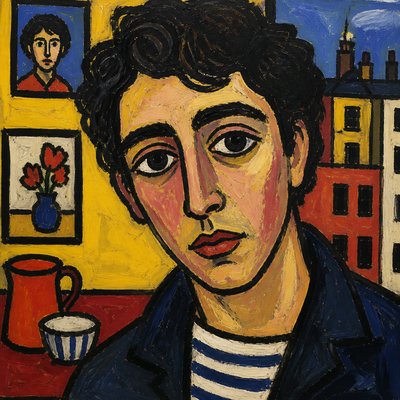
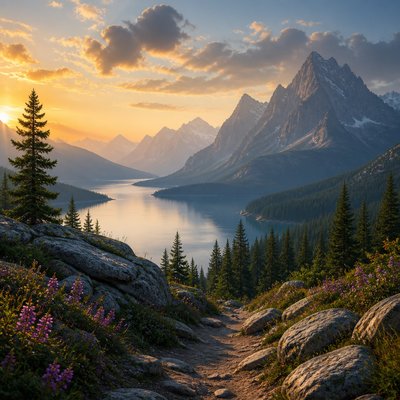
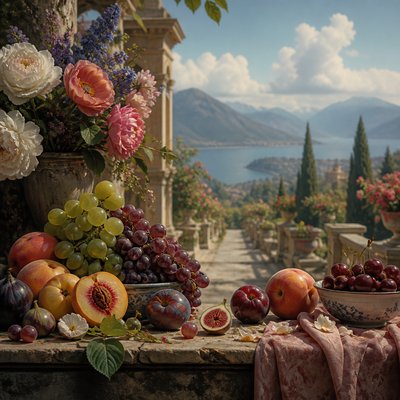
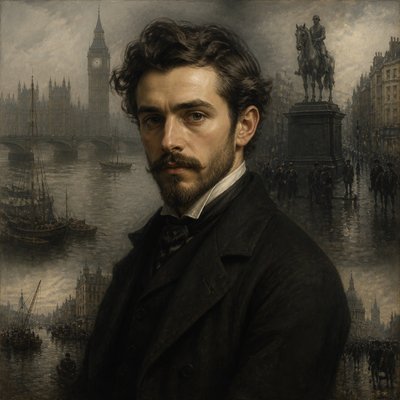
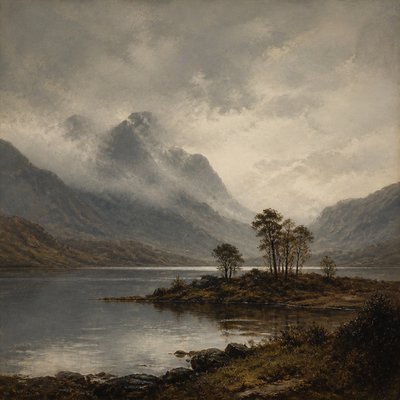
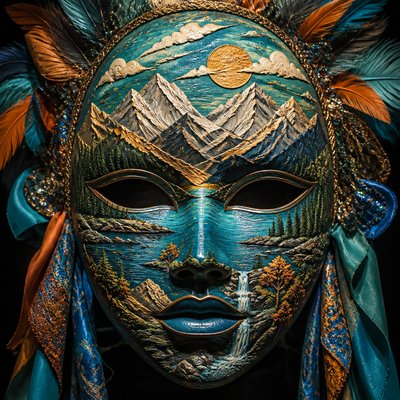
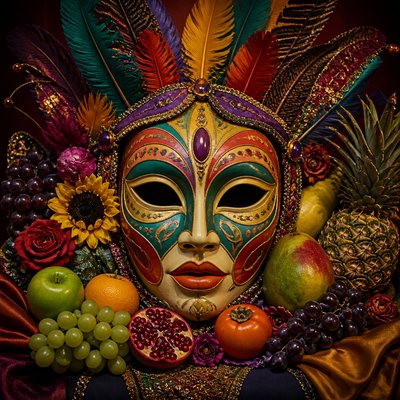
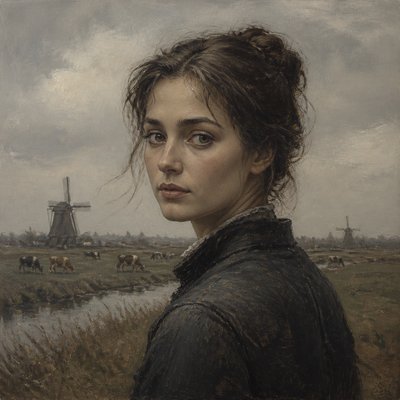
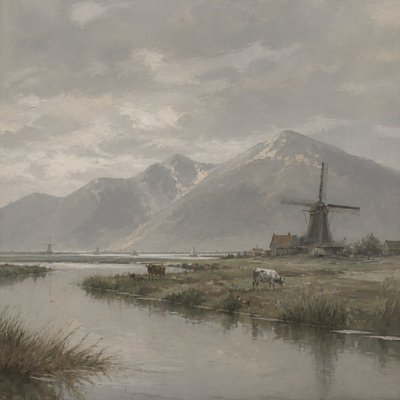
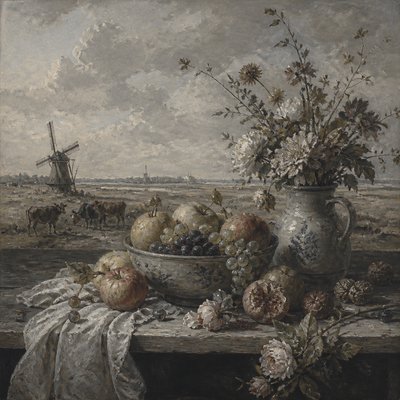
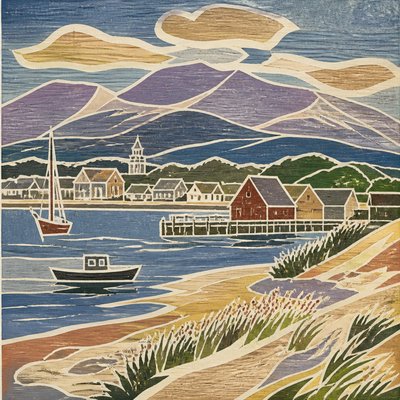
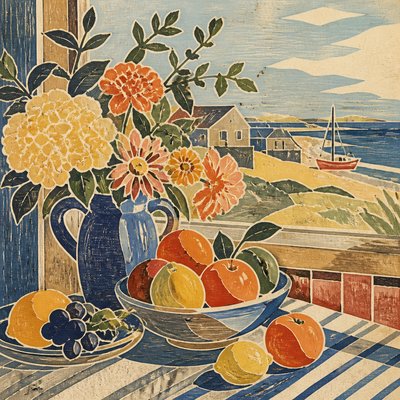
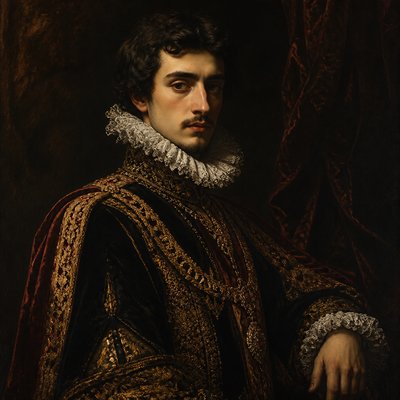
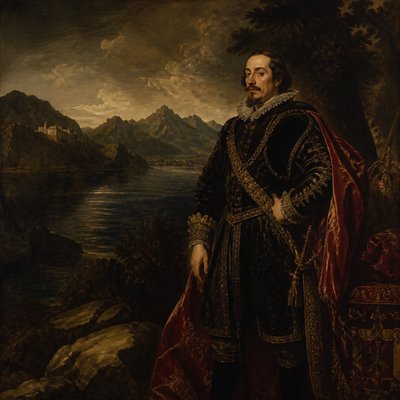
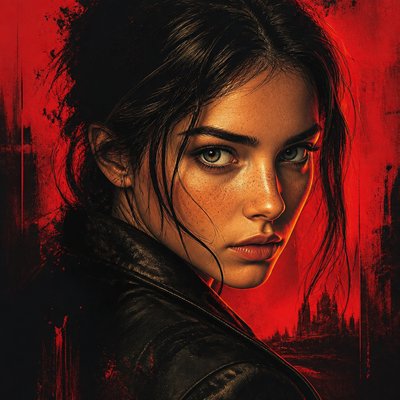
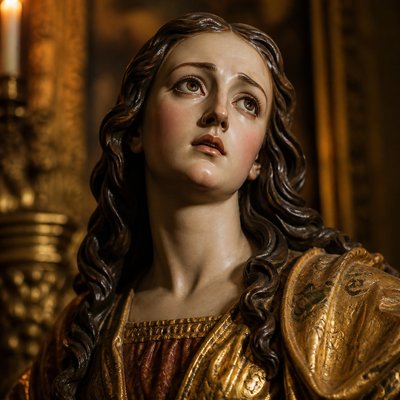
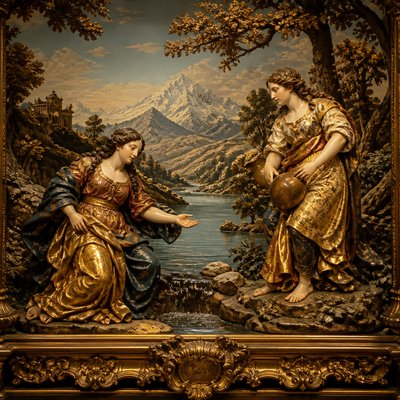
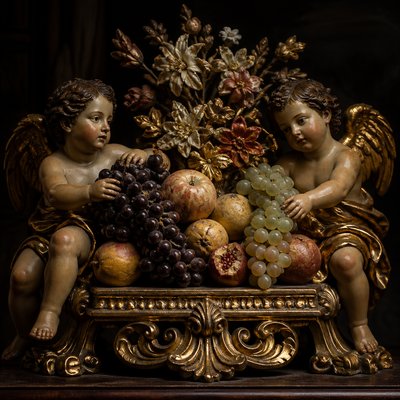
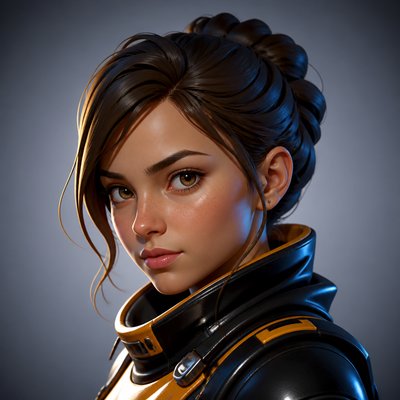
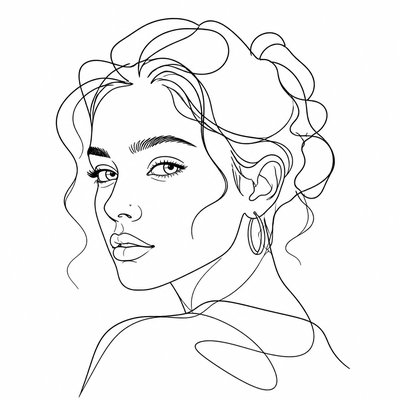
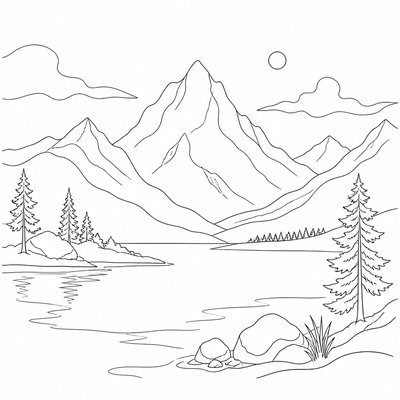
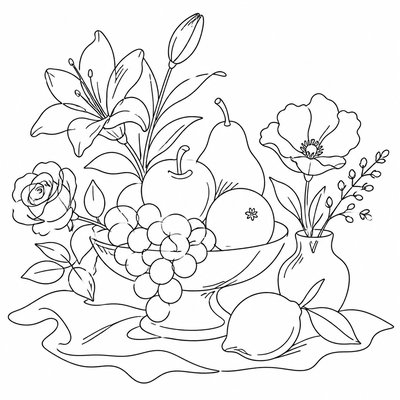
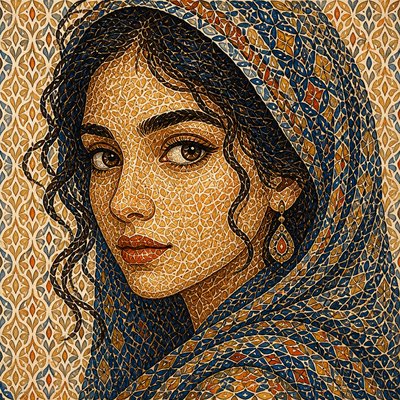
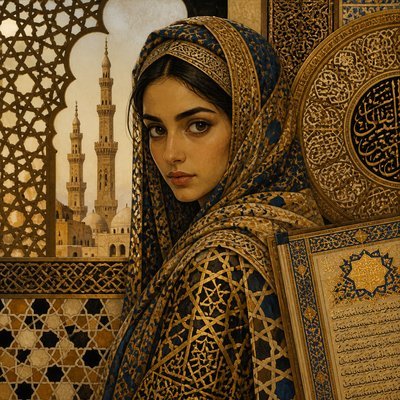
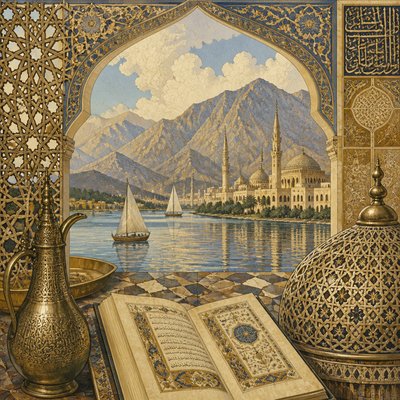
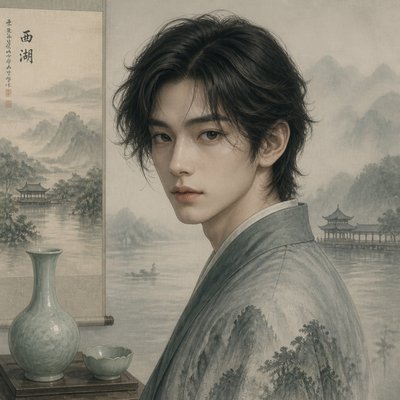
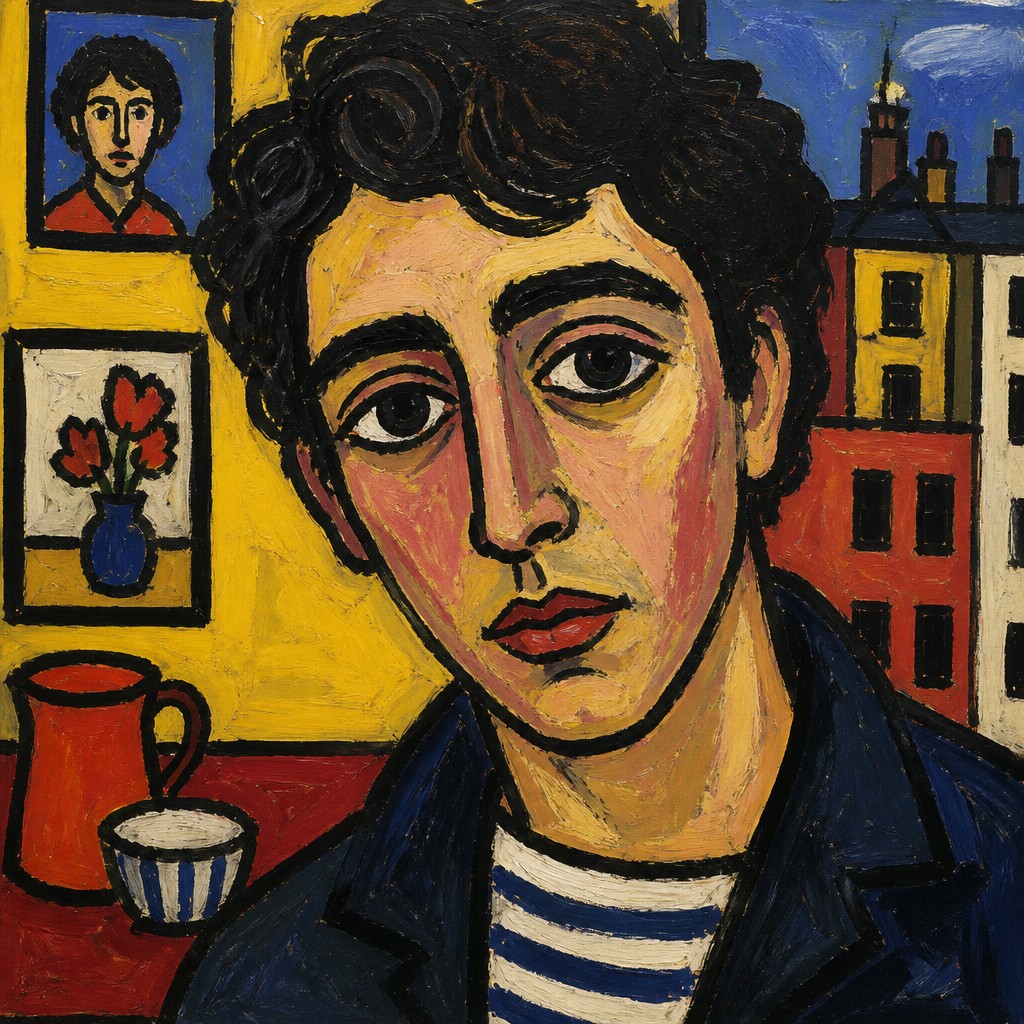
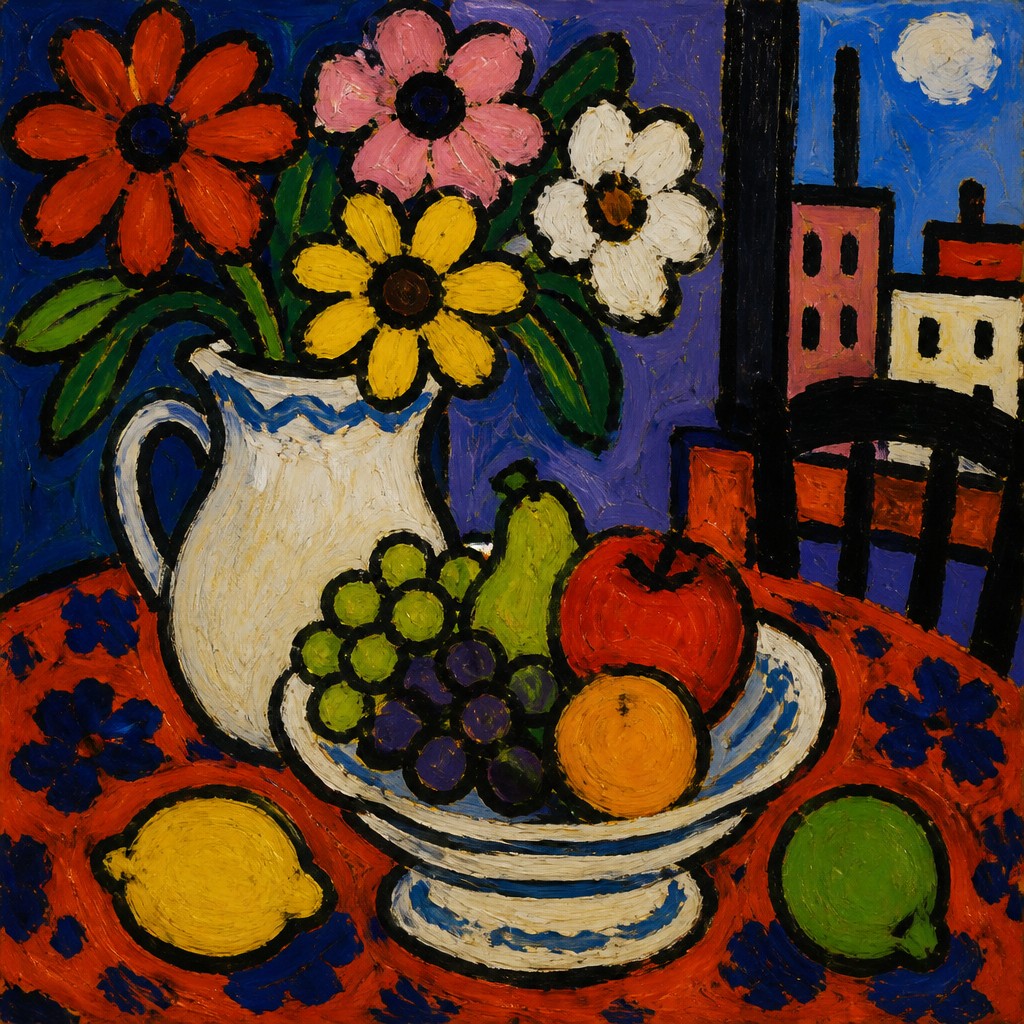
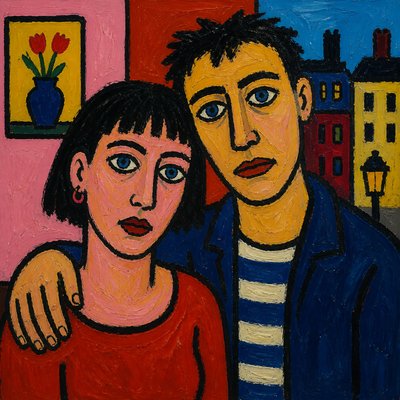
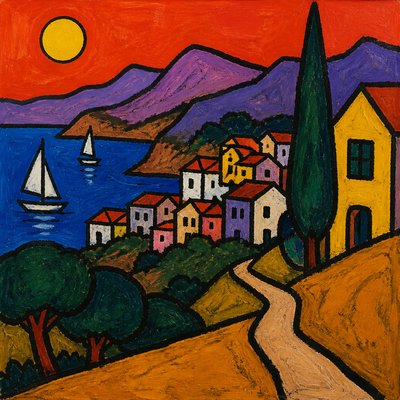
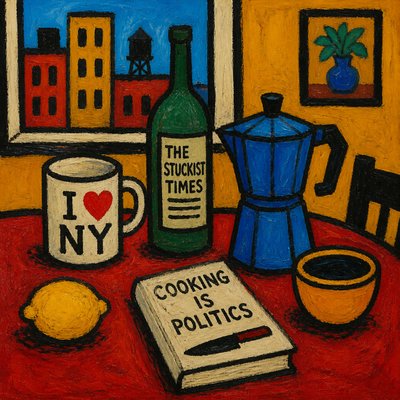
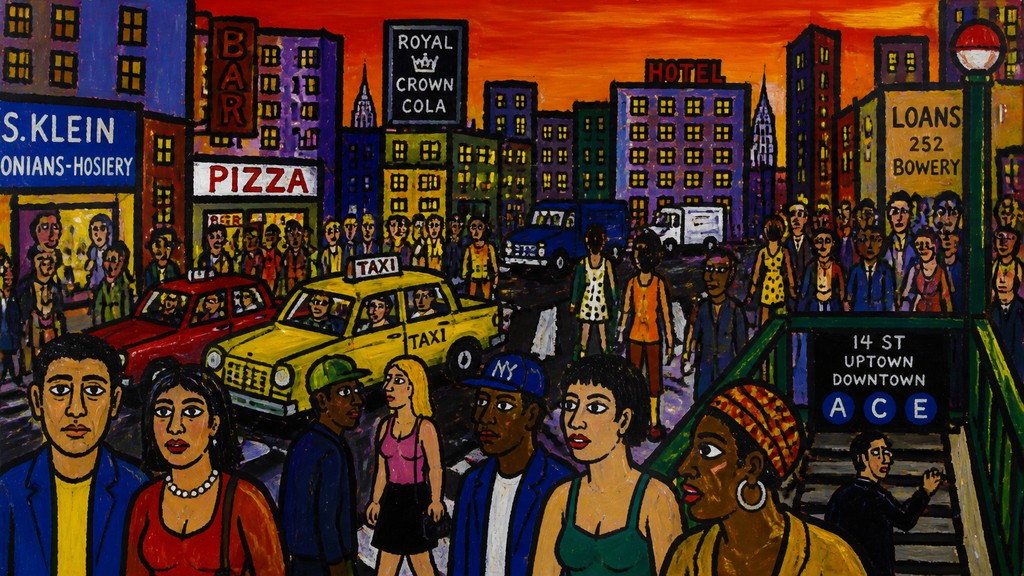
Stuckism is a late-20th- and early-21st-century art movement centered on direct, figurative painting and drawing. Its imagery often treats ordinary life—domestic interiors, streets, portraits, bodies, relationships, and political subjects—with deliberately visible brushwork, strong contours, flattened space, and unapologetically intense color.
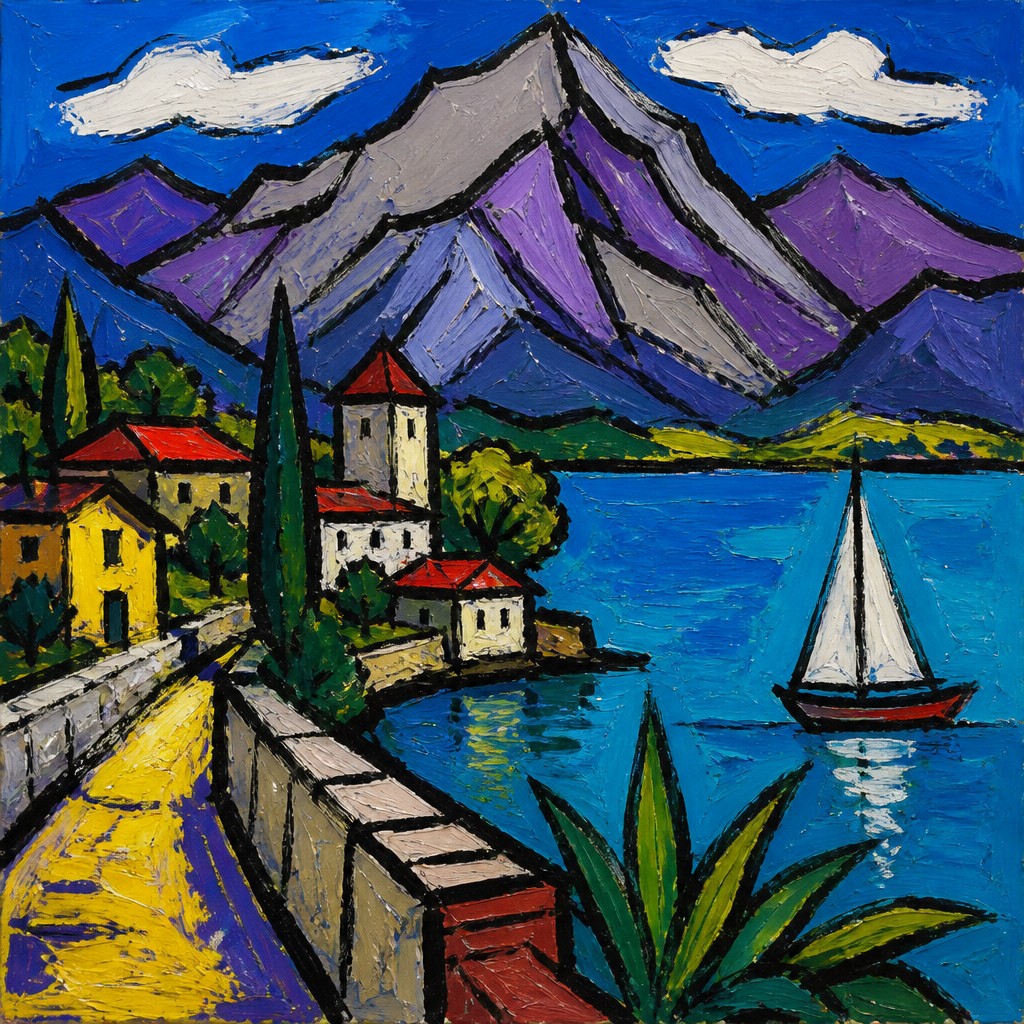
The style looks intentionally handmade rather than polished or photorealistic. Forms may be simplified, awkward, exaggerated, or compressed into shallow picture planes, while dark outlines and unmixed pigments give the image a graphic, immediate force. Although Stuckism is associated with a movement and a set of artistic positions, its visual language is varied rather than strictly standardized.
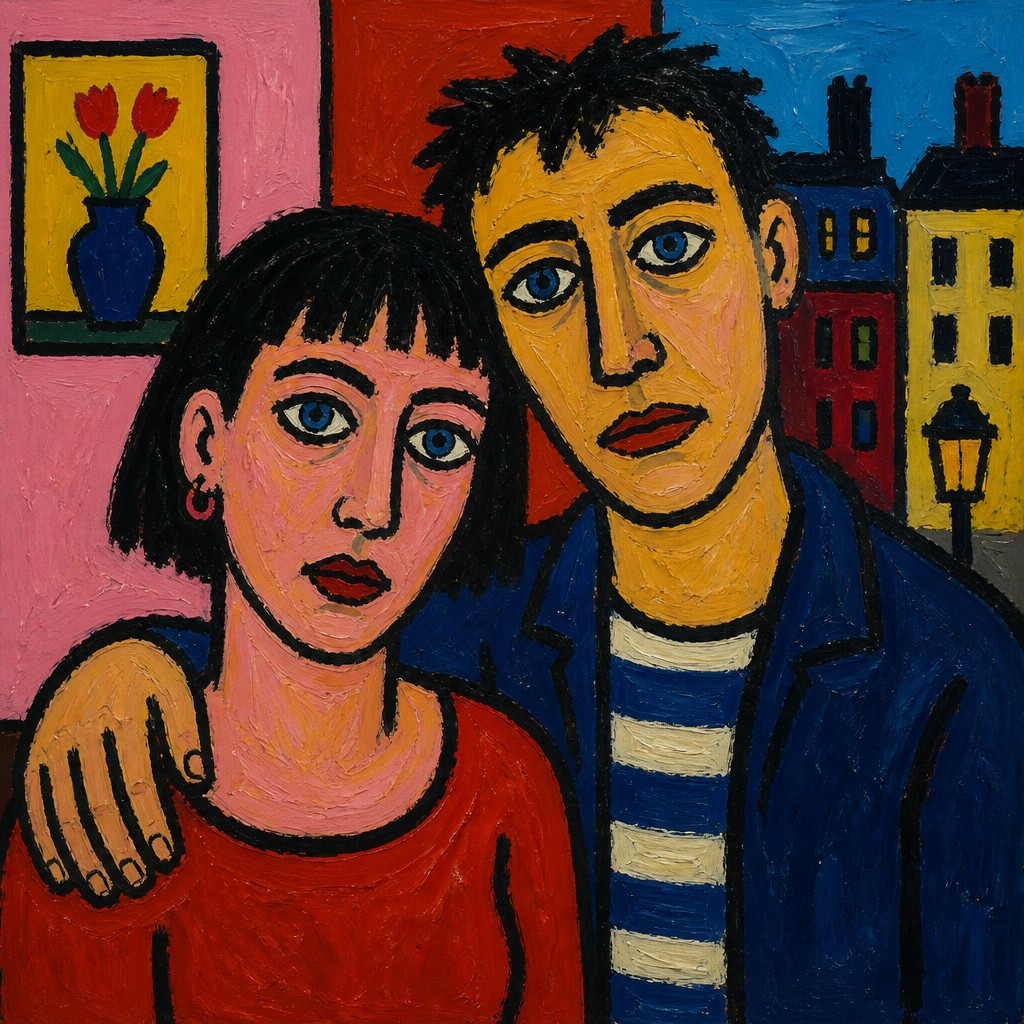
Try It On Your Photos
Upload any photo and convert it into Stuckism Art Style — drag the sliders to compare before and after.
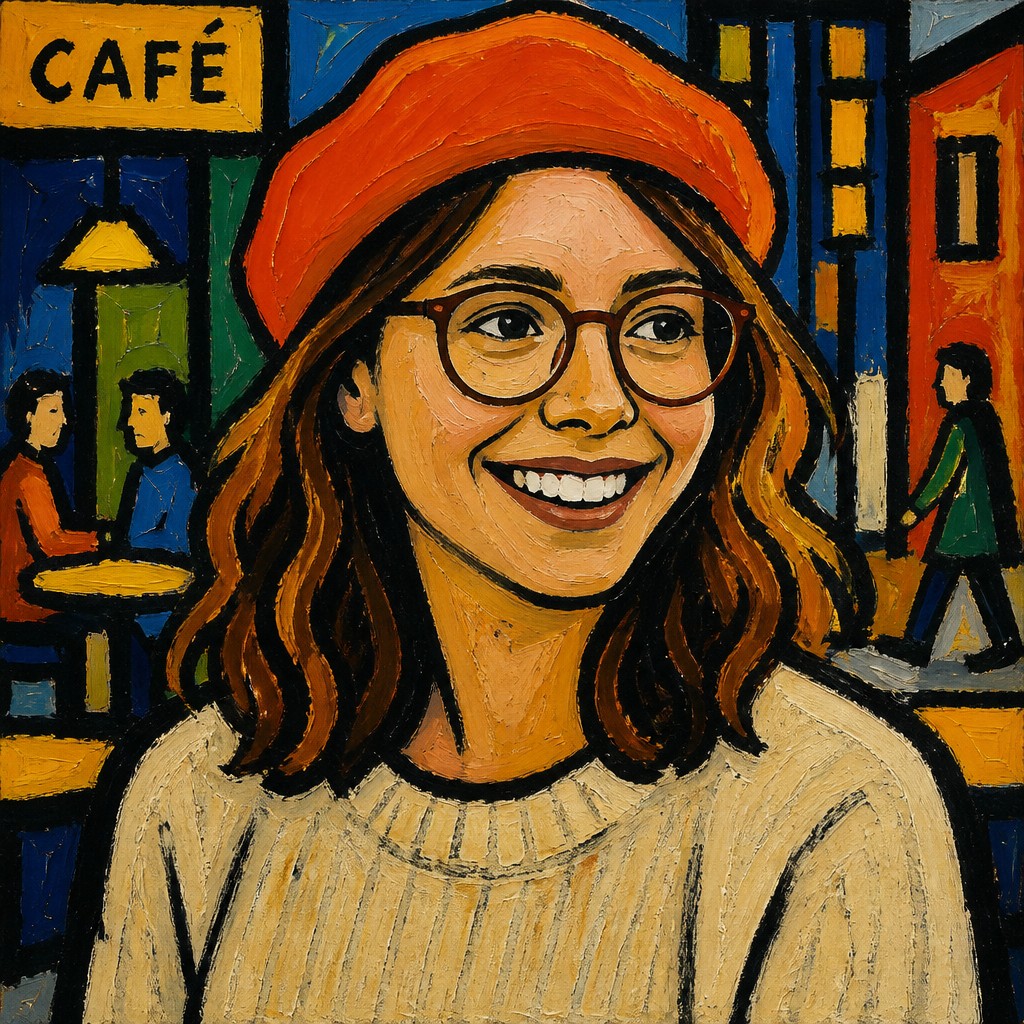

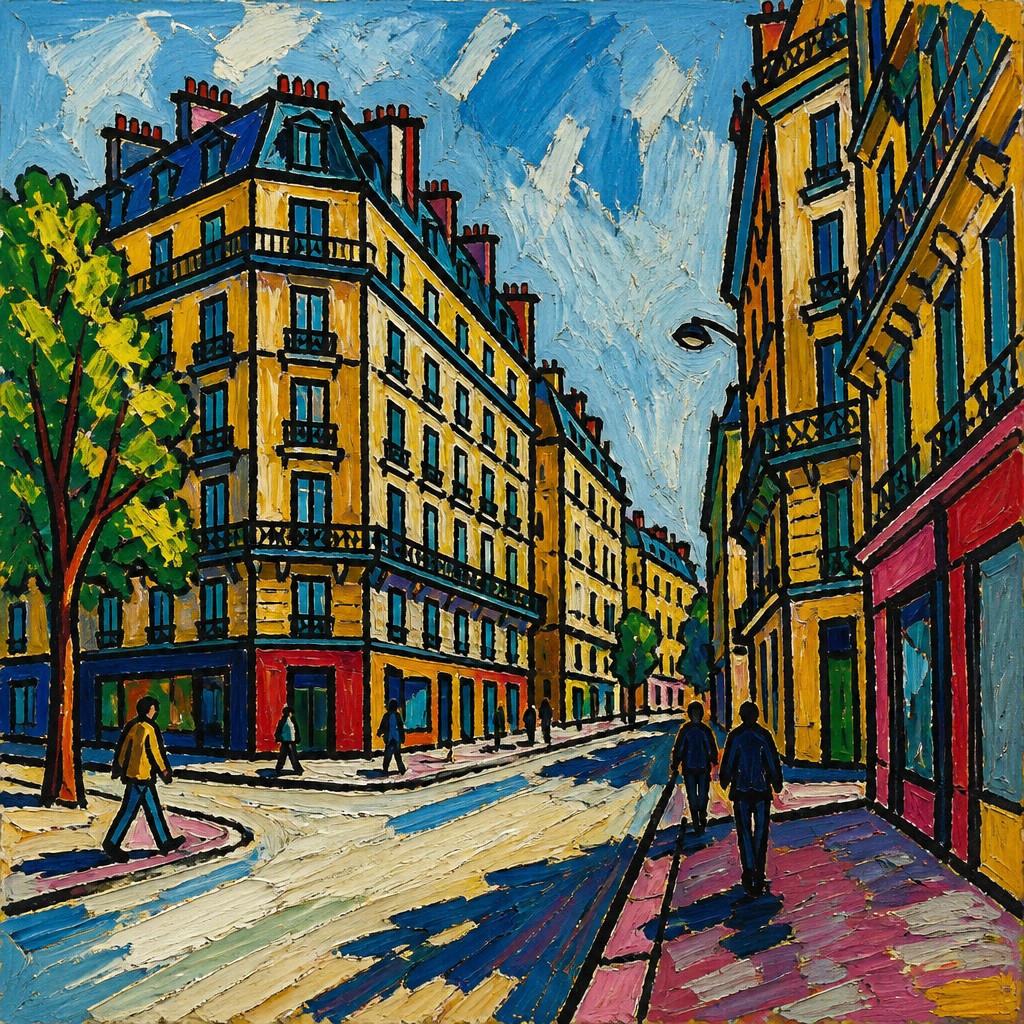

What Defines Stuckism Art Style
The signature details, up close
Bold dark contours
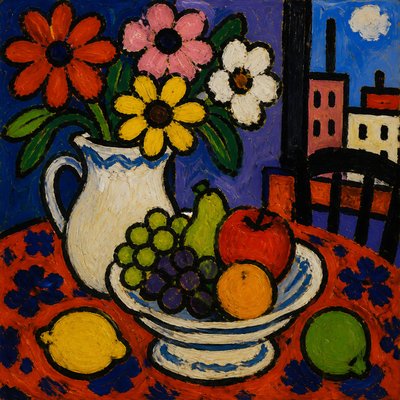
Heavy outlines separate figures, objects, and architectural forms with a graphic clarity associated with drawing and comics. The contours may remain uneven or visibly painted rather than mechanically precise.
Loud, unmixed color
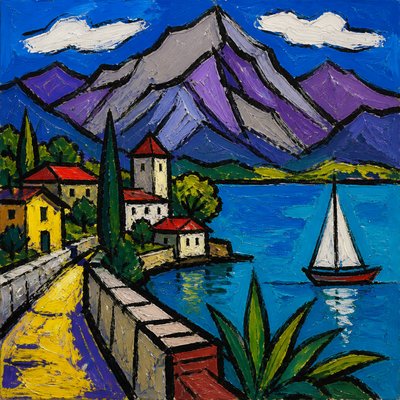
Intense reds, blues, yellows, greens, and contrasting complementary hues create visual impact. Color is often used expressively or symbolically instead of being restricted to naturalistic observation.
Flattened pictorial space
Perspective is simplified, compressed, or intentionally inconsistent. Broad planes and stacked forms give domestic and urban scenes a poster-like directness.
Raw brushwork
Visible strokes, irregular edges, and uneven surfaces preserve evidence of the artist’s hand. Refinement is often subordinated to immediacy, conviction, and emotional charge.
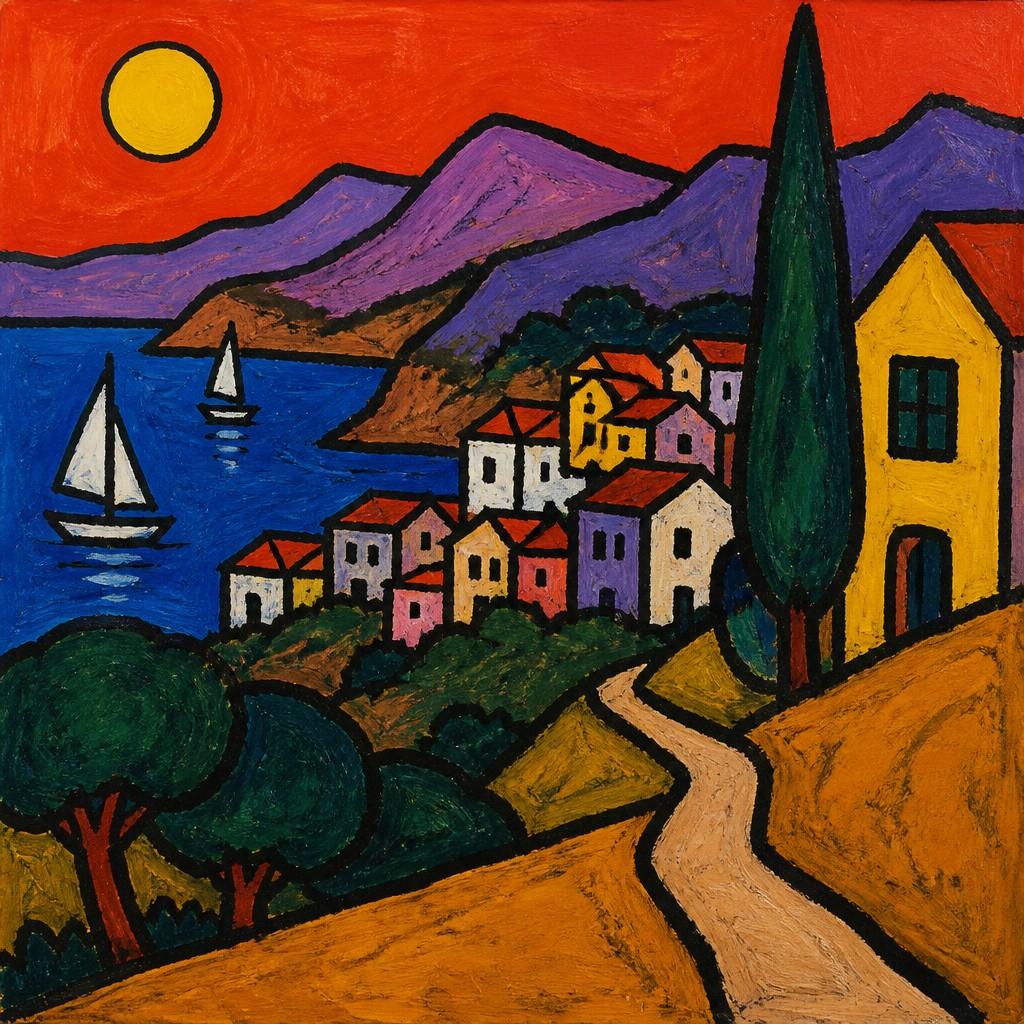
Figurative subject matter
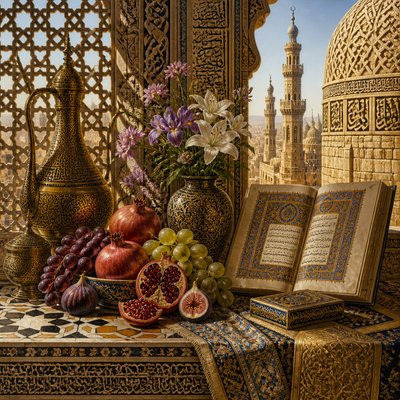
People, faces, interiors, streets, still lifes, and recognizable events are central. The subjects are usually legible and grounded in lived experience rather than purely abstract systems.
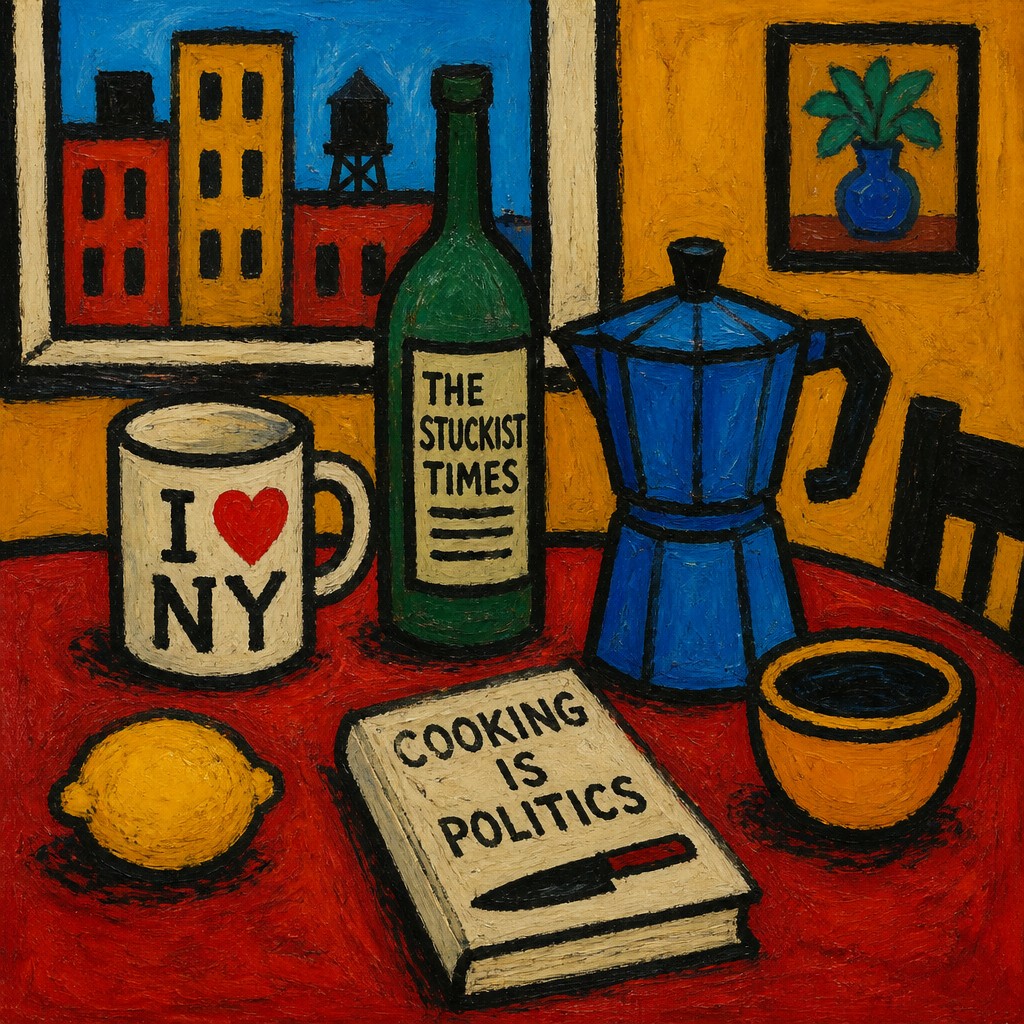
Naive-expressive simplification
Proportions, anatomy, and spatial relationships may be deliberately awkward or exaggerated. This simplification can suggest vulnerability, humor, confrontation, or psychological intensity.
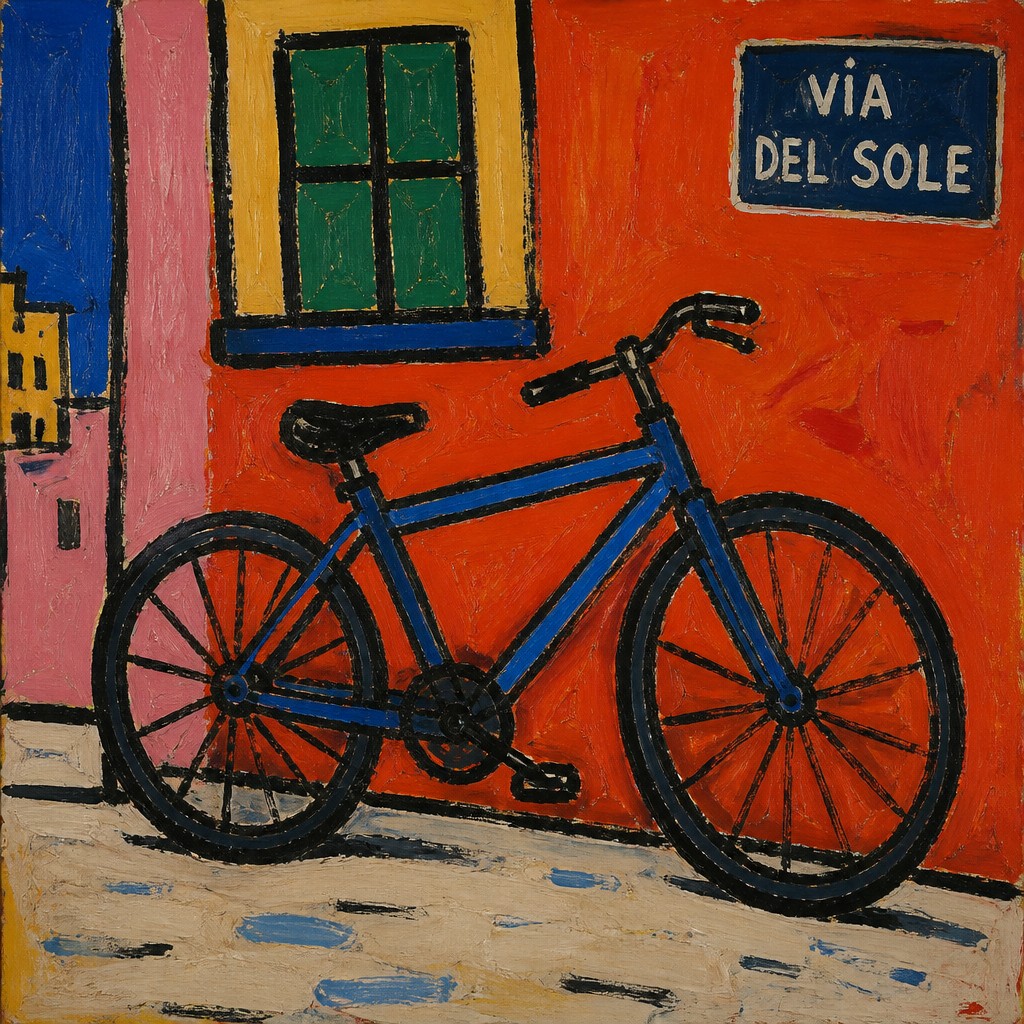
Direct social and personal content
Stuckist work may address relationships, class, politics, mortality, sexuality, or ordinary routines without disguising its subject behind detached conceptual language. Personal observation and public commentary can coexist in the same image.
Try It
Create Videos in Stuckism Art Style
Styles aren't just for stills — describe a scene or animate an image and get a short video rendered in Stuckism. Press play to see this pond come to life.
Make a VideoStuckism Prompt Ideas
Start from an idea — each one opens the generator with the style ready to go. See all 40 Stuckism prompts →
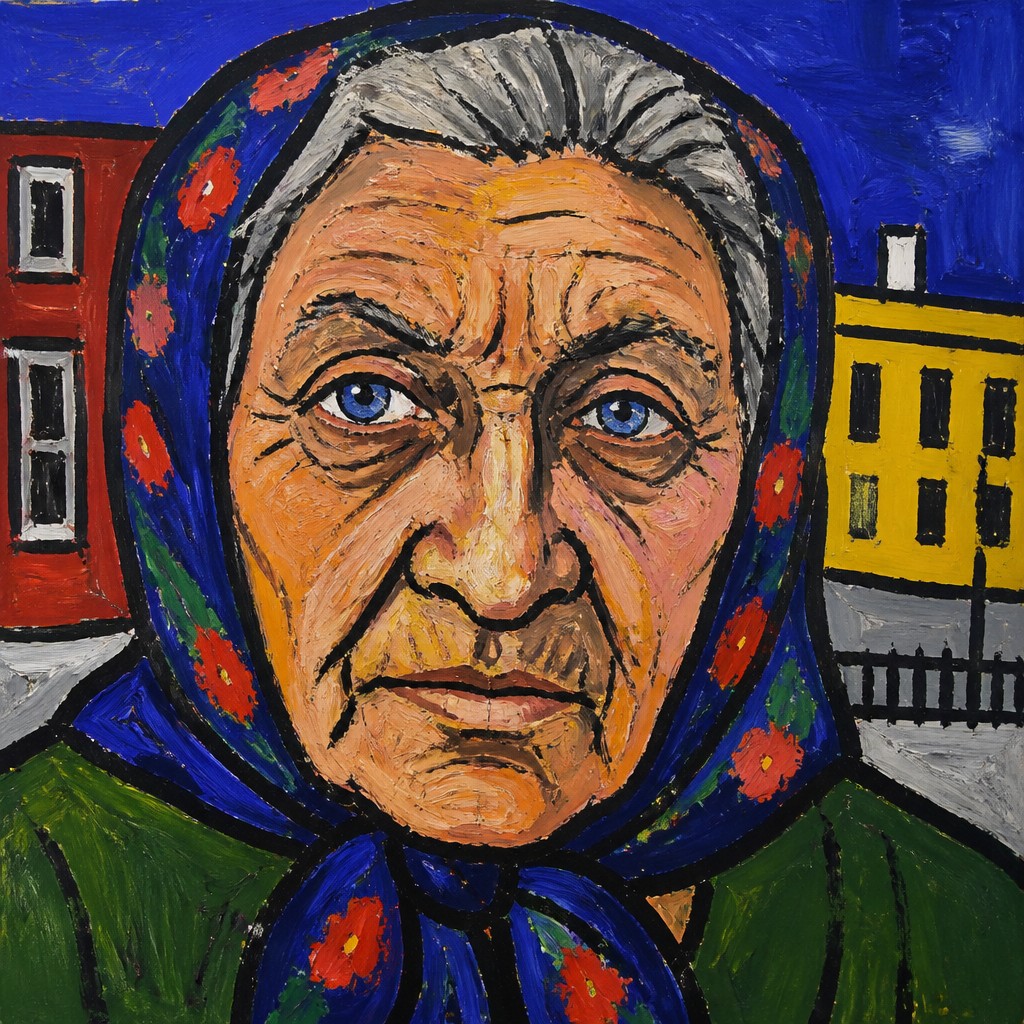
“close-up portrait of an elderly person with expressive weathered features”
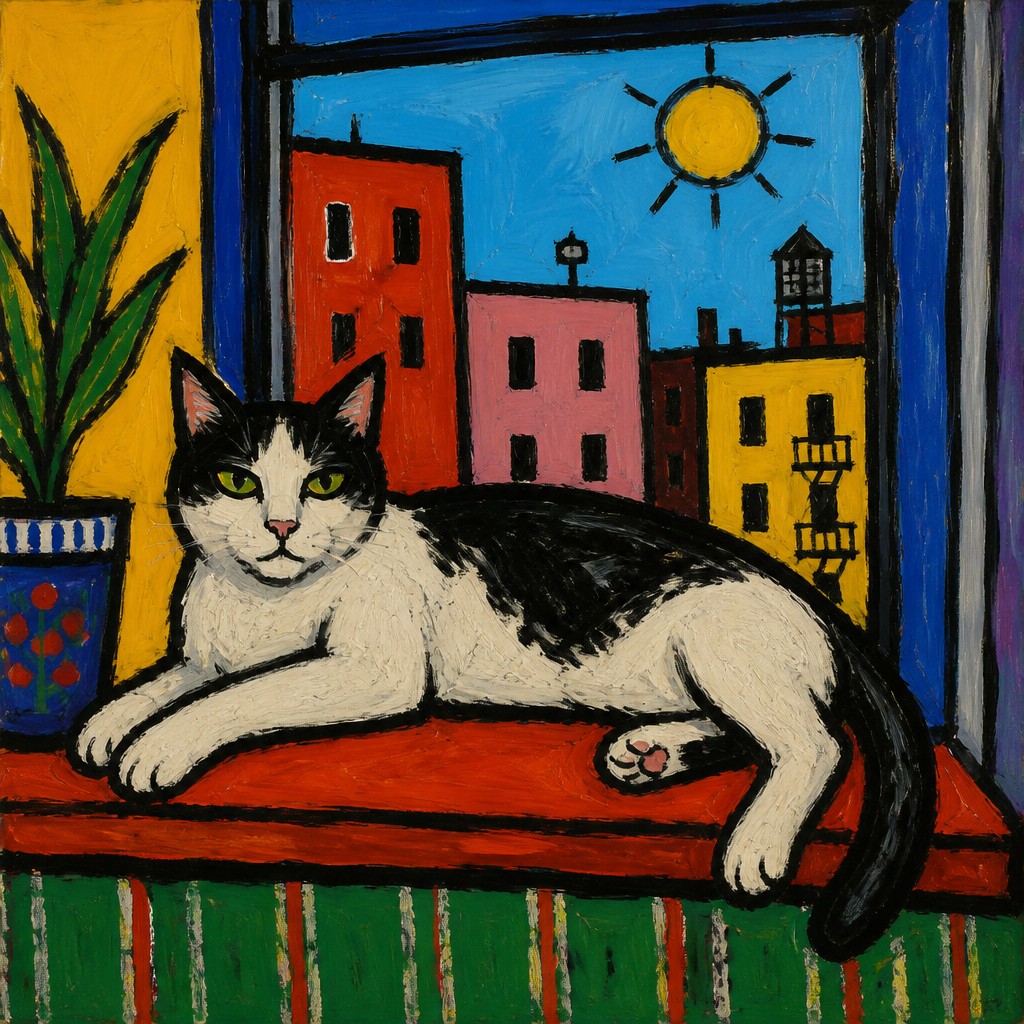
“a cat lounging in a sunlit window”
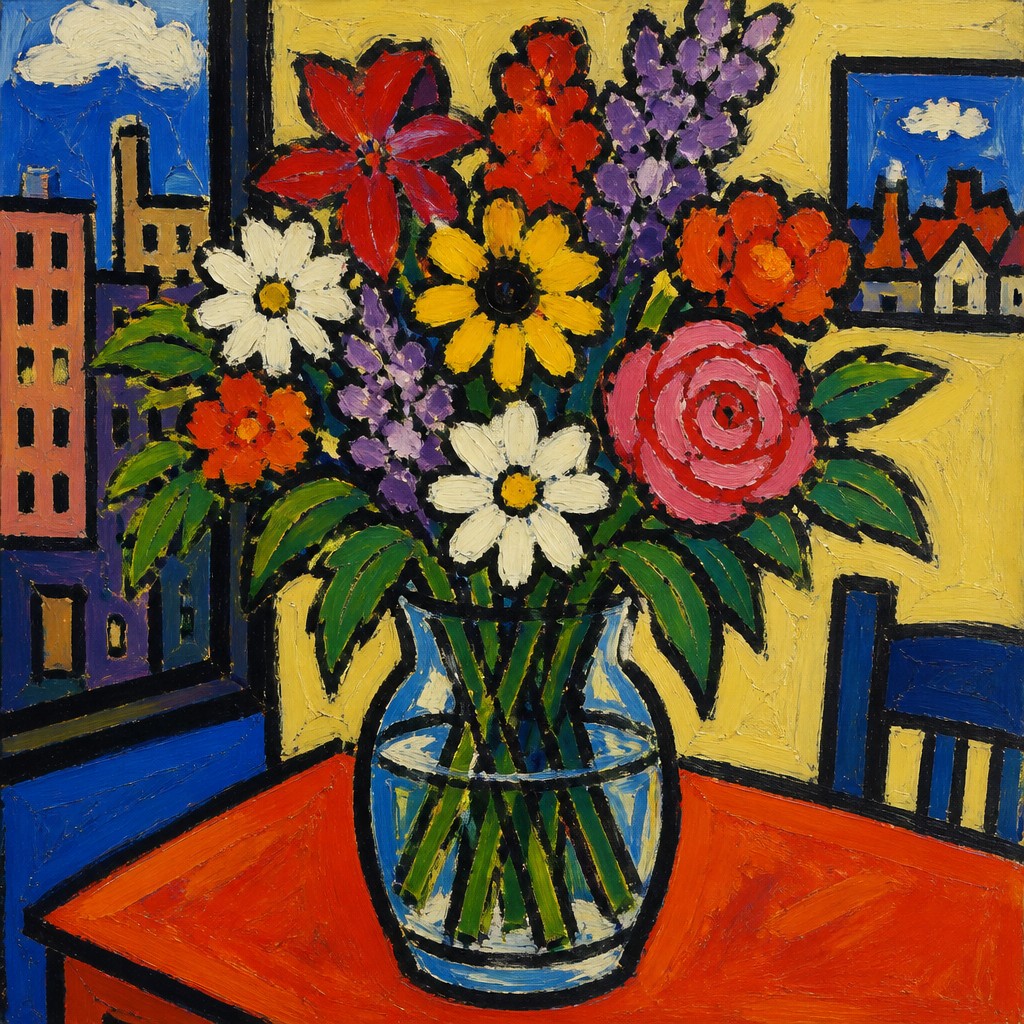
“bouquet of flowers in a glass vase”
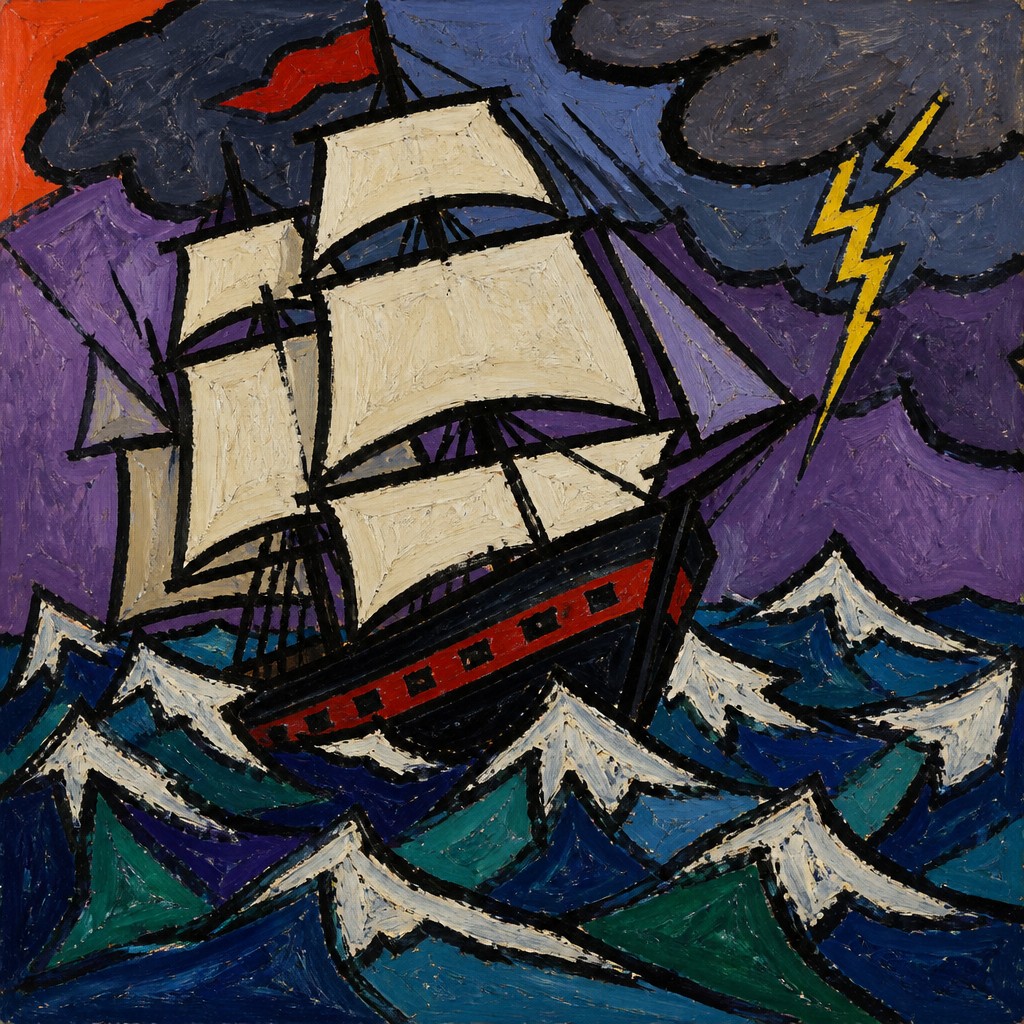
“sailing ship on a stormy sea”
How to Create Stuckism Art
Master the craft step by step — or skip straight to creating. Read the full guide →
- 1
Start with a recognizable scene
Choose an ordinary subject such as a kitchen, bus stop, bedroom, portrait, or crowded street. Keep the central action and major objects clear so the image retains figurative immediacy.
- 2
Block in flat color
Lay down broad fields of saturated paint before adding detail, and avoid excessive blending. Acrylic or oil can work well; reserve mixing and glazing for selected accents rather than the whole surface.
- 3
Draw the structure with assertive lines
Use a dark brush, charcoal, ink, or digital line tool to reinforce silhouettes and important internal contours. Let some marks wobble, overlap, or vary in thickness to preserve a handmade quality.
- 4
Compress the space
Reduce atmospheric perspective and simplify background detail into graphic shapes. Slightly flattening the room, street, or landscape helps the figures and color blocks dominate the composition.
- 5
Keep selected imperfections
Do not overcorrect every proportion or edge. Uneven anatomy, visible revisions, and raw strokes can communicate the candid, anti-polished character associated with the style.
- 6
Write a focused generation prompt
Specify the subject, viewpoint, simplified composition, bold dark outlines, saturated unmixed colors, flattened space, and visibly raw brushwork. For image transformation, preserve the person or scene’s essential silhouette while asking for a hand-painted figurative reinterpretation.
The Story
History & Origins of Stuckism
Stuckism emerged in London in 1999 when a group of artists issued manifestos defending painting and other direct, handmade forms of expression against what they regarded as the dominance of conceptual and installation-based art. The movement adopted a deliberately provocative name and promoted figurative work, emotional candor, accessible subject matter, and resistance to institutional fashion.
During the early 2000s, Stuckist groups and exhibitions appeared in Britain and internationally. The movement developed as both an artistic practice and a critique of the contemporary art establishment. Its visual lineage is broader than the movement itself, drawing on modern figurative painting, outsider and naive art, expressionism, illustration, comics, and the social immediacy of everyday observation.
Influences: Stuckism is related to modern figurative painting, expressionism, naive and outsider art, social realism, folk-art traditions, illustration, comics, and earlier movements that valued direct observation or visible mark-making. It also developed in opposition to the perceived authority of conceptual art, installation art, and heavily theory-driven contemporary practice. Its combination of recognizable subjects and deliberately unsophisticated handling creates a bridge between gallery painting, popular graphic language, and personal visual testimony.

Frequently Asked Questions
What defines Stuckism art?
Stuckism is defined by a commitment to direct figurative painting and drawing, often using bold outlines, strong color, visible brushwork, and everyday or socially engaged subjects. Its visual language can be raw, naive, humorous, confrontational, or emotionally serious. The movement also carries an explicit critique of conceptual art’s dominance in contemporary institutions.
Is Stuckism the same as naive art or expressionism?
It overlaps with both but is not identical to either. Naive art contributes simplified space and untrained-looking directness, while expressionism contributes emotional distortion and intense color. Stuckism combines these qualities with a specific late-1990s movement history and an argument for painting as a primary form of artistic expression.
Does Stuckism always use bright colors and black outlines?
No. These are common visual tendencies, especially in simplified digital interpretations, but Stuckist artists have used varied palettes, surfaces, and degrees of realism. The more fundamental qualities are figurative commitment, handmade immediacy, visible process, and resistance to overly polished or purely conceptual presentation.
How can I paint in a Stuckist-inspired way?
Begin with a recognizable personal, domestic, urban, or political subject. Use broad unmixed color, reinforce key shapes with confident dark lines, flatten the perspective, and leave evidence of the brush or drawing process instead of smoothing everything into realism.
Can photographs be transformed into this style?
Yes. A photograph can serve as a structural reference while the treatment simplifies forms, strengthens silhouettes, compresses depth, and replaces photographic shading with saturated painted color. Preserve distinctive gestures and relationships so the result remains figurative rather than becoming a generic poster.
Where is Stuckism-inspired imagery used?
It is most naturally suited to paintings, portraits, editorial illustrations, posters, social commentary, album or book artwork, and expressive reinterpretations of everyday photographs. Its high-contrast contours and clear subject matter also adapt well to digital illustration and text-to-image workflows.
Create your first Stuckism artwork
Describe anything — or upload a photo — and see it in Stuckism Art Style in seconds.
Related Styles
Discover similar art styles