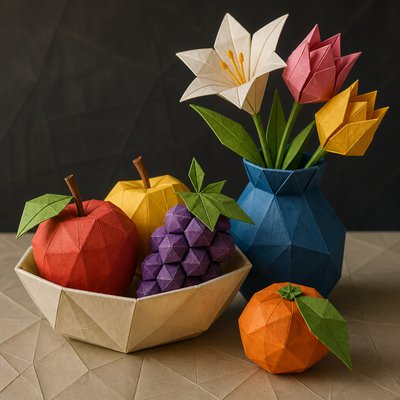
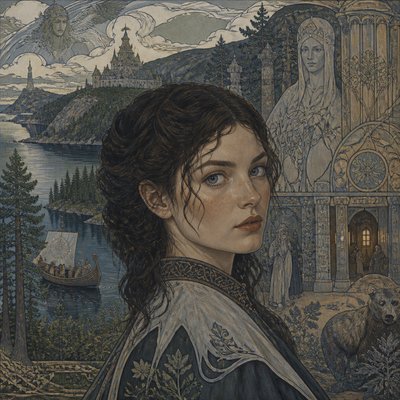
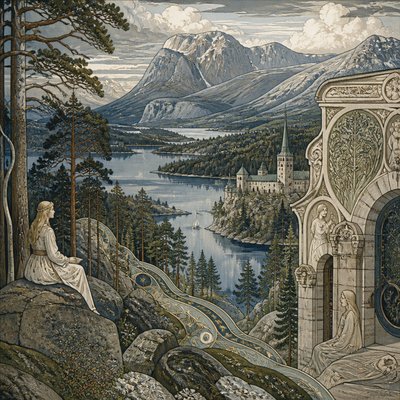
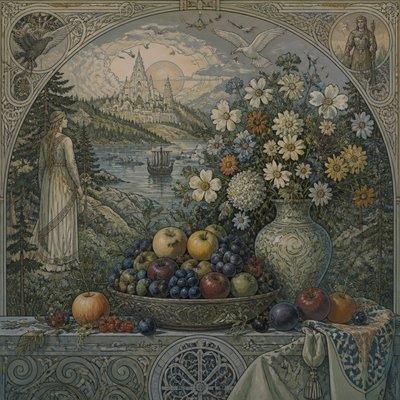
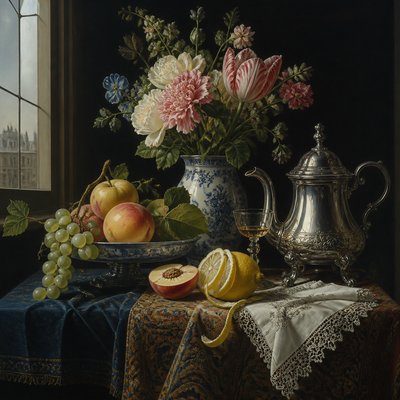
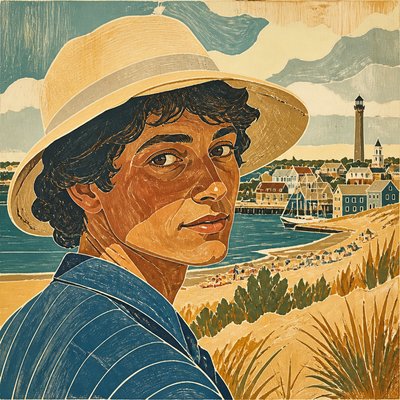
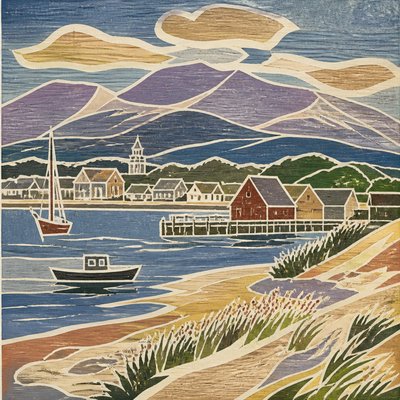
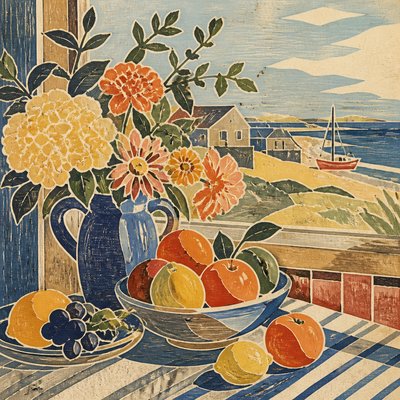
Depth Art Style
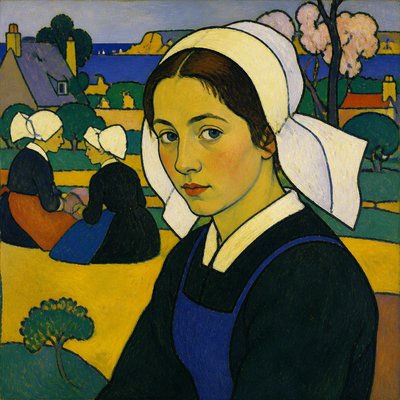
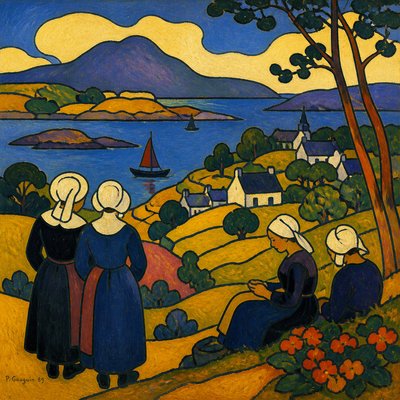
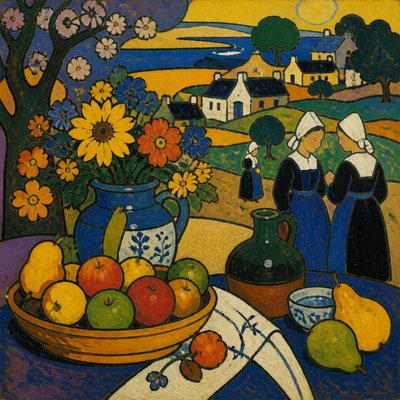
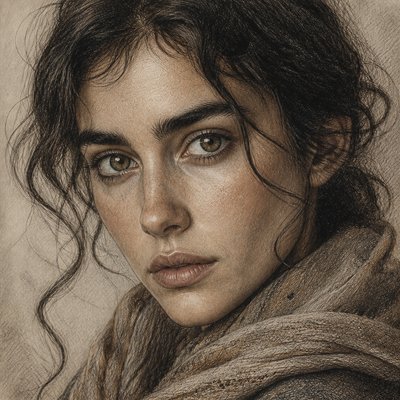
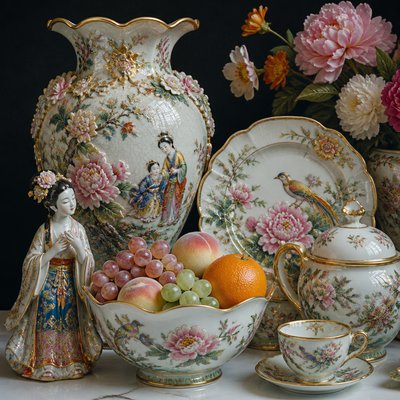
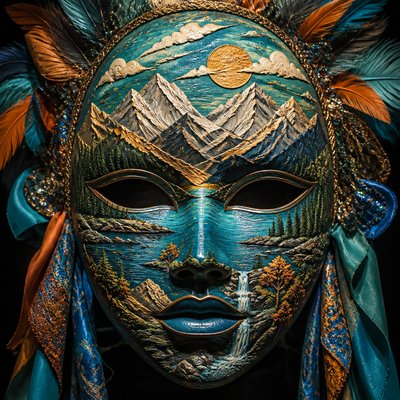
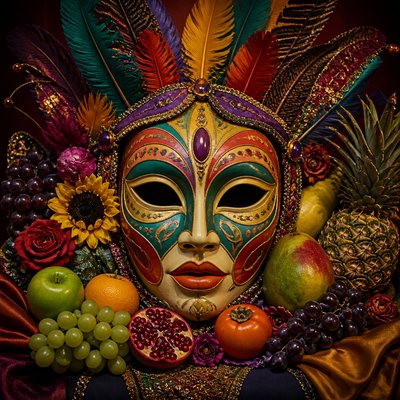
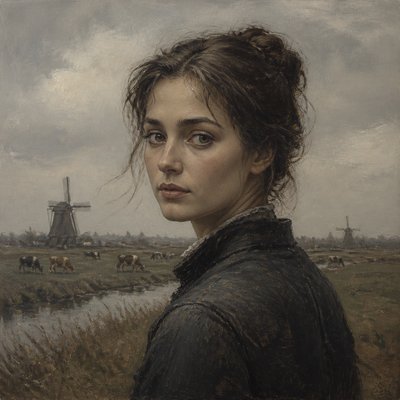
Explore Depth Art, a spatial style built from layered foregrounds, converging perspective, scale contrast, and atmospheric distance.
Instantly rendered in Depth — or transform a photo

Depth Gallery
Tap any artwork to explore it
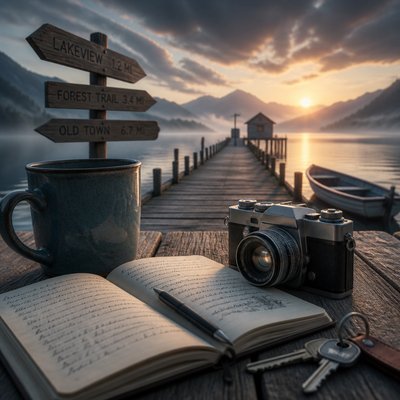
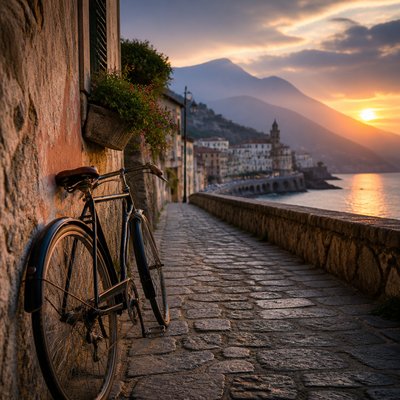
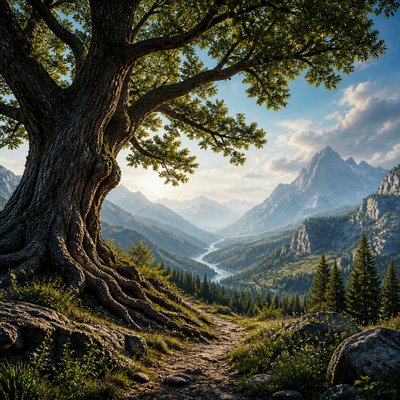
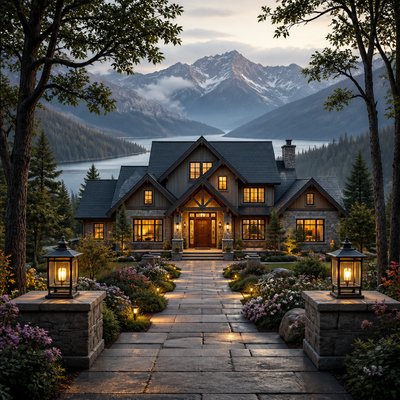
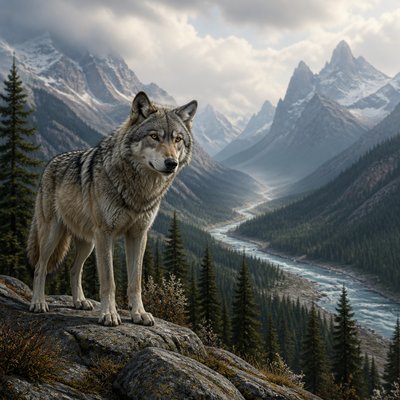
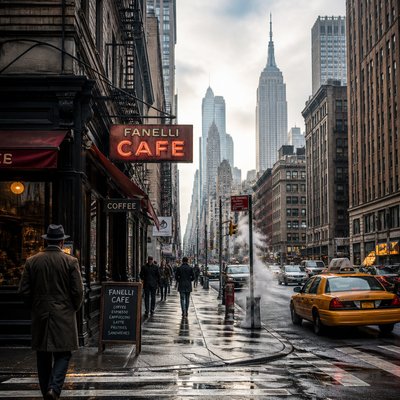
What is Depth Art Style?
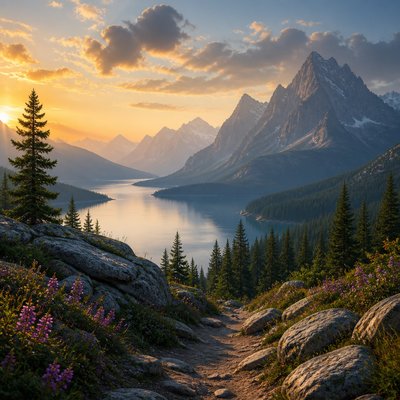
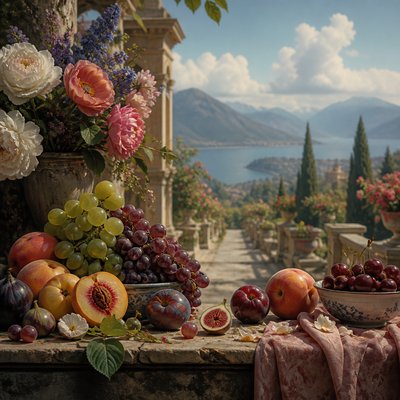
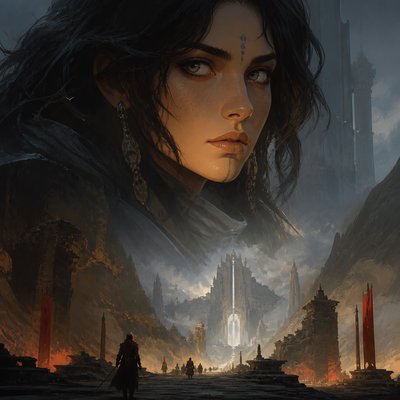
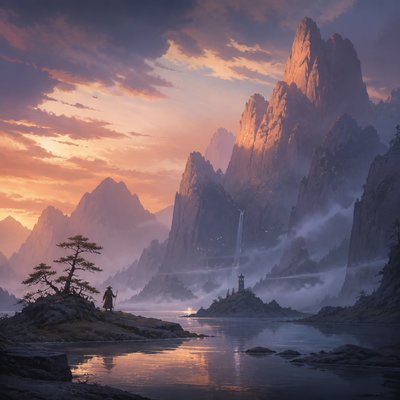
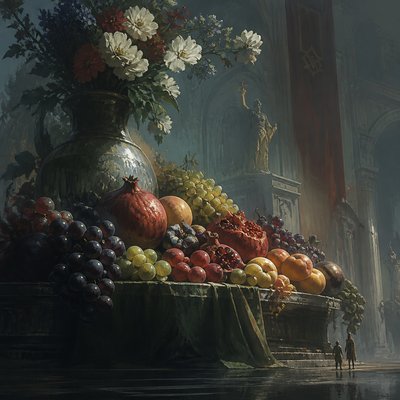
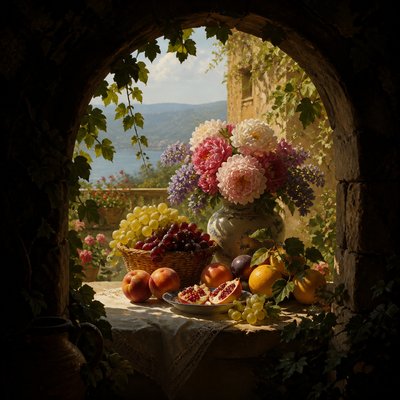
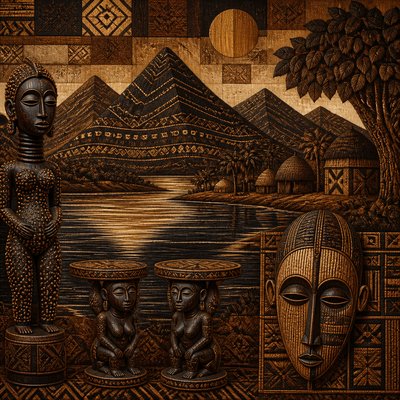
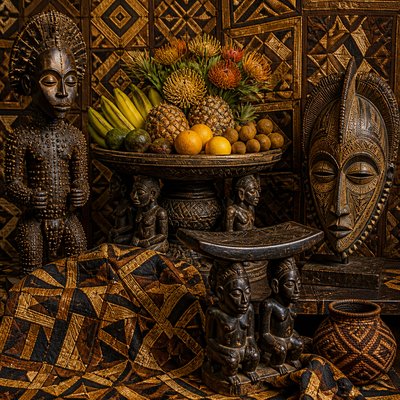
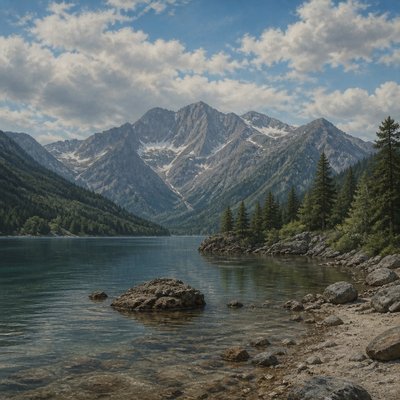
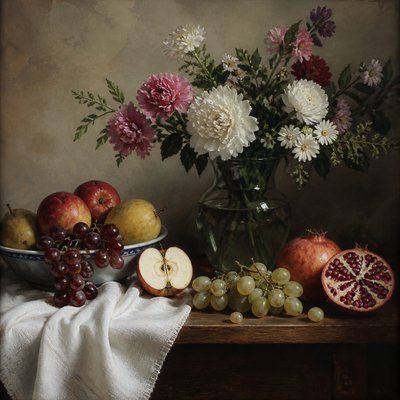
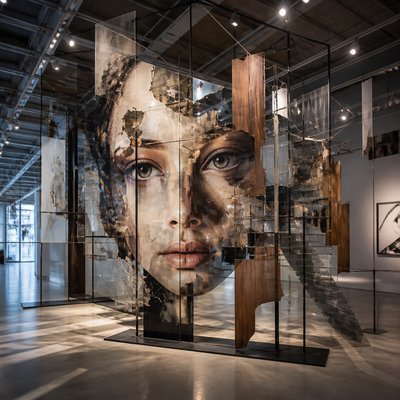
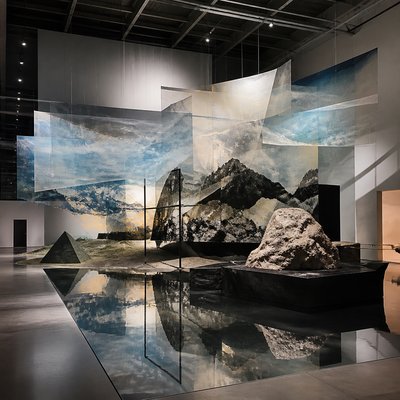
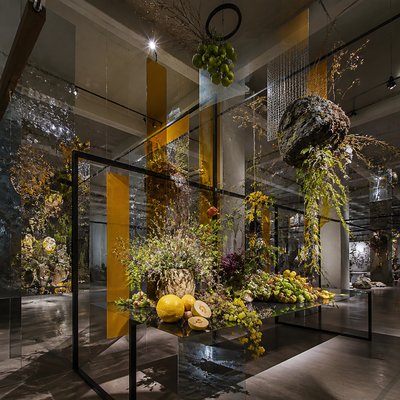
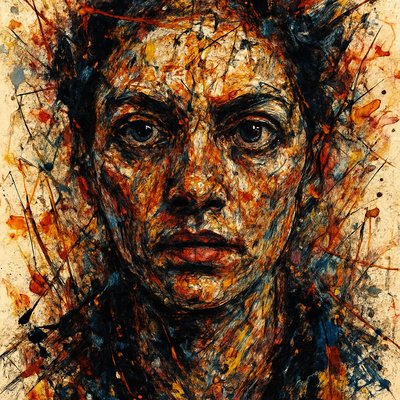
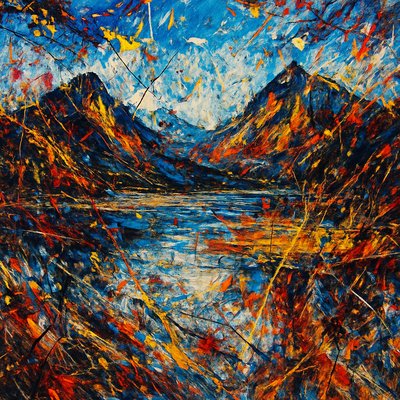
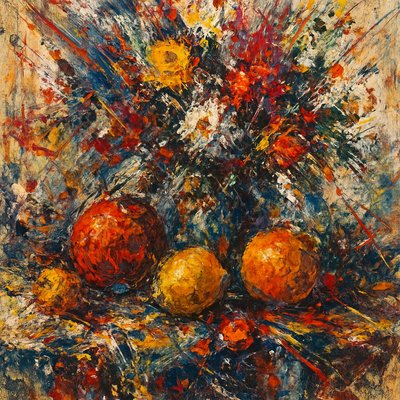
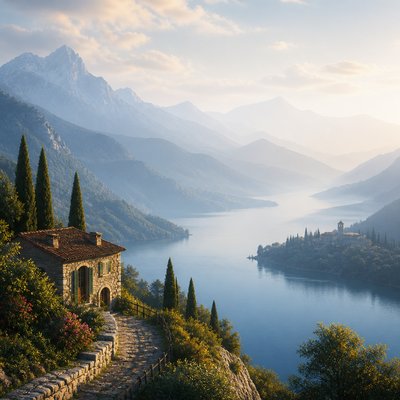
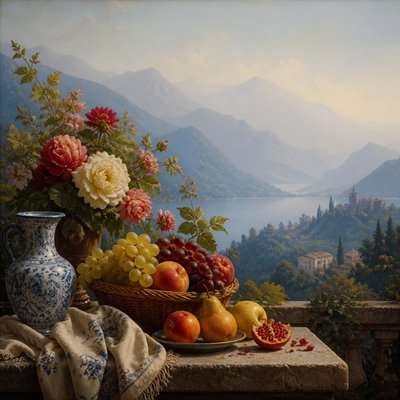
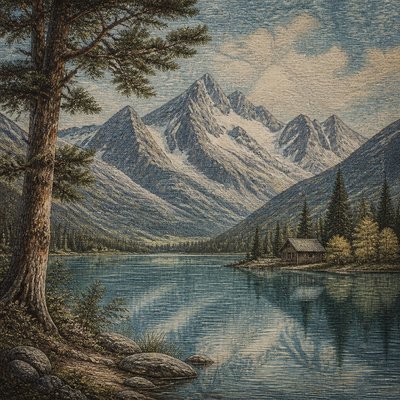
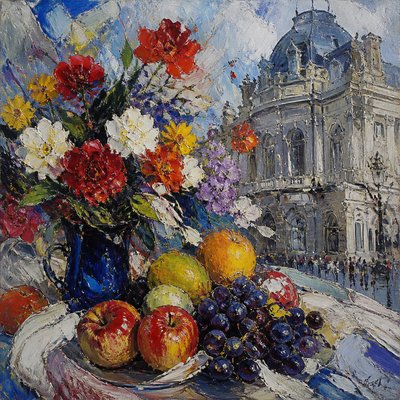
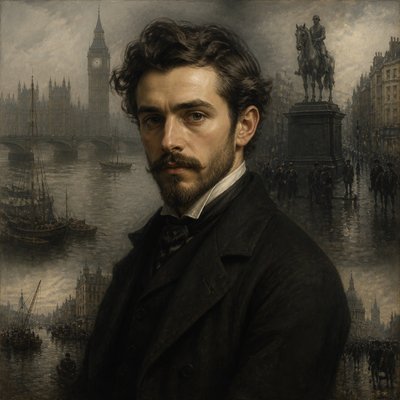
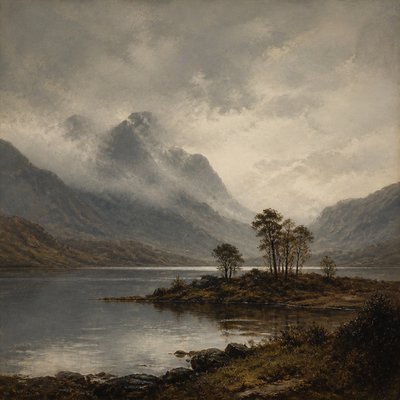
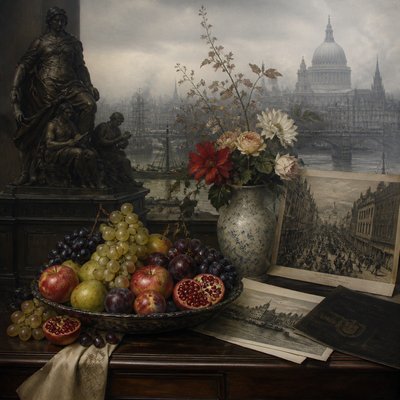
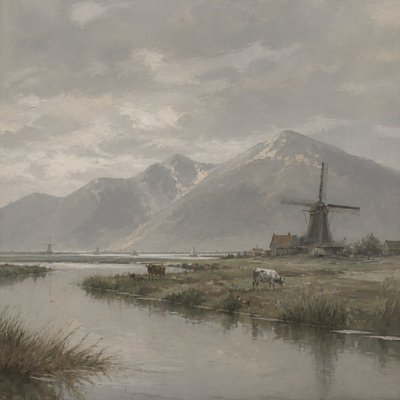
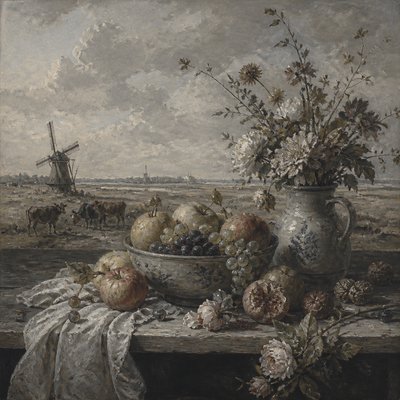
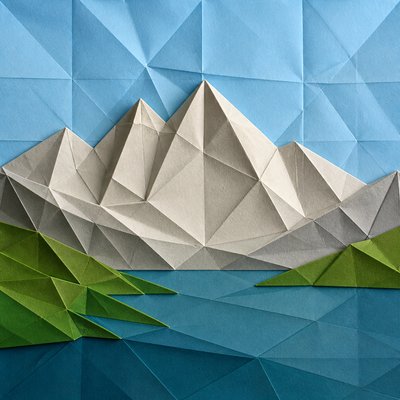
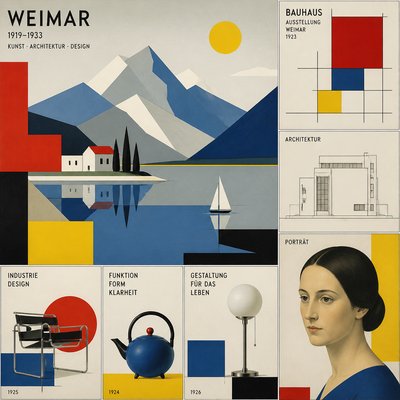
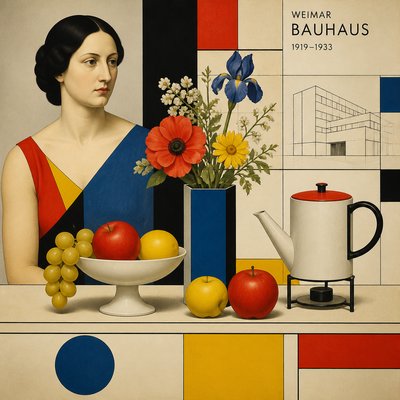
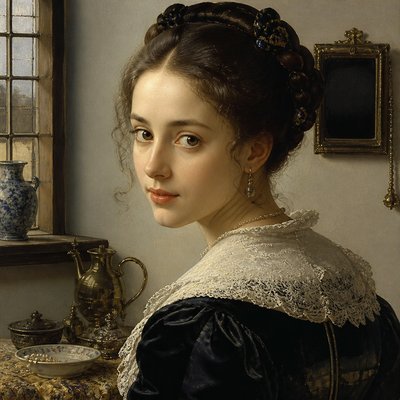
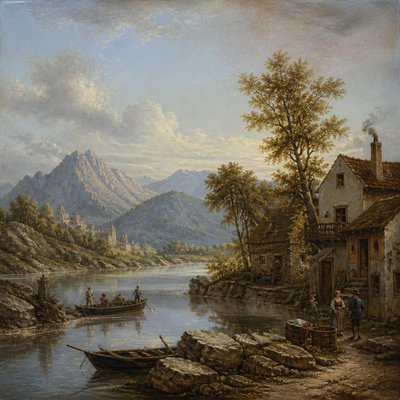
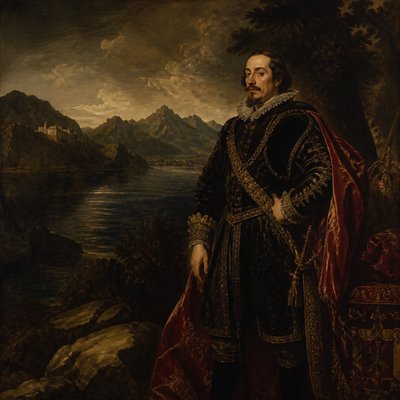
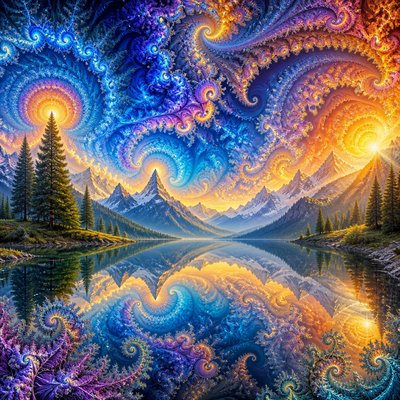
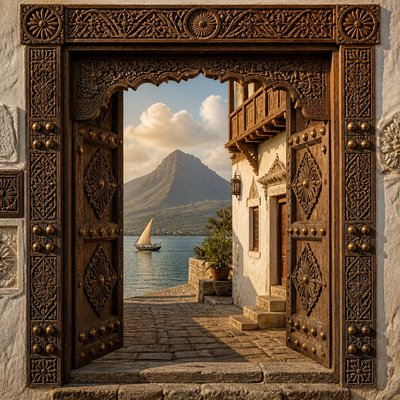
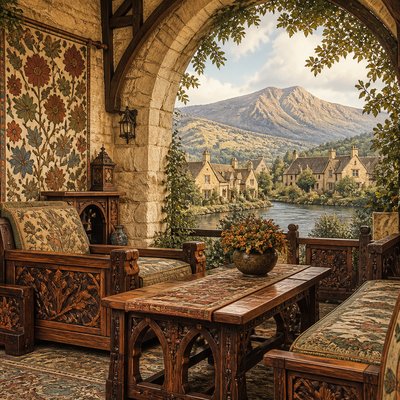
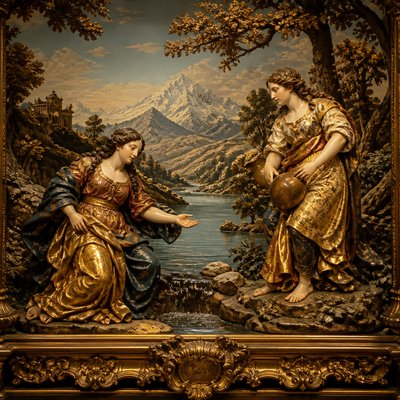
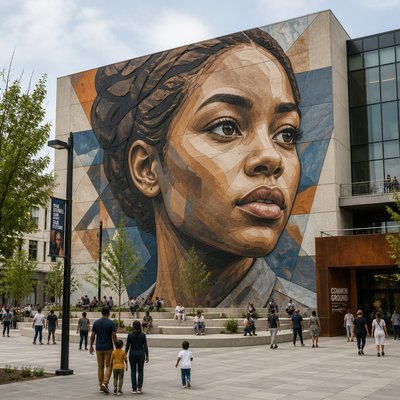
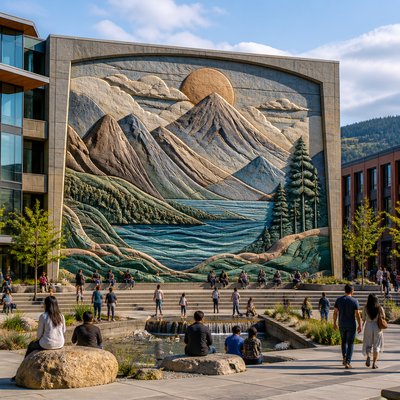
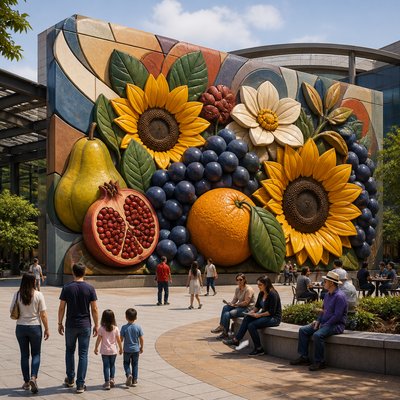
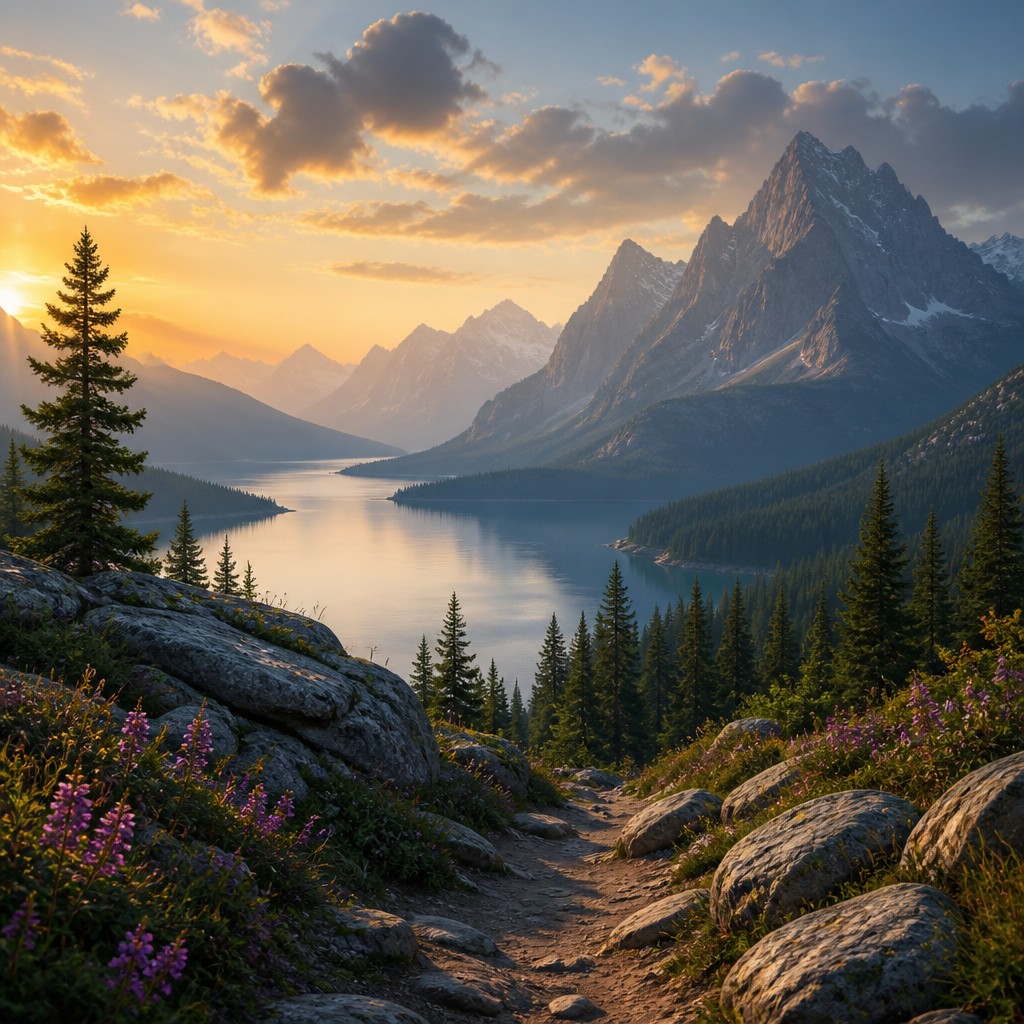
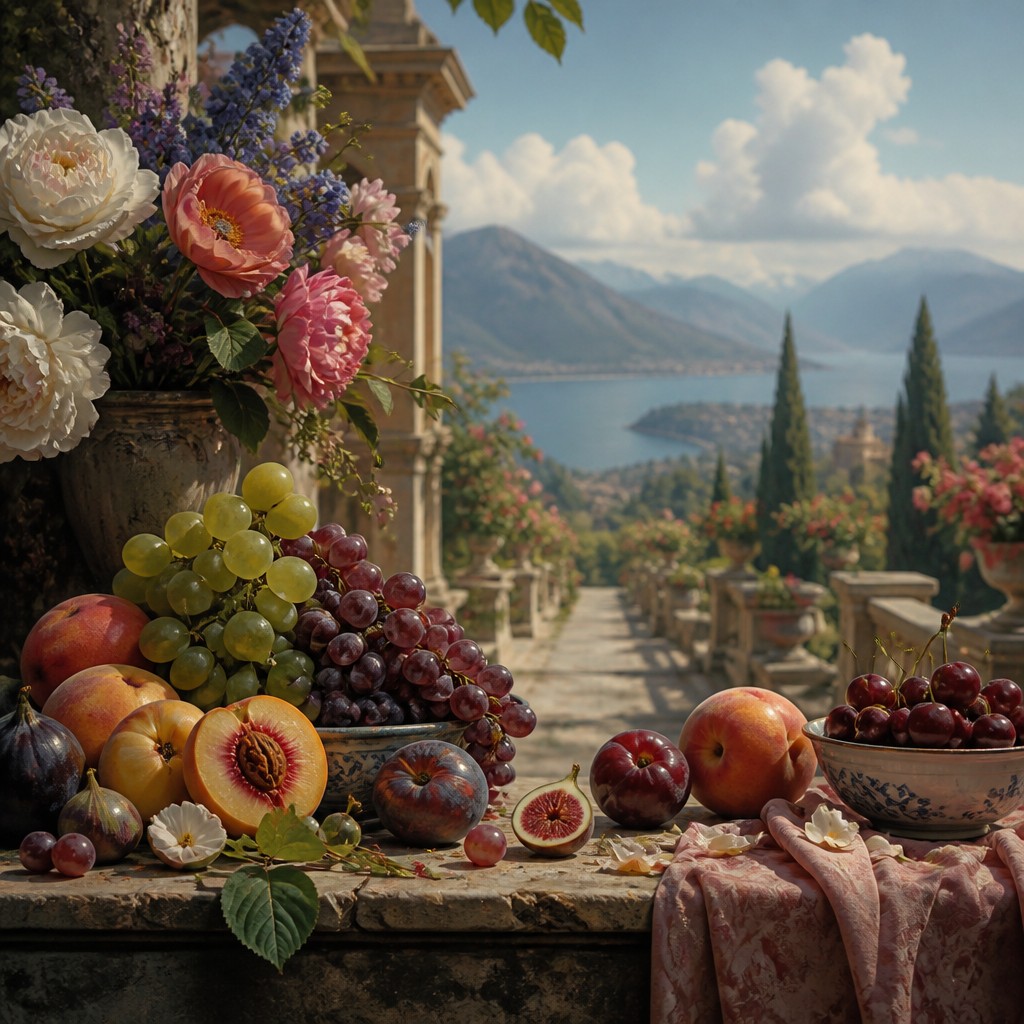
Depth Art Style is a spatially focused visual approach in which the image is organized as a sequence of foreground, midground, and background zones receding toward a distant horizon. Its defining effect is not a particular subject or medium, but the sensation of entering a deep pictorial space. Near objects appear crisp, large, and materially detailed, while distant forms diminish in scale, contrast, and definition.
The style creates depth through several cues working together: overlapping shapes, converging lines, atmospheric perspective, dramatic differences in scale, and carefully controlled focus. The result can be realistic, cinematic, fantastical, or abstract, provided that the composition gives the eye a clear route inward through successive spatial layers.
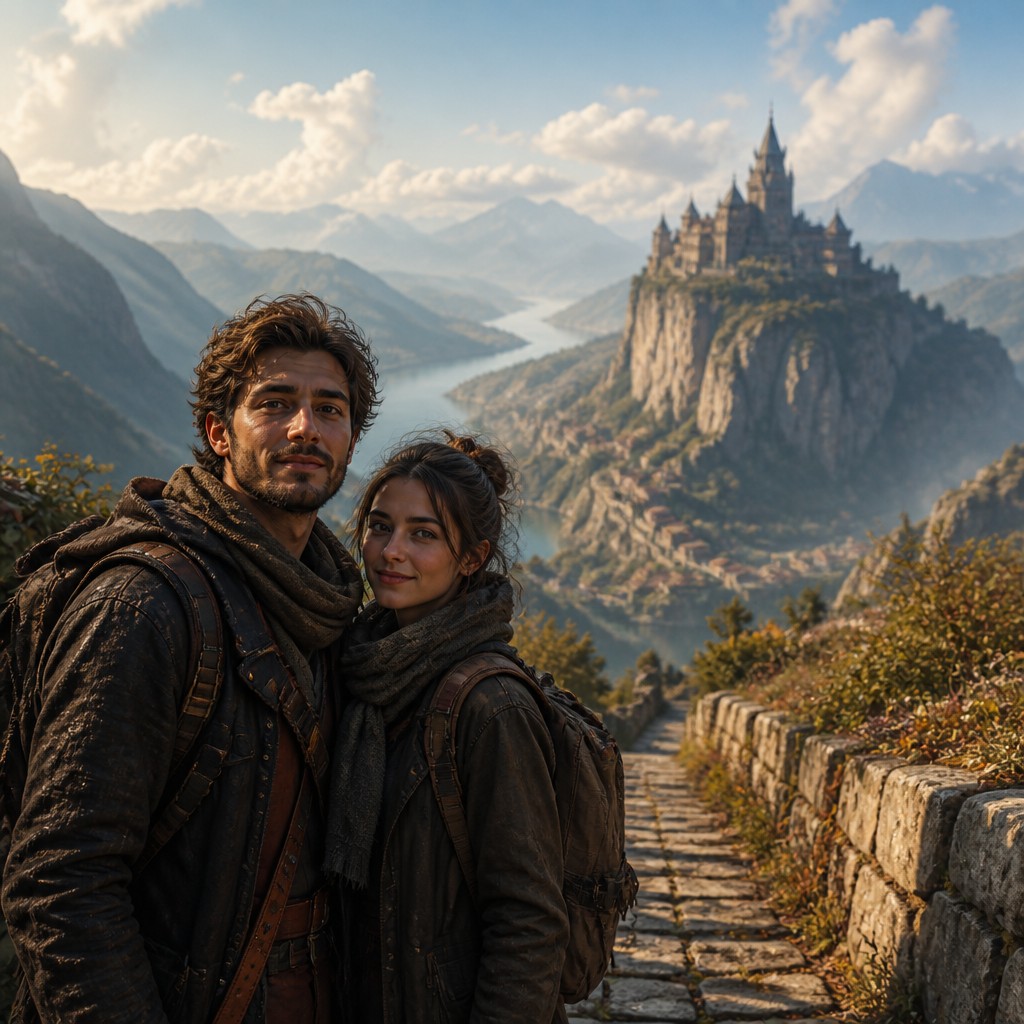
Try It On Your Photos
Upload any photo and convert it into Depth Art Style — drag the sliders to compare before and after.


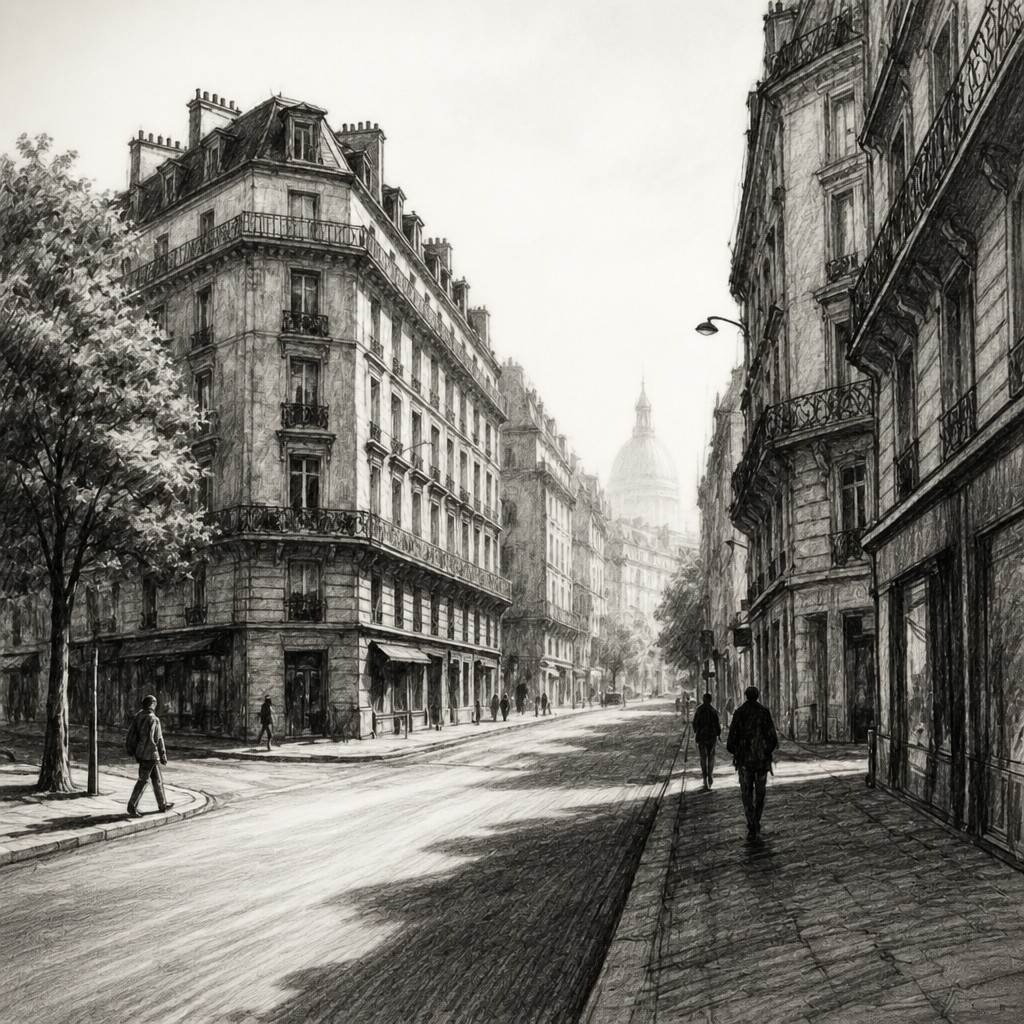

What Defines Depth Art Style
The signature details, up close
Layered spatial planes
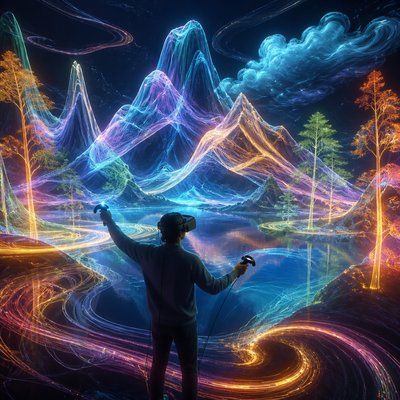
Foreground, midground, and background are deliberately separated and arranged as overlapping zones. Each layer contributes a distinct role to the overall sense of recession.
Converging perspective
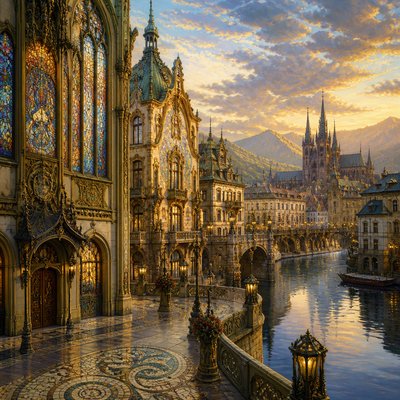
Roads, architectural edges, rivers, shadows, and other directional lines lead toward a vanishing point or distant horizon. These vectors pull the viewer’s attention inward.
Dramatic scale contrast
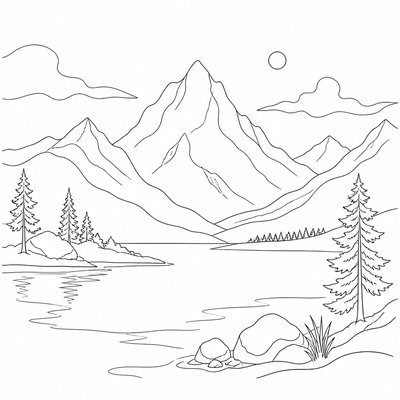
Large, near objects are placed against very small distant forms to make the environment feel expansive. A foreground branch, figure, vehicle, or rock may dominate the frame while tiny elements establish enormous distance.
Sharp-to-soft transition
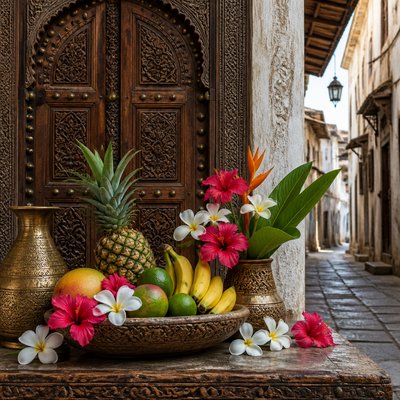
Close surfaces carry crisp edges, fine textures, and stronger local contrast, while distant forms become softer and less resolved. This controlled loss of detail reinforces both depth and visual focus.
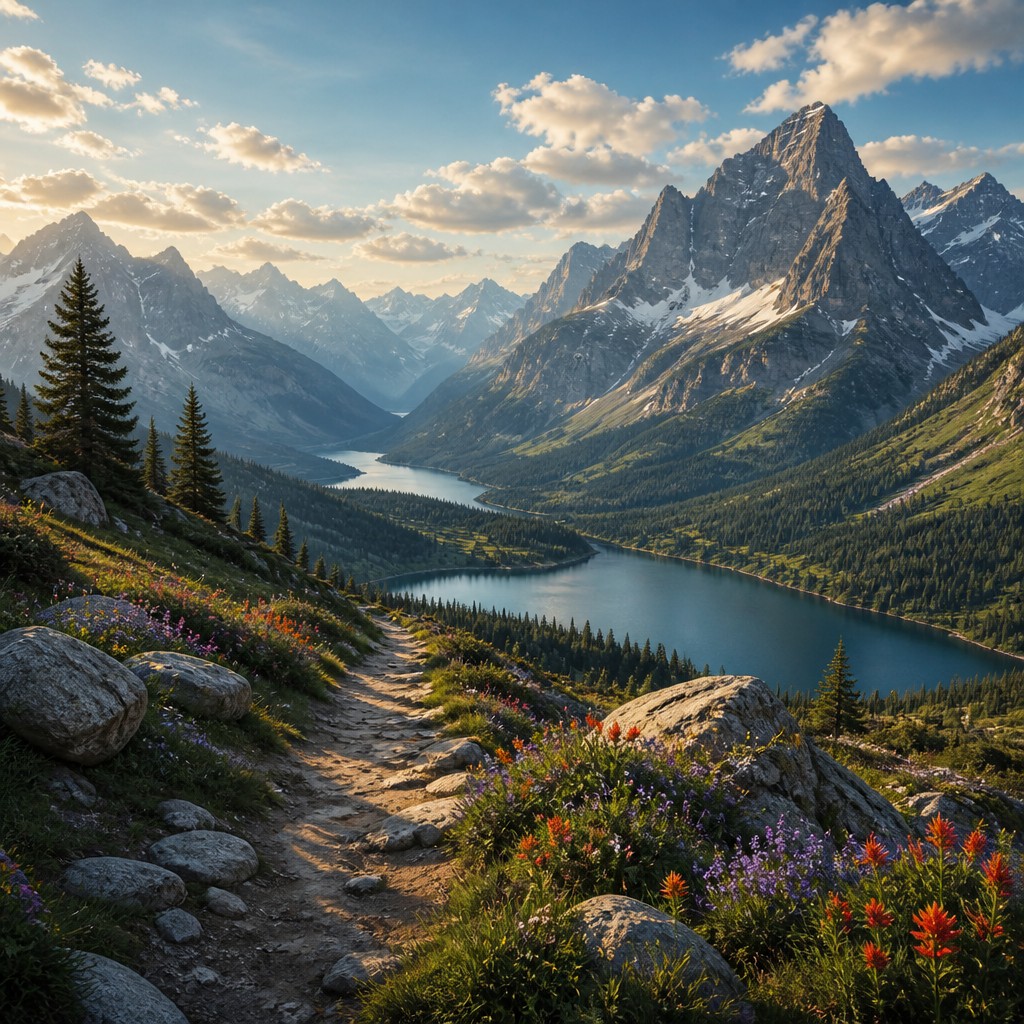
Atmospheric recession
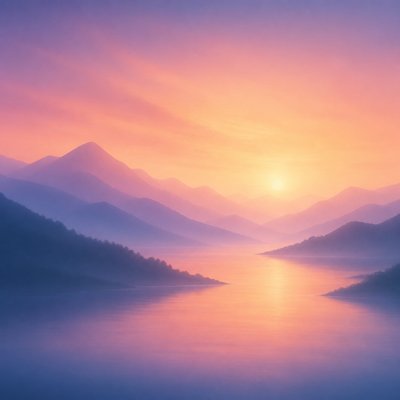
Faraway areas often shift toward paler, cooler, or less saturated colors as though viewed through air, mist, dust, or humidity. Contrast and color intensity usually increase toward the viewer.
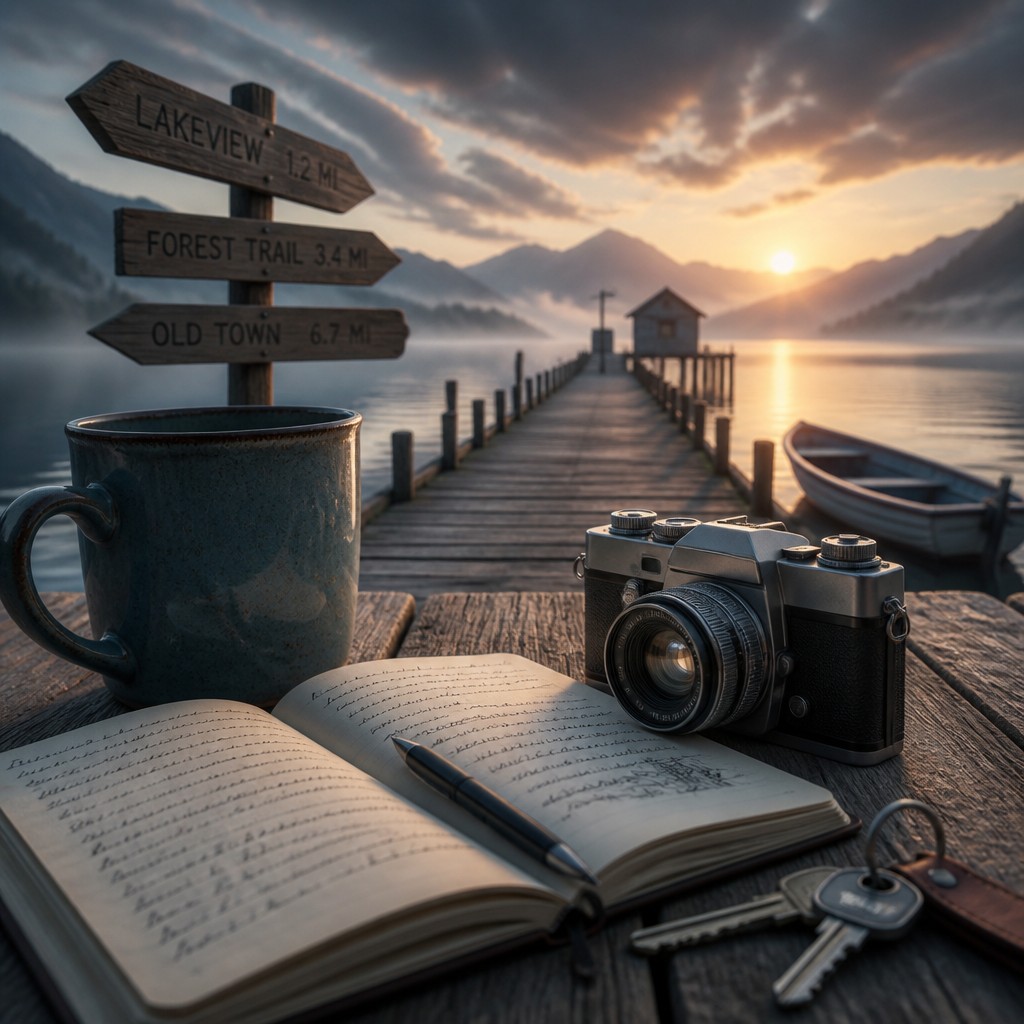
Overlapping forms
Objects partially conceal one another to establish a measurable order of distance. Overlap is especially important when perspective lines are subtle or the scene contains irregular natural forms.
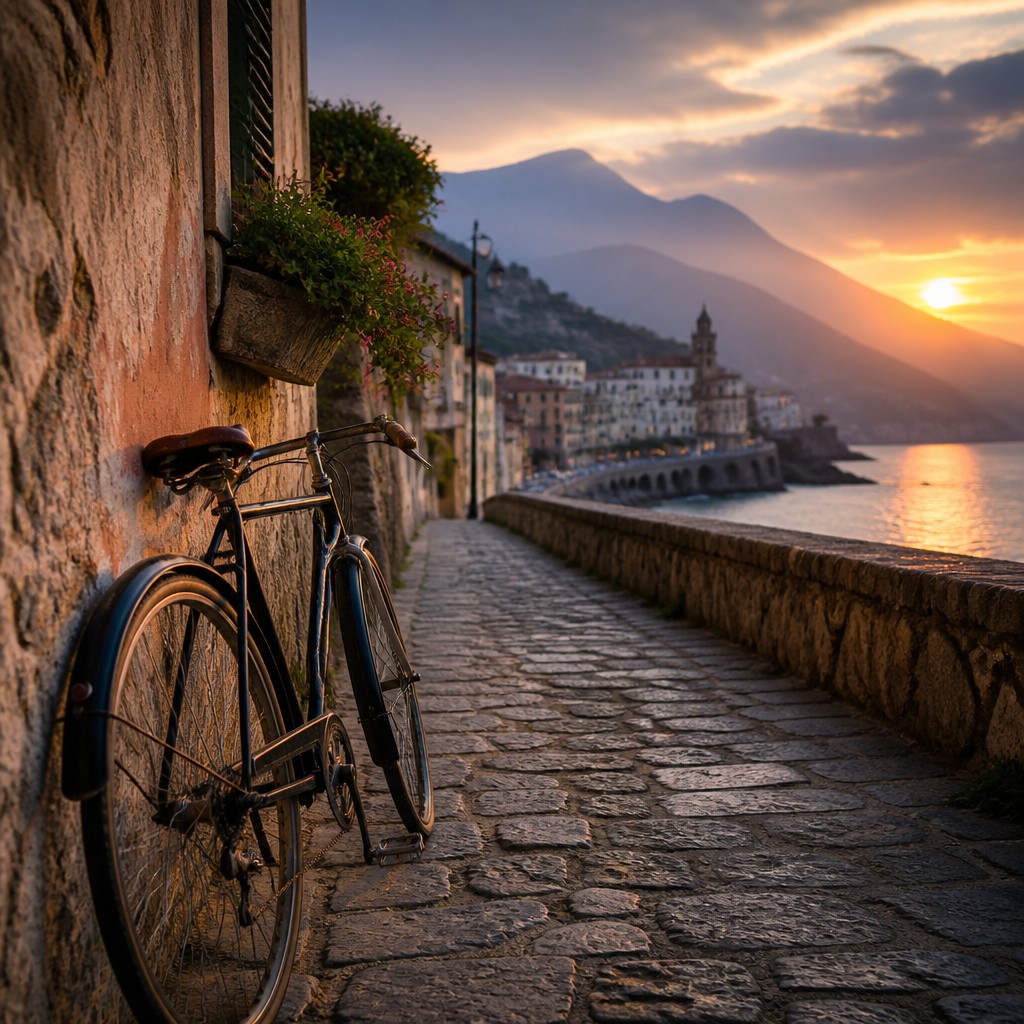
Horizon-directed composition
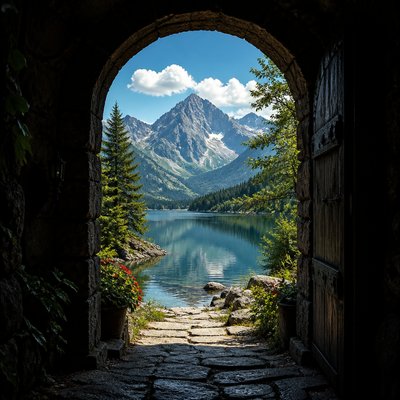
The arrangement of forms encourages a journey toward a horizon, opening, vanishing point, or illuminated distance. Light, paths, waterways, and architectural corridors can all serve as compositional guides.
Depth Prompt Ideas
Start from an idea — each one opens the generator with the style ready to go. See all 40 Depth prompts →
How to Create Depth Art
Master the craft step by step — or skip straight to creating. Read the full guide →
- 1
Build three or more spatial zones
Begin with a strong foreground anchor, a readable middle area, and a destination in the distance. Change the size, overlap, detail, and contrast of objects between zones so the layers remain visually distinct.
- 2
Use perspective deliberately
Sketch a horizon and vanishing points before adding detail, especially for roads, interiors, streets, and architectural scenes. Let repeated edges, shadows, or objects diminish consistently as they recede.
- 3
Control atmospheric perspective
In painting or digital editing, reduce saturation, contrast, and edge sharpness in the distance while preserving clearer texture nearby. A subtle cool or pale veil can unify far objects without obscuring their silhouettes.
- 4
Choose a dominant foreground element
Place a large, tactile object close to the viewer to establish scale and depth immediately. Cropped forms at the frame edge can create an immersive viewpoint and make the distant setting feel larger.
- 5
Direct the eye with light and rhythm
Repeat shapes, highlights, poles, trees, windows, or footsteps along a path toward the horizon. Use a brighter opening or a contrasting distant feature as a visual destination.
- 6
Write spatially specific prompts
For text-to-image work, specify the foreground subject, midground activity, distant horizon, camera position, converging lines, atmospheric haze, and near-to-far detail changes. For image-to-image work, preserve the source subject while requesting stronger plane separation, scale contrast, and depth cues.
The Story
History & Origins of Depth
Depth Art Style is a contemporary descriptive and AI-native style rather than a formally established historical movement with a single origin, period, or founding school. Its aesthetic lineage combines longstanding methods of pictorial depth with modern cinematic composition and digitally assisted image-making.
Its visual logic draws on linear perspective developed in European Renaissance art, atmospheric perspective found across landscape traditions, theatrical staging in Baroque painting, deep-space composition in landscape photography, and the layered environments of film, concept art, and digital matte painting. Contemporary software and generative systems make it easier to exaggerate these spatial cues into a recognizable standalone style.
Influences: The style relates to Renaissance linear perspective, atmospheric landscape painting, Baroque spatial staging, Romantic and plein-air landscape traditions, cinematic establishing shots, deep-focus photography, matte painting, environment concept art, and architectural visualization. It also shares techniques with dioramas, theatrical set design, and panoramic composition, all of which use layered placement, scale shifts, and directional lines to make a flat image appear inhabitable.
Frequently Asked Questions
What defines Depth Art Style?
It is defined by a strong sense of recession from a detailed foreground through a distinct midground to a softened background or horizon. Converging lines, overlapping forms, atmospheric haze, and large differences in scale usually work together to create the effect.
Is Depth Art Style a historical art movement?
No. It is best understood as a contemporary descriptive style and compositional framework rather than a formally recognized historical movement. Its methods come from established traditions of perspective, landscape, photography, cinema, and digital environment design.
How is it different from ordinary landscape art?
A landscape can depict scenery without making spatial depth its primary concern. Depth Art Style specifically emphasizes a staged journey through multiple planes, often using an oversized foreground anchor, receding lines, and pronounced loss of detail in the distance.
Can Depth Art Style be abstract or fantastical?
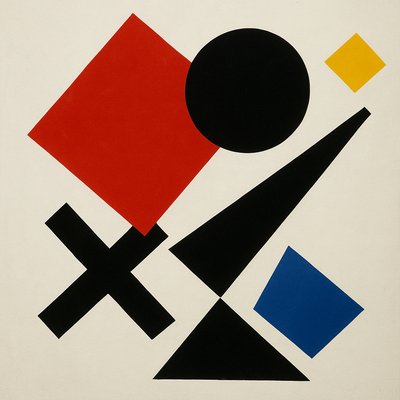
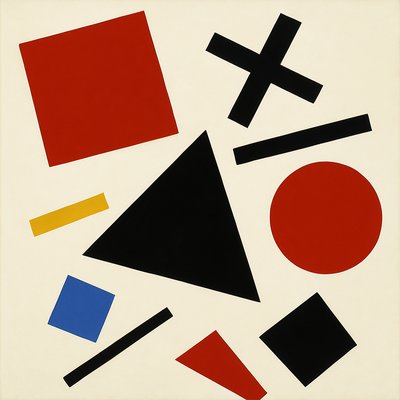
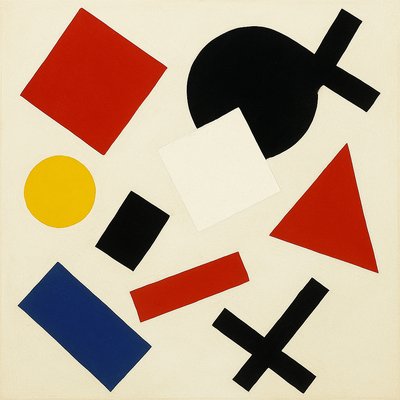
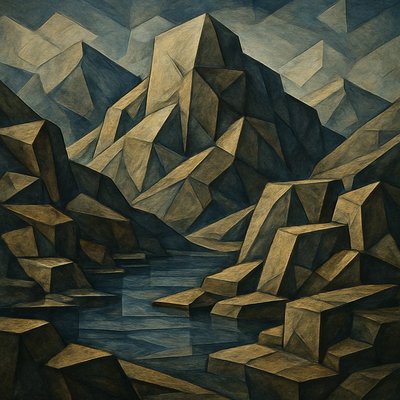
Yes. The style depends on spatial organization rather than realism or subject matter. Abstract shapes, impossible architecture, alien terrain, or dreamlike environments can use the same layered recession and horizon-directed composition.
What camera or viewpoint works best for this style?
Low viewpoints, wide-angle views, corridor-like compositions, and positions close to a strong foreground object are especially effective. A centered vanishing point creates a direct plunge into space, while an off-center horizon can produce a more natural or dynamic route through the scene.
How can I make generated images look more deeply spatial?
Describe the image in spatial order: name the close foreground subject, the midground structure or action, and the distant destination. Add terms such as converging perspective, overlapping planes, dramatic scale contrast, sharp near detail, atmospheric haze, and softened distant forms.
Create your first Depth artwork
Describe anything — or upload a photo — and see it in Depth Art Style in seconds.
Related Styles
Discover similar art styles