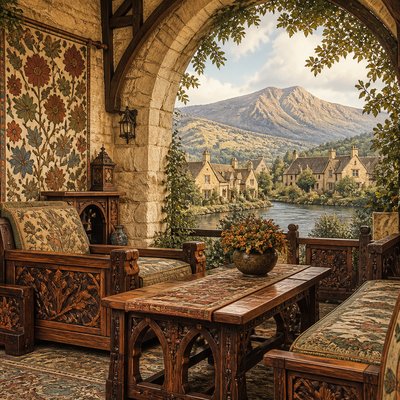
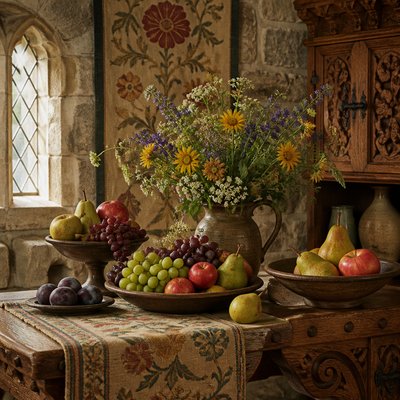
Implied Texture Art Style
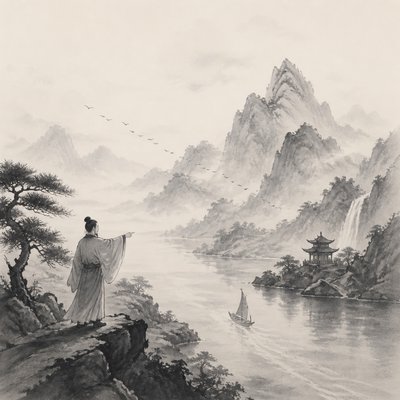
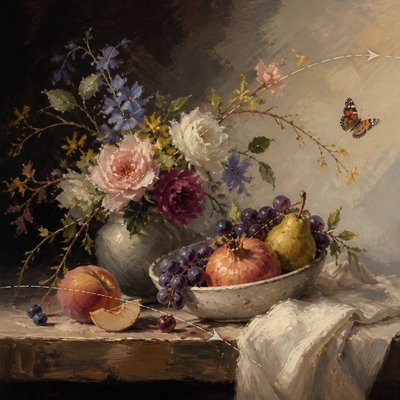
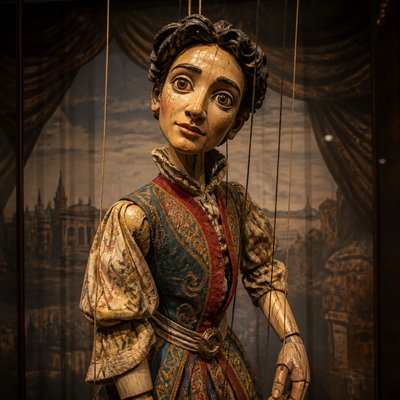
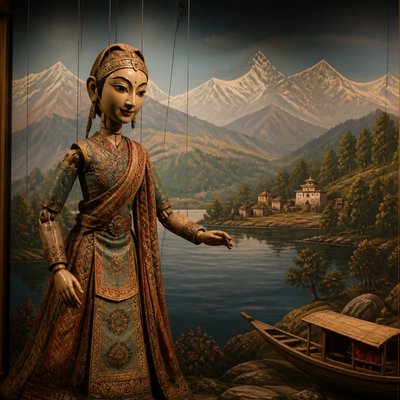
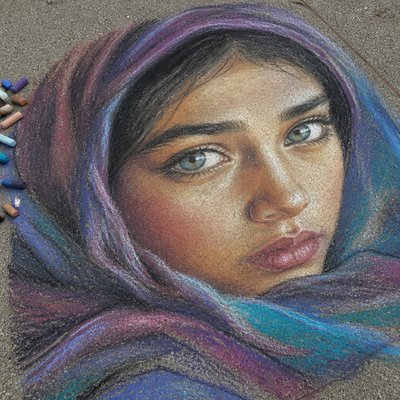
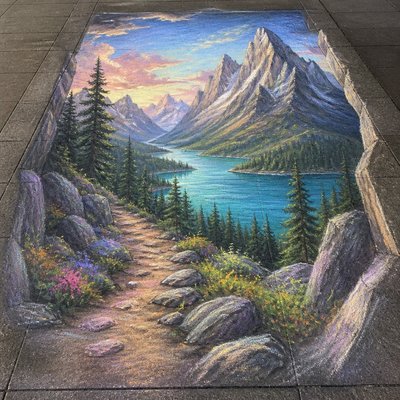
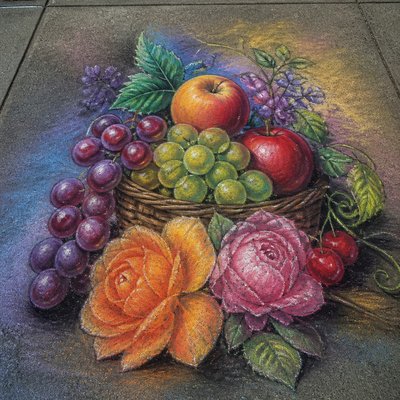
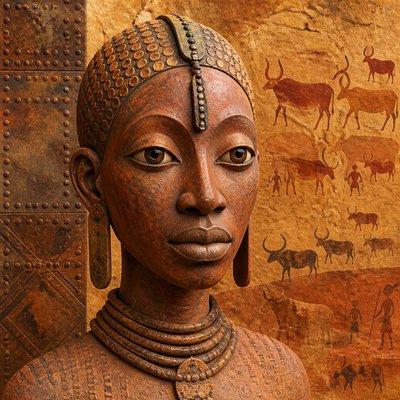
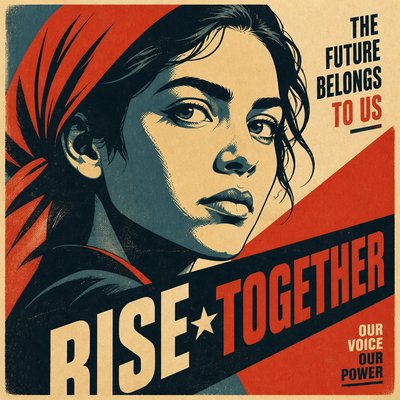
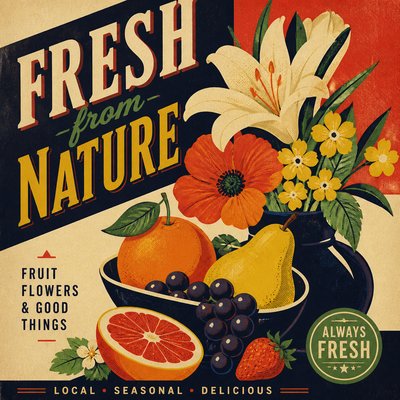
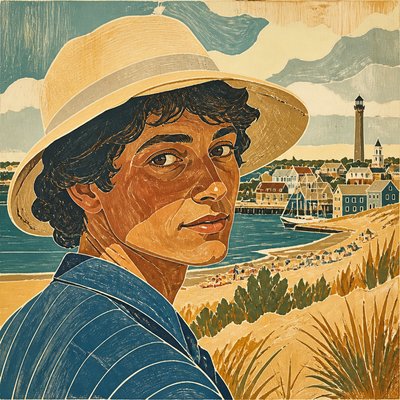
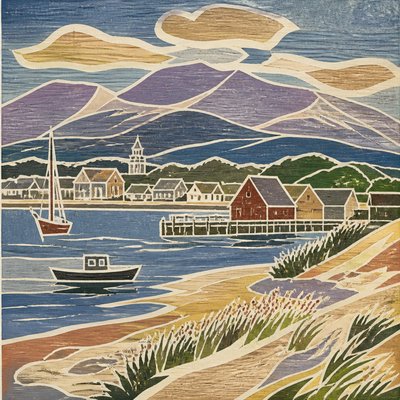
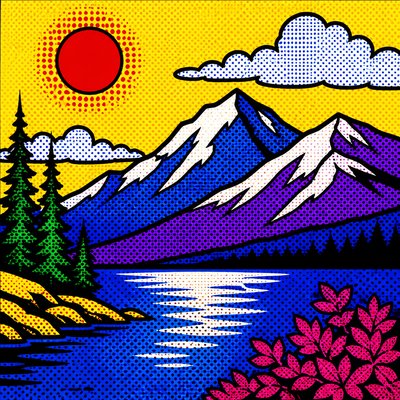
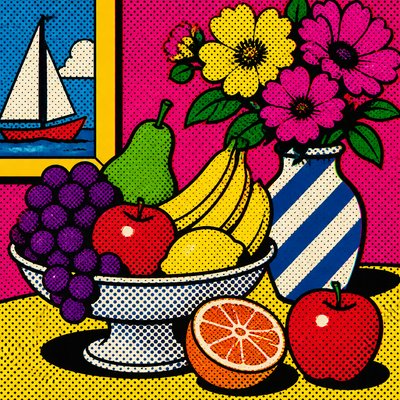
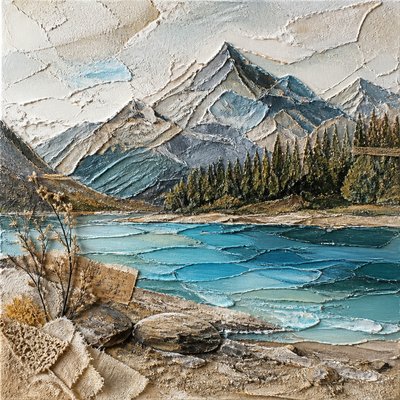
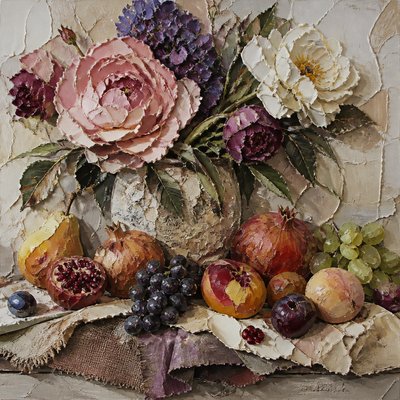
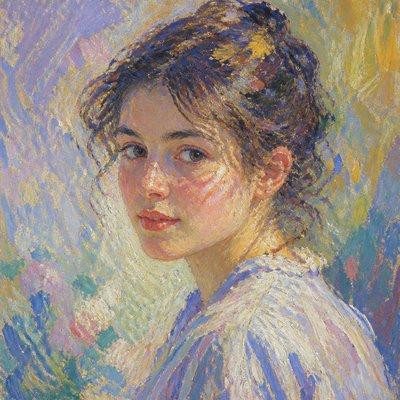
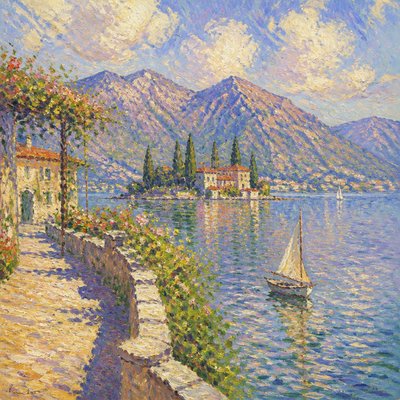
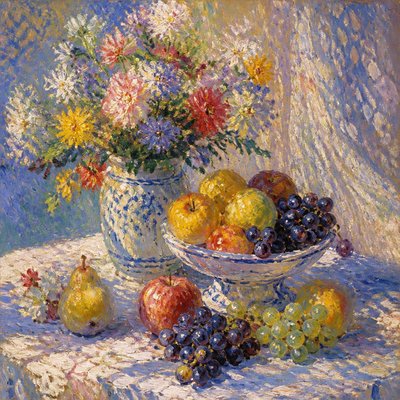
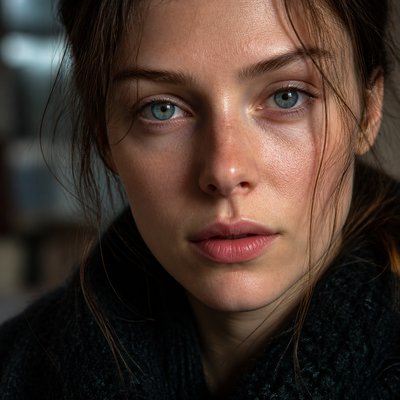
Explore Implied Texture Art, a flat-image illusion of fur, wood, fabric, and rough surfaces created through shading, linework, and value.
Instantly rendered in Implied Texture — or transform a photo
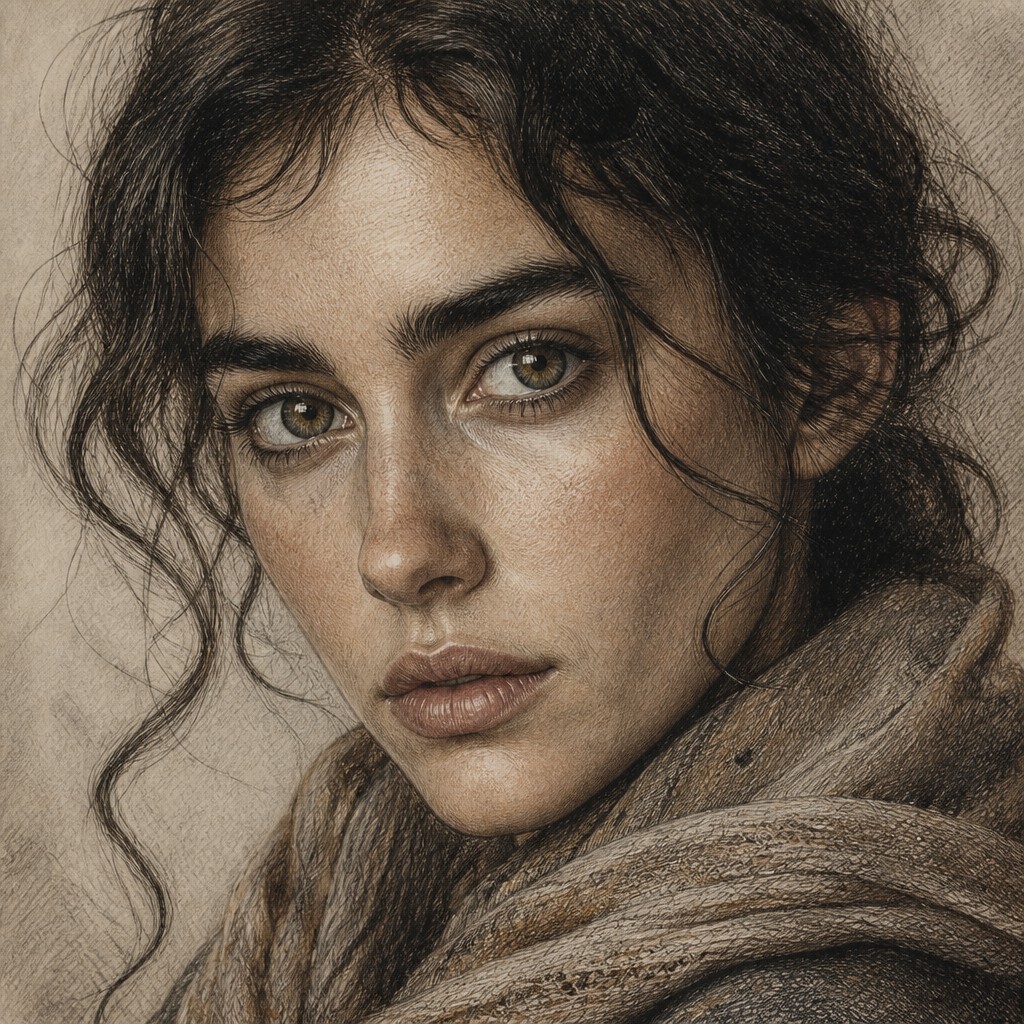
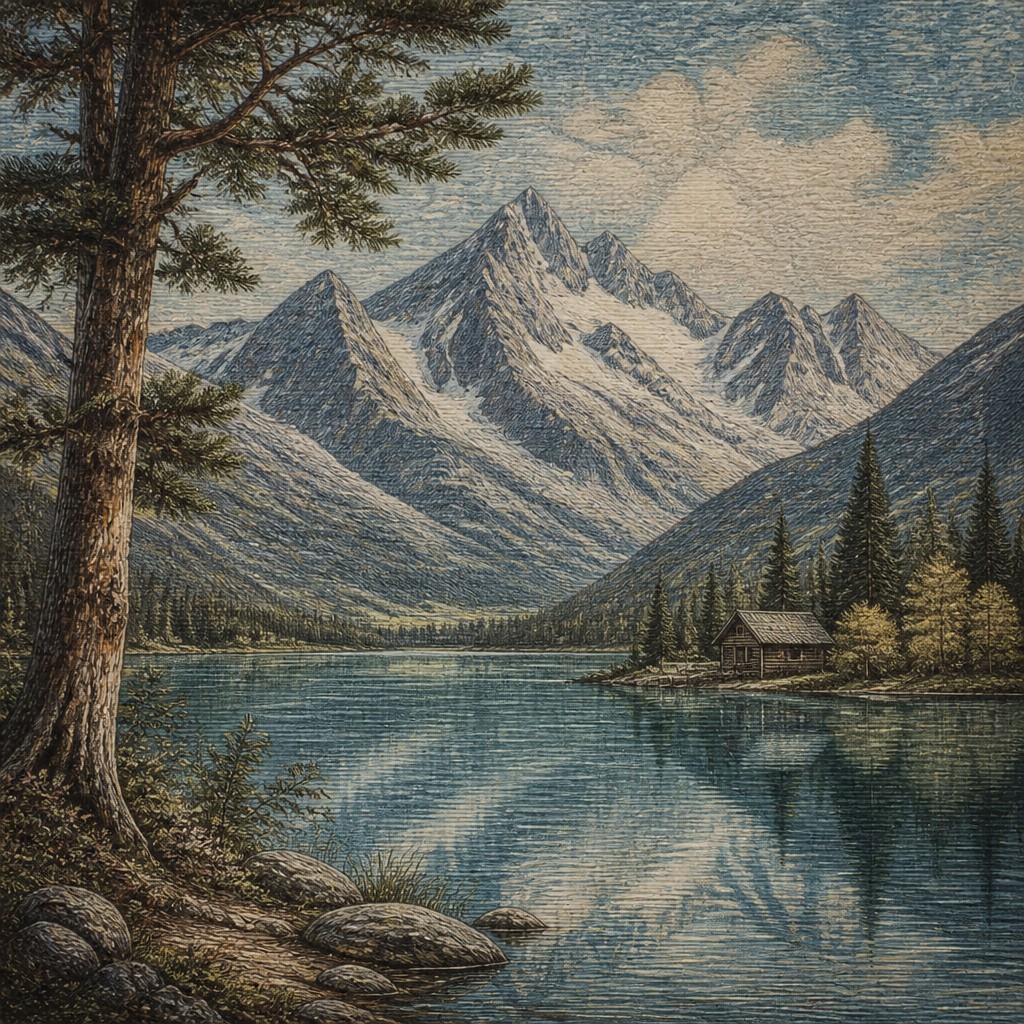
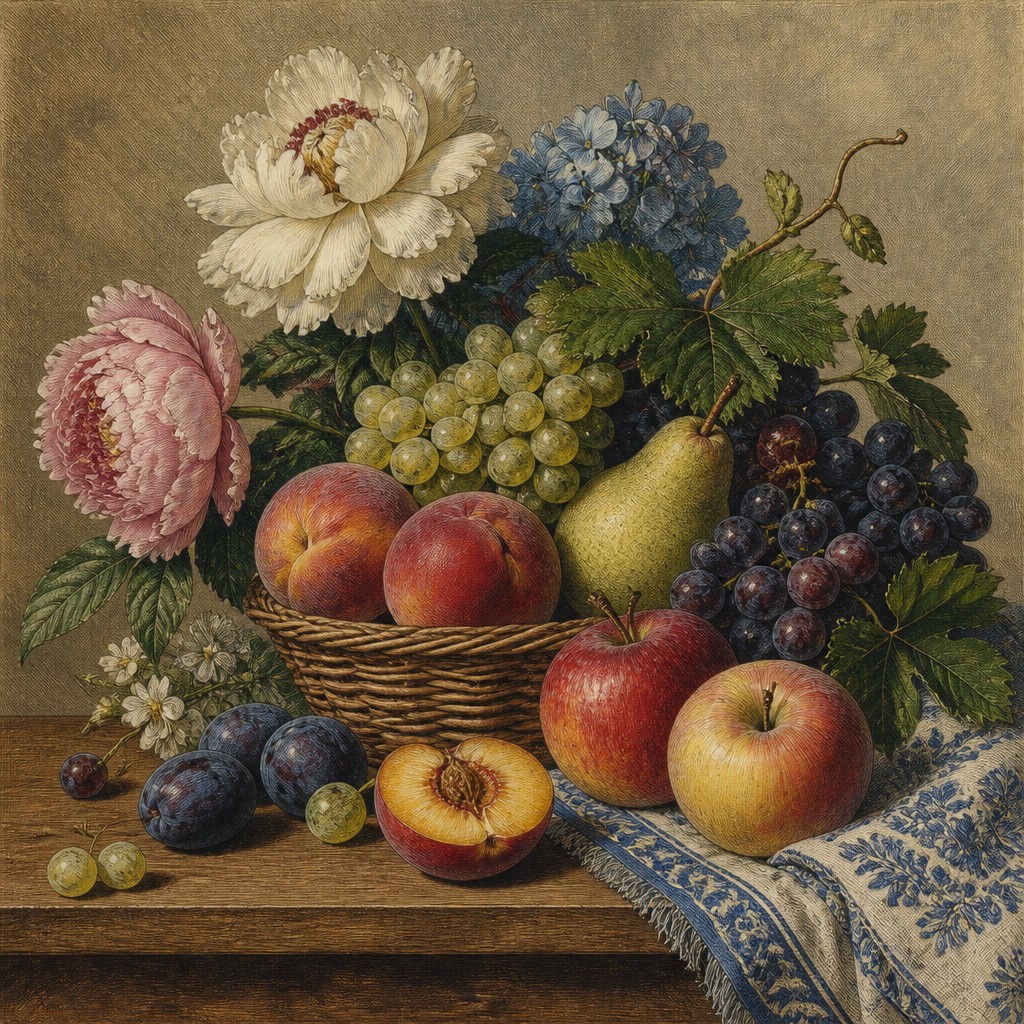
Implied Texture Gallery
Tap any artwork to explore it
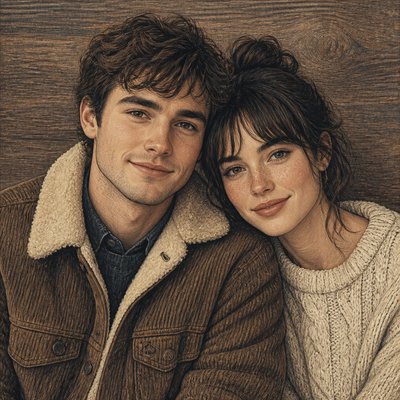
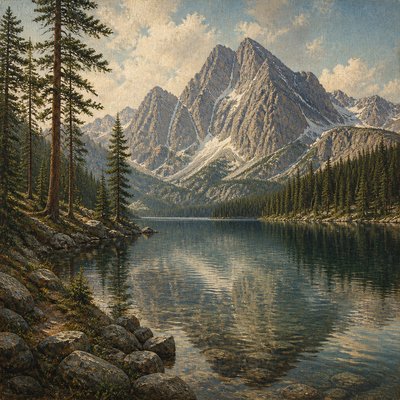
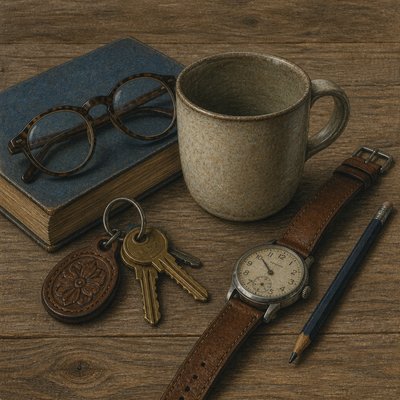
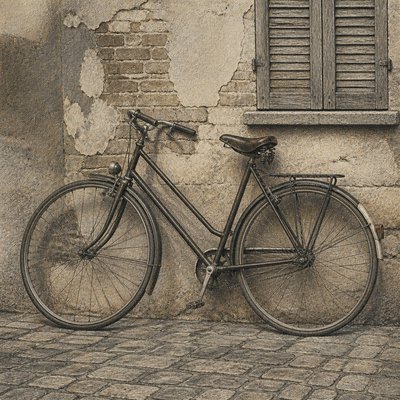
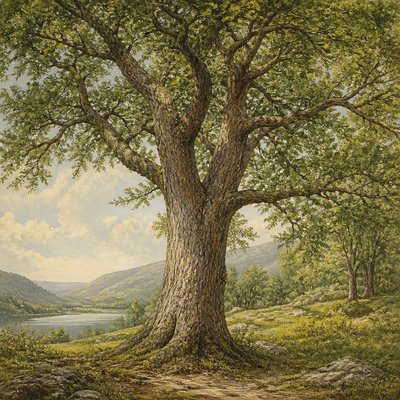
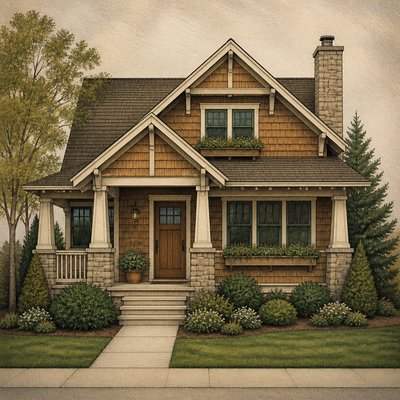
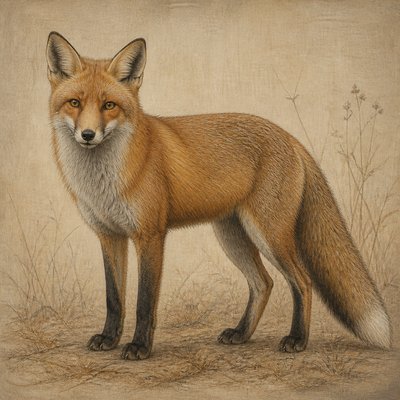
What is Implied Texture Art Style?
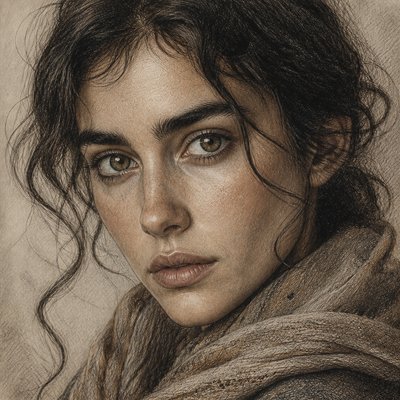
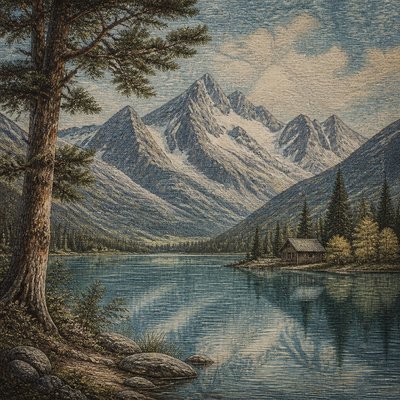
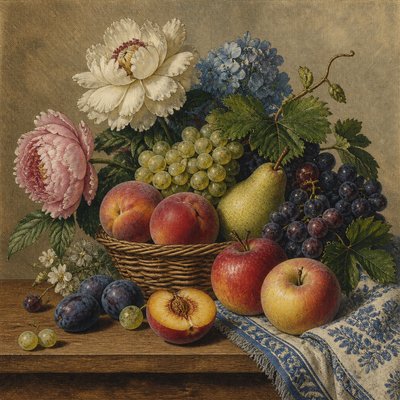
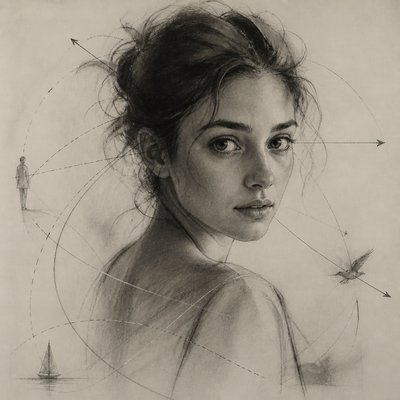
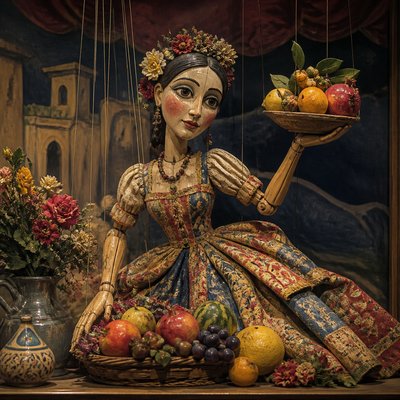
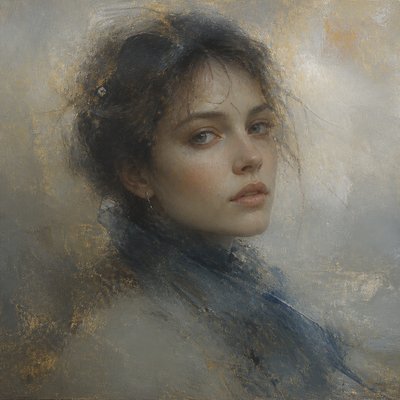
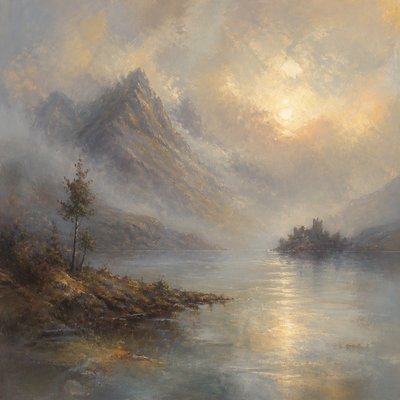
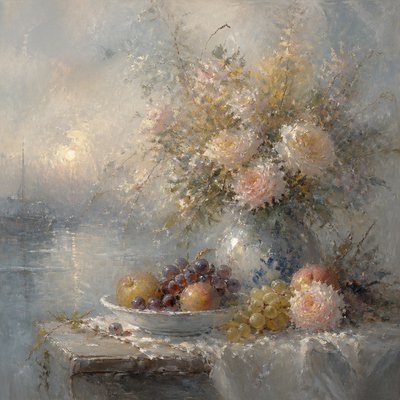
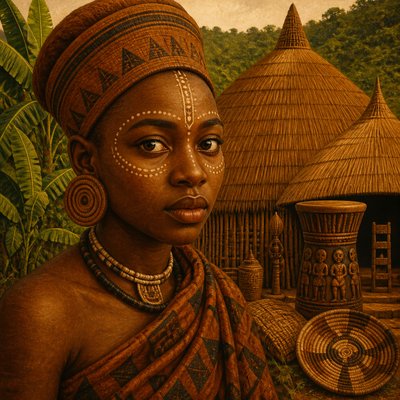
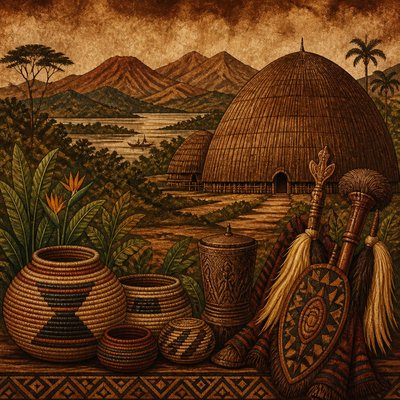
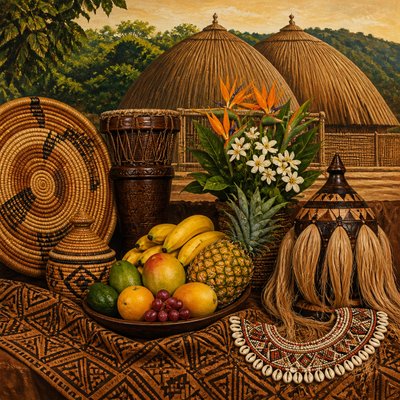
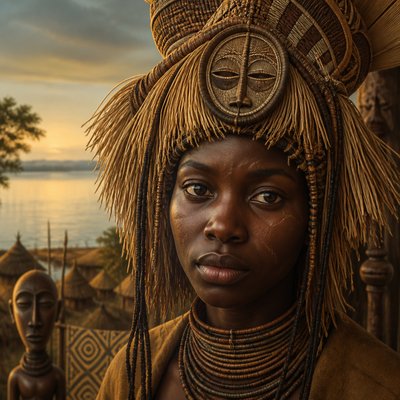
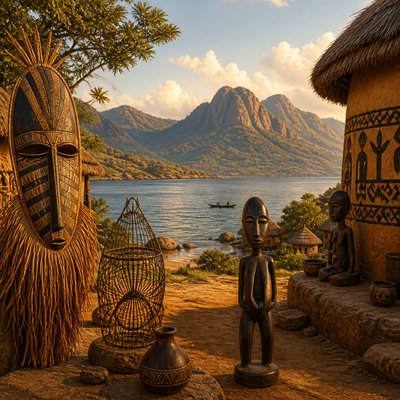
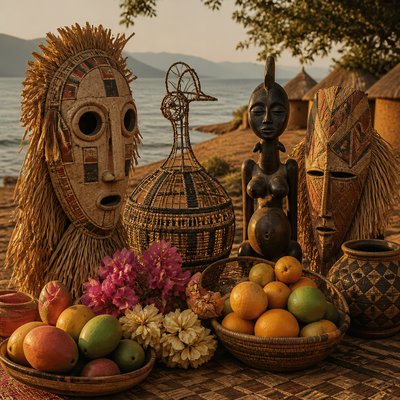
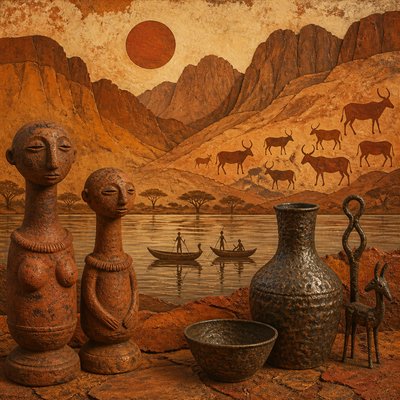
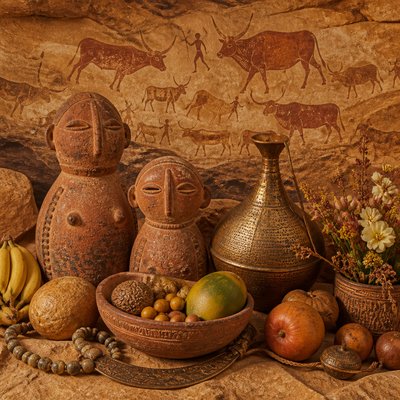
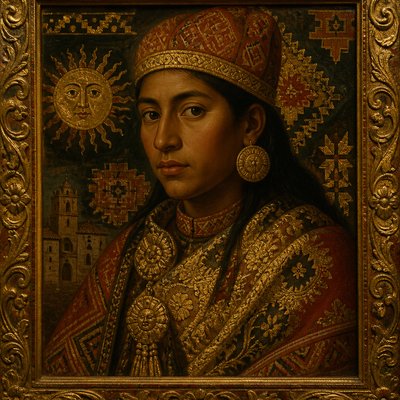
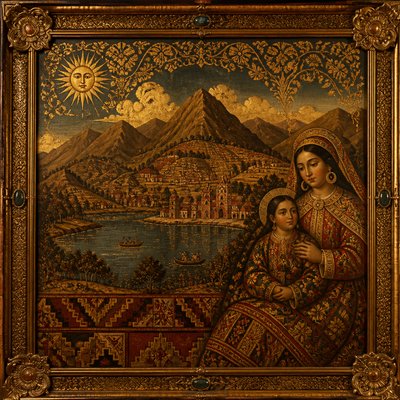
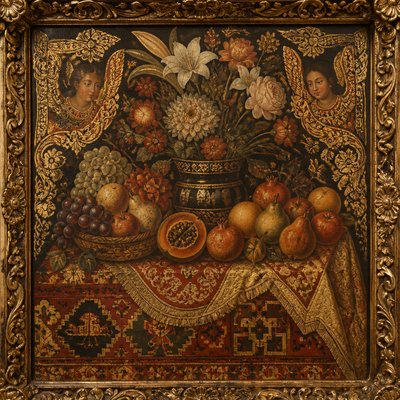
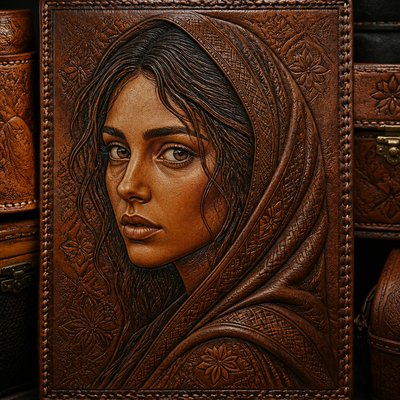
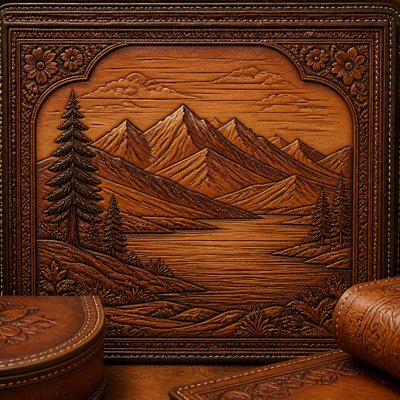
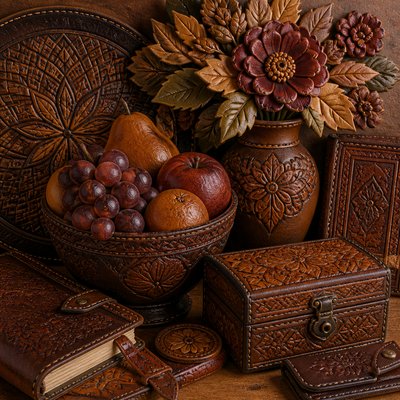
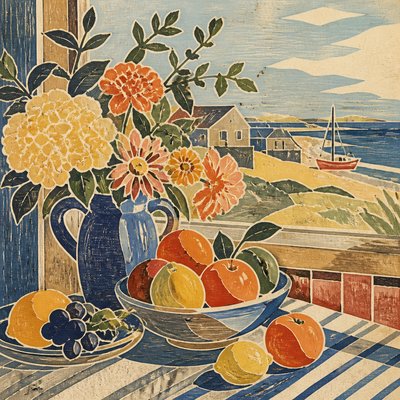
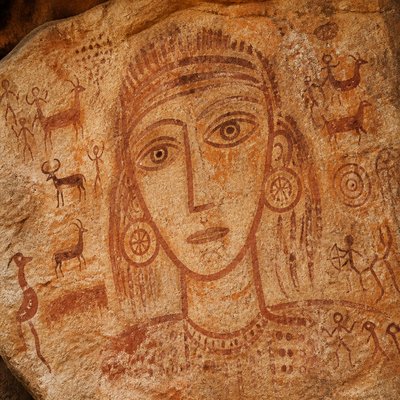
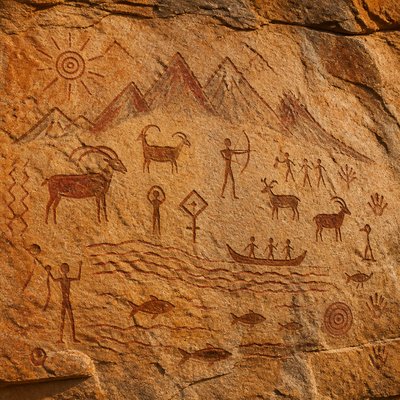
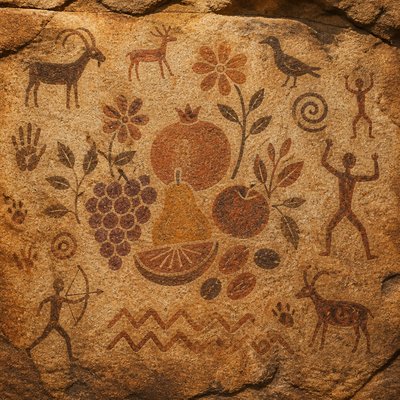
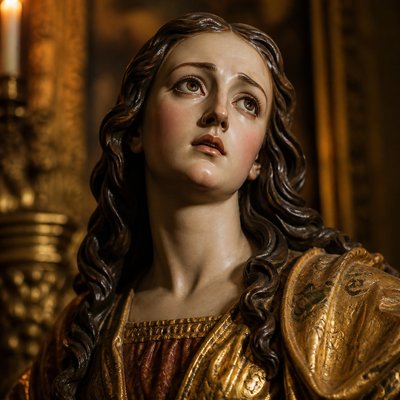
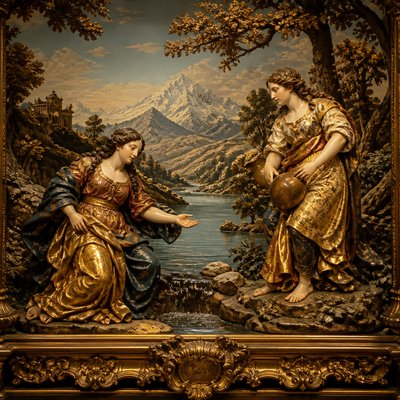
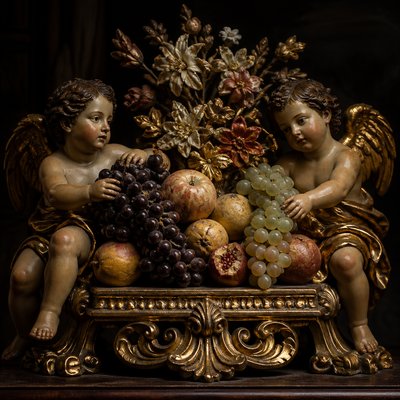
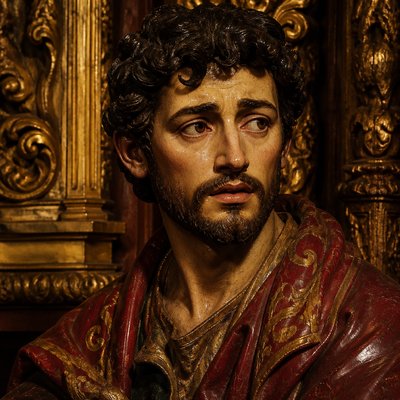
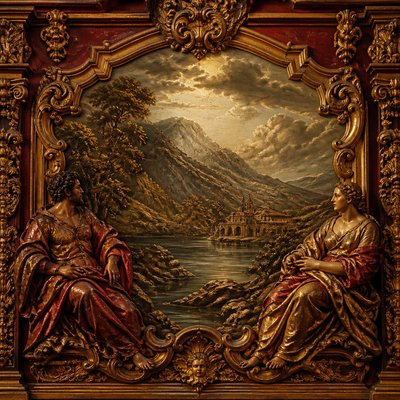
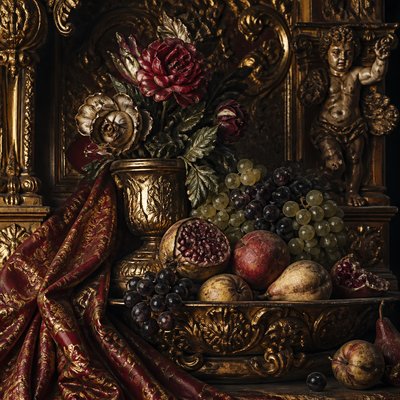
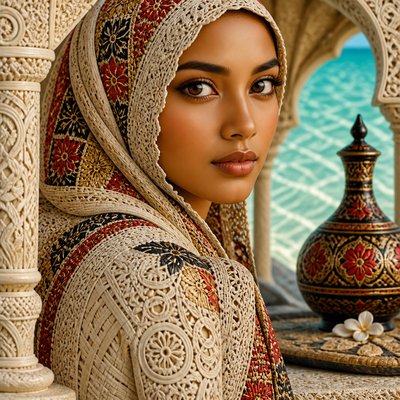
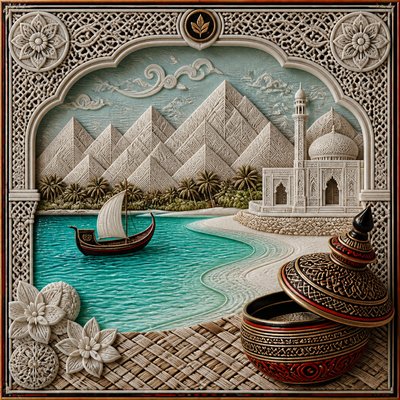
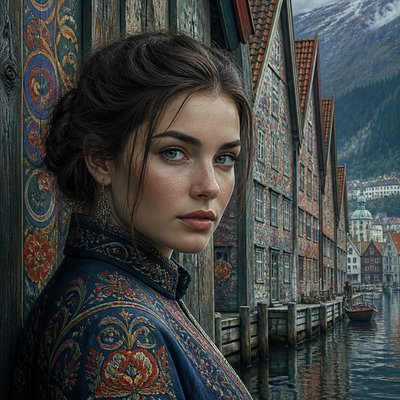
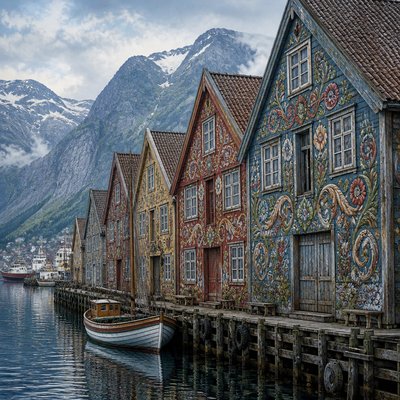
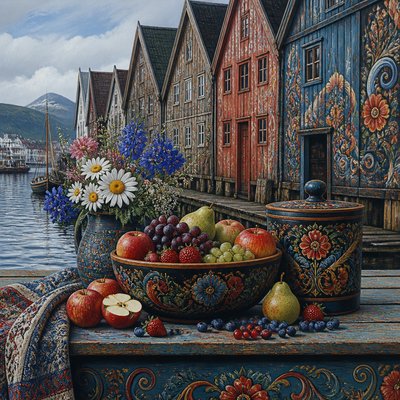
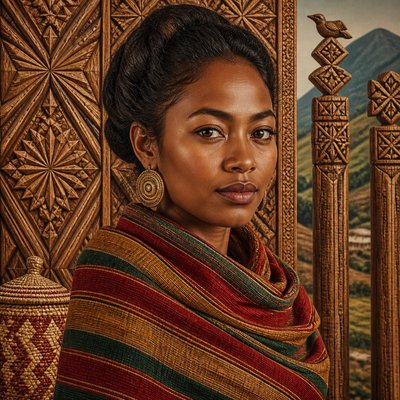
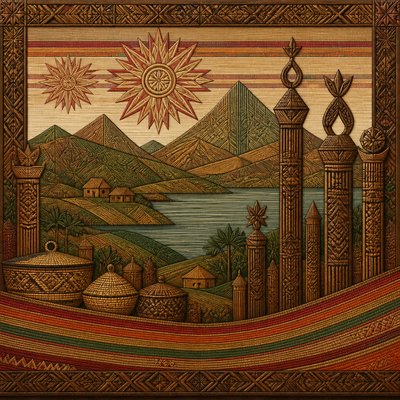
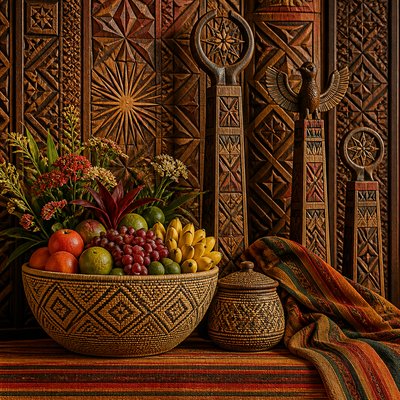
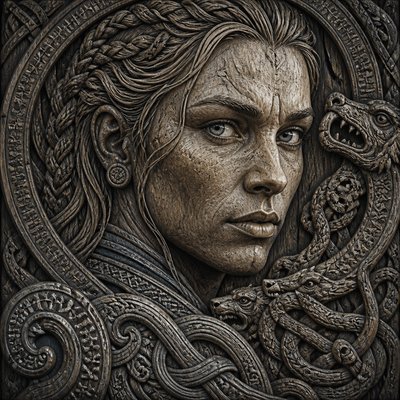
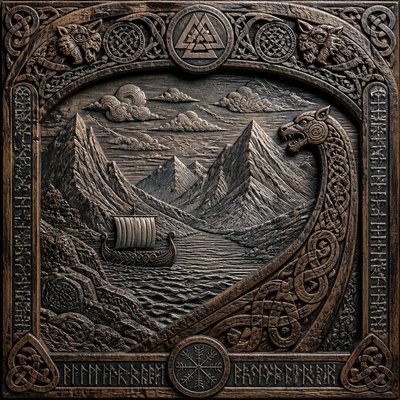
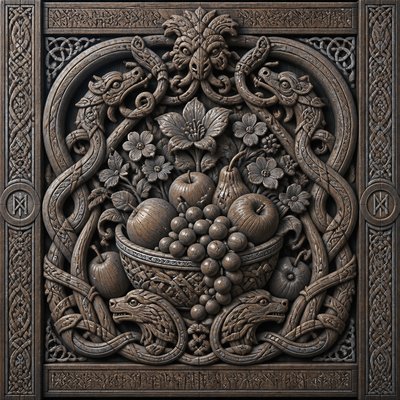
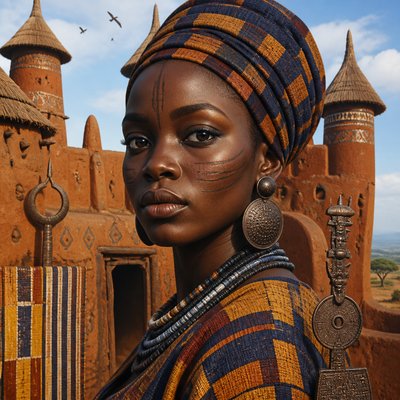
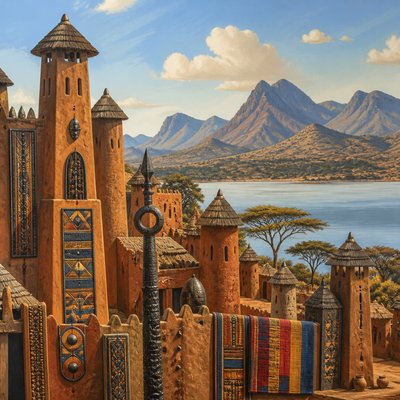
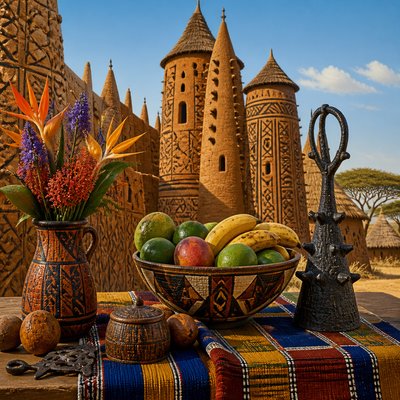
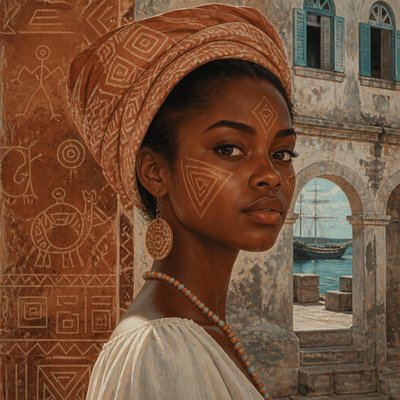
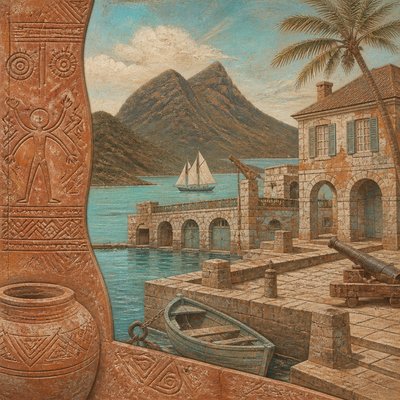
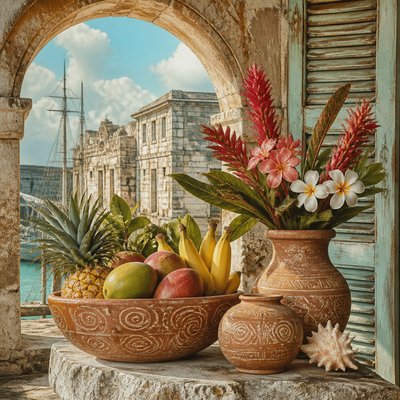
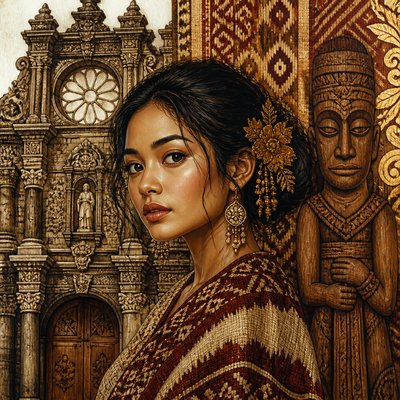
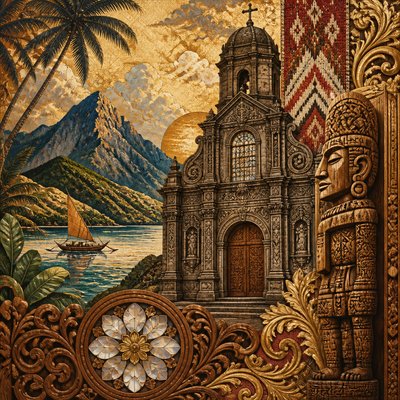
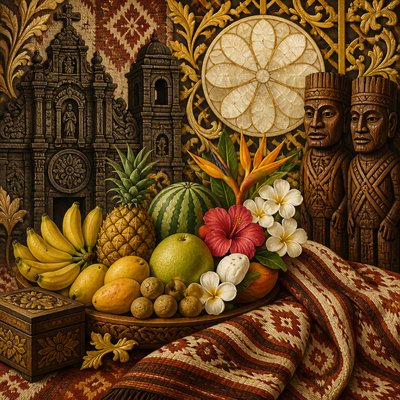
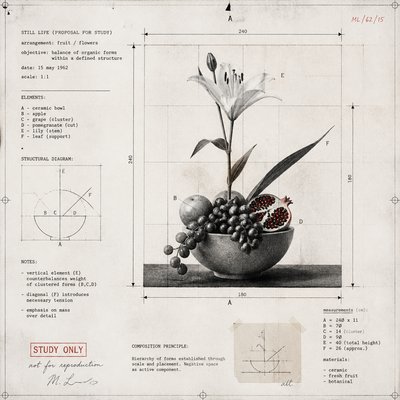
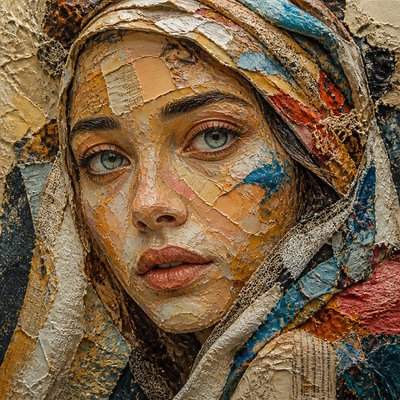
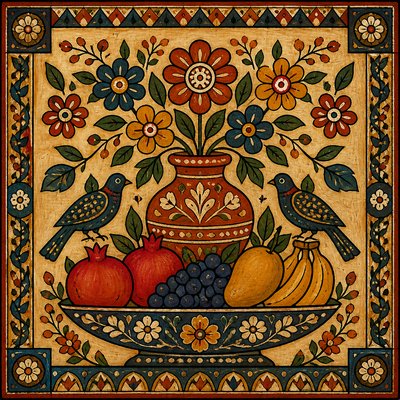
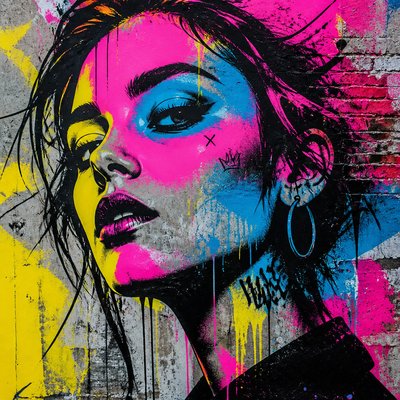
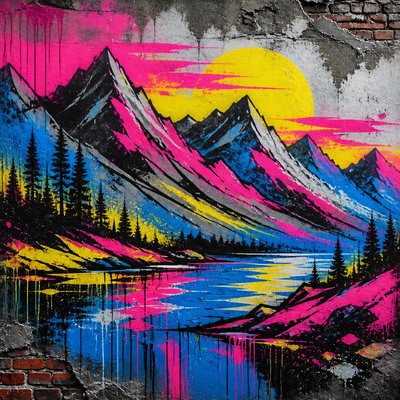
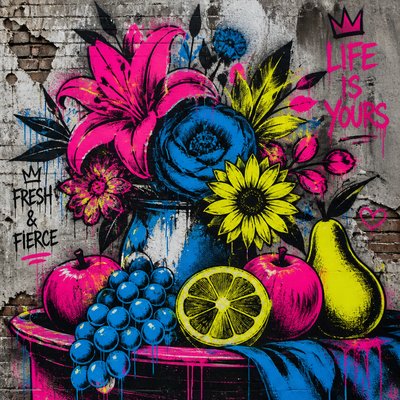
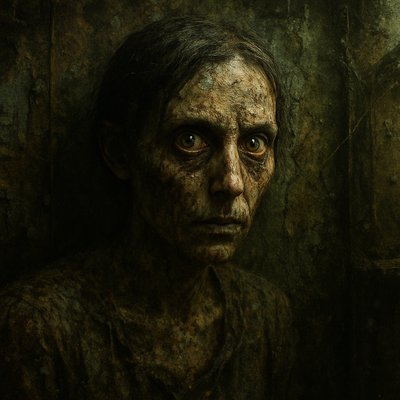
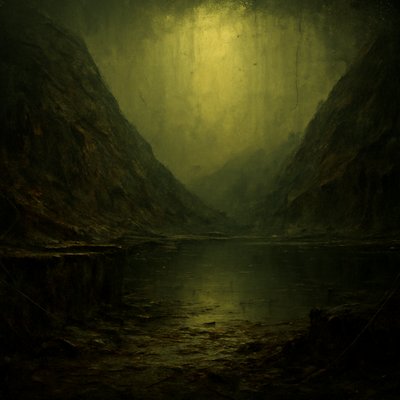
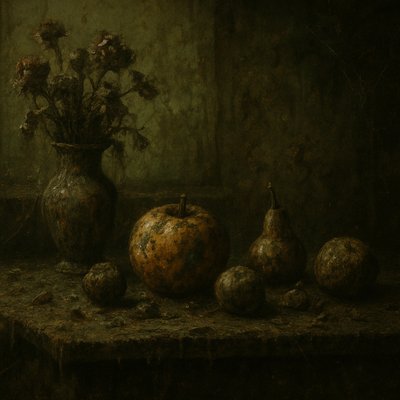
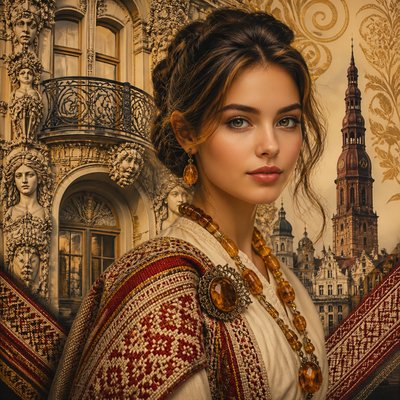
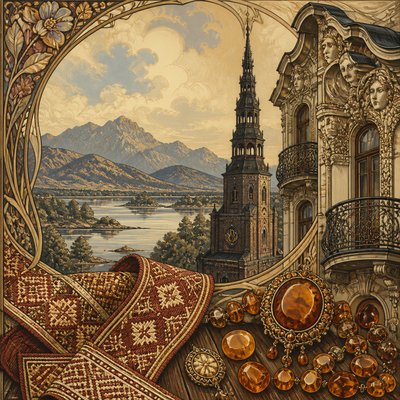
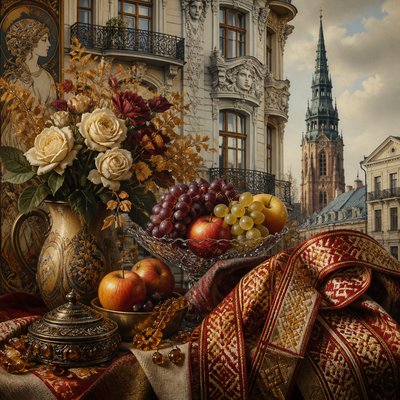
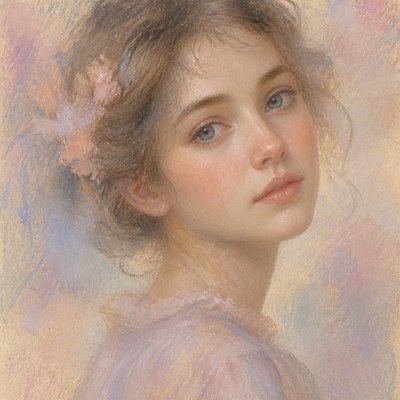
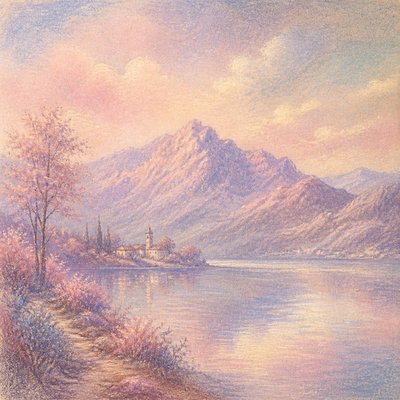
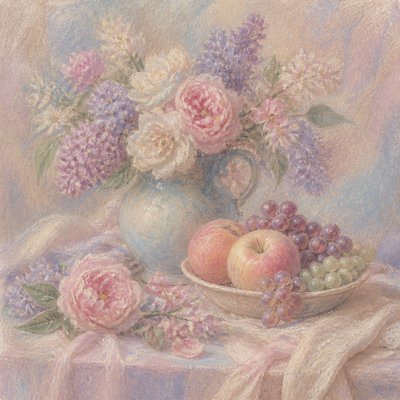
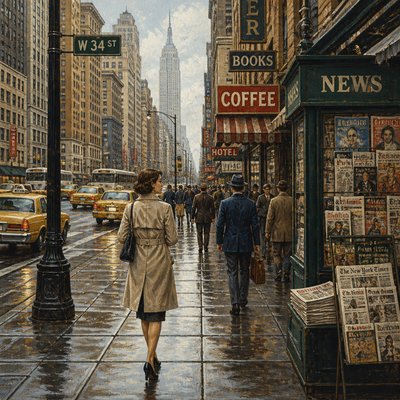
Implied Texture Art is a representational approach in which a smooth, two-dimensional image creates the visual sensation of tactile surfaces. Fur appears soft, wood appears fibrous, stone seems gritty, and fabric looks woven even though the artwork has no physical relief. The illusion depends on controlled marks, tonal modeling, and the viewer’s learned associations between visual patterns and touch.
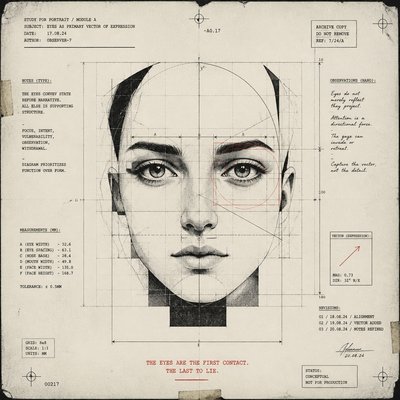
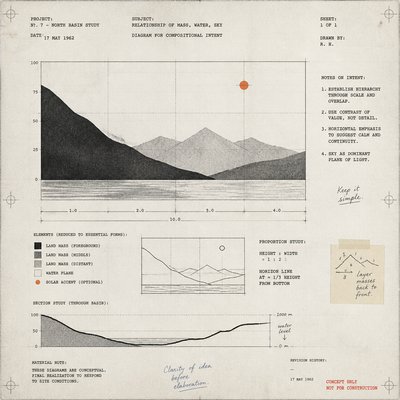
Its visual identity combines illusionistic observation with graphic discipline. Crosshatching, directional strokes, restrained highlights, and subtle value transitions describe the imagined structure of a surface without building it up materially. The result may look highly detailed at close range, while remaining fundamentally flat and readable as an image from a distance.
Try It On Your Photos
Upload any photo and convert it into Implied Texture Art Style — drag the sliders to compare before and after.


What Defines Implied Texture Art Style
The signature details, up close
Tactile illusion on a flat plane
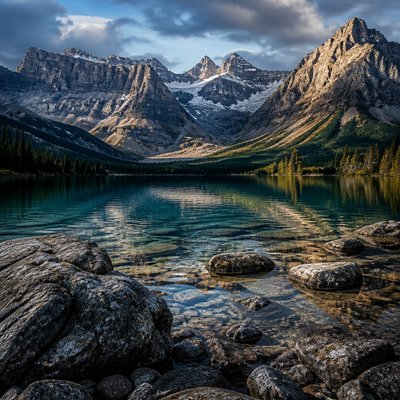
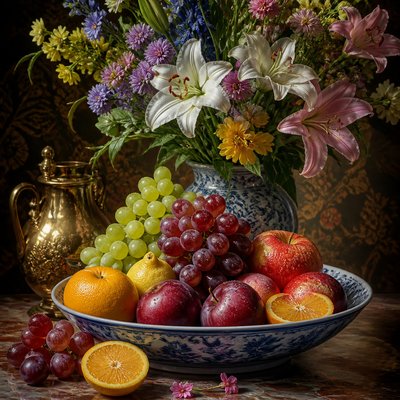
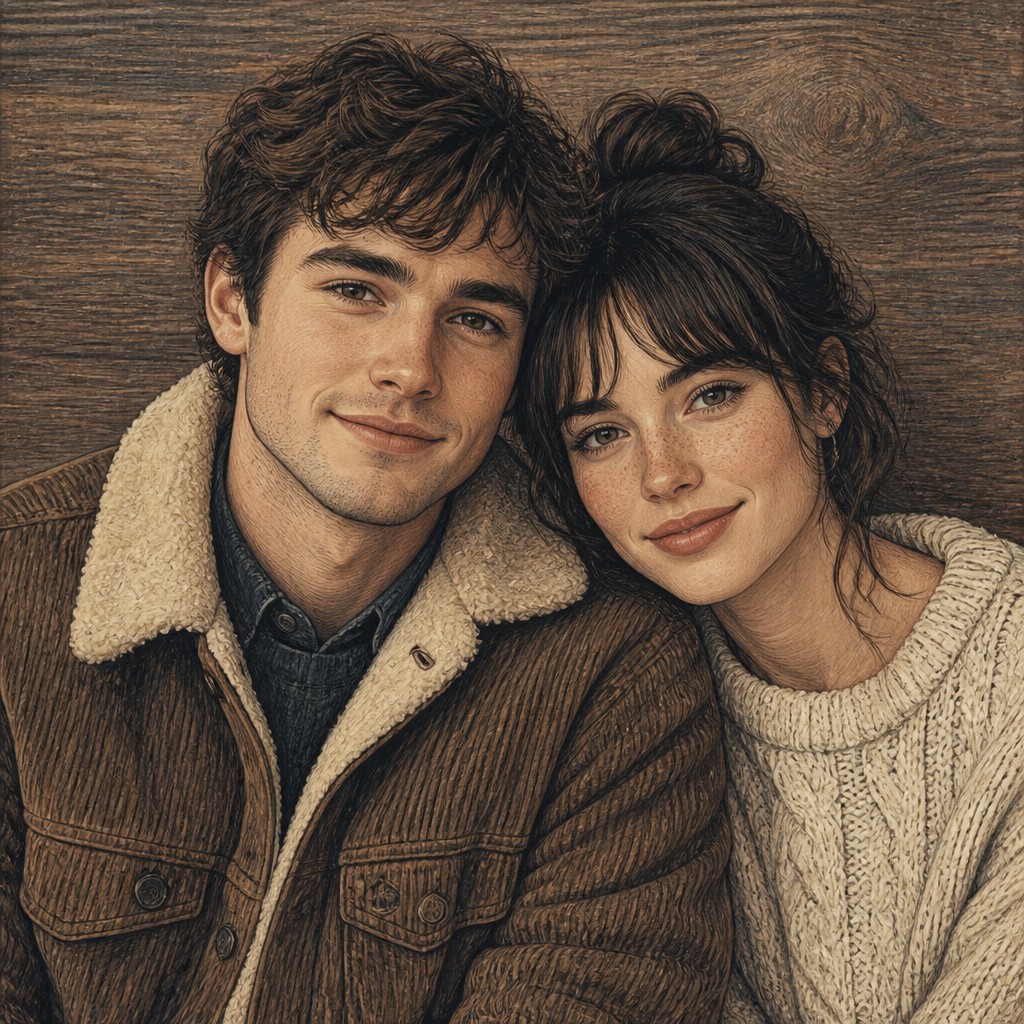
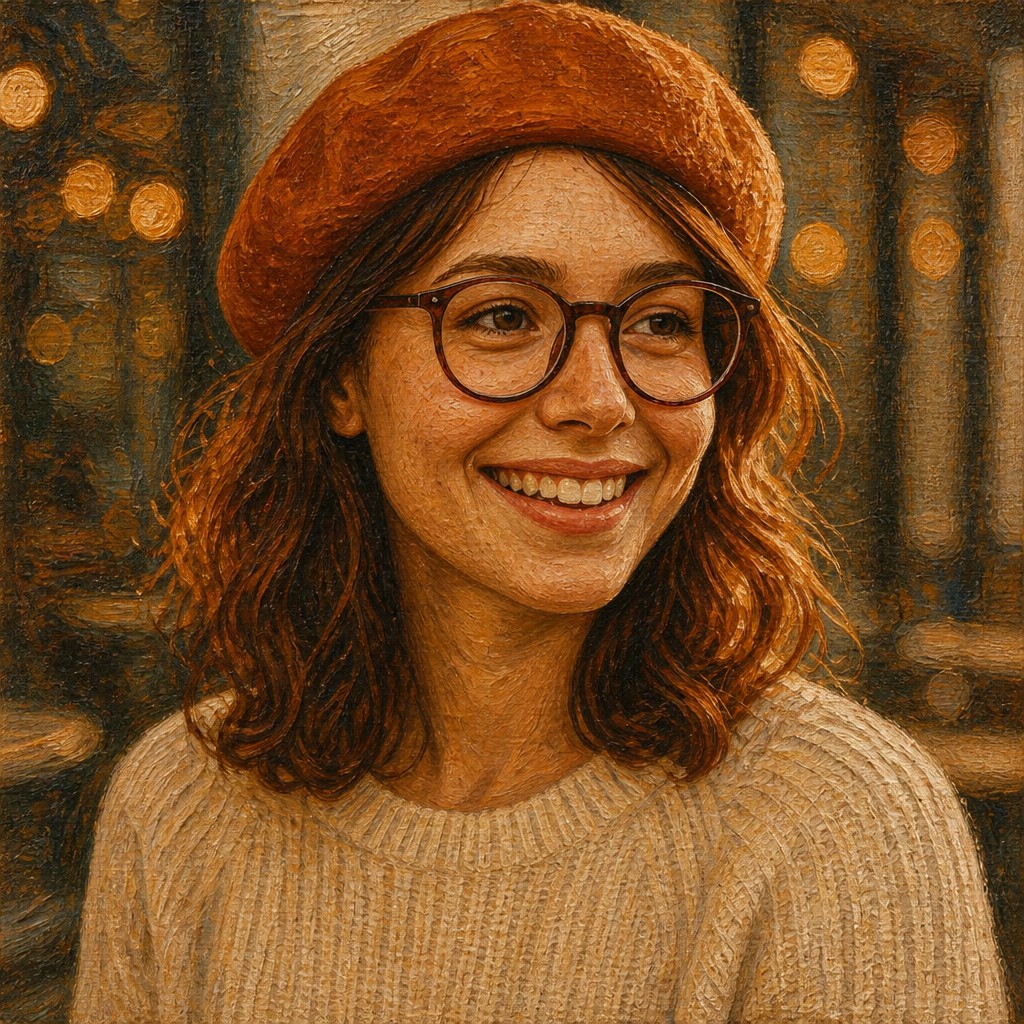
The defining effect is the suggestion of physical texture without impasto, embossing, collage, or actual relief. Surface sensation is produced entirely through visual information.
Material-specific mark making
Marks follow the logic of the depicted material: short directional strokes for fur, branching lines for wood, repeated crossings for woven cloth, and irregular speckling for stone or plaster.
Subtle value modeling
Small shifts between light, middle, and dark values indicate ridges, valleys, fibers, and folds. The transitions are usually controlled rather than dramatically sculptural.
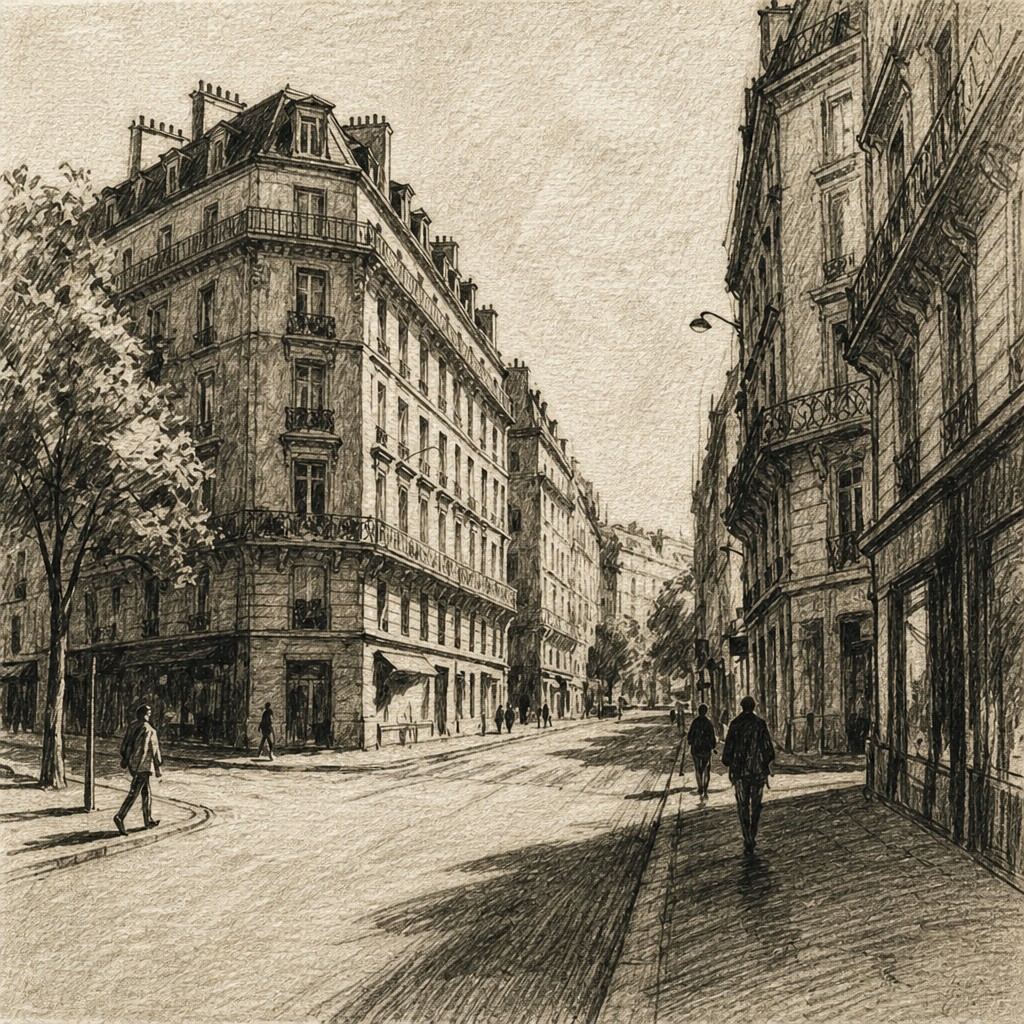
Crosshatching and directional linework
Overlapping lines imply roughness, density, and structural grain while retaining a drawn or painted character. Their direction often reinforces the form beneath the surface.
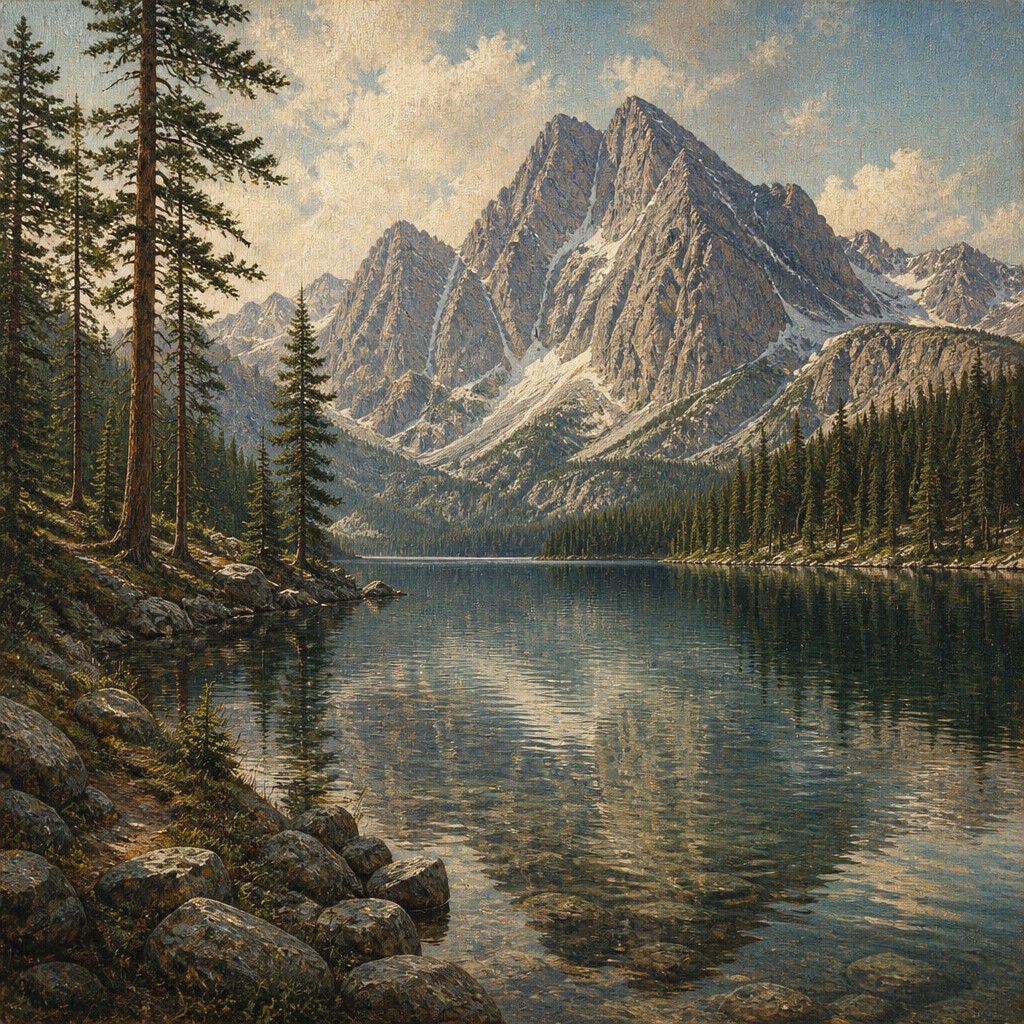
Trompe-l’œil precision
Accurate observation and convincing visual cues encourage the eye to read a pictured surface as materially present. The illusion can be heightened by close cropping and sharp edge control.
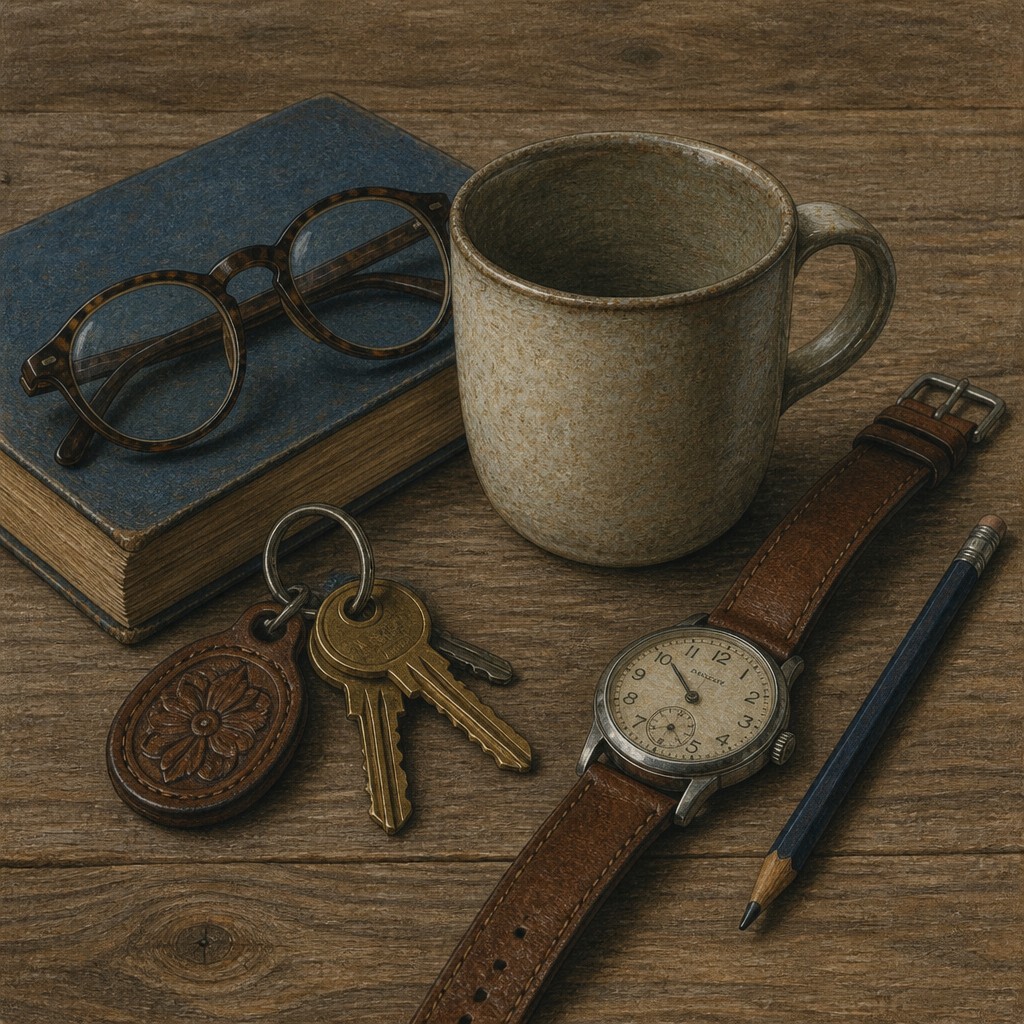
Selective sharpness
Texture is often most concentrated at focal points, with softer or quieter passages elsewhere. This prevents uniform detail from flattening the hierarchy of the image.
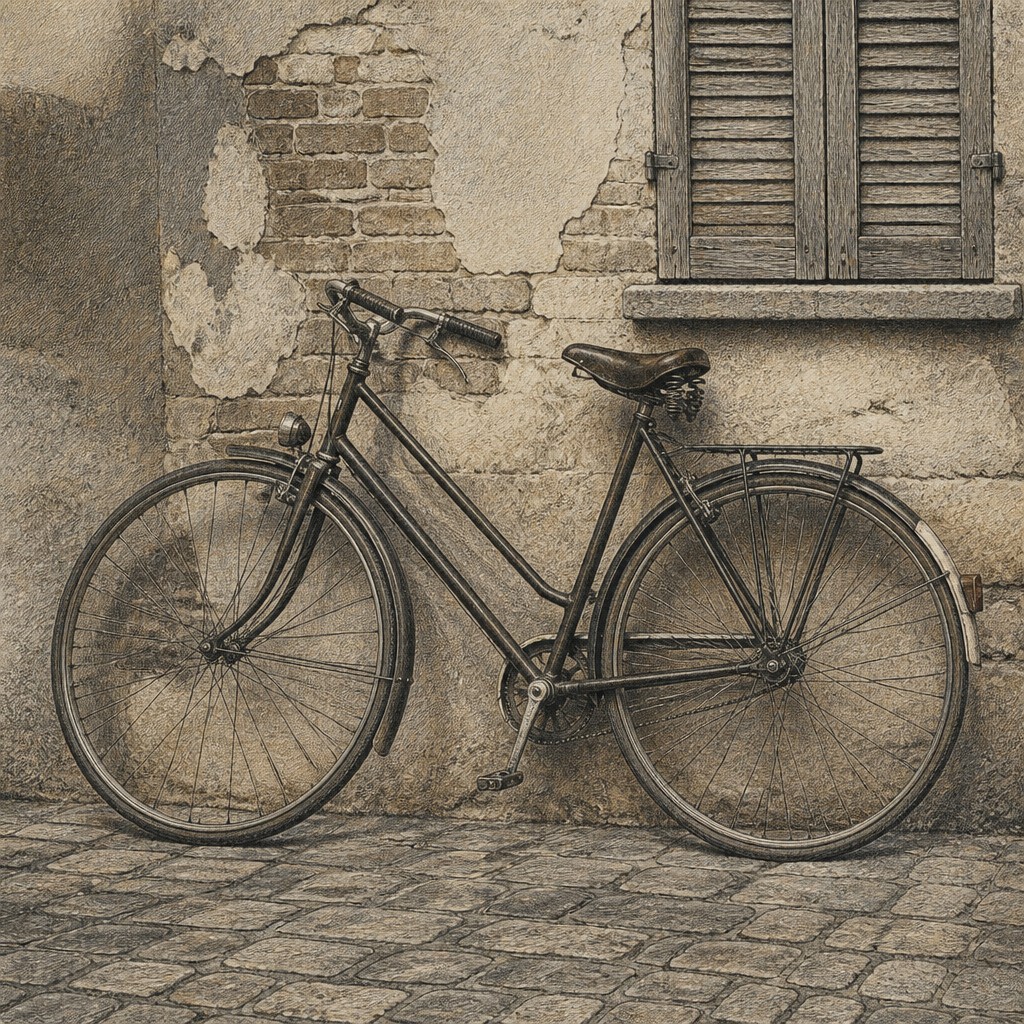
Controlled tactile contrast
Placing contrasting materials together—soft fur beside polished metal, coarse bark beside smooth glass—makes each simulated surface feel more distinct.
Implied Texture Prompt Ideas
Start from an idea — each one opens the generator with the style ready to go. See all 40 Implied Texture prompts →
How to Create Implied Texture Art
Master the craft step by step — or skip straight to creating. Read the full guide →
- 1
Study the material’s visual vocabulary
Observe whether the surface is directional, granular, fibrous, reflective, or porous. Translate those properties into repeatable marks rather than adding generic detail everywhere.
- 2
Build texture over simple forms
Start with clear silhouettes and gently modeled volumes, then layer grain, weave, hatching, or short strokes that follow the form. Keep the underlying picture plane smooth and physically untextured.
- 3
Use restrained tonal transitions
Reserve strong darks and bright highlights for the crevices and ridges that matter most. Soft intermediate values help the implied texture feel dimensional without becoming sculptural.
- 4
Vary scale and density
Combine broad, quiet passages with concentrated micro-detail near the focal area. Randomizing every mark equally can make the surface look noisy instead of tactile.
- 5
Refine digitally with layered marks
Use separate layers or masks for base color, directional texture, shadow, and highlights; adjust opacity so the simulated material remains integrated with the form. Avoid filters that add uniform photographic noise.
- 6
Write material-specific prompts
For text-to-image tools, name the subject, the exact material, the direction of its fibers or grain, the lighting, and the flat-picture-plane constraint. Useful terms include finely observed surface detail, crosshatched shading, subtle tactile depth, and no actual relief.
The Story
History & Origins of Implied Texture
Implied Texture Art is best understood as a contemporary descriptive style rather than a historically codified movement. Its aesthetic lineage comes from trompe-l’œil painting, naturalistic still life, academic study of surface and material, and drawing traditions that use hatching to suggest volume and roughness. It also draws on the long history of illusionistic shading, in which tonal changes make painted forms appear solid or tactile.
The approach has expanded through photography, digital painting, matte imaging, and procedural image-making, where texture can be simulated with layered marks, sampled patterns, or controlled noise. In digital and text-to-image practice, it functions as a promptable visual treatment: the subject remains flat on the picture plane while carefully described surface cues produce an almost touchable impression.
Influences: The style is related to trompe-l’œil and other illusionistic painting traditions, especially their concern with making depicted materials appear present. It also draws from Renaissance and Baroque approaches to modeling, Dutch still-life attention to surfaces, academic naturalism, crosshatched drawing, scientific illustration, photorealistic painting, and digital matte and concept art. Its emphasis on simulated touch connects it to broader perceptual art practices that use visual cues to activate the viewer’s bodily sense of texture.
Frequently Asked Questions
What defines Implied Texture Art?
It defines texture through marks, shading, and material-specific visual cues rather than through physical buildup or three-dimensional construction. The artwork remains flat, but the viewer can infer roughness, softness, grain, weave, or rippling.
Is Implied Texture Art a historical art movement?
No. The term is best treated as a contemporary descriptive or AI-native style label, not a formally established historical movement. Its methods inherit from trompe-l’œil, naturalistic painting, hatching, still life, and digital surface rendering.
How is it different from true textured or relief art?
True textured art uses physical materials, raised paint, carving, fibers, or other changes to the object’s surface. Implied Texture Art creates the sensation of those changes only through a flat image.
How can beginners make this style traditionally?
Choose one material and study its repeated visual patterns before drawing a simple object. Establish the form with light and shadow, then add directional hatching or small marks that follow the material and the object’s volume.
What subjects work well with this style?
Subjects with clearly recognizable surfaces are especially effective, including fur, bark, wood, woven cloth, leather, stone, sand, feathers, plaster, and rippling water. Arranging contrasting materials in one still life makes the illusion easier to perceive.
What should a prompt include for this look?
Specify the subject and material, the direction and density of its surface marks, the lighting, and the desired degree of illusionistic detail. Phrases such as flat picture plane, subtle value transitions, crosshatched shading, and no physical relief help distinguish the effect from three-dimensional sculpture.
Create your first Implied Texture artwork
Describe anything — or upload a photo — and see it in Implied Texture Art Style in seconds.
Related Styles
Discover similar art styles