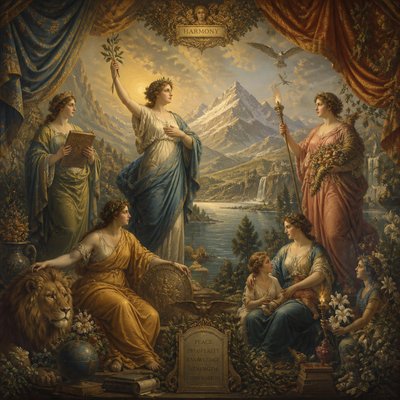
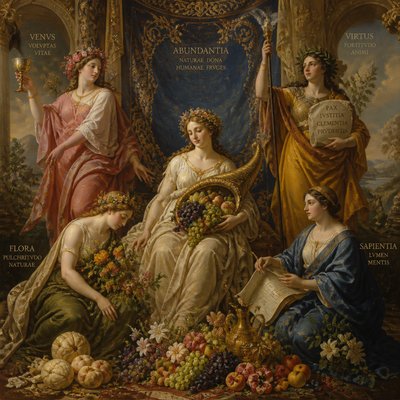
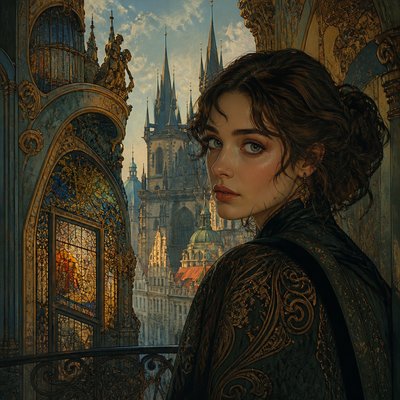
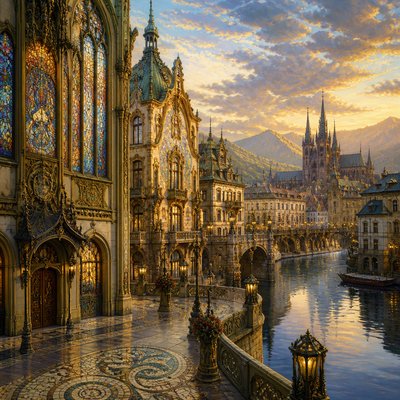
Viking Art Style
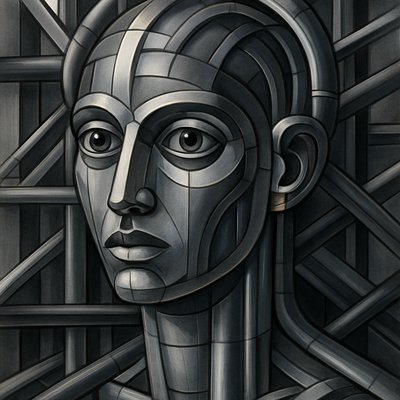
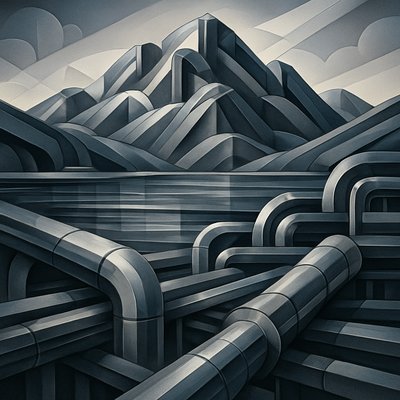
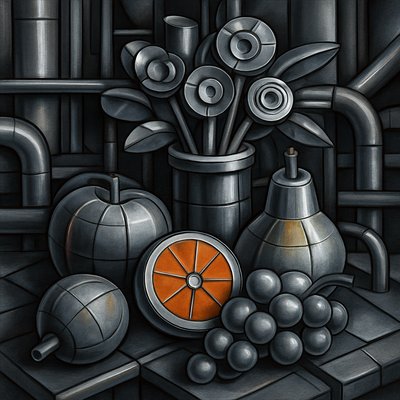
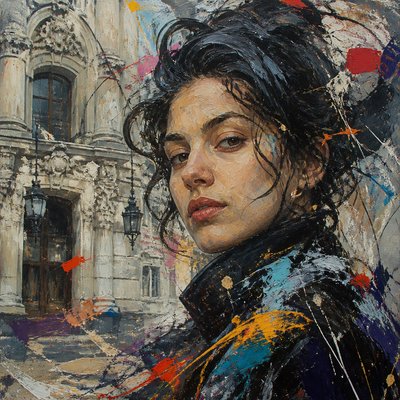
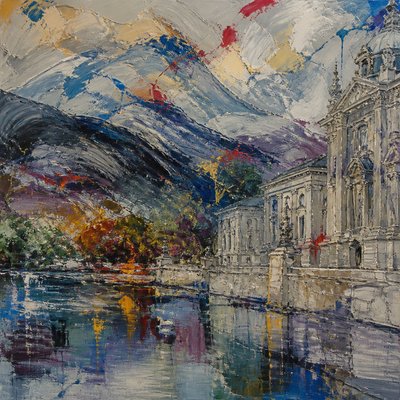
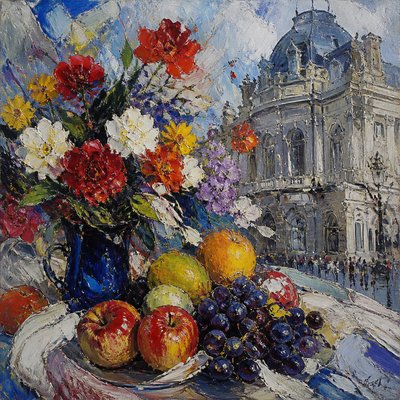
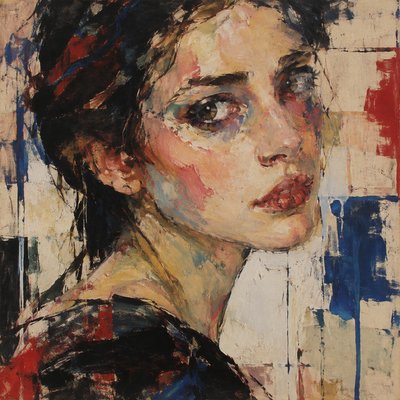
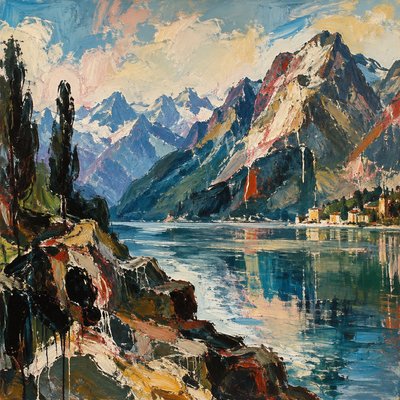
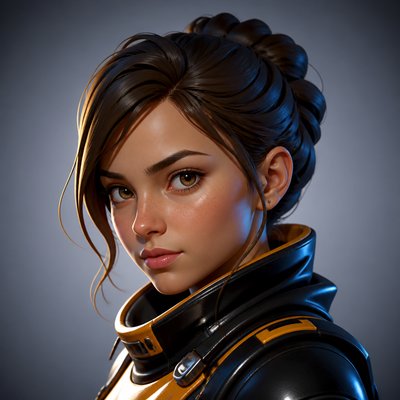
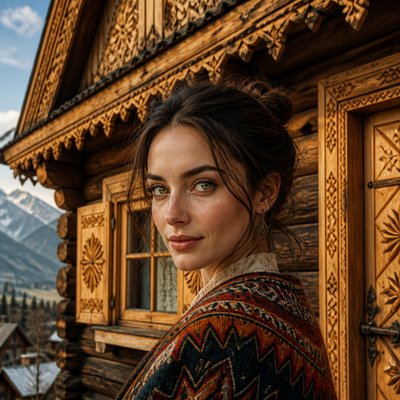
Explore Viking art: gripping beasts, runic bands, ship-prow curves, knotwork, and weathered oak and iron textures rooted in Norse visual tradition.
Instantly rendered in Viking — or transform a photo
Viking Gallery
Tap any artwork to explore it
What is Viking Art Style?
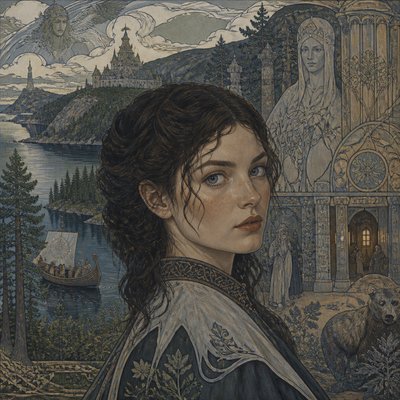
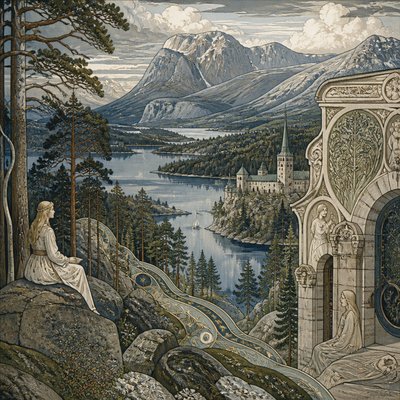
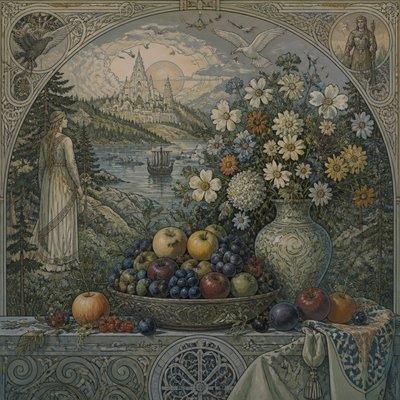
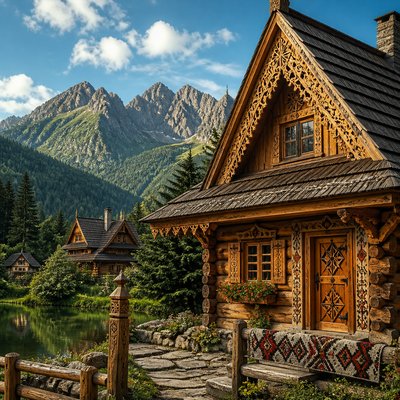
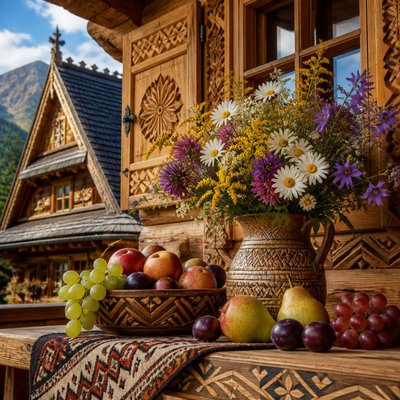
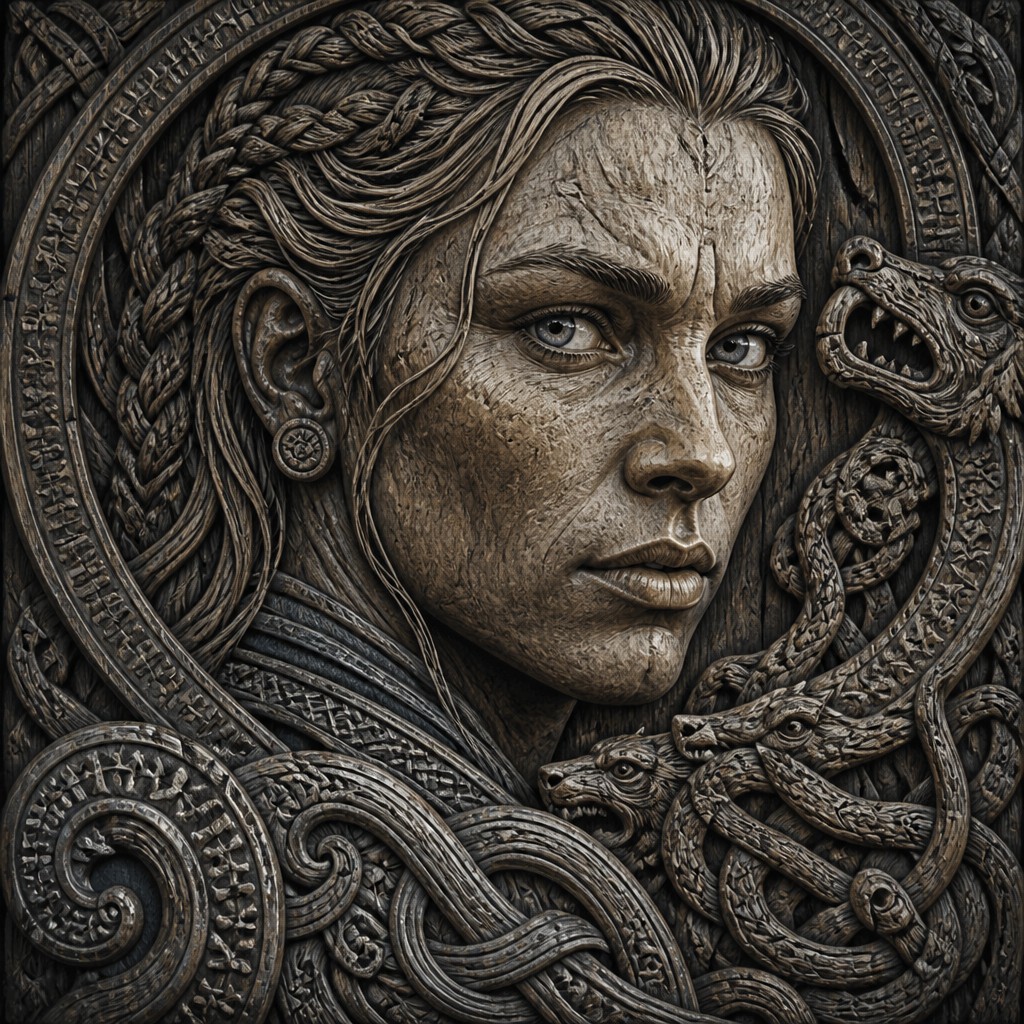
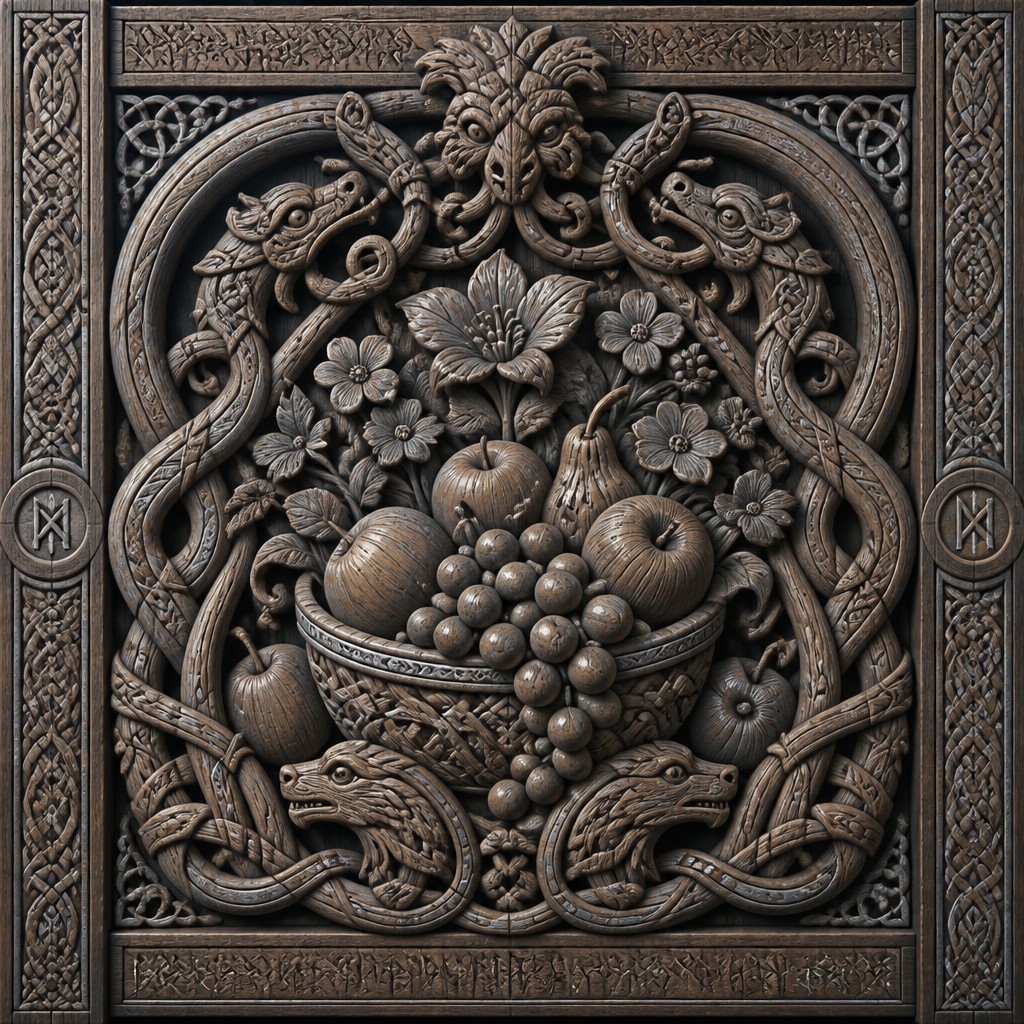
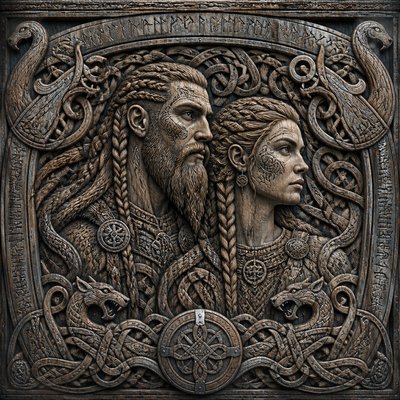
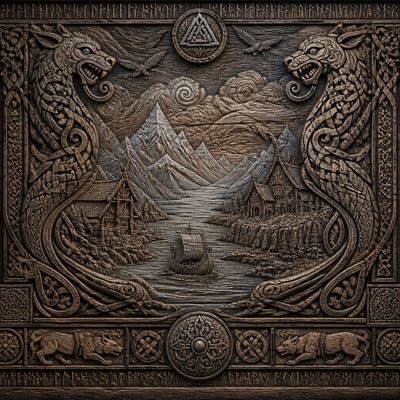
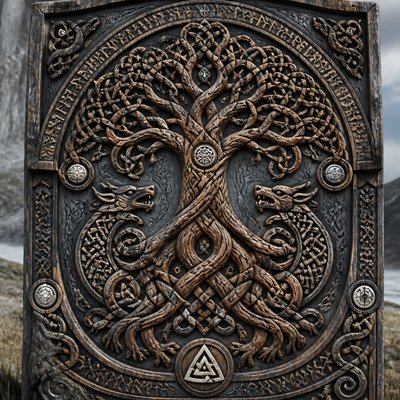
Viking art style refers to the decorative visual traditions of Scandinavia during the Viking Age, broadly from the late eighth through the eleventh centuries. Its characteristic vocabulary includes intertwined animals, gripping-beast figures, serpentine ribbons, knotwork, spiral tendrils, runic inscriptions, and strongly rhythmic borders. Motifs appeared on wood, metal, stone, bone, textiles, weapons, jewelry, vehicles, and architectural elements rather than belonging to a single medium.
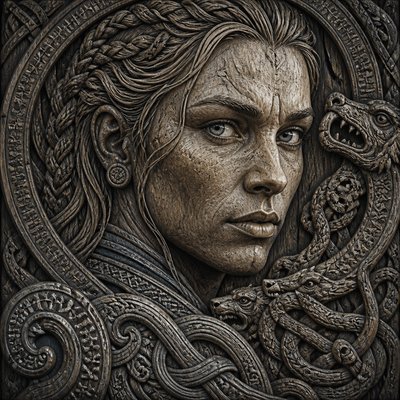
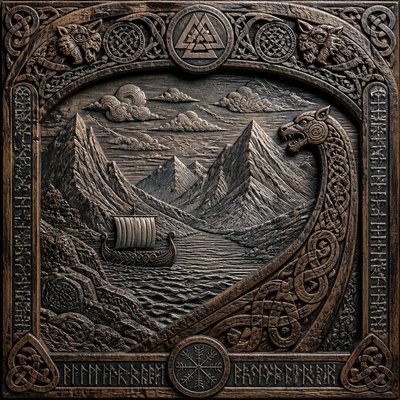
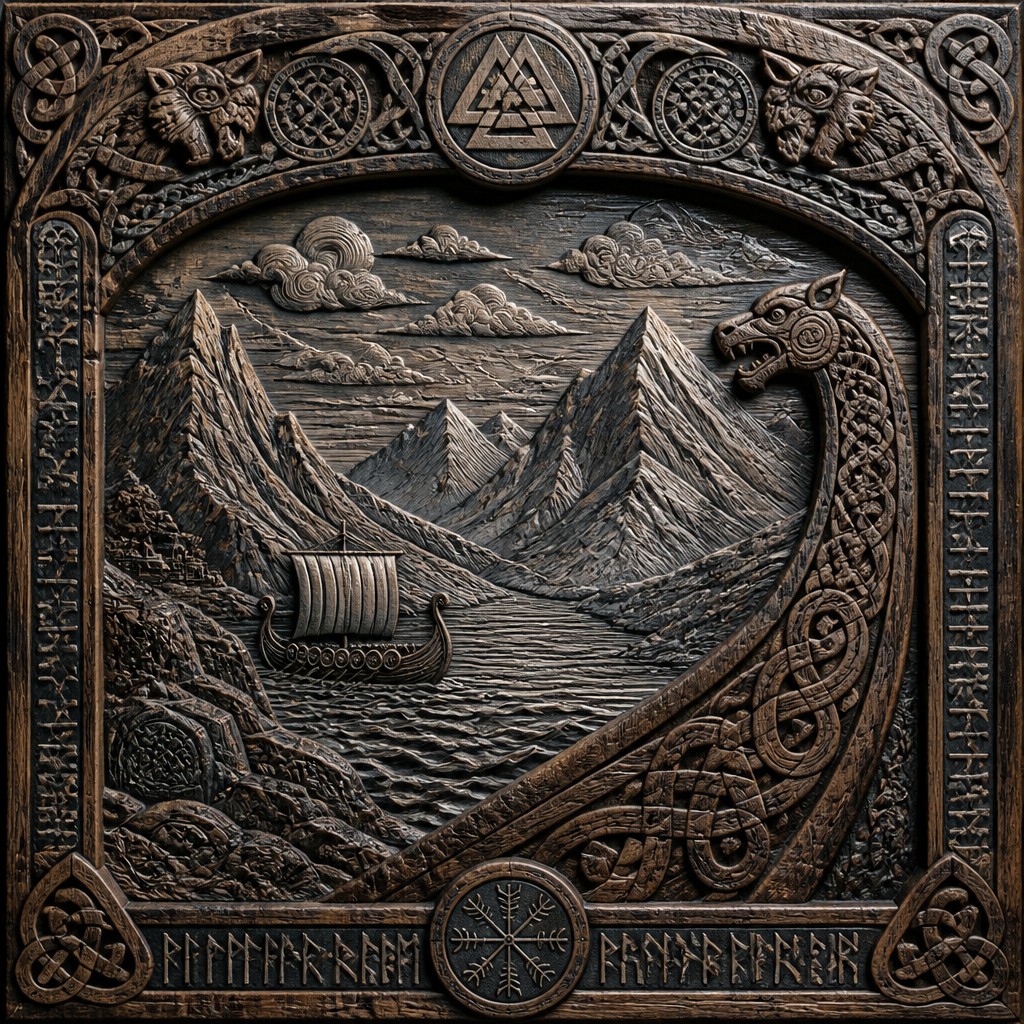
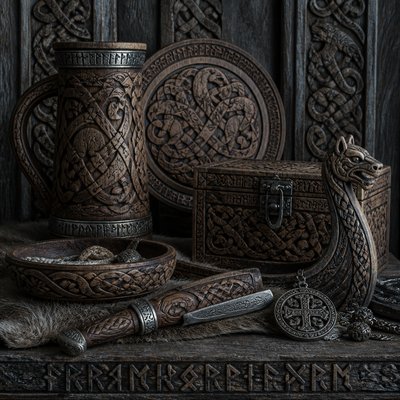
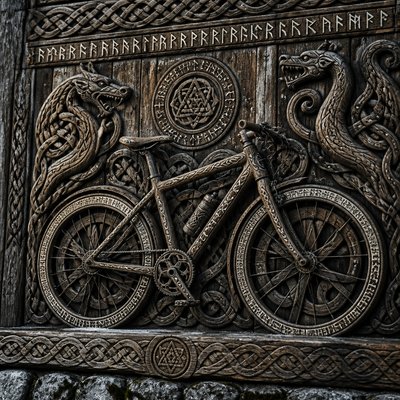
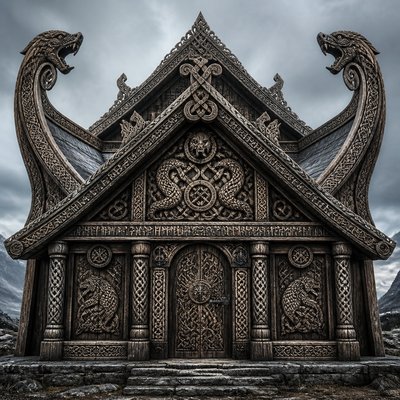
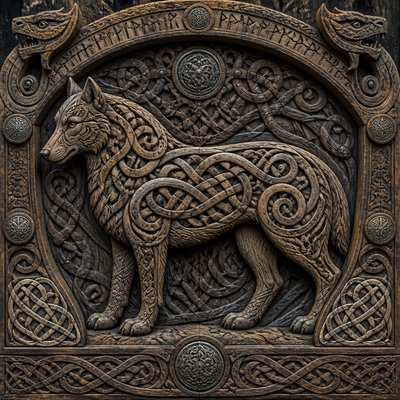
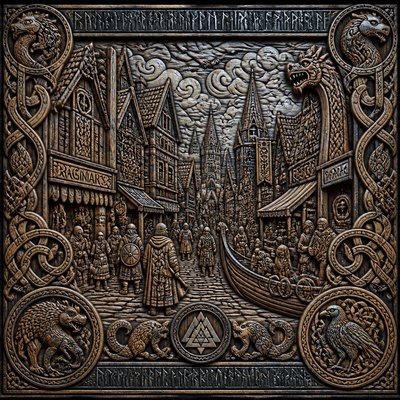
Contemporary images described as Viking art often emphasize carved relief, weathered oak, dark iron, muted earth colors, silver, and bone. The visual force comes from controlled interlacing: animals appear to grasp frames, bite their own bodies, or merge into continuous bands. Dragon-headed ship prows and runic borders reinforce associations with seafaring, myth, and northern material culture, although historical Viking art was more varied and often more finely worked than modern rustic interpretations suggest.
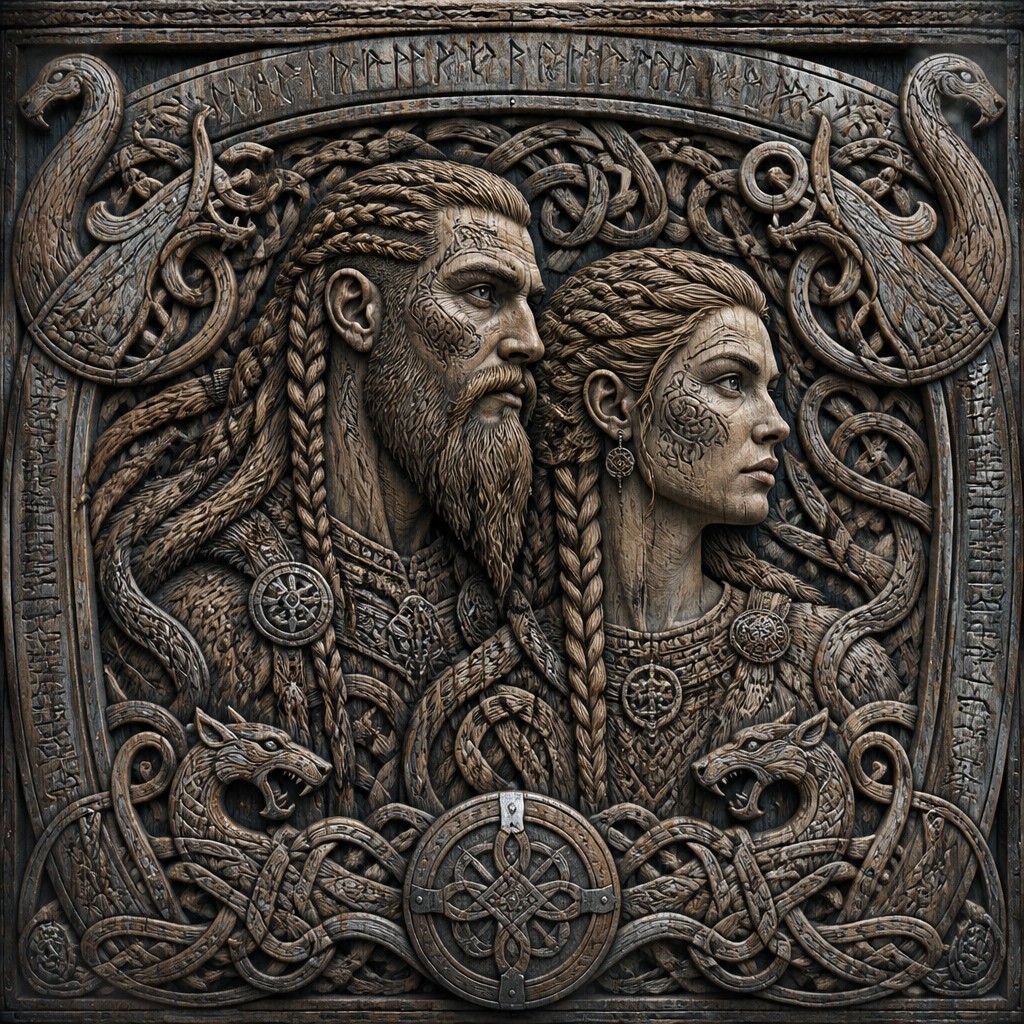
Try It On Your Photos
Upload any photo and convert it into Viking Art Style — drag the sliders to compare before and after.
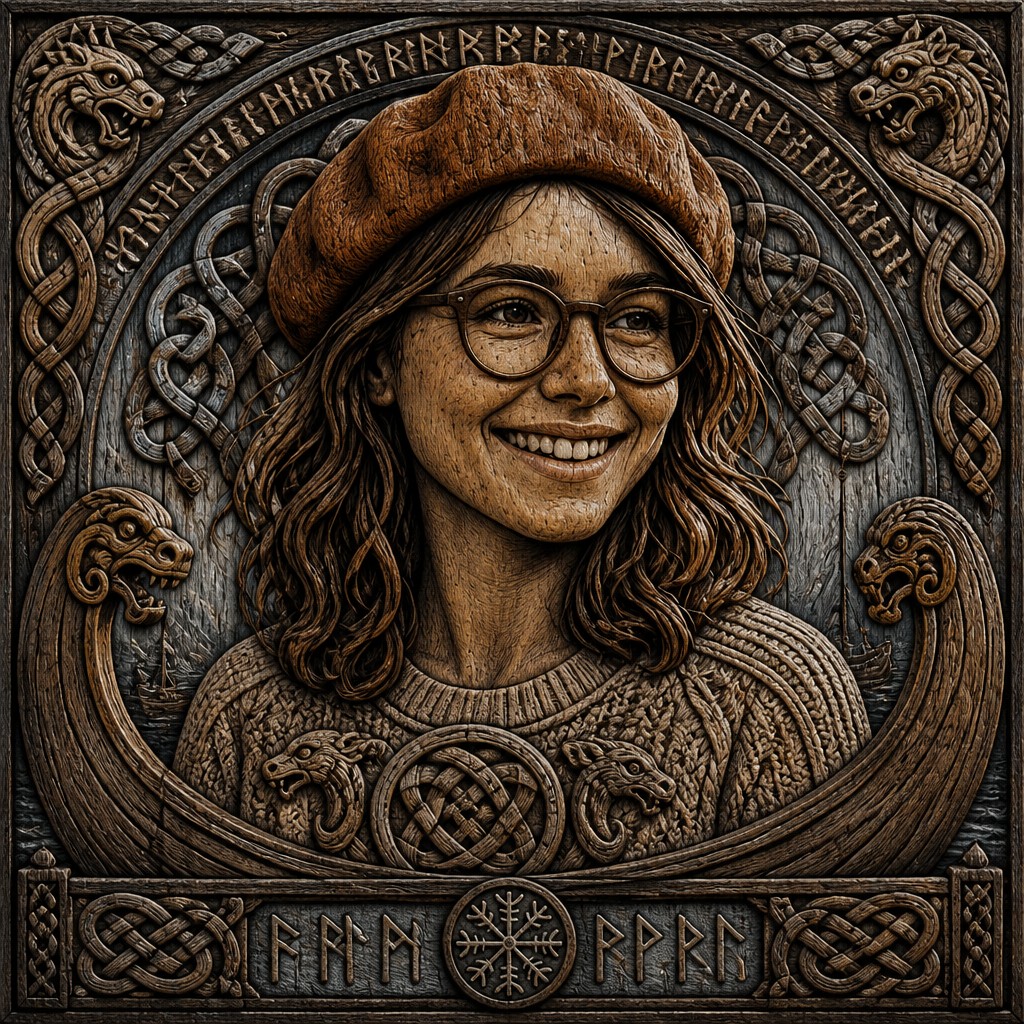

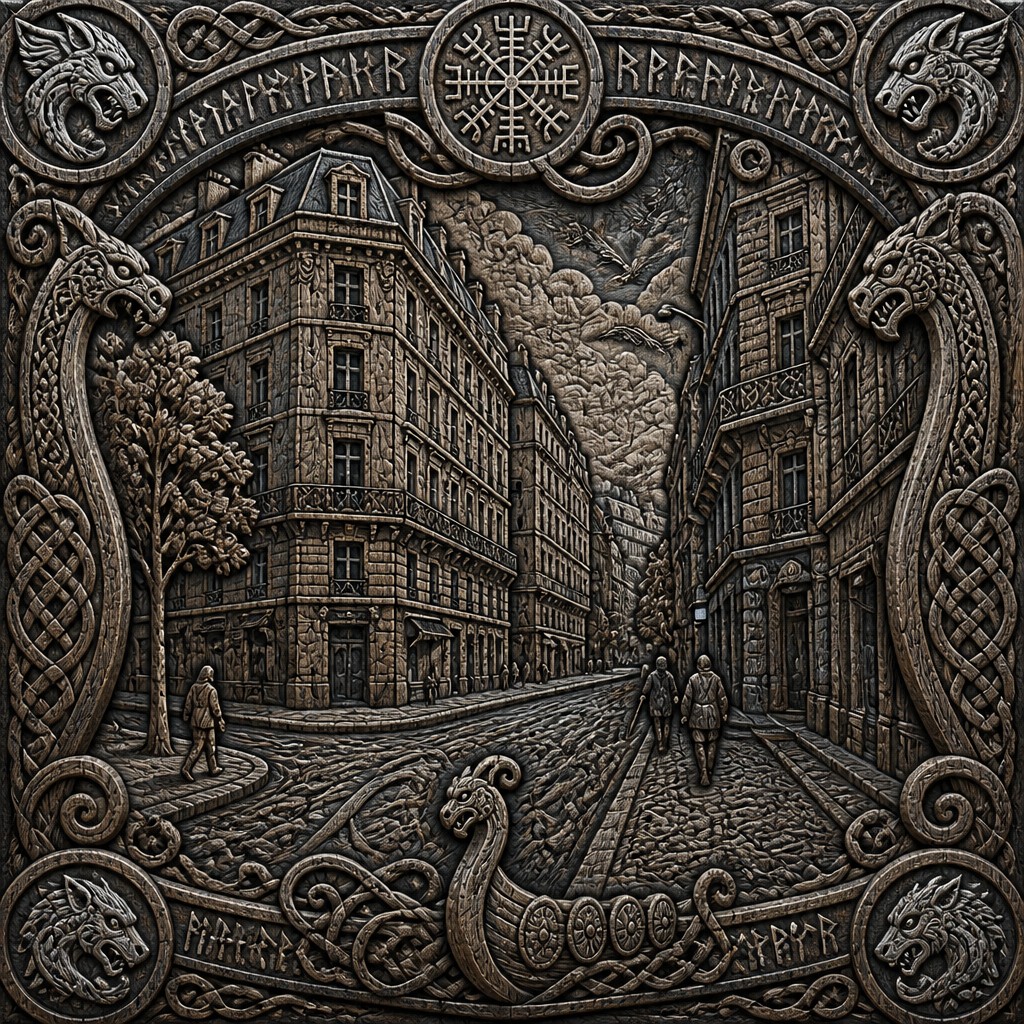

What Defines Viking Art Style
The signature details, up close
Gripping beasts
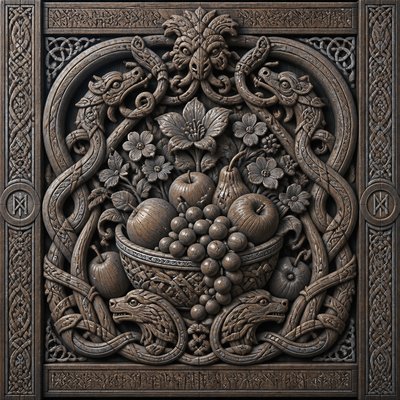
Compact animals with elongated bodies and hooked limbs appear to seize borders, ribbons, or one another. Their expressive anatomy creates tension and makes the ornament feel animated.
Interlaced ribbons and knotwork
Sinuous bands cross, loop, and re-emerge in tightly organized patterns. Interlacing is usually continuous, with few empty spaces and a strong emphasis on rhythm.
Serpents and dragon forms
Snakes, dragons, and long-bodied creatures provide curving silhouettes that can frame a composition or form its central structure. Ship-prow imagery often translates these forms into projecting heads and curling necks.
Runic bands
Runes may function as inscriptions, borders, or graphic accents. Historically, their wording and placement mattered; decorative use should not imply that every runic sequence is a meaningful text.
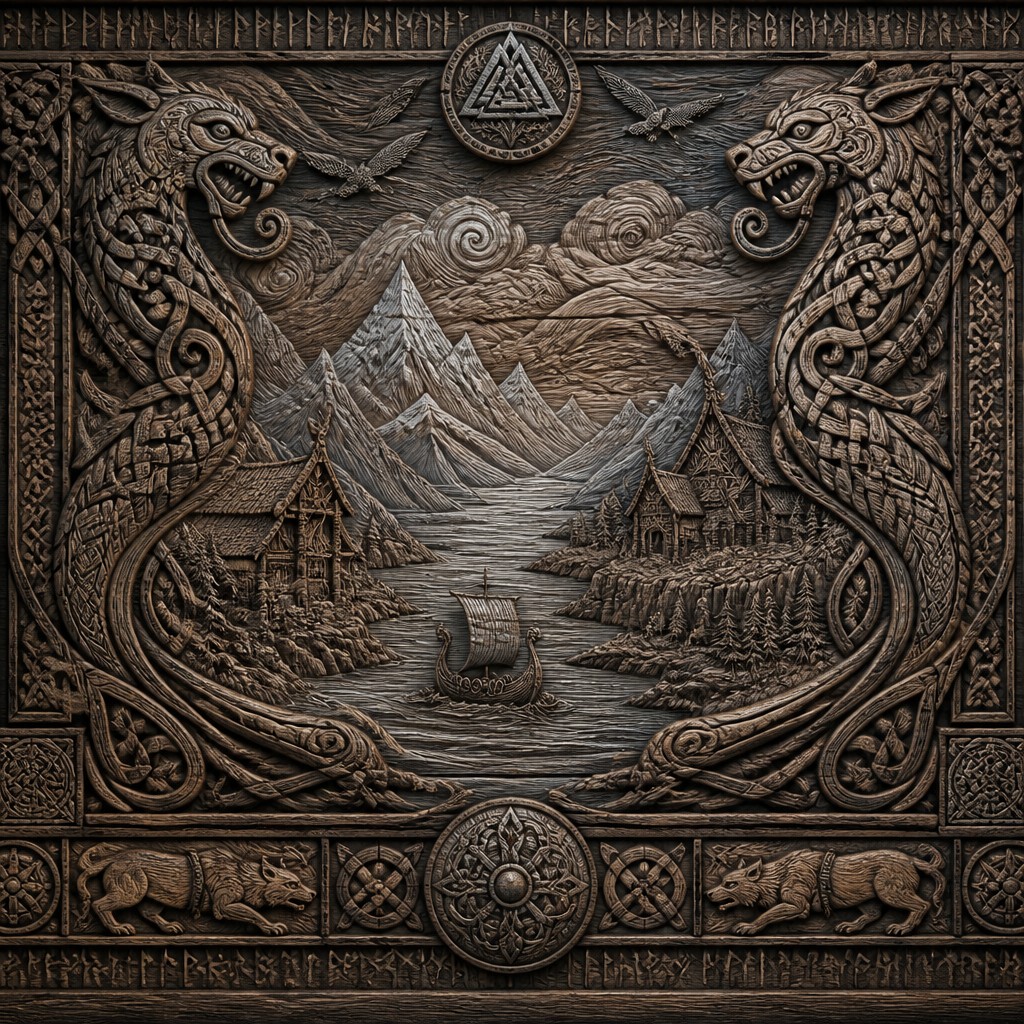
Carved relief and tool marks
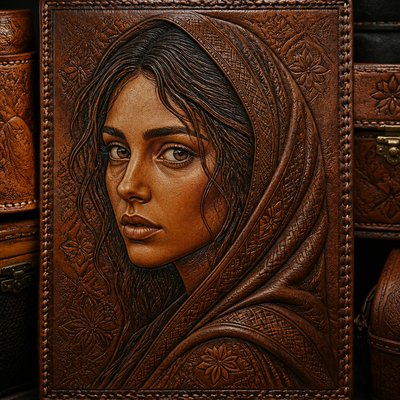
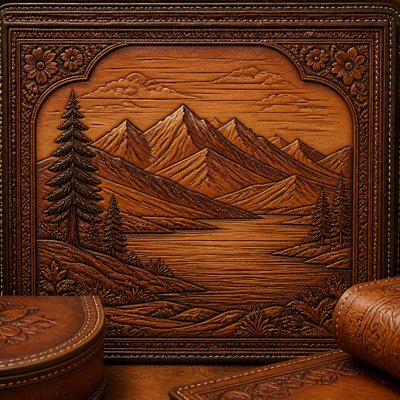
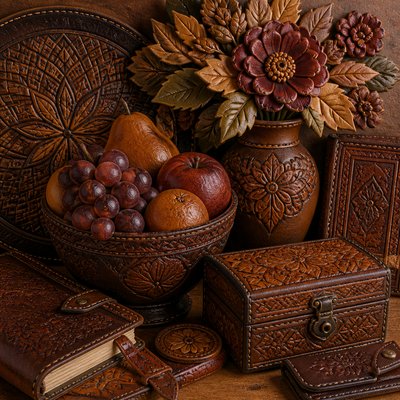
Deep cuts, raised ridges, chamfered edges, and visible grain suggest woodcarving or cast and engraved metalwork. Weathered oak browns, charcoal, iron gray, and restrained metallic highlights reinforce the tactile surface.
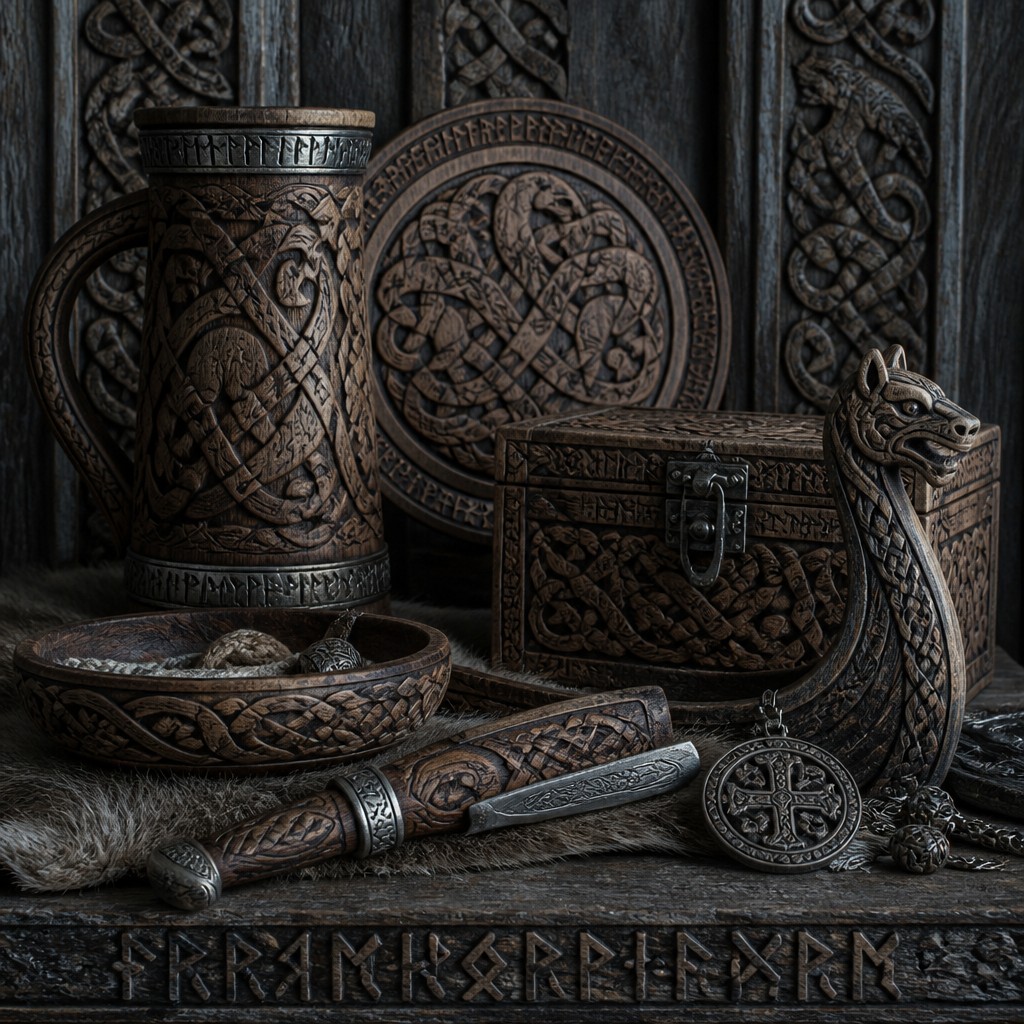
Dense framed composition
Motifs are commonly contained within bands, panels, medallions, shield-like fields, or architectural frames. Repetition and bilateral or near-bilateral balance give the ornament structural clarity.
Try It
Create Videos in Viking Art Style
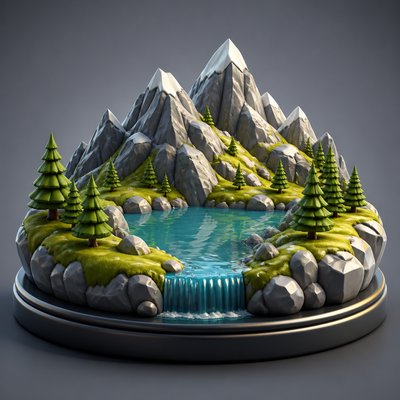
Styles aren't just for stills — describe a scene or animate an image and get a short video rendered in Viking. Press play to see this pond come to life.
Make a VideoViking Prompt Ideas
Start from an idea — each one opens the generator with the style ready to go. See all 40 Viking prompts →
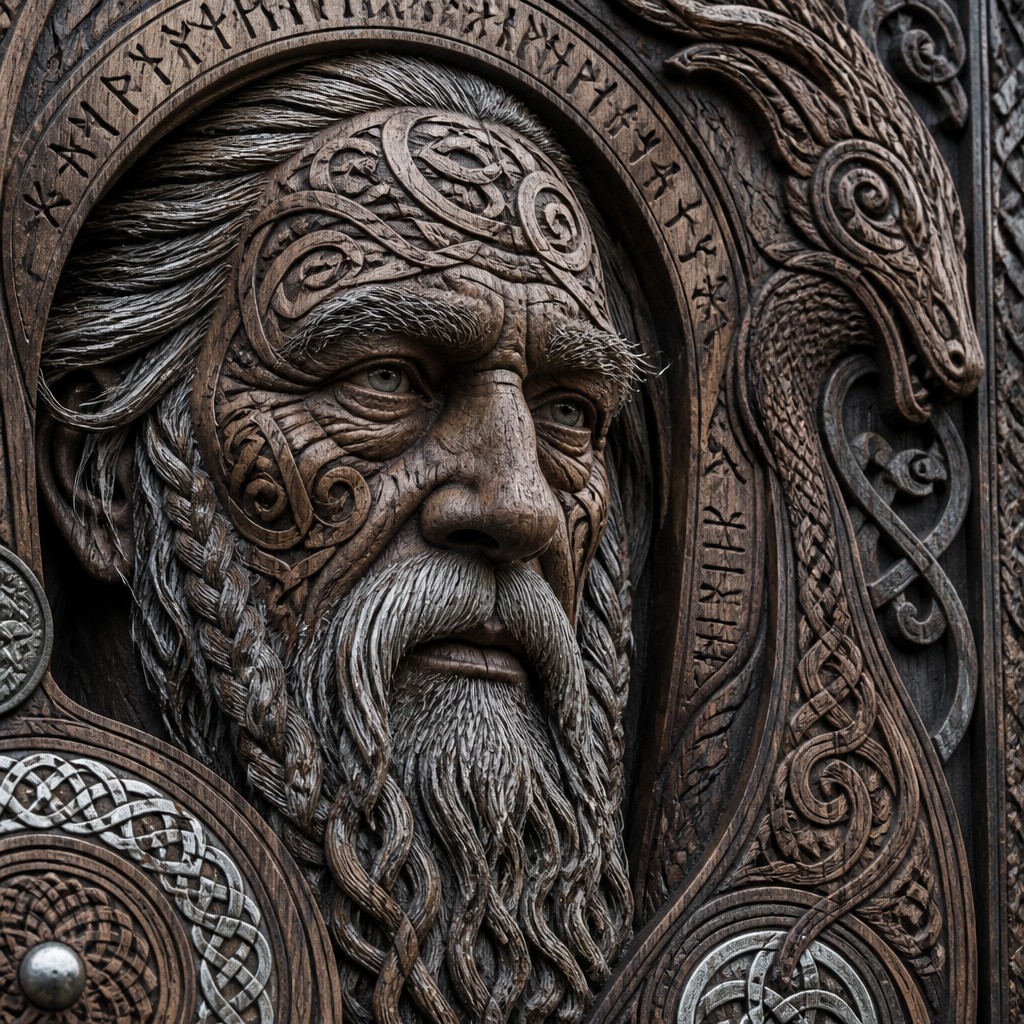
“close-up portrait of an elderly person with expressive weathered features”
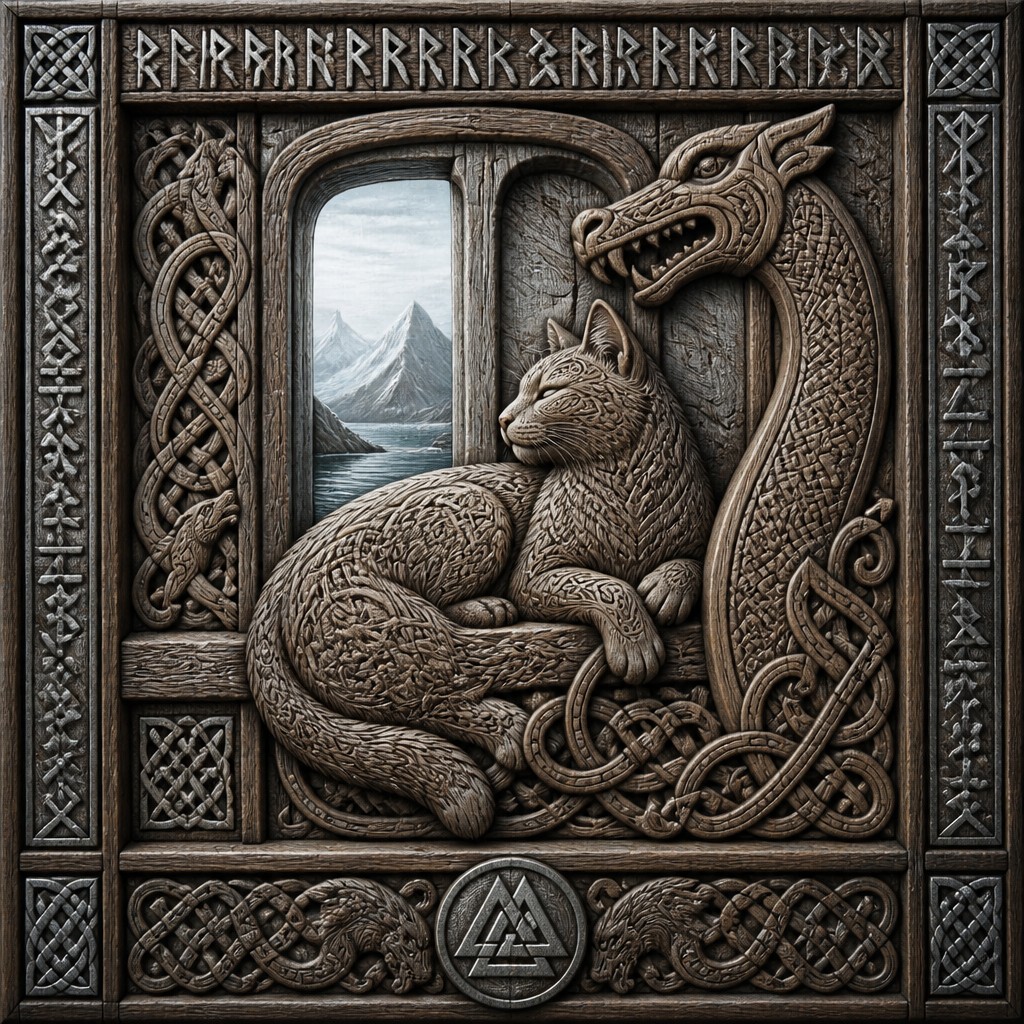
“a cat lounging in a sunlit window”
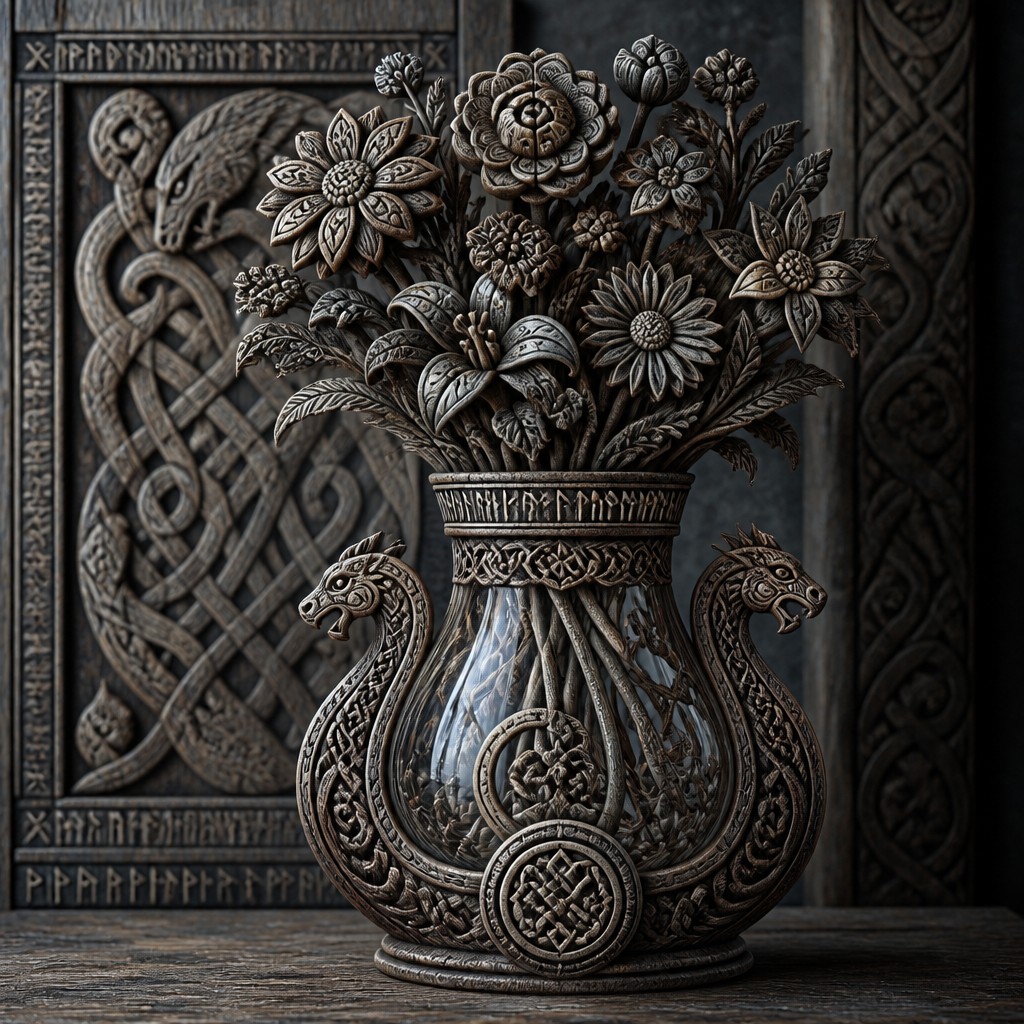
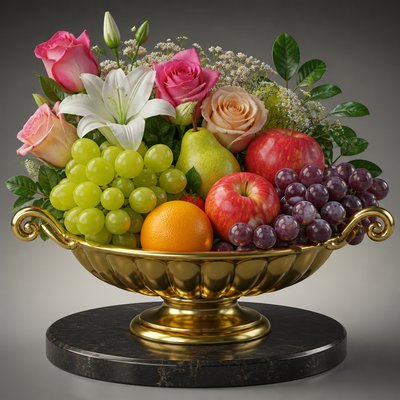
“bouquet of flowers in a glass vase”
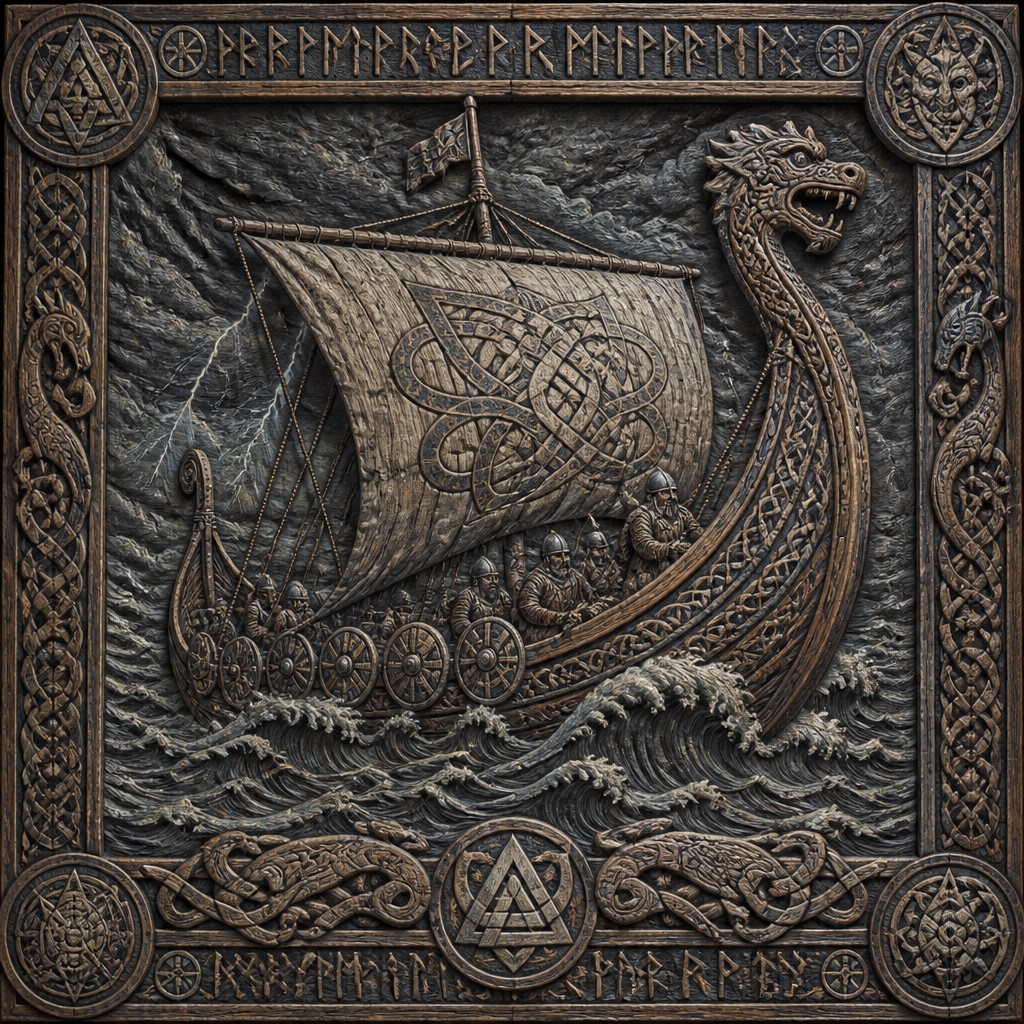
“sailing ship on a stormy sea”
How to Create Viking Art
Master the craft step by step — or skip straight to creating. Read the full guide →
- 1
Build the contour first
Sketch a small number of decisive animal and ribbon silhouettes before adding texture. Make limbs visibly grip borders or bands, and preserve clear overlaps so the interlace remains readable.
- 2
Use relief logic
For traditional work, carve or model a shallow raised design with undercut edges, rounded ridges, and deliberate tool marks. In digital work, use height maps, bevels, ambient occlusion, and directional shadows to reproduce that relief.
- 3
Choose a restrained material palette
Start with weathered oak, iron, dark stone, bone, and oxidized or polished silver rather than bright modern colors. Add wear selectively along edges, recesses, and exposed grain.
- 4
Organize the ornament into panels
Frame a central subject with a runic band, knotwork border, or repeating animal pattern. Vary scale between the main motif and the border while keeping the visual weight balanced.
- 5
Write precise generation prompts
Specify the subject, interlaced animal anatomy, material, relief depth, palette, lighting, and level of archaeological versus fantasy interpretation. For image-to-image work, preserve the source silhouette while directing the transformation toward carved grain, knotwork, and controlled runic ornament.
The Story
History & Origins of Viking
Norse artistic traditions developed across Scandinavia and its trading networks from approximately 750 to 1100 CE, absorbing and transforming earlier Germanic animal ornament as well as influences from the British Isles, the Carolingian world, and eastern Europe. Historians commonly describe successive phases including Oseberg, Borre, Jelling, Mammen, Ringerike, and Urnes, identified through changing animal forms, compositions, and levels of stylization. These labels are useful art-historical categories, not always rigidly separated periods.
The tradition was practiced by specialist woodcarvers, metalworkers, stonecutters, and textile makers. Carved ships, sledges, portals, memorial stones, buckles, brooches, weapon fittings, and amulets demonstrate the range of the style. Modern Viking-inspired imagery combines these historical motifs with cinematic fantasy, archaeological reconstruction, and digitally simulated carving, so it should be understood as a contemporary synthesis rather than a single uninterrupted historical school.
Influences: The style draws on Germanic animal ornament, Scandinavian Iron Age and Viking Age carving, runestone design, medieval metalwork, shipbuilding decoration, and the interlace traditions of the British Isles and continental Europe. Modern versions also borrow from archaeological reconstruction, historical fantasy illustration, heavy-metal graphic design, tattoo ornament, and game concept art. The closest historical references are the Oseberg, Borre, Jelling, Mammen, Ringerike, and Urnes styles, each with distinct approaches to animal anatomy and interlacing.
Frequently Asked Questions
What defines Viking art style?
It is defined by interlaced animal ornament, gripping beasts, serpents, knotwork, runic bands, and a strong sense of rhythmic movement. In contemporary use, carved wood and iron textures, muted northern colors, and dragon-headed ship forms are also common.
Is Viking art the same as Norse or Scandinavian art?
The terms overlap but are not identical. Viking art usually refers to Scandinavian art of the Viking Age, while Norse art can describe a broader cultural tradition and Scandinavian art includes periods before and after the Viking Age.
Which historical Viking art styles are most important?
The commonly used sequence includes Oseberg, Borre, Jelling, Mammen, Ringerike, and Urnes. They differ in details such as gripping-beast forms, ribbon animals, foliate patterns, and the degree of fluidity in the interlace.
Were runes mainly decorative in Viking art?
No. Runes were primarily a writing system used for names, messages, memorials, ownership, and other inscriptions. They can form attractive borders in modern artwork, but a runic text should be checked for linguistic accuracy if it is intended to convey a real message.
How can I make an image look convincingly carved?
Use a limited material palette, establish a clear raised-and-recessed hierarchy, and add directional shadows that follow the cuts. Grain, chips, worn edges, oxidized metal, and slight asymmetry usually feel more convincing than uniform digital embossing.
Where is Viking-inspired art commonly used?
It appears in historical illustration, museum reconstruction, jewelry, tattoo design, game and film concept art, book covers, decorative carving, heraldic graphics, and fantasy settings. Authenticity varies widely, so historical references should be distinguished from modern mythic or cinematic adaptations.
Create your first Viking artwork
Describe anything — or upload a photo — and see it in Viking Art Style in seconds.
Related Styles
Discover similar art styles