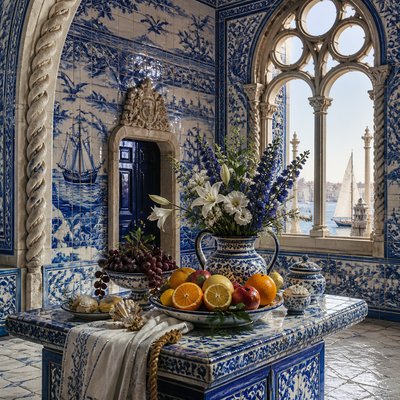
Sgraffito Art Style
Explore sgraffito, a carved-surface art technique defined by scratched designs, contrasting layers, and decorative incised line work.
Instantly rendered in Sgraffito — or transform a photo
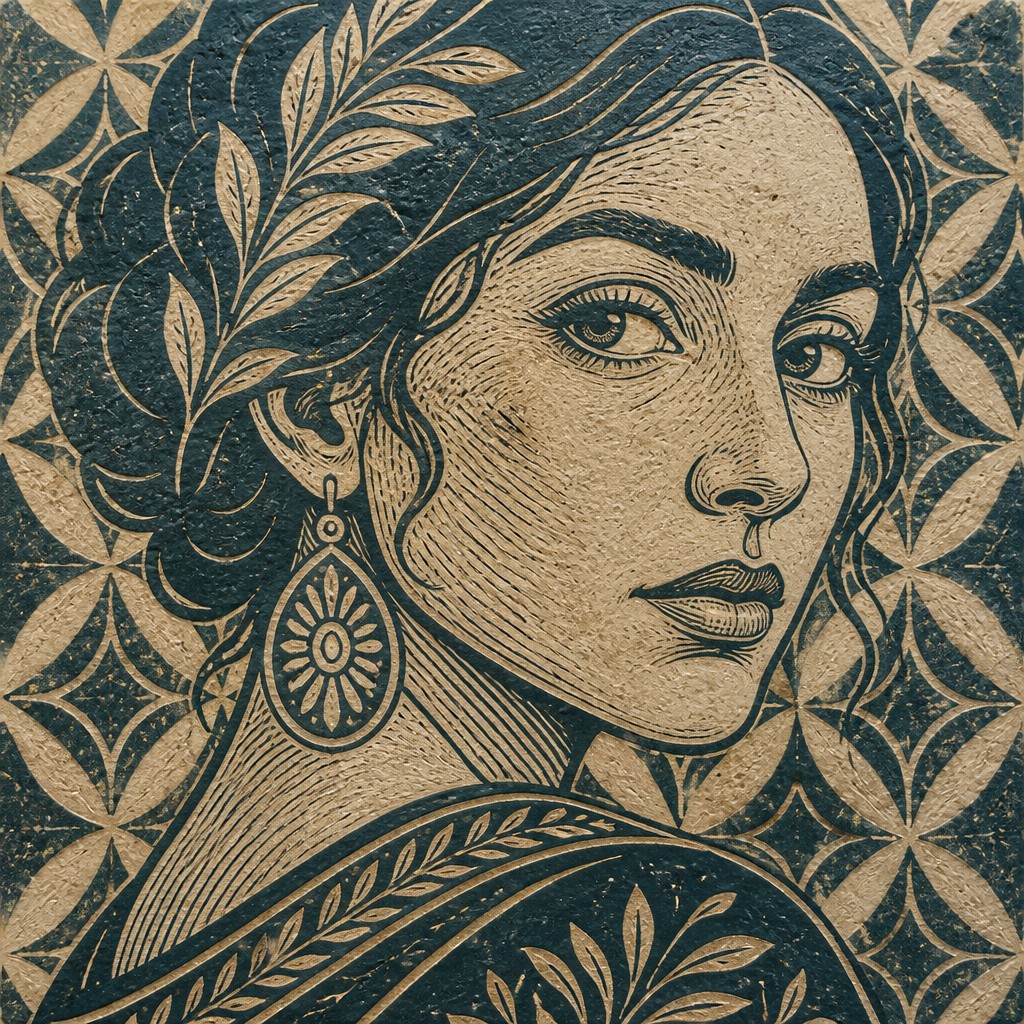
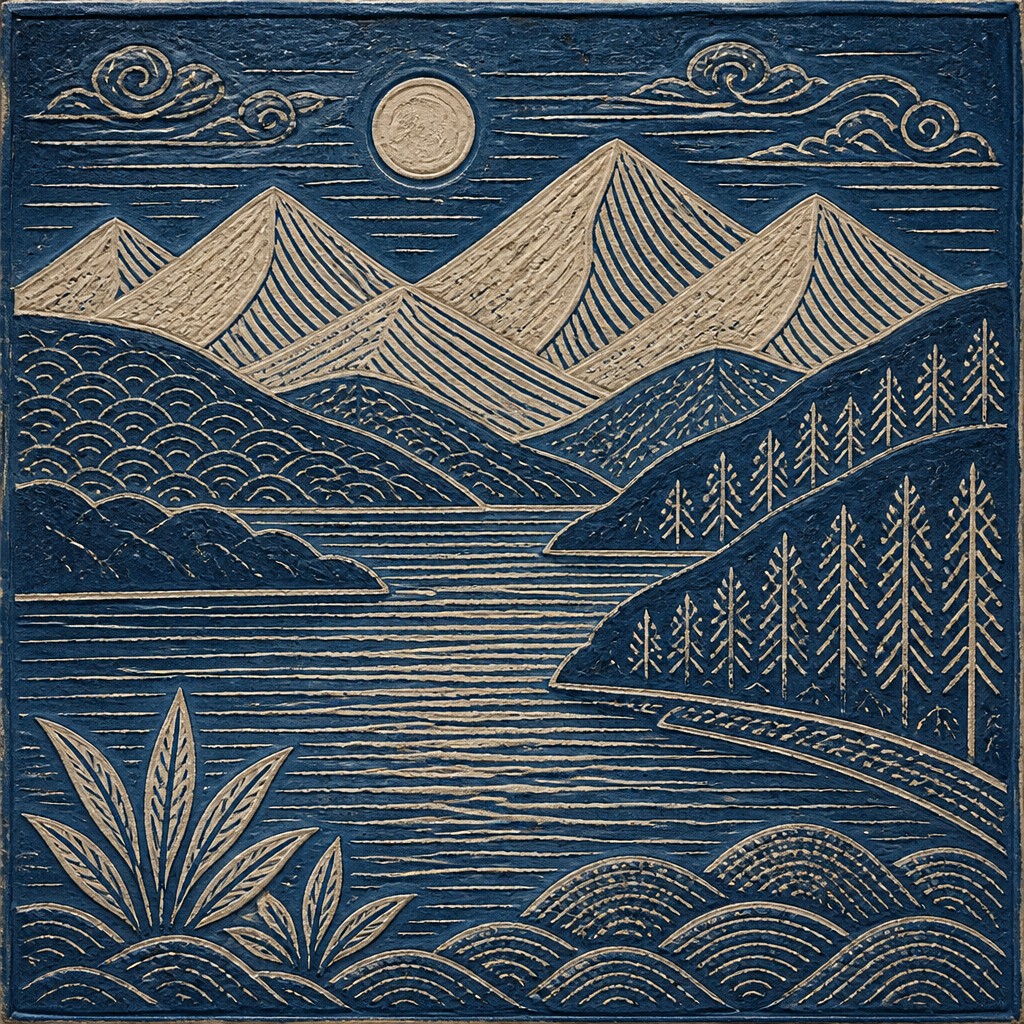
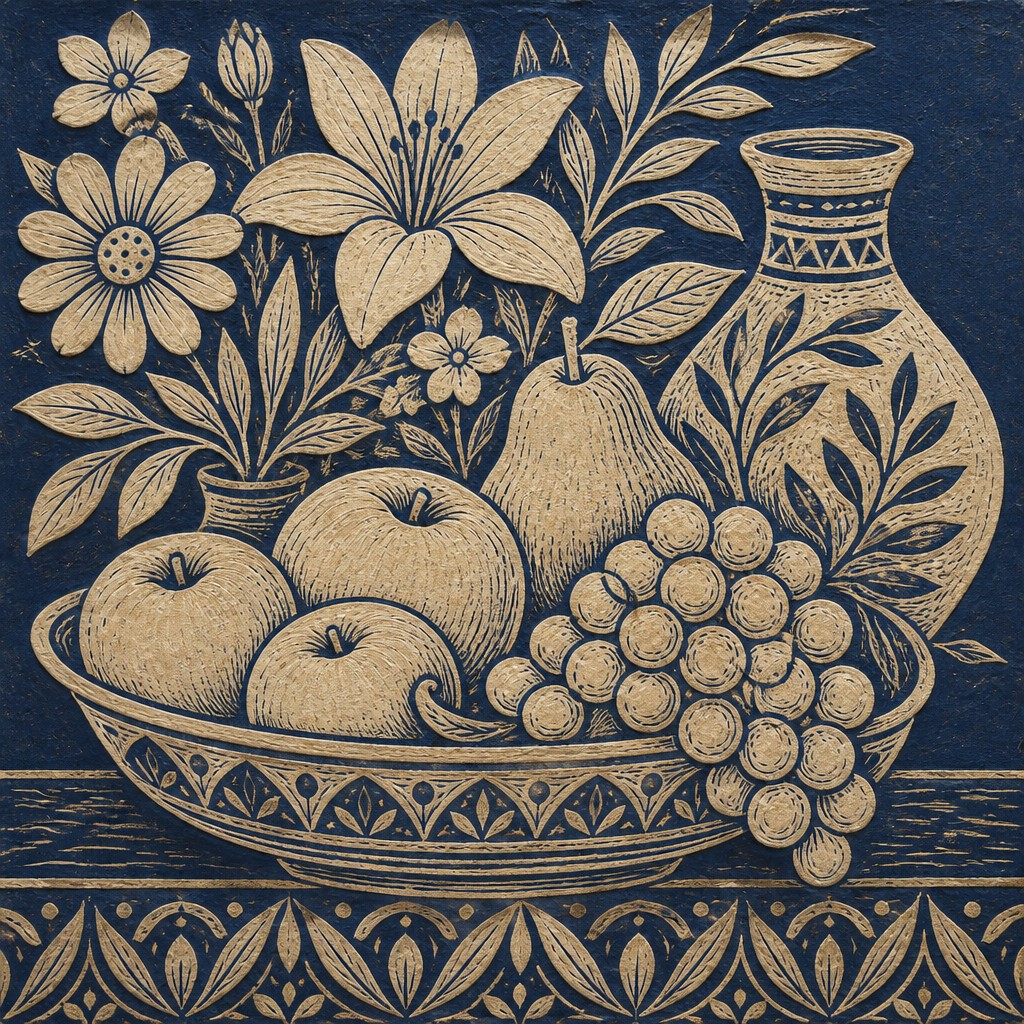
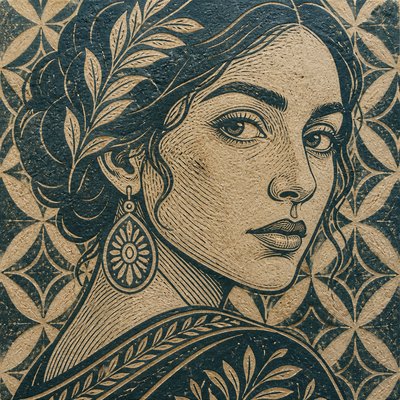
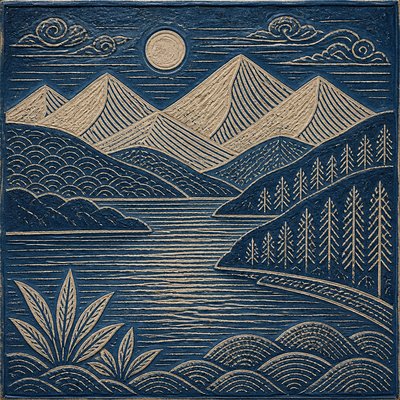
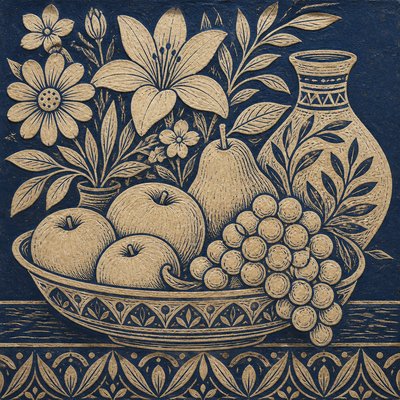
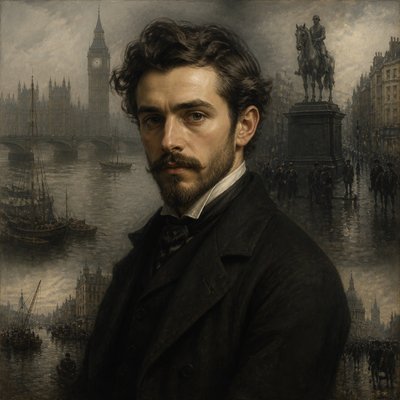
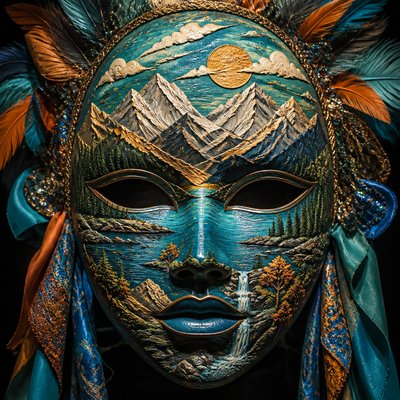
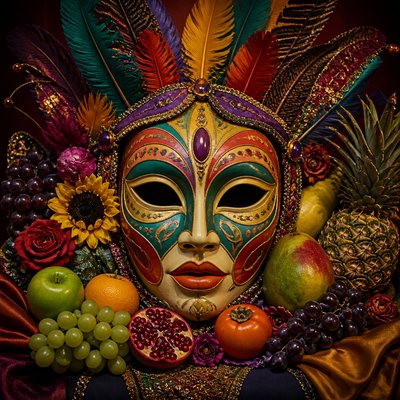
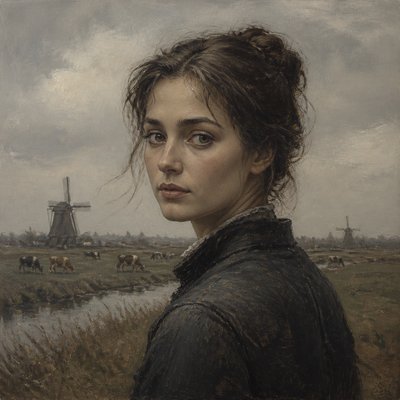
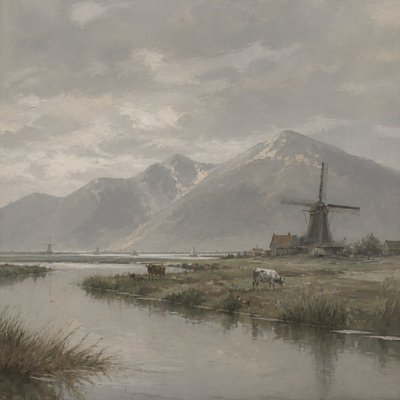
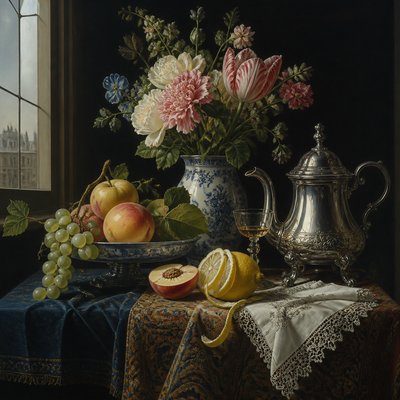
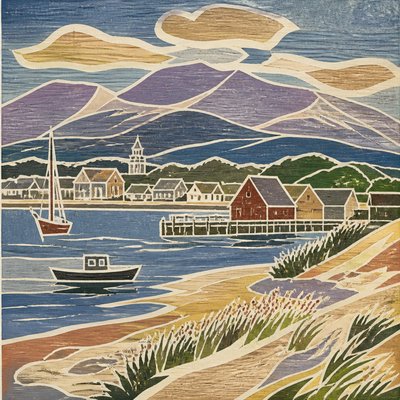
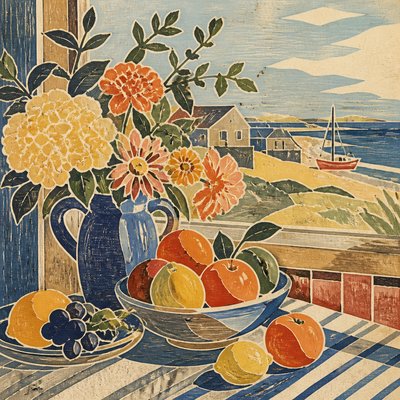
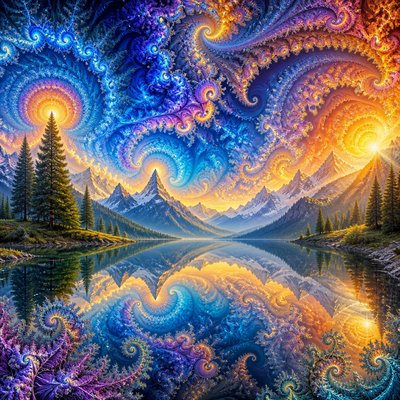
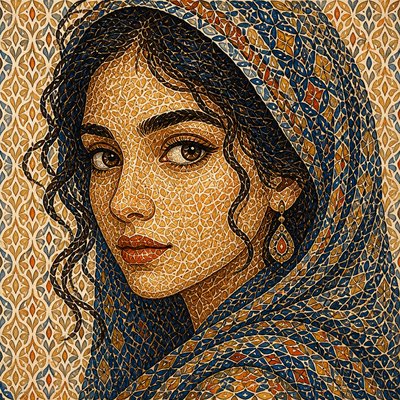
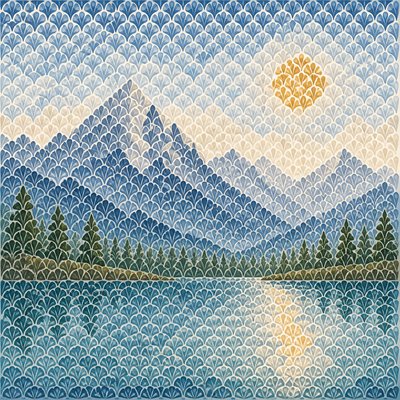
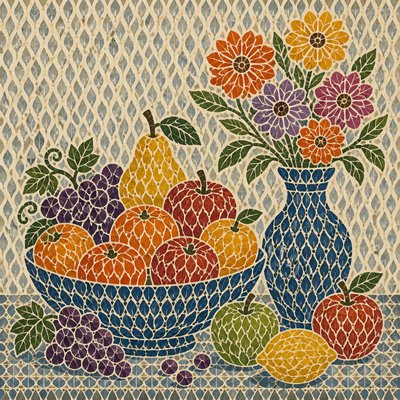
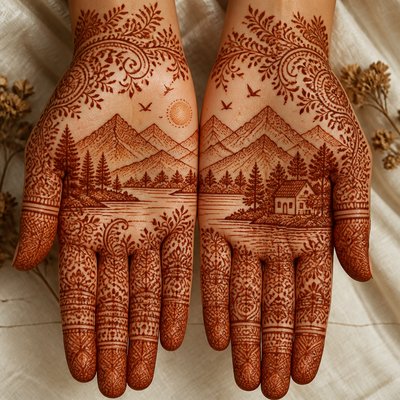
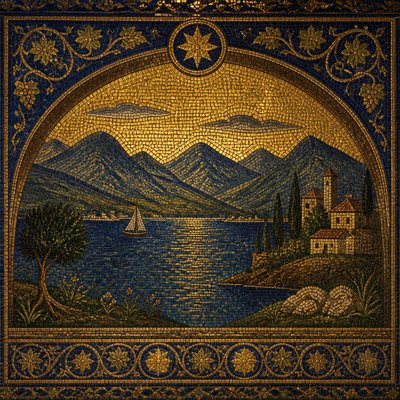
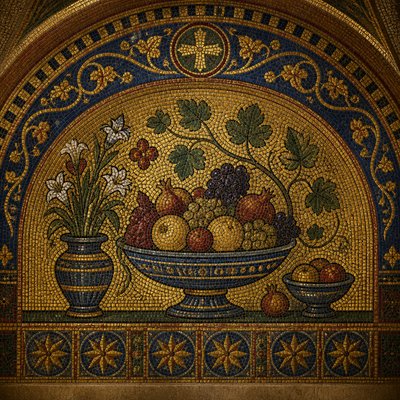
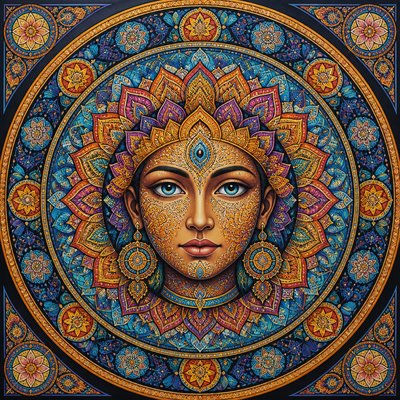
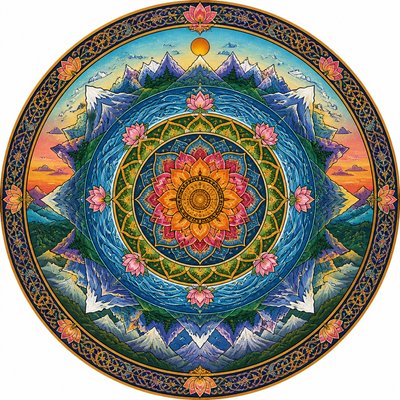
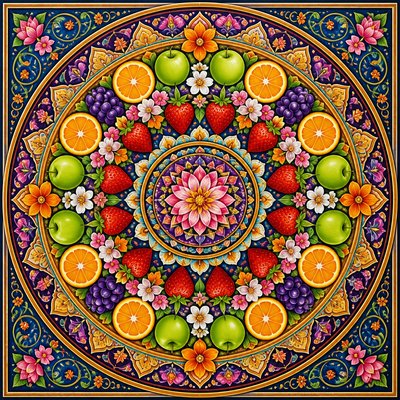
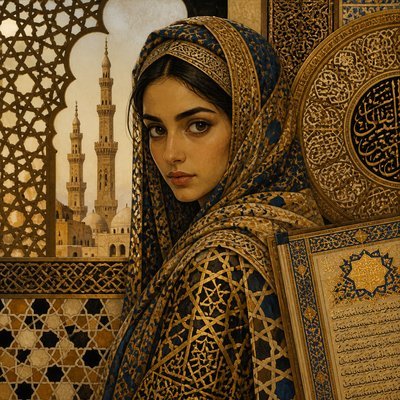
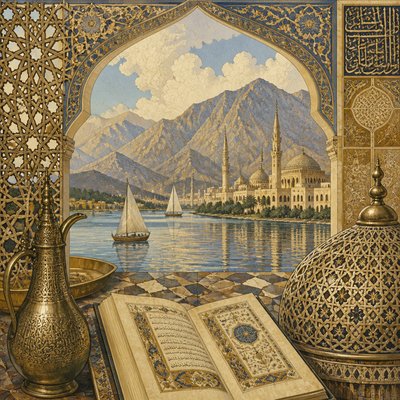
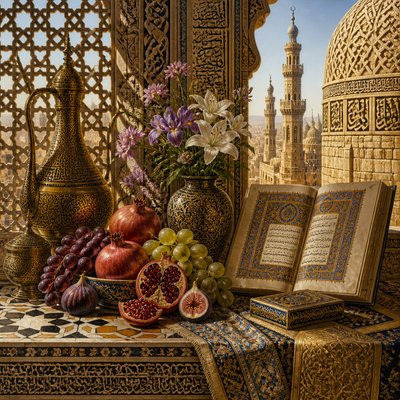
Sgraffito Gallery
Tap any artwork to explore it
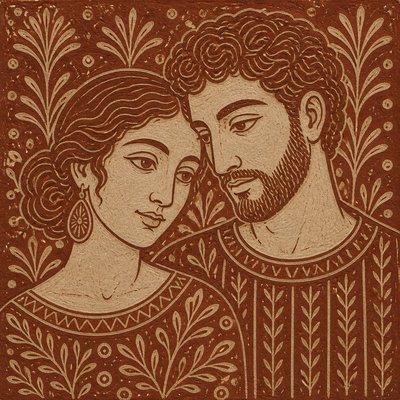
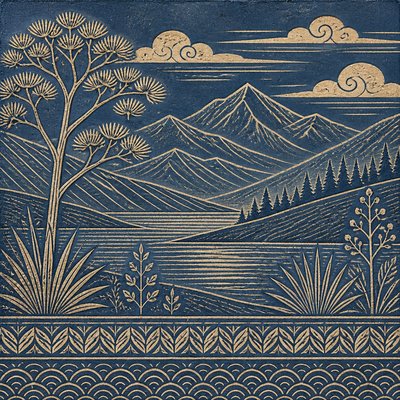
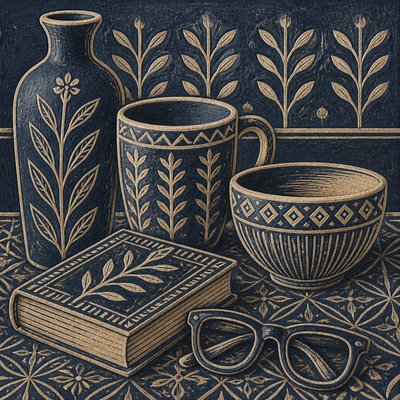
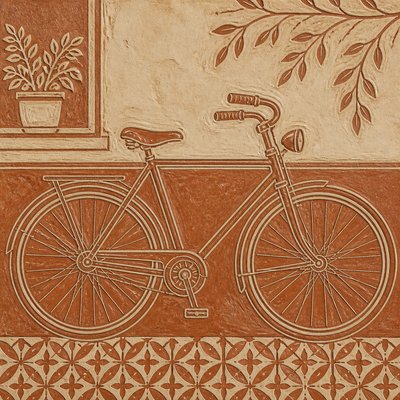
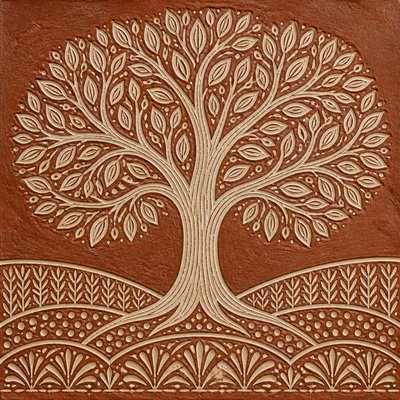
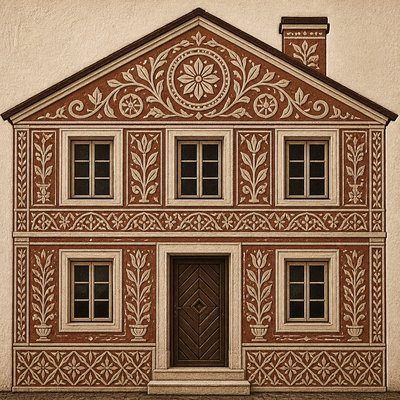
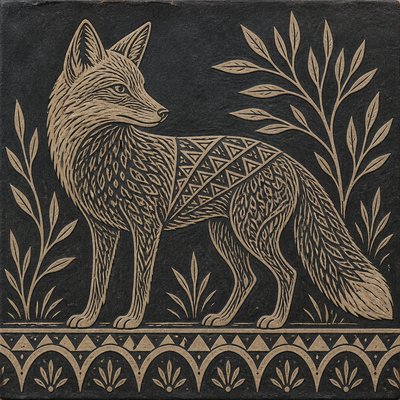
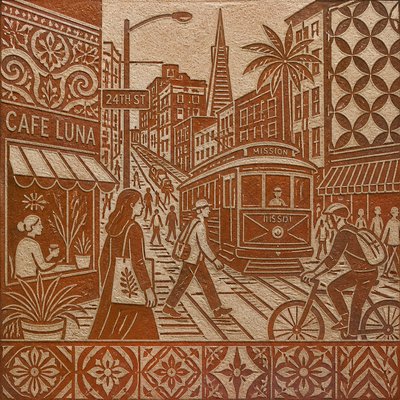
What is Sgraffito Art Style?
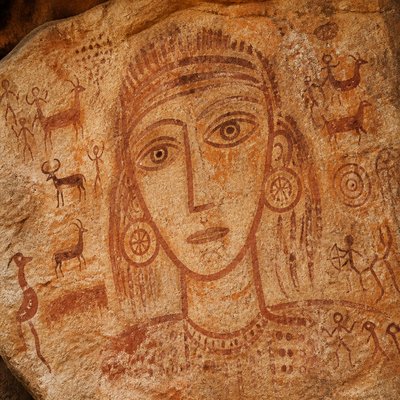
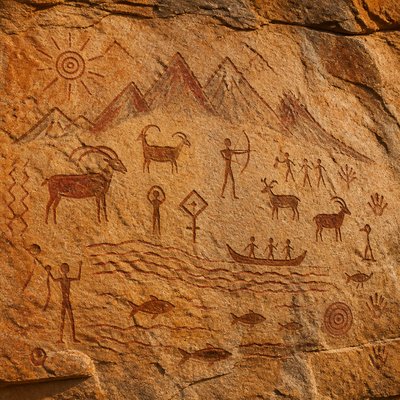
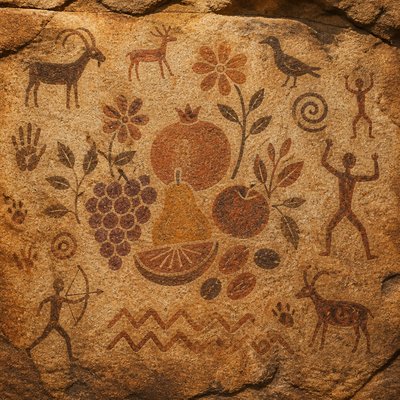
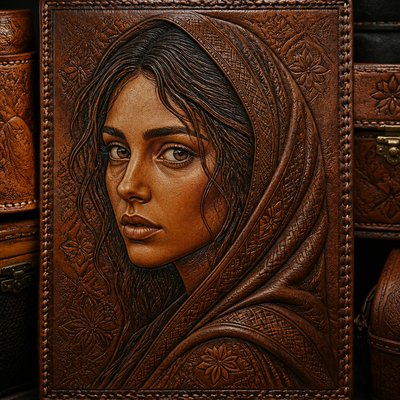
Sgraffito is a subtractive decorative technique in which an artist scratches, cuts, or scrapes through a surface layer to expose a differently colored layer beneath. The result is drawing created by removal: crisp outlines, patterned fields, and graphic contrasts embedded directly into plaster, clay, slip, paint, or other layered materials.
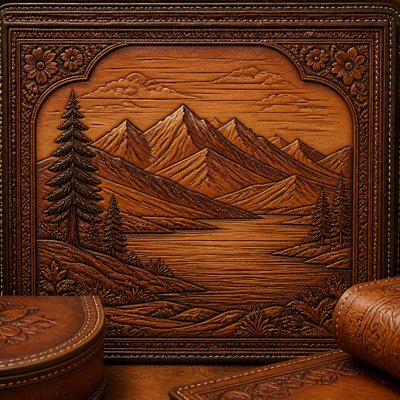
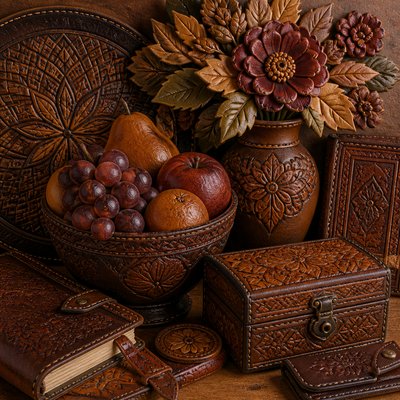
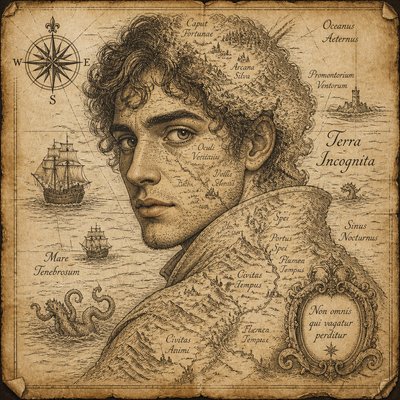
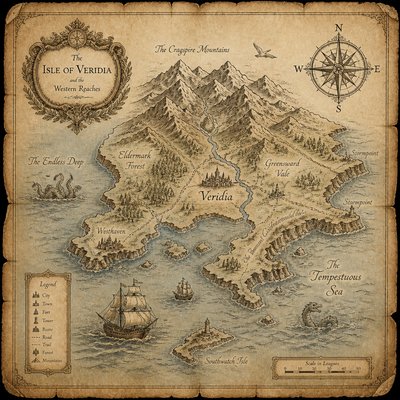
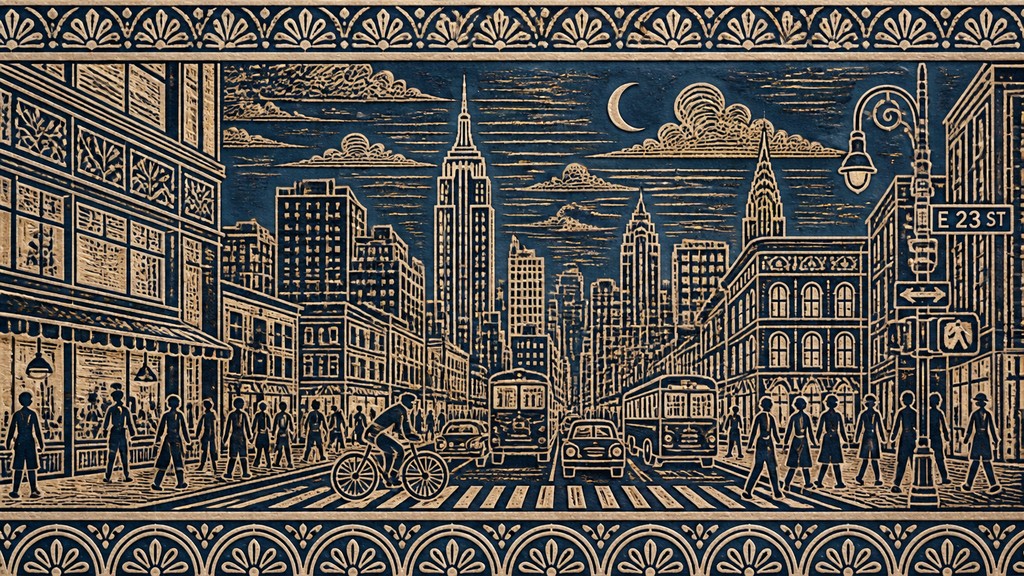
The style is recognized by its tactile surface, controlled incisions, and strong relationship between image and material. Designs may be architectural and monumental, ceramic and intimate, or adapted into a flat digital image that simulates carved plaster or scratched pigment. Repeating motifs, ornamental borders, simplified silhouettes, and two-tone contrasts are especially characteristic.
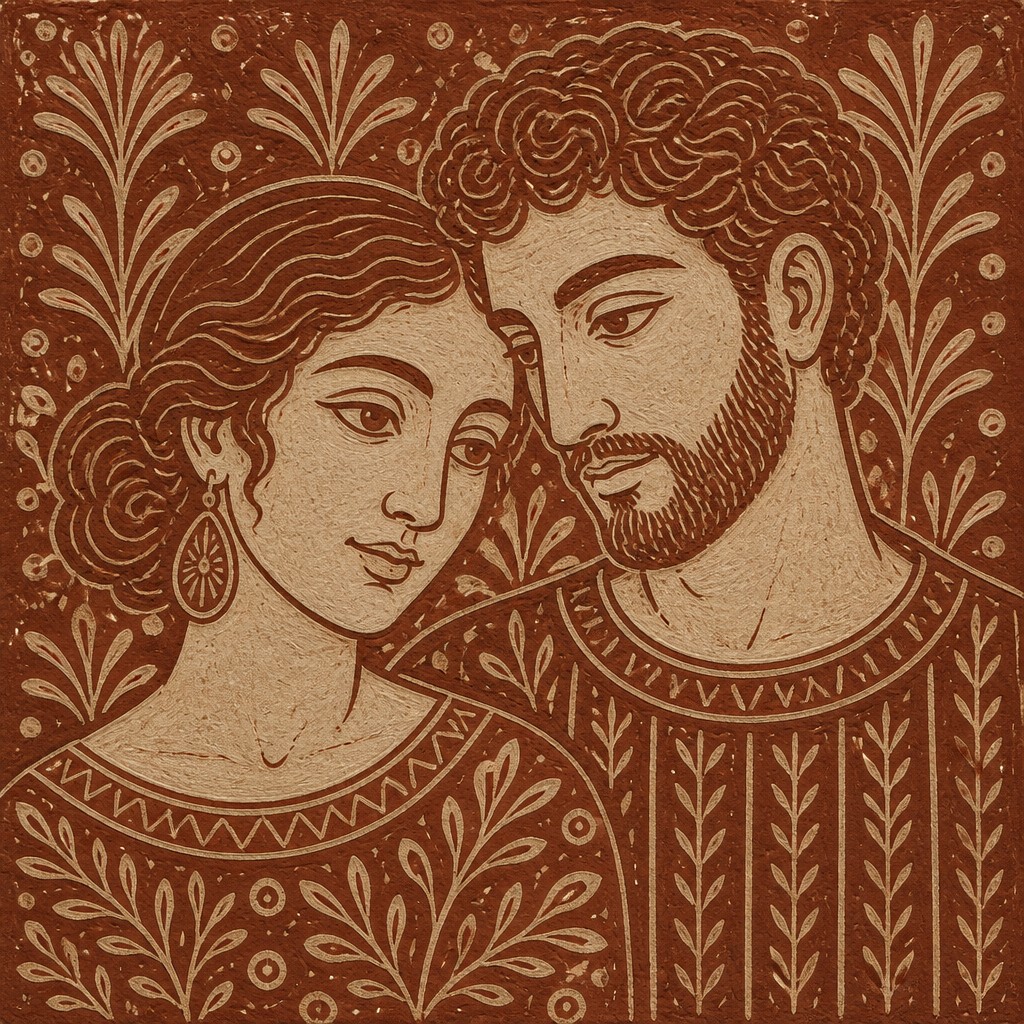
Try It On Your Photos
Upload any photo and convert it into Sgraffito Art Style — drag the sliders to compare before and after.
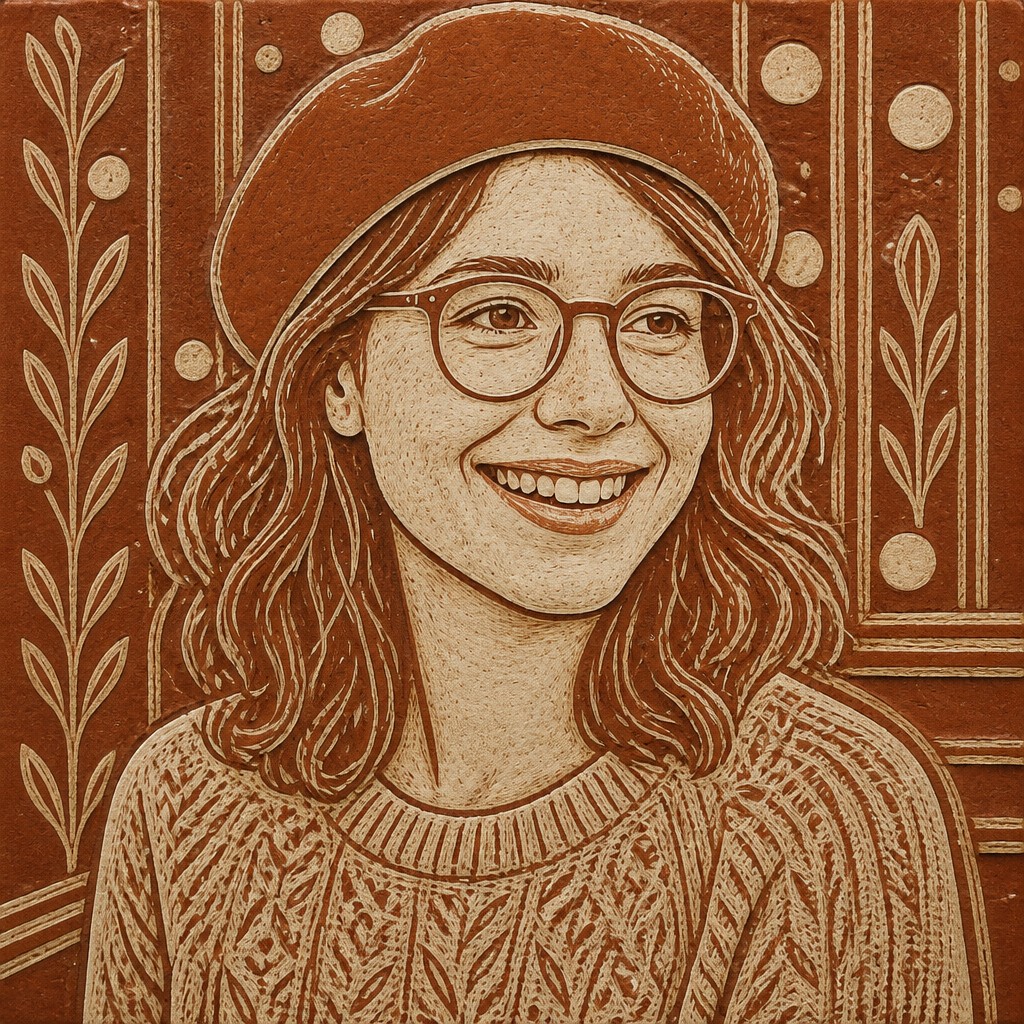

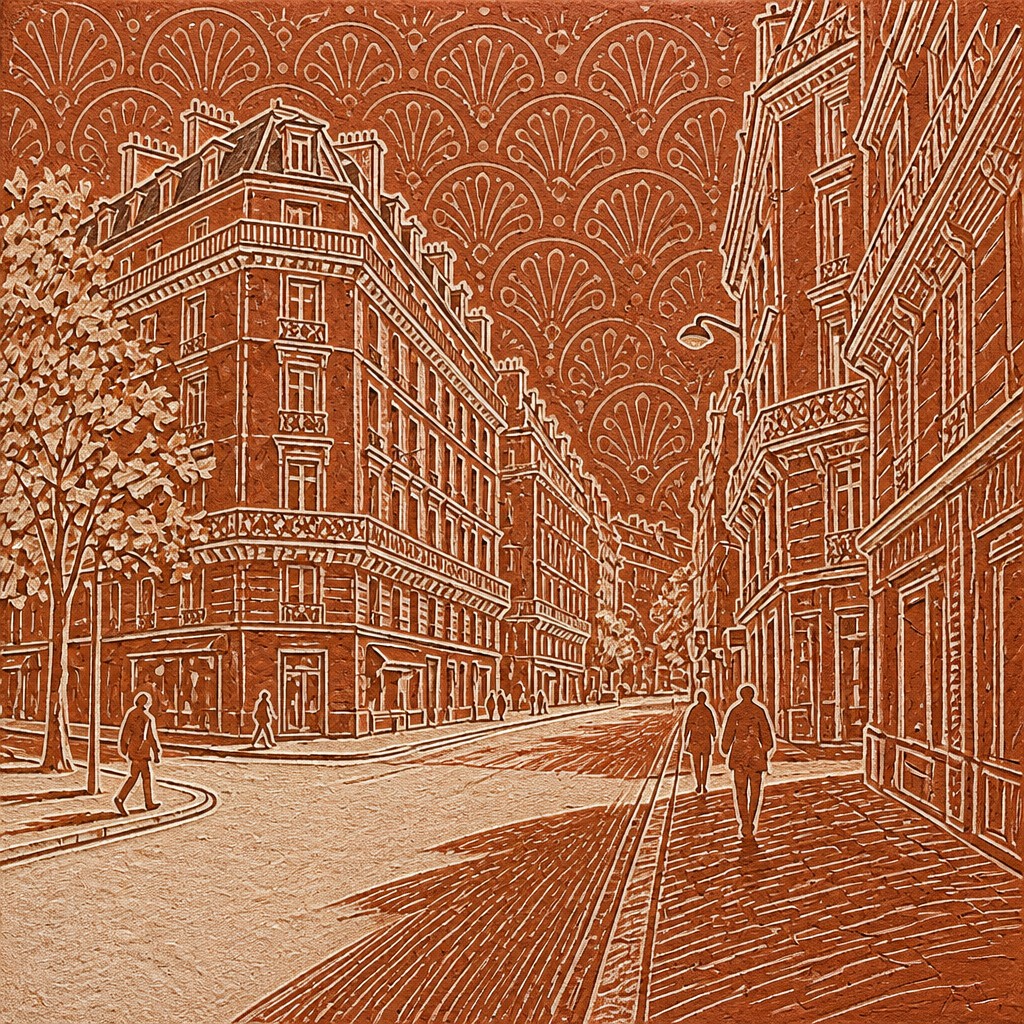

What Defines Sgraffito Art Style
The signature details, up close
Subtractive drawing
The image is formed by removing a top layer rather than adding lines with a separate medium. Scratches, cuts, and scraped areas expose the contrasting color or material underneath.
Two-tone contrast
Sgraffito commonly depends on a clear distinction between the surface layer and the revealed ground. High-contrast combinations make the incised drawing read with the directness of a graphic print.
Incised line work
Lines tend to be crisp, deliberate, and visibly tied to the physical surface. Their irregularity may preserve the pressure, direction, and rhythm of the hand or tool.
Layered material texture
Plaster, clay, ceramic slip, pigment, and mineral surfaces contribute granular, matte, or slightly uneven textures. These material cues distinguish sgraffito from ordinary flat outlining.
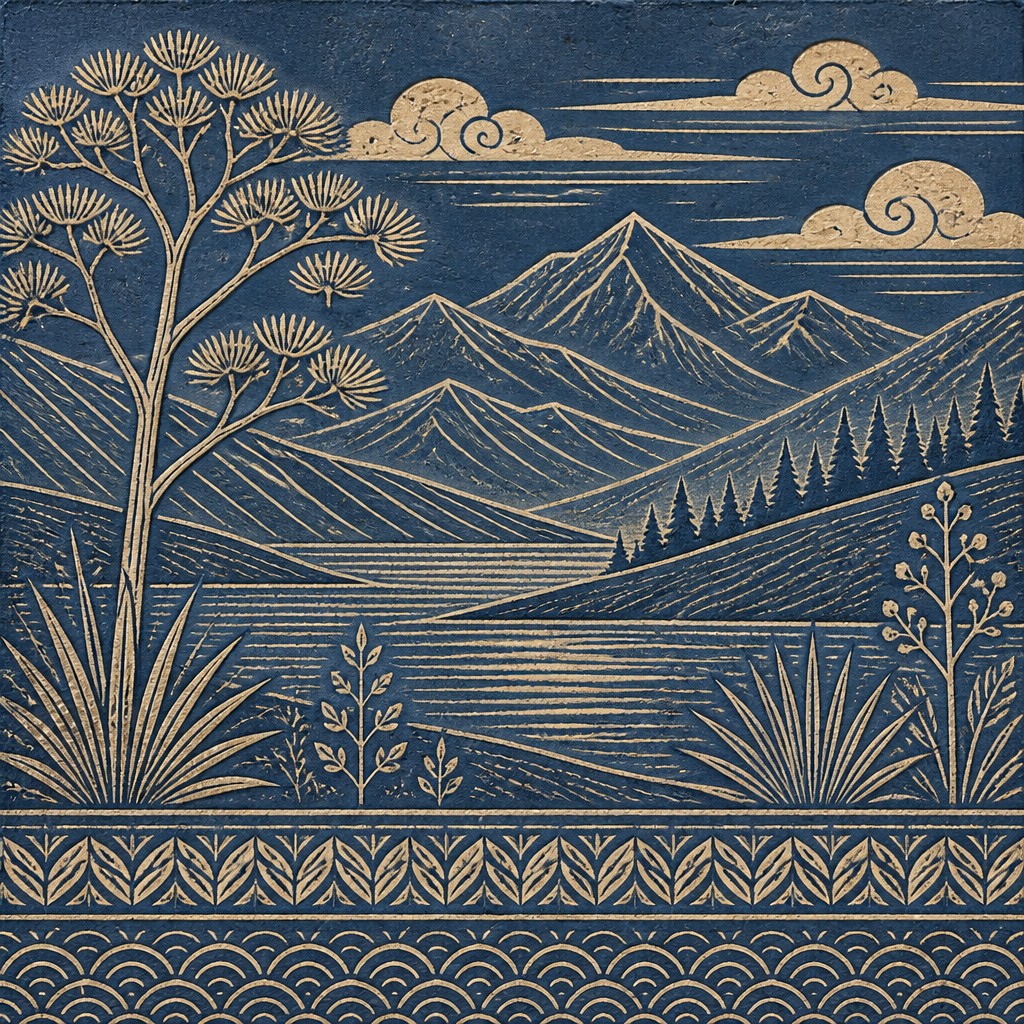
Decorative repetition
Borders, geometric divisions, botanical forms, heraldic shapes, and repeating ornamental motifs are frequent. Pattern helps organize the exposed lines across a wall, vessel, or panel.
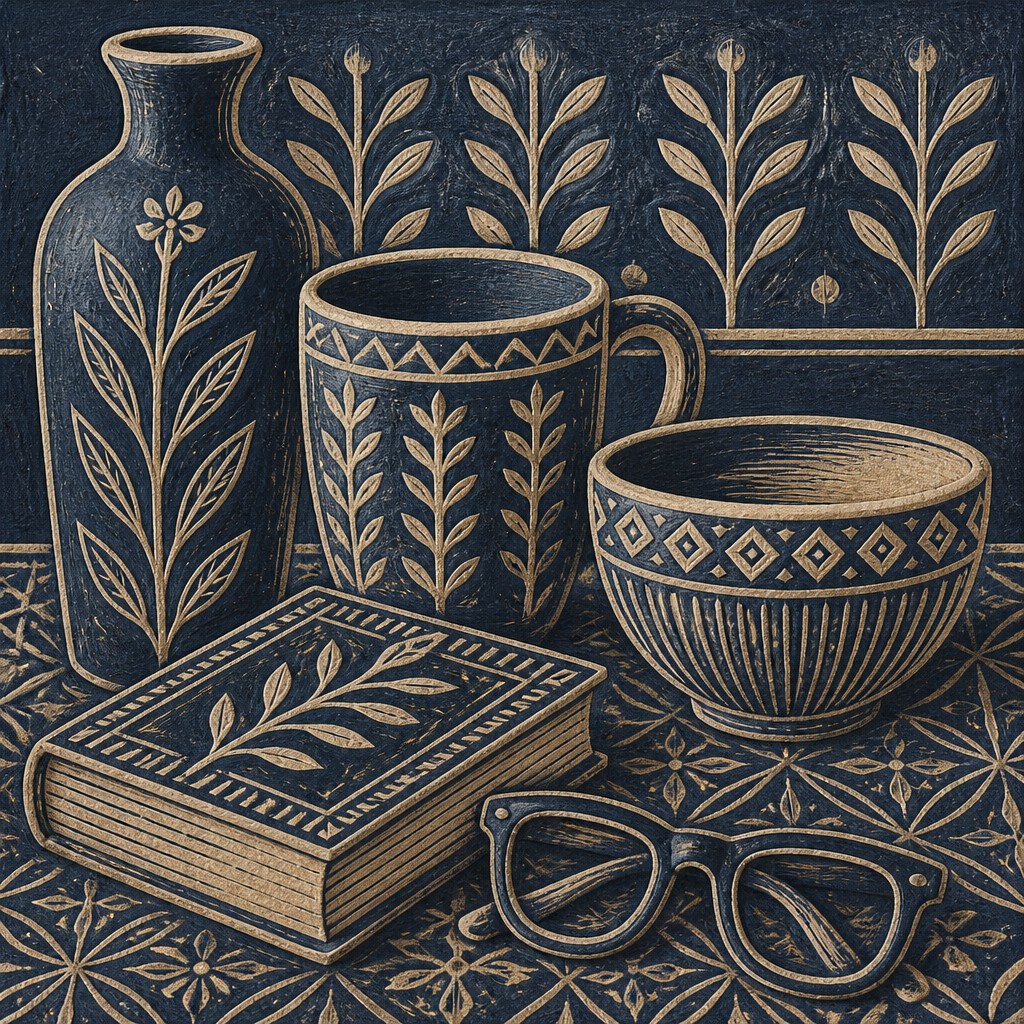
Graphic simplification
Forms are often reduced to strong silhouettes and readable contours so they remain legible after being cut into the surface. Shading is commonly suggested through hatching, clusters of marks, or broad revealed areas.
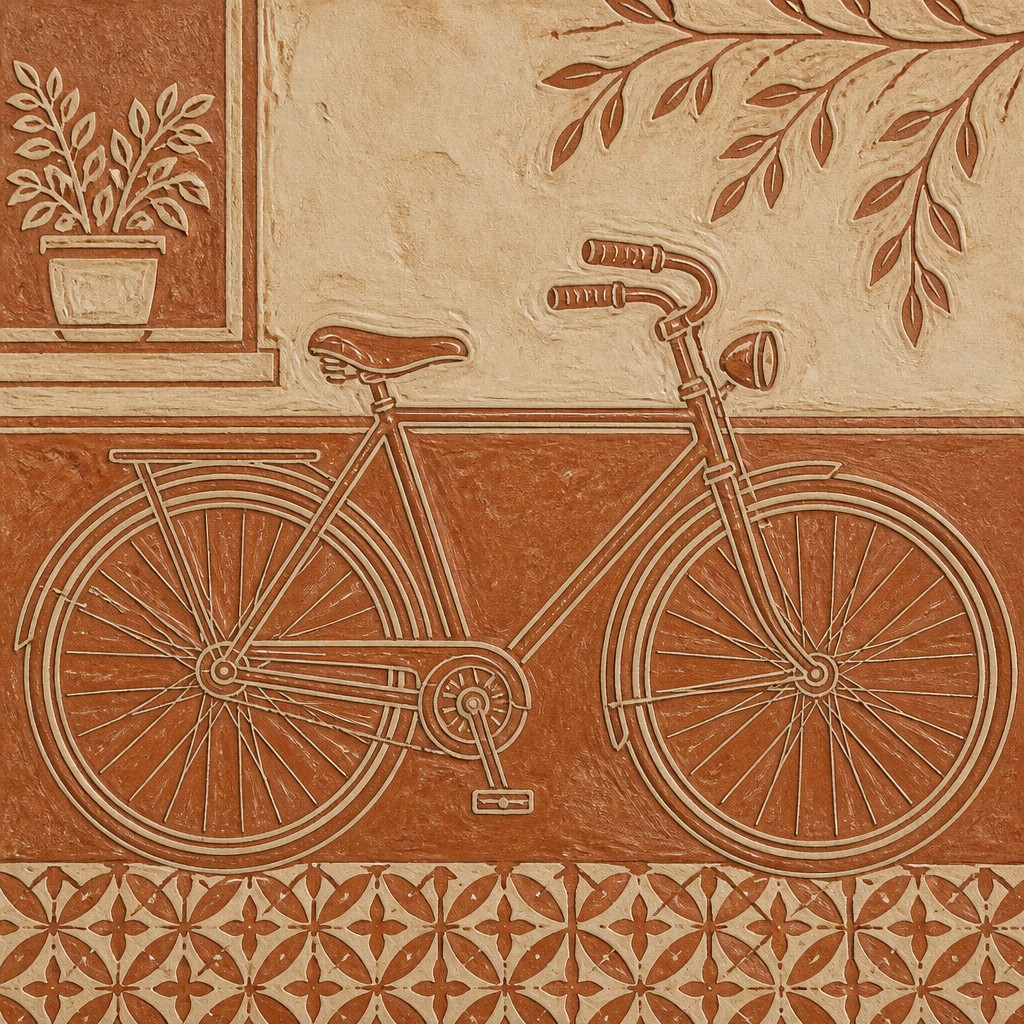
Architectural integration
Traditional examples often treat the wall or vessel as part of the composition rather than as a neutral support. Friezes, façades, medallions, and ceramic panels allow the design to follow the structure of the object.
Try It
Create Videos in Sgraffito Art Style
Styles aren't just for stills — describe a scene or animate an image and get a short video rendered in Sgraffito. Press play to see this pond come to life.
Make a VideoSgraffito Prompt Ideas
Start from an idea — each one opens the generator with the style ready to go. See all 40 Sgraffito prompts →
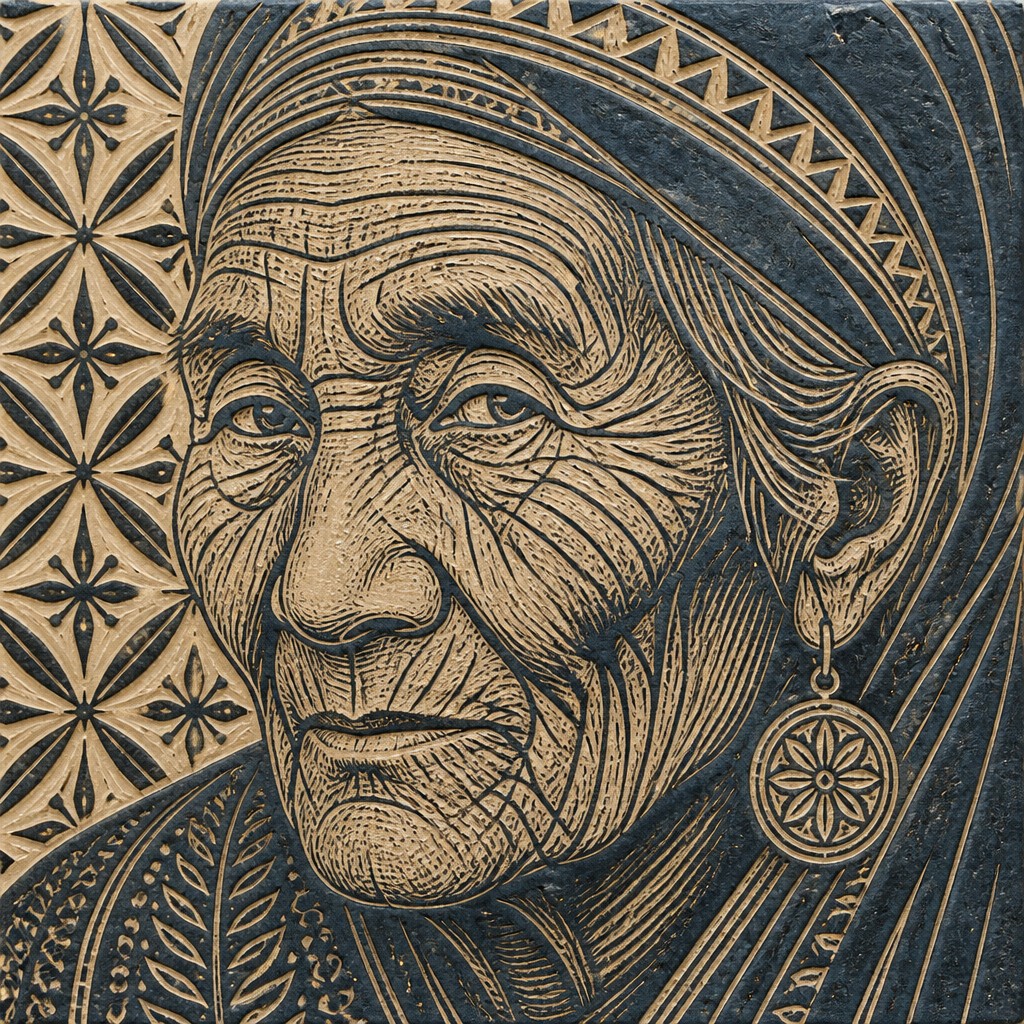
“close-up portrait of an elderly person with expressive weathered features”
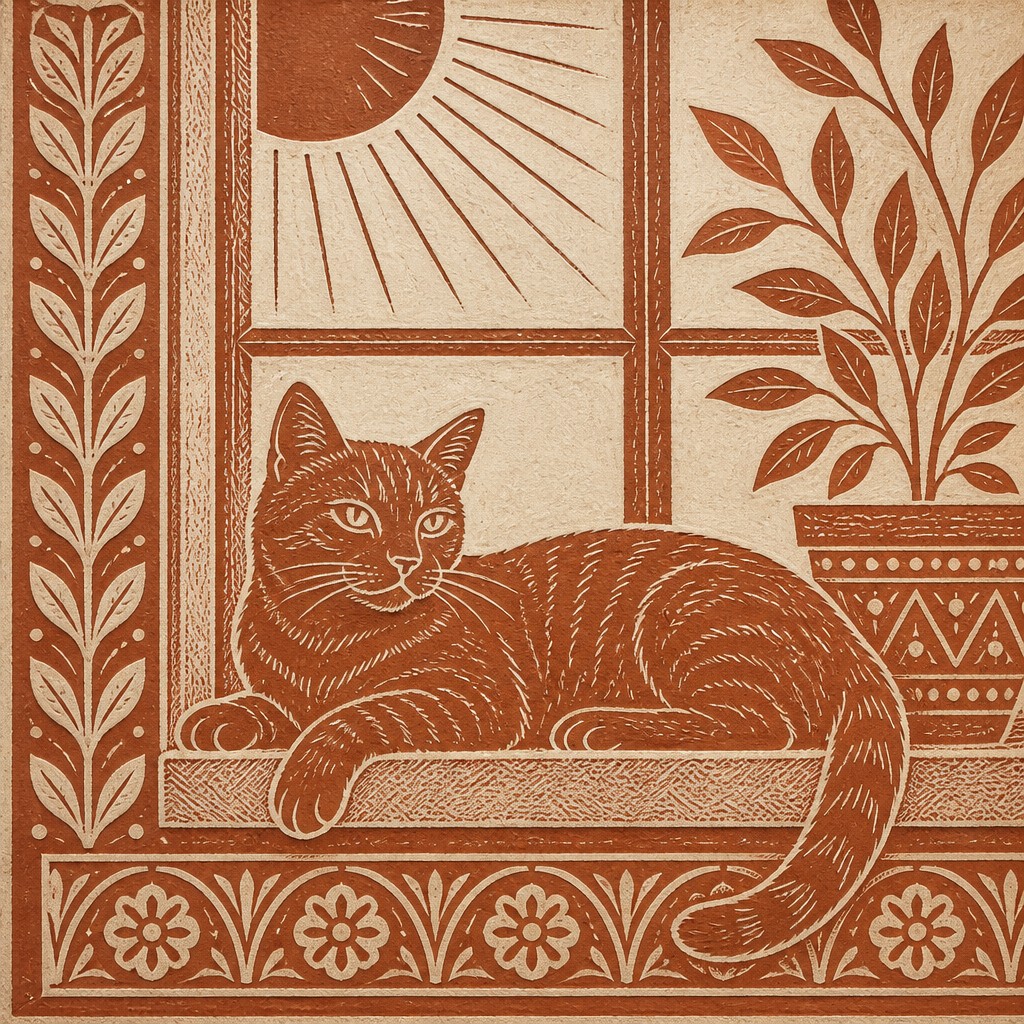
“a cat lounging in a sunlit window”
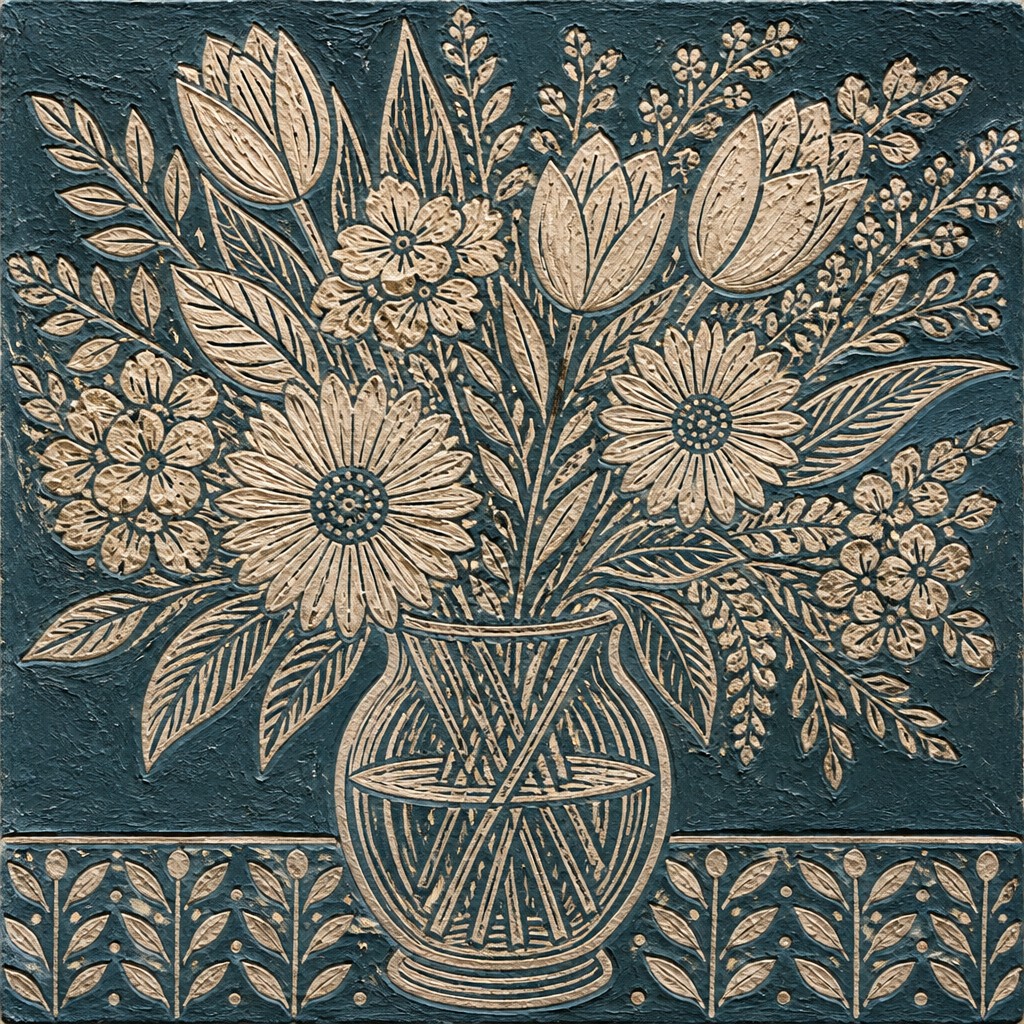
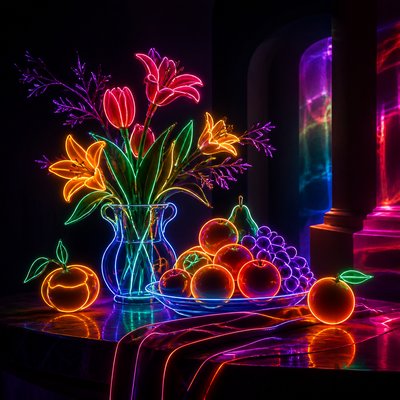
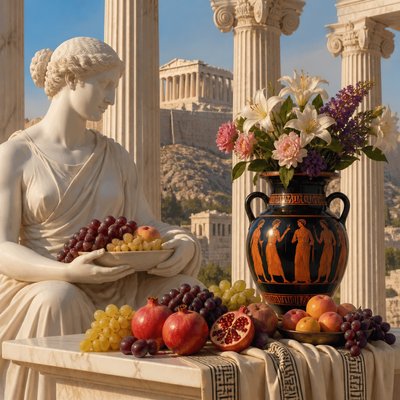
“bouquet of flowers in a glass vase”
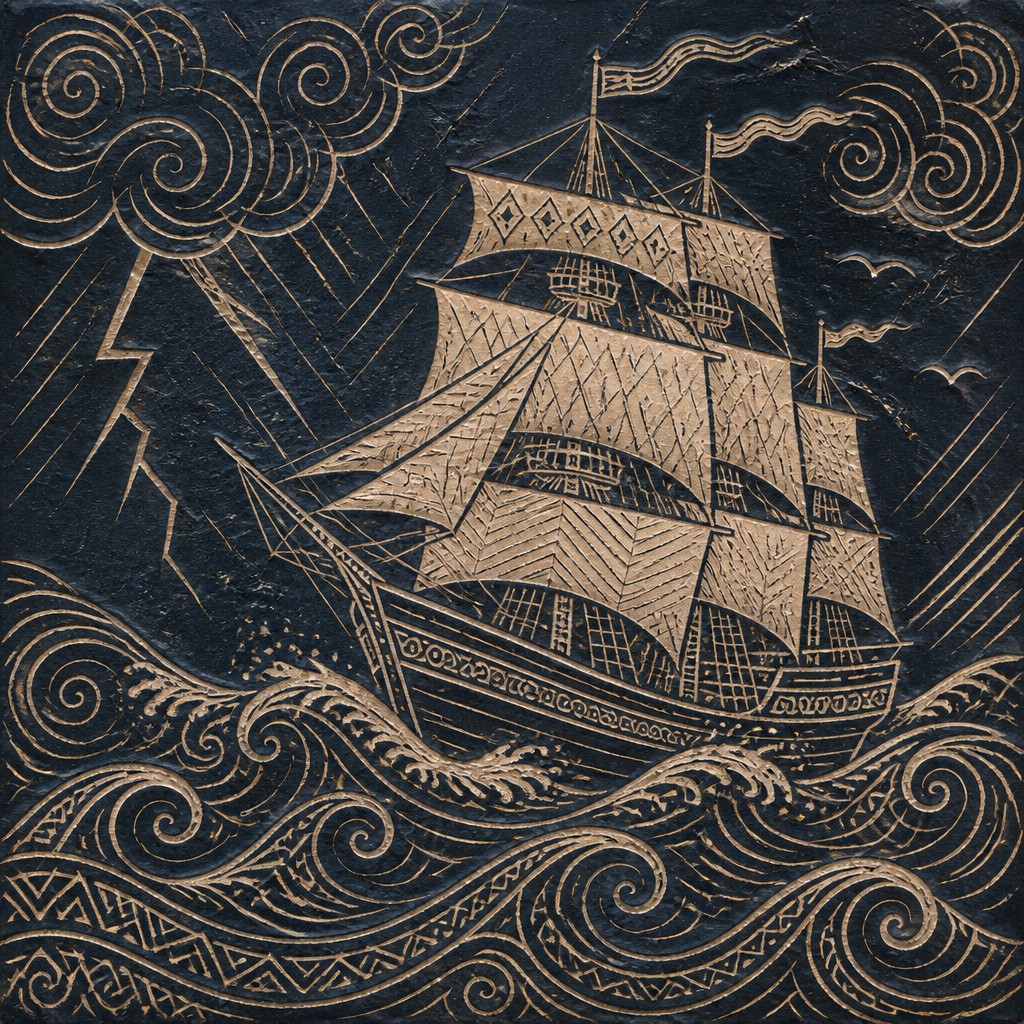
“sailing ship on a stormy sea”
How to Create Sgraffito Art
Master the craft step by step — or skip straight to creating. Read the full guide →
- 1
Build contrasting layers
For traditional work, apply a colored underlayer followed by a compatible plaster, clay slip, or paint layer, then allow it to reach the right working firmness. The visible contrast should be established before the design is incised.
- 2
Plan the drawing before cutting
Transfer a lightly marked composition or use a stencil for borders and repeating motifs. Because removal is difficult to reverse, establish major contours and negative spaces before adding smaller details.
- 3
Vary tools and pressure
Use a pointed tool for fine lines, a blade or loop tool for broader cuts, and controlled pressure to reveal different amounts of the lower layer. Uneven edges can add authenticity, but accidental gouges should not overwhelm the design.
- 4
Use material-aware digital rendering
In digital work, combine a matte plaster or ceramic texture with a separate contrasting base layer and mask or erase the upper layer along the drawing. Add restrained edge roughness, shallow relief, and directional tool marks rather than generic grunge.
- 5
Write precise generation prompts
Specify the subject, a scratched-through upper layer, a contrasting underlayer, incised two-tone contours, repeating ornament, and plaster or ceramic texture. Ask for crisp carved line work and controlled relief so the result does not become merely distressed or sketchy.
The Story
History & Origins of Sgraffito
The word sgraffito comes from the Italian verb meaning “to scratch,” but the underlying method has much older precedents in layered wall decoration and incised clay surfaces. Related subtractive techniques appeared in ancient Mediterranean, Near Eastern, and Asian ceramic traditions, where marks were cut through slips, engobes, or surface coatings to reveal contrasting material.
Sgraffito became particularly prominent in European Renaissance and early modern architectural decoration, especially on plaster façades and interior walls. It was also widely practiced in ceramics, where a colored slip was applied over a contrasting clay body and then incised before firing. Modern and contemporary practitioners continue to use the method in murals, pottery, print-like relief work, and digital imagery that recreates its carved, layered appearance.
Influences: Sgraffito is related to ancient incised ceramics, layered slip decoration, carved plaster, relief ornament, and printmaking traditions that emphasize contour and positive-negative contrast. Its visual language also overlaps with Renaissance and early modern architectural façade decoration, folk pottery, geometric ornament, botanical pattern, and modern graphic design. Contemporary digital interpretations often combine these sources with minimalist two-color composition and simulated material relief.
Frequently Asked Questions
What defines sgraffito art?
Sgraffito is defined by scratching or scraping through one surface layer to reveal another beneath it. Its identity comes from subtractive line work, contrasting layers, tactile material texture, and often ornamental or repeating designs.
Is sgraffito a painting technique or a ceramic technique?
It is both, as well as an architectural and decorative technique. The method can be used on wet plaster, painted surfaces, clay, ceramic slip, and other layered materials, provided that removing the upper layer reveals a visually distinct ground.
How does sgraffito differ from engraving?
Engraving usually cuts lines into a single surface, while sgraffito depends on exposing a contrasting layer underneath. Sgraffito can therefore produce a broader color contrast in addition to the physical incision.
How can beginners make traditional sgraffito?
A simple starting point is a ceramic tile or firm clay slab coated with a contrasting slip, followed by a second layer that can be scratched safely. Plan a bold design, use a pointed tool for the contours, and test the depth and drying stage on a sample first.
How can a digital image look convincingly like sgraffito?
Use a limited palette, a visibly layered plaster or ceramic surface, and lines that appear to remove the top coating rather than sit on top as ink. Include restrained irregularity, shallow relief, exposed underlayer color, and decorative composition while avoiding excessive noise.
Where is sgraffito commonly used?
Historically, it appears on architectural façades, interior walls, pottery, tiles, and decorative panels. Today the technique is also used in murals, ceramic art, illustration, surface pattern, signage, and digital images designed to evoke carved or scraped material.
Create your first Sgraffito artwork
Describe anything — or upload a photo — and see it in Sgraffito Art Style in seconds.
Related Styles
Discover similar art styles