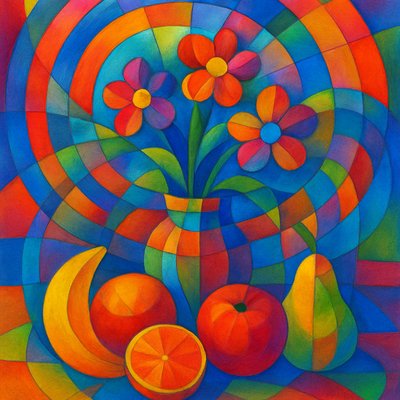
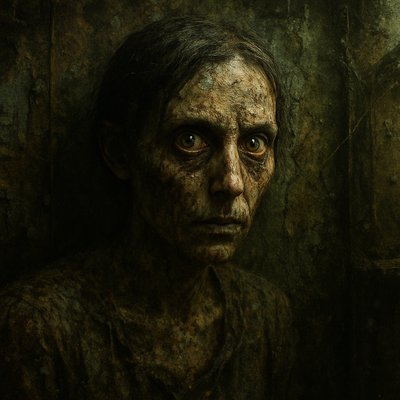
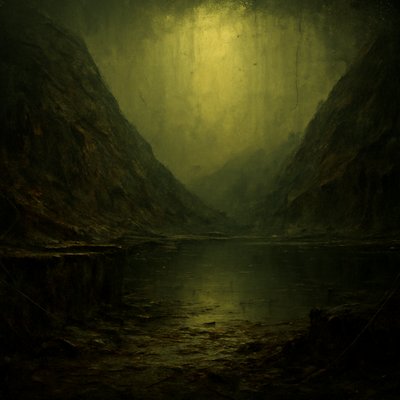
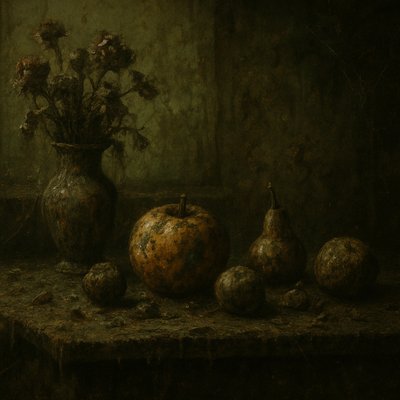
Implied Line Art Style
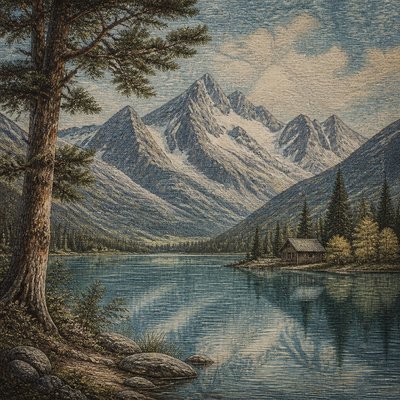
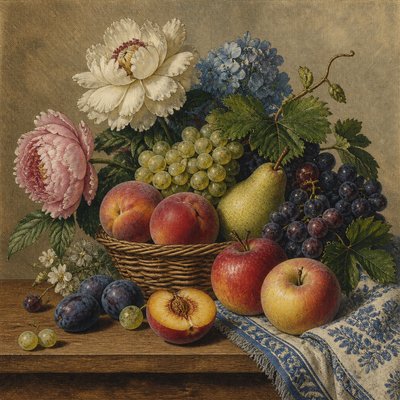
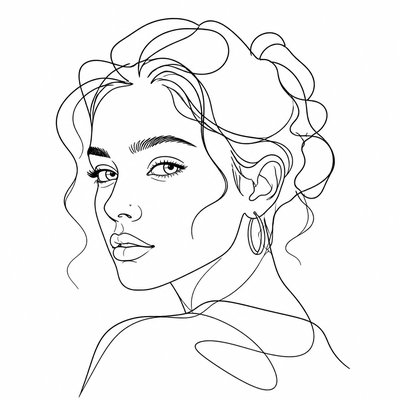
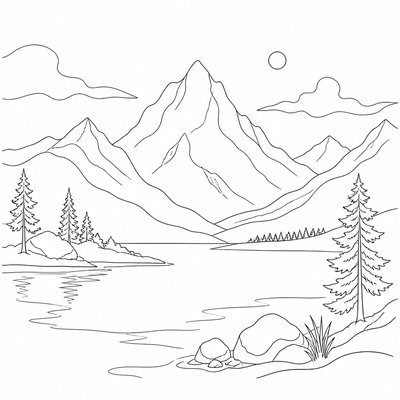
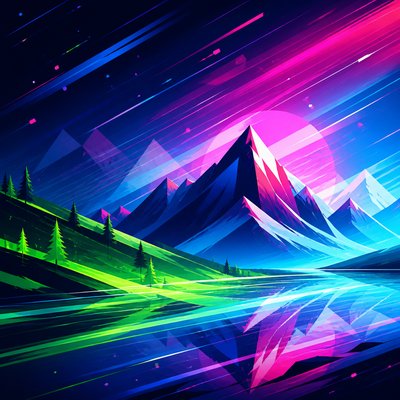
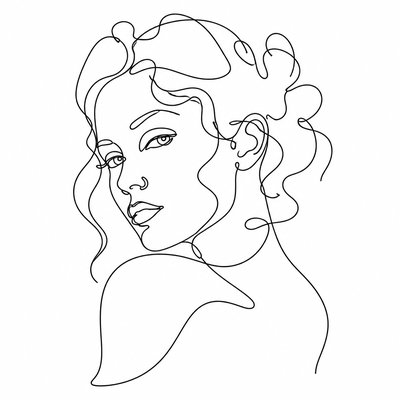
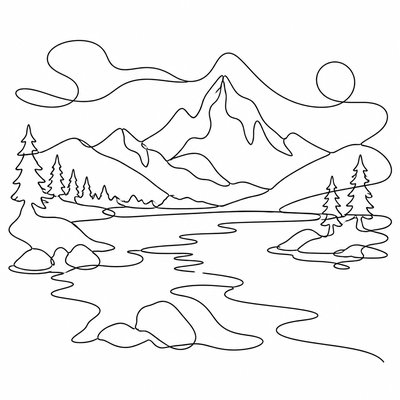
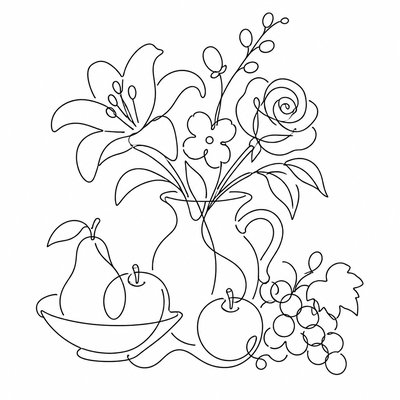
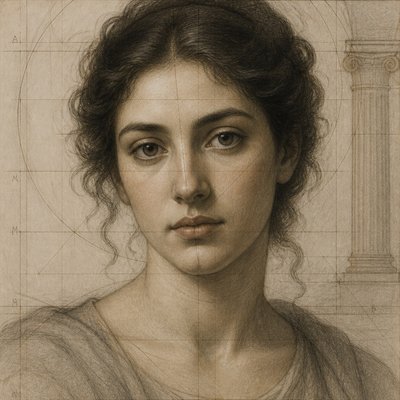
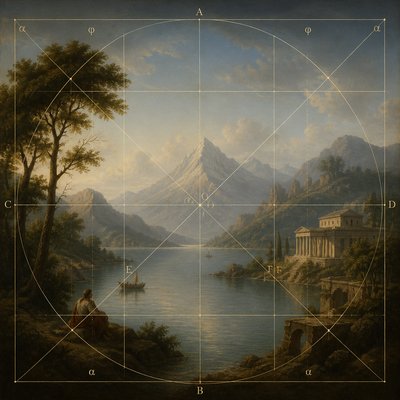
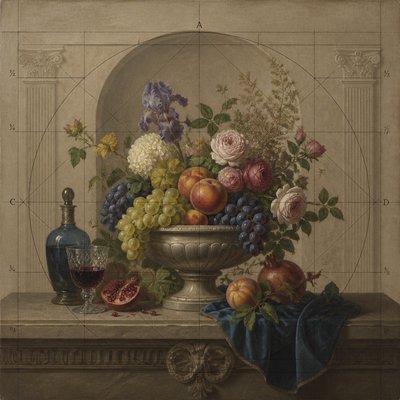
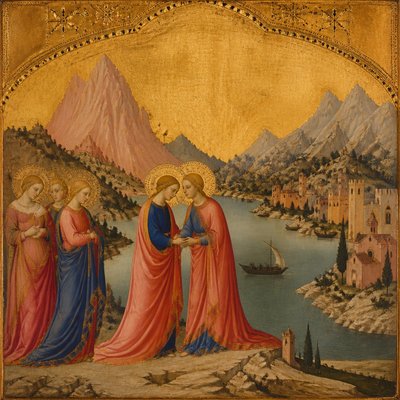
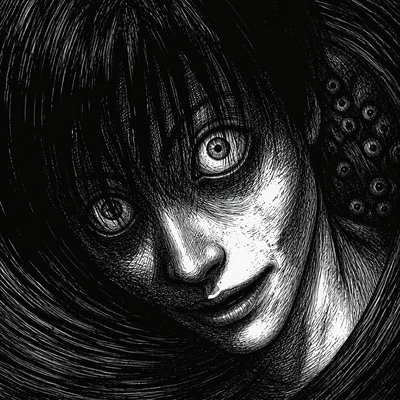
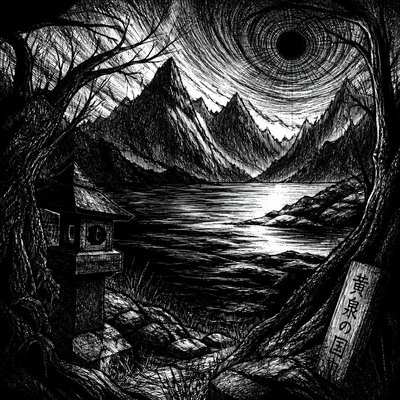
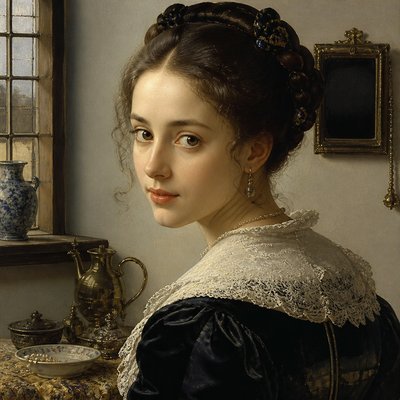
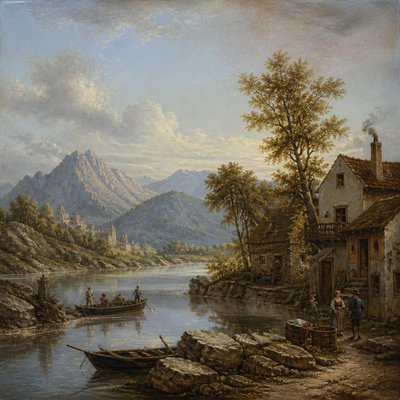
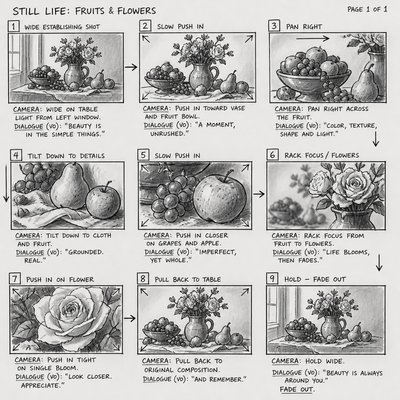
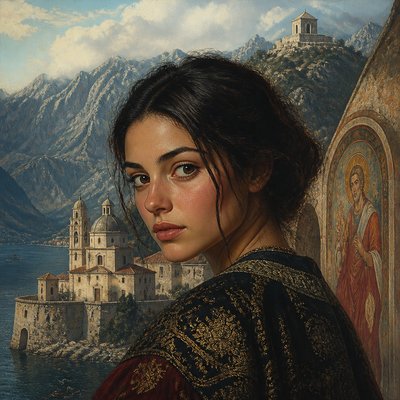
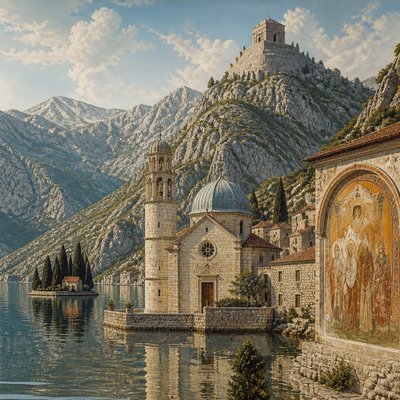
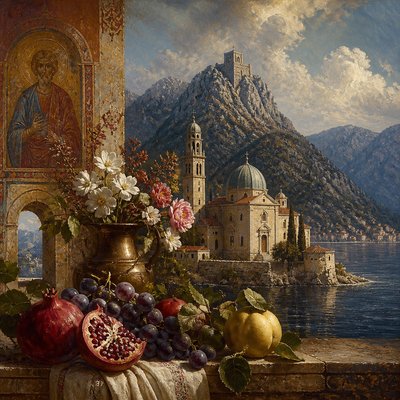
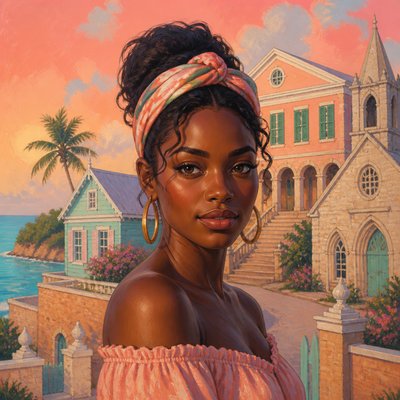
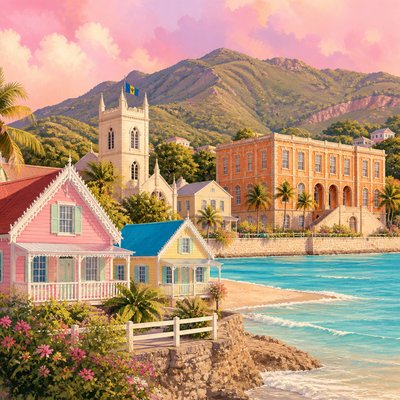
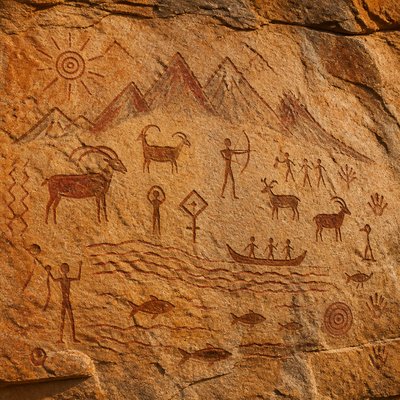
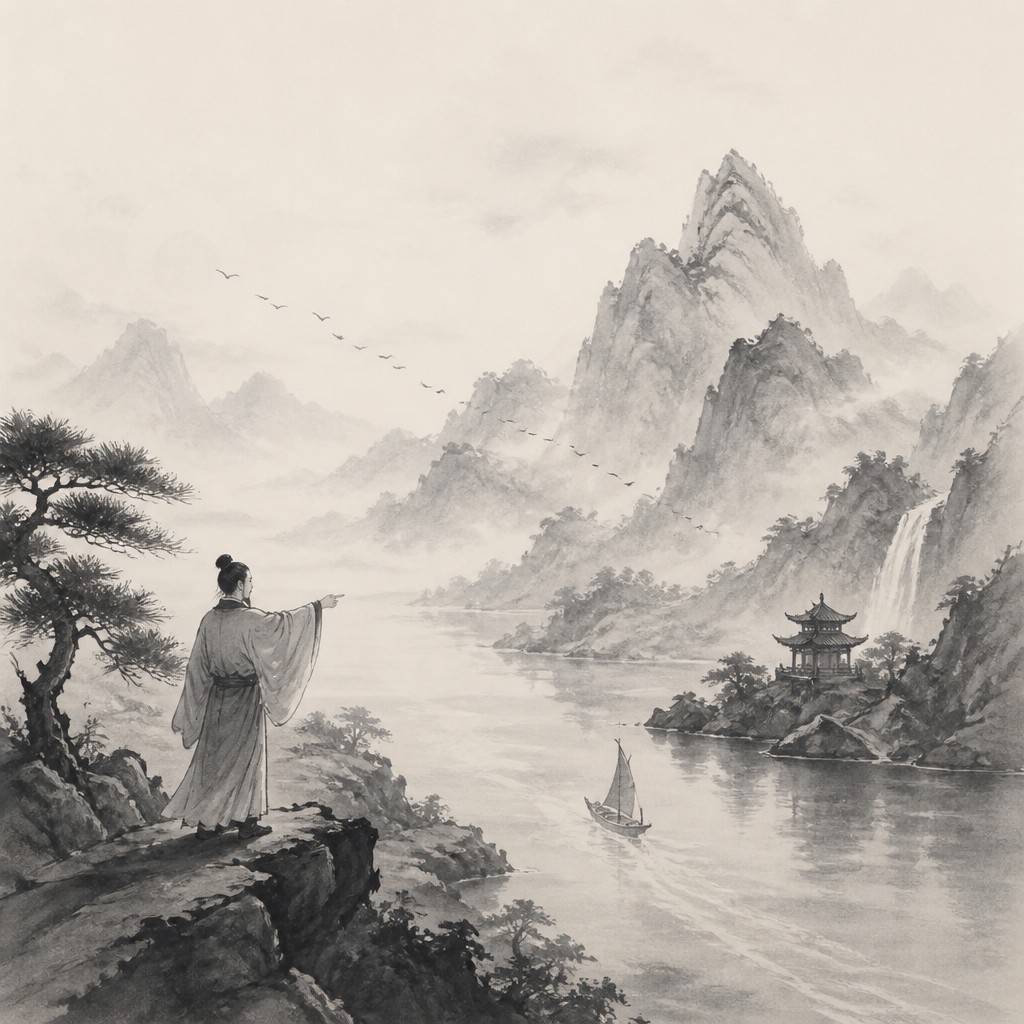
Explore Implied Line Art: compositions shaped by unseen sight-lines, gestures, and ghost trajectories rather than drawn contours.
Instantly rendered in Implied Line — or transform a photo

Implied Line Gallery
Tap any artwork to explore it
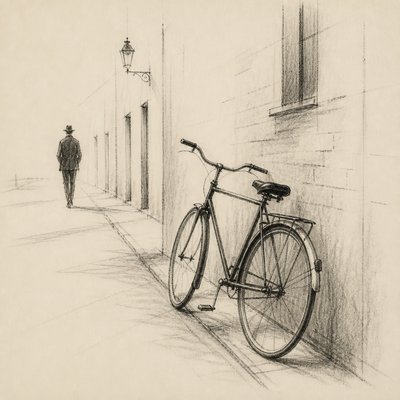
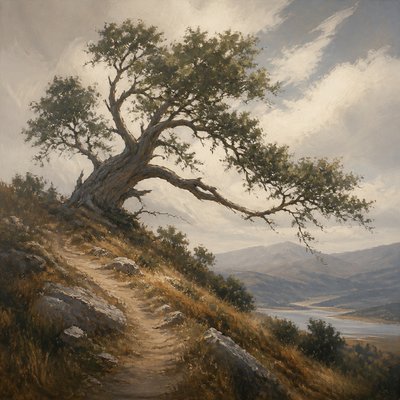
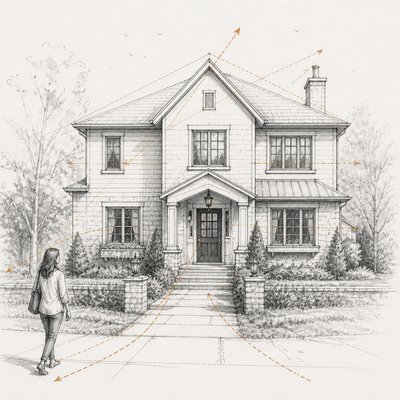
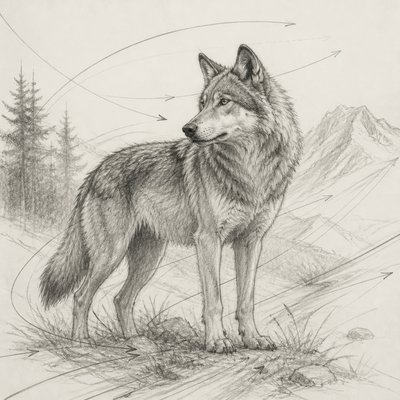
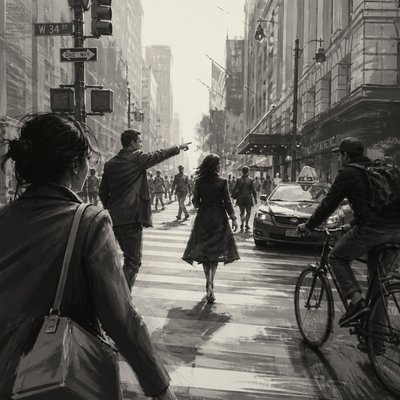
What is Implied Line Art Style?
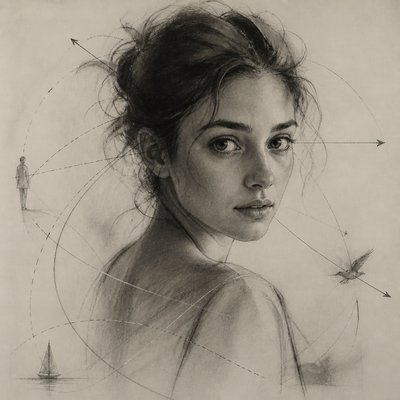
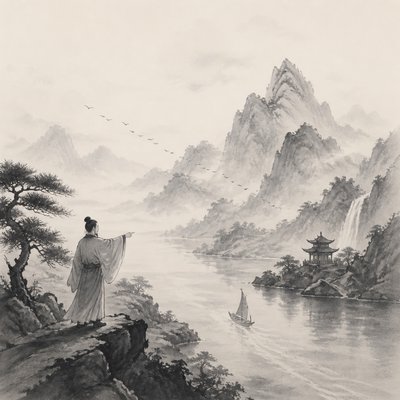
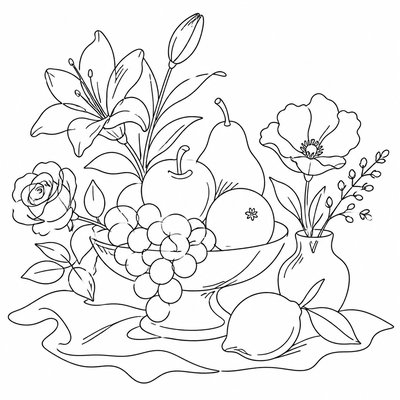
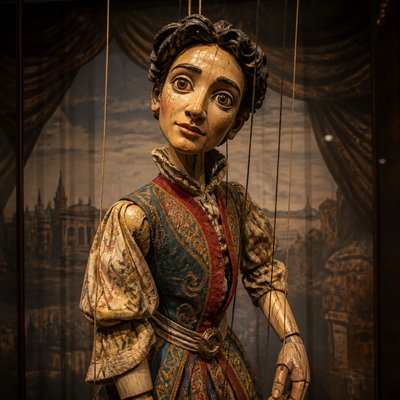
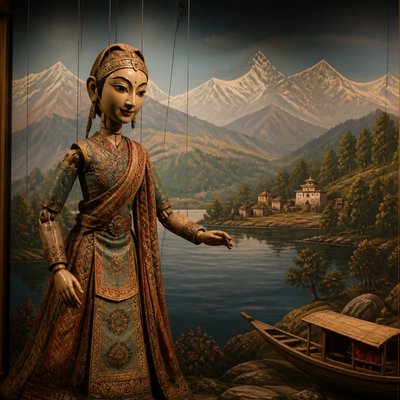
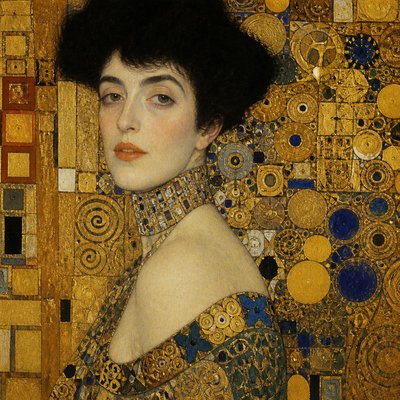
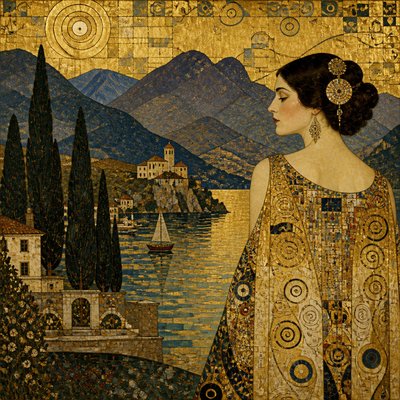
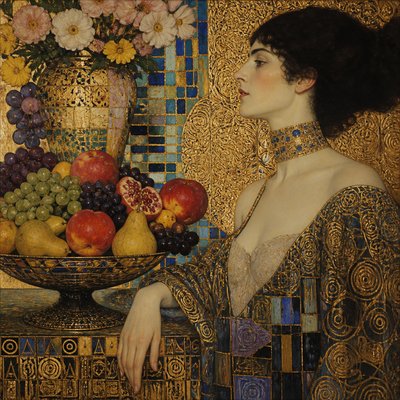
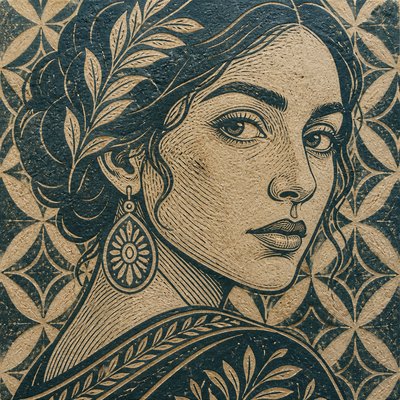
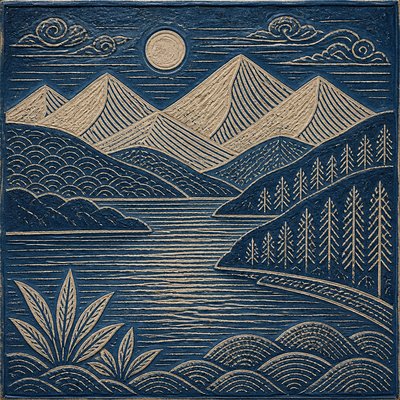
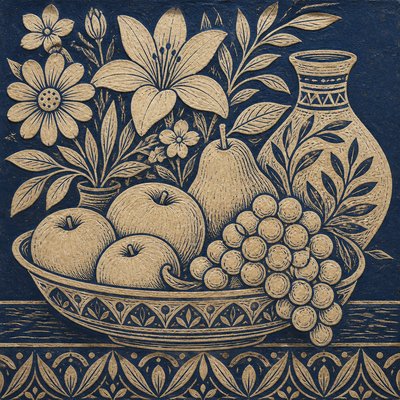
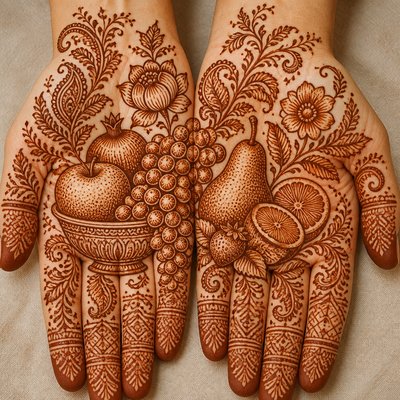
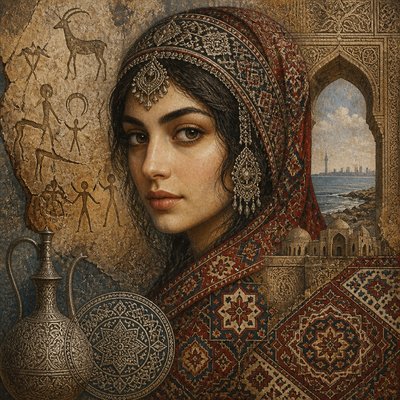
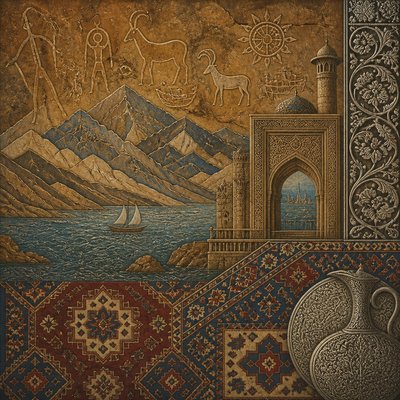
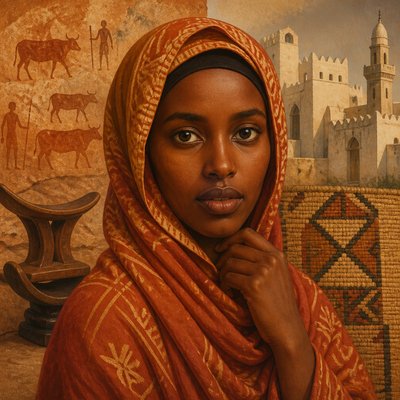
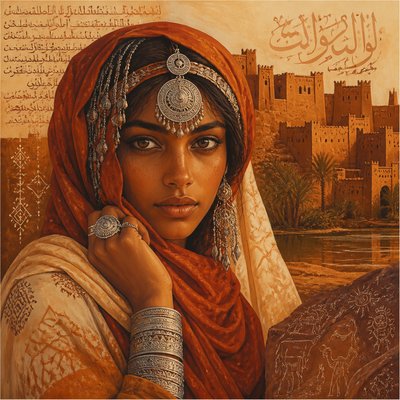
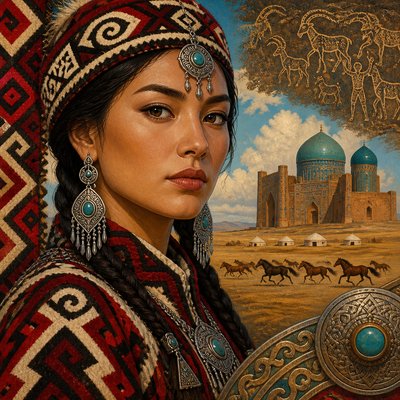
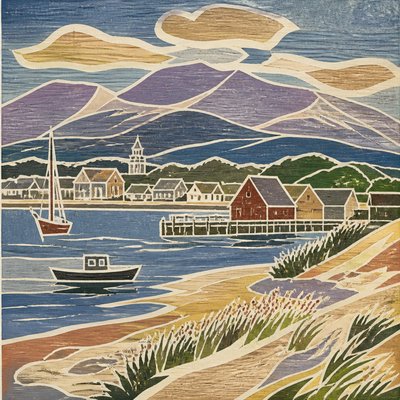
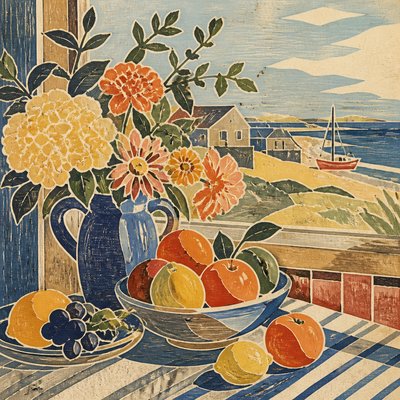
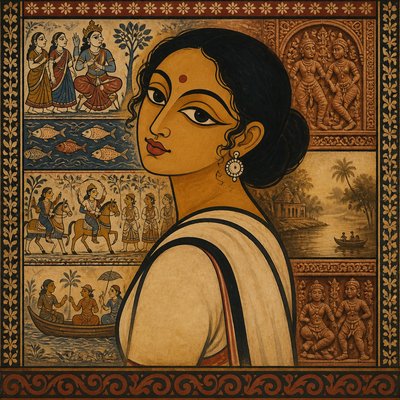
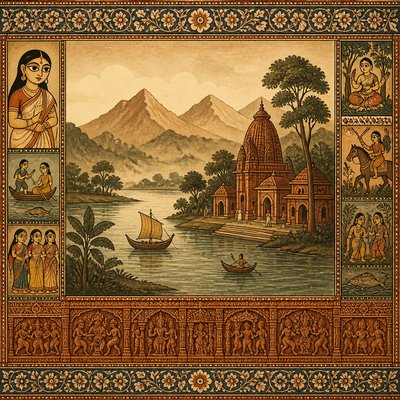
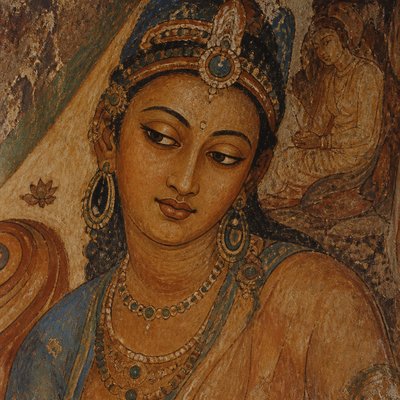
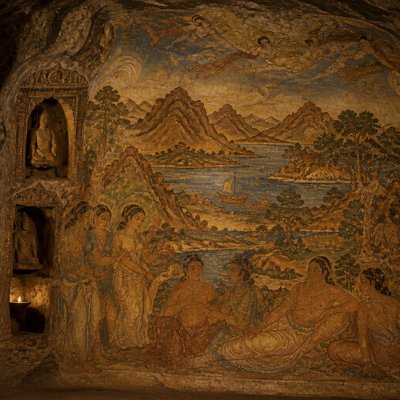
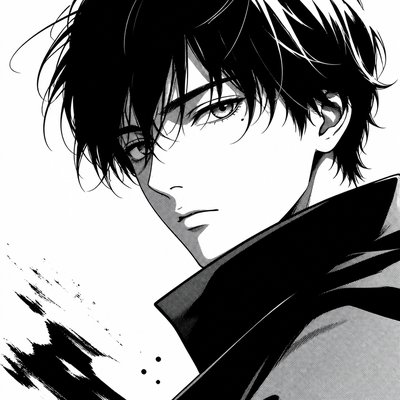
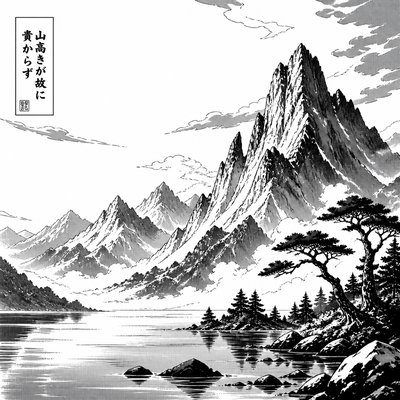
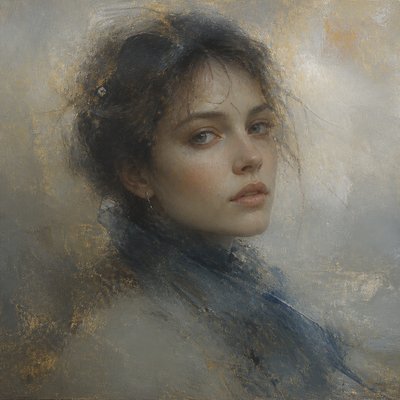
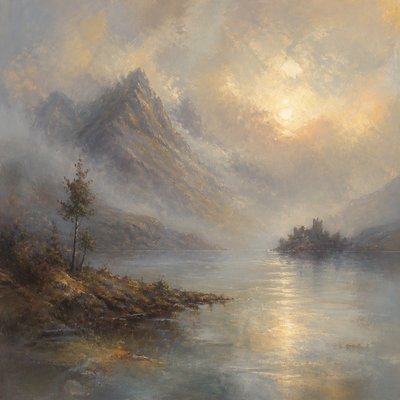
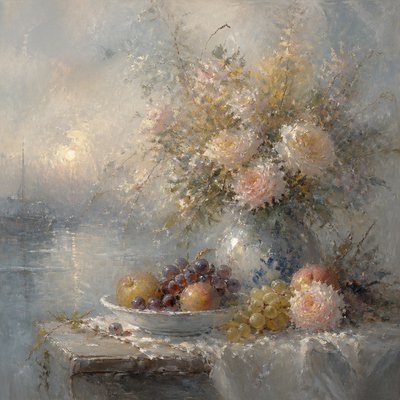
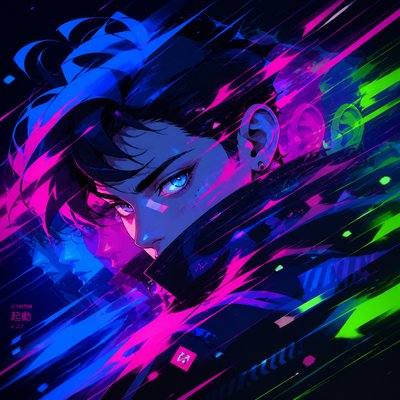
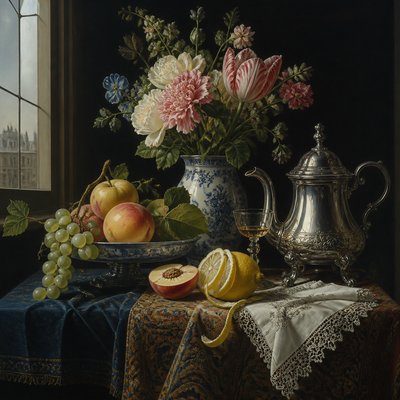
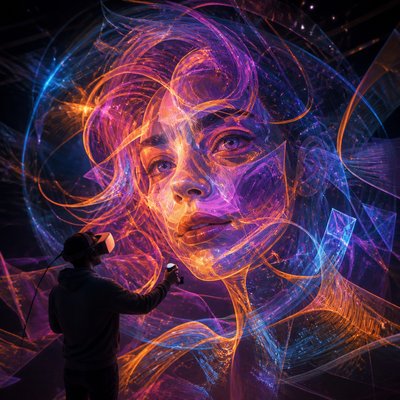
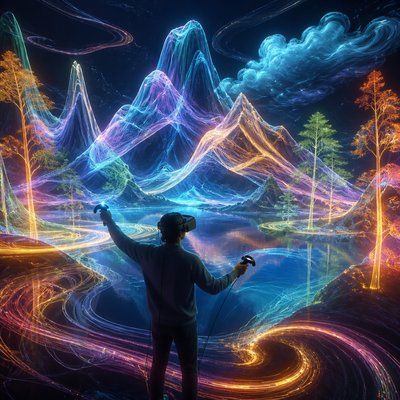
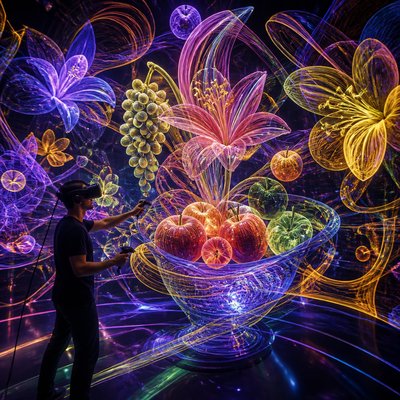
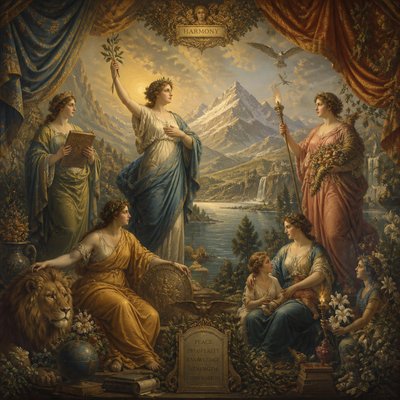
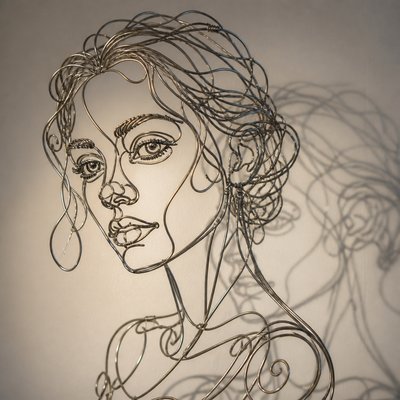
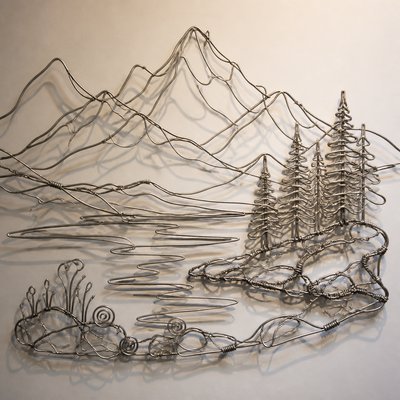
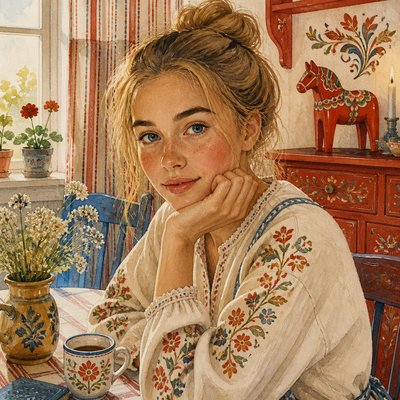
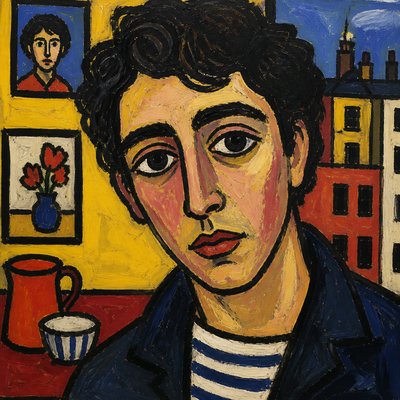
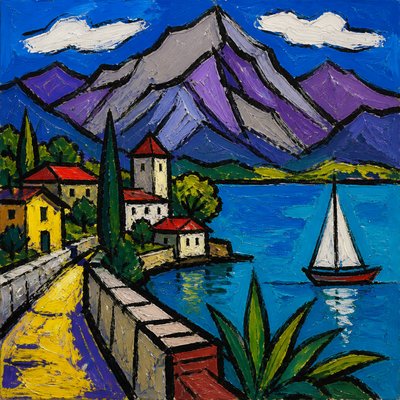
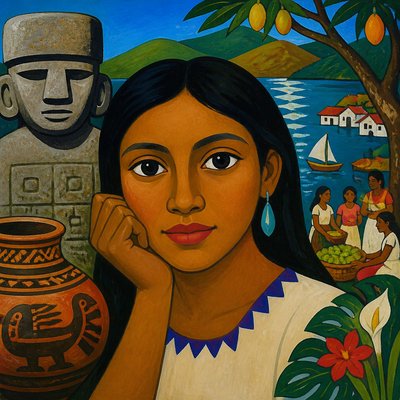
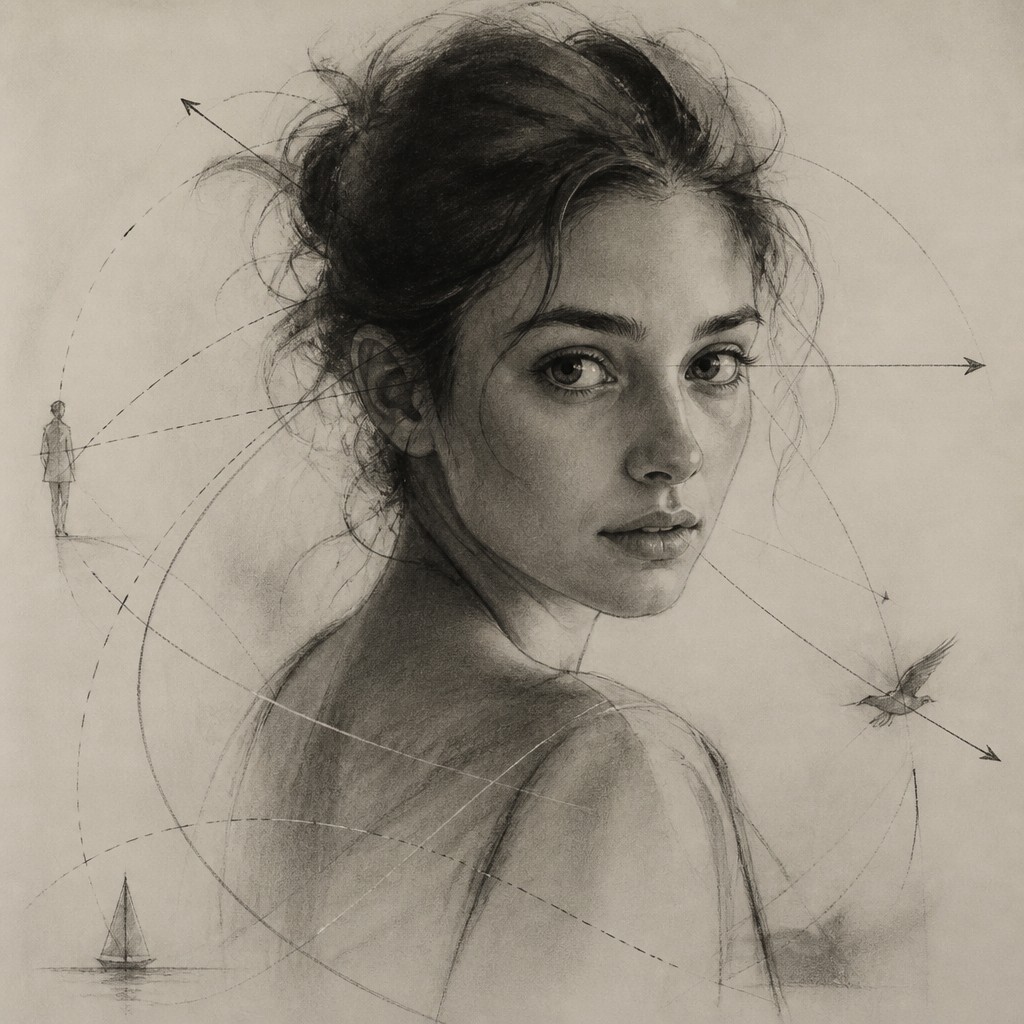
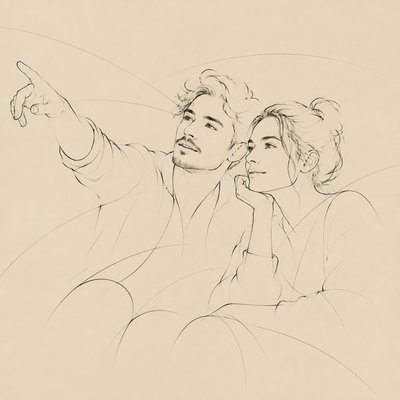
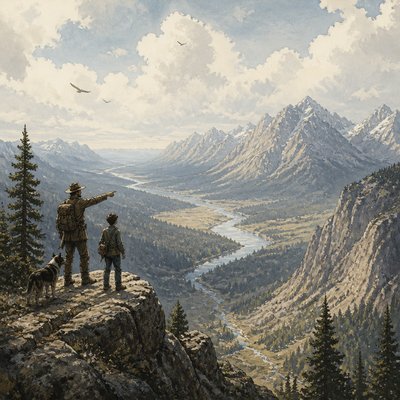
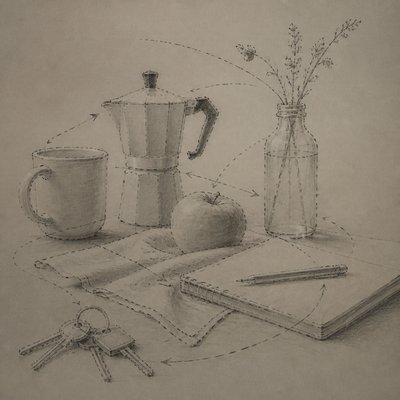
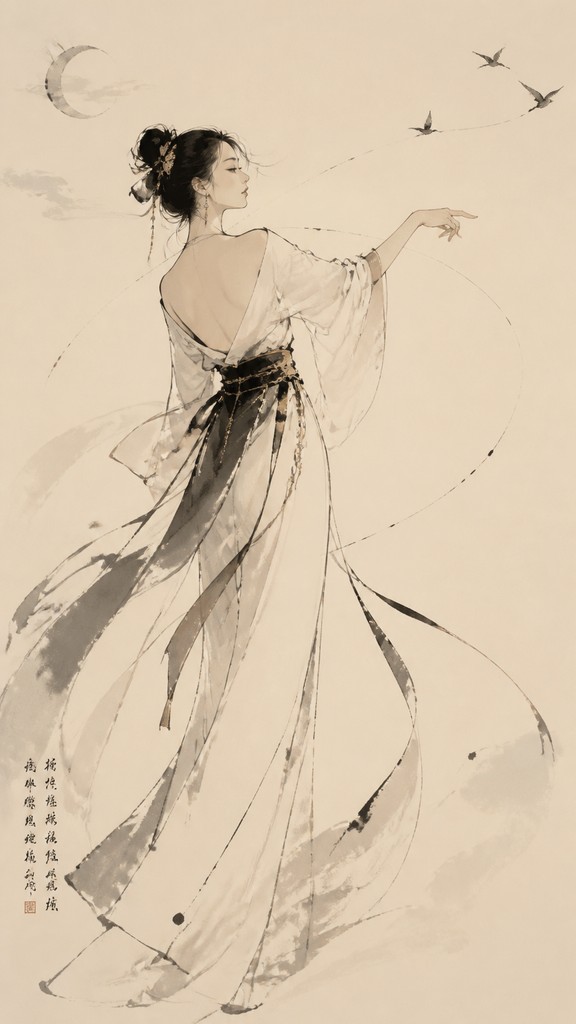
Implied Line Art is a compositional style in which movement, attention, and visual connections are suggested without being rendered as explicit lines. A figure’s gaze, an outstretched hand, the angle of a body, or the alignment of repeated forms creates invisible pathways that guide the viewer through the image. These trajectories may connect people, objects, architectural elements, or areas of light and shadow.
The style looks controlled yet open because its structure is carried by relationships rather than outlines. Forms are often arranged along directional axes, with arrested motion and carefully placed pauses making the viewer sense where an action began, where it is going, or what one subject is noticing. The result can be quiet and minimalist or complex and kinetic, but it depends on visual implication instead of literal drawn guides.
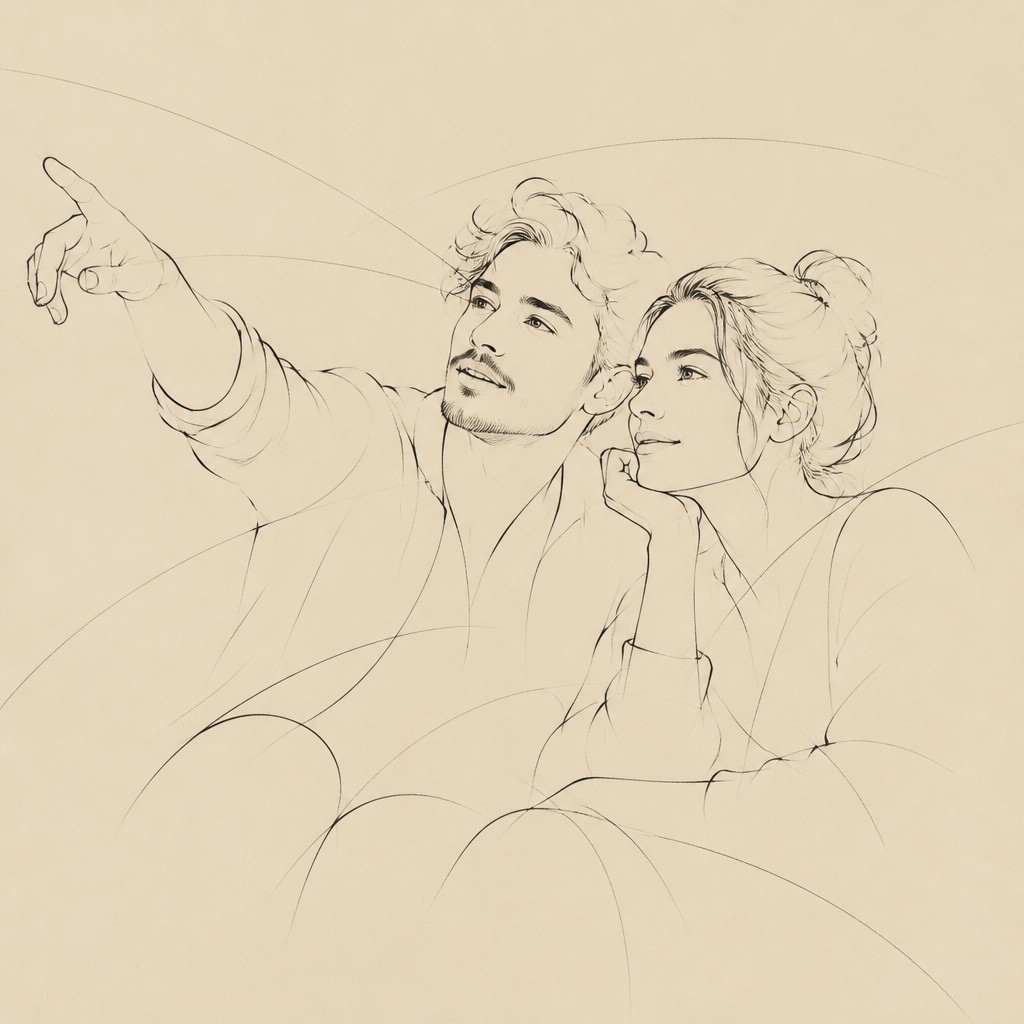
Try It On Your Photos
Upload any photo and convert it into Implied Line Art Style — drag the sliders to compare before and after.


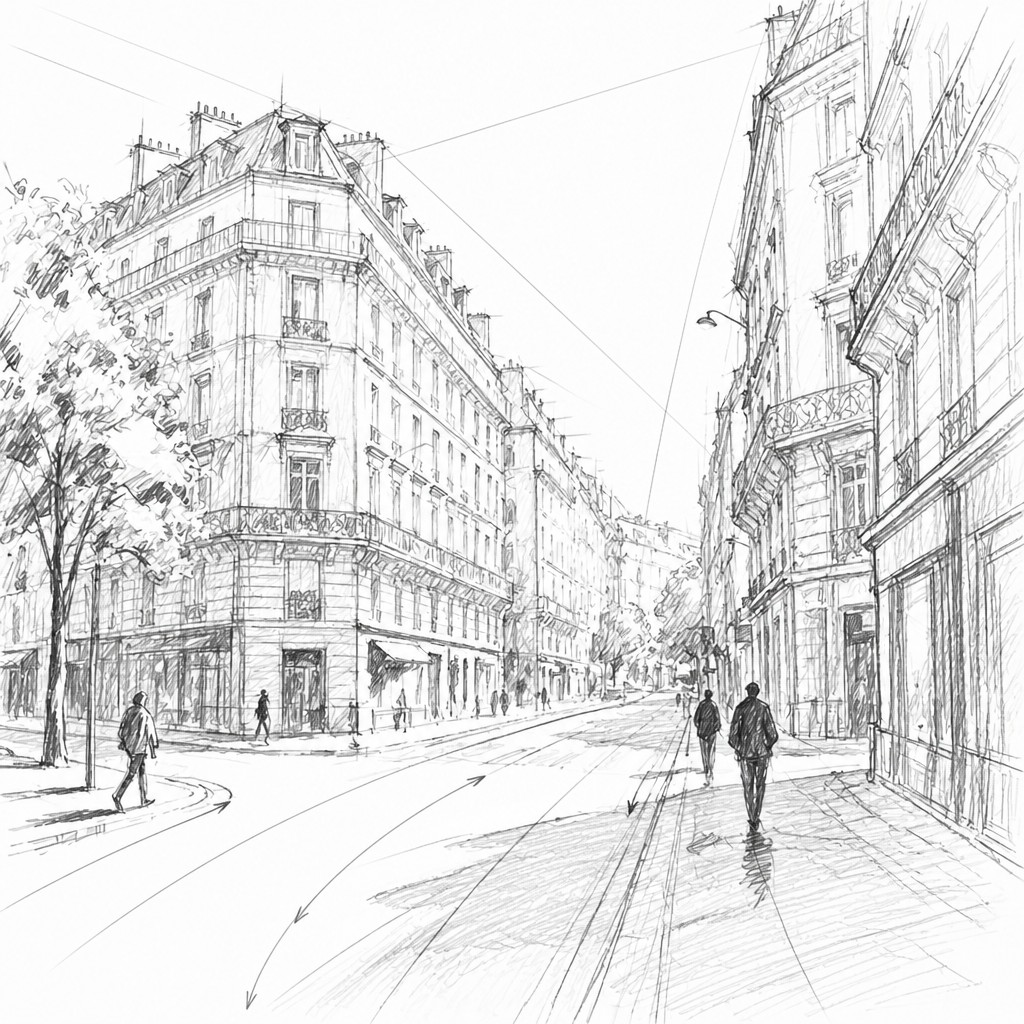

What Defines Implied Line Art Style
The signature details, up close
Unseen directional paths
Gazes, gestures, diagonals, and alignments form invisible routes across the image. The viewer follows these routes even though no literal connecting line is present.
Gesture-led composition
Bodies, hands, tools, and objects are positioned to indicate action or attention. Small directional cues can organize the entire scene.
Arrested motion
Figures and forms appear caught immediately before, during, or after an action. The pause makes the imagined trajectory more noticeable.
Relational spacing
Gaps between subjects carry meaning, suggesting tension, communication, pursuit, or coordinated movement. Empty space often functions as an active compositional field.
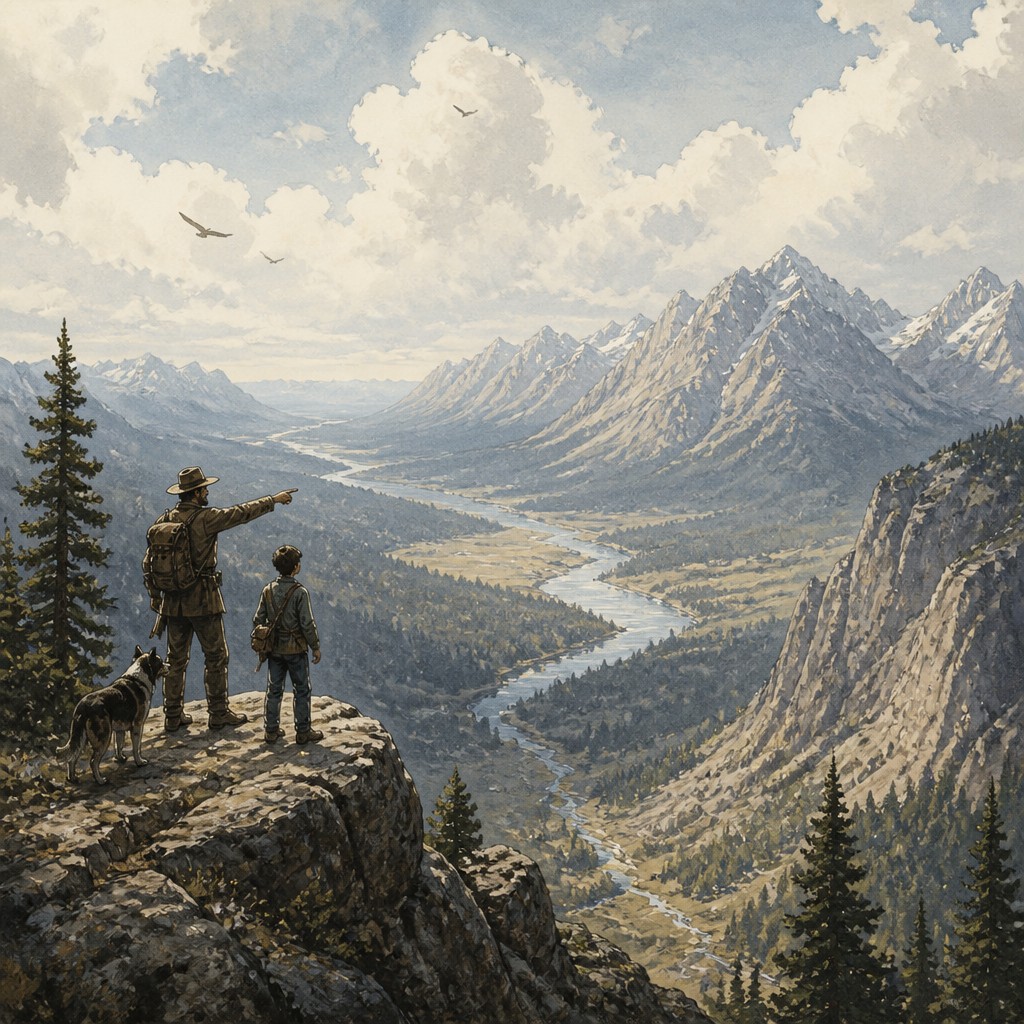
Selective emphasis
Contrast, detail, scale, and sharpness are concentrated along the implied path of attention. Secondary elements may be simplified so the eye does not lose the visual sequence.
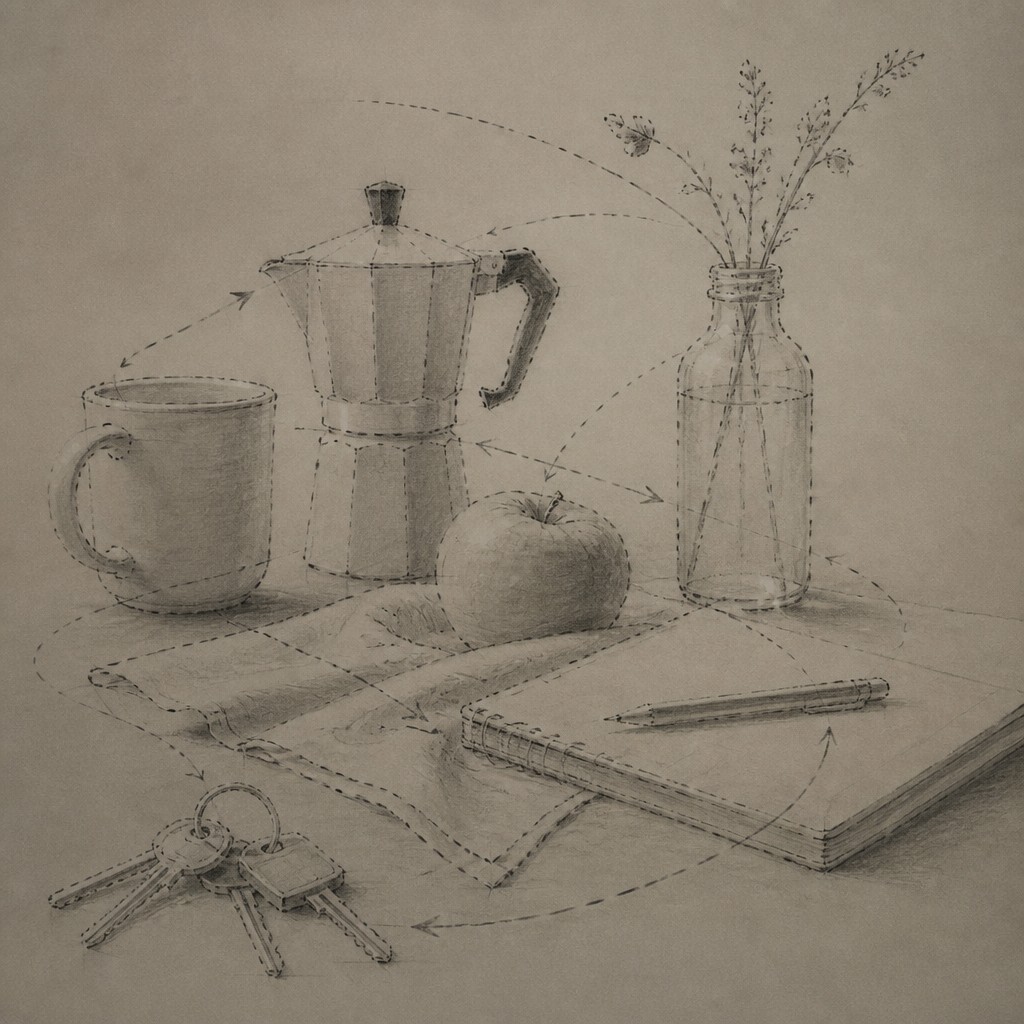
Suggestive rather than outlined forms
Edges may be soft, interrupted, cropped, or partially obscured. The style prioritizes inferred structure over continuous contour drawing.
Try It
Create Videos in Implied Line Art Style
Styles aren't just for stills — describe a scene or animate an image and get a short video rendered in Implied Line. Press play to see this pond come to life.
Make a VideoImplied Line Prompt Ideas
Start from an idea — each one opens the generator with the style ready to go. See all 40 Implied Line prompts →
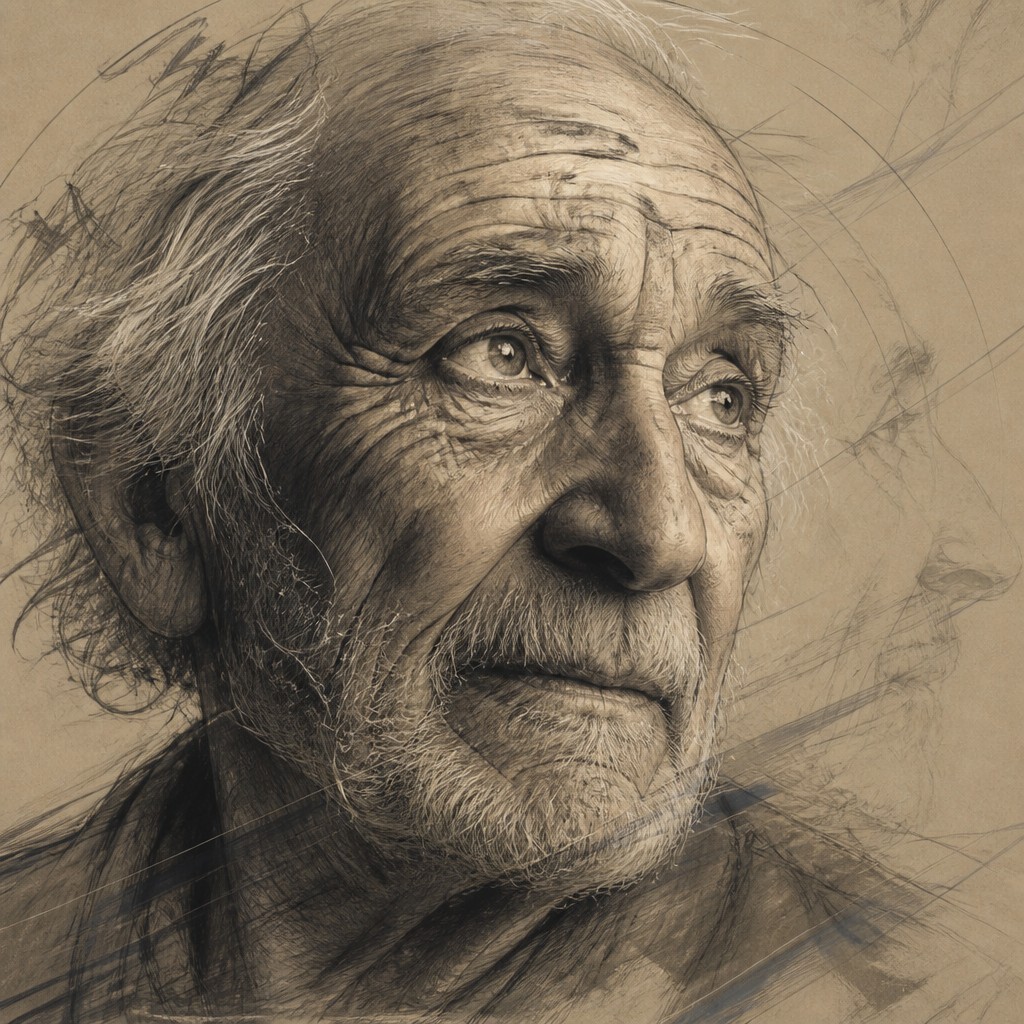
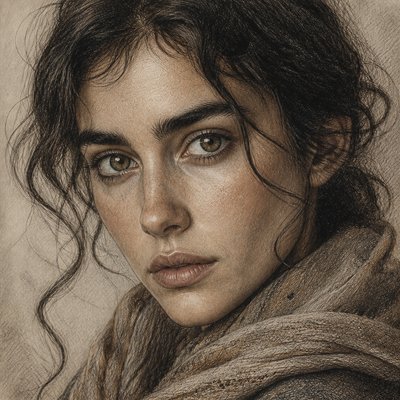
“close-up portrait of an elderly person with expressive weathered features”

“a cat lounging in a sunlit window”
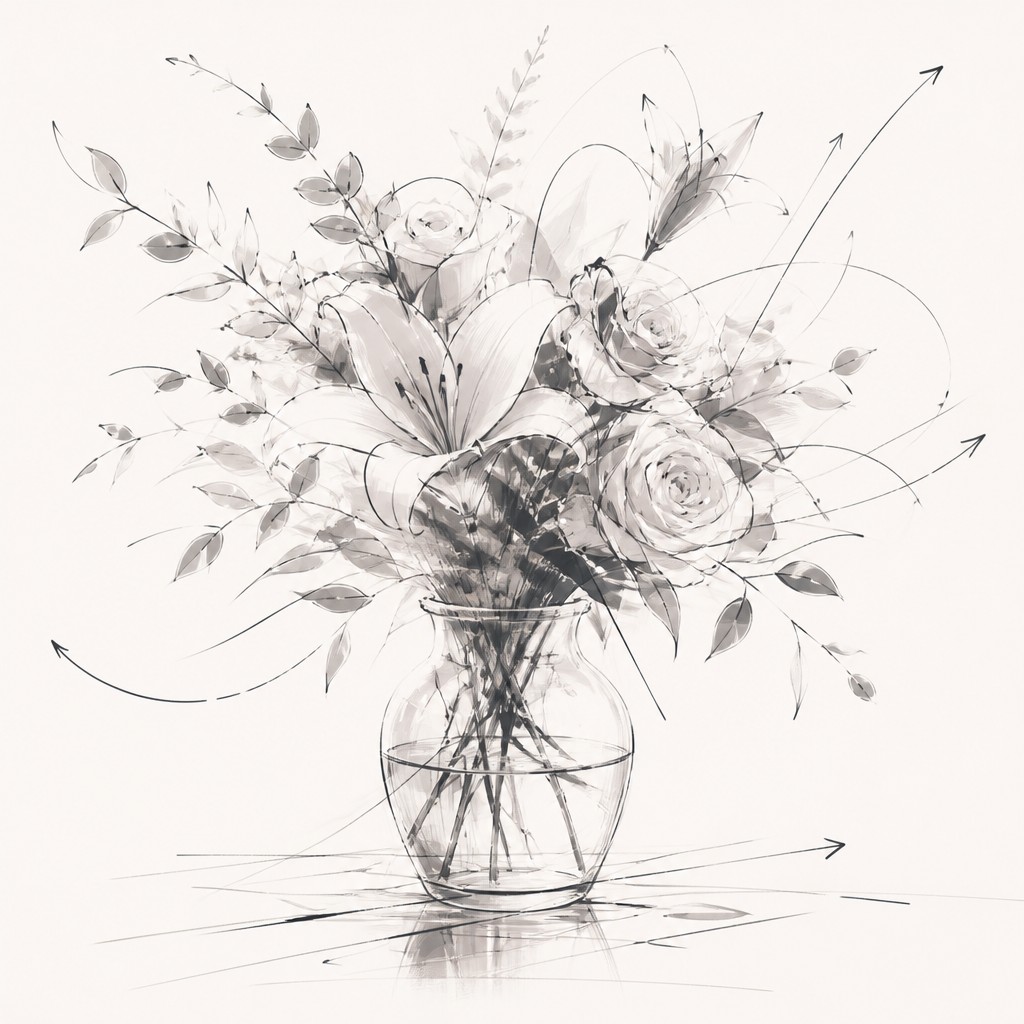
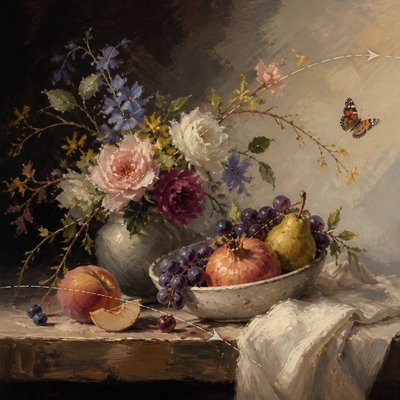
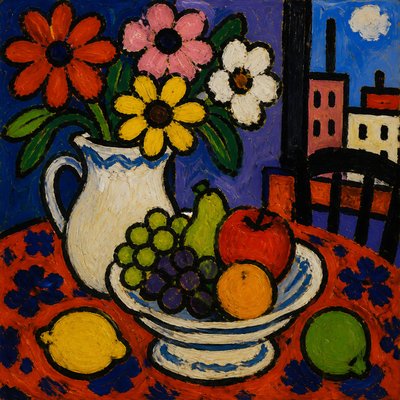
“bouquet of flowers in a glass vase”
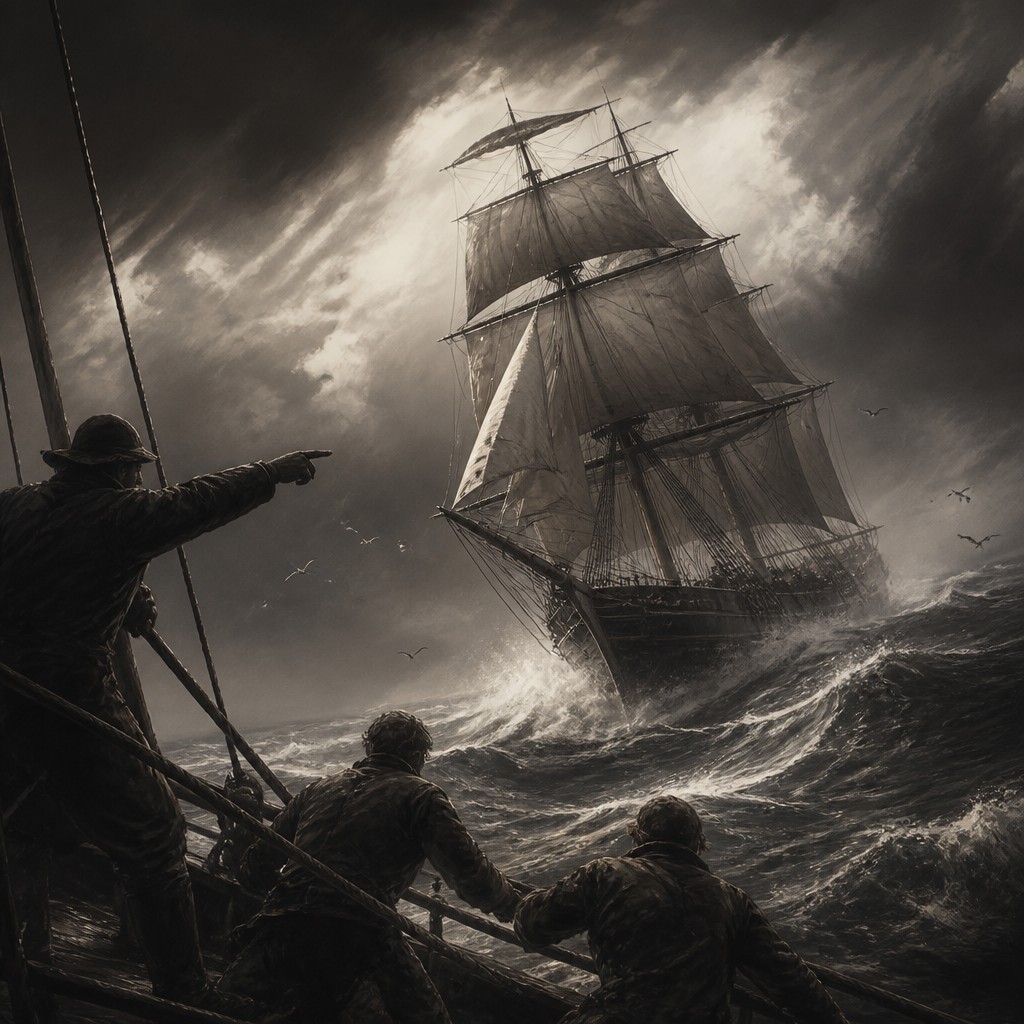
“sailing ship on a stormy sea”
How to Create Implied Line Art
Master the craft step by step — or skip straight to creating. Read the full guide →
- 1
Map the visual route first
Before adding detail, identify the intended sequence of attention: for example, face to hand, hand to object, and object to distant figure. Sketch this route lightly as temporary construction lines, then remove or conceal them.
- 2
Use gesture and orientation
Turn heads, shoulders, limbs, tools, and architectural edges toward one another to create connected directions. Avoid making every subject face the viewer, since frontal symmetry weakens implied movement.
- 3
Control pauses and gaps
Place meaningful empty spaces between related forms and interrupt the action at a decisive moment. In traditional media, use cropping and incomplete contours; digitally, use masks, blur, and selective detail.
- 4
Build a hierarchy of emphasis
Reserve the strongest contrast and clearest edges for the beginning and end of the visual path. Reduce saturation, texture, or sharpness in areas that should remain peripheral.
- 5
Work with layered construction
In drawing or painting, establish gesture, directional axes, major masses, and only then surface detail. In digital work, separate figures, backgrounds, lighting, and atmospheric layers so the implied route can be adjusted without flattening the image.
- 6
Describe invisible structure in prompts
For prompt-based creation, specify sight-lines, pointing gestures, aligned forms, ghost trajectories, arrested motion, negative space, and the desired order in which the eye should read the scene. For image-to-image work, preserve the subject while asking for stronger directional relationships and less literal outlining.
The Story
History & Origins of Implied Line
Implied Line Art is an invented, cross-media style rather than a historically codified movement with a single origin. Its aesthetic lineage comes from principles of implied line in drawing and painting, compositional directional forces in academic and modern art, gesture studies, sequential illustration, cinematography, photography, and graphic design. It also draws on visual perception: viewers instinctively follow eye direction, pointing gestures, diagonals, repetition, and bodily orientation.
Contemporary digital composition and text-to-image practices have made these invisible structures especially easy to explore. Artists can now describe ghost trajectories, sight-lines, and arrested motion directly, while image-to-image workflows can preserve a subject’s identity and reorganize its visual energy around implied connections.
Influences: The style relates to implied line theory in drawing, gesture drawing, classical compositional diagonals, Renaissance and Baroque directional arrangements, modernist reduction, cinematic blocking, photographic framing, comics panel flow, storyboard language, and graphic design based on visual hierarchy. It also connects with kinetic abstraction, minimalist spatial composition, and perceptual psychology, especially the tendency to read alignment, repetition, gaze, and bodily orientation as meaningful connections.
Frequently Asked Questions
What defines Implied Line Art?
It is defined by invisible compositional lines created through gaze, gesture, alignment, posture, perspective, and spacing. The viewer senses a route through the image without seeing a continuous drawn line. The style is therefore about directional relationships more than a particular medium or rendering technique.
How is it different from ordinary line art?
Ordinary line art usually relies on visible contours, hatching, or explicit graphic marks to describe form. Implied Line Art can use outlines, but its main structure comes from connections that remain visually absent. A successful image may contain few lines while still feeling highly organized and directional.
Is Implied Line Art an established historical art movement?
No. It is best understood as a contemporary descriptive style or compositional approach, not a formally recognized historical movement. Its foundations lie in established ideas about implied line, gesture, visual hierarchy, composition, photography, film, illustration, and digital image-making.
Can this style be made with traditional materials?
Yes. Pencil, ink, charcoal, watercolor, and paint all work well. Begin with faint construction paths and directional studies, then remove, soften, or cover them so the final image communicates the route through posture, spacing, edges, and contrast.
What subjects work best with this approach?
Scenes involving interaction, pursuit, observation, coordinated labor, or movement are especially effective. Crowds, dancers, rescue scenes, theatrical moments, interiors, landscapes with strong perspective, and still lifes with repeated directional objects can all support implied trajectories.
How should I describe it in an image-generation prompt?
Focus on the relationships that should guide attention rather than using only a style label. Mention aligned figures, connected gazes, pointing gestures, ghost trajectories, arrested motion, directional lighting, active negative space, and a clear visual sequence from one subject to another.

Create your first Implied Line artwork
Describe anything — or upload a photo — and see it in Implied Line Art Style in seconds.
Related Styles
Discover similar art styles