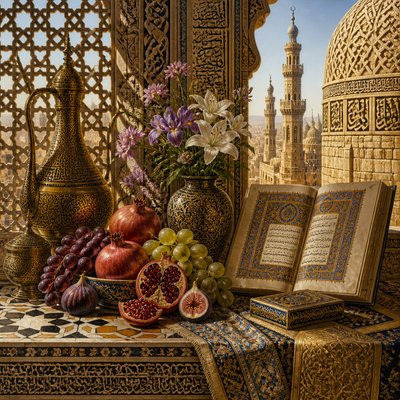
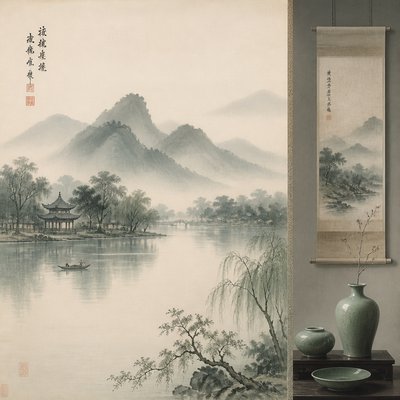
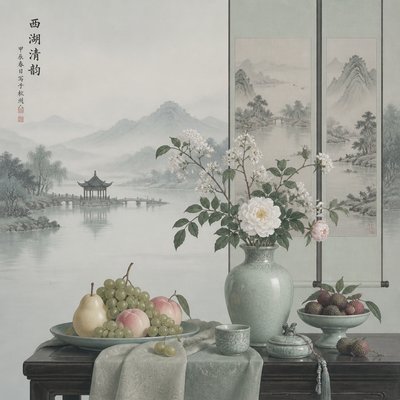
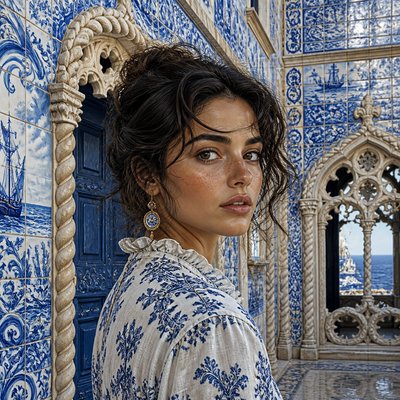
Somali Art Style
Explore Somali art style: ochre Laas Geel rock paintings, woven palm geometry, carved wood, and Mogadishu coral-stone architecture.
Instantly rendered in Somali — or transform a photo
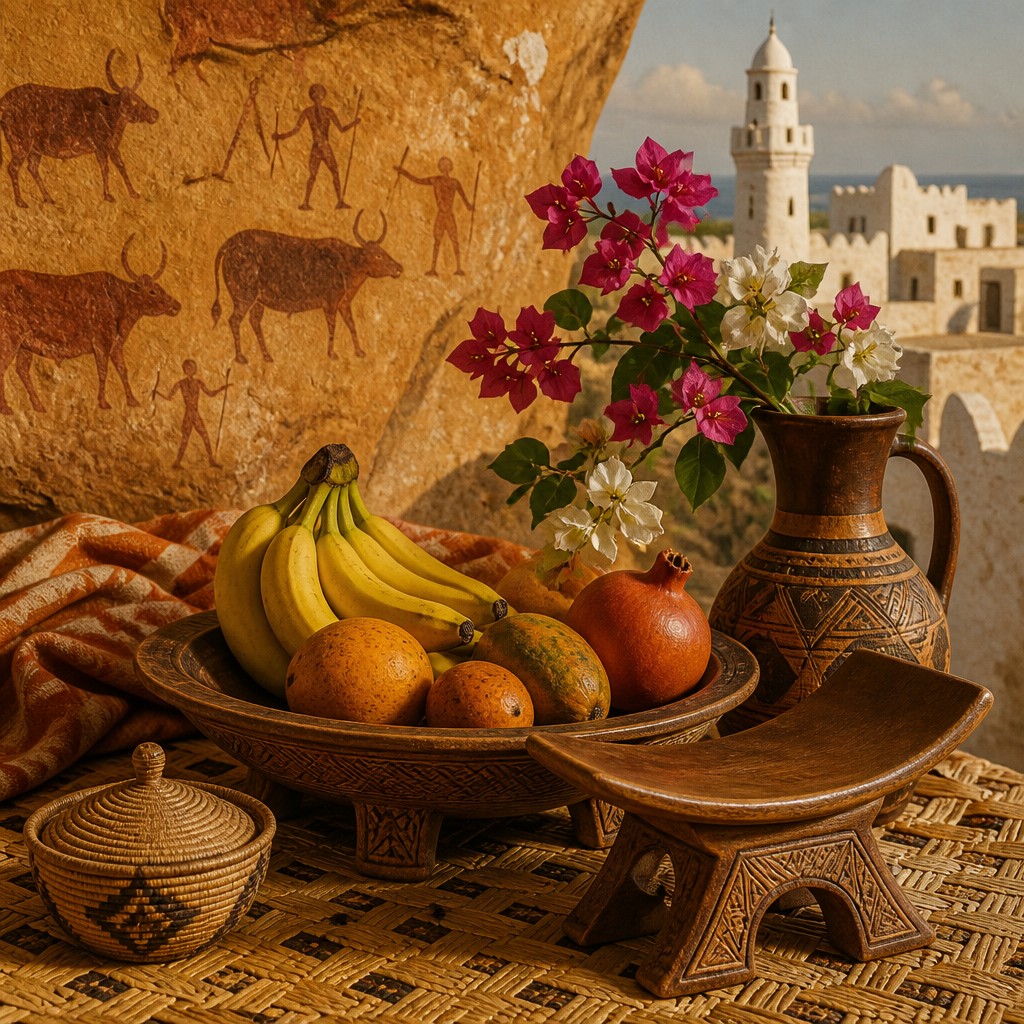
Somali Gallery
Tap any artwork to explore it
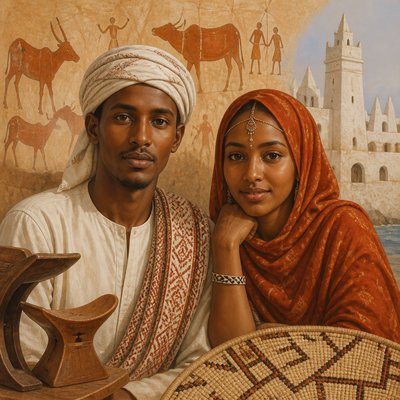
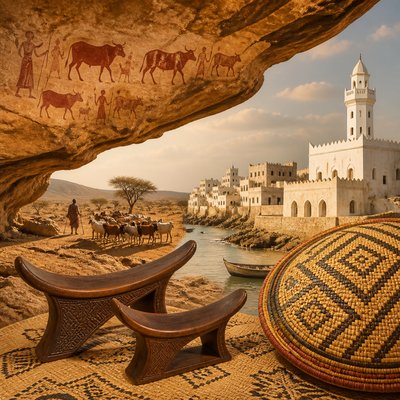
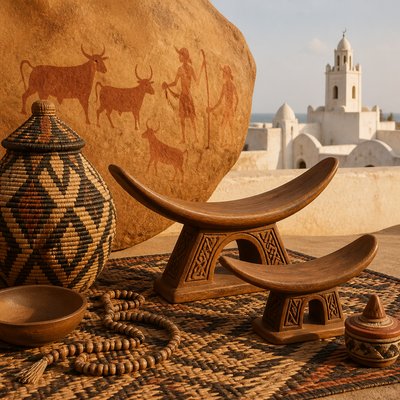
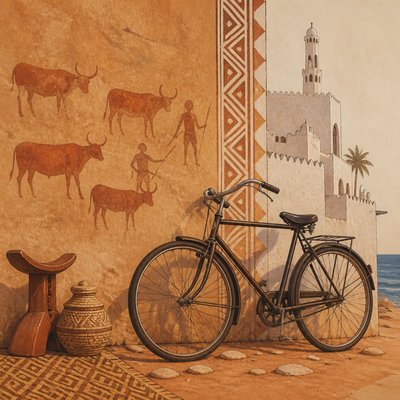
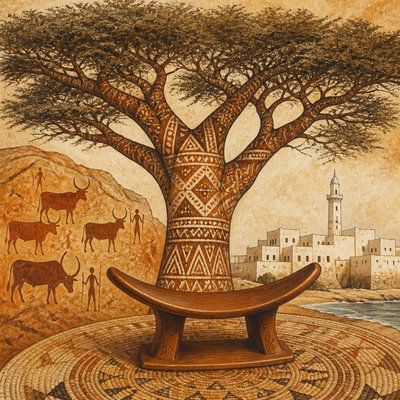
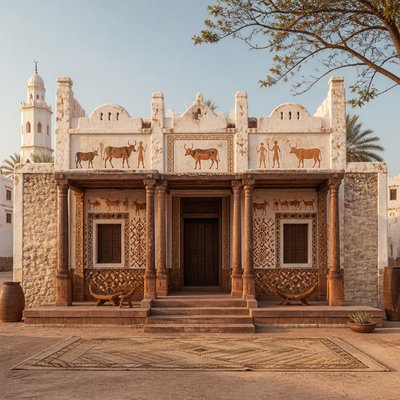
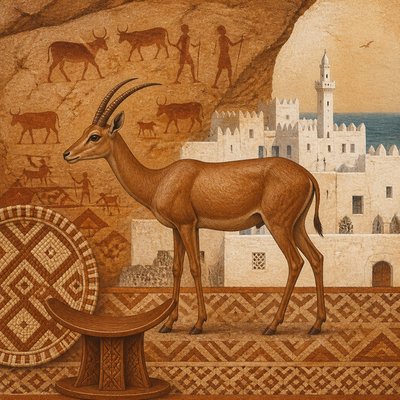
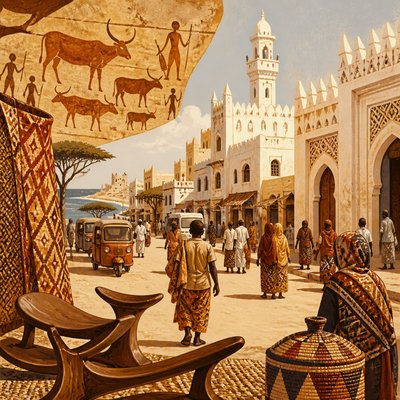
What is Somali Art Style?
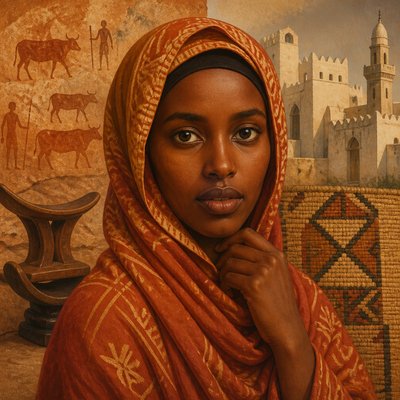
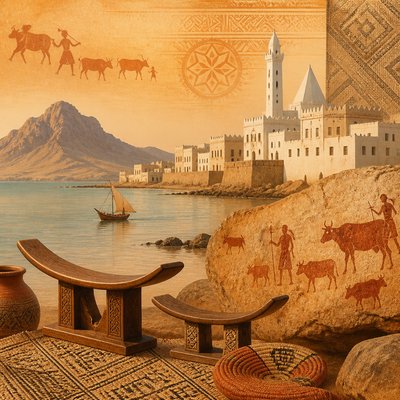
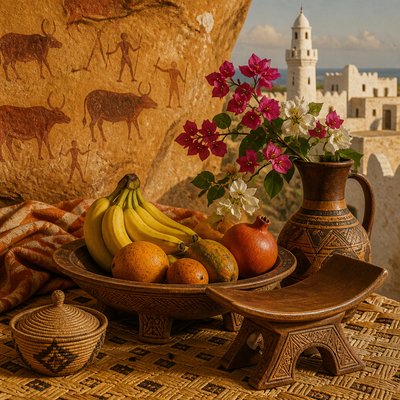
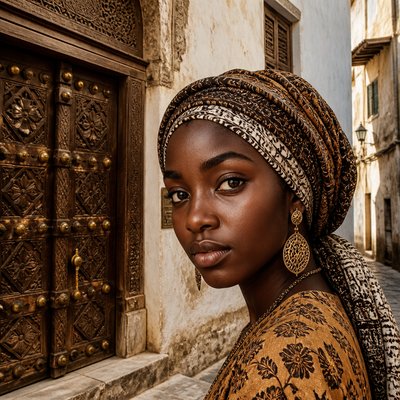
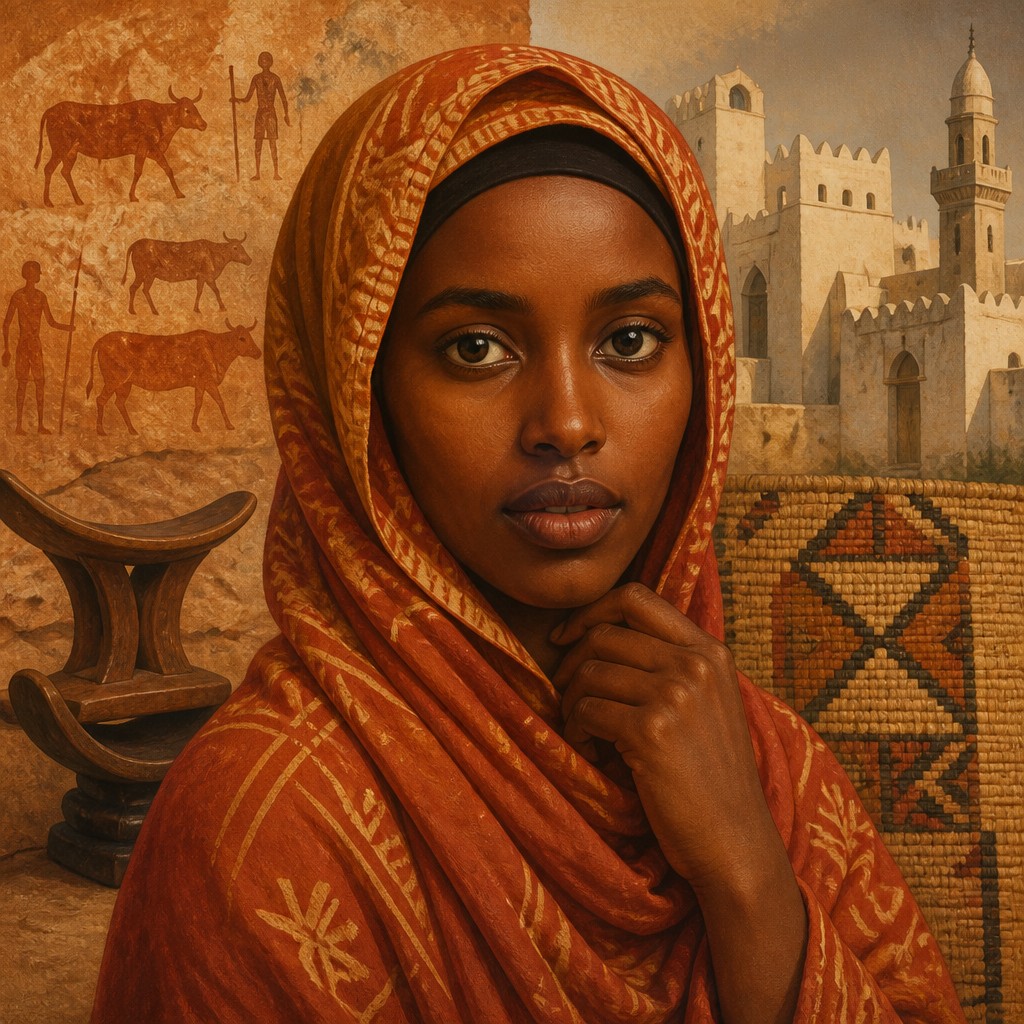
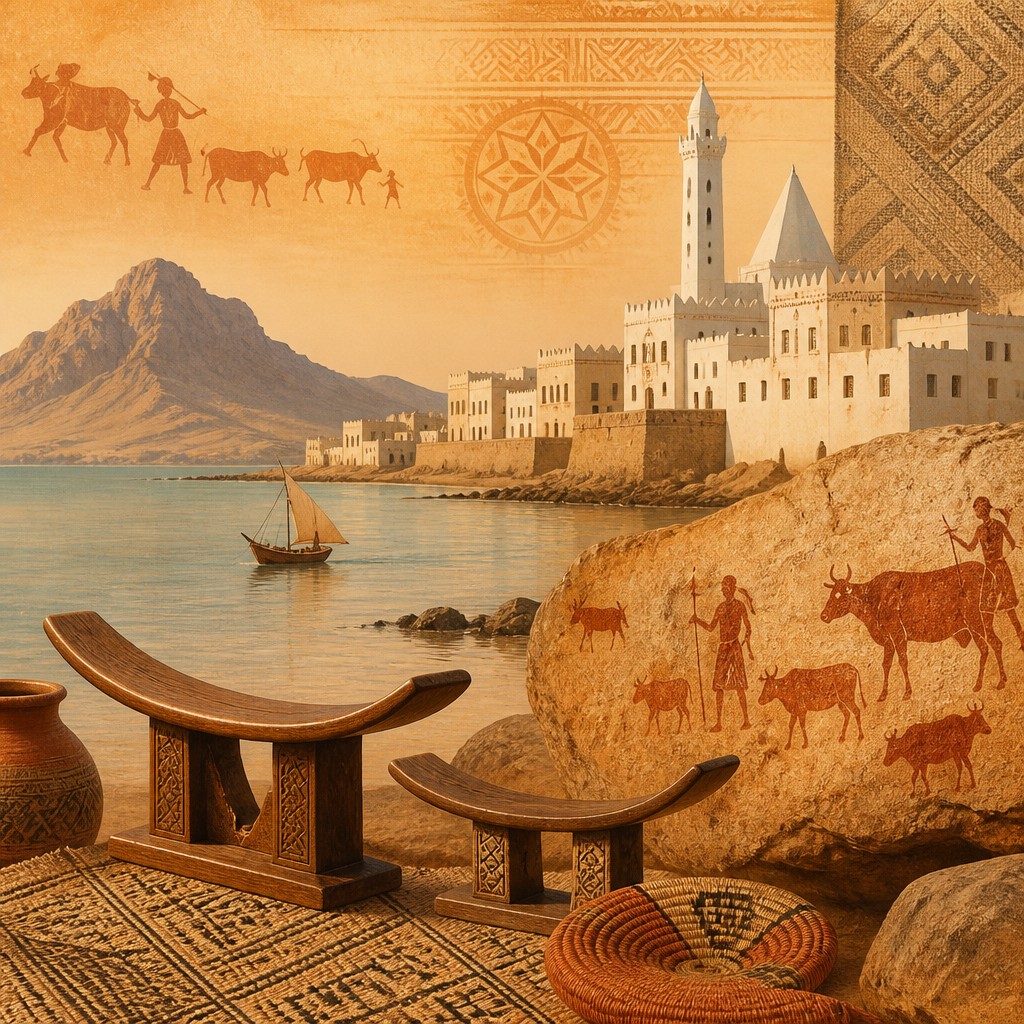
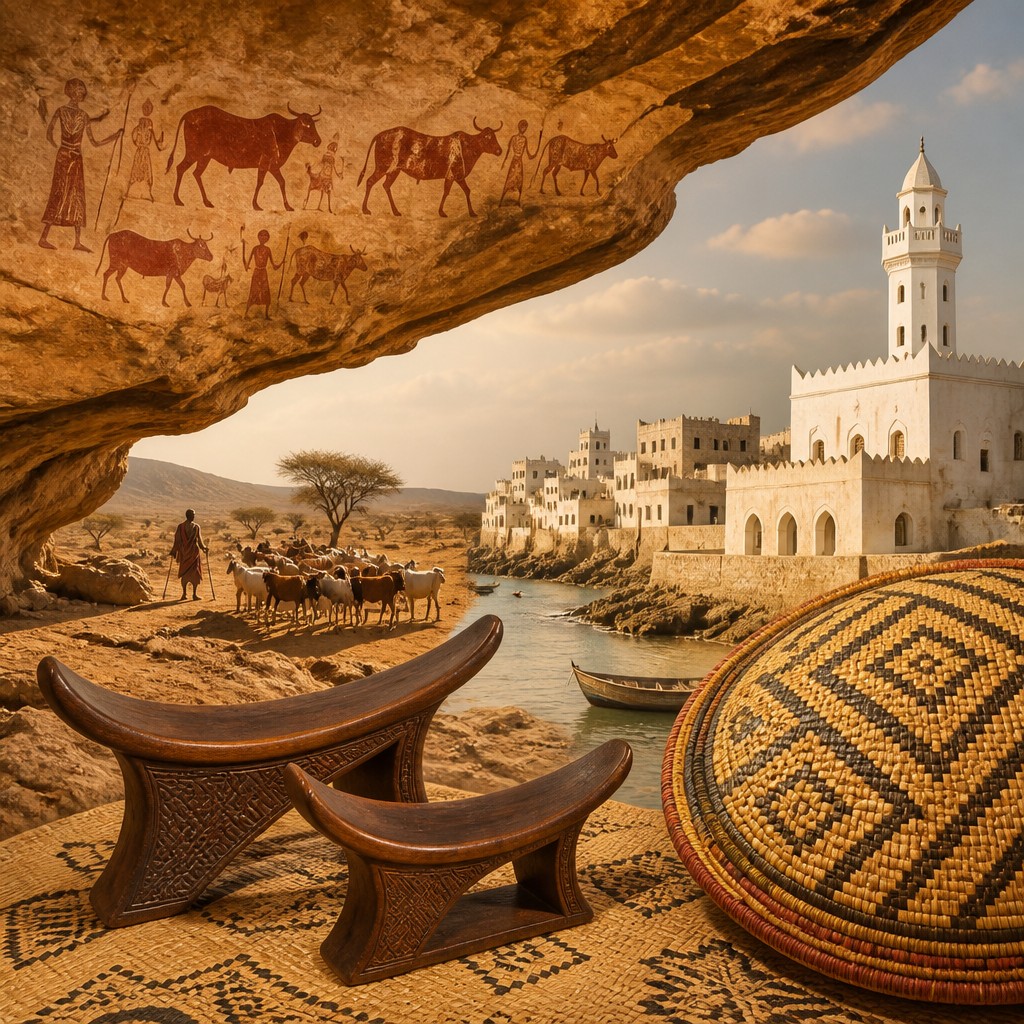
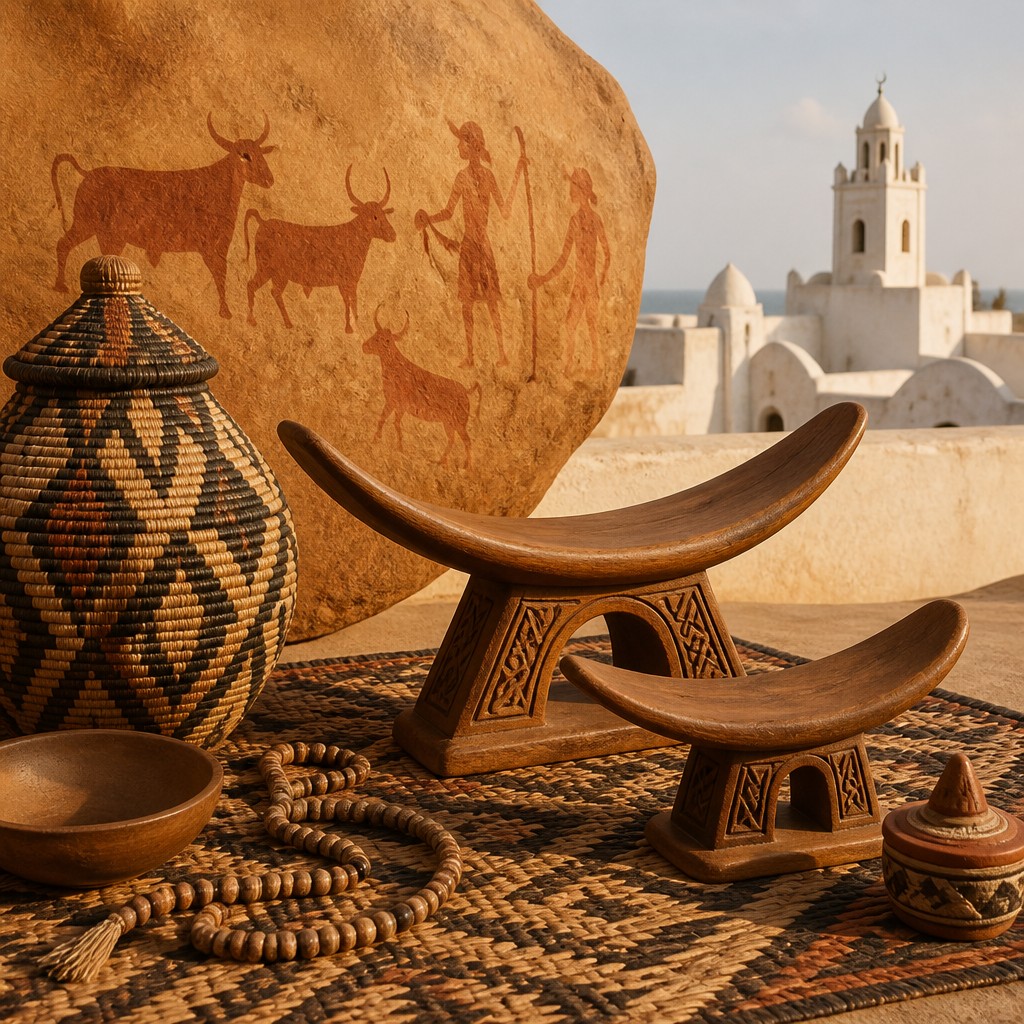
Somali art style is a contemporary visual synthesis rooted in the Horn of Africa's archaeological, craft, and architectural heritage. Its imagery commonly combines ochre and rust-colored rock paintings associated with the Laas Geel shelters, carved wooden objects such as headrests, geometric palm-mat weaving, and the whitewashed coral-stone architecture of historic coastal settlements.
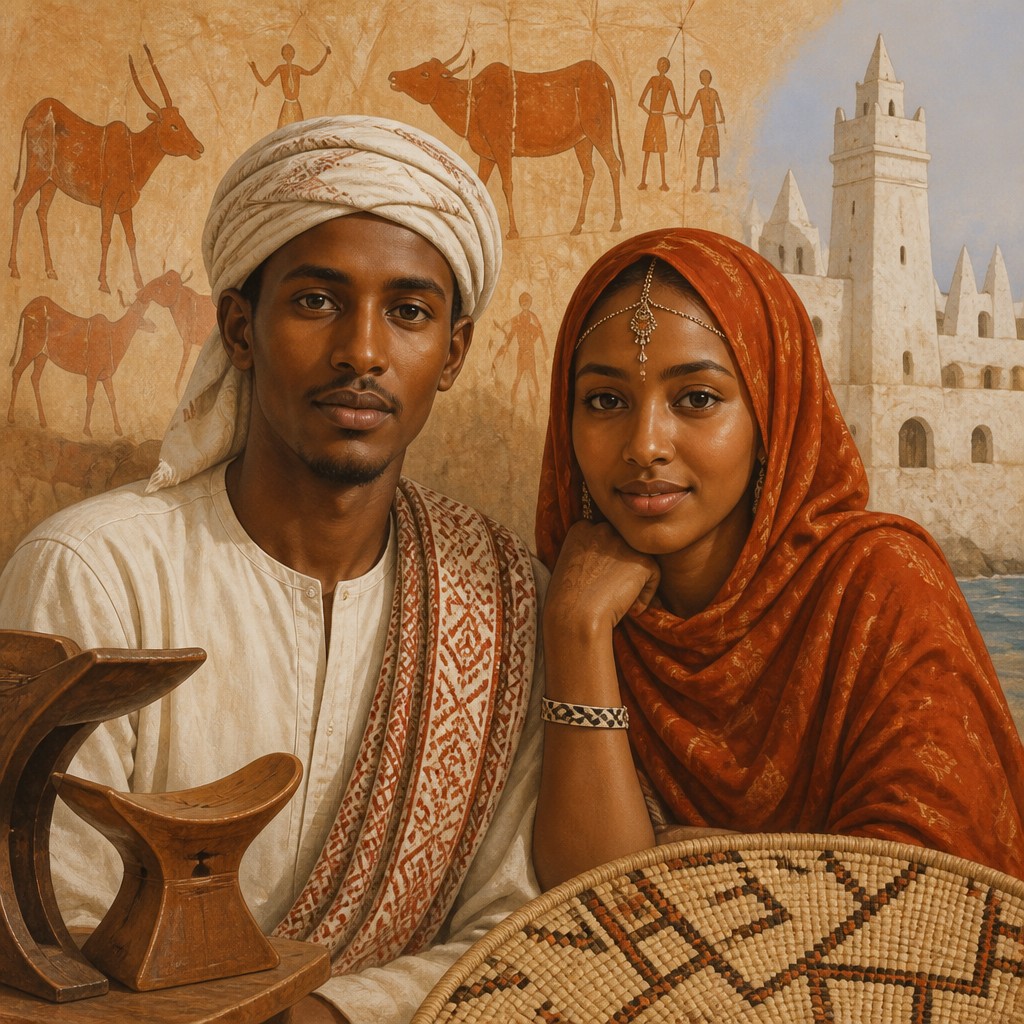
Try It On Your Photos
Upload any photo and convert it into Somali Art Style — drag the sliders to compare before and after.
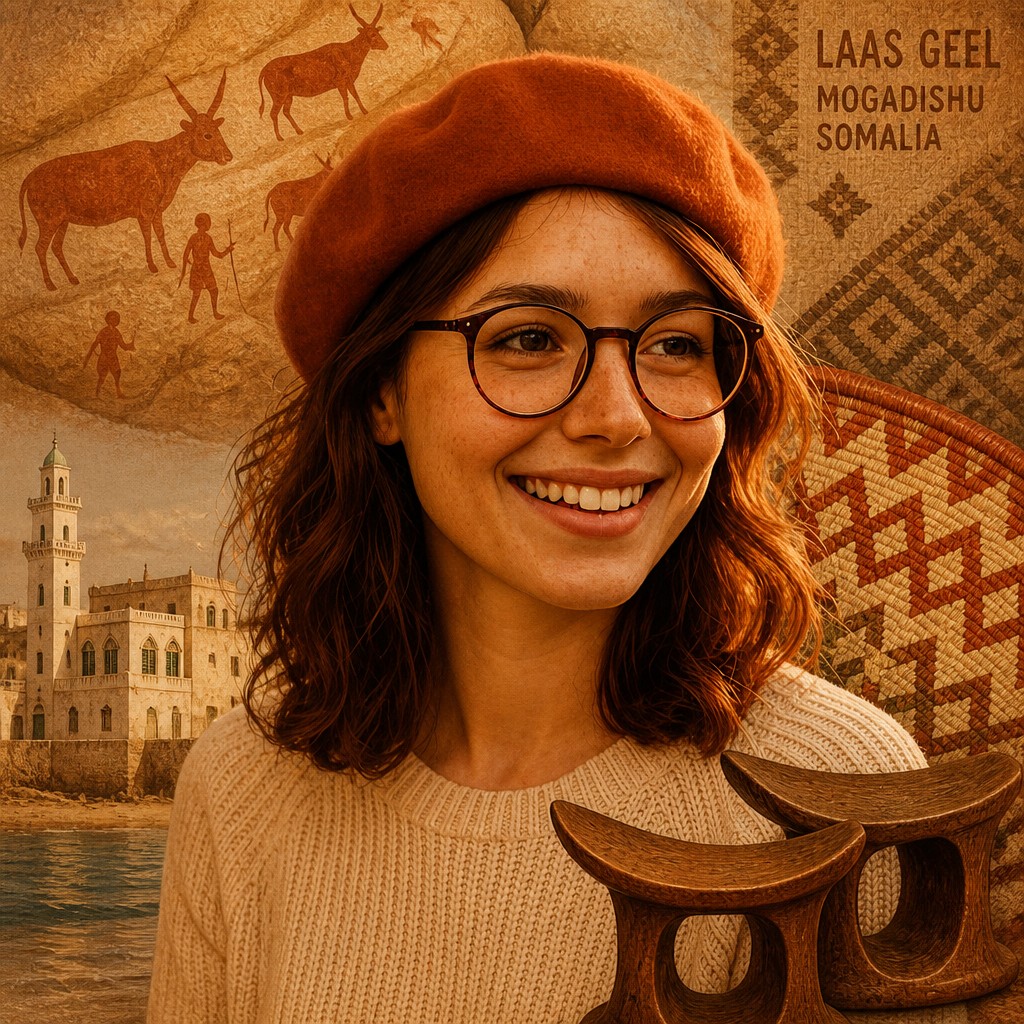

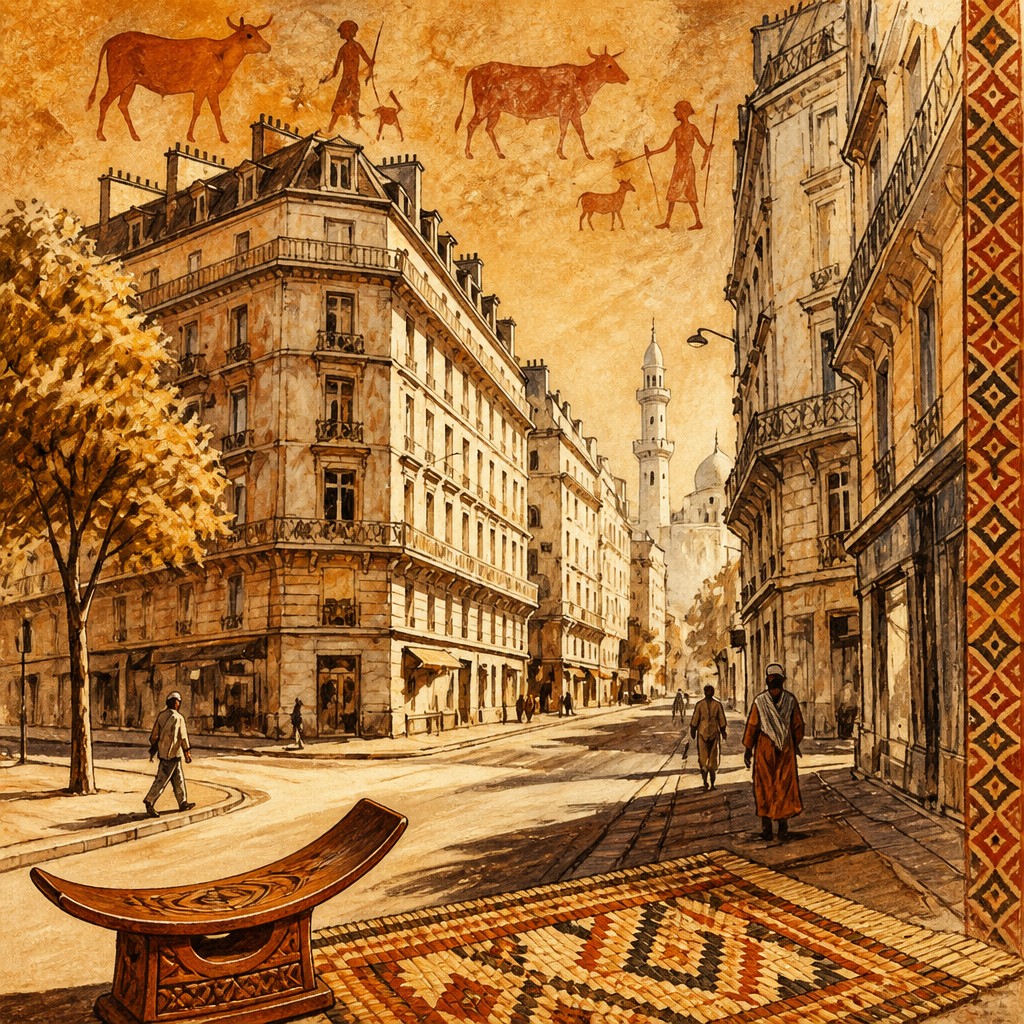

What Defines Somali Art Style
The signature details, up close
Ochre rock imagery
Cattle, herders, and simplified human figures appear in earthy red, orange, brown, and cream pigments. The forms are often outlined or filled with broad, matte shapes rather than modeled through tonal realism.
Pastoral symbolism
Cattle, antelope, goats, and people connected to herding evoke the ecological and social importance of pastoral life. Repetition, frontal poses, and emblematic silhouettes give the imagery a ceremonial quality.
Carved wooden forms
Smooth wooden headrests and related objects introduce compact sculptural volumes, curved profiles, and carefully polished surfaces. Their restrained ornament contrasts with the more graphic language of the rock paintings.
Palm-mat geometry
Woven mats contribute bands, grids, diamonds, chevrons, and rhythmic repetitions. These patterns can function as borders, ground planes, textile surfaces, or abstract framing devices.
Coral-stone architecture
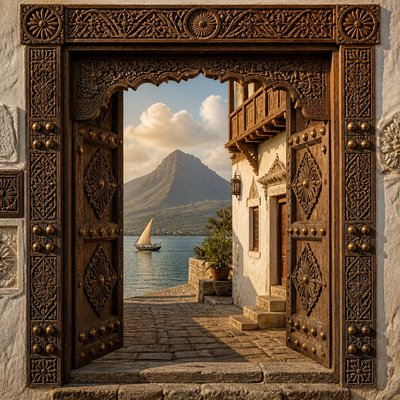
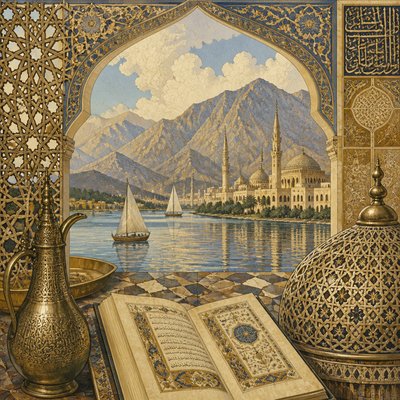
Whitewashed mosque walls, compact silhouettes, arched openings, domes, minarets, and textured masonry suggest historic coastal architecture, particularly in Mogadishu and other Indian Ocean settlements.
Desert-coast palette
The dominant colors are sand, clay, terracotta, rust, chalk white, weathered wood, and muted charcoal. Warm low-angle light links arid inland landscapes with the bright atmosphere of the coast.
Somali Prompt Ideas
Start from an idea — each one opens the generator with the style ready to go. See all 40 Somali prompts →
How to Create Somali Art
Master the craft step by step — or skip straight to creating. Read the full guide →
- 1
Build a restrained palette
Begin with ochre, iron red, burnt sienna, sand, chalk white, and deep brown. Limit saturation and use warm directional light so the image feels mineral, sunlit, and materially grounded.
- 2
Simplify figures and animals
Draw cattle and herders as clear silhouettes with elongated proportions, frontal or profile poses, and minimal interior shading. Use repeated figures and symbolic gestures instead of anatomical detail.
- 3
Combine flat and tactile surfaces
Pair matte, weathered pigment fields with subtle stone grain, carved wood, woven fiber, and coral masonry. In digital work, use restrained texture overlays and avoid glossy effects that erase the handmade character.
- 4
Use pattern as structure
Introduce palm-mat diamonds, stripes, or chevrons as borders and architectural accents rather than random decoration. Keep the geometry regular enough to suggest weaving while allowing small irregularities.
- 5
Compose an archaeological-modern scene
Balance a broad desert or coastal setting with a few legible cultural elements, such as a rock shelter, headrest, mosque silhouette, or woven mat. Leave open space around the subject to echo the clarity of rock-shelter compositions.
- 6
Guide digital or prompt-based creation
Specify the subject, ochre-and-rust palette, flat prehistoric figures, carved wood, palm-mat geometry, coral-stone forms, and warm desert-coast light. Add terms such as matte pigment, weathered mineral texture, simplified silhouettes, and low visual clutter to keep the result coherent.
The Story
History & Origins of Somali
This is not a single documented historical movement or uniform national style. It is an interpretive aesthetic lineage that brings together ancient rock art from the Somali region, long-standing pastoral and domestic crafts, Islamic architectural traditions, and the maritime urban culture of the Somali coast. The Laas Geel paintings, near Hargeisa, are generally attributed to a prehistoric or early pastoral period, while Mogadishu's coral-stone buildings developed through centuries of Indian Ocean trade and Islamic cultural exchange.
Influences: The style draws on prehistoric and early pastoral rock art, Somali and broader Horn of Africa craft traditions, Islamic architecture, Indian Ocean coastal building practices, vernacular wood carving, and palm-fiber weaving. It also relates to archaeological illustration, ethnographic design, earth-toned minimalism, and modern visual approaches that translate material heritage into simplified graphic form.
Frequently Asked Questions
Is Somali art style a historical art movement?
No. The term is best understood as a contemporary descriptive synthesis rather than a formally recognized historical movement. It connects several distinct Somali and regional traditions without claiming that they originated as one unified style.
What defines the visual identity of this style?
Its main identifiers are ochre rock-art figures, pastoral subjects, carved wooden forms, palm-mat geometry, coral-stone Islamic architecture, and a warm desert-coast palette. Surfaces tend to be matte, weathered, and tactile rather than polished or highly saturated.
How is it different from general African art styles?
It focuses on specific visual references from the Somali region and the Horn of Africa, especially pastoral rock imagery and Indian Ocean coral-stone architecture. The style should not be treated as a generic substitute for the many distinct artistic traditions found across Africa.
Can I create this style with traditional materials?
Yes. Try ochre, iron oxide, charcoal, chalk, and diluted earth pigments on rough paper, board, or a simulated stone surface. Add hand-drawn geometric borders inspired by weaving and use wood, clay, or fiber for small sculptural studies.
What subjects work well in Somali art style?
Cattle, herders, desert shelters, coastal courtyards, mosques, harbor scenes, carved headrests, woven mats, and quiet still lifes are appropriate subjects. Strong results usually come from combining one clear focal subject with ample open space and a limited palette.
How can I prompt an image in this aesthetic without making it look generic?
Name concrete elements such as Laas Geel-inspired ochre figures, carved wooden headrests, palm-mat diamonds, or whitewashed coral-stone architecture. Also specify matte mineral texture, simplified silhouettes, restrained earth colors, and warm desert-coast light.
Create your first Somali artwork
Describe anything — or upload a photo — and see it in Somali Art Style in seconds.
Related Styles
Discover similar art styles