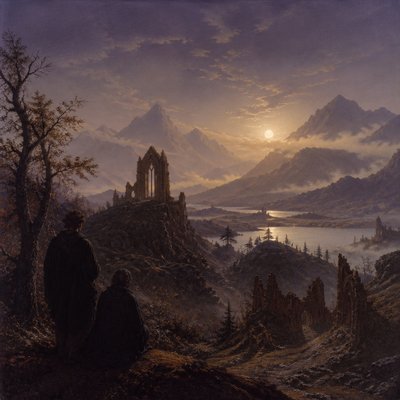
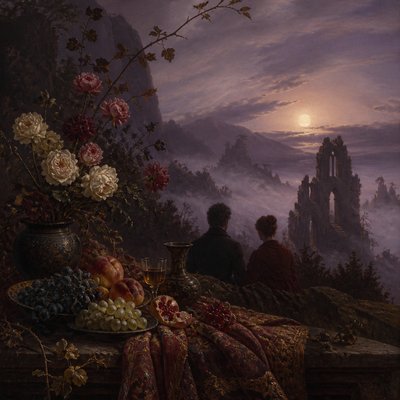
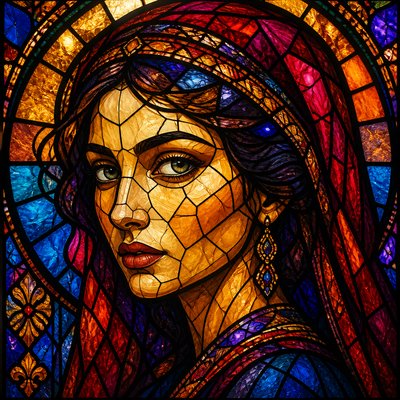
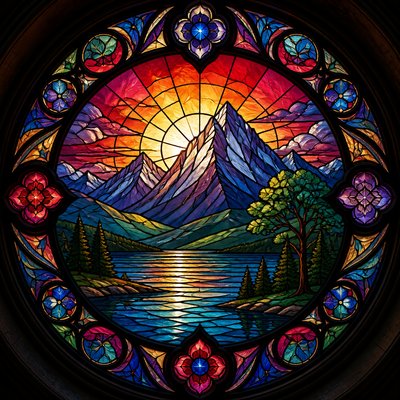
Sienese Gothic Art Style
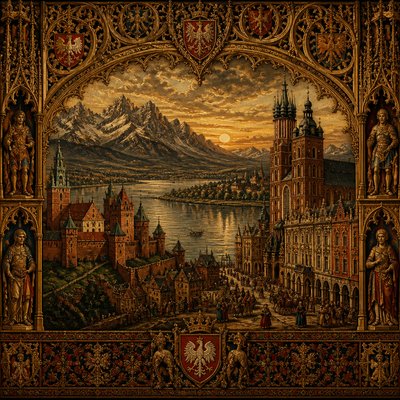
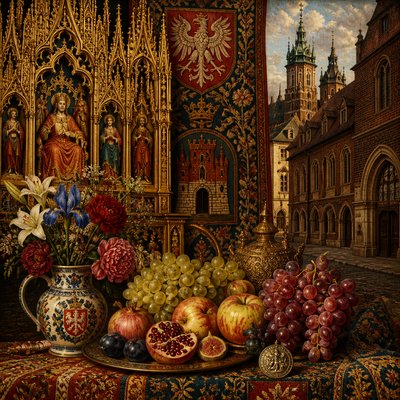
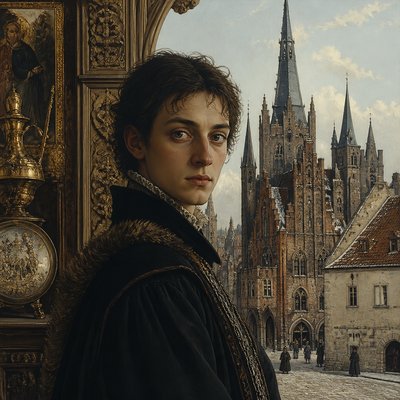
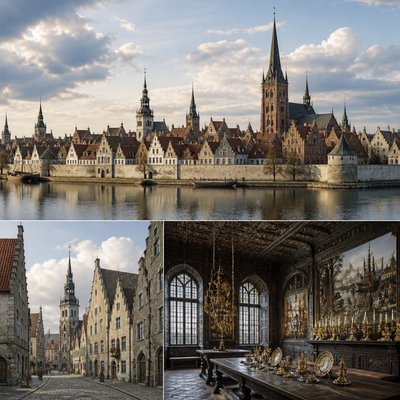
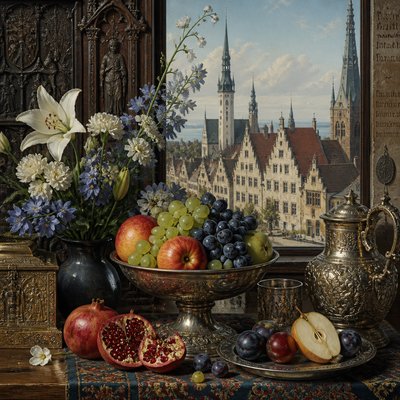
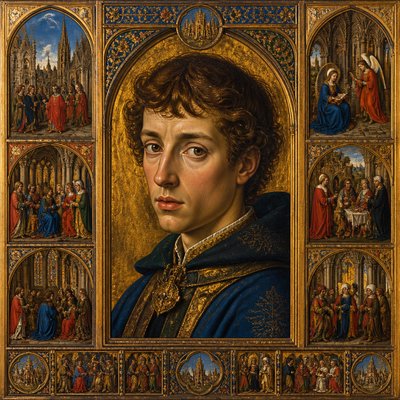
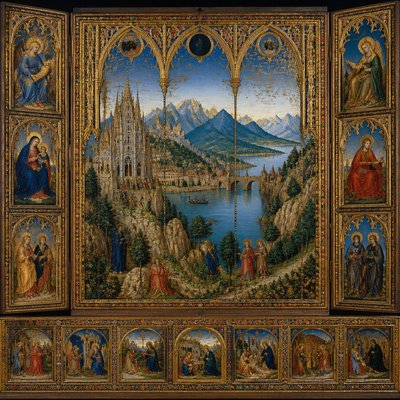
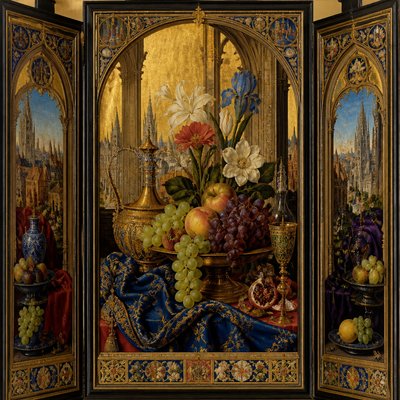
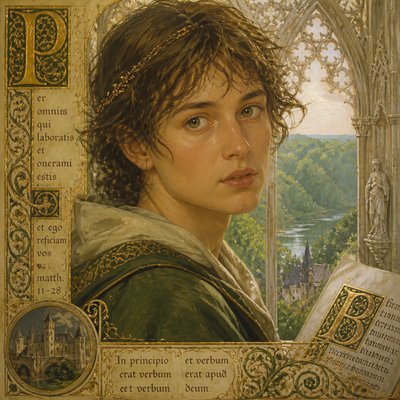
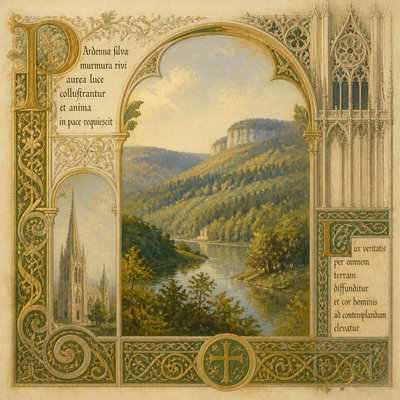
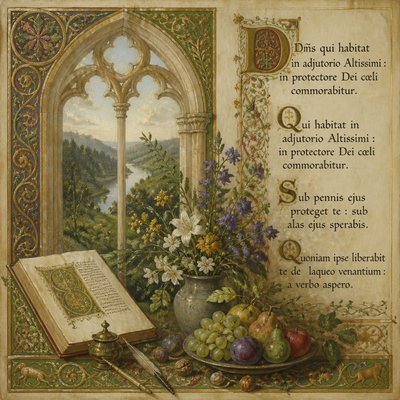
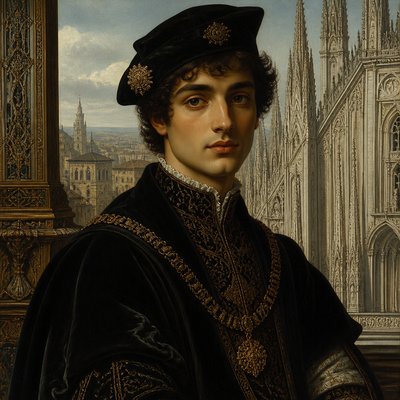
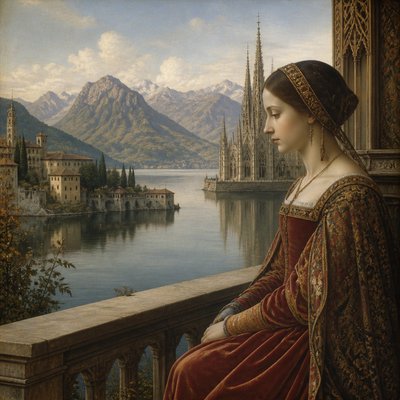
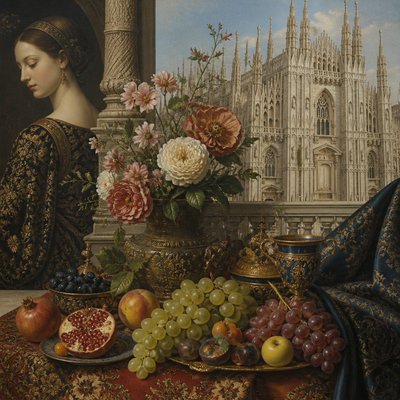
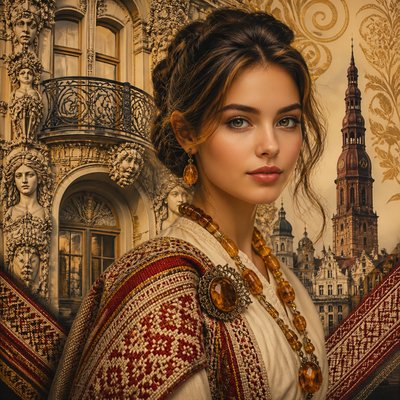
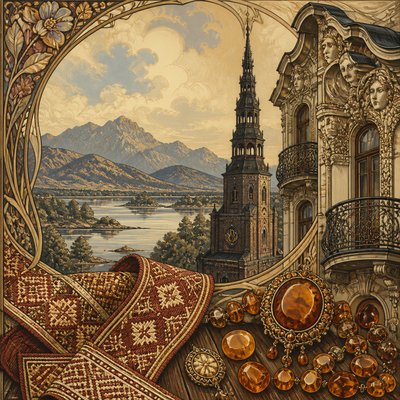
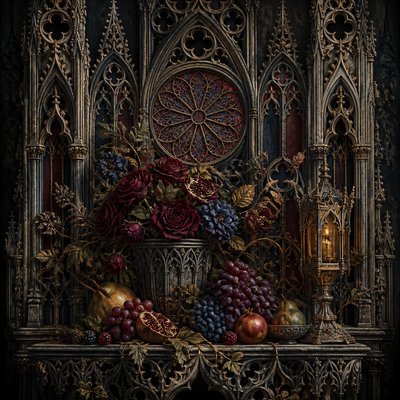
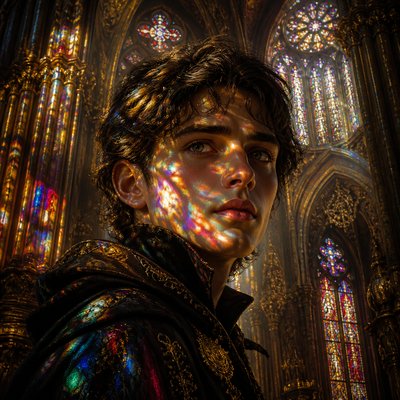
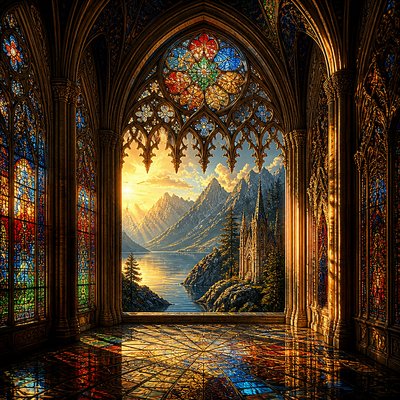
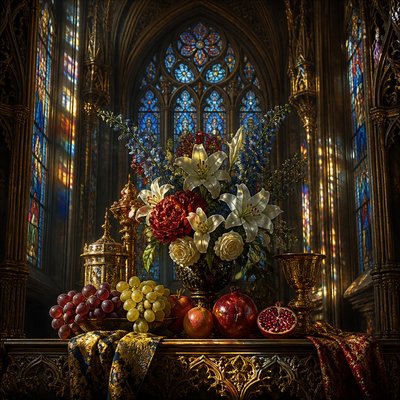
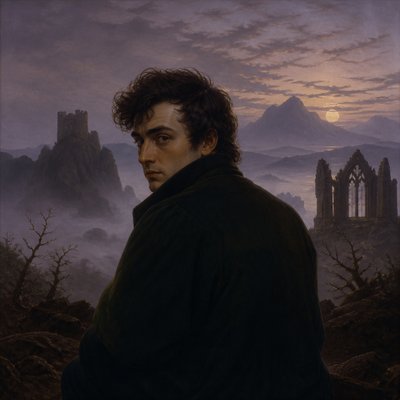
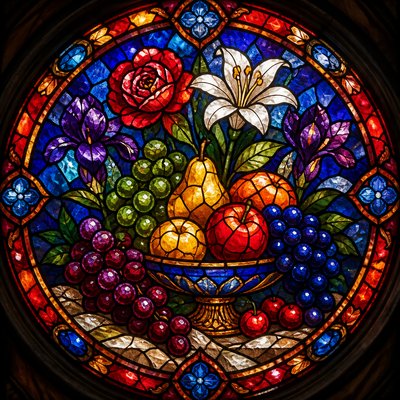
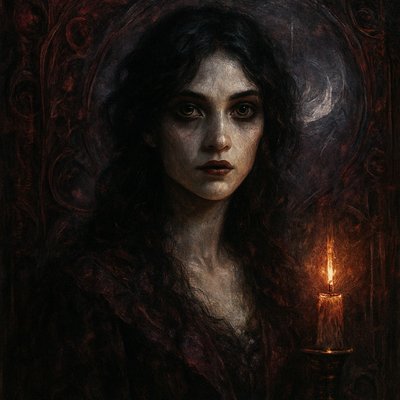
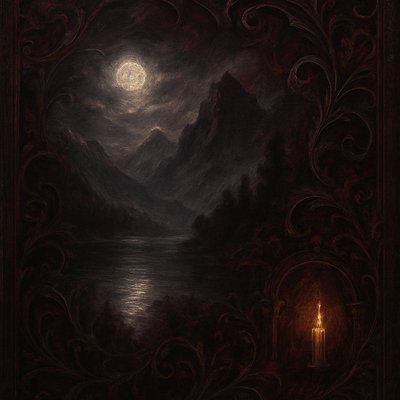
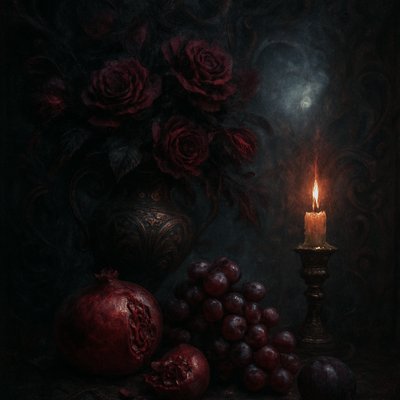
Explore Sienese Gothic art: radiant gold grounds, elegant courtly figures, ornate halos, lyrical line, and devotional medieval refinement.
Instantly rendered in Sienese Gothic — or transform a photo
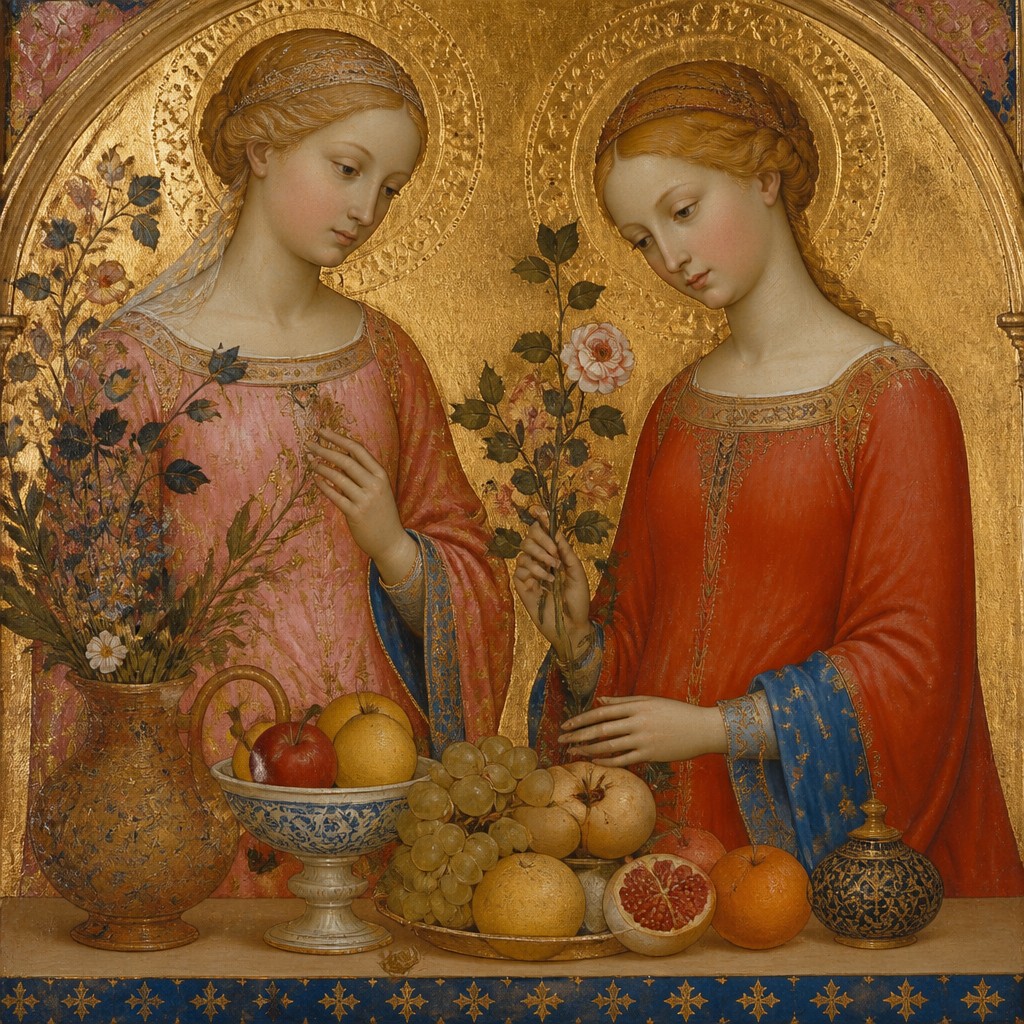
Sienese Gothic Gallery
Tap any artwork to explore it
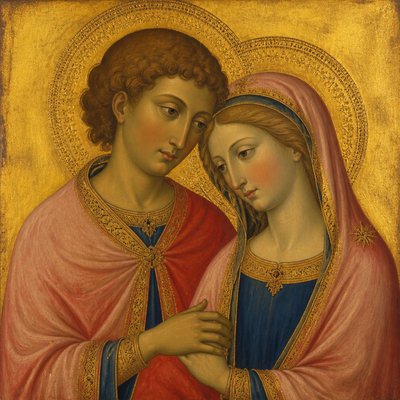
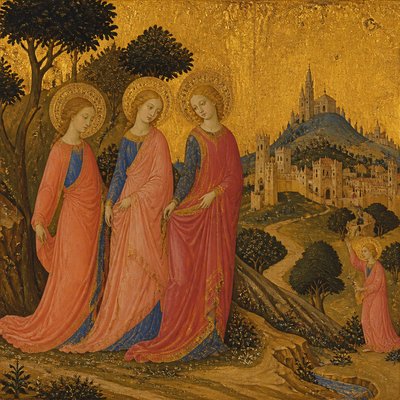
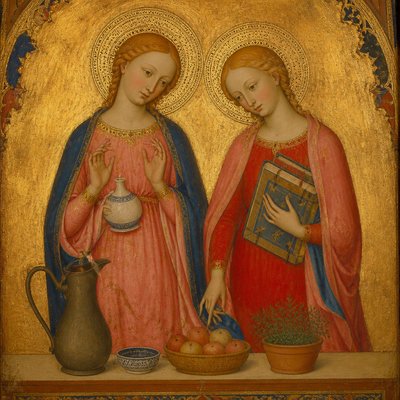
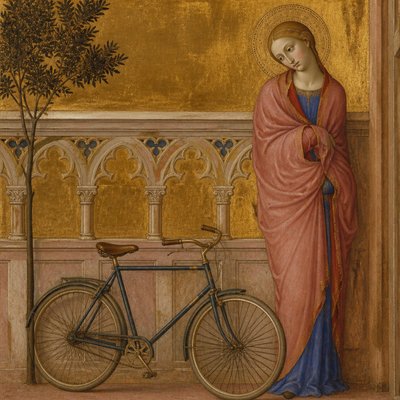
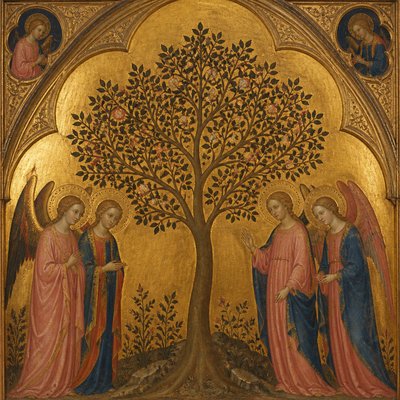
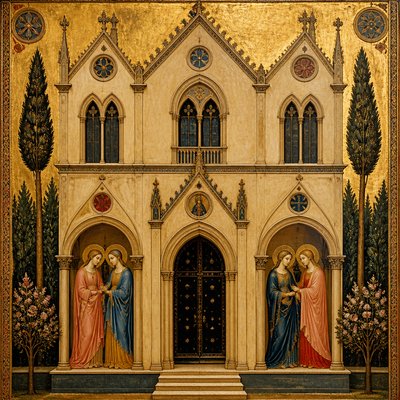
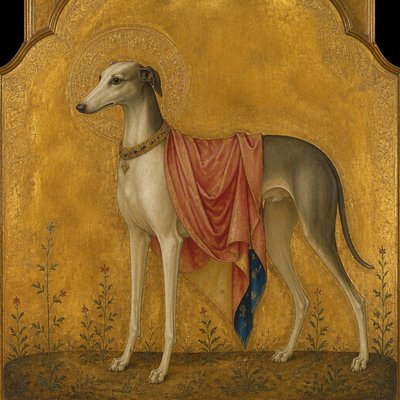
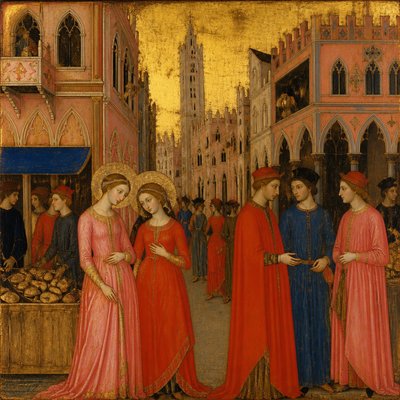
What is Sienese Gothic Art Style?
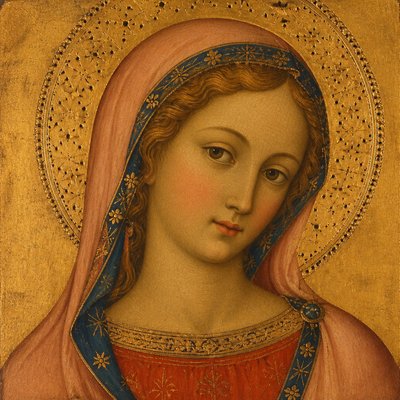
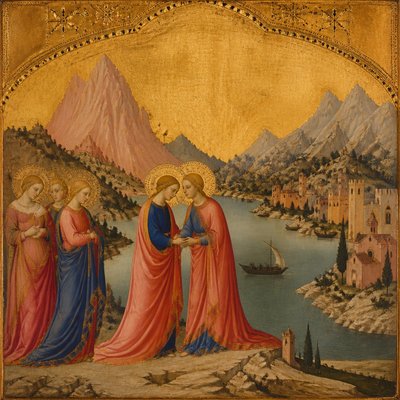
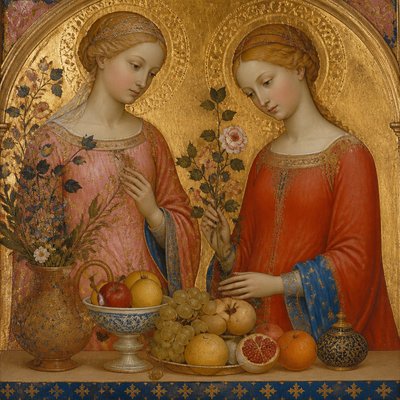
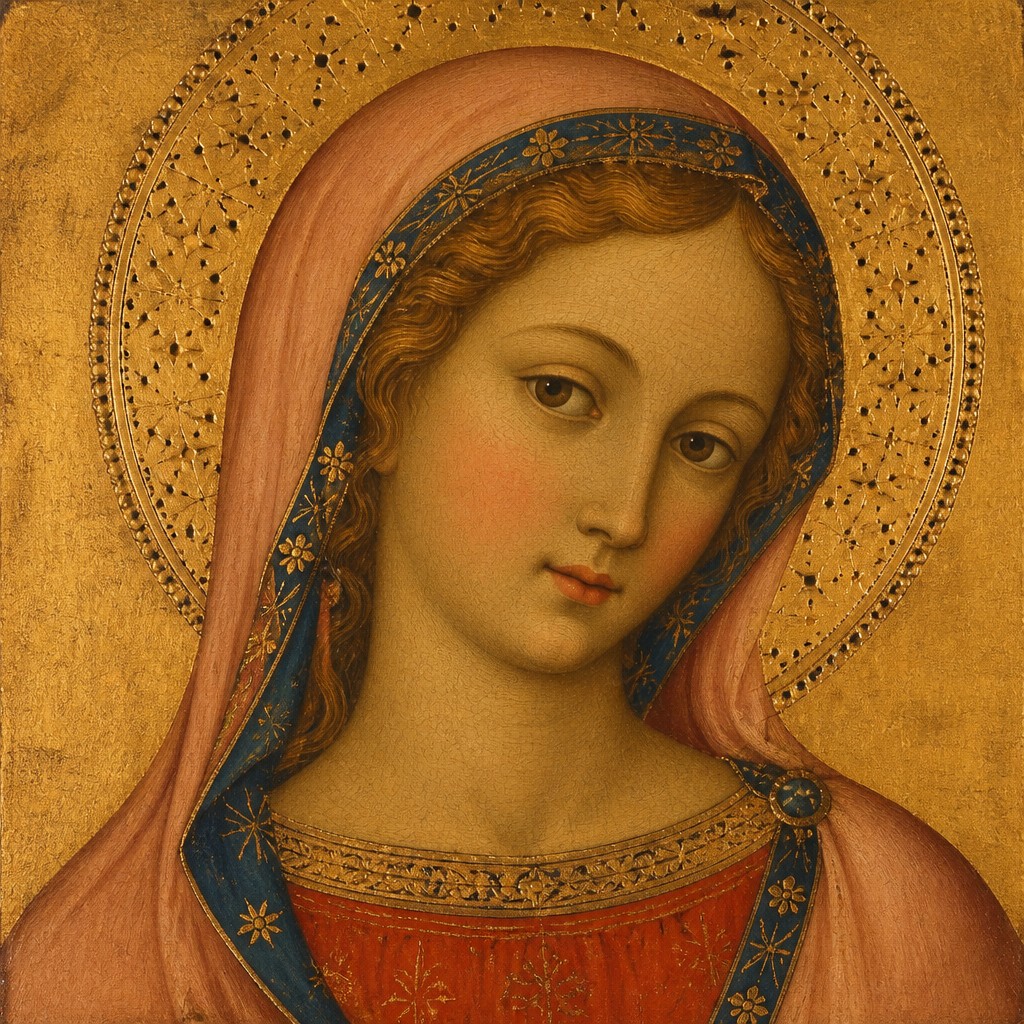
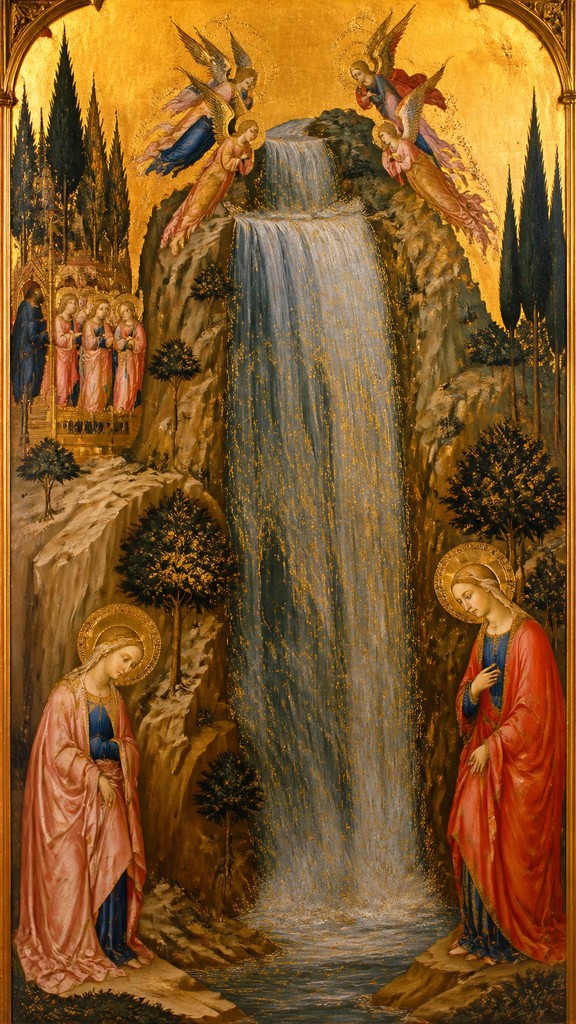
The style combines the solemn frontal presence of Byzantine-influenced devotional imagery with the refined movement and ornamental elegance of Gothic art. Gold leaf, punched halo patterns, saturated red and blue pigments, flowing contours, and carefully arranged gestures create a world that feels both sacred and ceremonially refined. Unlike more spatially forceful approaches, Sienese Gothic painting often prioritizes lyrical rhythm, emotional intimacy, and decorative surface over naturalistic depth.
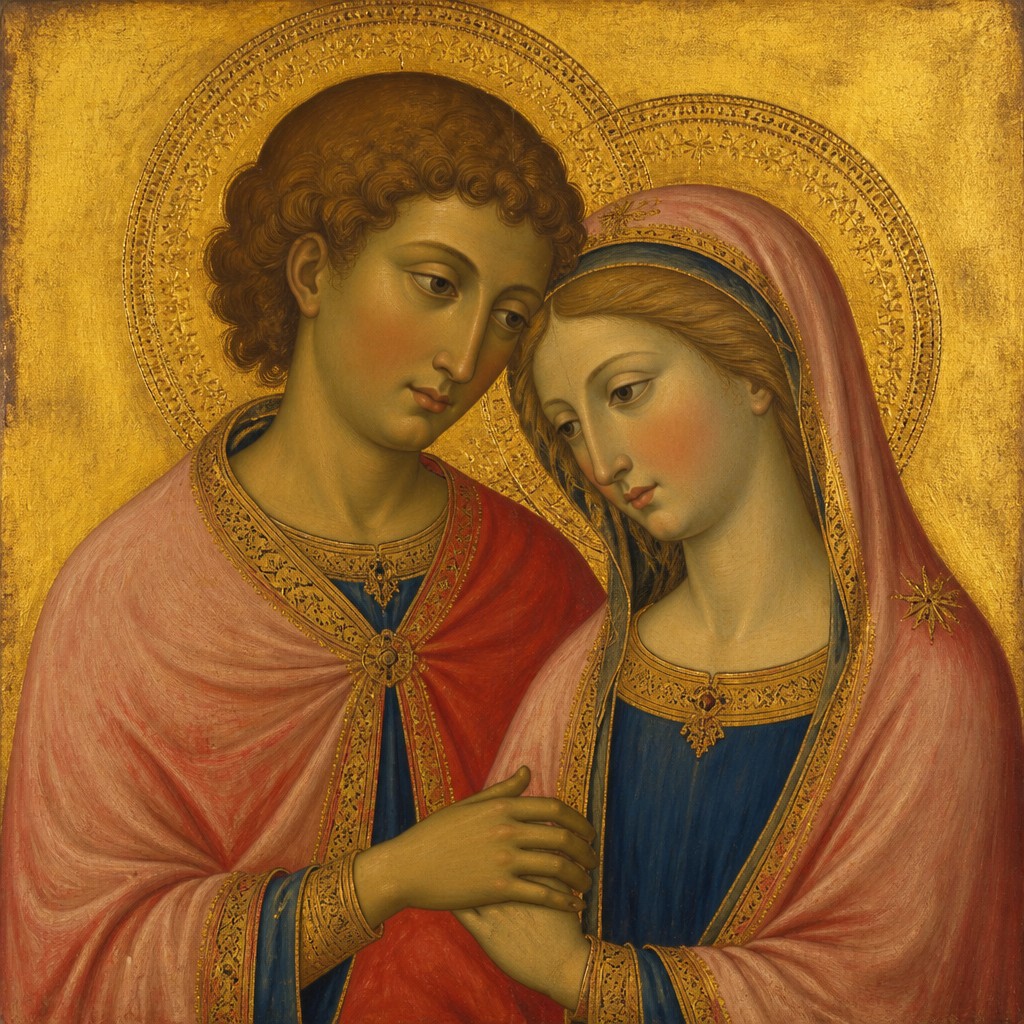
Try It On Your Photos
Upload any photo and convert it into Sienese Gothic Art Style — drag the sliders to compare before and after.
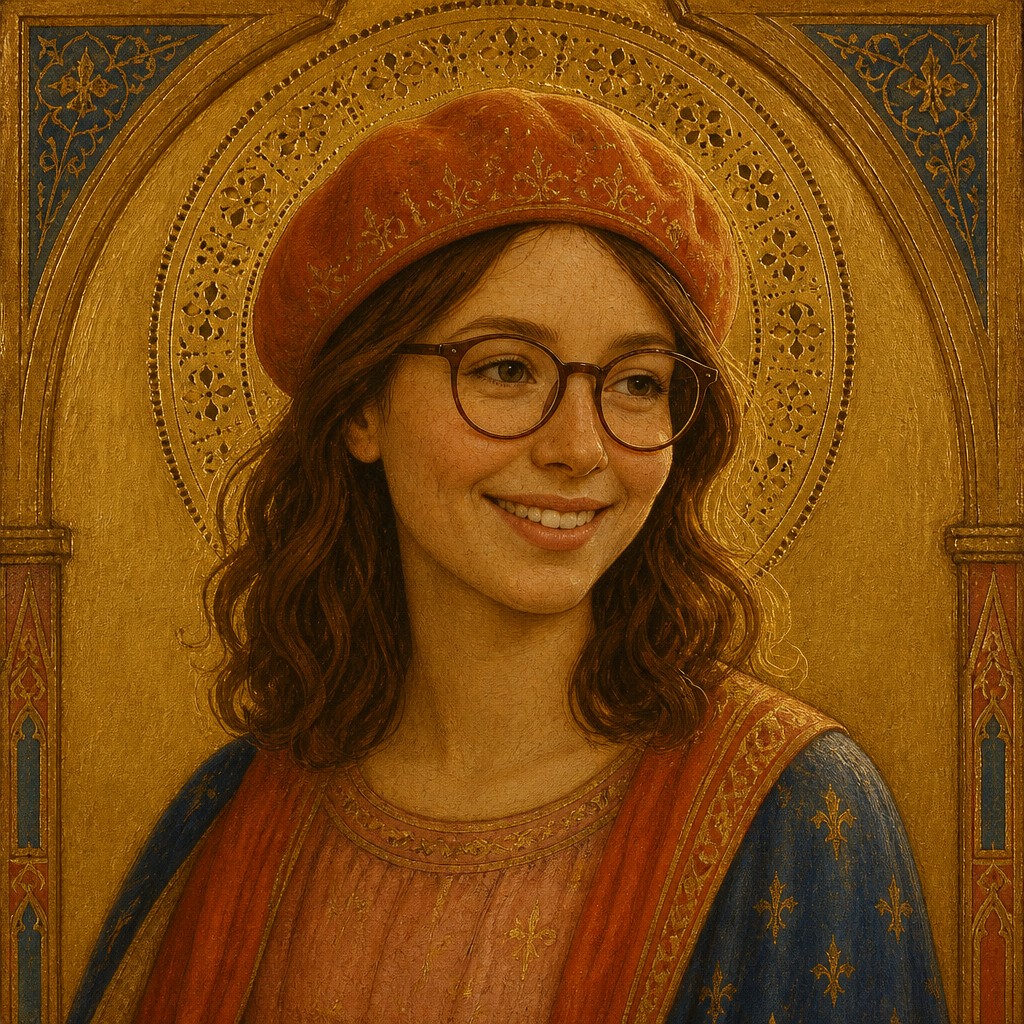

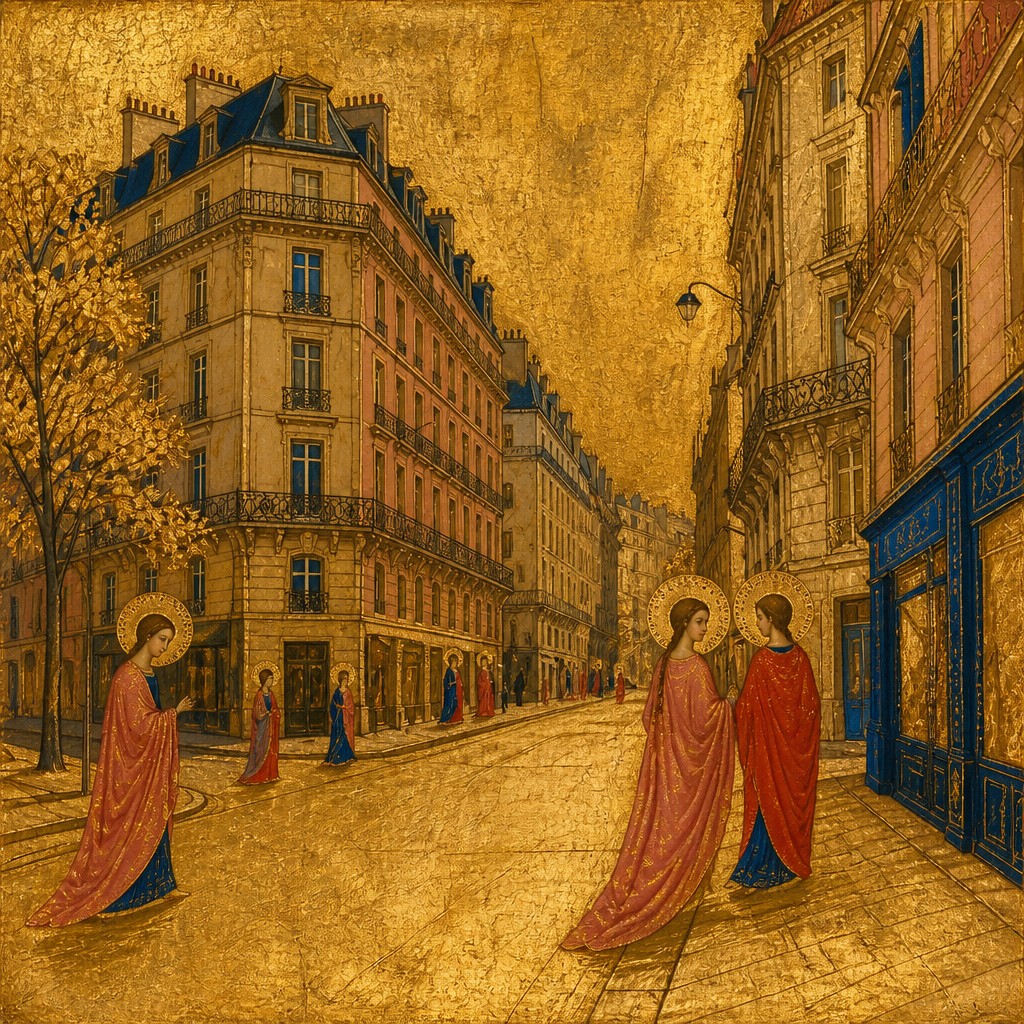

What Defines Sienese Gothic Art Style
The signature details, up close
Burnished gold grounds
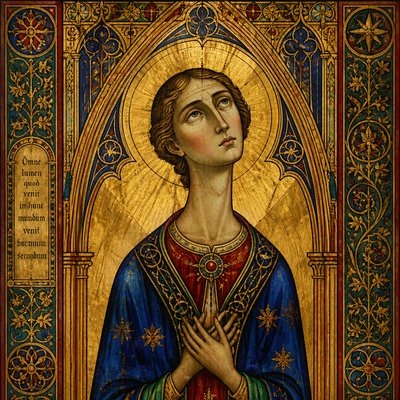
Metal leaf creates a radiant, non-naturalistic field behind the figures, signifying sacred or timeless space. The surface may be polished to a mirror-like glow or textured with tooling and punched marks.
Elegant linear contours
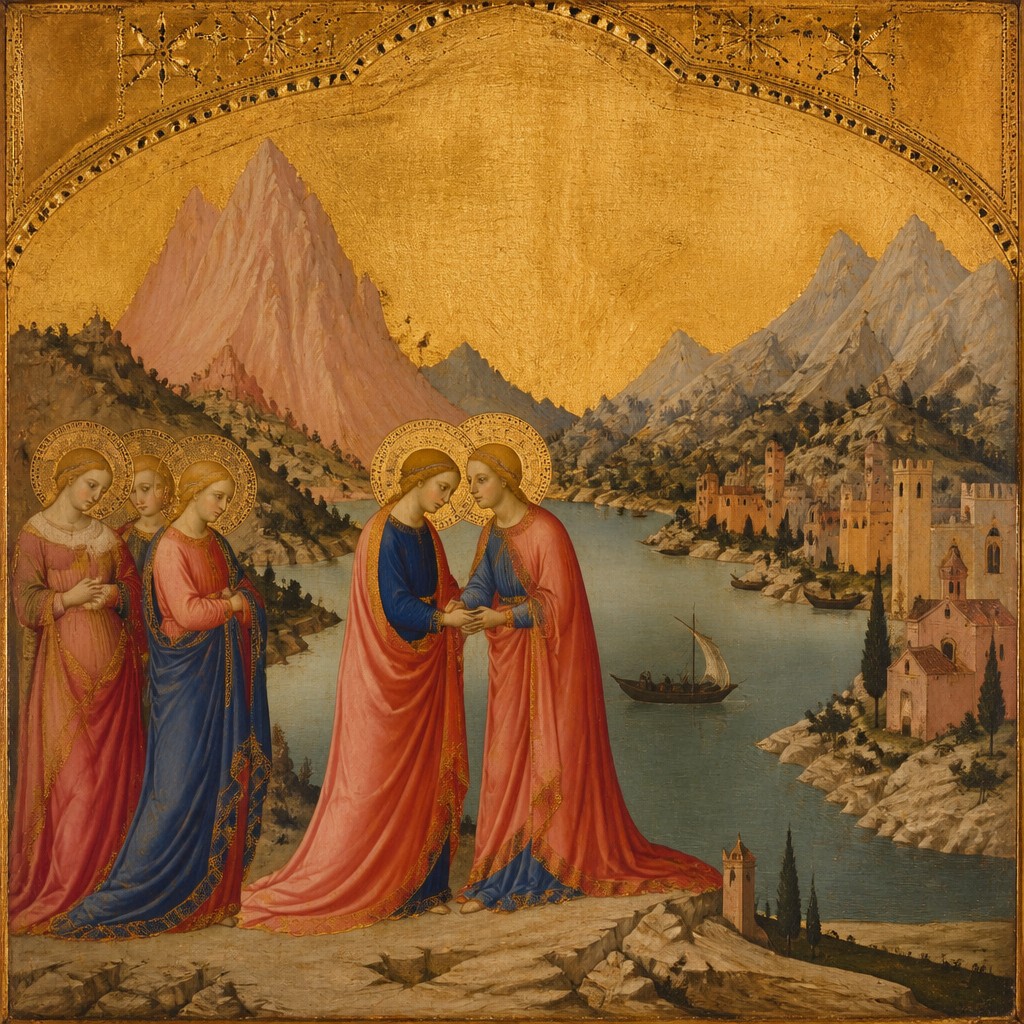
Figures and garments are defined by flowing, controlled outlines rather than heavy modeling. Curving lines produce a gentle swaying rhythm in bodies, sleeves, veils, and drapery.
Courtly elongated figures
Bodies are often slender and poised, with graceful gestures and carefully balanced stances. This refinement conveys ceremony, spiritual elevation, and aristocratic decorum rather than ordinary physical realism.
Ornamented halos
Halos are prominent circular devices, frequently enriched with punched, incised, or patterned decoration. Their geometric precision contrasts with the softer expressions and organic folds of the figures.
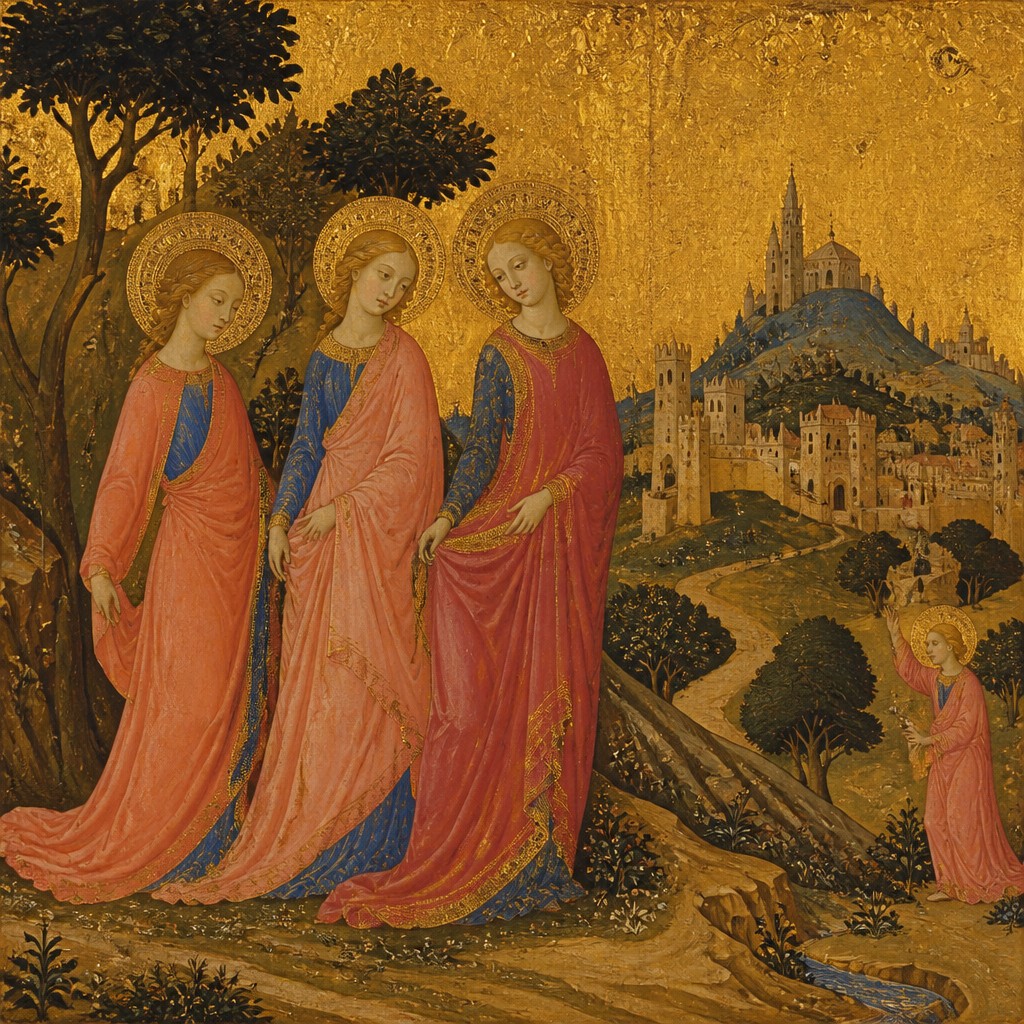
Saturated jewel colors
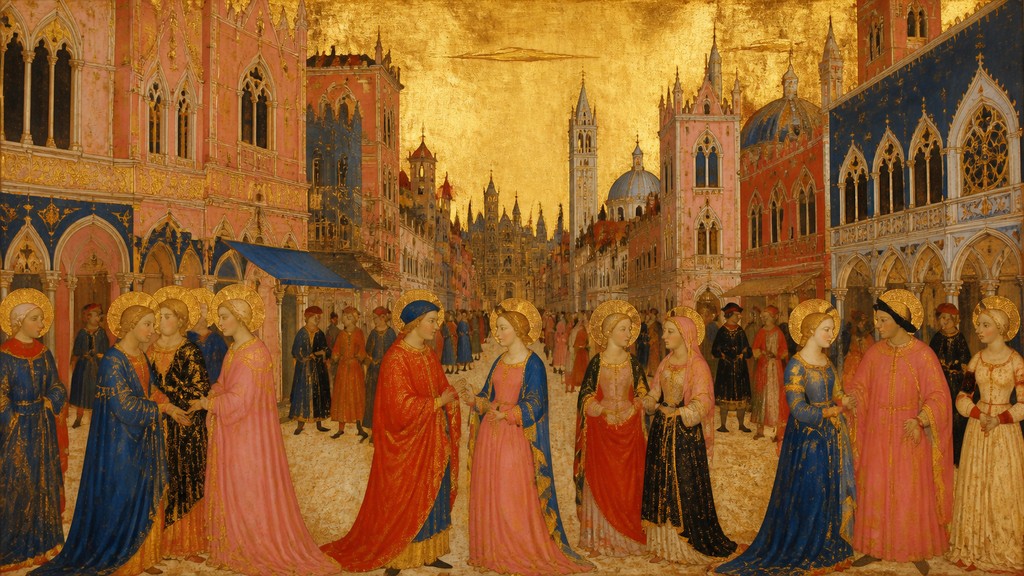
Vermilion, rose pink, deep blue, lapis-like accents, green, and white are arranged in clear areas of color. Gold details and patterned textiles heighten the sense of luxury.
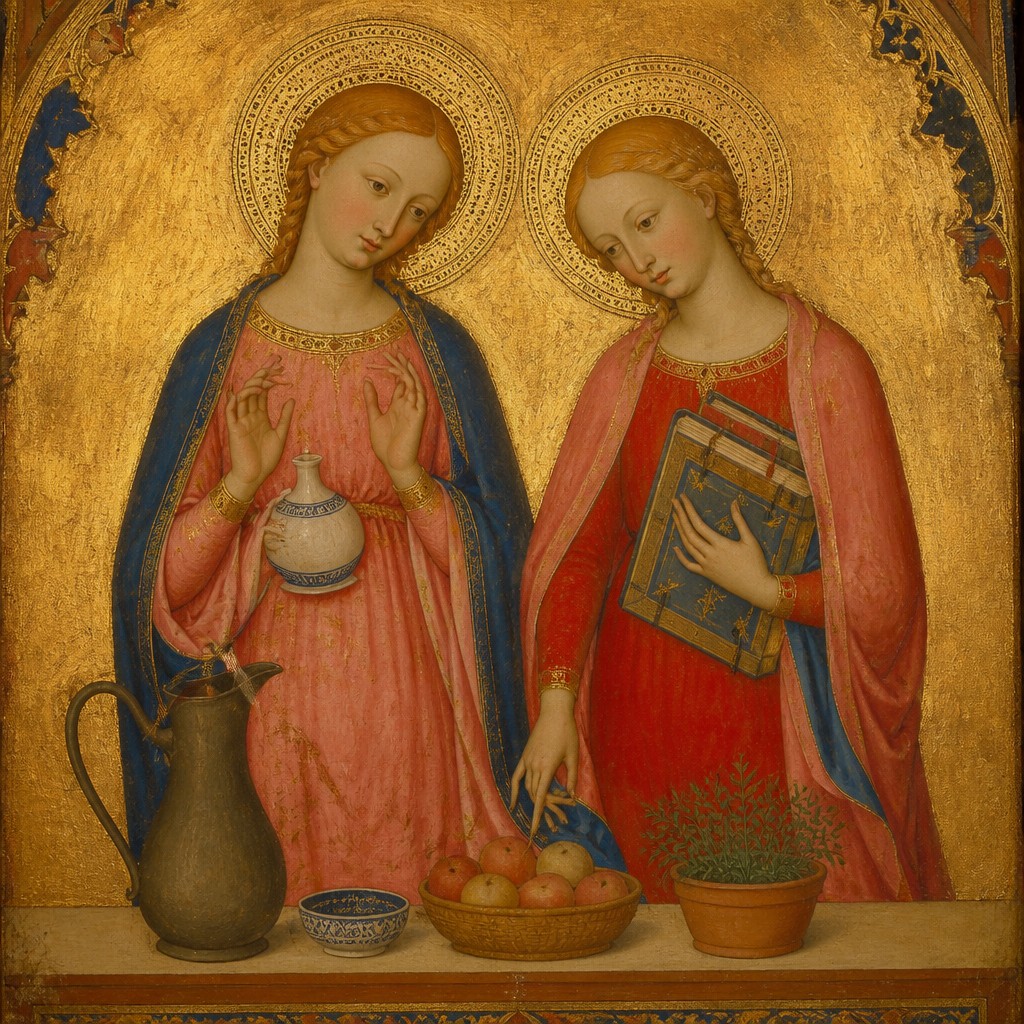
Tender almond-eyed faces
Faces tend to be composed, slender, and softly expressive, with almond-shaped eyes, small mouths, and restrained emotional gestures. Feeling is communicated through glances, hand positions, and proximity as much as through facial expression.
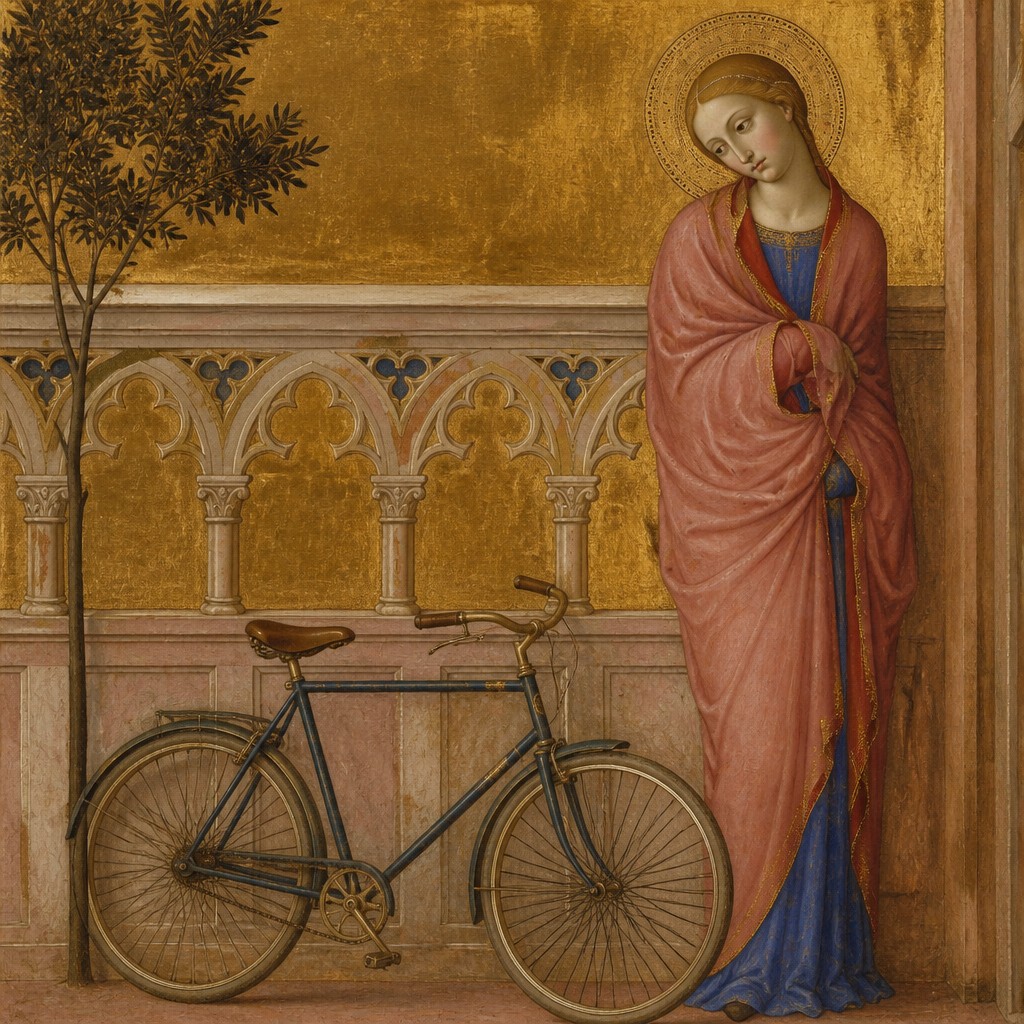
Decorative narrative space
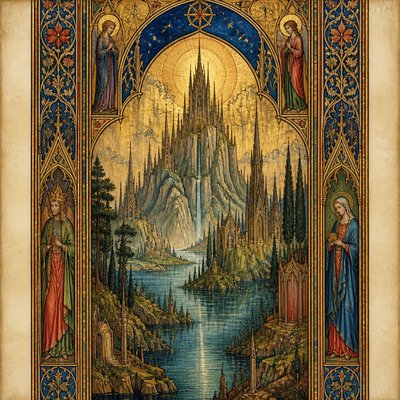
Architecture, landscapes, textiles, and furnishings are organized for symbolic clarity and ornamental balance. Spatial depth is selective and often secondary to the readable arrangement of sacred figures and narrative episodes.
Try It
Create Videos in Sienese Gothic Art Style
Styles aren't just for stills — describe a scene or animate an image and get a short video rendered in Sienese Gothic. Press play to see this pond come to life.
Make a VideoSienese Gothic Prompt Ideas
Start from an idea — each one opens the generator with the style ready to go. See all 40 Sienese Gothic prompts →
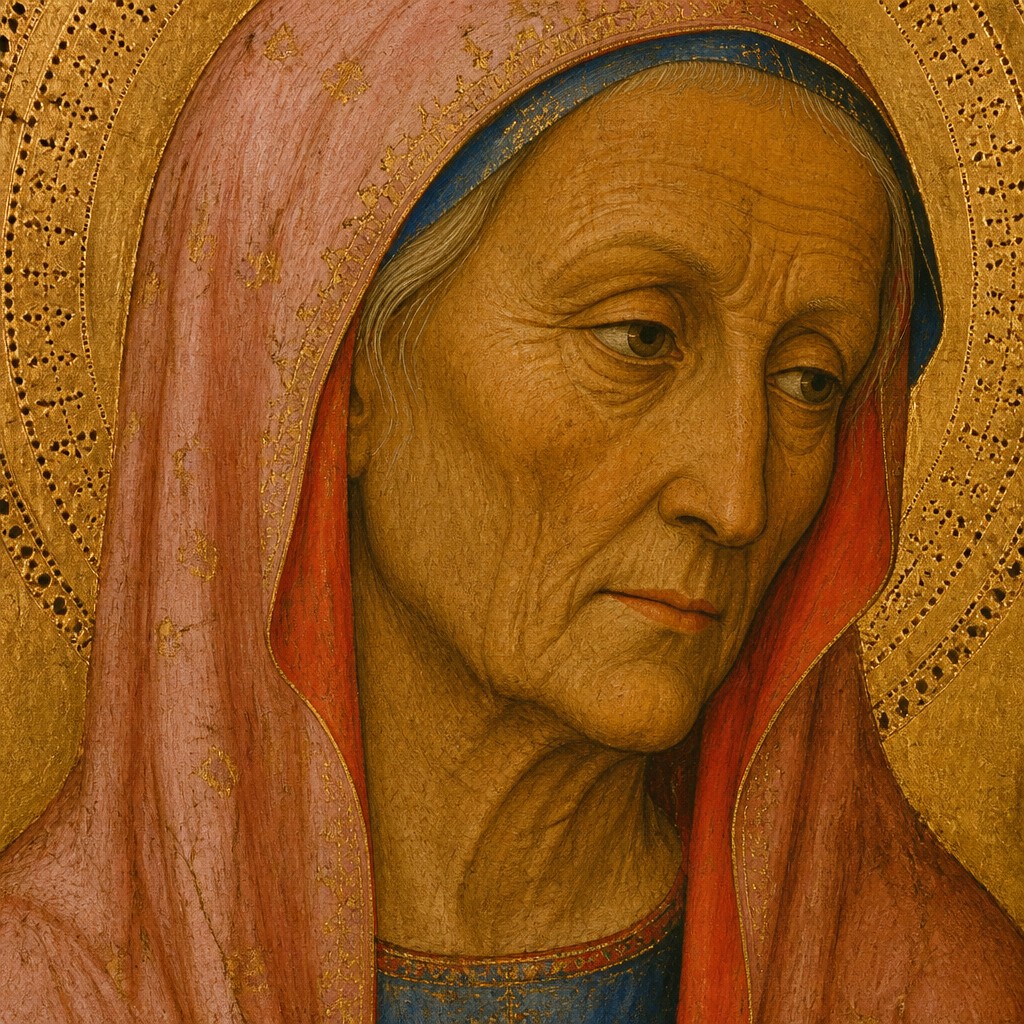
“close-up portrait of an elderly person with expressive weathered features”
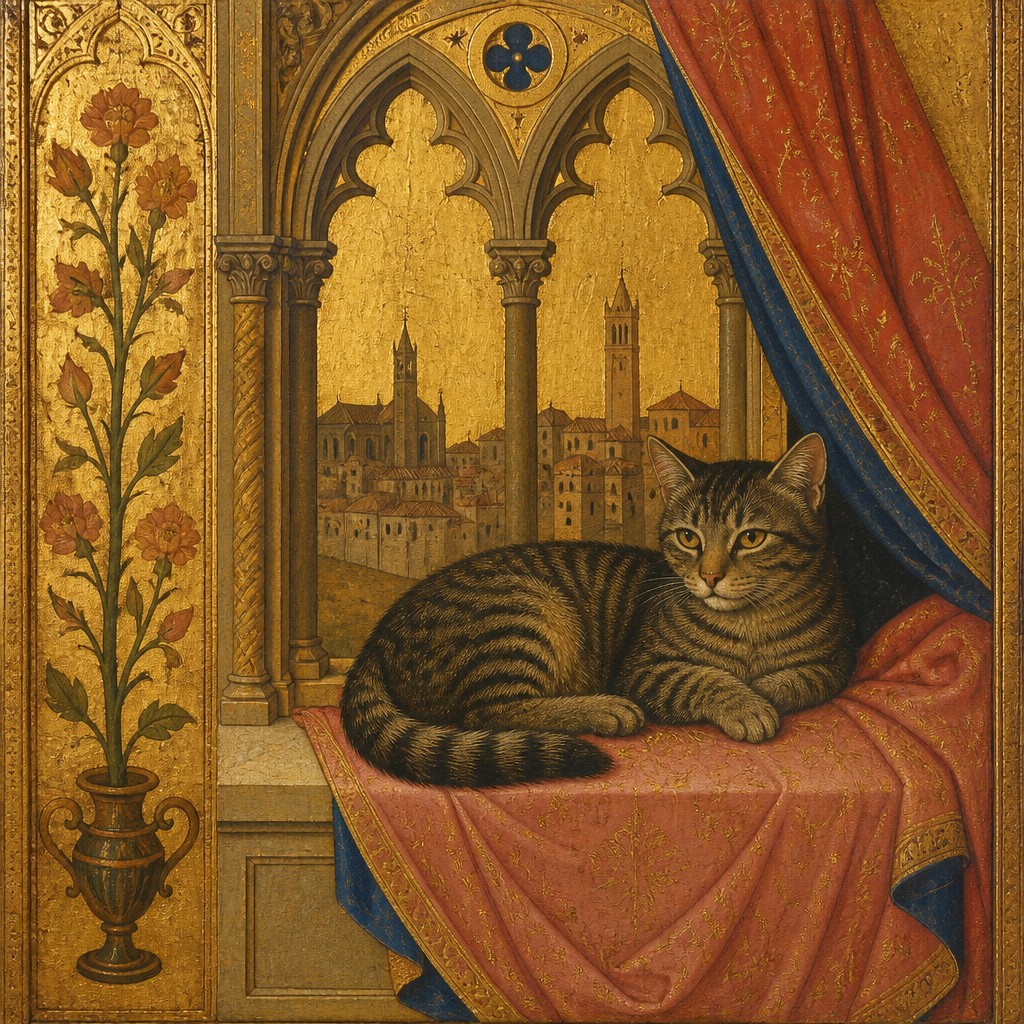
“a cat lounging in a sunlit window”
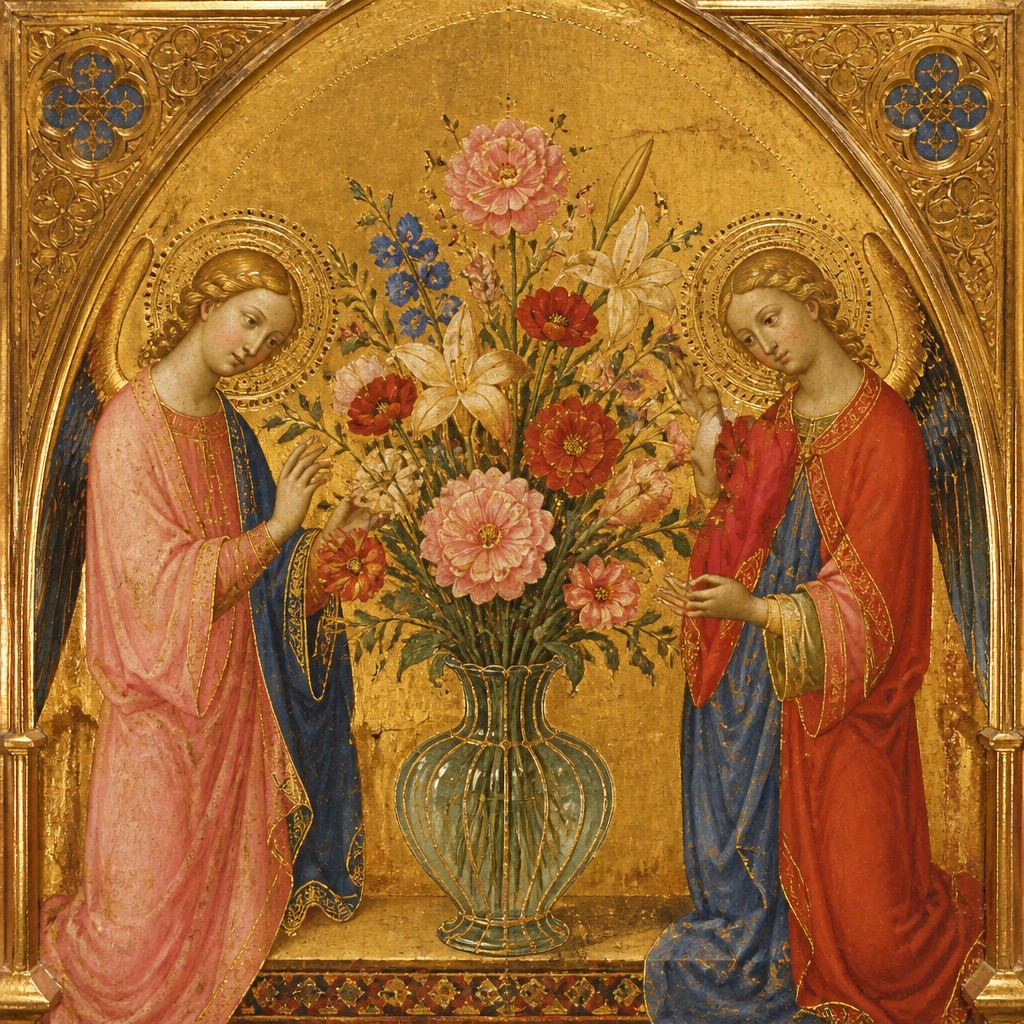
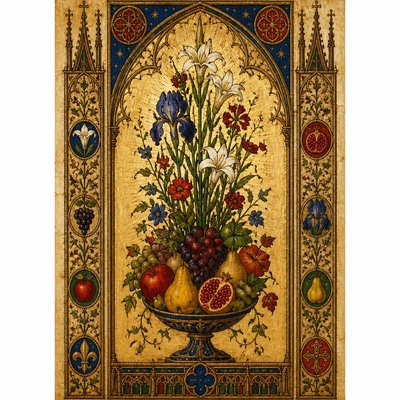
“bouquet of flowers in a glass vase”
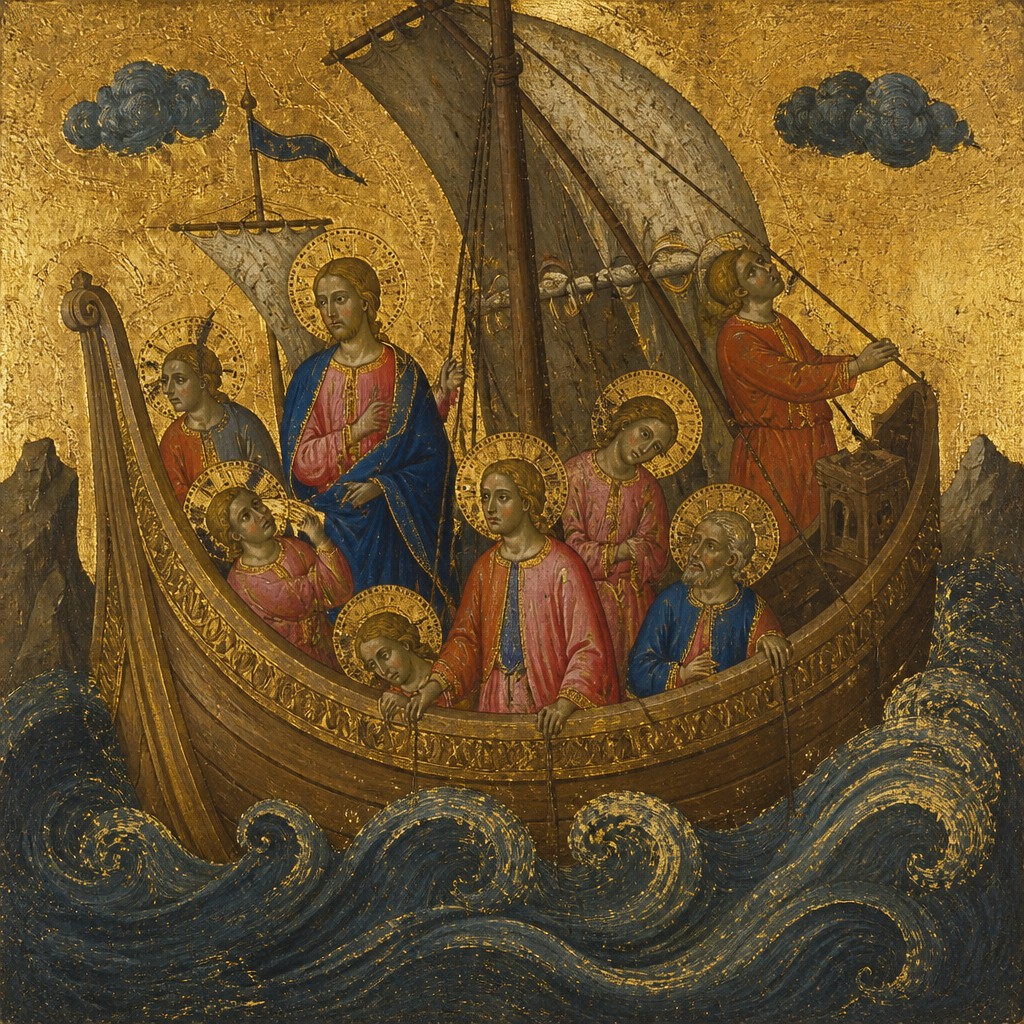
“sailing ship on a stormy sea”
How to Create Sienese Gothic Art
Master the craft step by step — or skip straight to creating. Read the full guide →
- 1
Prepare a luminous ground
For a traditional panel, apply a smooth gesso ground, lay metal leaf over an adhesive bole, and burnish it before adding the composition. Digitally, use a warm gold field with subtle variation rather than a flat yellow background.
- 2
Use tempera-like layering
Build opaque color in small, controlled layers, keeping edges clean and forms relatively flat. Egg tempera or a digital brush that mimics its crisp, matte handling works well for the precise surfaces associated with medieval panels.
- 3
Design with graceful contours
Sketch elongated figures with gently curved spines, inclined heads, and flowing sleeves before adding detail. Keep the silhouette legible and let line rhythm carry much of the expression.
- 4
Add punched and textile ornament
Decorate halos with repeating dots, rosettes, and incised patterns, and enrich garments with borders or small geometric motifs. In digital work, use restrained texture layers and symmetrical pattern brushes to suggest tooling and brocade.
- 5
Control the palette and space
Favor rose, vermilion, lapis blue, cream, dark brown, and green against gold, with limited atmospheric shading. Arrange figures hierarchically and symbolically instead of relying on fully consistent perspective.
- 6
Write focused generation prompts
Specify the subject, elegant swaying poses, gold ground, punched halos, jewel-toned drapery, almond-eyed faces, tempera-like surface, and medieval devotional composition. For image-to-image work, preserve the source pose or silhouette while asking for gold leaf, ornamental line, and controlled facial simplification.
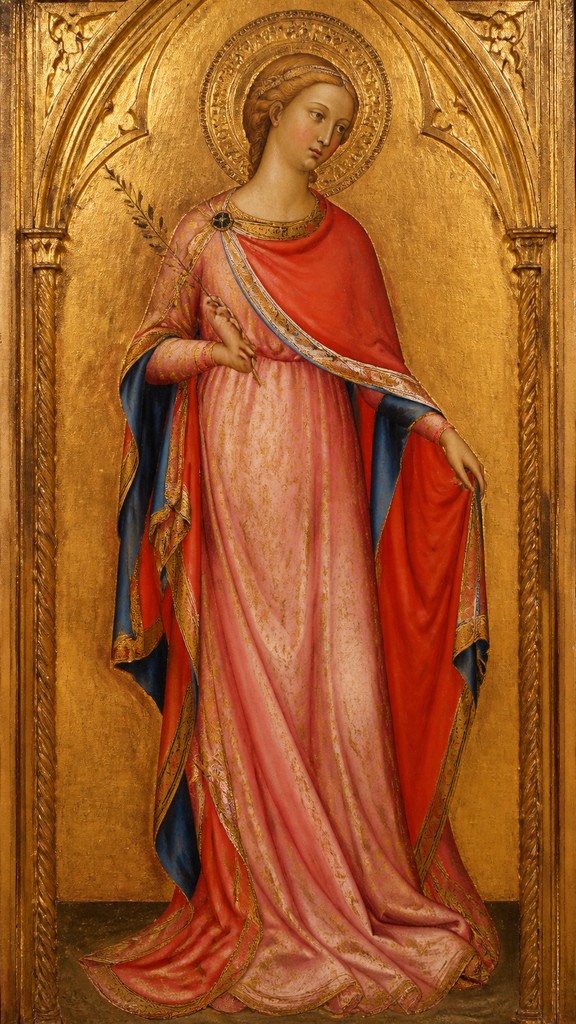
The Story
History & Origins of Sienese Gothic
During the 14th century, Sienese painting became increasingly expressive and sophisticated, with greater attention to human tenderness, interior feeling, and complex storytelling while retaining gold-ground symbolism. By the 15th century, the tradition intersected with the International Gothic manner and gradually gave way to Renaissance interests in volumetric bodies, consistent perspective, and naturalistic space, although its ornamental language continued to influence later devotional and decorative art.
Influences: Sienese Gothic art draws on Byzantine icon painting, Tuscan Gothic panel traditions, French Gothic courtly design, medieval manuscript illumination, and the International Gothic style. It is closely related to other Italian gold-ground devotional traditions, but its distinctive character lies in the combination of sacred formality, lyrical contour, emotional delicacy, and refined ornamental surface. Later medieval textile design, religious illustration, and decorative historicism also preserve aspects of its visual language.
Frequently Asked Questions
What defines Sienese Gothic art?
Its defining features include radiant gold grounds, elongated and gracefully posed figures, ornate halos, saturated jewel colors, elegant contour lines, and tender devotional expressions. The style values symbolic clarity and decorative refinement more than naturalistic space.
When and where did Sienese Gothic art develop?
It developed in Siena, Tuscany, during the late 13th century and flourished particularly throughout the 14th century. It continued into the 15th century as it merged with the broader International Gothic manner and encountered emerging Renaissance approaches.
How does it differ from Florentine Gothic painting?
Both traditions used gold grounds and religious subjects, but Sienese painting is often associated with more lyrical line, courtly elegance, ornamental richness, and emotional tenderness. Florentine developments more strongly emphasized solid bodily volume, dramatic weight, and increasingly naturalistic spatial construction.
What materials and techniques were used?
Typical works were painted in egg tempera on prepared wood panels, with gold leaf applied to the surface for backgrounds and halos. Artists used tooling, punching, incision, fine brushwork, layered pigments, and patterned decoration to create richly finished surfaces.
Can modern artists create this style digitally?
Yes. Use a warm gilded background, crisp tempera-like color, controlled contour lines, elongated silhouettes, patterned garments, and carefully ornamented halos. Avoid excessive realism, cinematic lighting, or deep atmospheric perspective if you want the result to remain visually coherent.
Where is this style commonly used today?
Its visual language appears in historical illustration, illuminated-book-inspired design, religious imagery, fantasy scenes, editorial art, decorative posters, and museum-informed digital painting. It is especially effective for subjects that benefit from ritual, elegance, symbolic composition, and a sense of timeless radiance.
Create your first Sienese Gothic artwork
Describe anything — or upload a photo — and see it in Sienese Gothic Art Style in seconds.
Related Styles
Discover similar art styles