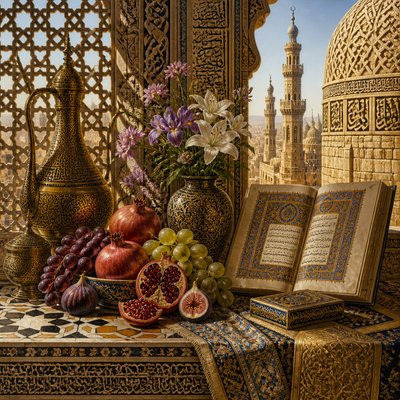
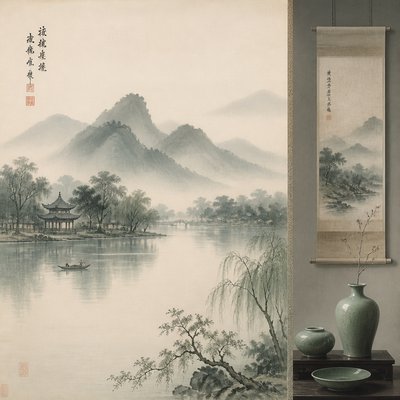
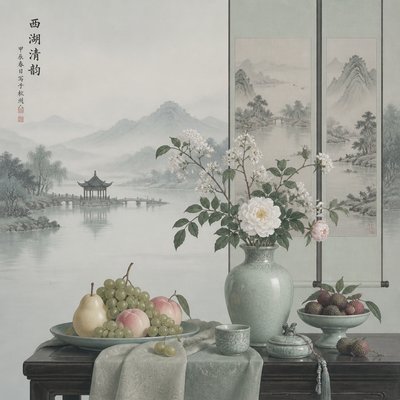
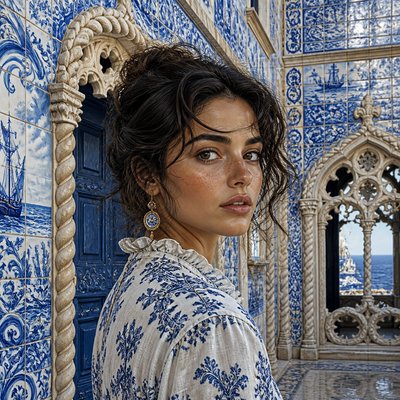
Luxembourgish Art Style
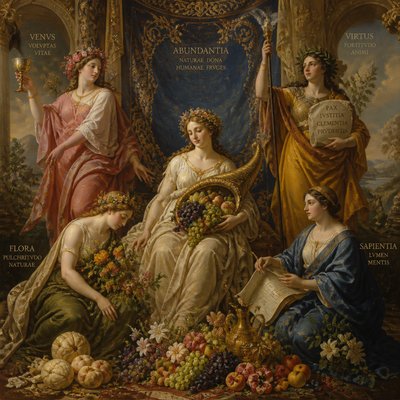
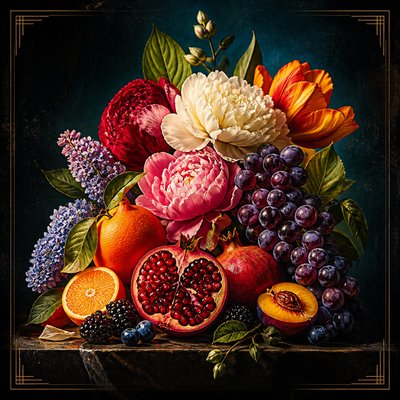
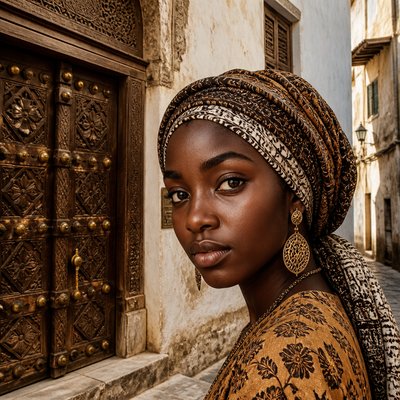
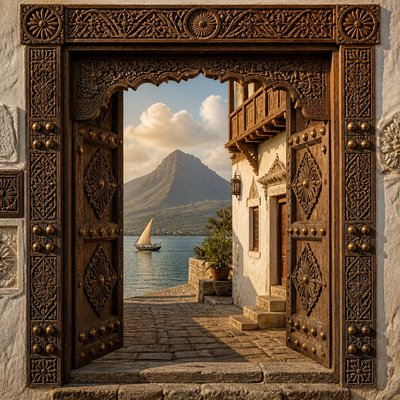
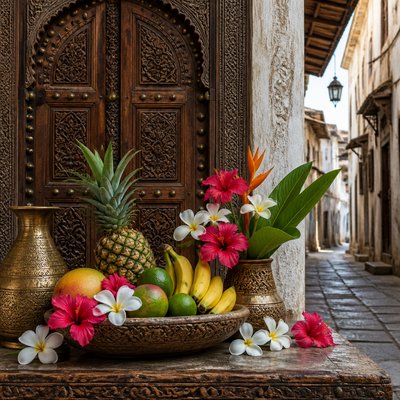
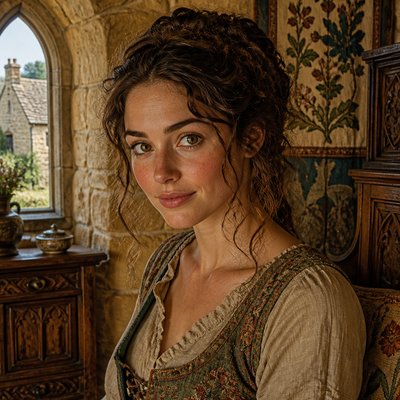
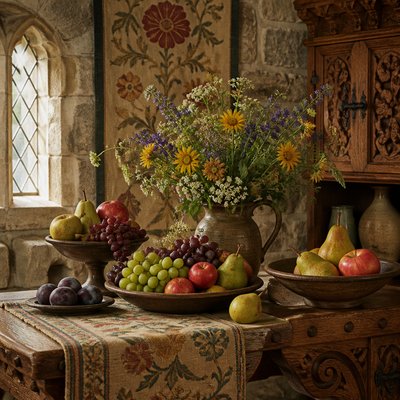
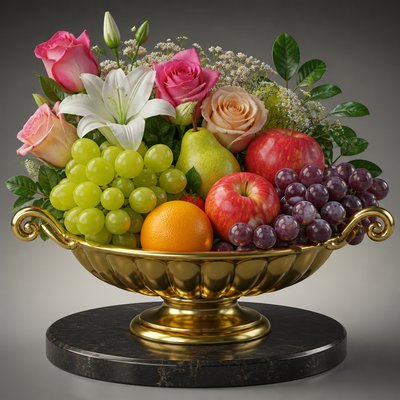
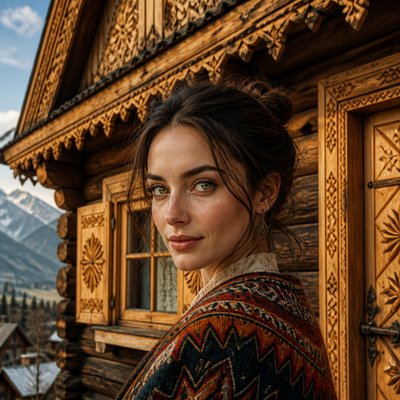
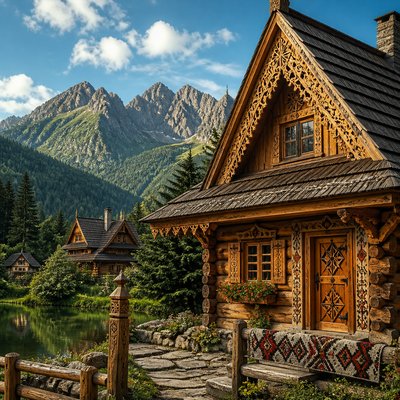
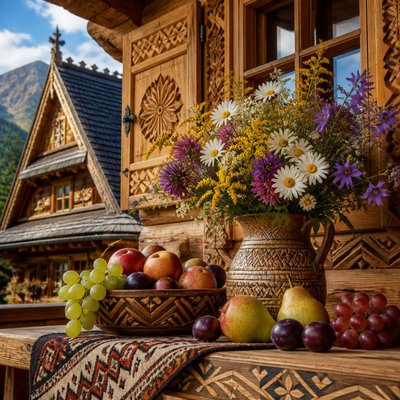
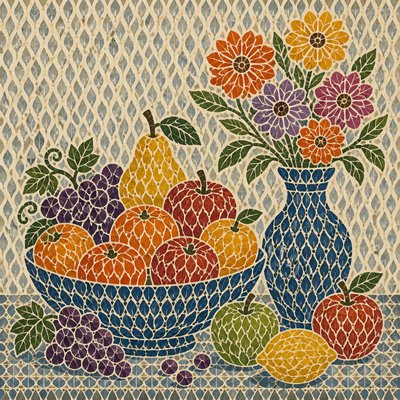
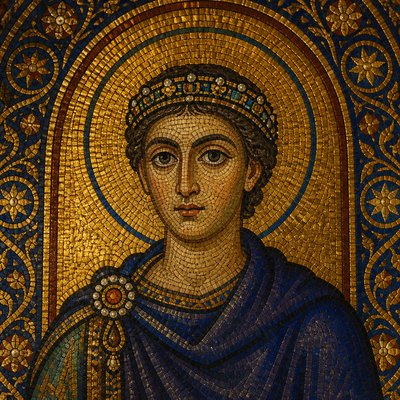
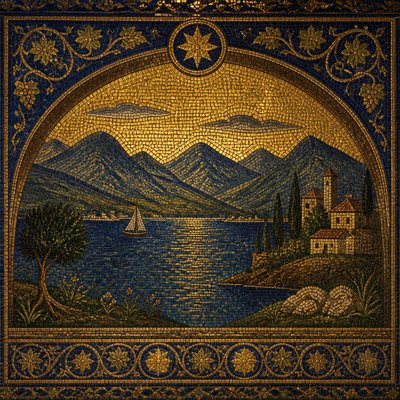
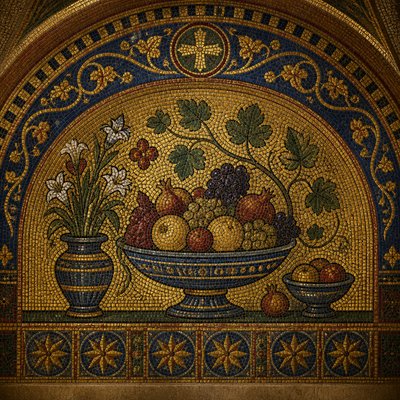
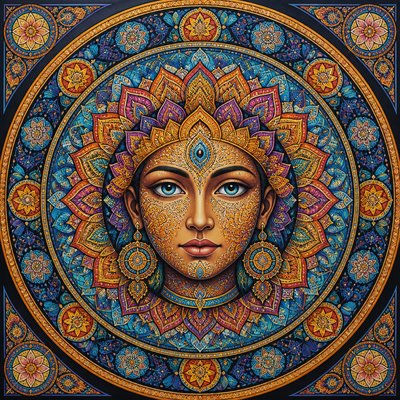
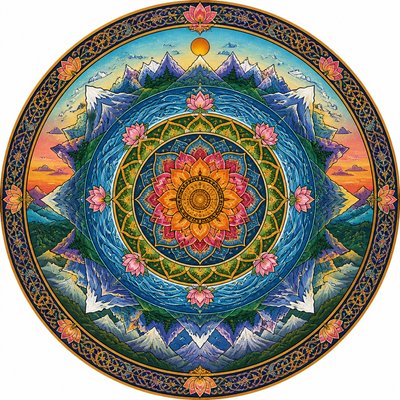
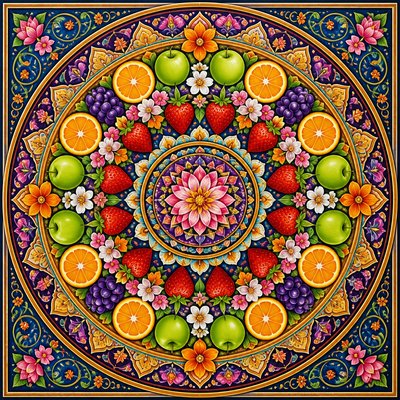
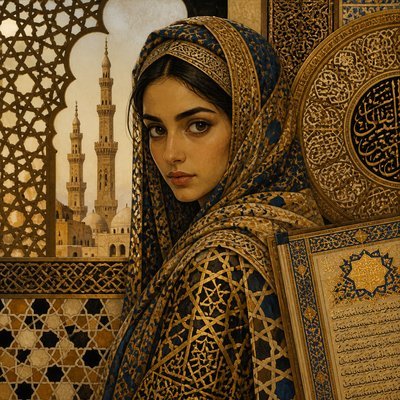
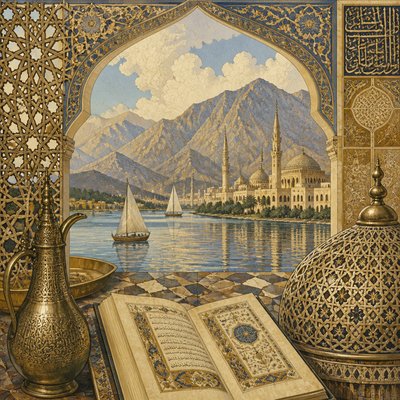
Explore Luxembourgish art style: Carolingian illumination, gold-leaf ornament, Gothic tracery, and soft Ardennes river light in one refined visual language.
Instantly rendered in Luxembourgish — or transform a photo
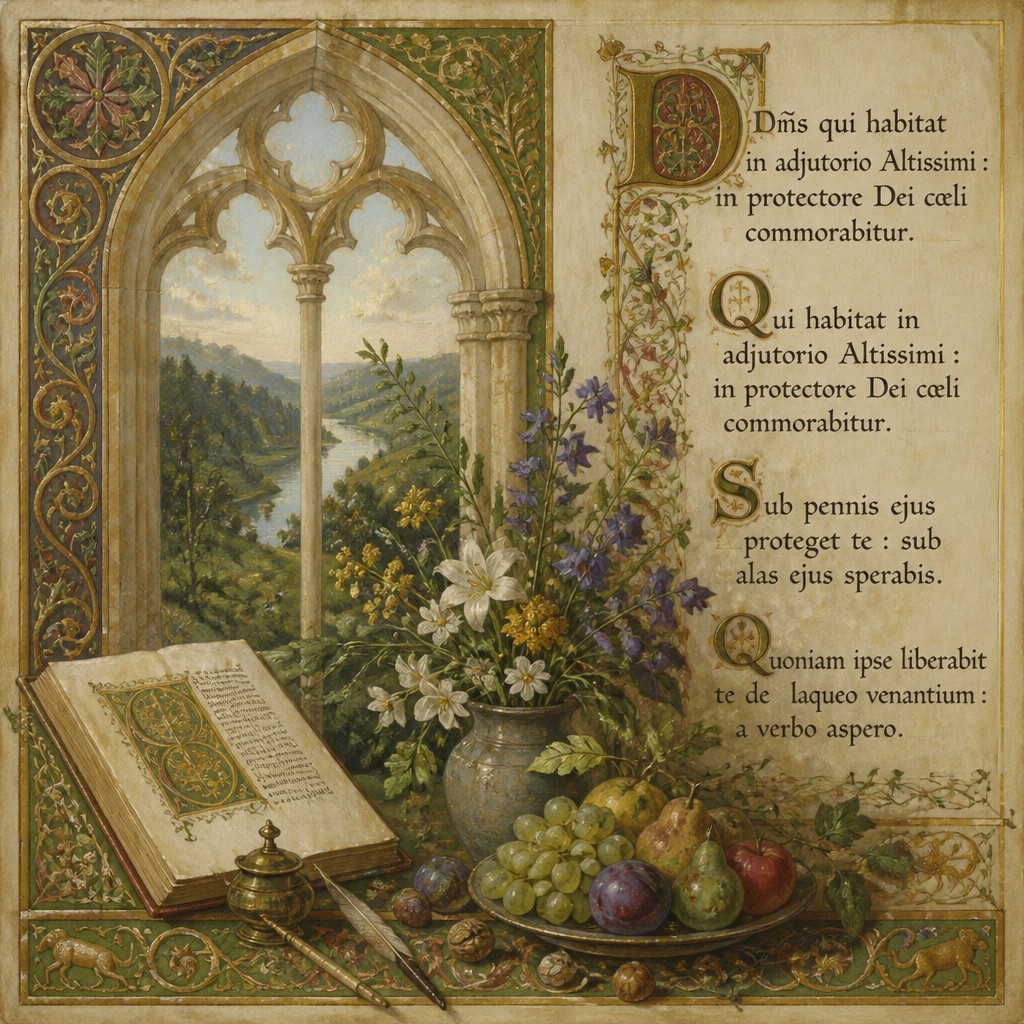
Luxembourgish Gallery
Tap any artwork to explore it
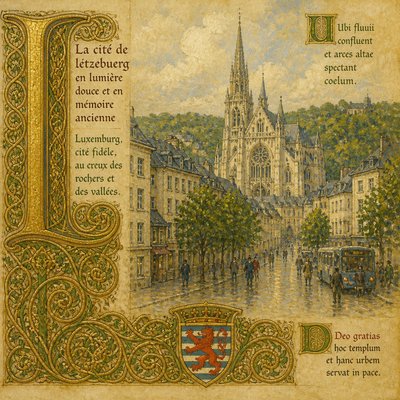
What is Luxembourgish Art Style?
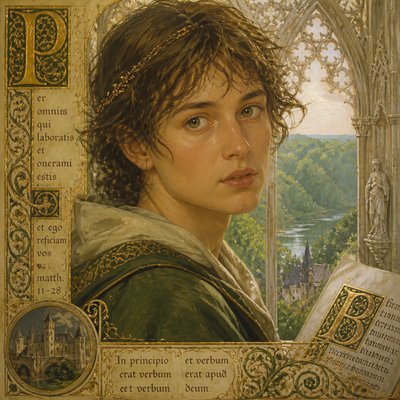
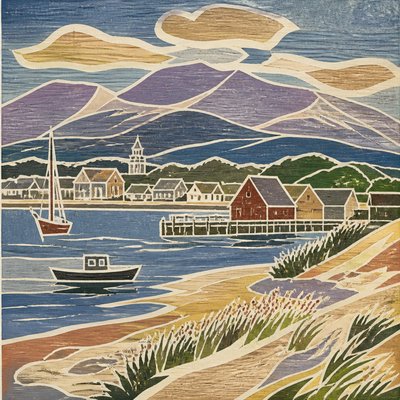
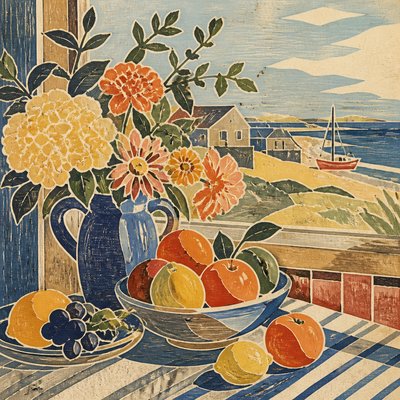
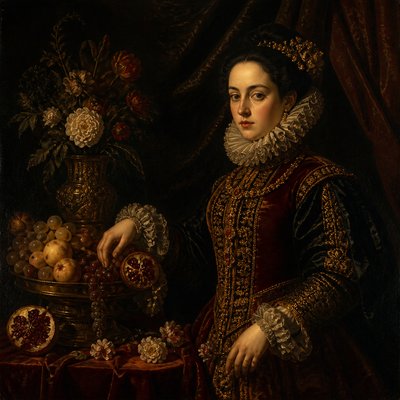
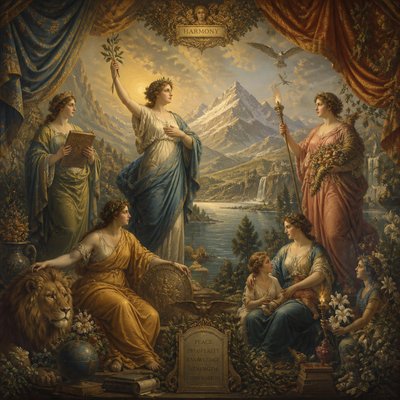
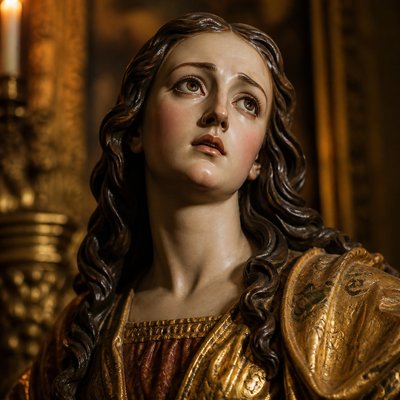
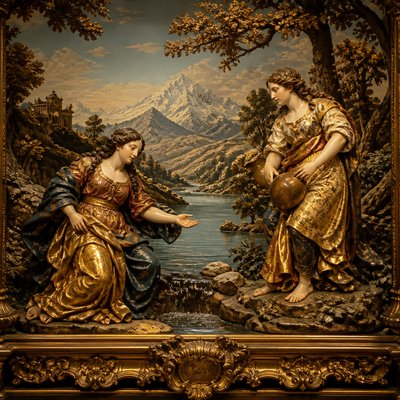
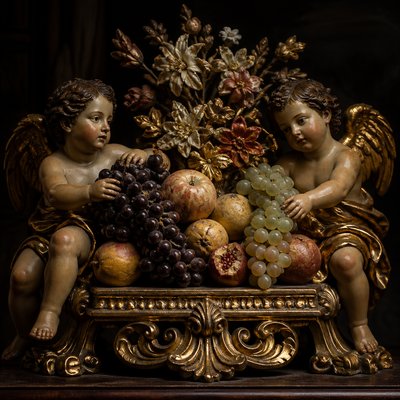
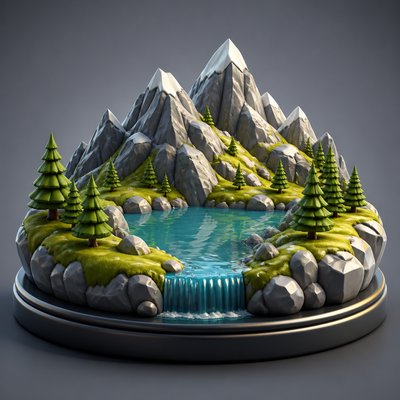
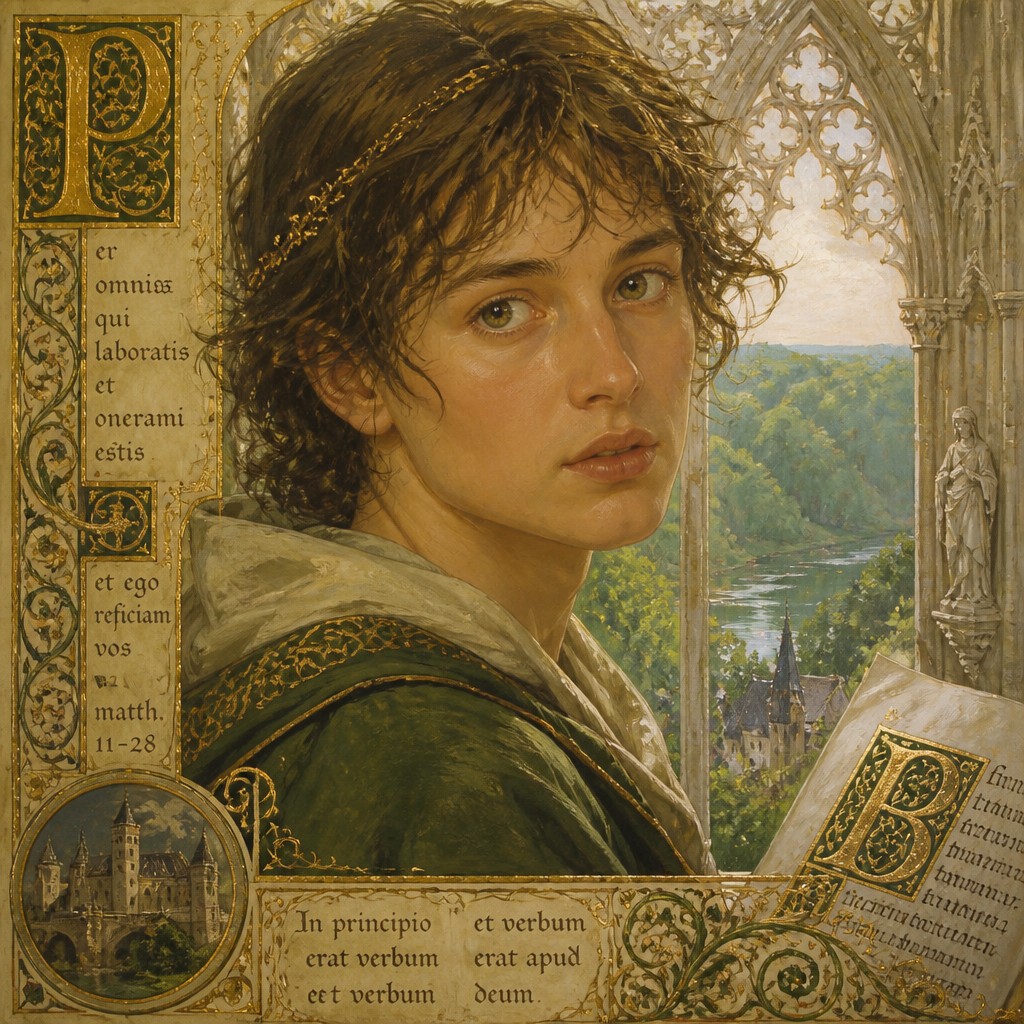
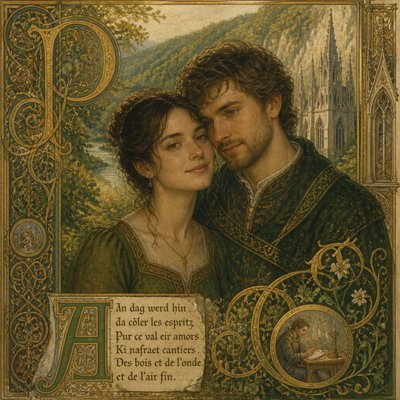
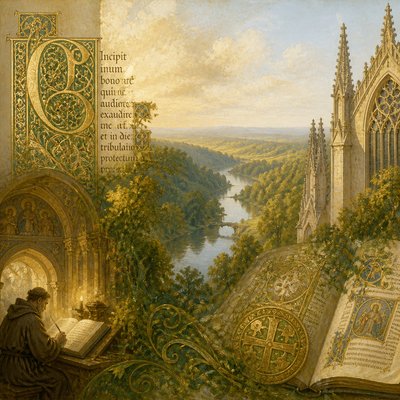
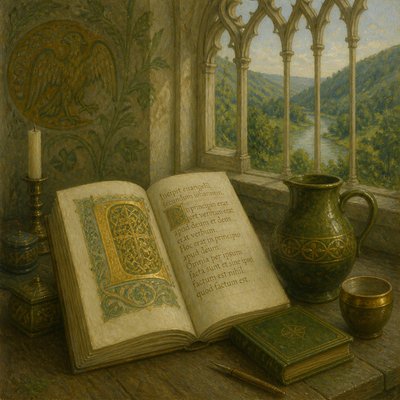
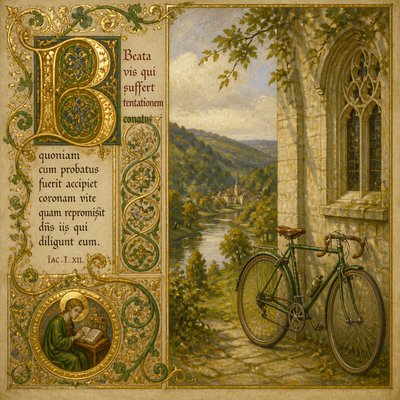
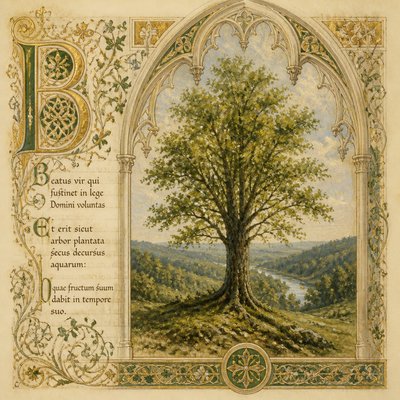
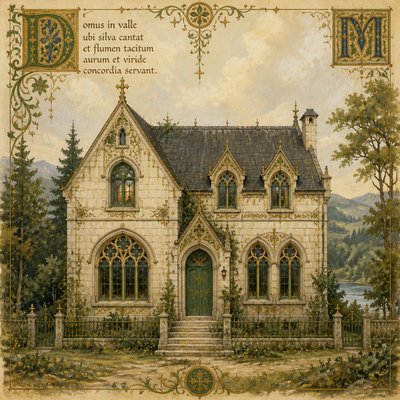
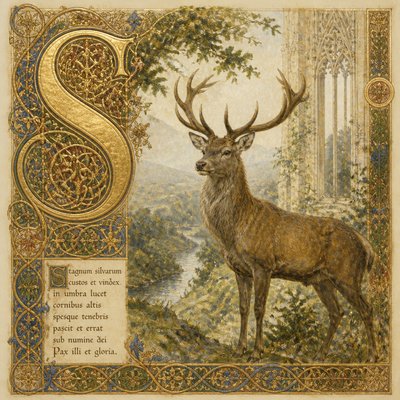
Luxembourgish Art Style is a contemporary, hybrid aesthetic rather than a formally recognized historical movement. It combines the manuscript traditions associated with medieval Luxembourg and the wider Mosan-Carolingian cultural sphere with pale Gothic architecture, Ardennes landscapes, and softly handled natural light. Its characteristic mood is quiet, scholarly, and contemplative rather than theatrical.
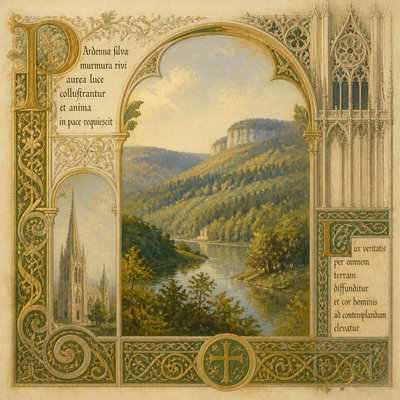
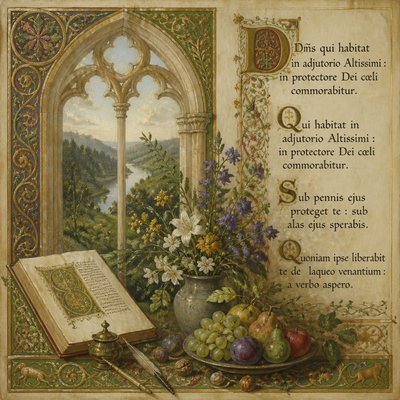
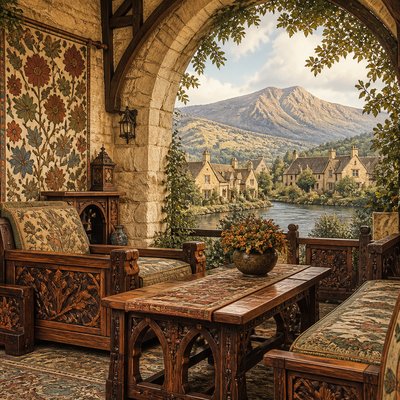
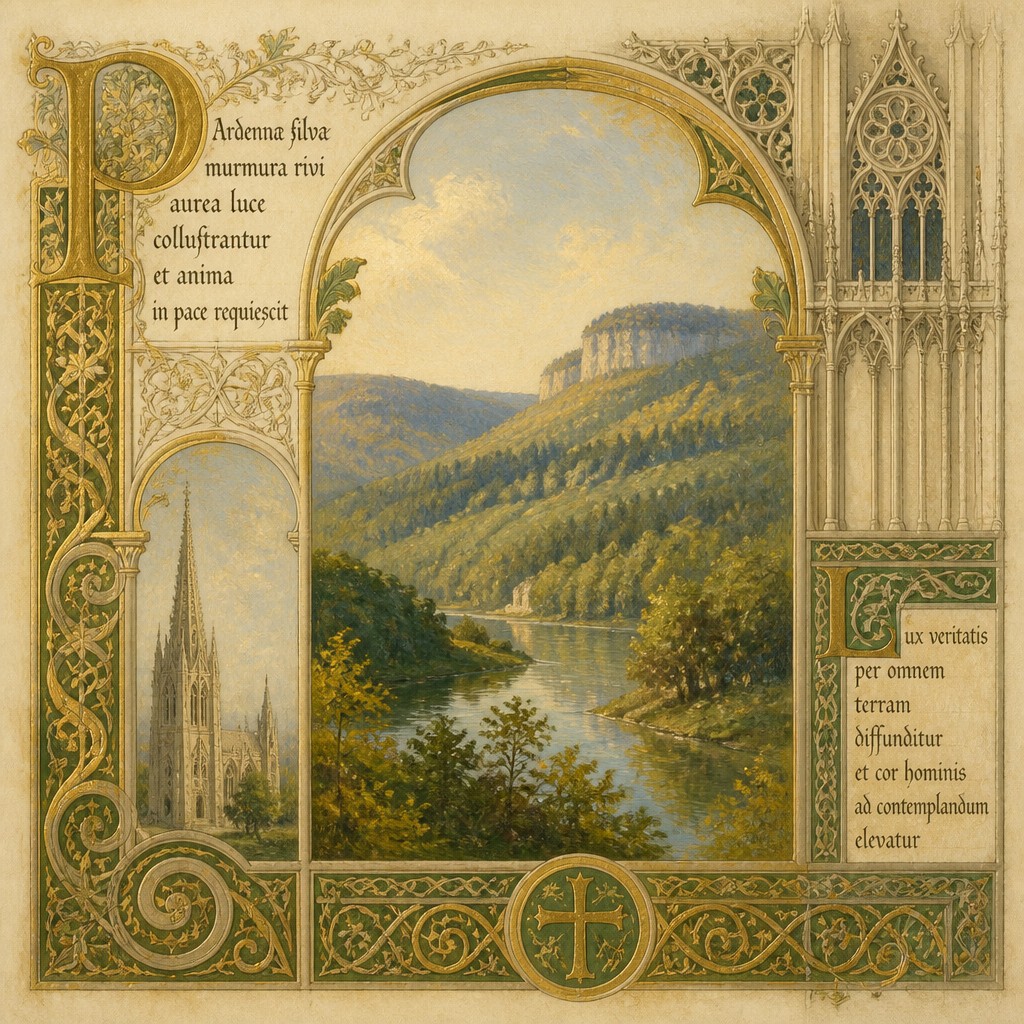
The style places burnished gold, cream vellum, moss green, muted blue, and limestone white in close conversation. Flat ornamental passages inspired by illuminated initials and interlaced scrollwork are layered with atmospheric forests, river valleys, and restrained impressionist brushwork. The result suggests a page from a sacred book opening onto the landscape of the Ardennes: precise at the margins, luminous at the center, and gently softened by air and water.
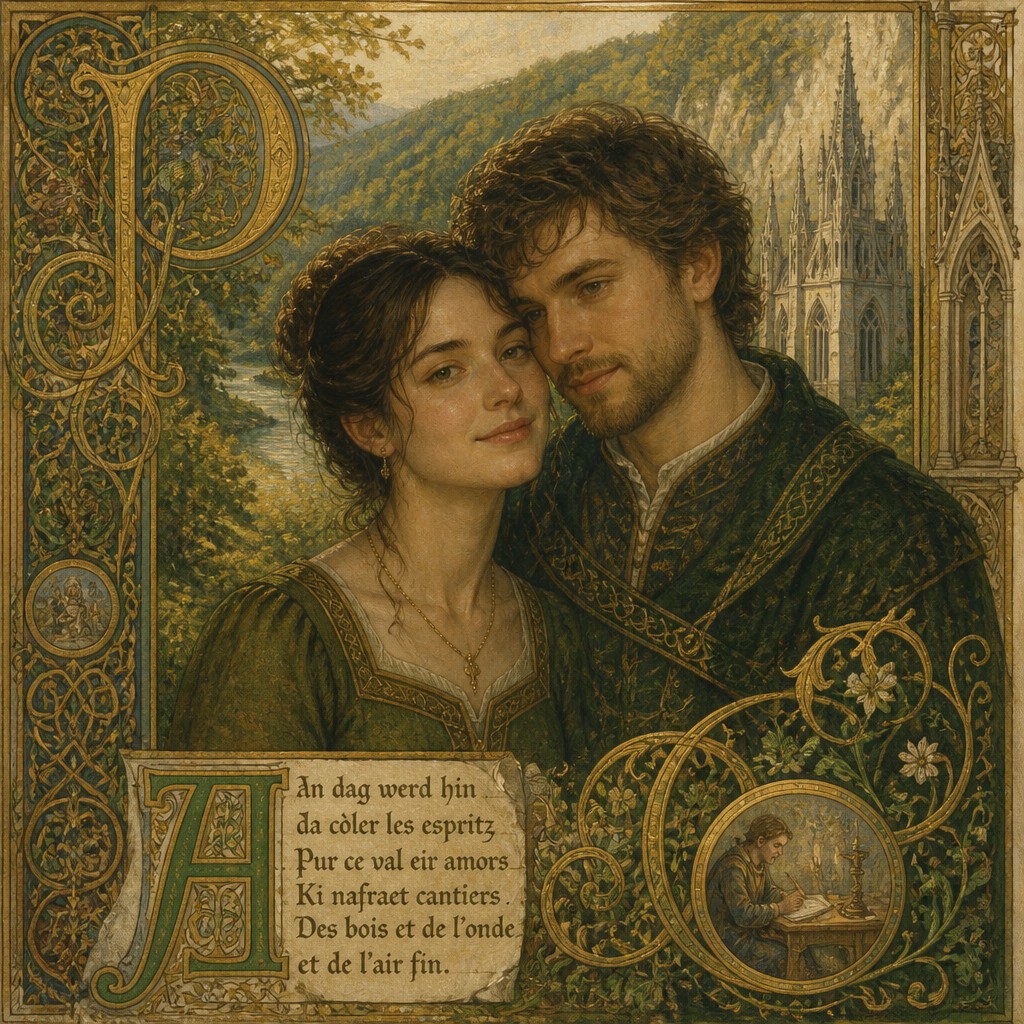
Try It On Your Photos
Upload any photo and convert it into Luxembourgish Art Style — drag the sliders to compare before and after.
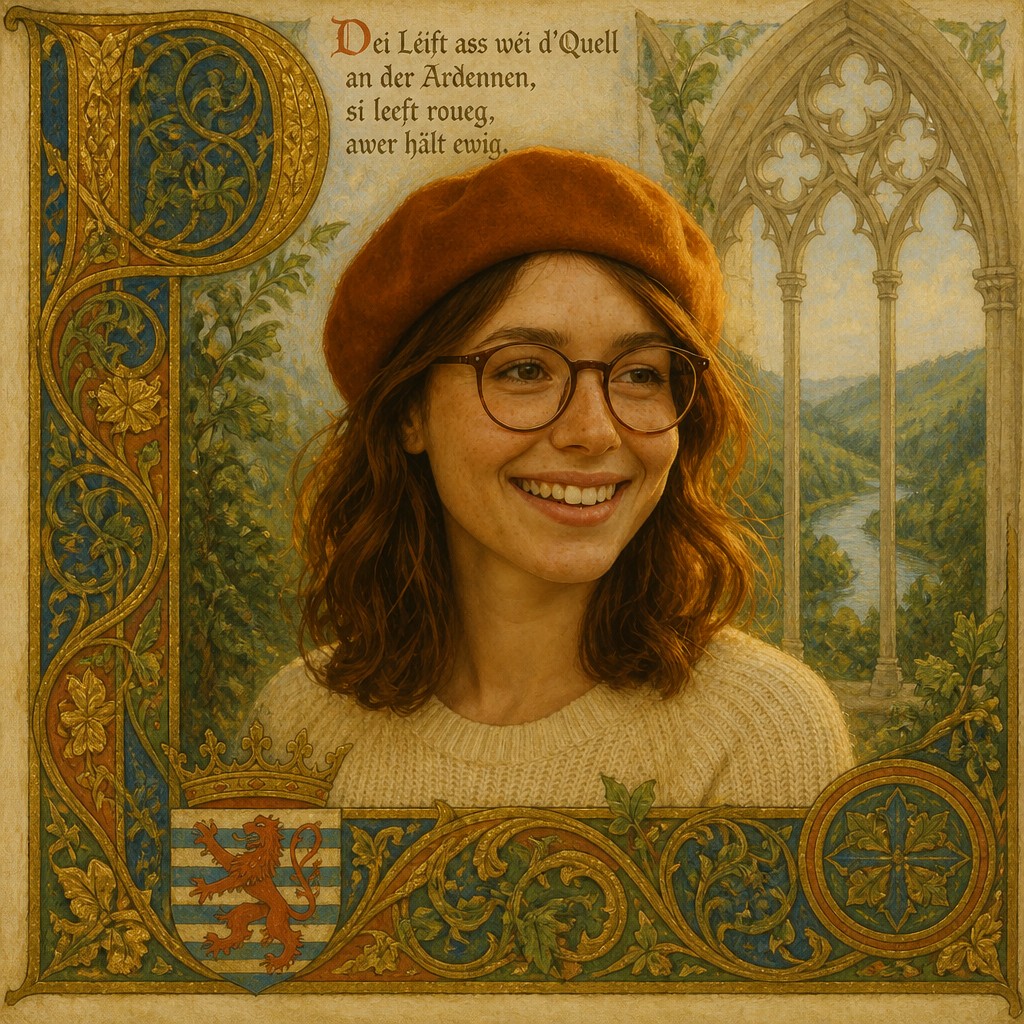

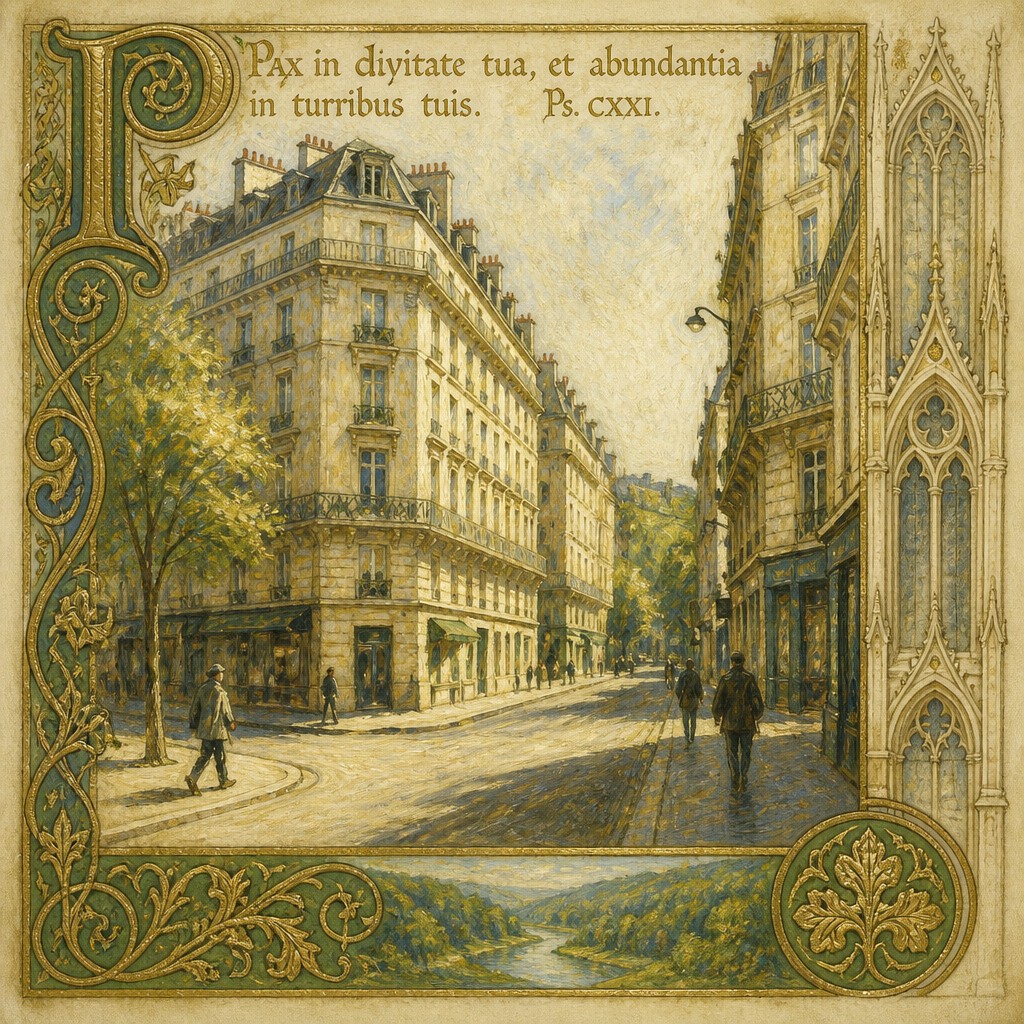

What Defines Luxembourgish Art Style
The signature details, up close
Burnished gold illumination
Gold-leaf initials, halo-like accents, and small metallic details provide concentrated points of radiance. The gold is generally warm and restrained, set against cream vellum rather than used as a uniformly reflective background.
Carolingian and medieval ornament
Interlaced scrollwork, vegetal flourishes, rubric-like borders, and enlarged decorated letters evoke the disciplined page design of illuminated manuscripts. Ornament frames the image and gives the composition a sense of measured order.
Cream vellum surfaces
Warm ivory, parchment, and lightly mottled paper tones replace stark white backgrounds. Subtle grain and irregularity suggest a handmade support and help integrate the historical references.
Gothic limestone architecture
Slender tracery, pointed arches, ribbed vault suggestions, and pale stone façades introduce a vertical architectural rhythm. These forms are usually delicate and atmospheric rather than monumental.
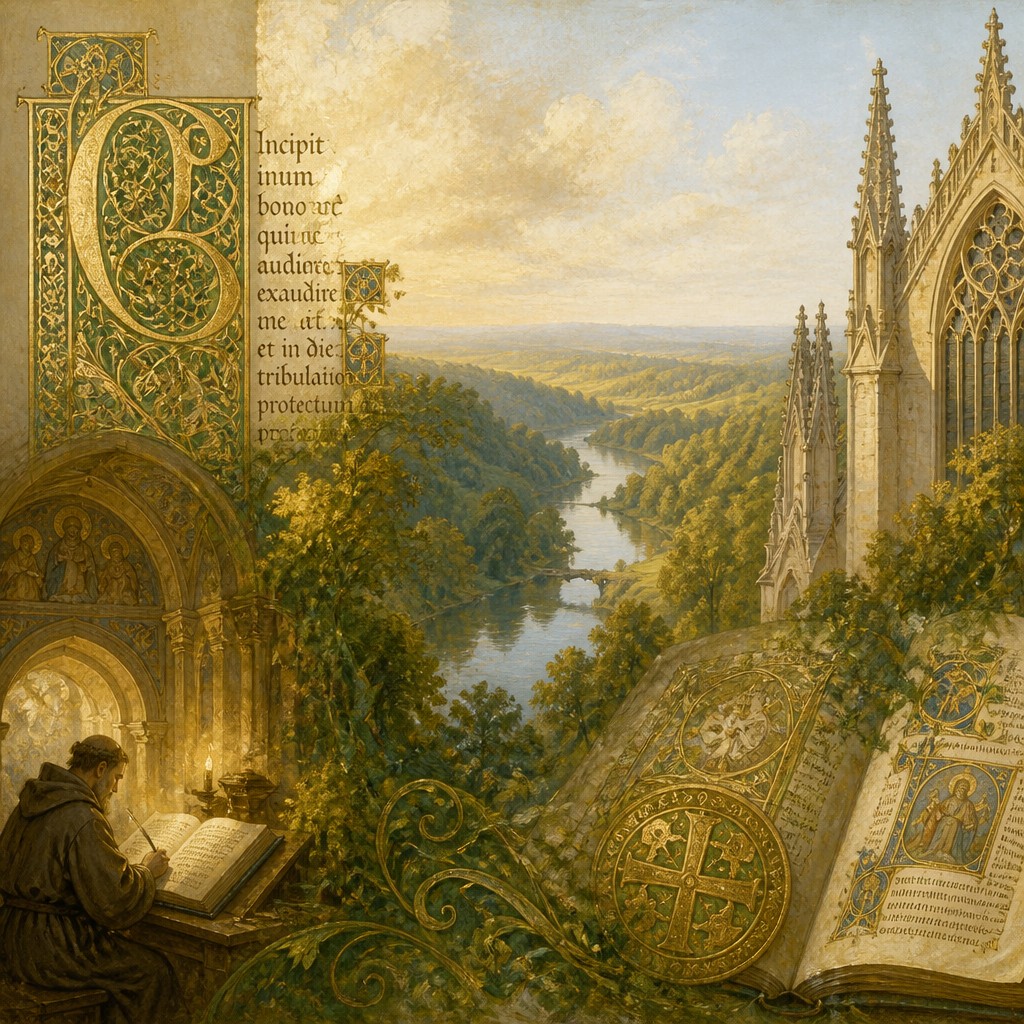
Ardennes river light
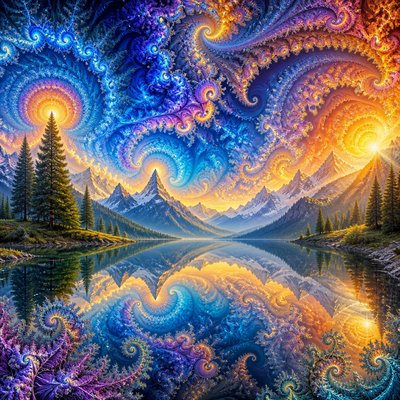
Wooded hills, winding water, mist, and low daylight create a cool, reflective landscape atmosphere. Light is filtered through foliage or cloud and often catches the river in narrow bands.
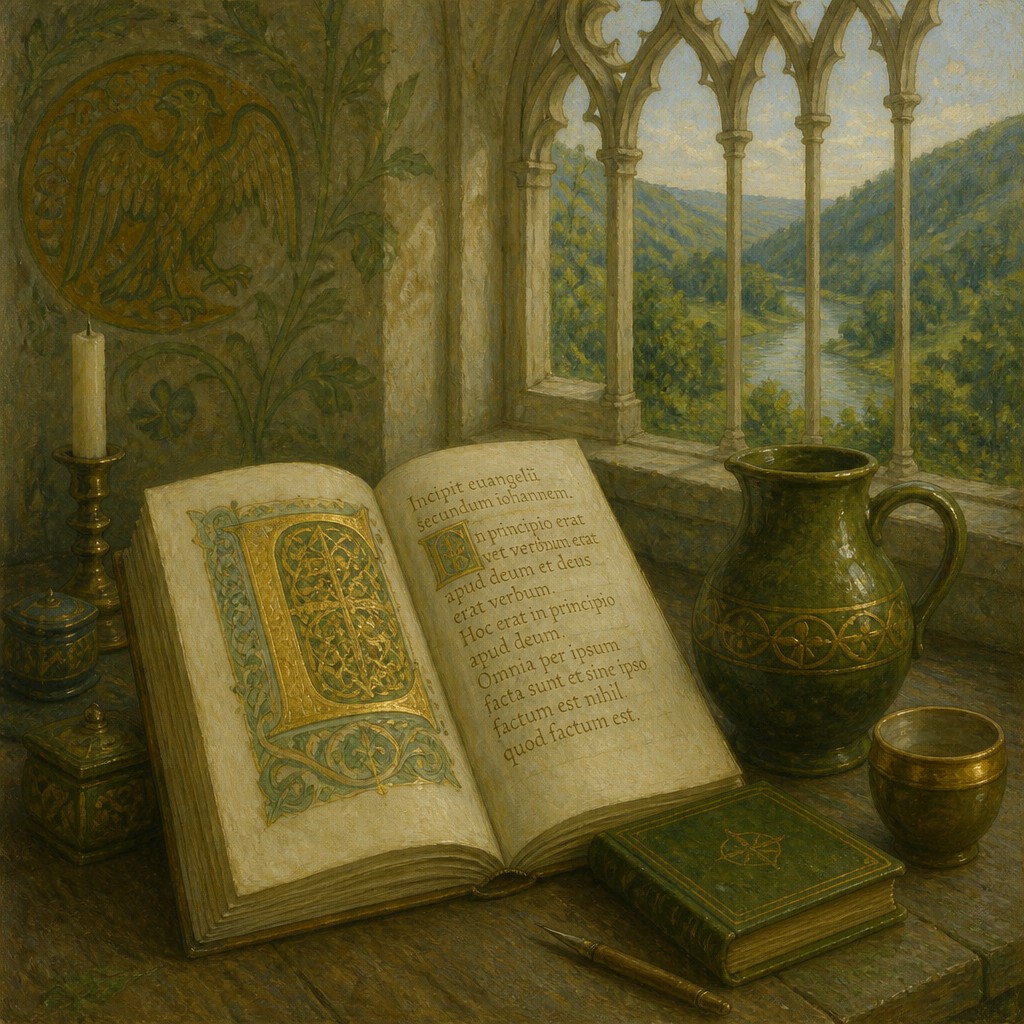
Moss green and burnished gold palette
Moss, lichen, muted olive, river blue, ochre, and antique gold establish the dominant chromatic family. Accents of slate, burgundy, or faded ultramarine can suggest medieval pigment without overwhelming the quiet mood.
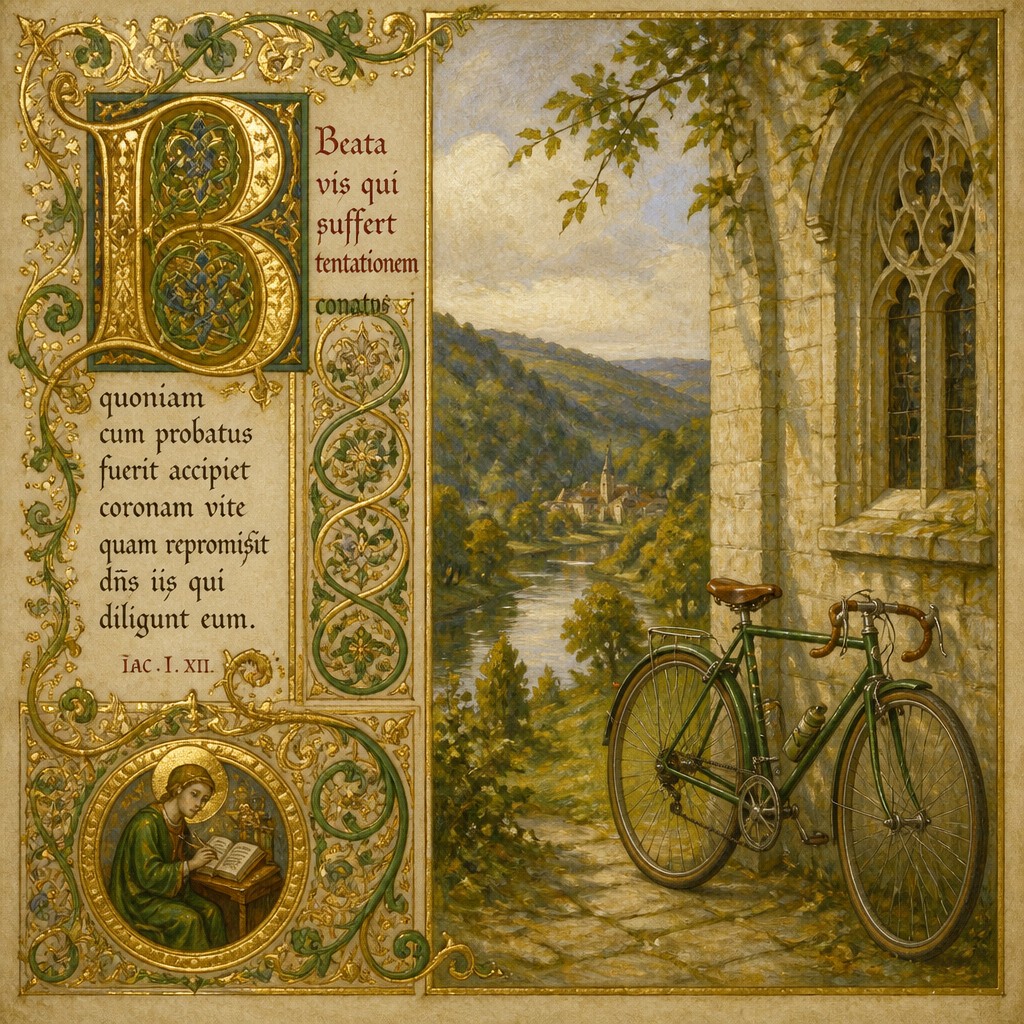
Controlled impressionist softness
Background foliage and water may be built with visible, delicate brush marks and softened edges. Ornament and architectural details remain comparatively crisp, creating a deliberate contrast between textual precision and atmospheric space.
Luxembourgish Prompt Ideas
Start from an idea — each one opens the generator with the style ready to go. See all 40 Luxembourgish prompts →
How to Create Luxembourgish Art
Master the craft step by step — or skip straight to creating. Read the full guide →
- 1
Build the composition like a manuscript page
Begin with a cream or parchment-colored ground, then establish a central scene, decorated borders, and one or two enlarged initials or ornamental anchors. Keep the margins active but balanced so the image retains the logic of a page.
- 2
Layer traditional materials
For physical work, combine gouache, watercolor, colored pencil, and imitation gold leaf on hot-pressed paper or vellum-like board. Apply metallic leaf over a smooth adhesive ground and burnish selectively rather than covering every surface.
- 3
Separate crisp and atmospheric passages
Render lettering, interlace, tracery, and gold details with controlled lines and clean edges. Handle trees, distant hills, and reflected light with broken marks, glazing, and softened transitions to create depth.
- 4
Use a restrained regional palette
Start with ivory, moss green, muted blue, ochre, and warm metallic gold, then add darker green or red-brown sparingly for structure. Avoid highly saturated modern colors unless they are intentionally treated as illuminated accents.
- 5
Compose a focused text-to-image prompt
Specify the subject first, then request cream vellum, Carolingian-inspired initials, interlaced borders, pale Gothic tracery, Ardennes river light, and soft impressionist handling. Mention a limited moss-green and burnished-gold palette and ask for legible, coherent ornament.
- 6
Adapt photographs with selective transformation
For image-to-image work, preserve the main silhouette and perspective while converting surfaces into vellum, painted stone, foliage, and manuscript ornament. Use moderate stylization so faces, architecture, and recognizable landmarks are not lost beneath decorative detail.
The Story
History & Origins of Luxembourgish
There is no single historical movement known as Luxembourgish Art Style, nor is there a continuous national school defined by this exact combination of motifs. Its lineage draws partly on the medieval manuscript culture of the region, including Carolingian illumination and the later Gothic architectural heritage visible in Luxembourg and neighboring areas. Medieval scriptoria used mineral and vegetal pigments, raised or burnished gold, parchment or vellum, decorative initials, and complex interlace to organize sacred and scholarly texts.
The contemporary aesthetic also borrows from nineteenth-century impressionist approaches to broken color, shifting daylight, and plein-air landscape observation, while treating Ardennes rivers, wooded slopes, and pale stone buildings as regional atmospheric subjects. It is therefore best understood as an interpretive synthesis of manuscript illumination, Gothic architecture, and western European landscape painting—not as a documented period style.
Influences: Its main influences are Carolingian manuscript illumination, Romanesque and Gothic book decoration, Mosan and broader northwestern European medieval art, Gothic ecclesiastical architecture, and impressionist landscape painting. It also shares methods with contemporary historical illustration, illuminated lettering, parchment craft, and heritage-inspired digital collage. The regional identity comes from combining these traditions with the forests, rivers, villages, and pale stone environments of Luxembourg and the Ardennes.
Frequently Asked Questions
Is Luxembourgish Art Style a recognized historical art movement?
No. The term describes a contemporary stylistic synthesis rather than a documented movement with a fixed period, manifesto, or unified group of artists. It uses real historical and regional references, especially medieval illumination, Gothic architecture, and Ardennes landscape.
What defines the Luxembourgish Art Style?
The defining combination is cream vellum, burnished gold ornament, interlaced manuscript decoration, pale Gothic tracery, and softly painted river-and-forest light. A quiet moss-green and antique-gold palette helps distinguish it from brighter fantasy illumination.
How is it different from medieval manuscript illumination?
Traditional manuscript illumination was made to decorate and organize written texts, often within specific religious, liturgical, or scholarly contexts. This contemporary style extends those visual devices into landscape, portraiture, architecture, and general illustration, adding atmospheric brushwork influenced by modern landscape painting.
How can I make an image in this style by hand?
Use a warm vellum-like support, transparent watercolor or gouache, fine ink for borders and lettering, and gold leaf or metallic pigment for accents. Plan the margins and ornamental hierarchy first, then keep the landscape softer and less sharply outlined than the manuscript details.
What subjects work well with this visual language?
River valleys, wooded hills, abbeys, village streets, Gothic interiors, botanical studies, maps, animals, and quiet historical scenes are particularly suitable. Subjects with strong silhouettes and natural framing allow the illuminated borders and architectural motifs to remain readable.
Can photographs be transformed without losing their identity?
Yes, especially when the source has clear forms, moderate detail, and good separation between foreground and background. Preserve the original composition with a lower transformation strength, then add vellum texture, selective gold ornament, softened foliage, and pale stone treatments in controlled passes.
Create your first Luxembourgish artwork
Describe anything — or upload a photo — and see it in Luxembourgish Art Style in seconds.
Related Styles
Discover similar art styles