Stained Glass Art Style
Explore stained glass art: jewel-toned light, bold lead lines, Gothic rose-window geometry, history, techniques, and image prompts.
Instantly rendered in Stained Glass — or transform a photo
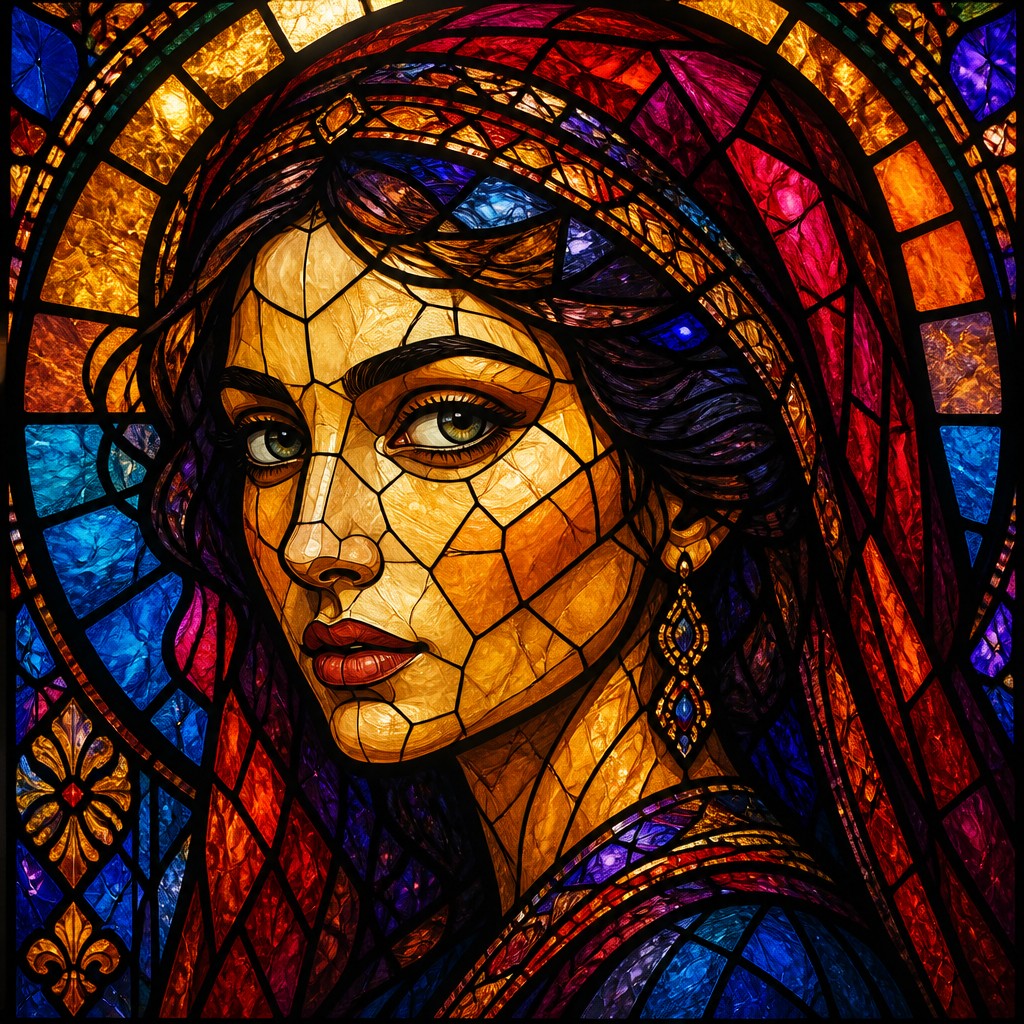
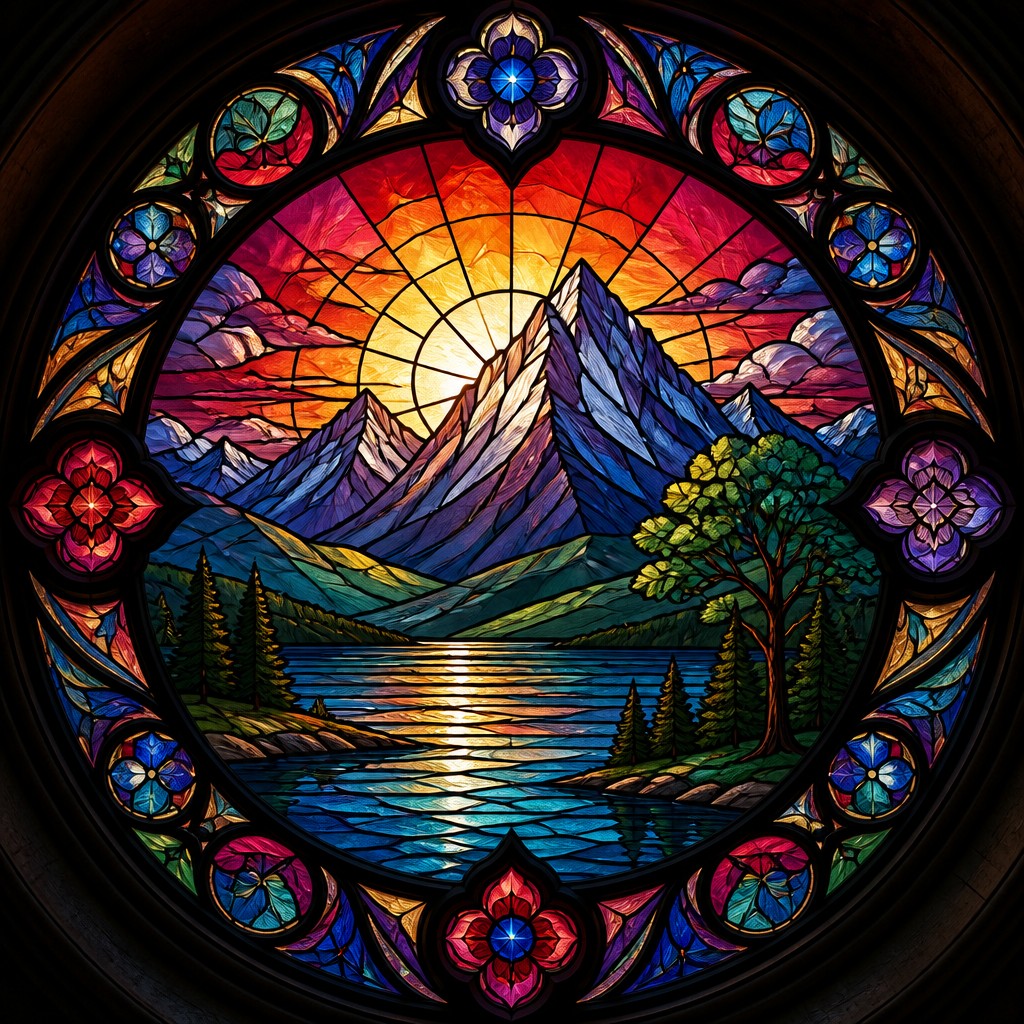
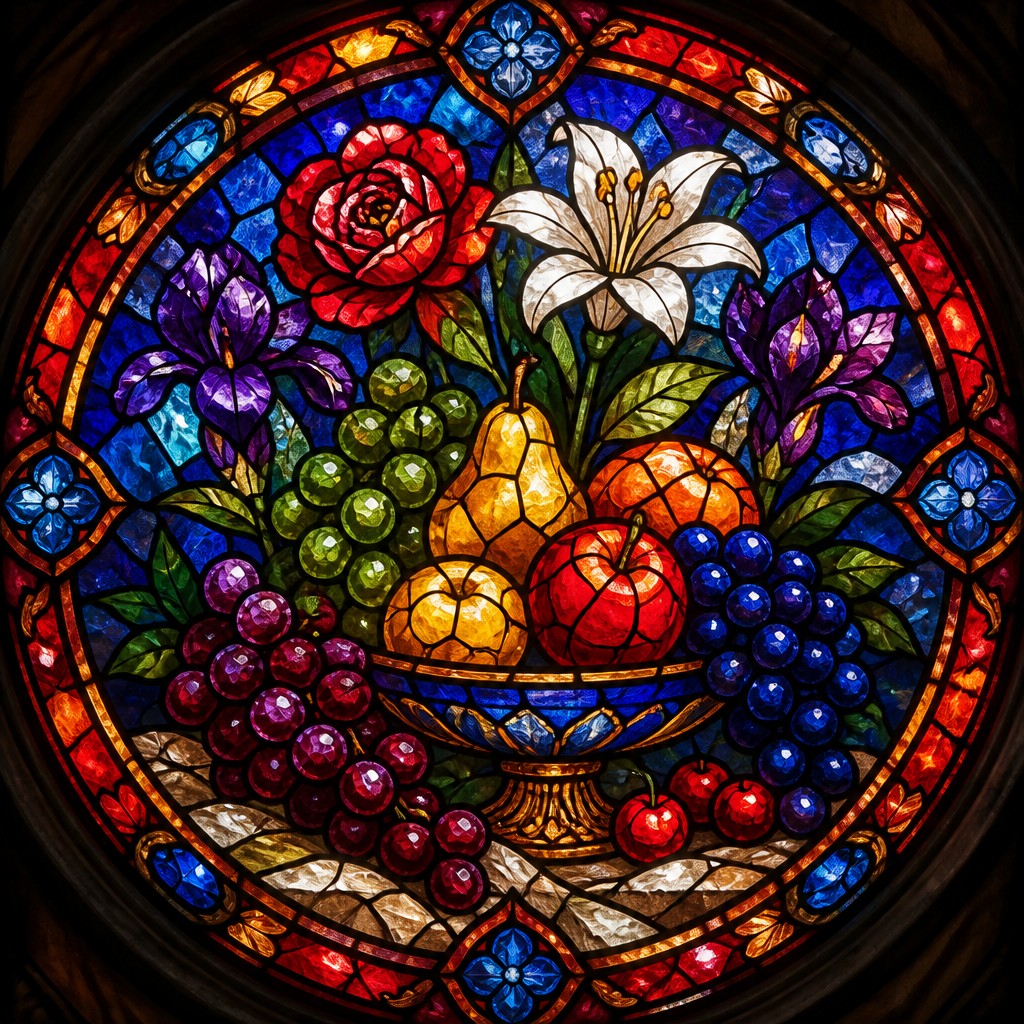
Stained Glass Gallery
Tap any artwork to explore it
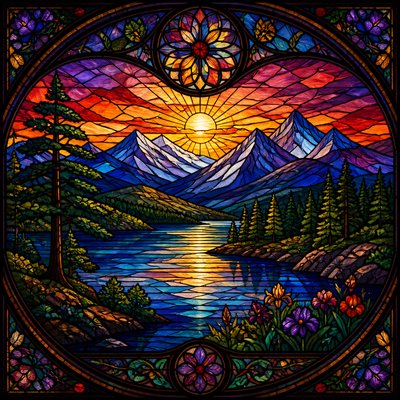
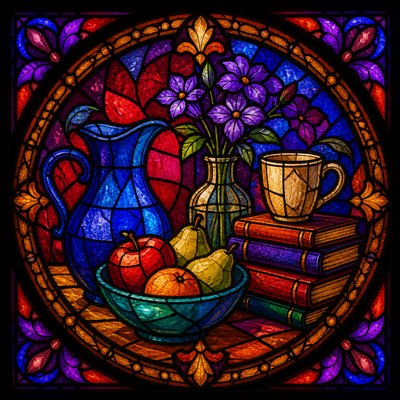
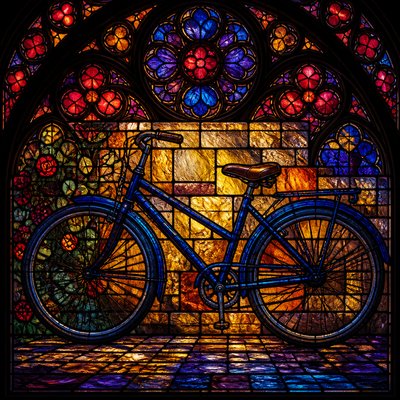
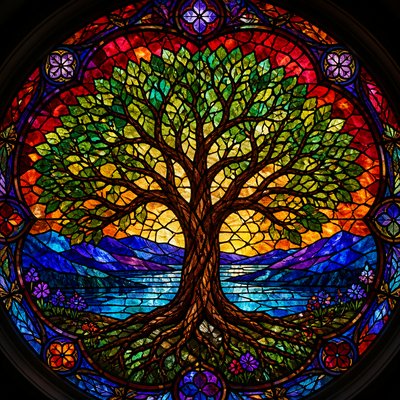
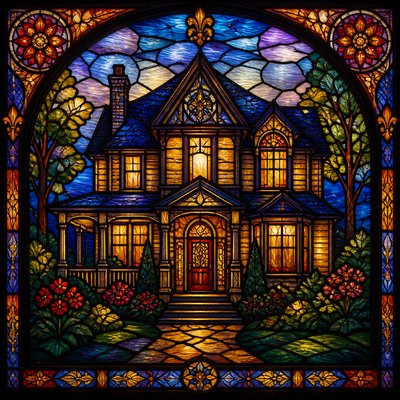
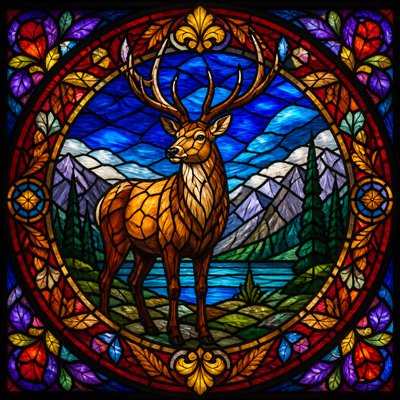
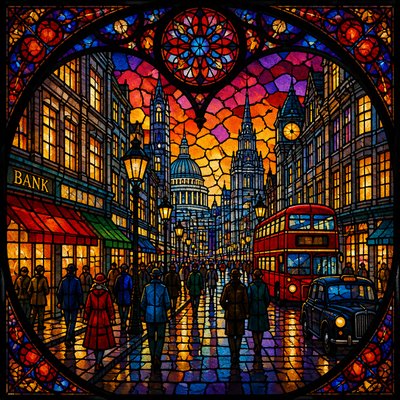
What is Stained Glass Art Style?
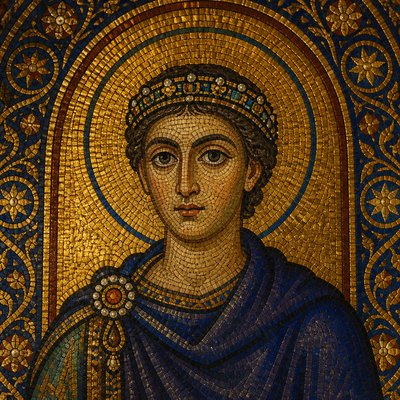
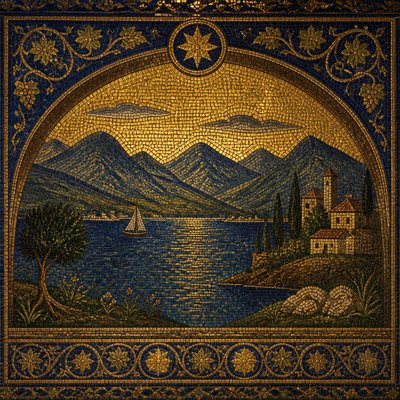
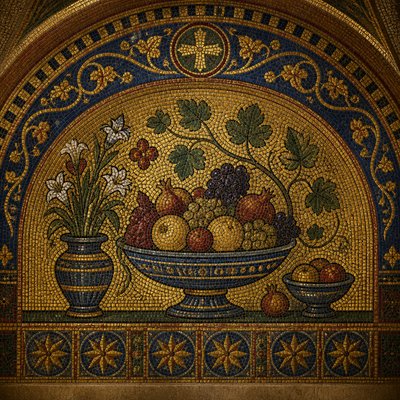
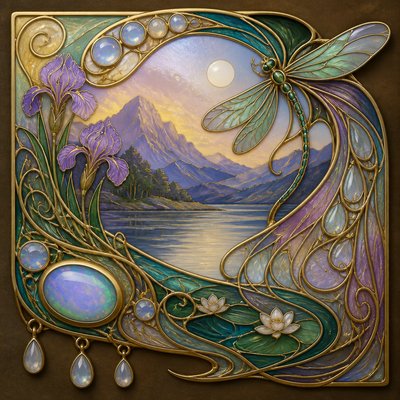
Stained glass art constructs images from pieces of colored glass held together by lead, copper foil, cement, or other structural frameworks. Light passing through the glass becomes part of the composition, producing translucent ruby, cobalt, emerald, amber, and violet fields rather than opaque painted areas. The defining effect is therefore architectural as well as pictorial: the work changes with daylight, viewing angle, and its surrounding space.
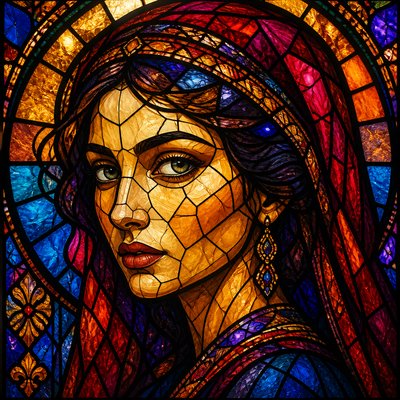
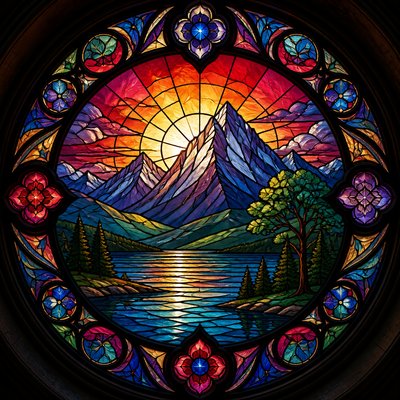
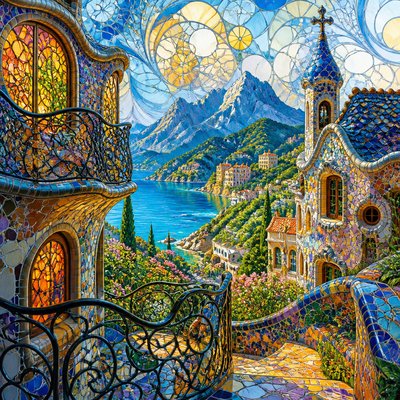
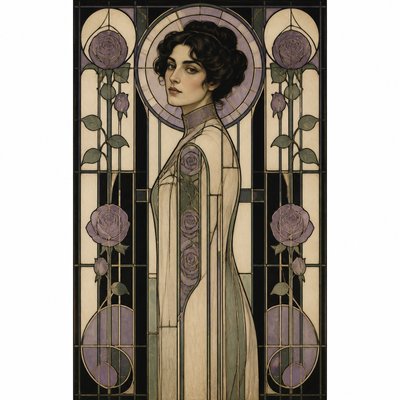
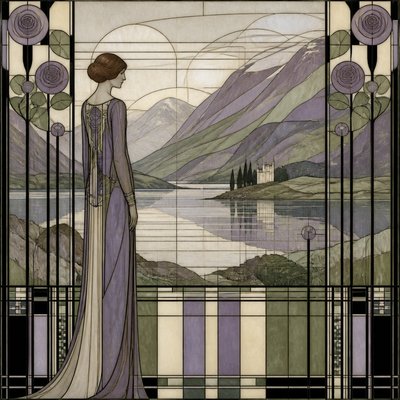
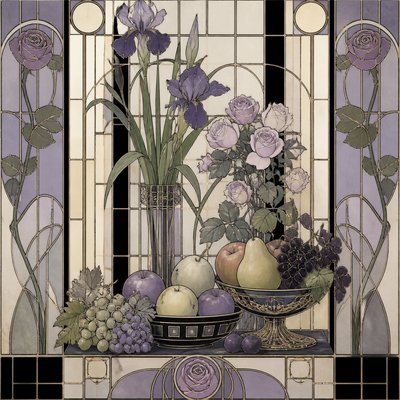
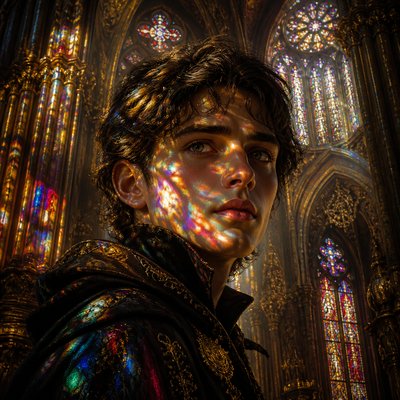
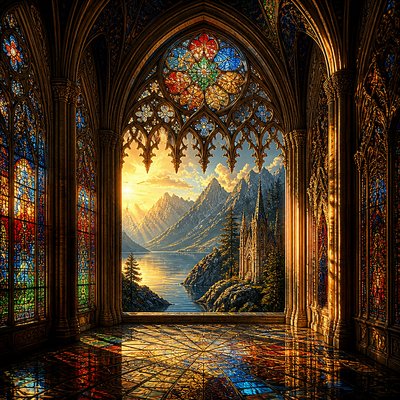
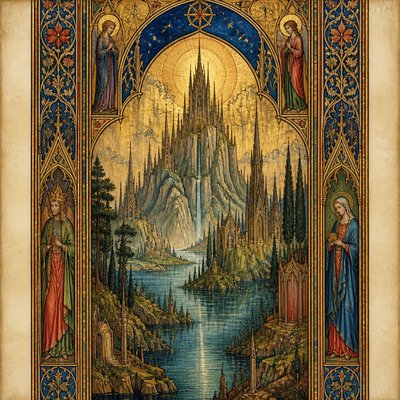
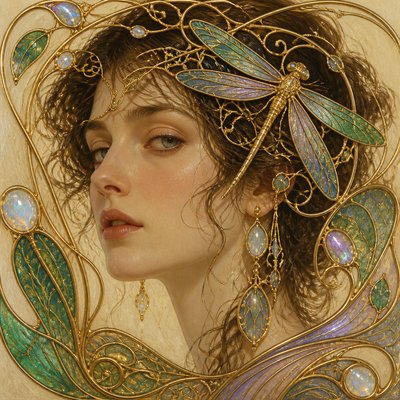
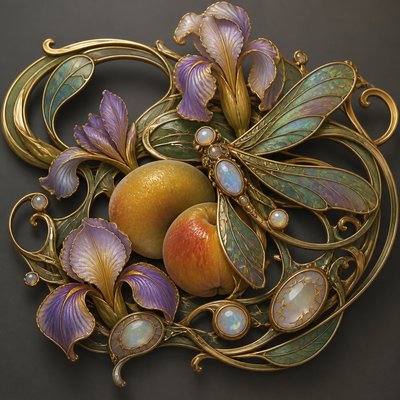
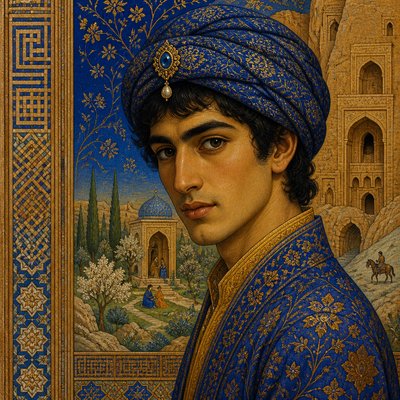
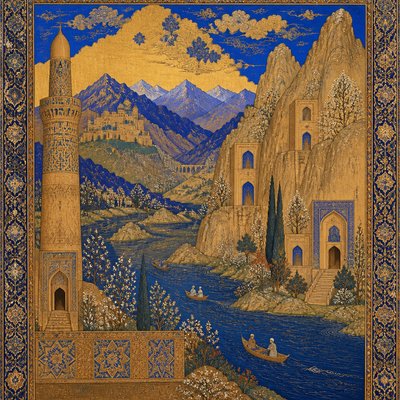
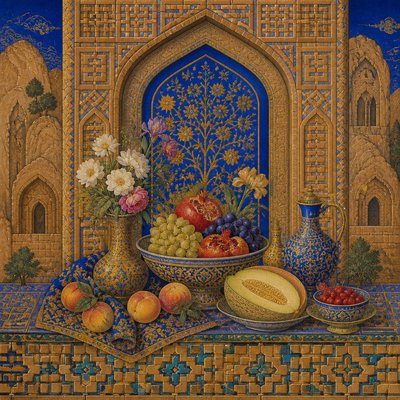
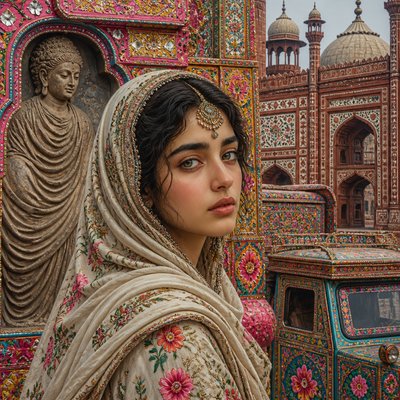
In a stylized digital interpretation, stained glass is recognized through bold dark contours, clearly segmented panels, luminous color blocks, and decorative geometry. Figures and landscapes are simplified into interlocking shapes, while rose-window symmetry, pointed arches, mosaic rhythm, and radiating lines create a sense of cathedral-like order. The appearance is especially effective for subjects that benefit from dramatic backlighting and strongly separated color regions.
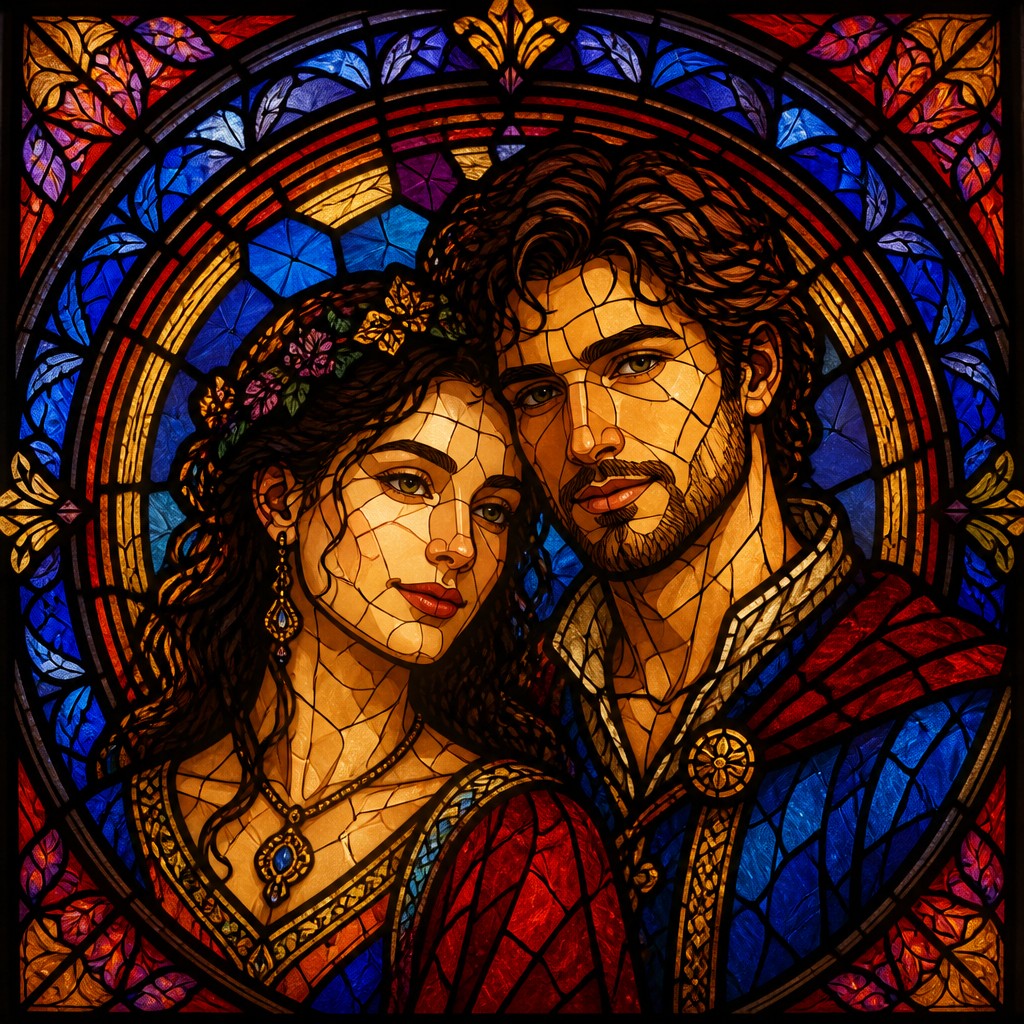
Try It On Your Photos
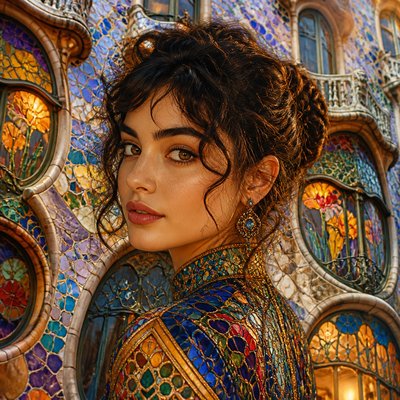
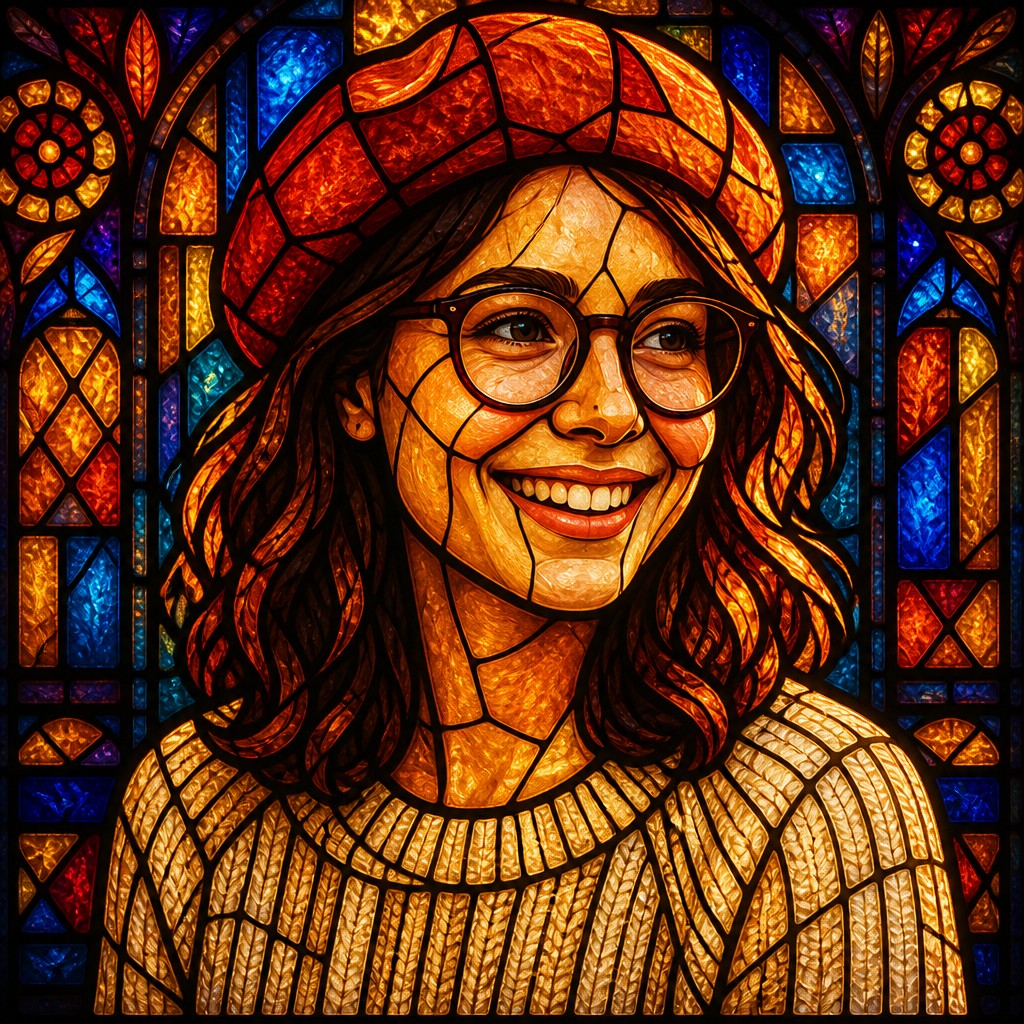
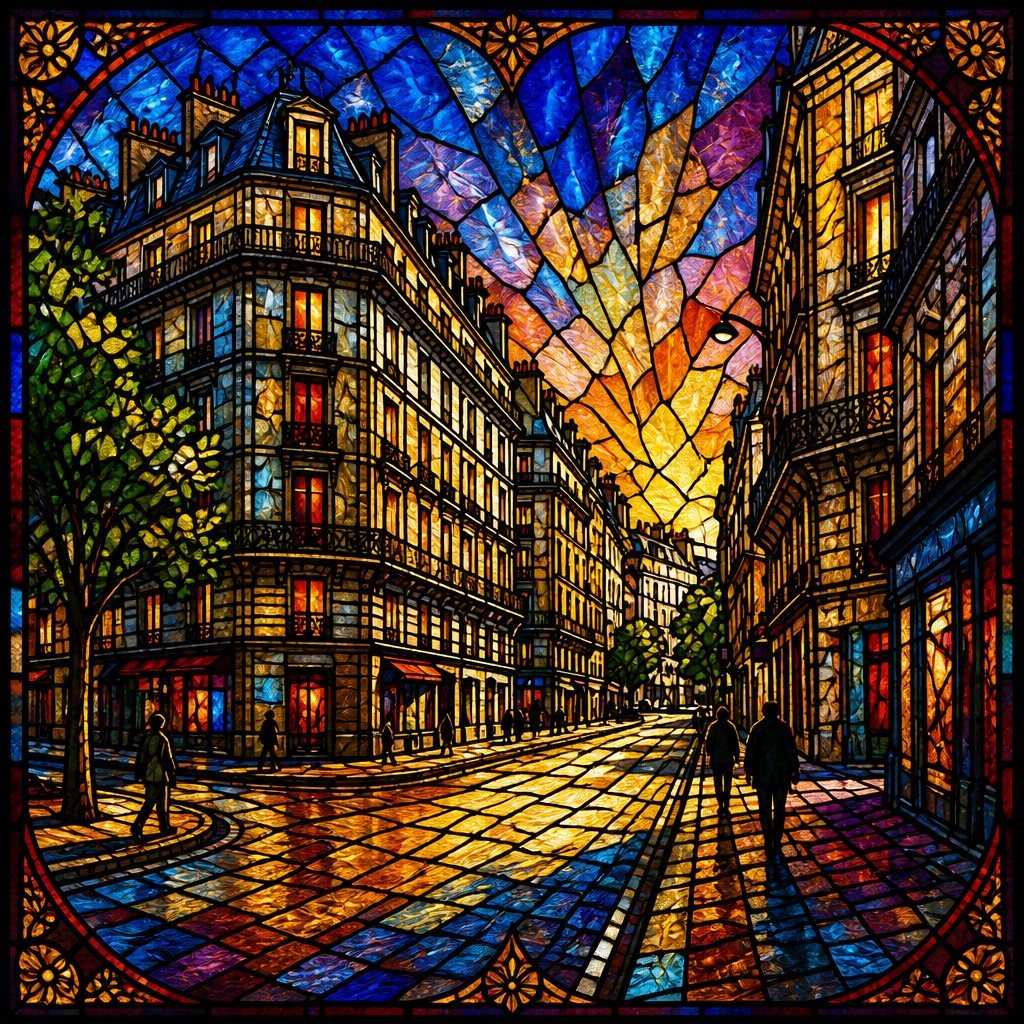
Upload any photo and convert it into Stained Glass Art Style — drag the sliders to compare before and after.


What Defines Stained Glass Art Style
The signature details, up close
Jewel-toned translucency
Ruby, sapphire, amber, emerald, amethyst, and turquoise hues suggest light traveling through colored glass. Saturated colors remain luminous because they are treated as illuminated material rather than flat paint.
Bold lead lines
Dark, emphatic contours separate panels and provide the structural skeleton of the image. In stylized renderings, these lines may be nearly black and heavier than the narrow lead cames used in many physical windows.
Segmented composition
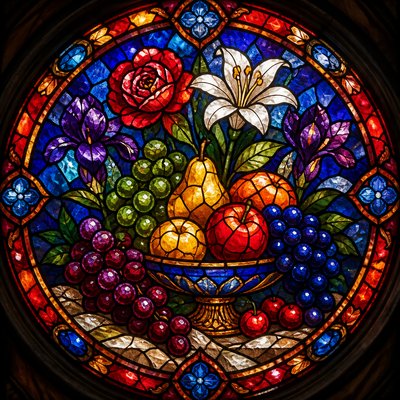
The image is divided into geometric or organic pieces that fit together like a mosaic. Each section typically carries a distinct color, texture, or tonal value while contributing to the larger design.
Backlit radiance
Illumination appears to originate behind the subject, creating glowing edges and transparent color fields. Digital treatments often add soft halos or internal gradients to imitate sunlight passing through glass.
Gothic geometry
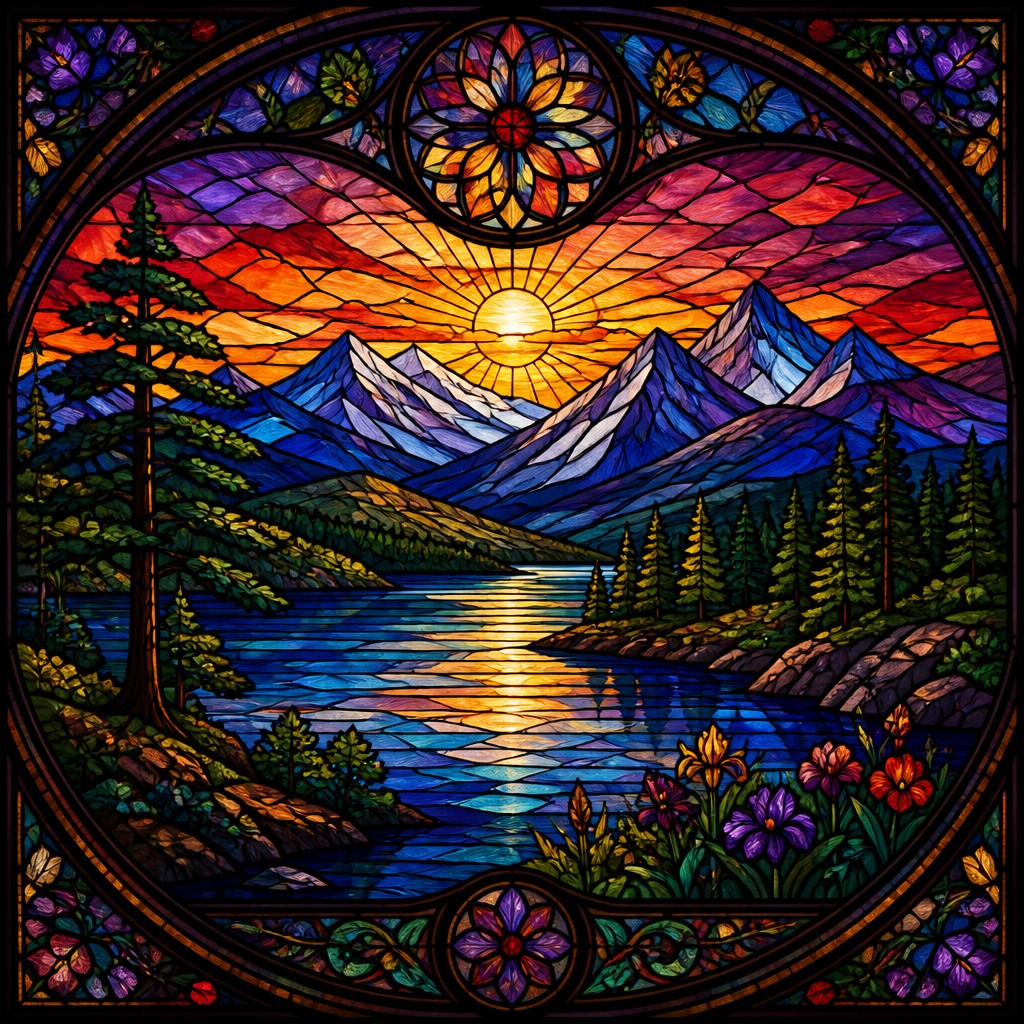
Pointed arches, tracery, quatrefoils, radial symmetry, and rose-window structures are recurring visual cues. These architectural patterns give the composition a ceremonial and organized character.
Decorative simplification
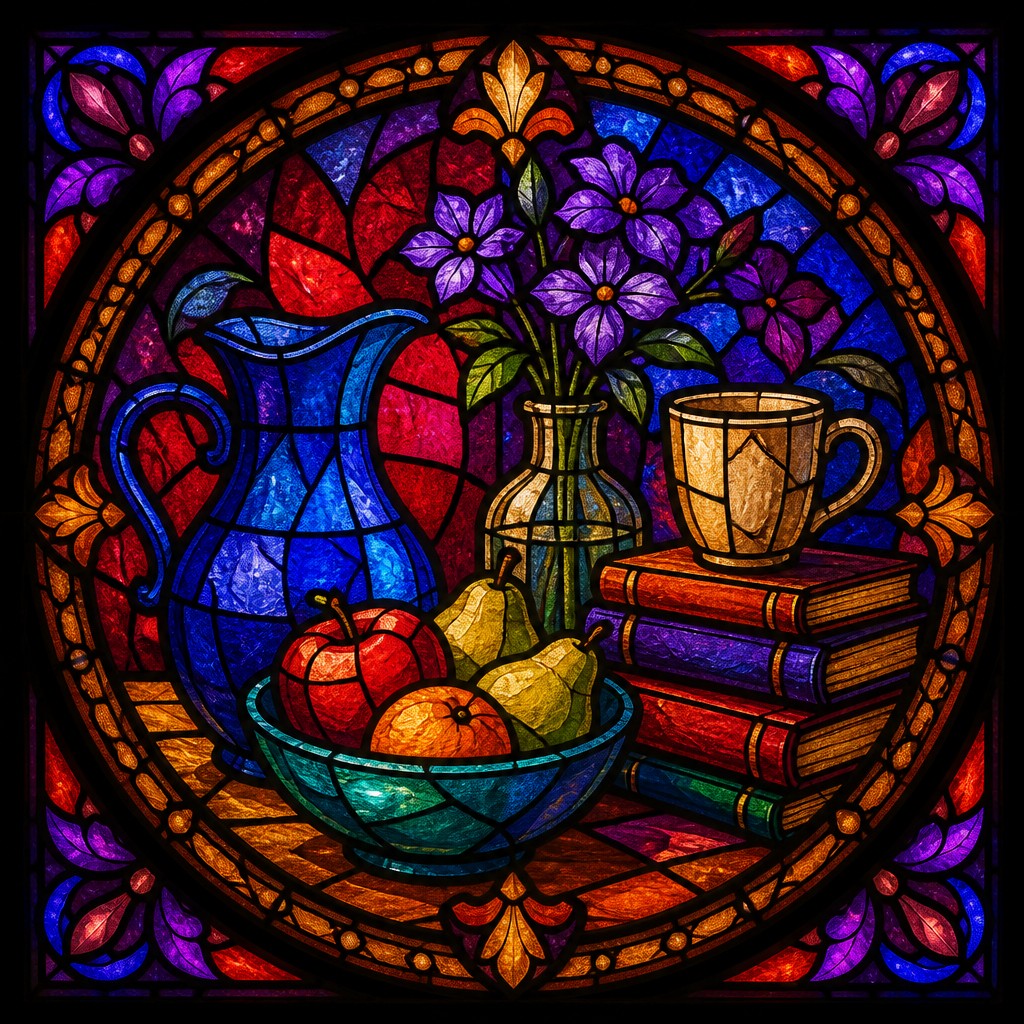
Complex subjects are reduced to readable silhouettes and flowing contours rather than modeled with continuous naturalistic shading. Repeated borders, botanical motifs, and ornamental divisions reinforce the handcrafted object quality.
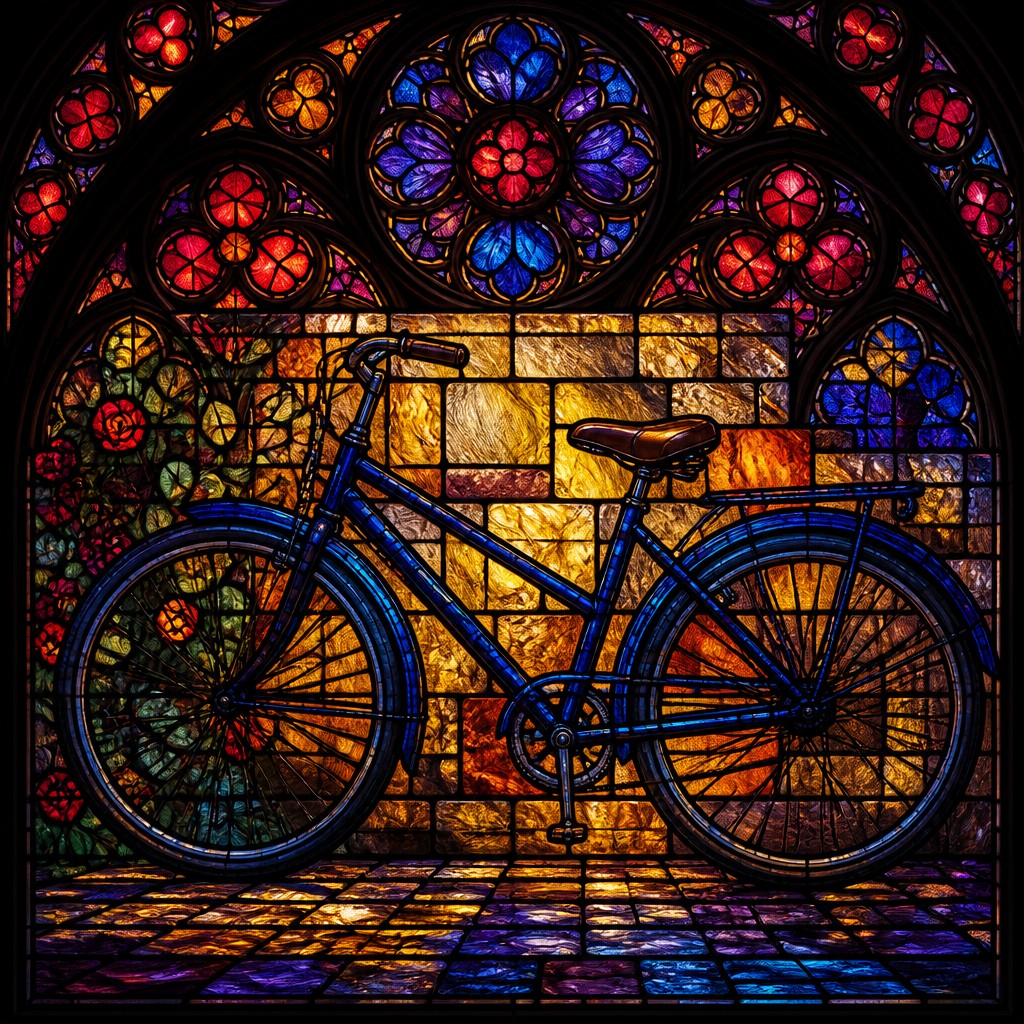
Glass-like surface variation
Irregular color pooling, subtle ripples, bubbles, streaks, and uneven transparency can suggest hand-blown or kiln-worked glass. These imperfections keep the image from appearing like a perfectly uniform vector graphic.
Try It
Create Videos in Stained Glass Art Style
Styles aren't just for stills — describe a scene or animate an image and get a short video rendered in Stained Glass. Press play to see this pond come to life.
Make a VideoStained Glass Prompt Ideas
Start from an idea — each one opens the generator with the style ready to go. See all 40 Stained Glass prompts →
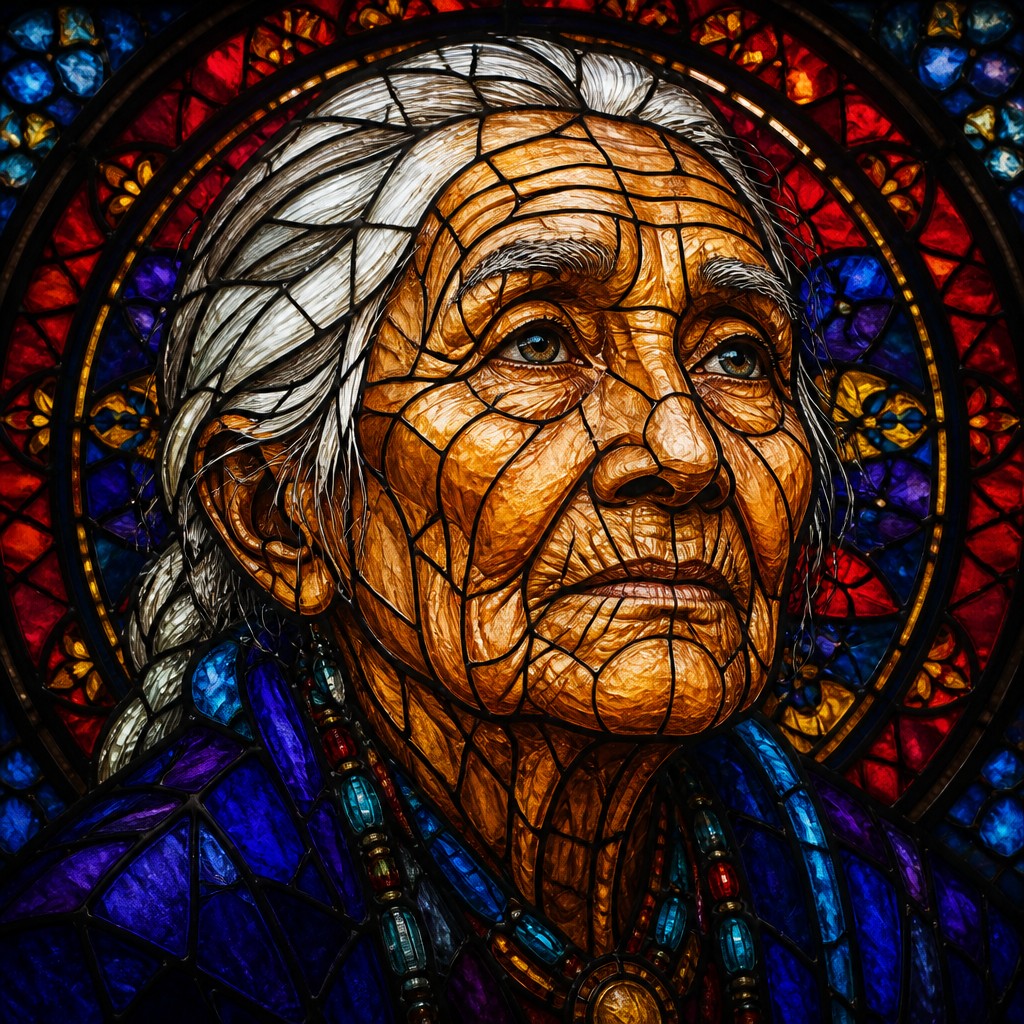
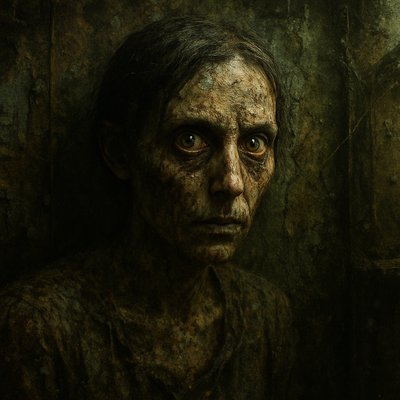
“close-up portrait of an elderly person with expressive weathered features”
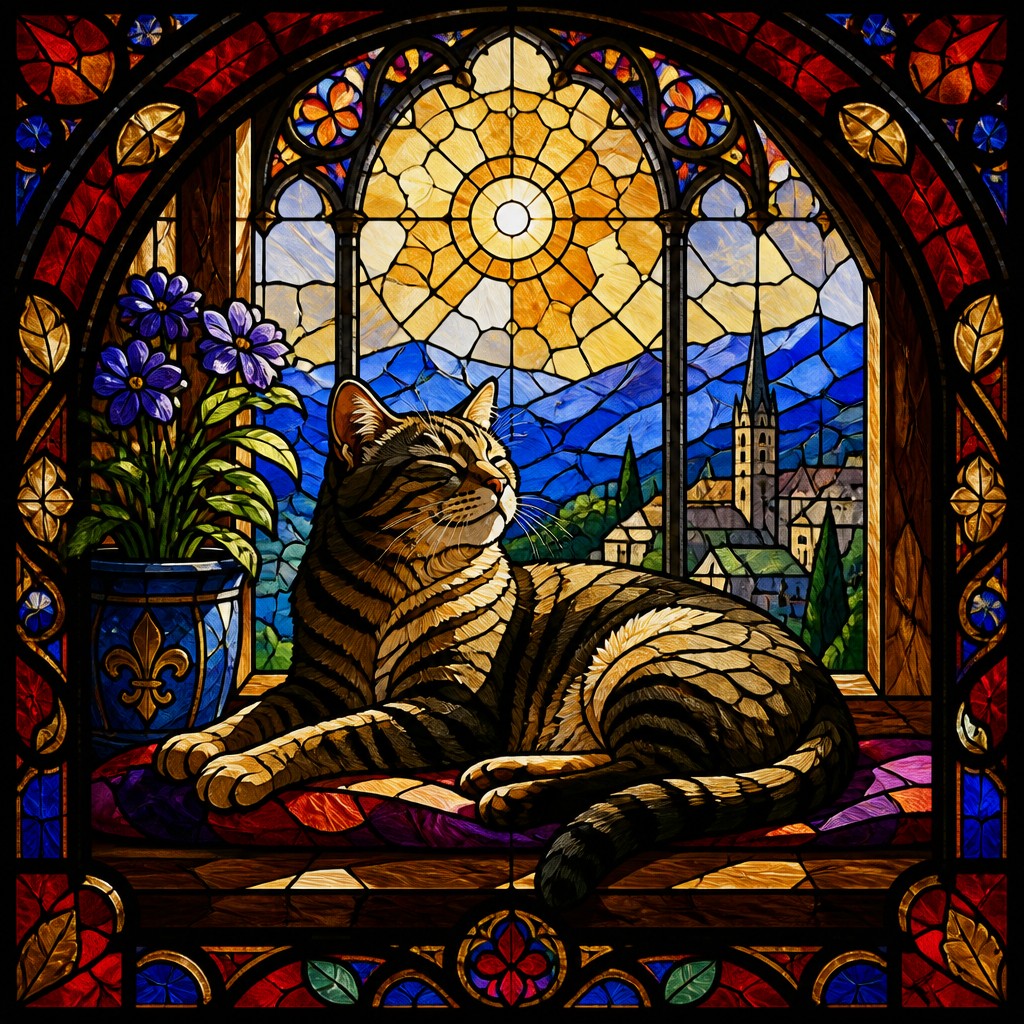
“a cat lounging in a sunlit window”
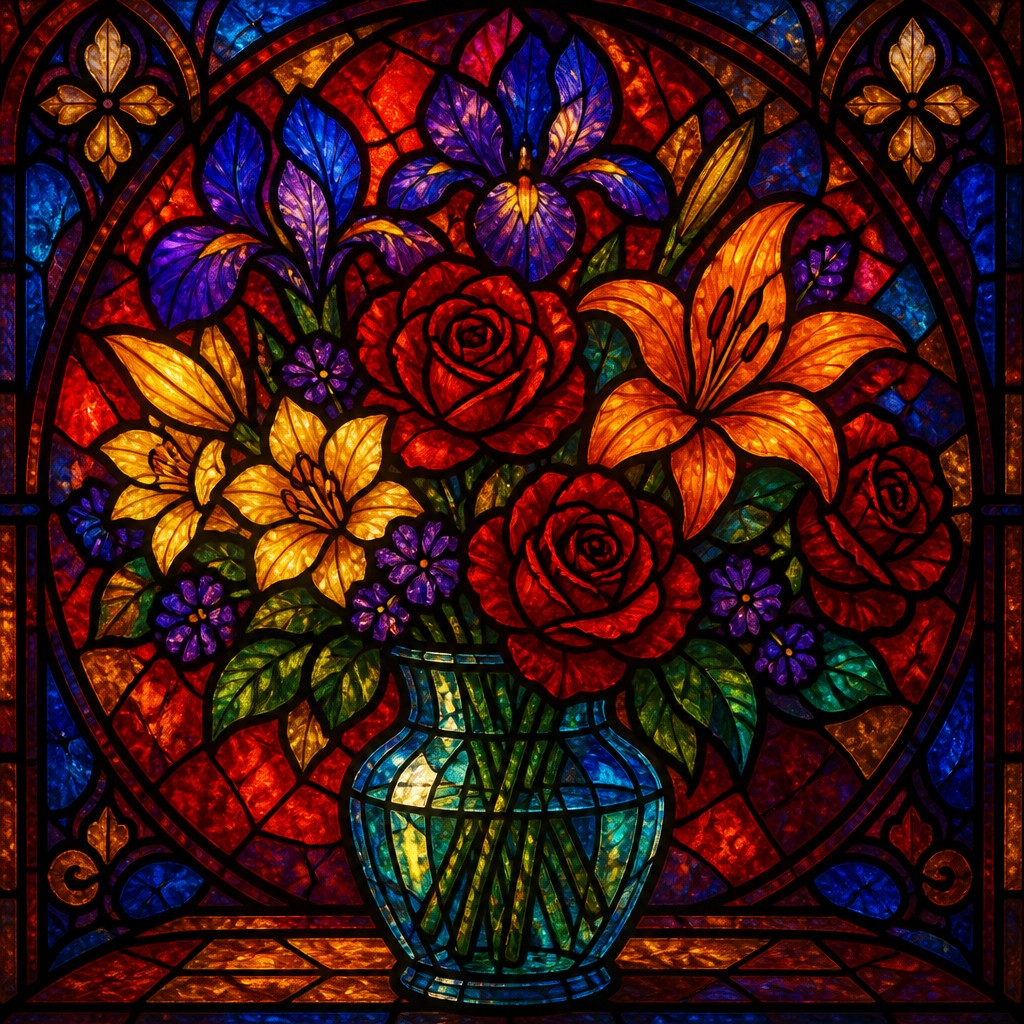
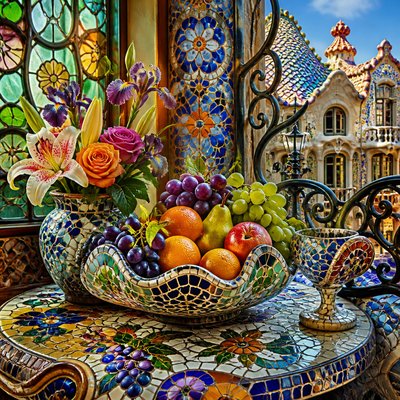
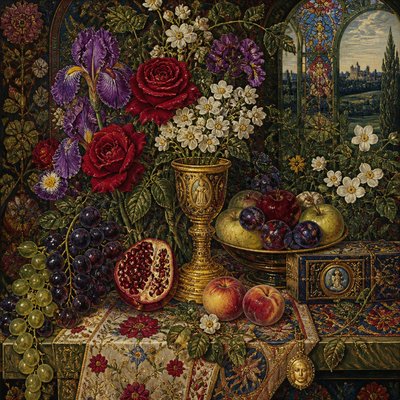
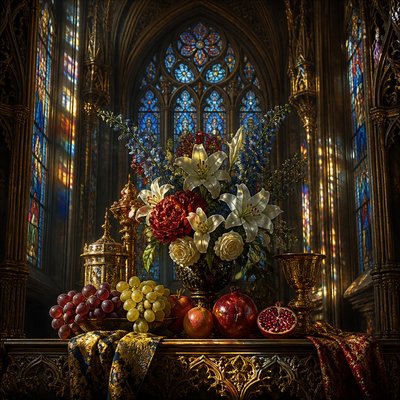
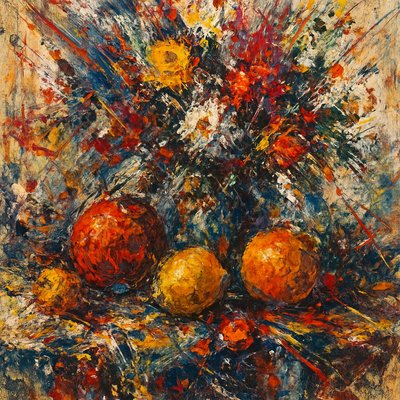
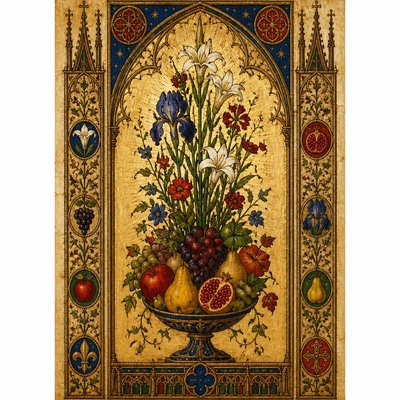
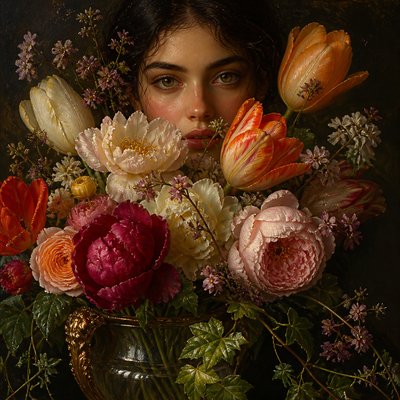
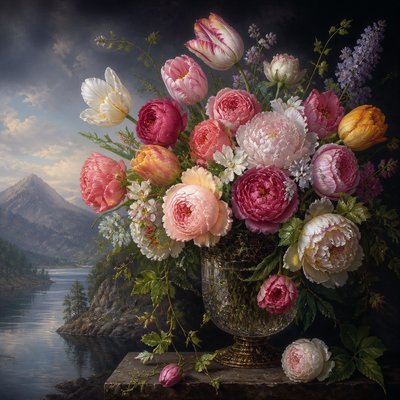
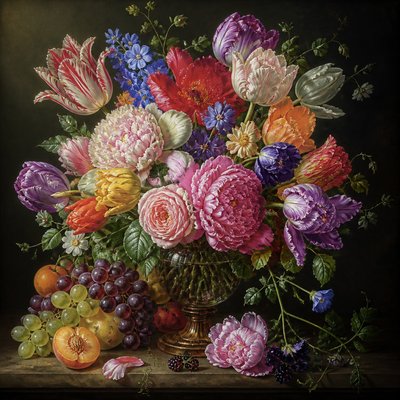
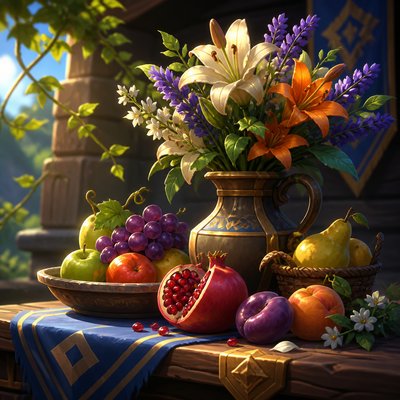
“bouquet of flowers in a glass vase”
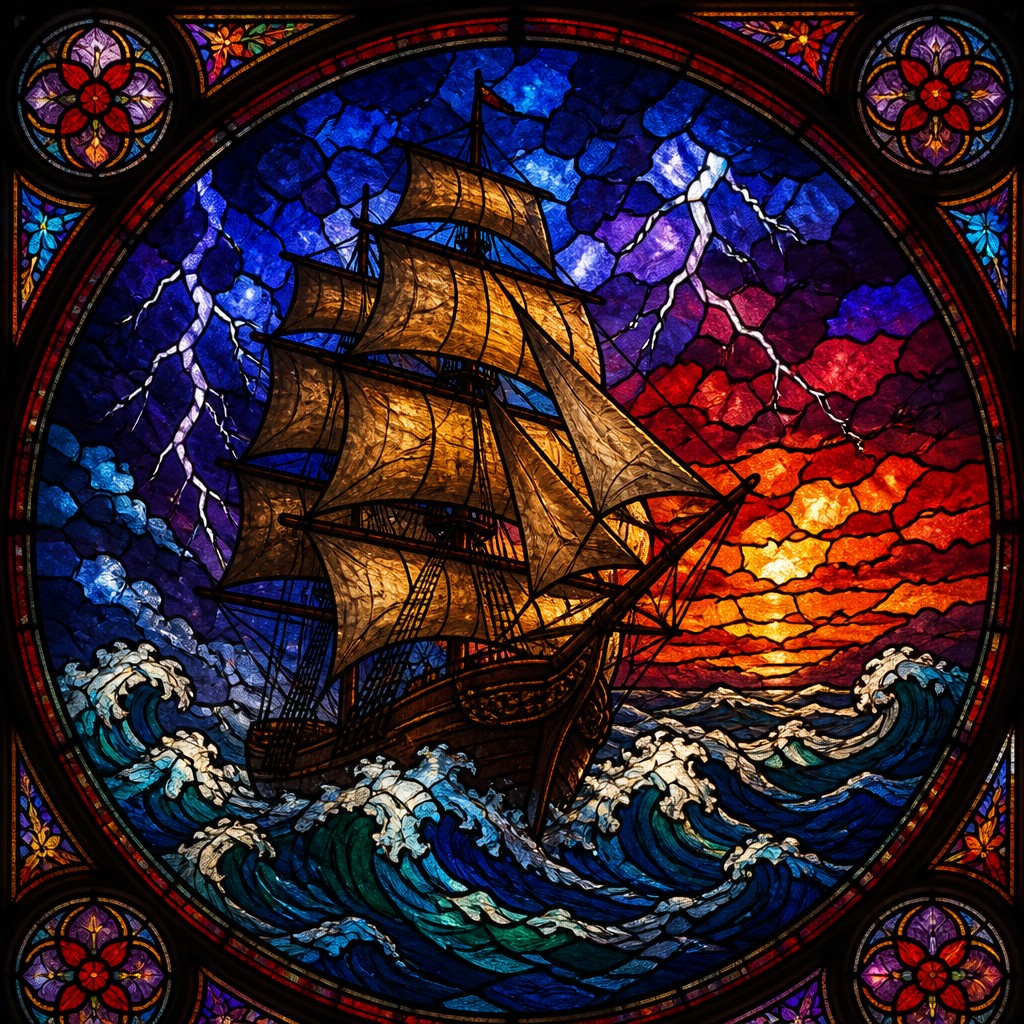
“sailing ship on a stormy sea”
How to Create Stained Glass Art
Master the craft step by step — or skip straight to creating. Read the full guide →
- 1
Plan the lead structure
Begin with a strong silhouette and divide it into connected sections before adding detail. Keep the main contours bold and continuous enough to read as both drawing and physical support.
- 2
Choose a restricted palette
Use a small group of saturated jewel colors with deliberate contrast between warm and cool panels. Reserve pale or transparent areas for highlights so the composition retains the effect of transmitted light.
- 3
Build physical glass in layers
For traditional work, select or cut colored glass, fit pieces with lead came or copper foil, solder the joins, and reinforce the finished panel in its frame. Glass paint, stain, enamel, and etching can add facial features, shadows, and fine details.
- 4
Work with vector or raster layers
Digitally, draw the subject as enclosed shapes, fill each panel with translucent gradients or textured color, and place a dark line layer above the joins. Add a separate backlight or bloom layer sparingly to preserve crisp segmentation.
- 5
Design for the light source
Place brighter panels near windows, the sky, flames, or other imagined sources of illumination. Strong edge light and selective transparency usually communicate glass more effectively than generic gloss or reflections.
- 6
Write image-generation prompts structurally
Specify the subject first, then request luminous jewel-toned panels, bold black lead lines, segmented geometry, translucent backlighting, and rose-window intricacy. Mention a clear silhouette and limited palette when the result needs to remain readable rather than overly detailed.
The Story
History & Origins of Stained Glass
Stained glass has ancient precedents in colored architectural glass, but its most influential development occurred in medieval Europe, particularly in Romanesque and Gothic religious architecture. From the twelfth century onward, workshops assembled painted and colored glass into narrative windows, using lead cames to outline and support individual pieces. Windows functioned as images, sources of colored illumination, and components of an architectural program.
The medium declined in some regions after the Reformation and the rise of clear glazing, then experienced renewed interest during the nineteenth-century Gothic Revival. Later practitioners expanded it through Art Nouveau, Arts and Crafts, modernist abstraction, secular memorials, civic buildings, and domestic decoration. Contemporary digital versions draw on this lineage without reproducing the physical constraints of glass cutting, leading, soldering, and architectural installation.
Influences: This style draws primarily from medieval European ecclesiastical glazing, Romanesque and Gothic architectural ornament, rose windows, tracery, mosaic, and illuminated manuscript design. Its later decorative character also relates to the Gothic Revival and Arts and Crafts traditions, while flowing plant forms may recall Art Nouveau. Contemporary digital treatments additionally borrow the clean segmentation of vector illustration, the glow of cinematic lighting, and the color logic of fantasy concept art.

Frequently Asked Questions
What defines stained glass art?
Its central feature is the division of an image into colored, light-transmitting sections separated by structural lines. The combination of translucency, saturated color, dark contours, and architectural organization distinguishes it from ordinary mosaic or painted illustration.
Is stained glass art a medium or an art style?
It is both a physical medium and a visual language. Traditional stained glass involves cutting and assembling glass, while the same visual language can be used in painting, illustration, photography, vector design, and digital image-making.
How does it differ from mosaic art?
Mosaic is generally assembled from opaque or translucent pieces placed onto a surface, often using stone, ceramic, or glass tesserae. Stained glass is designed around transmitted light and is commonly supported by lead or another framework, although digital images can blend characteristics of both.
How can I make a photo look like stained glass?
Simplify the photograph into broad shapes, increase color separation, and overlay an irregular network of dark connecting lines. Add translucent jewel-colored fills and a backlit glow, while reducing fine photographic texture that would compete with the panel structure.
Where is stained glass commonly used?
It is strongly associated with churches, cathedrals, chapels, and other religious architecture, but it also appears in civic buildings, schools, memorials, homes, restaurants, lamps, screens, and decorative objects. Its use is not limited to religious subjects.
Why do stained glass images often use black outlines?
Traditional lead came creates dark seams that hold the glass pieces together and separate adjacent colors. Black outlines in illustration exaggerate this structural feature, improving legibility and immediately signaling the stained-glass visual language.

Create your first Stained Glass artwork
Describe anything — or upload a photo — and see it in Stained Glass Art Style in seconds.
Related Styles
Discover similar art styles