Eswatini Art Style
Explore Eswatini Art Style: coiled lutindzi grass, Swazi beadwork, Ngwenya glass color, and sunlit highveld landscapes in a crafted visual language.
Instantly rendered in Eswatini — or transform a photo
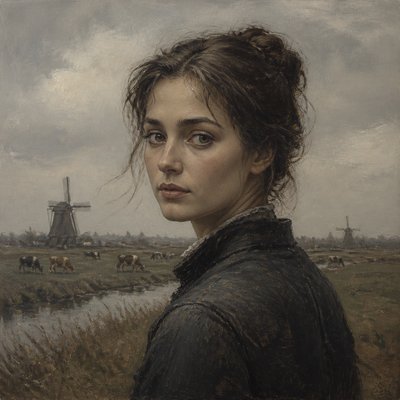
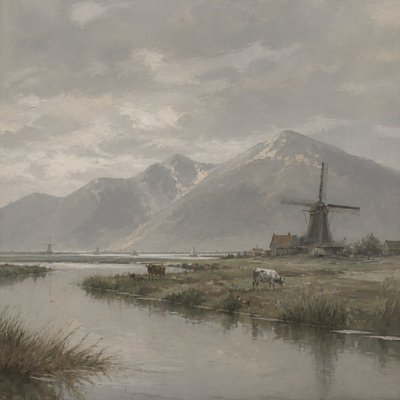
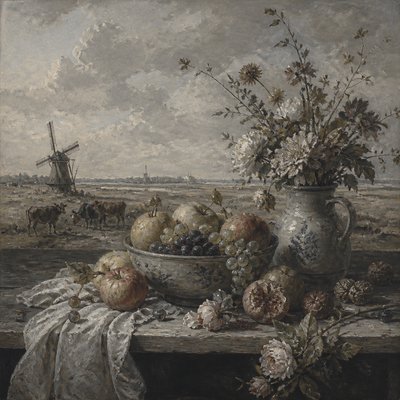
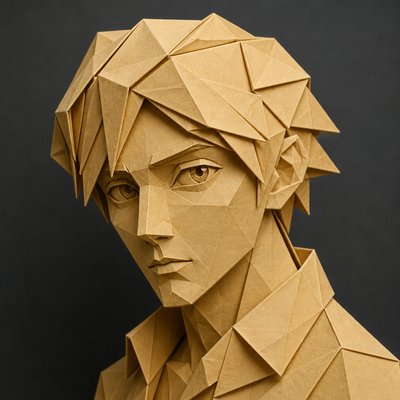
Eswatini Gallery
Tap any artwork to explore it
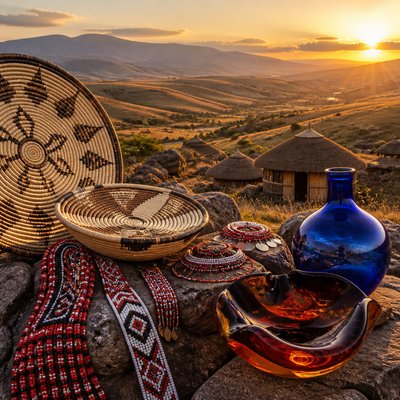
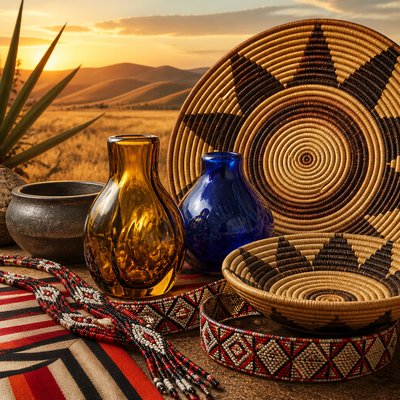
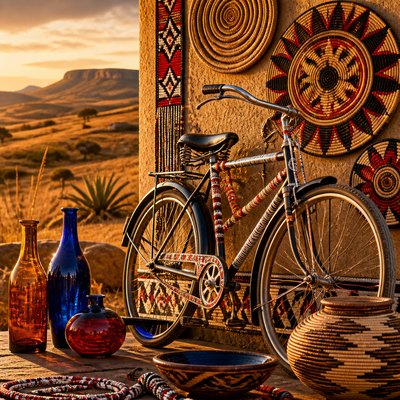
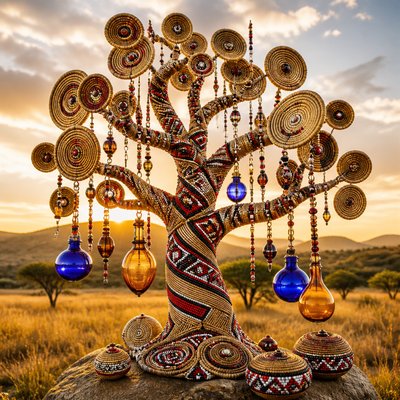
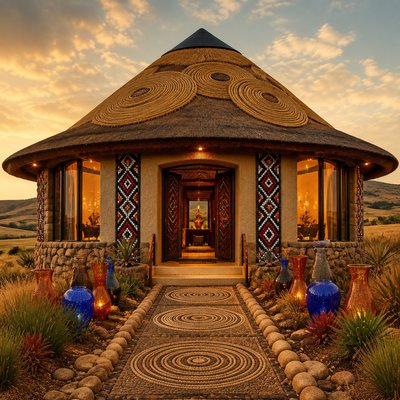
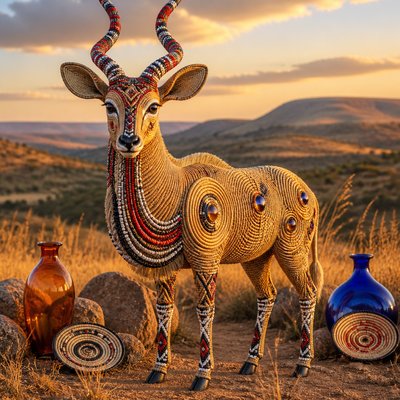
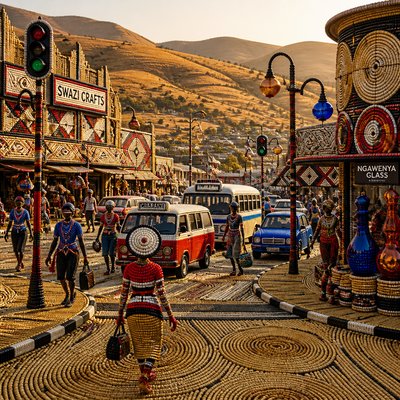
What is Eswatini Art Style?
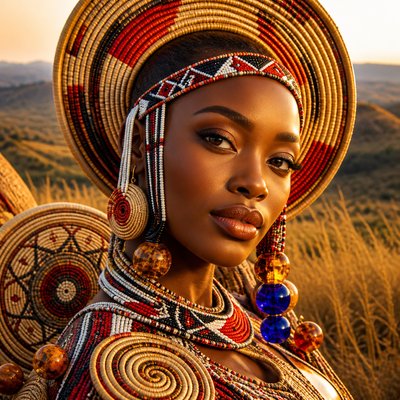
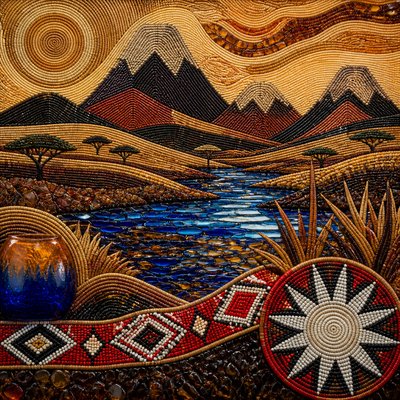
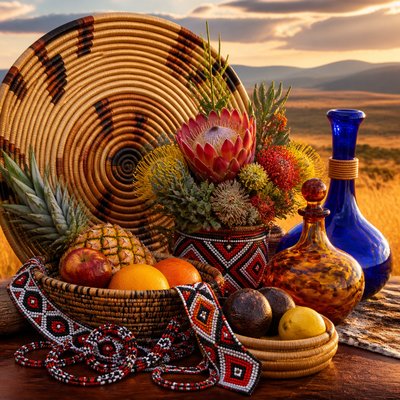
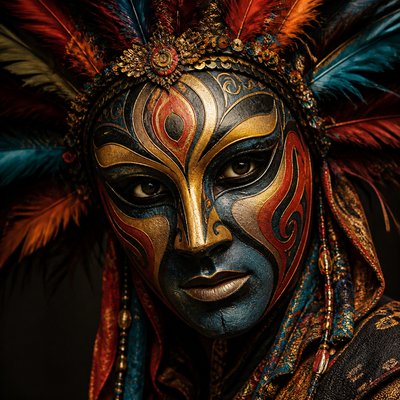
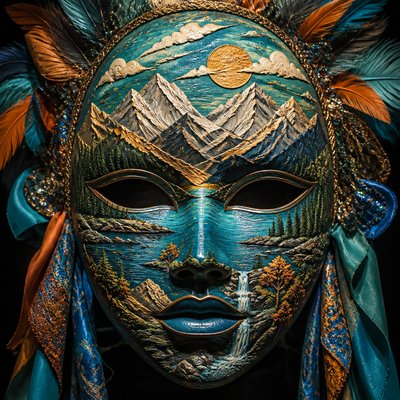
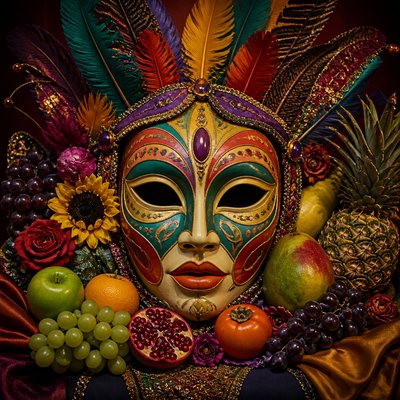
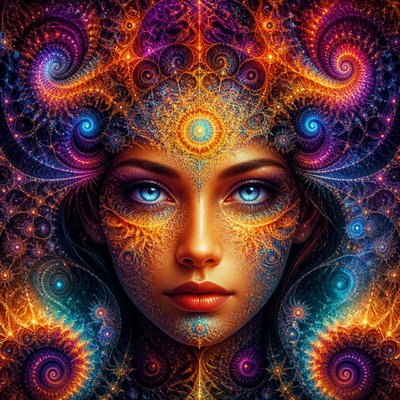
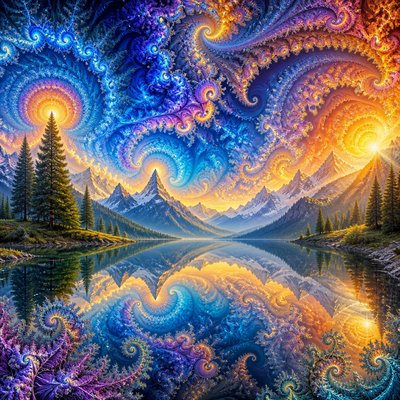
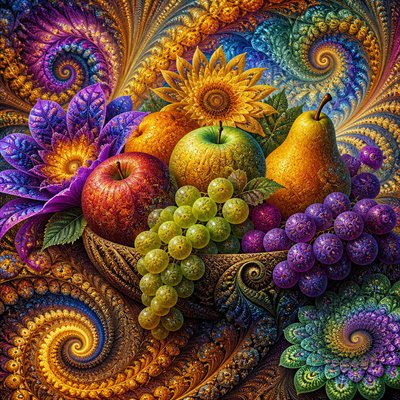
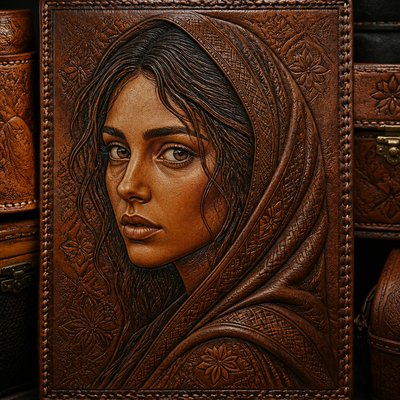
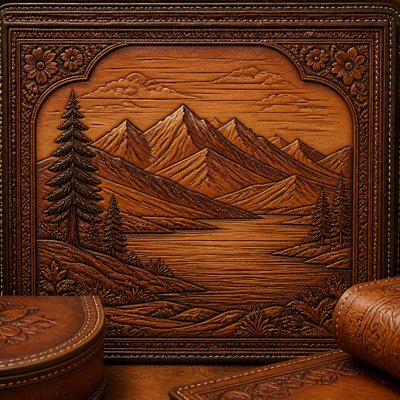
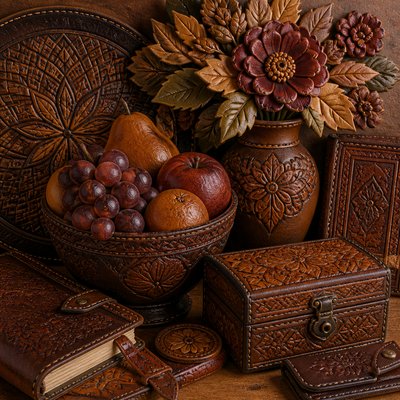
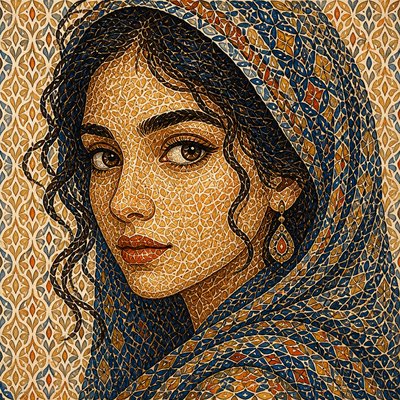
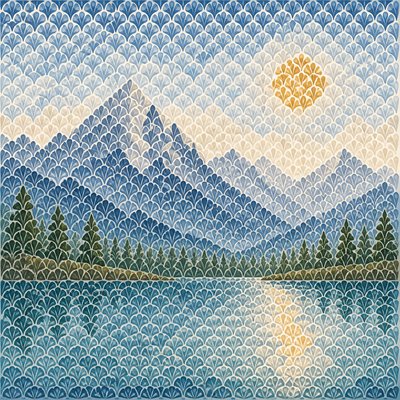
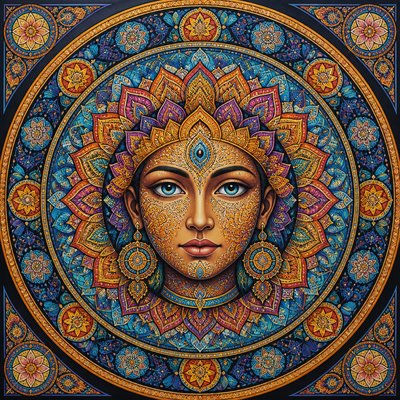
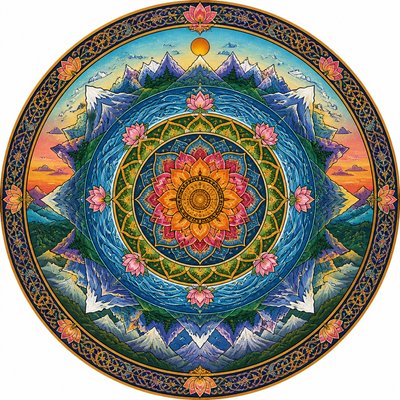
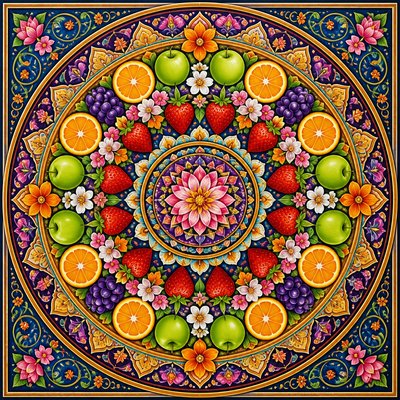
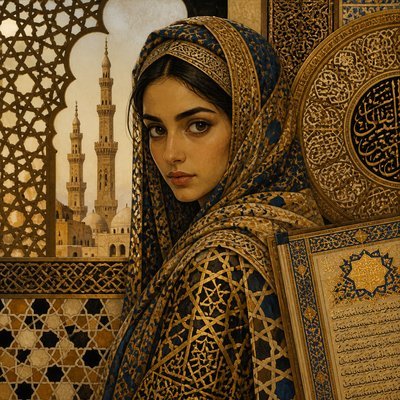
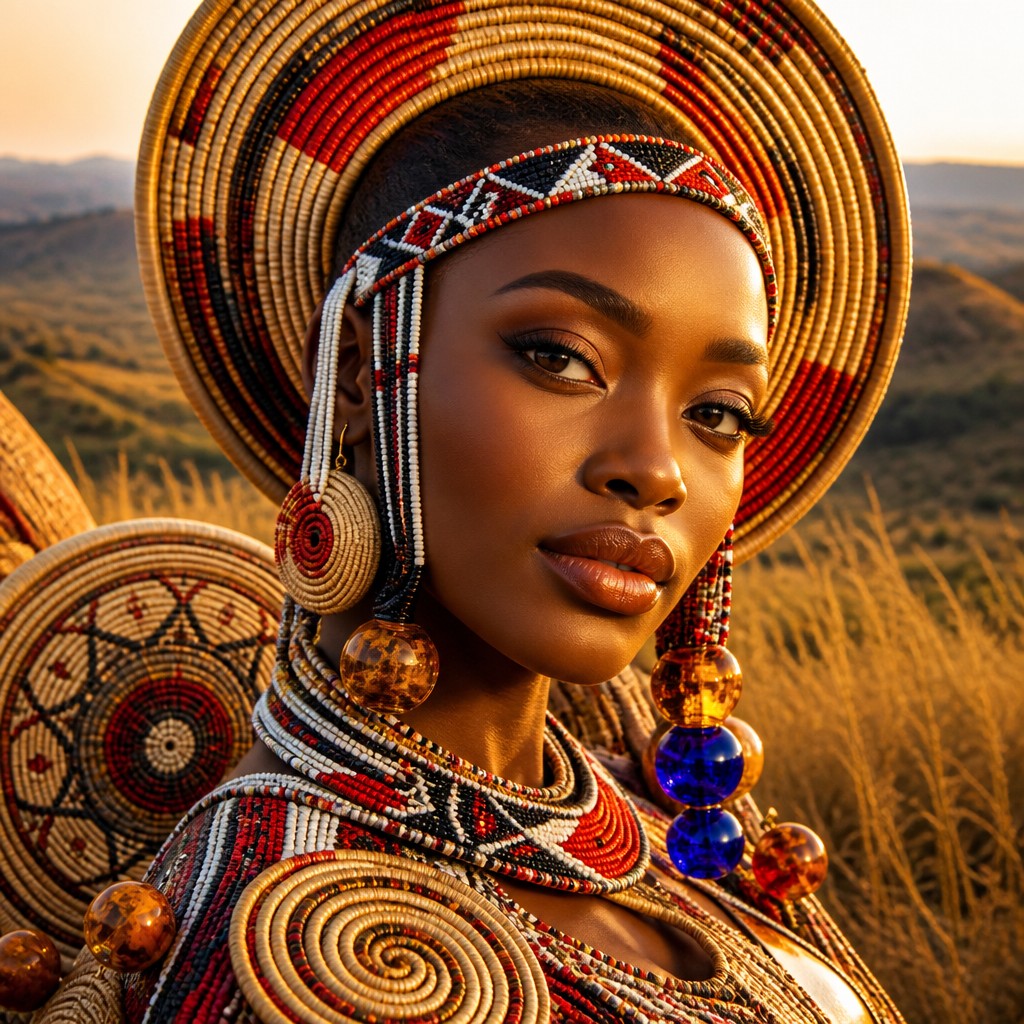
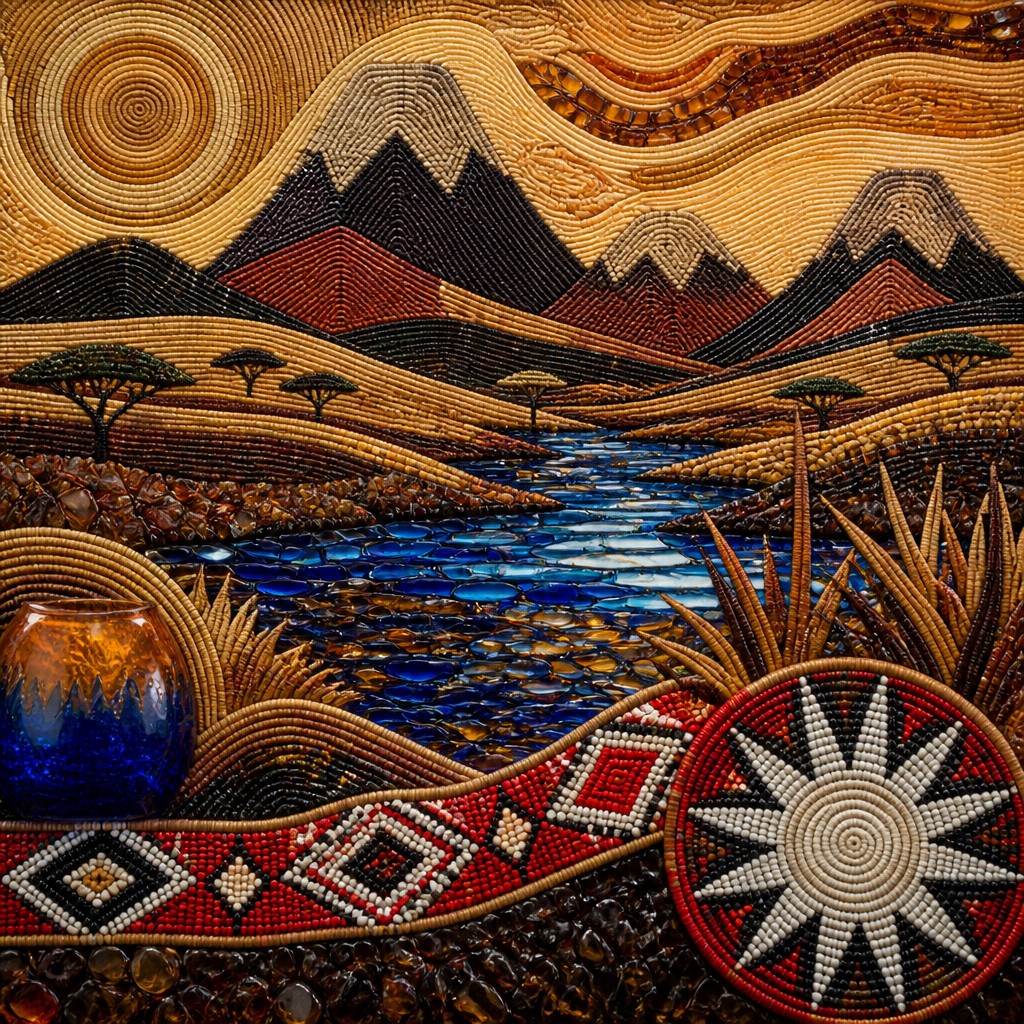
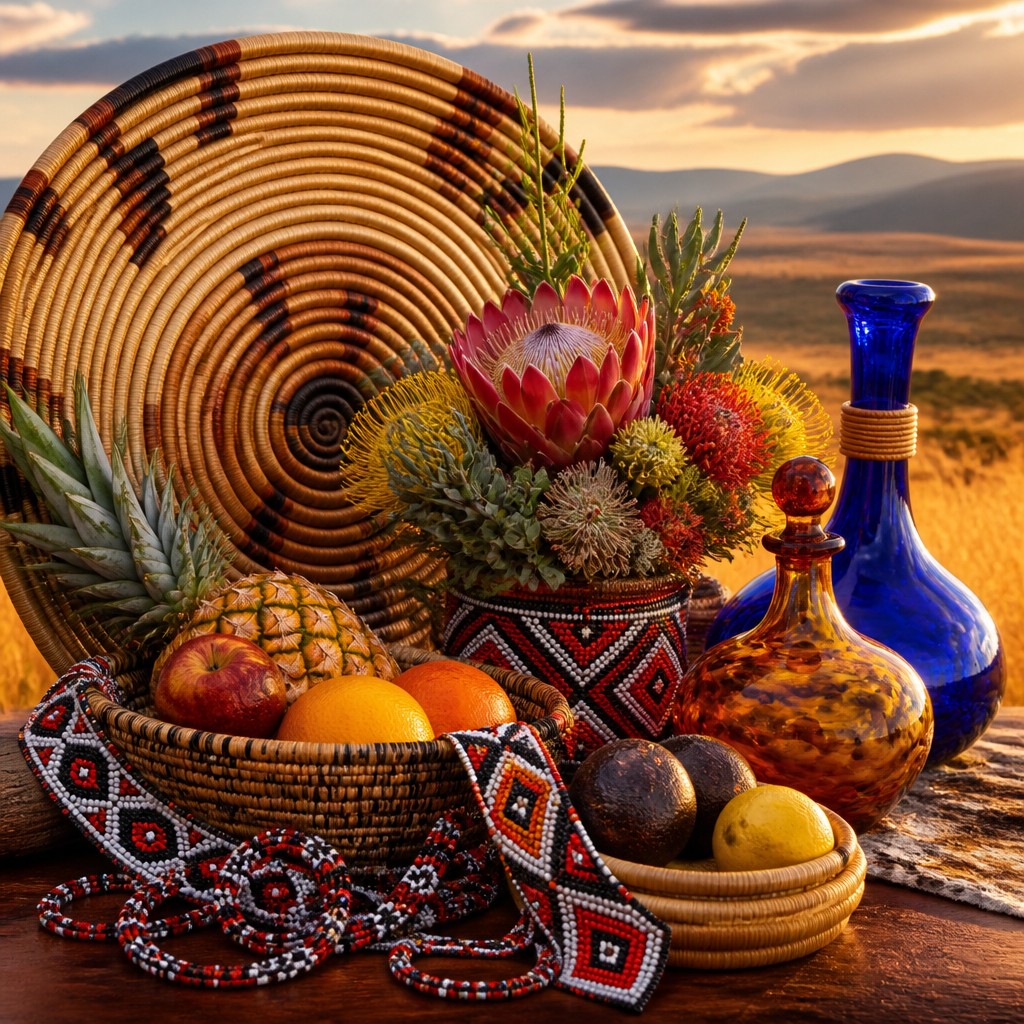
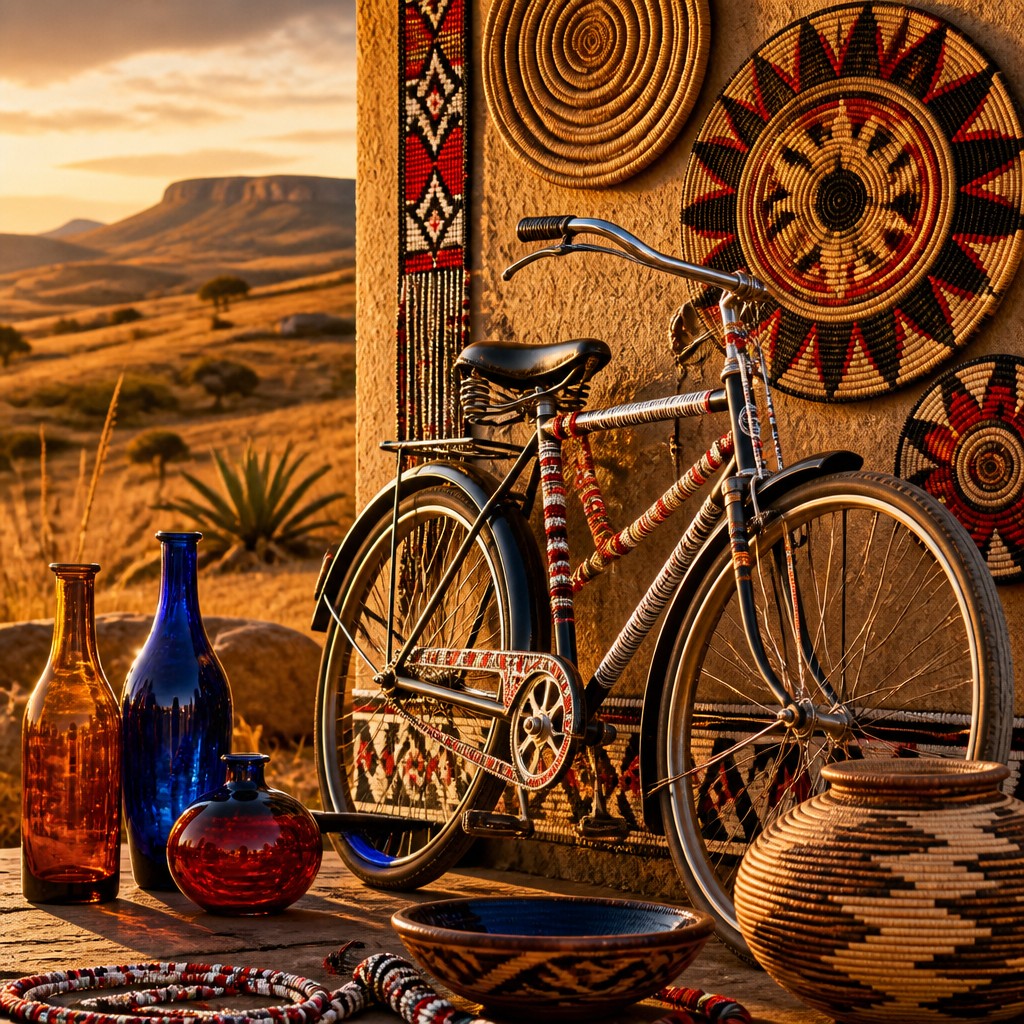
Eswatini Art Style is a contemporary visual synthesis inspired by the material culture and landscapes of Eswatini, formerly known as Swaziland. Its signature vocabulary combines radiating coils modeled on lutindzi grass baskets, red-black-white Swazi beadwork patterns, jewel-toned hand-blown glass, and the warm grasses and rolling contours of the highveld and lowveld.
The style looks tactile, rhythmic, and brightly illuminated. Repeated basket spirals suggest patient handcraft and natural growth, while beadwork introduces graphic geometry and strong cultural color associations. Amber, cobalt, scarlet, charcoal, cream, and sunlit gold are typically set against earthen neutrals, creating an image that feels both handcrafted and luminous.
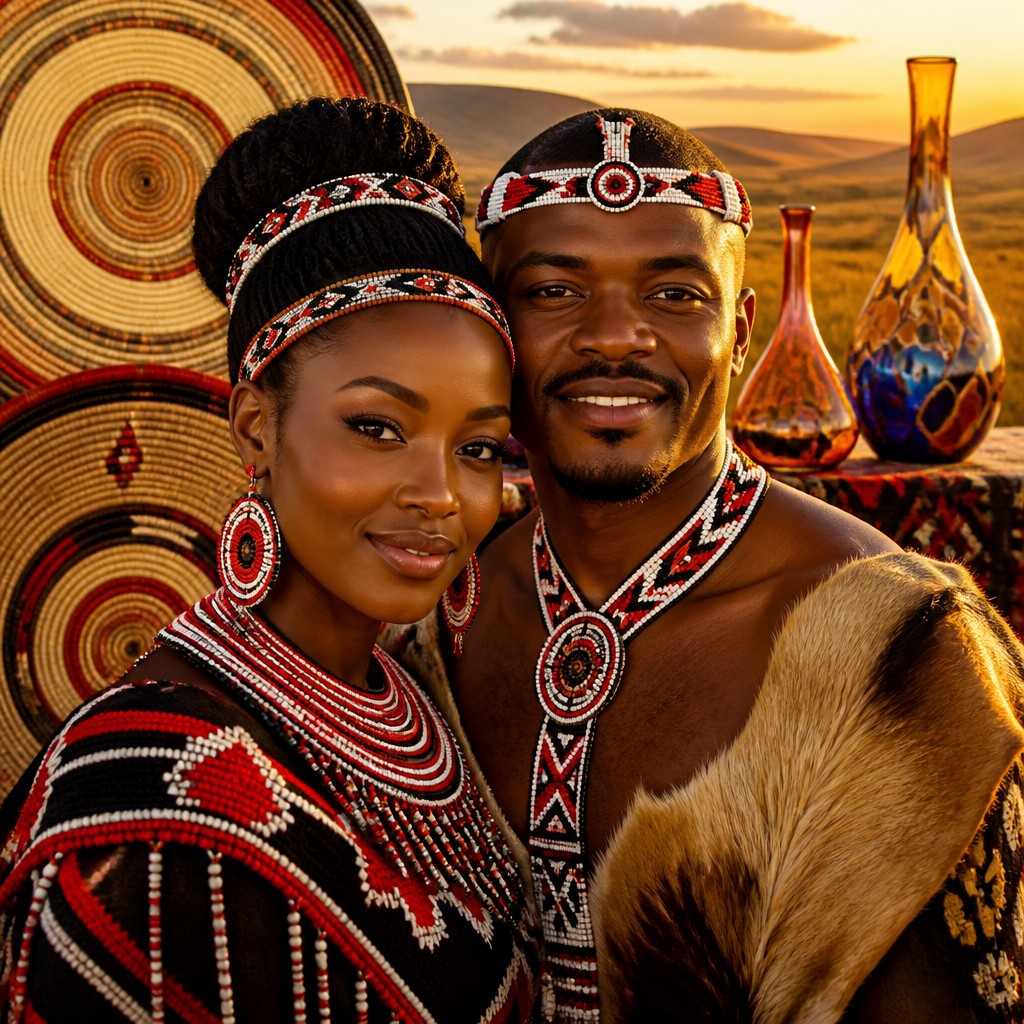
Try It On Your Photos
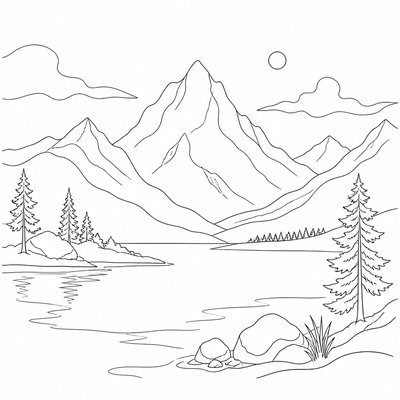
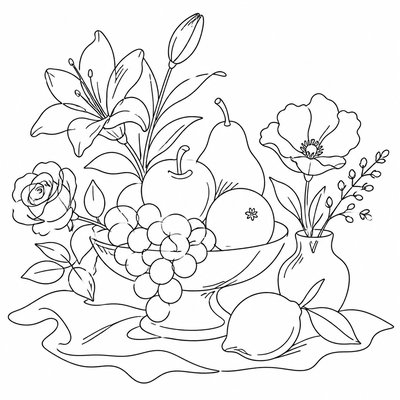
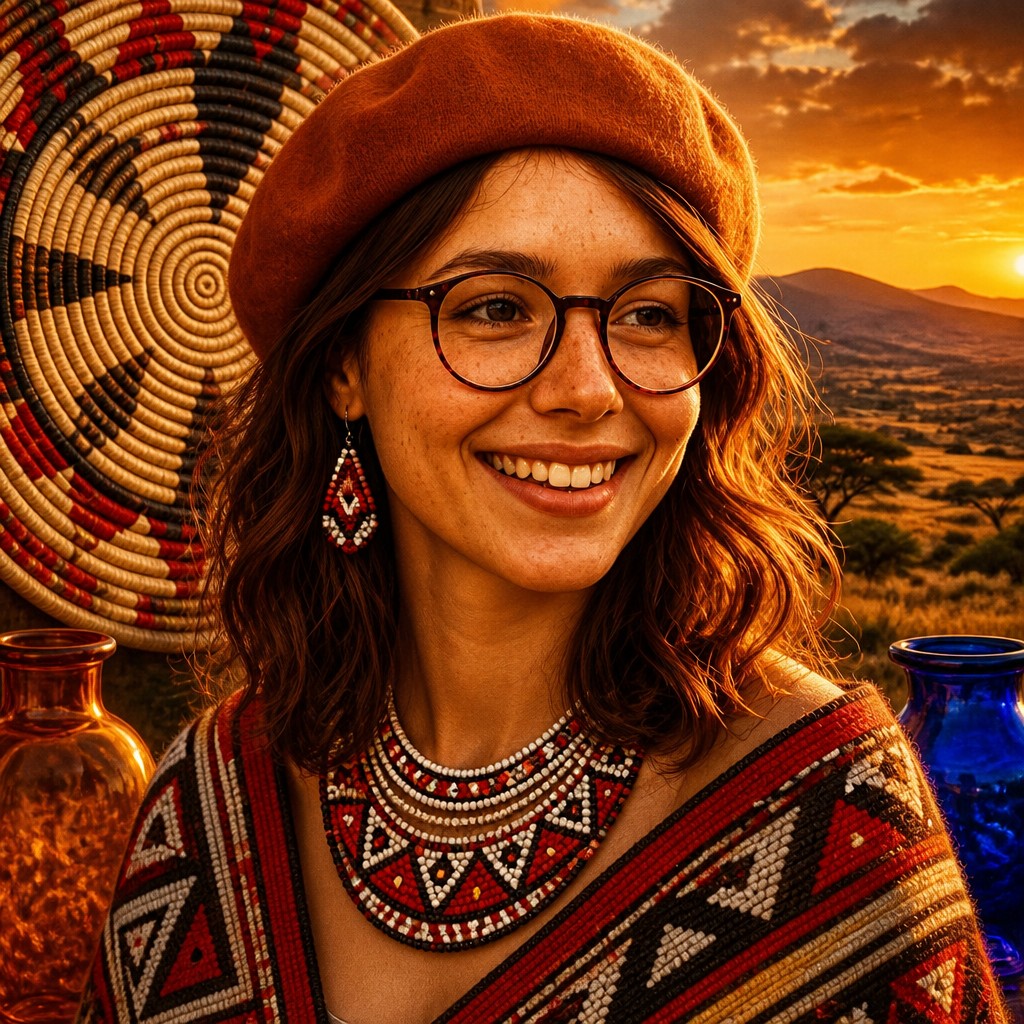
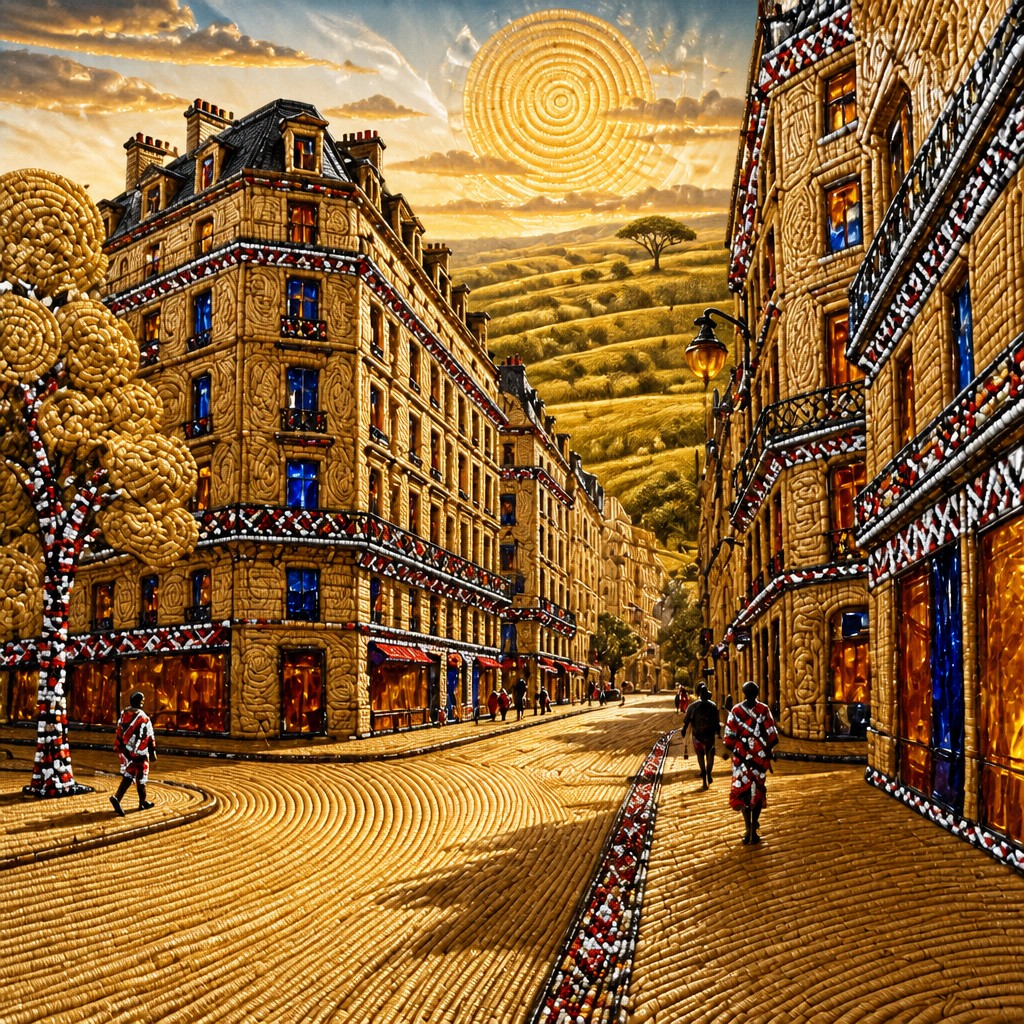
Upload any photo and convert it into Eswatini Art Style — drag the sliders to compare before and after.


What Defines Eswatini Art Style
The signature details, up close
Radiating grass coils
Circular and spiral structures echo the coiled construction of lutindzi grass baskets. Fine parallel fibers, concentric bands, and visible hand irregularities give surfaces a tactile, organic character.
Swazi beadwork geometry
Red, black, white, and occasionally yellow or blue beads appear as stepped diamonds, chevrons, stripes, and linked geometric strands. Patterns should remain crisp enough to read as deliberate ornament rather than random decoration.
Jewel-toned glass
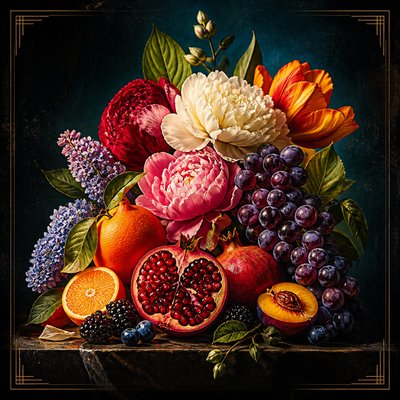
Hand-blown glass forms introduce translucent amber, cobalt, emerald, turquoise, and ruby accents. Rounded highlights, thick rims, bubbles, and subtle variations in color suggest handmade glass rather than polished digital plastic.
Highveld and lowveld light
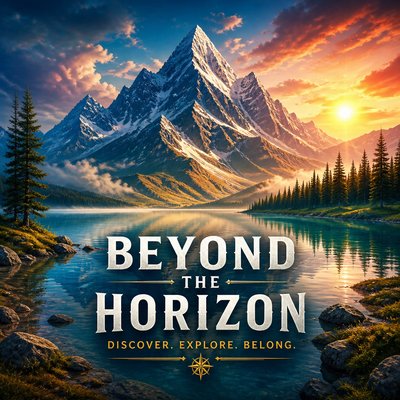
Warm golden illumination evokes open grassland, strong sun, and late-afternoon haze. Soft atmospheric distance can be contrasted with sharply rendered craft details in the foreground.
Natural and handcrafted textures
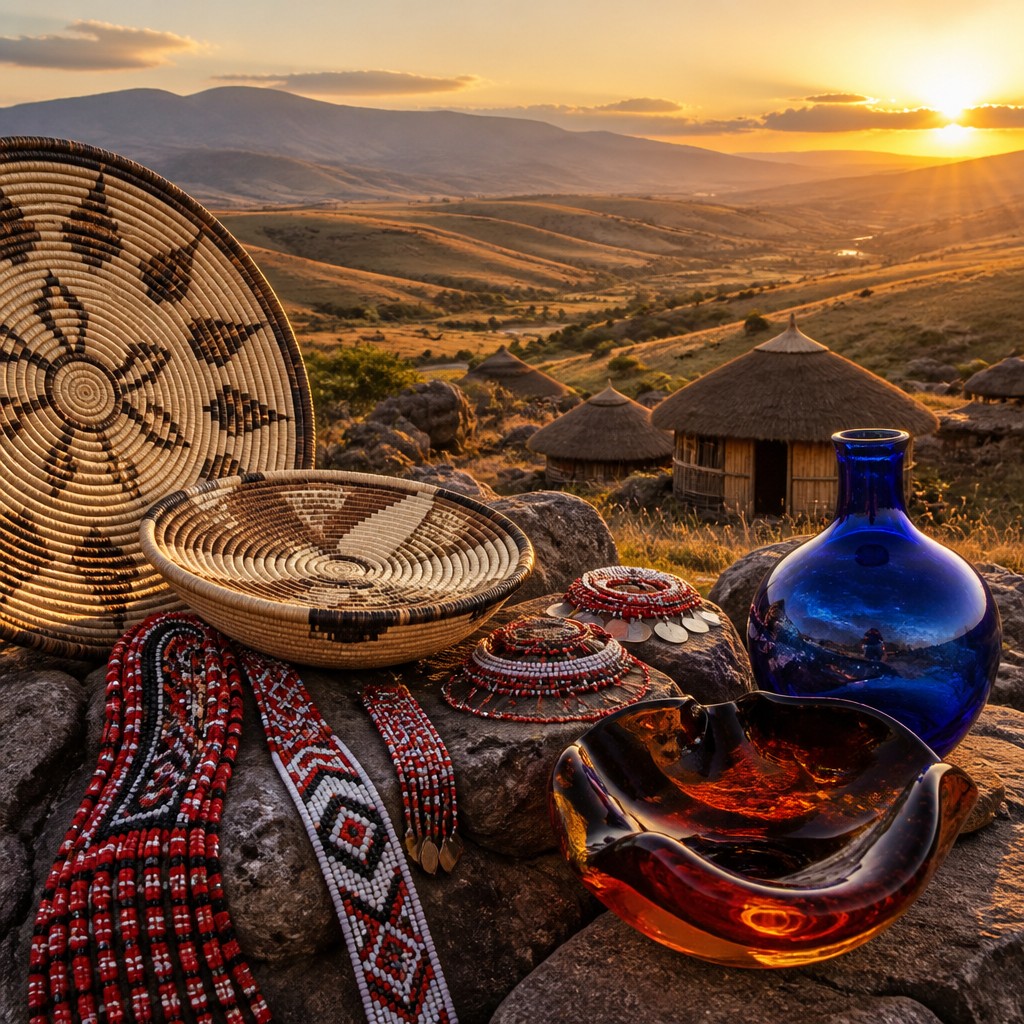
Dry grass, woven fibers, wood, clay, bead surfaces, and imperfect glass are central material cues. Slight asymmetry and evidence of handwork keep the imagery from feeling industrially uniform.
Earth-and-jewel palette
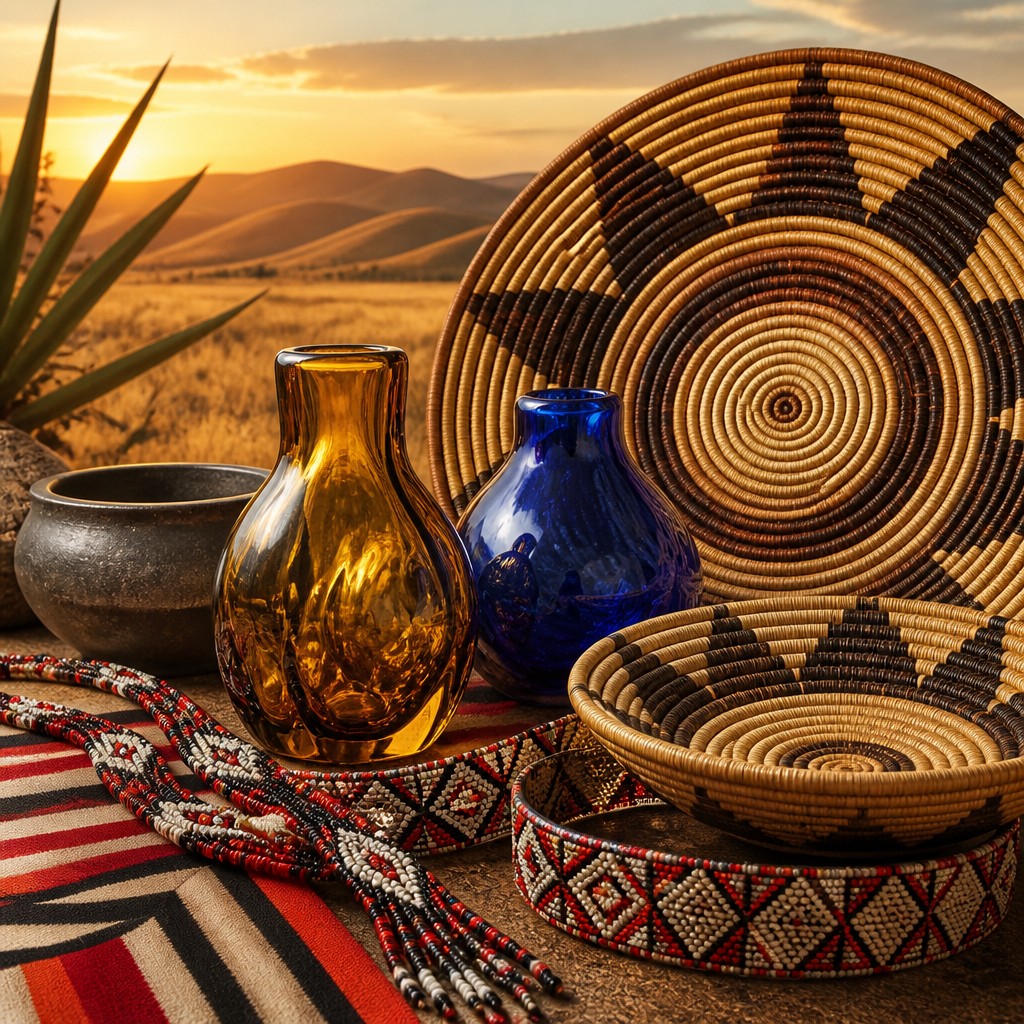
Ochre, sand, muted green, brown, and charcoal provide a grounded base for saturated amber, cobalt, scarlet, and white. The contrast between mineral earth tones and luminous color is a defining feature.
Circular rhythm and pattern
Spirals, rings, woven grids, bead chains, and repeated landscape contours organize the composition. These rhythms can shape objects, borders, clothing, architecture, or abstract backgrounds.
Eswatini Prompt Ideas
Start from an idea — each one opens the generator with the style ready to go. See all 40 Eswatini prompts →
How to Create Eswatini Art
Master the craft step by step — or skip straight to creating. Read the full guide →
- 1
Build with real fiber structure
For traditional work, coil or imitate basketry with fine grass, raffia, cord, or paper fiber, keeping the stitches and changing tension visible. In digital work, use layered linework and irregular strand thickness instead of a smooth spiral brush.
- 2
Use a disciplined color system
Start with warm grassland neutrals, then reserve scarlet, black, white, amber, and cobalt for focal patterns and glass accents. Limiting the palette helps the beadwork and translucent forms retain visual clarity.
- 3
Make materials behave differently
Give grass matte, fibrous edges; beads hard points and small specular highlights; and glass transparency, refraction, and thicker colored edges. Distinguishing these surface behaviors is more effective than simply adding texture.
- 4
Compose around circular rhythm
Arrange baskets, halos, vessels, sun disks, or landscape contours in concentric or repeating structures. Balance the regularity of geometric ornament with slight handmade variation.
- 5
Light the scene like crafted display
Use low, warm directional light with soft golden haze, while adding controlled highlights to glass and beads. Keep the woven areas comparatively diffuse so the materials remain visually distinct.
- 6
Write precise image prompts
Specify the subject first, then request lutindzi grass coils, red-black-white beadwork, hand-blown amber and cobalt glass, highveld grassland, and warm lowveld light. Add terms such as tactile fibers, handmade asymmetry, translucent highlights, and woven radial pattern to guide surface detail.
The Story
History & Origins of Eswatini
This is not a formally documented historical art movement, but an invented contemporary style with a clear aesthetic lineage in Eswatini's craft traditions. It draws particularly on coiled grass basketry associated with lutindzi grass, Swazi beadwork, and the recycled-glass practices of the Ngwenya Glass craft industry, alongside the country's distinctive highveld and lowveld environments.
Its development is best understood as a respectful visual synthesis rather than a single traditional category. Digital image-making can combine these references into scenes, still lifes, portraits, and patterns, but should distinguish contemporary interpretation from the specific meanings and uses of individual Eswatini craft objects.
Influences: The style relates to Southern African basketry, beadwork, and material traditions, as well as contemporary craft design, vernacular landscape painting, pattern-based abstraction, and artisanal glassmaking. It also shares qualities with textile-inspired illustration and decorative arts that emphasize repetition, tactile surfaces, and a limited symbolic palette. Its closest references are material and regional rather than belonging to a named historical movement.
Frequently Asked Questions
What defines Eswatini Art Style?
It is defined by the combination of coiled lutindzi grass basket forms, Swazi beadwork geometry, jewel-toned hand-blown glass, and warm Eswatini landscape light. Tactile materials, circular rhythm, and a palette of earth tones with scarlet, black, white, amber, and cobalt are especially characteristic.
Is Eswatini Art Style a historical art movement?
No. It is a contemporary, AI-native or design-oriented synthesis rather than a formally established historical movement. Its visual references come from real Eswatini craft traditions and landscapes, so the style should not be presented as a single traditional art category.
What is lutindzi grass basketry?
Lutindzi is a grass used in Eswatini basket-making and other craft practices. Coiled construction produces spirals, rings, and radiating patterns, which are translated in this style into woven surfaces, borders, halos, and abstract compositions.
How does this style differ from generic African-inspired art?
It is more specific in its material references, focusing on Eswatini's grass basketry, Swazi beadwork, Ngwenya glass, and highveld and lowveld environments. Avoiding vague pan-African symbols and naming the actual craft cues produces a more grounded result.
What subjects work well in this style?
Baskets, vessels, portraits, market still lifes, ceremonial objects, craft workshops, and sunlit grassland scenes work particularly well. Circular compositions and close views of texture allow the woven, beaded, and glass elements to remain legible.
How can I create a convincing image in this style?
Describe the subject together with specific materials, color relationships, lighting, and pattern structure. Ask for visible fibers, handmade asymmetry, beadwork geometry, translucent glass, and warm directional light rather than relying only on a broad regional label.
Create your first Eswatini artwork
Describe anything — or upload a photo — and see it in Eswatini Art Style in seconds.
Related Styles
Discover similar art styles