Flower Painting Art Style
Explore Flower Painting: lush bouquets, luminous petals, botanical precision, and dramatic dark backgrounds inspired by historic still-life traditions.
Instantly rendered in Flower Painting — or transform a photo
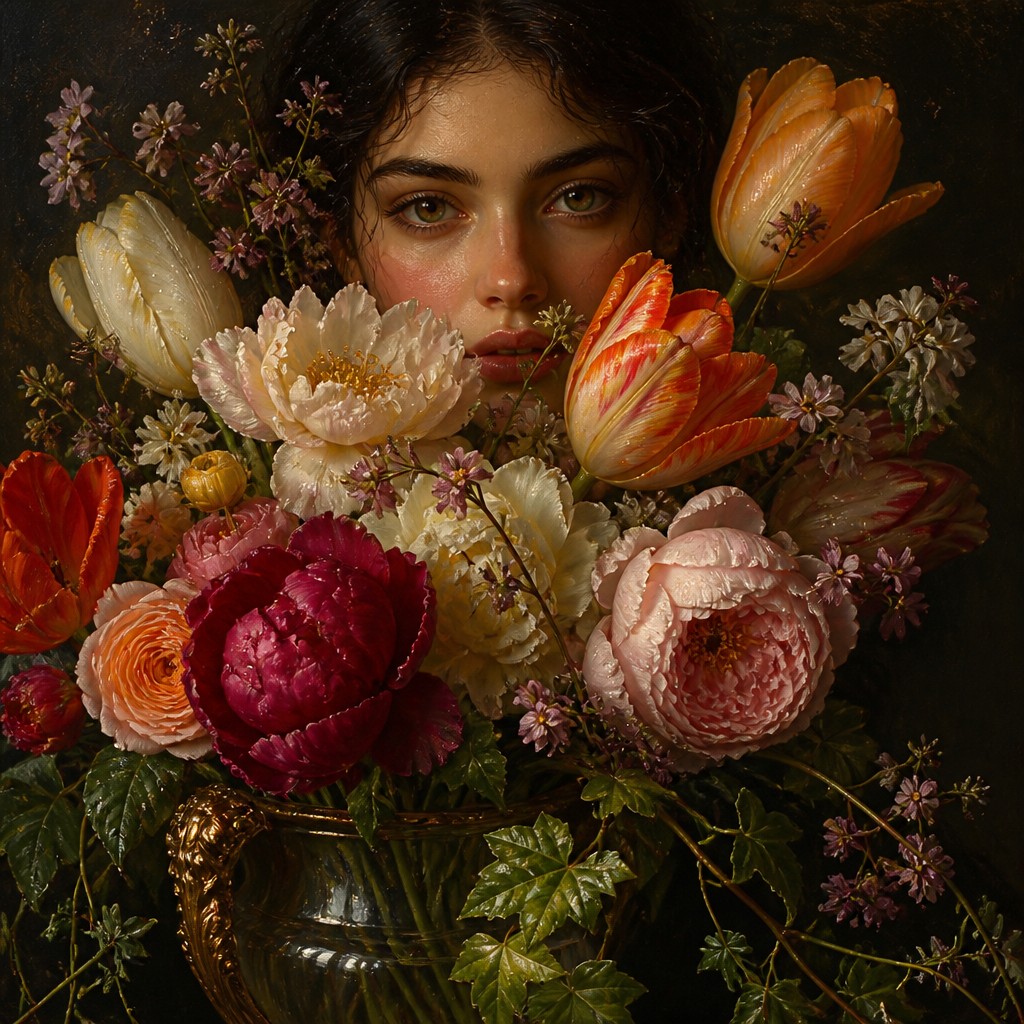
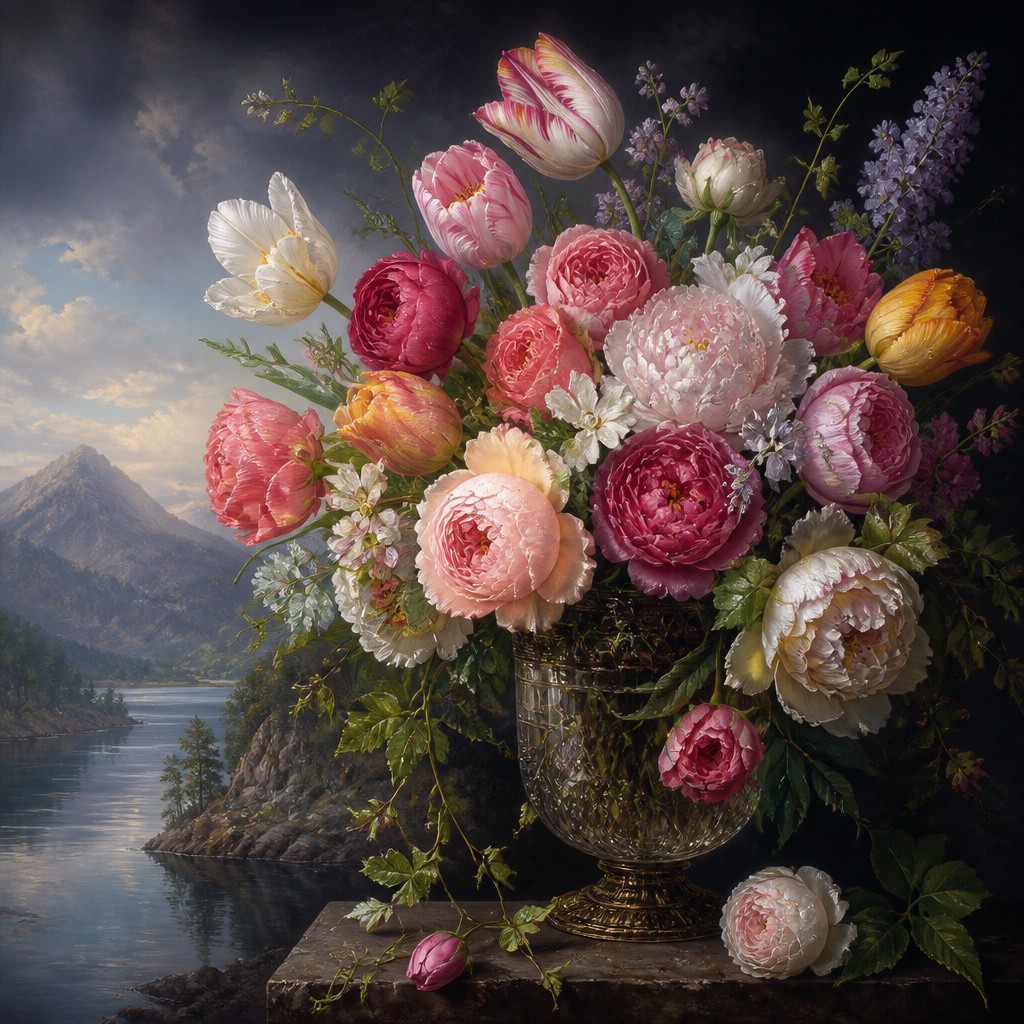
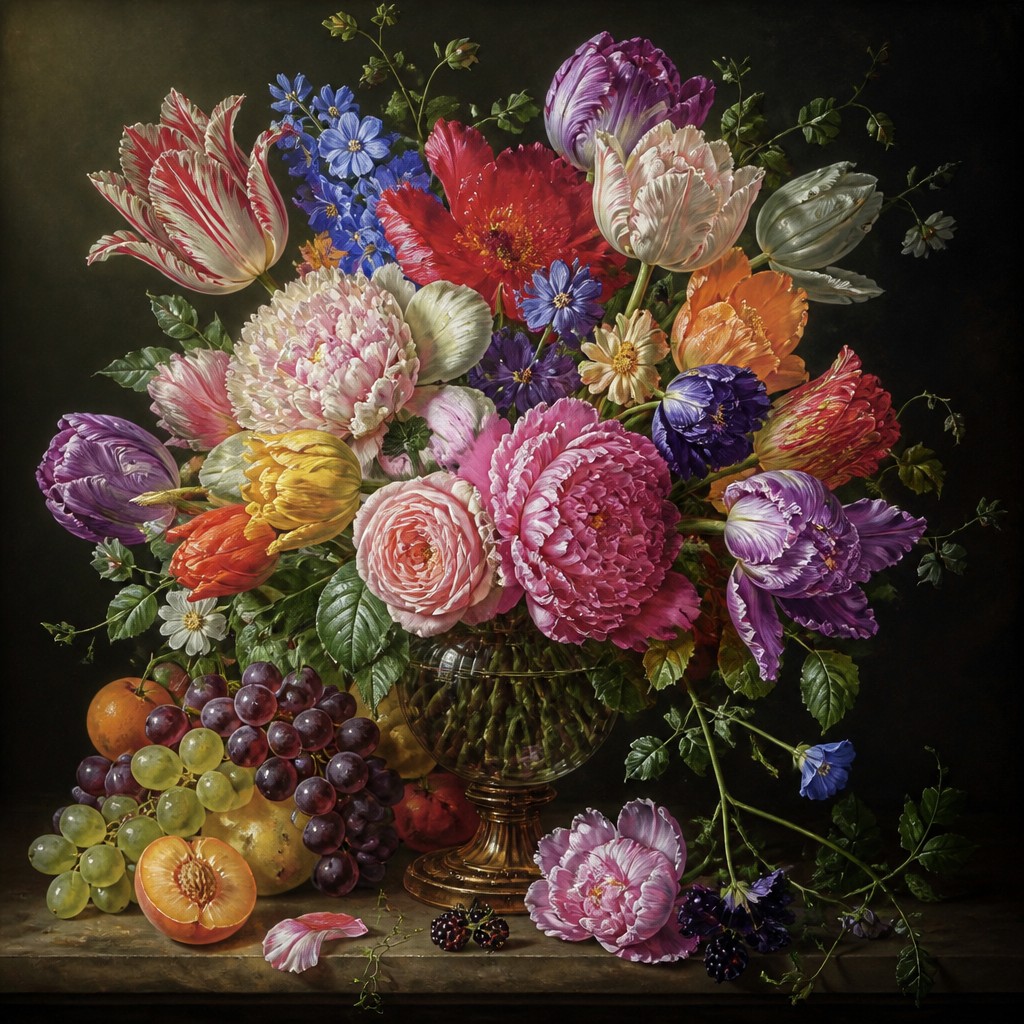
Flower Painting Gallery
Tap any artwork to explore it
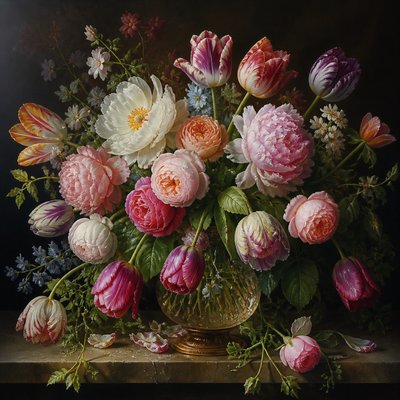
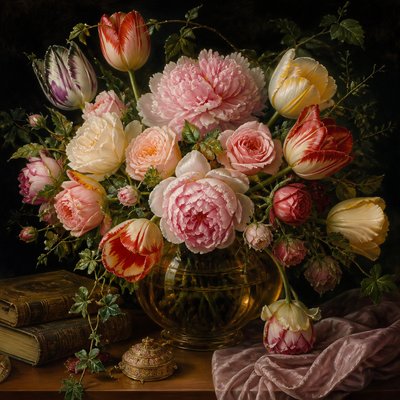
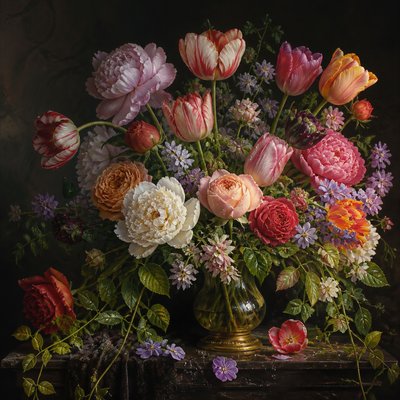
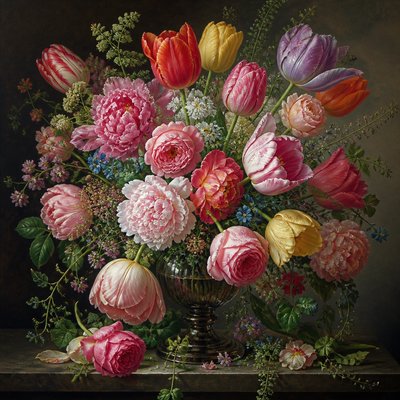
What is Flower Painting Art Style?
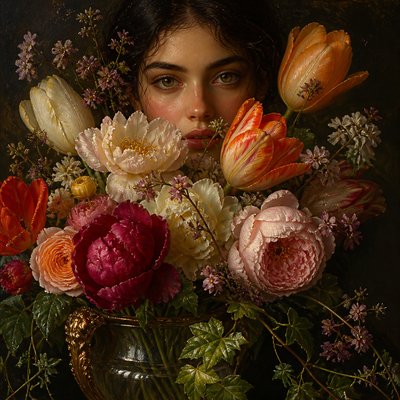
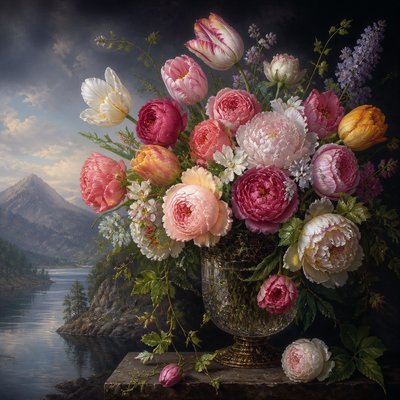
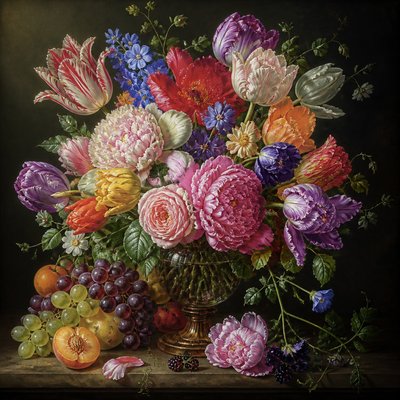
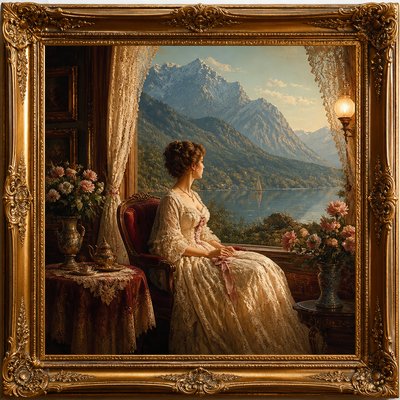
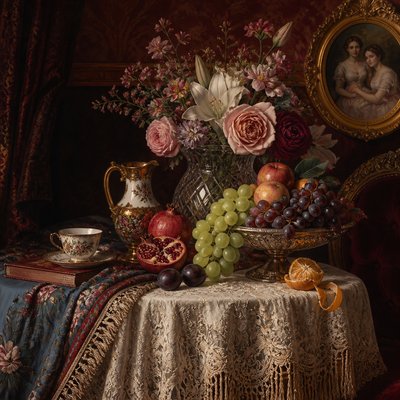
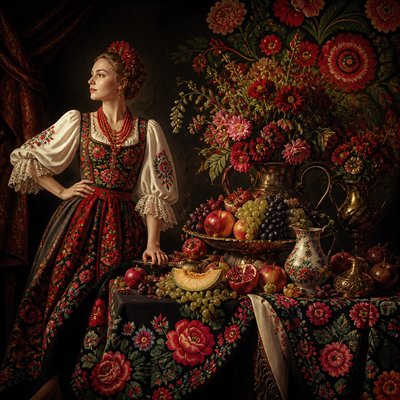
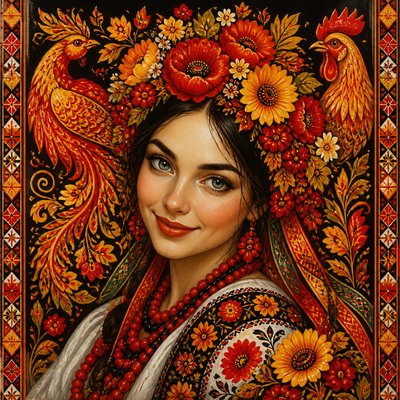
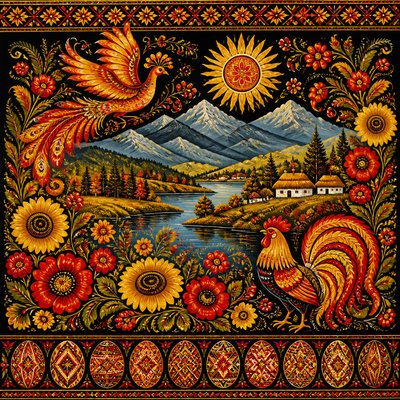
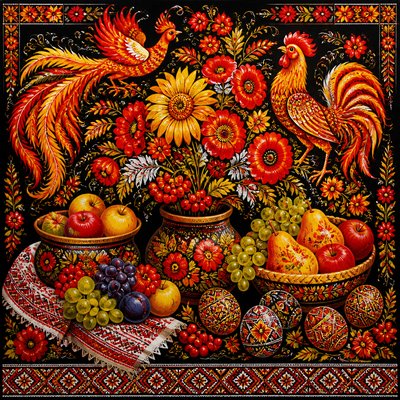
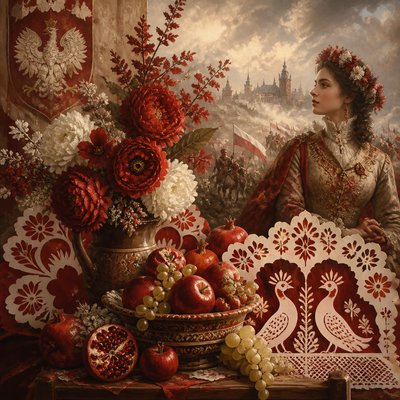
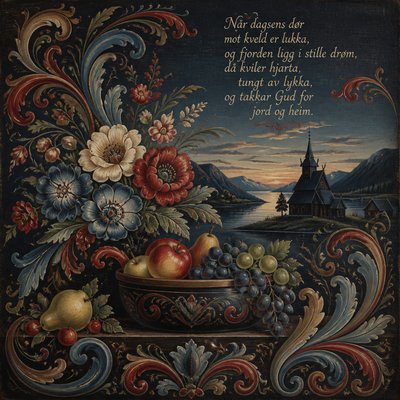
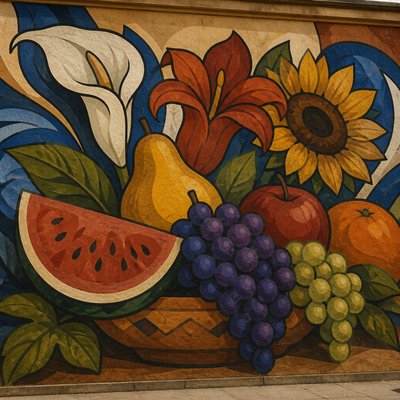
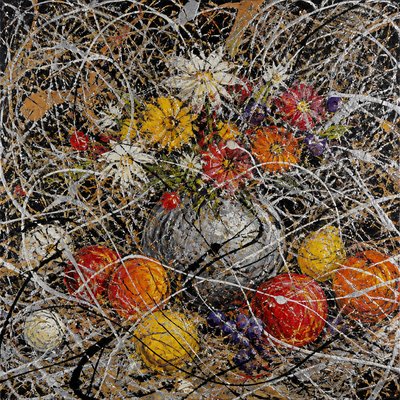
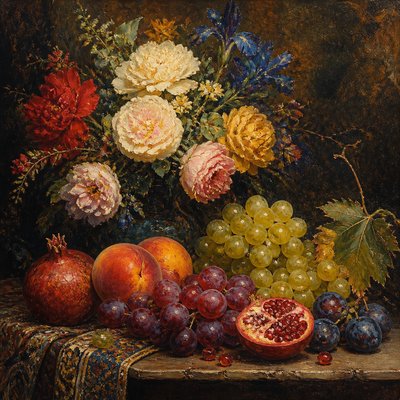
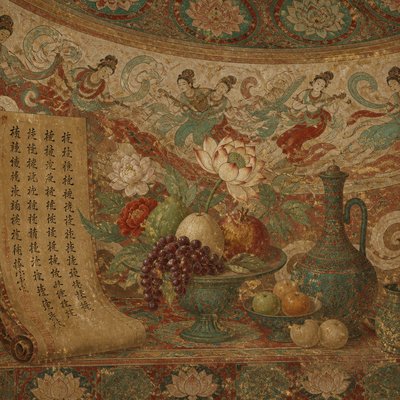
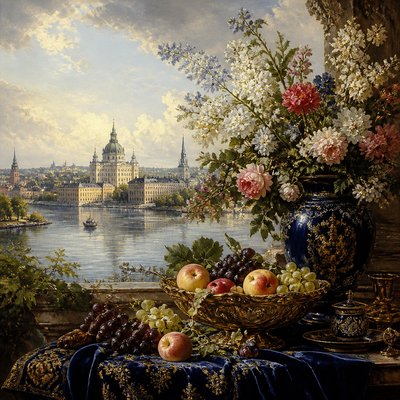
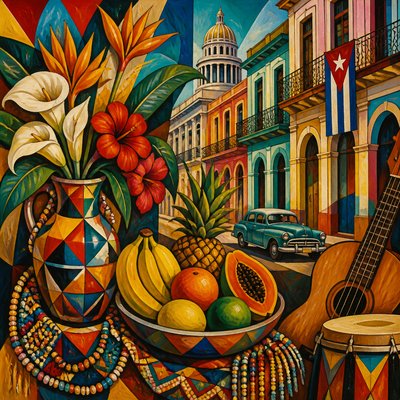
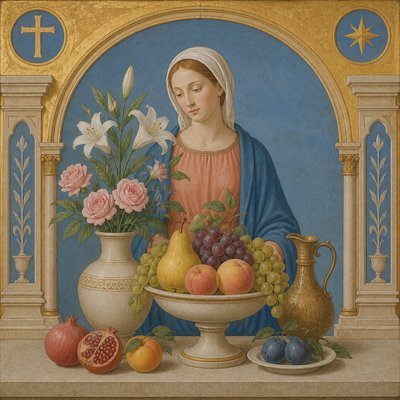
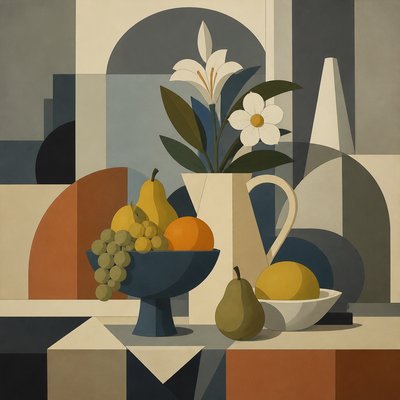
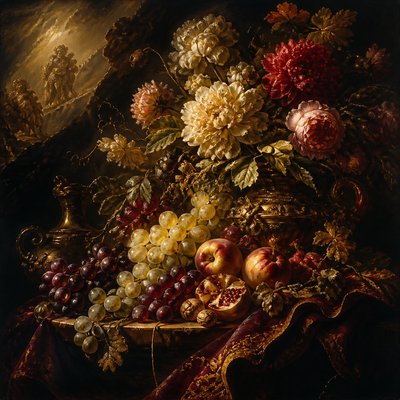
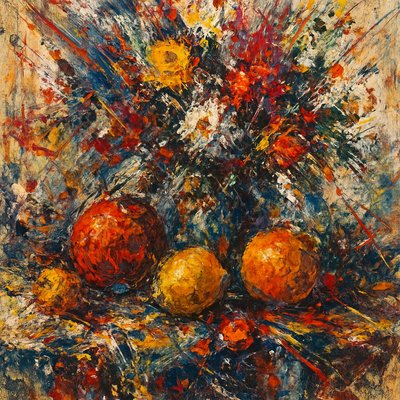
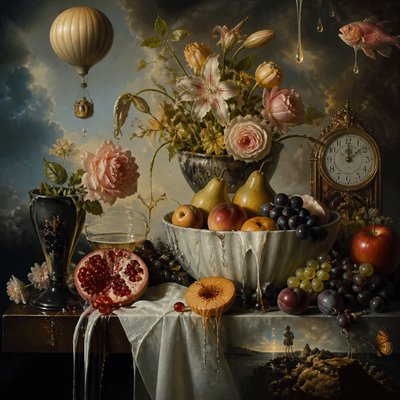
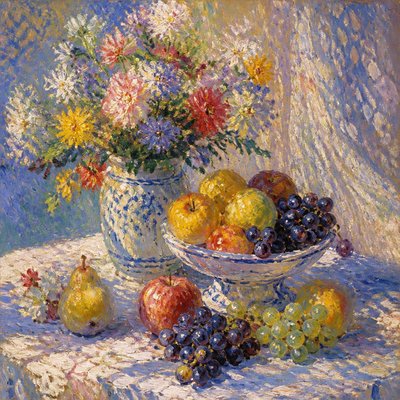
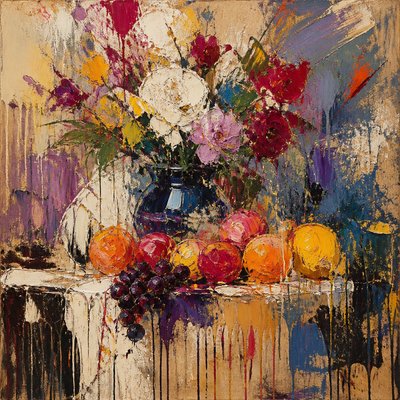
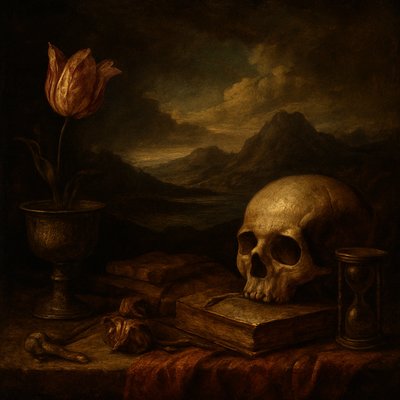
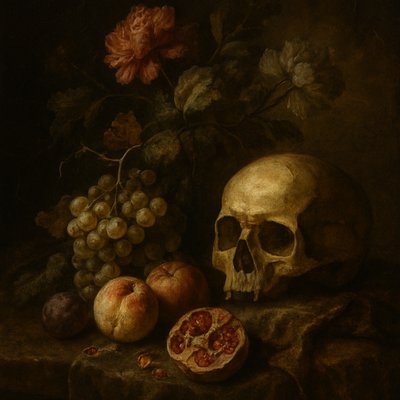
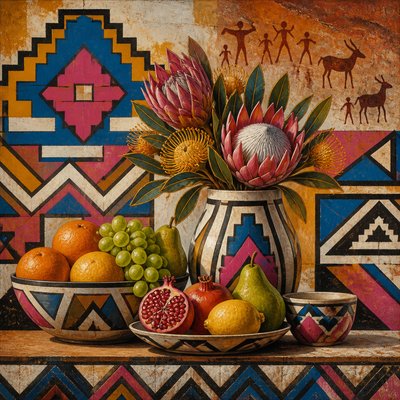
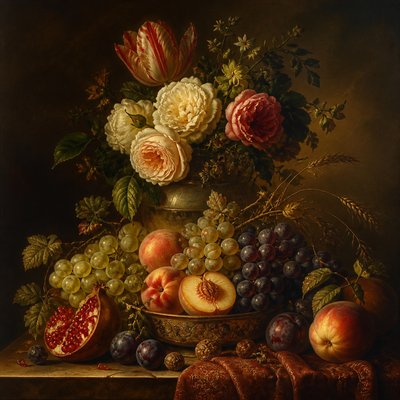
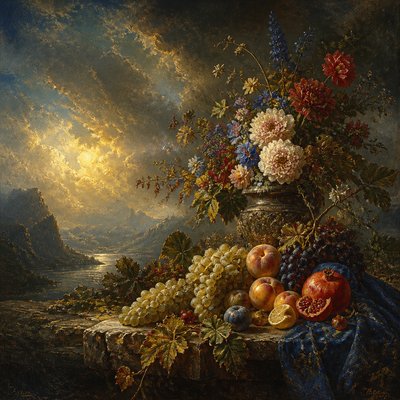
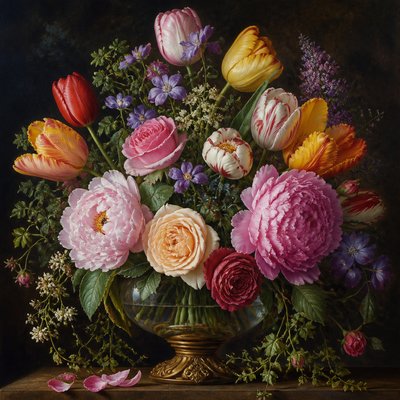
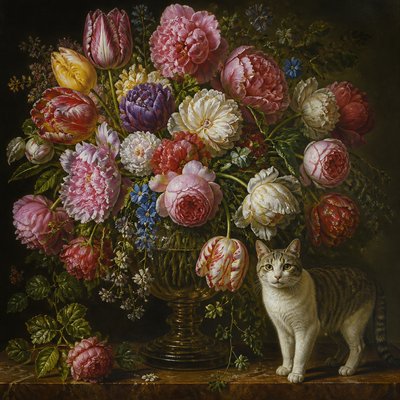
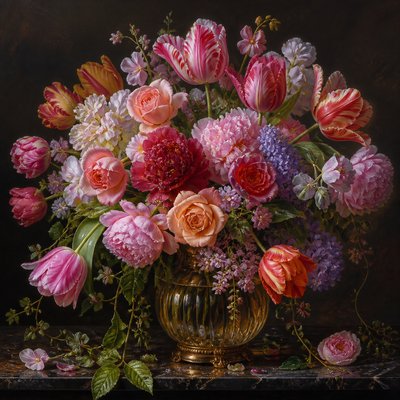
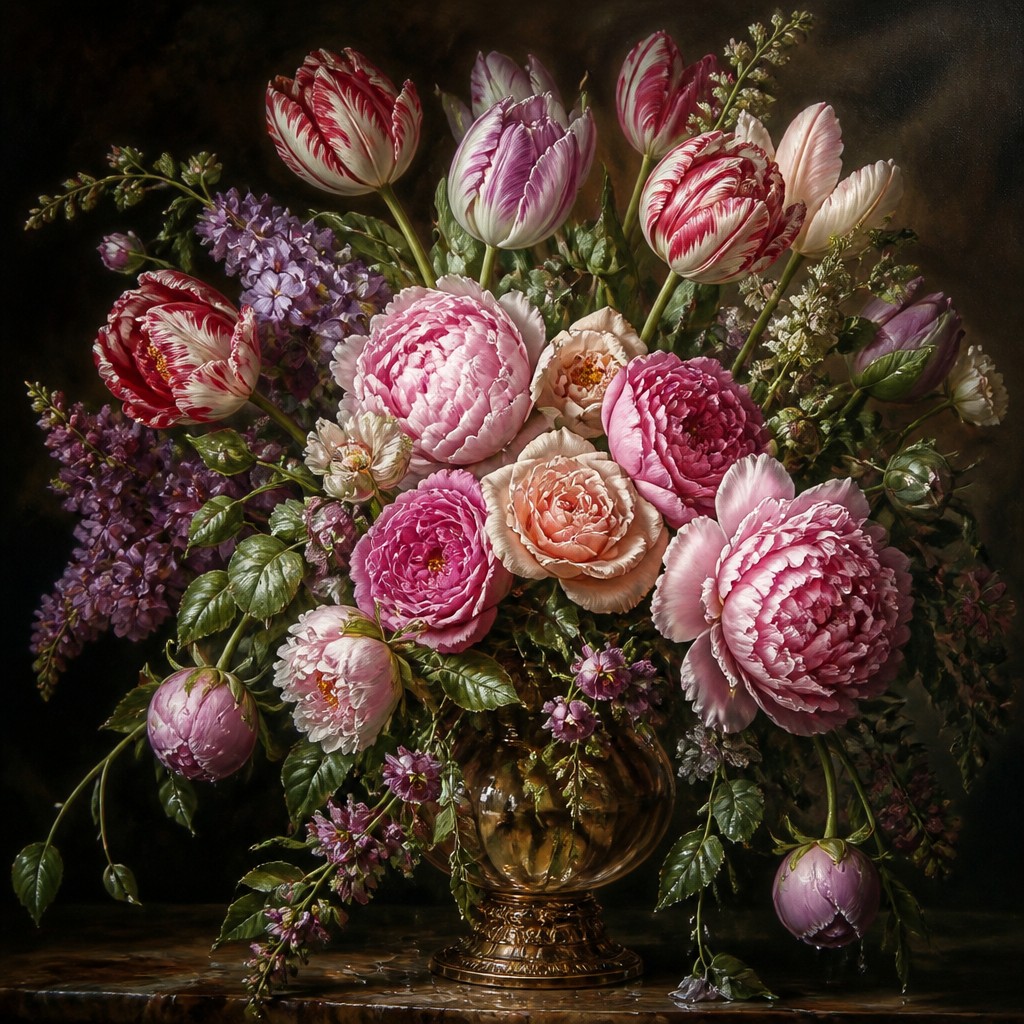
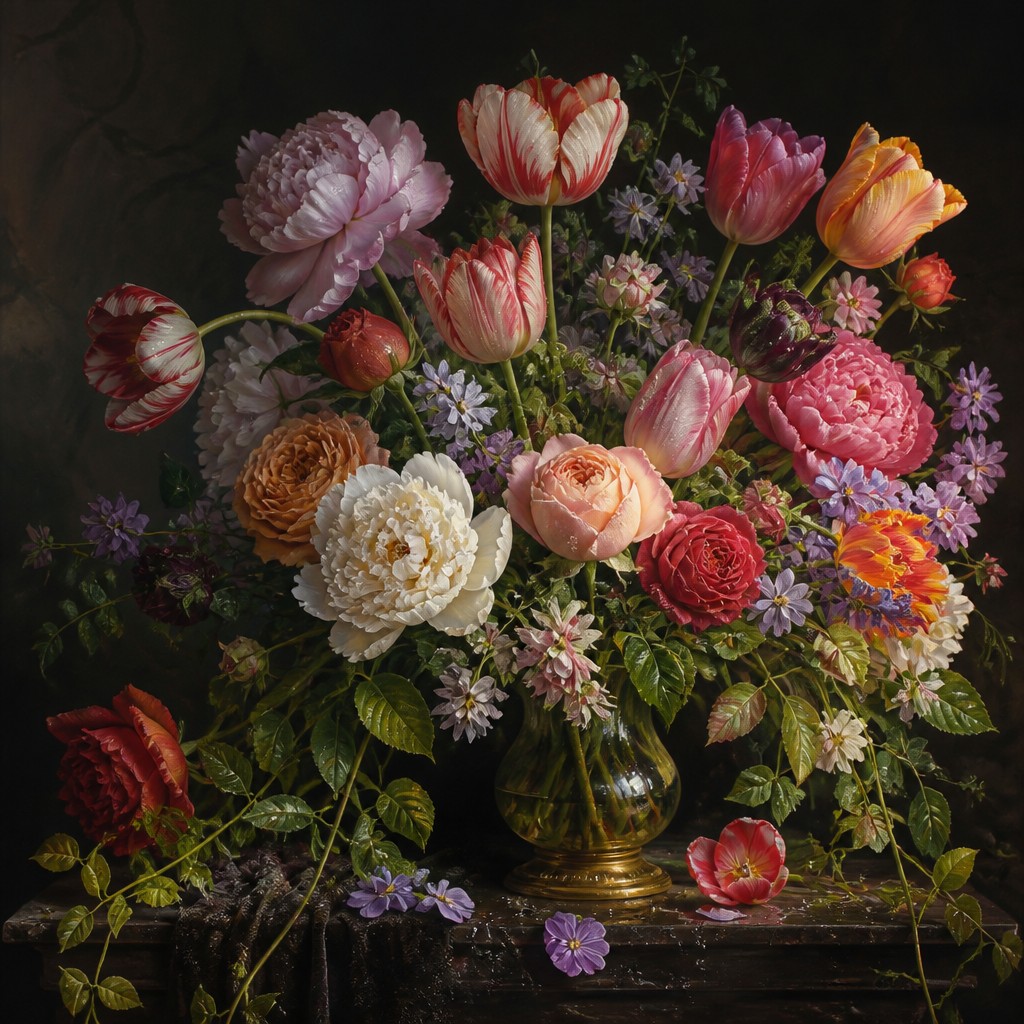
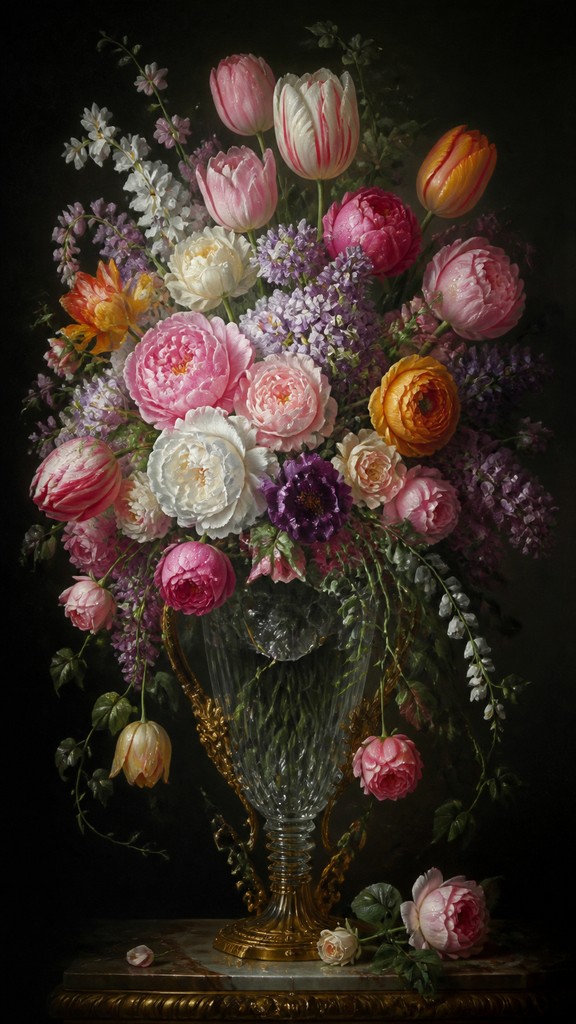
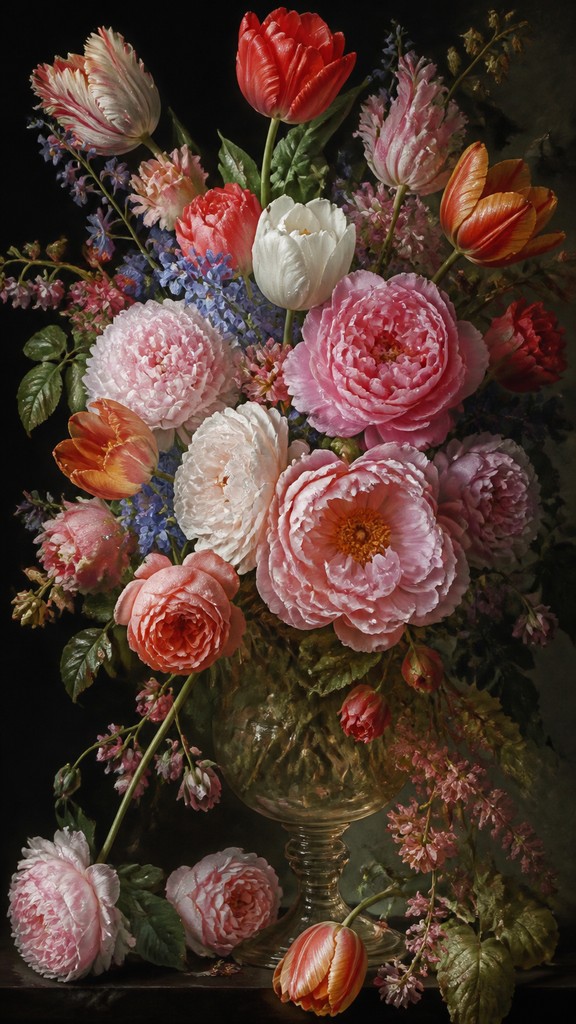
Flower Painting is a richly detailed still-life style centered on lavish bouquets arranged in glass or bronze vessels. Tulips, roses, peonies, and other blooms appear in full flower, often gathered into visually impossible combinations that unite different seasons in one composition. Dark grounds make the petals, stems, and dewdrops appear to glow.
Try It On Your Photos
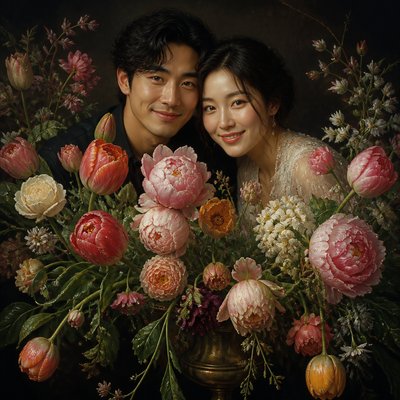
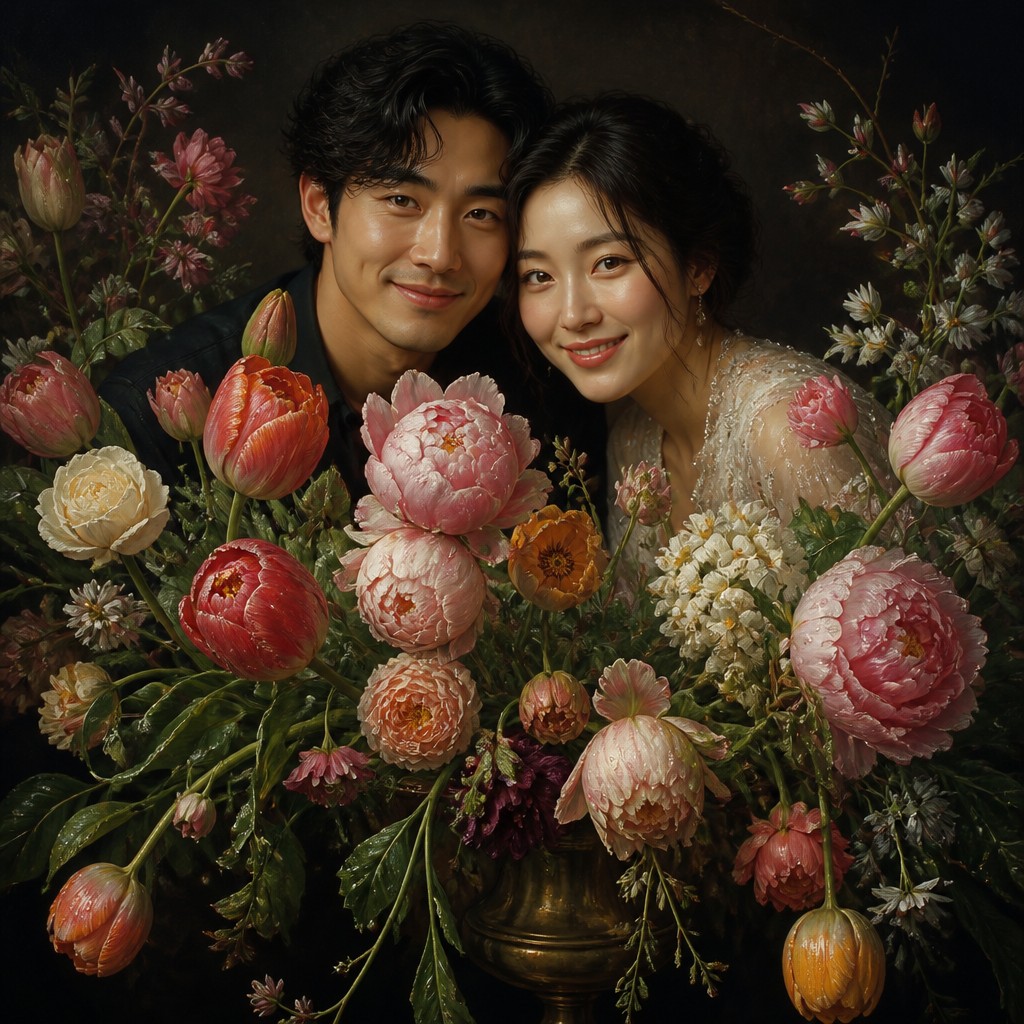
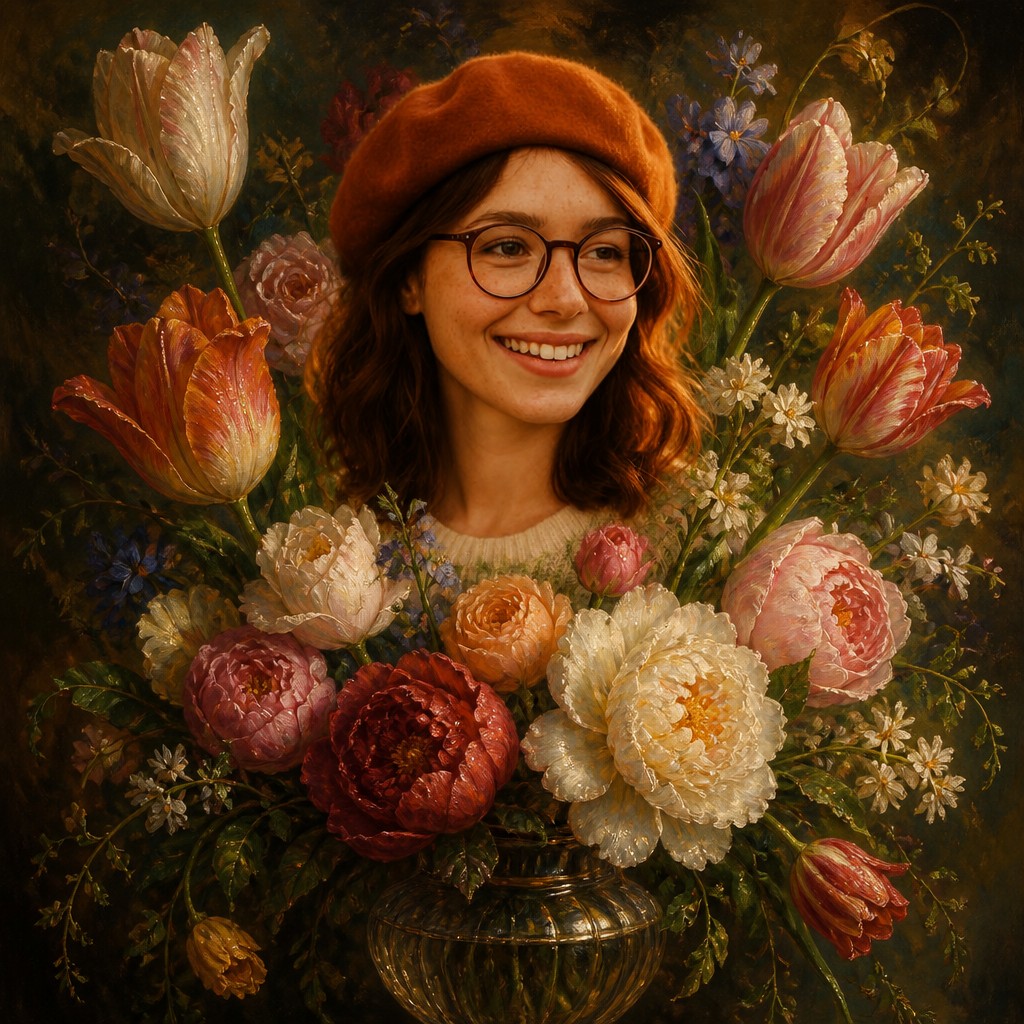
Upload any photo and convert it into Flower Painting Art Style — drag the sliders to compare before and after.


What Defines Flower Painting Art Style
The signature details, up close
Lavish mixed bouquets
The compositions combine abundant tulips, roses, peonies, lilies, and smaller filler flowers. Blooms are frequently shown at different stages, from tight buds to fully opened petals.
Impossible seasonal arrangements
Flowers that would not naturally bloom together are presented in a single bouquet. This visual impossibility creates an idealized garden suspended outside ordinary time.
Dark atmospheric backgrounds
Nearly black, brown, or deep green backgrounds provide strong contrast with the flowers. The setting recalls the dramatic illumination of Baroque still life without requiring a fully described interior.
Botanical precision
Petal folds, veins, stamens, leaves, stems, and droplets receive close attention. Individual species remain recognizable even within a dense arrangement.
Luminous painterly light
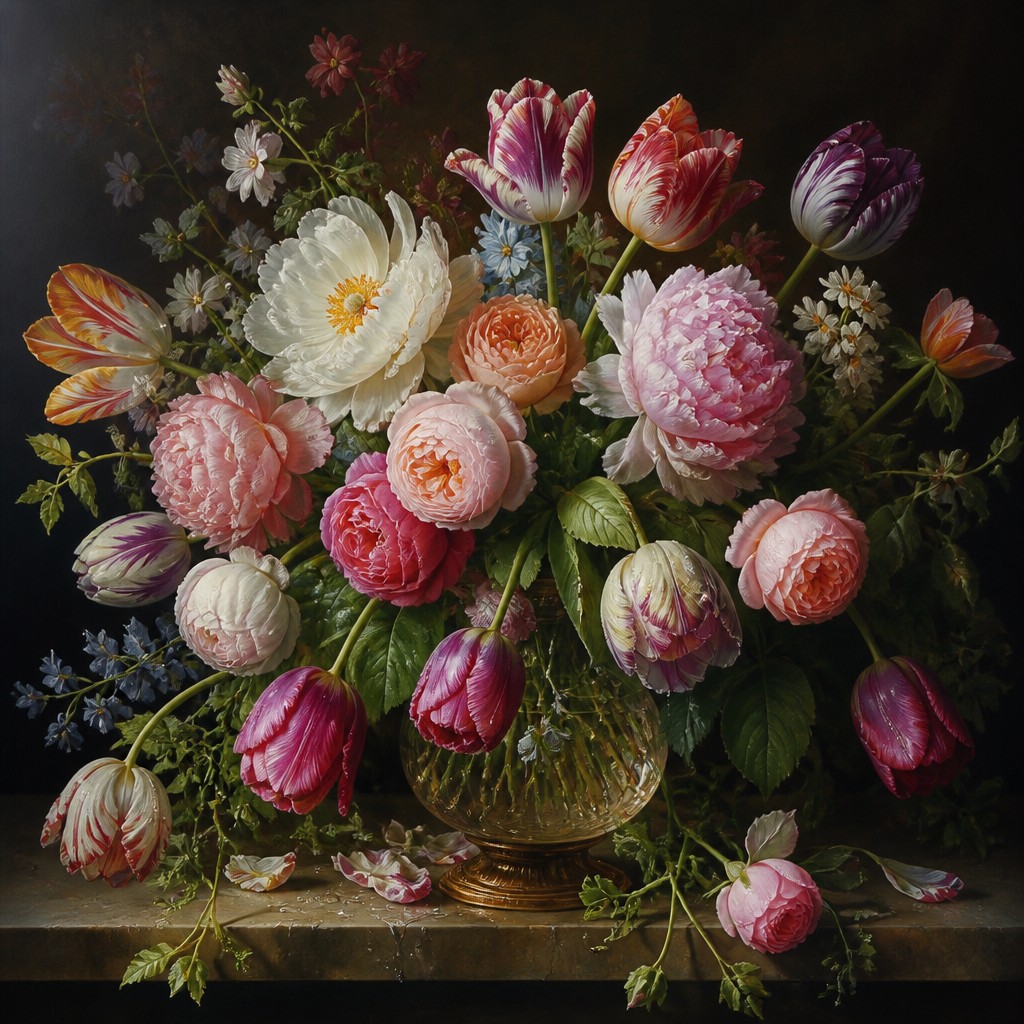
Soft directional light travels across petals and catches glossy surfaces such as glass, water, and moisture. Highlights are controlled rather than evenly distributed, creating depth and hierarchy.
Symbolic abundance
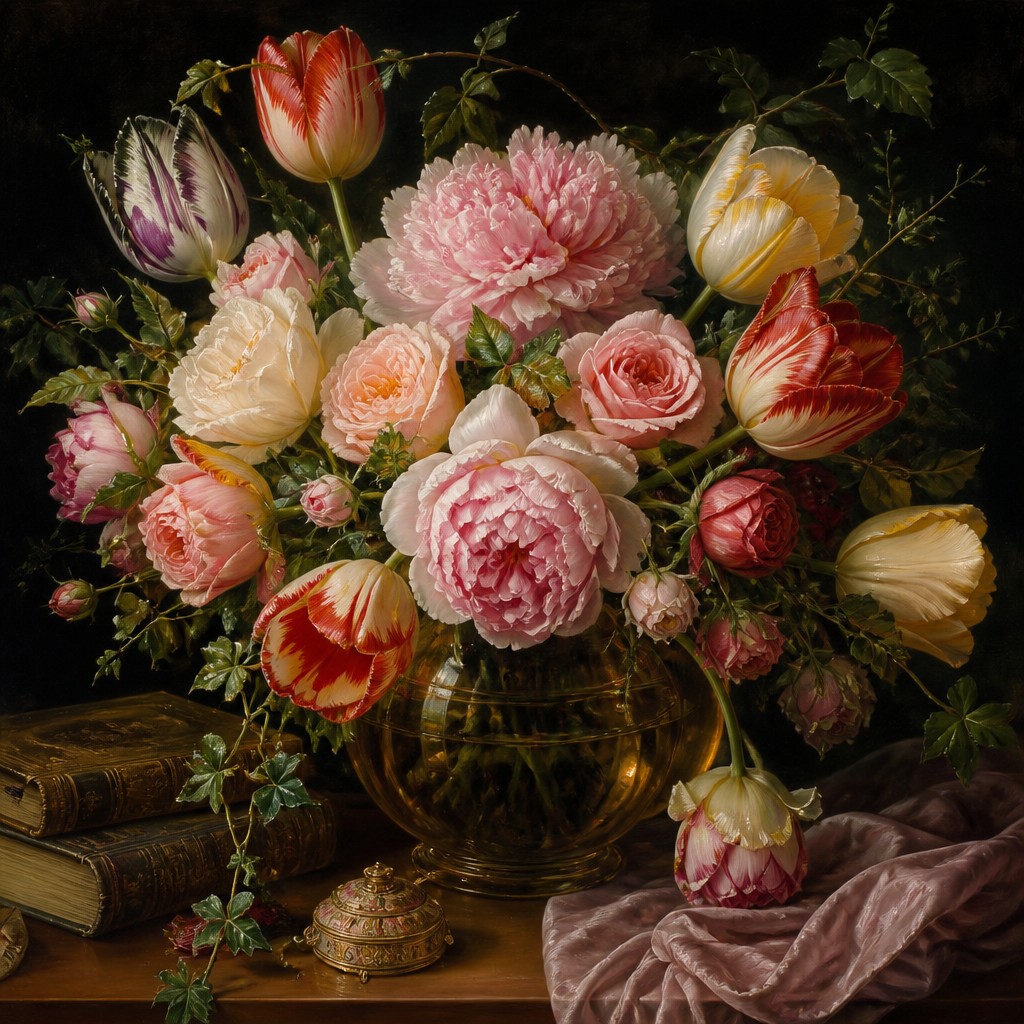
The overflowing bouquet can suggest beauty, prosperity, transience, renewal, or the fragility of life. Its decorative richness is balanced by the traditional still-life awareness of impermanence.
Elegant vessel and trailing stems
Glass vases reveal water and submerged stems, while bronze or ceramic vessels add weight and historical atmosphere. Curving stems and fallen petals extend the composition beyond the central mass.
Try It
Create Videos in Flower Painting Art Style
Styles aren't just for stills — describe a scene or animate an image and get a short video rendered in Flower Painting. Press play to see this pond come to life.
Make a VideoFlower Painting Prompt Ideas
Start from an idea — each one opens the generator with the style ready to go. See all 40 Flower Painting prompts →
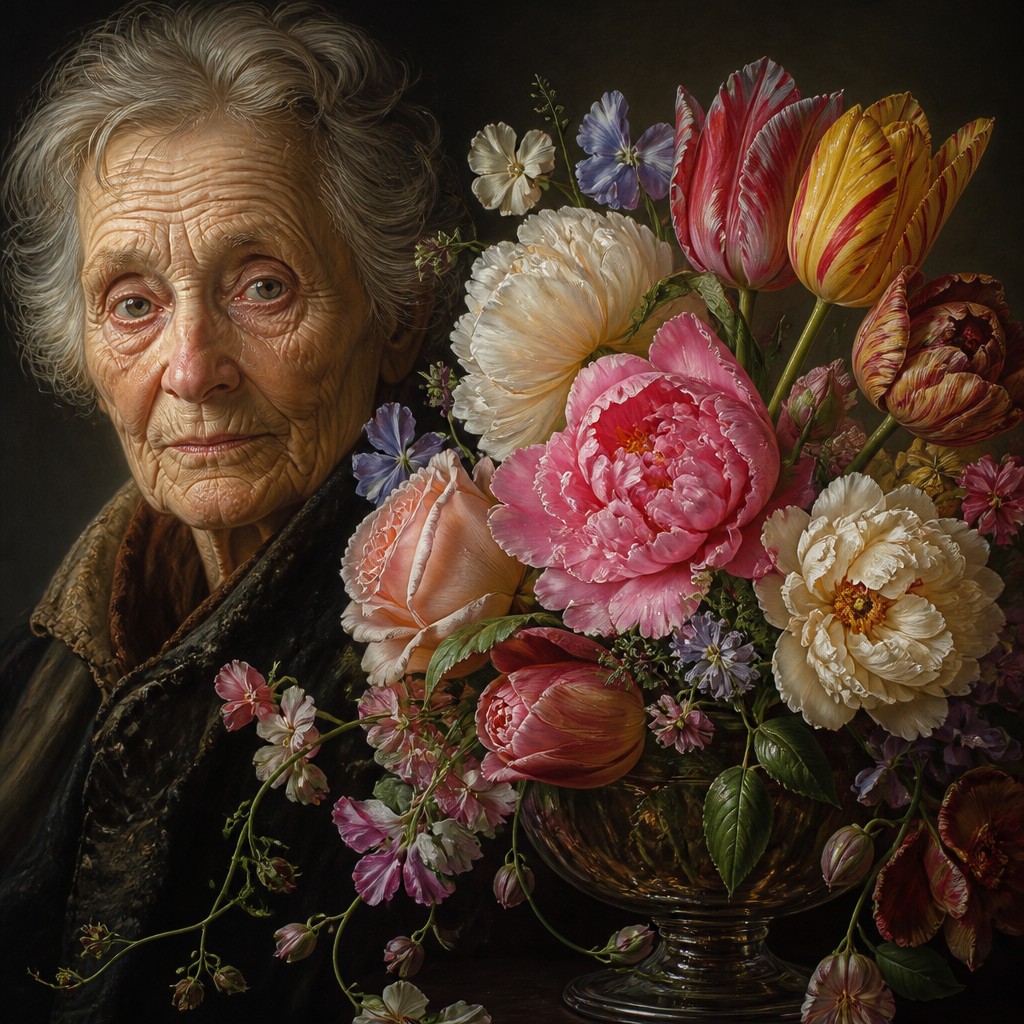
“close-up portrait of an elderly person with expressive weathered features”
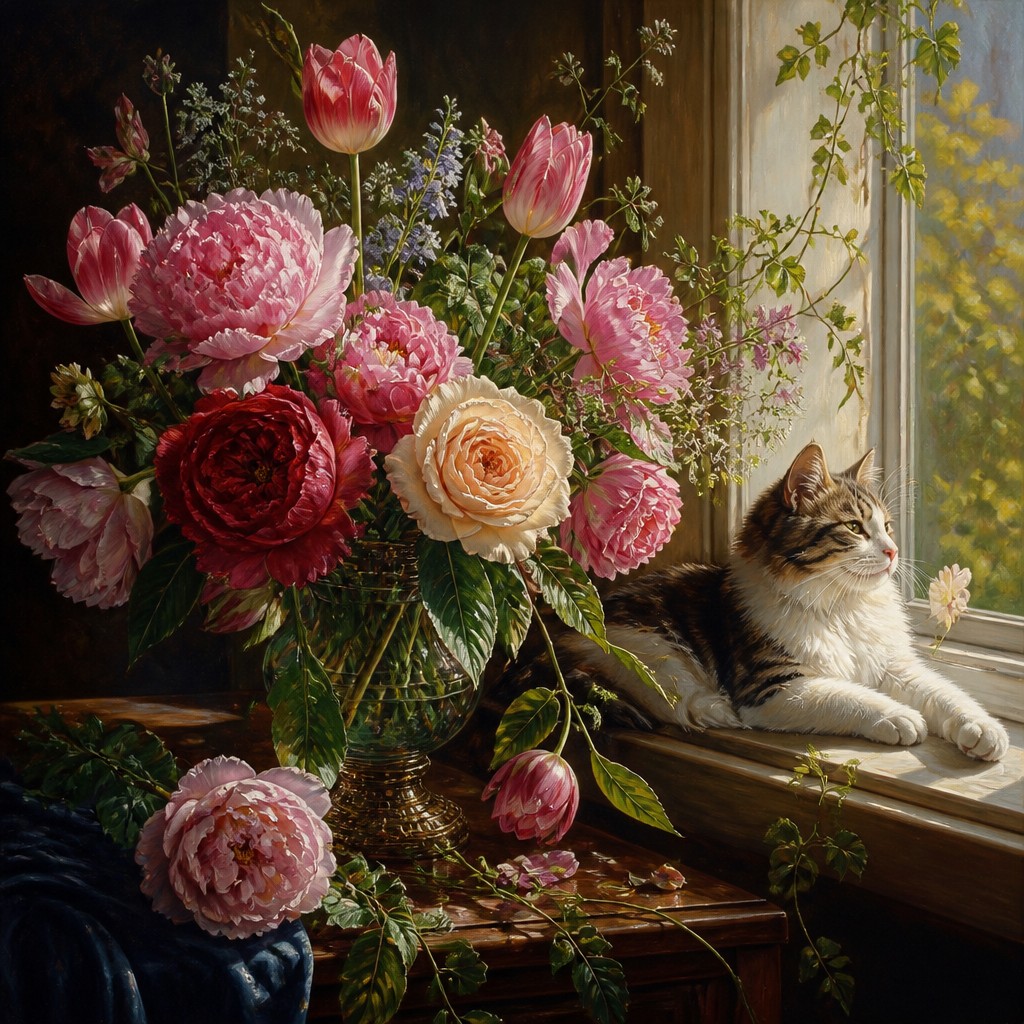
“a cat lounging in a sunlit window”
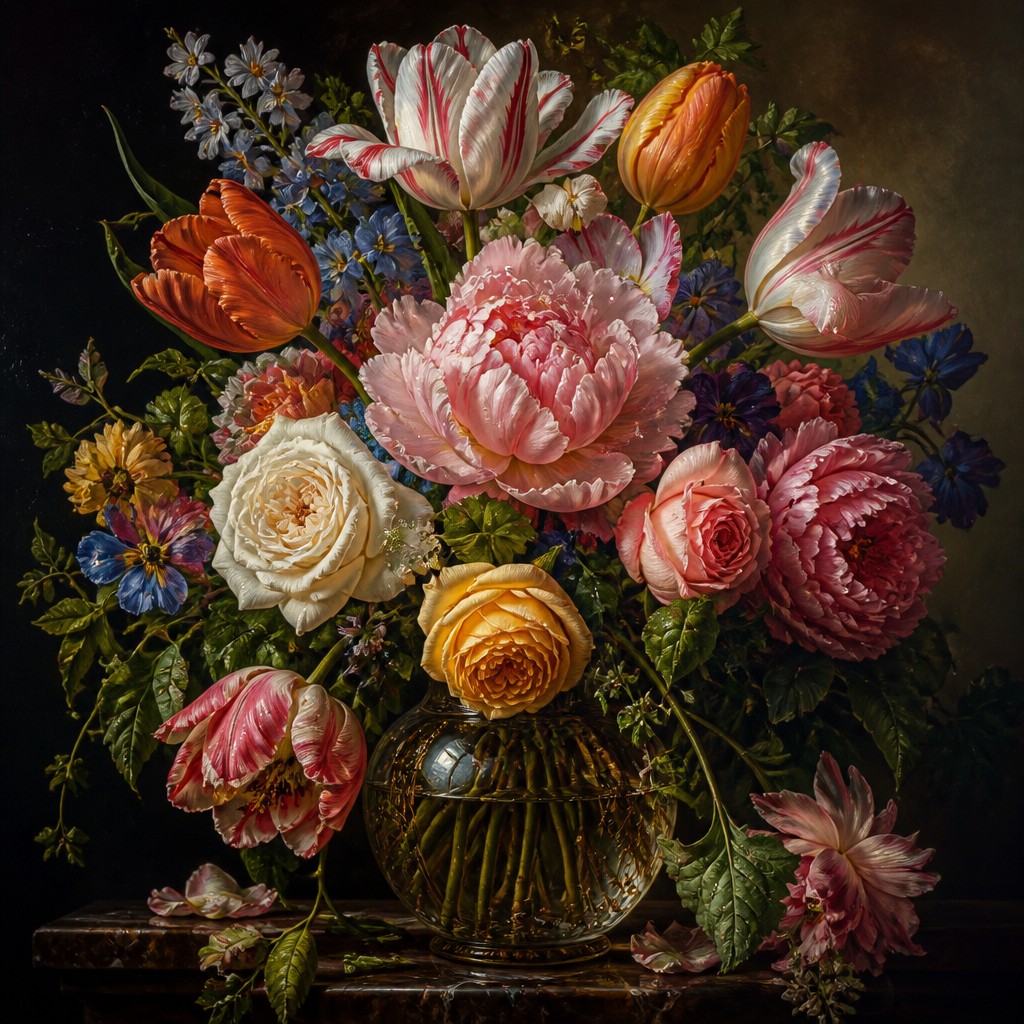
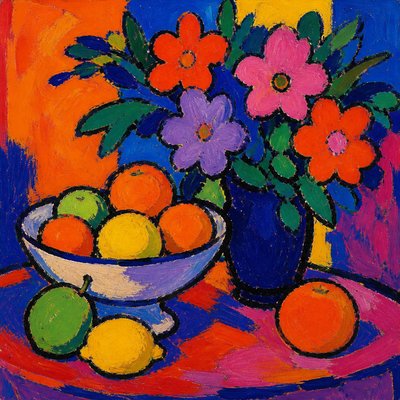
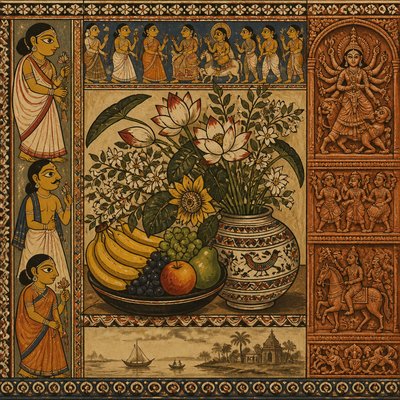
“bouquet of flowers in a glass vase”
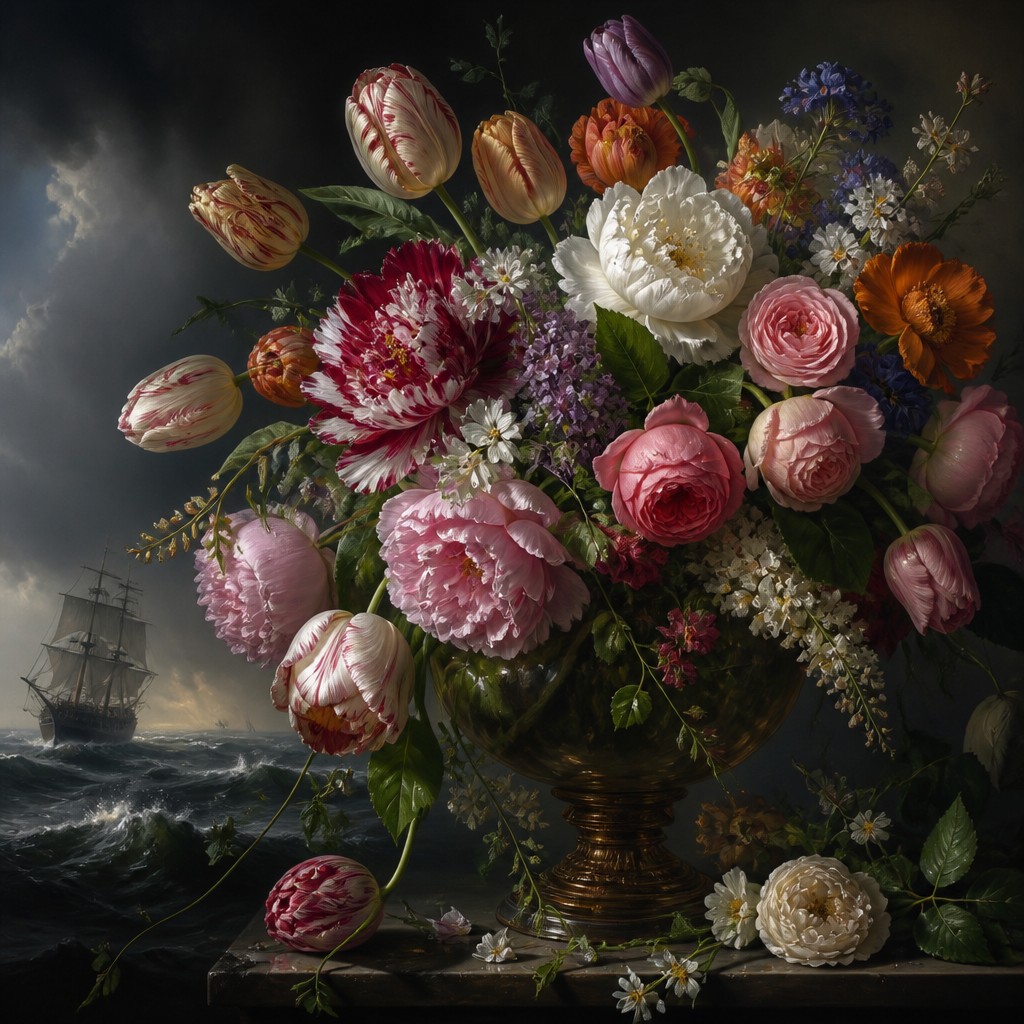
“sailing ship on a stormy sea”
How to Create Flower Painting Art
Master the craft step by step — or skip straight to creating. Read the full guide →
- 1
Build the arrangement in layers
Begin with the largest focal blooms, then add medium flowers, buds, leaves, and fine stems to create a convincing hierarchy. Vary the height, direction, and openness of each flower instead of making a symmetrical dome.
- 2
Use a controlled light source
Place a soft light above and to one side so that petals receive luminous edges while the background remains subdued. Reserve the brightest highlights for a few focal flowers, droplets, and reflective surfaces.
- 3
Balance observation with invention
Study real flowers for their petal structure and growth patterns, but combine species and seasons freely. A believable stem and leaf structure helps even an impossible bouquet feel visually coherent.
- 4
Paint or render surface variation
Use delicate brushwork for petals, sharper marks for veins and stamens, and transparent layers for glass and water. In digital painting, separate flowers, foliage, vessel, and background so their edges and luminosity can be refined independently.
- 5
Specify the visual hierarchy in a prompt
Describe the flower selection, vessel, background, lighting, surface details, and degree of botanical realism in that order. Add terms such as luminous petals, dewdrops, trailing stems, dramatic chiaroscuro, and meticulous botanical detail when seeking this appearance.
- 6
Protect clarity in image-to-image work
Use a well-lit image with a clear subject and moderate visual complexity, then preserve the original silhouette while applying the bouquet's dark, painterly atmosphere. If the result becomes muddy, reduce background detail and request distinct flower species with clean overlapping forms.
The Story
History & Origins of Flower Painting
This contemporary style draws primarily from Northern European flower still life of the seventeenth century, particularly the Dutch Golden Age tradition of meticulously observed bouquets, symbolic blooms, and dramatic light. It also inherits techniques from botanical illustration, Baroque chiaroscuro, and nineteenth-century floral painting, while treating botanical accuracy as a flexible foundation for imaginative arrangements.
Influences: The style is related to Northern European flower still life, Dutch Golden Age painting, Baroque chiaroscuro, botanical illustration, vanitas imagery, and nineteenth-century decorative floral painting. It also shares with contemporary hyperrealism an interest in surface detail, while its impossible combinations and heightened luminosity connect it to fantasy art and surreal still life.
Frequently Asked Questions
What defines Flower Painting as a style?
It is defined by an abundant bouquet, careful botanical detail, luminous petals, and a dark atmospheric background. The arrangement often combines flowers from different seasons and uses a glass or metal vessel to add reflection, transparency, and historical still-life character.
Is Flower Painting a historical art movement?
The phrase is best understood as a descriptive or contemporary style label rather than a single established historical movement. Its visual language is rooted in Northern European flower still life, Baroque lighting, botanical illustration, and later floral painting.
How does it differ from a typical floral still life?
A typical floral still life may be sparse, modern, or arranged in a plainly observed domestic setting. Flower Painting emphasizes lavish abundance, dramatic contrast, idealized seasonal combinations, and a highly polished focus on petals, moisture, stems, and vessel surfaces.
Can Flower Painting be created digitally?
Yes. Digital painting can reproduce its layered petals, controlled highlights, transparent glass, and deep background values with brushes, masks, and adjustment layers. Image-generation tools can also produce the look when prompts clearly specify the flowers, vessel, lighting, and botanical detail.
How can I make the bouquet look realistic?
Give each species its own petal structure, leaf shape, and growth direction. Vary scale and focus, keep stems connected to the vessel, and use overlapping forms and cast shadows to prevent the arrangement from looking like a flat collection of isolated flowers.
Where is this style commonly used?
It suits decorative wall art, editorial imagery, book and packaging design, interior visuals, greeting cards, and museum-inspired still-life studies. Its strong contrast and rich color also make it effective for digital wallpapers and portrait backgrounds.
Create your first Flower Painting artwork
Describe anything — or upload a photo — and see it in Flower Painting Art Style in seconds.
Related Styles
Discover similar art styles