Stockholm Art Style
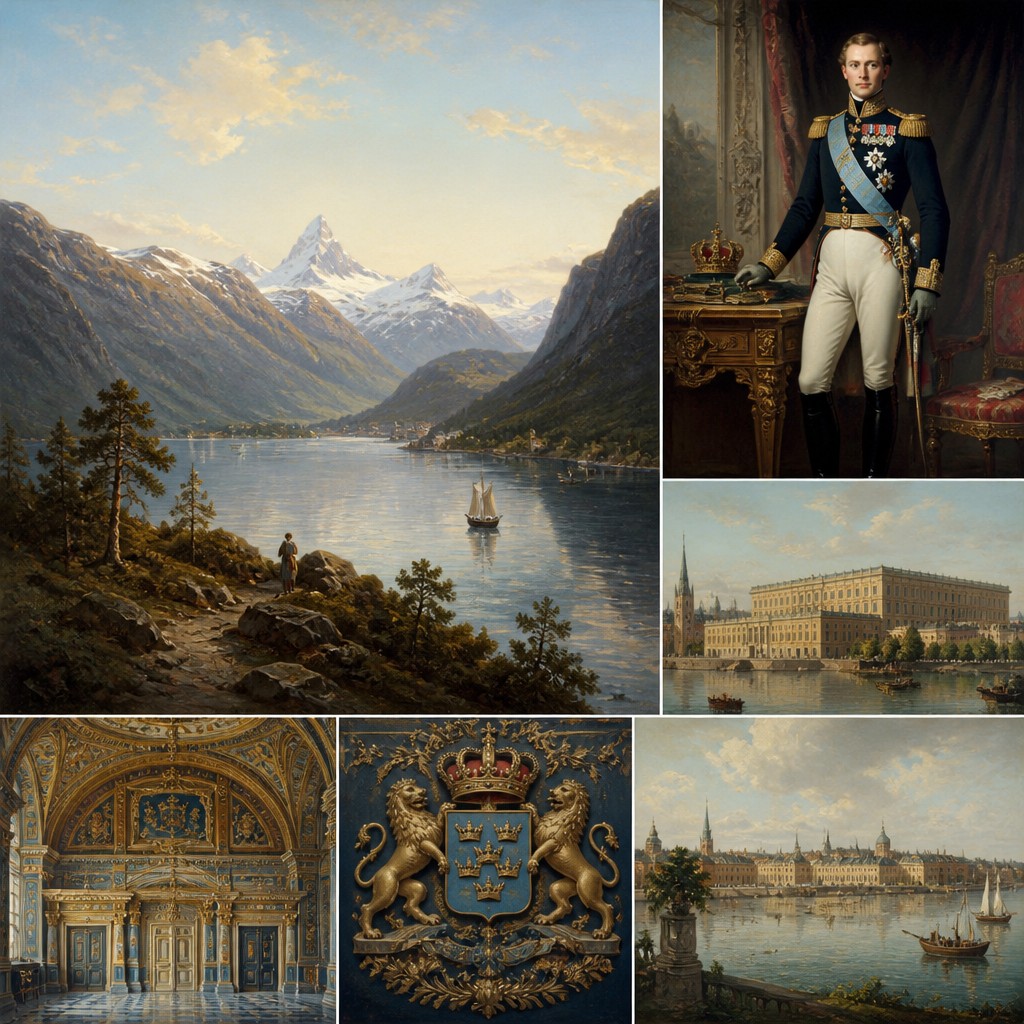
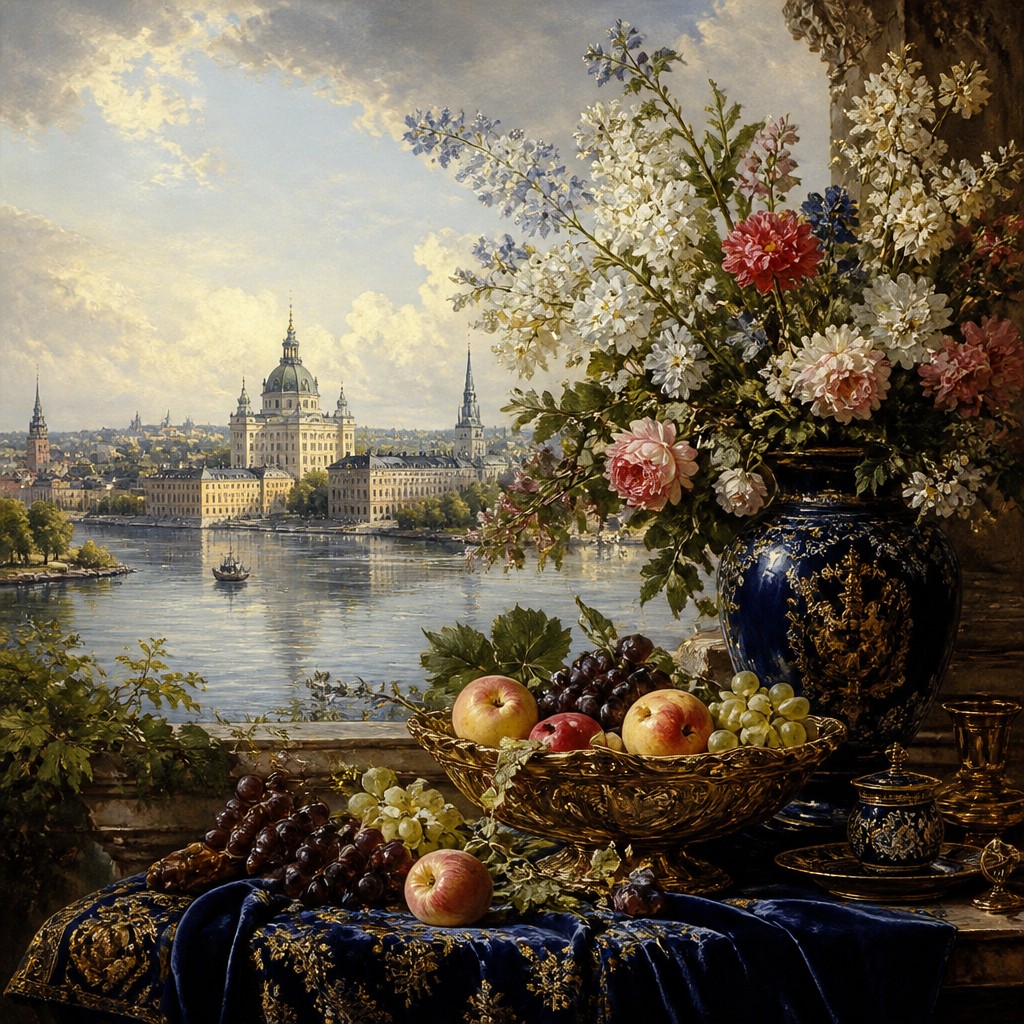
Explore Stockholm Art Style: Nordic national romantic landscapes, pale waterfront architecture, royal portraiture, and richly detailed interiors.
Instantly rendered in Stockholm — or transform a photo
Stockholm Gallery
Tap any artwork to explore it
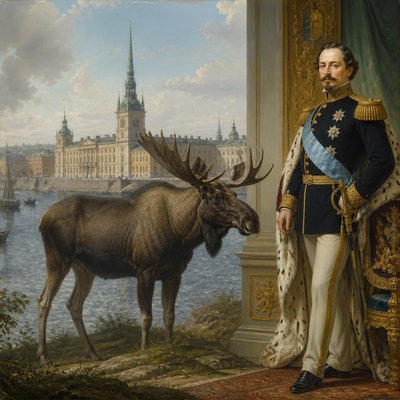
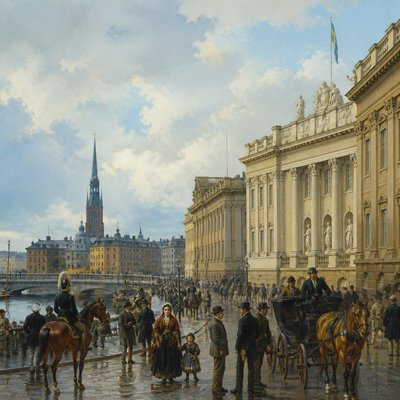
What is Stockholm Art Style?
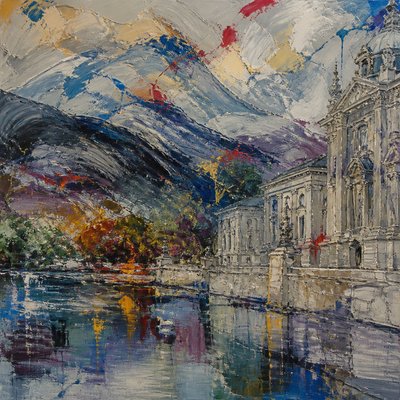
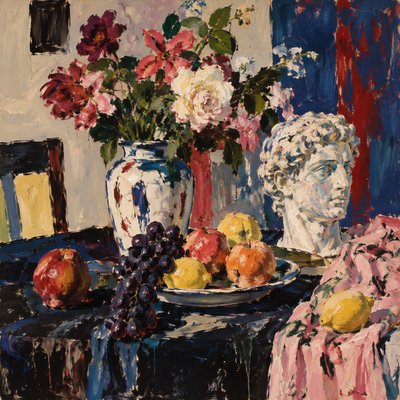
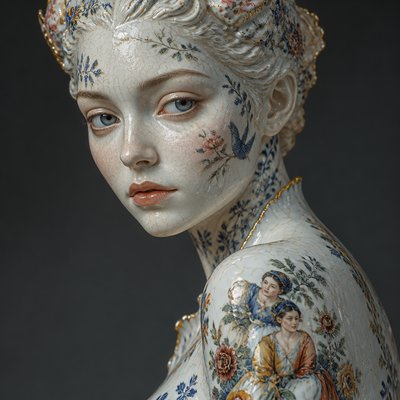
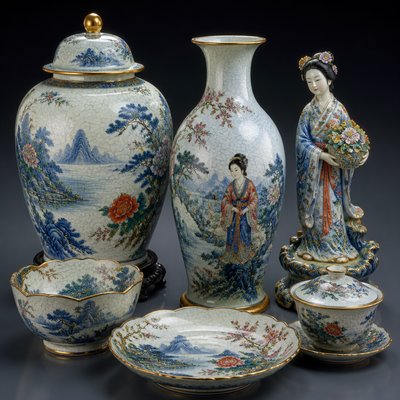
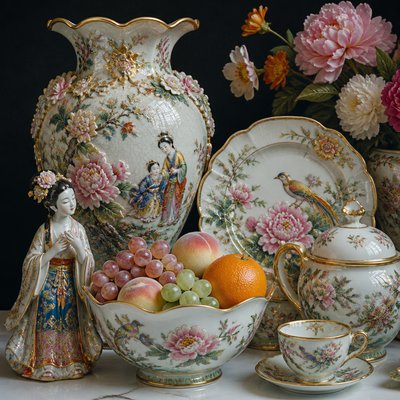
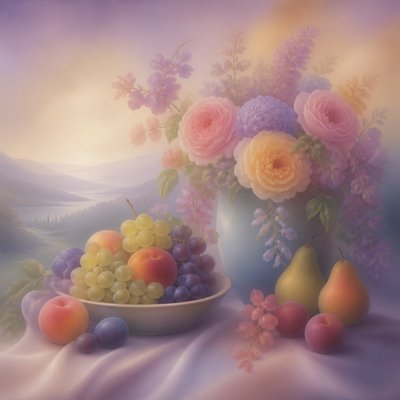
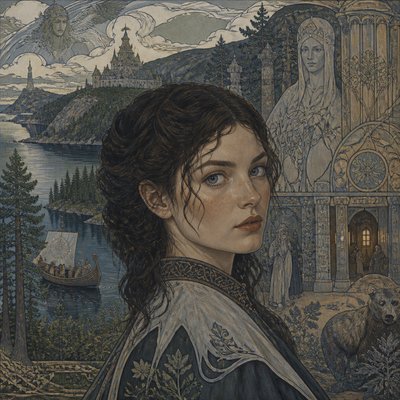
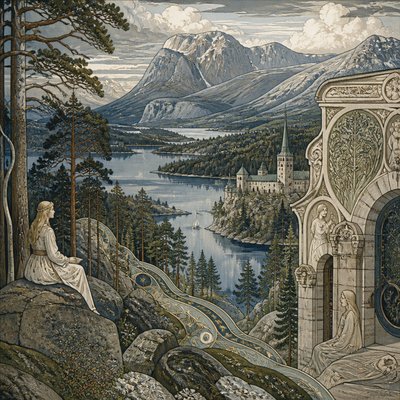
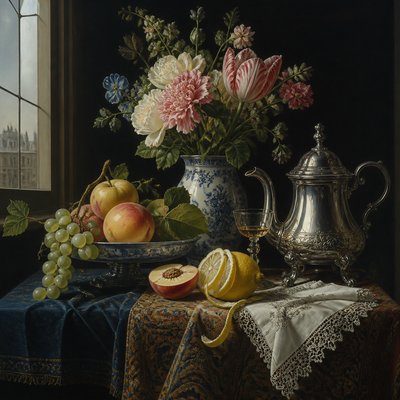
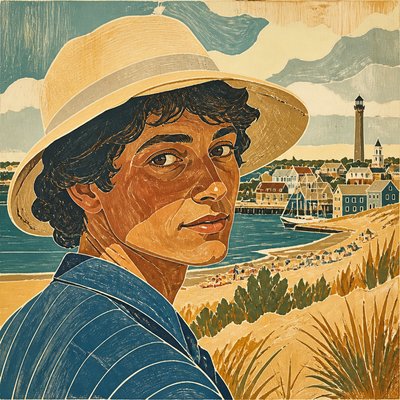
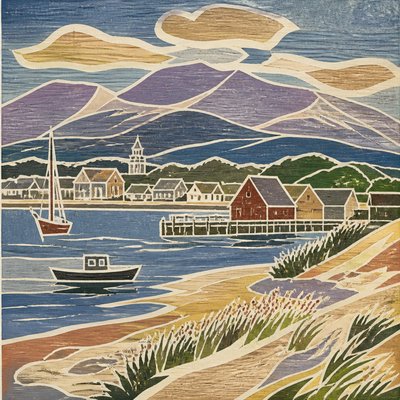
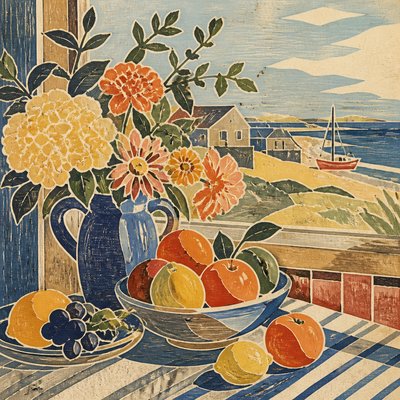
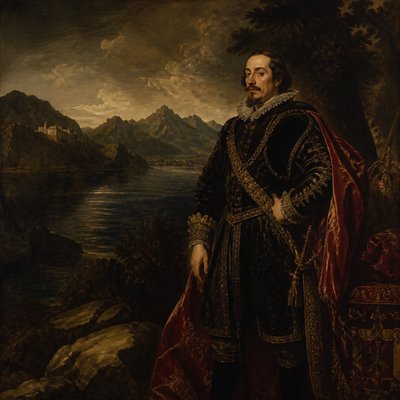
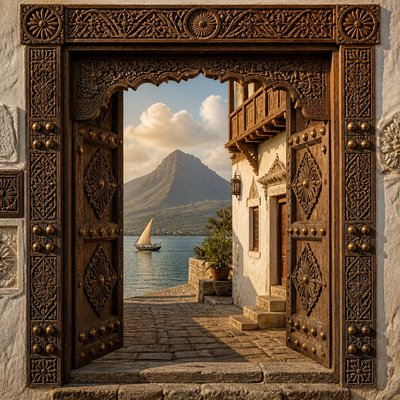
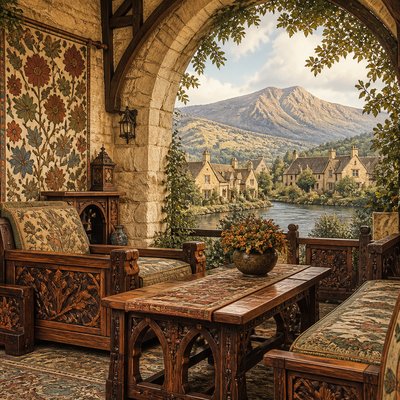
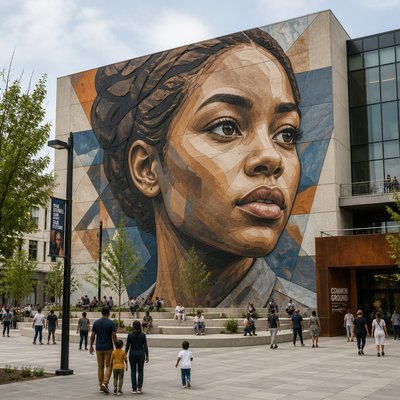
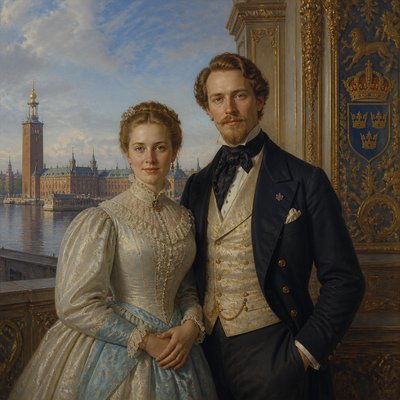
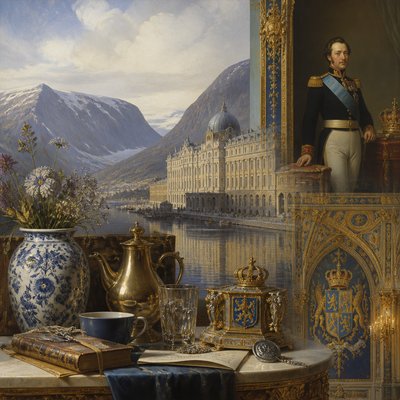
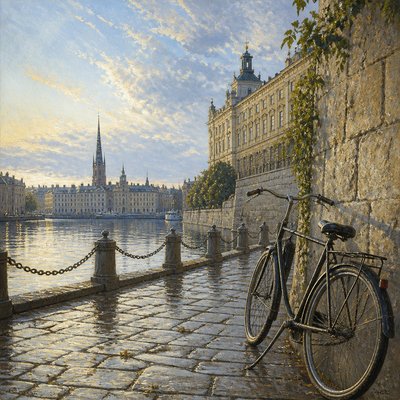
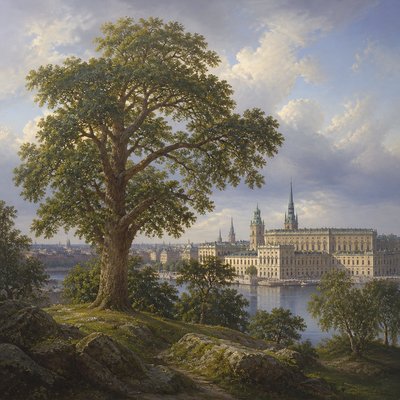
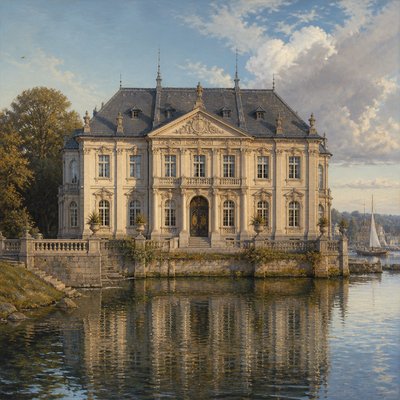
Stockholm Art Style is a contemporary visual synthesis centered on Nordic national romantic atmosphere, pale civic architecture, formal royal portraiture, and richly ornamented interiors. Its signature scene often places monumental stone buildings beside calm water, with cool northern daylight creating a restrained yet dignified sense of grandeur.
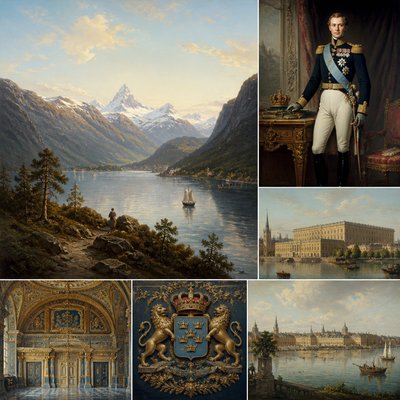
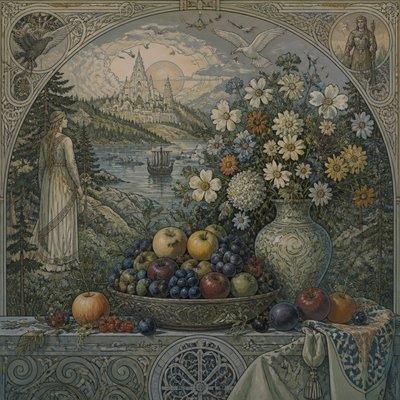
The style combines landscape, architecture, and courtly decorative traditions rather than following a single historical school. Soft gray-blue skies, pale granite or limestone surfaces, orderly compositions, heraldic details, carved ornament, and ceremonious human poses give the imagery a distinctly Swedish and Scandinavian character. Its emotional register is stately and contemplative rather than dramatic, with grandeur expressed through proportion, material, and light.
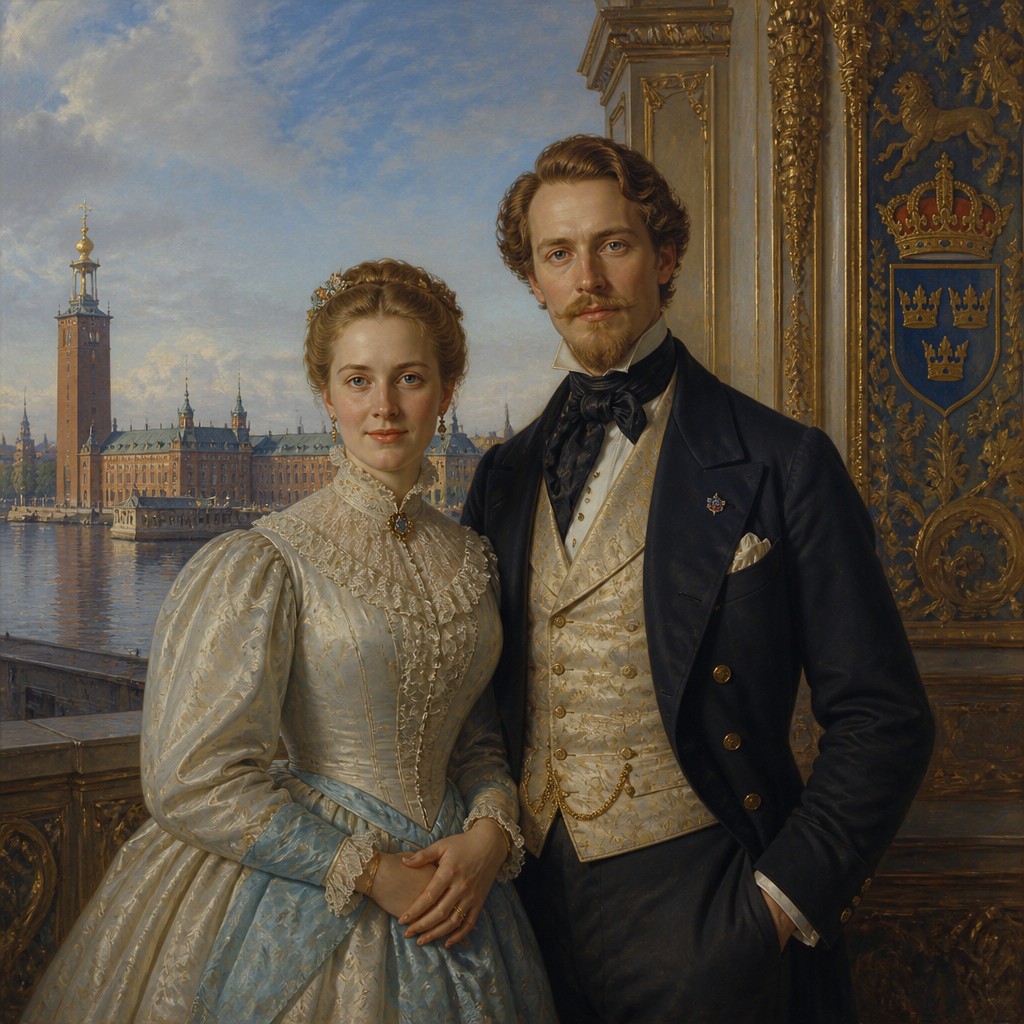
Try It On Your Photos
Upload any photo and convert it into Stockholm Art Style — drag the sliders to compare before and after.
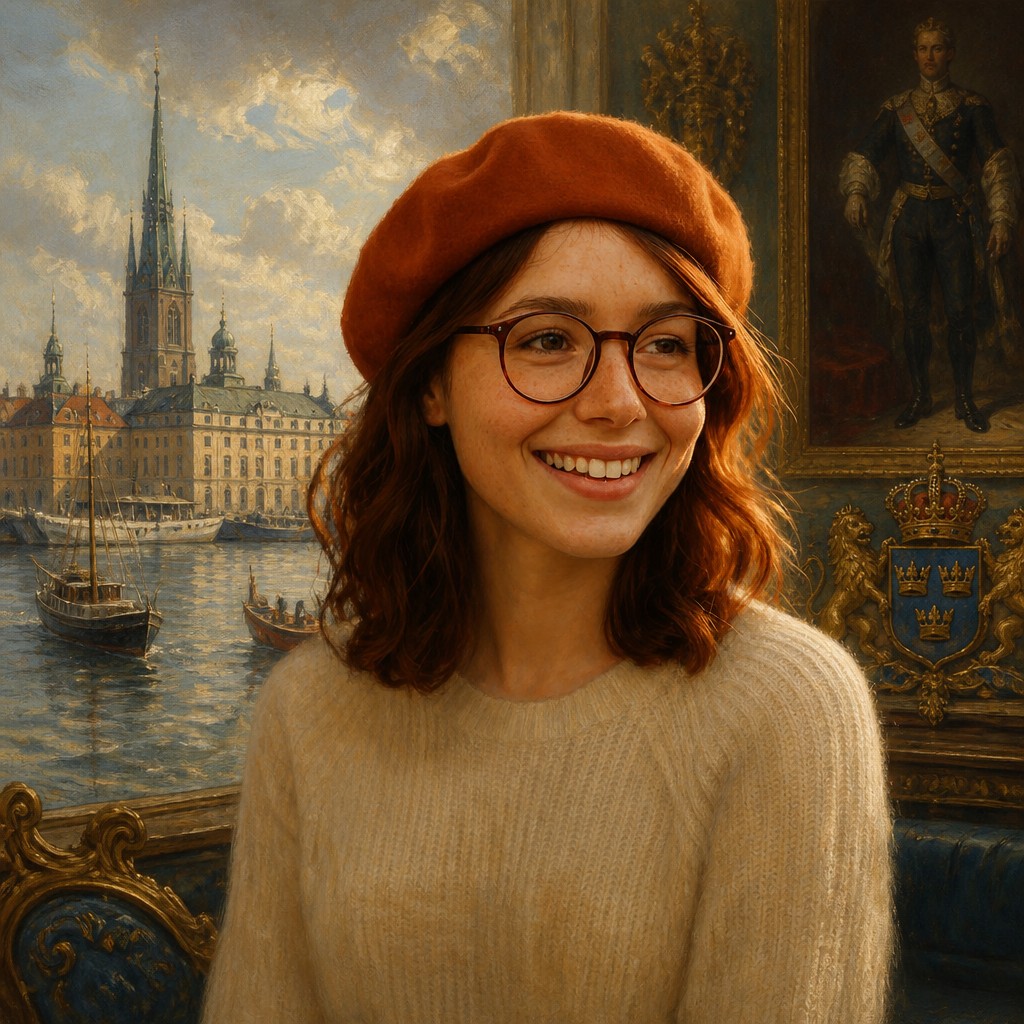

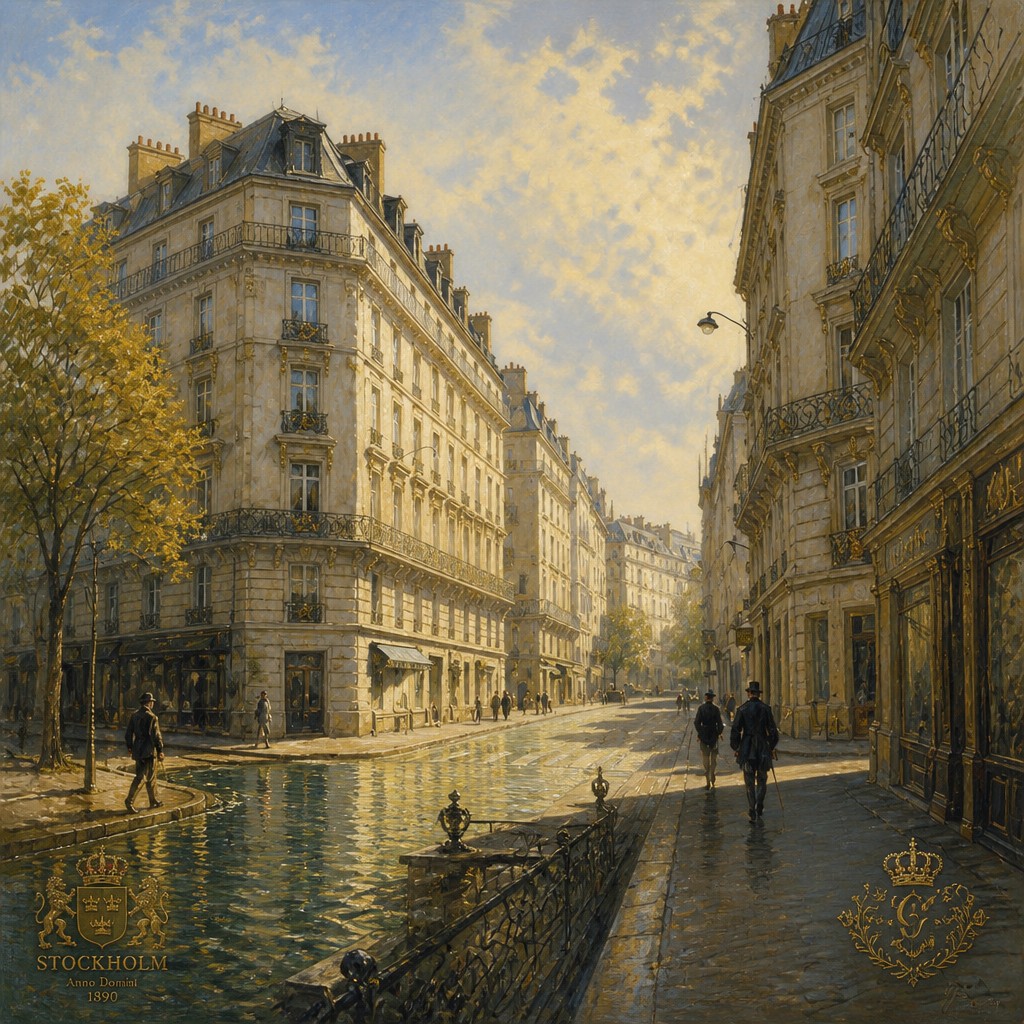

What Defines Stockholm Art Style
The signature details, up close
Nordic atmospheric light
Cool, diffused daylight washes across stone, water, fabric, and metal. Long tonal transitions and subdued highlights create clarity without harsh contrast.
Pale monumental architecture
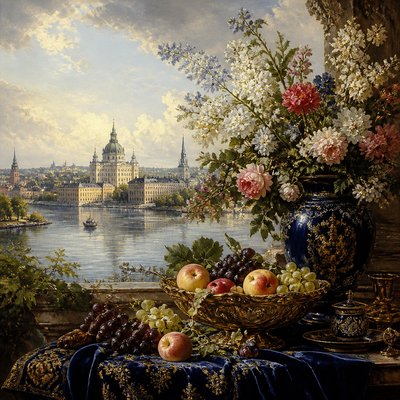
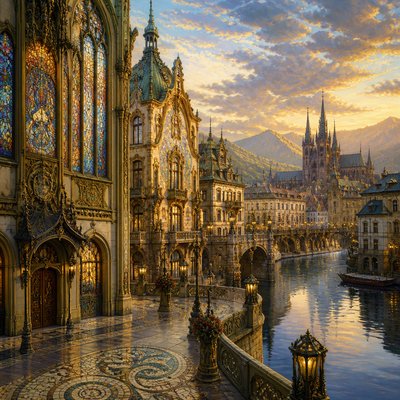
Grand civic buildings, palace façades, bridges, and waterfront structures rise in carefully balanced compositions. Pale stone, granite, limestone, and muted masonry reinforce the sense of permanence.
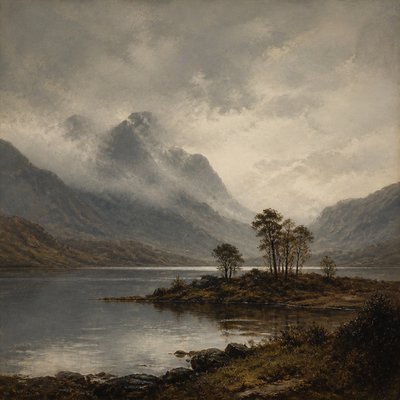
National romantic landscape
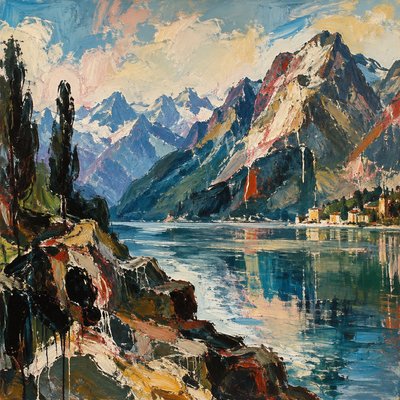
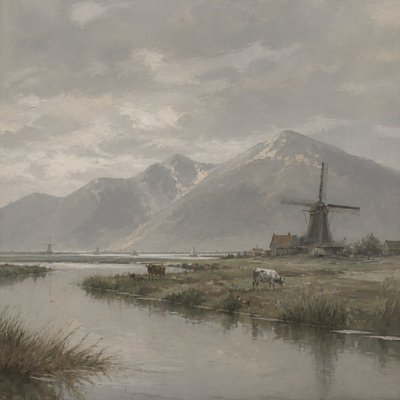
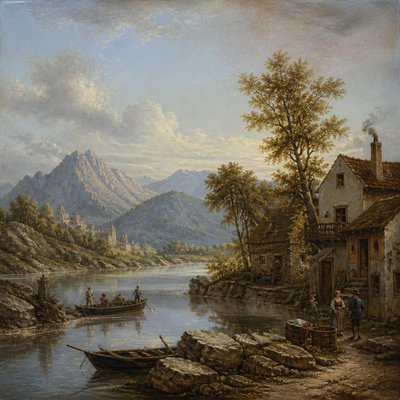
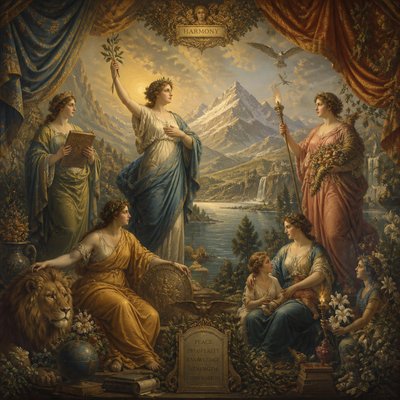
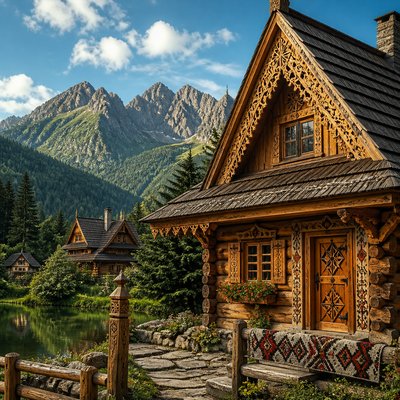
Calm bays, archipelagos, wooded shores, broad skies, and reflective water establish a strong sense of northern place. Nature is presented as ordered, dignified, and culturally meaningful.
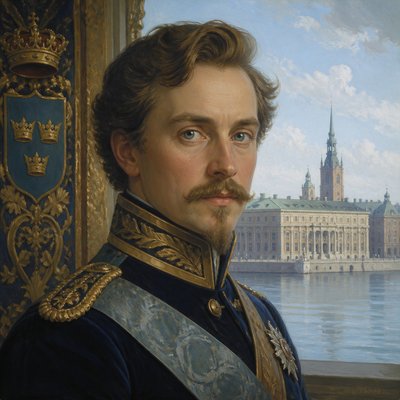
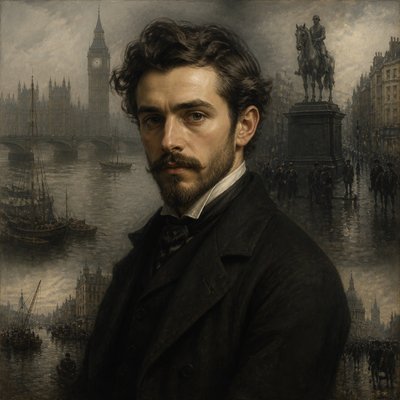
Formal royal portraiture
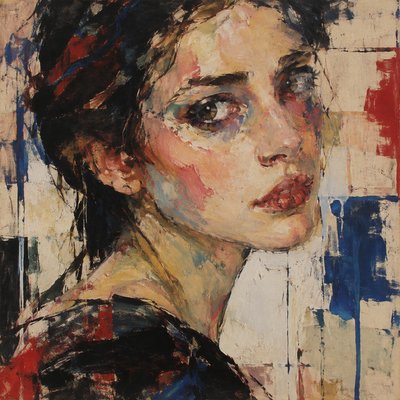
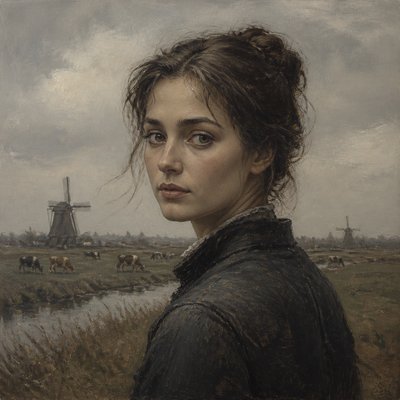
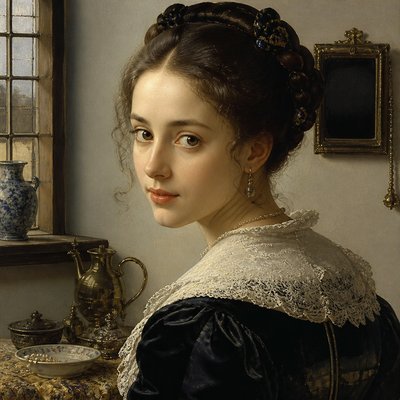
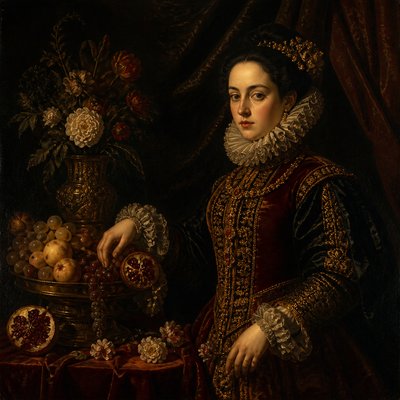
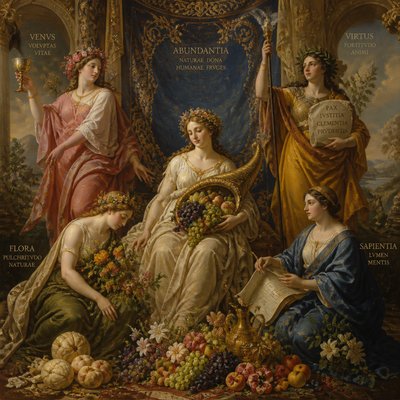
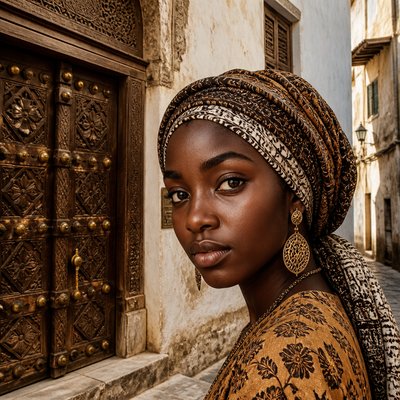
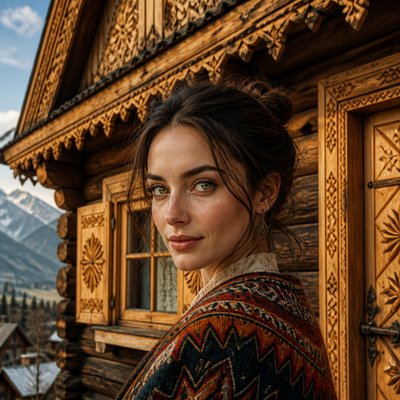
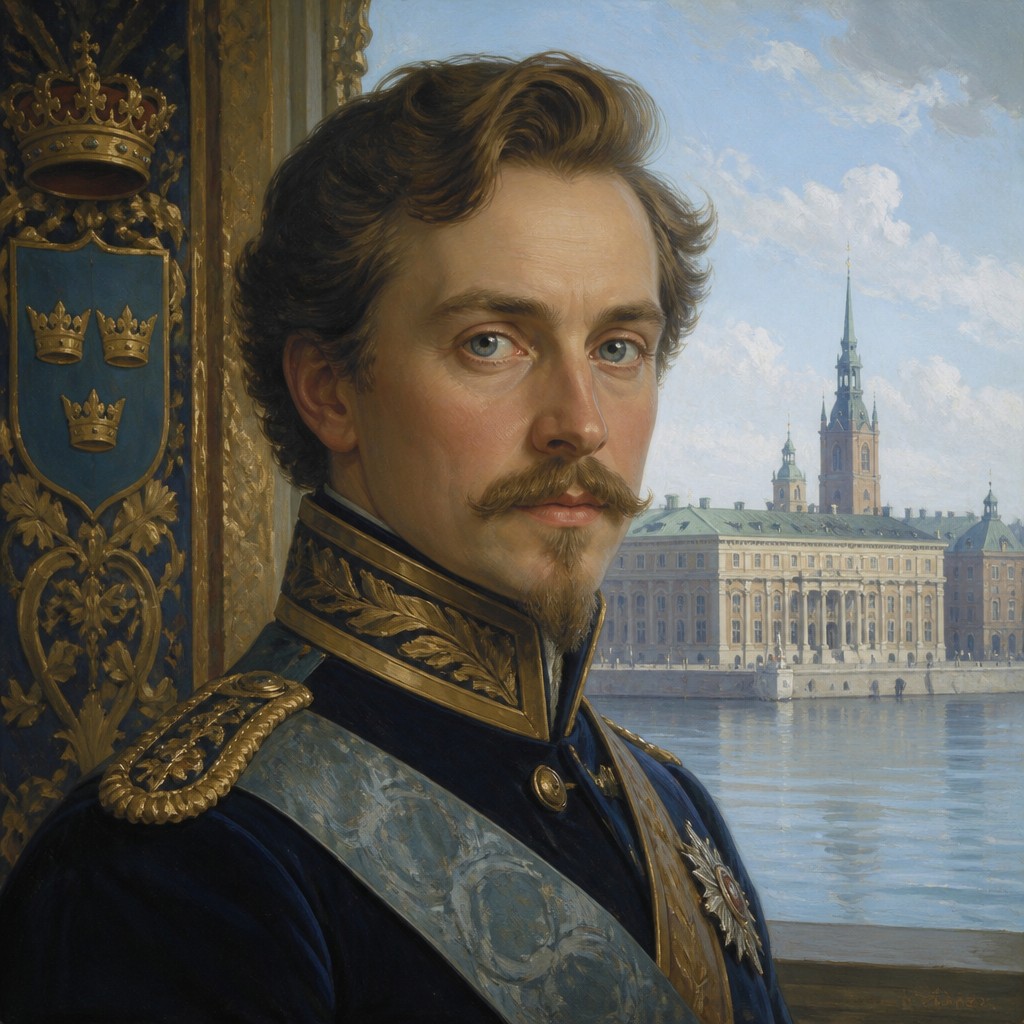
Figures appear in composed, frontal or three-quarter poses with restrained expressions and ceremonial clothing. The emphasis falls on rank, posture, textiles, insignia, and controlled psychological presence.
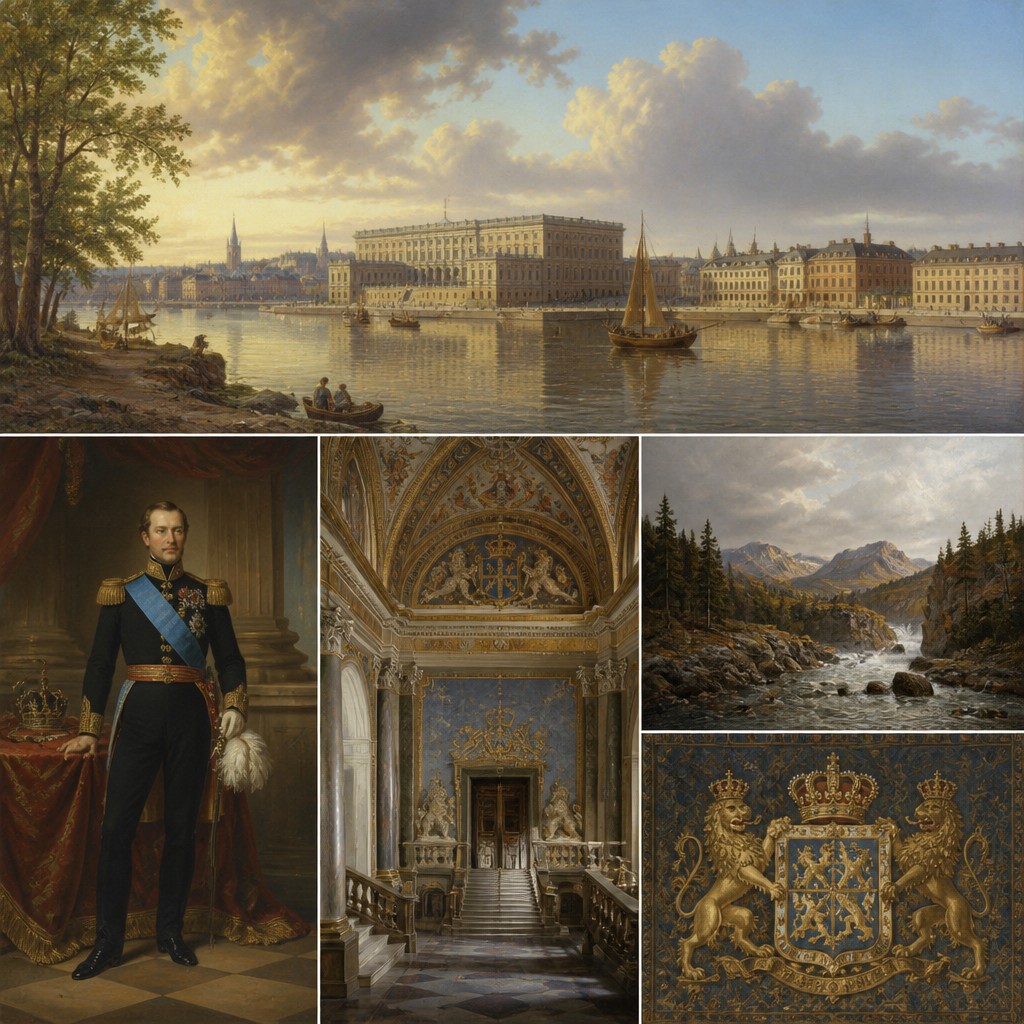
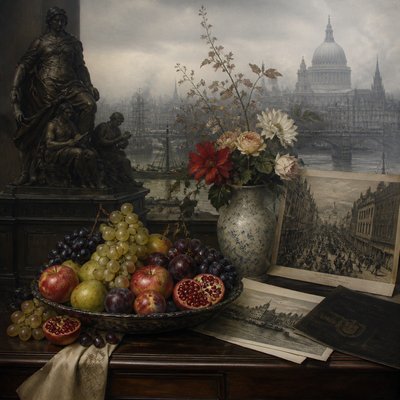
Heraldic and decorative detail
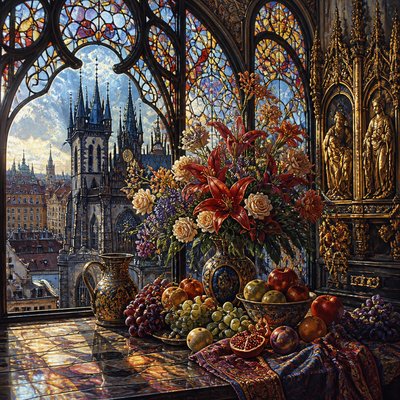
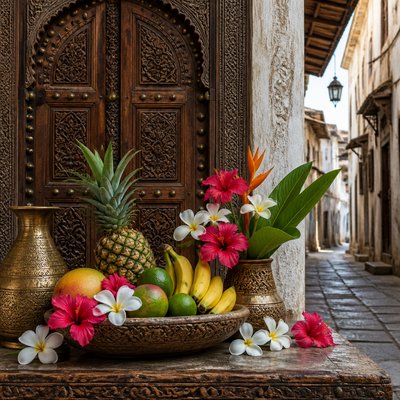
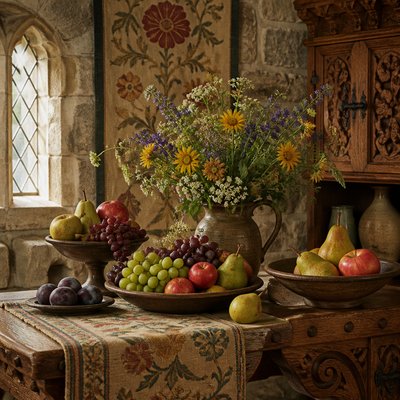
Coats of arms, carved panels, crowns, patterned textiles, gilt frames, and architectural ornament enrich interiors and ceremonial settings. Details are precise but integrated into a coherent formal design.
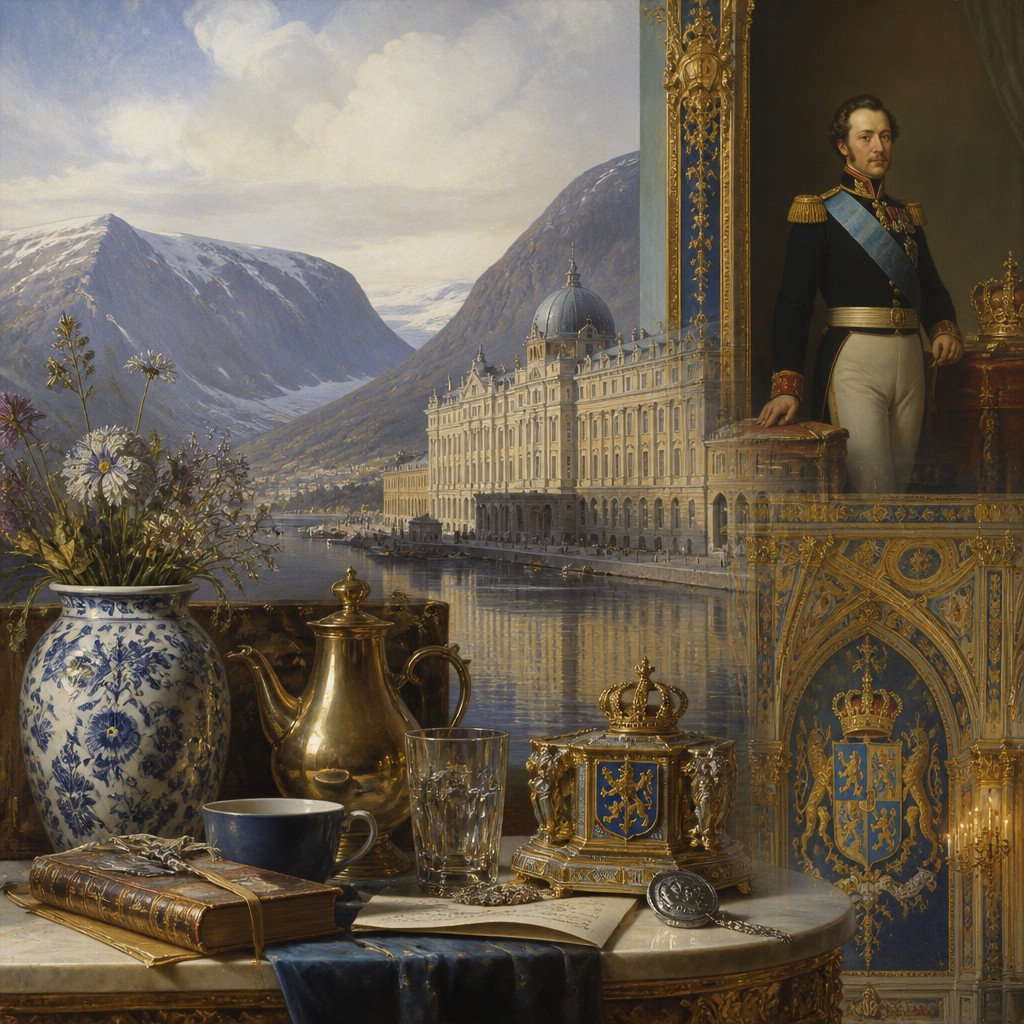
Restrained Nordic palette
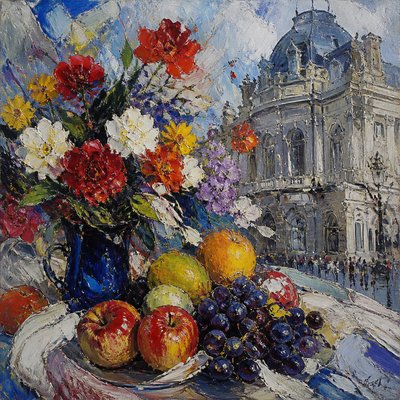
Ivory, limestone, mist gray, slate blue, muted green, deep navy, and subdued gold form the dominant color range. Small areas of richer red or royal blue may provide ceremonial emphasis.
Stockholm Prompt Ideas
Start from an idea — each one opens the generator with the style ready to go. See all 40 Stockholm prompts →
How to Create Stockholm Art
Master the craft step by step — or skip straight to creating. Read the full guide →
- 1
Build a strong civic composition
Begin with a clear horizon, a waterfront or formal square, and one dominant architectural mass. Use axial balance, measured perspective, and spacious sky to create civic authority.
- 2
Control the northern light
Use broad, cool illumination with soft shadows and restrained reflections. In painting, layer thin opaque and translucent passages; digitally, use low-contrast tonal shaping rather than intense bloom.
- 3
Combine portrait and place
For figures, choose formal poses, composed gestures, and richly structured garments, then place them within a palace, gallery, or civic interior. Keep the setting as carefully designed as the sitter.
- 4
Use material-specific detail
Differentiate rough stone, polished wood, velvet, metal, glass, and water through varied edges and surface textures. Decorative details should support the hierarchy of the image instead of becoming random pattern.
- 5
Work from layered tonal masses
Establish pale architectural shapes and cool atmospheric values before adding ornament, heraldry, and facial detail. This preserves the style's quiet monumentality and prevents excessive visual noise.
- 6
Write focused generation prompts
Specify a Nordic waterfront or formal interior, pale civic architecture, cool diffused light, royal portraiture, and heraldic ornament, along with the desired medium and composition. Add terms such as oil painting, museum portrait, grand perspective, or finely rendered architectural detail to guide the finish.
The Story
History & Origins of Stockholm
Stockholm Art Style is best understood as an invented or interpretive contemporary label, not a formally documented historical movement. Its aesthetic lineage draws chiefly from Swedish national romanticism of the late nineteenth and early twentieth centuries, when artists and architects emphasized regional materials, historic forms, civic identity, and the atmosphere of the Nordic landscape.
It also incorporates traditions from European royal portraiture, neoclassical and national romantic civic architecture, Scandinavian interior ornament, and the visual culture of waterfront capitals. The result is a stylized synthesis: historical in its references, but not tied to a single period, institution, or canonical group of practitioners.
Influences: The style relates to Swedish and broader Nordic national romanticism, European court portraiture, neoclassical civic design, historicist architecture, Scandinavian decorative arts, and nineteenth-century landscape painting. It also shares traits with museum portrait traditions and the ceremonial visual language of monarchies, while its pale palette and waterfront settings connect it to northern maritime city imagery.
Frequently Asked Questions
Is Stockholm Art Style a recognized historical art movement?
No. The term is best treated as a contemporary or AI-native style label rather than an established movement with a fixed manifesto and canon. It describes a coherent blend of Nordic national romantic, civic, royal, and decorative references.
What defines the style visually?
Its main identifiers are cool Nordic light, pale monumental architecture, calm waterfront landscapes, formal portraiture, and detailed heraldic interiors. The composition is usually orderly and dignified, with muted colors and carefully controlled ornament.
How is it different from Scandinavian minimalism?
Scandinavian minimalism generally emphasizes simplicity, functional forms, and reduction. Stockholm Art Style is more historical, ceremonial, and decorative, using palace interiors, civic grandeur, portrait conventions, and heraldic detail.
How can I make a painting in this style traditionally?
Start with a structured architectural or portrait composition and establish a cool, pale tonal foundation. Oil or acrylic glazing can develop stone, water, velvet, and polished wood, while fine brushes are useful for insignia, ornament, and facial details.
What subjects work best with this aesthetic?
Waterfront civic buildings, palace galleries, formal portraits, royal ceremonies, Nordic harbors, and historic interiors are especially suitable. Ordinary subjects can also work if they are presented with architectural balance, ceremonial posture, and cool northern atmosphere.
Can photographs or digital images be adapted to this style?
Yes. Strengthen the image with pale stone or architectural framing, cool diffused light, restrained blue-gray tones, formal composition, and selective heraldic or decorative details. Avoid excessive saturation, casual poses, and chaotic backgrounds if you want to preserve its stately character.
Create your first Stockholm artwork
Describe anything — or upload a photo — and see it in Stockholm Art Style in seconds.
Related Styles
Discover similar art styles