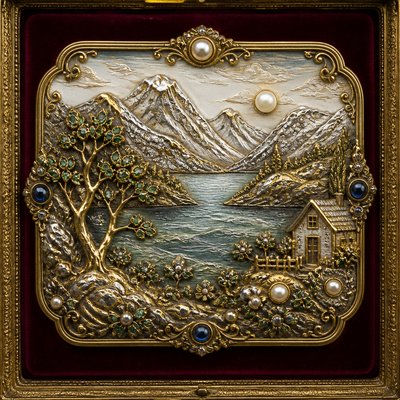
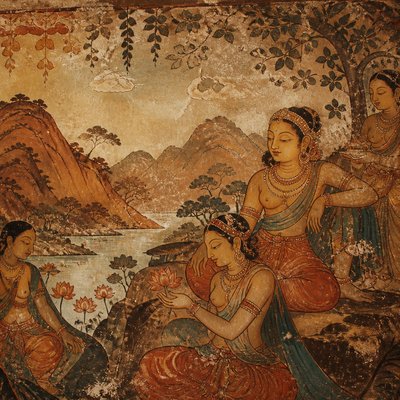
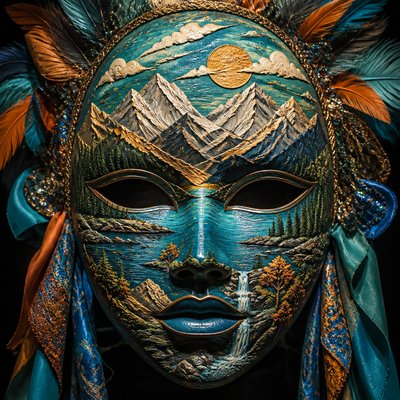
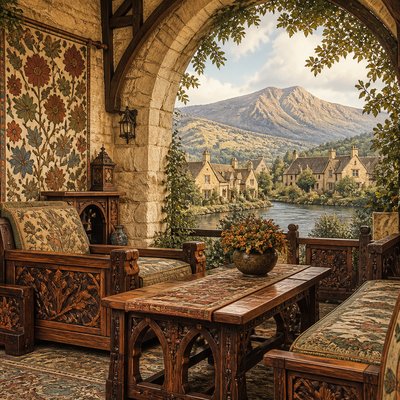
Prehistoric Cave Art Style
Explore prehistoric cave art: mineral pigments, animal silhouettes, hand stencils, rock texture, and torchlit imagery from humanity's earliest visual traditions.
Instantly rendered in Prehistoric Cave — or transform a photo
Prehistoric Cave Gallery
Tap any artwork to explore it
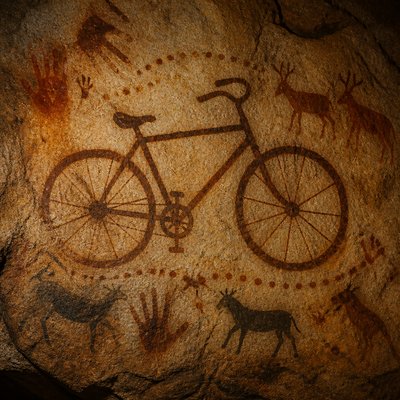
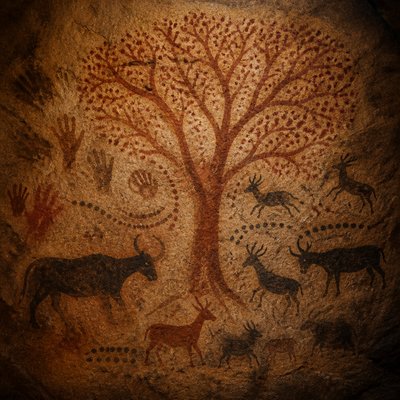
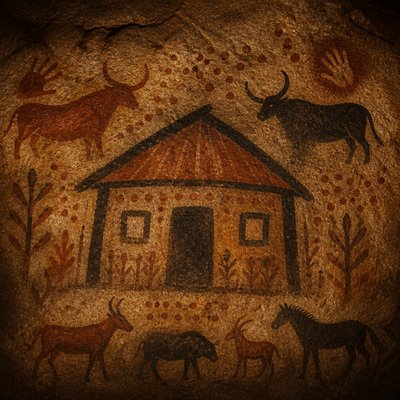
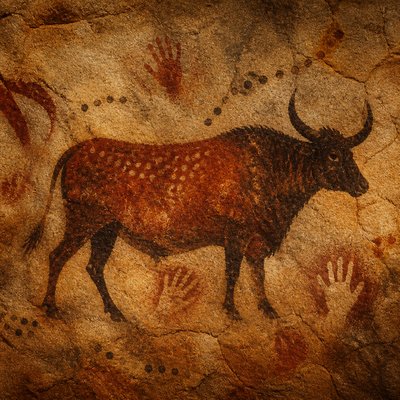
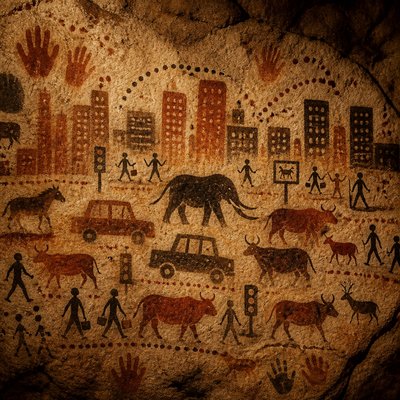
What is Prehistoric Cave Art Style?
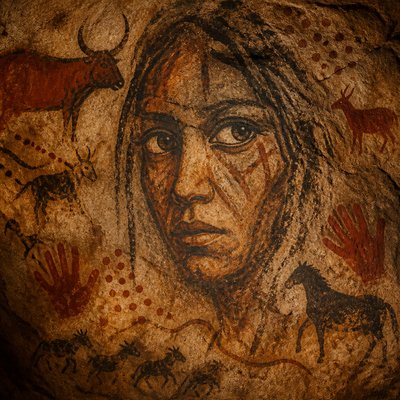
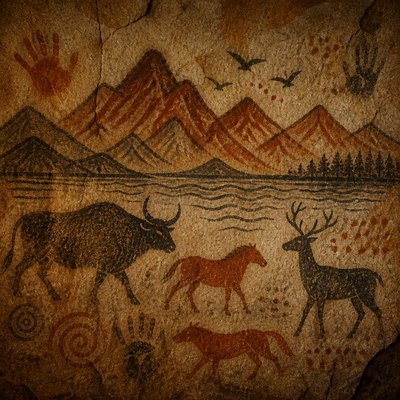
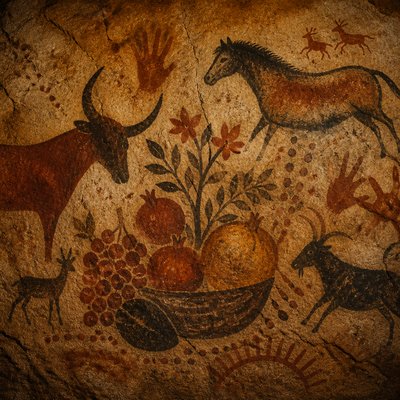
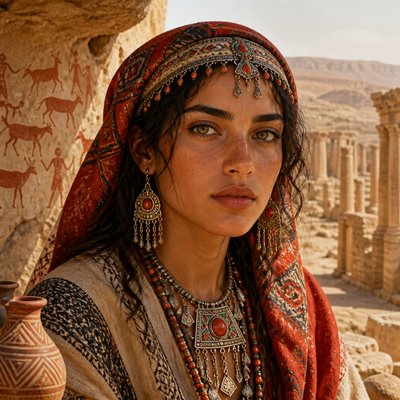
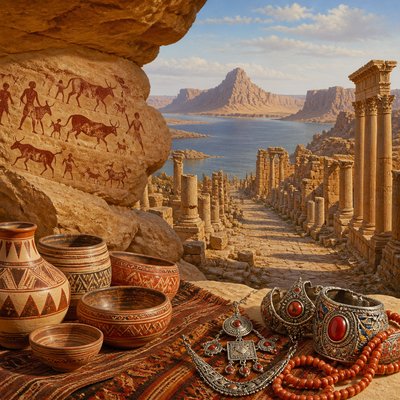
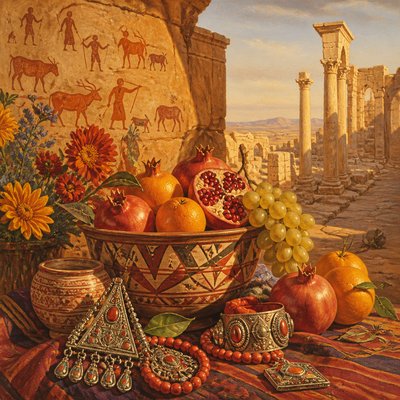
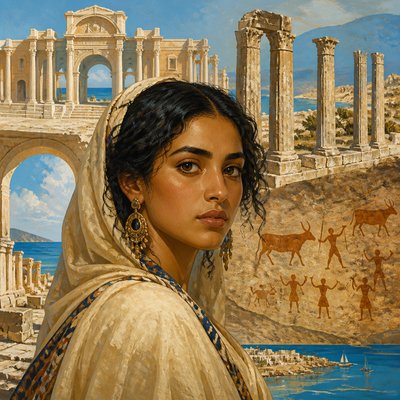
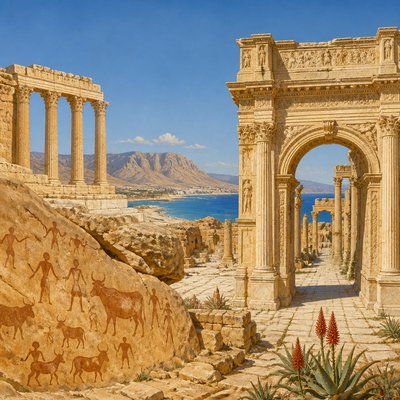
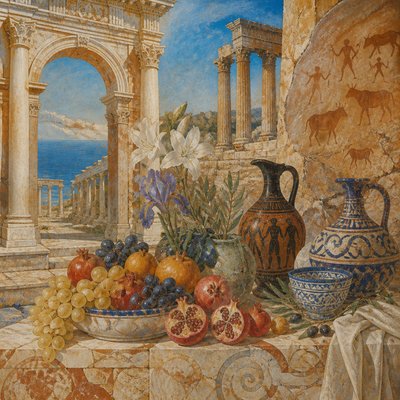
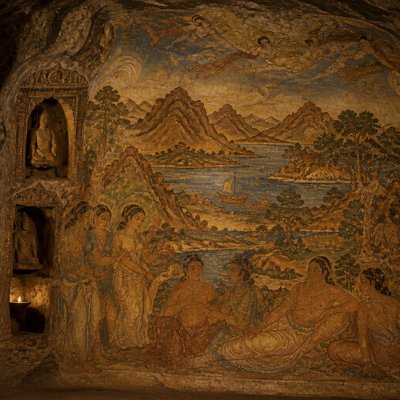
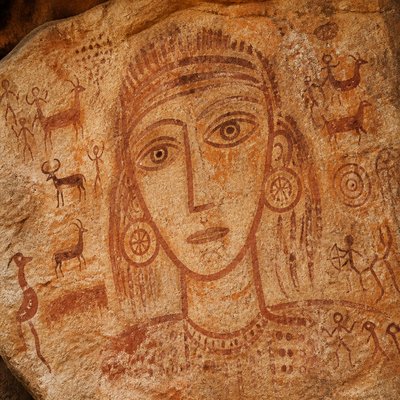
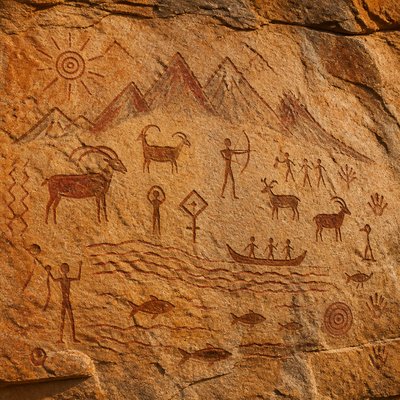
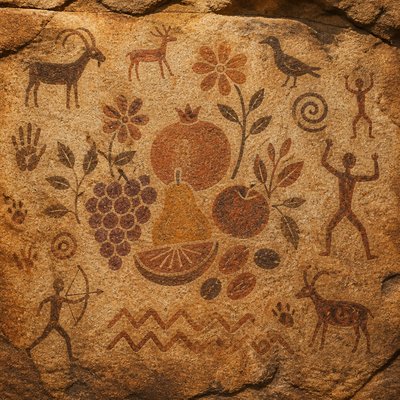
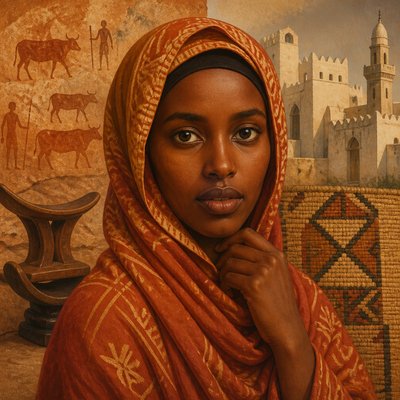
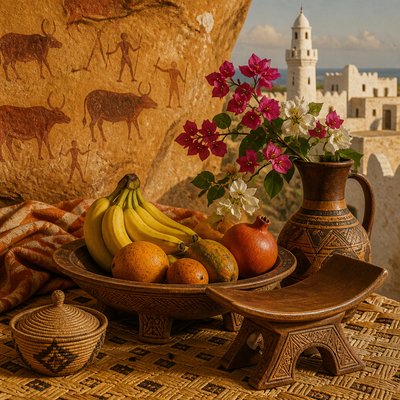
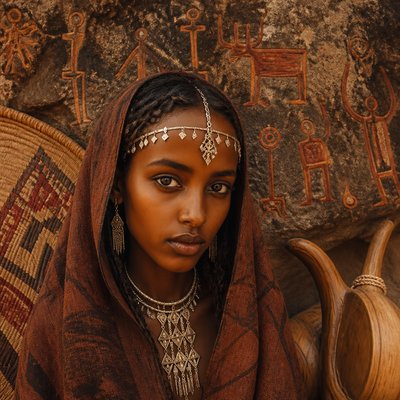
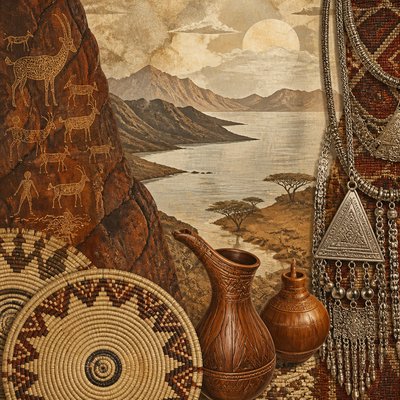
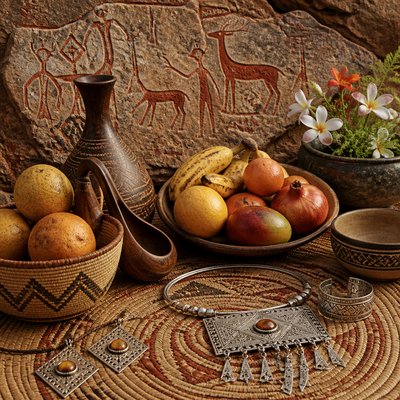
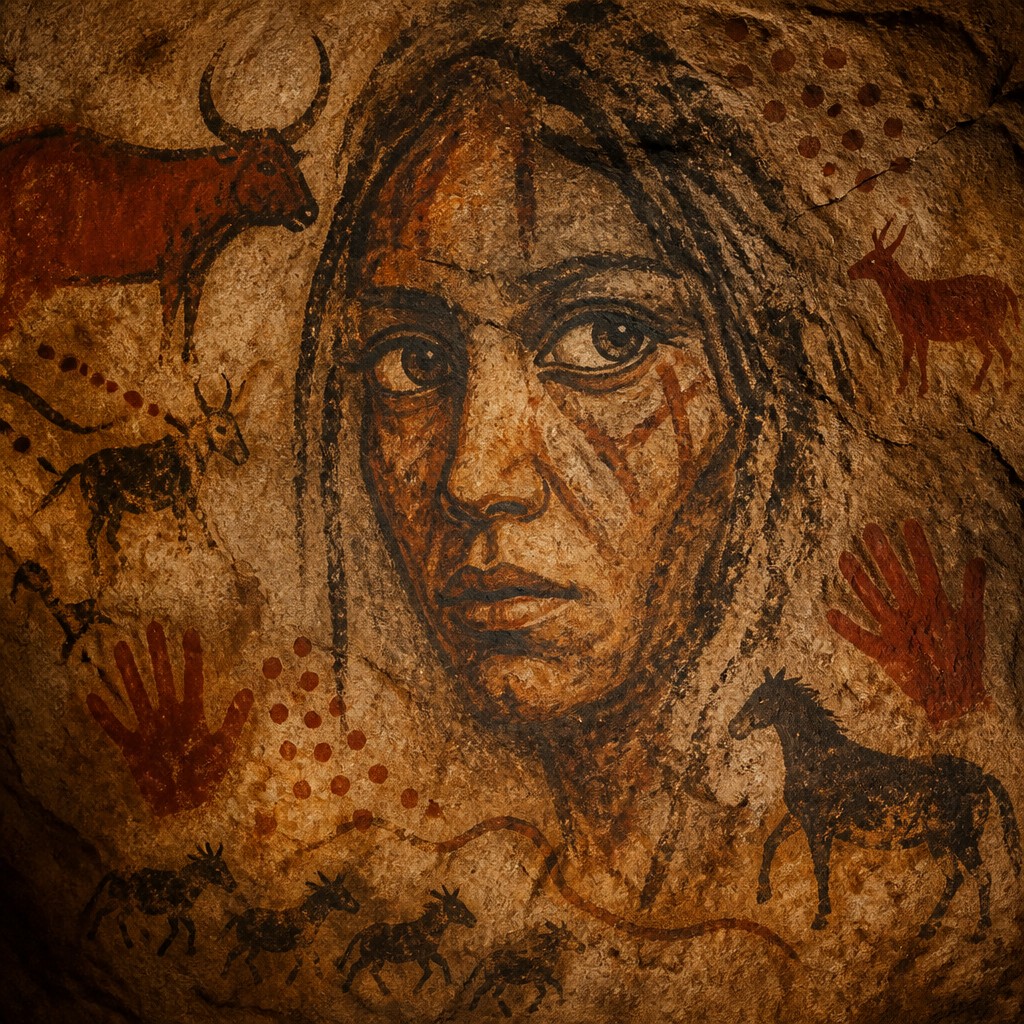
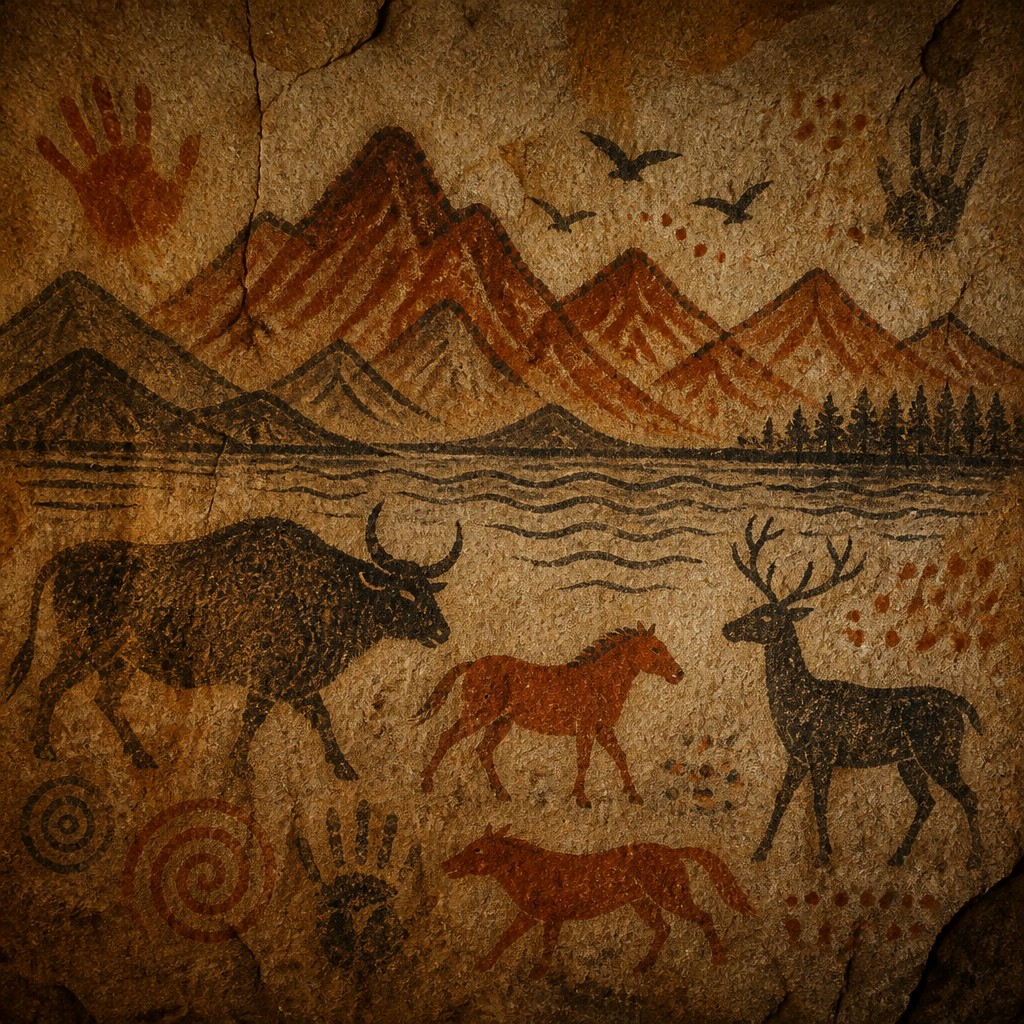
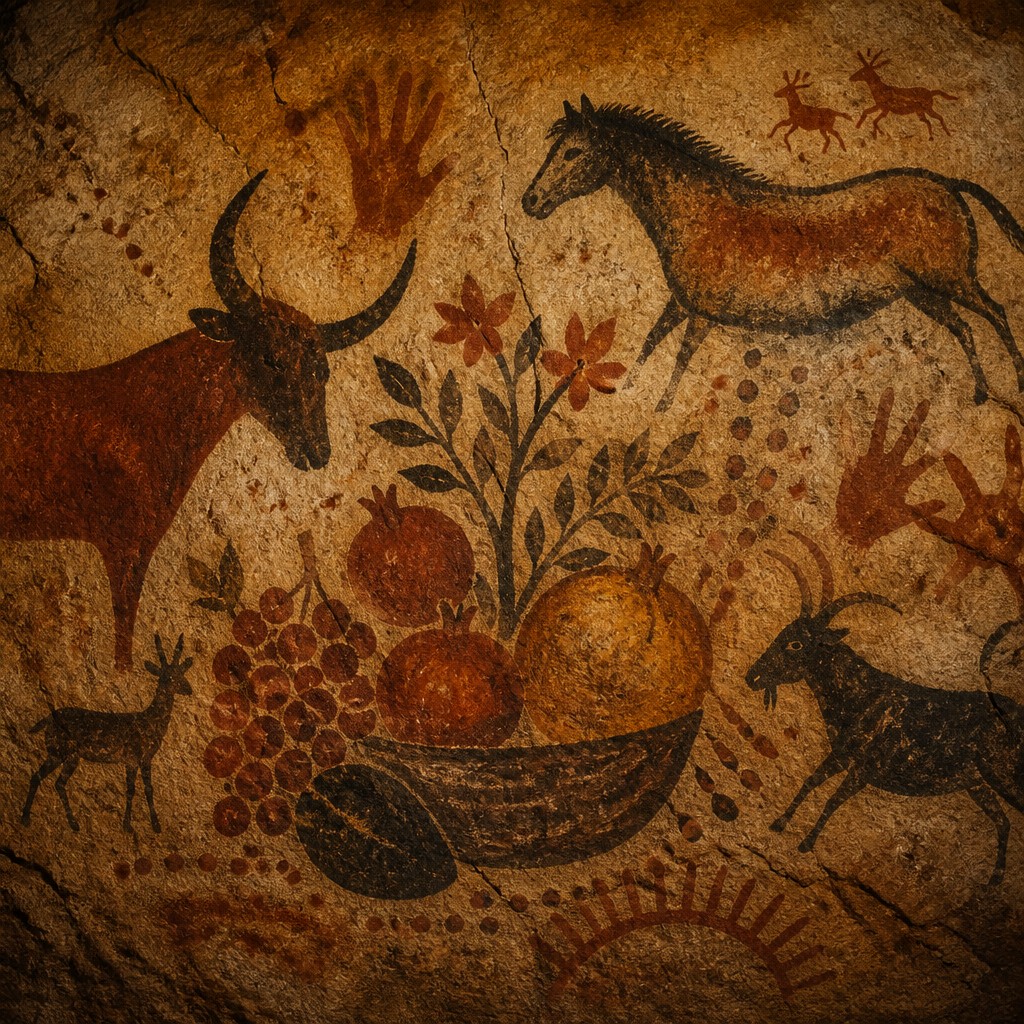
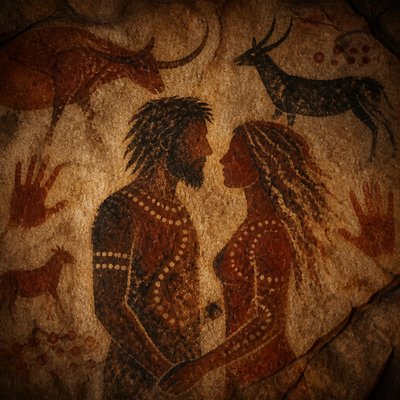
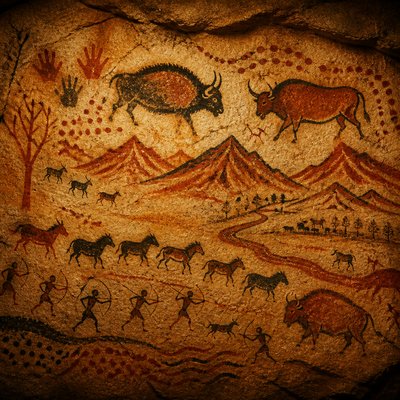
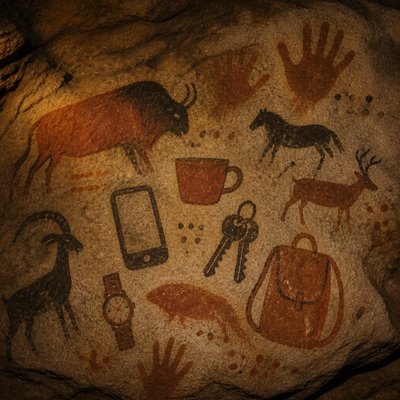
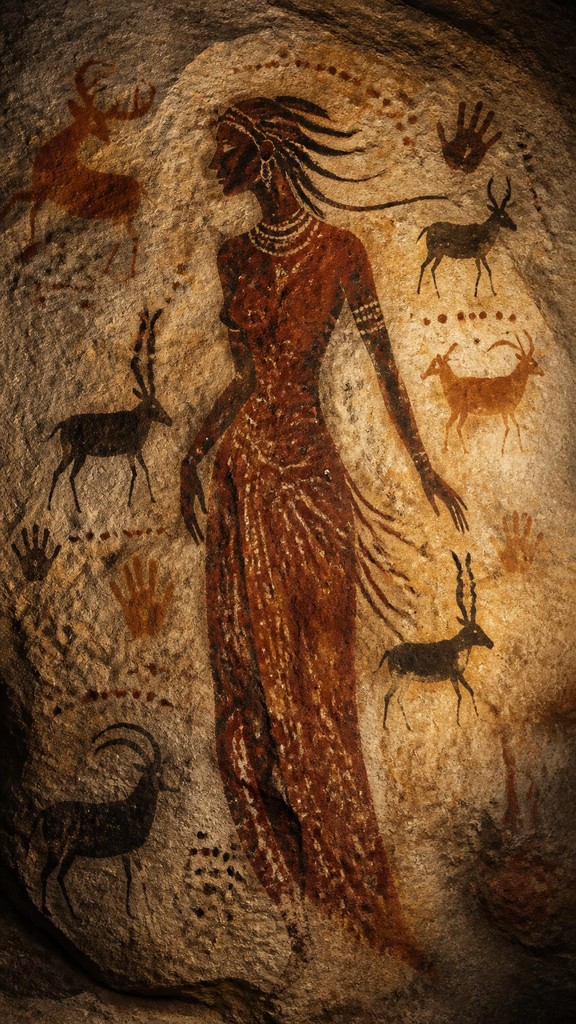
Prehistoric cave art style evokes the earliest known traditions of painting, drawing, engraving, and stenciling on natural rock surfaces. Its visual vocabulary centers on animals in profile—especially horses, bison, deer, aurochs, and wild goats—alongside human figures, abstract signs, dots, and handprints. The palette is restrained, dominated by red and yellow ochres, burnt earth colors, black charcoal or manganese, and the unpainted tones of stone.
The style looks direct and tactile because it preserves the irregularity of the cave wall. Mineral color follows cracks, bulges, and hollows rather than covering them with a uniform ground; contours may be sweeping and economical, while shading is uneven and dependent on the available pigment and light. Flickering firelight, smoke-darkened surfaces, abrasion, fading, and deposits of mineral patina contribute to its ancient, weathered appearance.
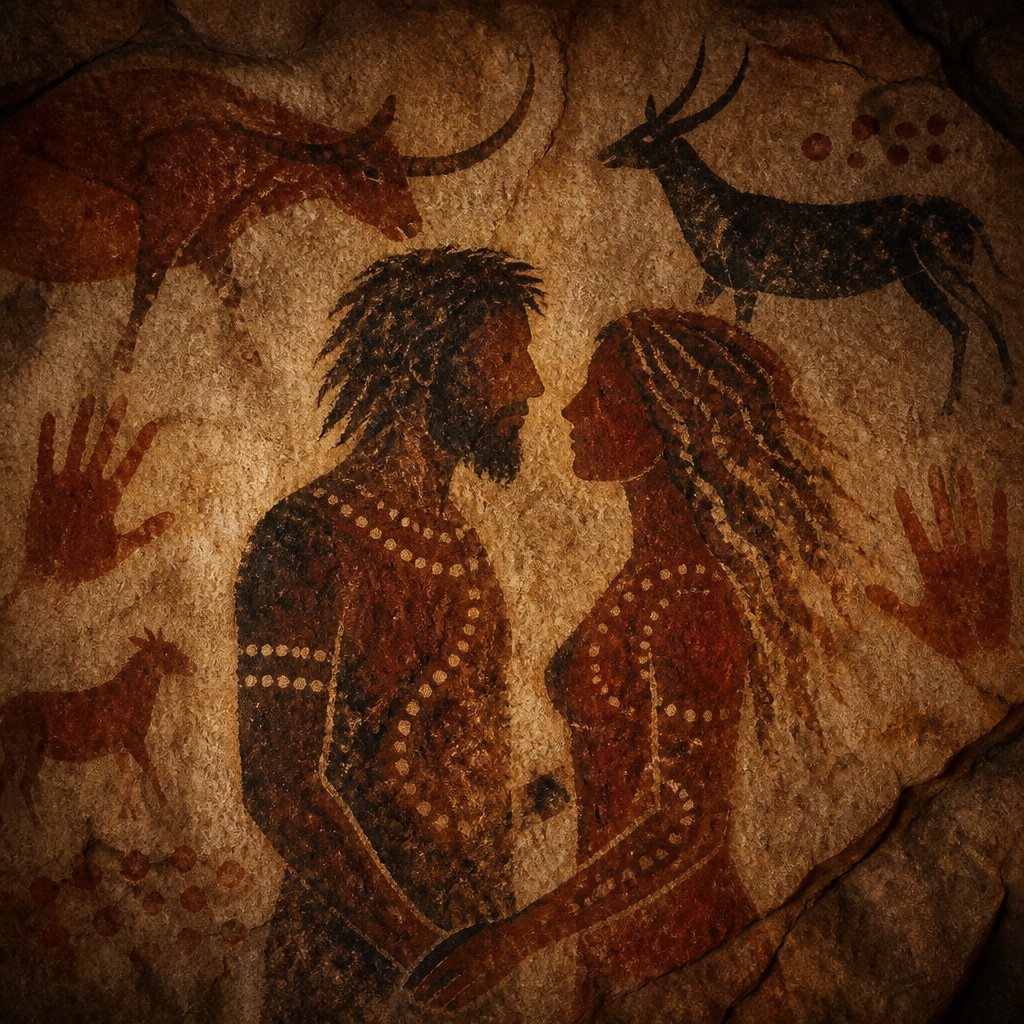
Try It On Your Photos
Upload any photo and convert it into Prehistoric Cave Art Style — drag the sliders to compare before and after.


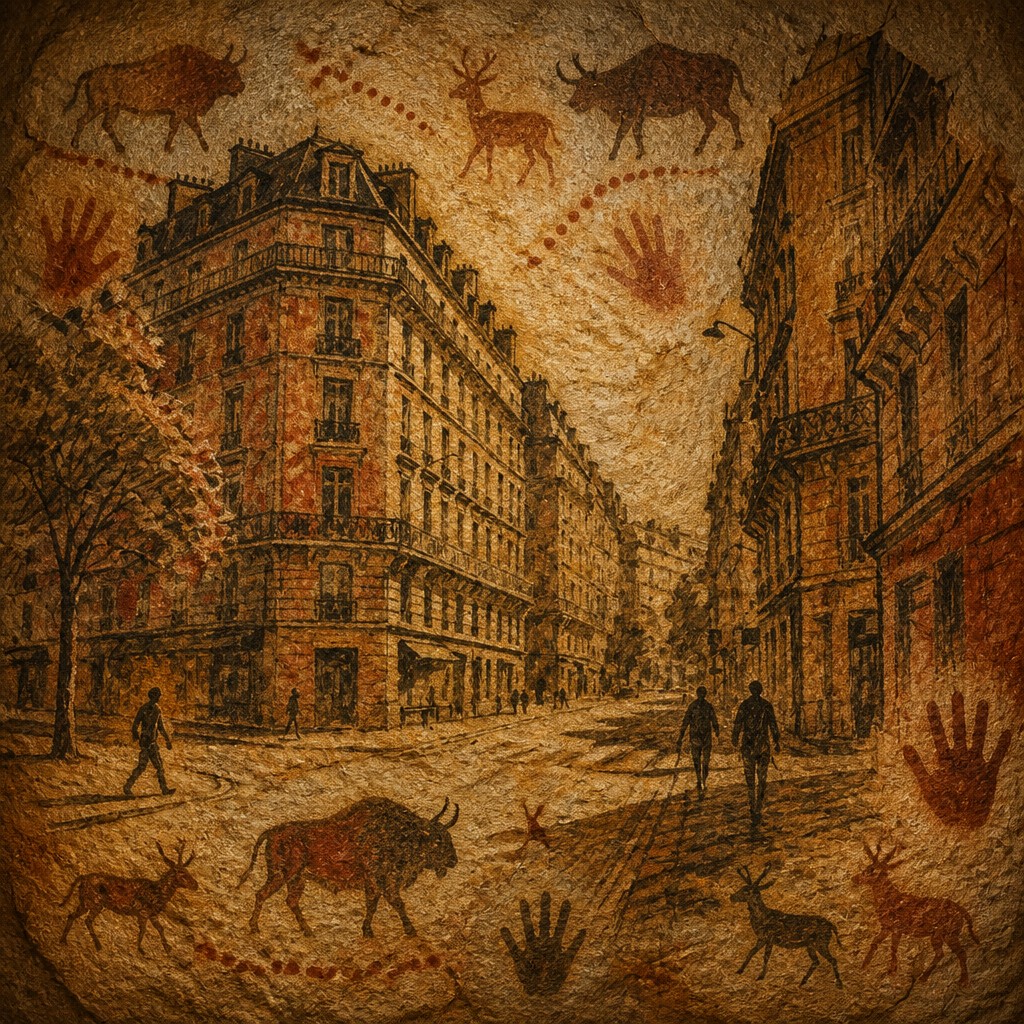

What Defines Prehistoric Cave Art Style
The signature details, up close
Mineral earth palette
Ochre red, burnt sienna, yellow earth, umber, and charcoal or manganese black define the restrained color range. The colors appear matte, granular, and absorbed into the stone rather than glossy.
Animal silhouettes
Large animals are usually shown in profile or partial profile, with attention to horns, hooves, backs, and distinctive movement. Anatomical details are selective, emphasizing recognition and gesture over naturalistic completeness.
Sweeping contour lines
Confident outlines describe the head, spine, belly, and limbs with a small number of expressive marks. Lines may vary in thickness and follow the natural edges or ridges of the rock.
Rock-surface integration
Cracks, bumps, stains, and uneven planes remain visible beneath the imagery. The surface is part of the composition, sometimes supplying the illusion of musculature or volume.
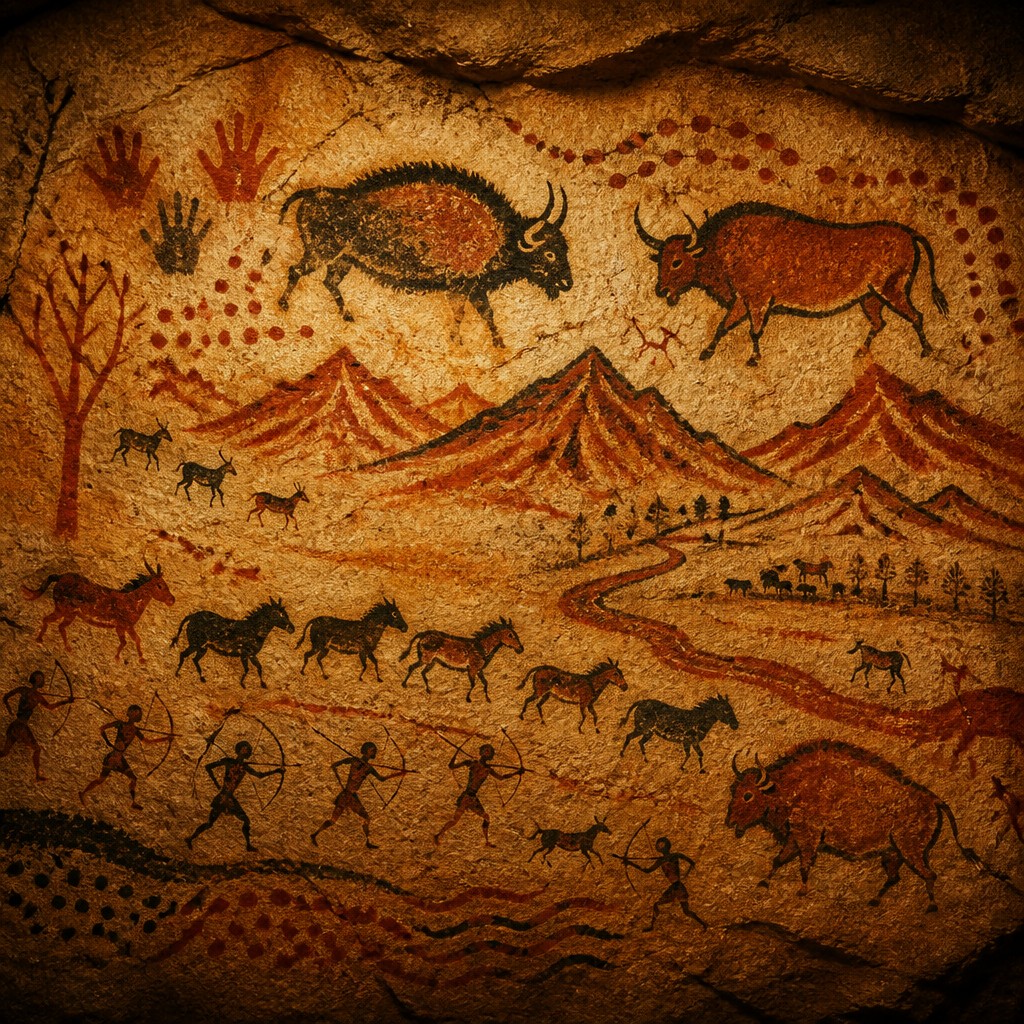
Hand stencils and marks
Negative handprints, finger traces, dots, geometric signs, and short strokes often accompany figurative imagery in prehistoric rock-art traditions. Their meanings are culturally specific and should not be treated as a universal symbolic code.
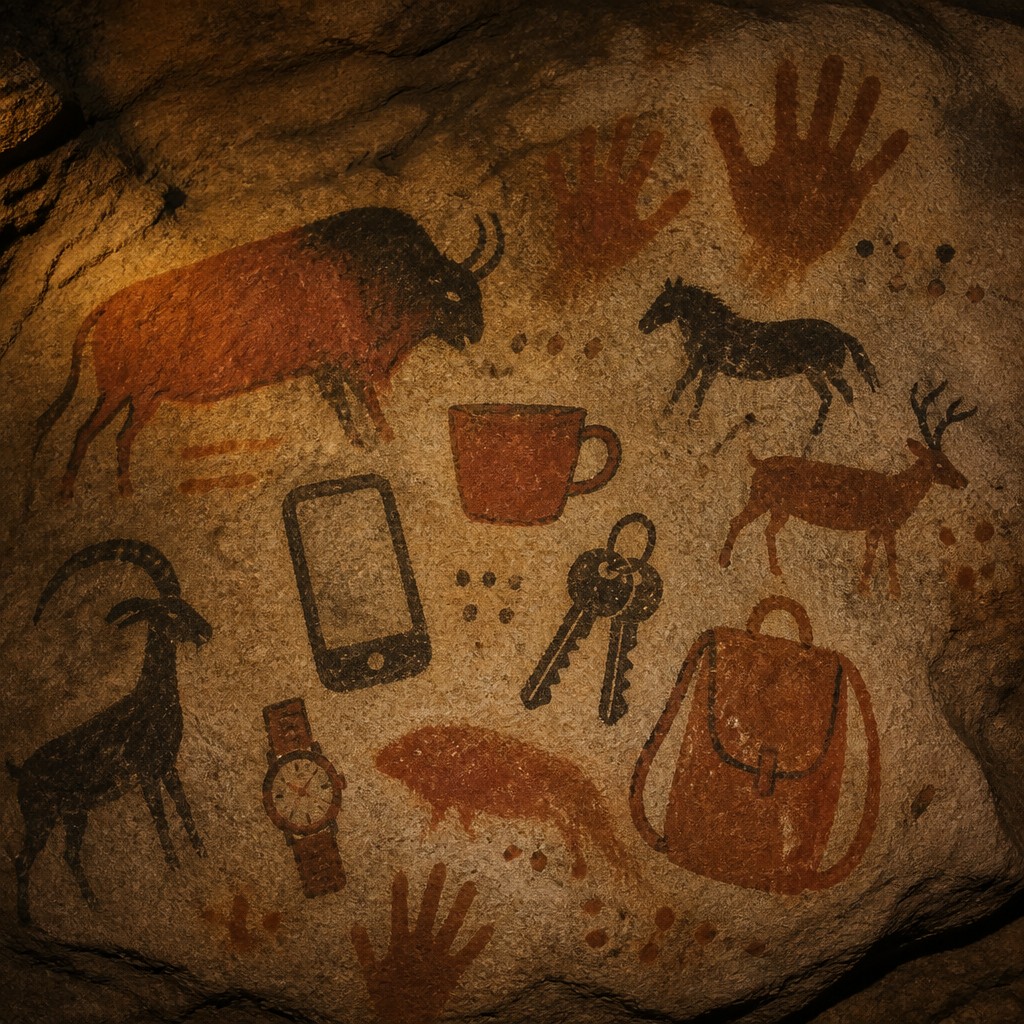
Weathered torchlit atmosphere
Uneven illumination, smoky darkness, faded pigment, mineral deposits, and abrasion suggest a cave viewed by firelight. The resulting mood is intimate, raw, and materially grounded.
Try It
Create Videos in Prehistoric Cave Art Style
Styles aren't just for stills — describe a scene or animate an image and get a short video rendered in Prehistoric Cave. Press play to see this pond come to life.
Make a VideoPrehistoric Cave Prompt Ideas
Start from an idea — each one opens the generator with the style ready to go. See all 40 Prehistoric Cave prompts →
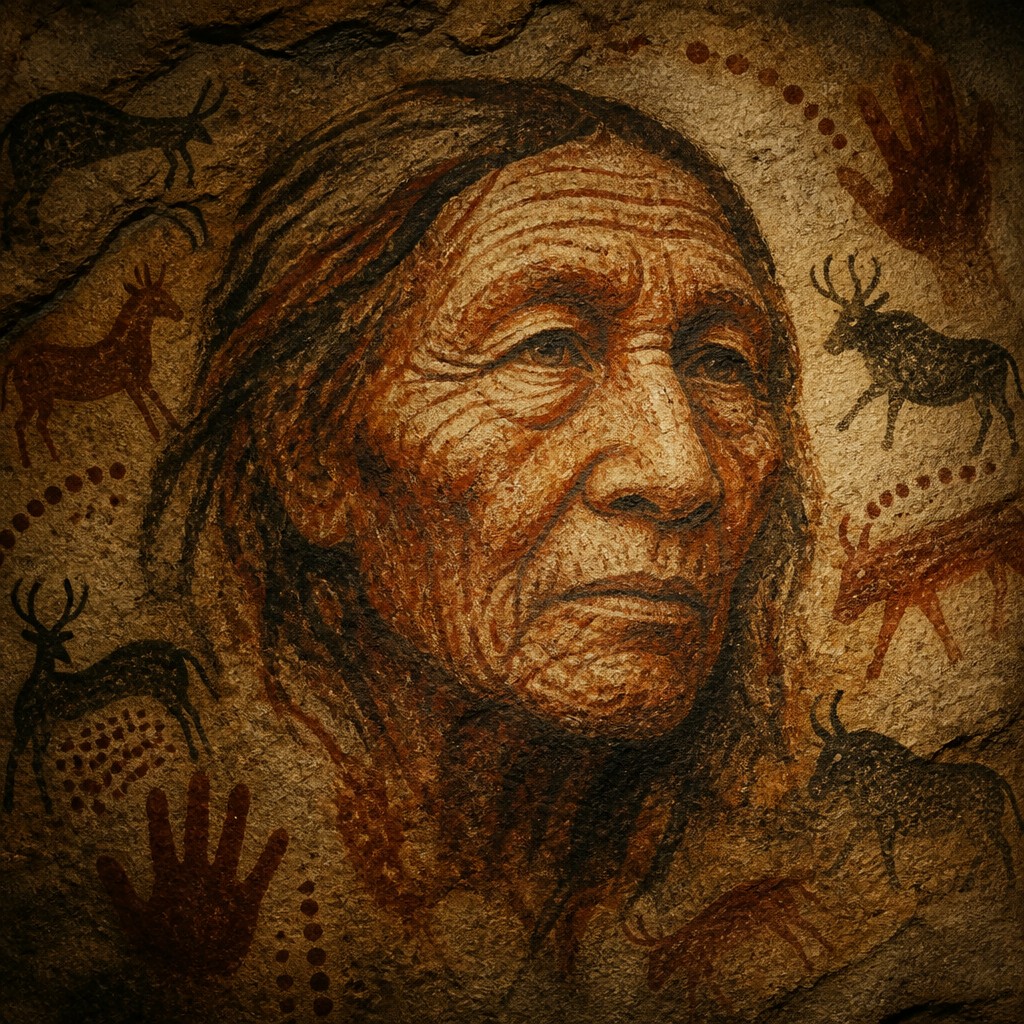
“close-up portrait of an elderly person with expressive weathered features”
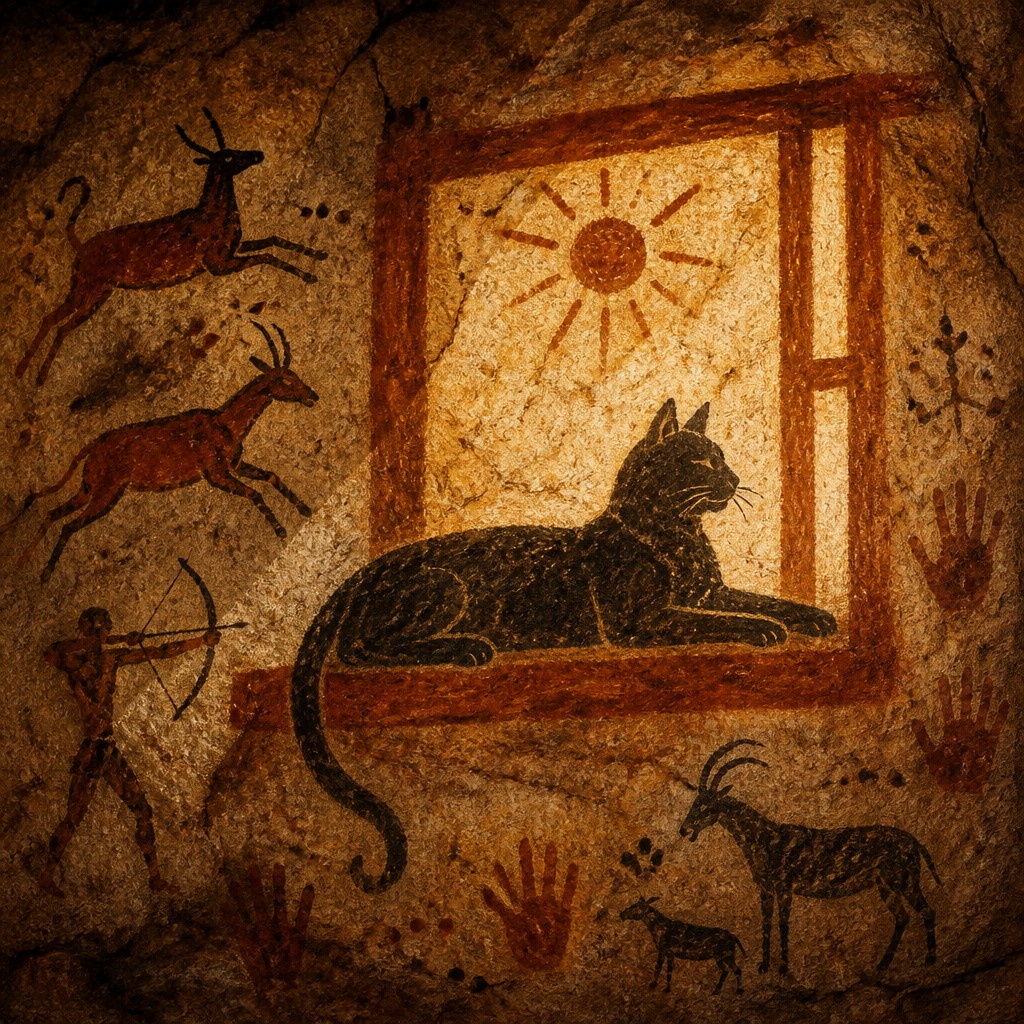
“a cat lounging in a sunlit window”
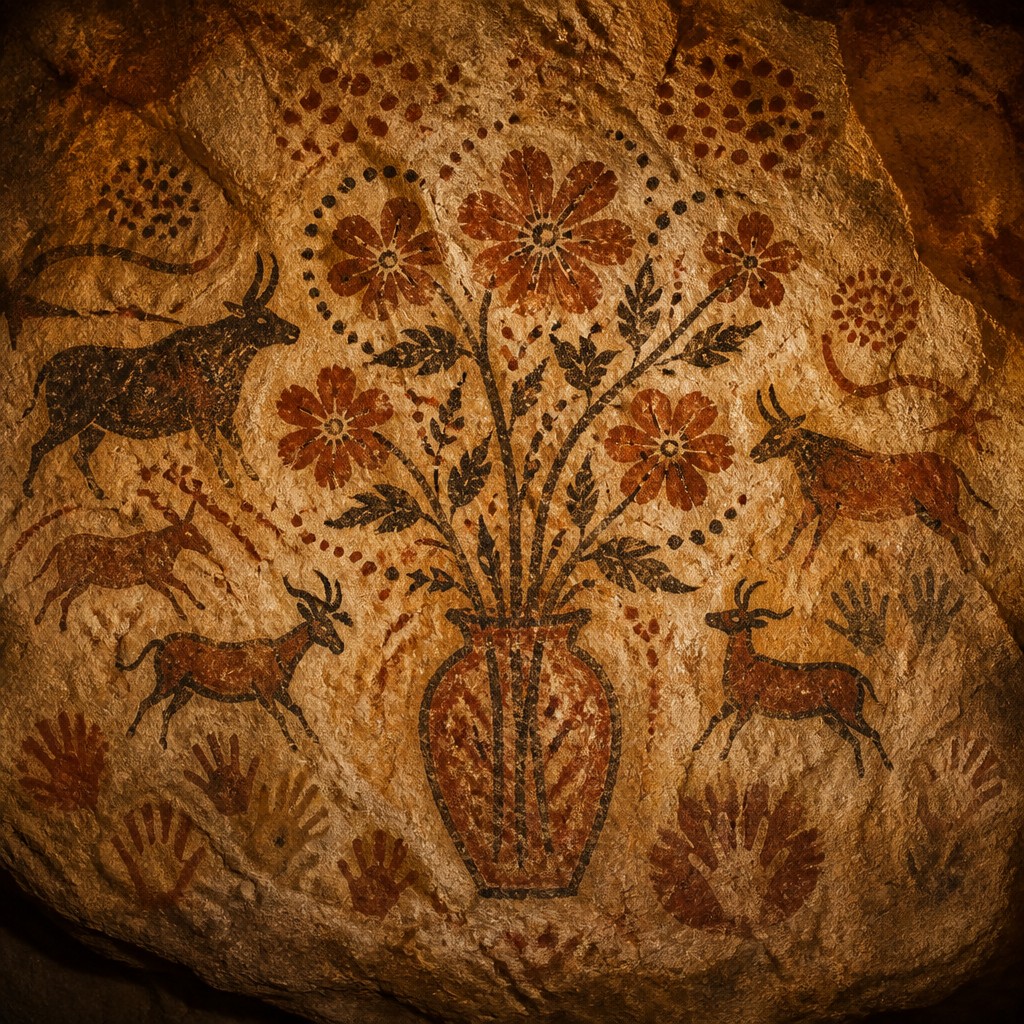
“bouquet of flowers in a glass vase”
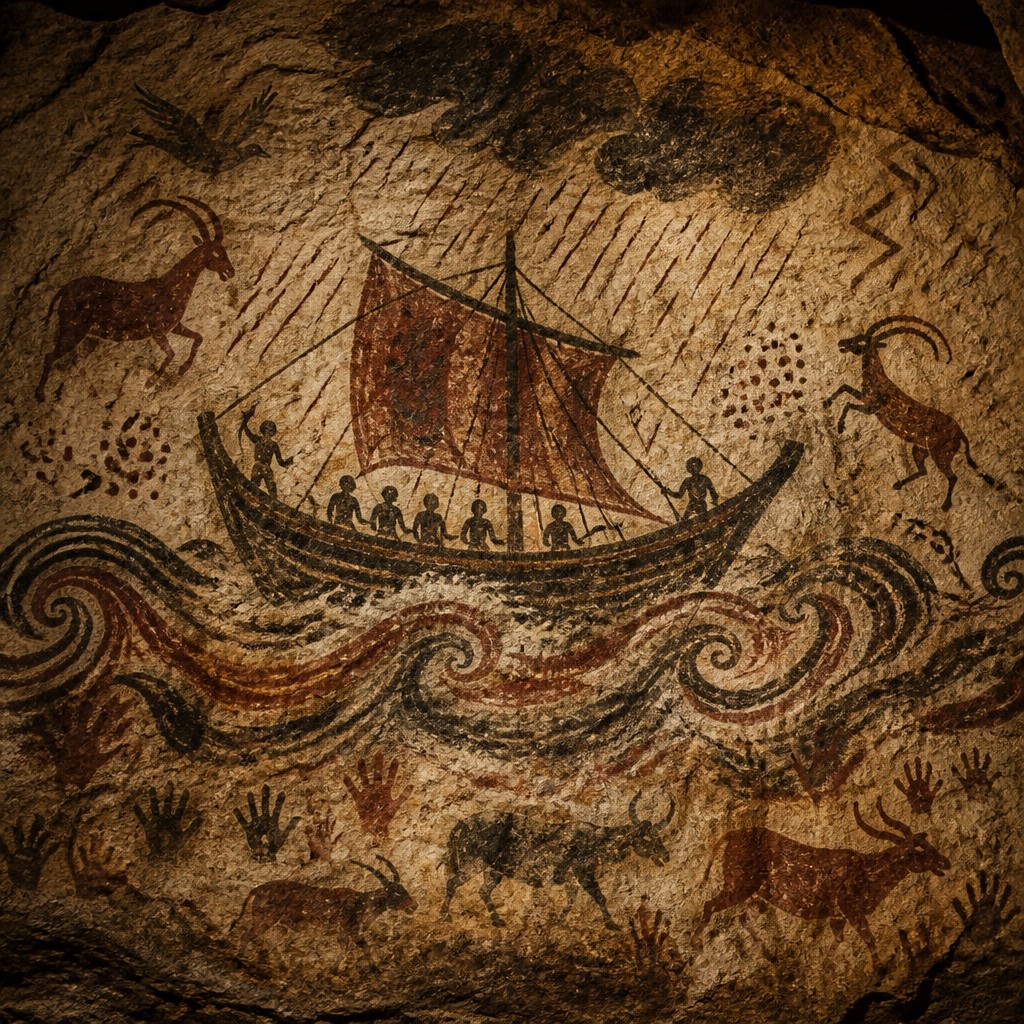
“sailing ship on a stormy sea”
How to Create Prehistoric Cave Art
Master the craft step by step — or skip straight to creating. Read the full guide →
- 1
Build a mineral palette
For physical work, use iron-oxide reds, yellow ochres, charcoal, earth pigments, or safe artist-grade substitutes on an irregular stone-like ground. Keep saturation low and let the surface remain visible.
- 2
Draw with economical contours
Reduce the subject to a strong profile and a few sweeping lines that describe its weight and movement. Avoid polished outlines, precise perspective, and excessive anatomical detail.
- 3
Use the surface as structure
Work on rough paper, plaster, clayboard, or a digitally simulated rock texture, allowing cracks and bumps to interrupt the image. Add pigment unevenly so the mark appears absorbed, rubbed, or partially eroded.
- 4
Suggest handmade application
Combine finger-like smears, dry-brush edges, stippling, blown-pigment effects, and simple hand stencils. In digital work, vary opacity, grain, edge softness, and pigment density instead of using perfectly uniform fills.
- 5
Compose for firelight
Use a dark surrounding field with localized warm illumination, while keeping the painted forms matte and subdued. A slight smoky haze and irregular shadowing can imply a flickering torch without turning the scene into theatrical fantasy.
- 6
Write precise generation prompts
Specify the subject, profile or gesture, mineral colors, rough rock wall, hand-applied marks, visible stone texture, and uneven torchlit shading. For image transformation, preserve the main silhouette while reducing photographic detail into broad contours, ochre planes, charcoal marks, and weathered patina.
The Story
History & Origins of Prehistoric Cave
Cave art is not one unified historical movement. The best-known European examples date largely from the Upper Paleolithic, roughly 40,000 to 10,000 BCE, while rock paintings and engravings in Africa, Asia, Australia, and the Americas belong to varied periods and cultural traditions, some continuing into the recent past. Images were made in caves, rock shelters, and open rock surfaces, and their original purposes remain debated; interpretations include ritual, symbolic, social, instructional, and place-based functions.
Artists used iron-oxide pigments for reds and yellows, carbon-rich materials or manganese for dark marks, and mineral or earth colors for other tones. Application methods included fingers, sticks, crude brushes, rubbing, engraving, and blowing pigment around a hand to create a stencil. Some surfaces were prepared, but many images were integrated into existing rock contours, using relief and shadow to suggest volume.
Influences: This aesthetic draws from Upper Paleolithic European cave painting, African and Australian rock-art traditions, Indigenous rock painting and engraving practices, earth-pigment drawing, and the broader history of mark-making on stone. Modern interpretations also intersect with primitivist-inspired modern art, archaeological reconstruction, natural-history illustration, fantasy concept art, and distressed textural design, though these contemporary categories should not be confused with the original cultural contexts.

Frequently Asked Questions
What defines prehistoric cave art style?
It is defined by earth and carbon pigments, simplified animal forms, expressive contours, hand stencils, dots, and imagery integrated with a rough rock surface. Uneven application, weathering, and firelit darkness are as important as the subject itself.
When did prehistoric cave art begin?
The oldest securely dated cave paintings currently known are generally associated with the Upper Paleolithic, beginning more than 40,000 years ago in some regions. Rock art traditions developed at different times across the world, so there is no single global starting date.
What materials were used in prehistoric cave paintings?
Common materials included red and yellow ochres, charcoal, manganese-rich minerals, and other locally available earth pigments. Artists applied them with fingers, crude brushes, rubbing tools, or by blowing pigment around a hand; binders were variable and are not always known.
How is this different from primitive or tribal art?
Prehistoric cave art refers to ancient rock imagery, while labels such as primitive or tribal are broad, outdated terms that can collapse many distinct cultures into one category. A responsible description should identify a region and period when known rather than treating all Indigenous or ancient art as interchangeable.
Can I create this style without painting on a cave wall?
Yes. Rough paper, plaster, clayboard, textured digital layers, and photographic rock surfaces can reproduce the material qualities without damaging archaeological sites. Use matte earth colors, irregular edges, selective silhouettes, and visible surface variation rather than clean graphic fills.
Where is this visual style used today?
Contemporary versions appear in educational illustration, museum interpretation, editorial graphics, animation, games, book covers, murals, and archaeological reconstructions. Modern works should distinguish imaginative pastiche from the specific traditions and sacred contexts of living Indigenous communities.
Create your first Prehistoric Cave artwork
Describe anything — or upload a photo — and see it in Prehistoric Cave Art Style in seconds.
Related Styles
Discover similar art styles