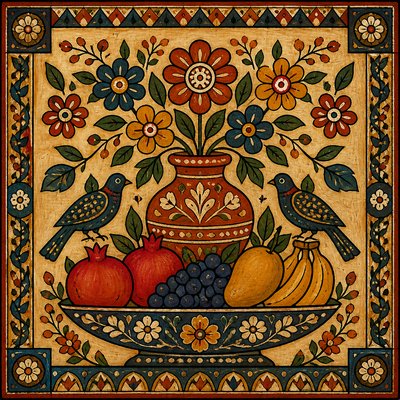
Ancient Indian Mural Art Style
Explore Ancient Indian Mural Art: jewel-toned cave paintings, lotus vines, serene figures, mineral pigments, and weathered sacred surfaces.
Instantly rendered in Ancient Indian Mural — or transform a photo
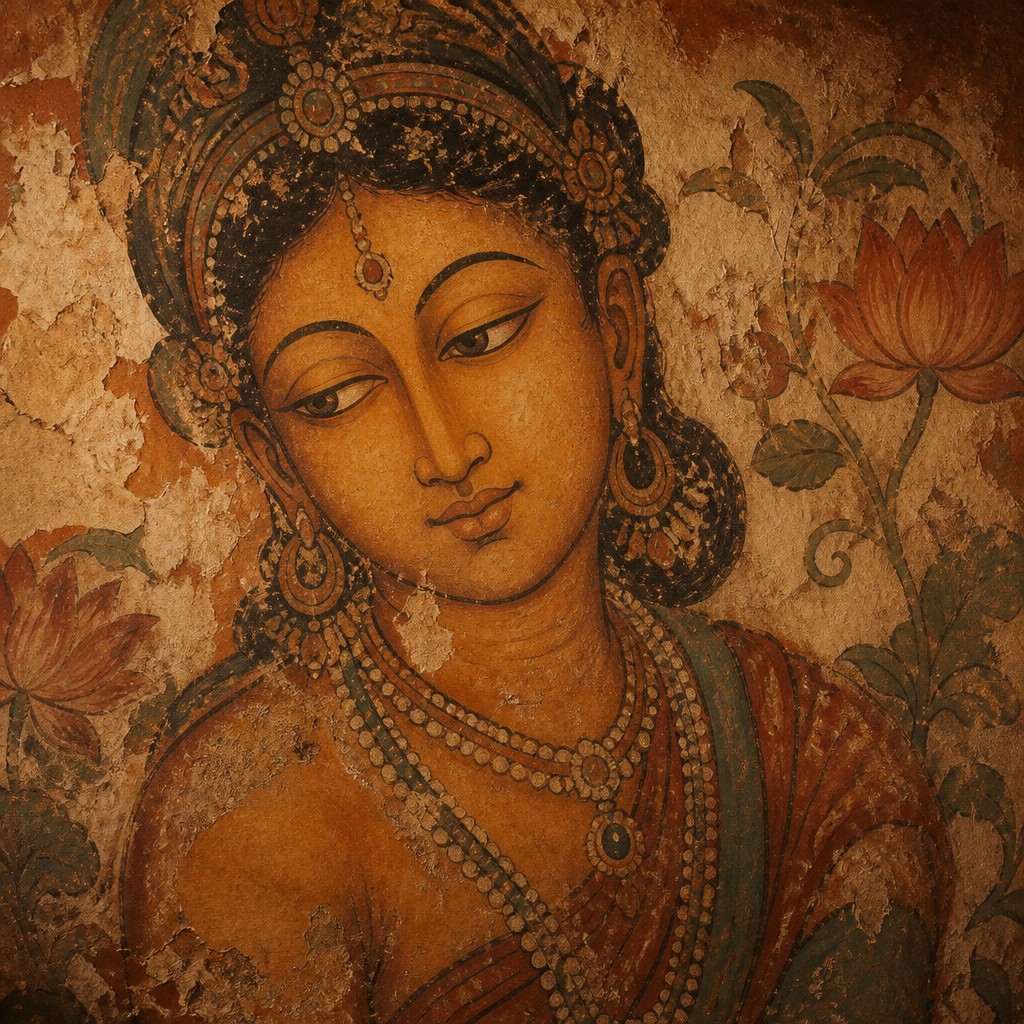
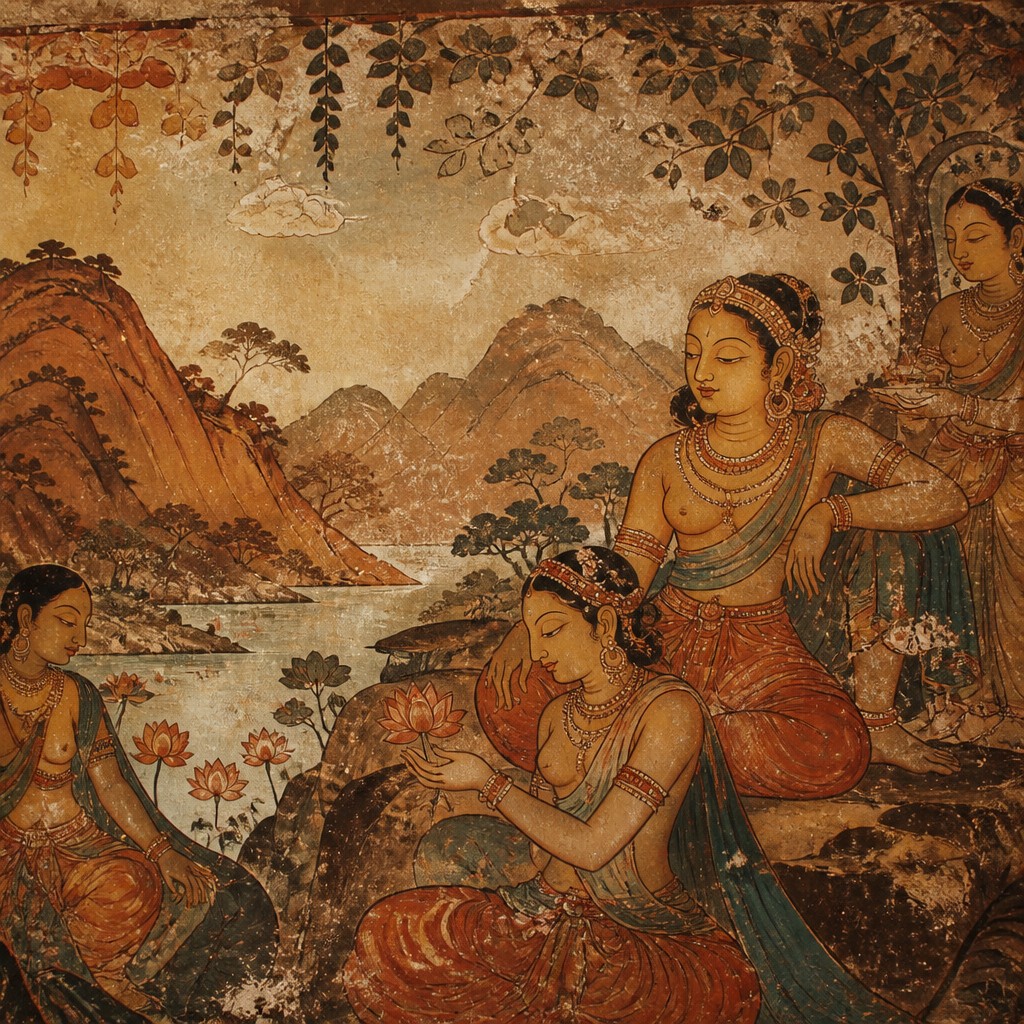
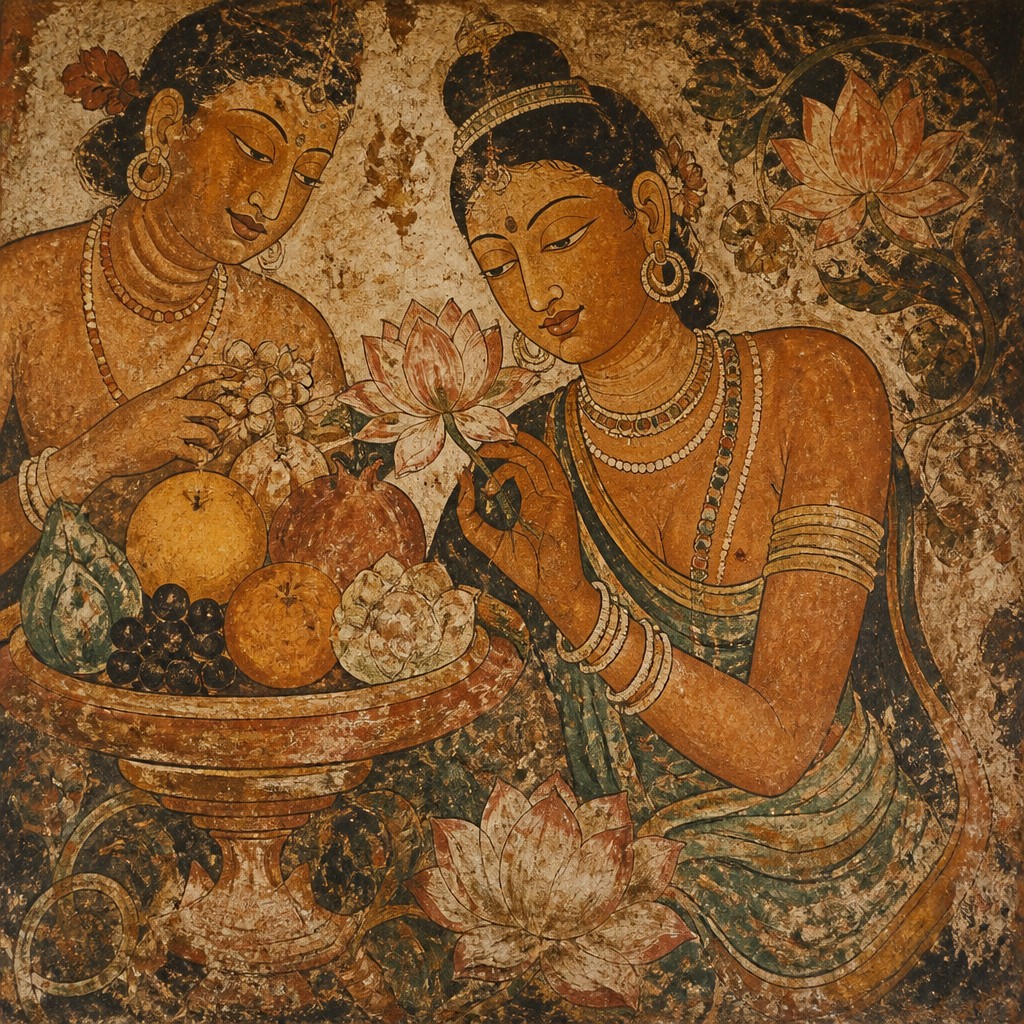
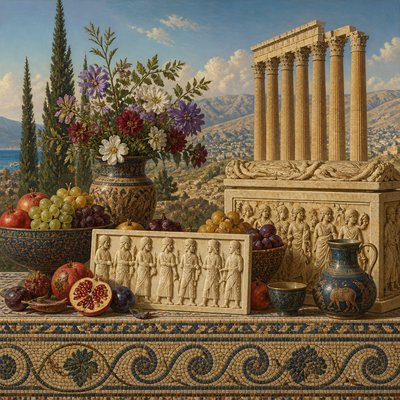
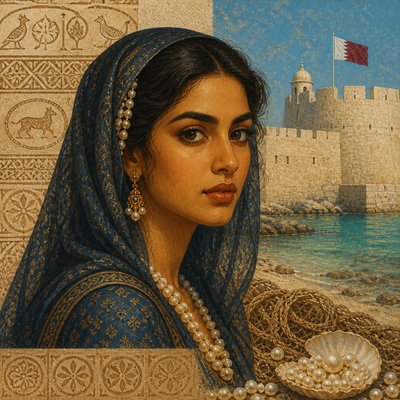
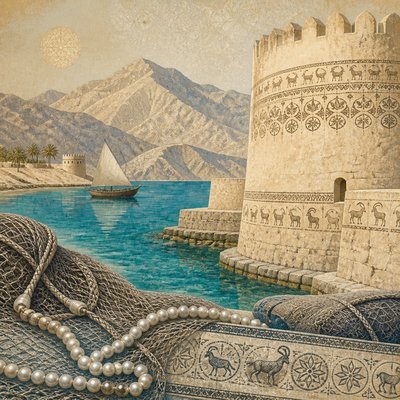
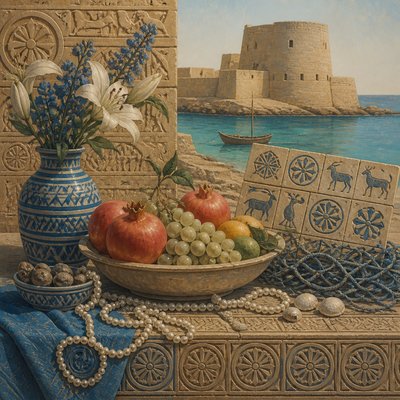
Ancient Indian Mural Gallery
Tap any artwork to explore it
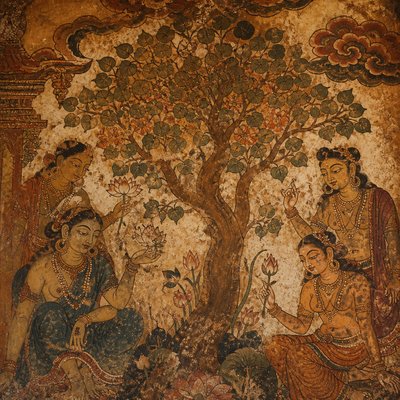
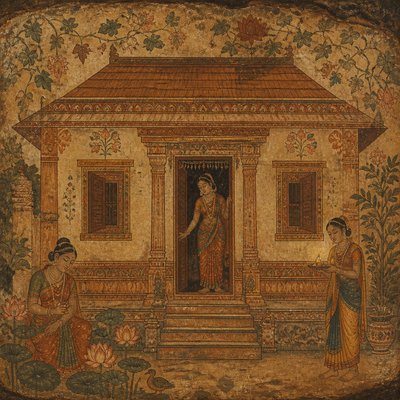
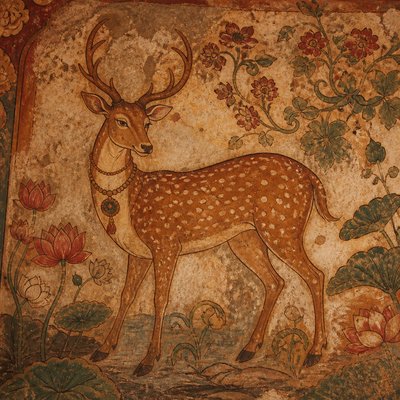
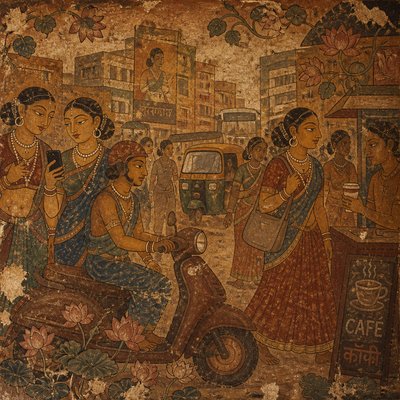
What is Ancient Indian Mural Art Style?
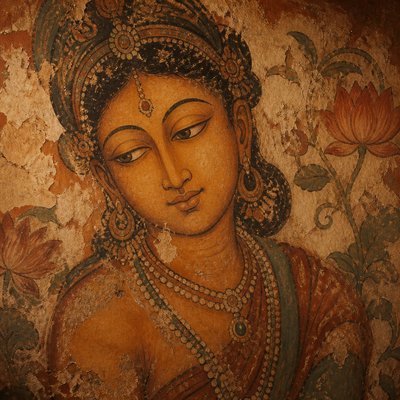
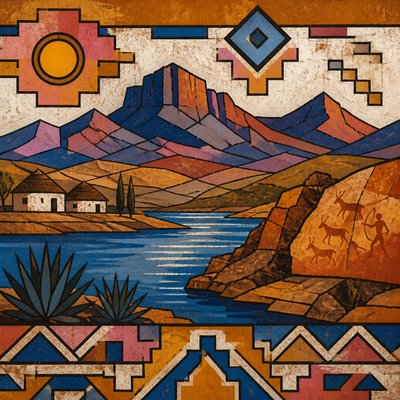
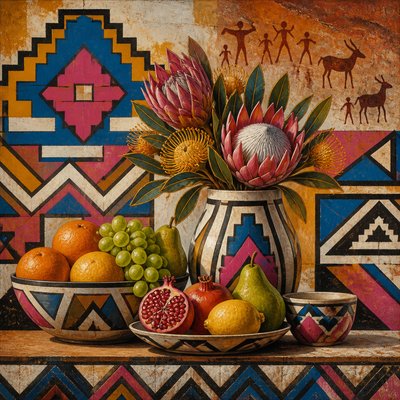
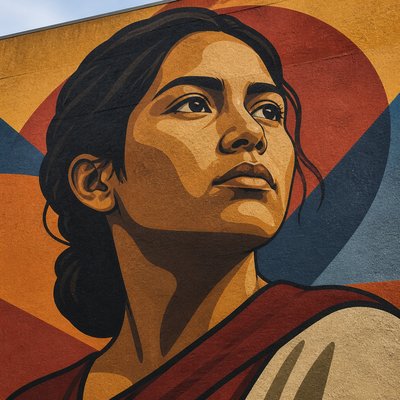
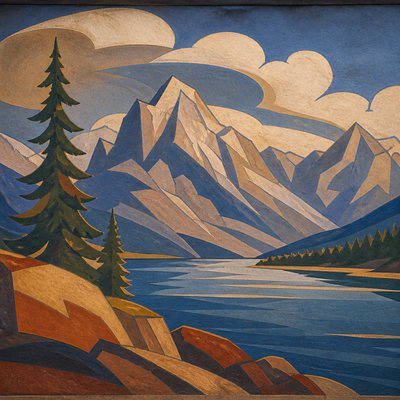
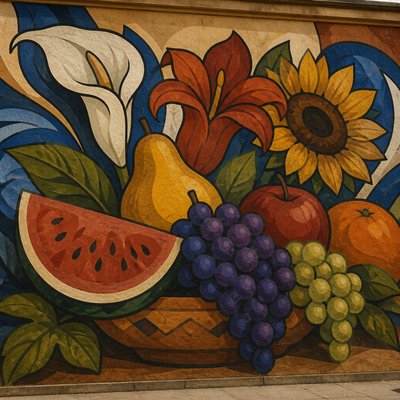
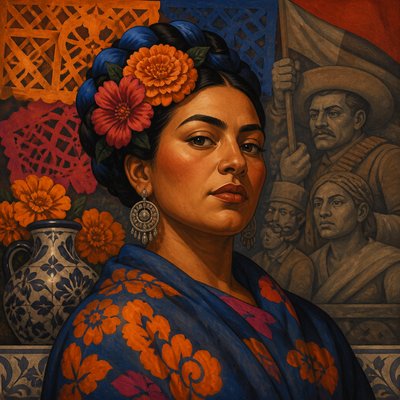
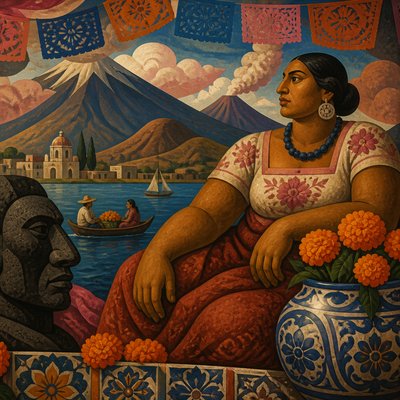
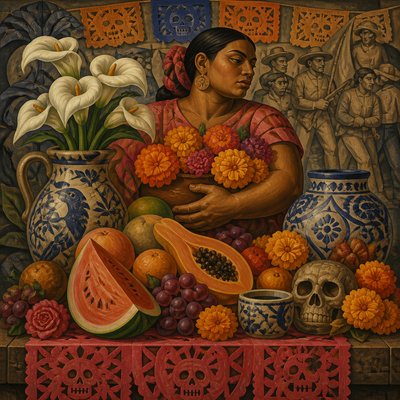
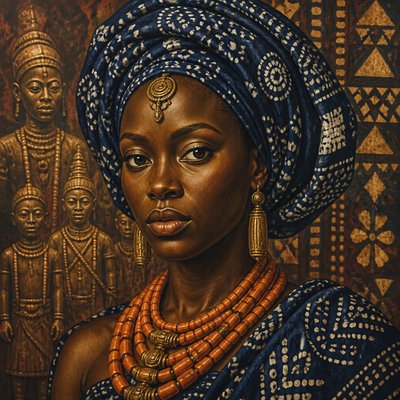
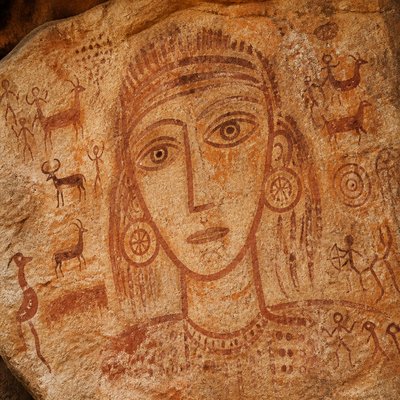
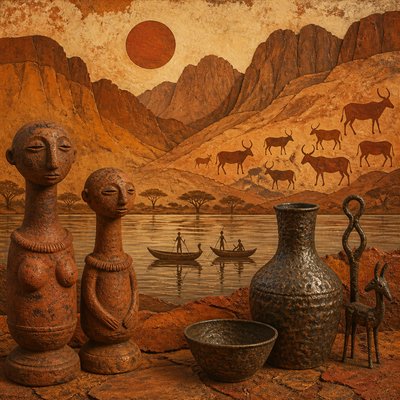
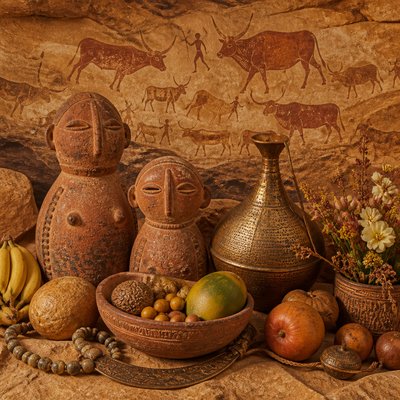
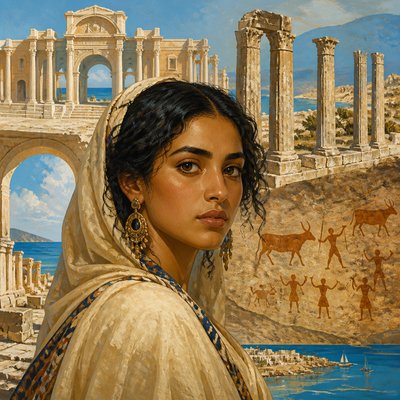
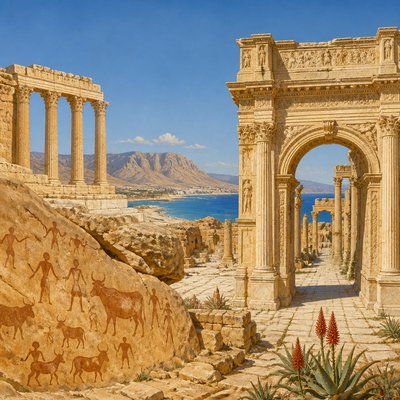
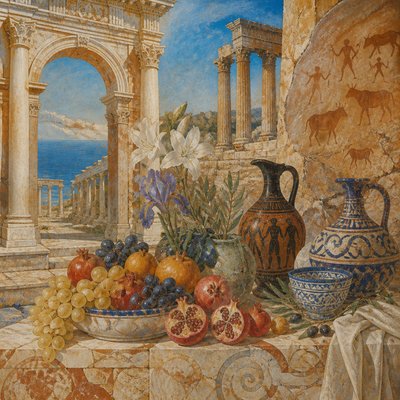
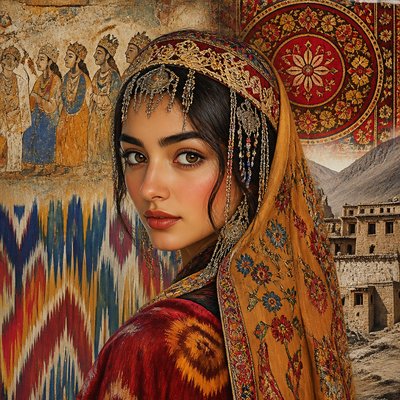
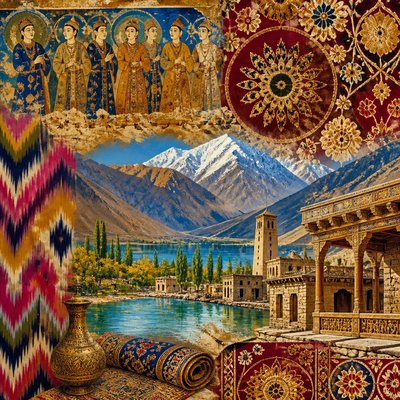
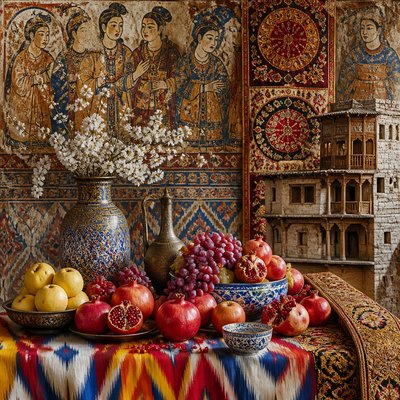
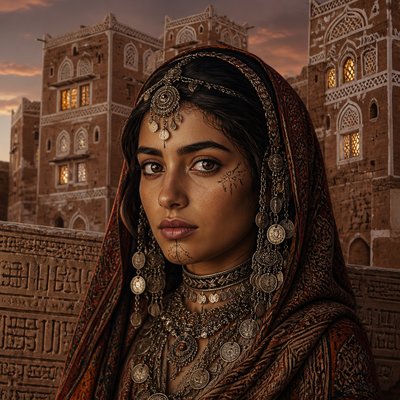
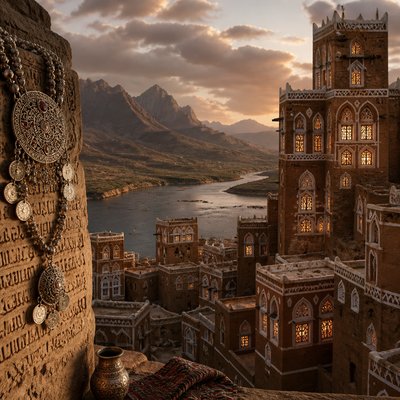
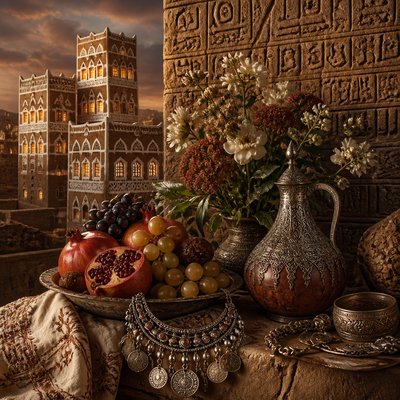
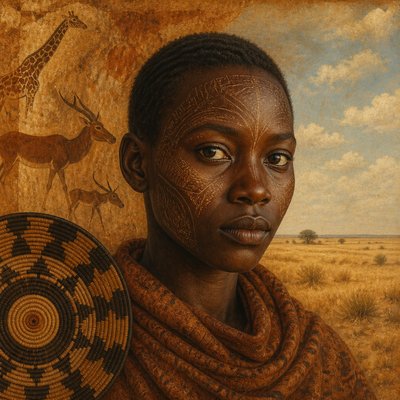
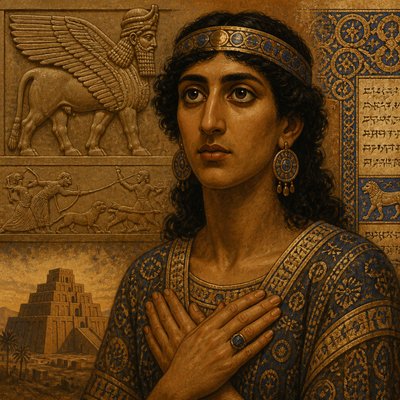
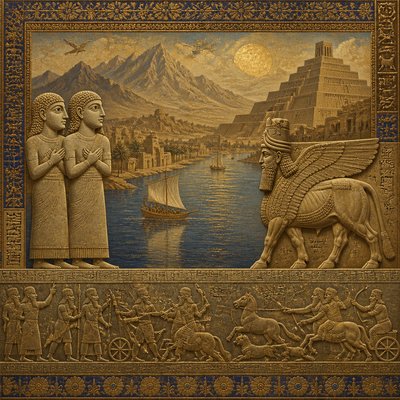
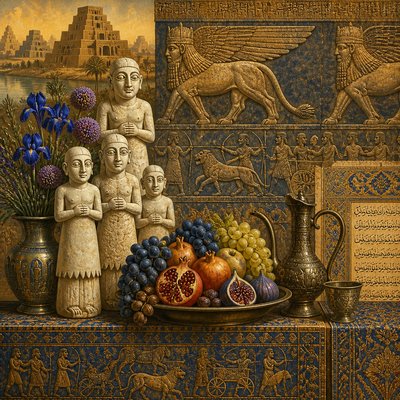
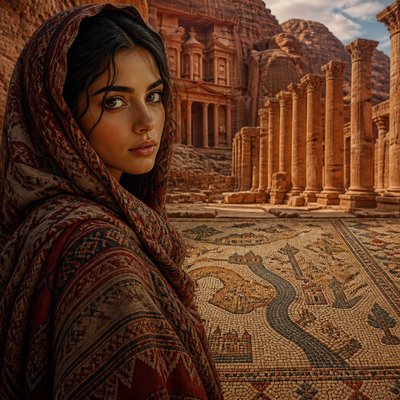
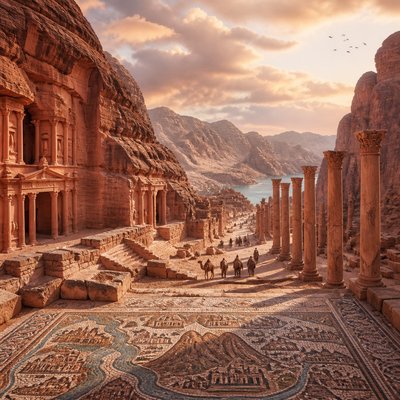
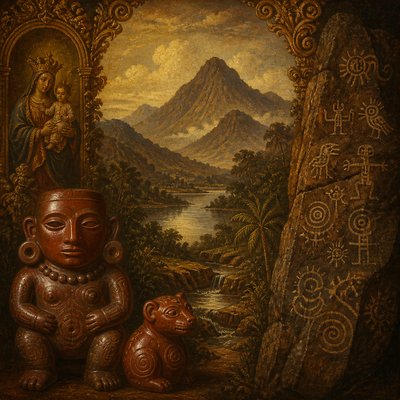
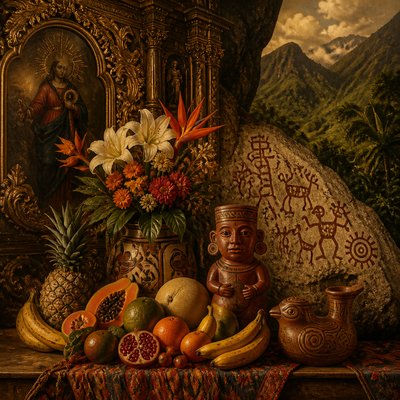
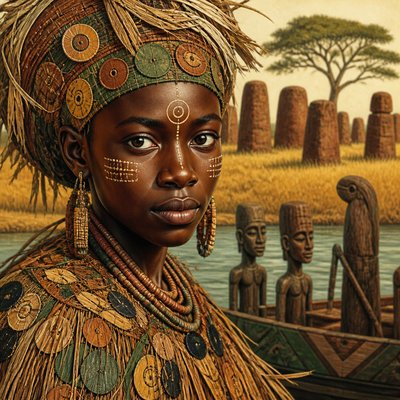
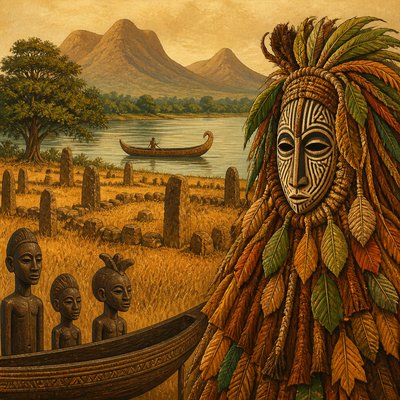
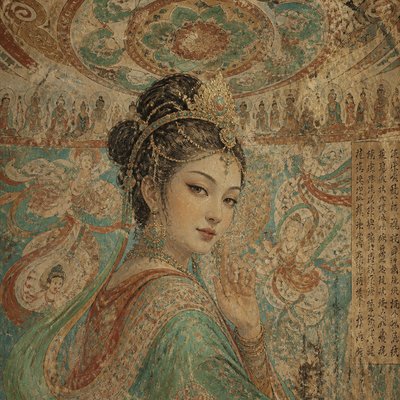
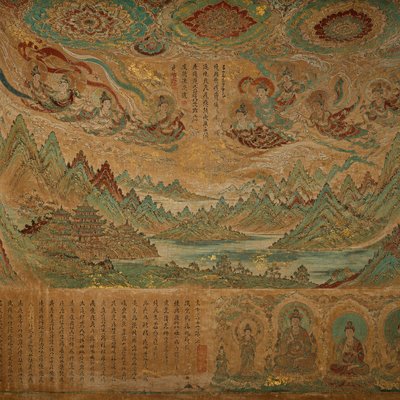
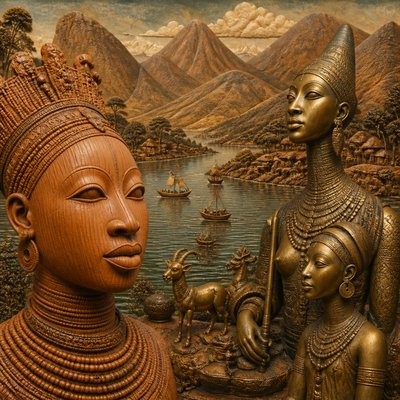
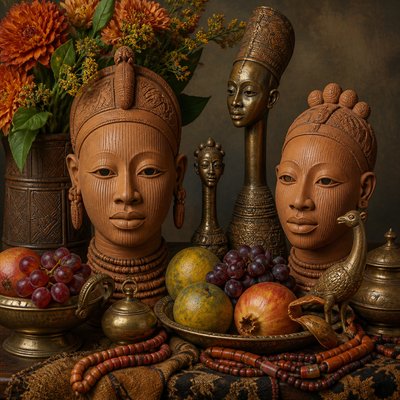
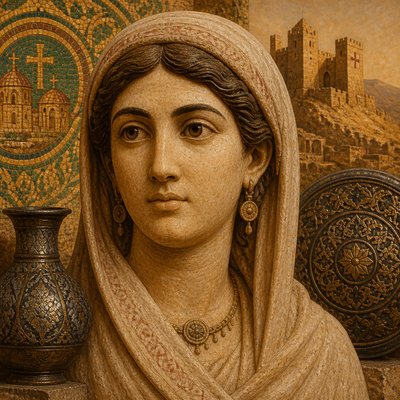
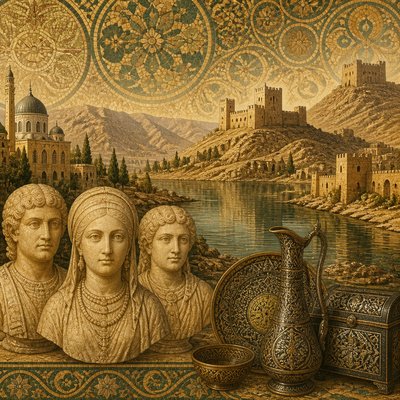
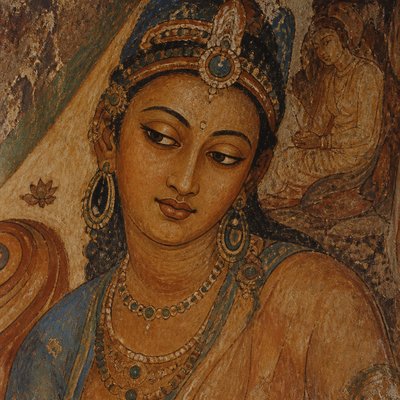
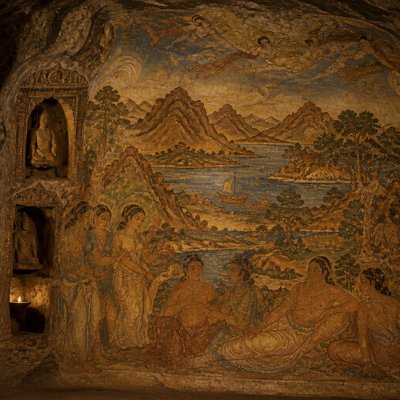
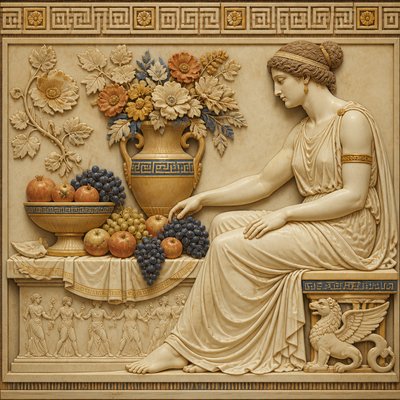
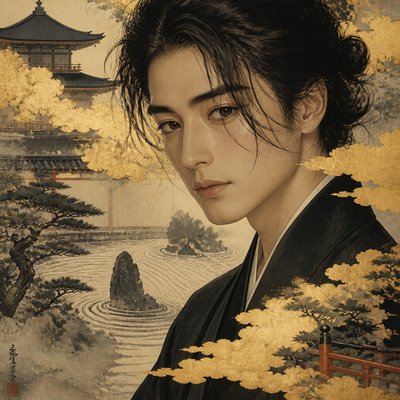
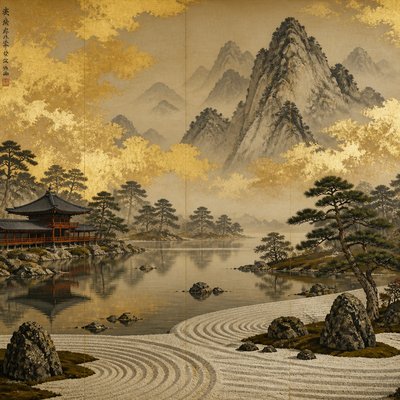
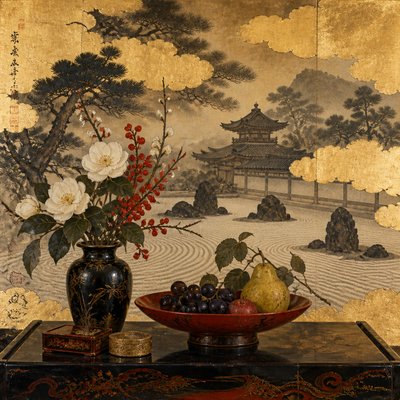
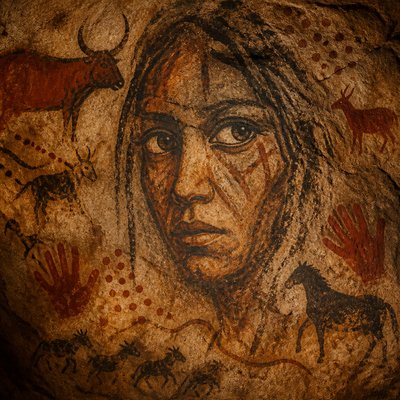
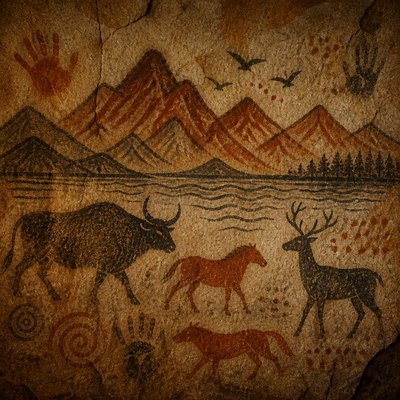
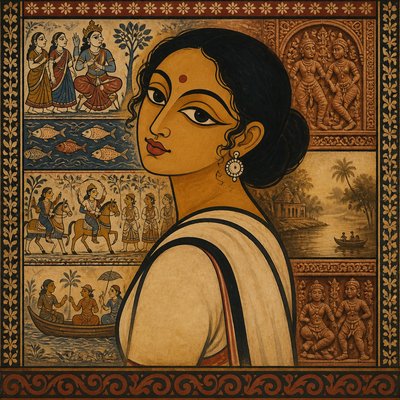
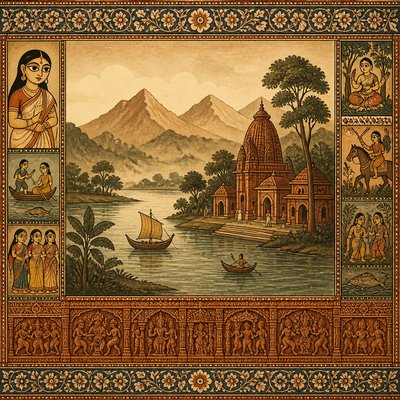
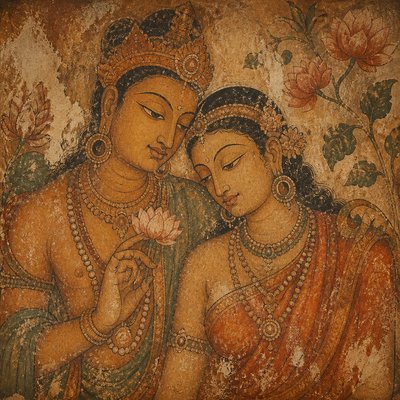
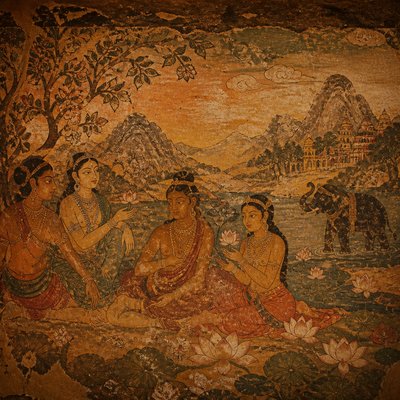
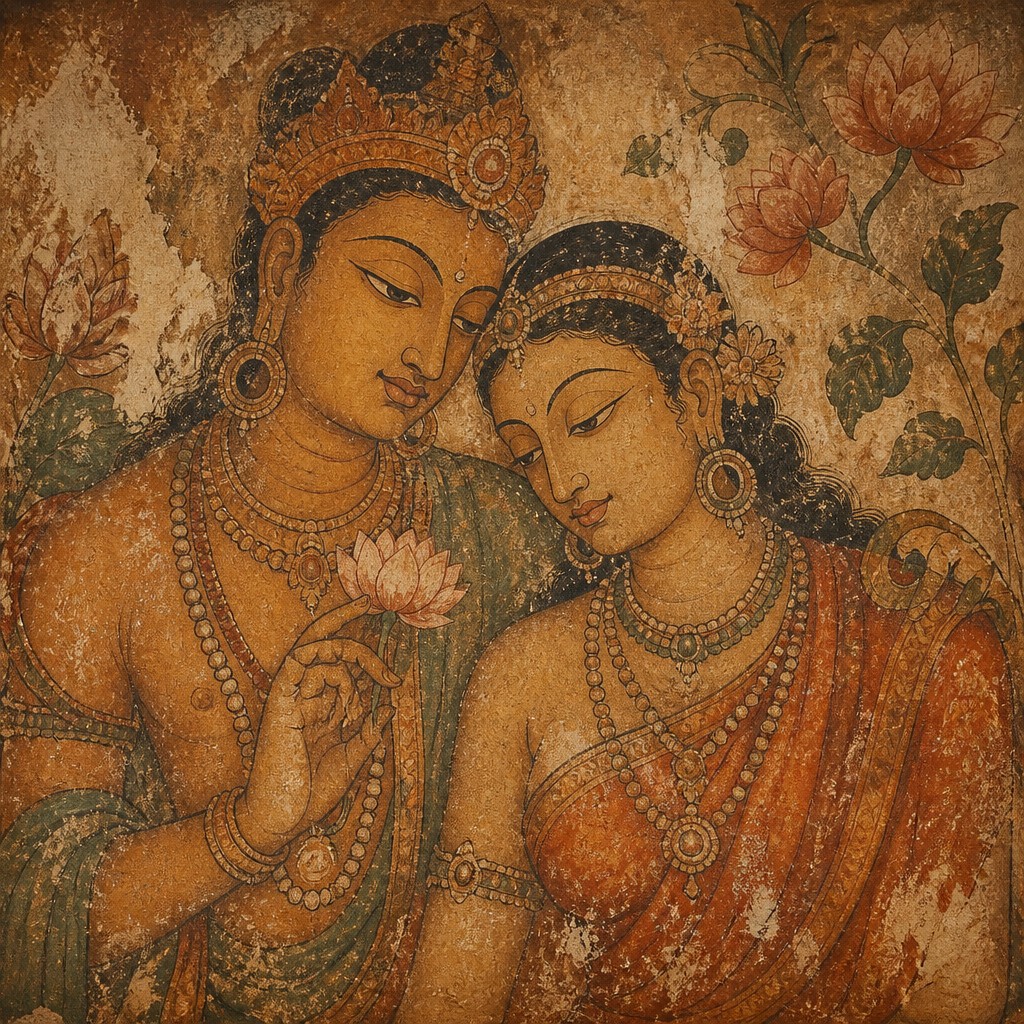
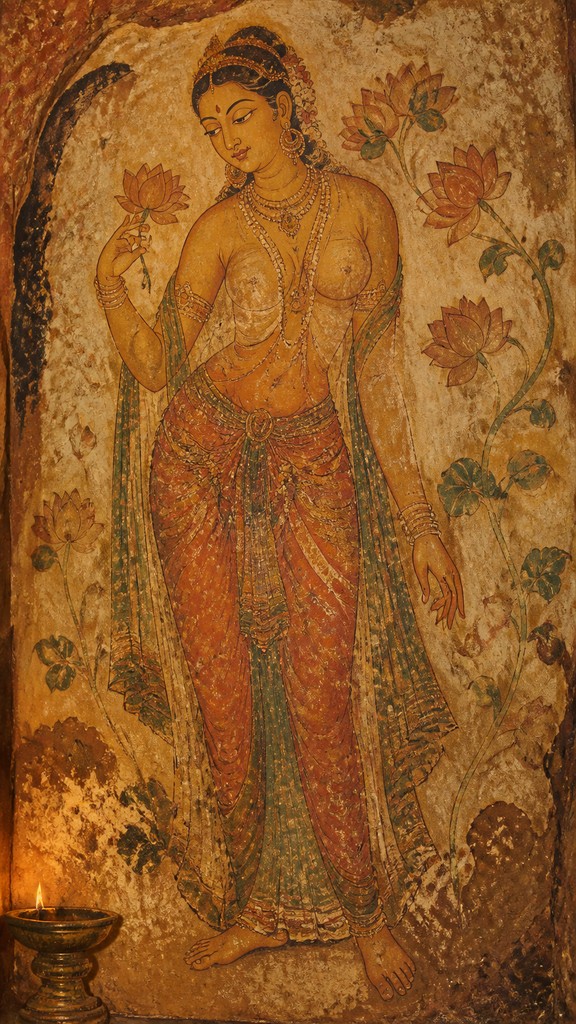
The style is recognized less by strict geometric rules than by its atmosphere and treatment of the human form. Flowing contour lines, elegant gestures, almond-shaped or half-closed eyes, rhythmic patterns, and subdued candlelit shading create a sense of spiritual composure. Aged surfaces, gentle flaking, uneven pigment, and visible plaster texture suggest paintings preserved within rock-cut sanctuaries rather than clean modern walls.
Try It On Your Photos
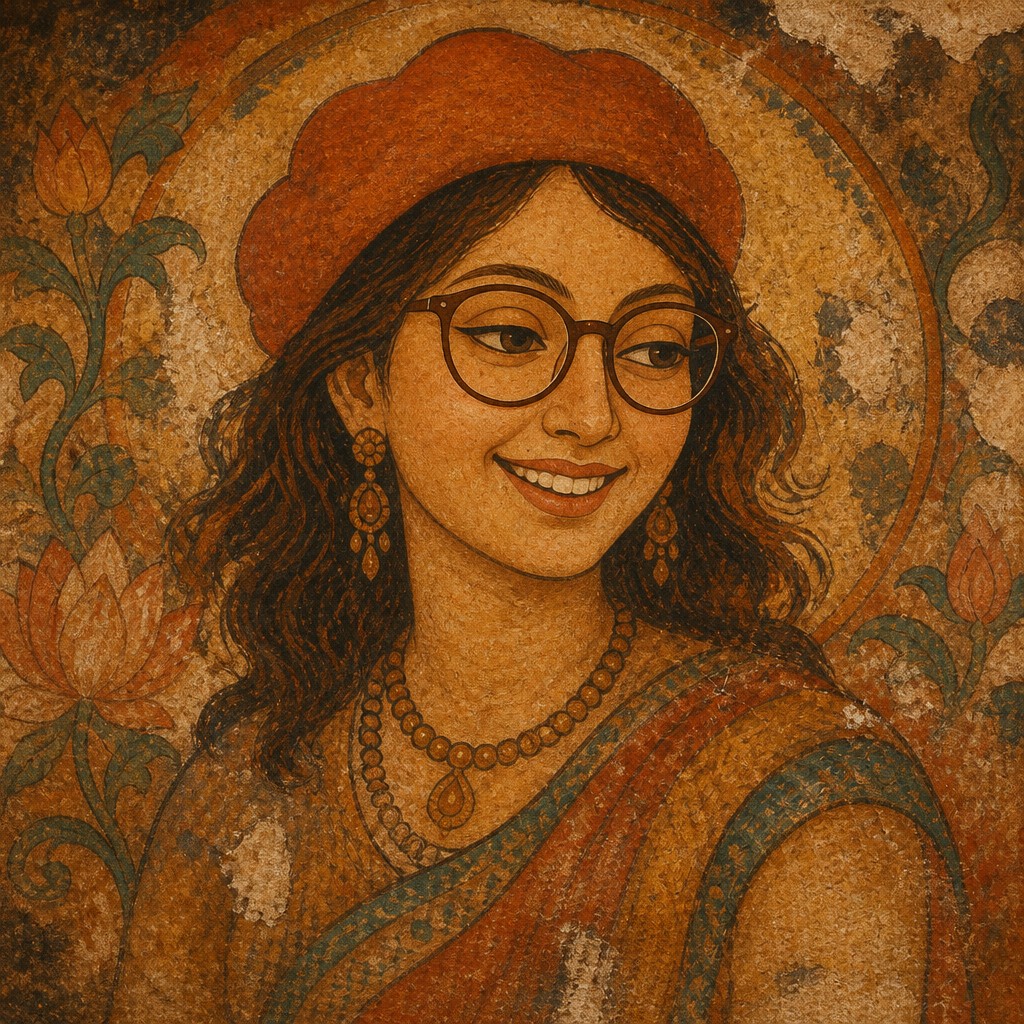
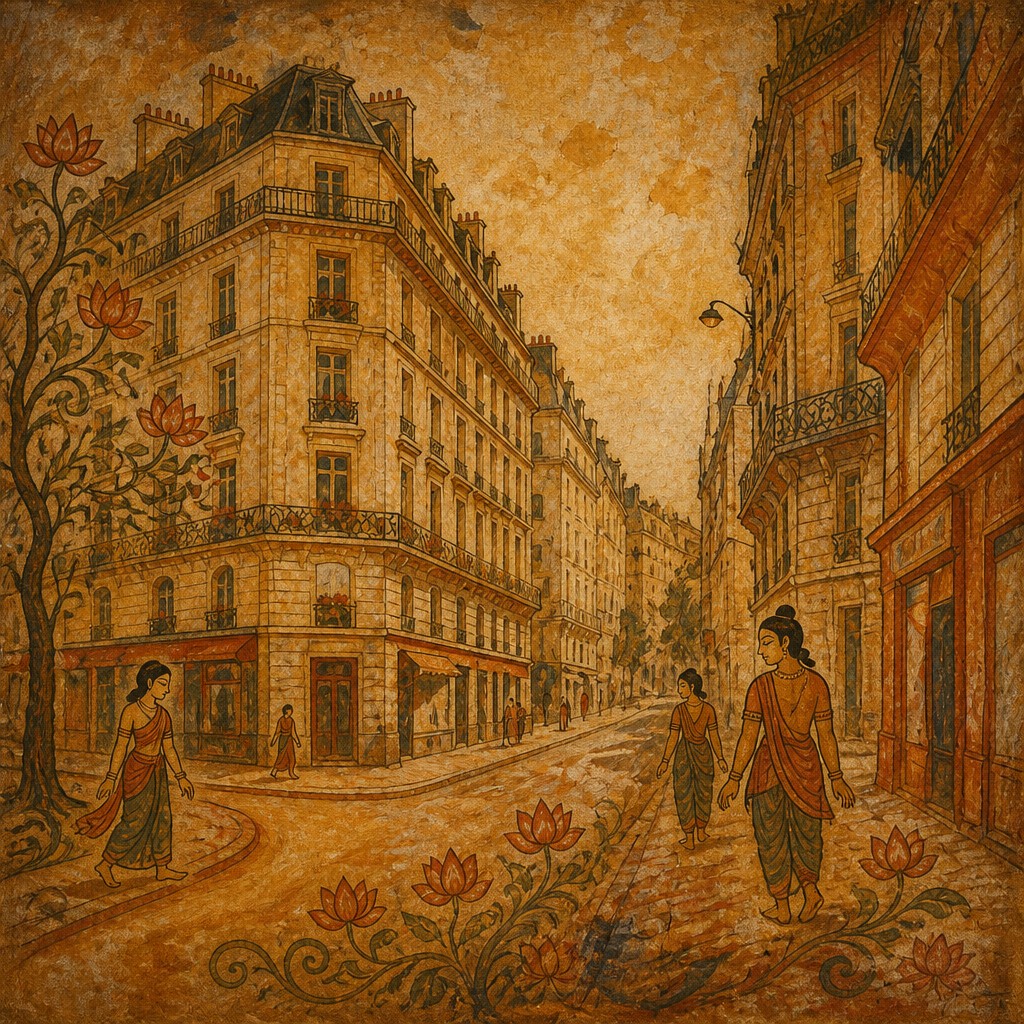
Upload any photo and convert it into Ancient Indian Mural Art Style — drag the sliders to compare before and after.


What Defines Ancient Indian Mural Art Style
The signature details, up close
Mineral pigment palette
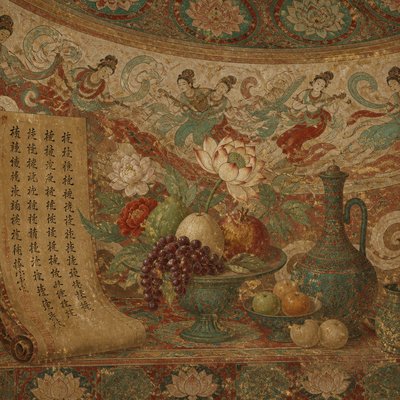
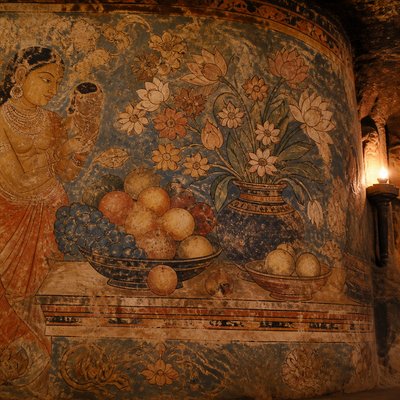
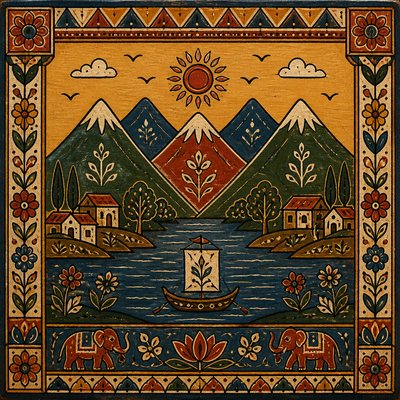
Warm ochre, red earth, terracotta, muted green, indigo or blue, cream, and lamp-black form the core palette. Colors appear slightly softened by age, dust, and the absorbency of plaster.
Graceful figuration
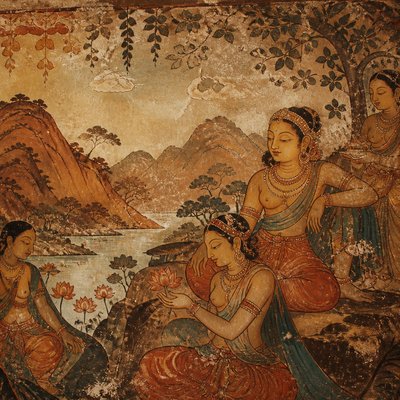
Figures are elongated and arranged through flowing gestures rather than rigid anatomy. Relaxed postures, gently inclined heads, and expressive hands convey dignity and serenity.
Serene facial expression
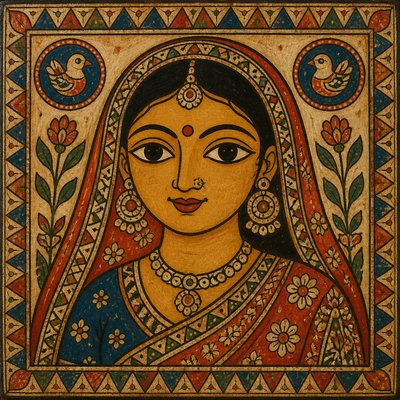
Half-closed eyes, softly arched brows, full lips, and calm faces create an inward, contemplative mood. Facial features are outlined clearly but modeled with restrained tonal transitions.
Jewel-toned adornment
Garments, crowns, necklaces, earrings, armlets, and beaded ornaments add concentrated accents of ruby red, sapphire blue, emerald green, and gold-like ochre.
Lotus and vegetal ornament
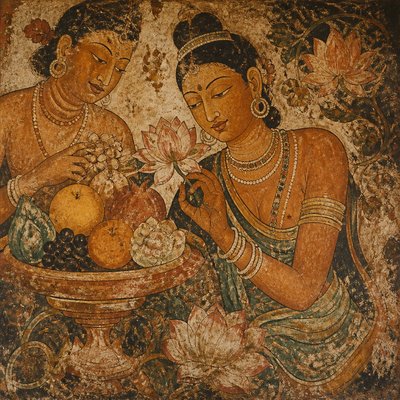
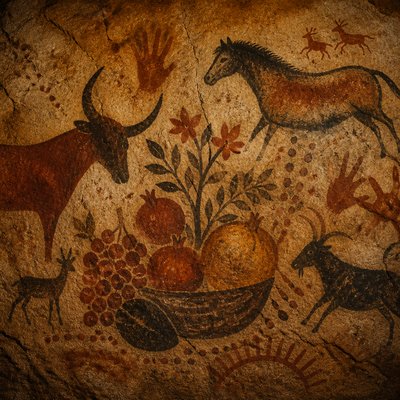
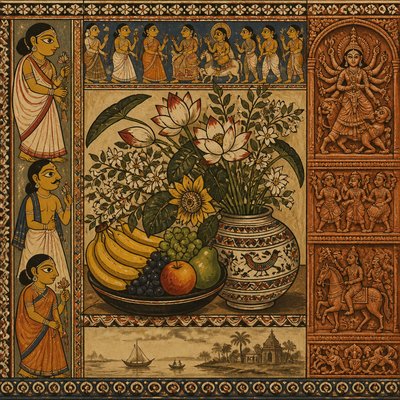
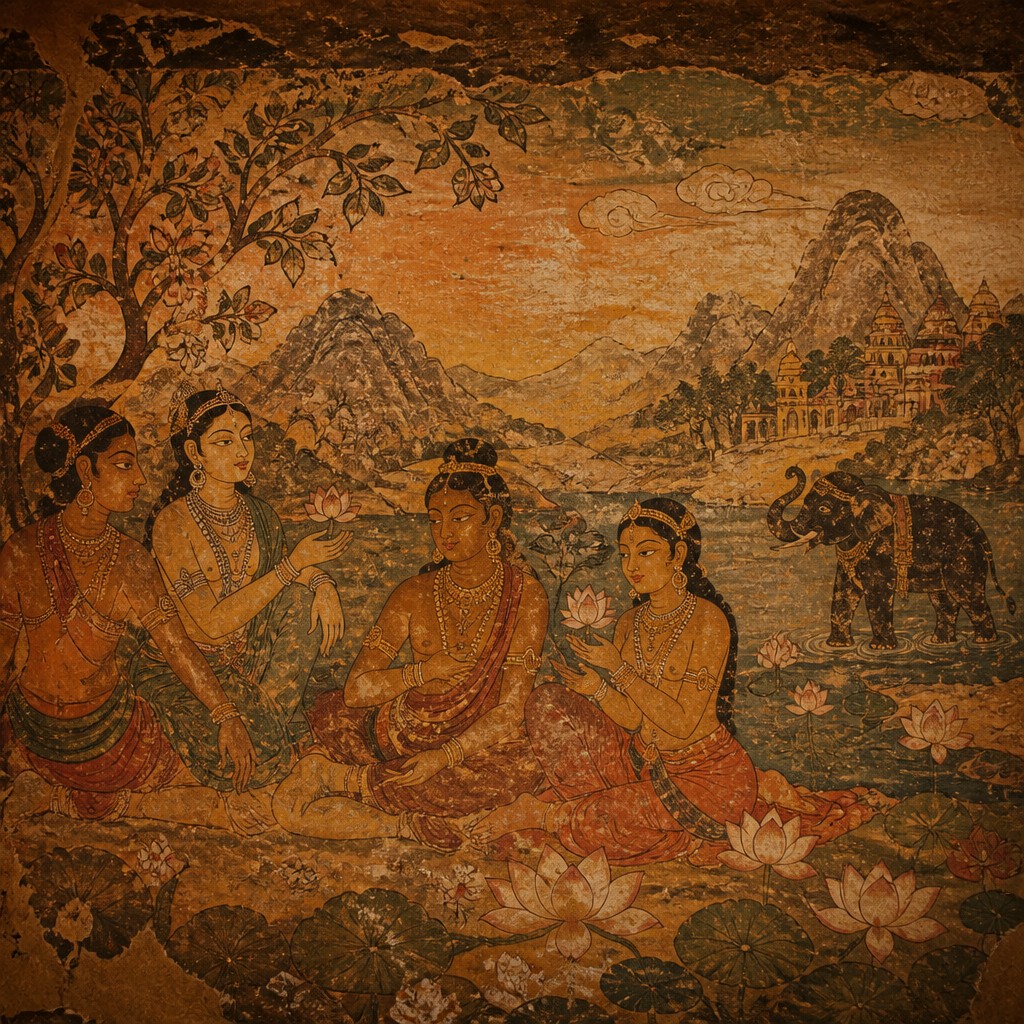
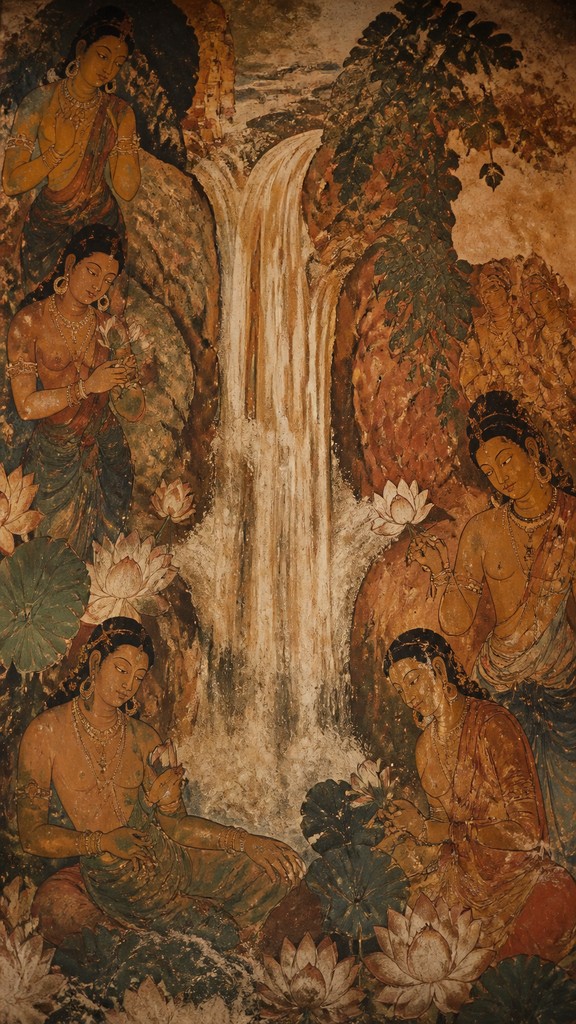
Lotus blossoms, curling stems, leaves, vines, and flowering borders fill negative space and connect figures to a symbolic natural world. Botanical forms are stylized into rhythmic decorative patterns.
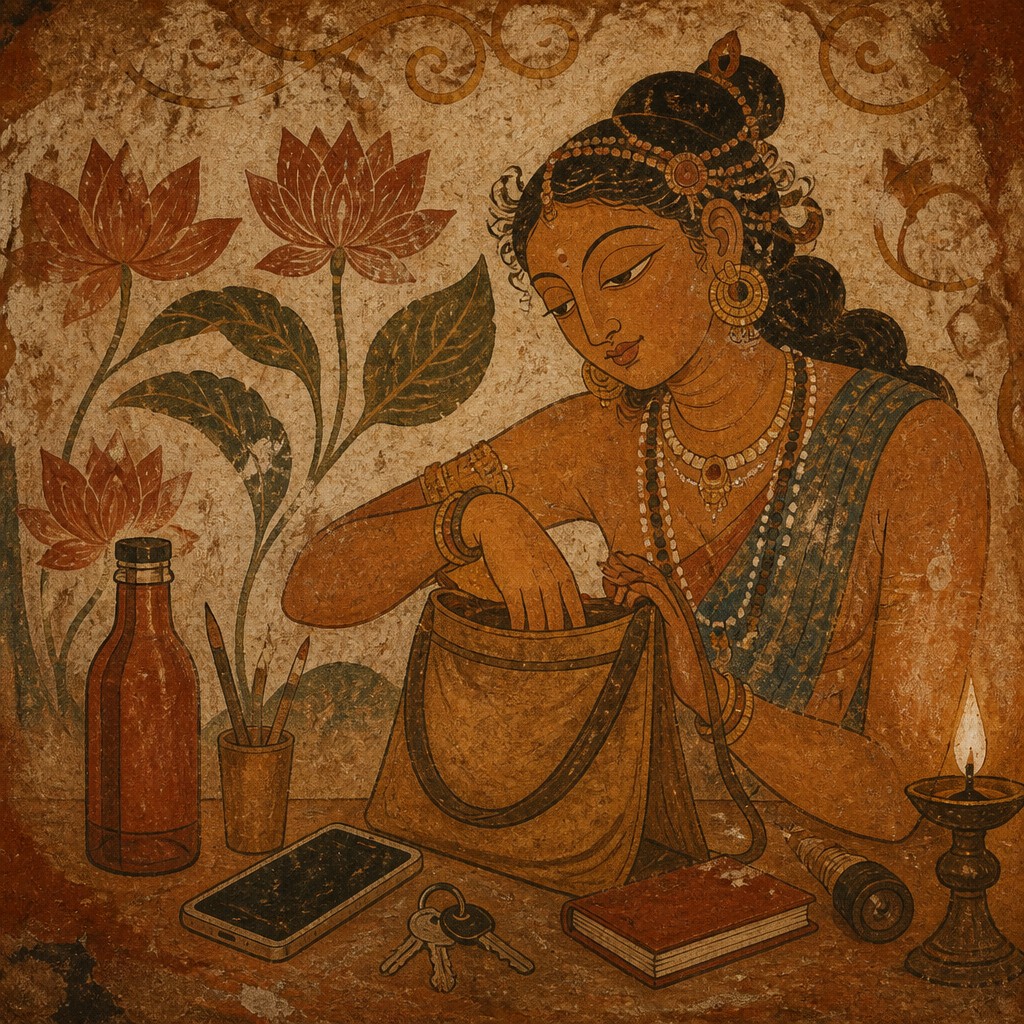
Textured aged surface
Cracked plaster, faint abrasions, pigment variation, and delicate flaking are important parts of the appearance. The surface should feel archaeological and tactile rather than digitally immaculate.
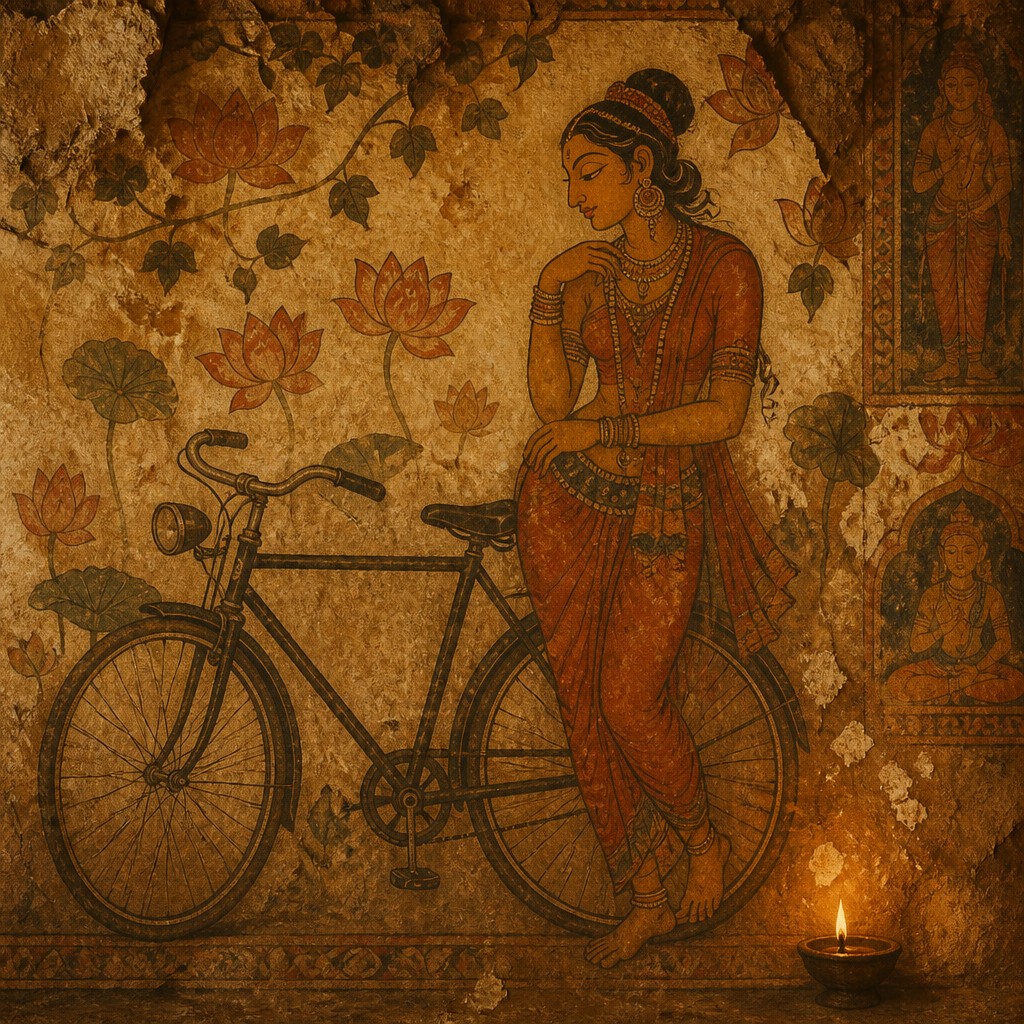
Soft directional illumination
Low-contrast shading and warm gradients suggest the glow of lamps within a cave or shrine. Light usually supports the contours and mood instead of producing dramatic naturalistic shadows.
Try It
Create Videos in Ancient Indian Mural Art Style
Styles aren't just for stills — describe a scene or animate an image and get a short video rendered in Ancient Indian Mural. Press play to see this pond come to life.
Make a VideoAncient Indian Mural Prompt Ideas
Start from an idea — each one opens the generator with the style ready to go. See all 40 Ancient Indian Mural prompts →
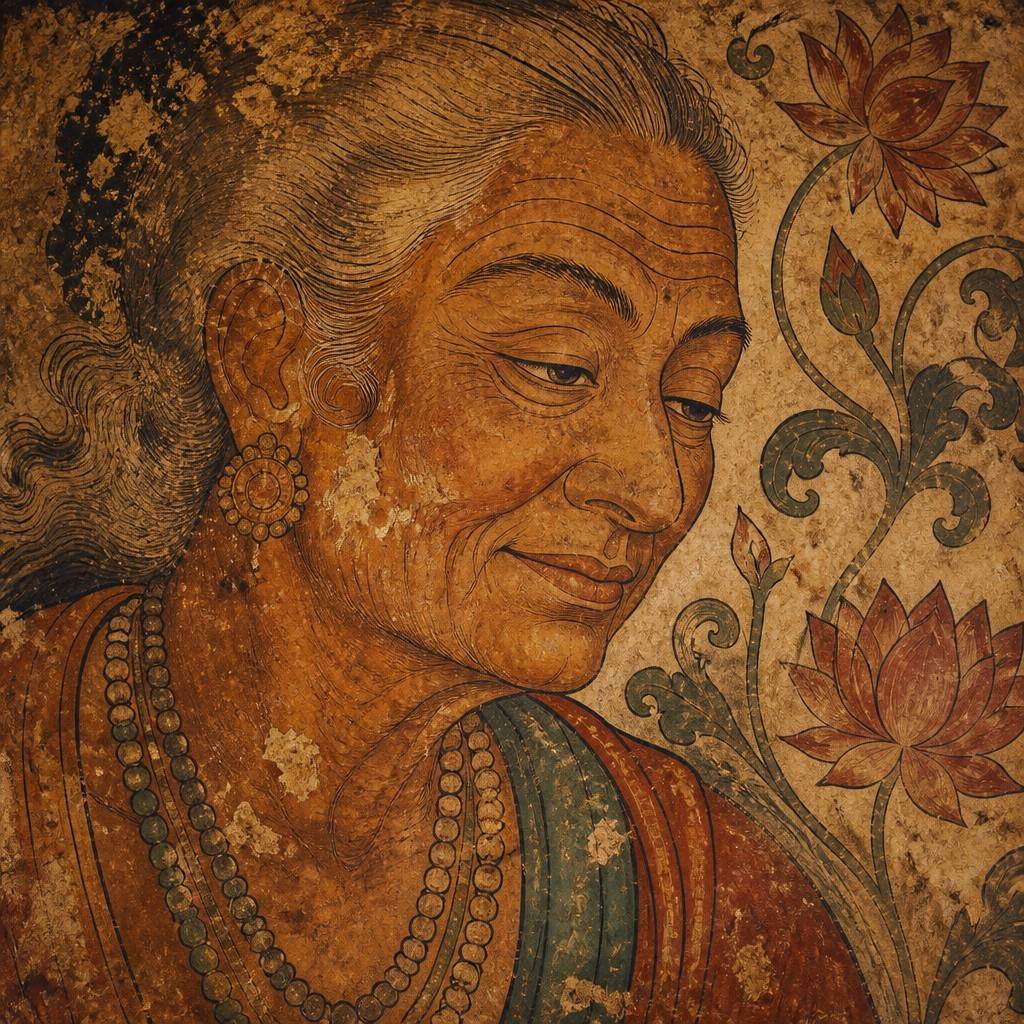
“close-up portrait of an elderly person with expressive weathered features”
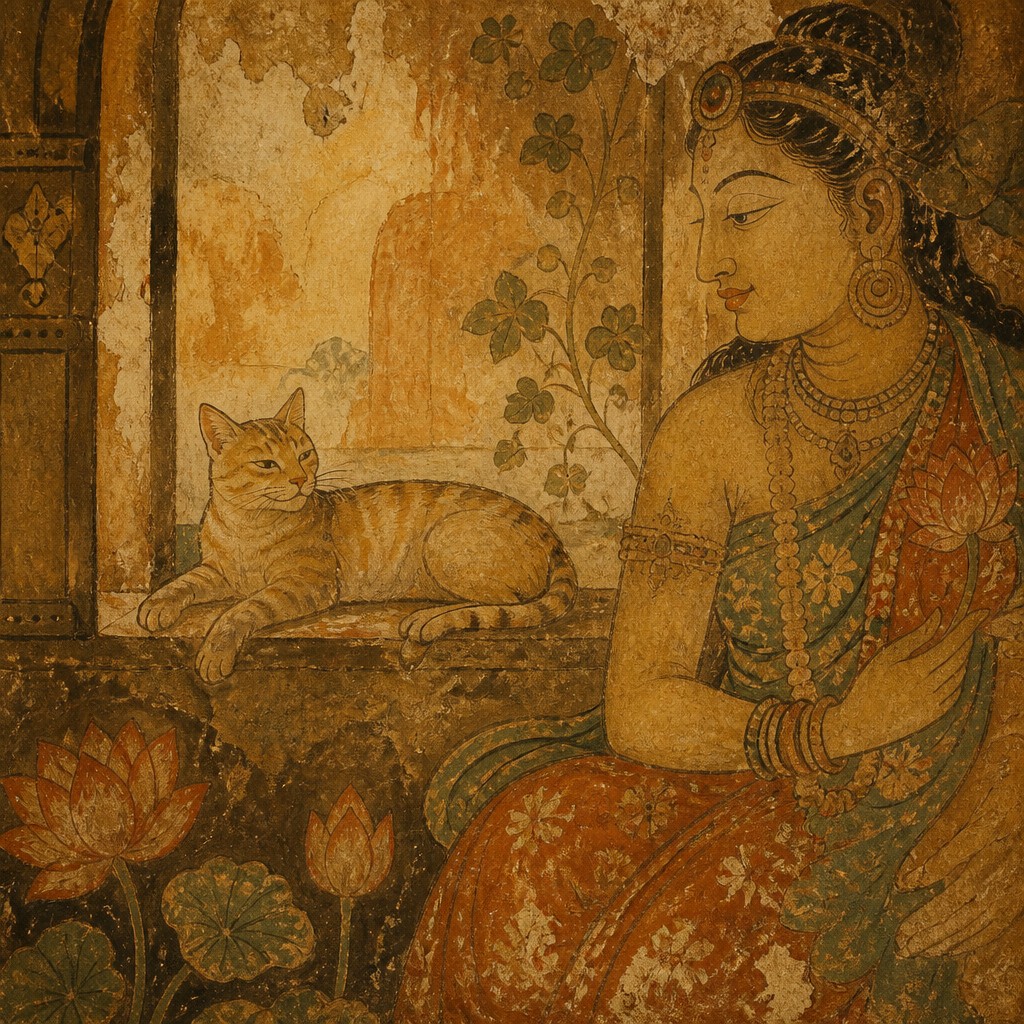
“a cat lounging in a sunlit window”
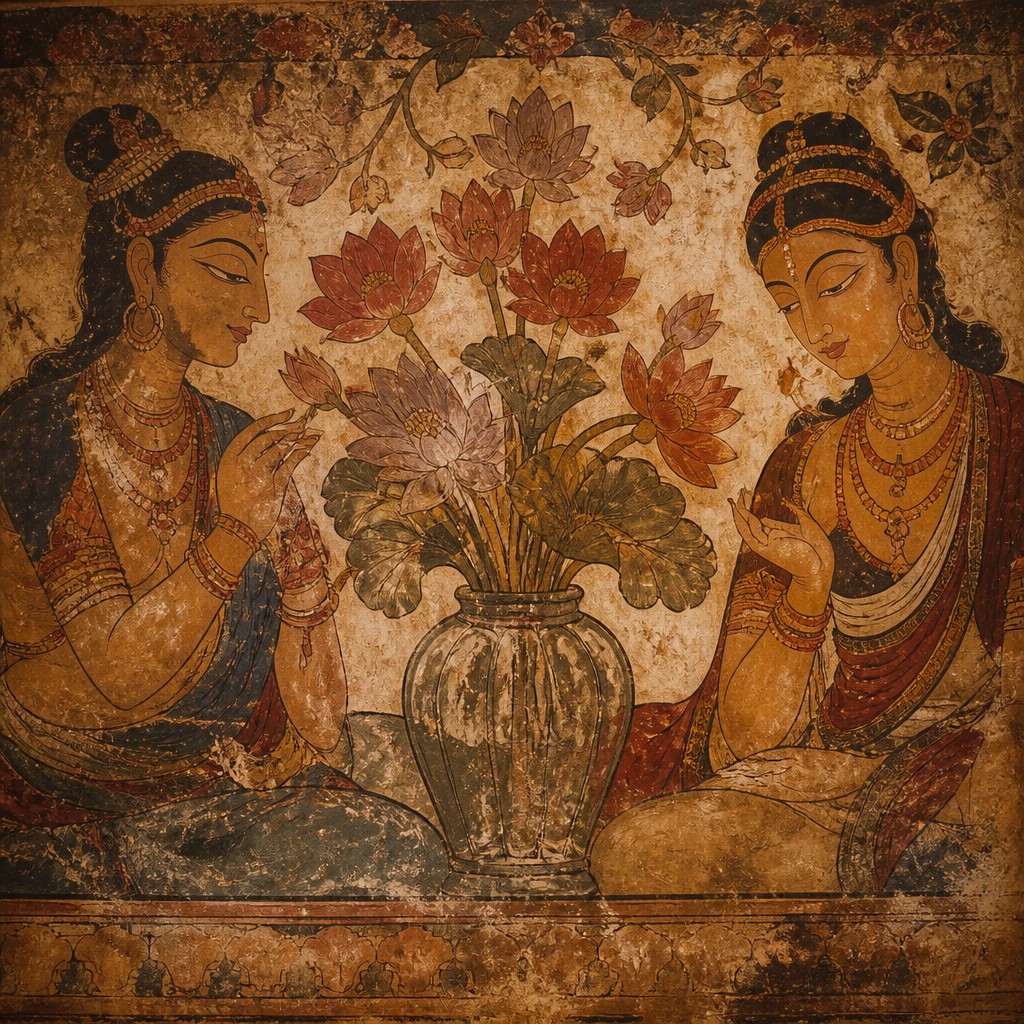
“bouquet of flowers in a glass vase”
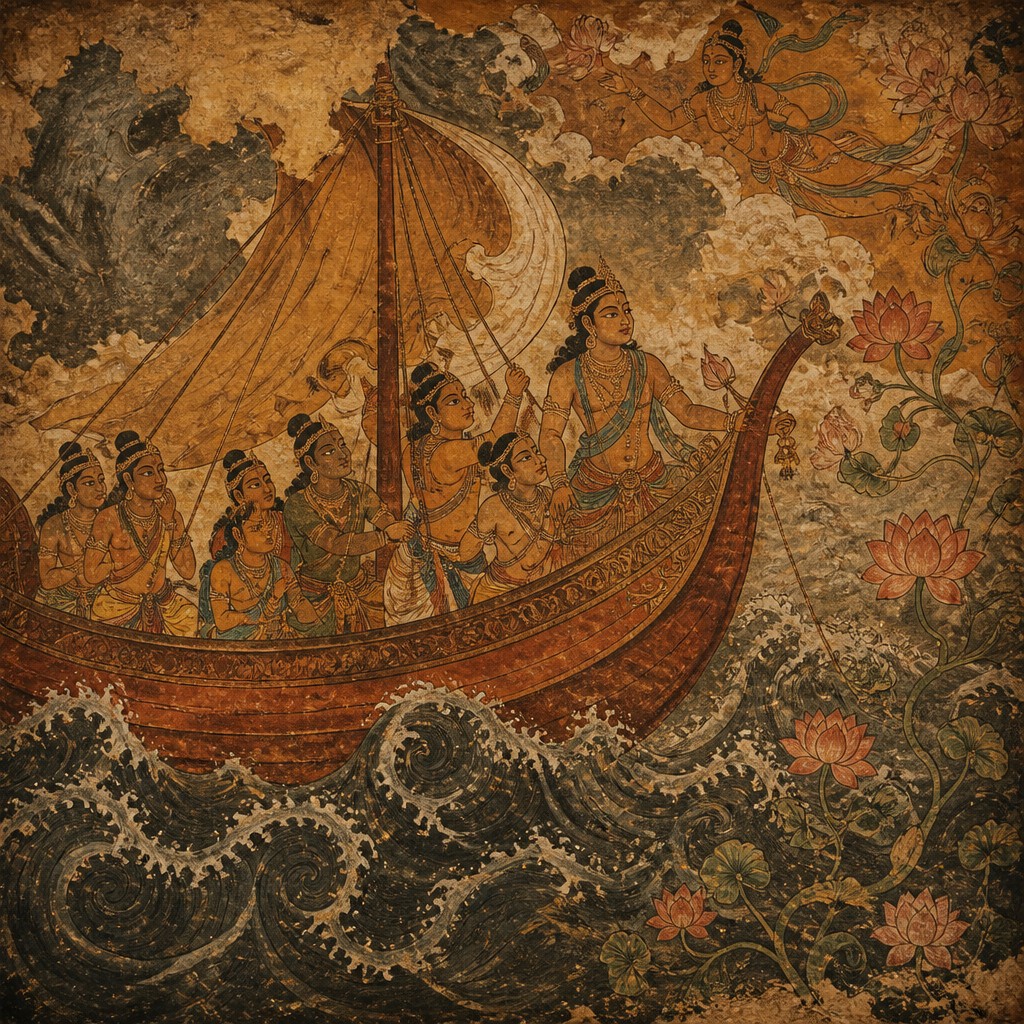
“sailing ship on a stormy sea”
How to Create Ancient Indian Mural Art
Master the craft step by step — or skip straight to creating. Read the full guide →
- 1
Prepare a plaster-like ground
For traditional work, build the image over rough paper, gesso, lime plaster, or a textured panel, then lightly sand or distress selected areas. Digitally, begin with a high-resolution plaster, stone, or handmade-paper texture beneath the painting.
- 2
Block in earth colors
Use ochre, terracotta, muted vermilion, charcoal black, cream, and restrained mineral blues or greens before adding jewel-toned details. Keep saturation uneven so the image resembles naturally aged pigment rather than synthetic paint.
- 3
Construct figures with contour and gesture
Sketch elongated silhouettes and flowing poses first, emphasizing hands, drapery, and head inclination. Add facial features sparingly, using calm eyes and smooth tonal modeling instead of sharp realism.
- 4
Build ornament and botanical rhythm
Place necklaces, beads, patterned textiles, lotus petals, and curling vines in repeated rhythms around the main figures. Use ornament to balance the composition without obscuring the broad, readable contours.
- 5
Age the surface carefully
Overlay translucent stains, granular pigment, hairline cracks, edge wear, and small areas of flaking, while preserving the focal faces and gestures. Avoid uniform grunge, which can make the result look like a filter rather than a painted wall.
- 6
Write focused generation prompts
Describe the subject, pose, mineral palette, plaster texture, lotus ornament, serene expression, and low warm illumination in that order. For image-to-image work, preserve the source composition while asking for softened contours, jewel-toned garments, and an aged cave-wall surface.
The Story
History & Origins of Ancient Indian Mural
Indian cave murals were generally made on prepared layers of mud, plaster, lime, or other mineral-based surfaces, and many were painted onto dry or partially dry plaster using tempera-like methods rather than the fully wet buon fresco technique associated with parts of Europe. Their subjects included religious narratives, courtly life, attendants, musicians, animals, plants, and ornamental architecture. The modern style label combines these historical features with a simplified, atmospheric interpretation suited to contemporary illustration and digital image-making.
Influences: The style is related to Buddhist and Hindu mural traditions of the Indian subcontinent, South Asian manuscript painting, rock-cut temple ornament, and classical Indian approaches to gesture, dress, and symbolic nature. It also shares atmospheric qualities with fresco and tempera painting, while its distressed surfaces connect it to archaeological and conservation-inspired visual treatments. Contemporary fantasy illustration and digital matte painting often adapt these elements into more luminous or cinematic compositions.
Frequently Asked Questions
What defines Ancient Indian Mural Art Style?
It combines graceful figures, serene half-closed eyes, mineral earth colors, jewel-toned clothing, lotus and vine motifs, and a visibly aged plaster surface. Its defining quality is the balance between devotional calm, ornamental richness, and tactile wall texture.
Is this a specific historical movement?
No. The phrase is a modern umbrella description rather than the official name of a single period or school. It refers to the visual lineage of ancient Indian cave and temple murals, interpreted for contemporary artistic use.
How does it differ from European fresco painting?
Indian cave murals often used layered plaster grounds and pigments applied by dry or tempera-like methods, while European buon fresco is painted into wet lime plaster. The two traditions can share monumental composition and wall-based imagery, but their materials, iconographies, and conventions of figure design differ.
What subjects work well in this style?
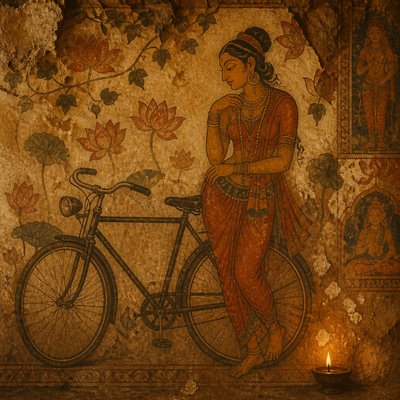
Meditating figures, royal processions, musicians, dancers, animals, lotus ponds, sacred gardens, and narrative scenes are especially compatible. Modern subjects can also work when arranged with calm gestures, decorative vegetation, and a ceremonial sense of space.
How can I make a digital image look authentic?
Start with a limited mineral palette and clear contour drawing, then add translucent tonal modeling and an irregular plaster texture. Use selective cracks and pigment loss rather than applying the same distress uniformly across the entire image.
Can photographs be transformed into this style?
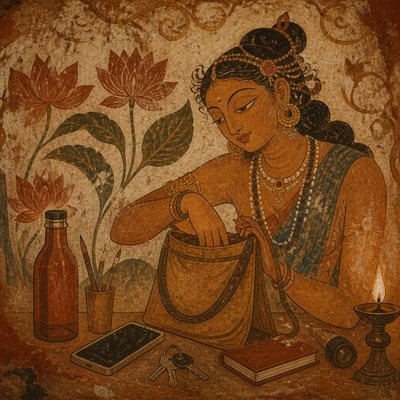
Yes, particularly portraits, dance poses, ceremonial scenes, and garden compositions with readable silhouettes. Preserve the main pose and lighting structure while introducing elongated contour work, patterned textiles, lotus ornament, mineral pigments, and a weathered plaster ground.

Create your first Ancient Indian Mural artwork
Describe anything — or upload a photo — and see it in Ancient Indian Mural Art Style in seconds.
Related Styles
Discover similar art styles