Salvadoran Art Style
Discover Salvadoran art style: volcanic-ash archaeology, Tazumal stone, indigo textiles, and misty Pacific light in an earthy visual language.
Instantly rendered in Salvadoran — or transform a photo
Salvadoran Gallery
Tap any artwork to explore it
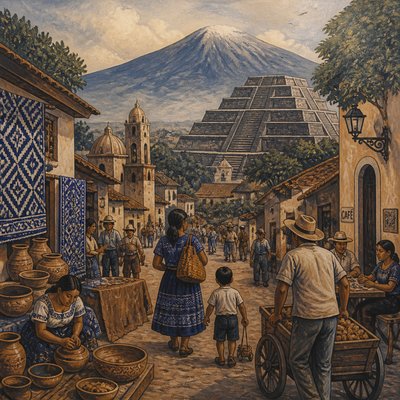
What is Salvadoran Art Style?
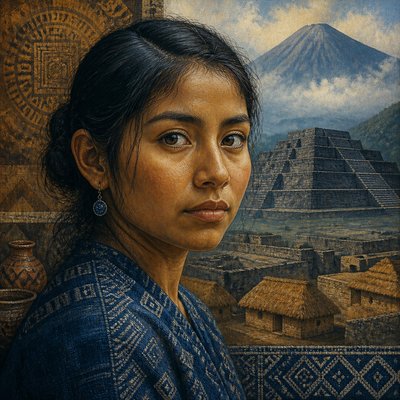
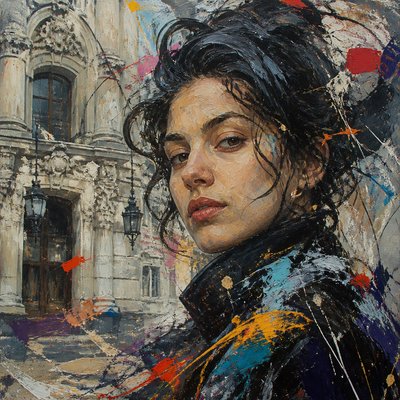
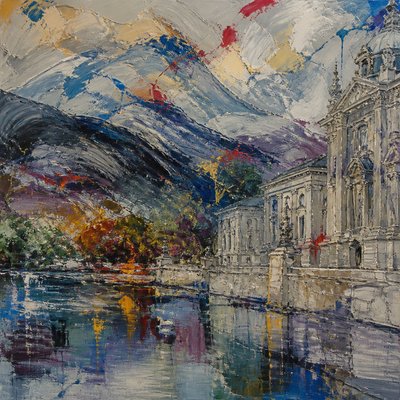
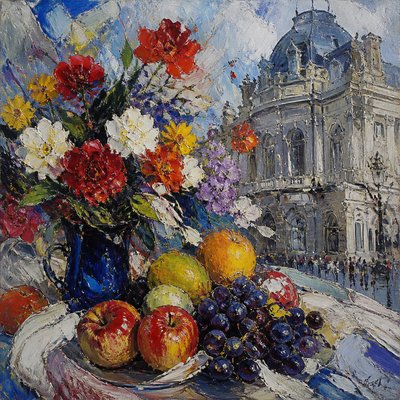
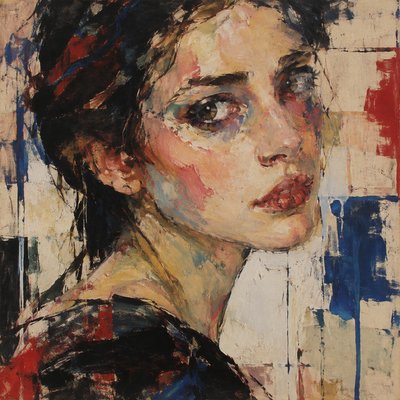
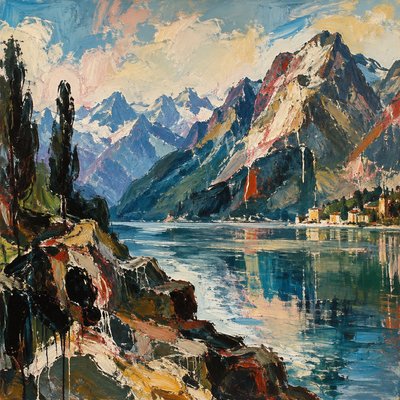
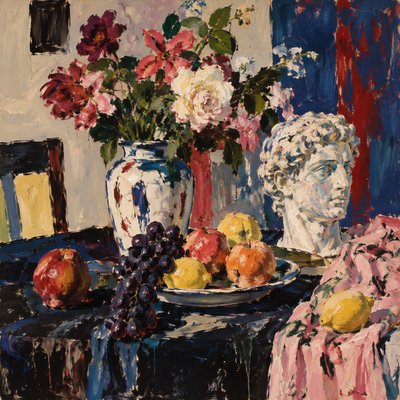
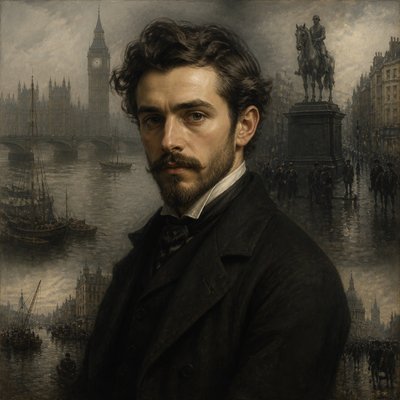
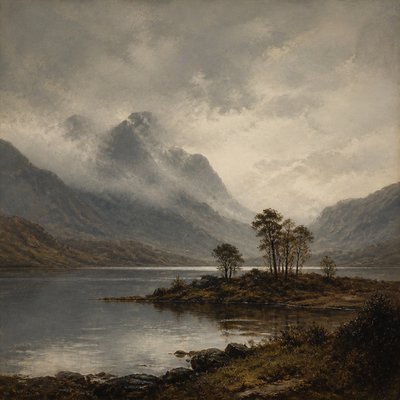
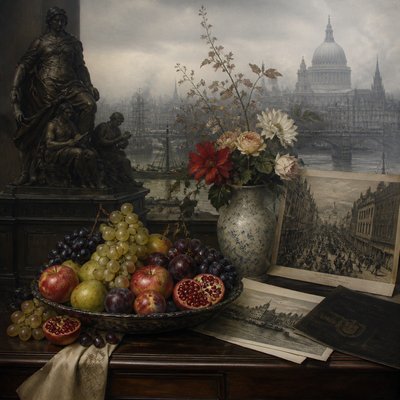
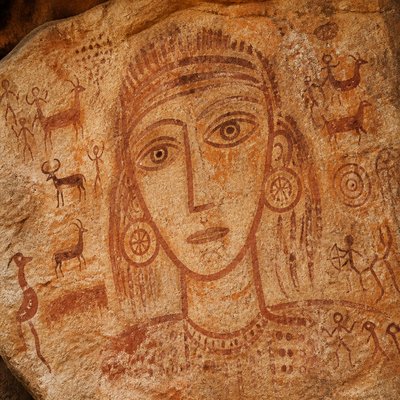
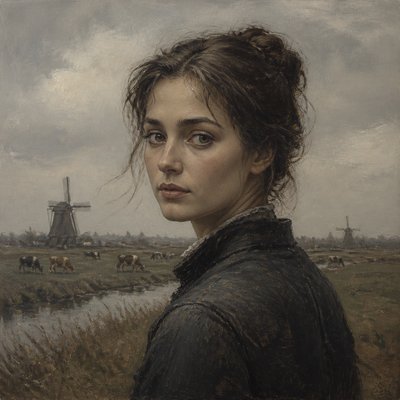
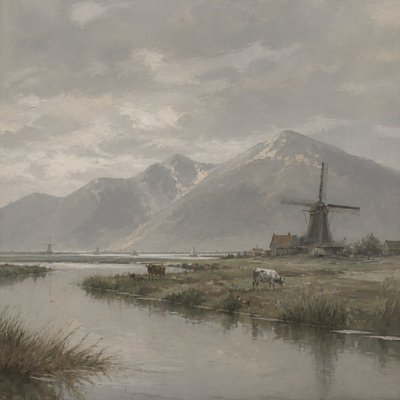
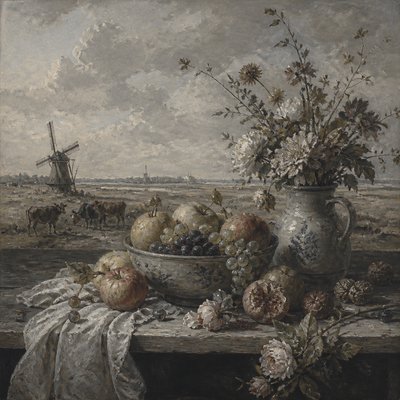
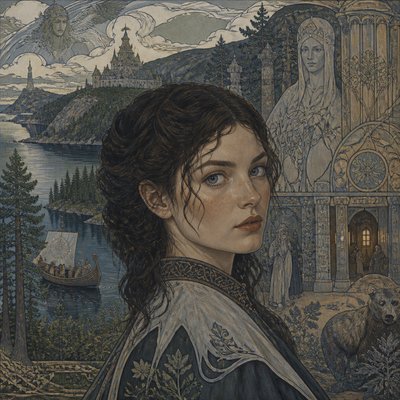
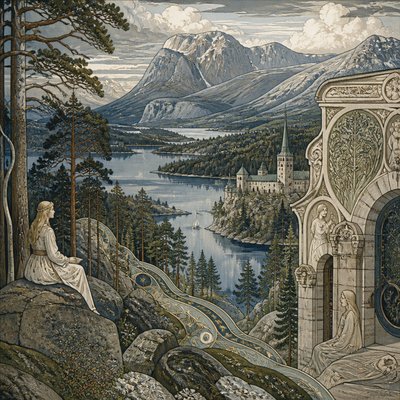
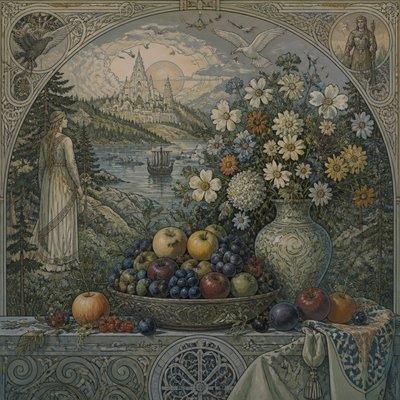
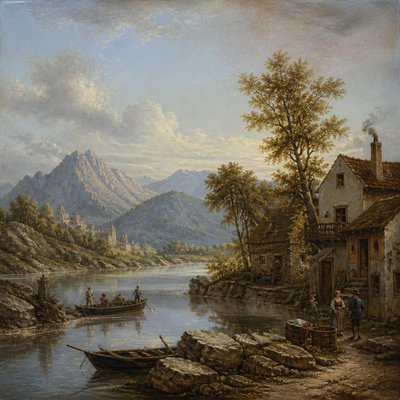
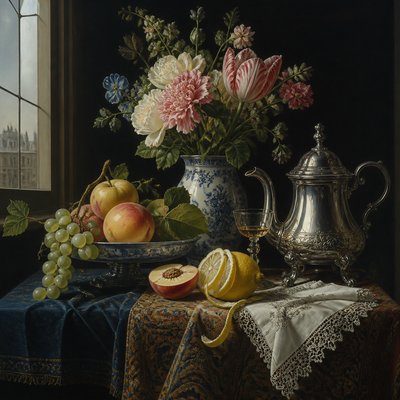
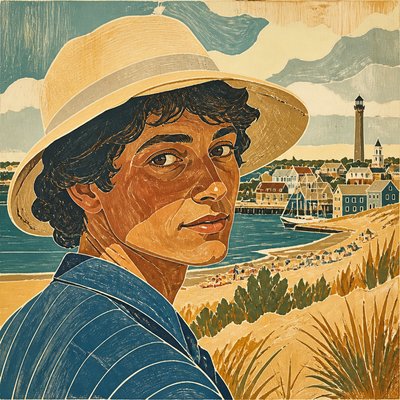
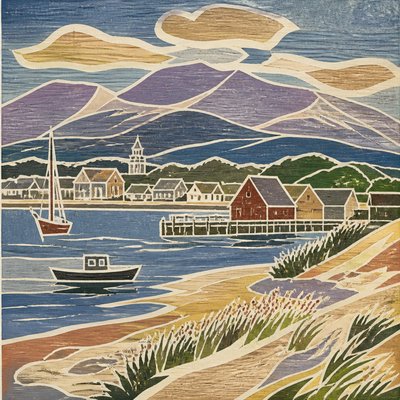
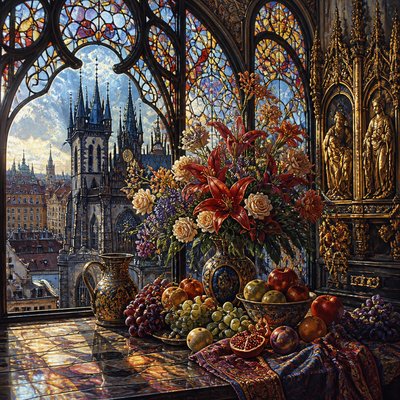
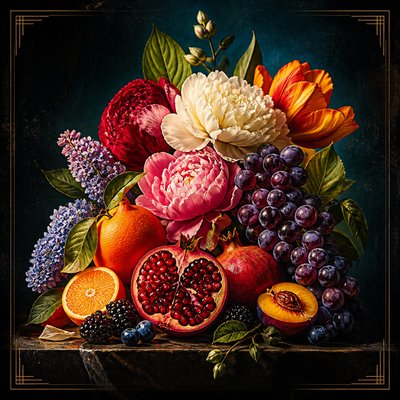
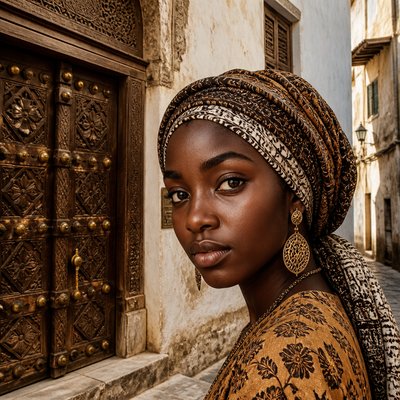
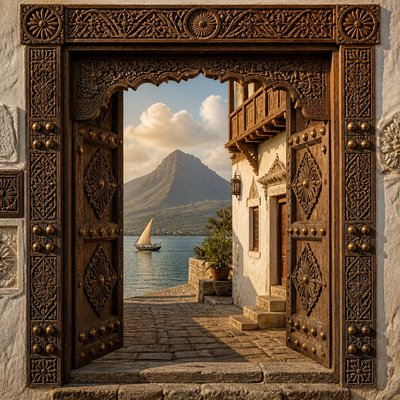
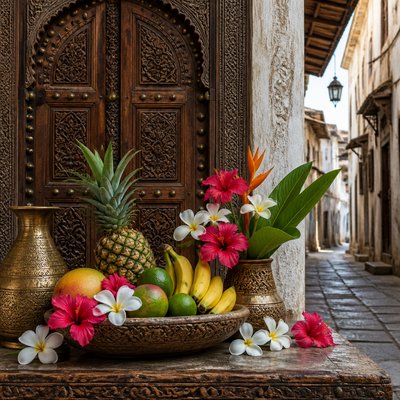
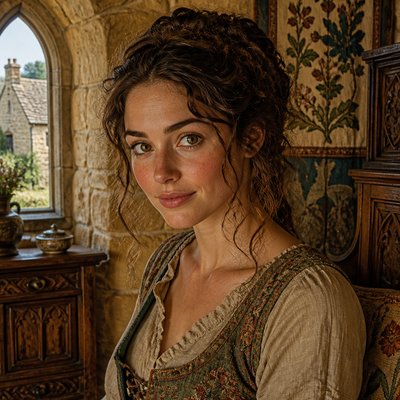
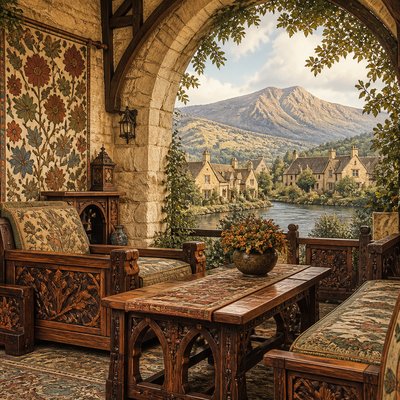
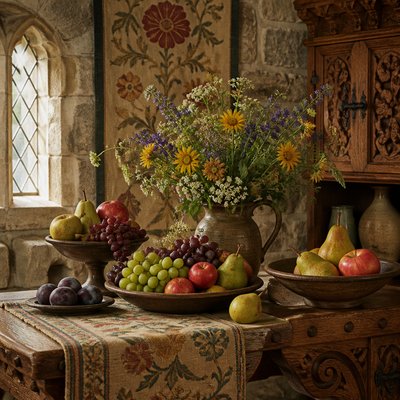
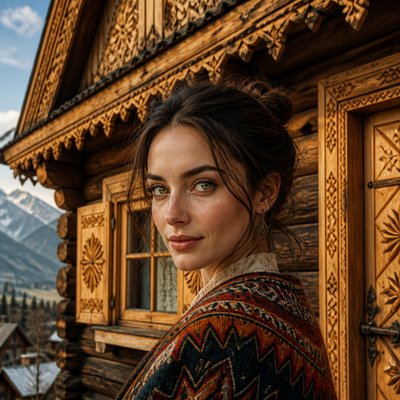
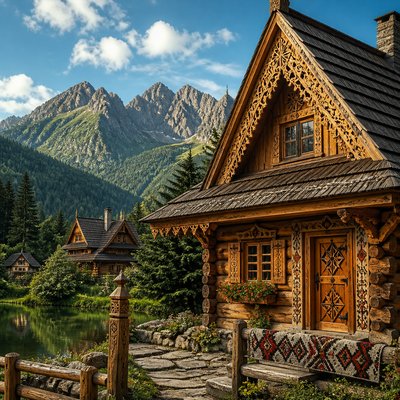
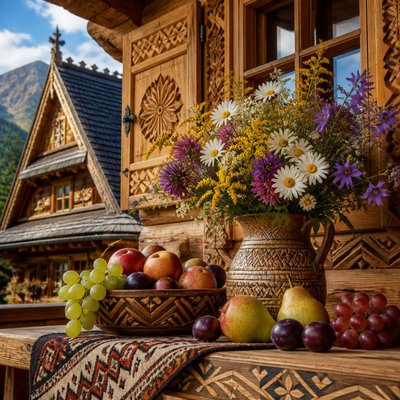
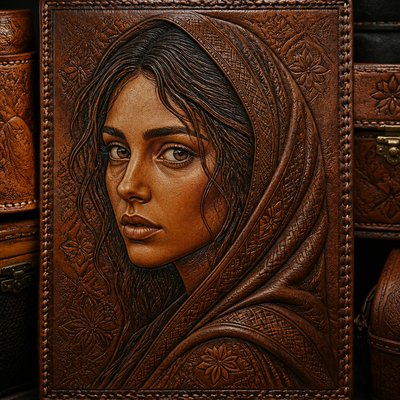
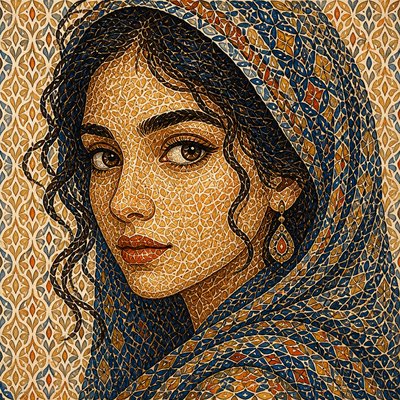
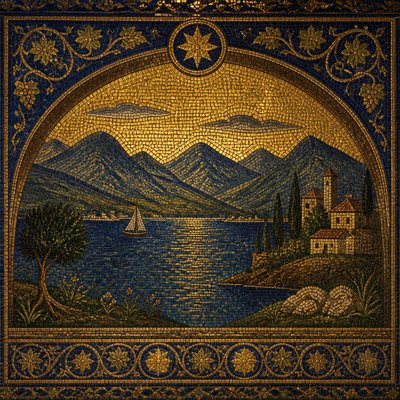
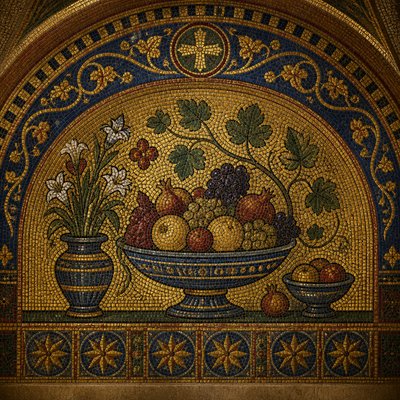
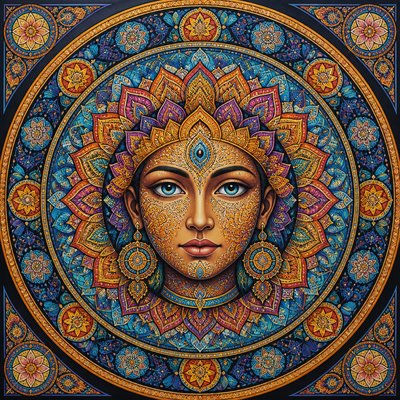
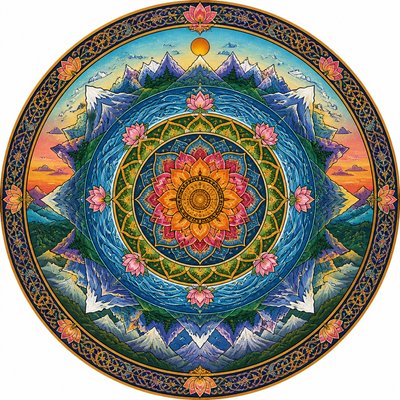
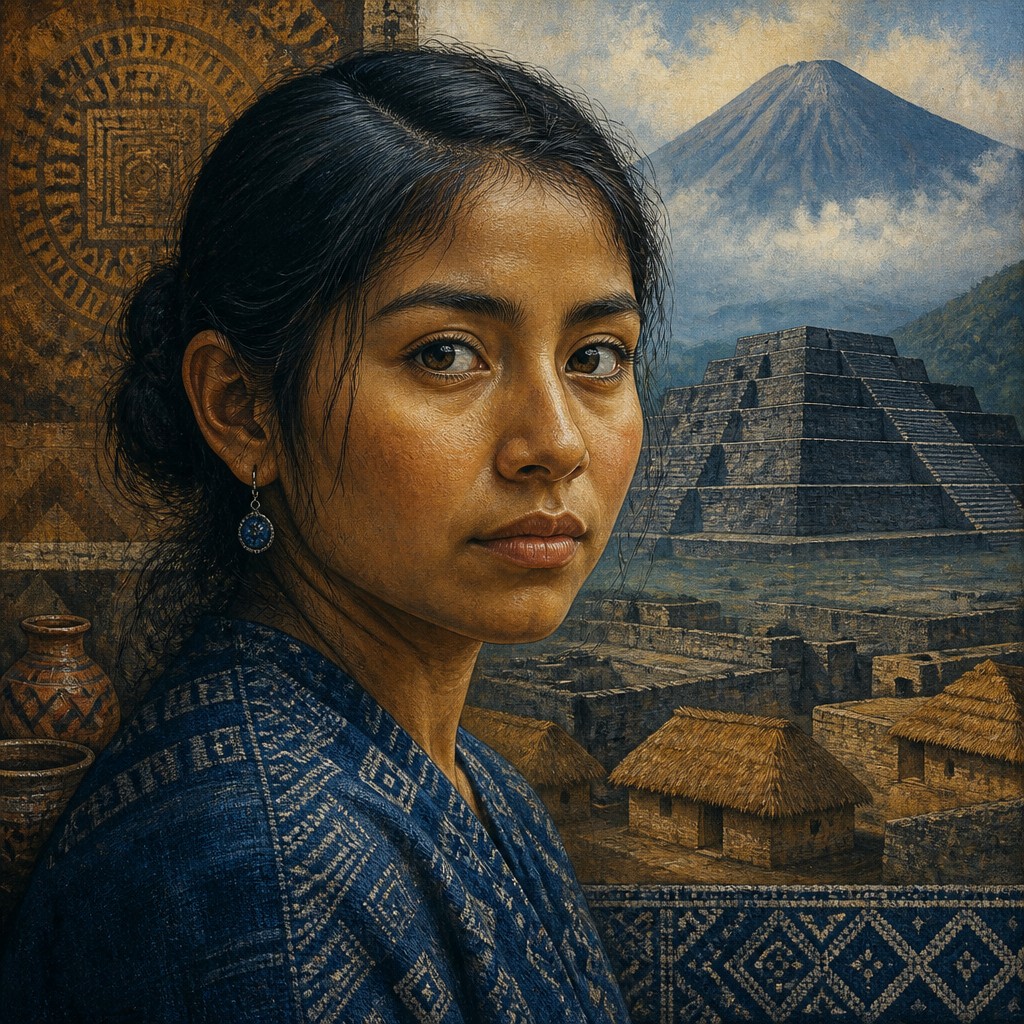
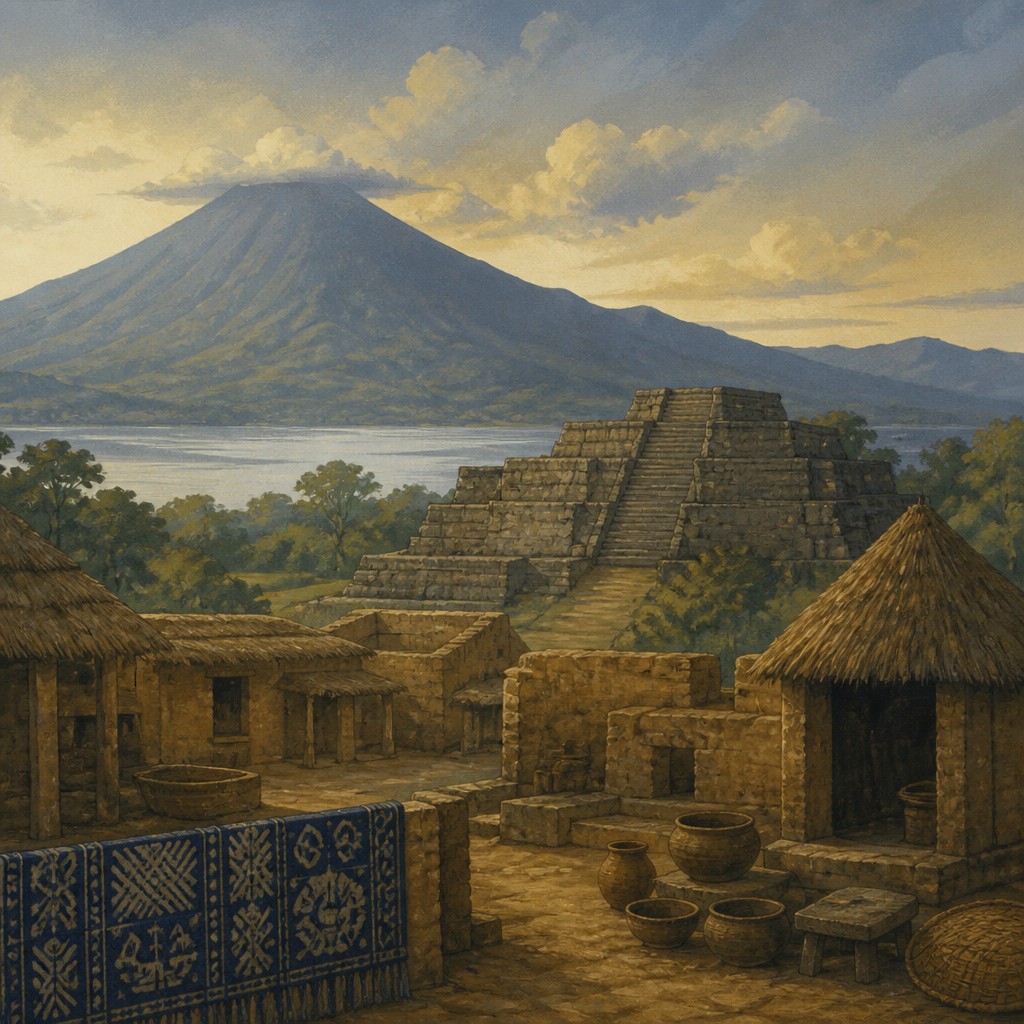
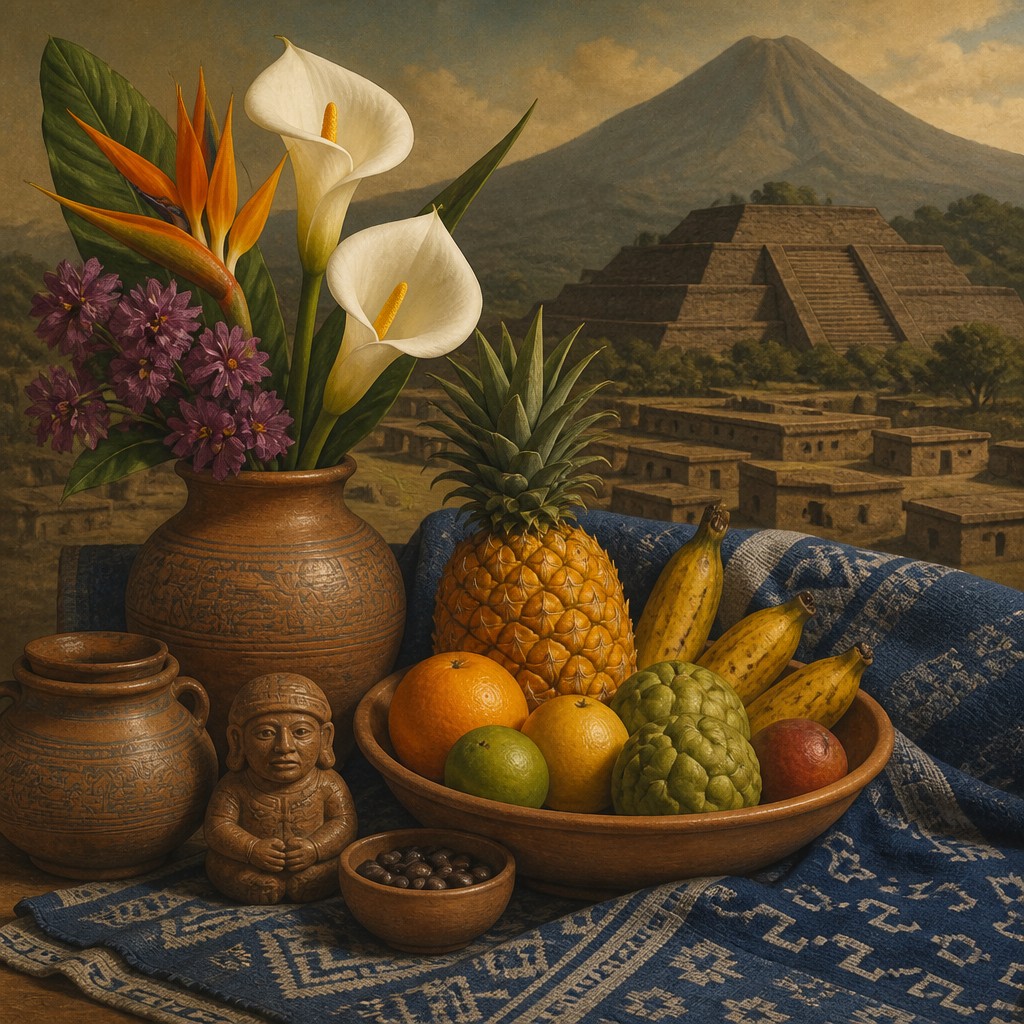
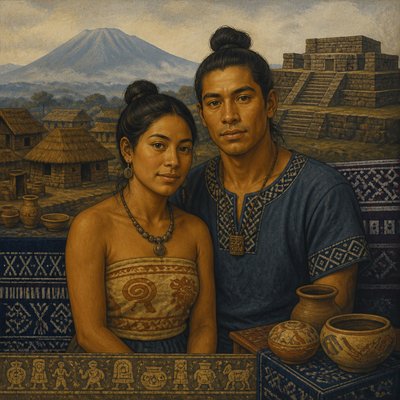
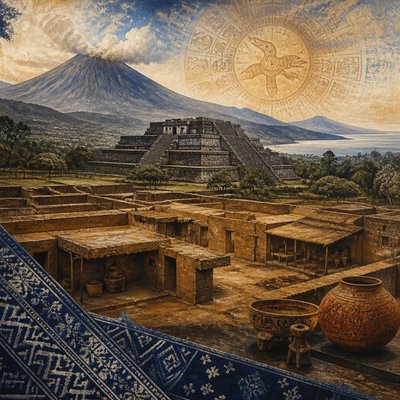
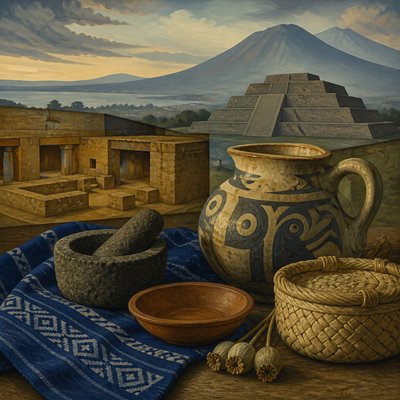
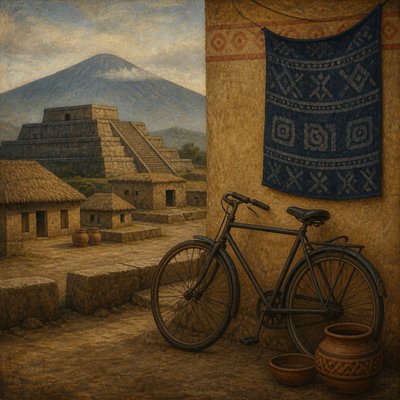
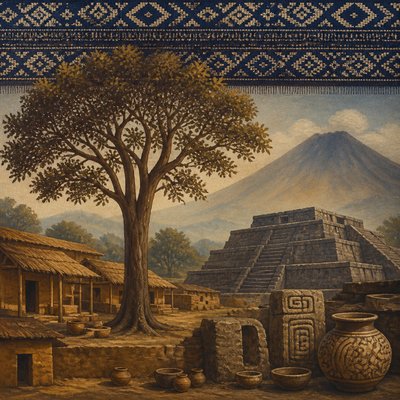
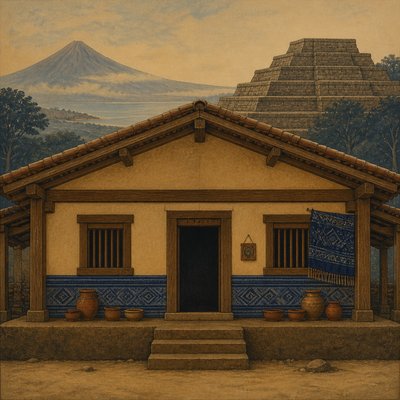
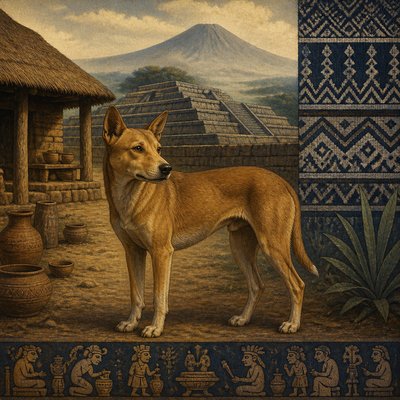
Salvadoran art style is a contemporary, synthetic visual language inspired by the archaeological landscapes, textile traditions, volcanic geology, and rural material culture of El Salvador. Its imagery combines finely observed details associated with the ash-preserved settlement of Joya de Cerén, the weathered stepped silhouette of Tazumal, deep añil indigo cloth, and the diffused light of the Salvadoran highlands and Pacific coast.
The style is defined by a restrained earthen palette rather than bright tropical color: volcanic ochres, ash beige, stone grey, charcoal, and blue-black indigo are softened by mist and warm haze. Its mood is quiet and archaeological, balancing historical gravity with the tactile warmth of adobe, woven fibers, fired clay, carved stone, and handmade surfaces. It is best understood as an invented contemporary aesthetic lineage, not as a formally established historical art movement.
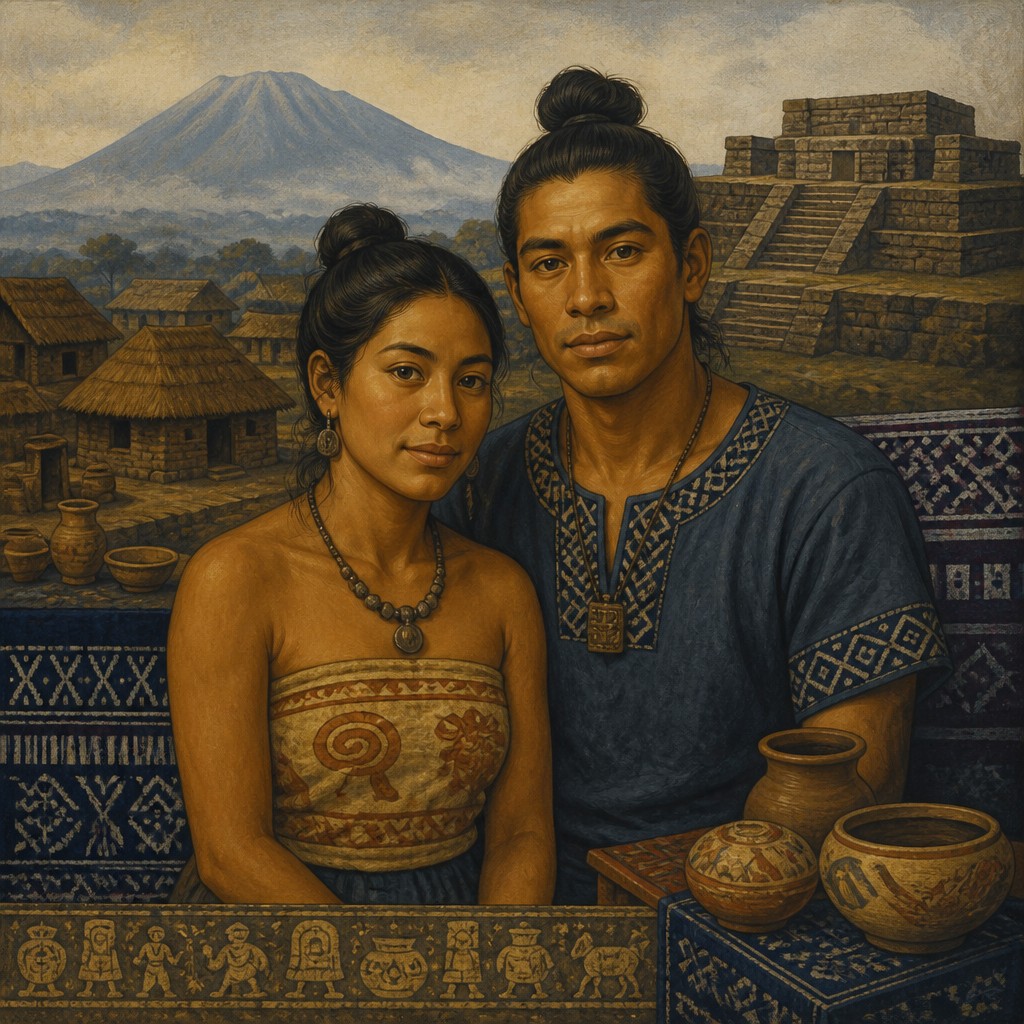
Try It On Your Photos
Upload any photo and convert it into Salvadoran Art Style — drag the sliders to compare before and after.
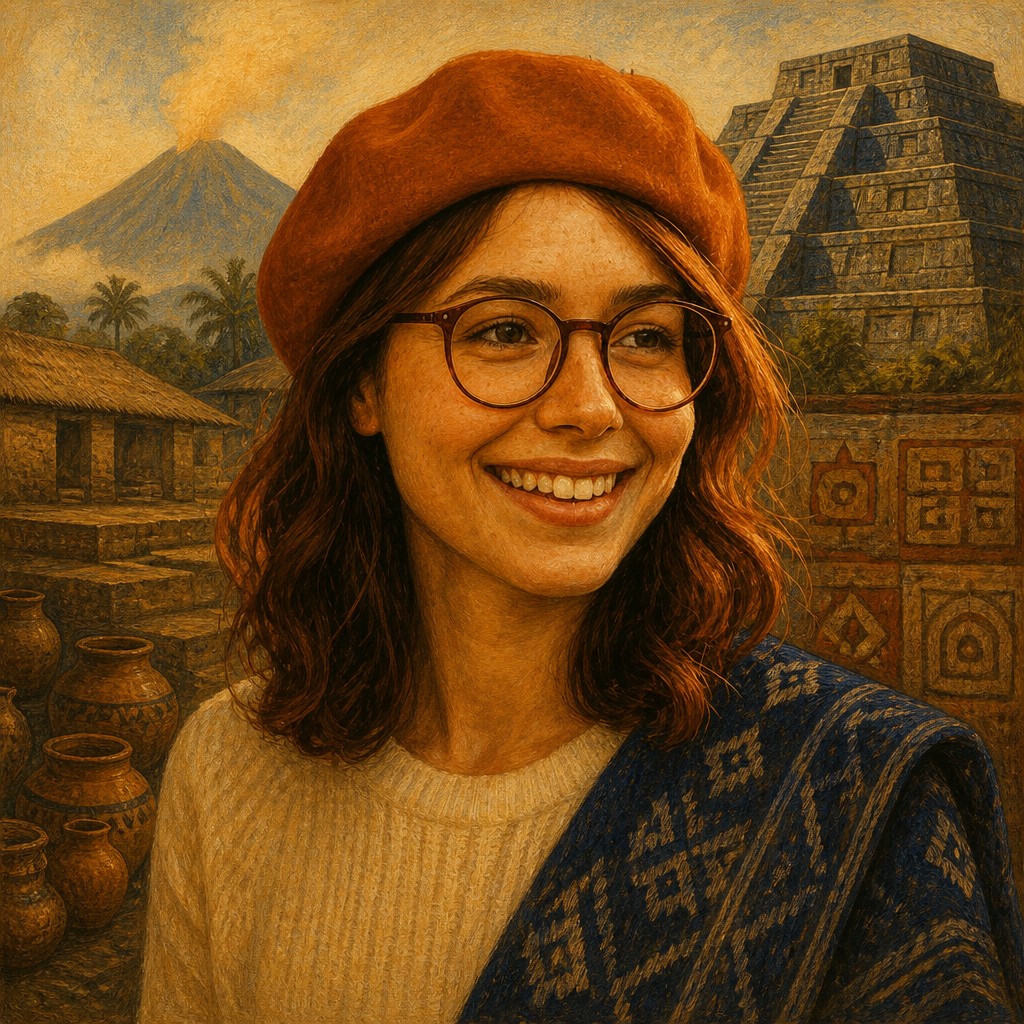

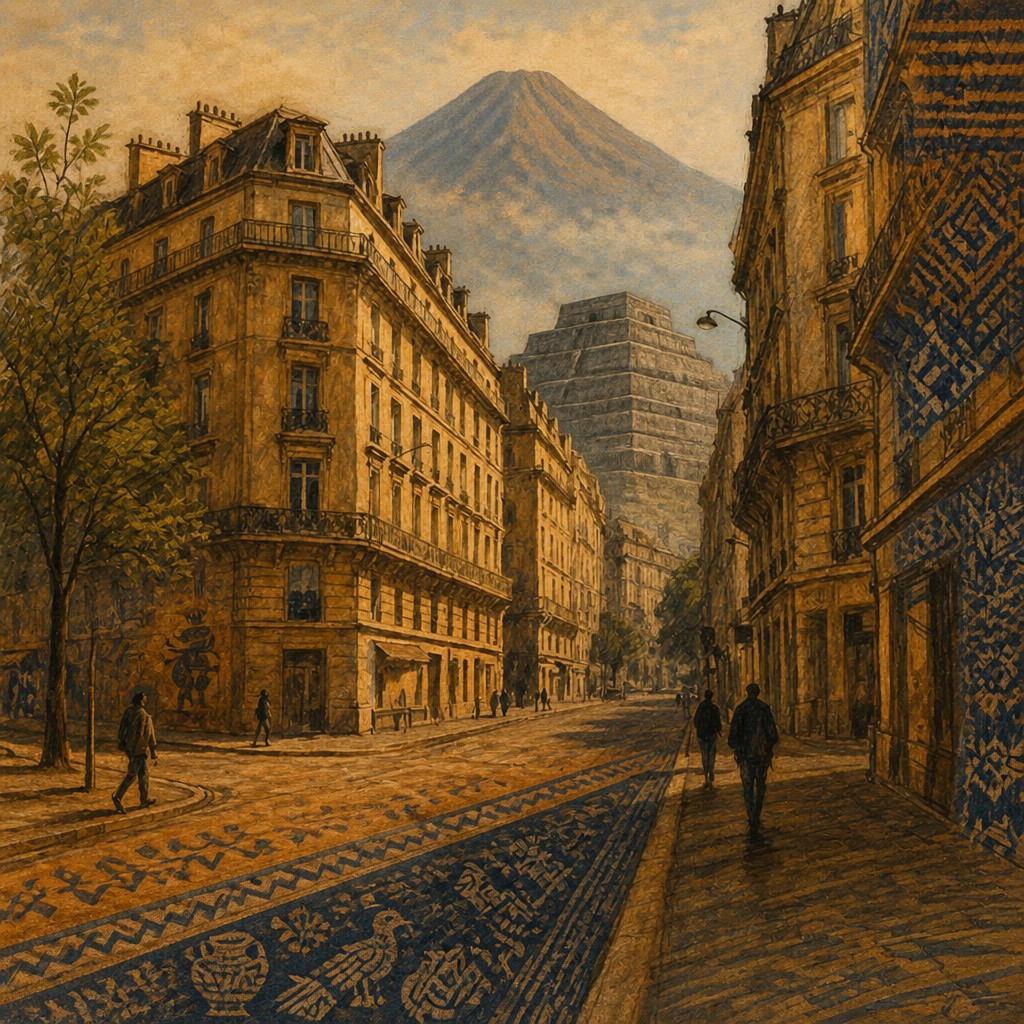

What Defines Salvadoran Art Style
The signature details, up close
Volcanic ash ochres
Warm ochre, umber, clay, and ash-beige tones evoke preserved earthen walls, soil, fired pottery, and volcanic deposits. Surfaces often appear powdery, matte, and gently weathered.
Archaeological domestic detail
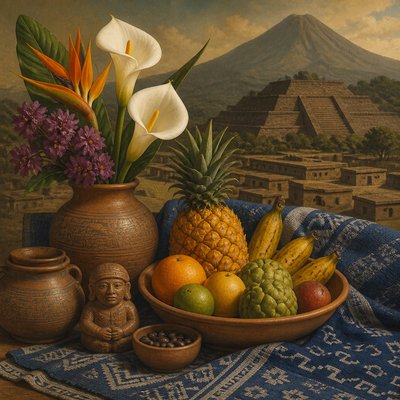
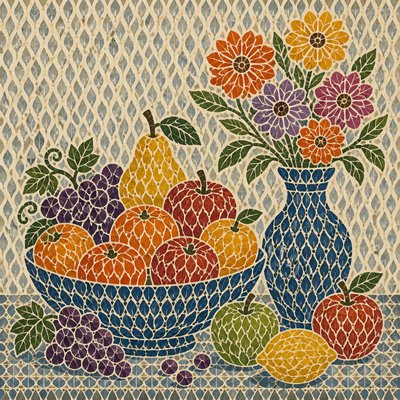
The style favors close observation of adobe construction, household tools, woven mats, vessels, storage spaces, agricultural objects, and quiet village interiors. Small material details carry as much visual weight as monumental forms.
Stepped stone silhouettes
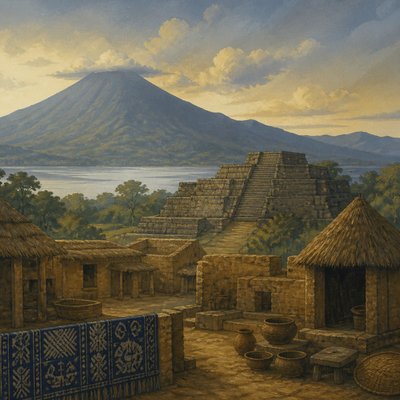
Broad, simplified pyramid and ceremonial-platform shapes provide a strong architectural counterpoint to intimate craft details. Weathered grey stone, softened edges, and partial concealment in haze prevent the structures from feeling overly polished.
Añil indigo pattern
Deep blue-black indigo introduces the principal cool accent, appearing in woven cloth, geometric bands, shawls, banners, or shadowed textile folds. Repeated motifs should feel hand-dyed and slightly irregular rather than mechanically perfect.
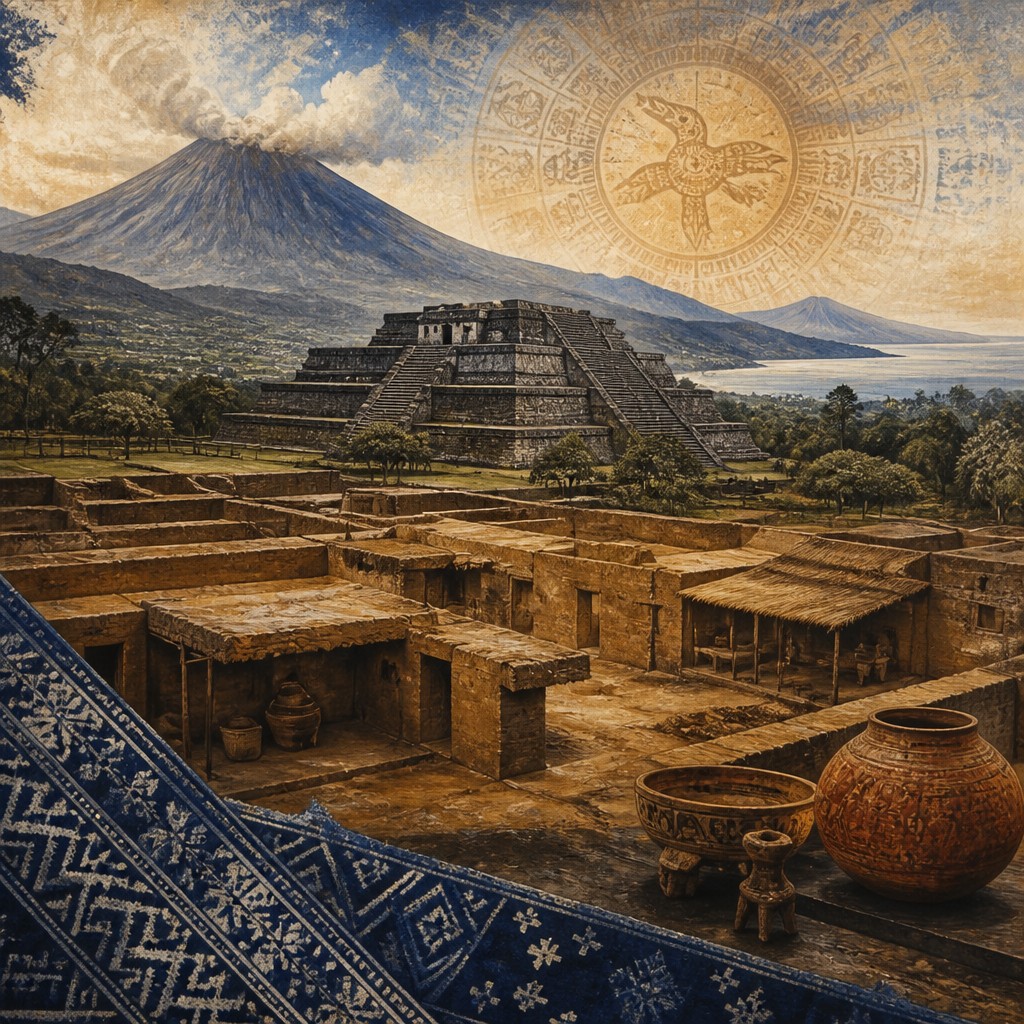
Volcano-filtered atmosphere
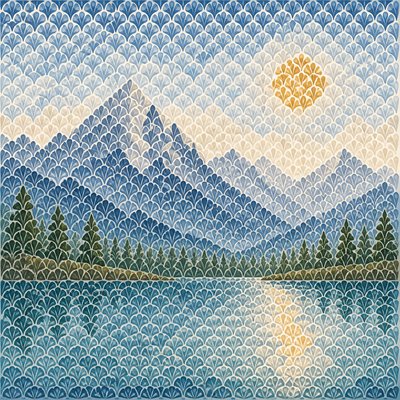
Misty highland light, pale smoke, and gentle Pacific haze flatten distant forms and create soft transitions between sky, mountain, and architecture. Illumination is warm but subdued, with limited hard contrast.
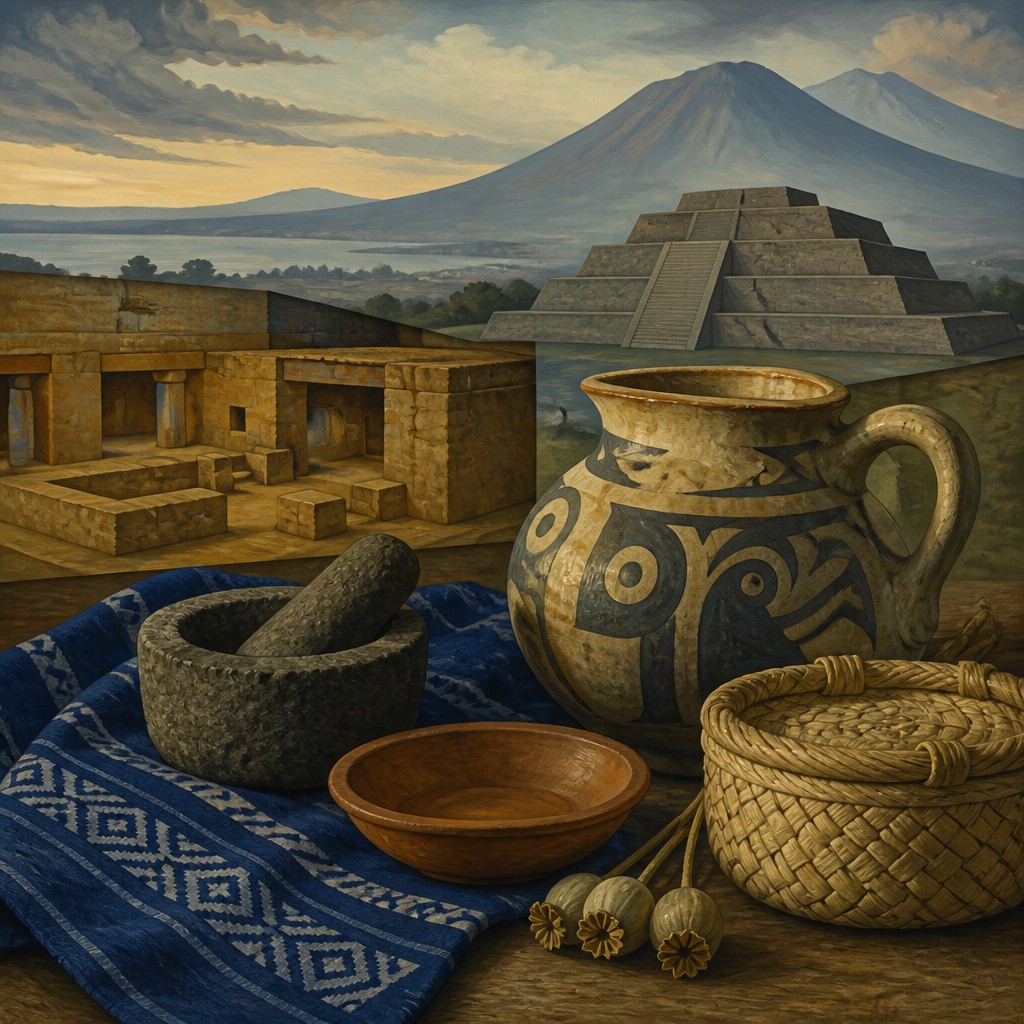
Quiet archaeological gravity
Compositions are contemplative and spacious, often presenting ruins, villages, landscapes, or objects without dramatic action. The emotional register joins historical loss and endurance with the warmth of lived, handmade environments.
Salvadoran Prompt Ideas
Start from an idea — each one opens the generator with the style ready to go. See all 40 Salvadoran prompts →
How to Create Salvadoran Art
Master the craft step by step — or skip straight to creating. Read the full guide →
- 1
Build an earthen palette
Start with volcanic ochre, adobe red, ash beige, charcoal, weathered grey, and one concentrated indigo accent. Keep saturation controlled and reserve the darkest values for textile folds, doorways, and deep architectural recesses.
- 2
Layer tactile surfaces
In painting or digital work, combine dry-brush marks, granular pigment, cracked plaster, stone pores, woven fibers, and softened edges. Avoid uniformly smooth gradients so the image retains a handmade archaeological character.
- 3
Balance village and monument
Pair an intimate material detail—such as a clay vessel, adobe wall, or folded cloth—with a distant stepped structure or volcanic ridge. This contrast gives the composition both human scale and historical depth.
- 4
Use atmospheric perspective
Fade distant mountains and ruins toward pale grey-blue or warm mist, while keeping foreground objects more tactile and legible. A low, diffused sun can create gentle highlights without producing theatrical shadows.
- 5
Design irregular textile motifs
Use repeating geometric bands or diamond forms in indigo, but vary spacing, dye density, and edge sharpness. Slight asymmetry suggests hand weaving or dyeing and keeps the pattern from looking like generic digital ornament.
- 6
Write a focused generation prompt
Specify the subject, archaeological or earthen materials, restrained volcanic palette, indigo textile accent, stepped stone geometry, and misty volcano light. For image-to-image work, preserve the original subject's silhouette while directing the transformation toward matte texture, weathering, and subdued atmospheric color.
The Story
History & Origins of Salvadoran
Salvadoran art style has no single historical founding period or documented school. It draws selectively from the visual heritage of El Salvador, especially the preserved domestic architecture and agricultural objects of Joya de Cerén, the monumental Mesoamerican architecture of Tazumal, and the long regional tradition of añil indigo cultivation, dyeing, and textile use.
Its modern visual formulation also reflects archaeological illustration, heritage photography, earth-toned landscape painting, textile pattern design, and atmospheric digital compositing. The combination of village detail, pyramid geometry, indigo pattern, and volcano haze creates a new interpretive style rather than reproducing one traditional Salvadoran art form.
Influences: The style relates to Mesoamerican archaeological architecture, Central American textile and indigo-dye traditions, heritage documentation, archaeological reconstruction, earth-toned landscape painting, vernacular adobe architecture, and atmospheric photography. It also shares qualities with material-focused craft illustration and contemporary digital art that uses weathering, pigment grain, and restrained palettes to suggest historical depth.
Frequently Asked Questions
Is Salvadoran art style a recognized historical art movement?
No. The term describes a contemporary, synthesized aesthetic rather than a documented movement with a fixed period, manifesto, or school. It draws from real Salvadoran archaeological and material traditions while combining them into a new visual language.
What defines the look of Salvadoran art style?
Its defining features are volcanic ochre and ash tones, weathered stone architecture, ash-preserved village details, deep añil indigo textiles, and misty volcano light. The overall mood is quiet, tactile, archaeological, and grounded in earthen materials.
How does it differ from general Mesoamerican or Mayan-inspired art?
Rather than treating Mesoamerican imagery as a broad decorative category, this style narrows its focus to Salvadoran references such as Joya de Cerén, Tazumal, volcanic landscapes, and añil textiles. It emphasizes domestic material culture and atmospheric restraint instead of relying mainly on monumental symbols or saturated ornament.
Can I create this style with traditional media?
Yes. Gouache, watercolor, earth pigments, charcoal, encaustic techniques, and textured acrylic are well suited to its matte surfaces and muted palette. Layering dry marks, pigment granulation, fabric impressions, and softened edges can suggest ash, adobe, stone, and woven fiber.
How should I prompt an image in this style?
Describe a specific subject first, then add volcanic earthen colors, archaeological material detail, weathered stepped stone, indigo textile pattern, and diffused highland or Pacific haze. Mention matte texture, restrained contrast, and hand-crafted irregularity when you want to avoid glossy or generic fantasy results.
Where is this visual style useful?
It can support educational heritage imagery, archaeological visualization, editorial illustration, cultural storytelling, textile concepts, landscape studies, book covers, and atmospheric environment design. When depicting real sites or traditions, contextual captions and respectful research help distinguish interpretation from historical documentation.
Create your first Salvadoran artwork
Describe anything — or upload a photo — and see it in Salvadoran Art Style in seconds.
Related Styles
Discover similar art styles