Lebanese Art Style
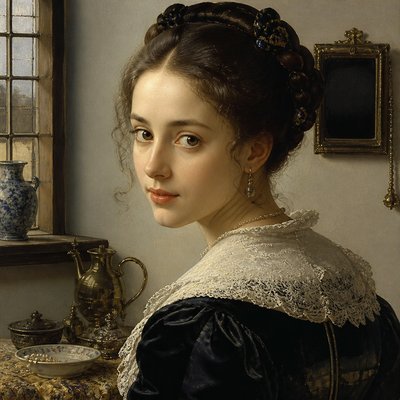
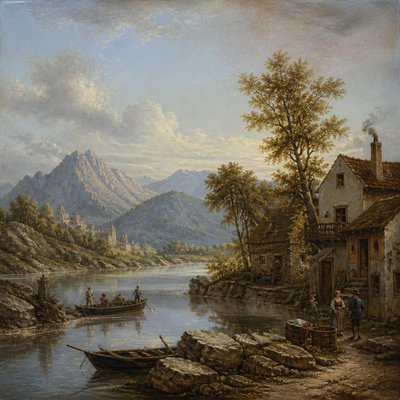
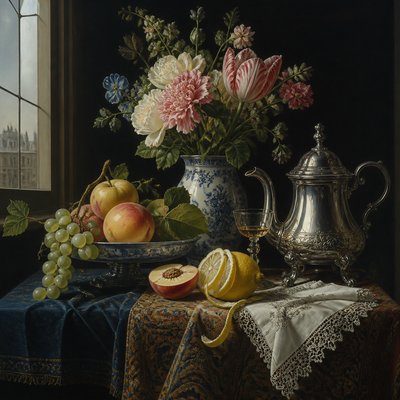
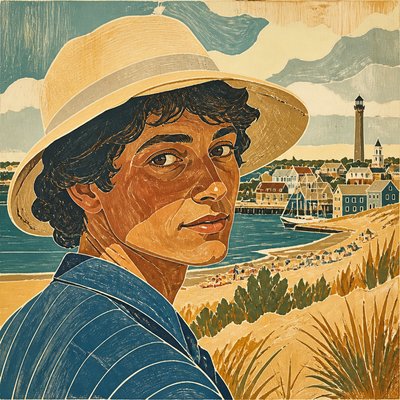
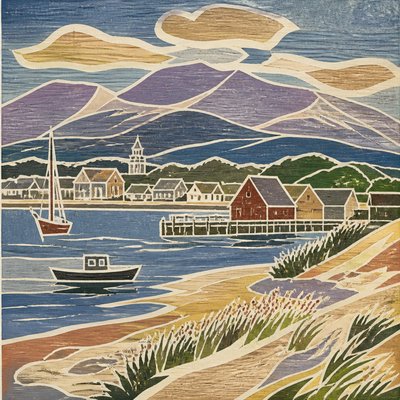
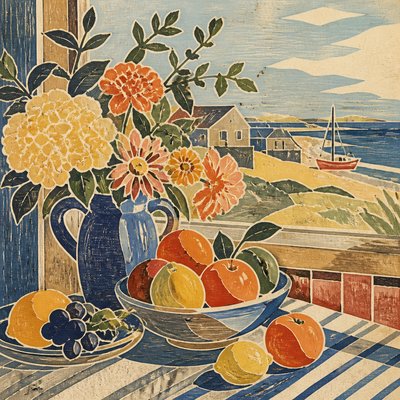
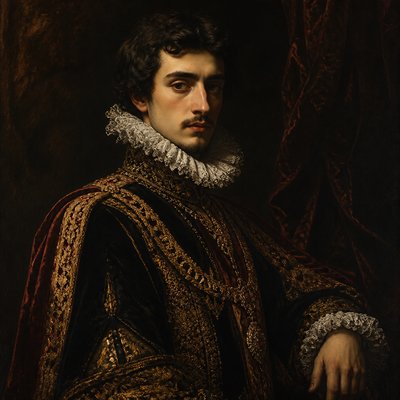
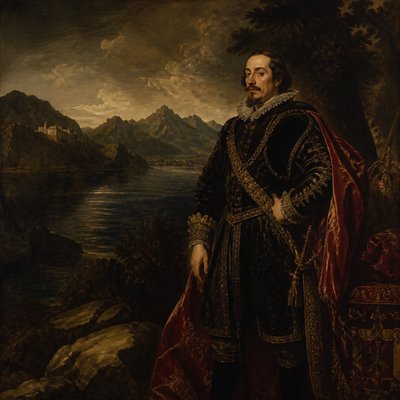
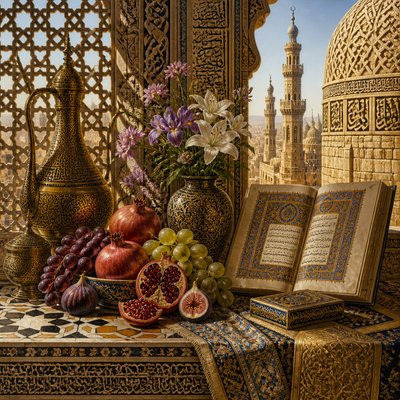
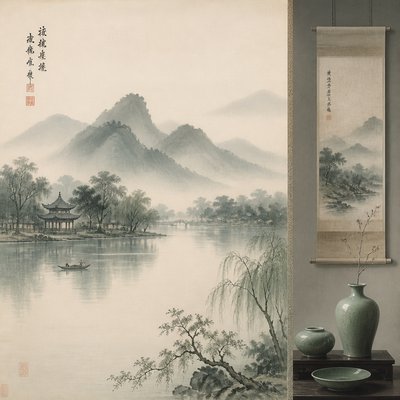
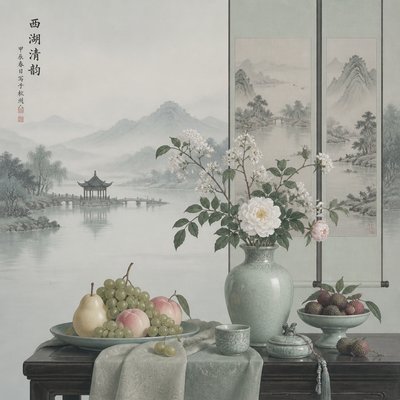
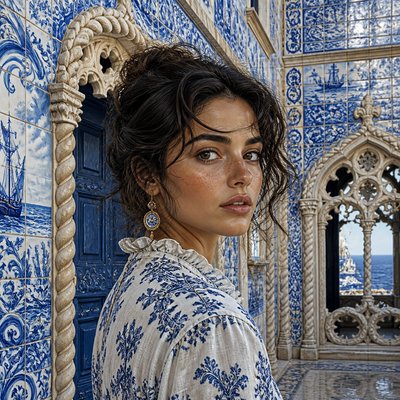
Explore Lebanese Art Style: Phoenician ivory detail, Baalbek columns, Byzantine mosaics, cedar greens, and honeyed Levantine stone.
Instantly rendered in Lebanese — or transform a photo
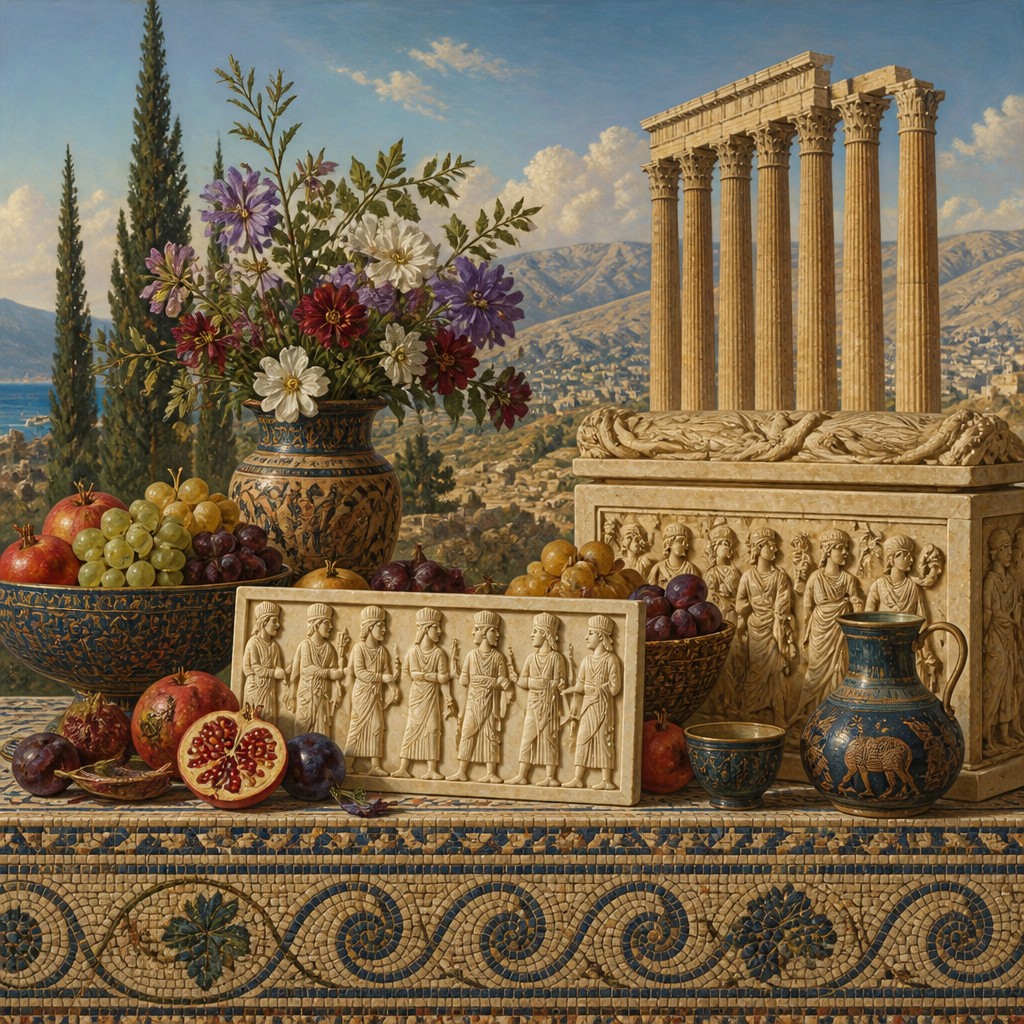
Lebanese Gallery
Tap any artwork to explore it
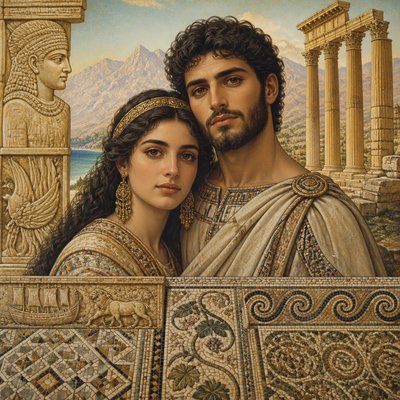
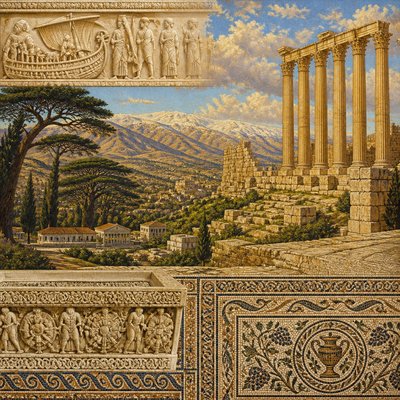
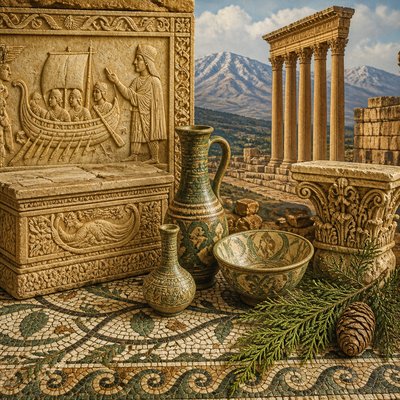
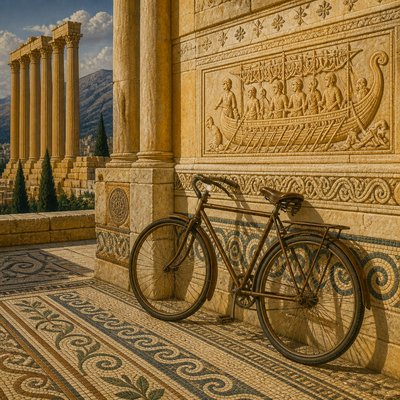
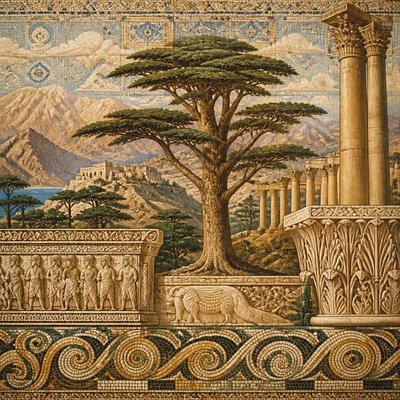
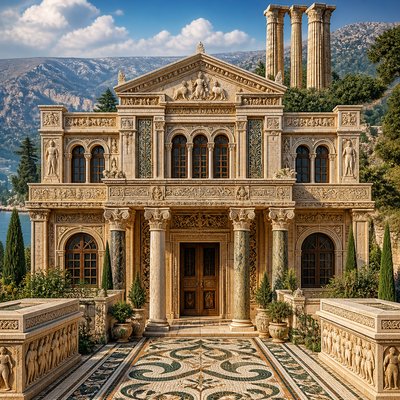
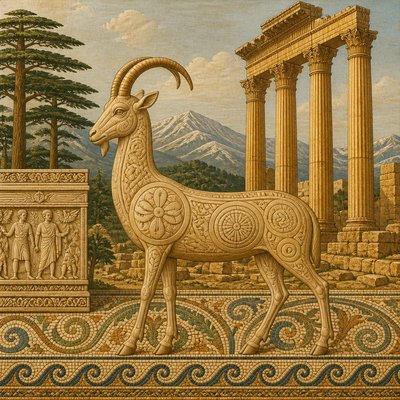
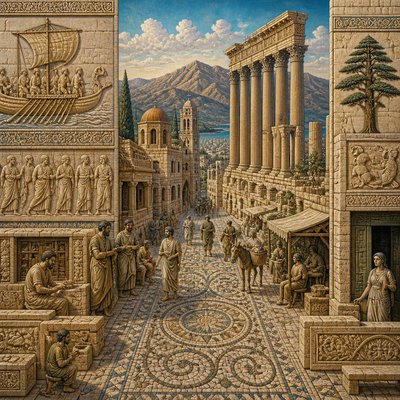
What is Lebanese Art Style?
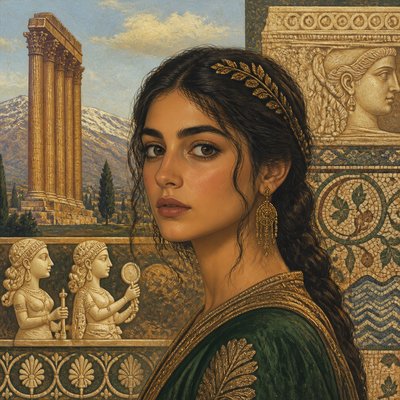
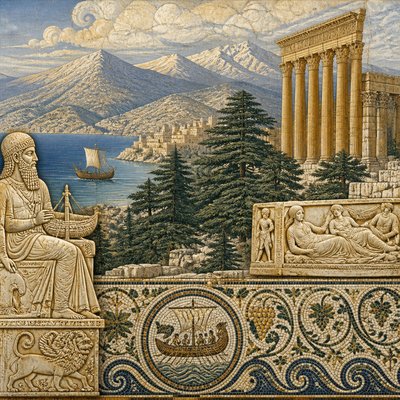
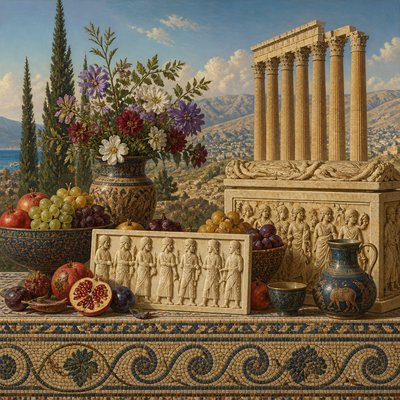
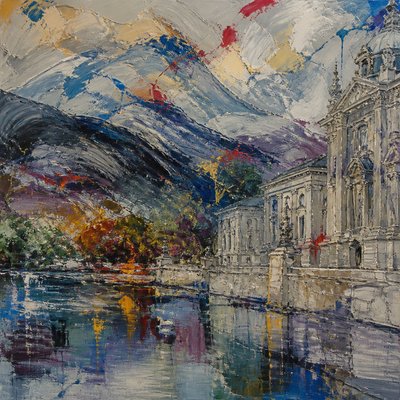
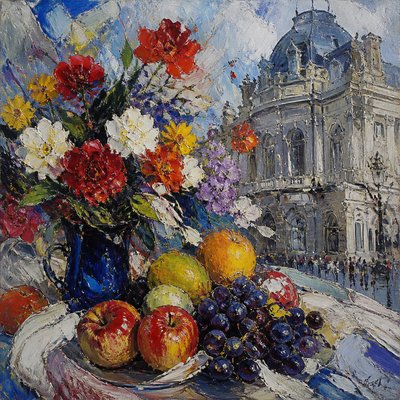
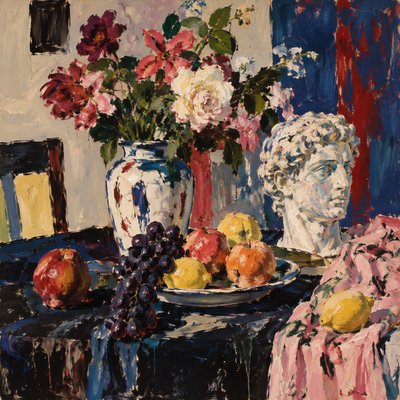
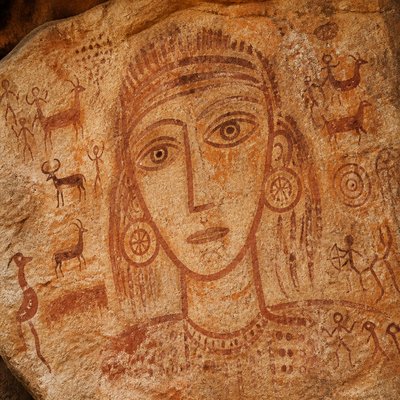
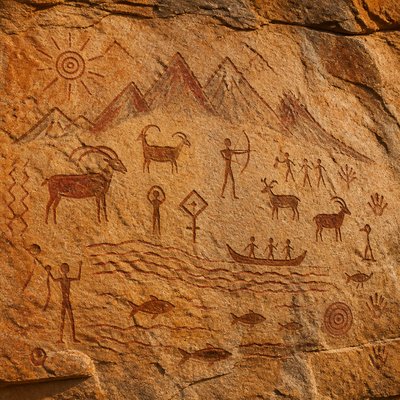
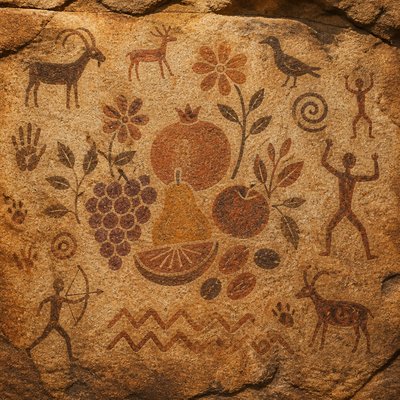
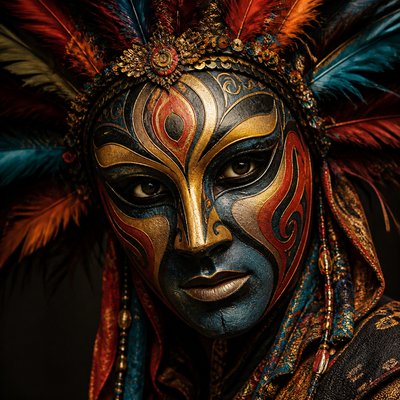
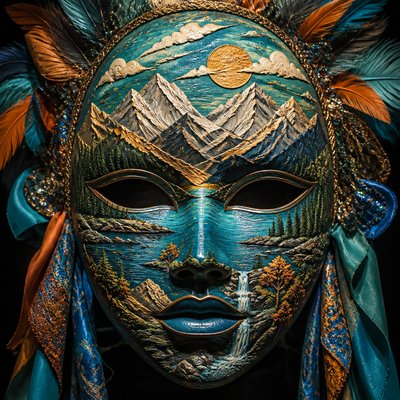
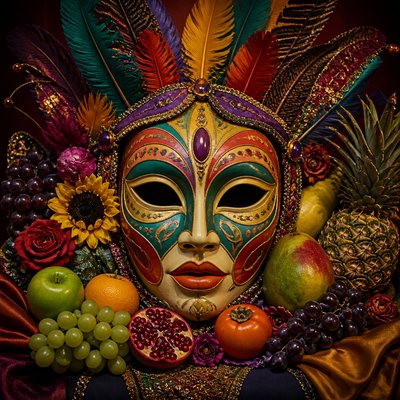
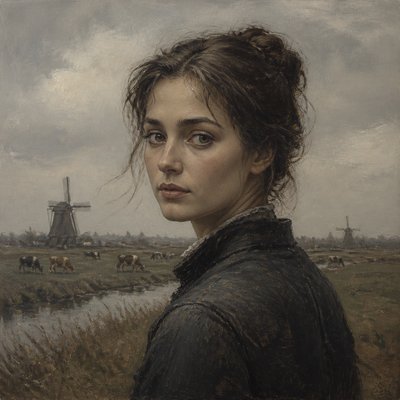
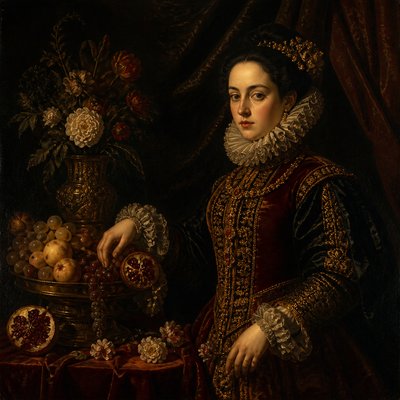
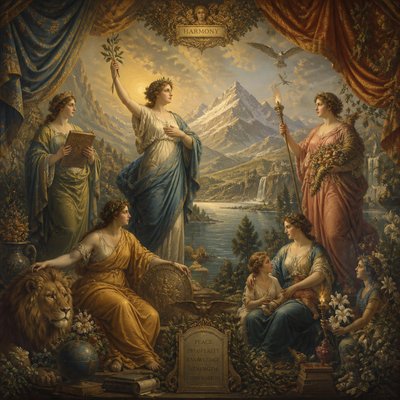
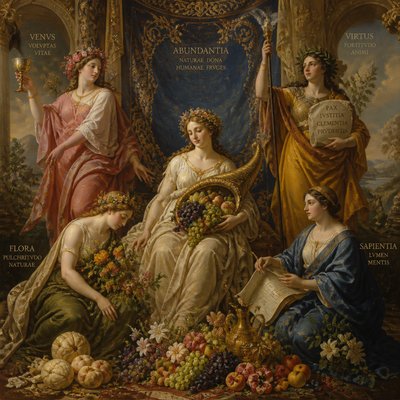
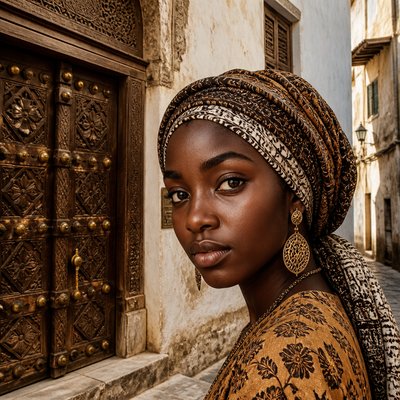
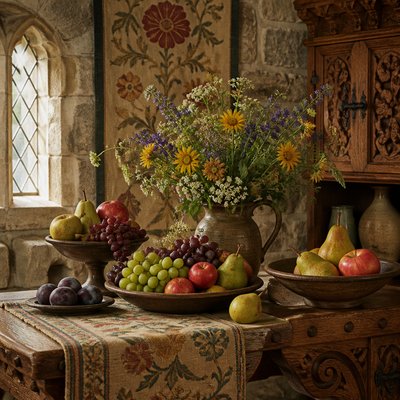
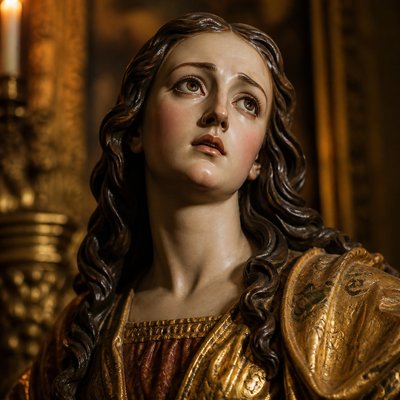
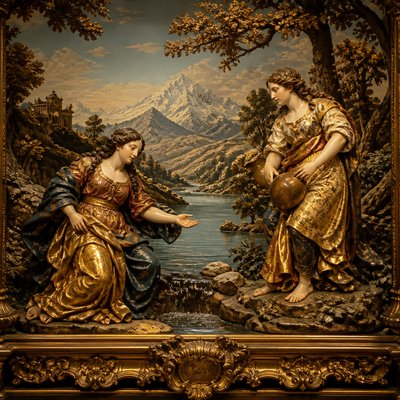
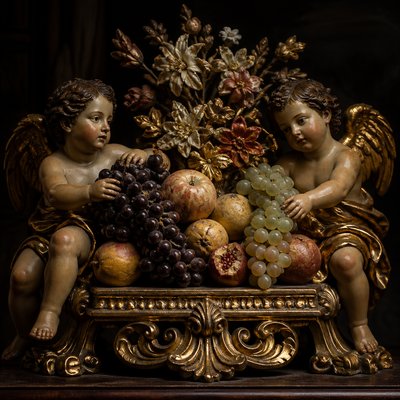
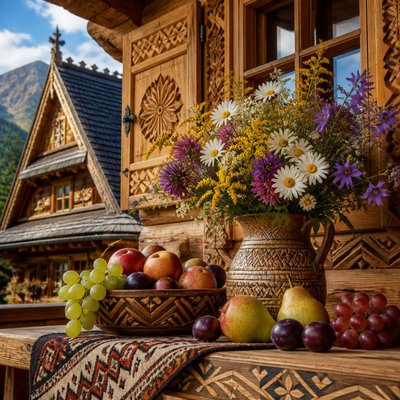
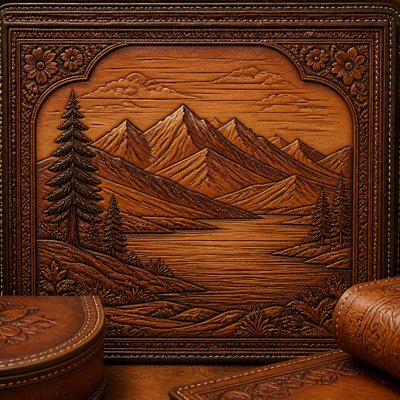
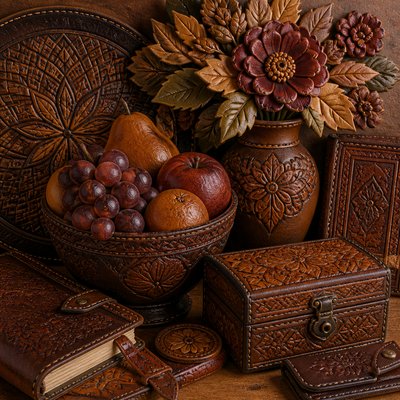
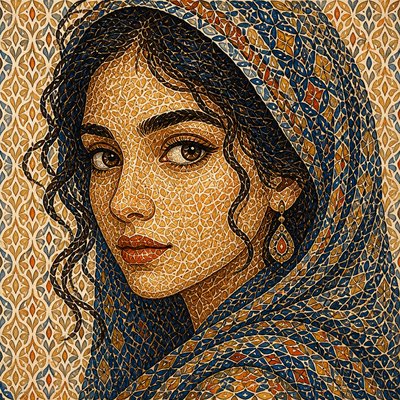
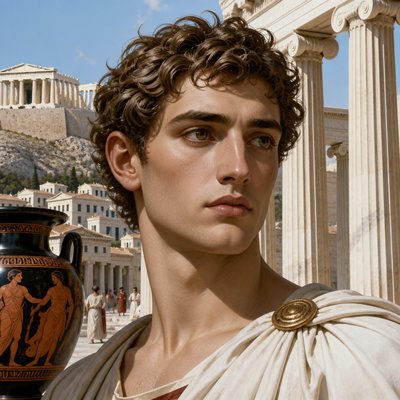
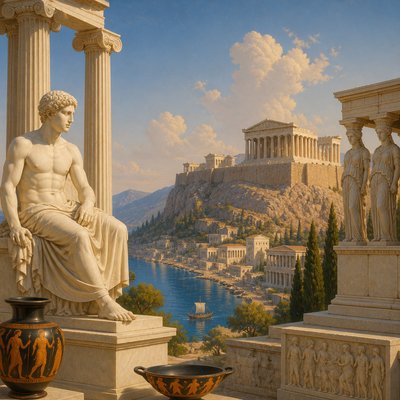
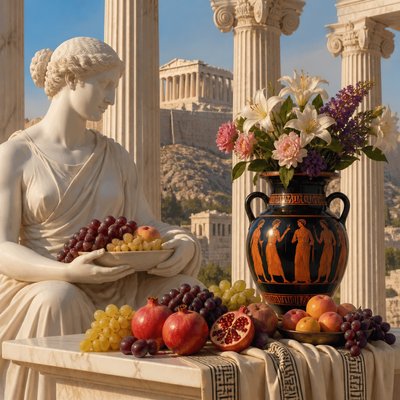
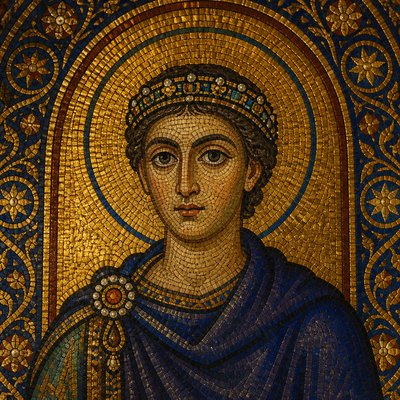
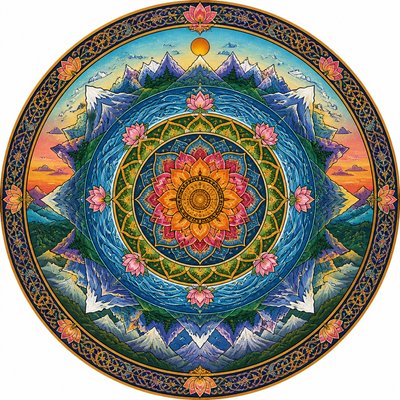
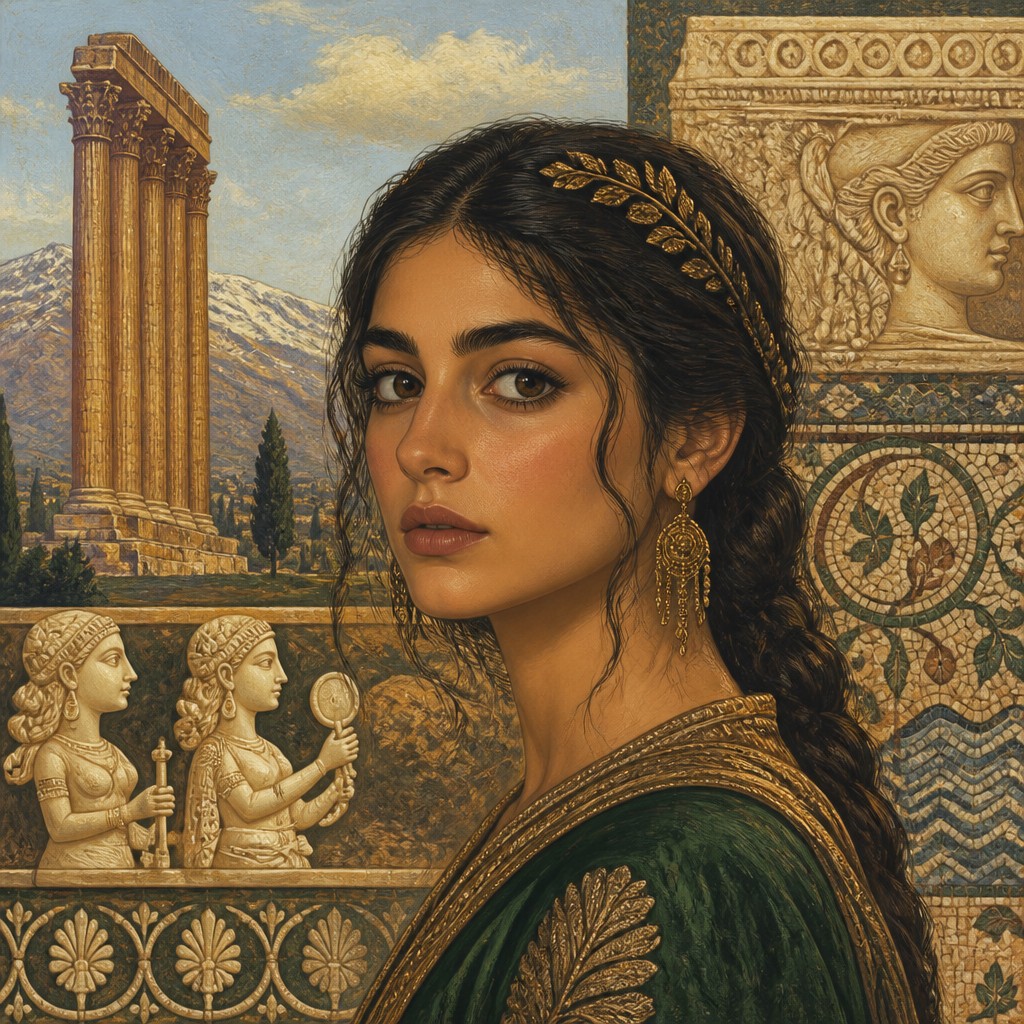
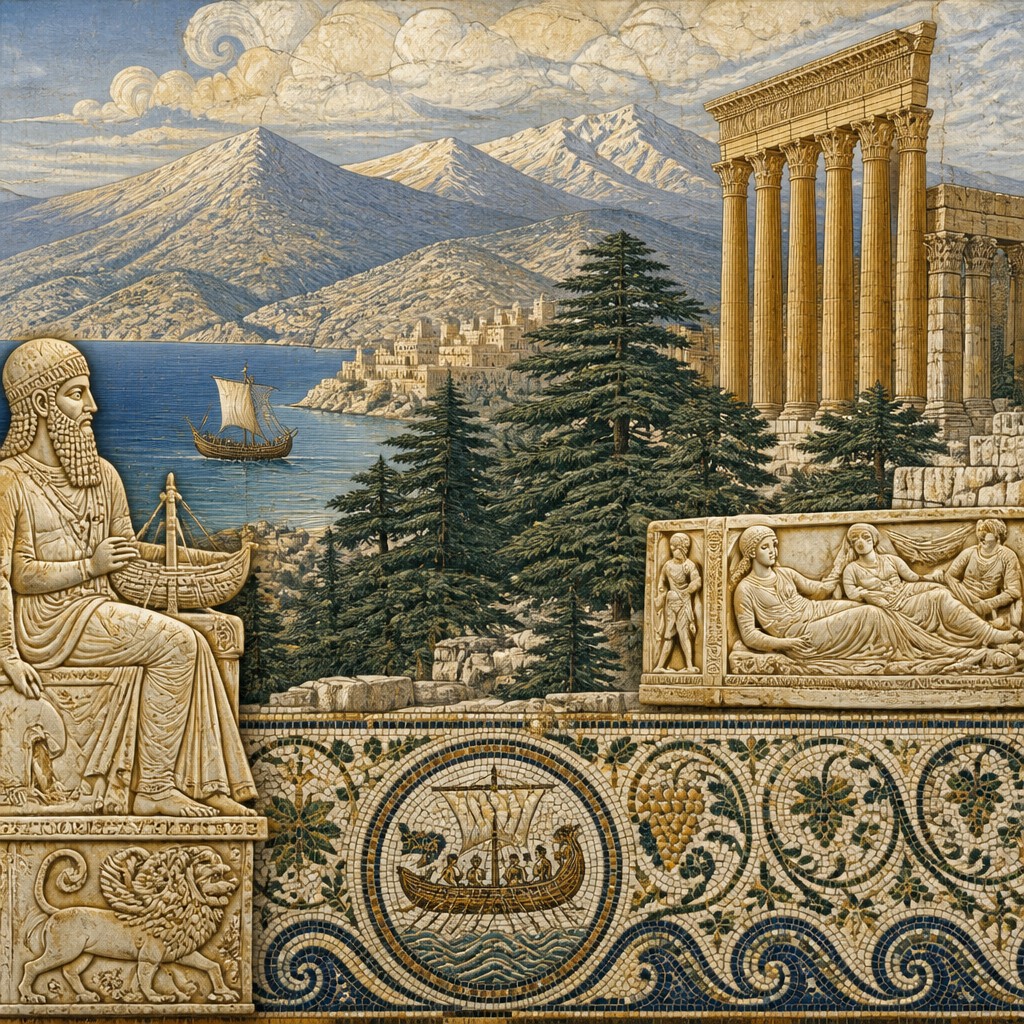
Lebanese Art Style is a contemporary, composite aesthetic rooted in the visual heritage of the eastern Mediterranean. It combines the minute linearity of Phoenician ivory carving, the monumental presence of Roman architecture at Baalbek, and the patterned surfaces of Byzantine mosaic pavements. Its characteristic palette joins cedar-forest greens, warm limestone, muted terracotta, aged ivory, and coastal blue.
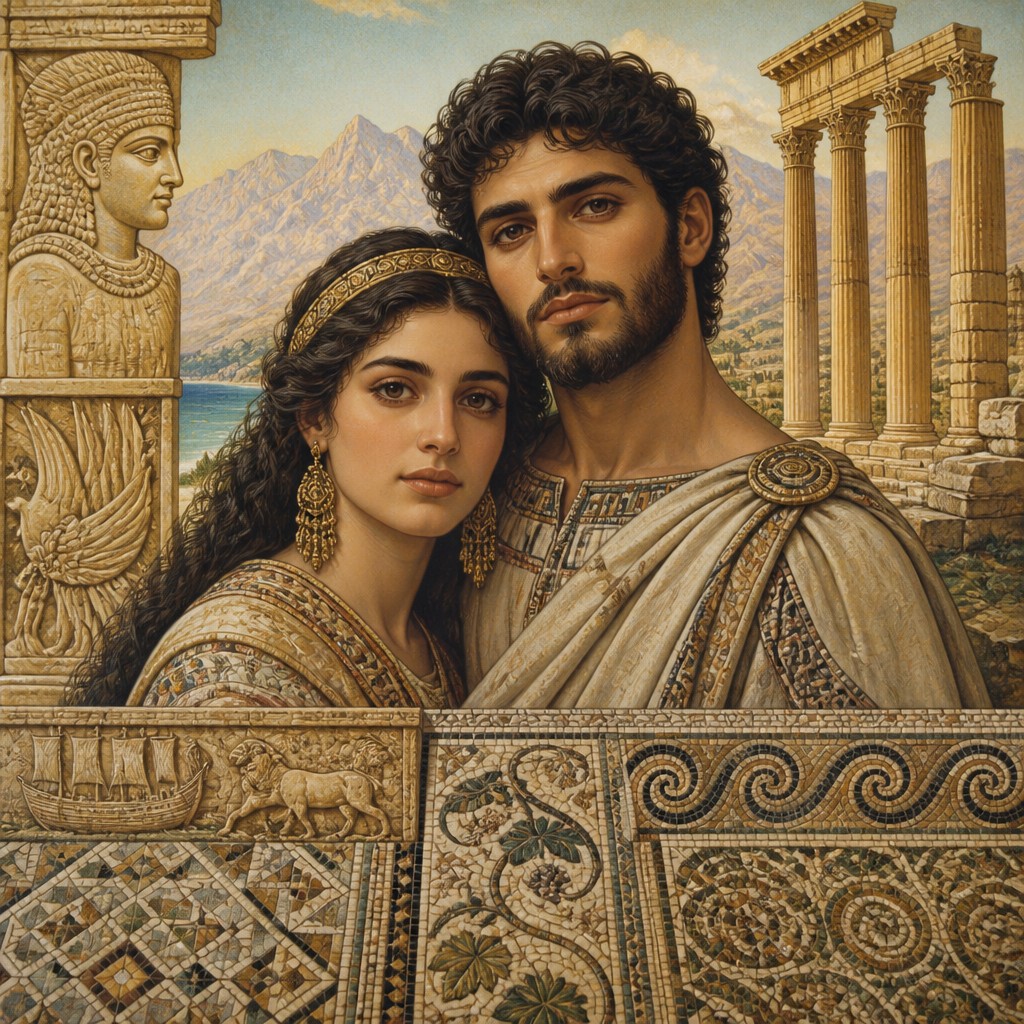
Try It On Your Photos
Upload any photo and convert it into Lebanese Art Style — drag the sliders to compare before and after.
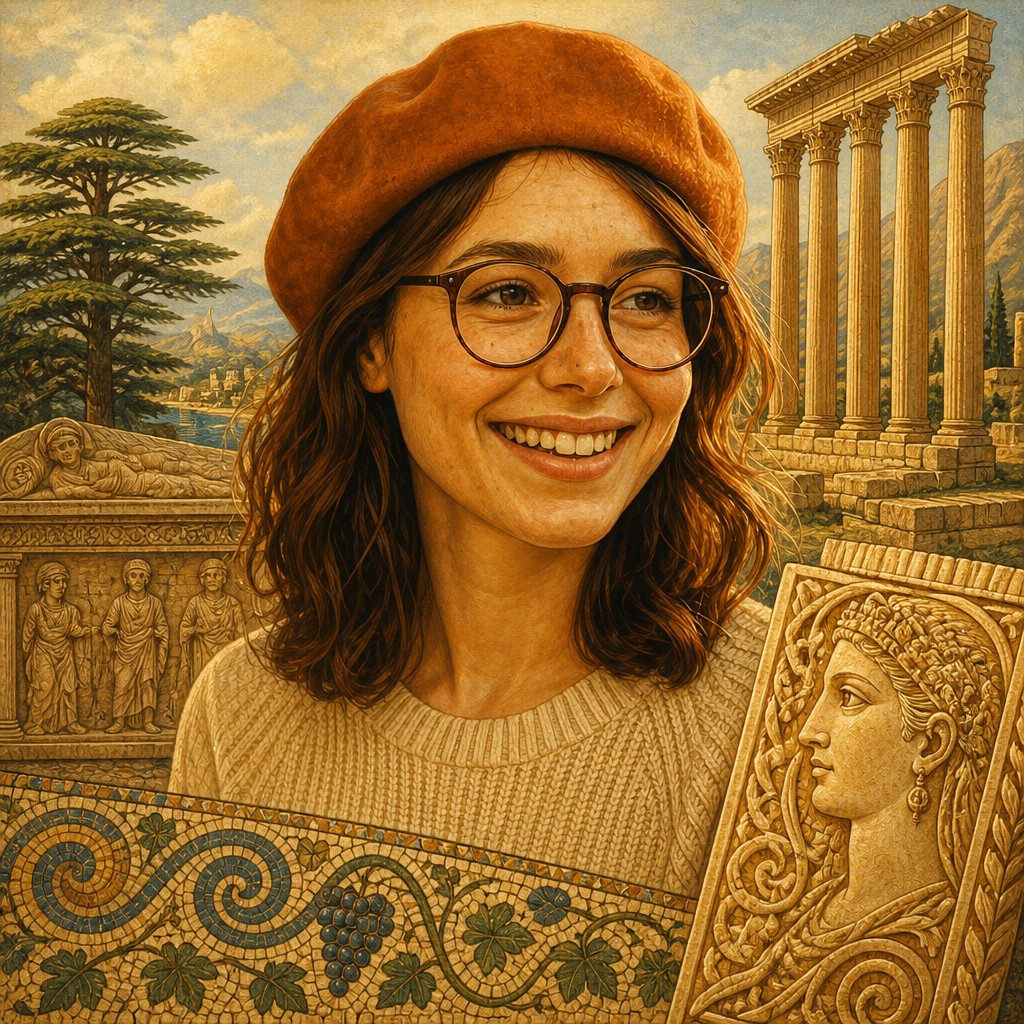

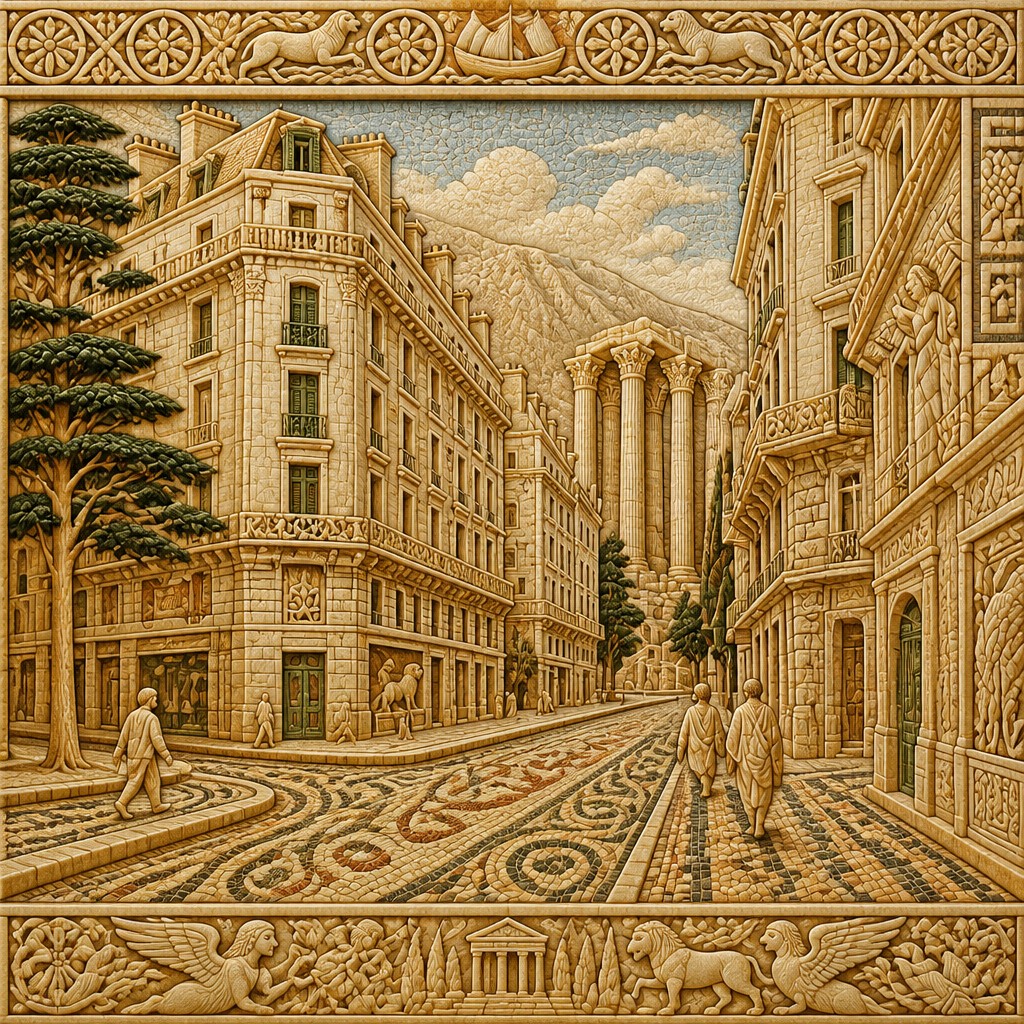

What Defines Lebanese Art Style
The signature details, up close
Carved ivory linework
Fine incisions, shallow relief, profile heads, winged or animal motifs, rosettes, and narrow ornamental borders suggest Phoenician ivory carving. The marks should feel precise and tactile rather than painterly.
Baalbek-inspired monumentality
Huge fluted columns, temple fragments, lintels, stairs, and weathered limestone establish a strong vertical and architectural presence. Human figures are often scaled small to emphasize the weight of the stone.
Byzantine mosaic geometry
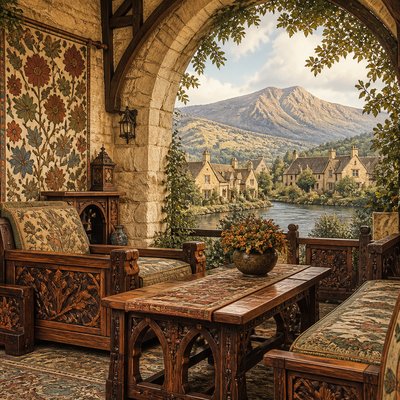
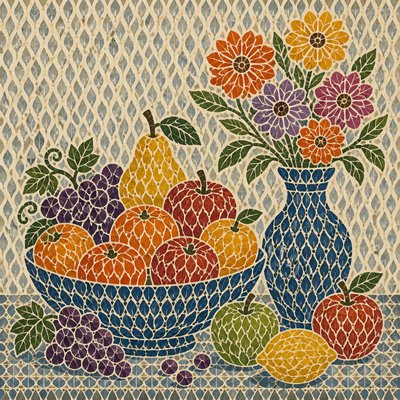
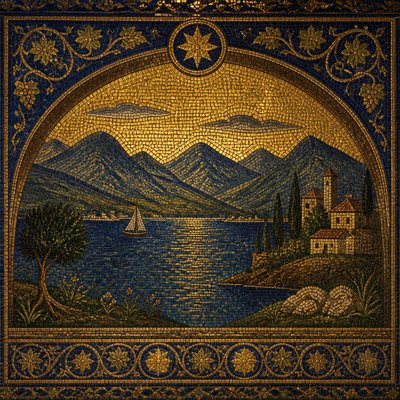
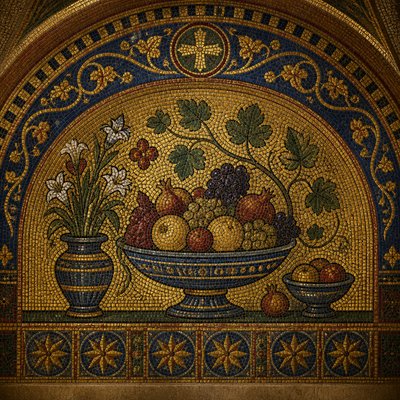
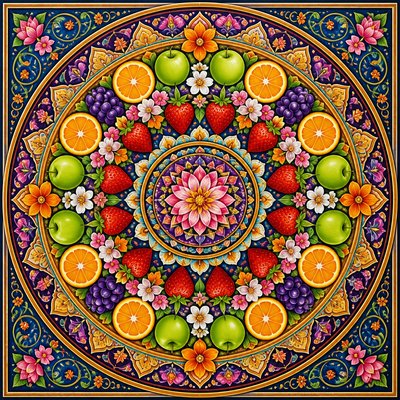
Repeated vine scrolls, wave bands, interlocking shapes, medallions, and tessellated pavements provide rhythmic surface structure. Slight irregularity between tesserae keeps the pattern handmade and archaeological.
Levantine mineral palette
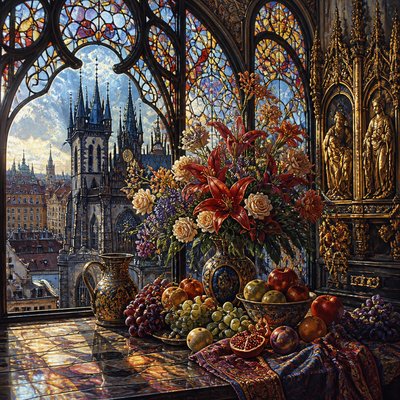
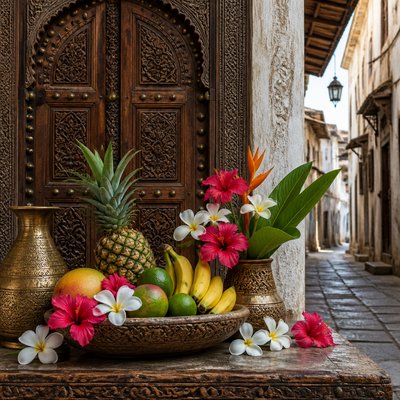
Honeyed limestone, aged ivory, cedar green, muted ochre, terracotta, deep blue, and charcoal form the core palette. Saturation is generally moderated to suggest sun, dust, oxidation, and natural stone.
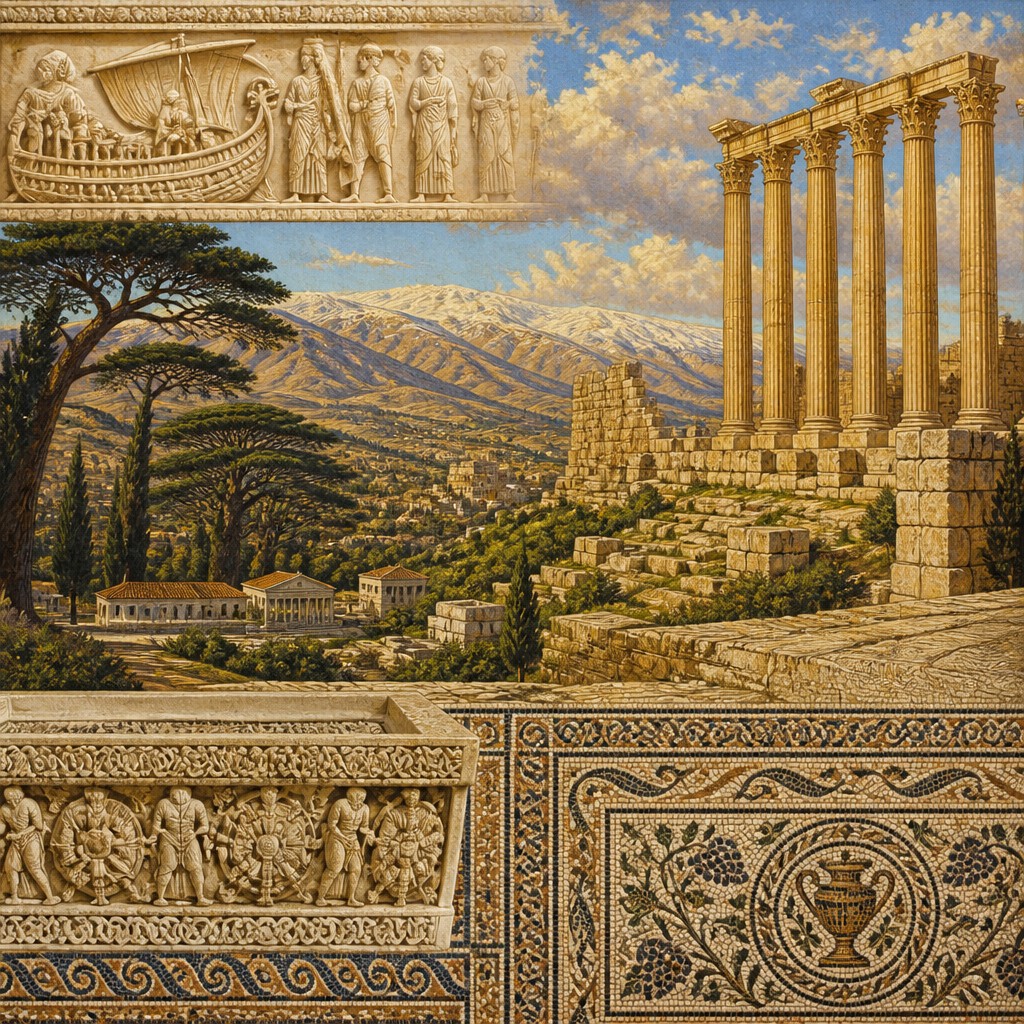
Coastal mountain light
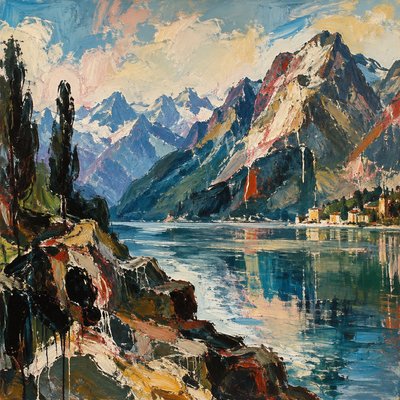
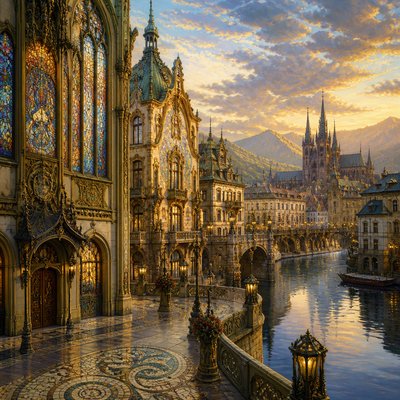
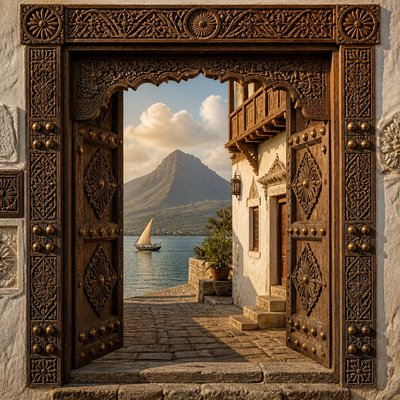
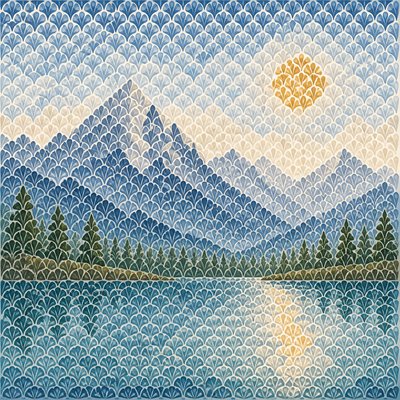
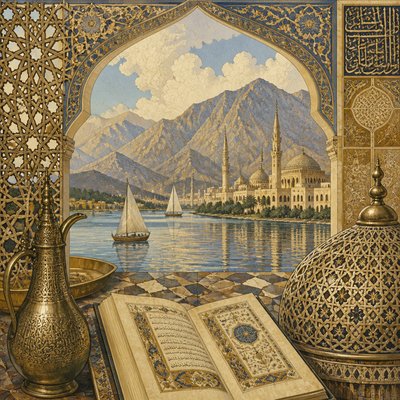
Clear but softened Mediterranean light reveals relief and masonry without harsh theatrical contrast. Mountain silhouettes, pale sky, atmospheric haze, and warm reflected light connect architecture to the Lebanese landscape.
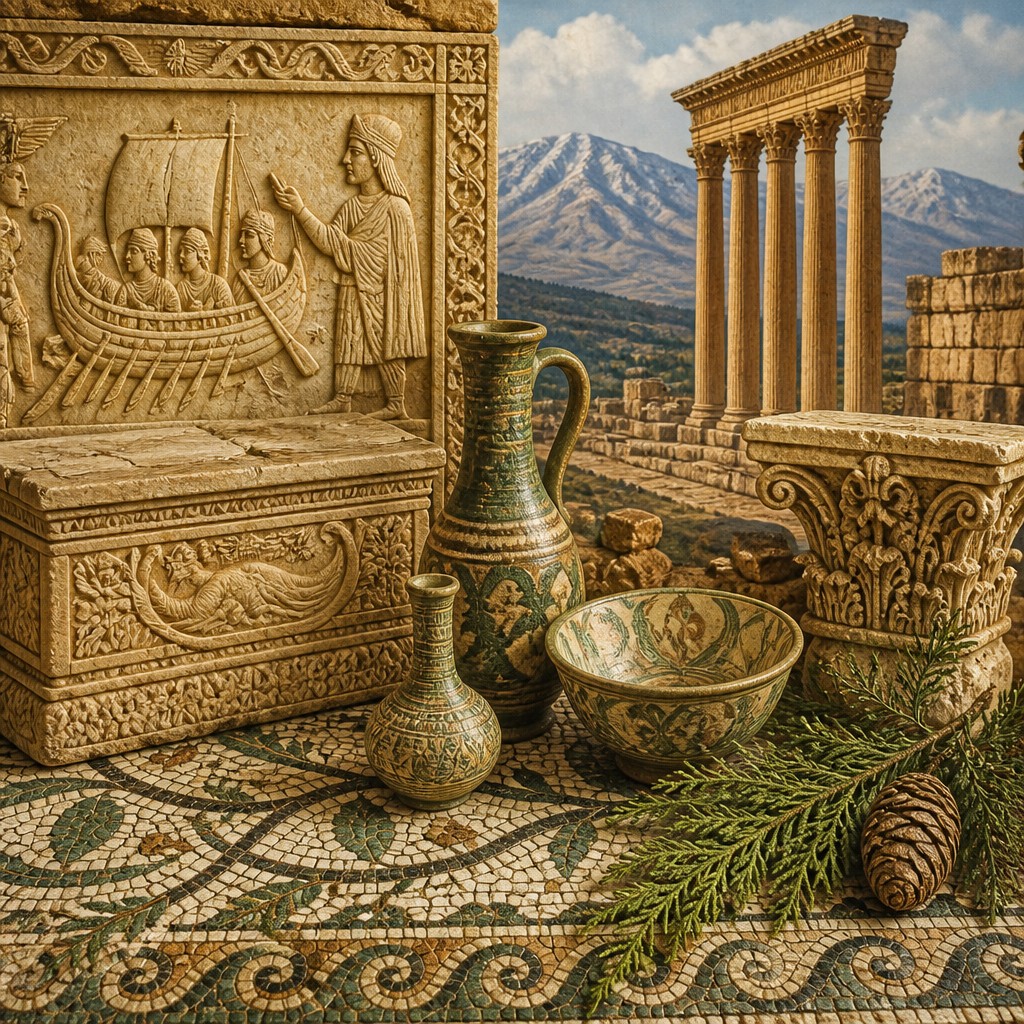
Layered archaeological surfaces
Chipped edges, worn inscriptions, cracks, patina, dust, and partially revealed mosaic add the sense of objects surviving through time. Texture supports the historical reference without requiring literal ruins in every image.
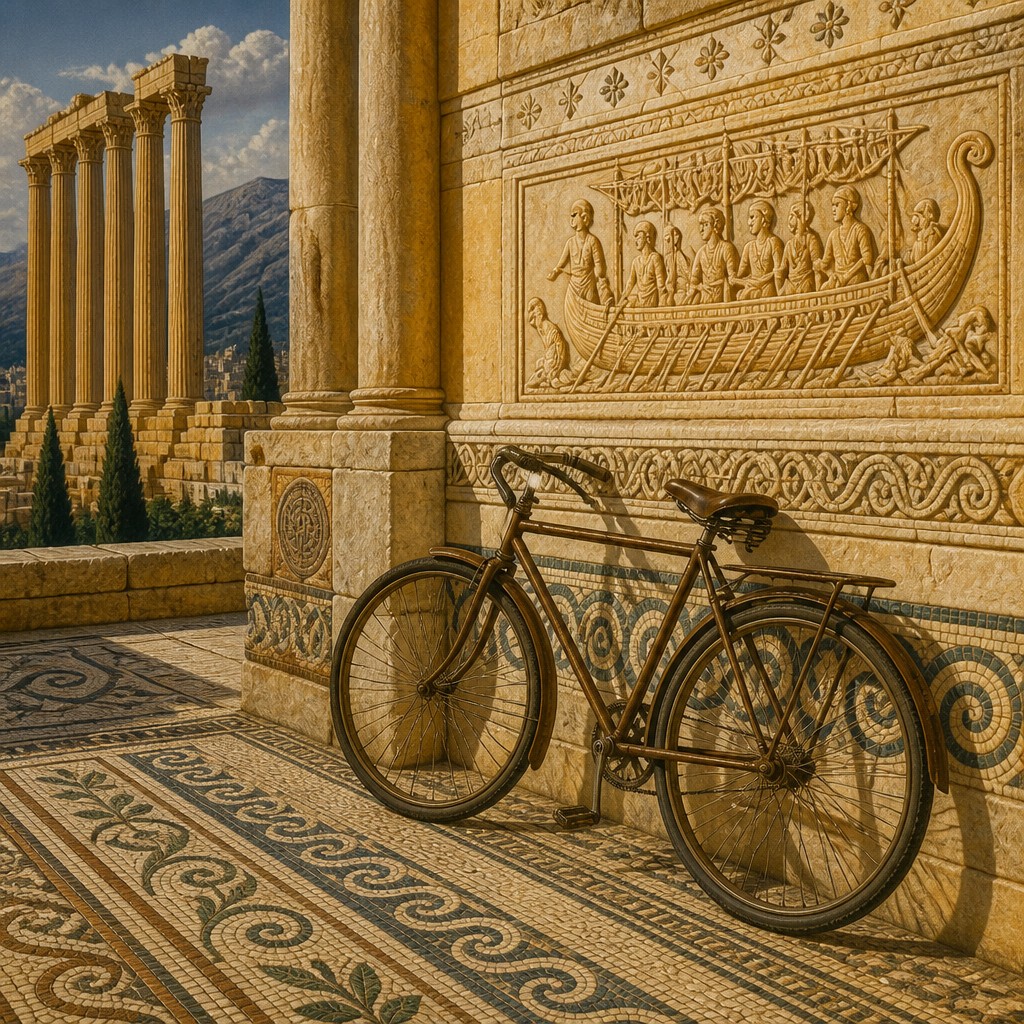
Profile and ornamental framing
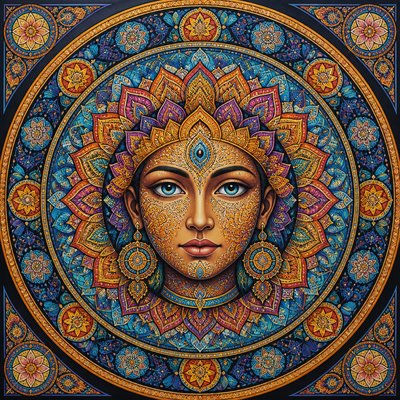
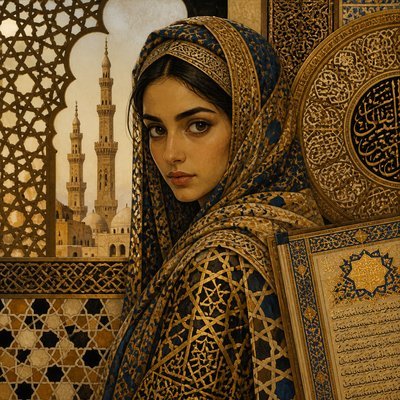
Side-facing heads, processional figures, foliage, wave motifs, and borders create a formal, ceremonial rhythm. These elements can frame a central subject or appear as relief details within architecture.
Lebanese Prompt Ideas
Start from an idea — each one opens the generator with the style ready to go. See all 40 Lebanese prompts →
How to Create Lebanese Art
Master the craft step by step — or skip straight to creating. Read the full guide →
- 1
Build a stone-and-relief foundation
Begin with a clear silhouette and large architectural masses, then add shallow relief, incised borders, and controlled surface wear. In traditional media, use carving, modeling, lime-based grounds, or small mosaic pieces to make texture physically legible.
- 2
Use a restricted material palette
Limit the image to limestone cream, ivory, cedar green, ochre, terracotta, dark blue, and charcoal before introducing accents. Layer transparent washes or digital texture maps so the colors resemble mineral deposits and aged surfaces rather than clean graphic fills.
- 3
Contrast scale and detail
Pair colossal columns or temple walls with small figures, delicate profiles, or narrow mosaic bands. This opposition gives the composition historical grandeur while preventing the architecture from becoming visually empty.
- 4
Construct believable mosaic and carving
For mosaics, follow the direction of the pattern and vary tessera size, alignment, and reflectivity subtly. For carved details, use directional shadows along cuts and raised edges, avoiding excessive depth that makes shallow relief look like modern 3D sculpture.
- 5
Shape the light like a coastal site
Use warm side light, pale atmospheric distance, and soft blue or hazy mountain skies to reveal the relief. Preserve darker recesses beneath capitals, cornices, and carved borders so the stone retains weight.
- 6
Write focused digital prompts
Specify the subject first, then request carved ivory relief detail, Roman limestone monumentality, Byzantine geometric mosaic, cedar-and-honey palette, and Mediterranean mountain light. Add material terms such as shallow relief, tessellated pavement, weathered stone, and archaeological patina while excluding glossy plastic, neon color, and generic fantasy ruins when they are unwanted.
The Story
History & Origins of Lebanese
Lebanese Art Style has no single historical origin or continuous school under that name. Its aesthetic lineage reaches back to Phoenician workshops of the first millennium BCE, known for finely worked ivory objects and relief decoration found across the ancient Mediterranean. It also draws on Roman monumental building at Baalbek, whose vast limestone columns and temple complexes developed within the Roman imperial world, and on Byzantine mosaic traditions that used tesserae to form geometric, vegetal, and figurative pavements across the eastern Mediterranean.
Influences: The style relates to Phoenician decorative arts, ancient Near Eastern and eastern Mediterranean ivory carving, Roman monumental architecture, Byzantine mosaic, archaeological reconstruction, heritage-focused illustration, and contemporary material-based digital art. It also shares with historical revival styles an interest in patina, fragments, ornament, and reconstructed antiquity, but its specifically Lebanese character comes from bringing coastal mountain landscapes and cedar symbolism into that Mediterranean architectural and decorative lineage.
Frequently Asked Questions
Is Lebanese Art Style a historical art movement?
No. The name describes a contemporary composite aesthetic rather than a documented movement with a fixed period, institution, or unified school. It draws selectively from Phoenician, Roman, Byzantine, and Lebanese visual heritage.
What defines the Lebanese Art Style visually?
Its main identifiers are delicate carved-relief detail, monumental limestone architecture, Byzantine-like mosaic pattern, cedar and honeyed-stone colors, and warm coastal mountain light. The style often balances tiny ornamental marks against immense columns or temple fragments.
How is it different from generic ancient or Greco-Roman art?
Generic ancient art may focus on classical figures, marble, or idealized architecture without a particular regional atmosphere. This style emphasizes the eastern Mediterranean, especially Baalbek-like limestone monumentality, Phoenician-inspired ivory detail, mosaic surfaces, cedar greens, and Lebanese mountain-and-coast light.
Can portraits or modern subjects be made in this style?
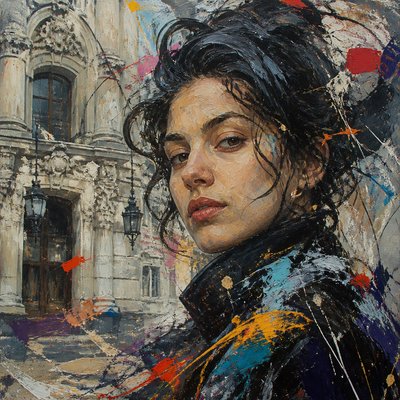
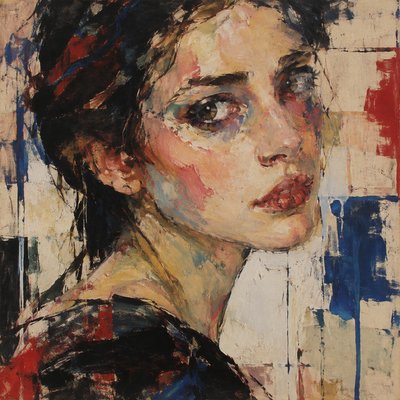
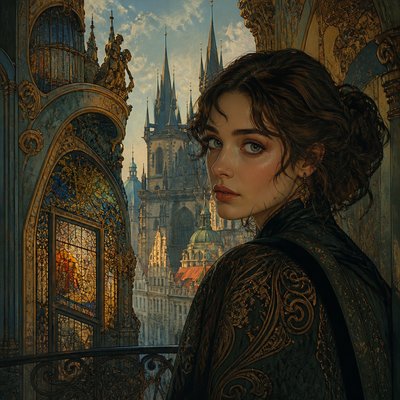
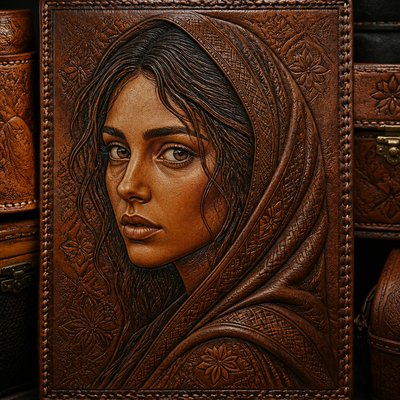
Yes. A portrait can be treated as a profile relief, framed by vines or geometric borders, while modern clothing or objects can be translated into carved stone and mosaic textures. Keeping the face readable and using historical ornament selectively prevents the image from becoming an indistinct archaeological collage.
What materials suit traditional work in this aesthetic?
Suitable approaches include limestone or plaster relief, clay modeling, wood or synthetic ivory-colored surfaces, encaustic or mineral painting, and small-scale mosaic. The goal is a tactile surface with shallow depth, visible joints, restrained pigment, and believable weathering.
How can I prompt an image effectively?
Name the subject and composition first, then specify the material references and atmosphere: shallow ivory relief, Roman limestone columns, Byzantine tesserae, cedar green, honeyed stone, and coastal mountain light. Add technical controls such as low saturation, carved texture, side lighting, archaeological patina, and a clear exclusion of glossy or neon finishes when necessary.
Create your first Lebanese artwork
Describe anything — or upload a photo — and see it in Lebanese Art Style in seconds.
Related Styles
Discover similar art styles