Syrian Art Style
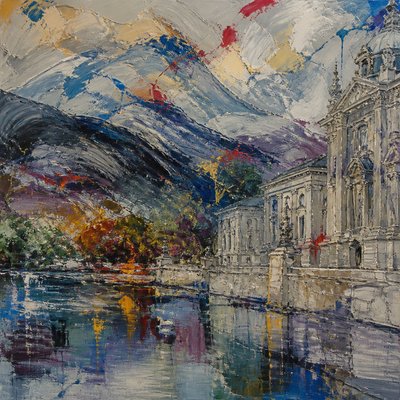
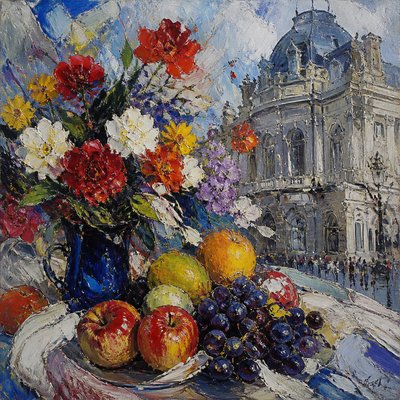
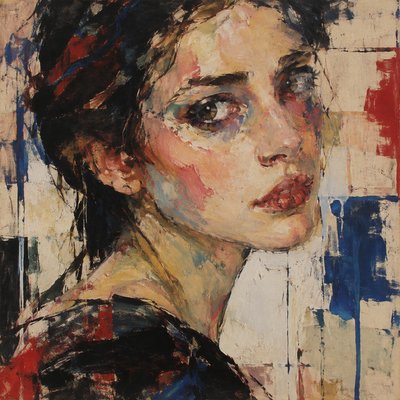
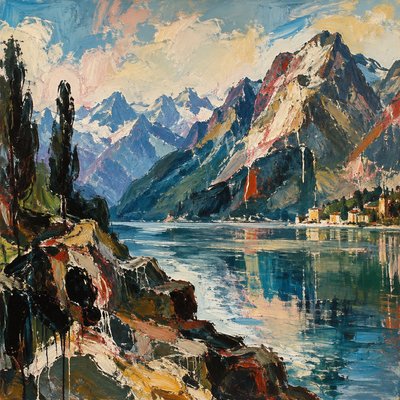
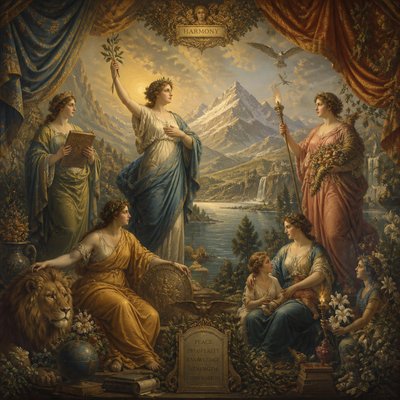
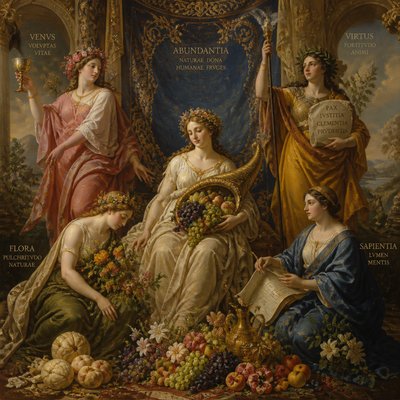
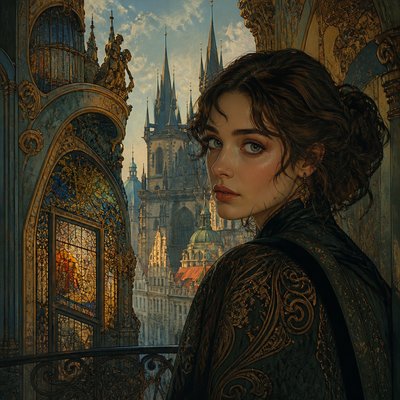
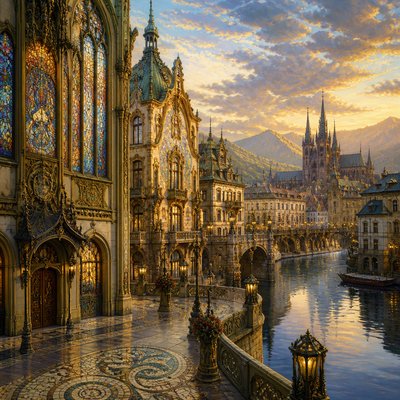
Explore Syrian Art Style: a contemporary synthesis of Palmyrene portraits, mosaic ornament, Damascene inlay, desert stone, and fortified architecture.
Instantly rendered in Syrian — or transform a photo
Syrian Gallery
Tap any artwork to explore it
What is Syrian Art Style?
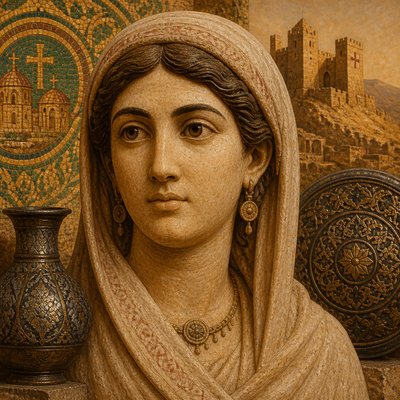
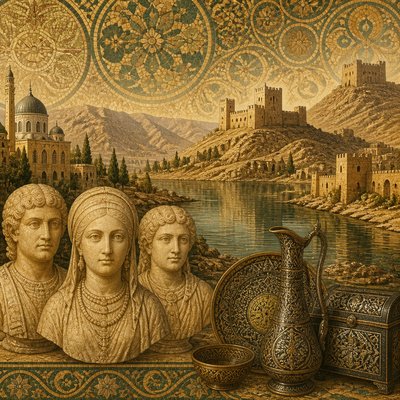
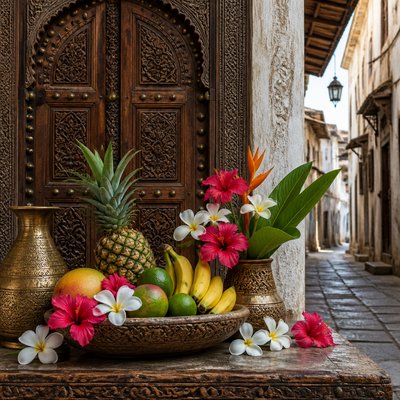
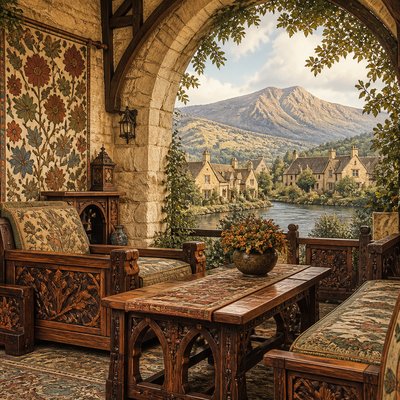
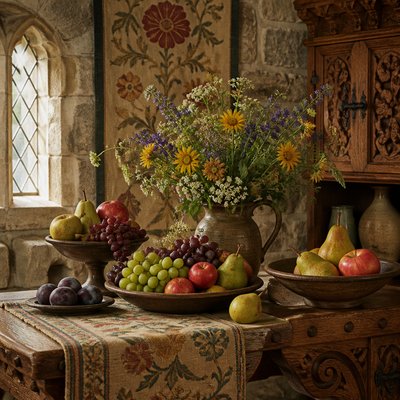
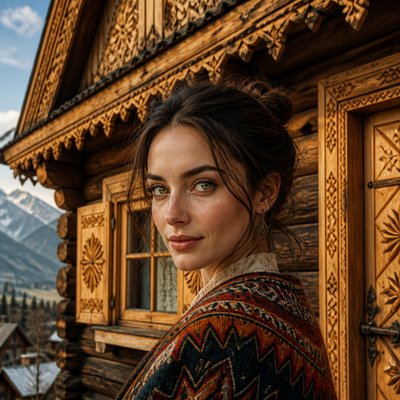
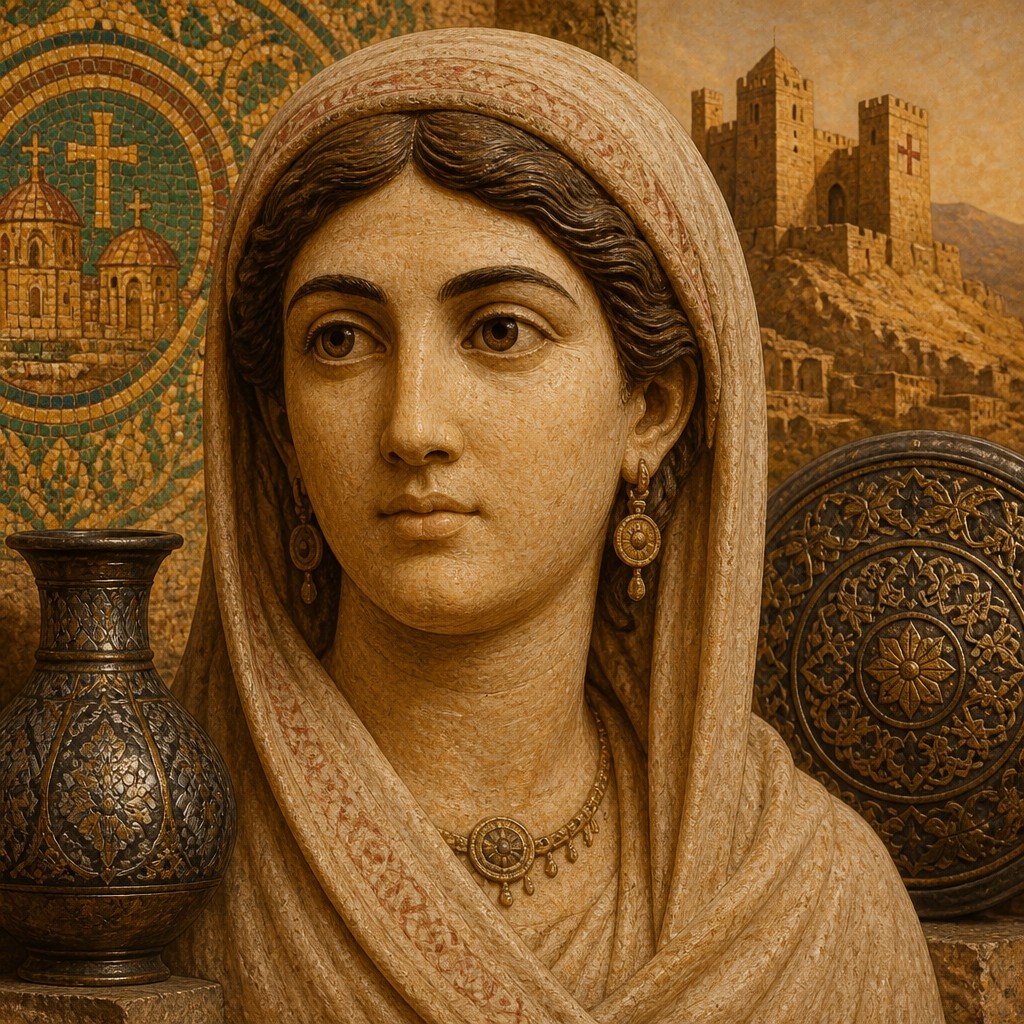
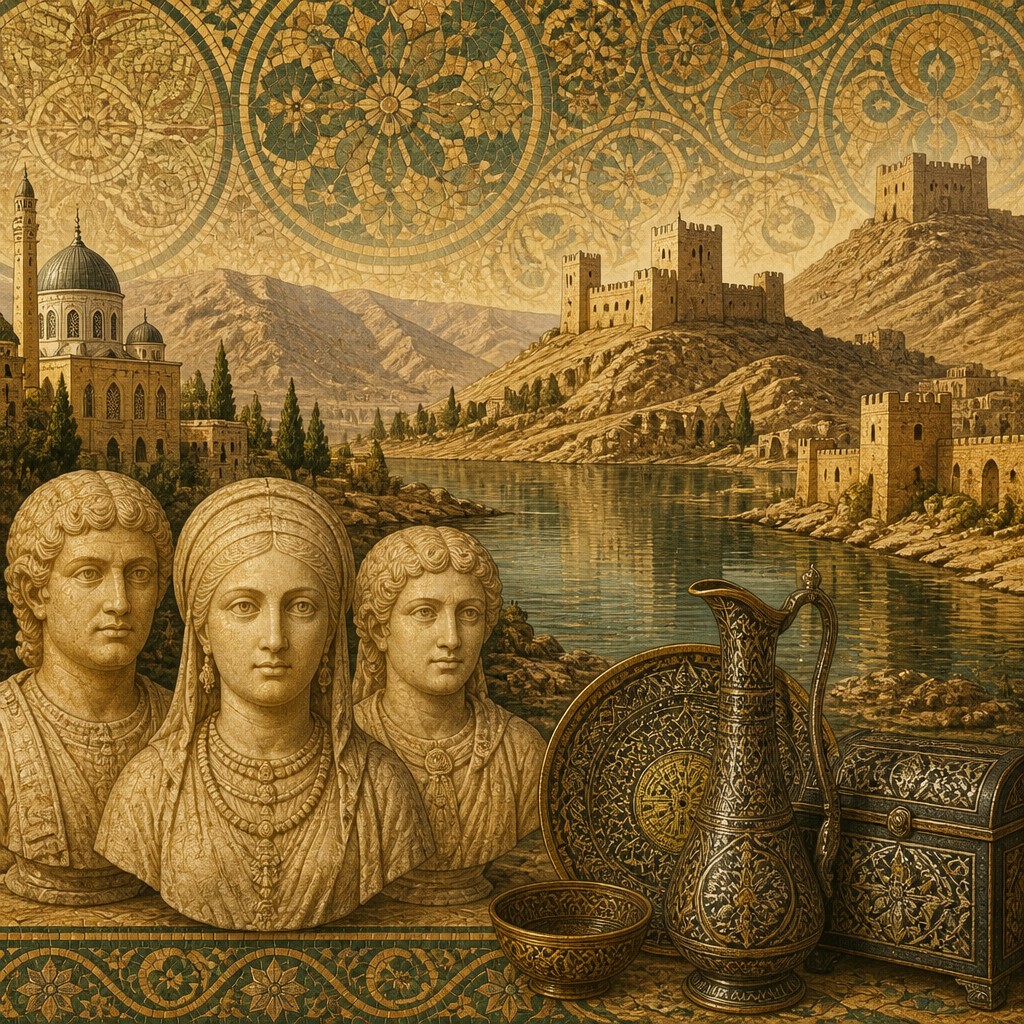
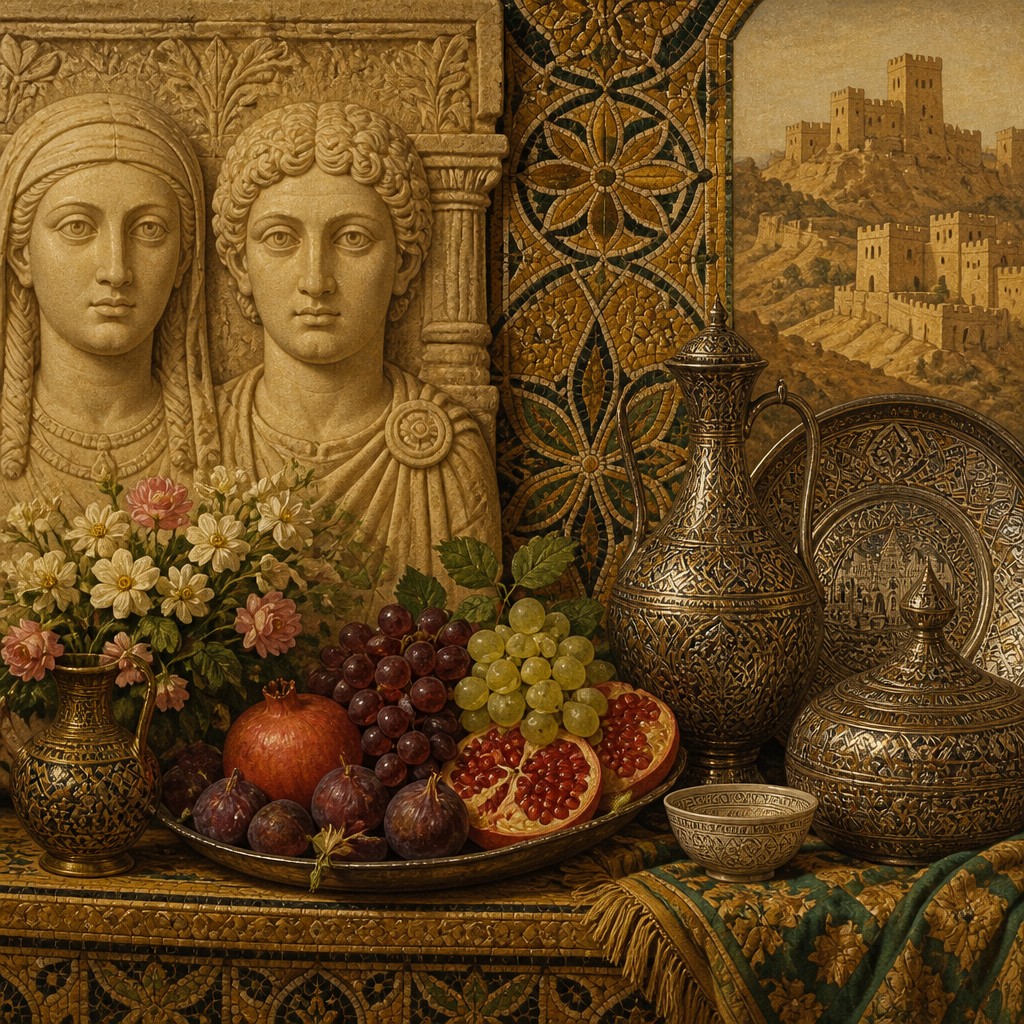
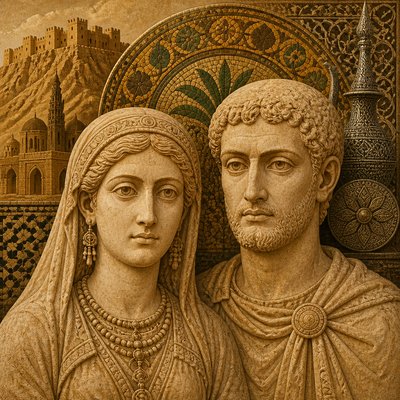
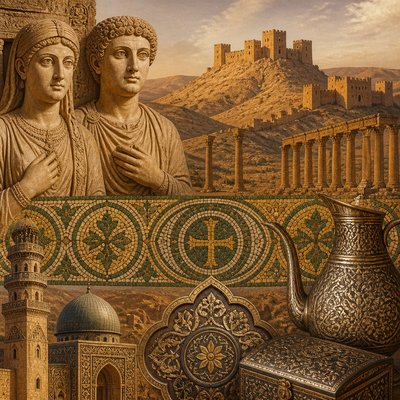
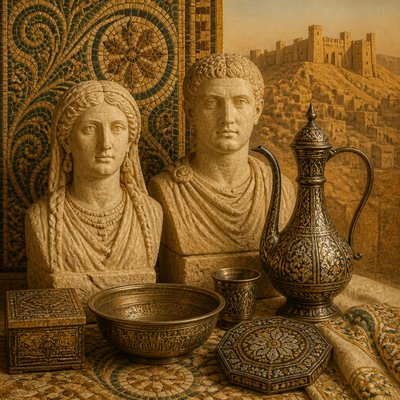
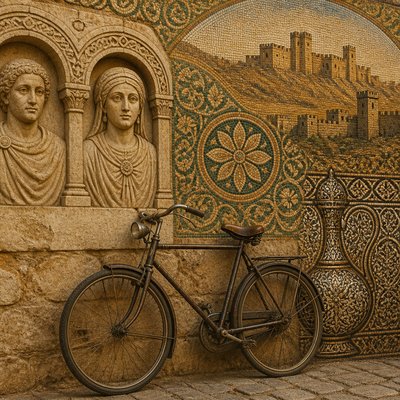
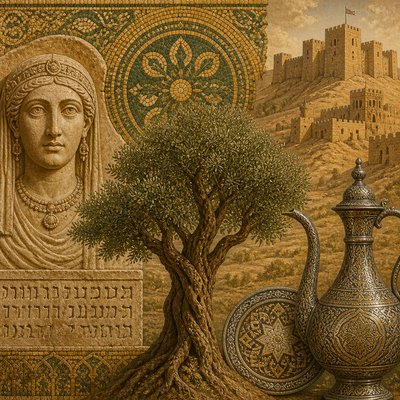
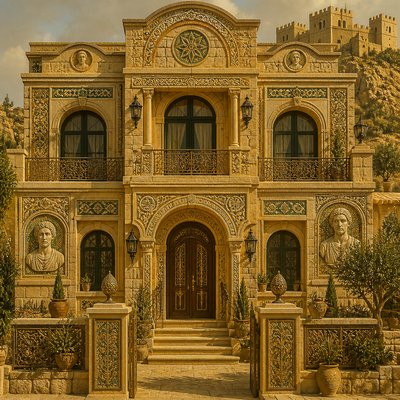
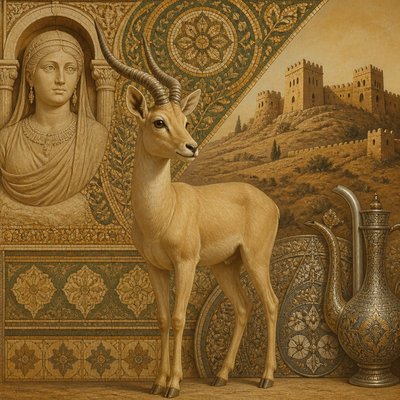
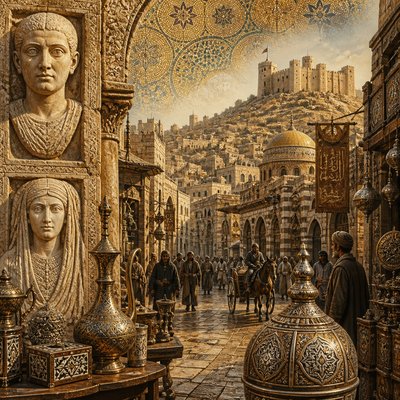
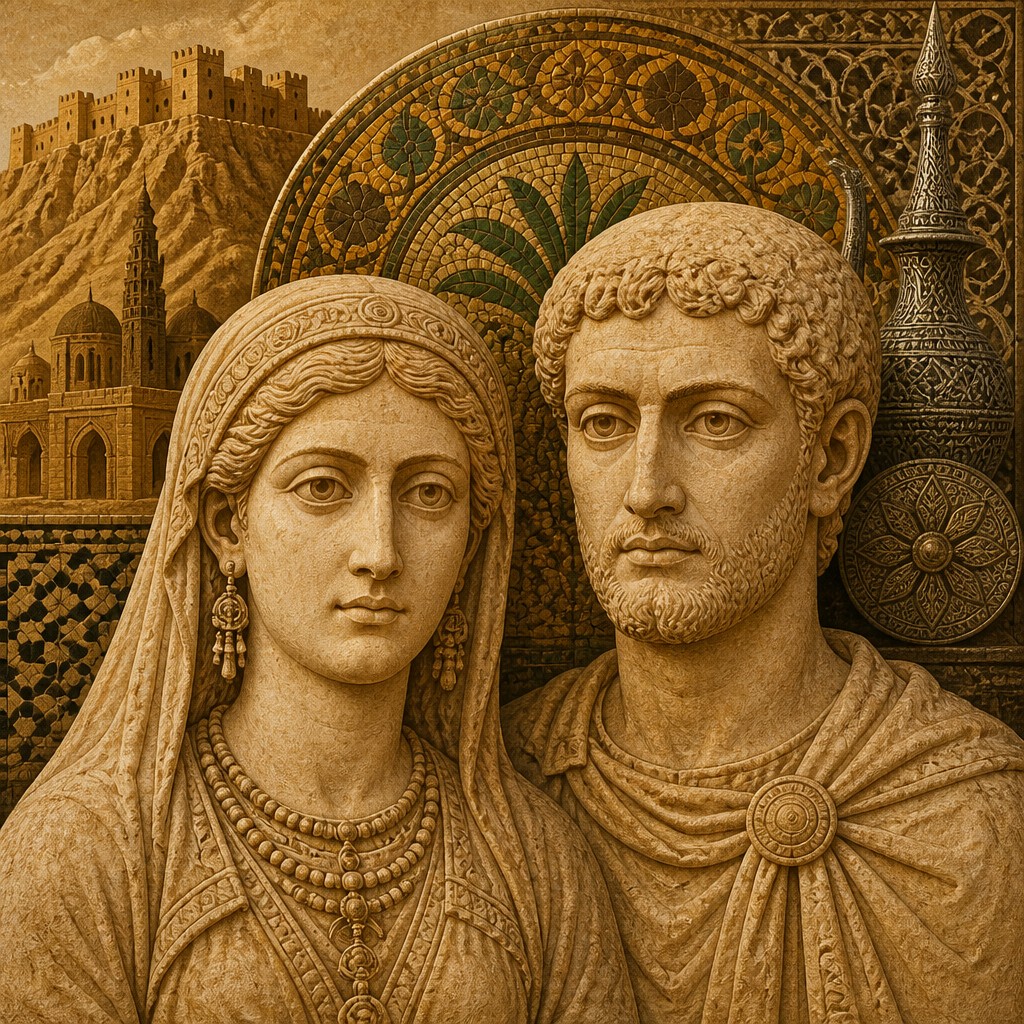
Syrian Art Style is a contemporary visual synthesis rather than a single historical movement. It combines the serene frontal presence of Palmyrene funerary portrait busts with the geometric richness of Byzantine and Umayyad mosaics, the polished contrast of Damascene metal inlay, and the monumental silhouettes of Syrian desert fortifications. Its characteristic palette joins warm honey-colored limestone with oxidized green, brass, silver, and gold.
Try It On Your Photos
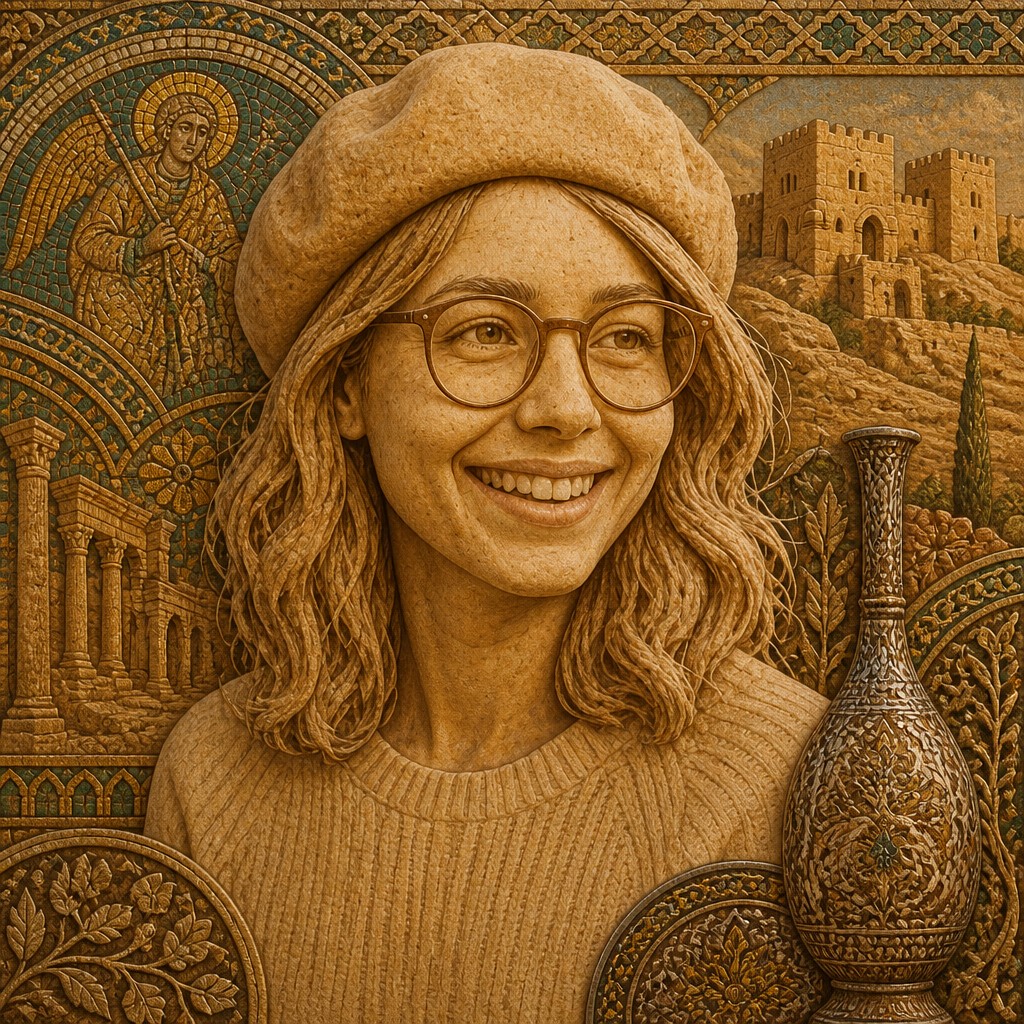
Upload any photo and convert it into Syrian Art Style — drag the sliders to compare before and after.


What Defines Syrian Art Style
The signature details, up close
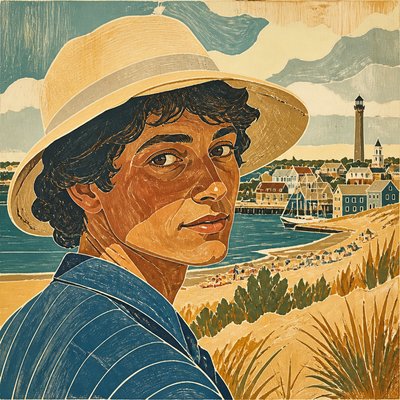
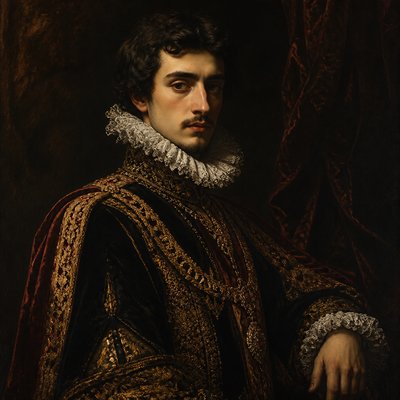
Frontal limestone portraiture
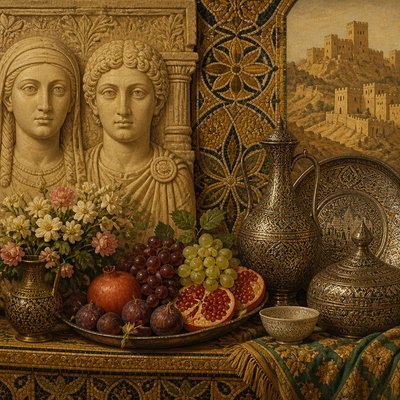
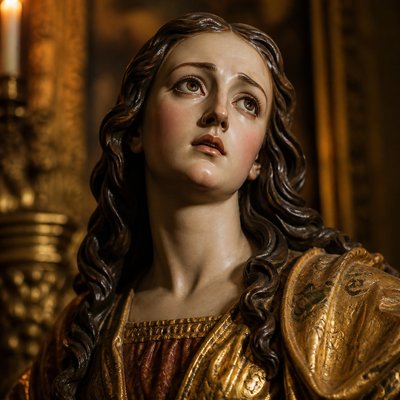
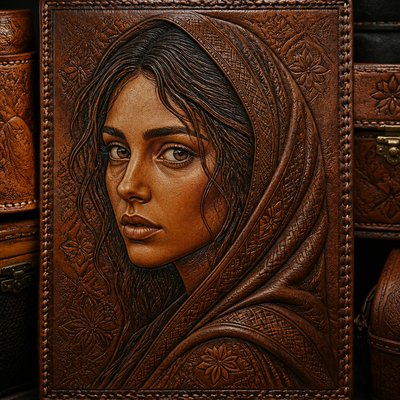
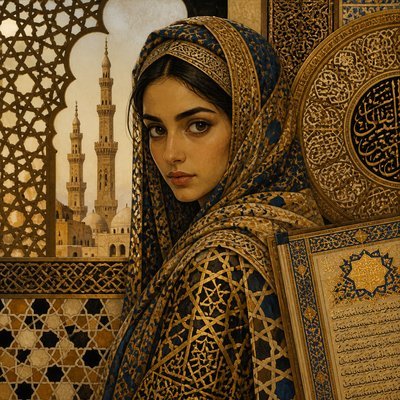
Calm, hieratic busts appear carved in pale or honey-colored limestone, with simplified volumes, symmetrical faces, stylized hair, and restrained expressions inspired by Palmyrene funerary sculpture.
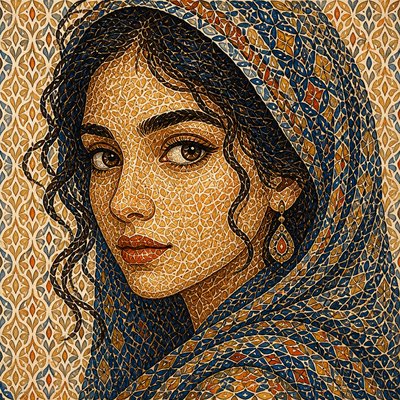
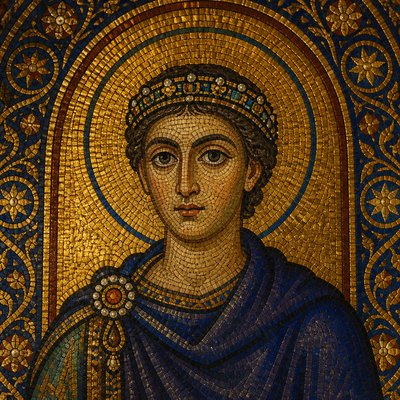
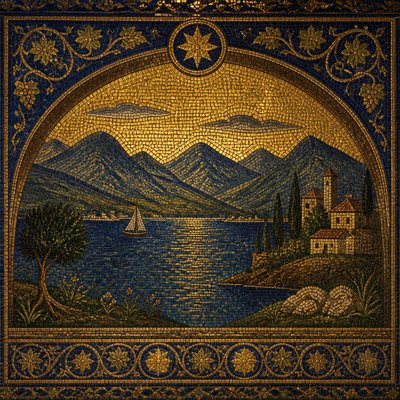
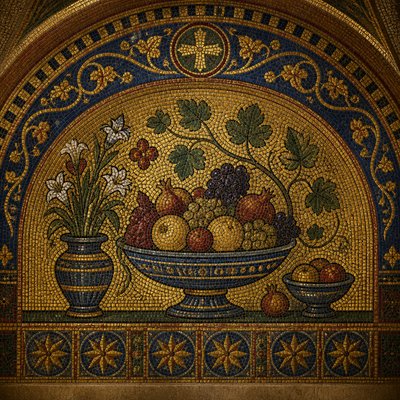
Gold and green mosaic ornament
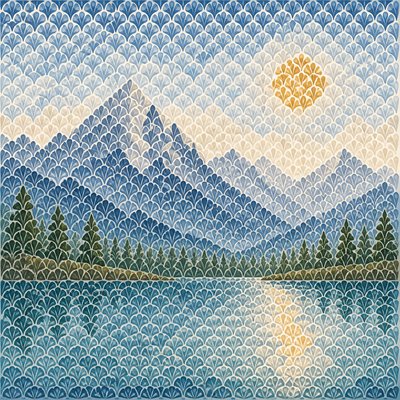
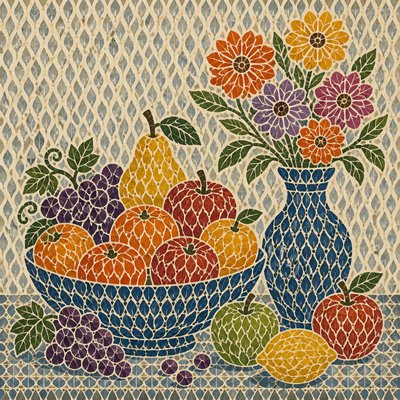
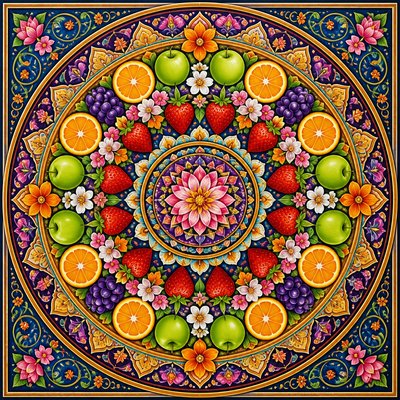
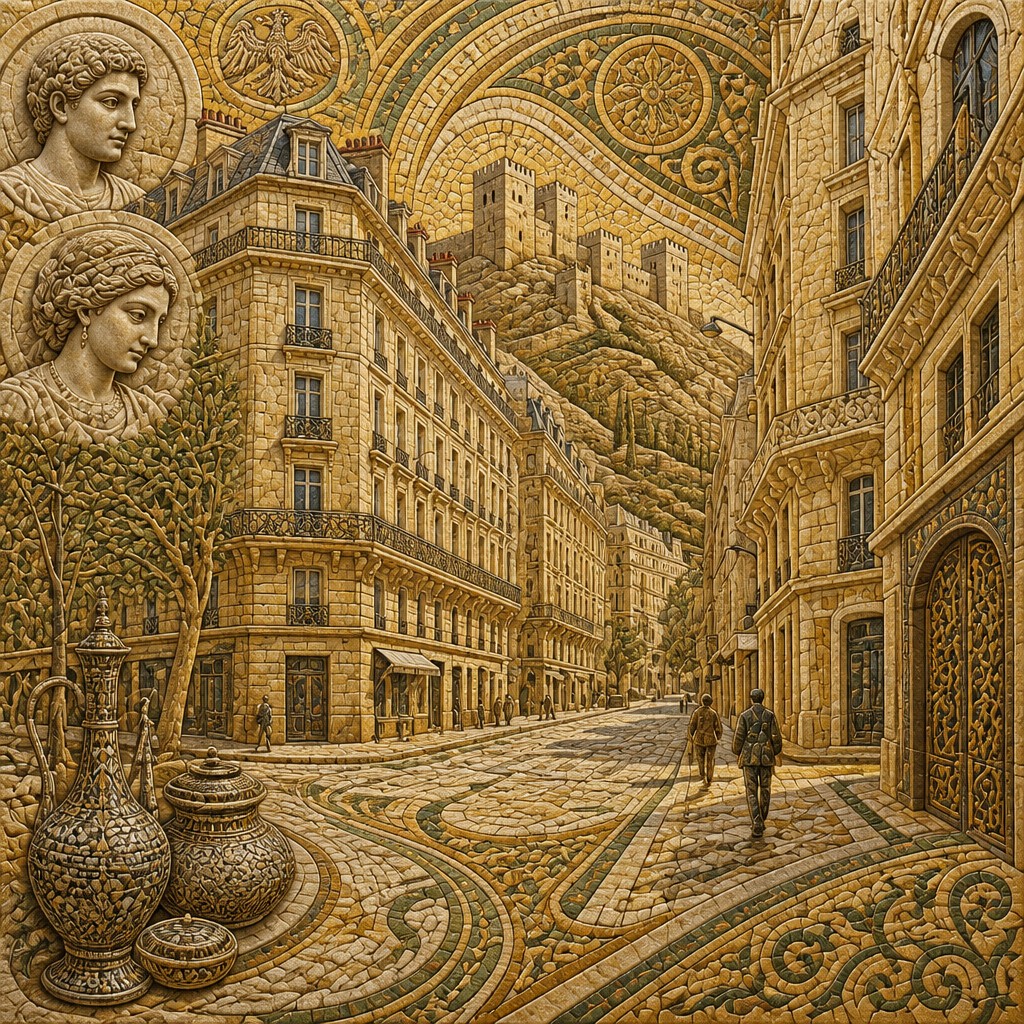
Small tesserae form sweeping geometric, vegetal, and architectural patterns. Gold and deep green create a jewel-like surface associated with Byzantine and Umayyad decorative traditions.
Damascene metal inlay
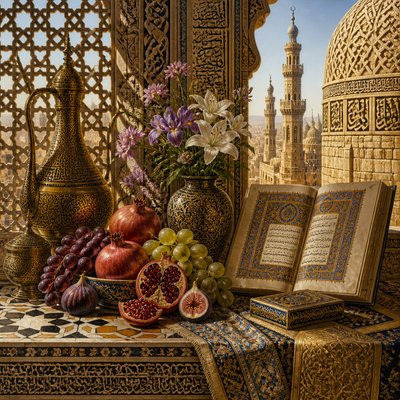
Silver and brass lines, floral scrolls, stars, and arabesques are set into darkened steel or iron surfaces. The contrast between black metal and bright inlay gives the style a precise, tactile finish.
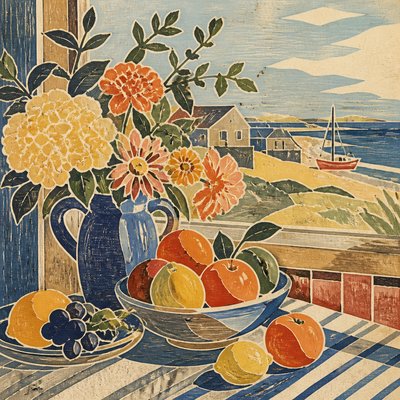
Honey-stone palette
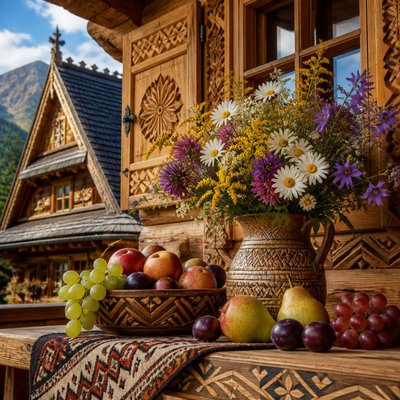
Warm limestone, sand, ochre, muted terracotta, bronze, silver, and patinated green establish a dry, sunlit atmosphere. Strong metallic accents are usually balanced by soft mineral neutrals.
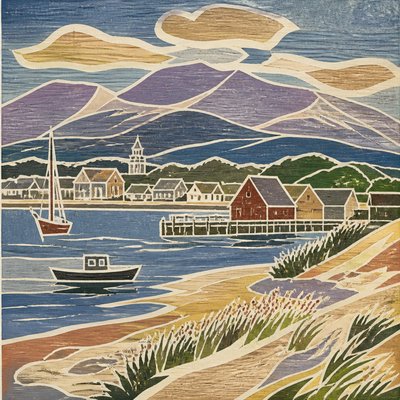
Fortified desert architecture
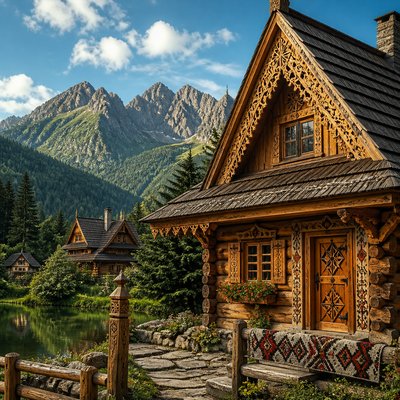
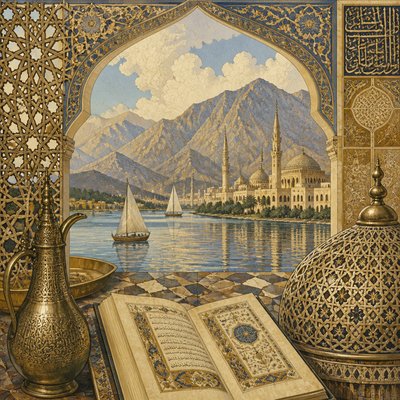
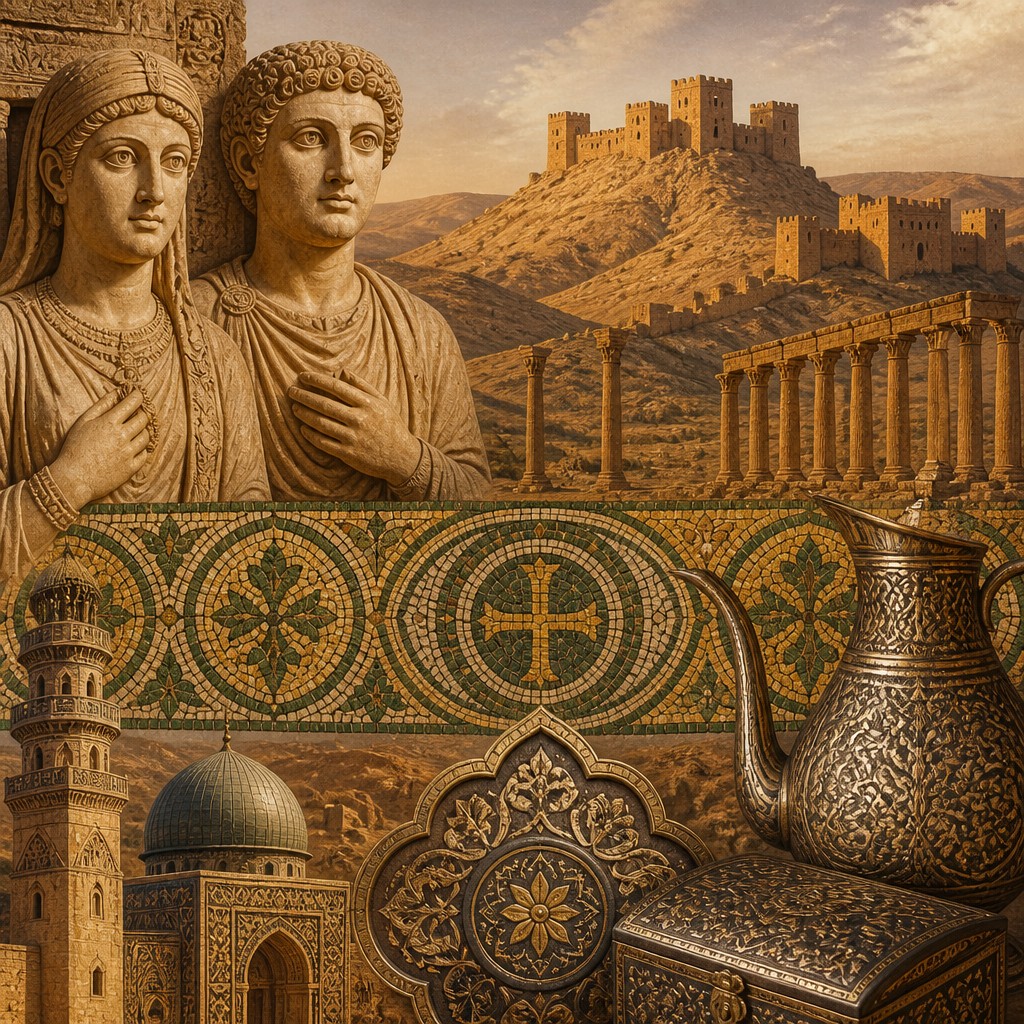
Crusader-era castles, citadels, towers, walls, and crenellations appear as distant silhouettes or architectural framing devices on rocky hills and open desert horizons.
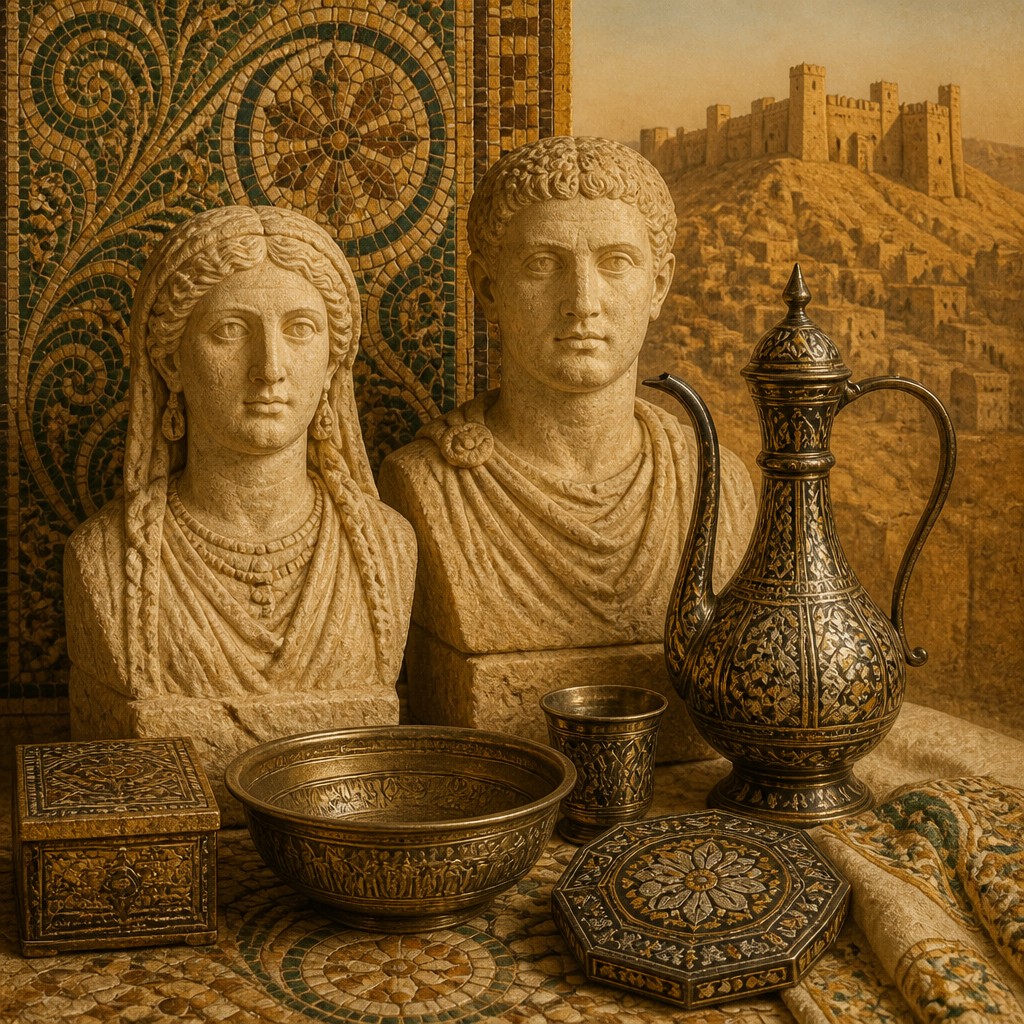
Layered surface pattern
Carving, mosaic, engraved line, and inlaid metal are visually combined so that images feel assembled from distinct crafted materials rather than painted as a single flat surface.
Syrian Prompt Ideas
Start from an idea — each one opens the generator with the style ready to go. See all 40 Syrian prompts →
How to Create Syrian Art
Master the craft step by step — or skip straight to creating. Read the full guide →
- 1
Build the composition around a calm focal form
Begin with a centered bust, architectural façade, vessel, or shrine-like object. Use frontal symmetry and shallow relief to echo funerary sculpture without copying a specific archaeological artifact.
- 2
Separate materials clearly
Treat limestone as matte and porous, mosaic as granular and reflective, and inlaid metal as dark, polished, and sharply edged. Distinct material behavior is more convincing than simply adding metallic colors.
- 3
Use a controlled palette
Anchor the image in honey stone, sand, cream, and muted umber, then add restrained accents of emerald green, gold, silver, and brass. Avoid excessive saturation if a historic, mineral quality is desired.
- 4
Design patterns before adding detail
Lay out repeating borders, rosettes, arabesques, stars, or tessellated bands first, then vary scale around the focal subject. This keeps the ornament legible instead of producing an undifferentiated texture.
- 5
Add archaeological atmosphere carefully
Use eroded edges, dust, weathering, shallow chips, and uneven stone surfaces for age, while preserving readable faces and ornament. Combine ruins and intact craft surfaces rather than making every element look damaged.
- 6
Write prompts by subject, material, and structure
For prompt-based creation, specify the subject first, then request Palmyrene-inspired limestone carving, Byzantine or Umayyad mosaic tesserae, Damascene silver-and-brass inlay, and a warm honey-stone palette. Include terms such as frontal, shallow relief, intricate craftsmanship, and desert light when those qualities matter.
The Story
History & Origins of Syrian
The style draws on several distinct layers of Syrian visual culture. Palmyrene funerary sculpture flourished in the Roman-period city of Palmyra, especially from the first through third centuries CE, and is recognized for carved limestone busts with frontal poses, carefully arranged hair and clothing, and a balance of idealization and individual likeness. Byzantine and early Islamic mosaic traditions introduced luminous tesserae, repeated vegetal motifs, inscriptions, and architectural ornament, while medieval castles and citadels supplied a vocabulary of crenellations, towers, and rugged desert landscapes.
Influences: The style relates to Palmyrene funerary sculpture, Roman provincial portraiture, Byzantine mosaic, early Islamic and Umayyad ornament, arabesque design, Damascene metalworking, medieval Near Eastern fortifications, and contemporary archaeological and heritage-inspired illustration. It also shares techniques with bas-relief, decorative arts, mosaic design, metal engraving, and historical fantasy worldbuilding.
Frequently Asked Questions
Is Syrian Art Style a historical art movement?
No. The name describes a contemporary synthesis of several Syrian and eastern Mediterranean visual traditions rather than a documented movement with a single period or doctrine. Its imagery should be understood as lineage-based and interpretive.
What defines the look of Syrian Art Style?
Its main identifiers are frontal Palmyrene-like limestone portraiture, gold and green mosaic ornament, silver-and-brass Damascene inlay, warm honey-colored stone, and fortified desert architecture. The style is especially recognizable when these elements appear as layered crafted surfaces.
How is it different from Byzantine mosaic art?
Byzantine mosaic is a historical medium and tradition centered on tesserae, luminous surfaces, and religious or imperial imagery. Syrian Art Style uses mosaic as one component alongside stone portraiture, metal inlay, and desert fortifications, so it is broader and more deliberately hybrid.
How can I make a traditional version of this style?
For physical work, combine shallow limestone or clay relief with glass or ceramic tesserae, then use engraved or embossed metal for contrasting details. Study the construction of Palmyrene portraits, regional mosaic pattern, and Damascene inlay separately before combining them into one composition.
How should I describe this style in an image prompt?
Name the subject first, then specify materials and visual structures: frontal limestone bust, shallow relief, gold and green tesserae, silver-and-brass inlay, fortified desert architecture, and a honey-stone palette. Mention matte stone, granular mosaic, polished metal, symmetry, and warm directional light for greater control.
Where is this aesthetic commonly used?
It can suit heritage illustration, historical fiction, architectural visualization, decorative objects, book covers, museum-inspired studies, and symbolic portraiture. Because it combines multiple periods, captions and educational contexts should identify the specific traditions being referenced rather than presenting the synthesis as an unchanged ancient style.
Create your first Syrian artwork
Describe anything — or upload a photo — and see it in Syrian Art Style in seconds.
Related Styles
Discover similar art styles