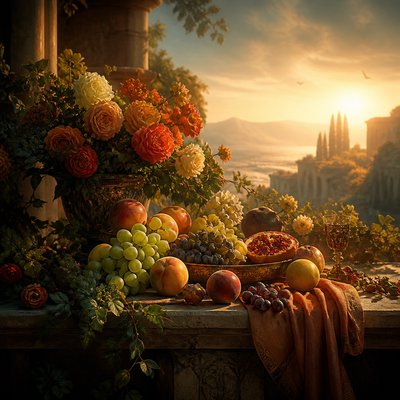
Mural Painting Art Style
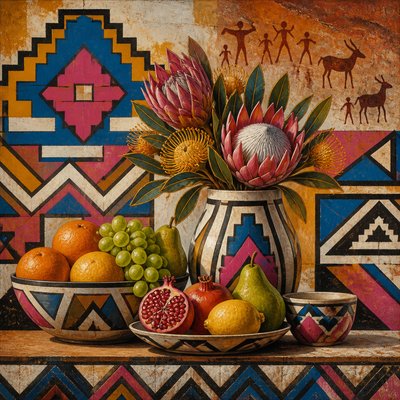
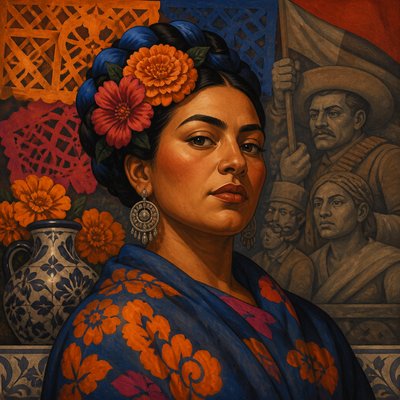
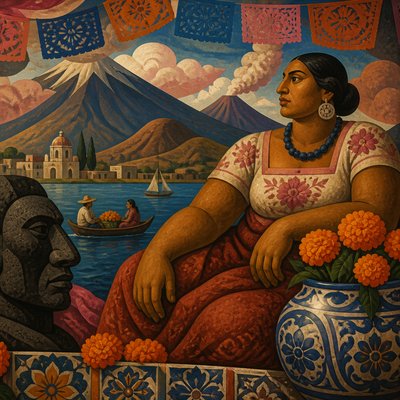
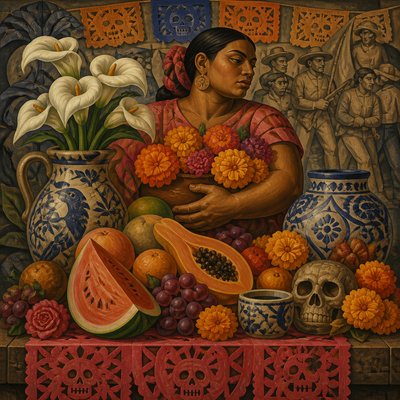
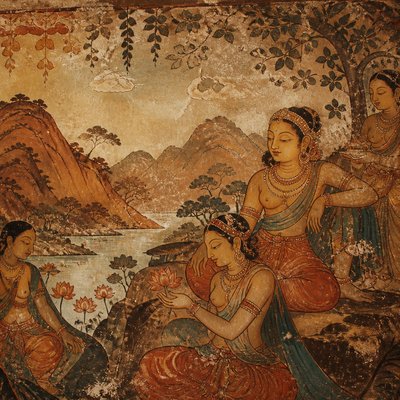
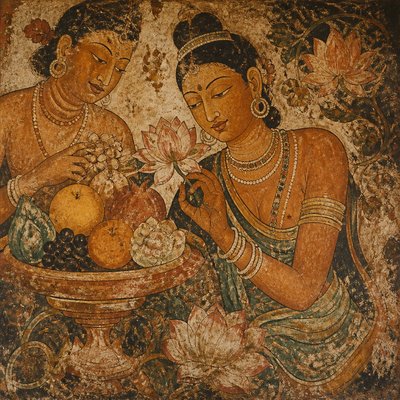
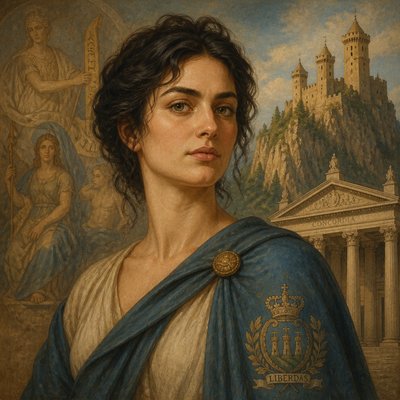
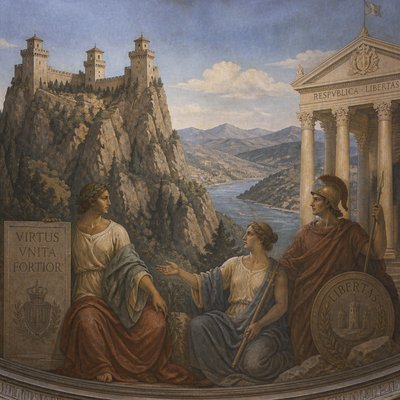
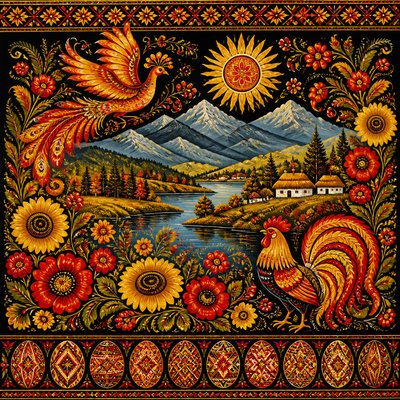
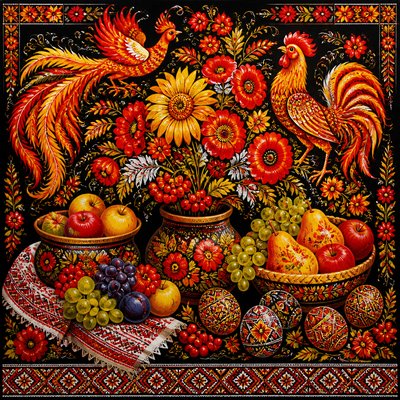
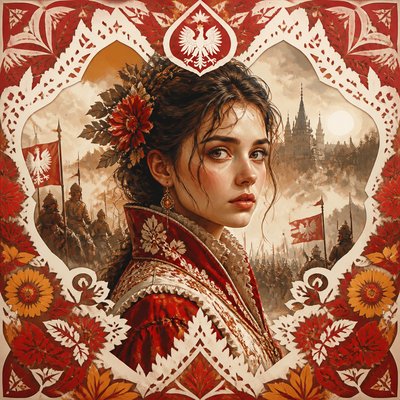
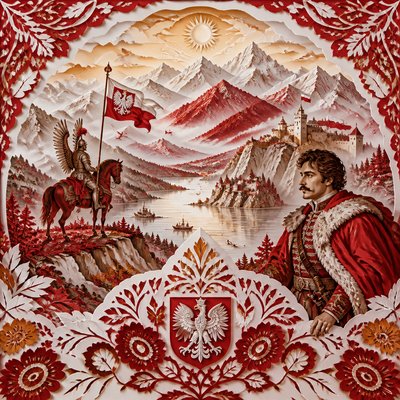
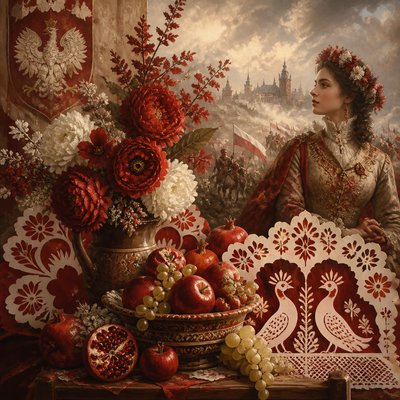
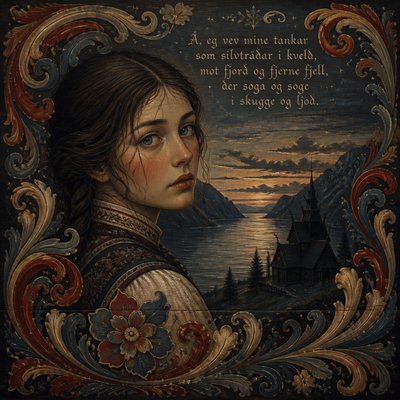
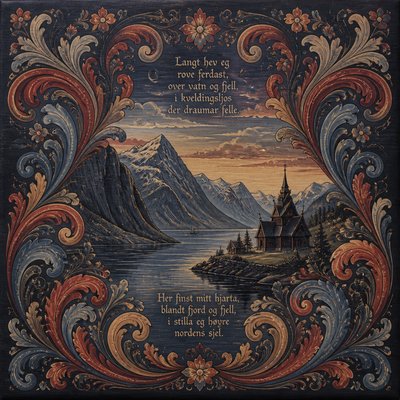
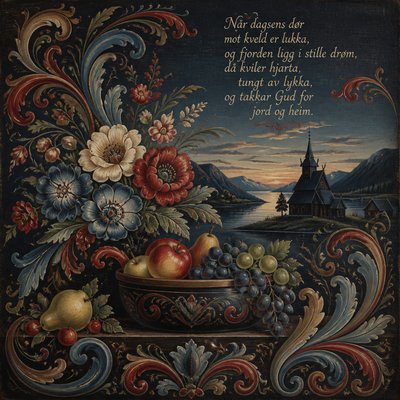
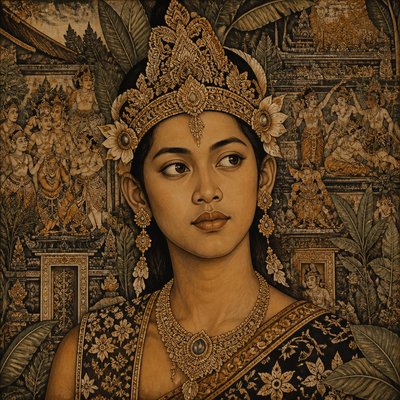
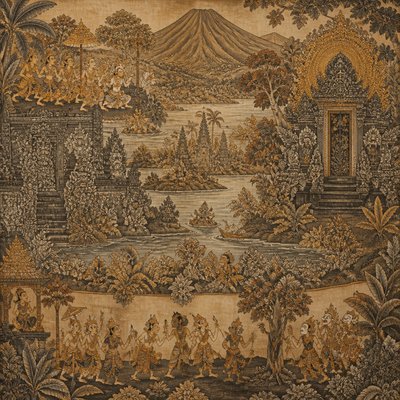
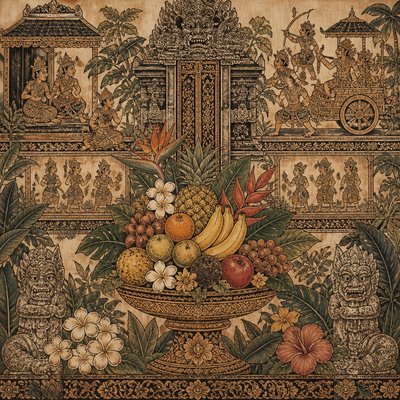
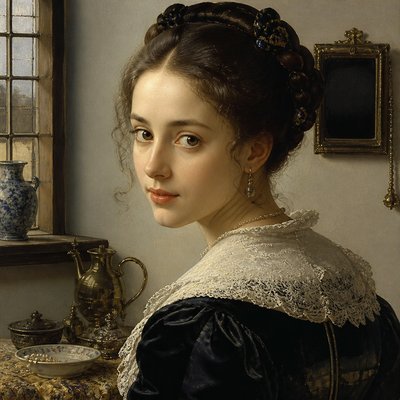
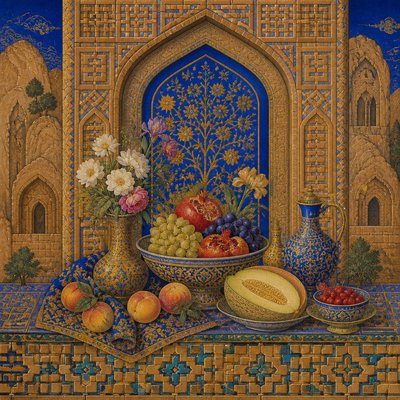
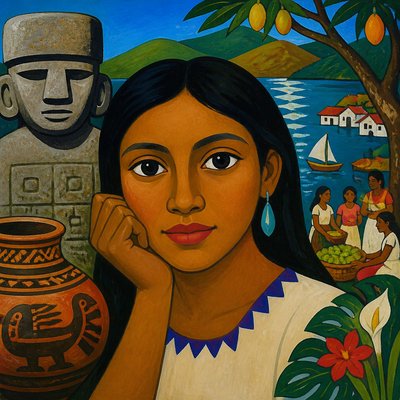
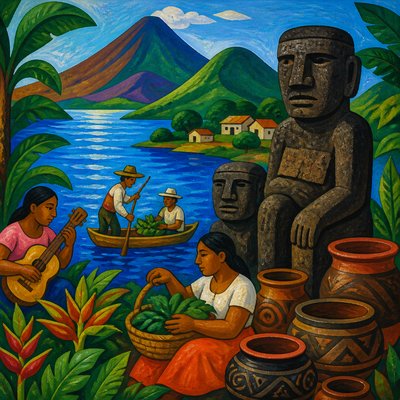
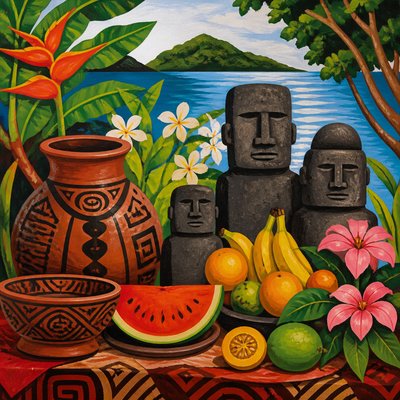
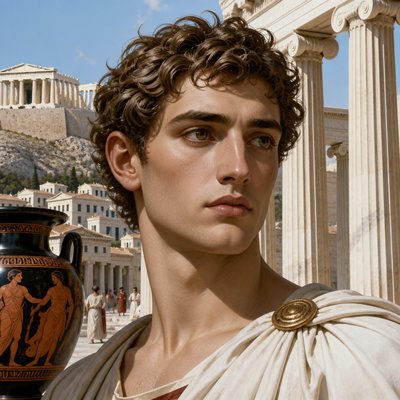
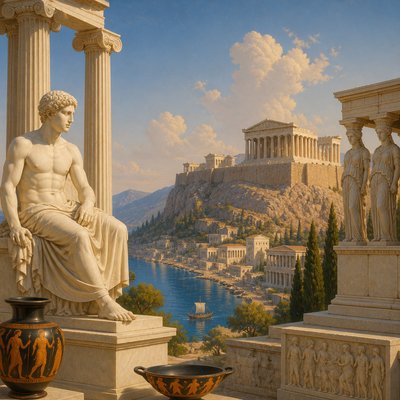
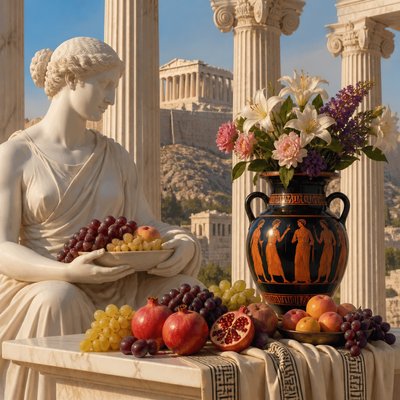
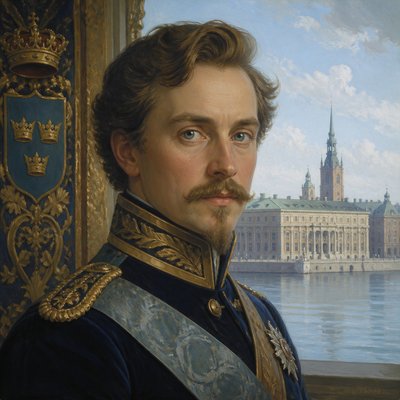
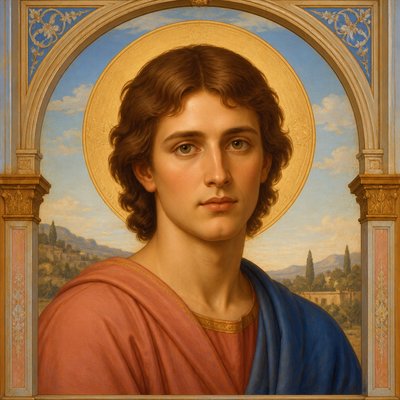
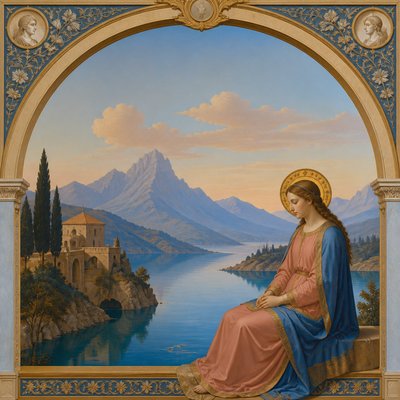
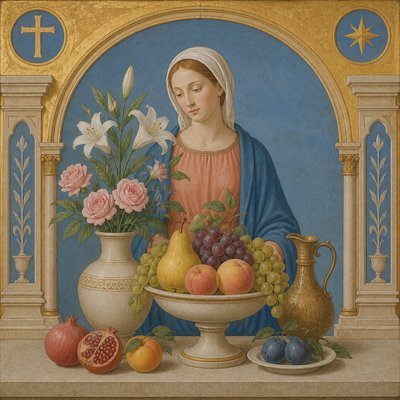
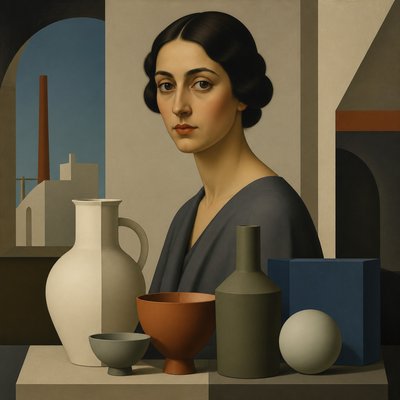
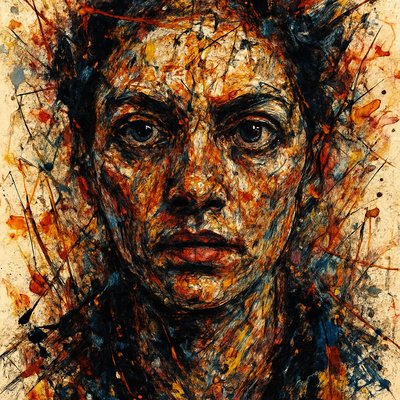
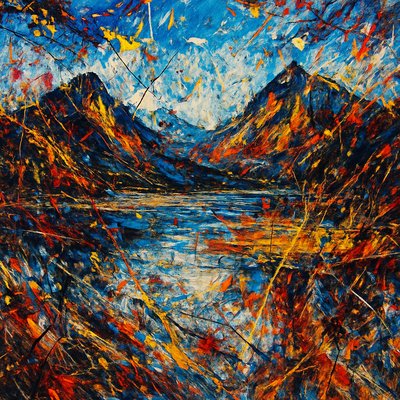
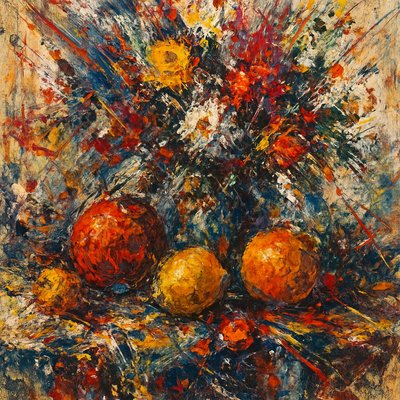
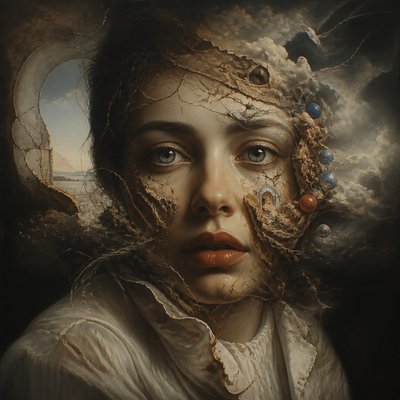
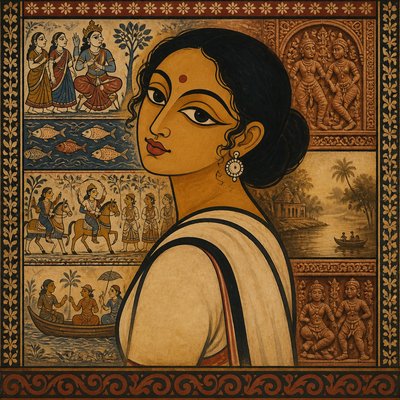
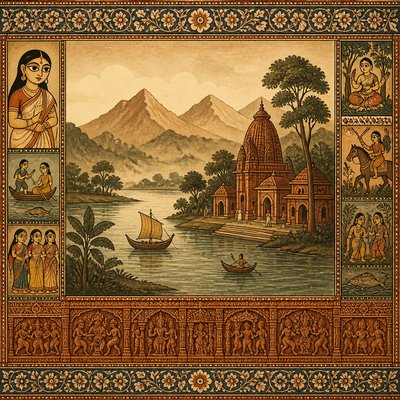
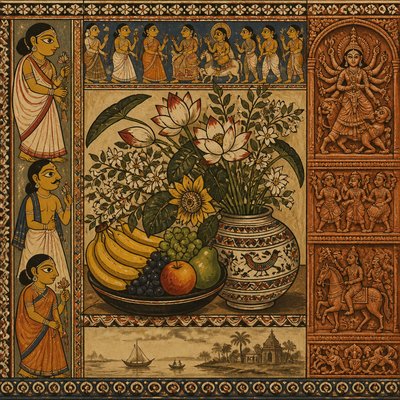
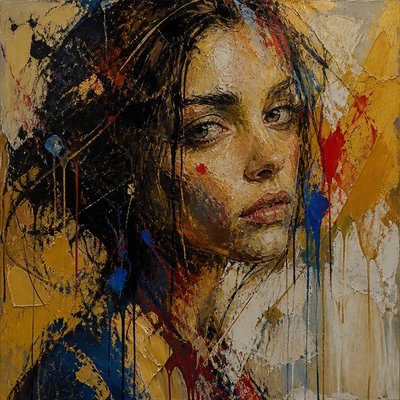
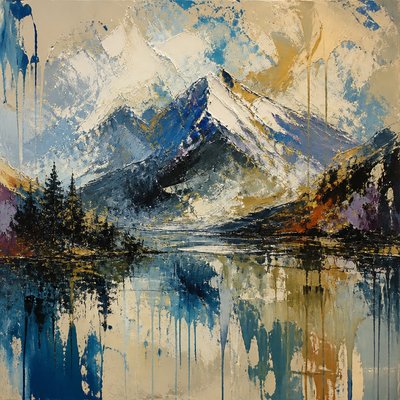
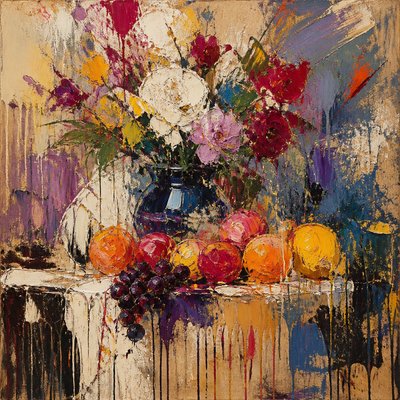
Explore mural painting: monumental figures, bold outlines, flat color, plaster texture, and public storytelling designed to read across a wall.
Instantly rendered in Mural Painting — or transform a photo
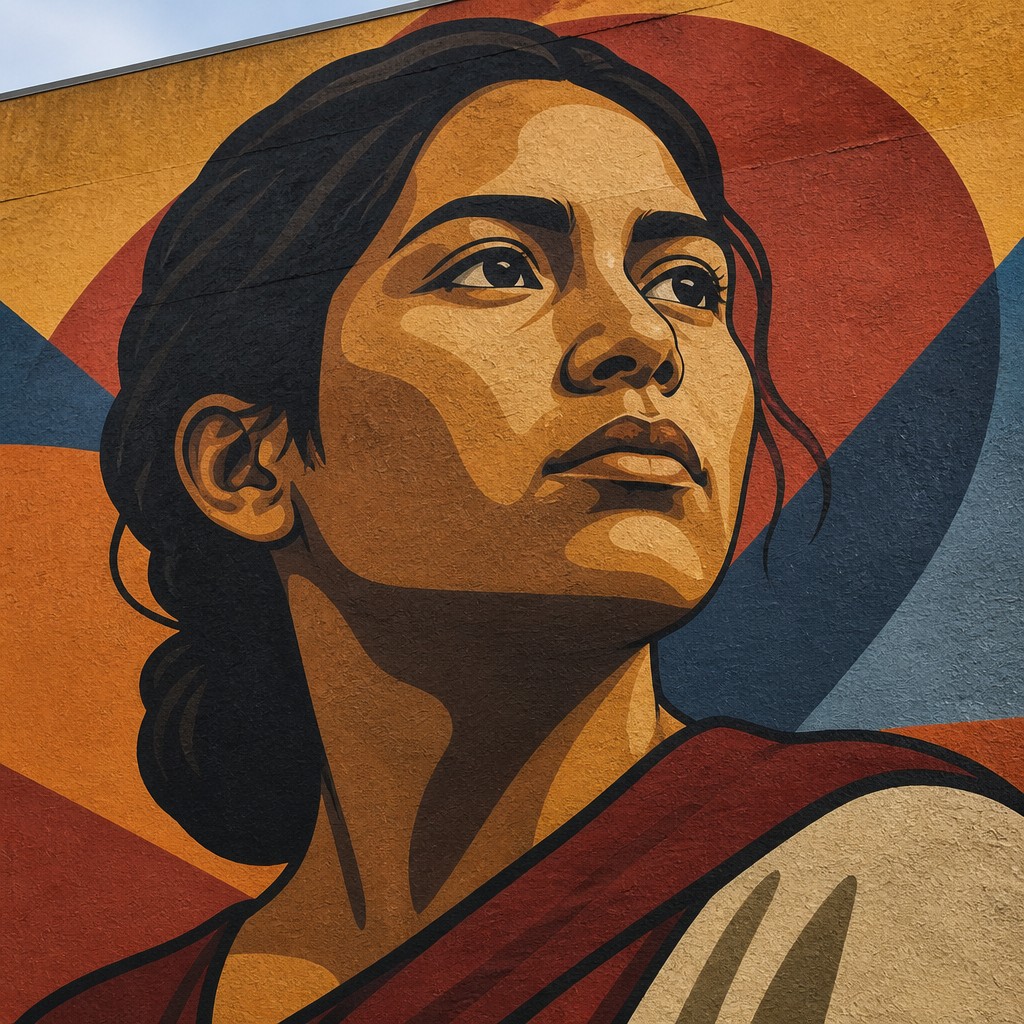
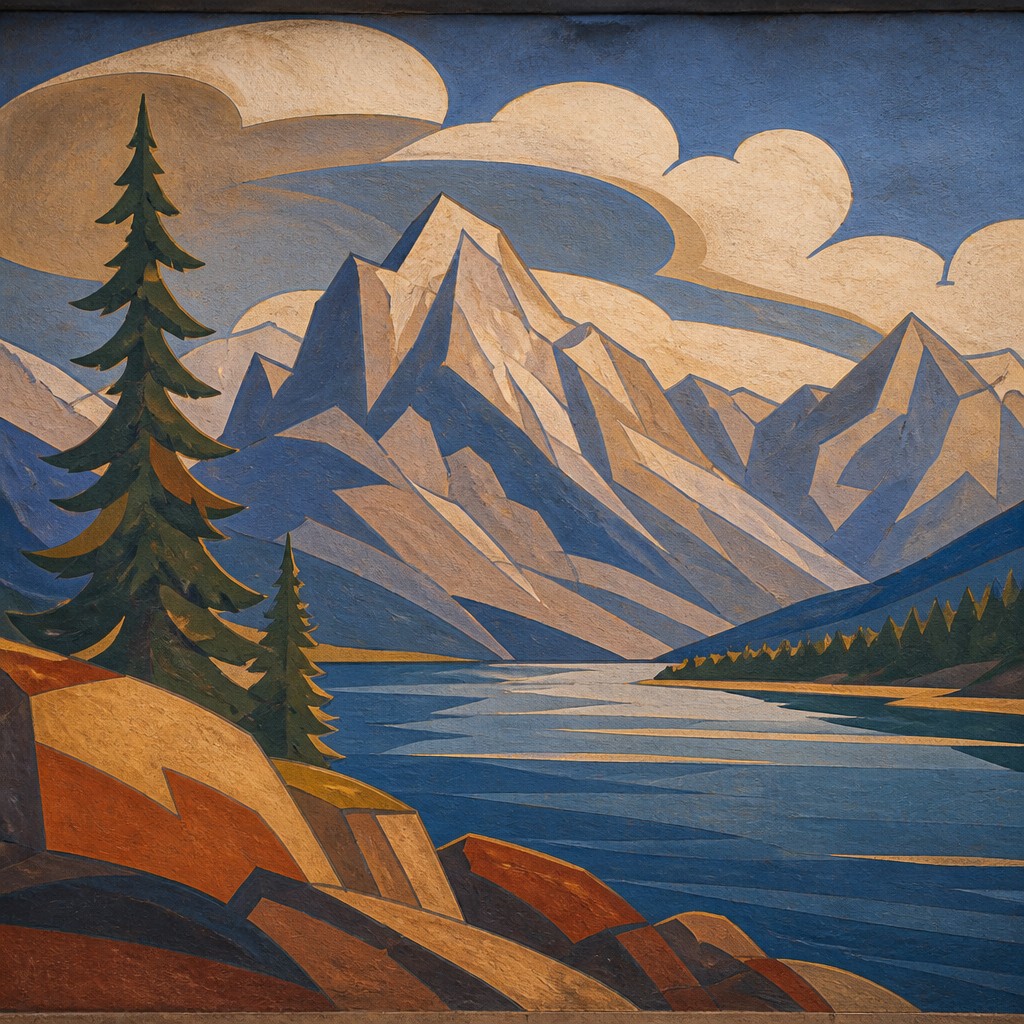
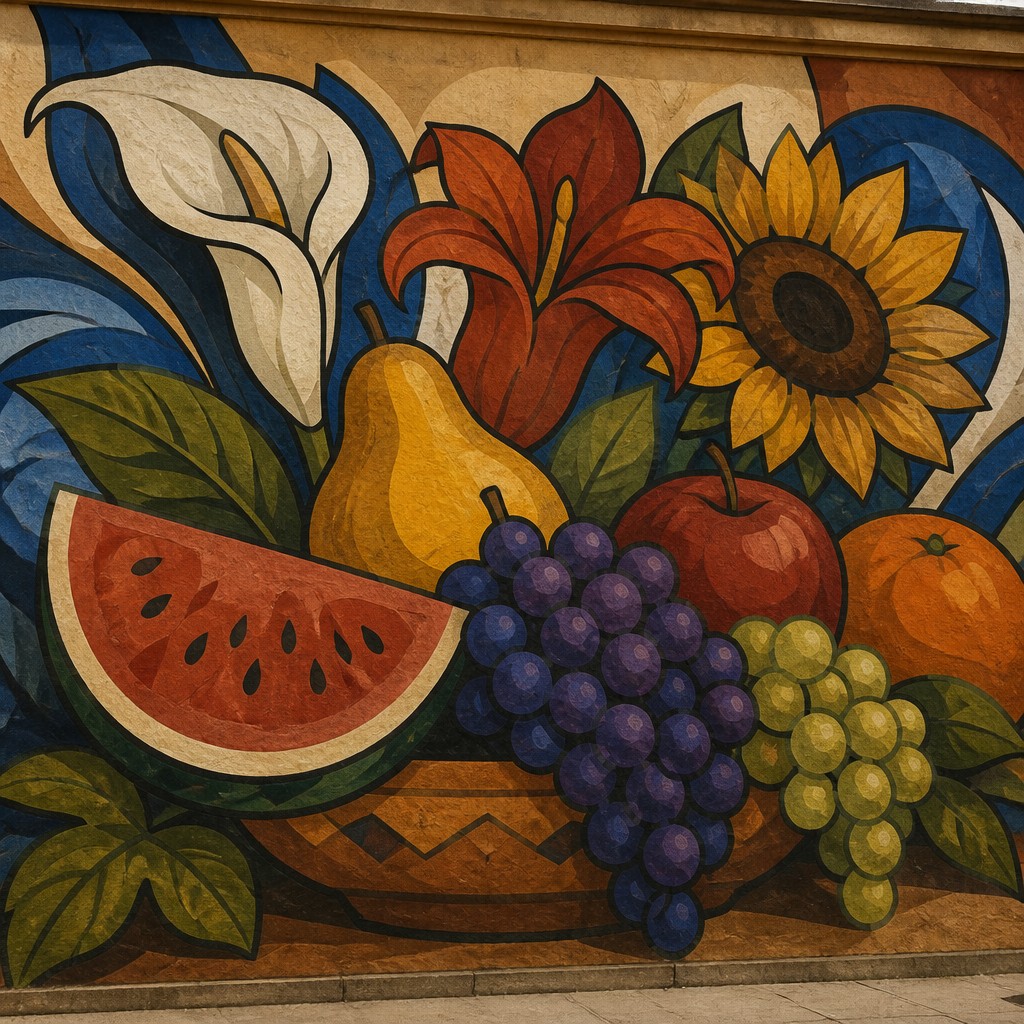
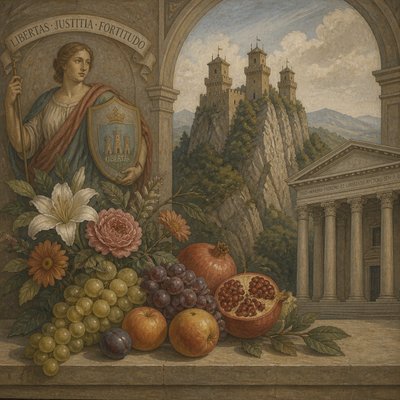
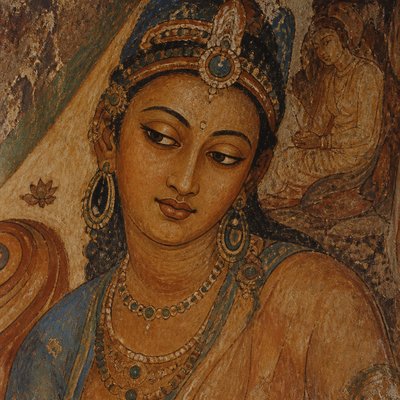
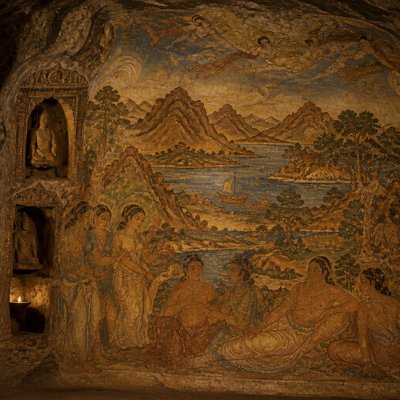
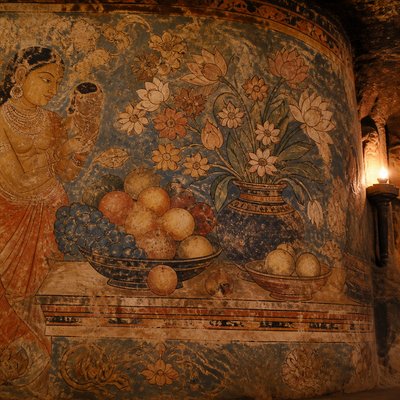
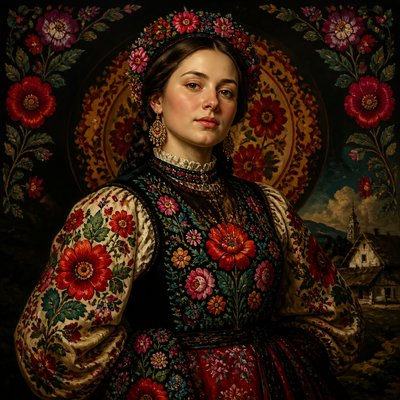
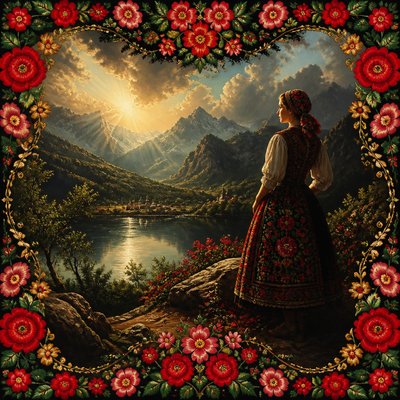
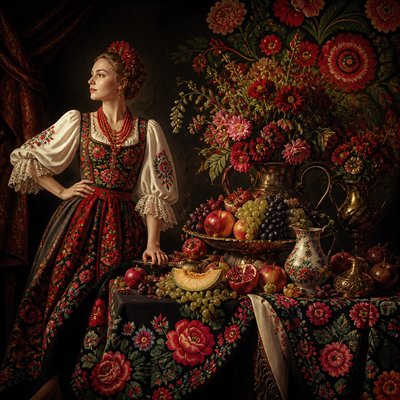
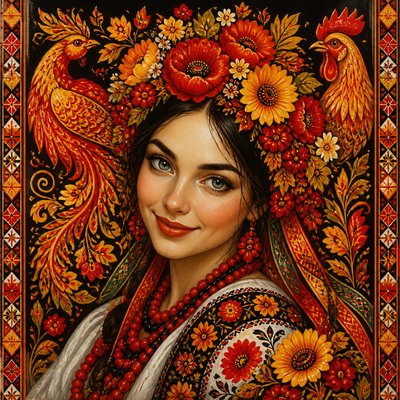
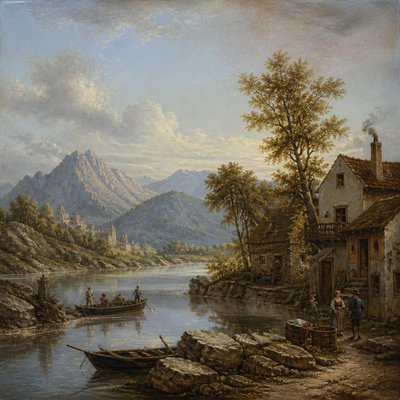
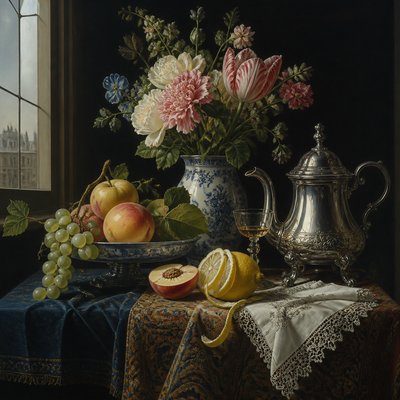
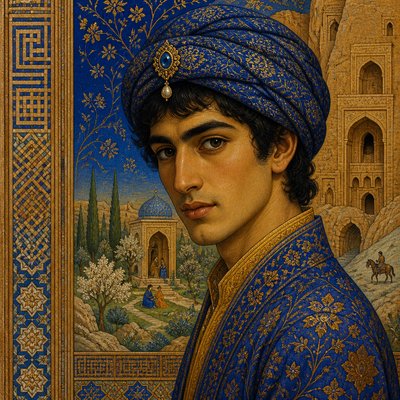
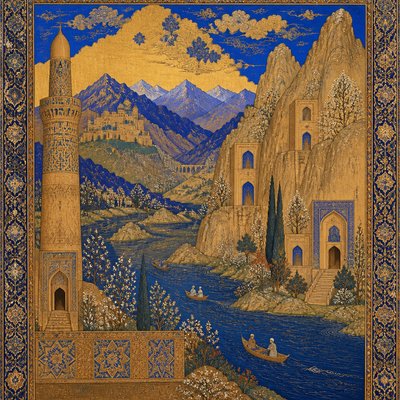
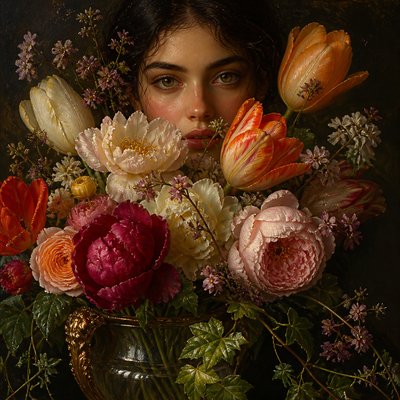
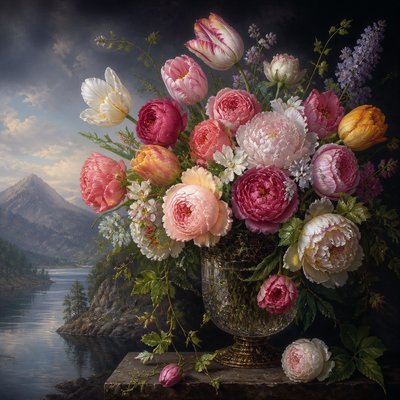
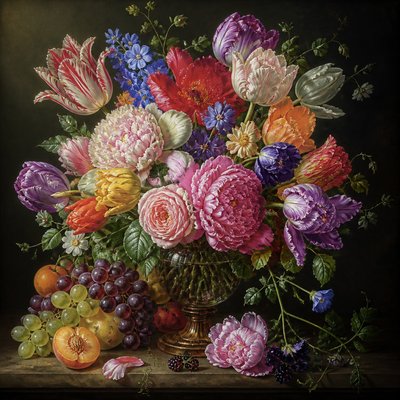
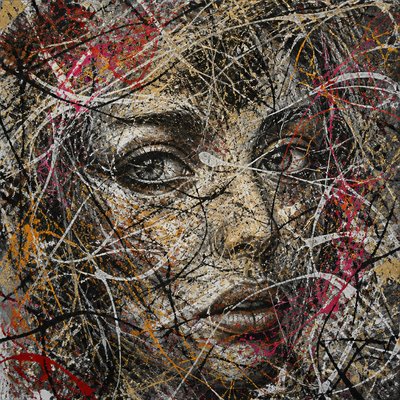
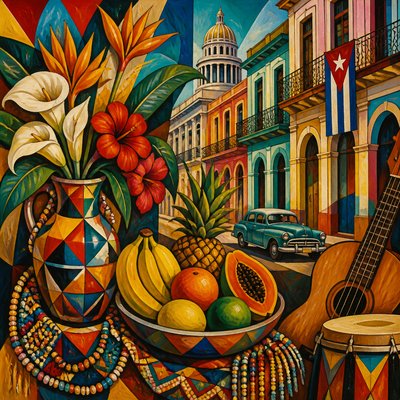
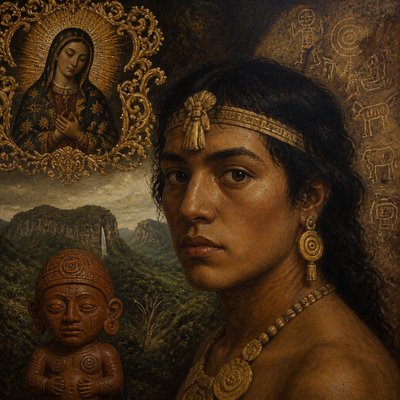
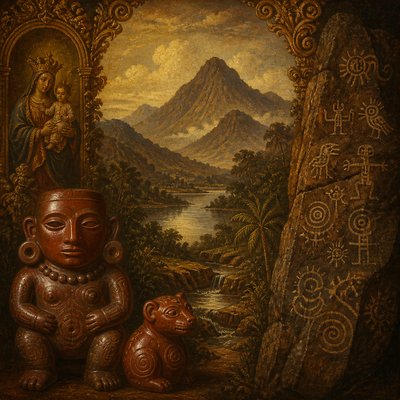
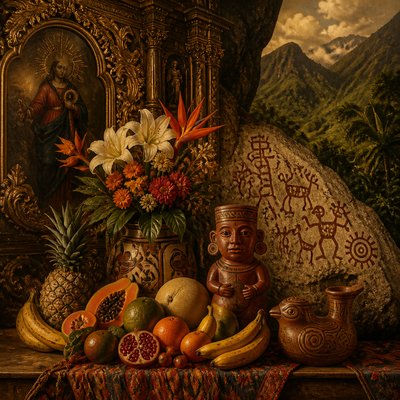
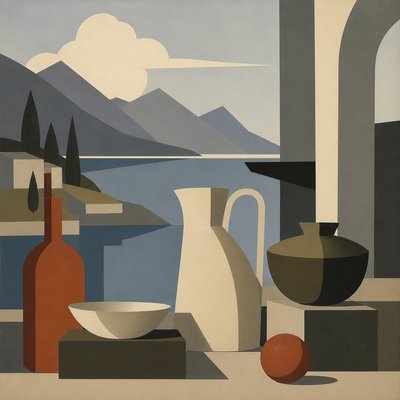
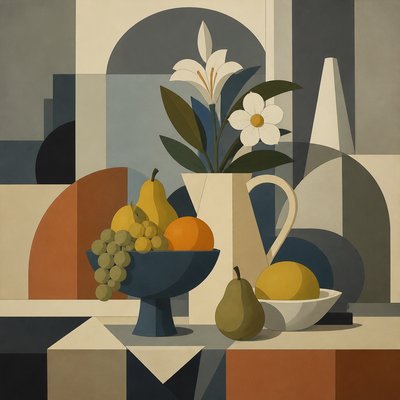
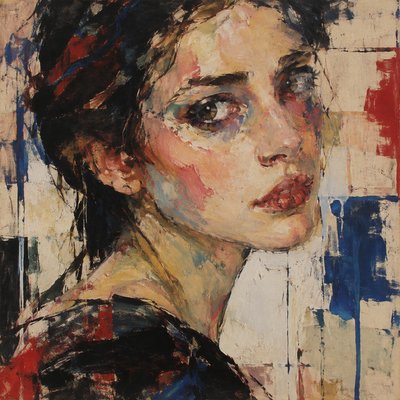
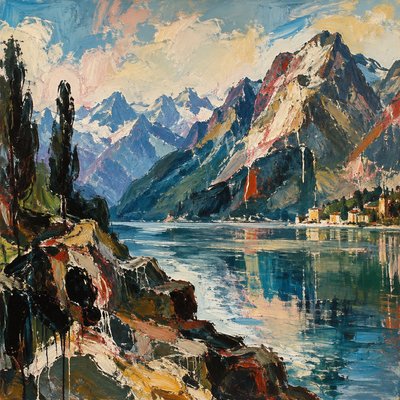
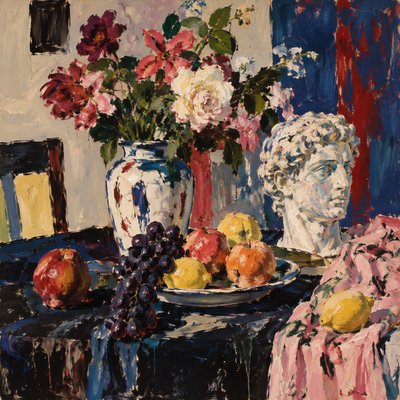
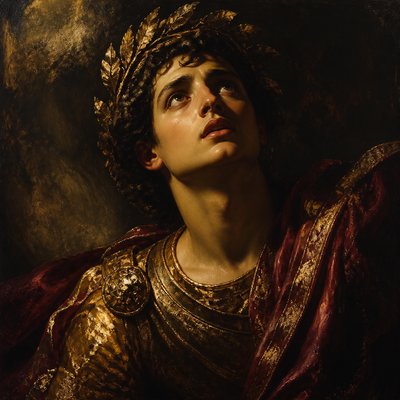
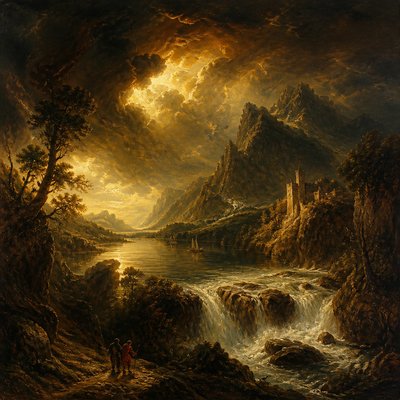
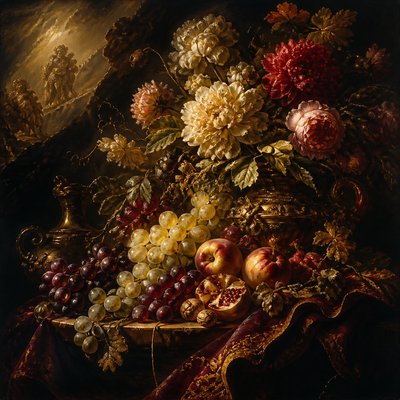
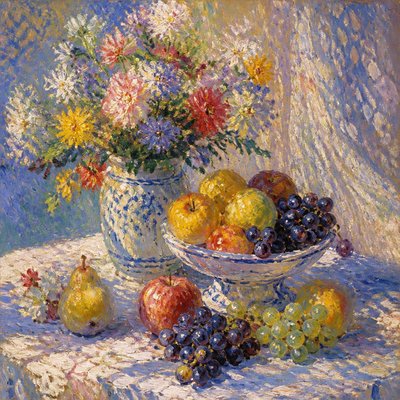
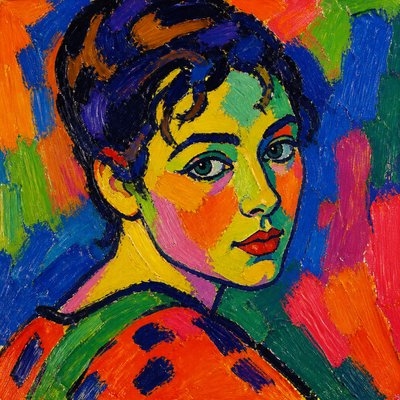
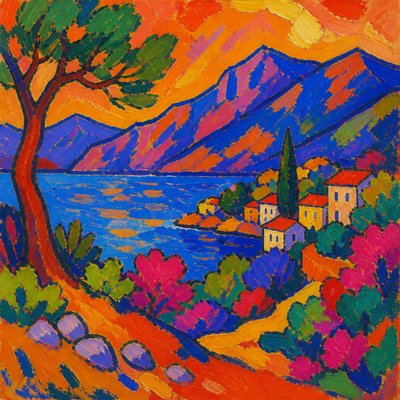
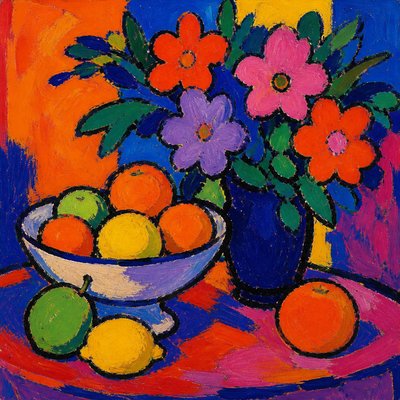
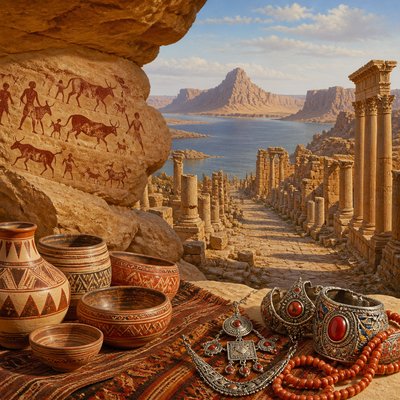
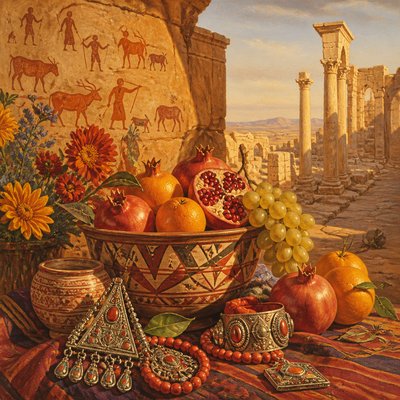
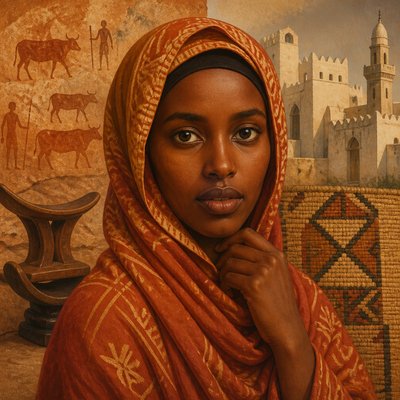
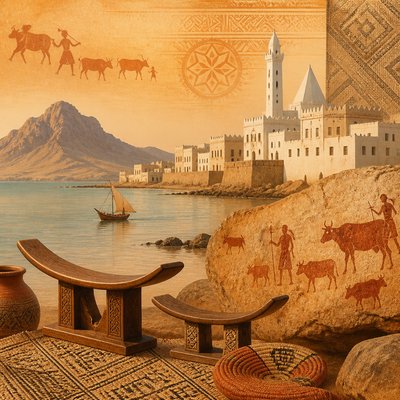
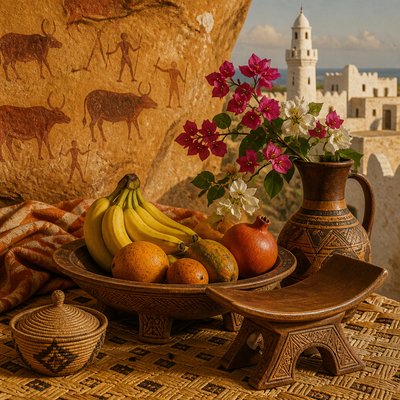
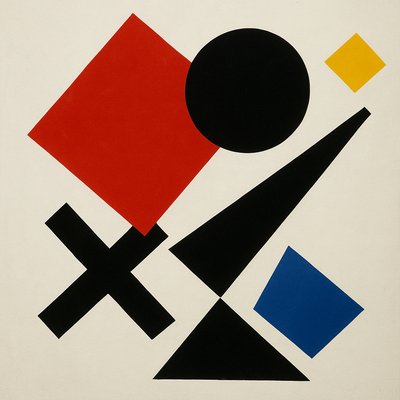
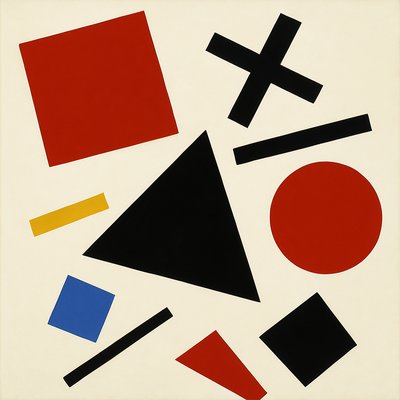
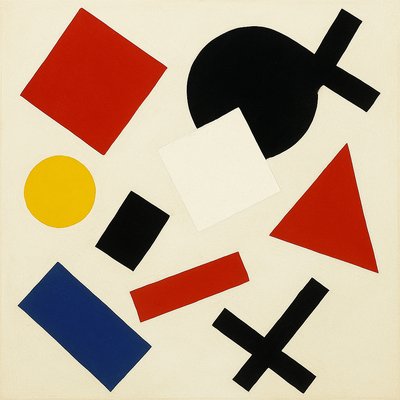
Mural Painting Gallery
Tap any artwork to explore it
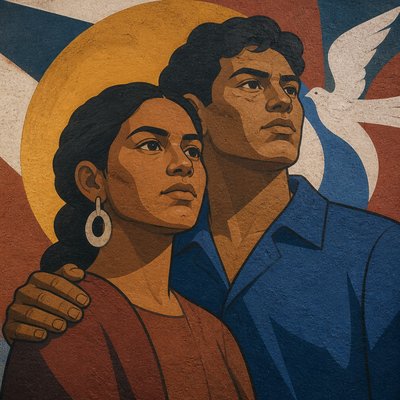
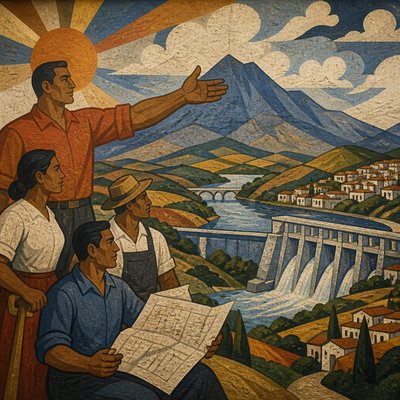
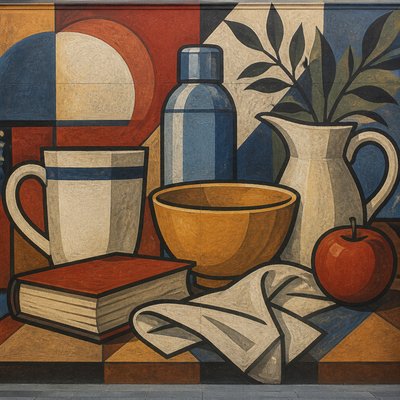
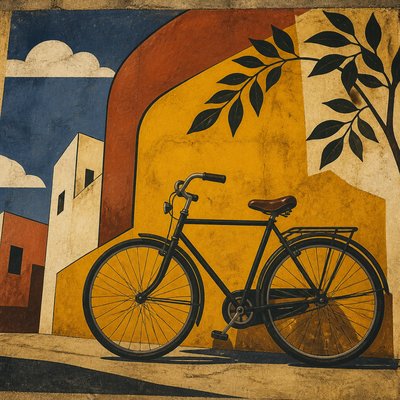
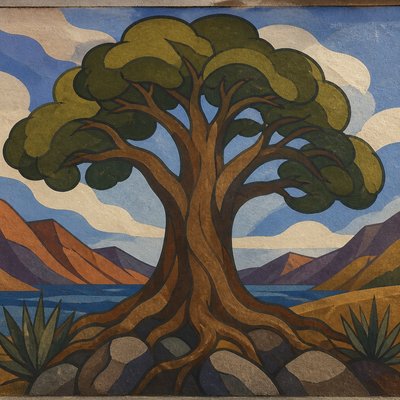
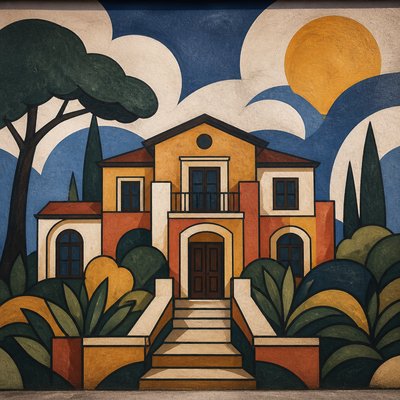
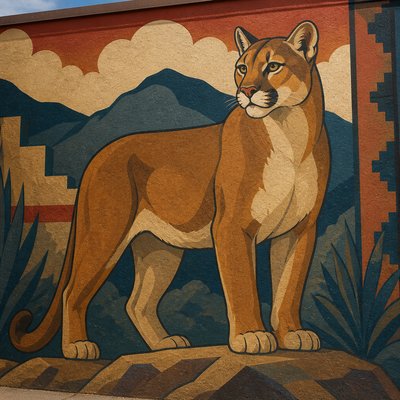
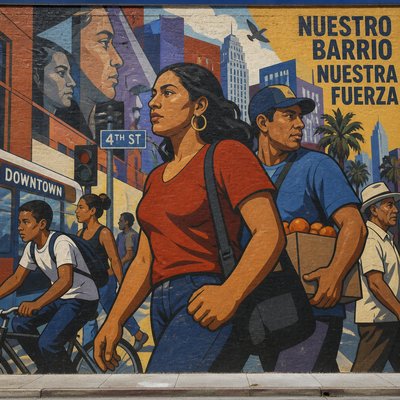
What is Mural Painting Art Style?
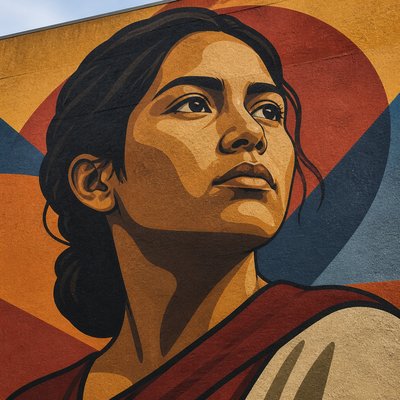
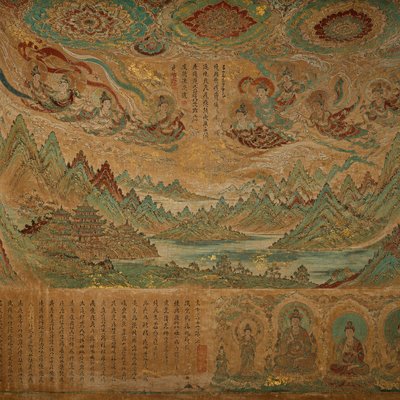
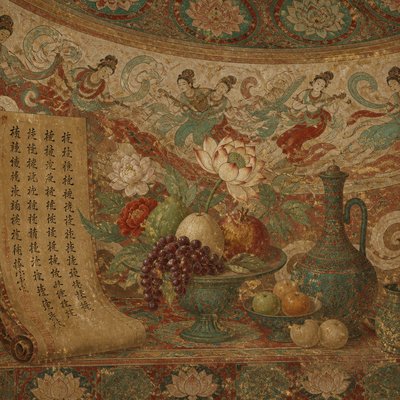
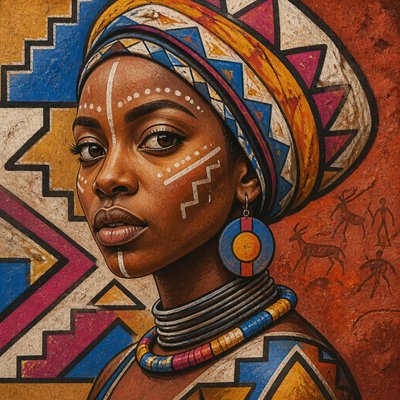
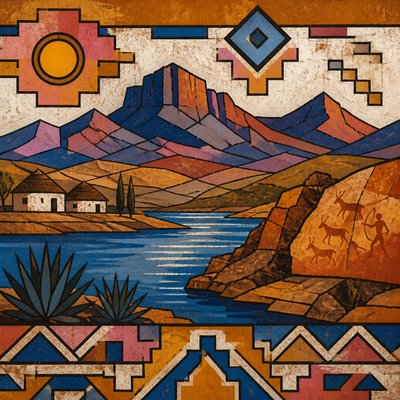
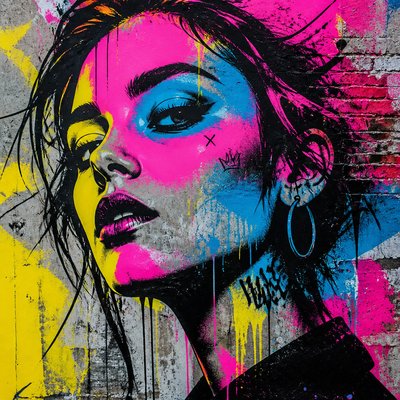
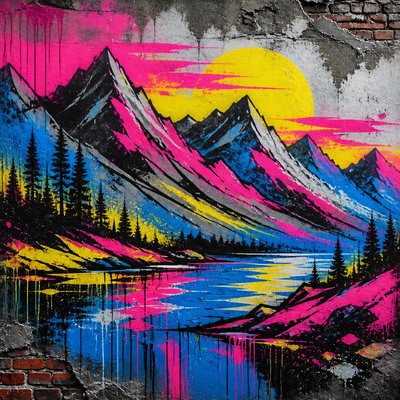
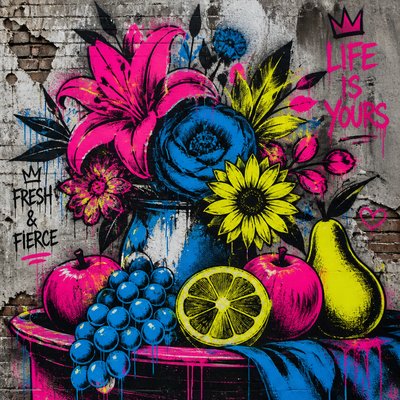
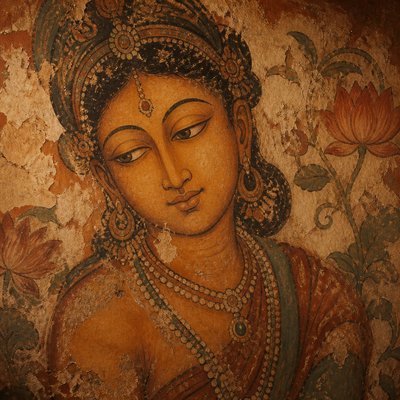
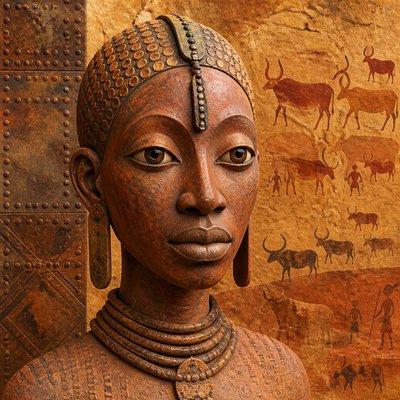
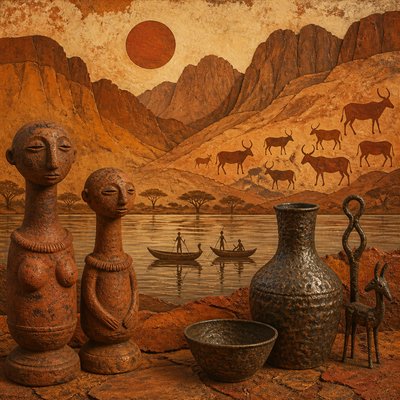
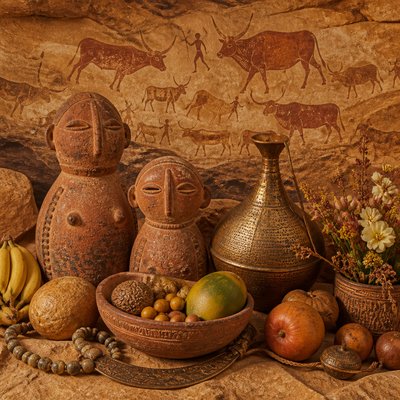
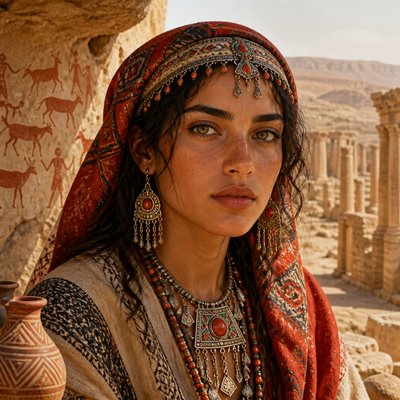
Mural painting is a wall-scale art form built for public space, architectural surfaces, and collective viewing. Its compositions use monumental figures, simplified silhouettes, strong contours, broad color fields, and clear visual symbols so that the image remains legible from a distance. Subjects often include historical events, labor, mythology, religion, community identity, nature, or social commentary.
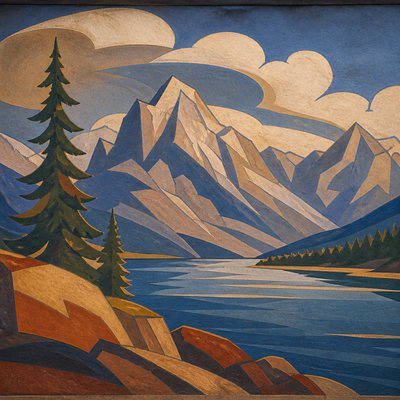
The style is defined less by one fixed technique than by its relationship to architecture and audience. A mural must account for the dimensions, interruptions, lighting, and texture of a wall, while guiding the viewer through a large narrative image. Flat, confident color zones and rhythmic shapes create visual unity; plaster, masonry, weathering, and visible brushwork preserve the sense of a physical public surface.
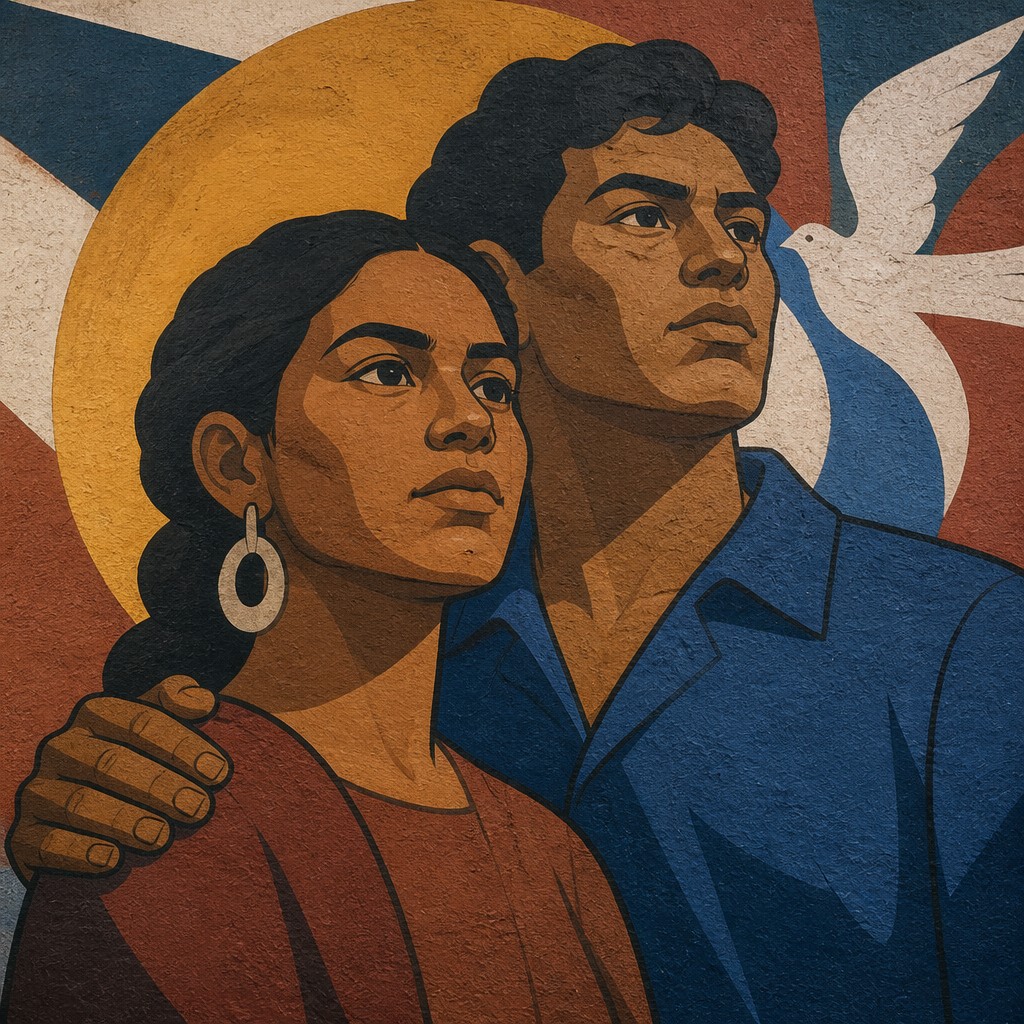
Try It On Your Photos
Upload any photo and convert it into Mural Painting Art Style — drag the sliders to compare before and after.
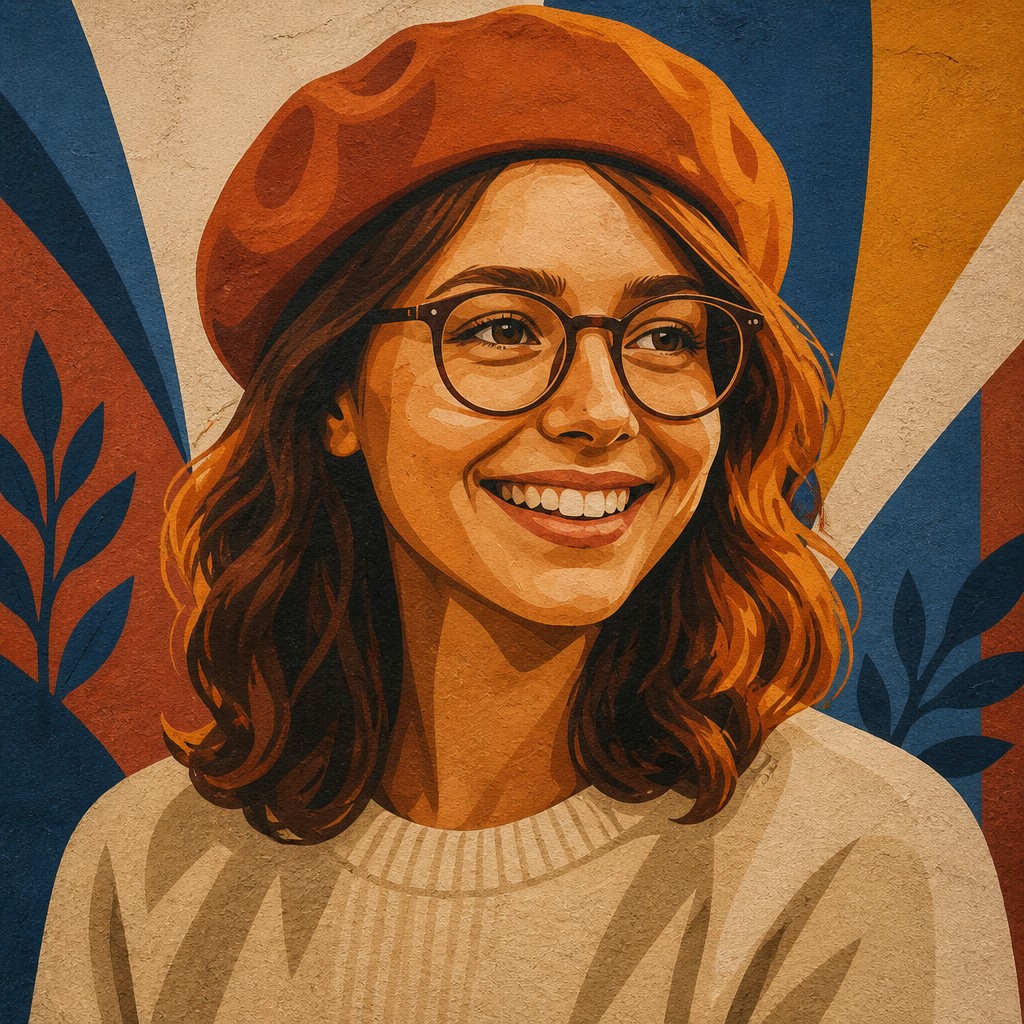

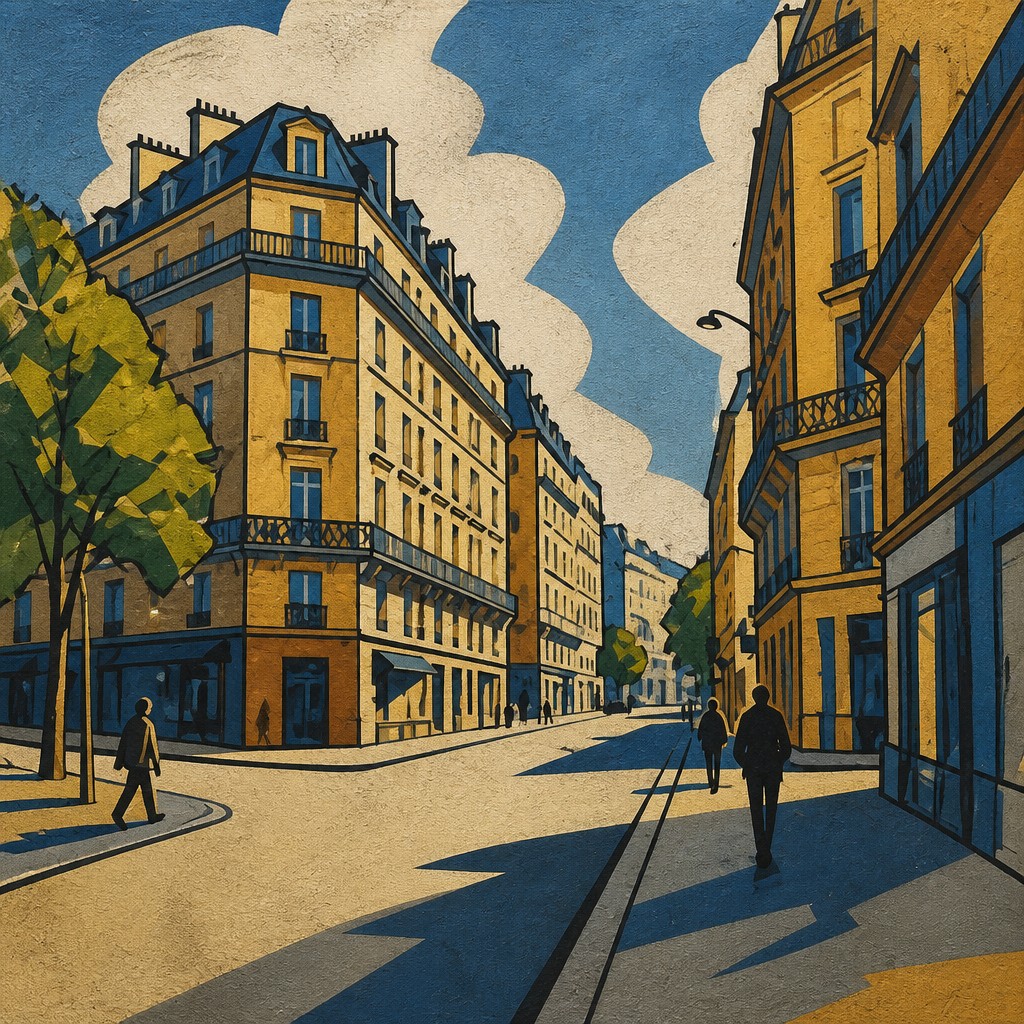

What Defines Mural Painting Art Style
The signature details, up close
Monumental scale
Figures, objects, and architectural motifs are enlarged to command a wall and remain readable across a public space. Scale often gives ordinary people or symbolic subjects a heroic presence.
Simplified forms
Complex anatomy and scenery are reduced to clear silhouettes, geometric masses, and essential gestures. Simplification improves legibility and strengthens the narrative structure.
Strong outlines
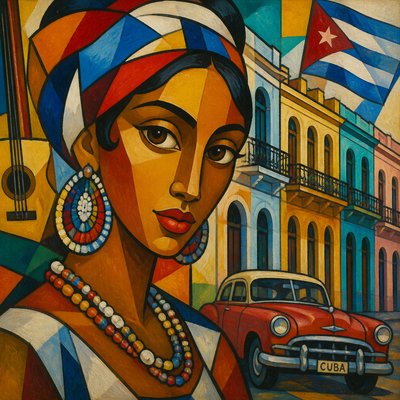
Dark or contrasting contours separate overlapping forms and stabilize the composition. Outlines may resemble drawing, poster graphics, stained glass, or painted construction lines.
Flat color zones
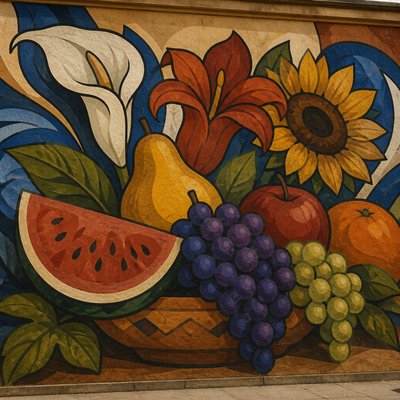
Broad areas of saturated, earthy, or limited color replace detailed modeling. Shading is often economical, using blocks, bands, or symbolic color relationships rather than gradual realism.
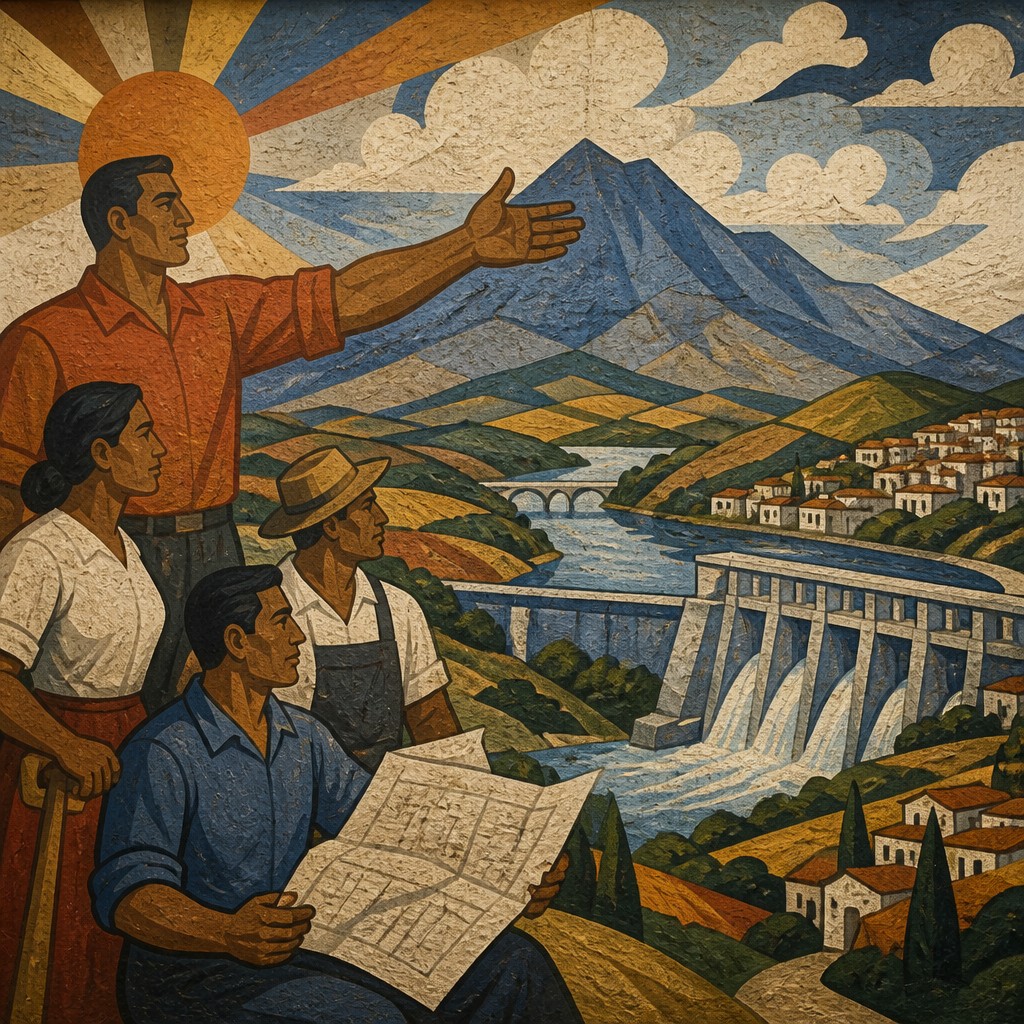
Narrative composition
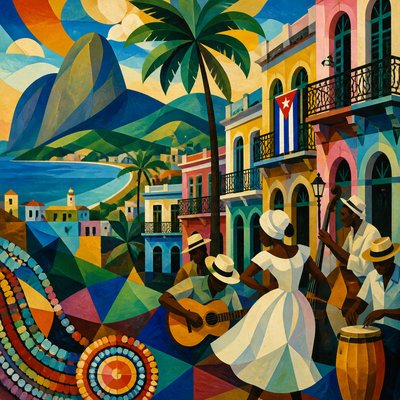
Multiple figures, symbols, scenes, or temporal moments can be arranged across a single surface. Repeated shapes, directional gestures, and visual pathways help viewers follow the story.
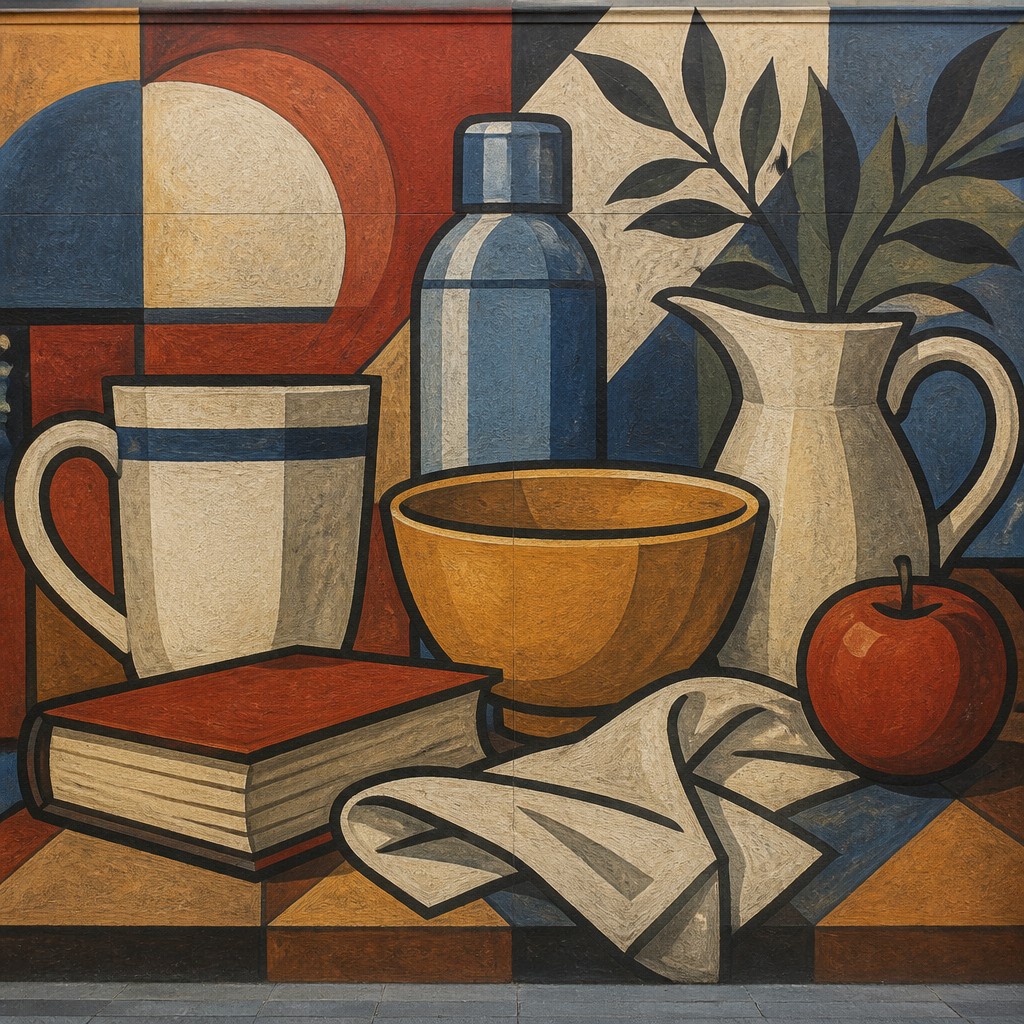
Architectural integration
The image responds to windows, doors, corners, columns, masonry, and the proportions of the building. The wall is treated as an active compositional element rather than a neutral canvas.
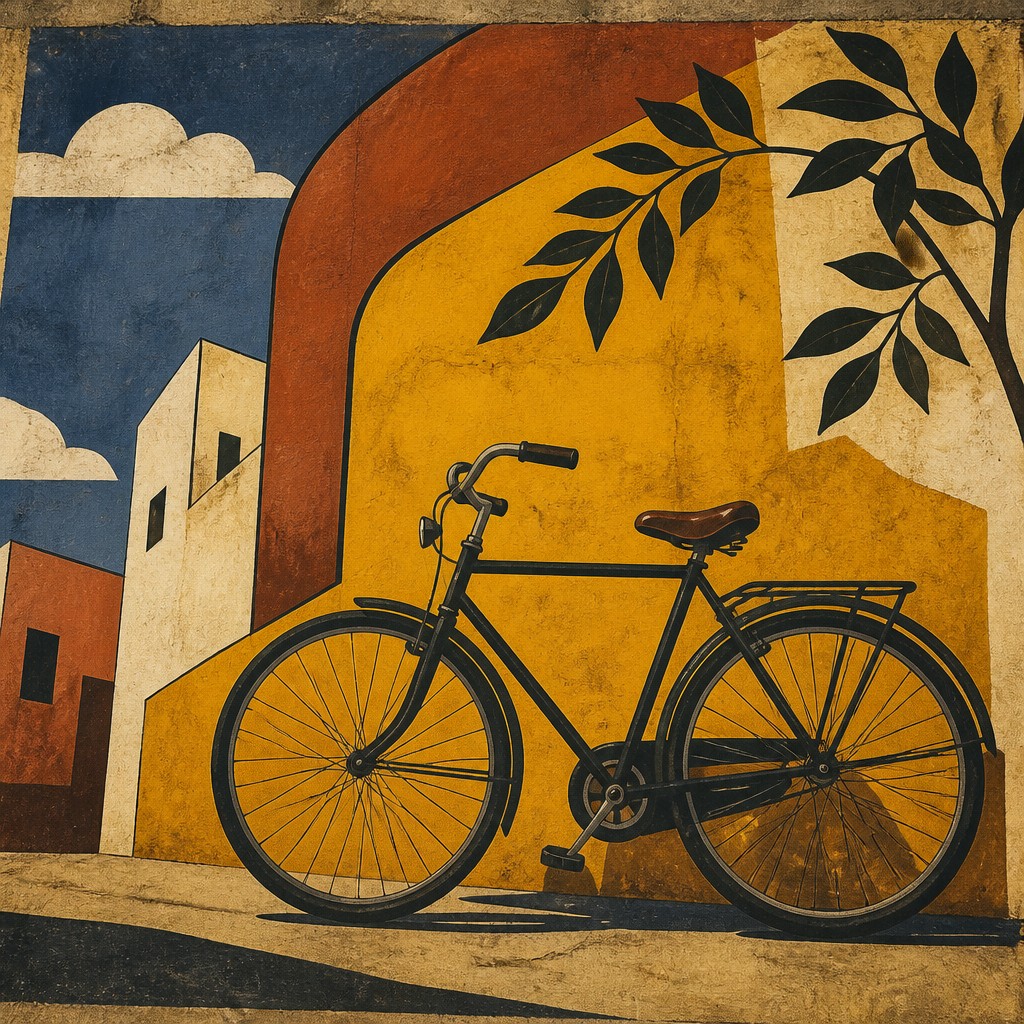
Material presence
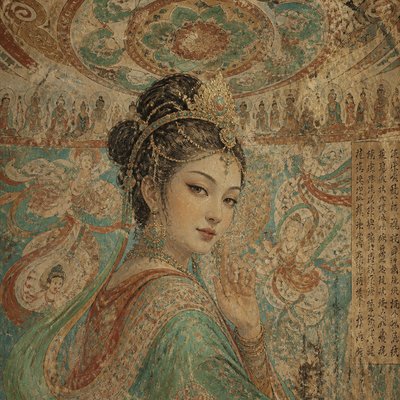
Plaster grain, cracks, brush marks, roller texture, pigment variation, and weathering can remain visible. These details emphasize the mural's physical location and public, durable character.
Try It
Create Videos in Mural Painting Art Style
Styles aren't just for stills — describe a scene or animate an image and get a short video rendered in Mural Painting. Press play to see this pond come to life.
Make a VideoMural Painting Prompt Ideas
Start from an idea — each one opens the generator with the style ready to go. See all 40 Mural Painting prompts →
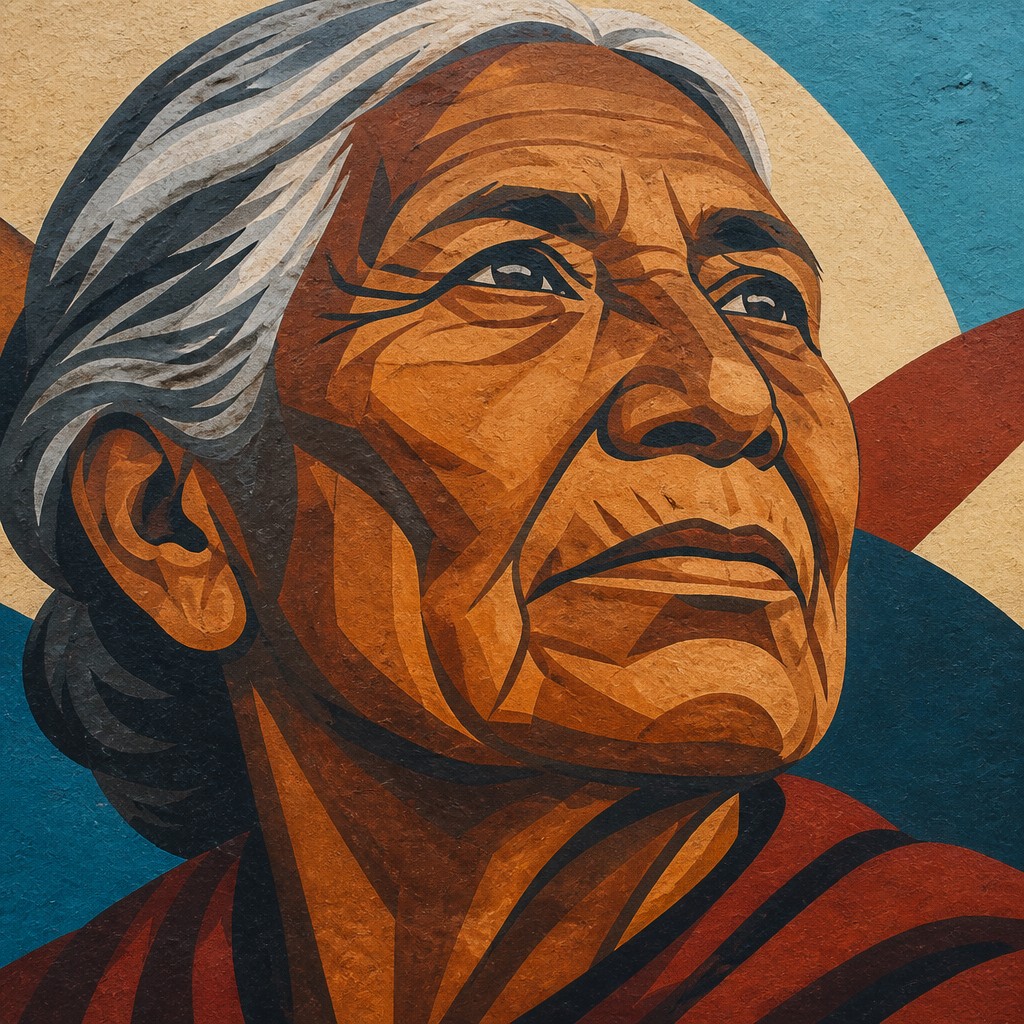
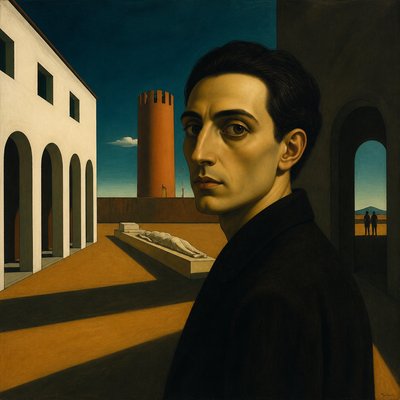
“close-up portrait of an elderly person with expressive weathered features”
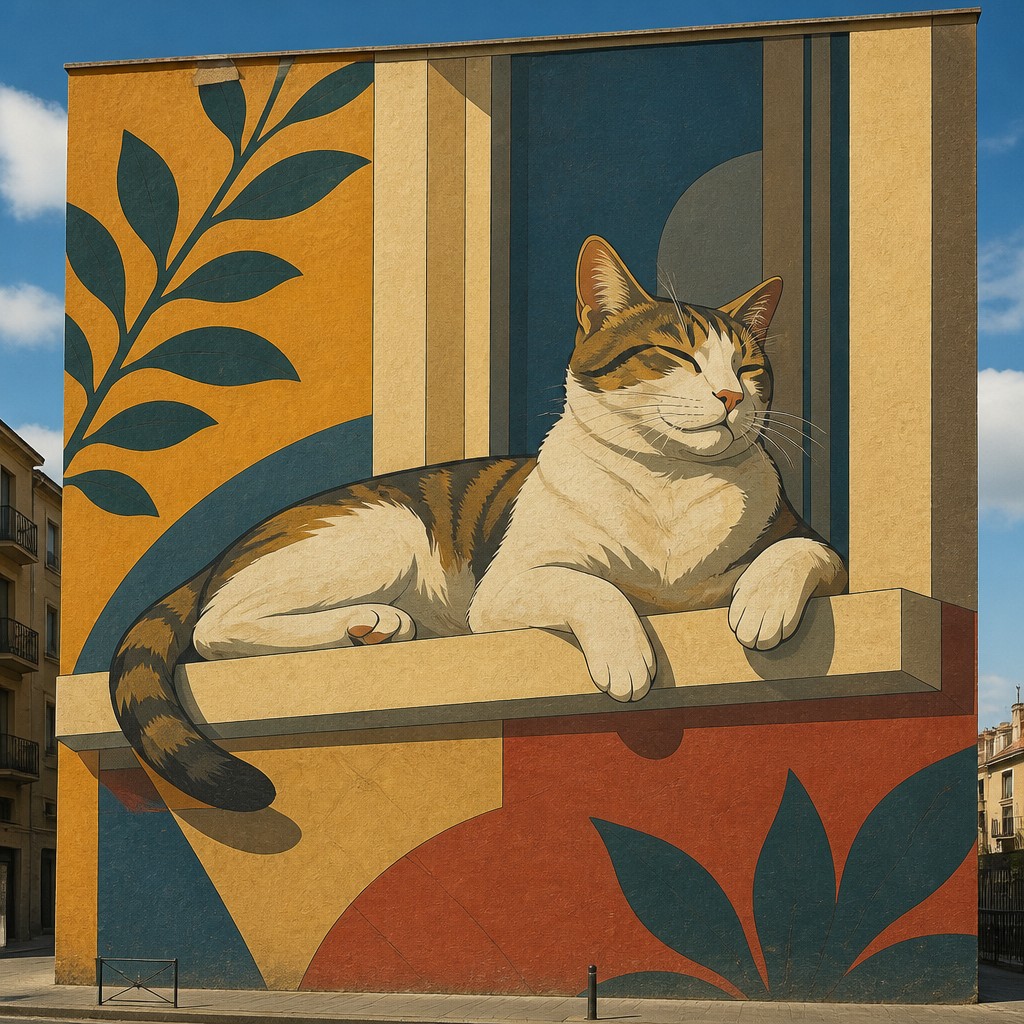
“a cat lounging in a sunlit window”
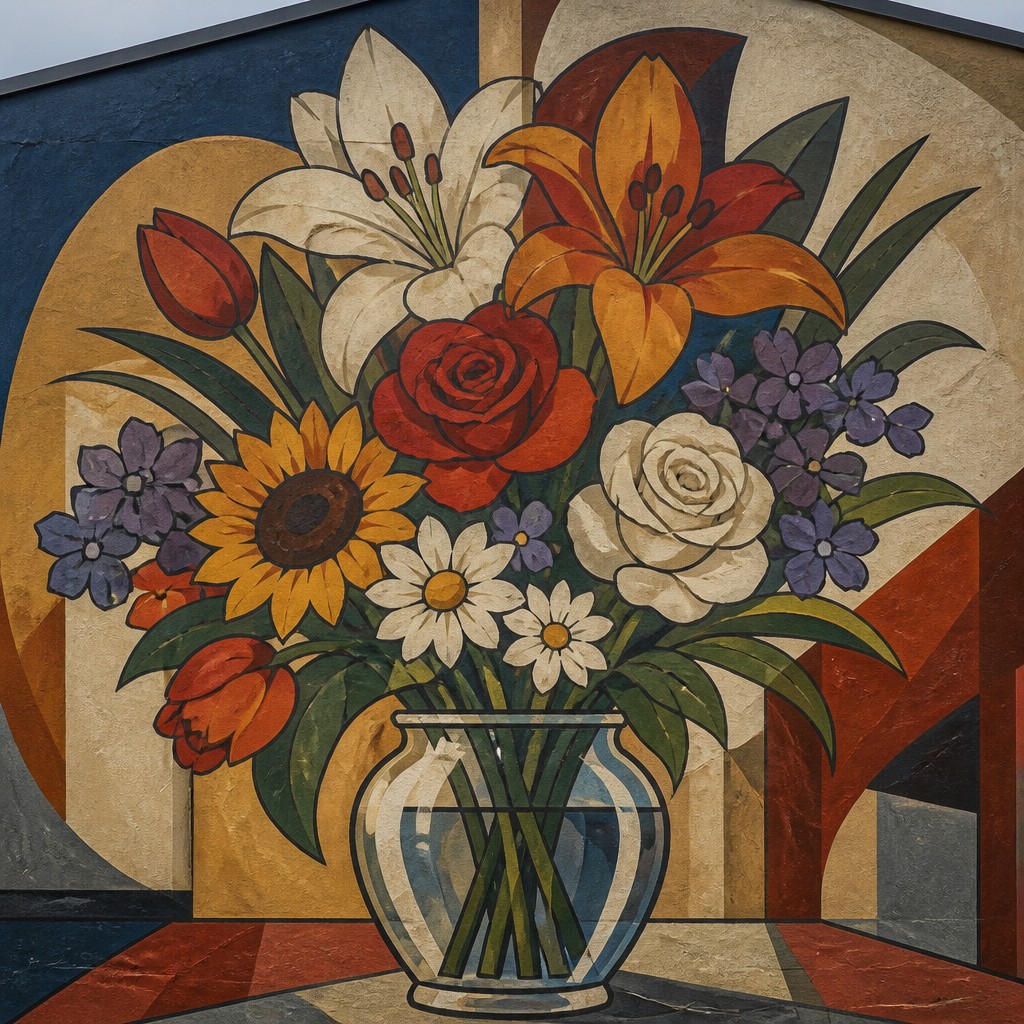
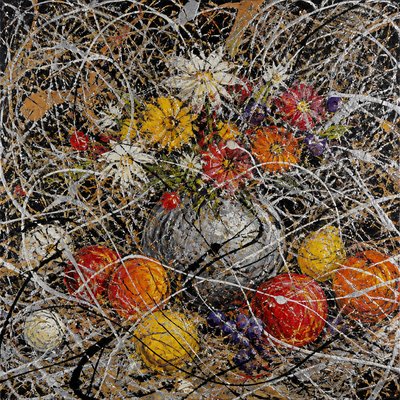
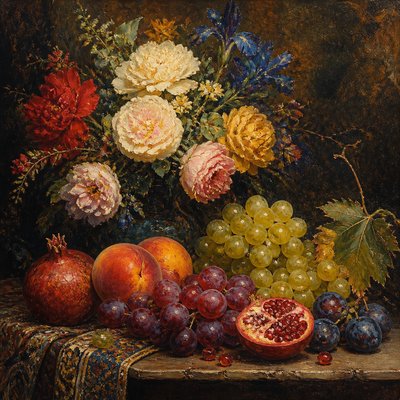
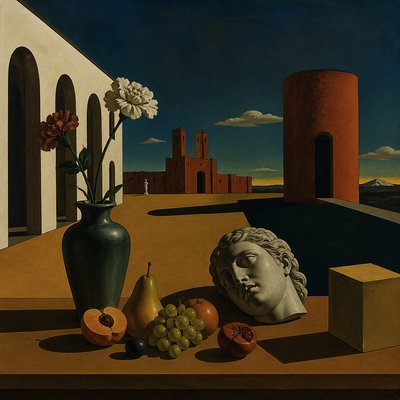
“bouquet of flowers in a glass vase”
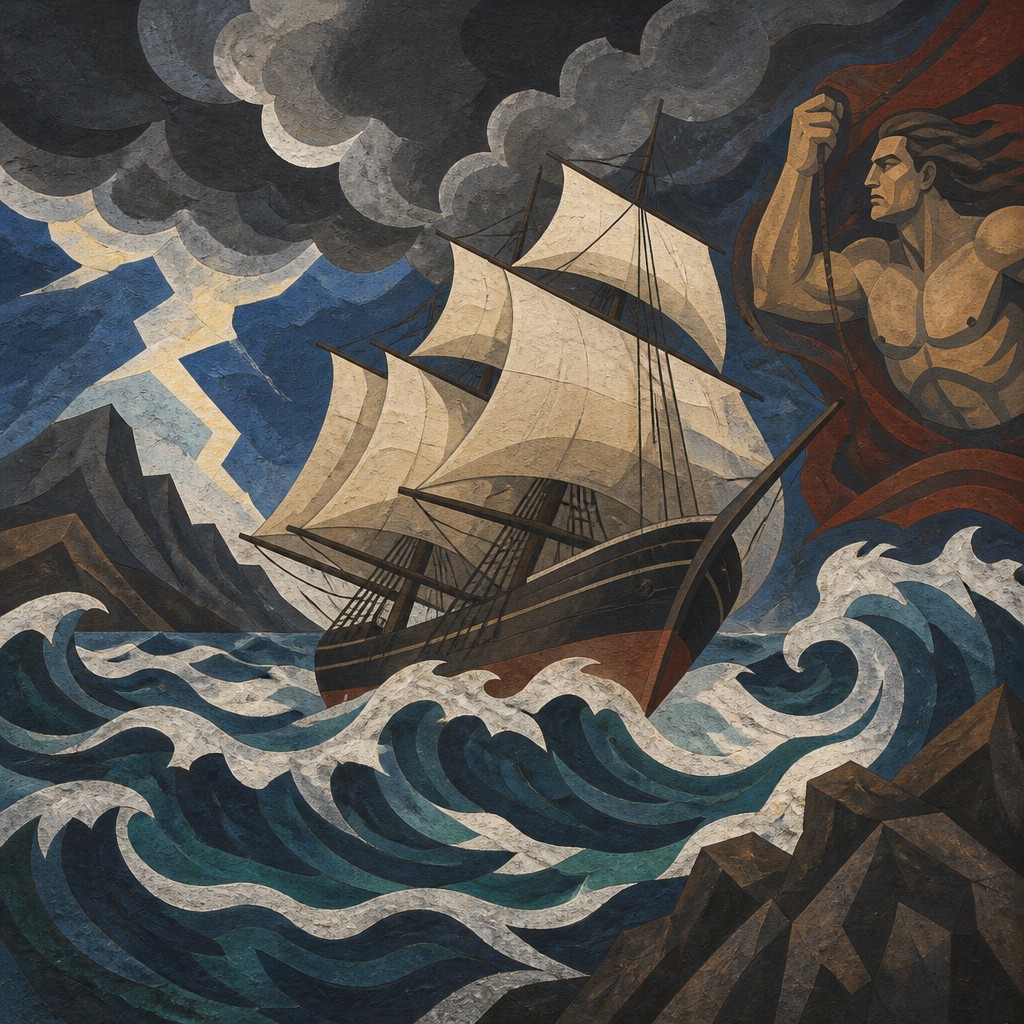
“sailing ship on a stormy sea”
How to Create Mural Painting Art
Master the craft step by step — or skip straight to creating. Read the full guide →
- 1
Plan the wall before painting
Map the surface, sightlines, architectural interruptions, and viewing distance before developing details. Use a small thumbnail or grid to establish the main masses and narrative flow.
- 2
Build a readable silhouette
Reduce each major figure or object to a strong outer shape before adding internal detail. Check the design from far away and remove marks that do not improve recognition or storytelling.
- 3
Limit and organize color
Choose a compact palette with a clear hierarchy of dominant, supporting, and accent colors. For traditional work, use suitable exterior acrylic, mineral, or fresco materials; for digital work, preserve broad fills and avoid excessive gradients.
- 4
Use outlines and rhythmic shapes
Establish a consistent contour weight and repeat curves, diagonals, circles, or block forms to connect separate scenes. Allow selected areas to remain open so the composition does not become visually crowded.
- 5
Preserve surface context
Add restrained plaster grain, masonry variation, paint absorption, or weathering after the main image is complete. In digital or prompt-based creation, describe wall texture, scale, viewing distance, and flat color zones explicitly.
- 6
Write prompts for composition and purpose
Specify the subject, number and placement of figures, public setting, palette, outline treatment, and narrative mood. Phrases such as "wall-scale composition," "bold simplified silhouettes," and "designed to read from a distance" help guide image generation.
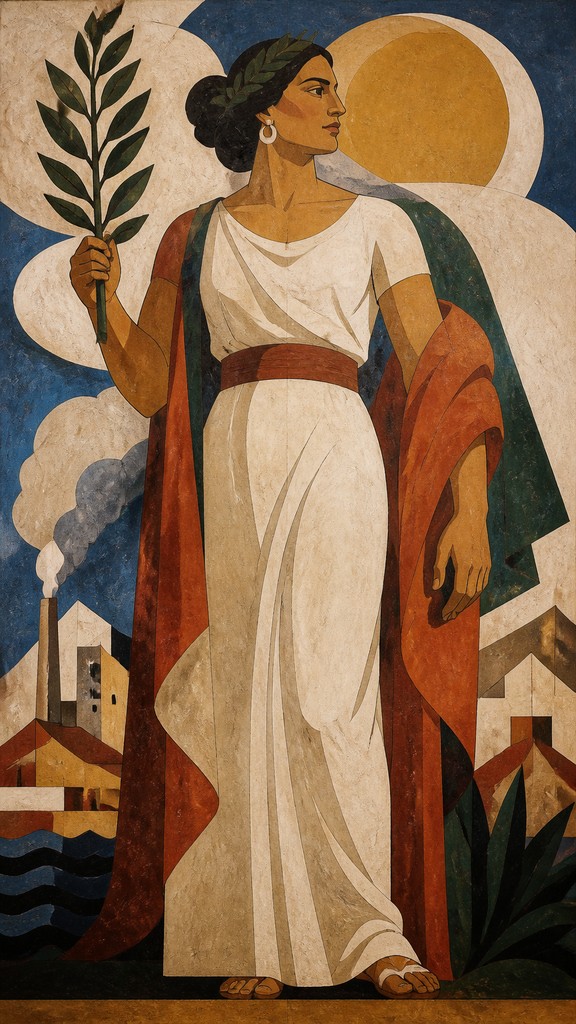
The Story
History & Origins of Mural Painting
Wall painting is among the oldest forms of visual communication, appearing in prehistoric caves, ancient civic buildings, palaces, temples, tombs, and domestic interiors. Fresco, tempera, encaustic, and mineral-pigment techniques were adapted to different surfaces and climates, while large narrative scenes helped communicate religious, political, and cultural stories to broad audiences.
Modern mural painting developed through several overlapping traditions, including European fresco revival, Mexican muralism, public works programs, community art, political poster design, and contemporary street art. Twentieth-century mural movements placed renewed emphasis on accessible imagery, social history, and collective identity, while later painters incorporated acrylics, aerosol, projection, digital planning, and weather-resistant coatings.
Influences: Mural painting draws from prehistoric and ancient wall decoration, classical and medieval fresco, religious narrative painting, Mexican muralism, social-realist public art, community arts movements, political poster graphics, sign painting, comic illustration, and contemporary street art. It also shares techniques with mosaic, stencil work, screen printing, and large-scale illustration, especially in its use of simplified forms, limited palettes, symbolic imagery, and visual communication at a distance.
Frequently Asked Questions
What defines mural painting as an art style?
Its defining feature is the relationship between image and wall: the work is large, publicly oriented, and designed to function across an architectural surface. Monumental scale, simplified forms, strong outlines, broad color areas, and visual storytelling are common, although techniques and subjects vary widely.
Is mural painting the same as street art?
Not exactly. Mural painting is a broad wall-based form that includes commissioned civic, religious, educational, commercial, and community works, while street art is a wider category associated with public intervention, lettering, stencil, paste-up, and other urban practices. They overlap when murals are created in contemporary public spaces.
What materials are used for traditional murals?
Traditional murals may use fresco pigments applied to wet plaster, tempera or mineral pigments on dry surfaces, acrylic paint, exterior house paint, aerosol, or specialized masonry coatings. The correct material depends on the wall, climate, permanence requirements, and whether the surface is interior or exterior.
How do I make a mural composition readable from far away?
Start with a few large masses and recognizable silhouettes, then establish a strong contrast between foreground and background. Use a limited palette, decisive outlines, repeated shapes, and a clear focal path before adding small details.
Can a photograph be transformed into this style?
Yes. A portrait, landscape, or group photograph can be reinterpreted with monumental proportions, simplified anatomy, flat color blocks, strong contours, and a plaster or painted-wall surface. Preserve the subject's key pose and silhouette while reducing photographic detail.
What subjects work well in mural painting?
Subjects with clear gestures, symbols, and communal meaning are especially effective, including local history, labor, ecology, mythology, migration, festivals, and civic identity. Landscapes, animals, portraits, and abstract patterns can also work when organized into a strong large-scale composition.

Create your first Mural Painting artwork
Describe anything — or upload a photo — and see it in Mural Painting Art Style in seconds.
Related Styles
Discover similar art styles