Hungarian Art Style
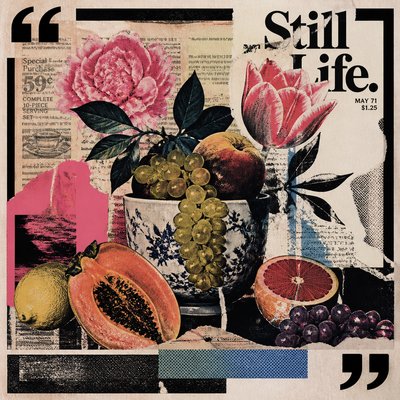
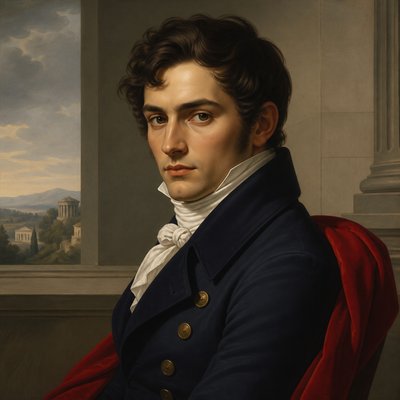
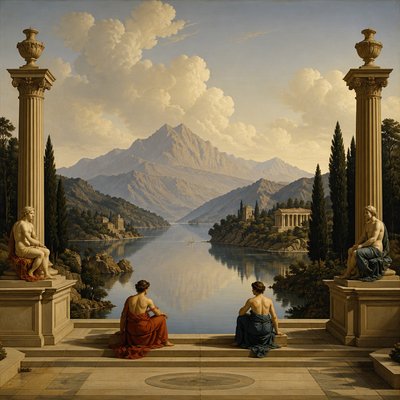
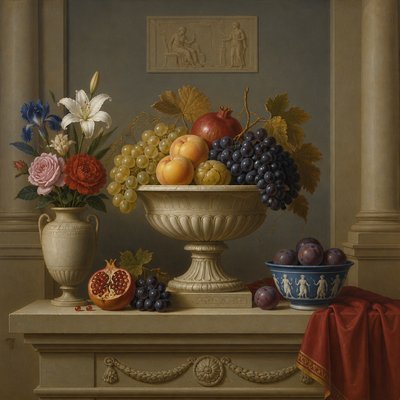
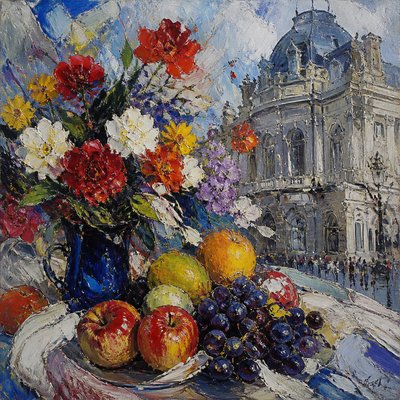
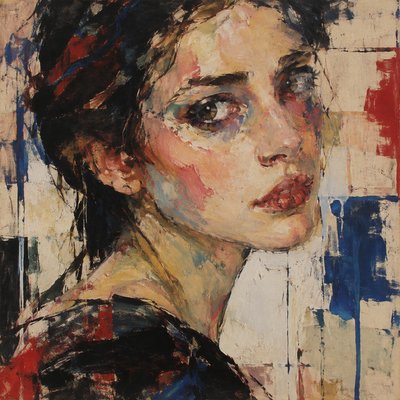
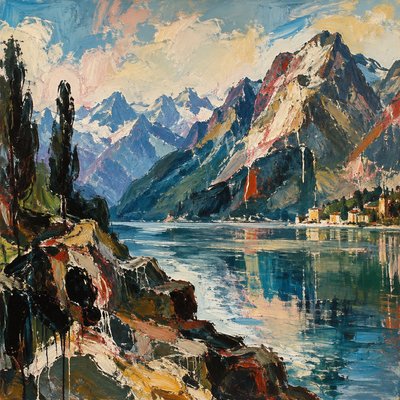
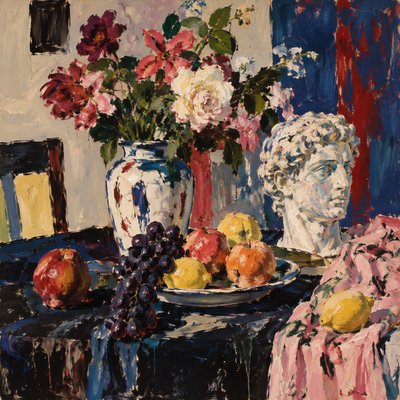
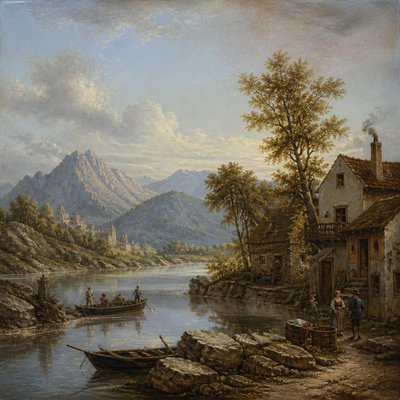
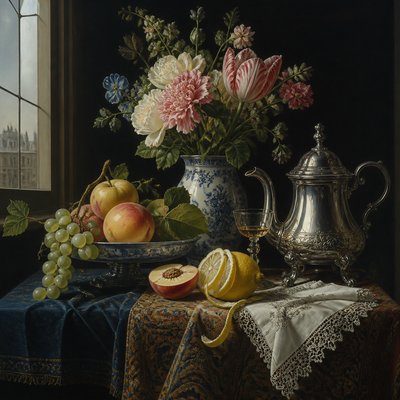
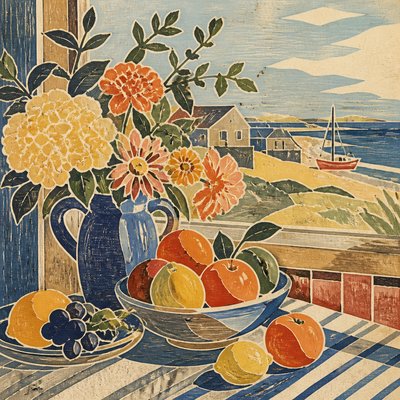
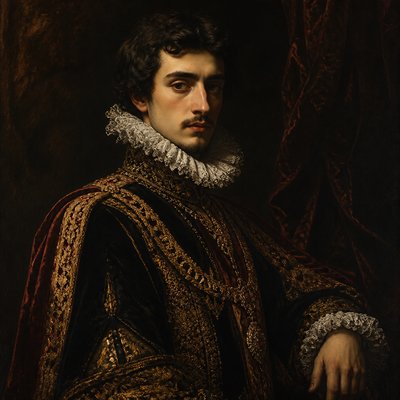
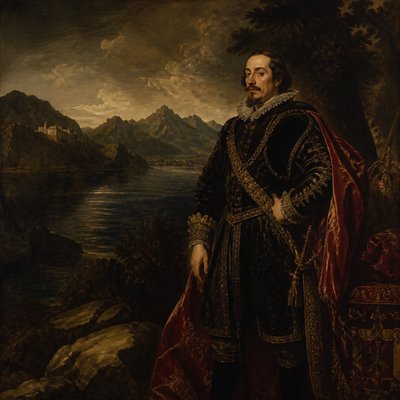
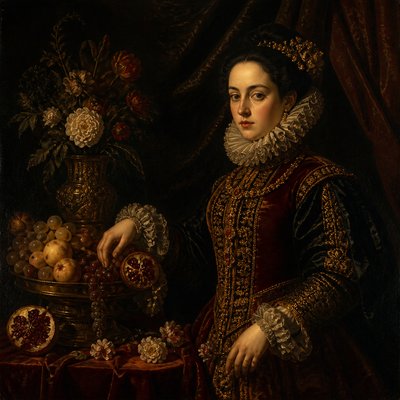
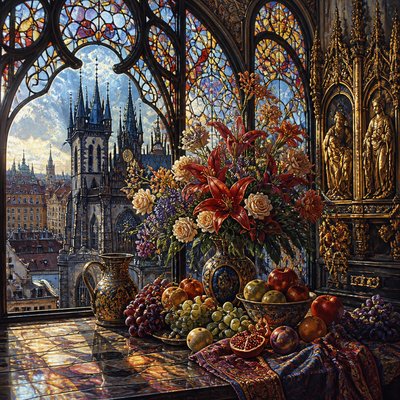
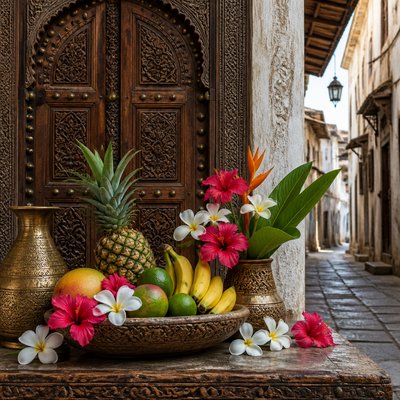
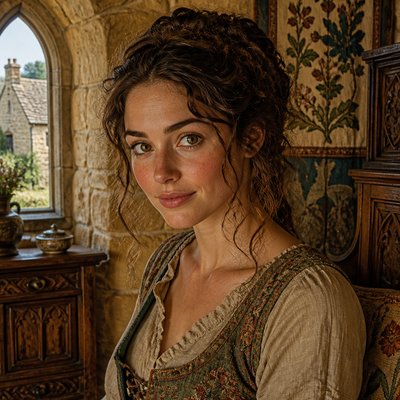
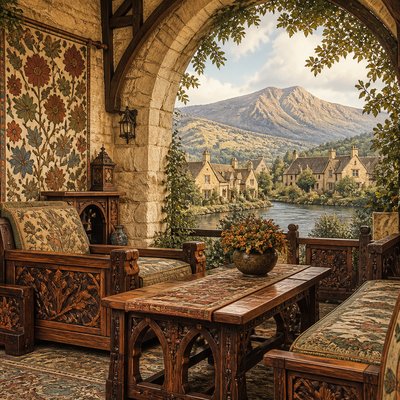
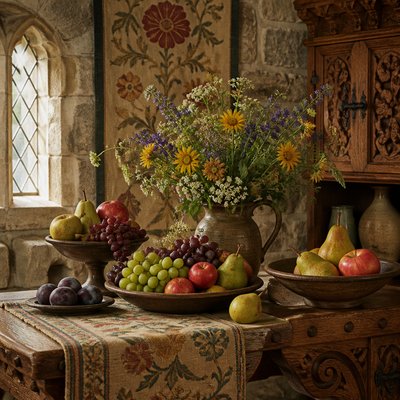
Explore Hungarian Art Style: saturated Matyó and Kalocsa florals, theatrical romantic painting, gilded warmth, and proud pastoral imagery.
Instantly rendered in Hungarian — or transform a photo
Hungarian Gallery
Tap any artwork to explore it
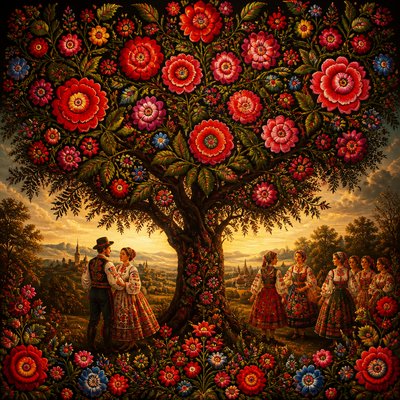
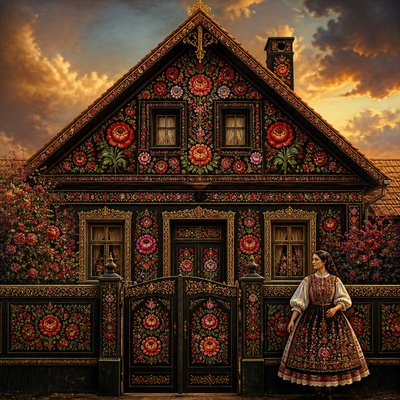
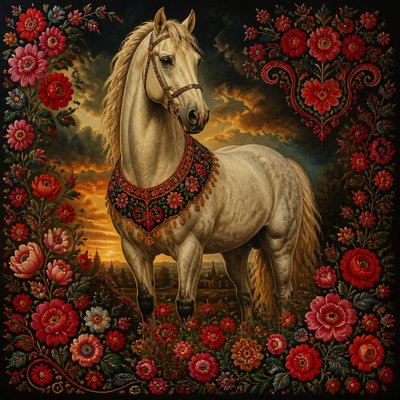
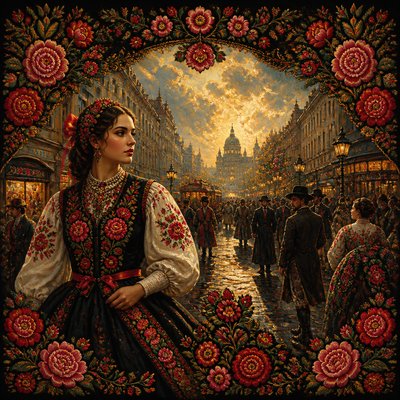
What is Hungarian Art Style?
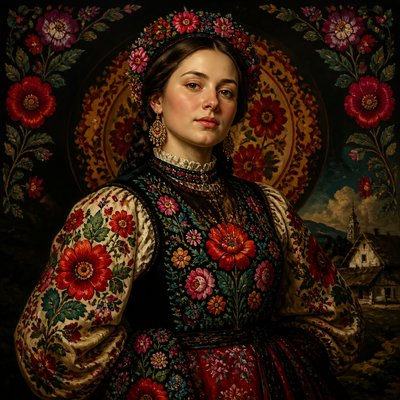
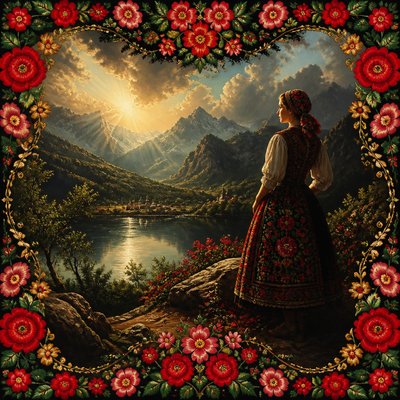
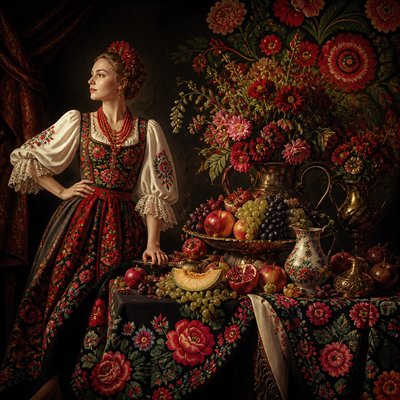
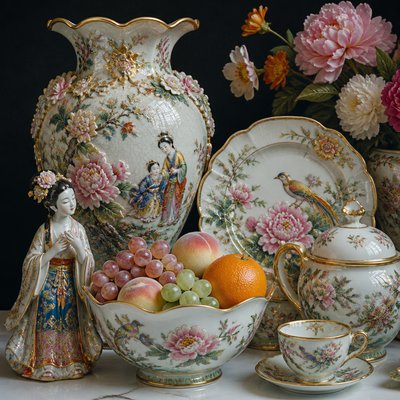
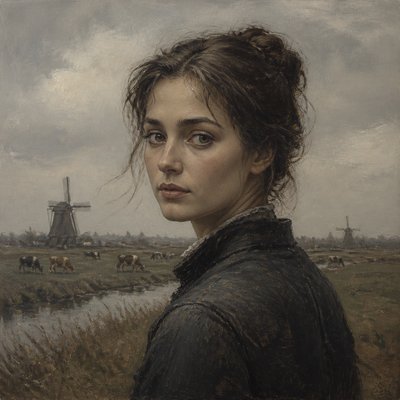
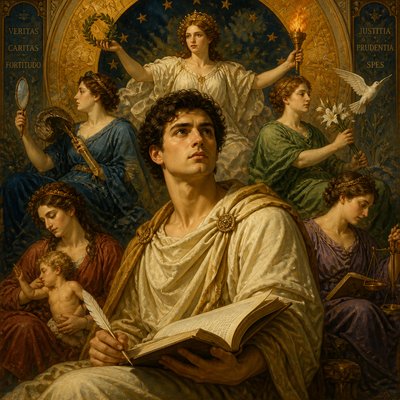
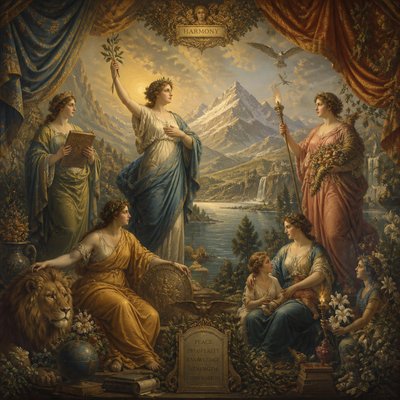
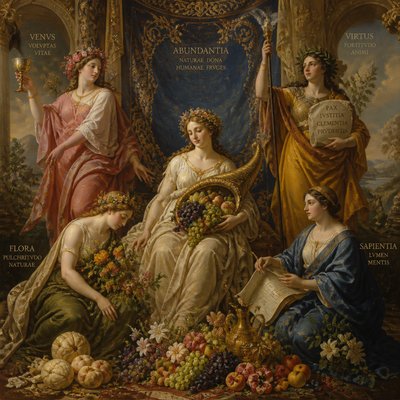
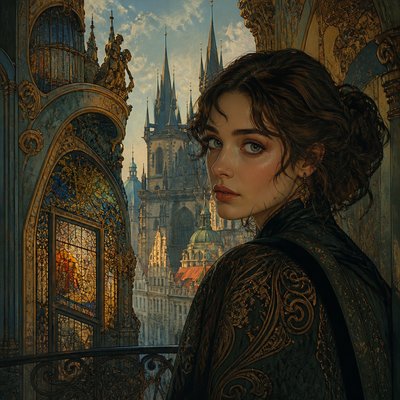
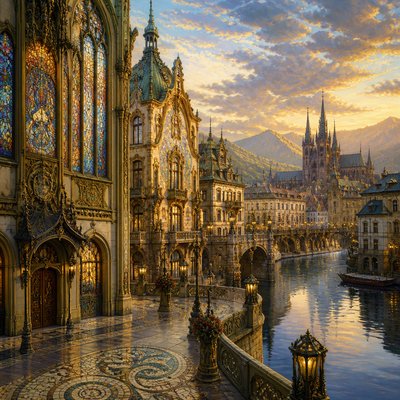
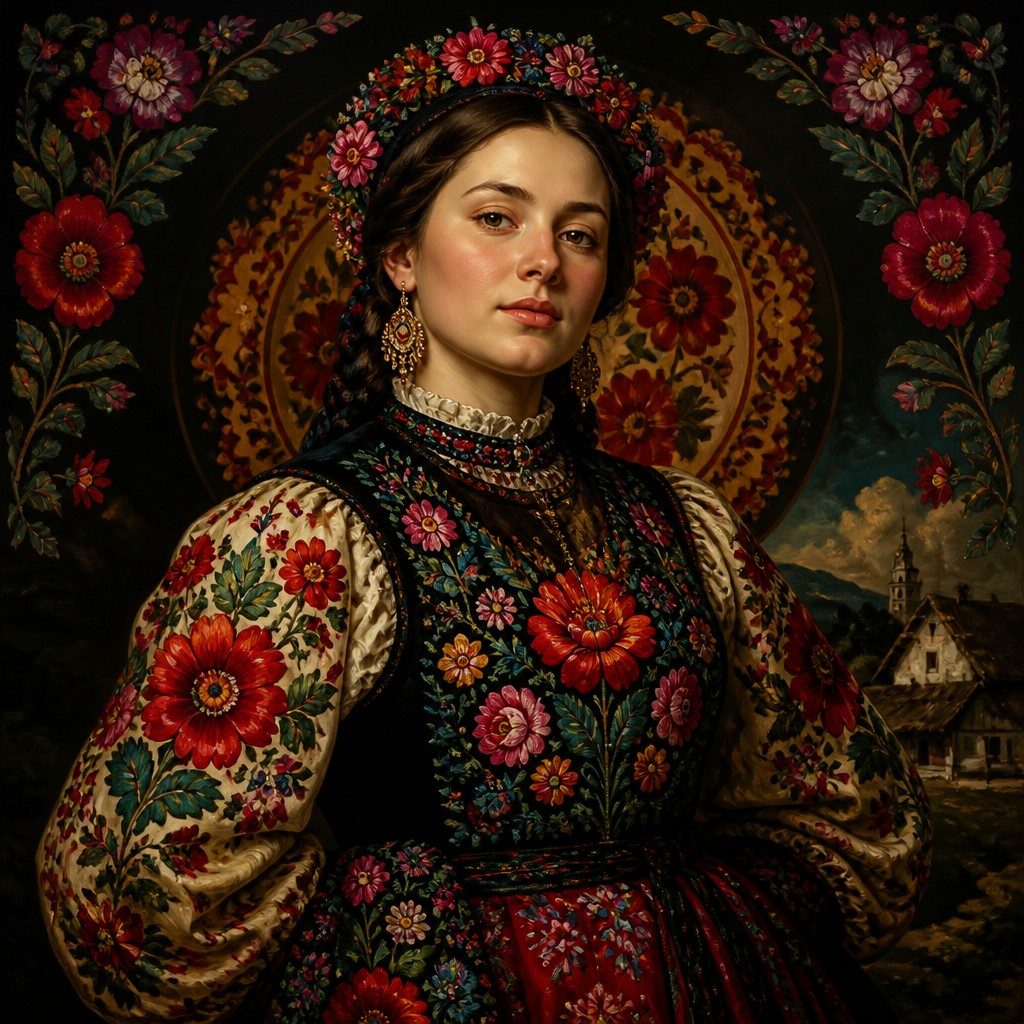
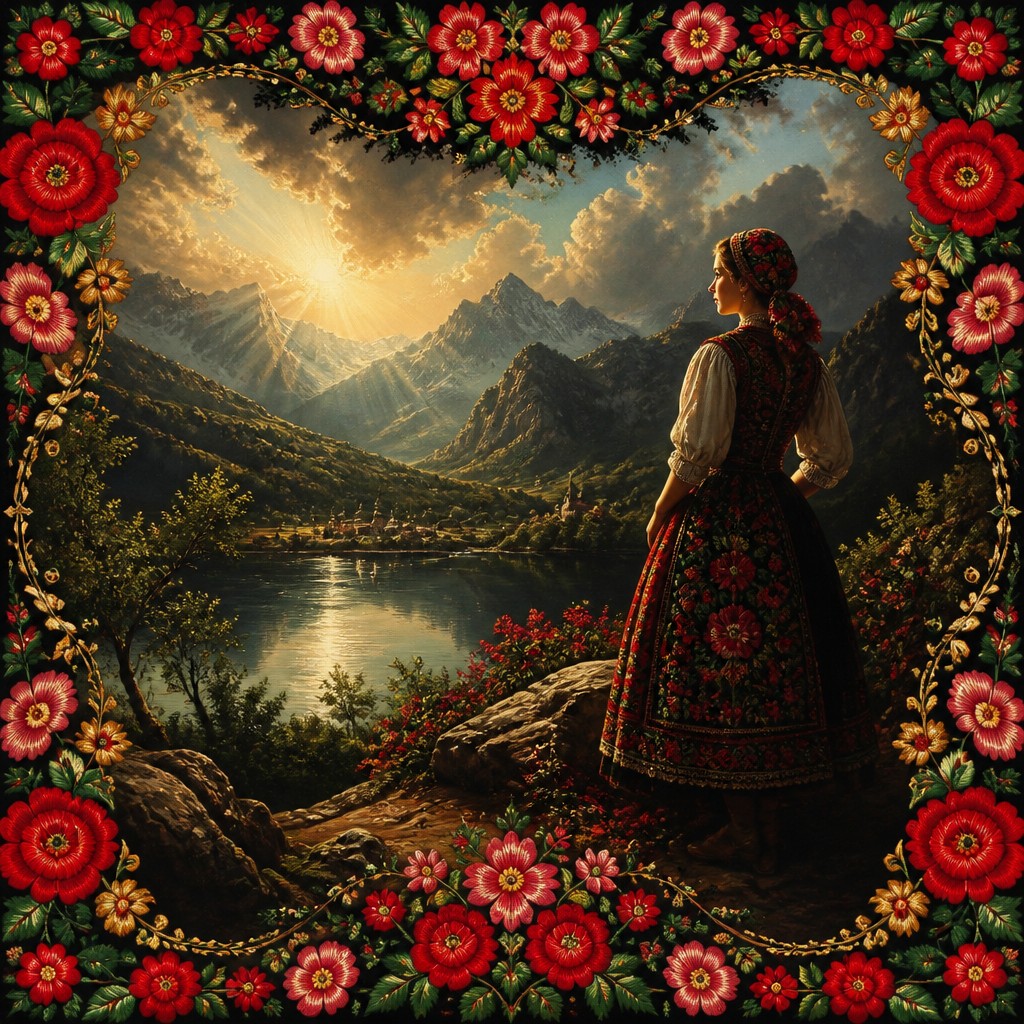
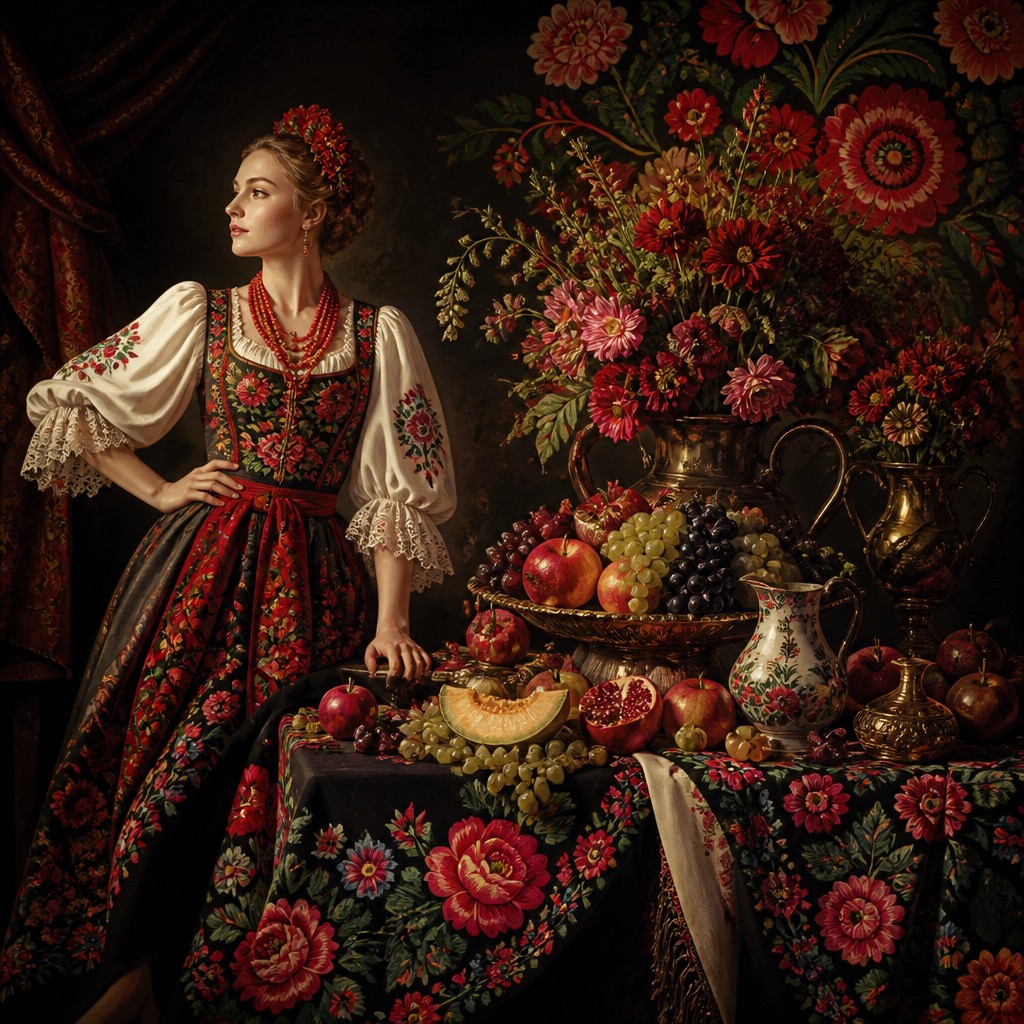
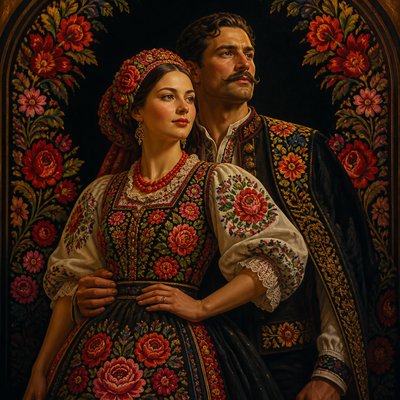
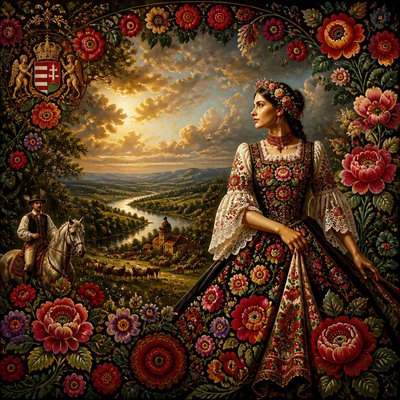
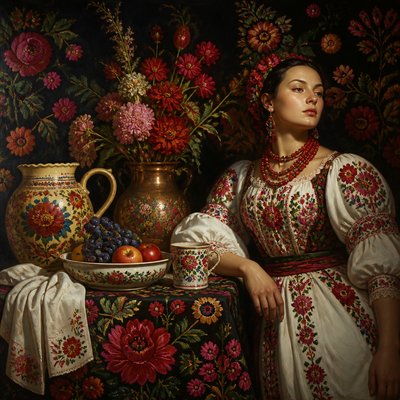
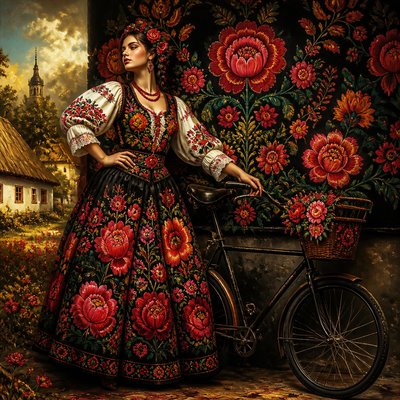
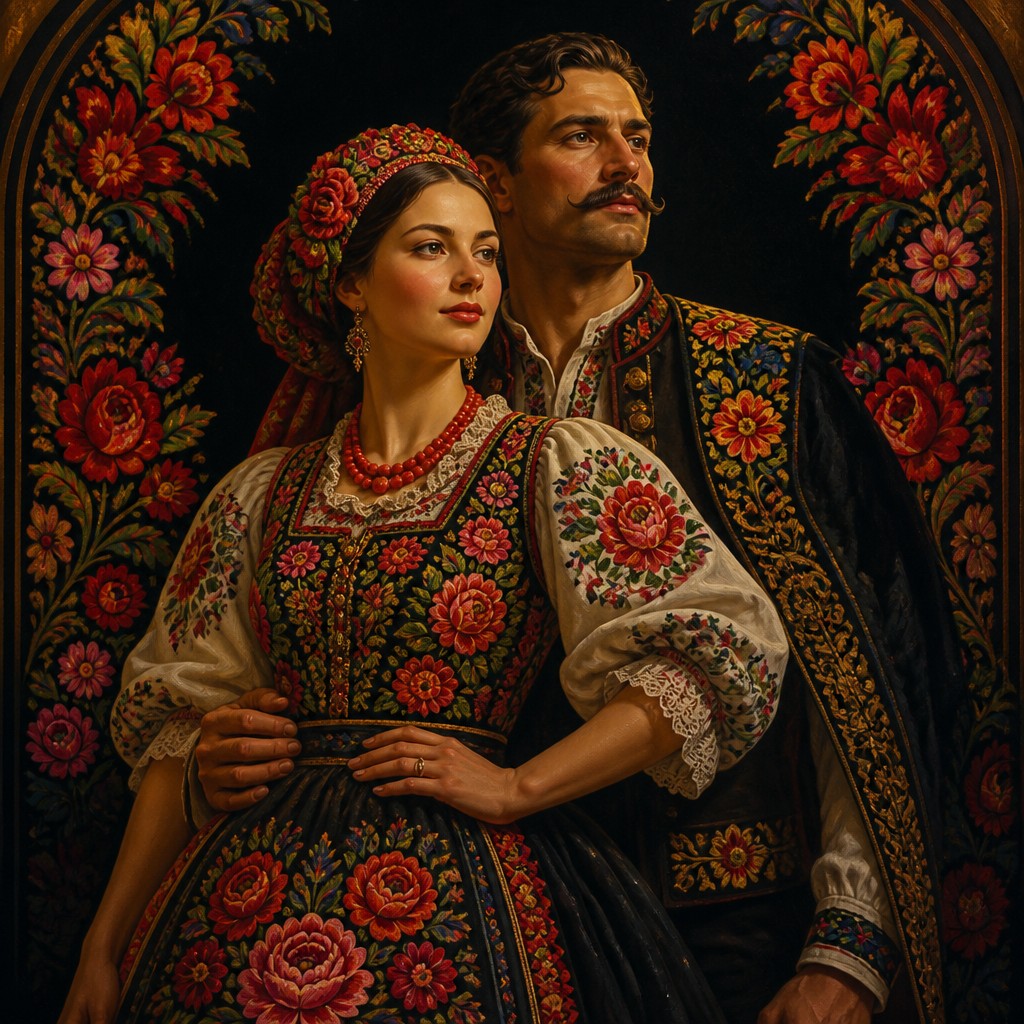
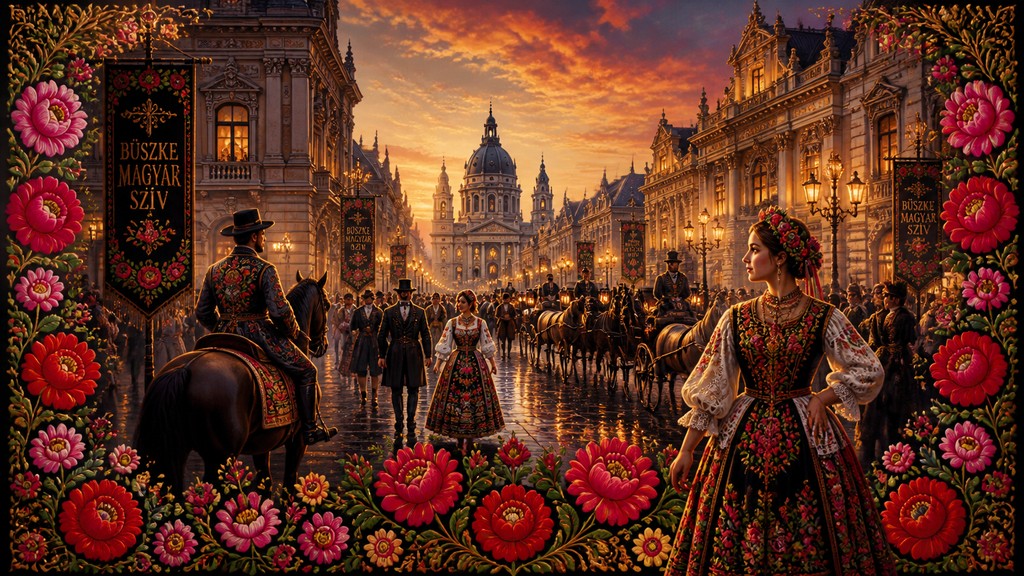
Hungarian Art Style is a contemporary, synthesis-based aesthetic rather than a formally recognized historical movement. It combines the saturated floral vocabulary of Hungarian folk embroidery—especially Matyó and Kalocsa traditions—with the scale, drama, and emotional intensity of grand Romantic figure painting. Decorative flowers, curling leaves, and embroidered-looking contours often frame pastoral people, village scenes, horses, or symbolic still lifes.
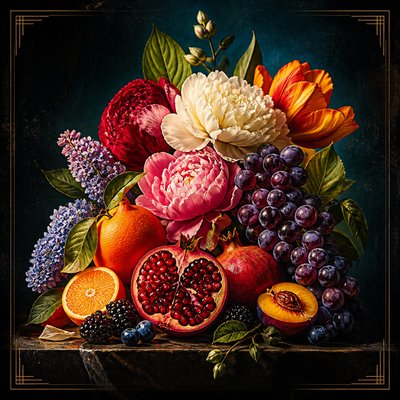
Its visual identity depends on contrast: dense red, pink, and green ornament against deep black or shadowed grounds; crisply patterned folk motifs beside softly modeled faces and fabric; and humble rural subjects presented with ceremonial, almost heroic importance. The resulting images feel both handcrafted and theatrical, with gilded folk-baroque warmth, strong directional light, and a proud pastoral atmosphere.
Try It On Your Photos
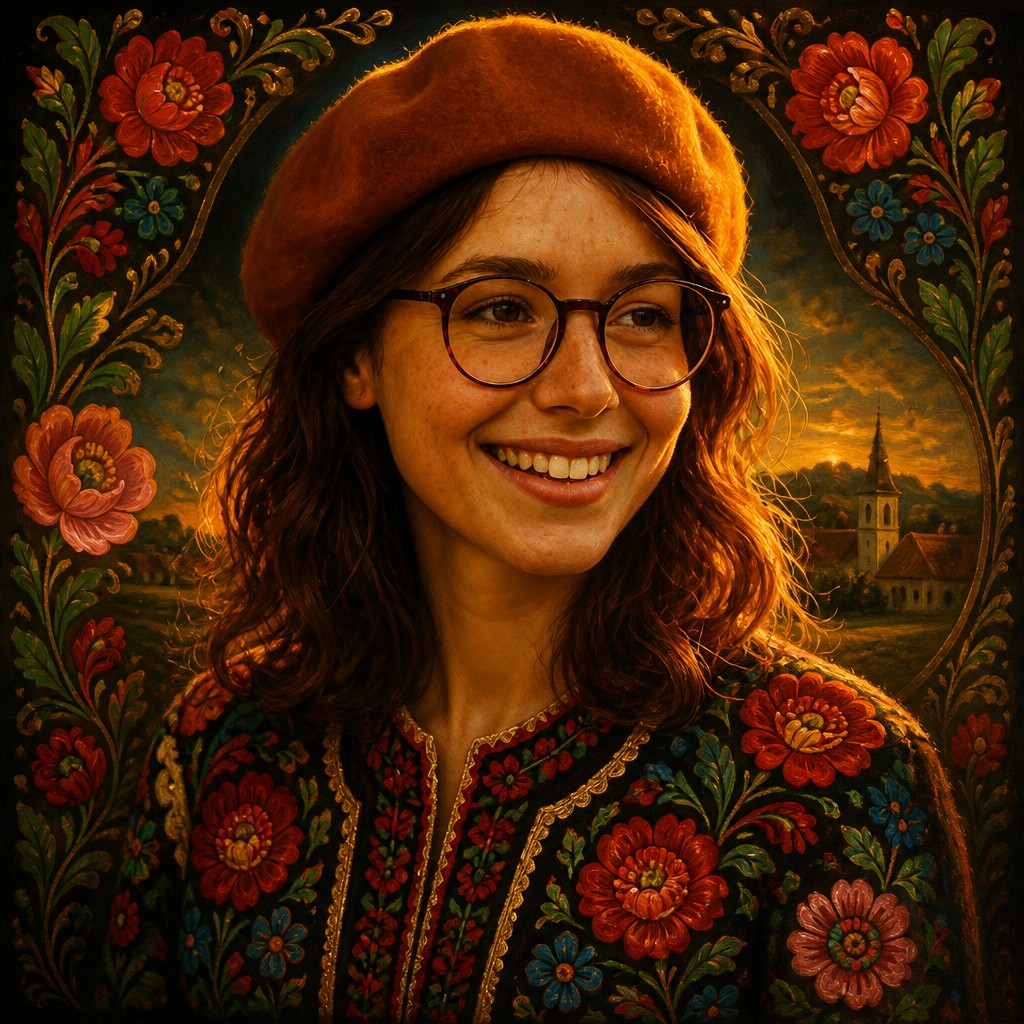
Upload any photo and convert it into Hungarian Art Style — drag the sliders to compare before and after.


What Defines Hungarian Art Style
The signature details, up close
Saturated folk florals
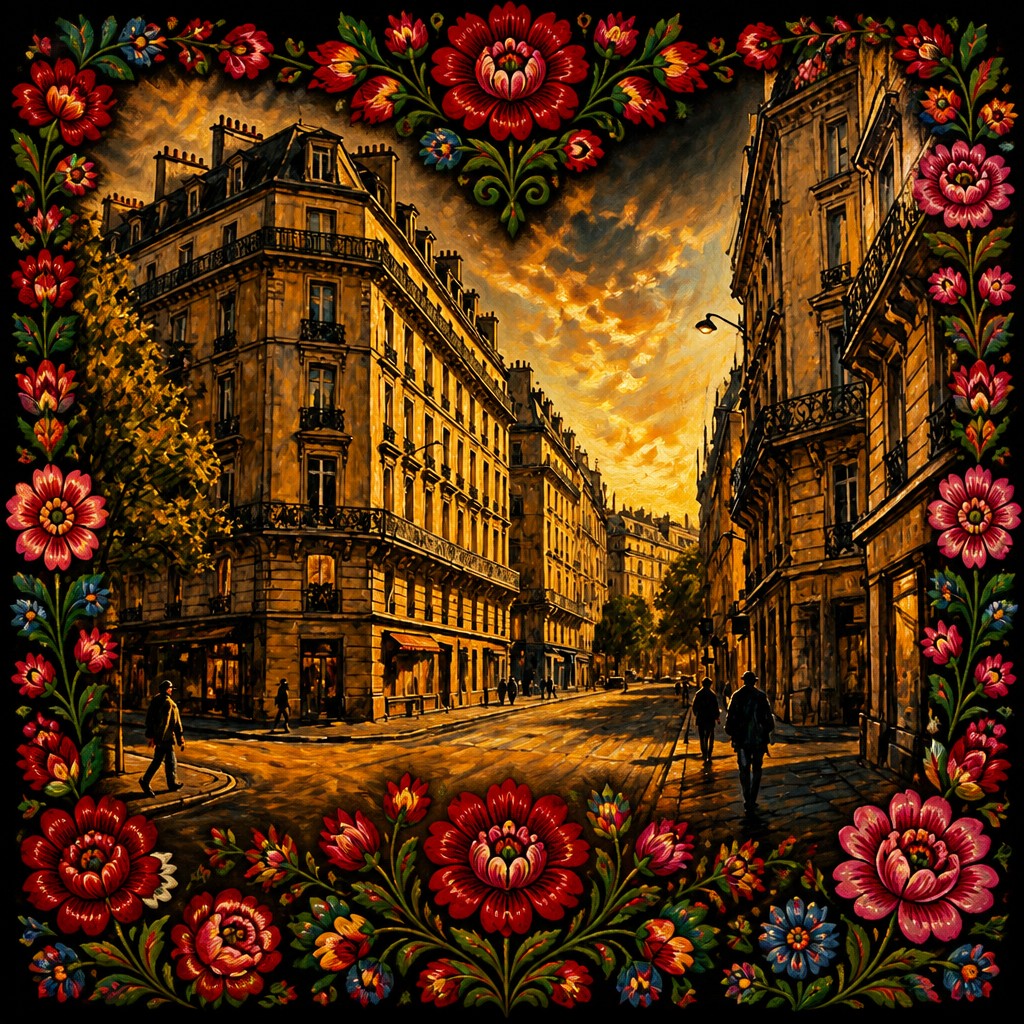
Large tulip-like blossoms, carnations, roses, leaves, and curling stems echo the ornamental vocabulary of Matyó and Kalocsa embroidery. Reds, pinks, greens, and occasional yellow or blue accents are used with high chromatic intensity.
Dark ornamental grounds
Black, charcoal, or deep brown backgrounds make the embroidery-inspired colors appear jewel-like. The dark ground also supports the dramatic contrast associated with theatrical painting.
Romantic figure composition
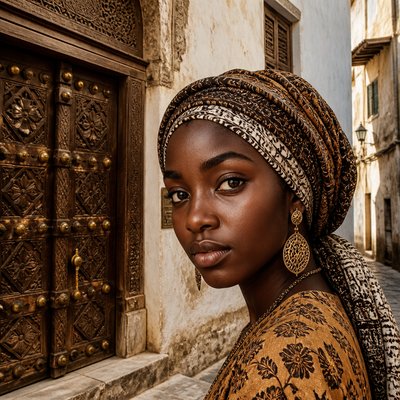
People are presented with dignity, emotional gravity, or symbolic importance rather than casual realism. Monumental poses, sweeping gestures, and carefully arranged groups give ordinary pastoral subjects a grand scale.
Theatrical illumination
A concentrated light source models faces, hands, textiles, and flowers against deep shadow. Warm highlights and selective illumination create a stage-like sense of revelation.
Gilded folk-baroque warmth
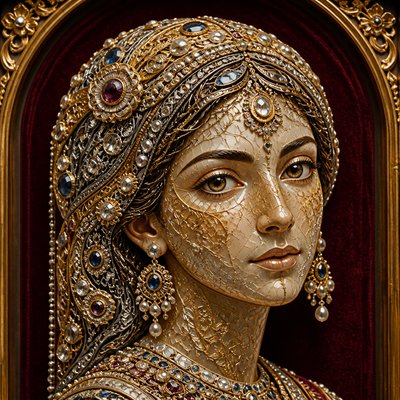
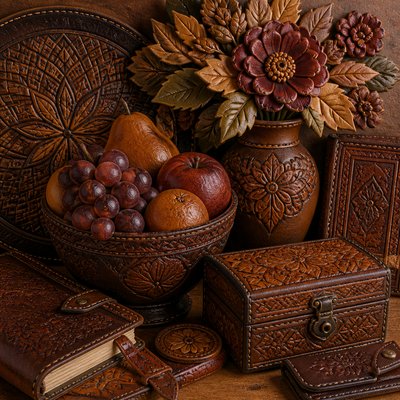
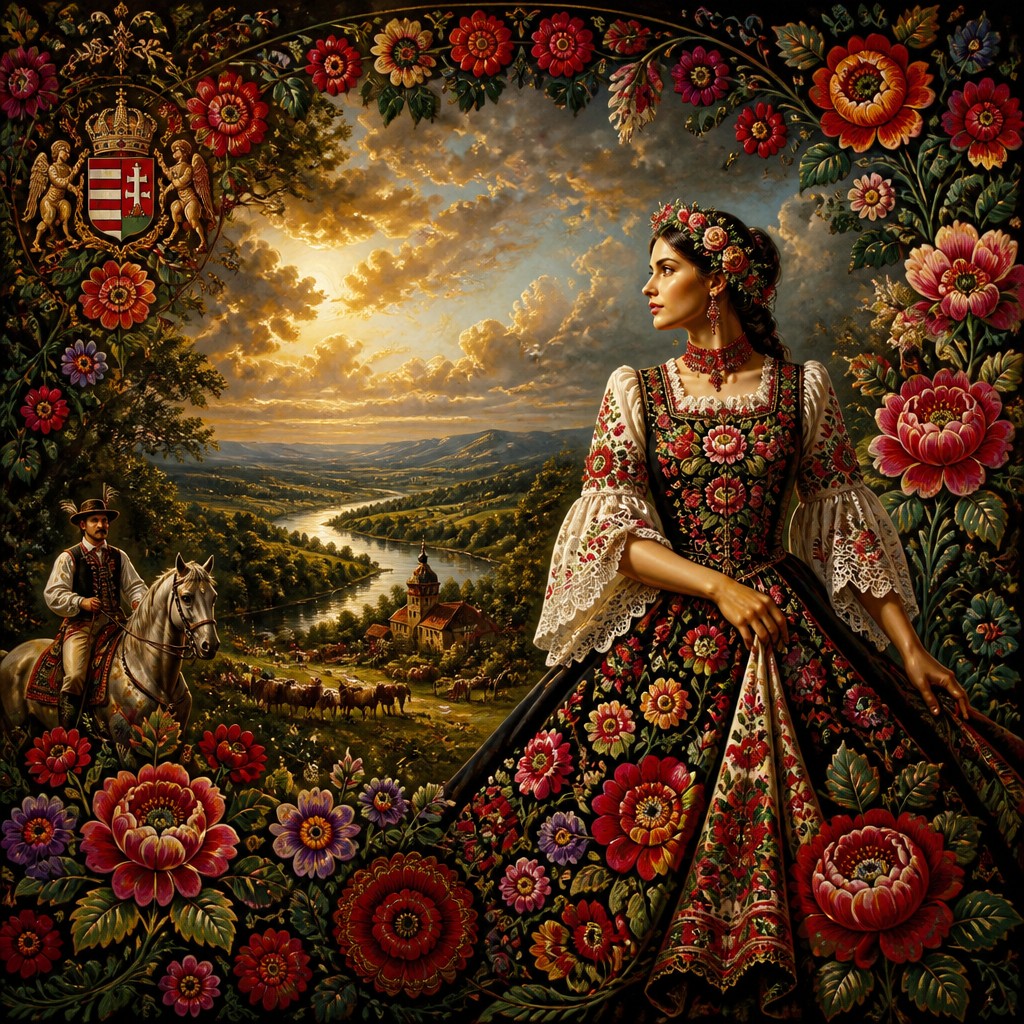
Gold, ochre, copper, and amber notes suggest aged varnish, carved interiors, devotional objects, and richly decorated rural furnishings. This warmth softens the severity of the black ground.
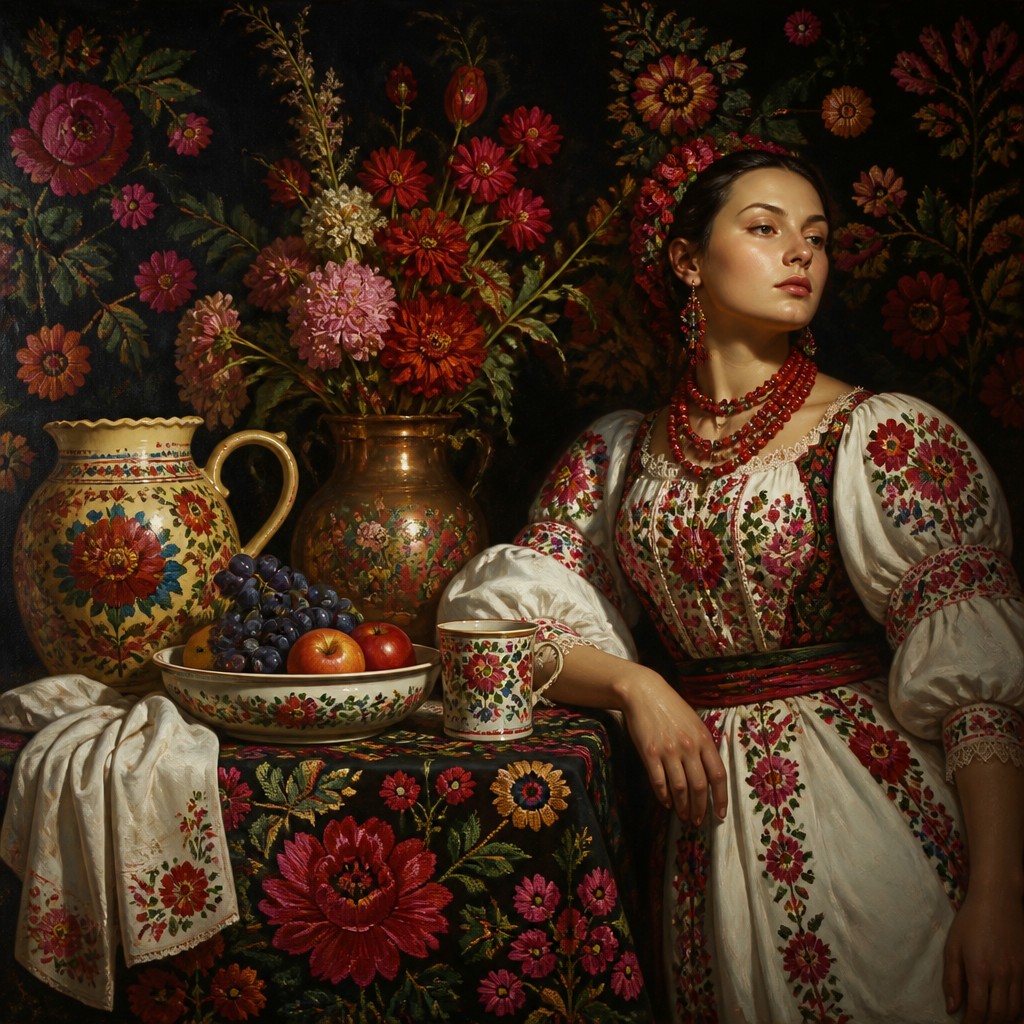
Textile-like contours
Floral edges may appear stitched, appliquéd, outlined, or slightly raised, even when rendered as paint. Repetition and curling linework give the image a tactile, handcrafted rhythm.
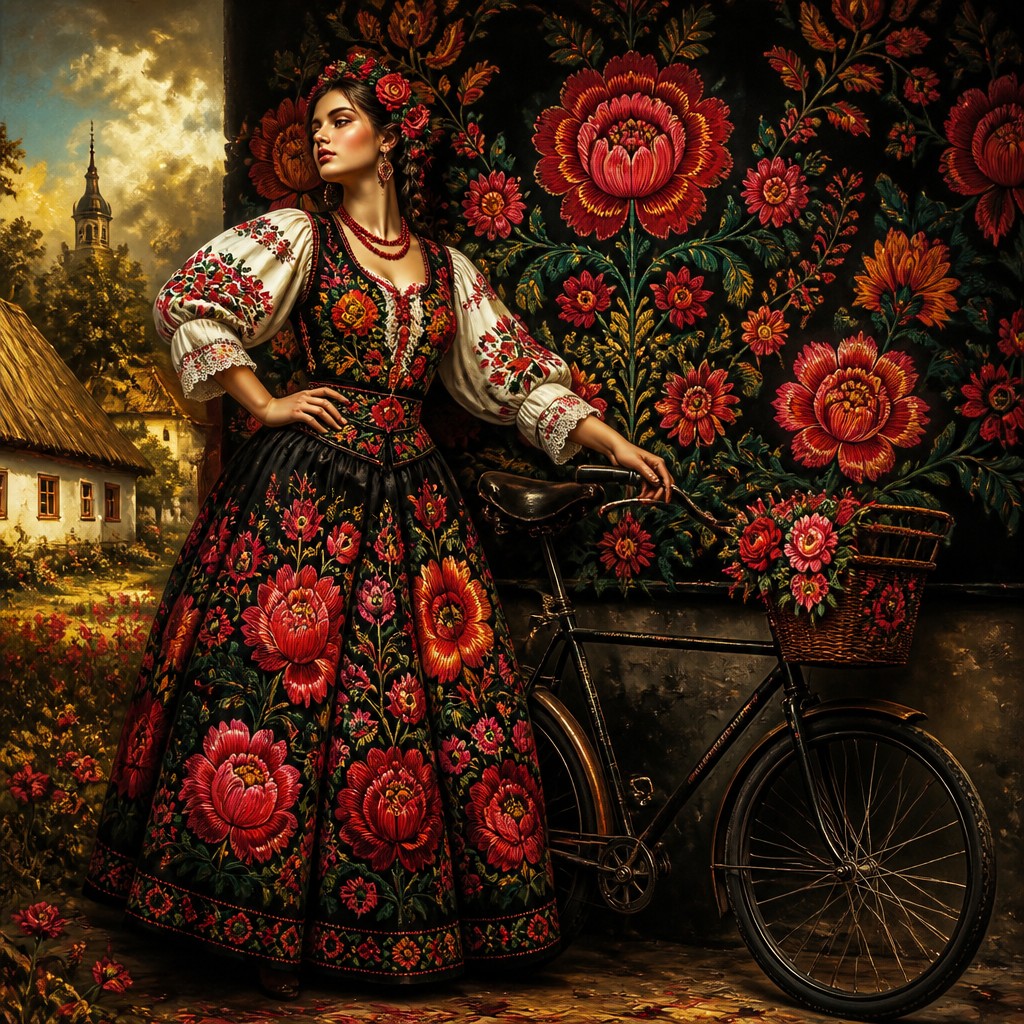
Pastoral symbolism
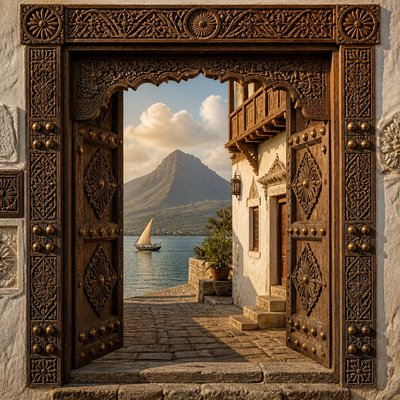
Meadows, village architecture, harvest tools, horses, folk costumes, and domestic flowers provide recurring subject matter. These elements are treated as carriers of identity, continuity, and communal pride.
Try It
Create Videos in Hungarian Art Style
Styles aren't just for stills — describe a scene or animate an image and get a short video rendered in Hungarian. Press play to see this pond come to life.
Make a VideoHungarian Prompt Ideas
Start from an idea — each one opens the generator with the style ready to go. See all 40 Hungarian prompts →
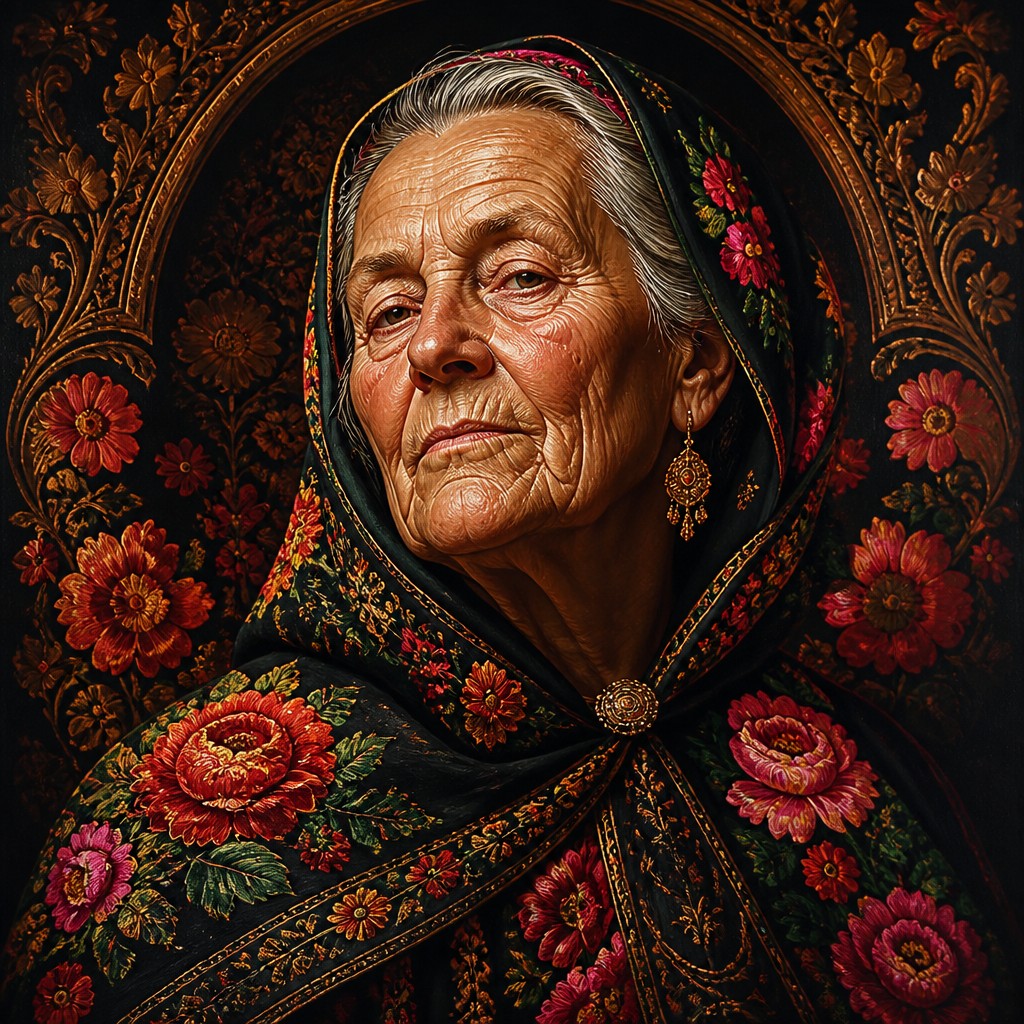
“close-up portrait of an elderly person with expressive weathered features”
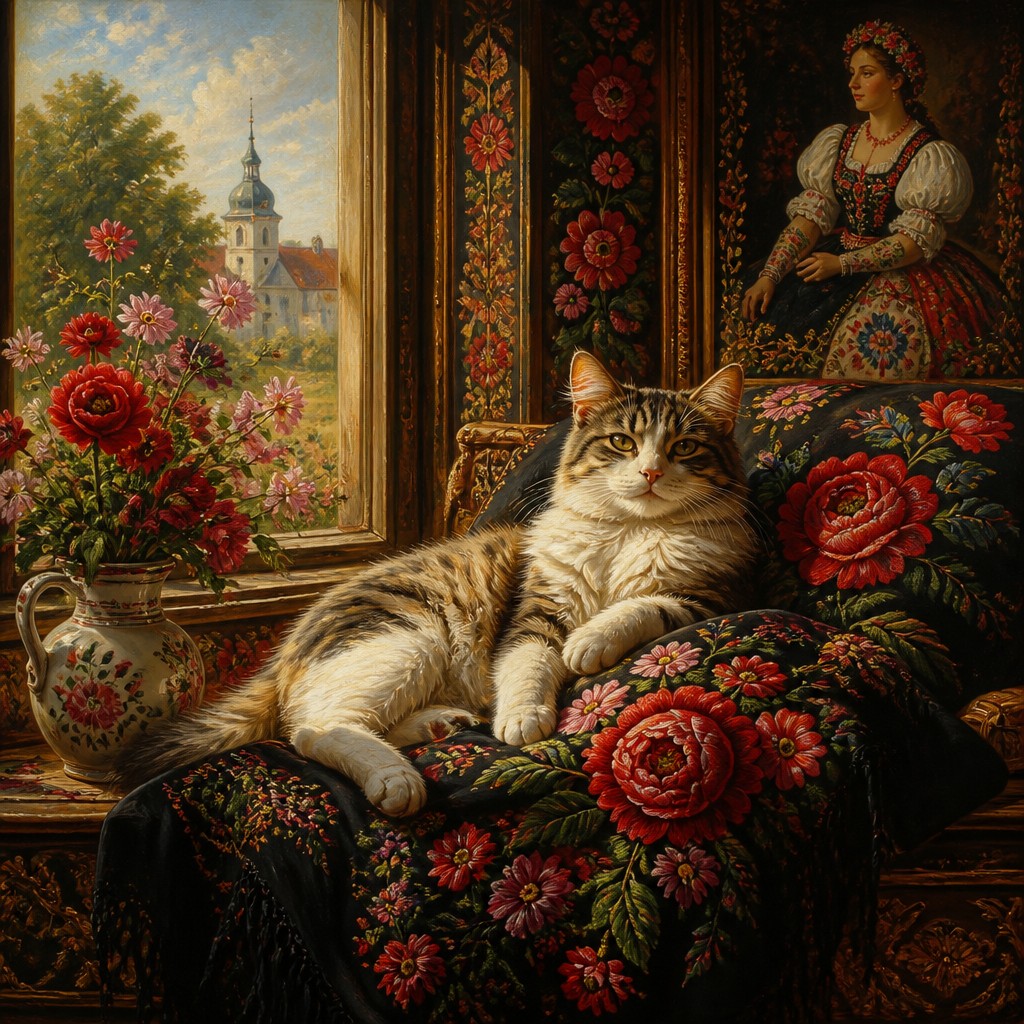
“a cat lounging in a sunlit window”
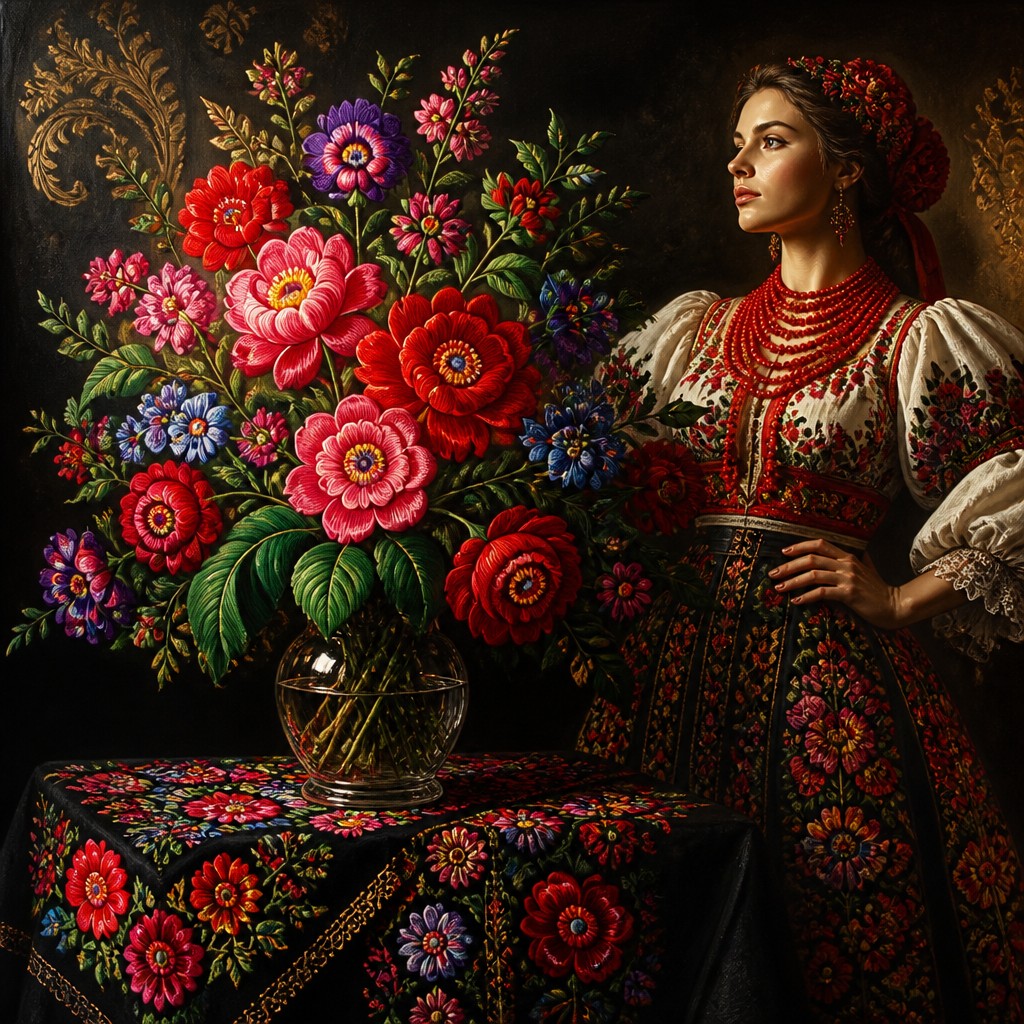
“bouquet of flowers in a glass vase”
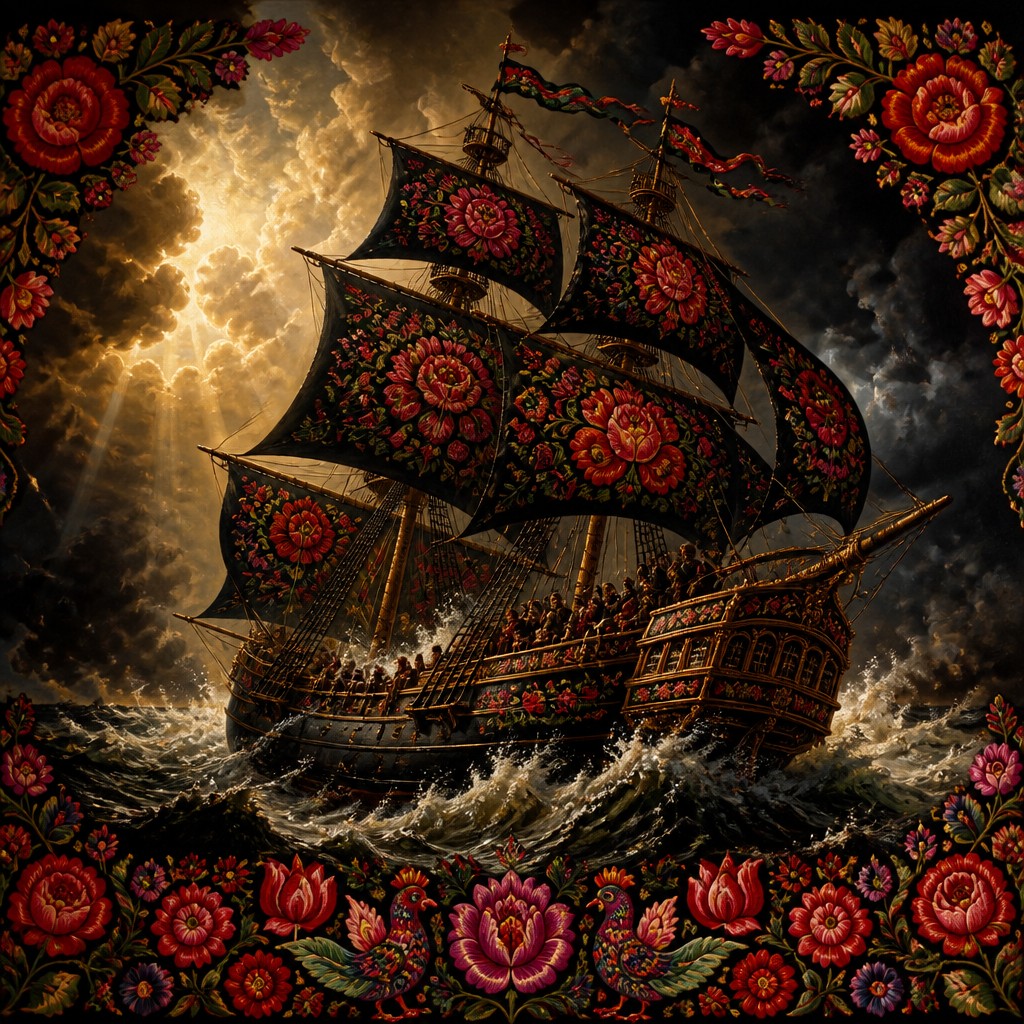
“sailing ship on a stormy sea”
How to Create Hungarian Art
Master the craft step by step — or skip straight to creating. Read the full guide →
- 1
Build a limited but intense palette
Start with black or a deep earth-colored ground, then reserve saturated reds, pinks, greens, and warm golds for the main motifs. Keep neutral skin and sky colors subdued so the floral ornament remains visually dominant.
- 2
Design the floral pattern first
Sketch repeated blossoms, leaves, and curling stems as a border, wreath, garment panel, or background field. Vary scale and direction while preserving the rhythmic symmetry associated with embroidery.
- 3
Use a Romantic painting structure
Arrange the subject in a strong triangular or vertically ascending composition, with the face, gesture, or symbolic object receiving the brightest light. Add atmospheric shadow and layered glazing to create depth beneath the decoration.
- 4
Suggest stitched and painted surfaces
In traditional media, combine opaque color, fine contouring, and translucent glaze; in digital work, use separate layers for floral motifs, fabric texture, rim light, and varnish-like warmth. Slight irregularity helps the result feel handmade rather than mechanically patterned.
- 5
Balance ornament with readable figures
Keep faces, hands, and major silhouettes relatively clear, allowing dense flowers to occupy framing areas, clothing, or secondary planes. Excessive detail across every surface can flatten the dramatic hierarchy.
- 6
Write prompts with subject, structure, and surface
Describe the subject first, then specify embroidered floral ornament, a dark ground, theatrical light, romantic figure-painting composition, saturated colors, and gilded warmth. For image transformation, preserve the original pose or architecture while requesting floral textile detailing and painterly illumination.
The Story
History & Origins of Hungarian
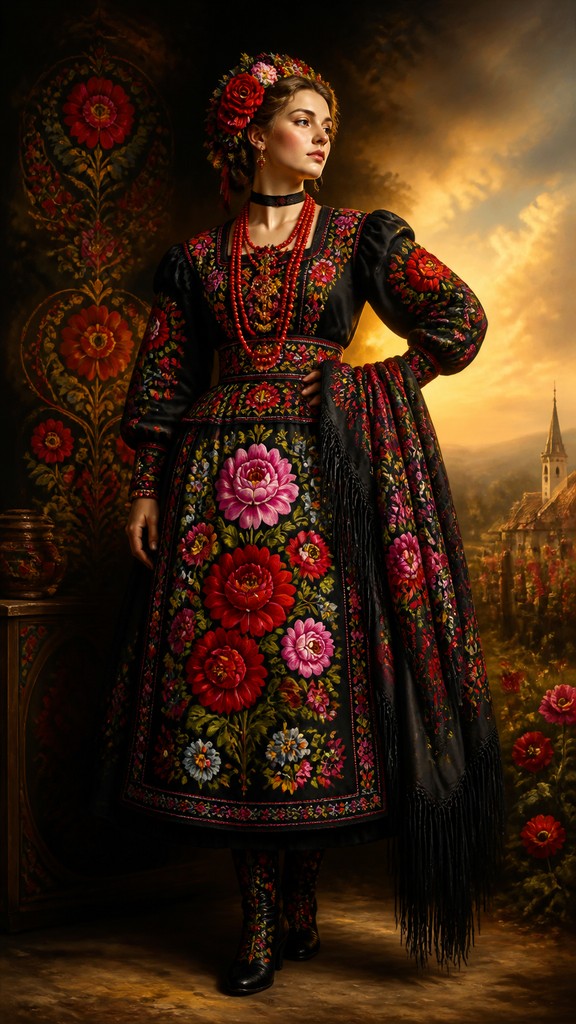
This style does not describe a single historical school or a documented period in Hungarian art. It is best understood as a modern aesthetic lineage built from Hungarian regional embroidery traditions, nineteenth-century European Romantic painting, decorative folk art, and the ornamental richness associated with Baroque and folk-baroque interiors.
Matyó embroidery developed around Mezőkövesd and is known for exuberant floral forms and intense color. Kalocsa embroidery, associated with the region around Kalocsa, is likewise recognized for multicolored floral ornament. Contemporary interpretations may place these motifs on black backgrounds, enlarge them into painted compositions, or combine them with theatrical portrait lighting—choices that belong to the hybrid style rather than to any one traditional textile practice.
Influences: The style draws on Matyó and Kalocsa embroidery, Hungarian village costume and decorative traditions, Central European folk ornament, nineteenth-century Romantic painting, Baroque chiaroscuro, devotional and courtly portrait composition, and the warm surfaces of traditional oil painting. It also relates to Arts and Crafts approaches that treat pattern and handwork as serious visual language, while its bold layering and hybrid construction are compatible with contemporary digital illustration.
Frequently Asked Questions
Is Hungarian Art Style a historical Hungarian art movement?
No. The name describes a contemporary hybrid aesthetic rather than a formally recognized movement with a fixed period or unified school. It uses authentic Hungarian folk-art references alongside Romantic and Baroque-inspired painting conventions.
What defines the style most clearly?
The defining combination is saturated Matyó- and Kalocsa-inspired floral ornament, a dark or black ground, theatrical illumination, and a grand Romantic treatment of pastoral figures or objects. The contrast between textile-like pattern and modeled painterly form is especially characteristic.
How is it different from Hungarian folk art itself?
Hungarian folk art encompasses many regional practices, materials, and historical contexts, including embroidery, ceramics, woodwork, costume, and architecture. This style selectively borrows floral motifs and color relationships, then recombines them with dramatic canvas composition and modern image-making.
Can the style be made with traditional materials?
Yes. Oil, acrylic, gouache, or tempera can all support the look. Work from a dark ground, establish the figure with strong light and shadow, then add carefully designed floral motifs with fine contours, opaque color, and warm glazing.
How should I describe it in an image-generation prompt?
Name the subject and composition first, then add saturated Hungarian folk-embroidery-inspired florals, dark ground, theatrical light, Romantic figure painting, and gilded warmth. Specific details such as a floral wreath, embroidered bodice, village interior, horse, or harvest scene usually produce a more coherent result than relying on a style label alone.
Where is this aesthetic useful?
It suits portraits, ceremonial scenes, editorial illustration, book covers, posters, decorative interiors, textile concepts, and heritage-themed visual storytelling. It is most effective when the subject has a clear central silhouette that can be framed by bold ornament.
Create your first Hungarian artwork
Describe anything — or upload a photo — and see it in Hungarian Art Style in seconds.
Related Styles
Discover similar art styles