Cuban Art Style
Explore Cuban Art Style: saturated tropical color, Havana architecture, Vanguardia forms, folk pattern, and rhythmic Caribbean light.
Instantly rendered in Cuban — or transform a photo
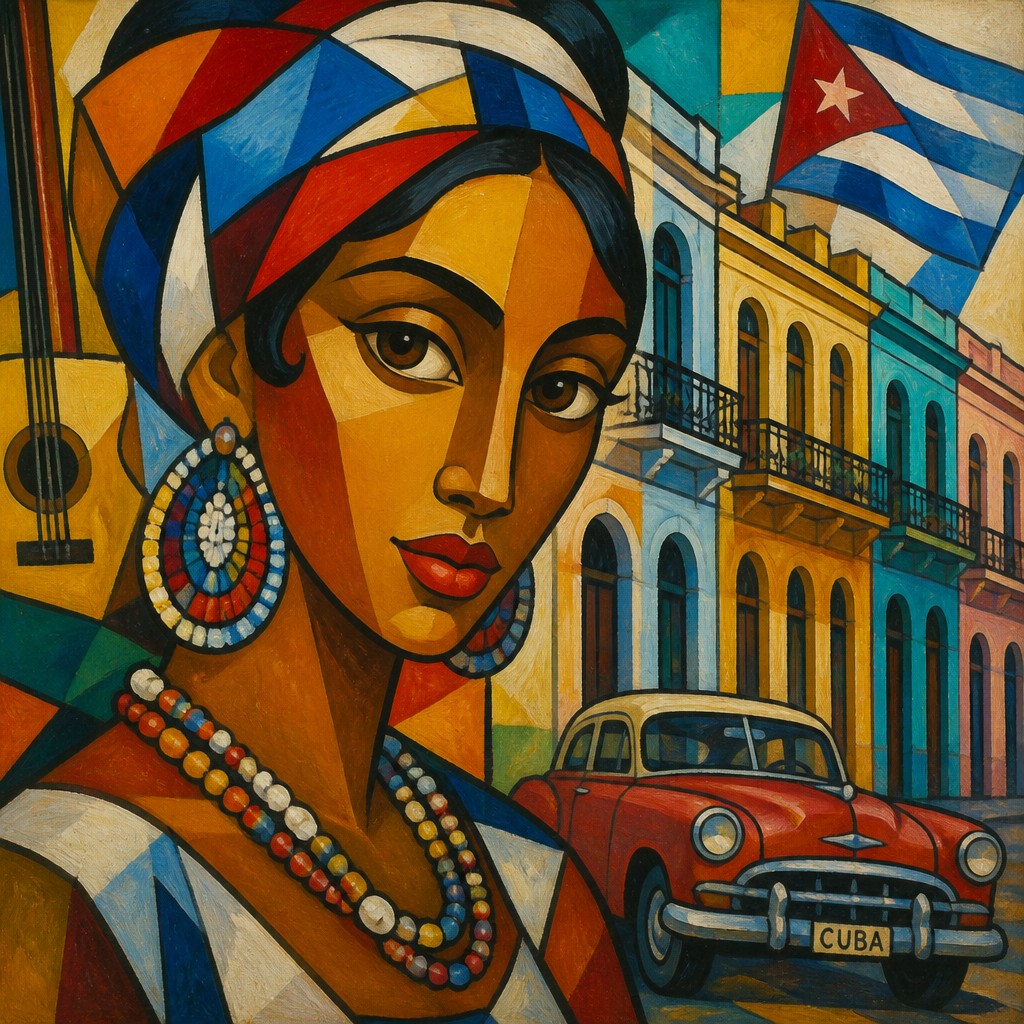
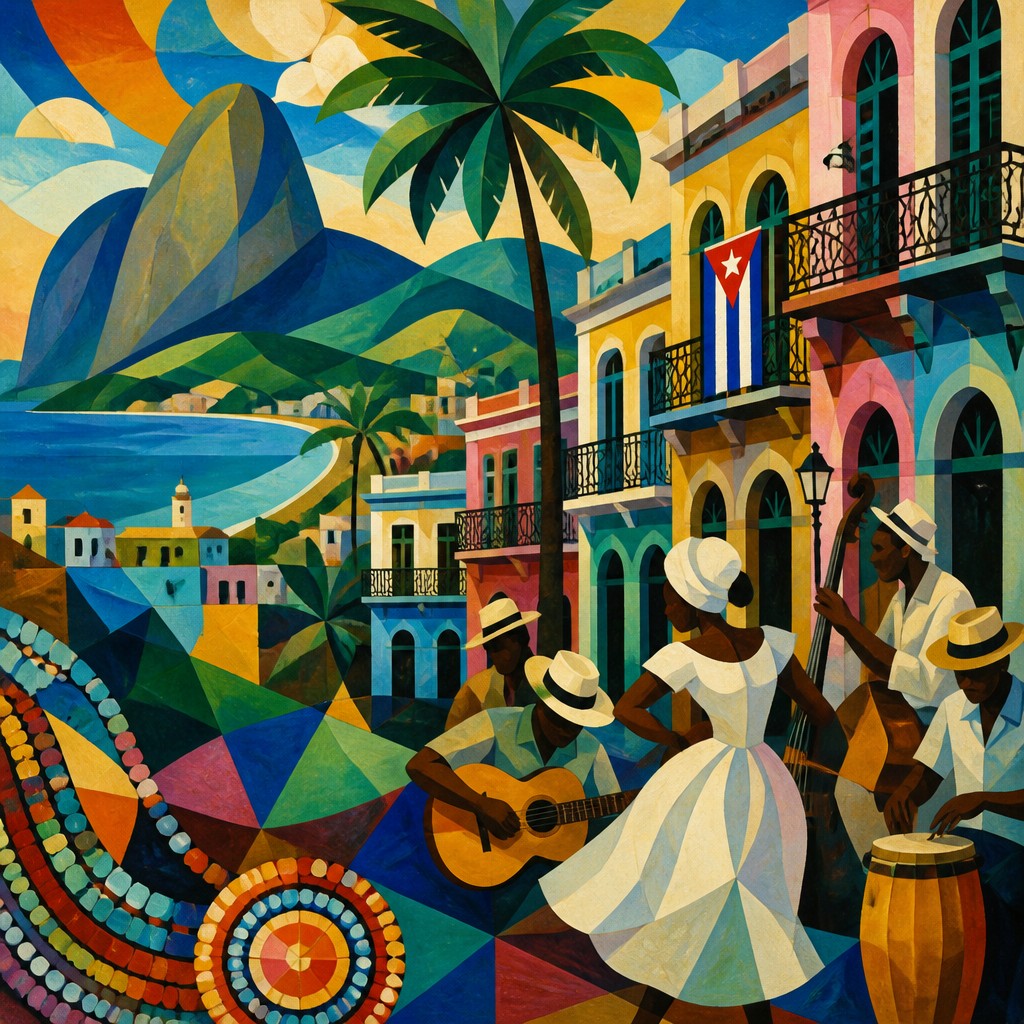
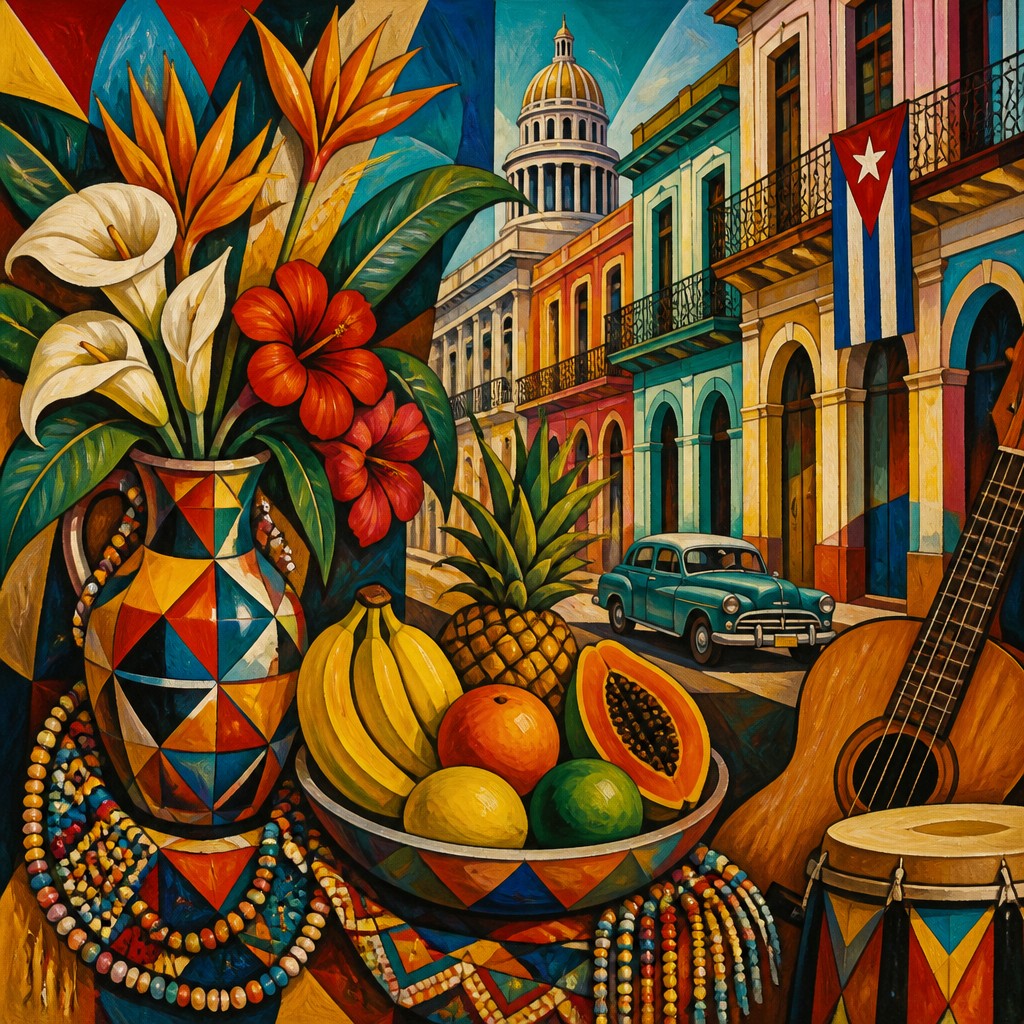
Cuban Gallery
Tap any artwork to explore it
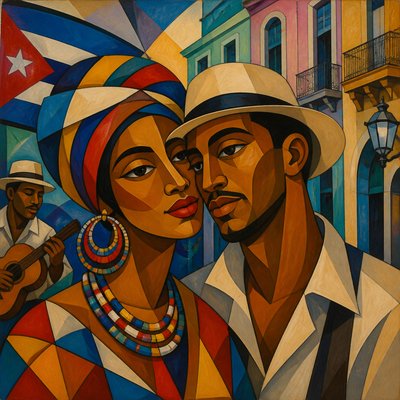
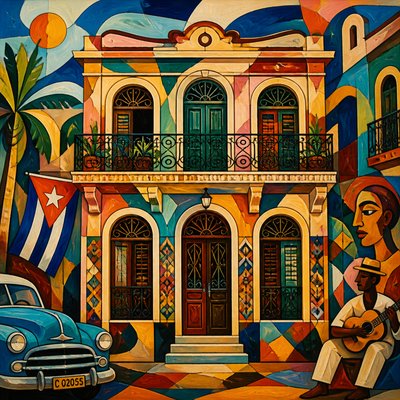
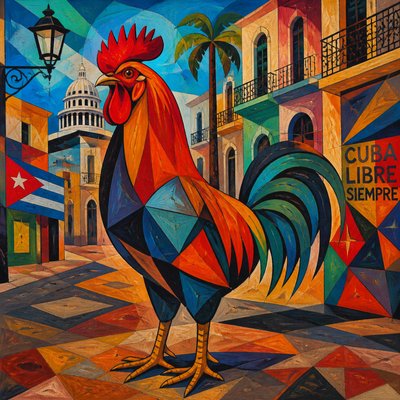
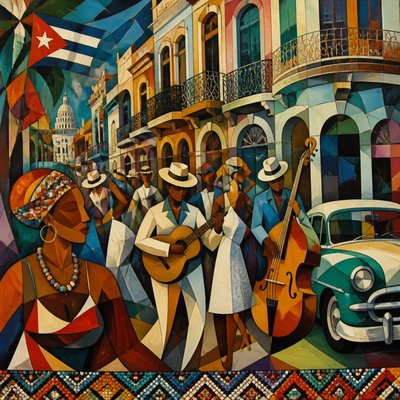
What is Cuban Art Style?
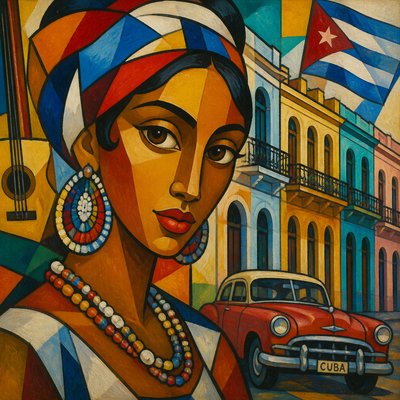
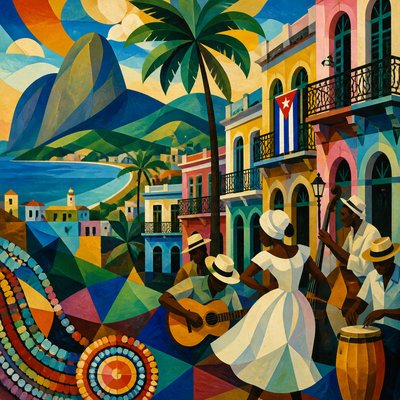
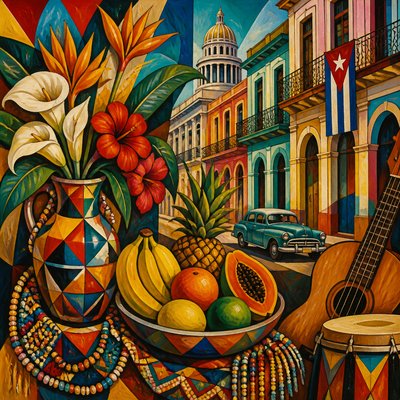
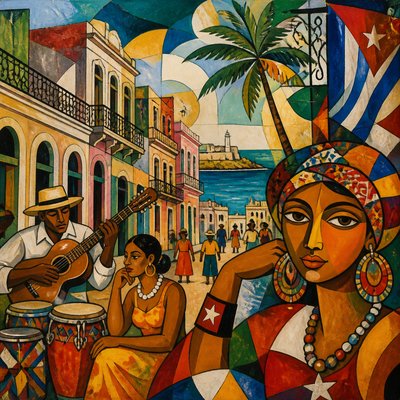
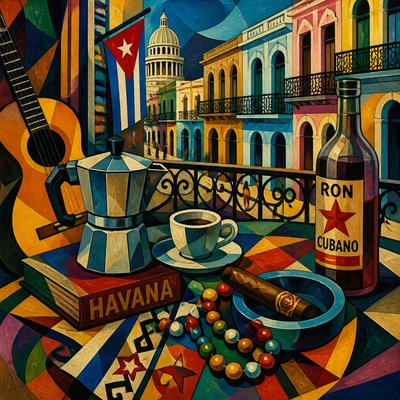
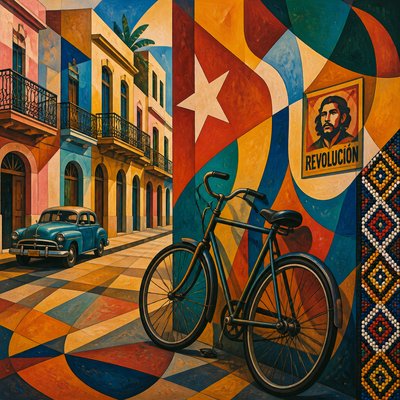
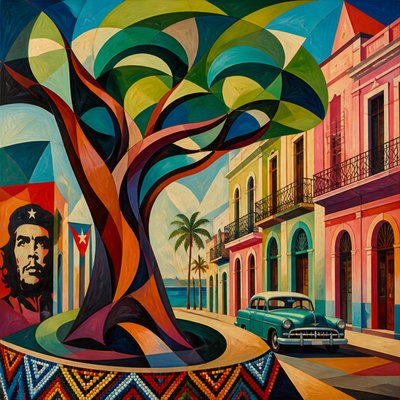
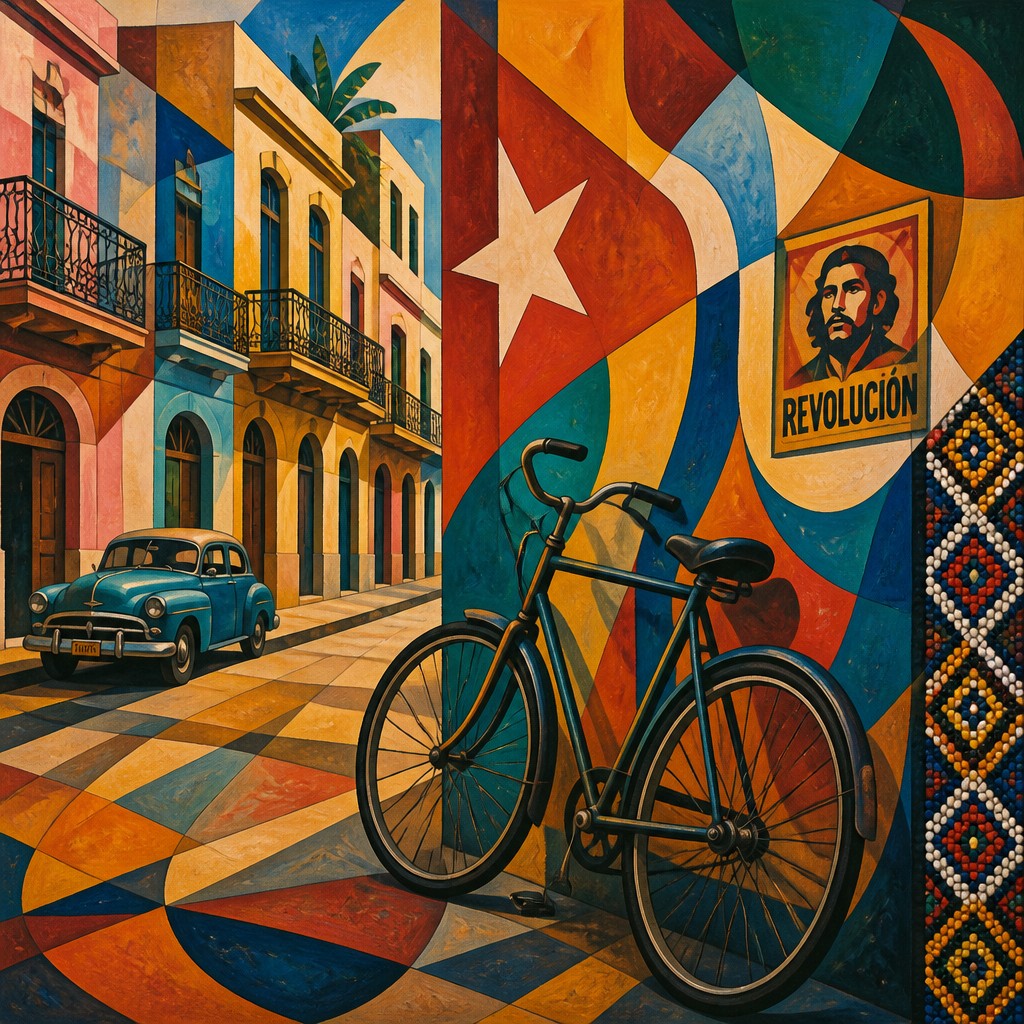
Cuban Art Style is a contemporary, synthesized aesthetic rather than a single historical movement. It combines the simplified geometry and expressive color of Cuban Vanguardia modernism with the pastel façades, wrought-iron balconies, arcades, and weathered surfaces of Havana's colonial streets. Tropical glare, salt-air patina, musical rhythm, and handmade pattern give the imagery a distinctly Caribbean atmosphere.
The style is recognizable for its saturated turquoise, coral, yellow, cobalt, green, and pink, often arranged in broad curving shapes rather than naturalistic detail. Scenes may include urban architecture, dancers, musicians, markets, vintage cars, or domestic objects, unified by flattened space, decorative contours, and an energetic sense of movement. Its visual language can feel both sun-faded and intensely vivid: aged stucco and oxidized metal are set against jewel-like color and graphic pattern.
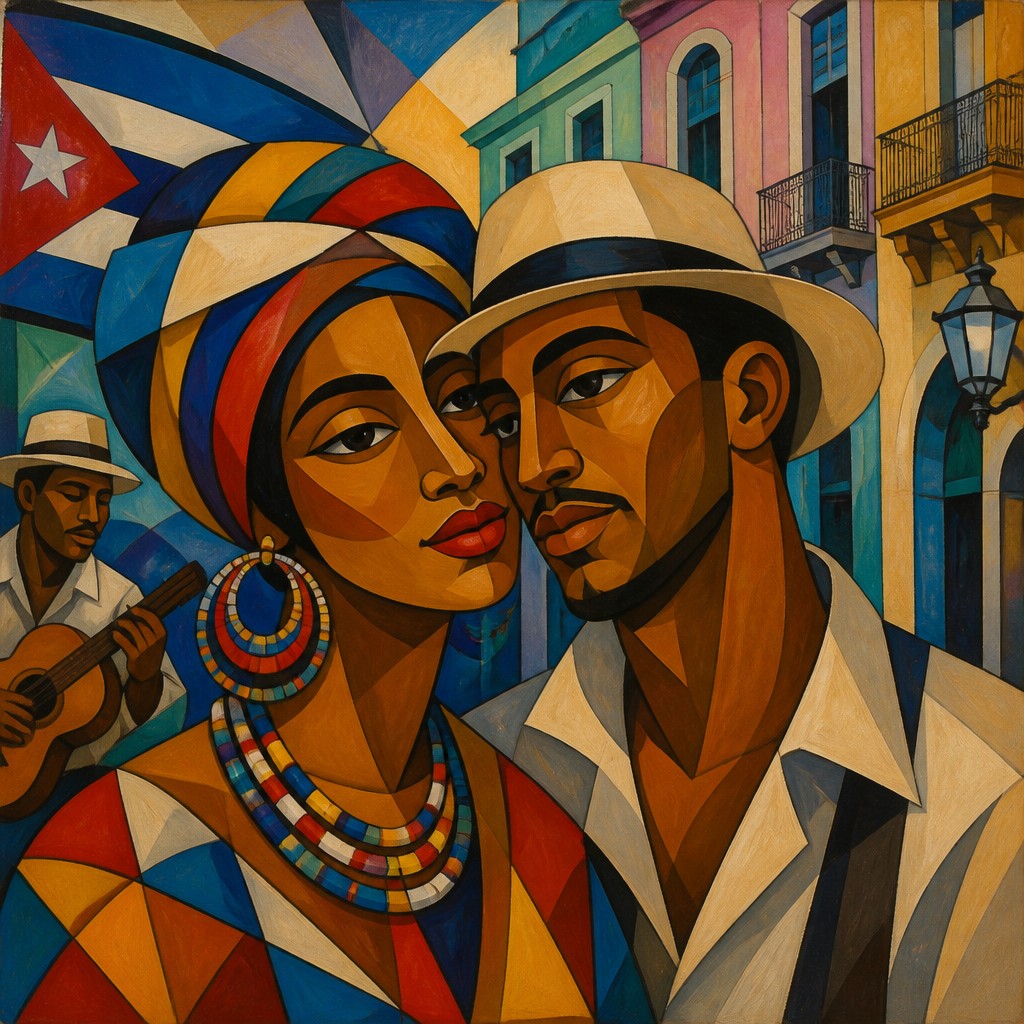
Try It On Your Photos
Upload any photo and convert it into Cuban Art Style — drag the sliders to compare before and after.
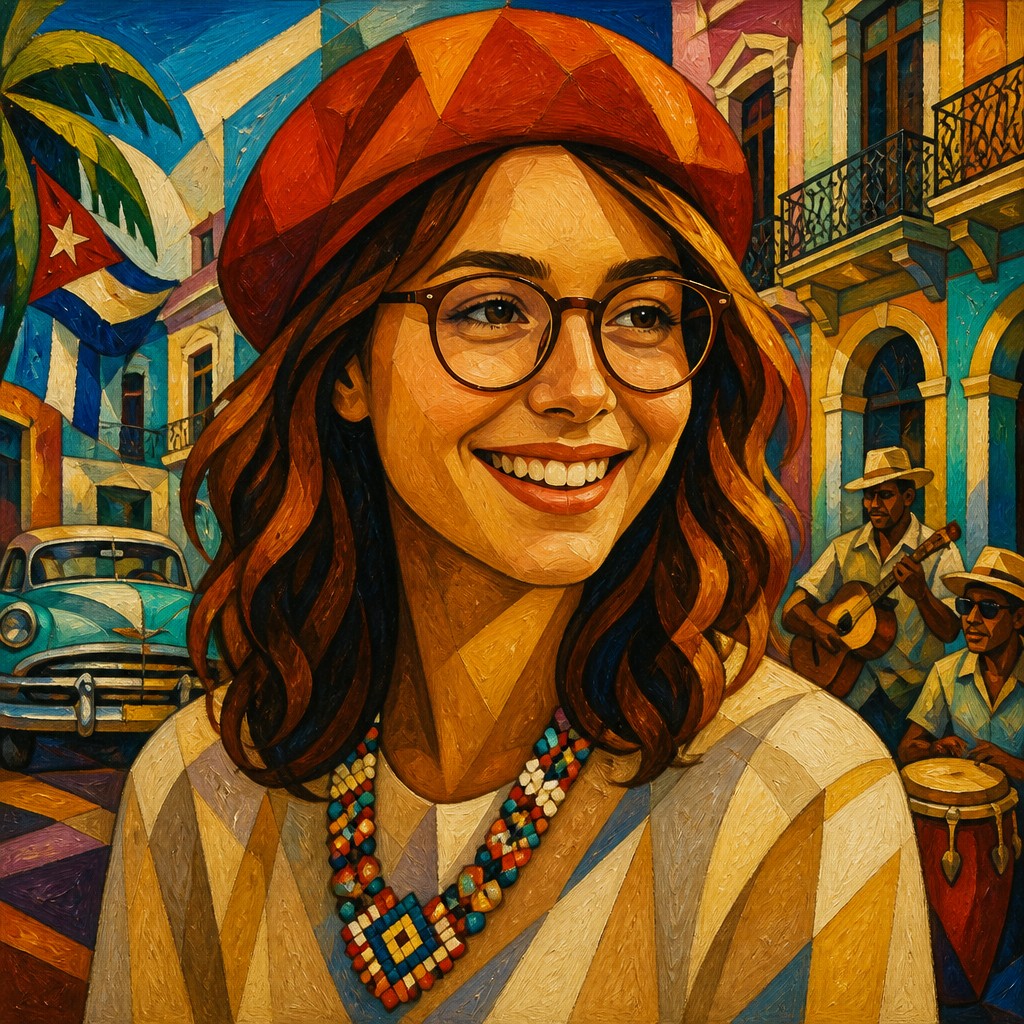

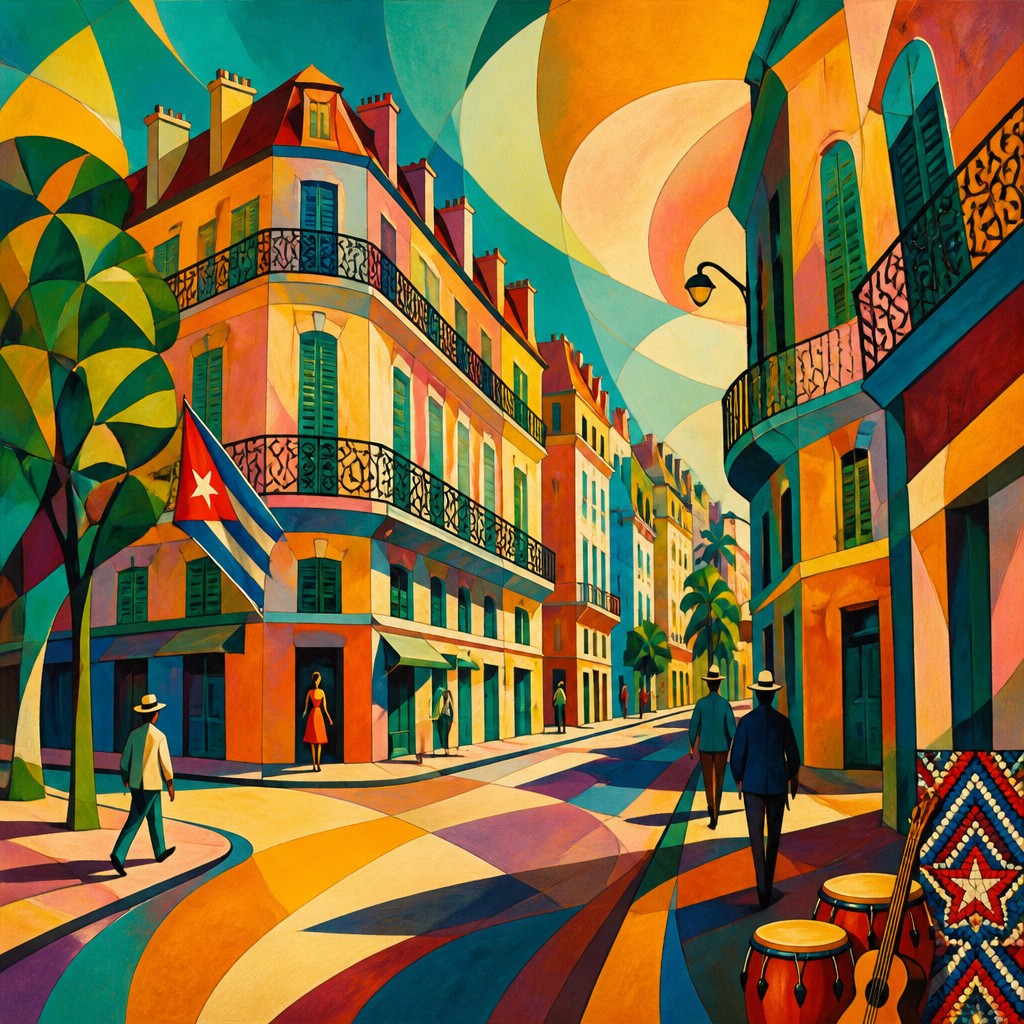

What Defines Cuban Art Style
The signature details, up close
Saturated tropical palette
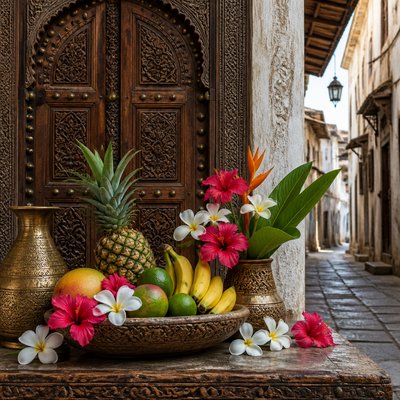
Coral, turquoise, lemon yellow, cobalt, magenta, leaf green, and warm terracotta are used in strong, often unmodulated areas. Sun bleaching, chalky pastels, and sudden jewel-toned accents create contrast between age and intensity.
Simplified curving forms
Figures, buildings, foliage, and vehicles are reduced to broad silhouettes and flowing contours. The emphasis is on rhythm and legibility rather than anatomical or architectural exactness.
Colonial Havana architecture
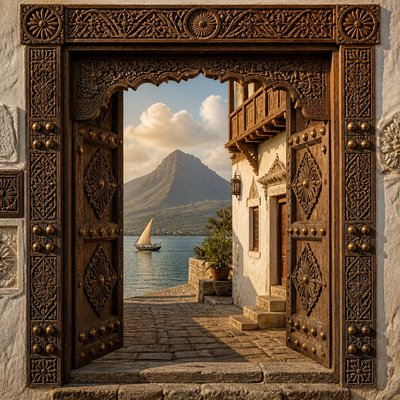
Pastel stucco façades, tall shutters, arcades, inner courtyards, tiled roofs, balconies, and ornate wrought iron provide a recurring structural vocabulary. Peeling paint, cracks, and patinated metal add tactile history.
Flattened modernist space
Depth is compressed through overlapping planes, high viewpoints, cropped façades, and decorative backgrounds. Perspective may be bent or selectively ignored to keep the composition graphic and mural-like.
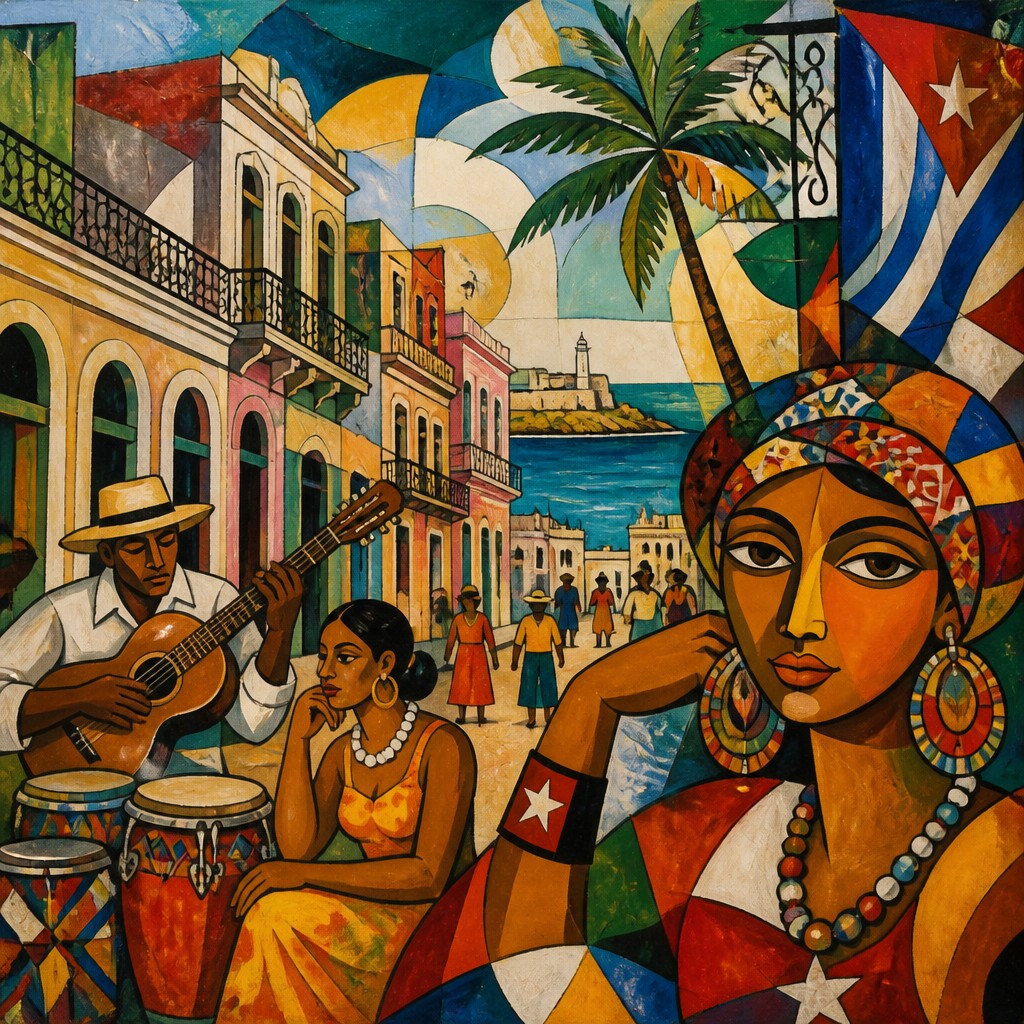
Folk-pattern ornament
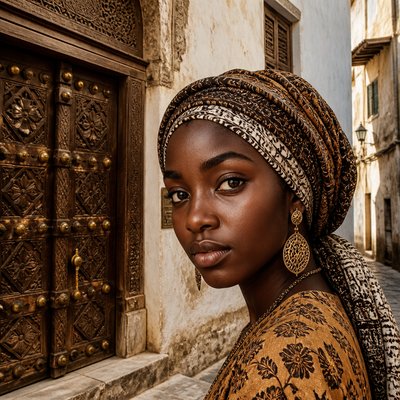
Beadwork-like marks, woven motifs, painted borders, floral symbols, and repeated geometric accents enrich clothing, walls, instruments, and street details. Pattern is integrated into the composition rather than treated as incidental decoration.
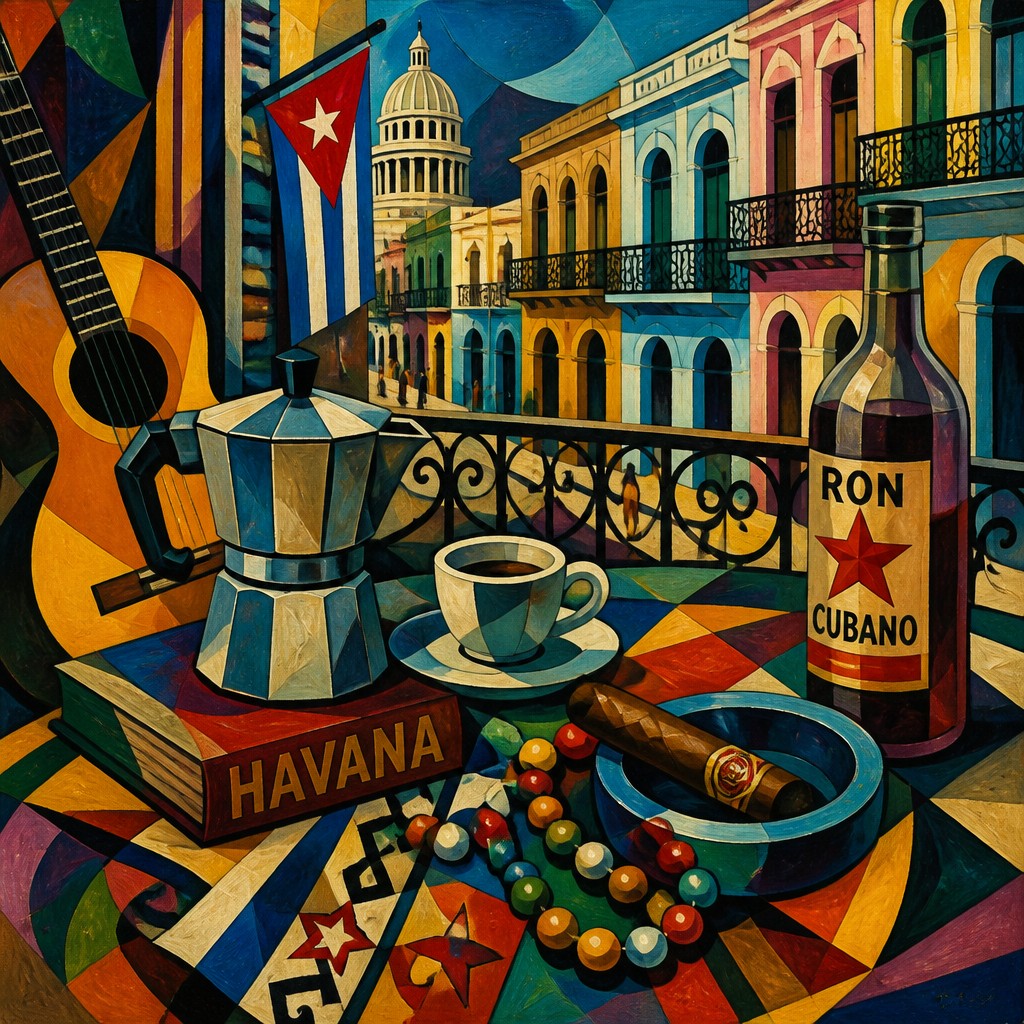
Rhythmic human movement
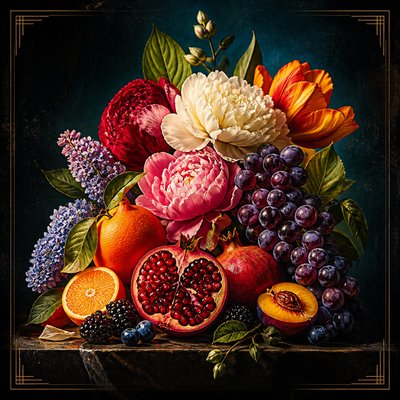
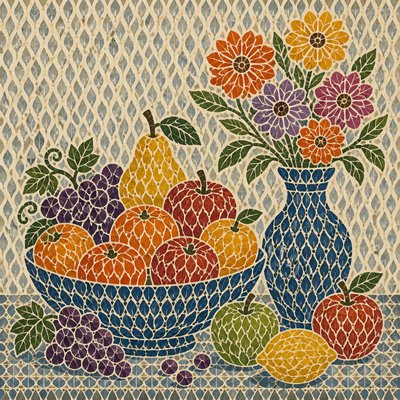
Gestures, diagonals, repeated figures, musical instruments, and swaying foliage suggest dance and percussion. Even still-life arrangements often use syncopated spacing and repeating shapes to imply a musical pulse.
Warm atmospheric light
Hard overhead sun, luminous haze, and warm reflected light define the scene. Shadows are typically colored—violet, blue, or deep green—instead of neutral black, preserving the palette's tropical intensity.
Cuban Prompt Ideas
Start from an idea — each one opens the generator with the style ready to go. See all 40 Cuban prompts →
How to Create Cuban Art
Master the craft step by step — or skip straight to creating. Read the full guide →
- 1
Build a limited but vivid palette
Choose four to seven dominant colors, including a warm stucco tone, a cool Caribbean blue or green, and one sharp accent. In digital work, use broad opaque brushes first, then add restrained texture for plaster, rust, or faded paint.
- 2
Simplify the subject into rhythmic shapes
Reduce architecture and figures to curved silhouettes, stepped planes, and repeating arcs before adding detail. Avoid evenly distributed realism; vary scale, cropping, and contour thickness to create visual syncopation.
- 3
Layer age over brightness
Paint or composite cracked stucco, worn signage, oxidized iron, and uneven pigment beneath cleaner color accents. Keep the surface legible and tactile without allowing grunge to obscure the main forms.
- 4
Use pattern as structure
Add beadwork-like dots, woven geometry, floral borders, or painted tile motifs to clothing and façades. Repeat a small number of motifs so the ornament supports the composition rather than becoming random noise.
- 5
Control light and perspective
Place a strong warm light source high in the scene and use colored shadows to suggest tropical glare. For a digital painting, flatten selected planes and bend perspective around balconies, streets, or courtyards for a poster-like result.
- 6
Write focused generation prompts
Specify the subject, Havana architectural details, saturated tropical palette, simplified curving forms, folk-pattern accents, warm salt-air light, and flattened modernist composition. For image-to-image work, preserve the source pose or layout while requesting pastel stucco, wrought iron, decorative rhythm, and expressive color.
The Story
History & Origins of Cuban
Cuban Art Style has no single founding date or fixed historical school; it is best understood as an aesthetic lineage assembled from several Cuban and Caribbean traditions. Its modernist foundation recalls the Cuban Vanguardia of the 1920s and 1930s, when artists sought new visual forms while engaging with local history, Afro-Cuban culture, popular life, and the island's changing political identity.
It also draws on Havana's Spanish colonial and neoclassical architecture, Caribbean craft traditions, poster design, popular music culture, and later revolutionary graphic imagery. Contemporary interpretations often heighten these sources into a cohesive visual formula of tropical color, rhythmic composition, architectural nostalgia, and cultural vitality rather than documenting one specific period.
Influences: The style is related to Cuban Vanguardia modernism, Caribbean folk and craft traditions, Afro-Caribbean music and pattern, Spanish colonial and neoclassical architecture, Latin American mural and poster design, and expressive modernist painting. It also shares with Fauvist and post-impressionist color practices an interest in non-naturalistic hue, while its flattened planes and graphic contours connect it to decorative arts, street murals, and contemporary illustration.
Frequently Asked Questions
Is Cuban Art Style a recognized historical art movement?
No. The term generally describes a contemporary or AI-era synthesis rather than a formally defined movement with a single manifesto, period, or membership. Its main historical reference is Cuban Vanguardia modernism, combined with Havana architecture, Caribbean craft, popular music, and graphic design.
What defines the look of Cuban Art Style?
Its defining features are saturated tropical color, simplified curving forms, flattened modernist space, pastel colonial architecture, wrought-iron details, weathered surfaces, and rhythmic decorative pattern. Warm glare and a sense of music or movement are also central to the visual identity.
How does it differ from generic Caribbean or tropical art?
Generic tropical art may focus mainly on beaches, palms, or exotic color. Cuban Art Style is more structurally tied to Havana's urban architecture, Cuban modernist abstraction, popular graphic culture, folk ornament, and the contrast between faded historic surfaces and vivid contemporary color.
Can I create this style with traditional materials?
Yes. Acrylic, gouache, oil, collage, colored pencil, and mural paint all work well. Begin with large flattened color masses, use curved or simplified contours, add architectural pattern and surface wear, and reserve fine detail for balconies, tiles, textiles, and instruments.
How should I describe the style in an image prompt?
Name a clear subject first, then specify pastel Havana architecture or Caribbean surroundings, saturated tropical colors, simplified curving forms, flattened modernist composition, folk-pattern accents, and warm salt-air light. Mention the desired medium—such as mural paint, gouache, poster art, or digital painting—if surface character matters.
Where is this style most effective?
It suits street scenes, portraits, music and dance imagery, travel-inspired illustrations, posters, murals, editorial art, architecture studies, and colorful still lifes. It is particularly effective when the subject offers strong silhouettes, repeated patterns, or a clear relationship between people and urban space.
Create your first Cuban artwork
Describe anything — or upload a photo — and see it in Cuban Art Style in seconds.
Related Styles
Discover similar art styles