Abstract Expressionism Art Style
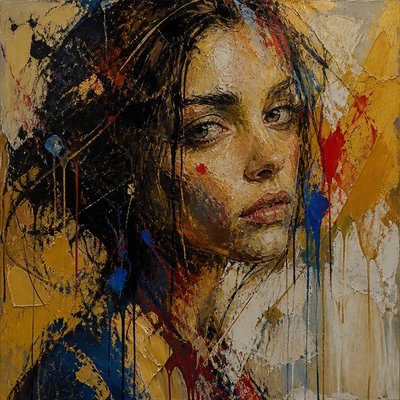
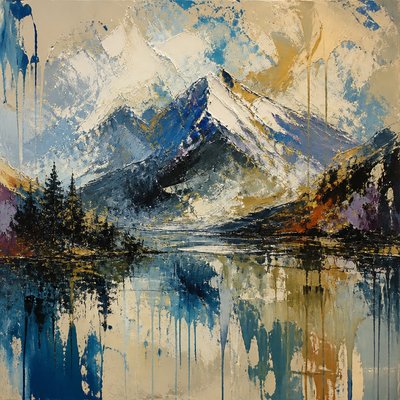
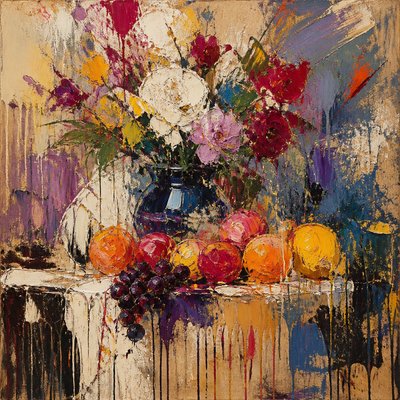
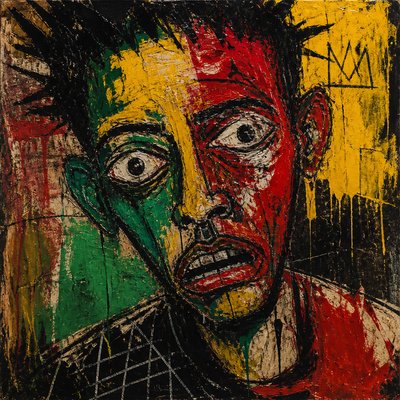
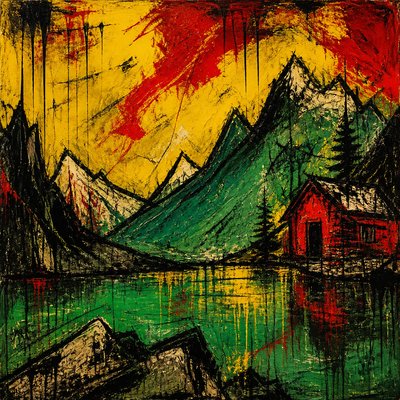
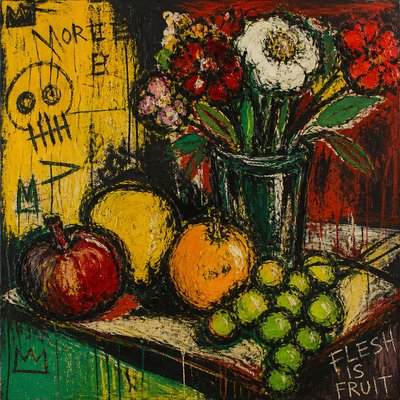
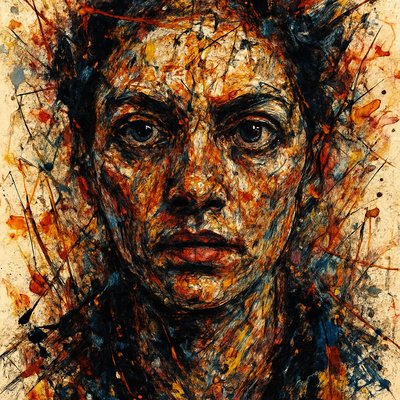
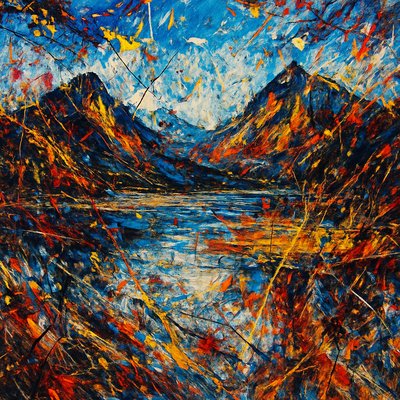
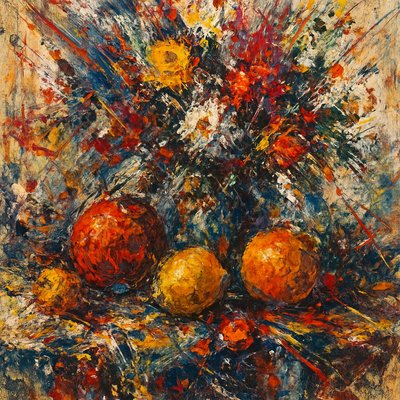
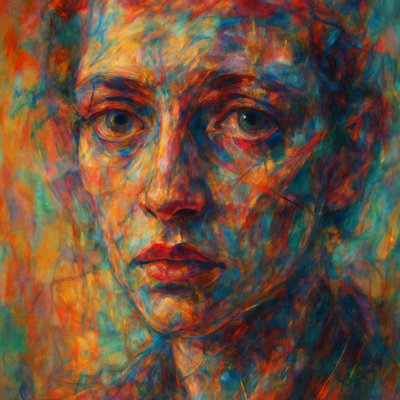
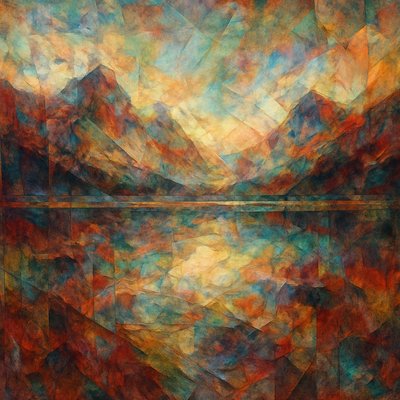
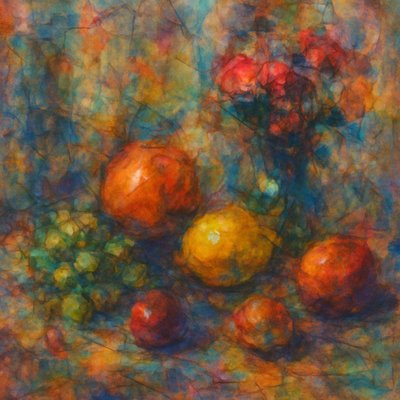
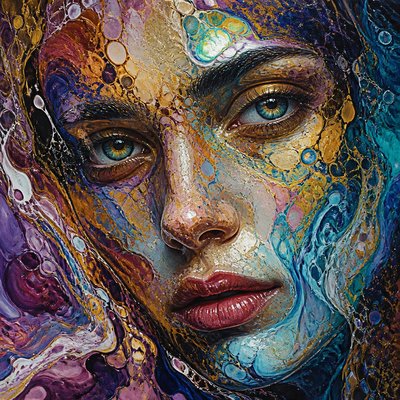
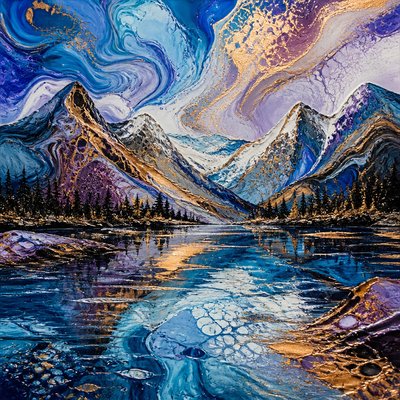
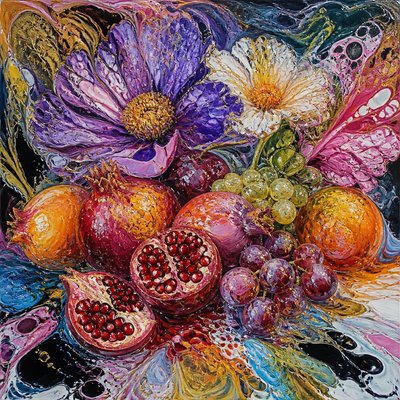
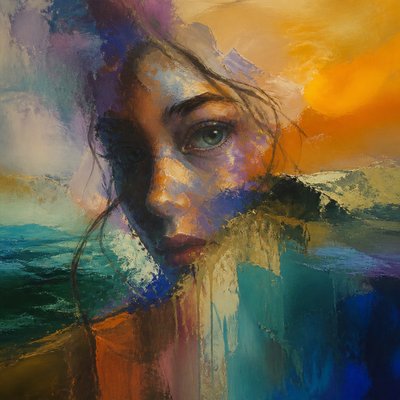
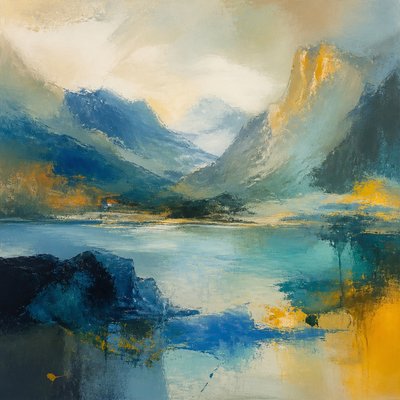
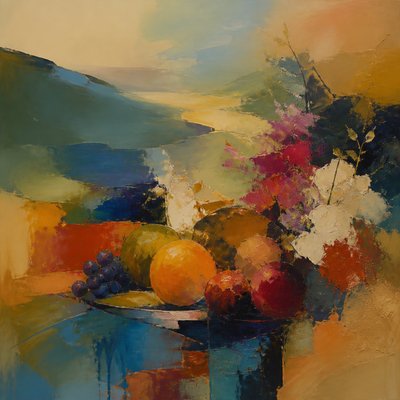
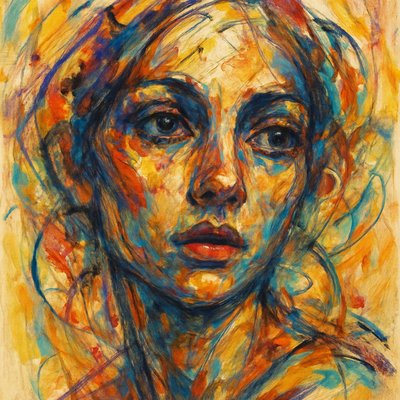
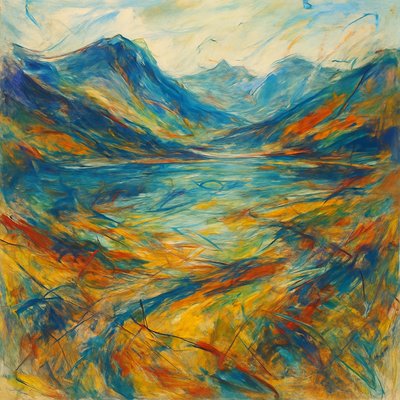
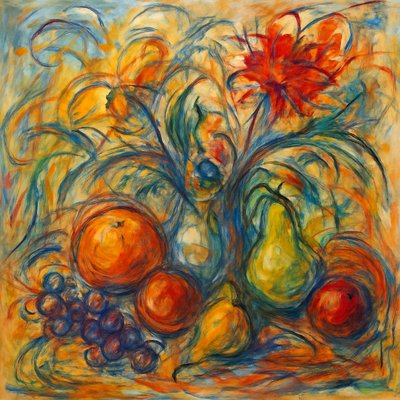
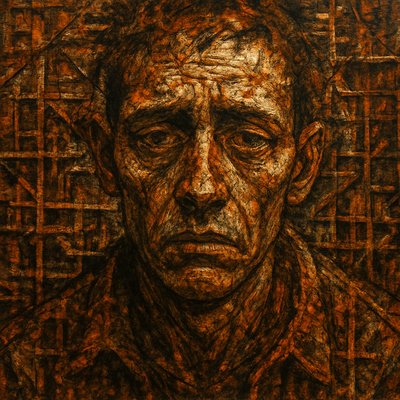
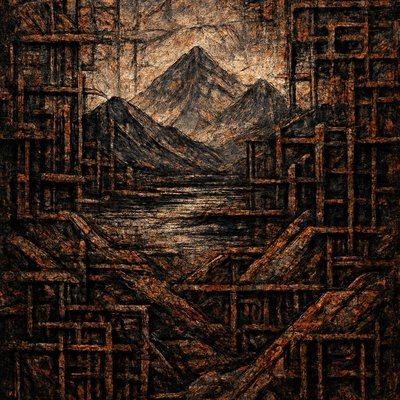
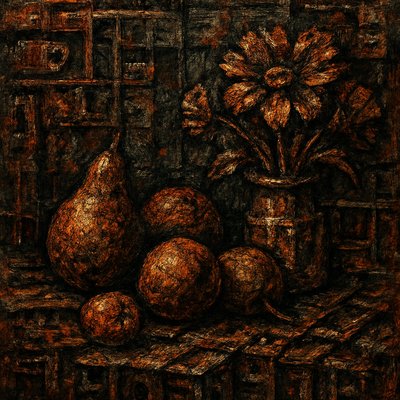
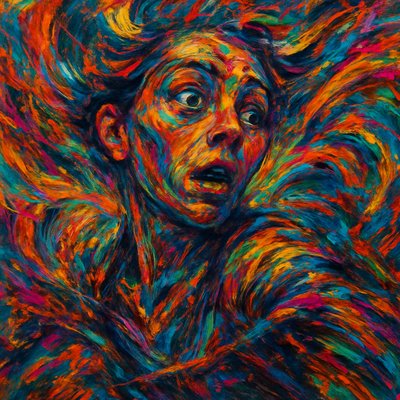
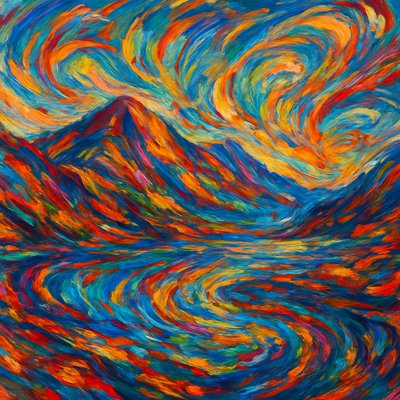
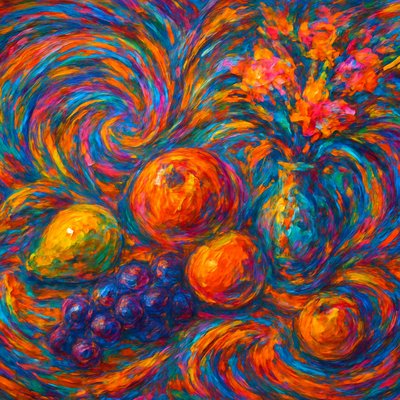
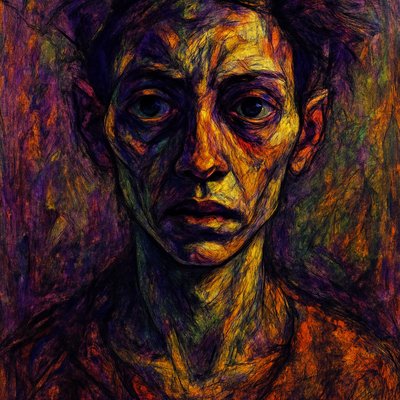
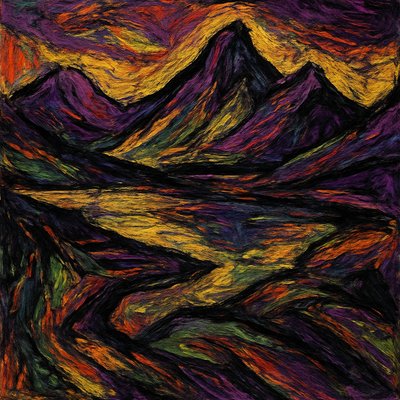
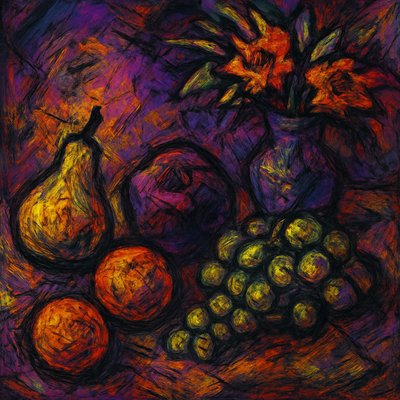
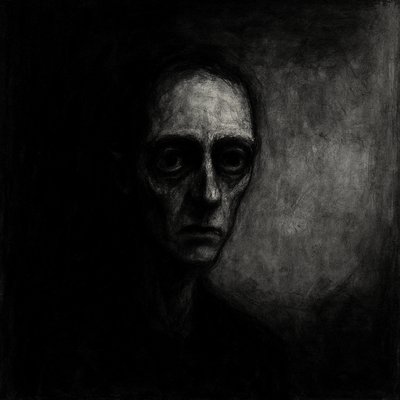
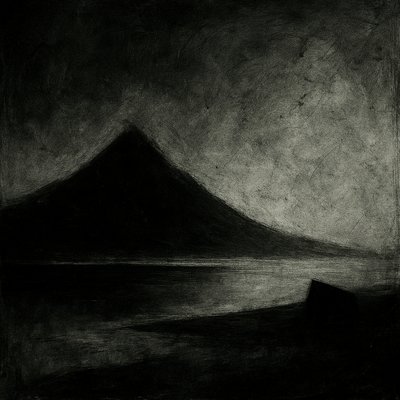
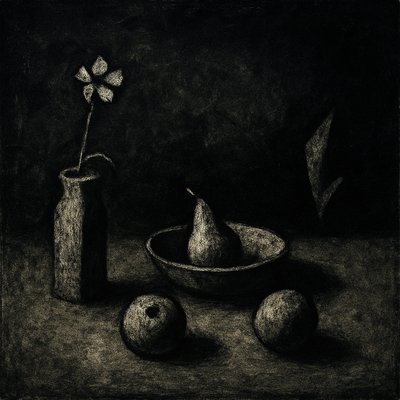
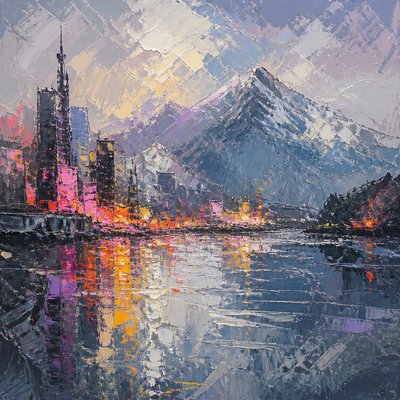
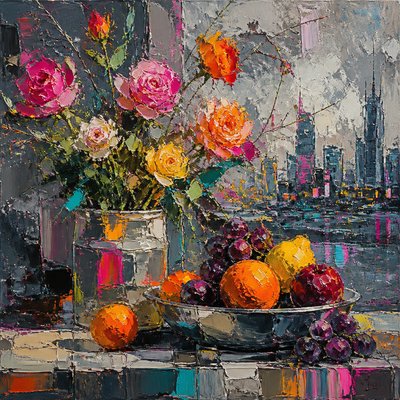
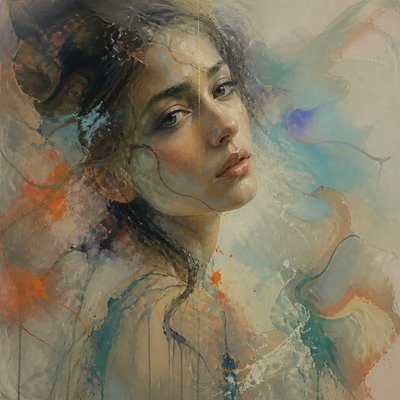
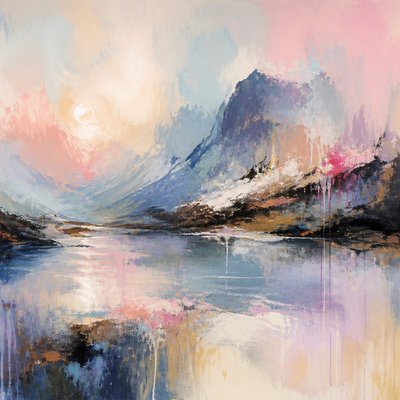
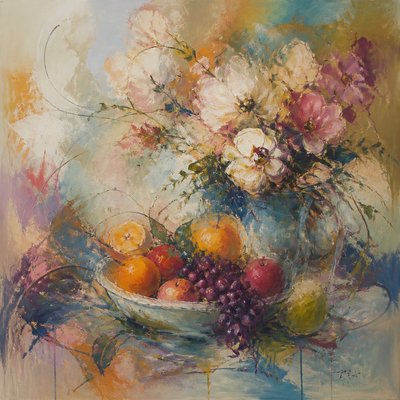
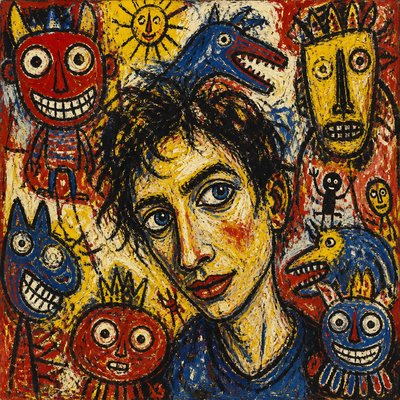
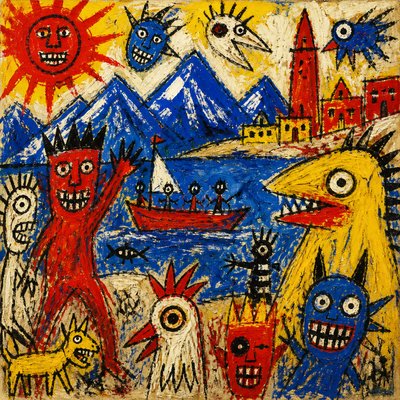
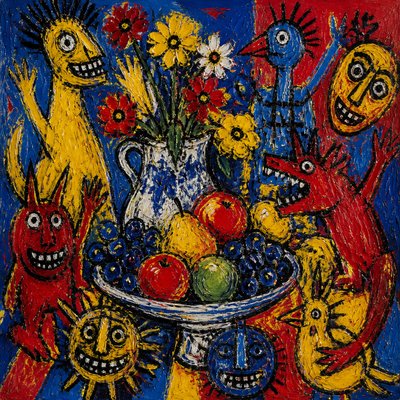
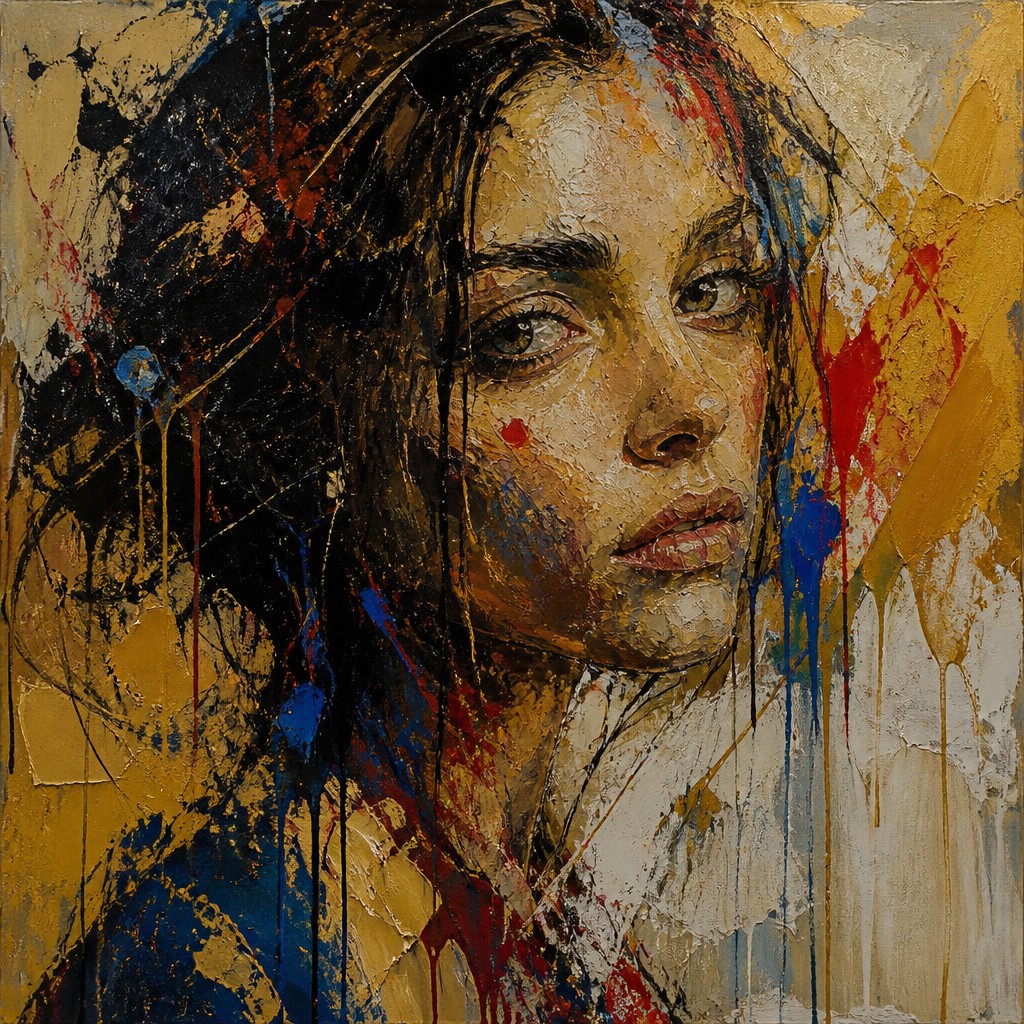
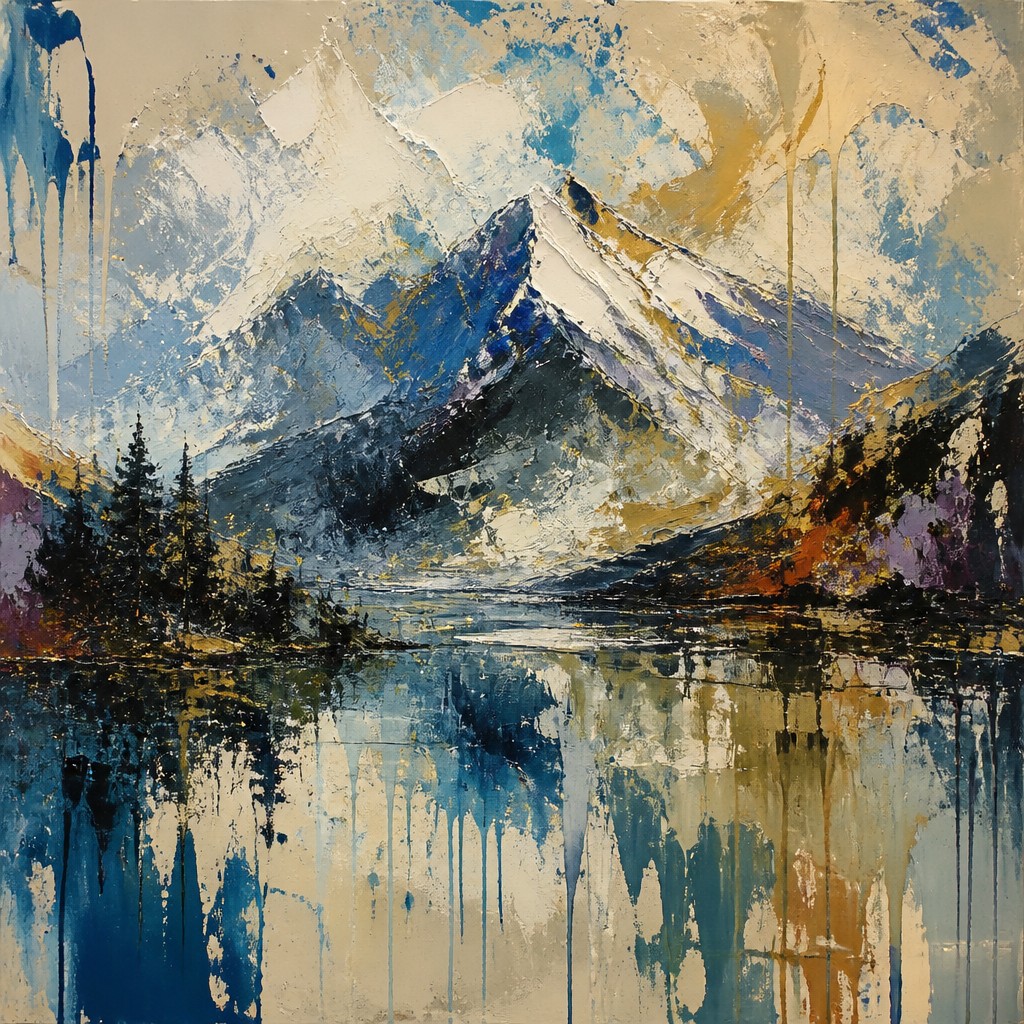
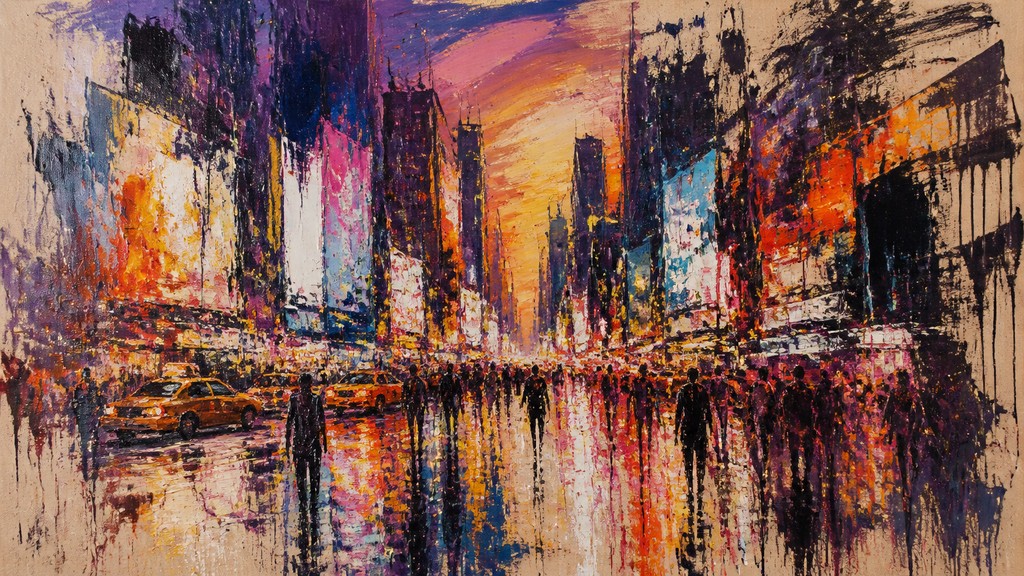
Abstract Expressionism: gestural, large-scale painting with drips, splashes, impasto, and raw emotional mark-making.
Instantly rendered in Abstract Expressionism — or transform a photo
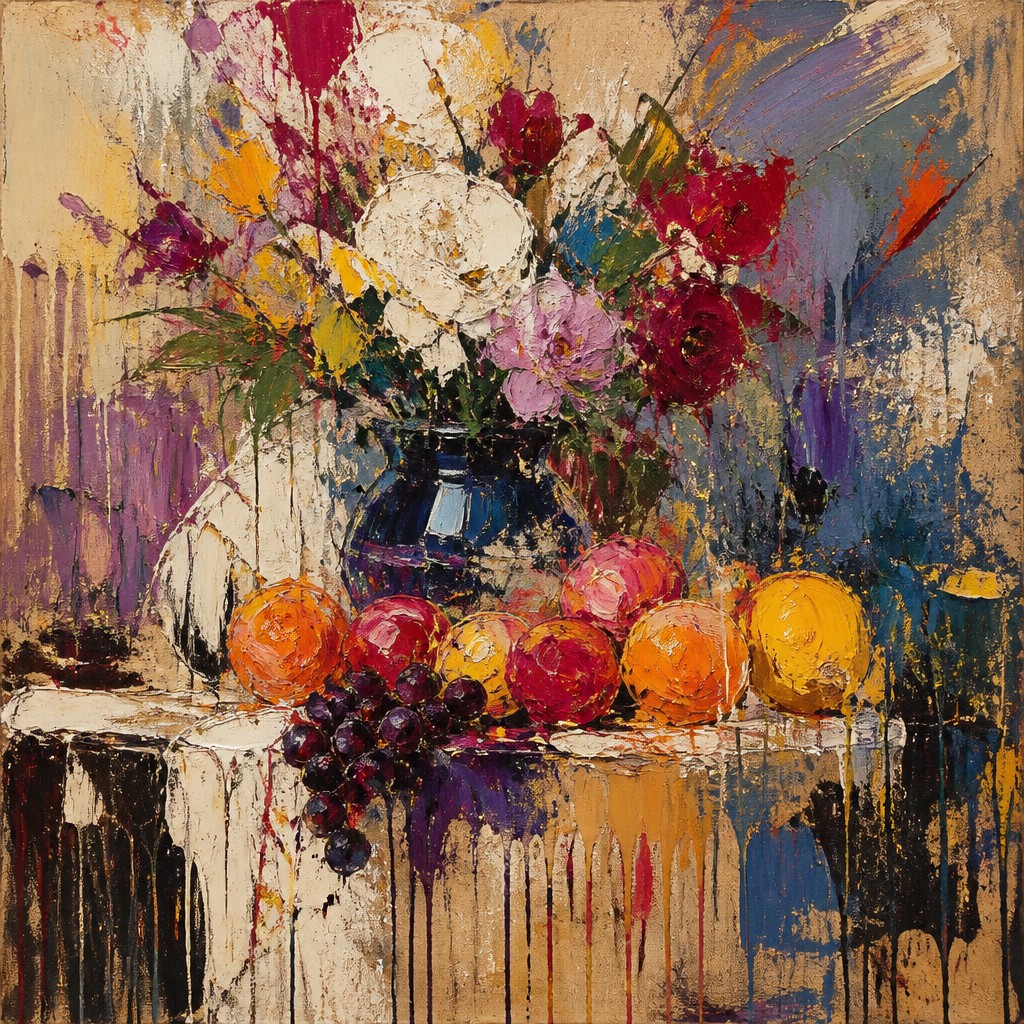
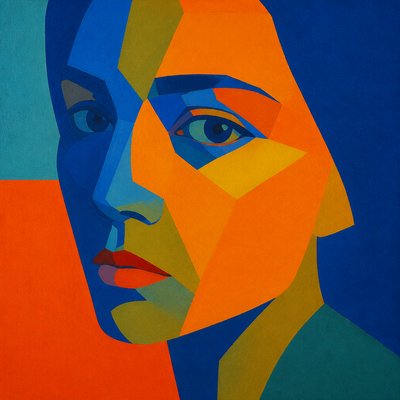
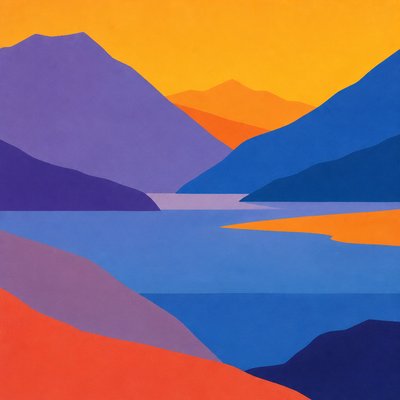
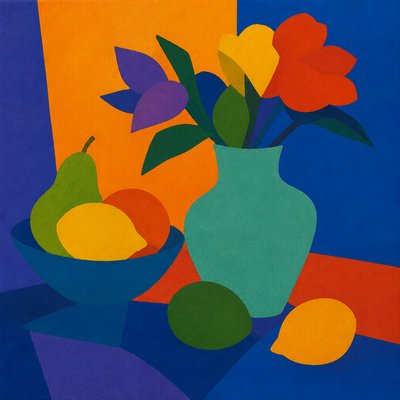
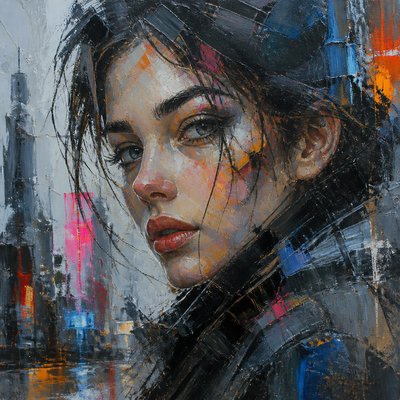
Abstract Expressionism Gallery
Tap any artwork to explore it
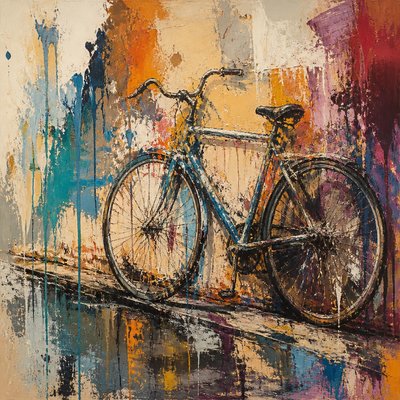
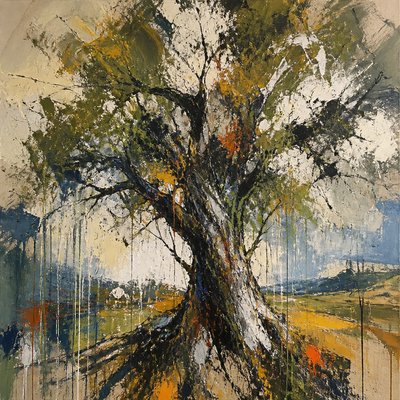
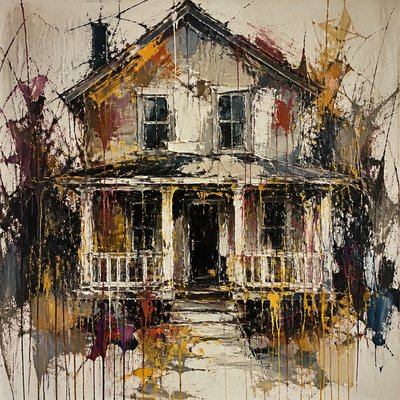
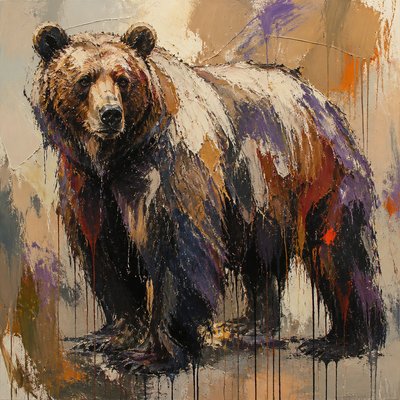
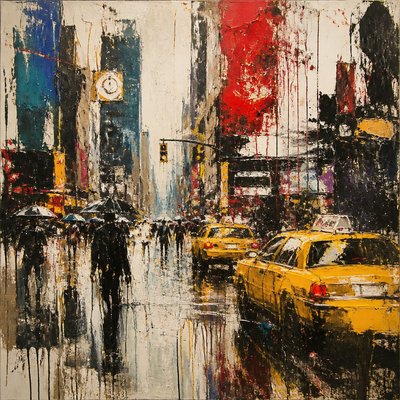
What is Abstract Expressionism Art Style?
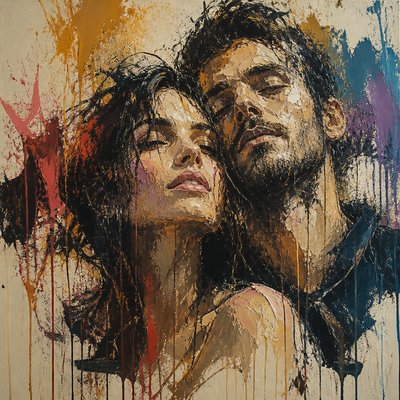
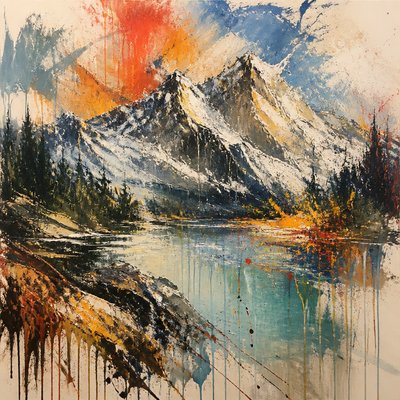
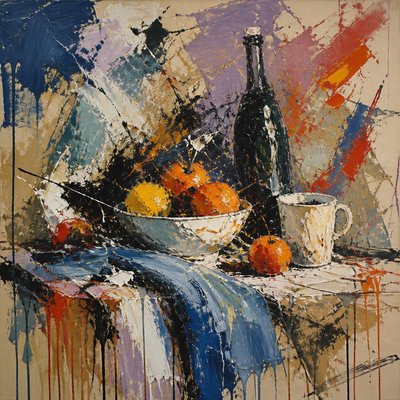
Abstract Expressionism is a postwar painting movement defined by spontaneous gesture, large scale, and an emphasis on the act of painting itself. Rather than depicting a scene or object in a literal way, it turns brushwork, drips, pours, smears, and layered strokes into the main subject. The result can feel turbulent, meditative, volcanic, or physically immediate, but it is always rooted in visible process.
Its visual identity comes from the tension between control and accident. Artists often worked with broad arm movements, staining, scraping, impasto, and gravity-driven paint flow, letting material behavior become part of the composition. Even when a work remains partly figurative or symbolic, the image is loosened into fields of color and gesture so that emotion, scale, and bodily action dominate the experience.
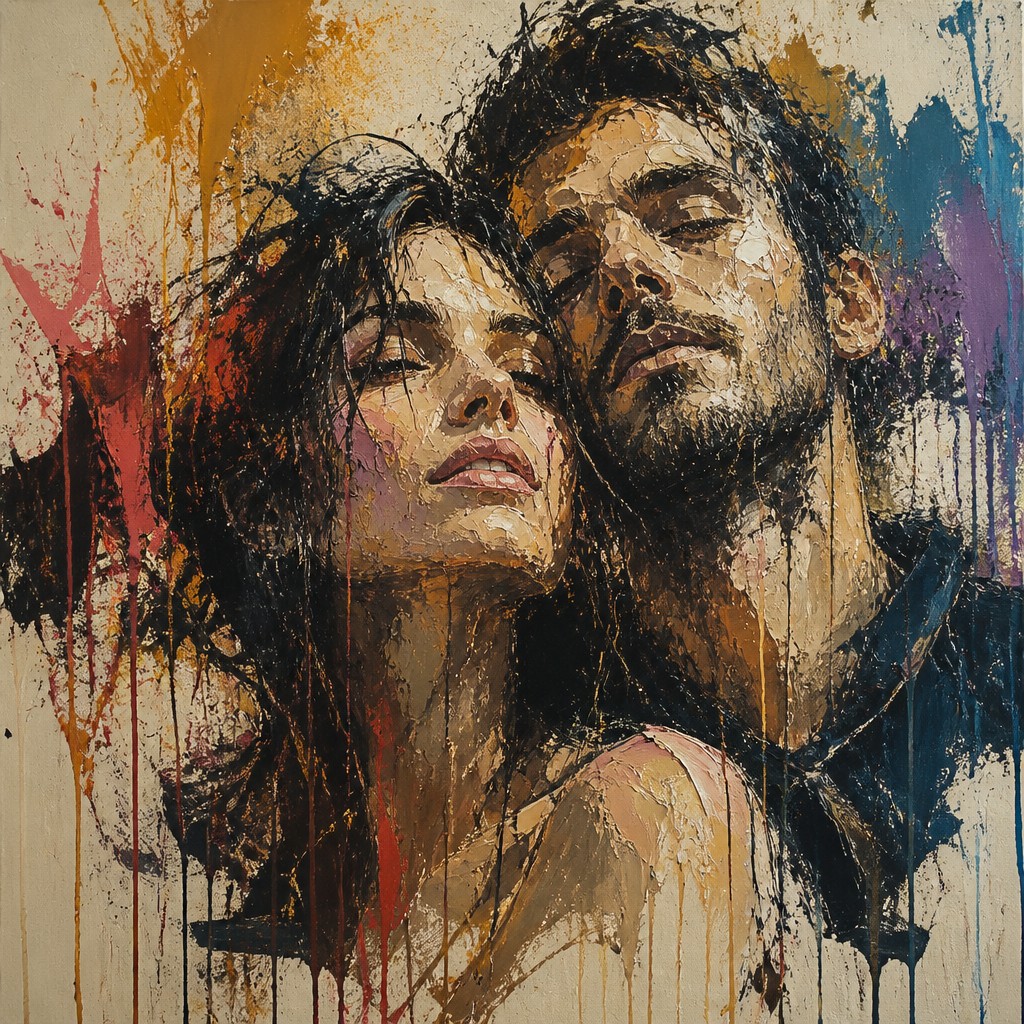
Try It On Your Photos
Upload any photo and convert it into Abstract Expressionism Art Style — drag the sliders to compare before and after.


What Defines Abstract Expressionism Art Style
The signature details, up close
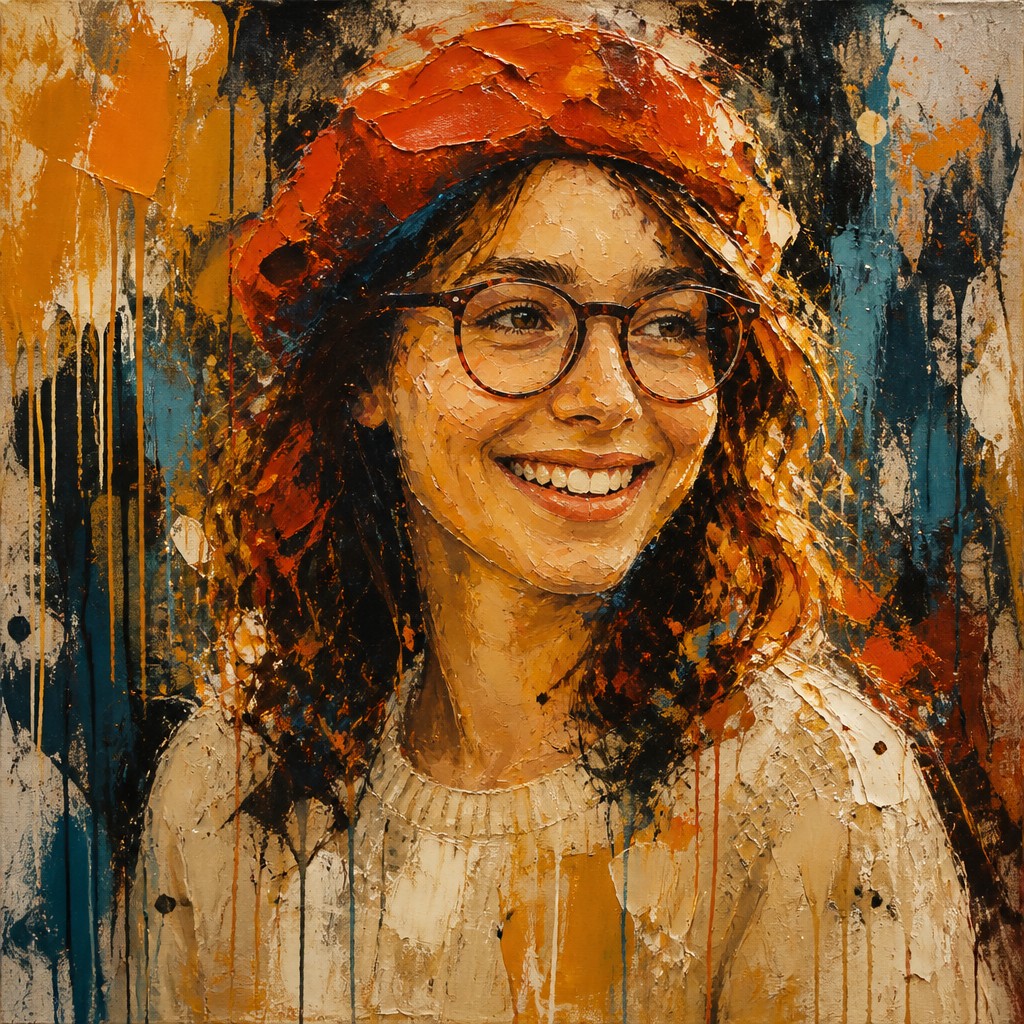
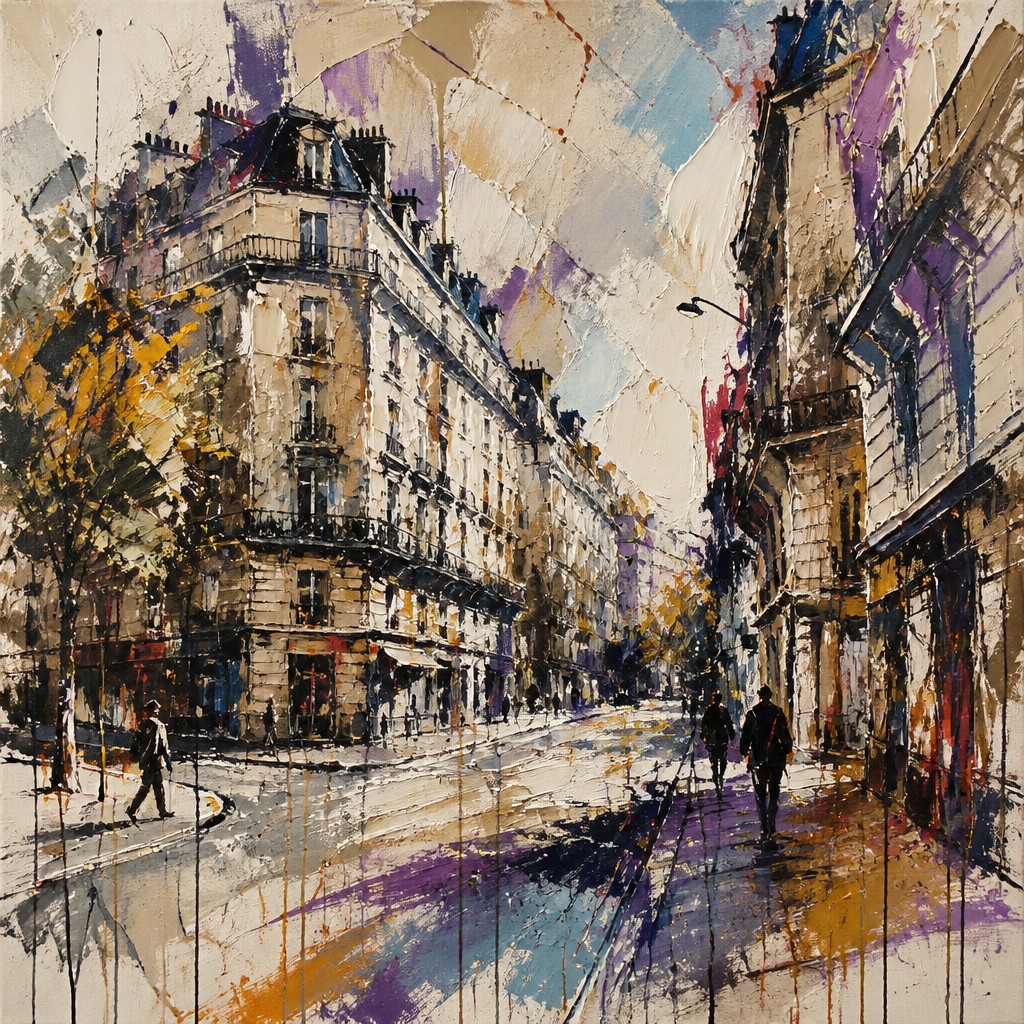
Gestural brushwork
Marks are made with visible force and speed, often using sweeping, arm-scale movements. The brushstroke records the body’s motion as much as the image itself.
Drips, pours, and splashes
Paint is frequently allowed to fall, run, or pool under gravity, creating a sense of accident and immediacy. These effects make process visible and energize the surface.
Impasto and layered texture
Many works build thick ridges of paint that are scraped, reworked, or piled up in successive layers. The surface often feels tactile and materially dense.
Large-scale composition
The canvas is often expansive, encouraging immersive viewing and full-body engagement by the artist. Scale helps make gesture feel monumental rather than incidental.
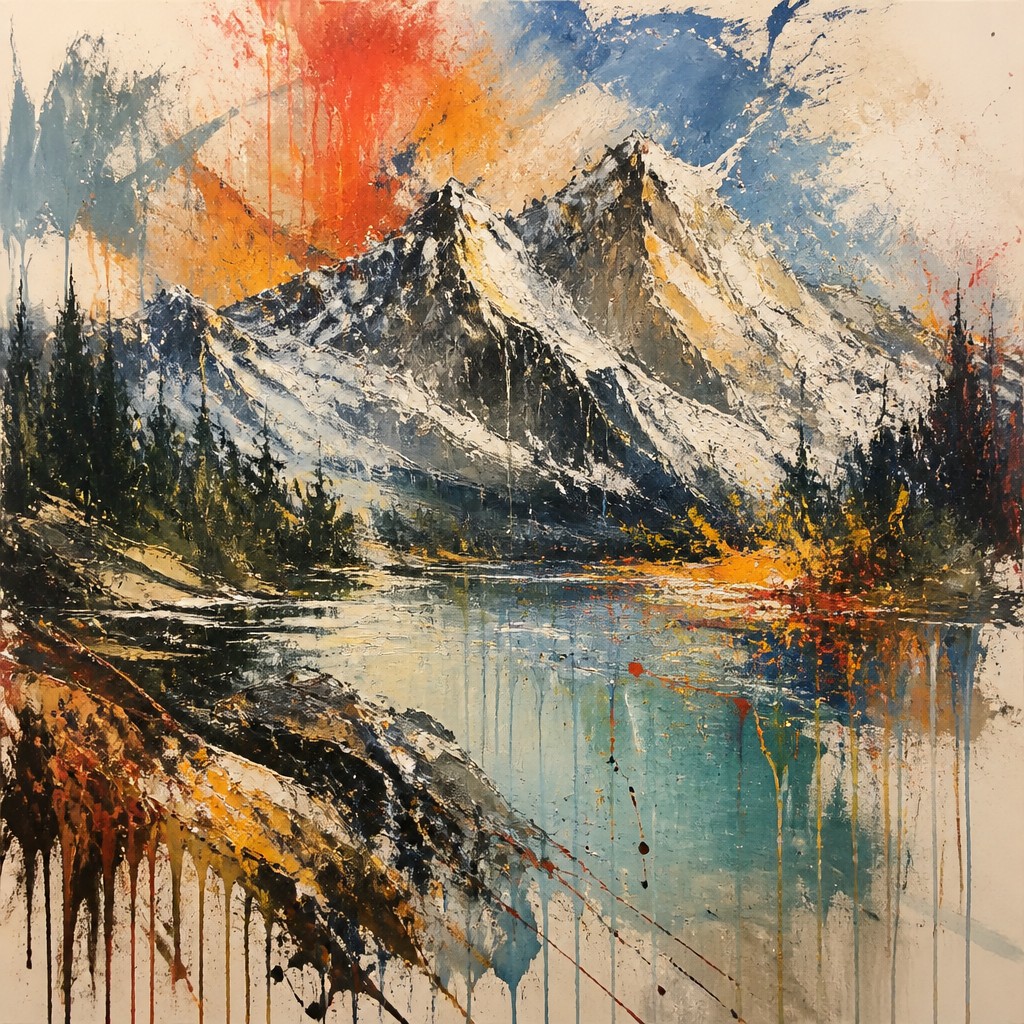
Partial abstraction of subject matter
If a figure, landscape, or object appears at all, it is usually fragmented or dissolved into color fields and marks. The subject remains as an underlying presence rather than a clear description.
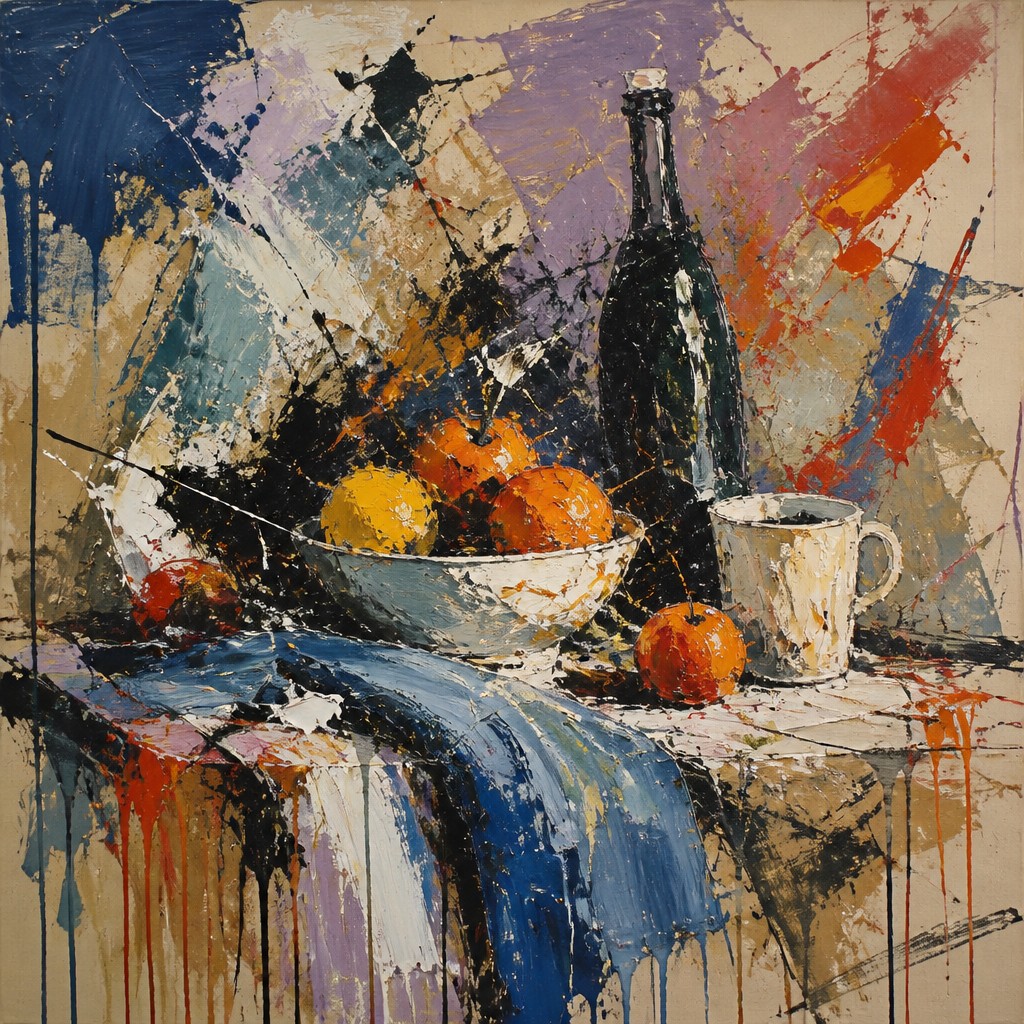
Visible spontaneity and revision
Traces of erasure, overpainting, scraping back, and rebuilding are often left exposed. The painting reads as a record of decisions, accidents, and corrections.
Try It
Create Videos in Abstract Expressionism Art Style
Styles aren't just for stills — describe a scene or animate an image and get a short video rendered in Abstract Expressionism. Press play to see this pond come to life.
Make a VideoAbstract Expressionism Prompt Ideas
Start from an idea — each one opens the generator with the style ready to go. See all 40 Abstract Expressionism prompts →
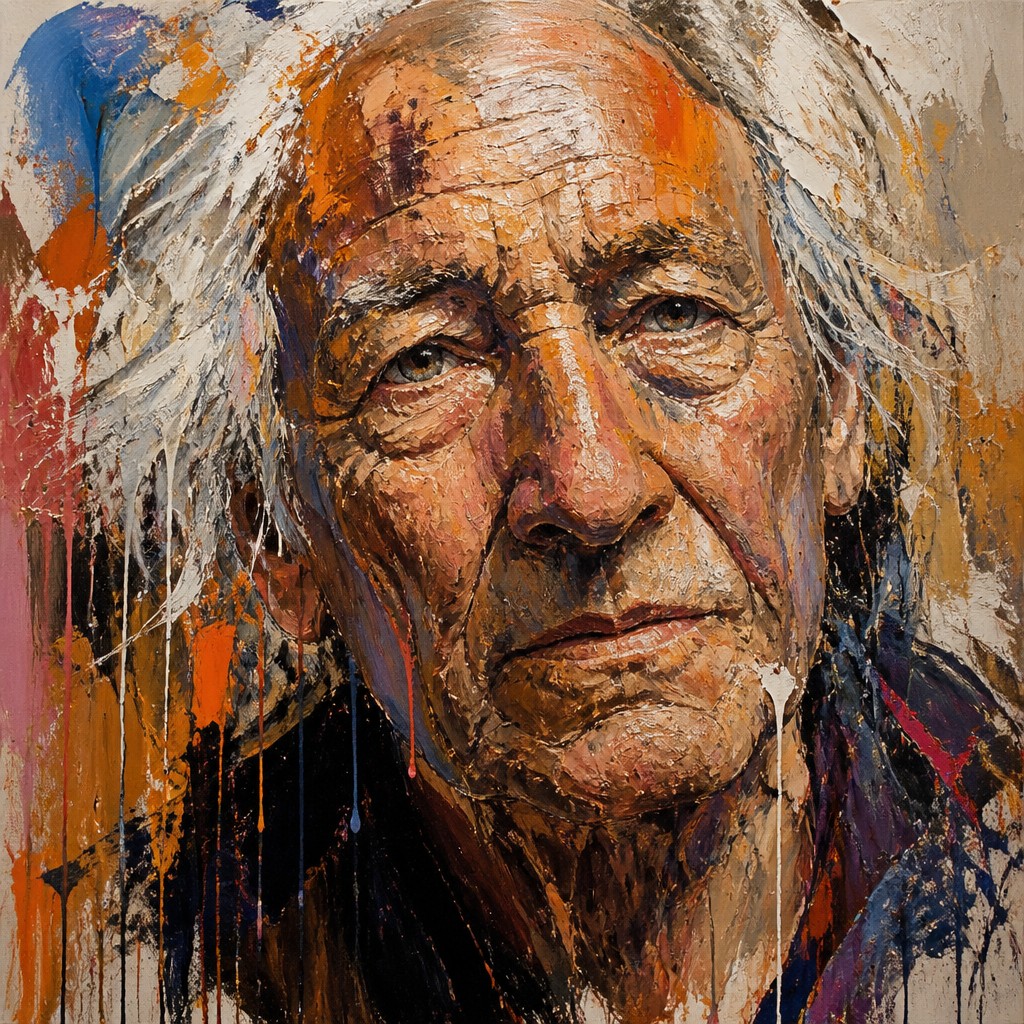
“close-up portrait of an elderly person with expressive weathered features”
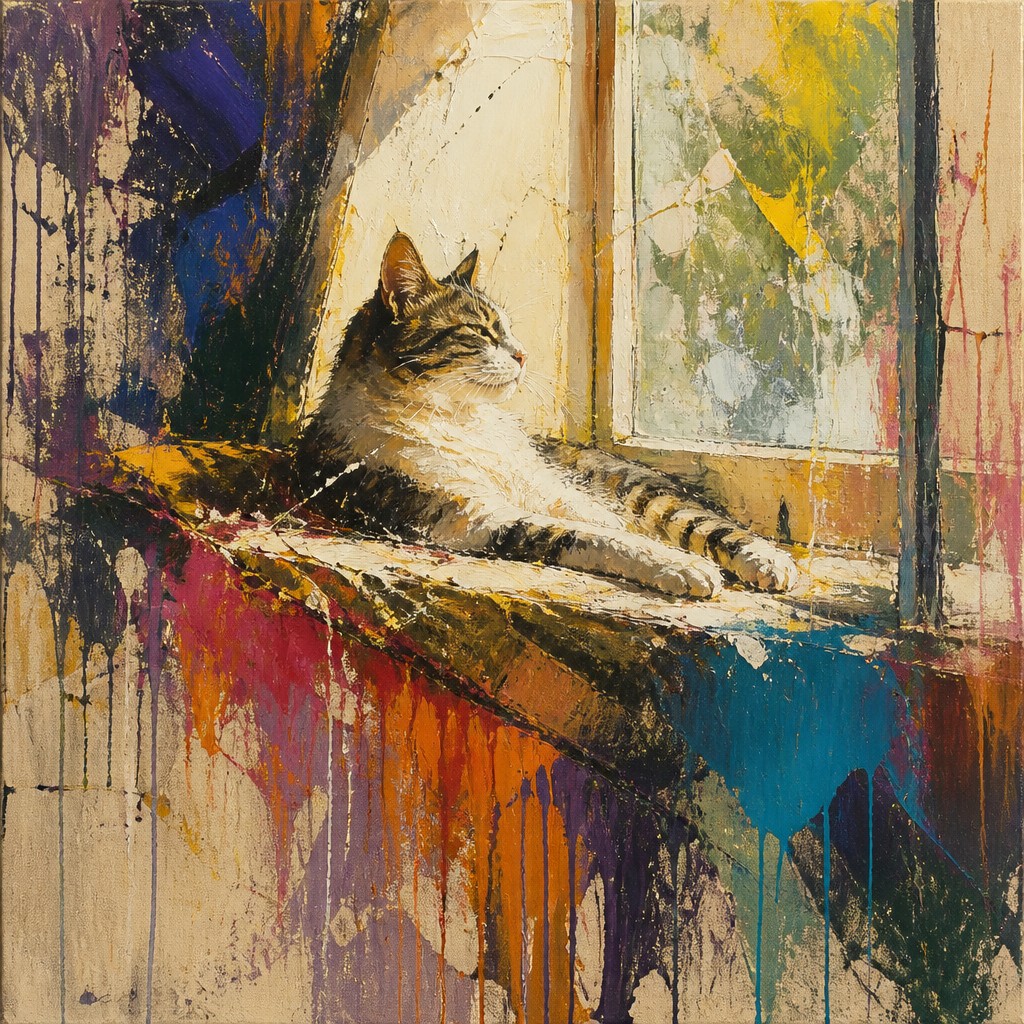
“a cat lounging in a sunlit window”
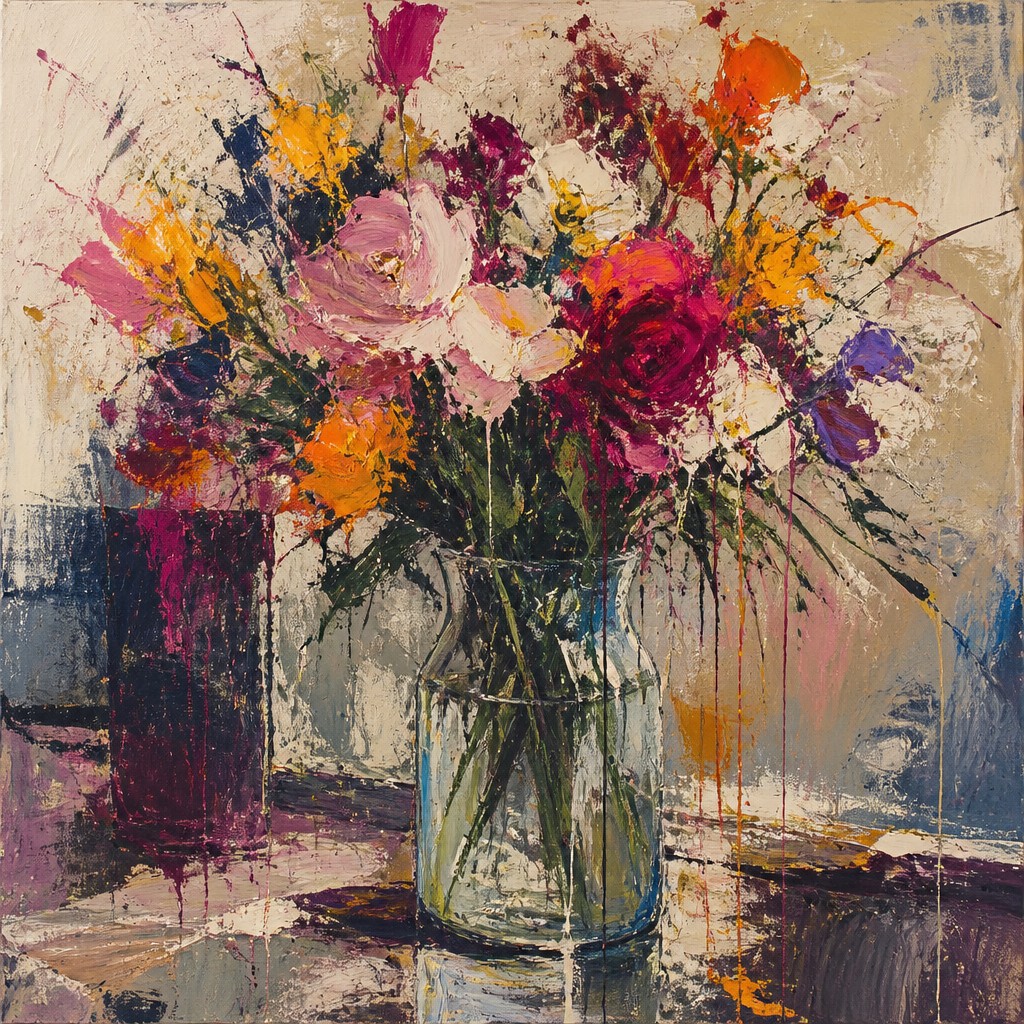
“bouquet of flowers in a glass vase”
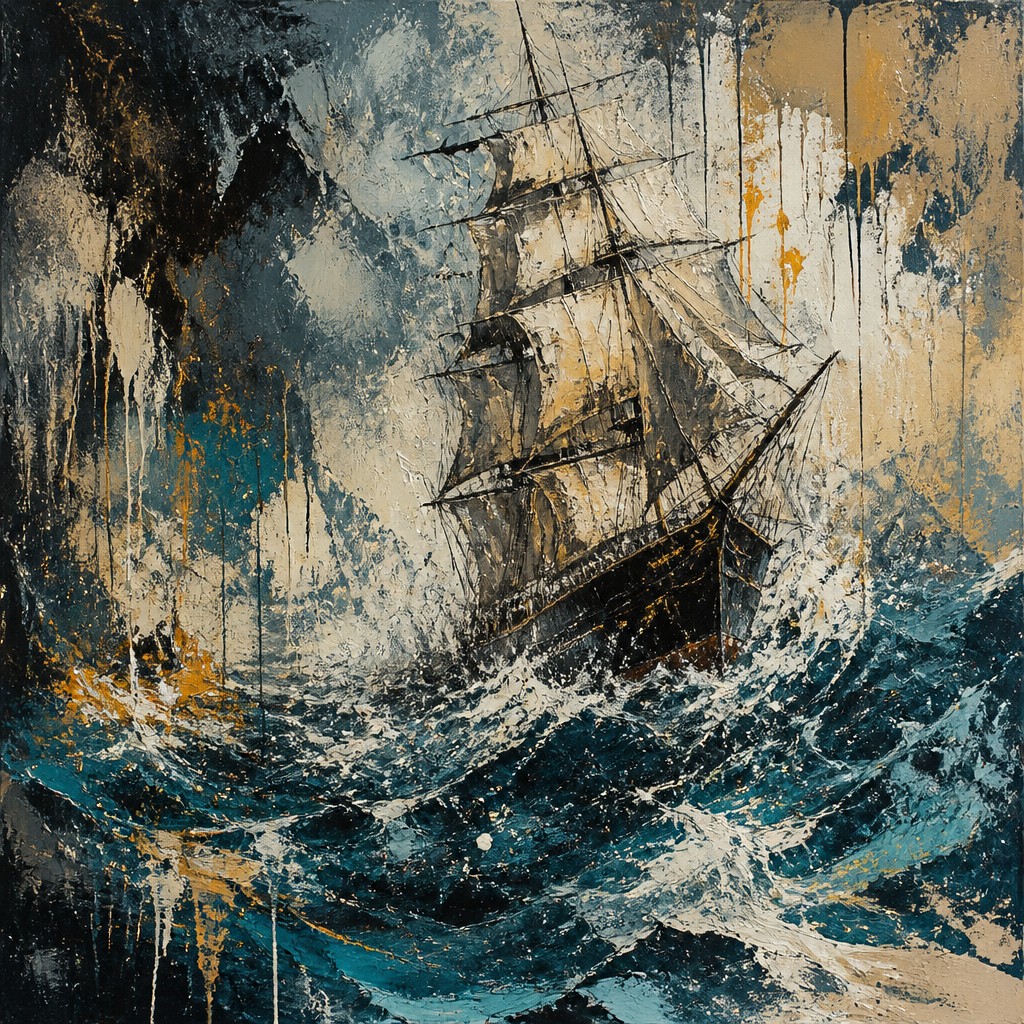
“sailing ship on a stormy sea”
How to Create Abstract Expressionism Art
Master the craft step by step — or skip straight to creating. Read the full guide →
- 1
Work large and use your whole body
For traditional painting, choose a canvas or paper size that lets you move freely and make broad gestures. Use long brushes, sticks, rags, or even pouring methods so the body’s motion becomes part of the image.
- 2
Prioritize process over outline
Start with stains, loose shapes, or directional marks instead of a fully drawn composition. Build the image through layers of action, then stop before it becomes over-resolved.
- 3
Use paint behavior as a design tool
Let drips, thinning, scraping, and pooling contribute to the composition rather than hiding them. Vary between thick impasto and raw or thin passages so the surface has rhythm and contrast.
- 4
Balance chaos with structure
Even spontaneous-looking works need a strong underlying arrangement of density, open space, and directional movement. Step back often to judge the overall balance of energy and pause.
- 5
In digital or prompt-based workflows, specify materiality
If generating or transforming an image digitally, ask for explosive gestural brushwork, poured paint, drips following gravity, thick impasto ridges, and raw canvas showing through. Keep the subject loose so it dissolves into abstraction while remaining faintly recognizable.
The Story
History & Origins of Abstract Expressionism
Abstract Expressionism emerged in New York in the 1940s and reached maturity in the 1950s, making the city a new center of modern art after World War II. It was not a single unified style but a loose group of painters linked by a commitment to abstraction, scale, and expressive freedom. Among its canonical figures are a leading action painter known for drip canvases, a major painter whose work shifted between figuration and abstraction, a luminous color-field painter, a prominent painter of black linear forms, a key creator of the ‘zip’ motif, a major postwar abstractionist known for jagged color masses, a significant painter and critic, and a major women abstract painter.
Its roots lie in earlier modern art, especially European Surrealism, Cubism, Fauvism, and the example of early abstract pioneers who treated painting as a vehicle for inner states rather than direct representation. The movement also absorbed ideas from automatism, calligraphic gesture, and the materiality of paint. Over time it split into different tendencies, from the action painting associated with the leading drip painter and the major painter of unstable figures to the more color-field approach of the luminous color-field painter and the key creator of the zip motif.
Influences: Abstract Expressionism is closely related to Surrealist automatism, Cubist fragmentation, Fauvist color, and earlier nonrepresentational painting by a pioneering abstract artist of the early twentieth century. Within the movement, the drip paintings of a leading action painter exemplify action painting, while luminous rectangles by a major color-field painter, vertical zips by a prominent geometric-abstraction innovator, and jagged color masses by a key postwar abstractionist point toward a more contemplative color-field direction. A major figure known for balancing figuration and abstraction, along with a significant women abstract painter, show how figuration and abstraction can remain in productive tension.
Frequently Asked Questions
What defines Abstract Expressionism?
It is defined by visible gesture, large scale, and a strong emphasis on the physical act of painting. The image often feels improvised, but it is usually the result of layered decisions, revisions, and material experimentation.
Is Abstract Expressionism always completely abstract?
No. Many works are fully nonrepresentational, but others retain traces of figures, landscapes, or symbols. What matters is that the subject is loosened into color, motion, and surface rather than described clearly.
How is it different from Color Field painting?
Color Field painting, associated with major painters of broad chromatic rectangles and restrained spatial effects, tends to use broad areas of color and quieter spatial effects. Abstract Expressionism in the narrower action-painting sense usually emphasizes visible gesture, drips, speed, and bodily movement more strongly.
How do you make art in this style?
Use large surfaces, reactive materials, and layered mark-making. Let brushwork, pouring, scraping, and revision remain visible, and avoid over-cleaning the result so the painting retains its sense of process.
Where is this style commonly used?
It appears in fine art painting, printmaking, album art, interior decor, and contemporary digital imagery that wants a visceral or energetic feel. It is often chosen when the goal is mood, movement, and material presence rather than literal depiction.
Can this style work for portraits or landscapes?
Yes. Portraits and landscapes can be translated into this style by retaining only their essential structure and emotional atmosphere. The more the image relies on gesture, color, and texture, the more convincingly it fits the movement.
Create your first Abstract Expressionism artwork
Describe anything — or upload a photo — and see it in Abstract Expressionism Art Style in seconds.
Make Something with Abstract Expressionism
Compare Abstract Expressionism
Related Styles
Discover similar art styles