Abstract Expressionism vs Expressionism: What's the Difference?
Abstract Expressionism is a mid-20th-century painting style known for large scale, gestural movement, dripping paint, thick impasto, and direct emotional mark-making. It often pushes image-making toward abstraction, focusing on the physical act of painting and the energy of the surface rather than on clearly recognizable subjects.
Expressionism is an earlier, broader style that uses bold color, distortion, and vigorous brushwork to communicate emotion, anxiety, and psychological intensity. People compare the two because both prioritize feeling over realistic description, but they differ in how far they move away from visible subject matter and in how they handle form, space, and the painted image.
Same Prompt, Both Styles
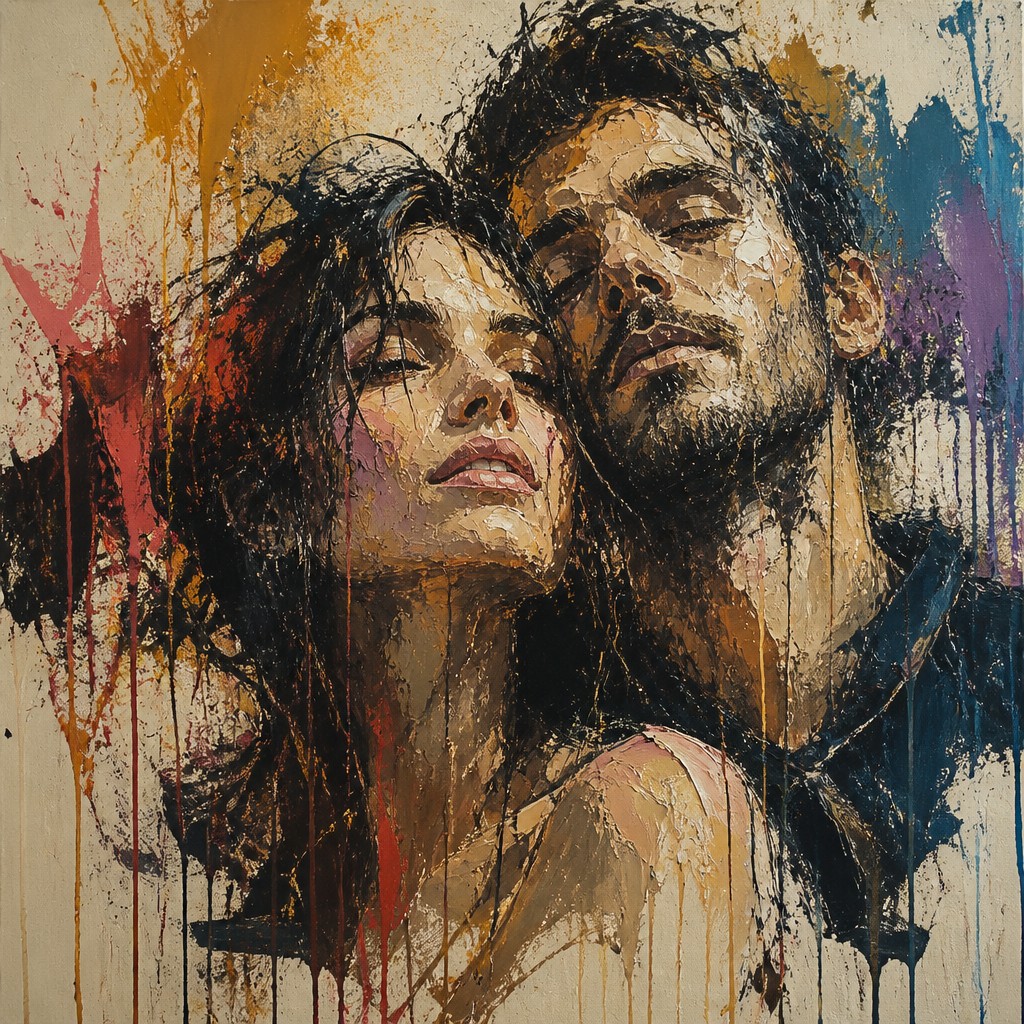
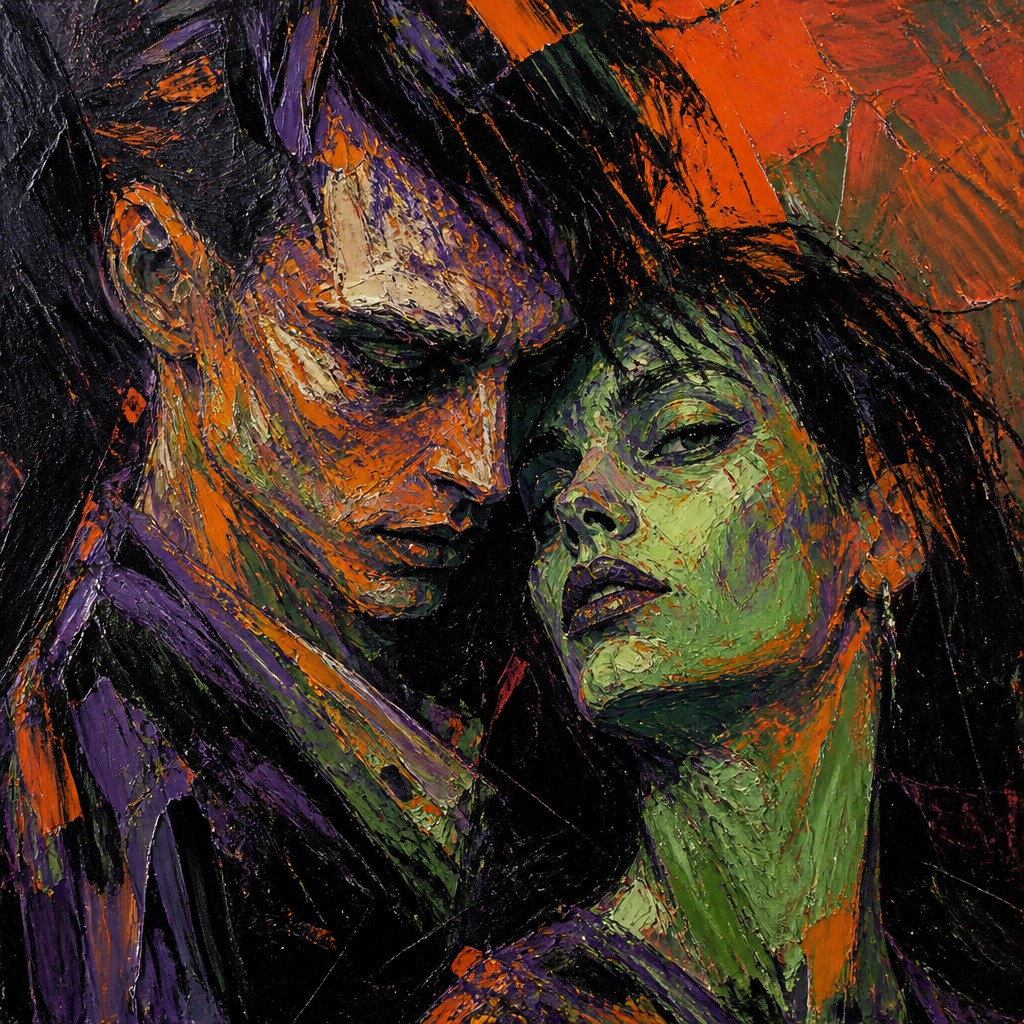
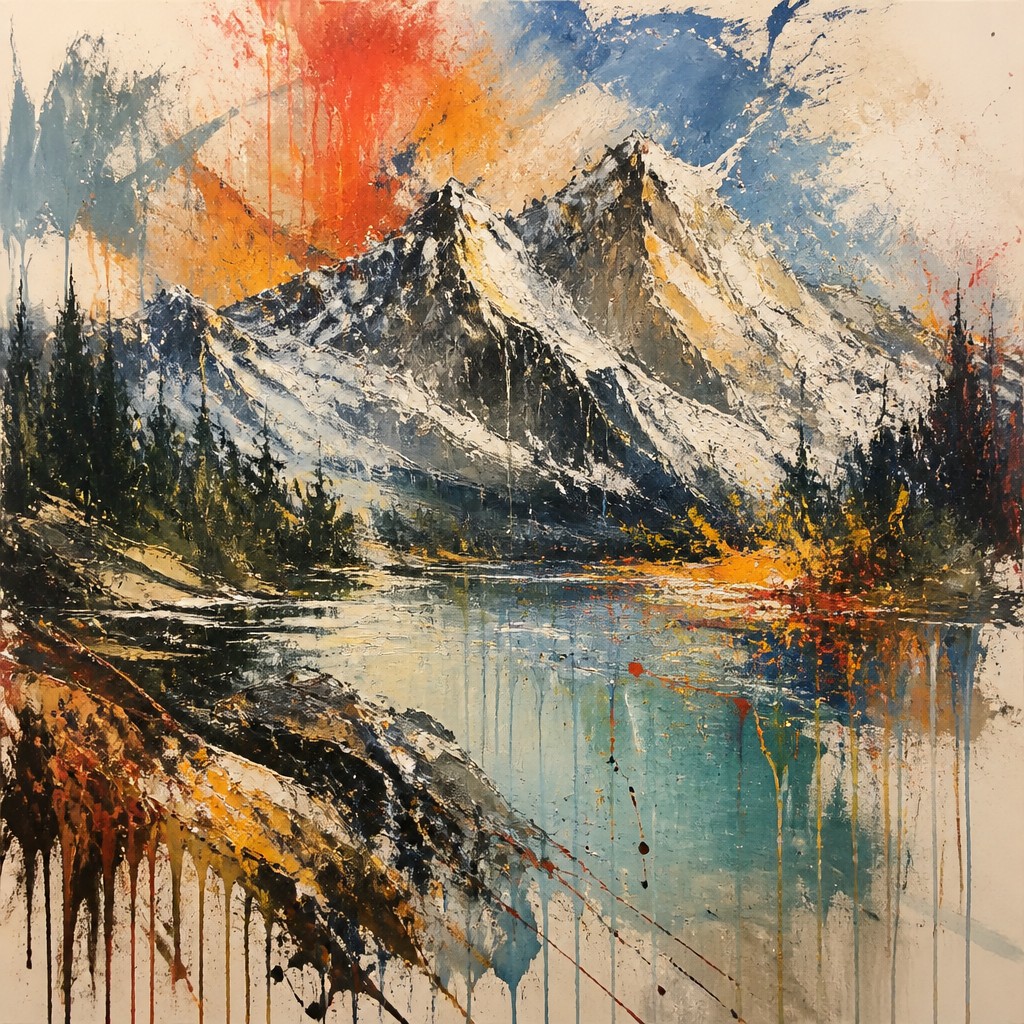
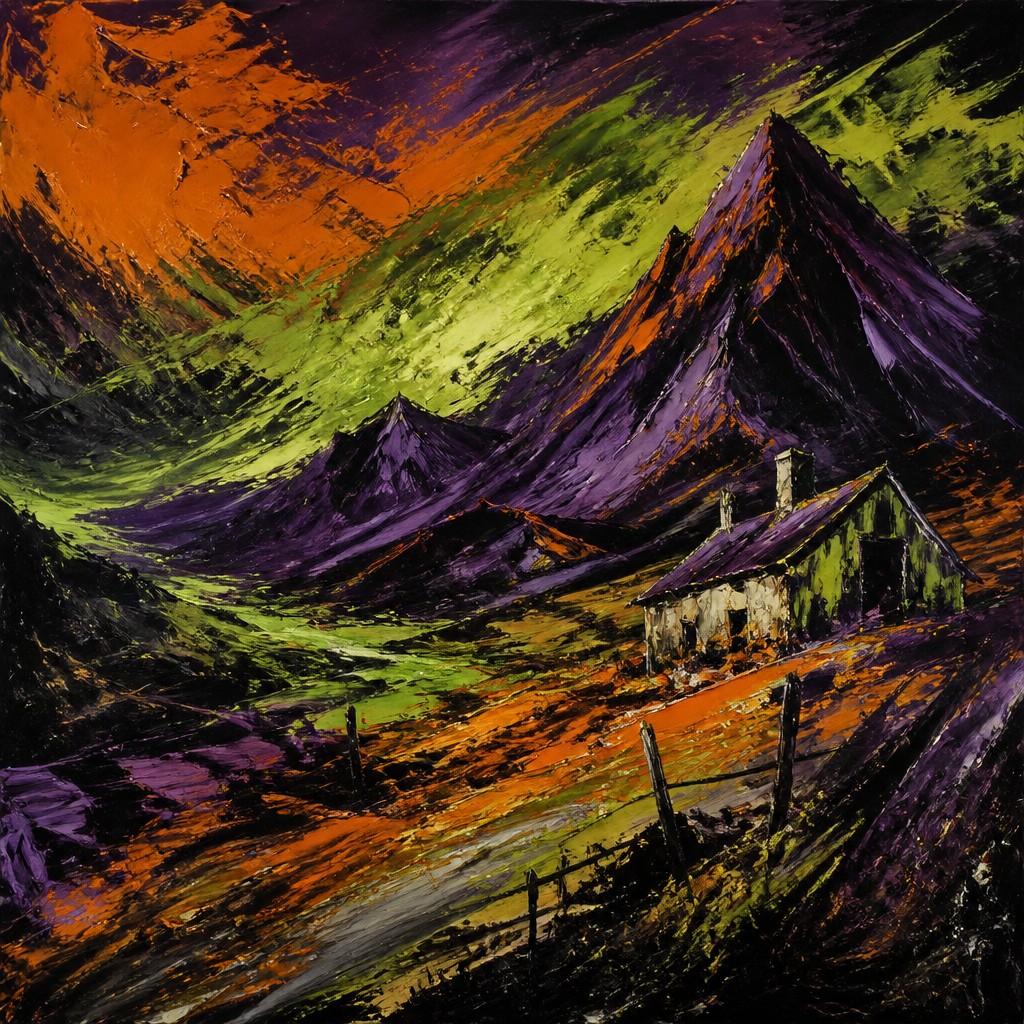
Each pair below was generated from the identical prompt — only the style changed.
“portrait of two people together”
“wide landscape with natural scenery”
“still life with everyday objects”
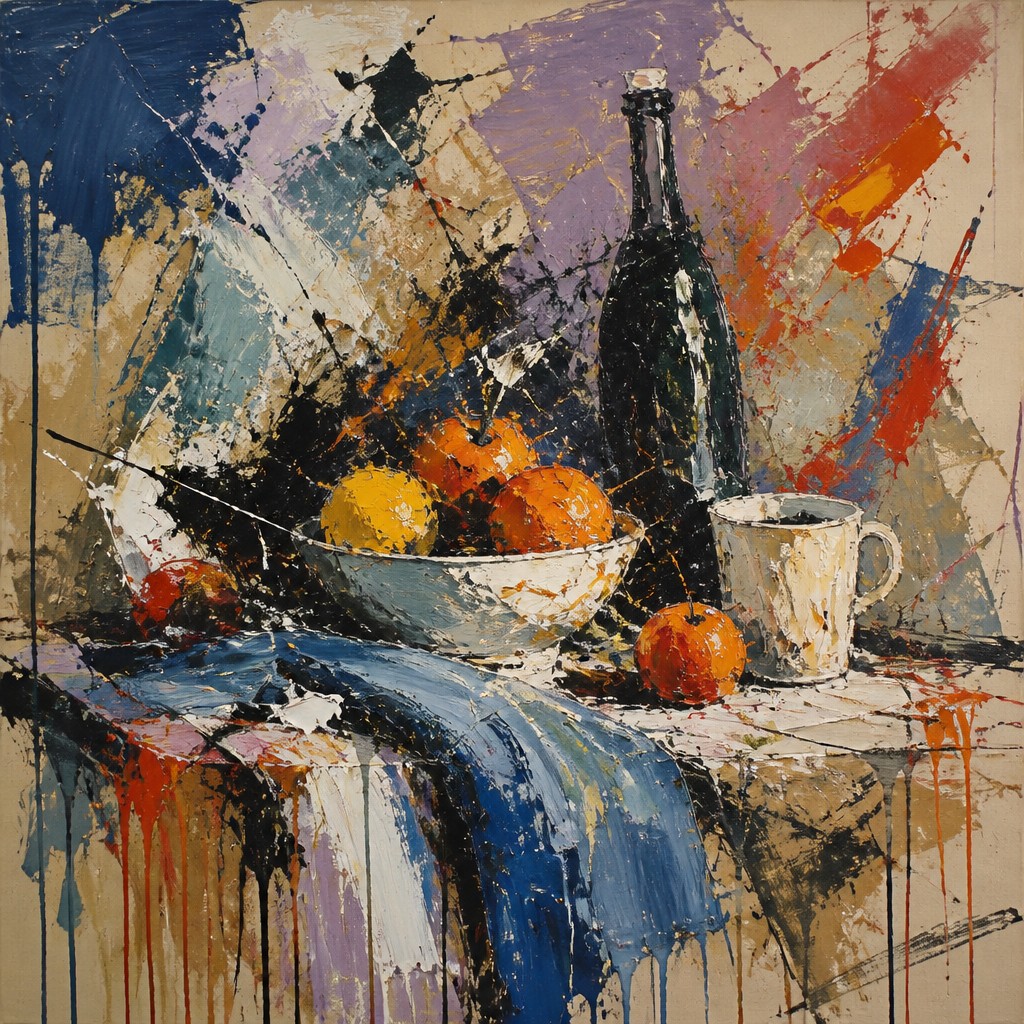
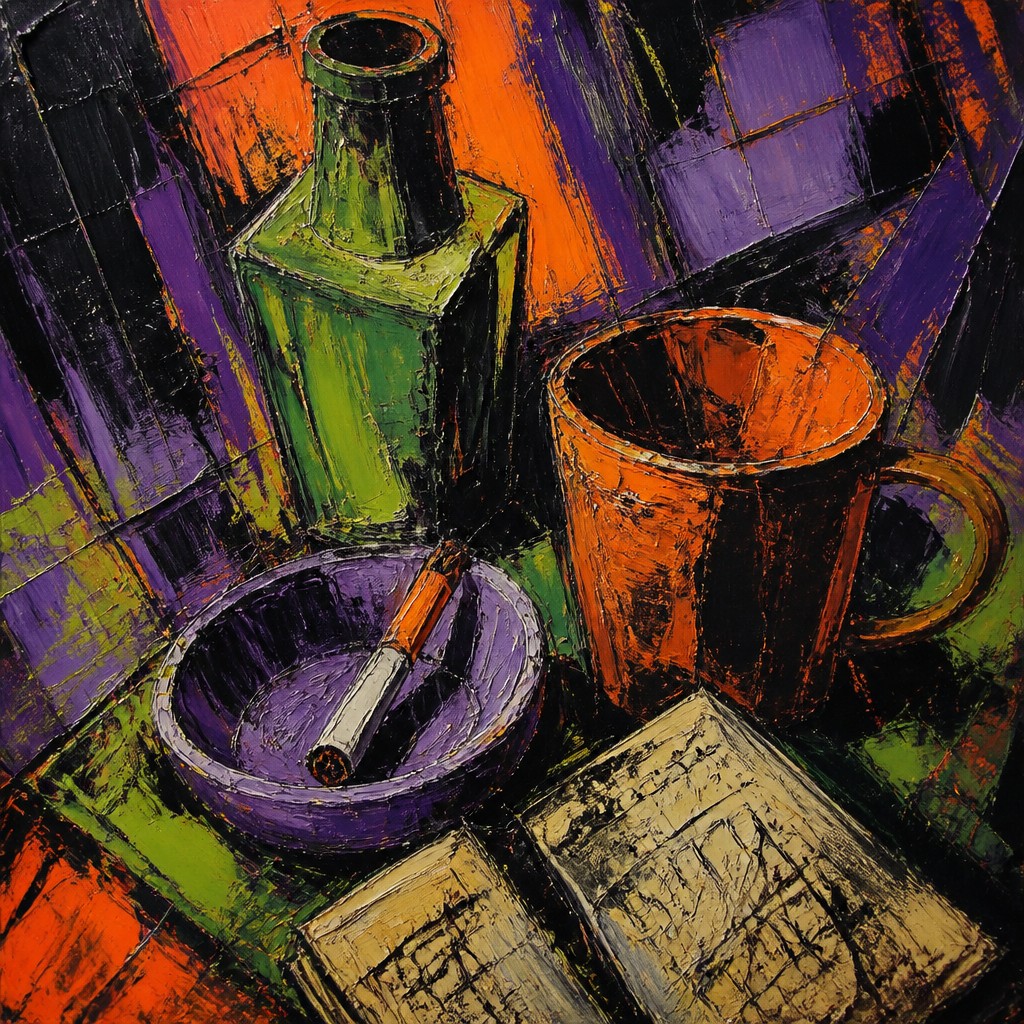
“bicyle resting against a wall”
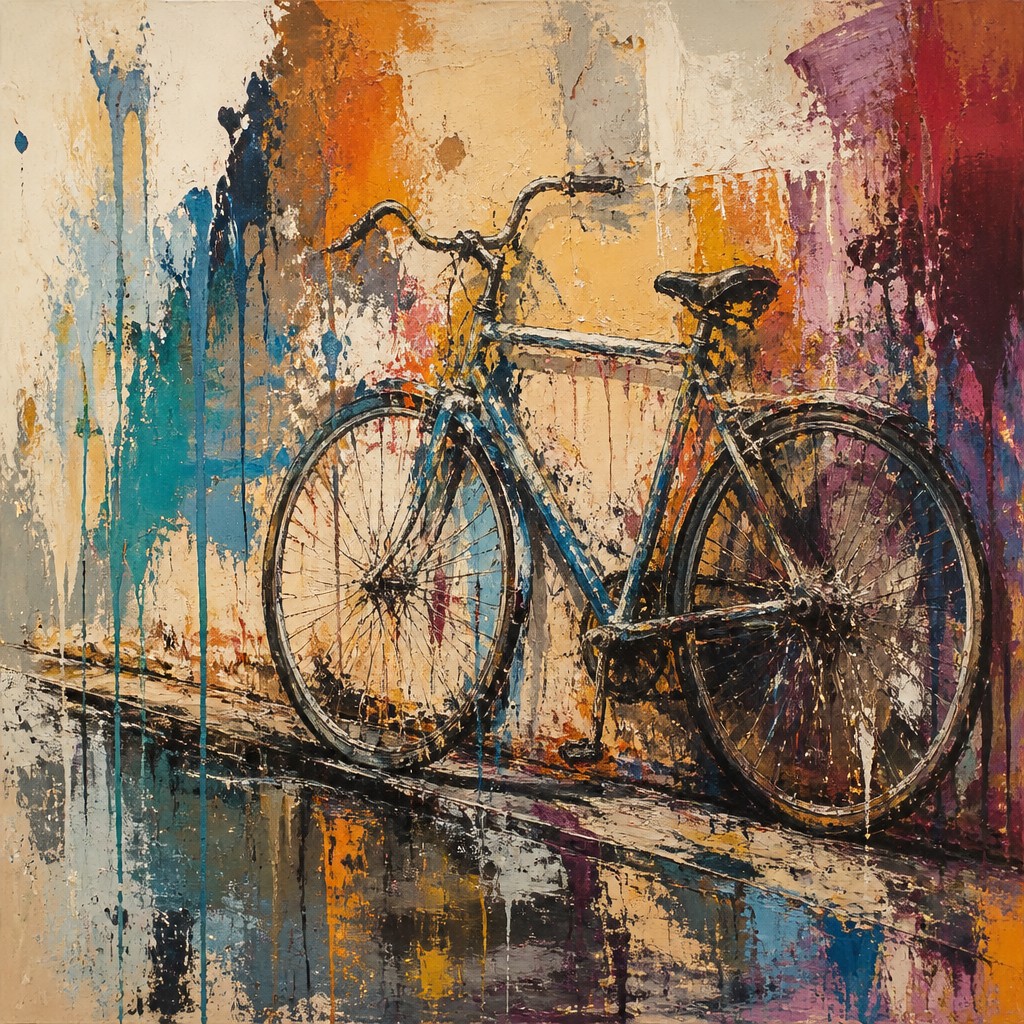
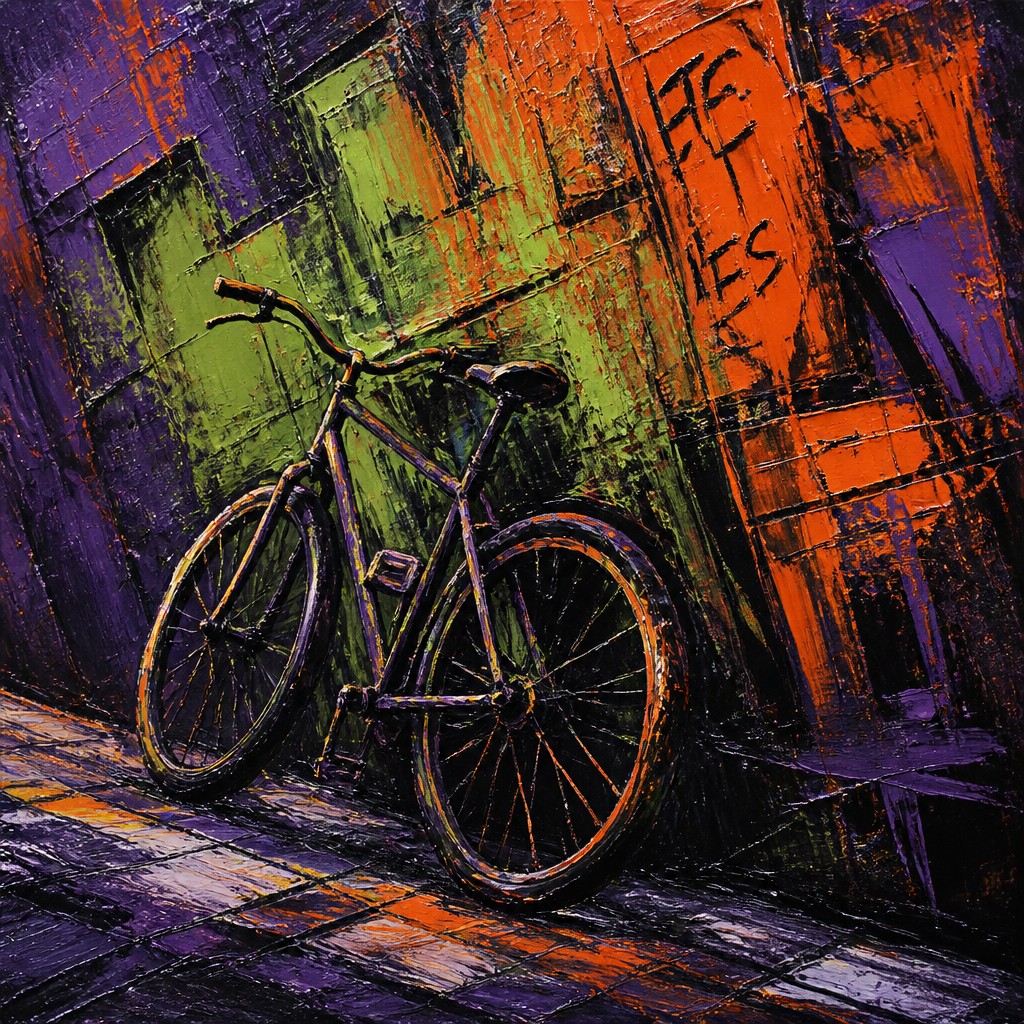
Key Differences
| Abstract Expressionism | Expressionism | |
|---|---|---|
| Core focus | Emphasizes the act of painting and the visual trace of movement. | Emphasizes emotional content through distorted subjects and dramatic color. |
| Degree of abstraction | Often nonrepresentational or only loosely tied to recognizable objects. | Usually still depicts figures, scenes, or objects, though altered. |
| Brushwork and surface | Uses drips, splashes, stains, and thick, layered paint. | Uses energetic brushwork, but usually with more controlled shapes. |
| Color strategy | Color can be spontaneous, varied, or secondary to texture and motion. | Color is often bold and heightened to intensify mood. |
| Space and composition | Often spreads across a large, open field with little spatial depth. | Can compress space and bend proportions for expressive effect. |
| Viewer response | Invites response to scale, gesture, and physical paint handling. | Invites response to emotional tension, unease, or psychological drama. |
| Mood | expressive, turbulent, introspective, raw, dynamic | anguished, agitated, introspective, intense |
| Energy | intense | intense |
| Detail level | moderate | moderate |
| Color | bold, contrasting, often earth-toned or saturated | bold, saturated, often unnatural hues |
| Texture | thick, layered, dripped, gestural | visible, vigorous, rough brushwork |
| Origin | mid-20th century New York | early 20th-century Germany and Europe |
| Best for | large-scale canvases, album covers, posters, editorial art, museum exhibitions, statement interiors | posters, album covers, editorial illustrations, theater posters, book covers |
| Difficulty | advanced | moderate |
Which Should You Choose?
Choose Abstract Expressionism if you want a painting that feels immediate, physical, and partly or fully abstract, with strong emphasis on gesture, scale, and the material qualities of paint. Choose Expressionism if you want recognizable subjects shaped by emotion, distortion, and bold color to communicate psychological intensity more directly.
Frequently Asked Questions
Are Abstract Expressionism and Expressionism the same thing?
No. They are related because both value emotion over realism, but Abstract Expressionism is usually more nonrepresentational. Expressionism more often keeps visible subjects while altering them for emotional effect.
Which style is more abstract?
Abstract Expressionism is generally more abstract. Expressionism often still includes figures, landscapes, or objects, even when they are distorted or exaggerated.
Do both styles use strong emotions?
Yes, but they express emotion differently. Abstract Expressionism often communicates feeling through gesture, scale, and paint texture, while Expressionism uses color and distortion to reveal inner states.
Which style has more recognizable imagery?
Expressionism usually has more recognizable imagery. Abstract Expressionism may have no clear subject at all, or only the faintest suggestion of one.