Fractal Abstract Art Style
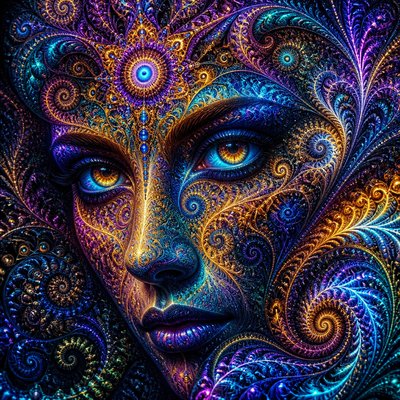
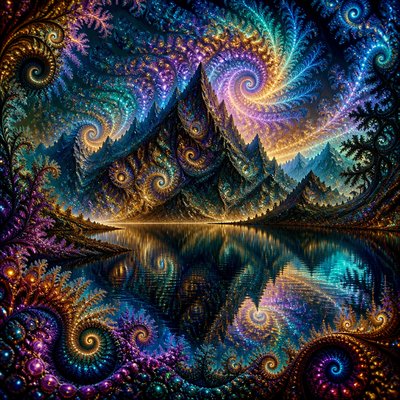
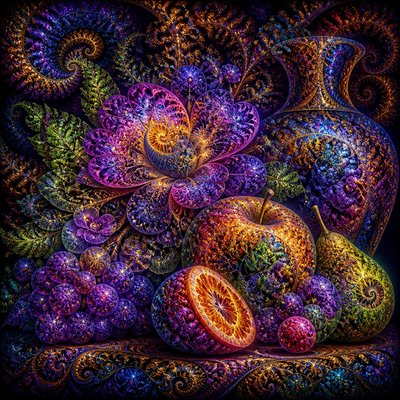
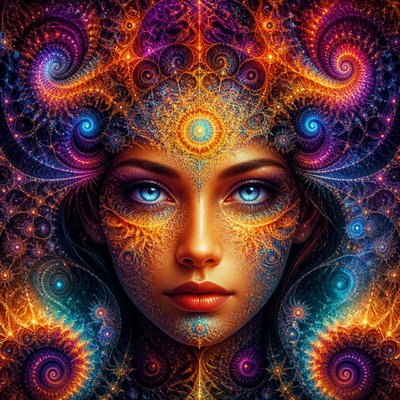
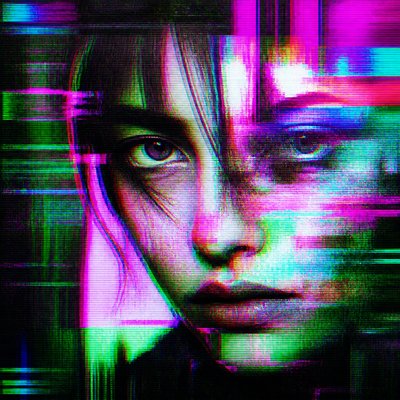
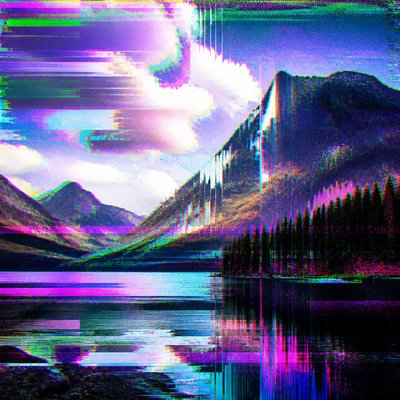
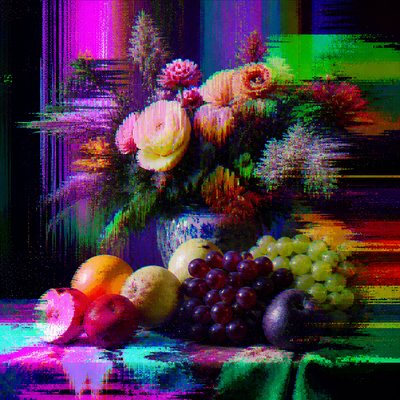
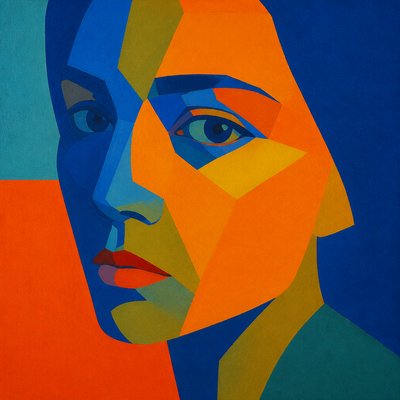
Mathematical abstraction with self-similar patterns, luminous color, and endless recursion—fractal art that feels infinitely detailed.
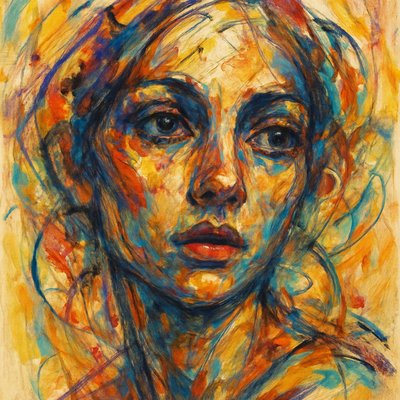
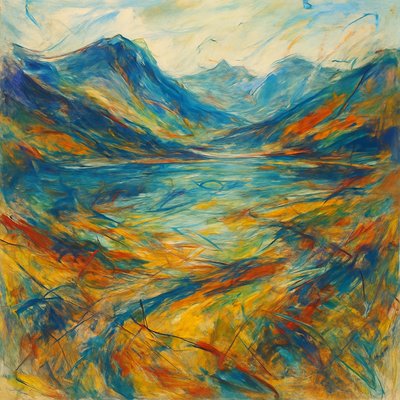
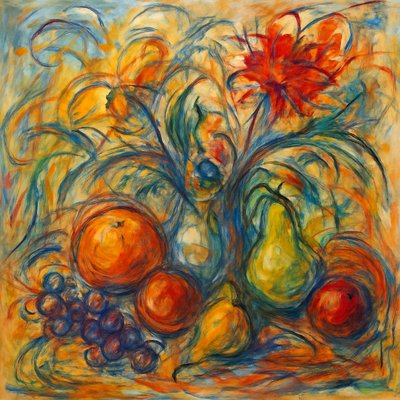
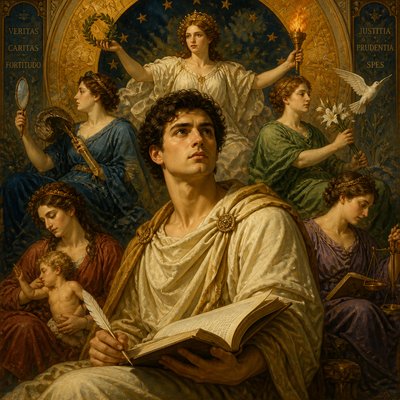
Instantly rendered in Fractal Abstract — or transform a photo
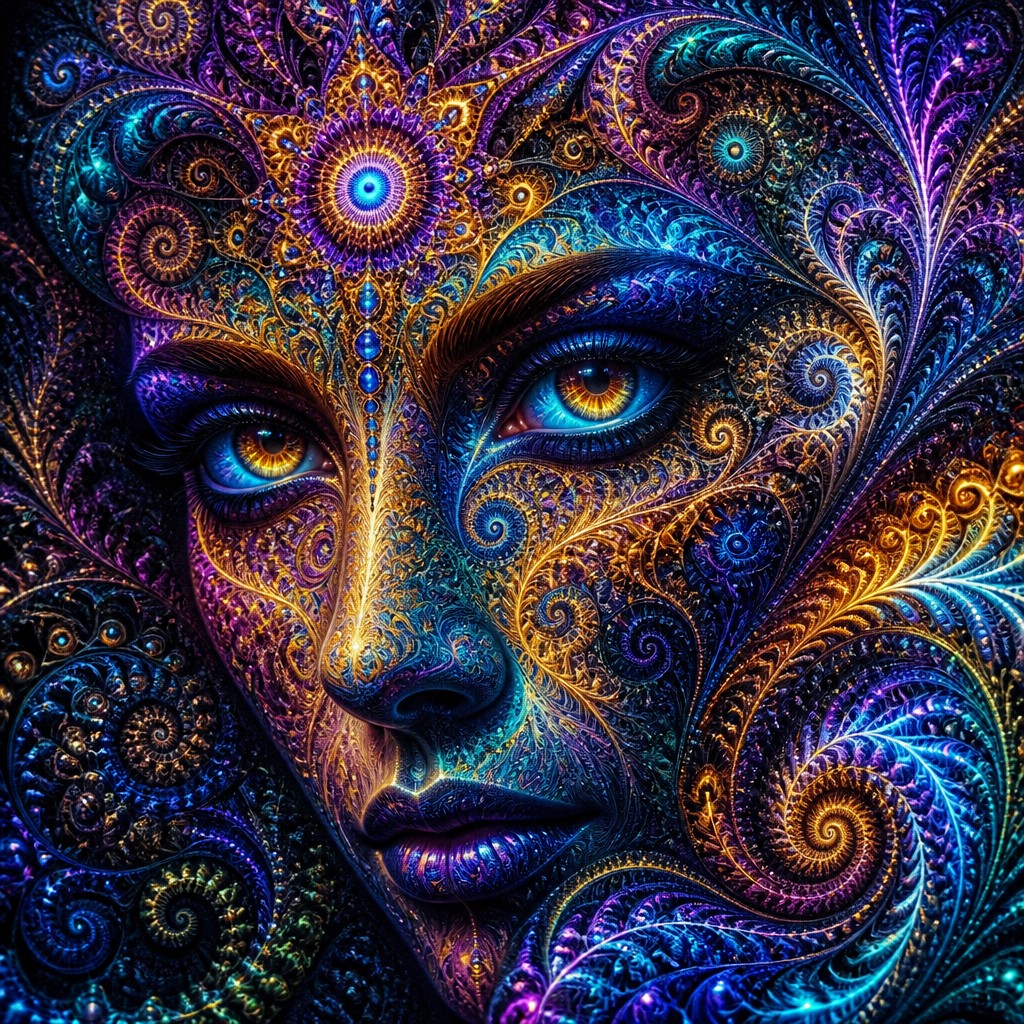
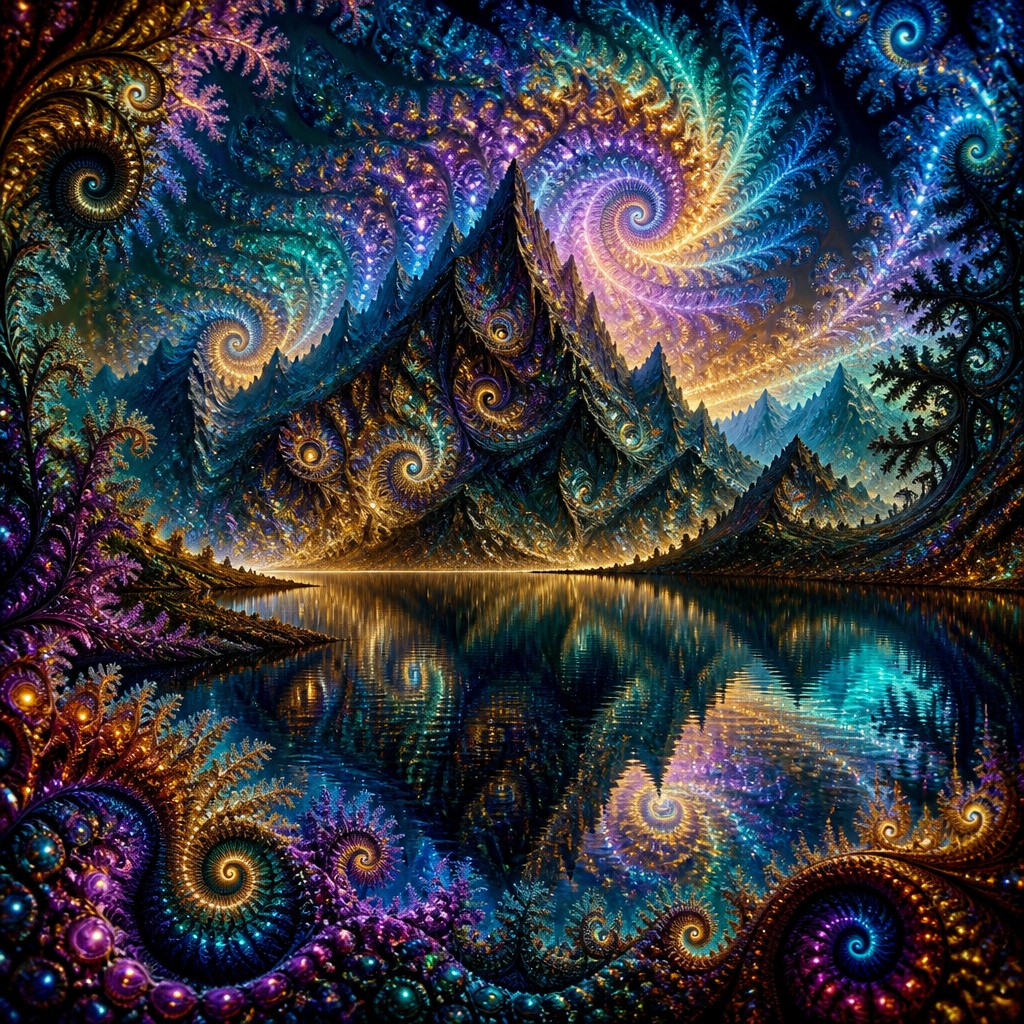
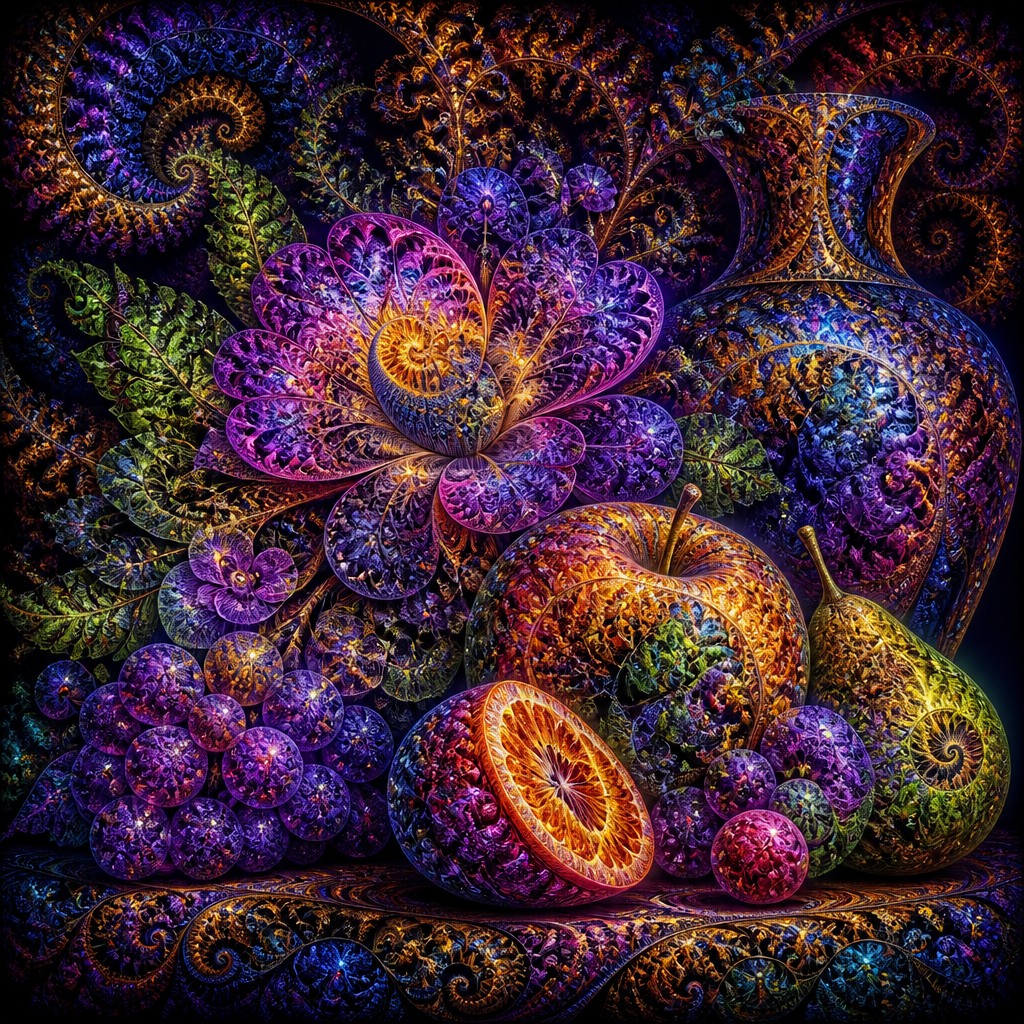
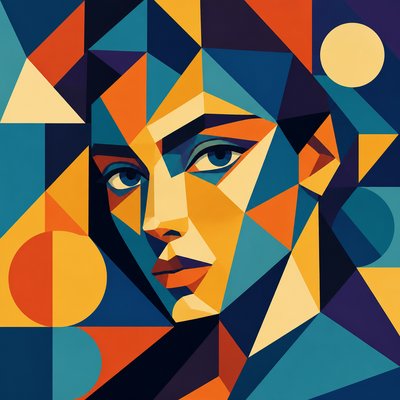
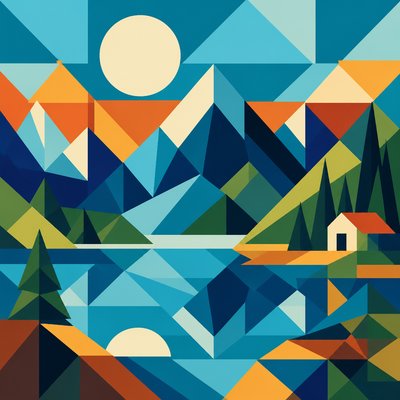
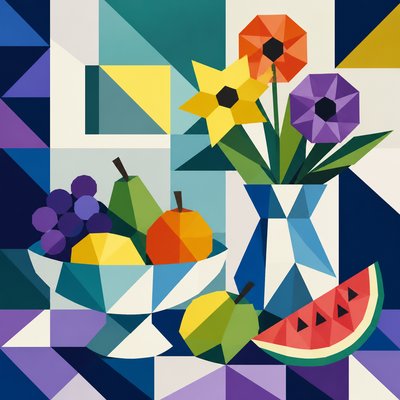
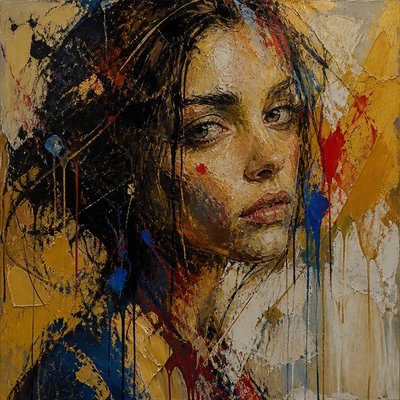
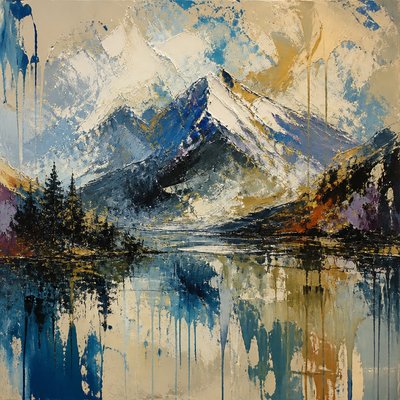
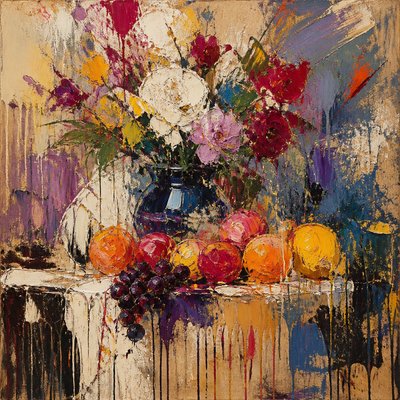
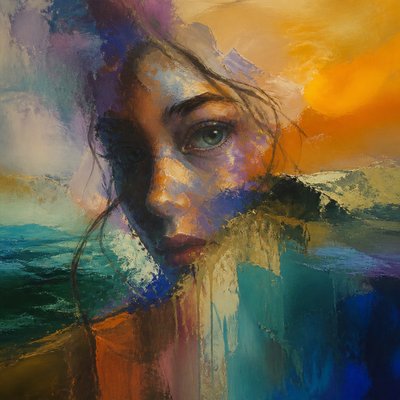
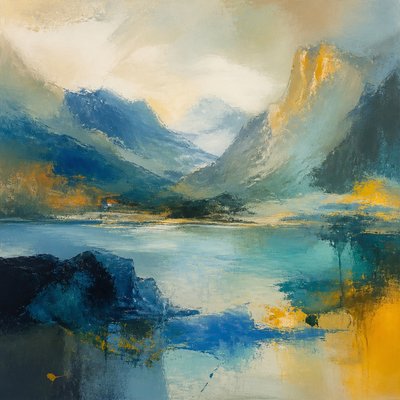
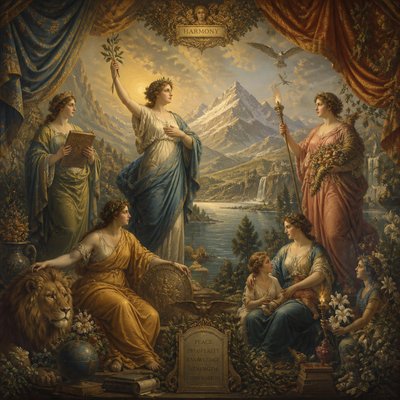
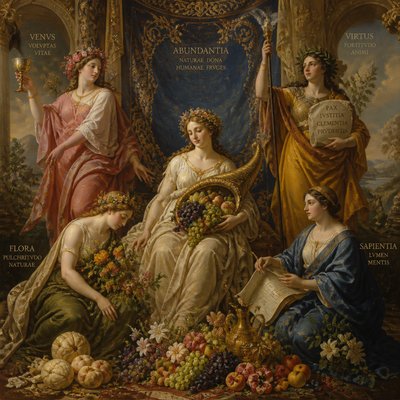
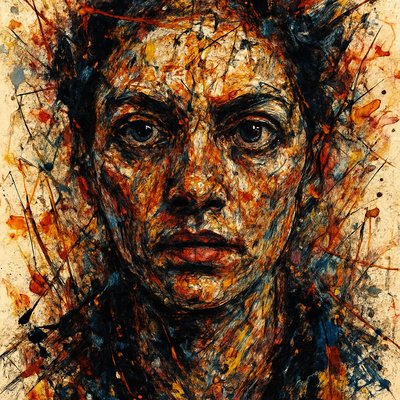
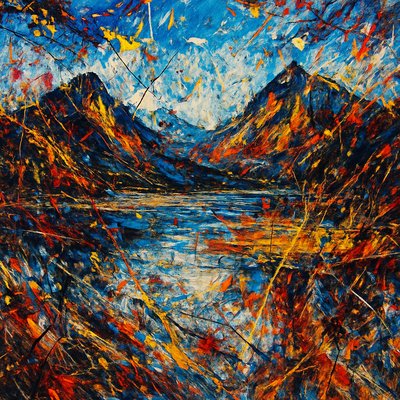
Fractal Abstract Gallery
Tap any artwork to explore it
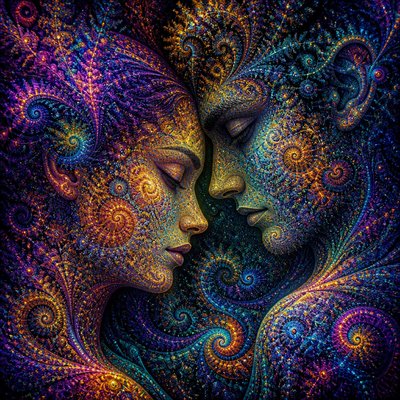
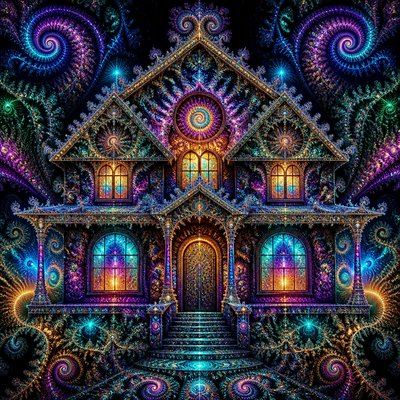
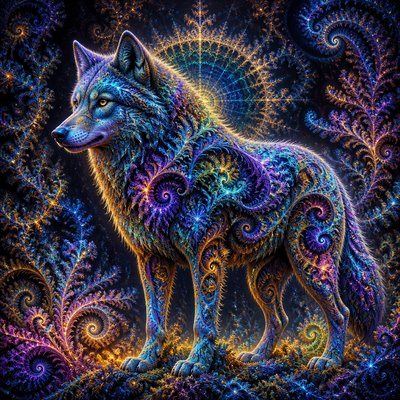
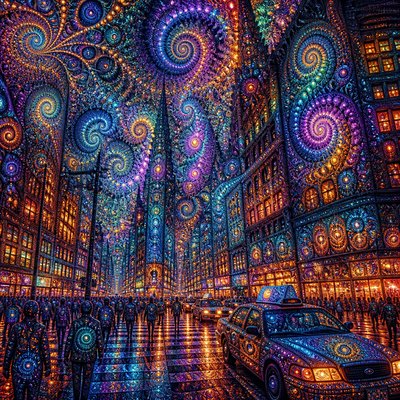
What is Fractal Abstract Art Style?
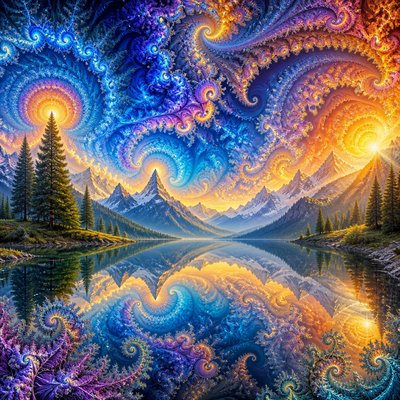
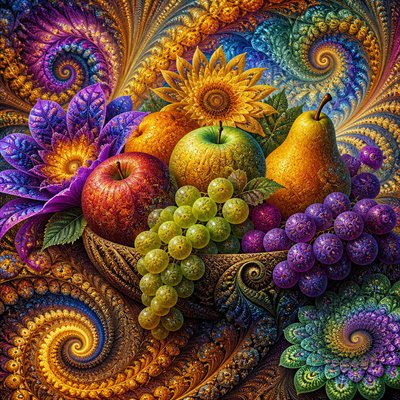
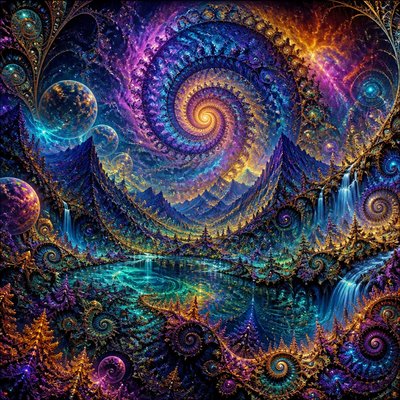
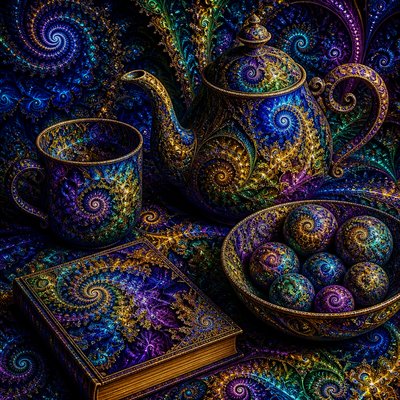
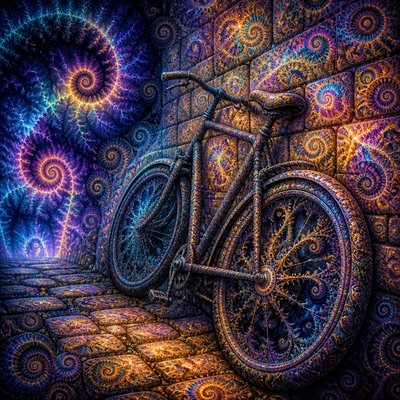
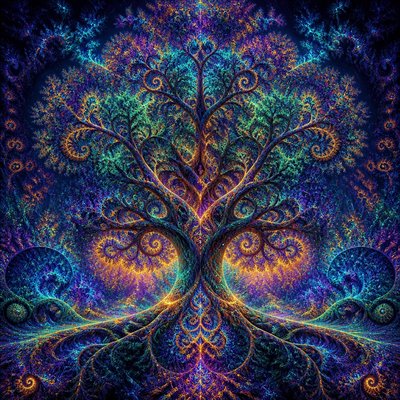
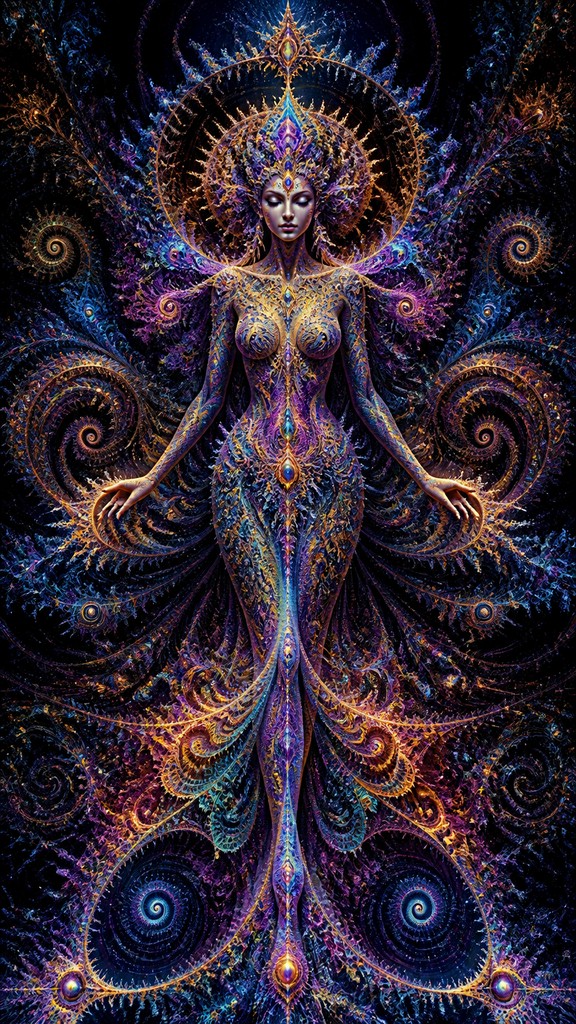
Fractal abstract art is a mathematical form of abstraction built from recursion, iteration, and self-similarity. Instead of describing recognizable subjects, it creates compositions in which shapes repeat at multiple scales, so that a large structure and its smallest details feel related or even identical. The result is often a sense of endless depth, as if the image could be zoomed forever without running out of form.
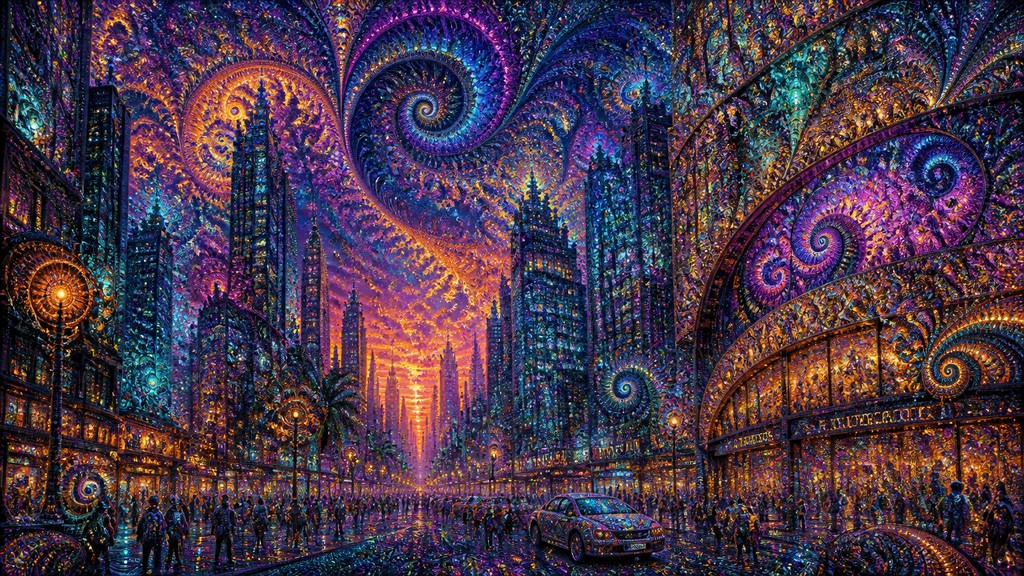
Its visual identity is typically defined by spirals, branching structures, nested geometries, and symmetrical arrangements that seem to grow organically from simple rules. Color is often used to intensify the effect: glowing gradients, neon accents, and high-contrast dark backgrounds make the repeating forms appear luminous and spatially complex. The style looks the way it does because fractal systems are generated by mathematical processes that amplify small variations into intricate patterns, producing the impression of order, infinity, and controlled visual drift.
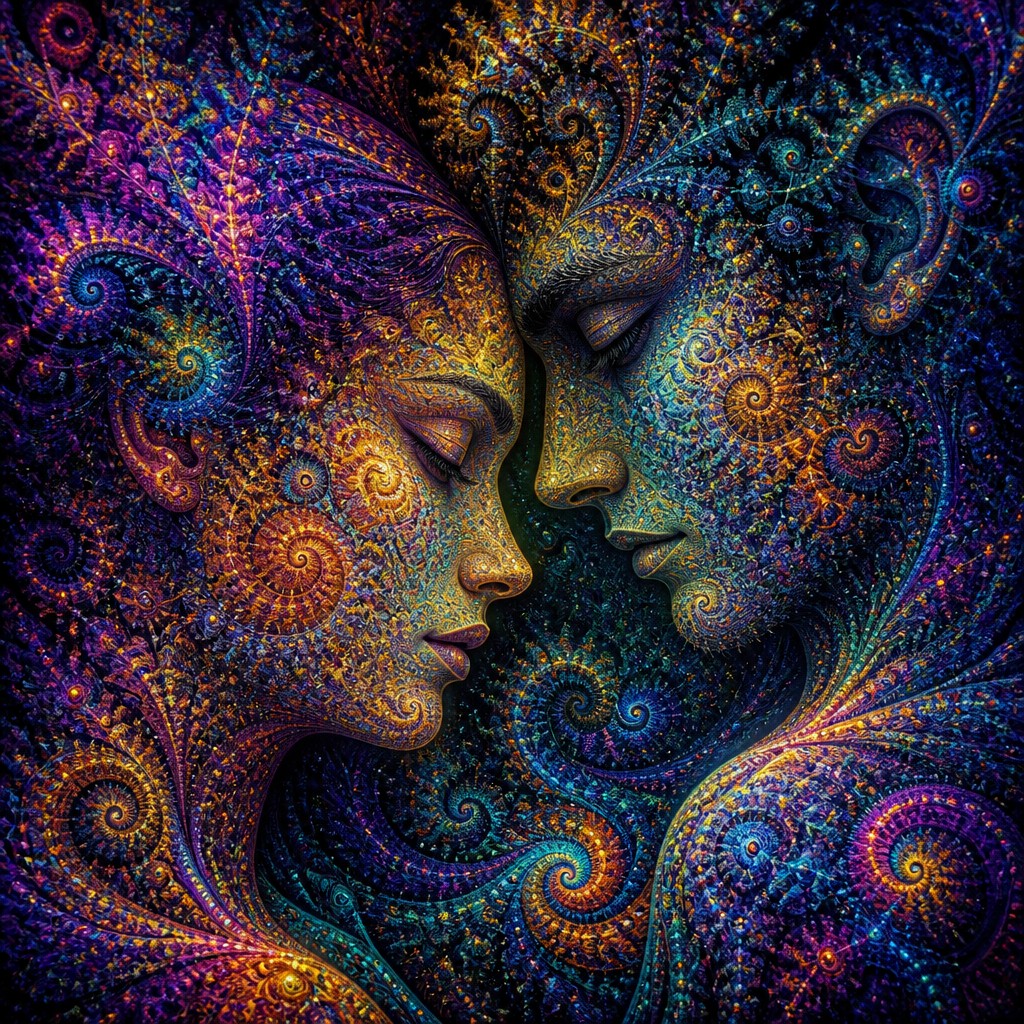
Try It On Your Photos
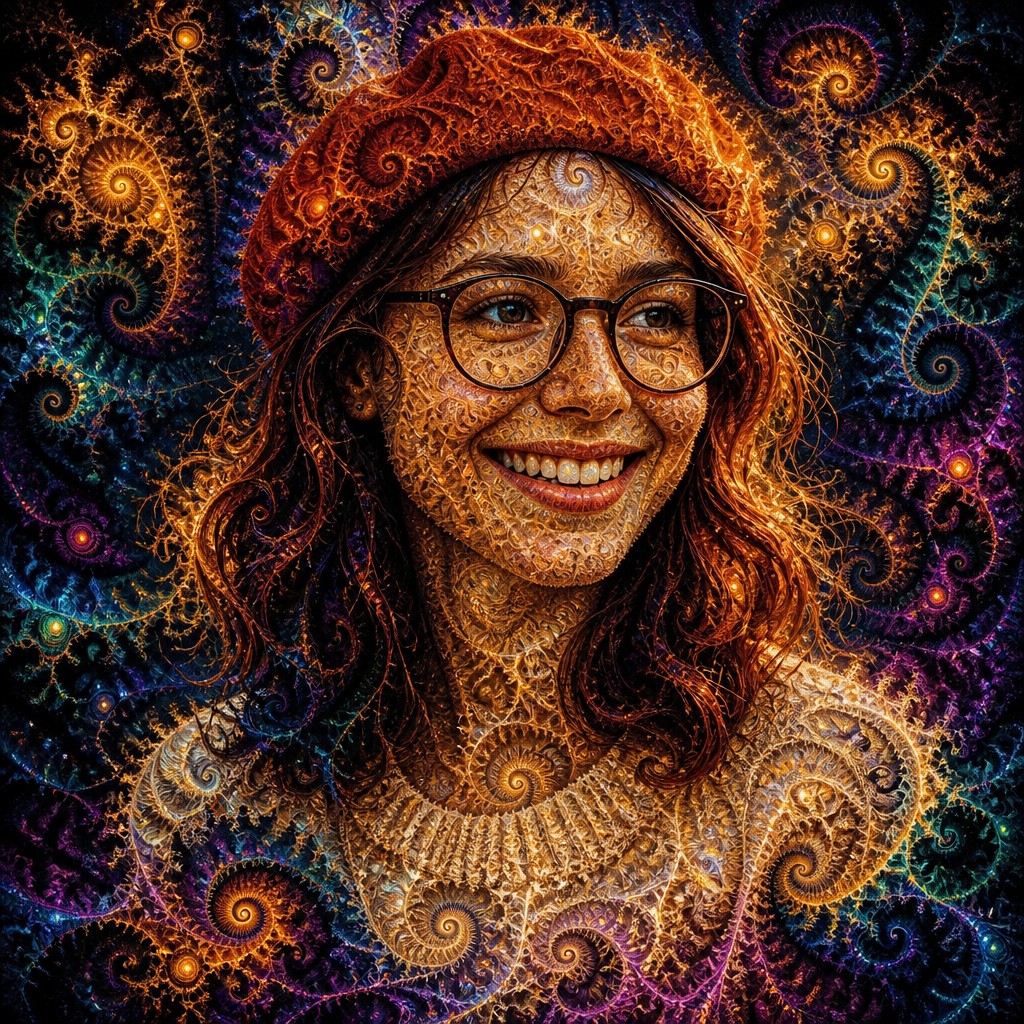
Upload any photo and convert it into Fractal Abstract Art Style — drag the sliders to compare before and after.


What Defines Fractal Abstract Art Style
The signature details, up close
Self-similarity
Forms repeat across different scales, so a motif seen at one level often reappears in miniature elsewhere in the composition. This nested repetition is the core visual logic of the style.
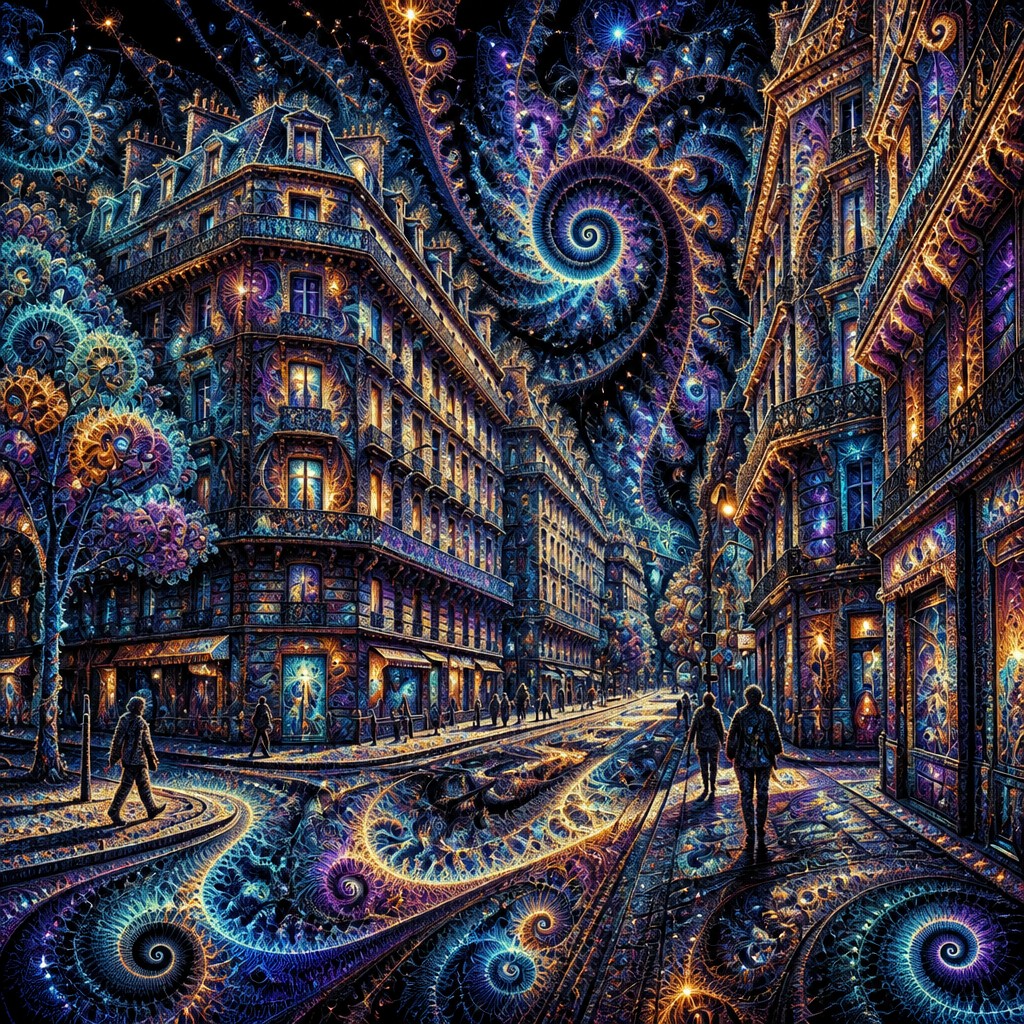
Recursive complexity
The image often appears to grow from a simple rule into an extremely dense structure. Edges, branches, and spirals accumulate detail without losing overall coherence.
Spiraling and branching geometry
Common motifs include curls, tendrils, filaments, and bifurcating structures that suggest organic growth while remaining mathematically ordered. These forms create movement and expansion across the frame.
Kaleidoscopic symmetry
Many works use radial balance, mirrored sections, or rotating patterns to create a sense of stable yet dynamic symmetry. This can make the image feel both hypnotic and architectural.
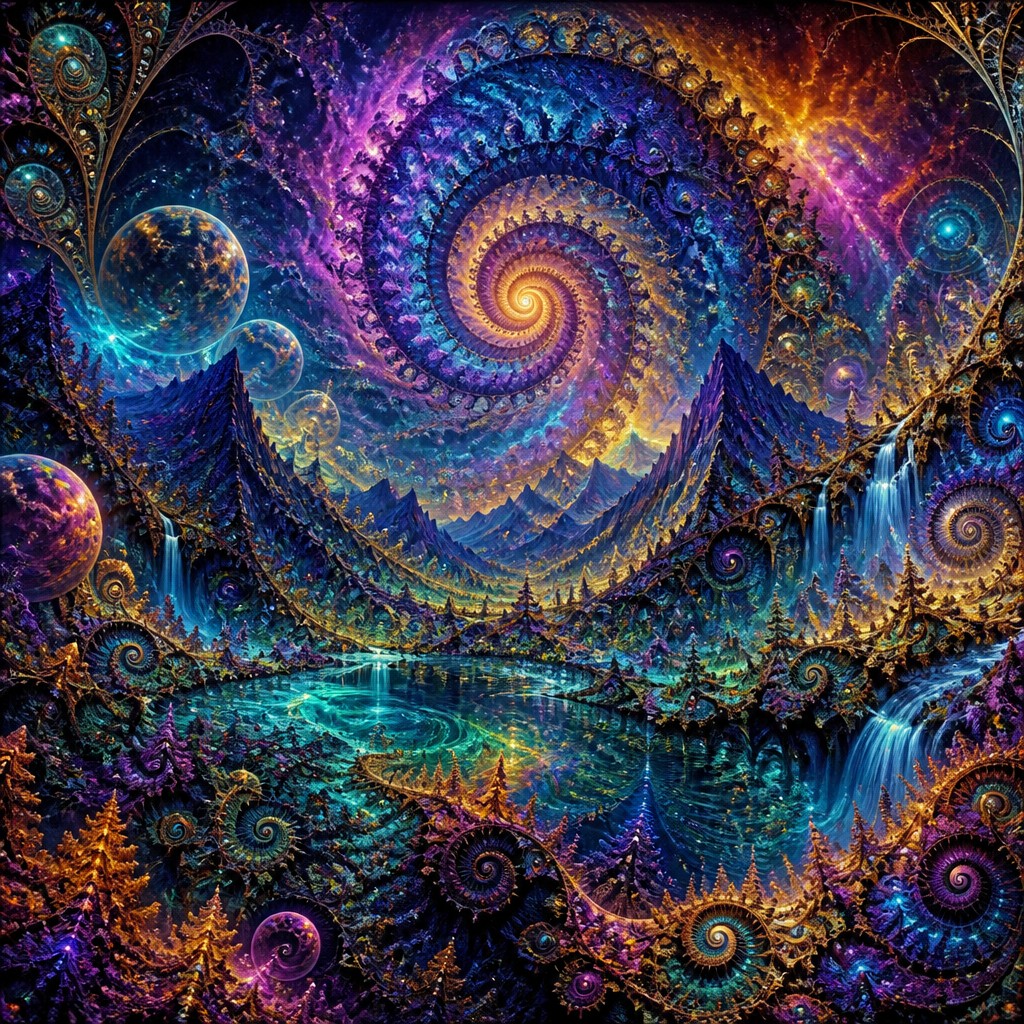
Luminous color fields
Strong contrasts, jewel tones, iridescence, and neon highlights are often used to emphasize depth and boundary changes. Color frequently follows the underlying curves, making the geometry easier to read.
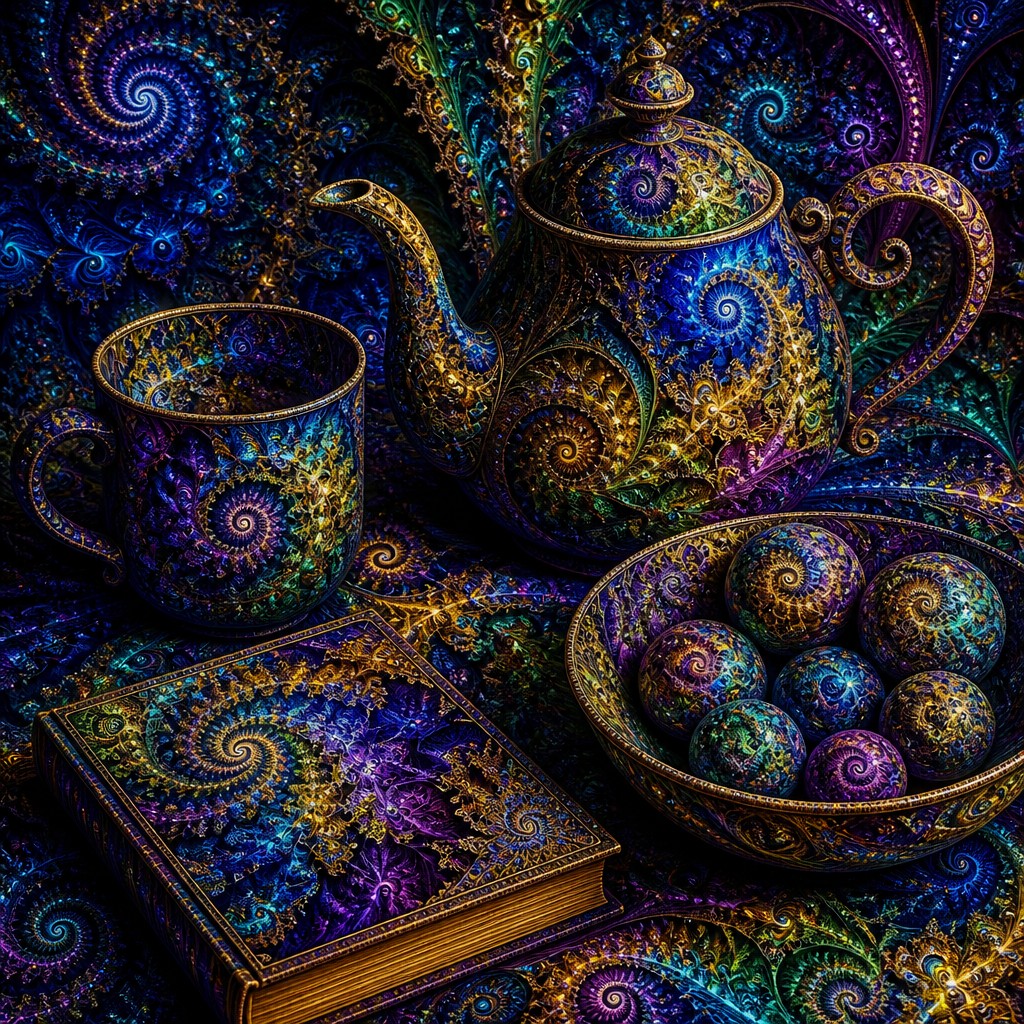
Infinite-detail effect
The style aims to make every boundary active, as if no area is truly empty. This produces the illusion of endless zoom and continuous emergence of new information.
Try It
Create Videos in Fractal Abstract Art Style
Styles aren't just for stills — describe a scene or animate an image and get a short video rendered in Fractal Abstract. Press play to see this pond come to life.
Make a VideoFractal Abstract Prompt Ideas
Start from an idea — each one opens the generator with the style ready to go. See all 40 Fractal Abstract prompts →
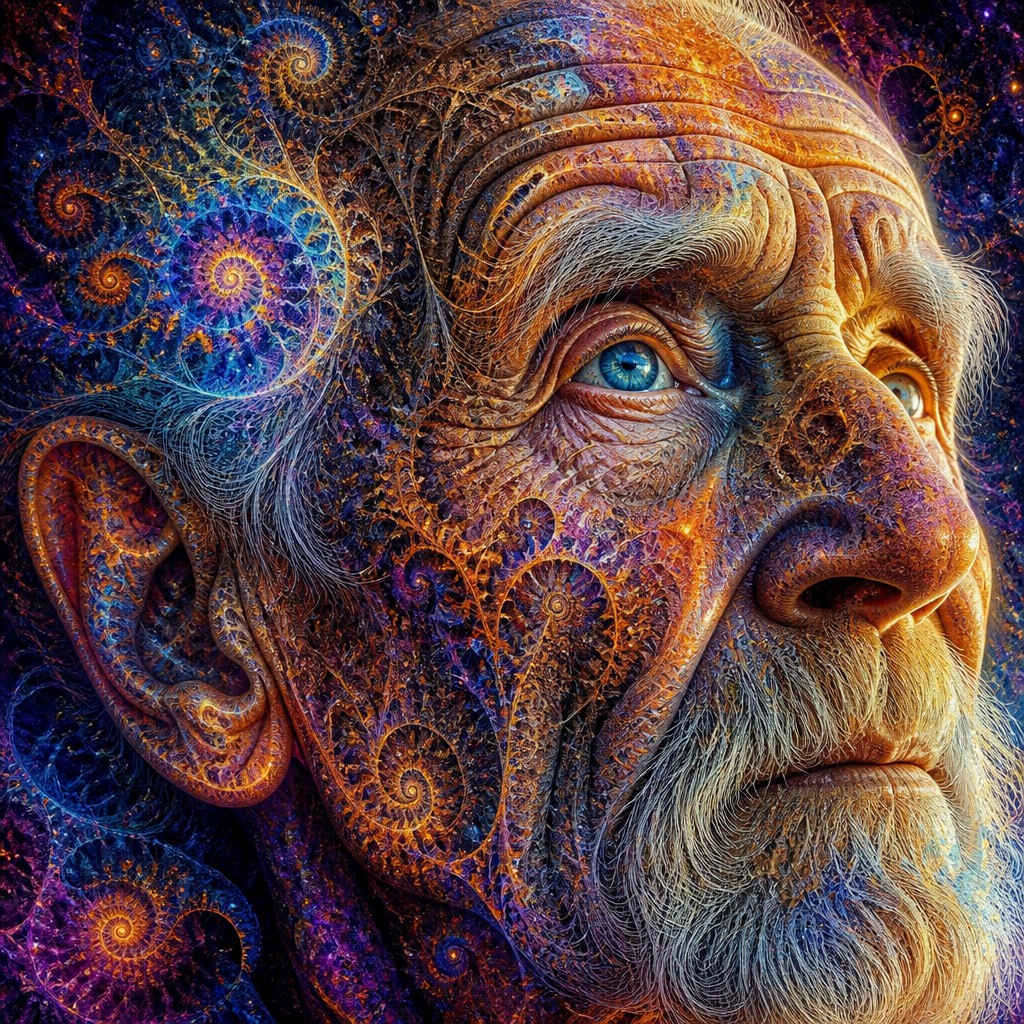
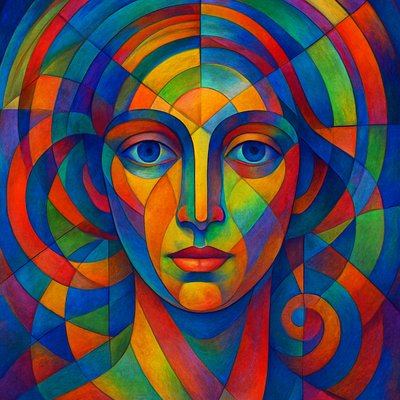
“close-up portrait of an elderly person with expressive weathered features”
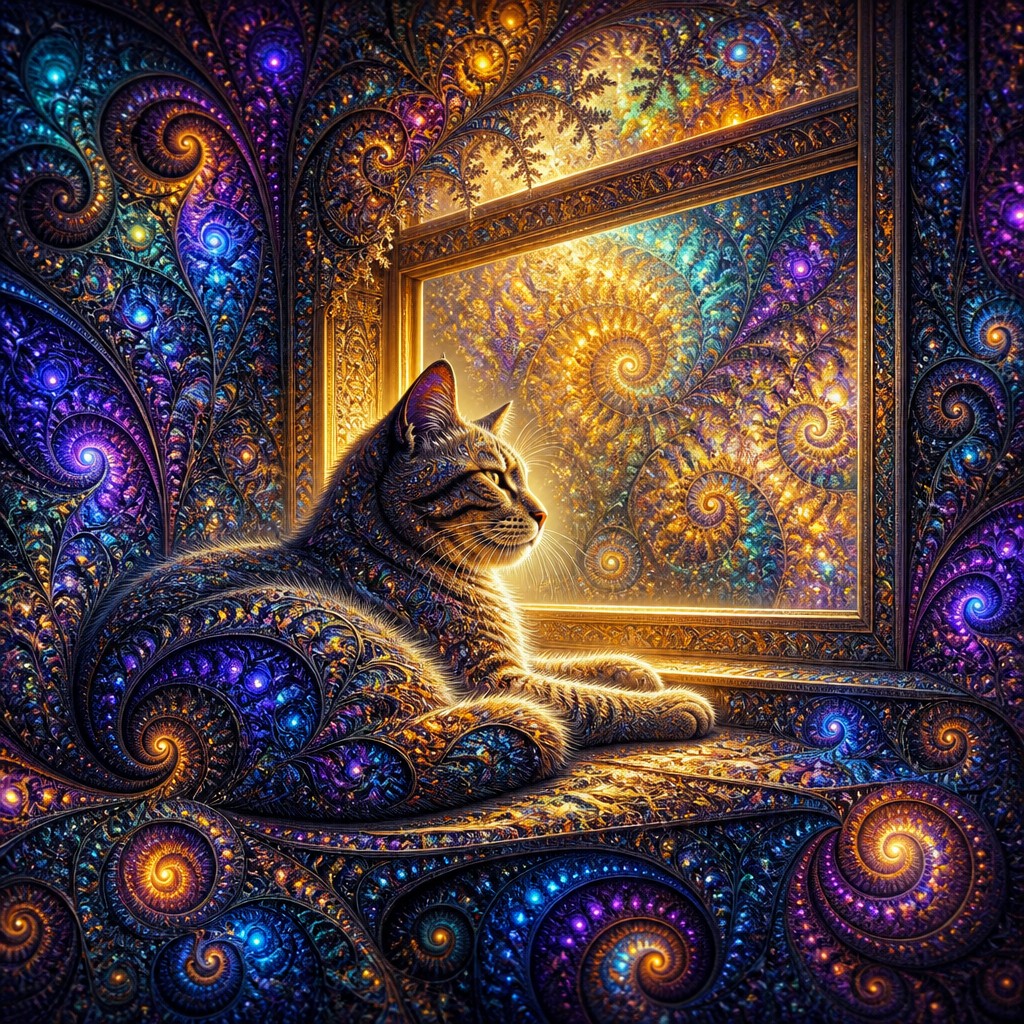
“a cat lounging in a sunlit window”
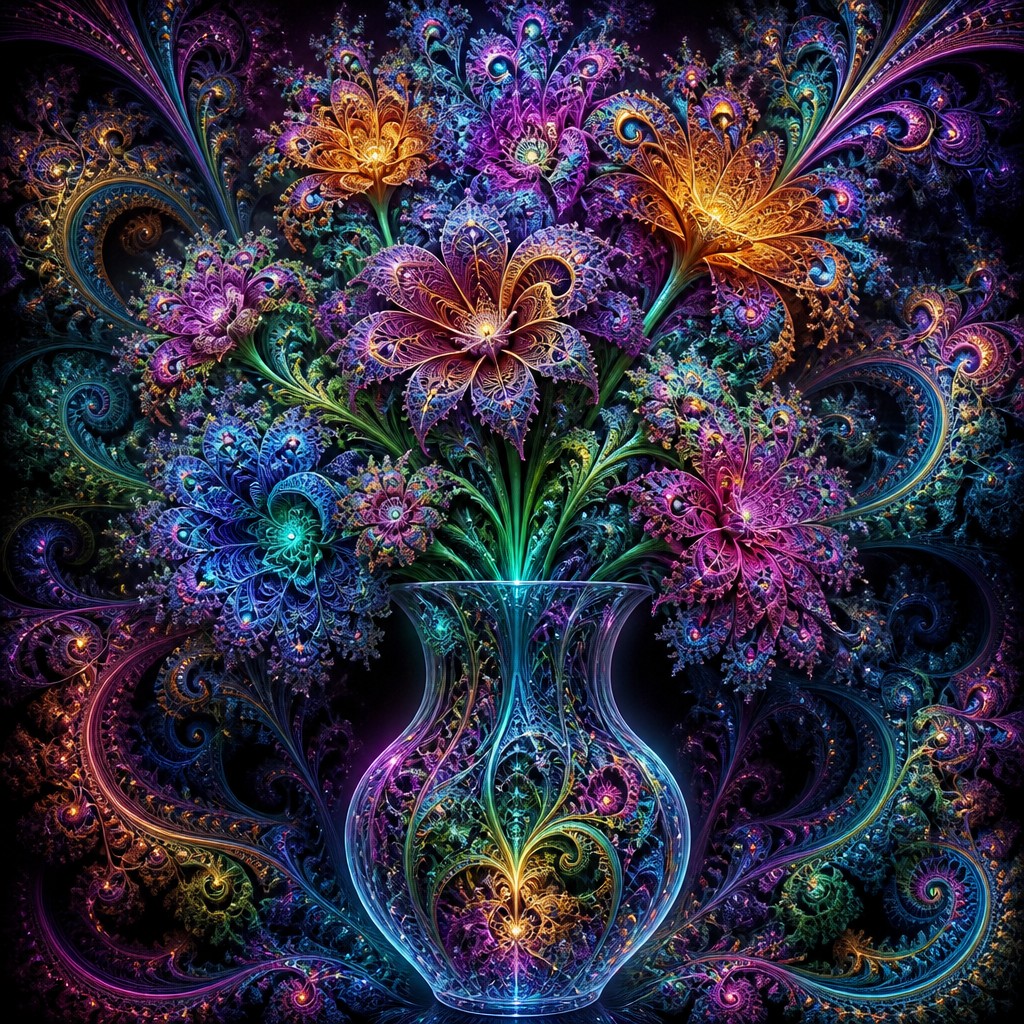
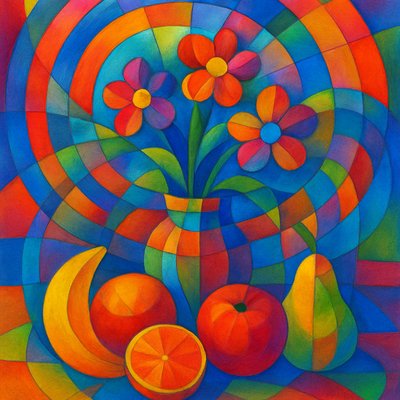
“bouquet of flowers in a glass vase”
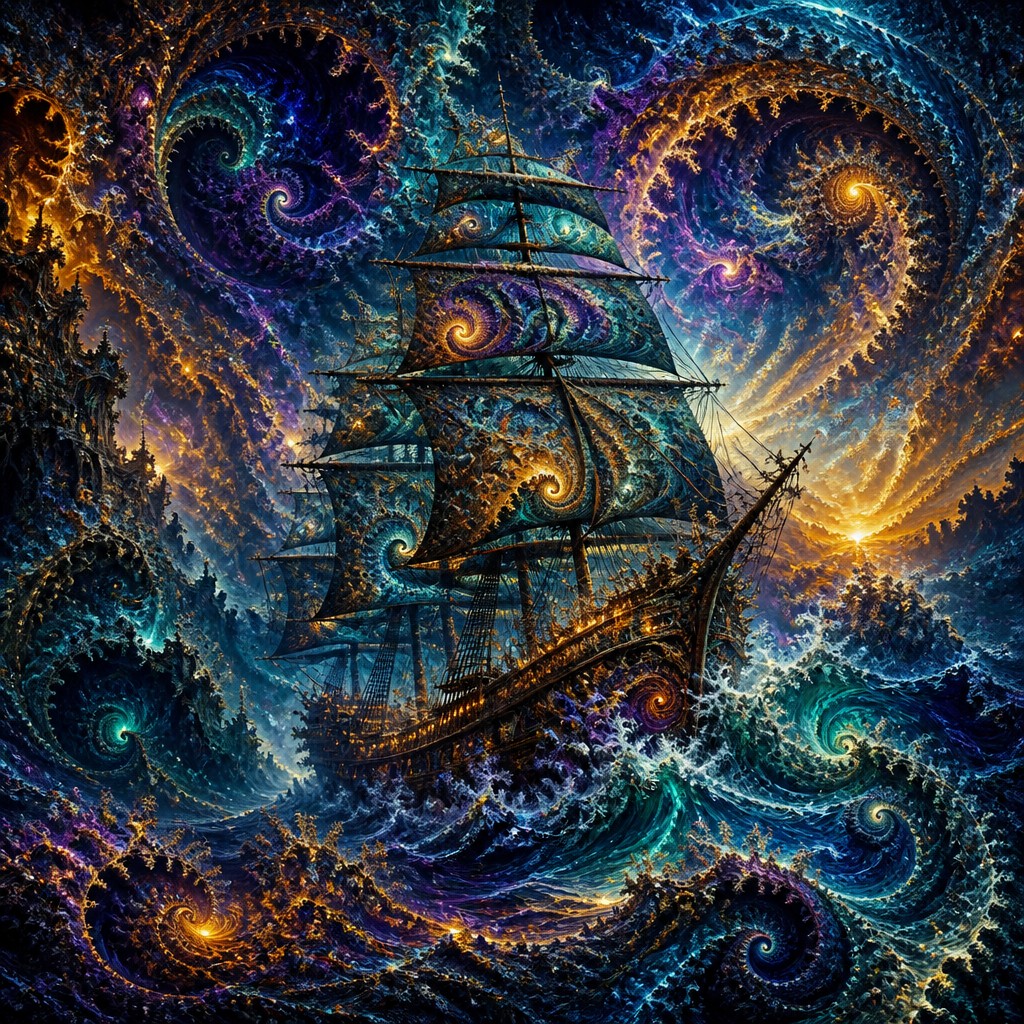
“sailing ship on a stormy sea”
How to Create Fractal Abstract Art
Master the craft step by step — or skip straight to creating. Read the full guide →
- 1
Start with a simple recursive structure
Build the composition from one clear rule: a spiral, branching line, mirrored segment, or repeating cell. In traditional media, you can simulate recursion by layering motifs at progressively smaller scales; in digital work, use iterative transforms or procedural patterning.
- 2
Control the global composition
Fractal detail can become visually chaotic, so establish a strong silhouette or central flow before adding complexity. Leave enough negative space or dark field so the branching patterns remain legible.
- 3
Use color to separate levels of detail
Assign different hues or brightness values to different scales to make the recursion readable. Gradients, glow, and contrast are especially effective when used to distinguish foreground structure from deeper nested forms.
- 4
Blend mathematics with painterly finishing
Pure algorithmic output can feel cold, so refine it with manual adjustments such as soft blending, compositional cropping, or selective emphasis on certain nodes and edges. Traditional materials can echo this by using fine pen work, airbrushed gradients, or layered watercolor and ink.
- 5
When writing prompts, specify recursion and scale
For text-based generation, describe what should repeat, how it should branch, and what visual mood it should carry. Include terms such as self-similar, nested, recursive, spiraling, branching, luminous gradients, and deep dark background for stronger results.
The Story
History & Origins of Fractal Abstract
Fractal abstract art emerged in the late 20th century alongside the popularization of fractal geometry and computer graphics. The mathematical foundations were developed through the work of the leading figure in fractal theory, whose writing on fractals helped define self-similar forms as a distinct field of study. Artists and programmers soon began using computational methods to visualize Julia sets, Mandelbrot sets, and other recursive structures as aesthetic images rather than purely scientific diagrams.
Its lineage connects to several earlier traditions even though it is a modern, largely digital style. It shares abstraction’s emphasis on non-representational form, Op Art’s interest in visual vibration and optical complexity, and a broader fascination with systems, repetition, and pattern found in Islamic geometric art, generative art, and algorithmic design. Contemporary fractal abstraction has expanded through digital tools, procedural rendering, and hybrid workflows that combine mathematical modeling with painterly color choices.
Influences: Fractal abstract art is closely related to the mathematical imagery associated with fractal theory, and visually it overlaps with Op Art, generative art, and algorithmic abstraction. It also echoes the symmetry and repetition of Islamic geometric design, the optical intensity of major postwar optical artists, and the later digital aesthetics of procedural and computer-generated image making.

Frequently Asked Questions
What defines fractal abstract art?
It is defined by self-similarity: forms repeat at multiple scales, creating the sense that the image contains smaller versions of itself. The style usually emphasizes recursion, branching structure, symmetry, and extreme detail rather than representation of a literal subject.
Is fractal art the same as abstract art?
Fractal art is a subtype of abstract art, but not all abstract art is fractal. Abstract art can be loose, gestural, geometric, minimal, or expressionist, while fractal abstraction specifically depends on recursive, mathematically patterned structure.
Why does fractal art look so detailed?
Because the underlying forms are generated through iteration, small changes can produce many layers of visible complexity. The image often appears to keep unfolding as you look at it, which creates the impression of limitless detail.
How is fractal abstract art different from Op Art?
Op Art focuses on optical vibration, flat patterning, and visual instability, often using stripes, grids, and high-contrast repetition. Fractal abstraction is usually more spatial and organic, with branching, spiraling, or nested forms that suggest infinite zoom rather than just visual vibration.
Can fractal abstract art be made traditionally?
Yes. Artists can imitate fractal logic with repeated hand-drawn motifs, layered line work, mirrored composition, or intricate pointillist and ink techniques. Traditional media will not generate true mathematical fractals, but it can convincingly evoke their look and structure.
Where is fractal abstract art used?
It appears in digital posters, album artwork, generative design, motion graphics, ambient visuals, and sci-fi interfaces. It is also used decoratively when a design needs to suggest infinity, complexity, energy, or mathematical elegance.
Create your first Fractal Abstract artwork
Describe anything — or upload a photo — and see it in Fractal Abstract Art Style in seconds.
Make Something with Fractal Abstract
Related Styles
Discover similar art styles