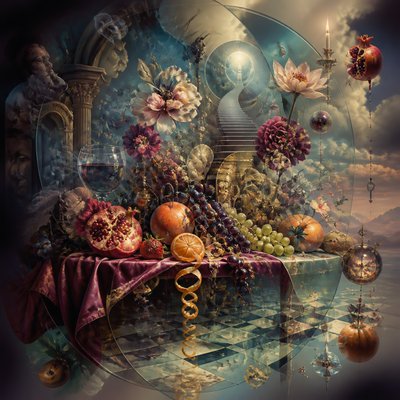
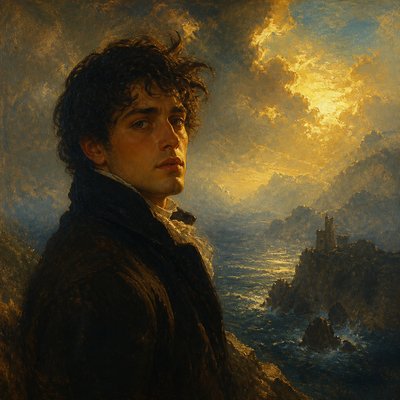
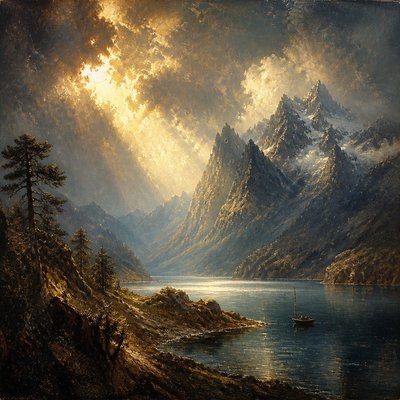
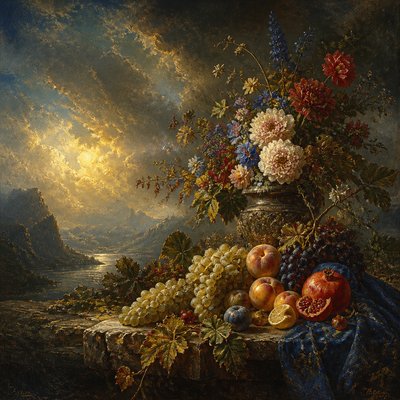
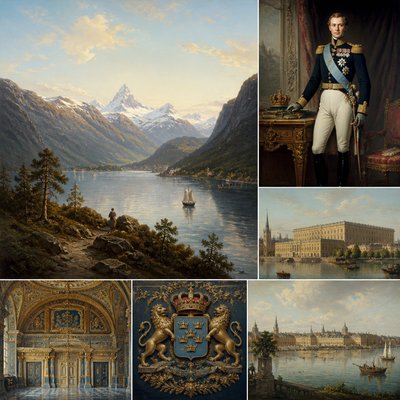
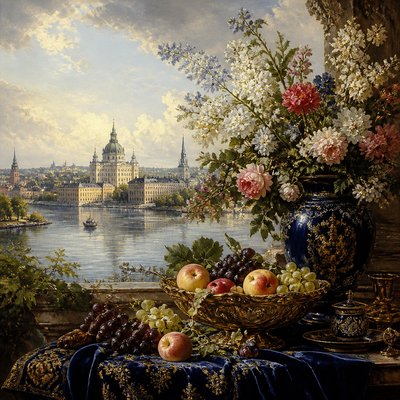
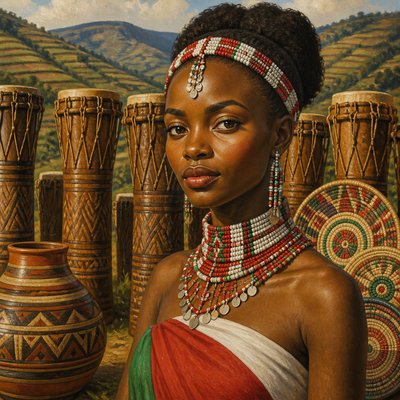
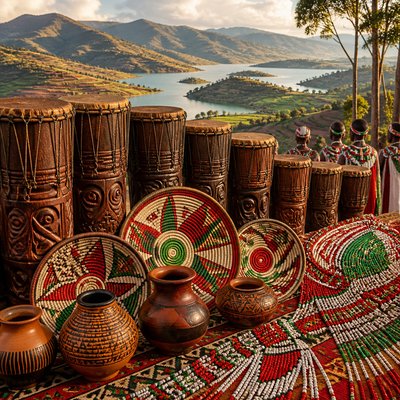
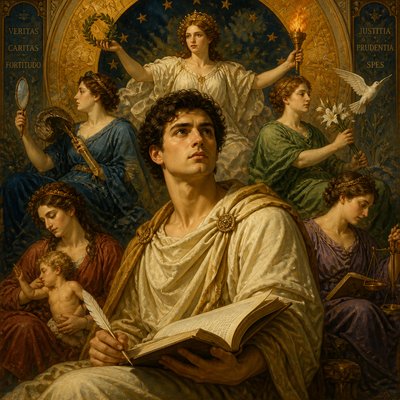
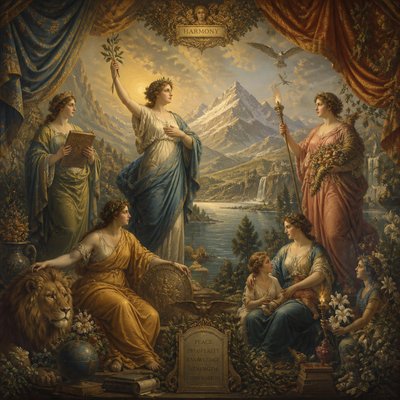
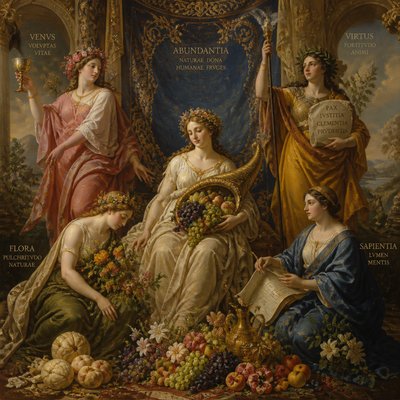
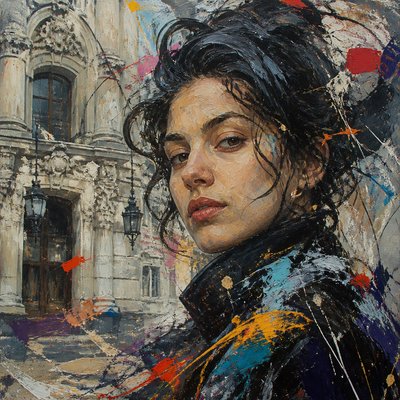
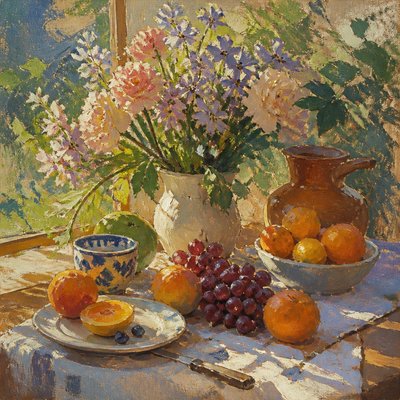
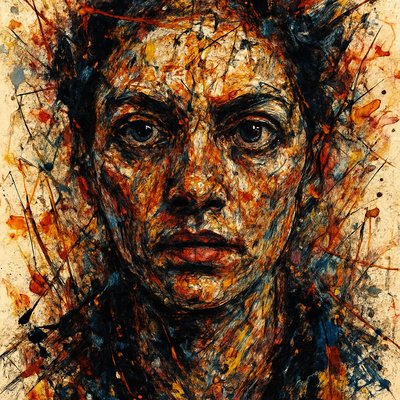
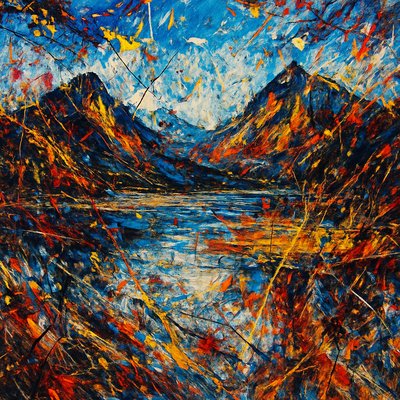
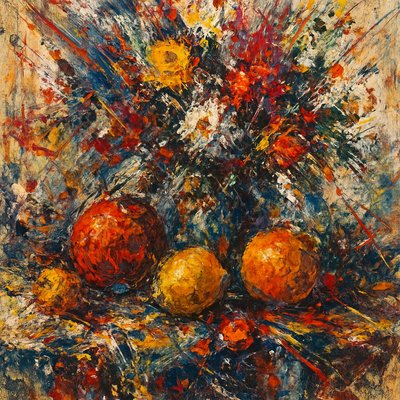
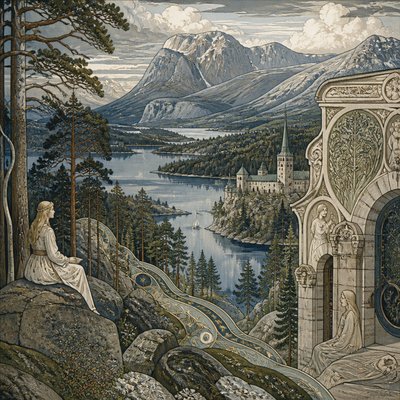
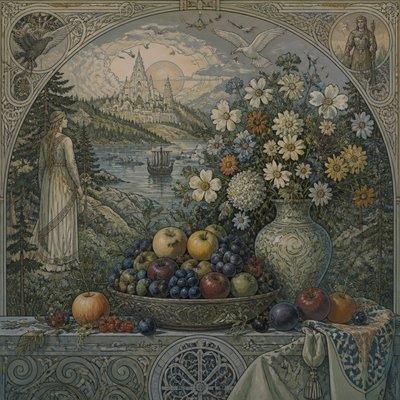
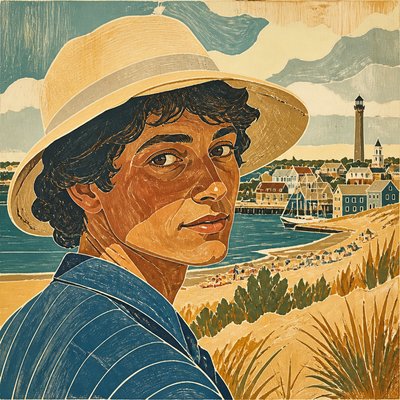
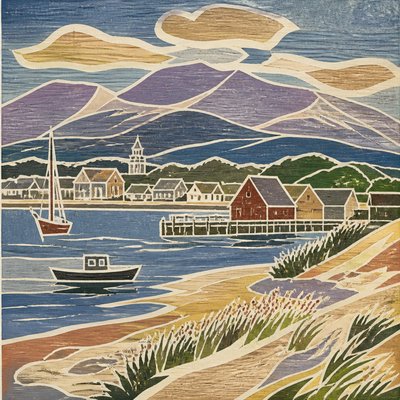
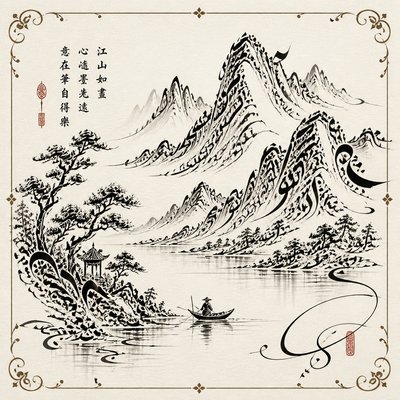
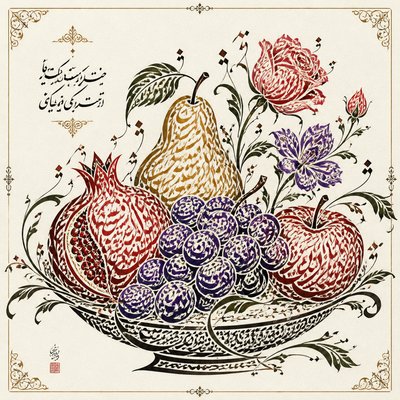
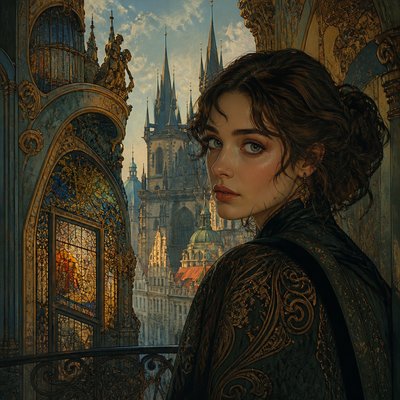
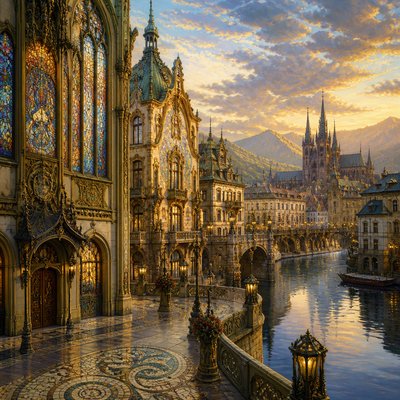
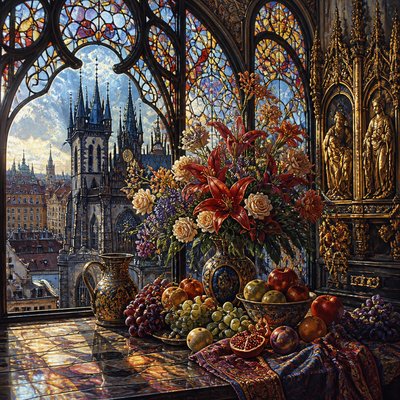
Abstract Landscape Art Style
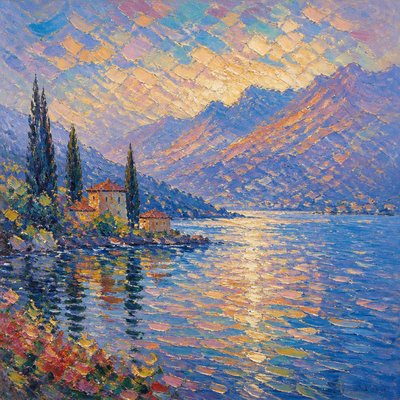
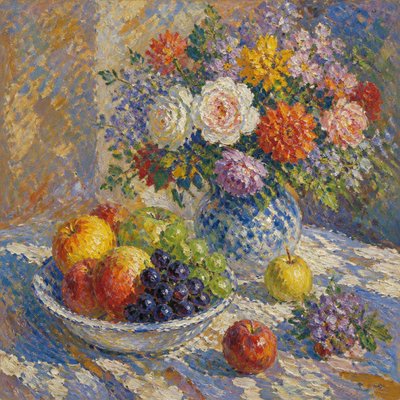
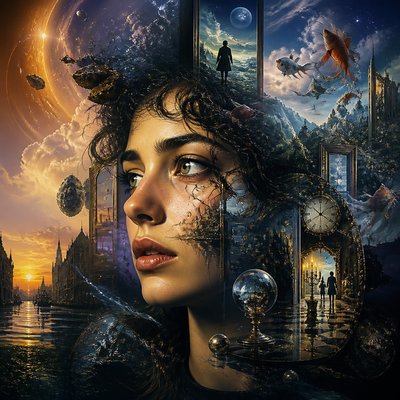
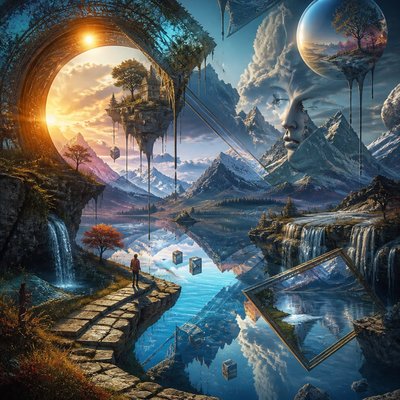
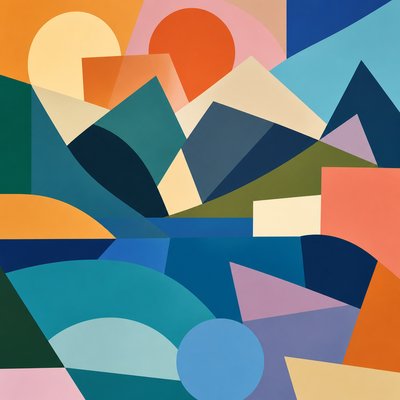
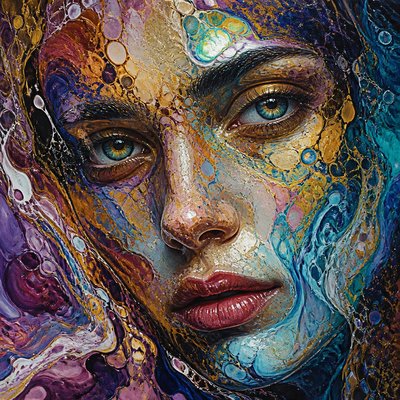
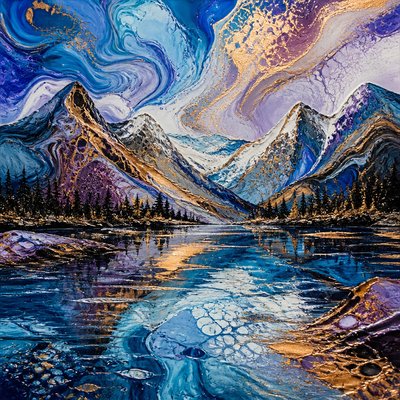
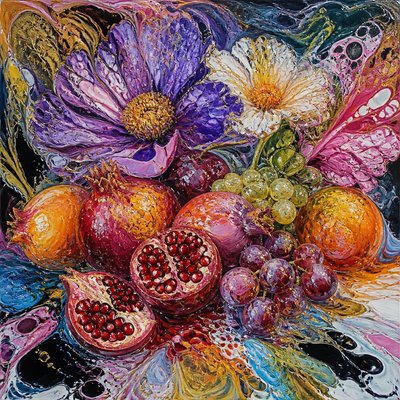
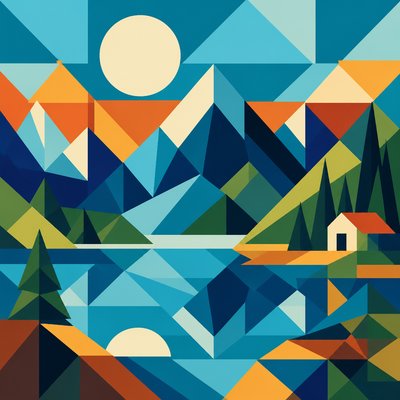
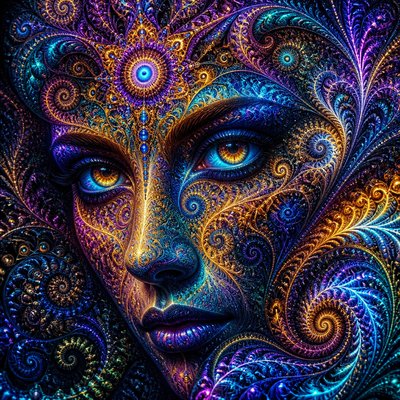
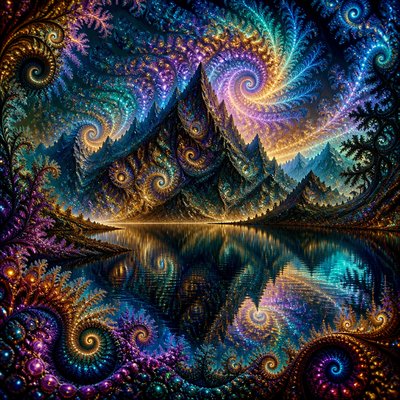
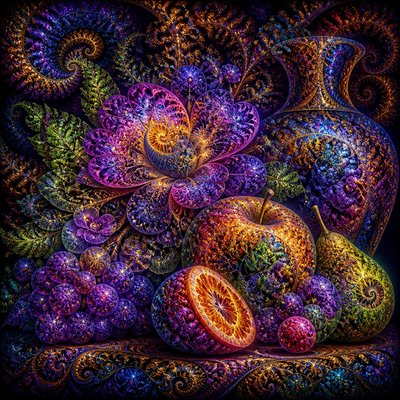
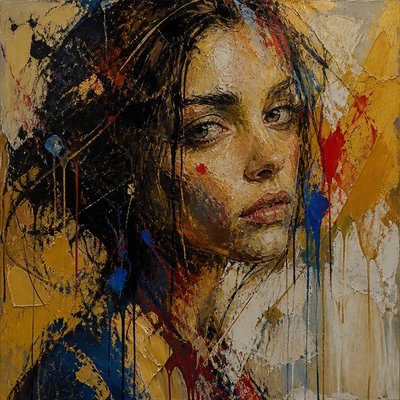
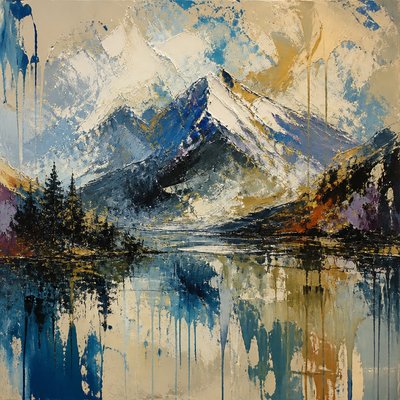
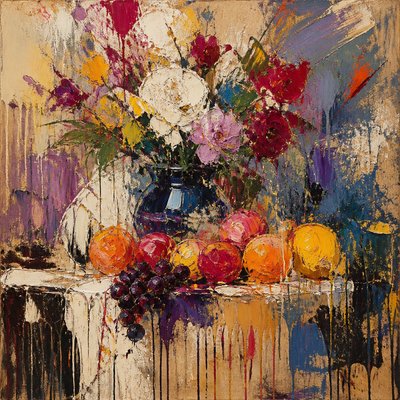
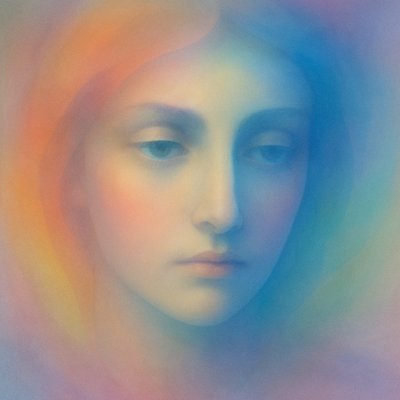
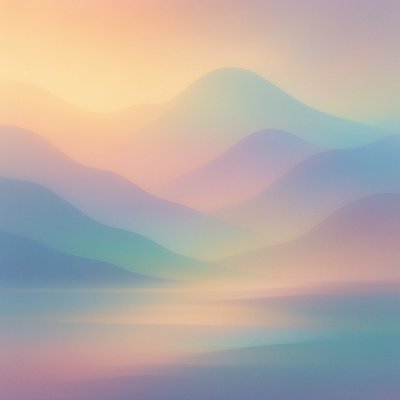
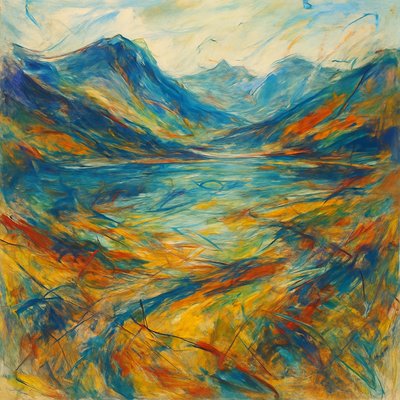
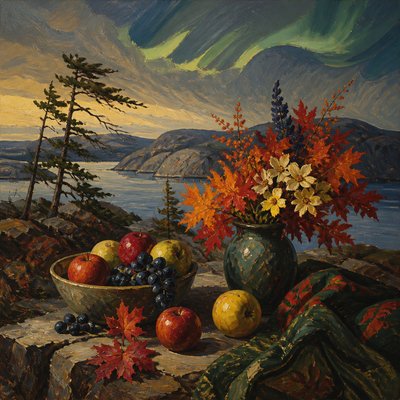
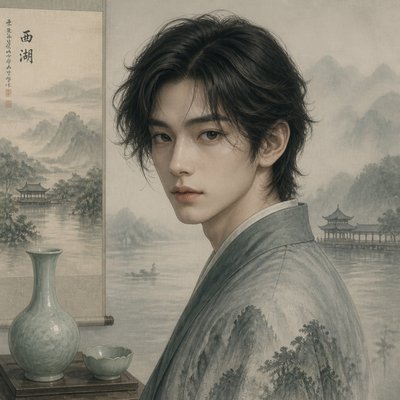
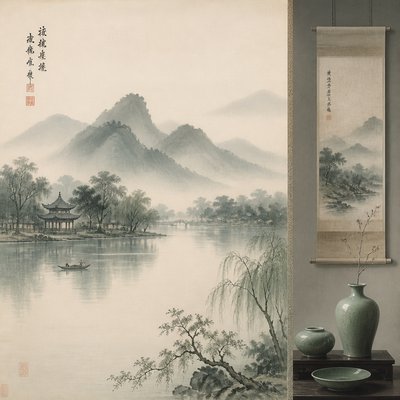
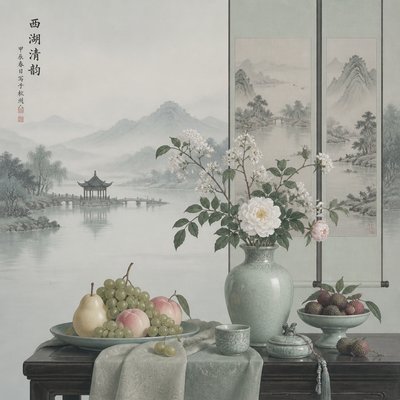
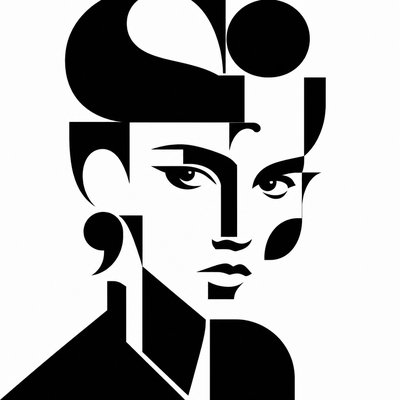
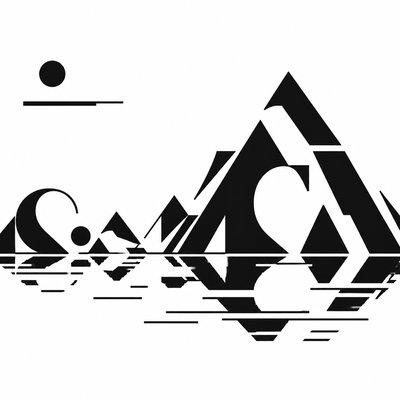
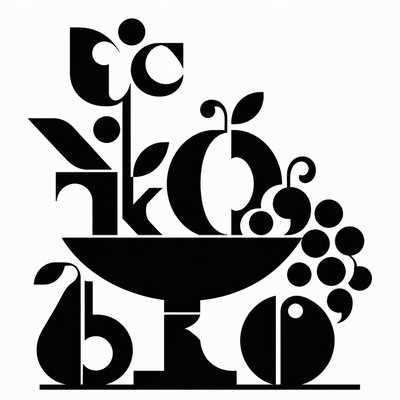
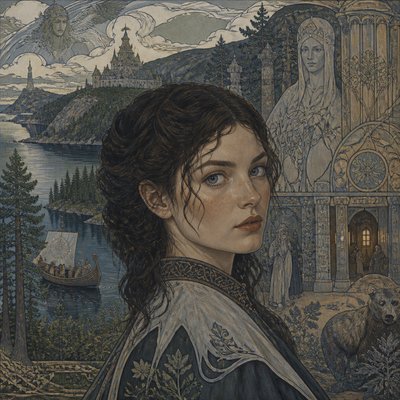
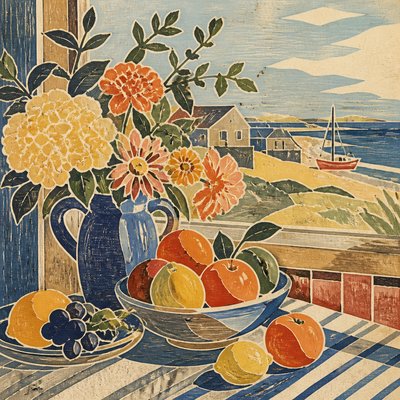
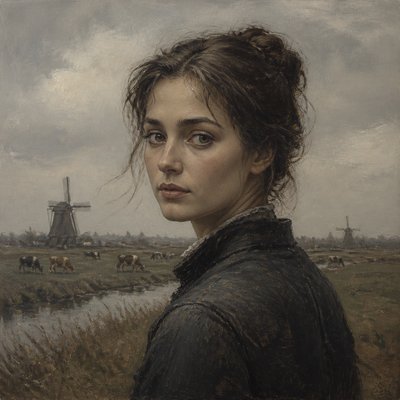
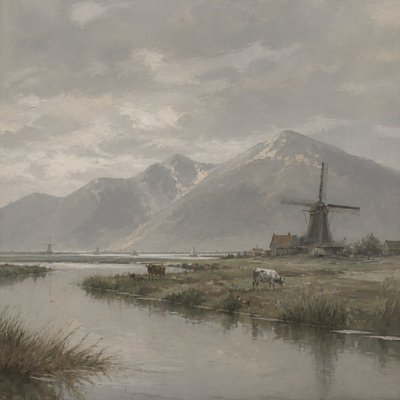
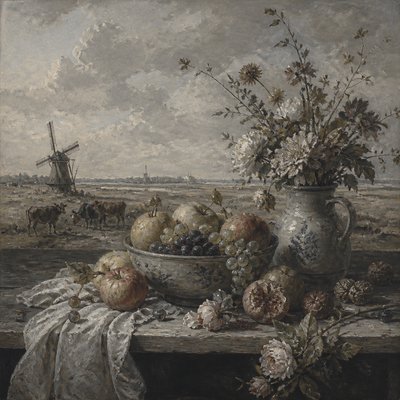
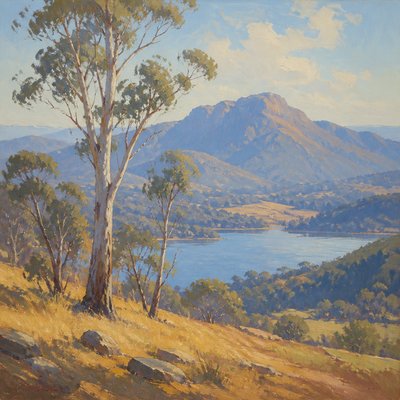
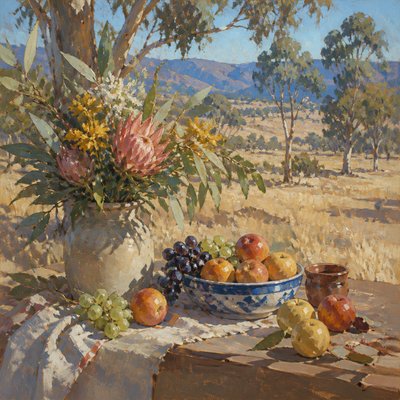
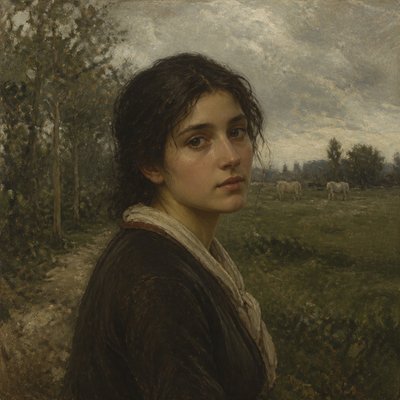
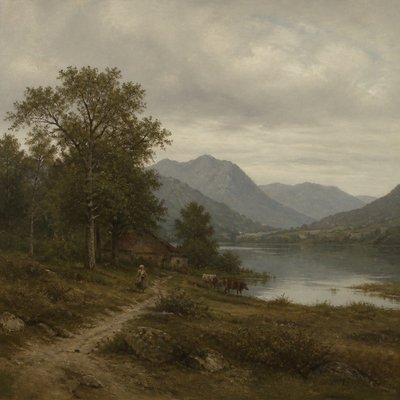
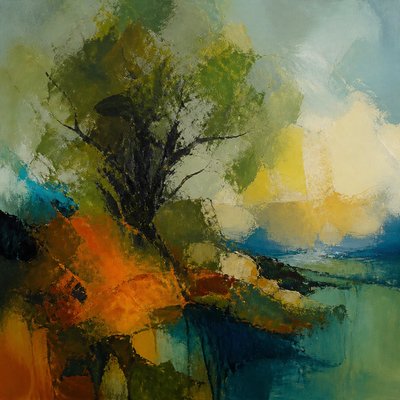
Abstract landscape art uses color, gesture, and shape to evoke nature’s mood without literal depiction.
Instantly rendered in Abstract Landscape — or transform a photo
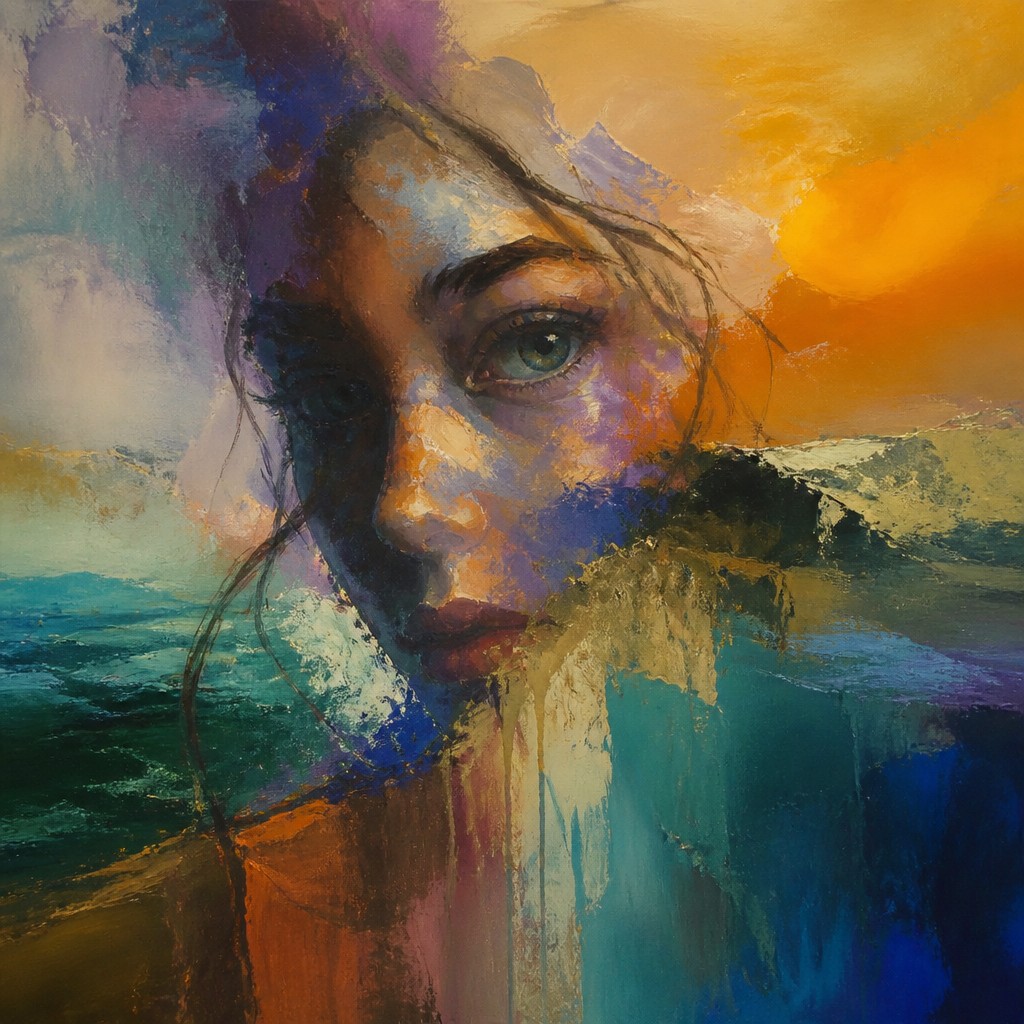
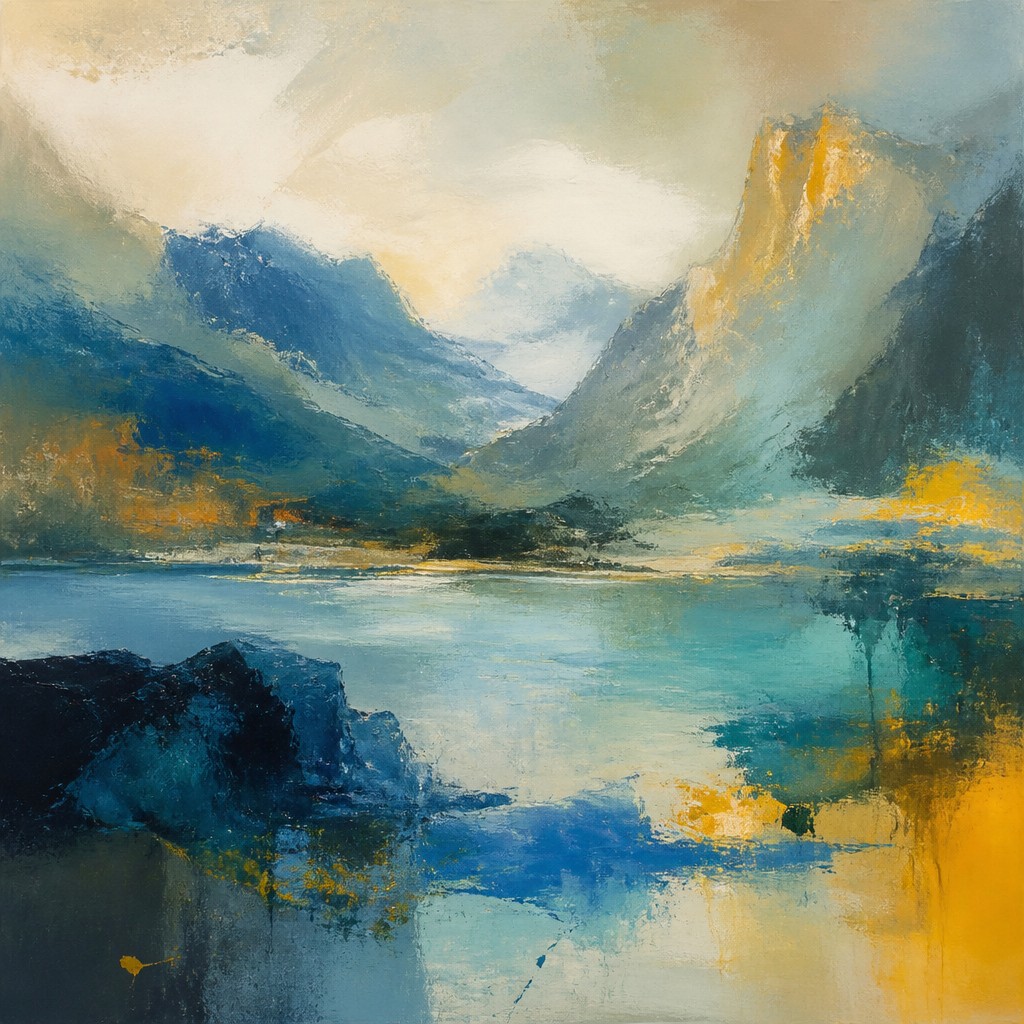
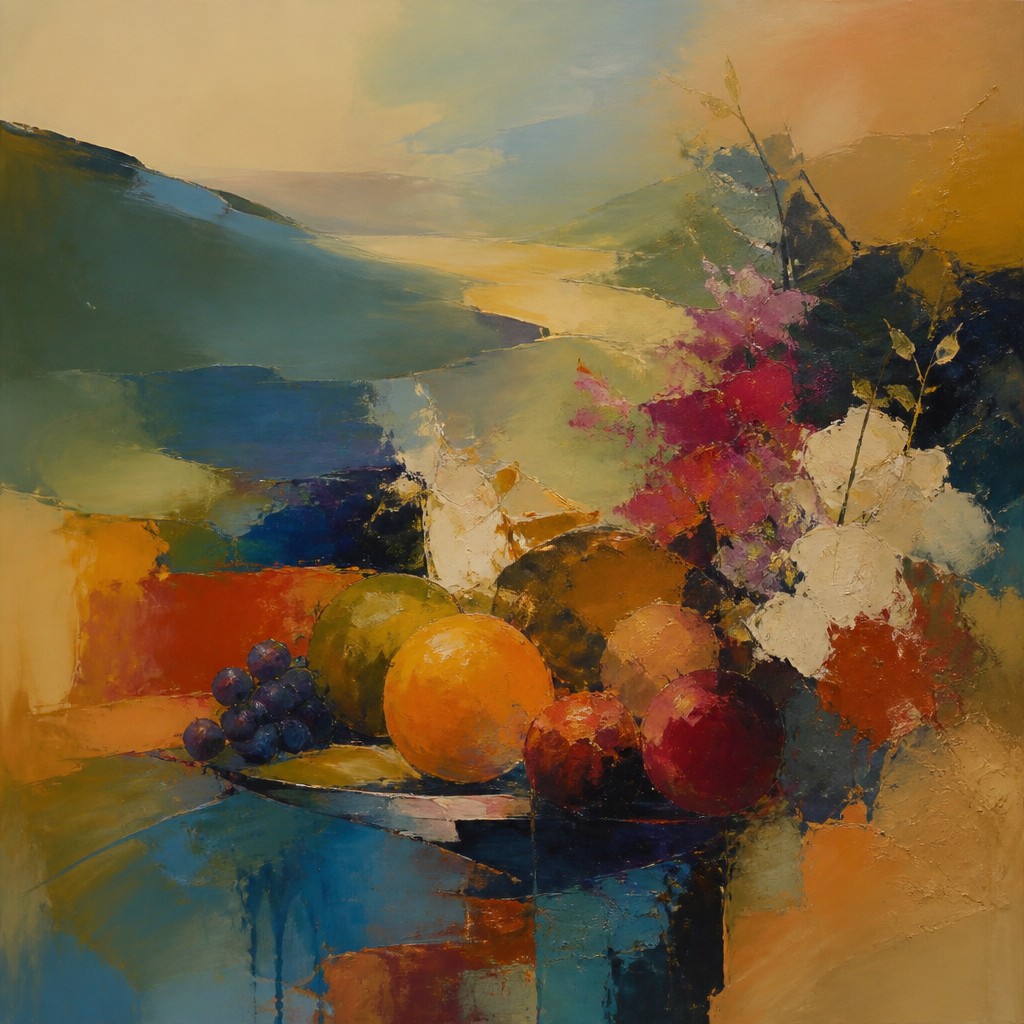
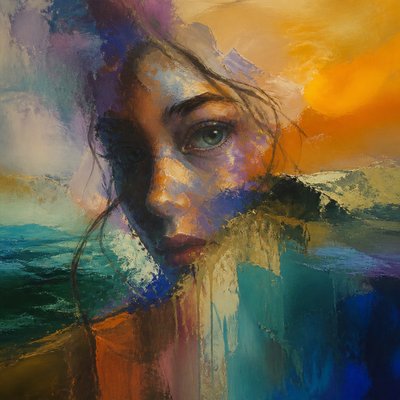
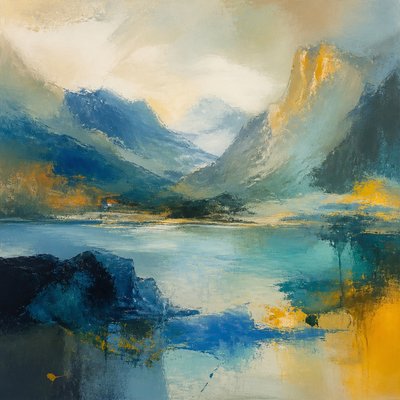
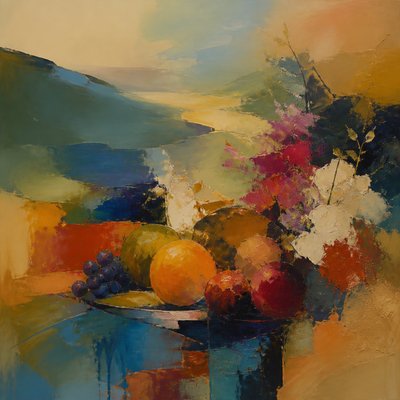
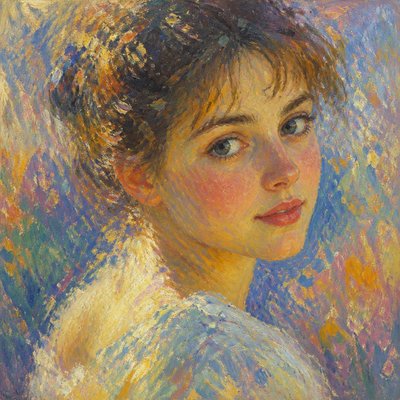
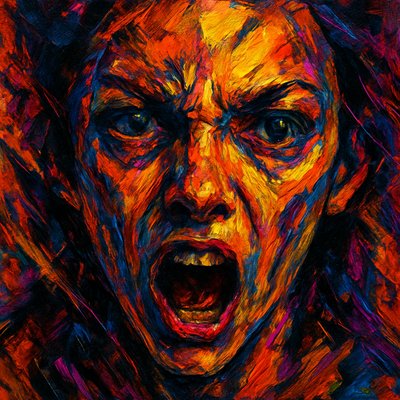
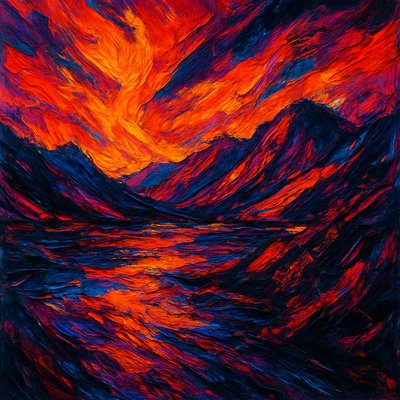
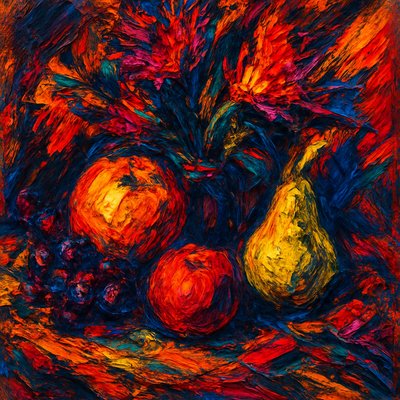
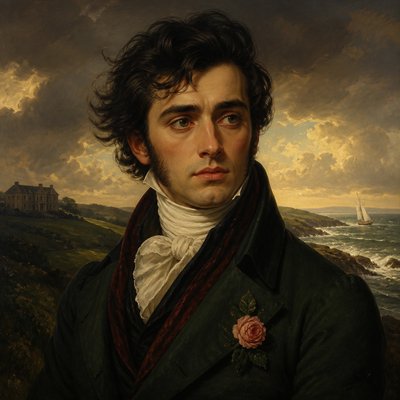
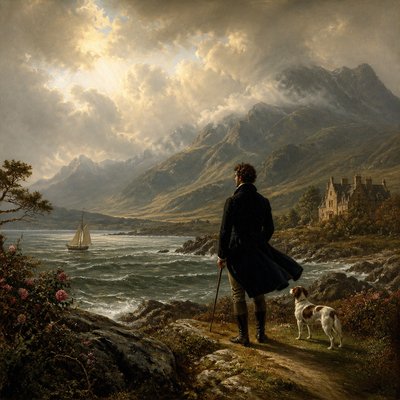
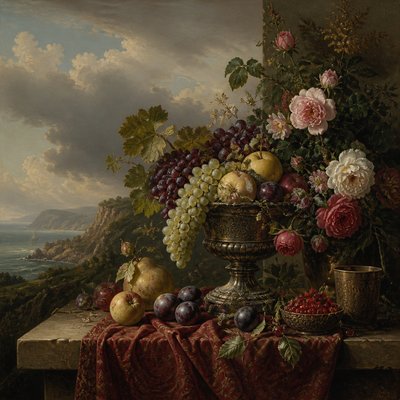
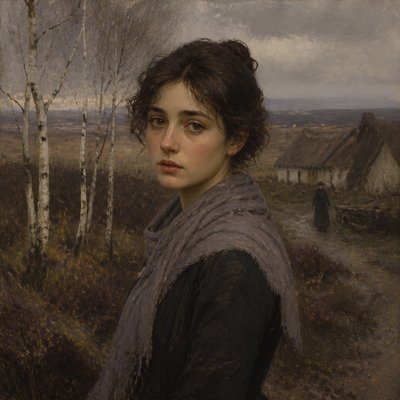
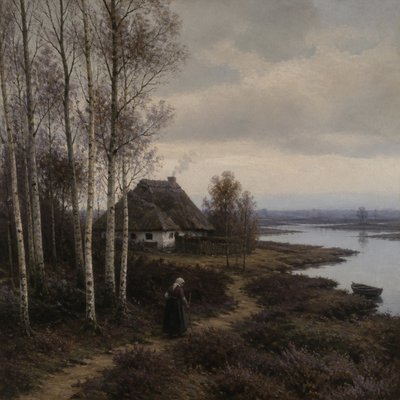
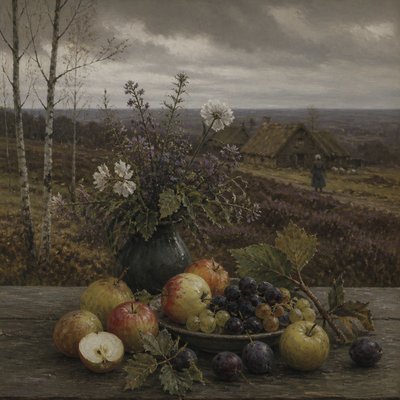
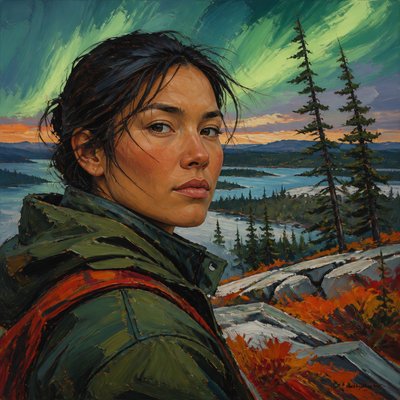
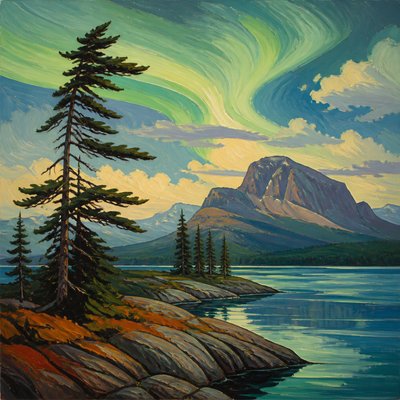
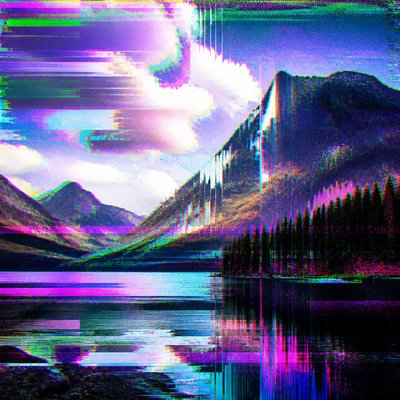
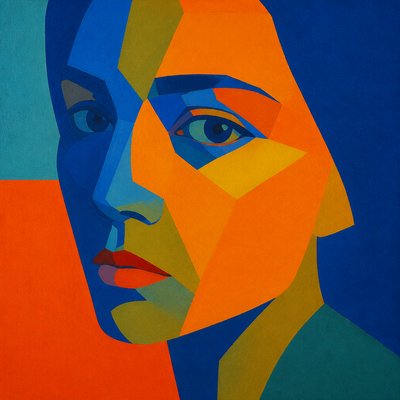
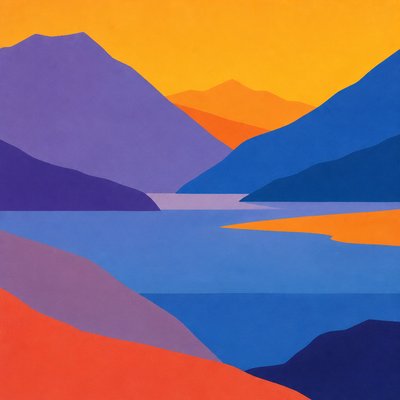
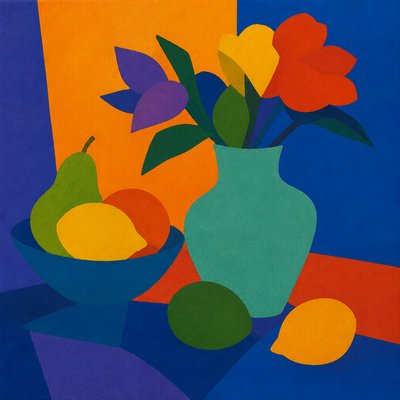
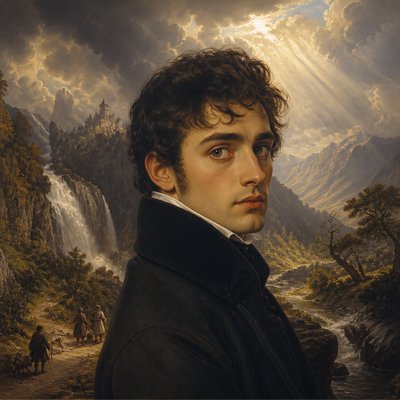
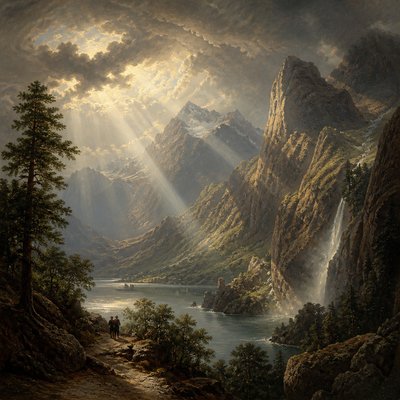
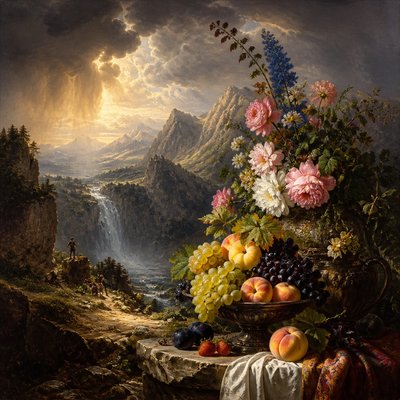
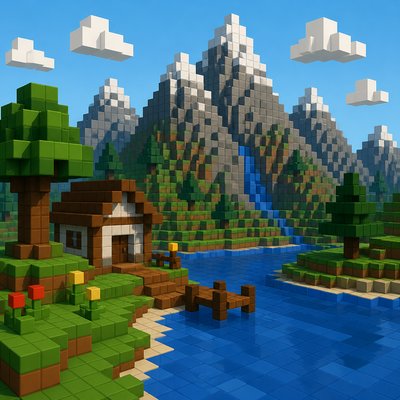
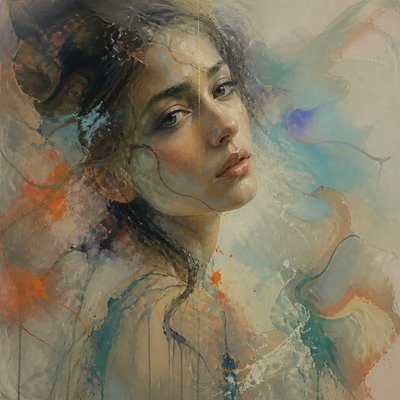
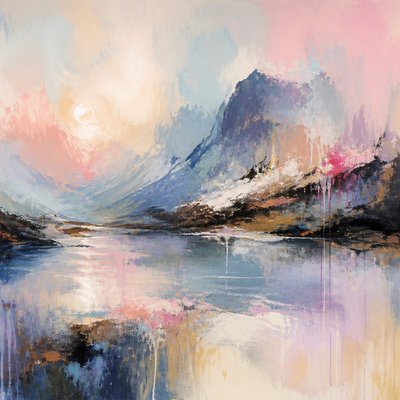
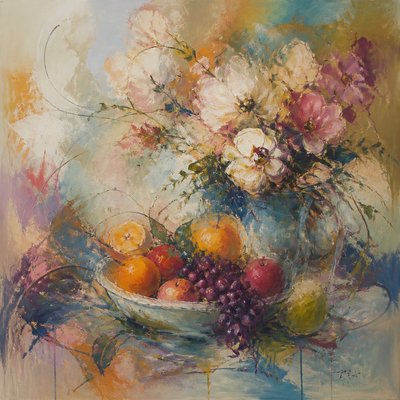
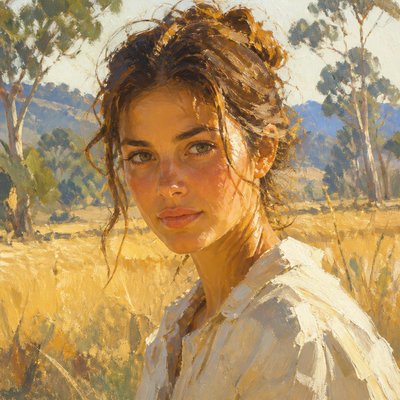
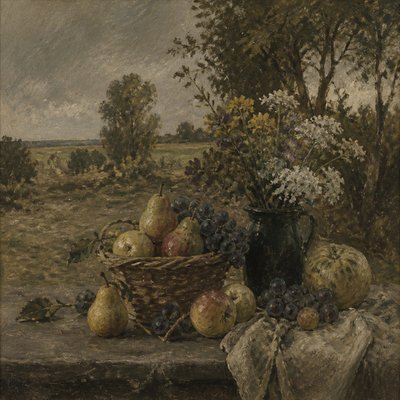
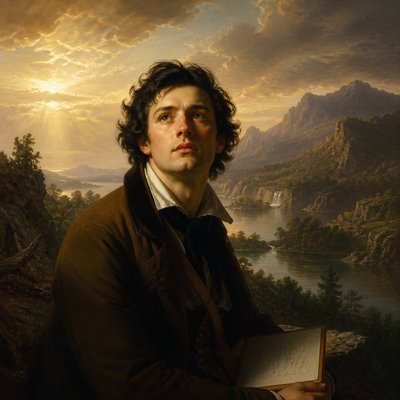
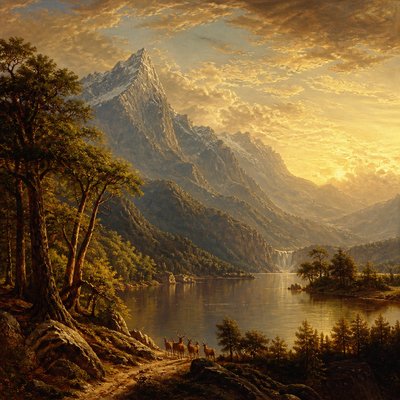
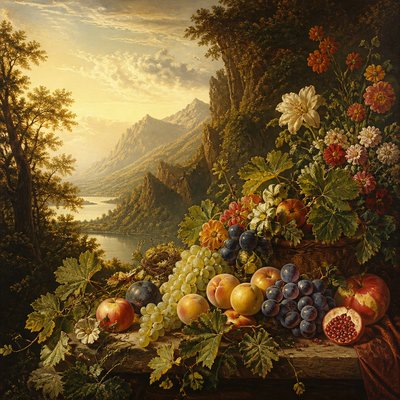
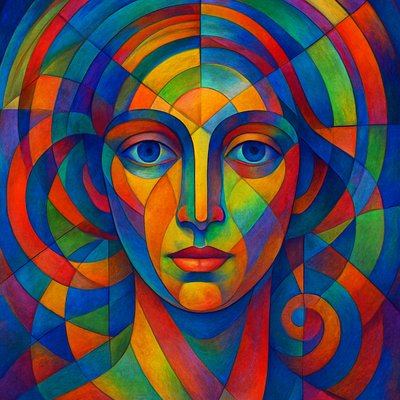
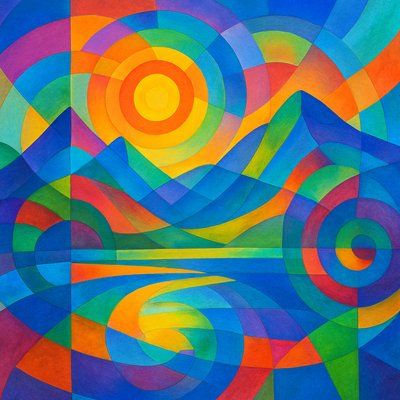
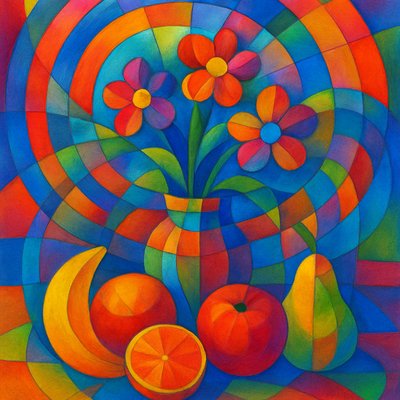
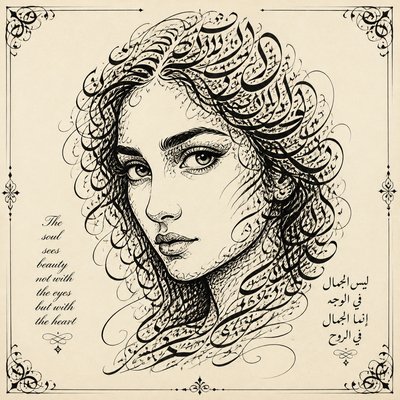
Abstract Landscape Gallery
Tap any artwork to explore it
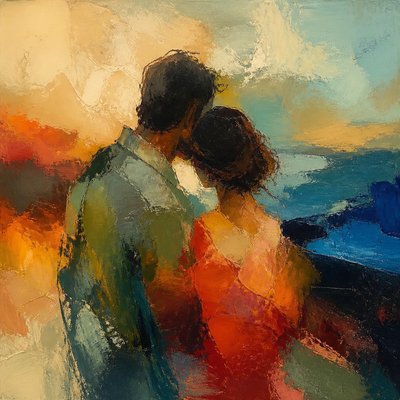
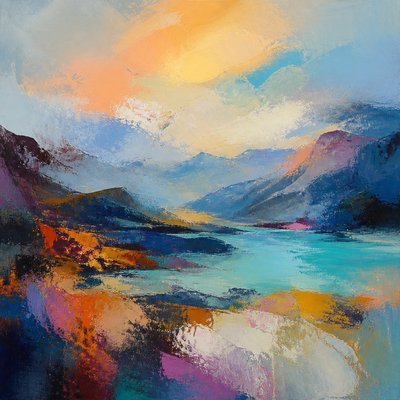
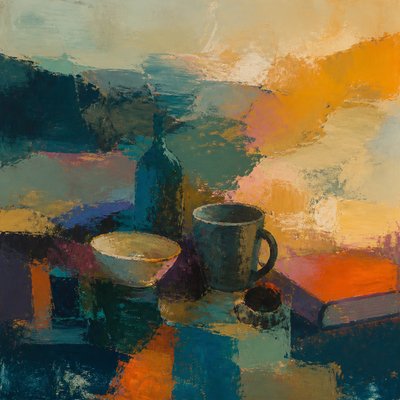
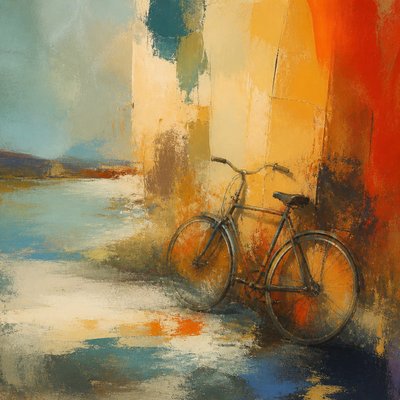
What is Abstract Landscape Art Style?
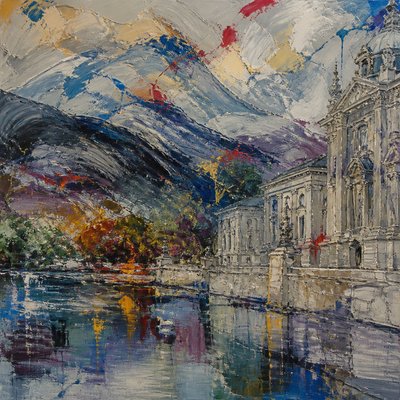
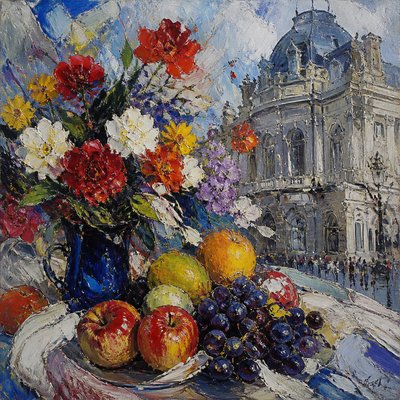
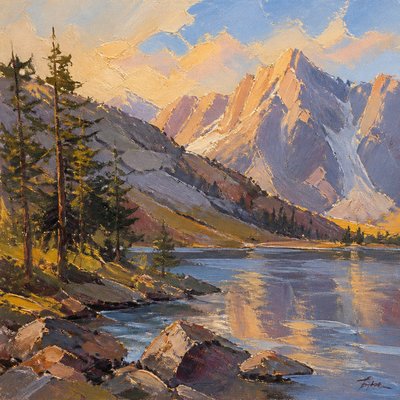
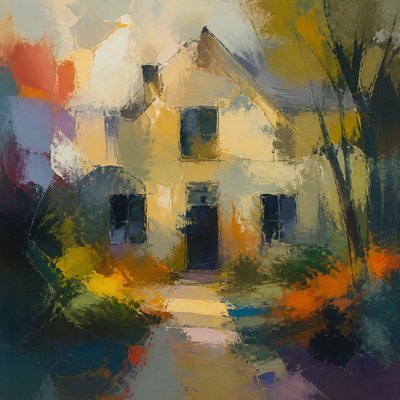
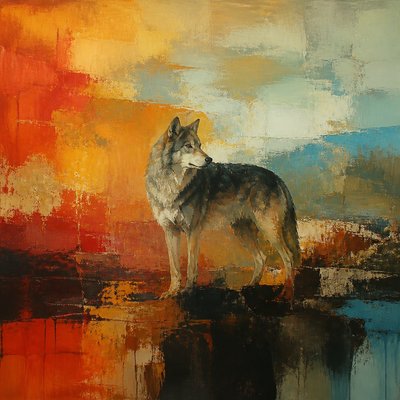
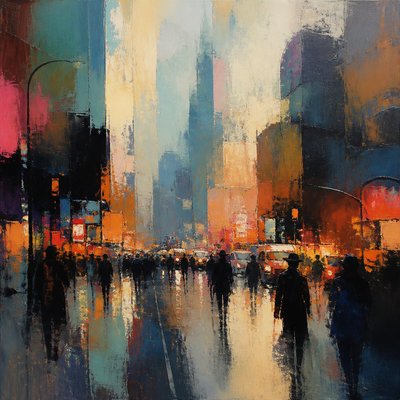
Abstract landscape art is a mode of picturing nature without describing it literally. Instead of trees, mountains, water, or skies rendered in recognizable detail, it uses fields of color, gestural marks, layered texture, and simplified organic forms to suggest the atmosphere, rhythm, and emotional character of a landscape. The subject may still be a real place or natural scene, but the image is distilled into visual sensations rather than topographical facts.
Its visual identity comes from the tension between recognition and ambiguity. Horizontal bands may imply horizon lines, sweeping brushstrokes can evoke wind or water, and shifts in saturation may stand in for changing light or weather. Because the style privileges mood, composition, and material presence over representation, it often feels contemplative, expansive, or elemental, even when the actual subject is small or ordinary.
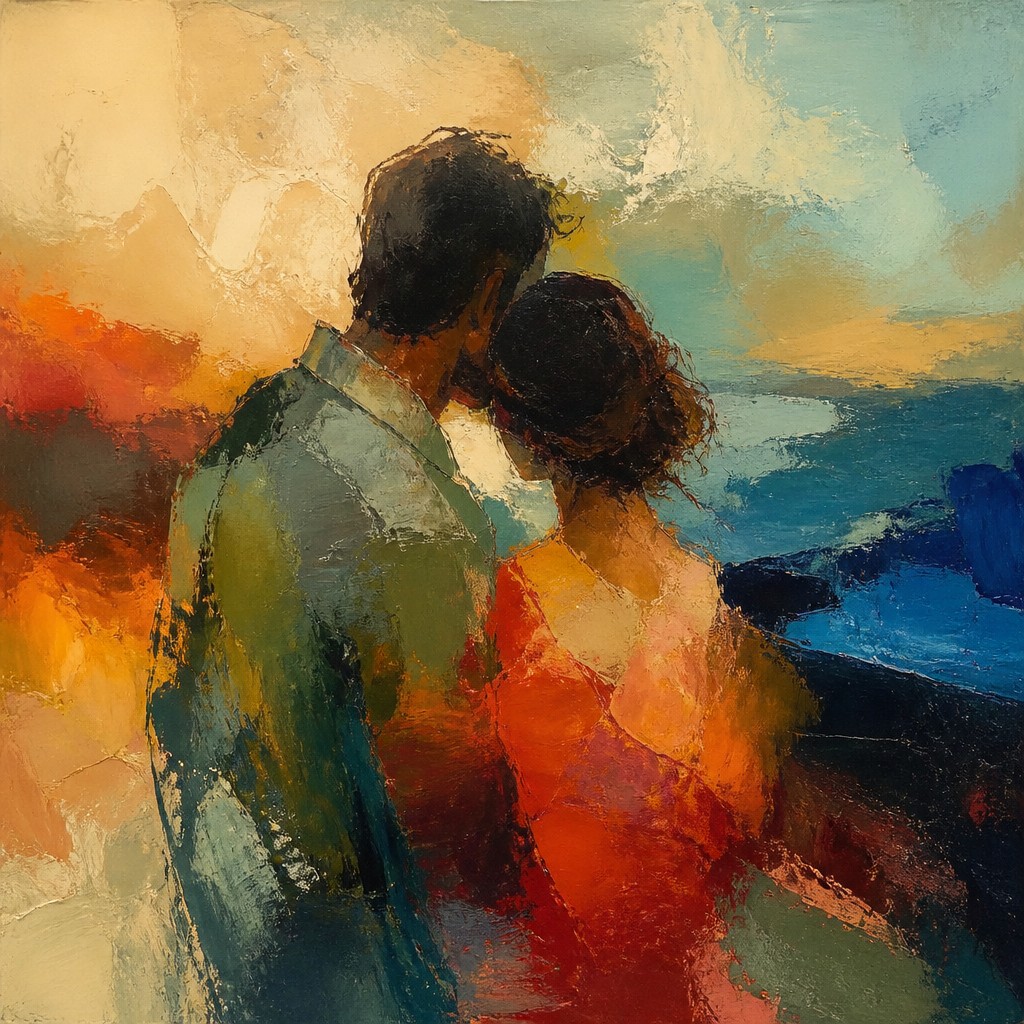
Try It On Your Photos
Upload any photo and convert it into Abstract Landscape Art Style — drag the sliders to compare before and after.
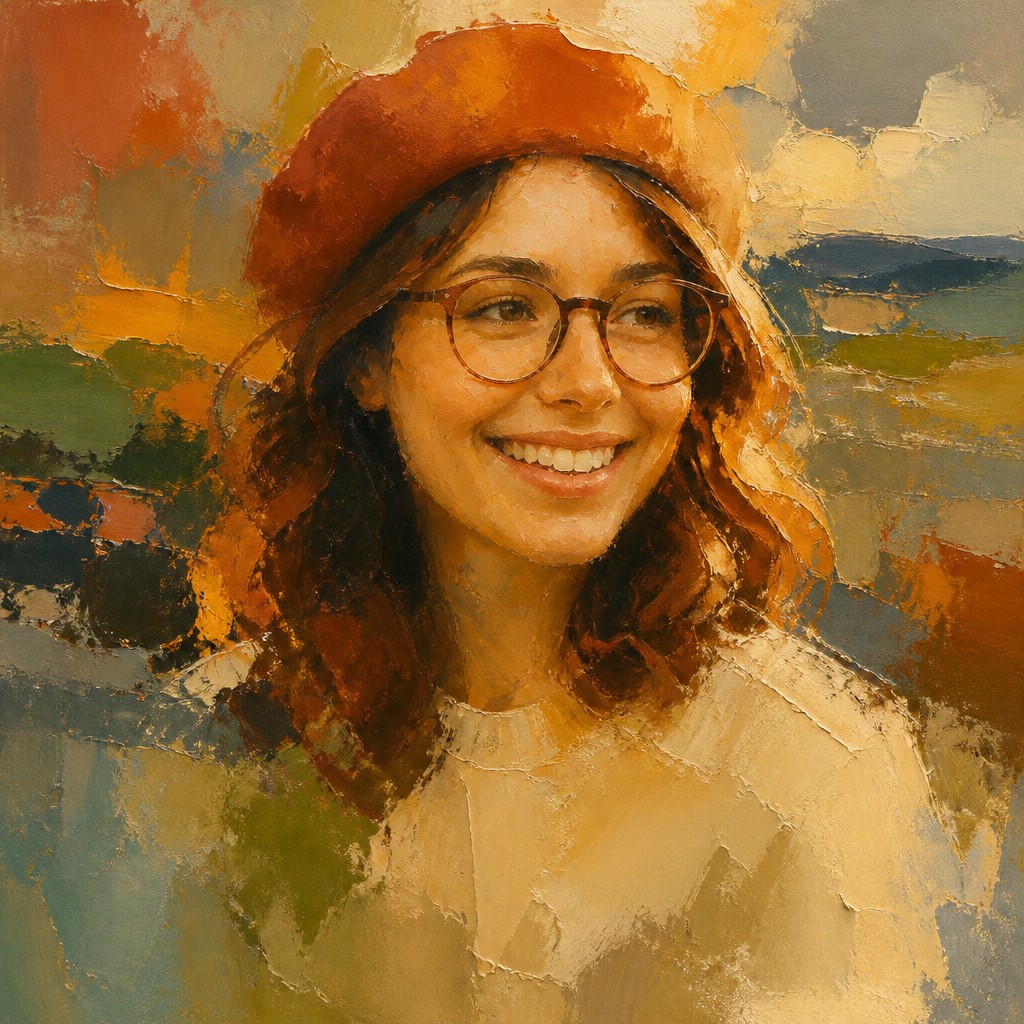

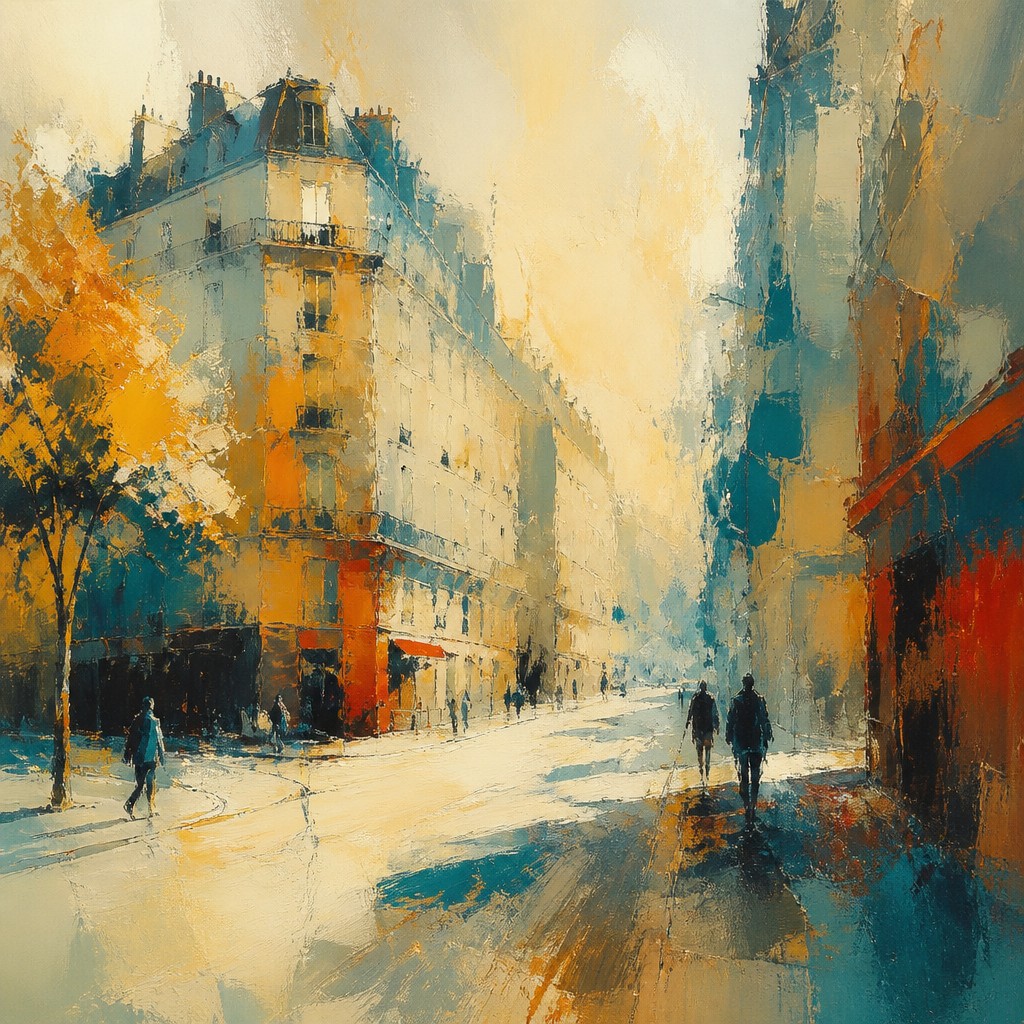

What Defines Abstract Landscape Art Style
The signature details, up close
Landscape suggested, not described
The image may hint at hills, skies, water, or earth through structure and movement, but avoids literal detail. Forms remain open enough that the viewer reads them as natural space through association.
Gesture and movement
Sweeping strokes, broken marks, and directional flows create the sense of wind, current, erosion, or geological force. The painting often feels physically animated even when it is static.
Color as emotional structure
Chromatic relationships do most of the expressive work, with warm and cool zones, saturated accents, and muted passages shaping mood. Color often replaces perspective as the main organizing device.
Layered texture
Surfaces may combine thin washes, scumbled areas, dry brush, and thick impasto. This layering gives the work depth and a sense of accumulated time or weathering.
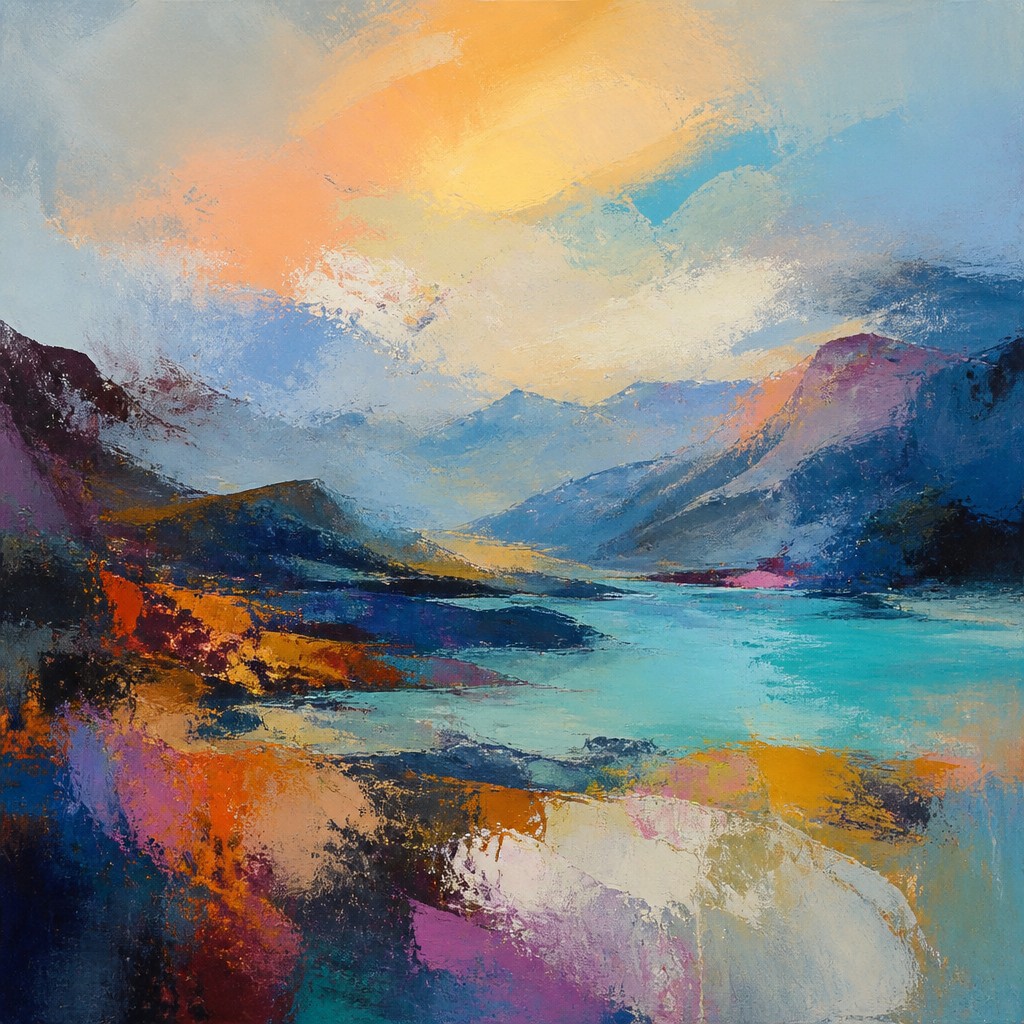
Ambiguous space
Space is implied through overlap, tonal shift, and horizon-like divisions rather than linear perspective. The result is often open, atmospheric, and spatially unstable in an intentional way.
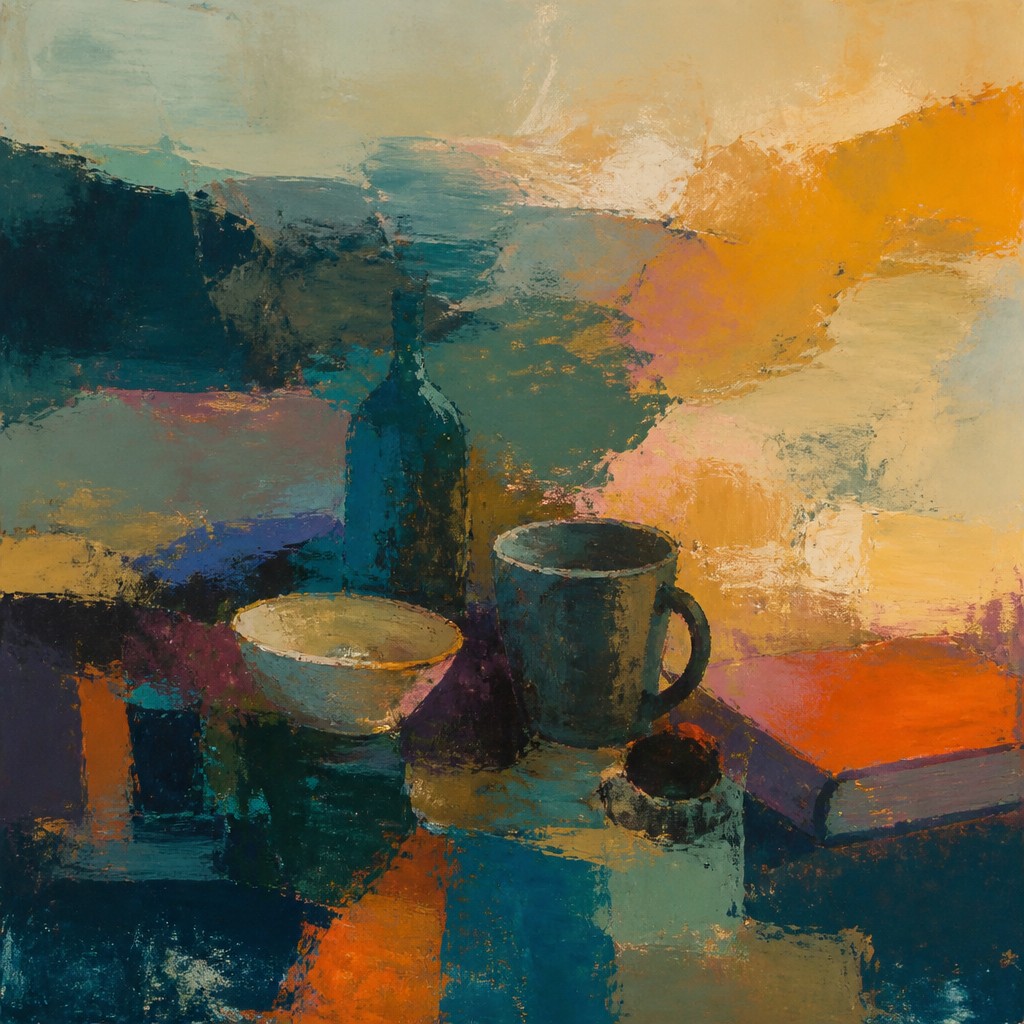
Organic abstraction
Shapes tend to be rounded, irregular, or terrain-like rather than geometric. Even when the composition is highly simplified, it usually retains a natural, topographic feeling.
Try It
Create Videos in Abstract Landscape Art Style
Styles aren't just for stills — describe a scene or animate an image and get a short video rendered in Abstract Landscape. Press play to see this pond come to life.
Make a VideoAbstract Landscape Prompt Ideas
Start from an idea — each one opens the generator with the style ready to go. See all 40 Abstract Landscape prompts →
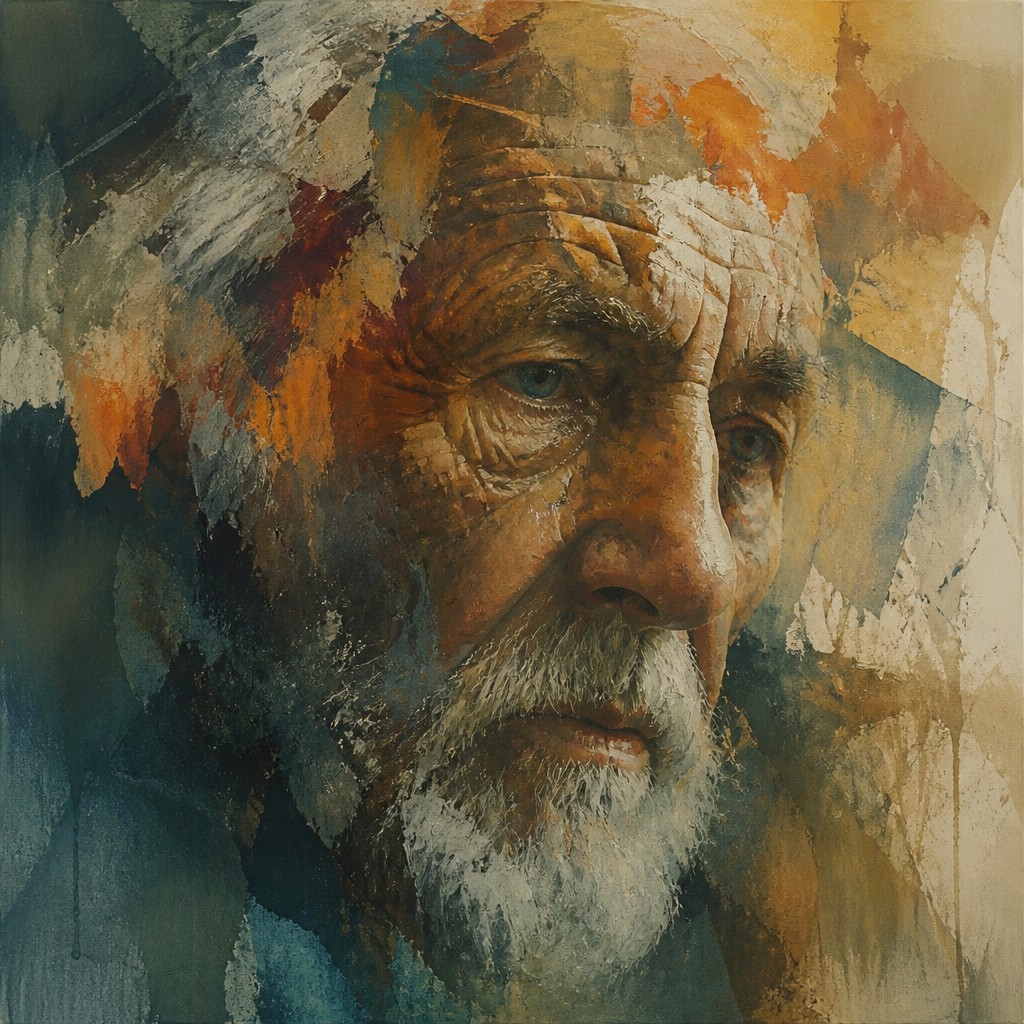
“close-up portrait of an elderly person with expressive weathered features”
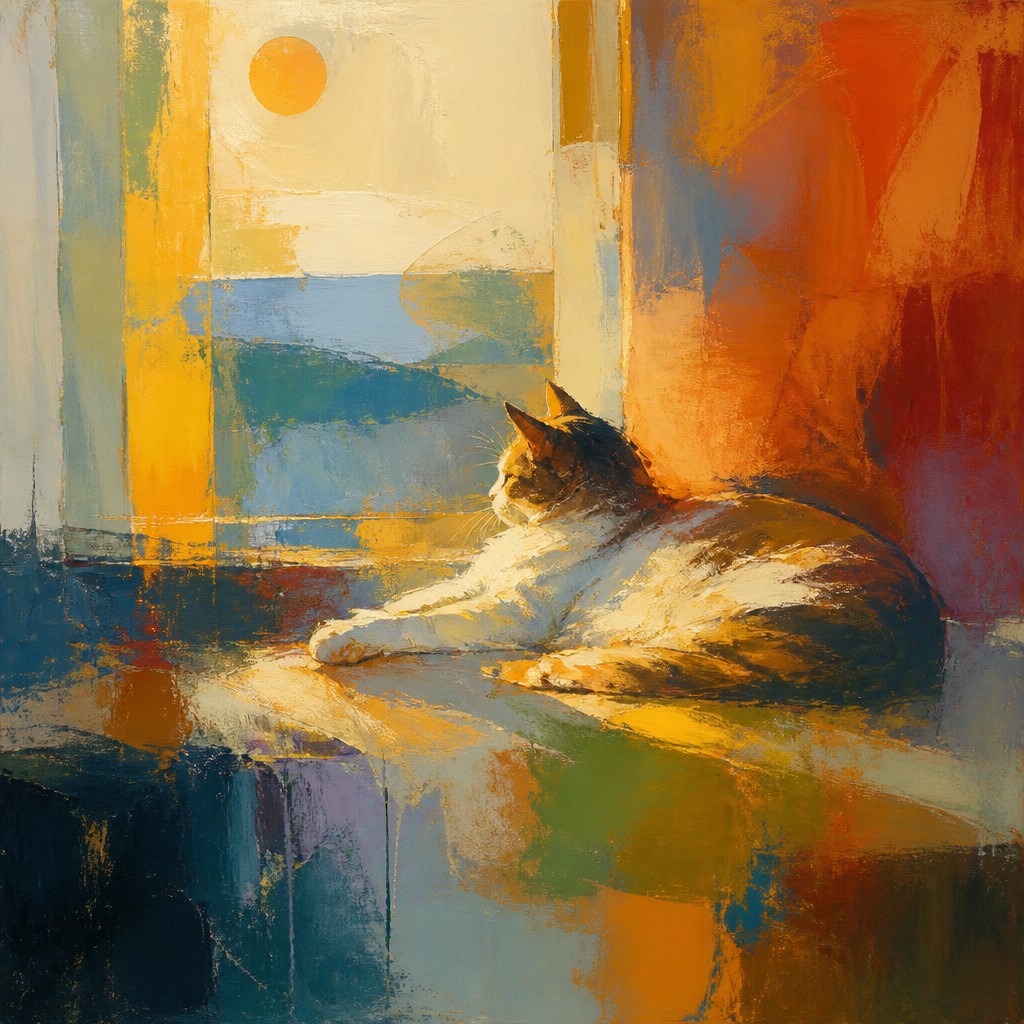
“a cat lounging in a sunlit window”
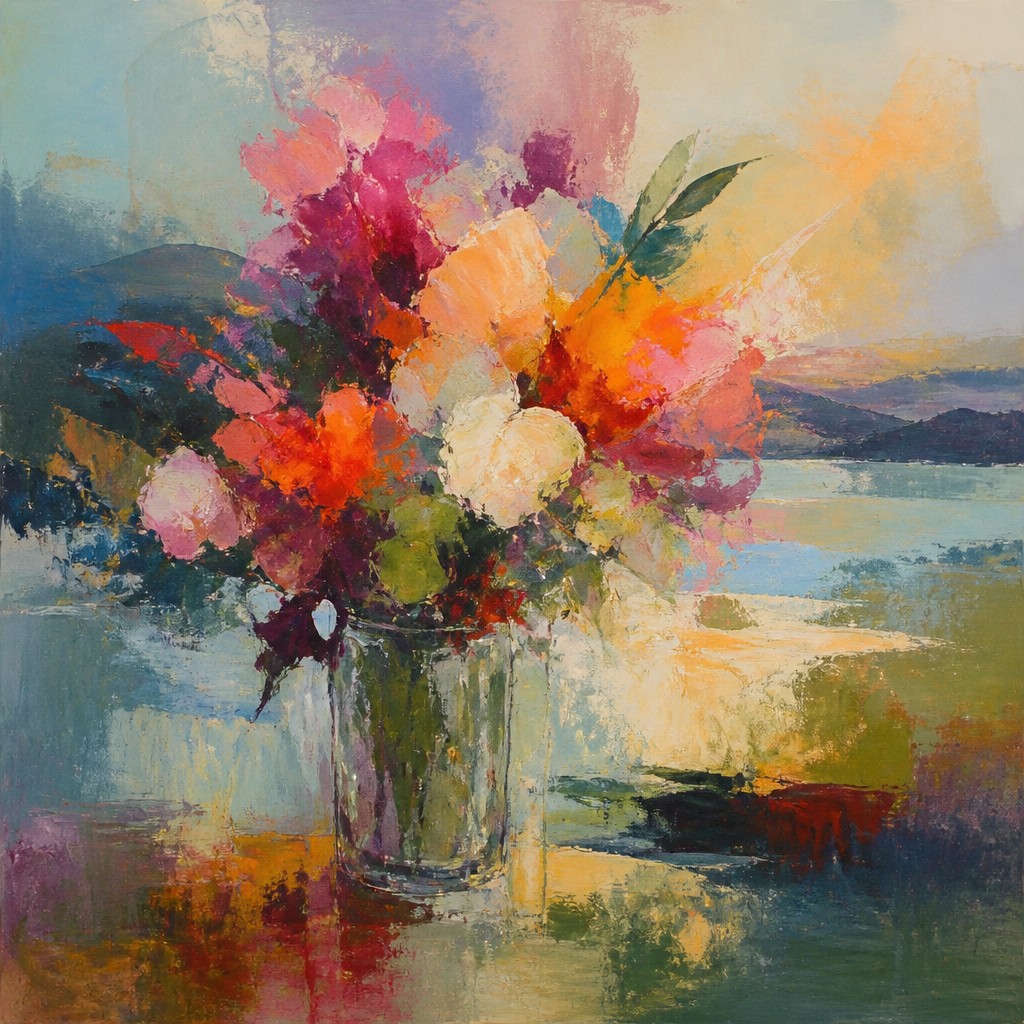
“bouquet of flowers in a glass vase”
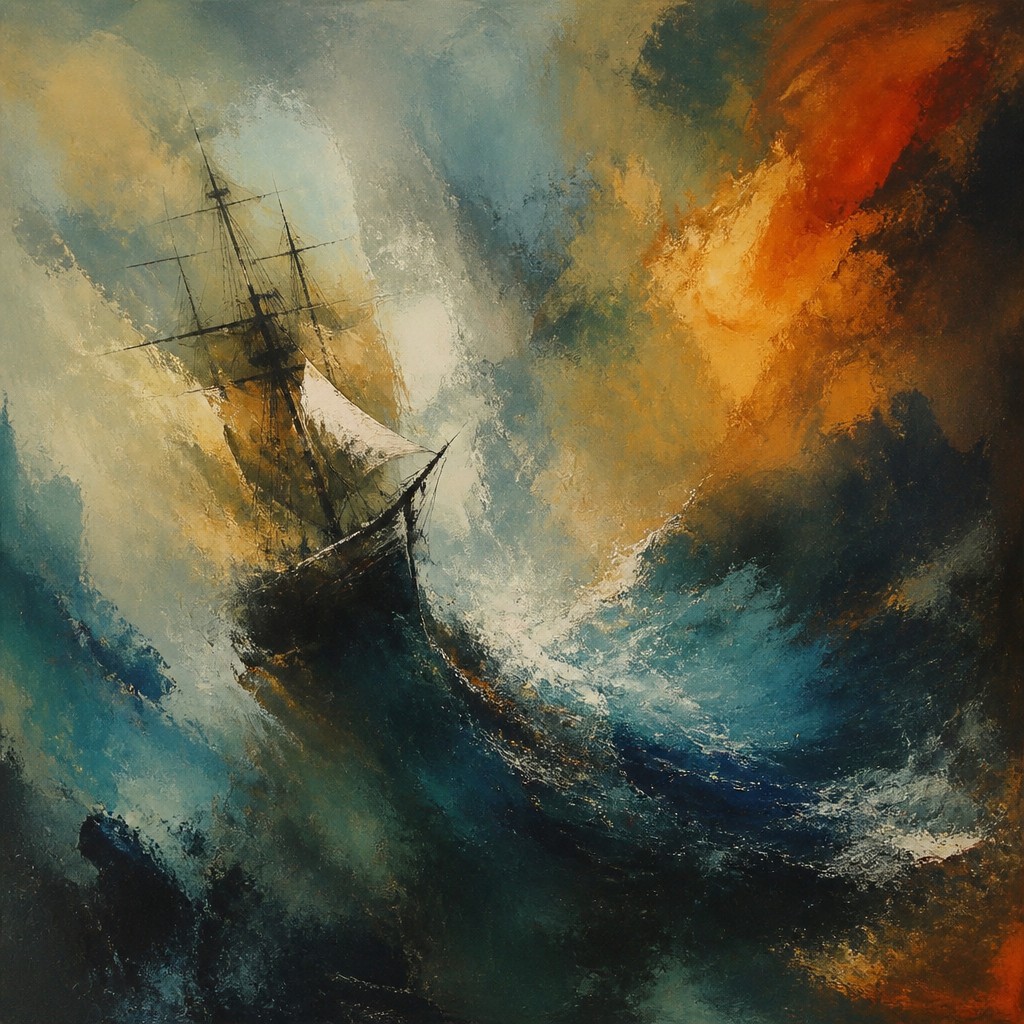
“sailing ship on a stormy sea”
How to Create Abstract Landscape Art
Master the craft step by step — or skip straight to creating. Read the full guide →
- 1
Start from a real landscape memory or reference
Identify the core impression you want to preserve: a color palette, weather condition, horizon, or emotional tone. Then remove specific details and rebuild the scene using only the forms that support that feeling.
- 2
Use broad compositional masses
Block in large zones first, such as sky, land, water, or distance, even if they remain abstracted. Strong horizontal or diagonal divisions can anchor the image without making it literal.
- 3
Build atmosphere through layering
In paint, glaze translucent color over dry passages and interrupt them with opaque marks or impasto. In digital work, use textured brushes, low-opacity layers, and subtle blending to create depth and surface variation.
- 4
Let edges soften and dissolve
Avoid outlining forms. Soften transitions, break contours, and allow some areas to disappear into adjacent colors so the image feels more like light, weather, or memory than diagram.
- 5
Prioritize chromatic mood in prompts
For text-to-image generation, describe the landscape source and the feeling you want, such as dawn, heat, calm, or storm, then specify gestural color fields, organic shapes, layered pigment, and ambiguous horizon structure.
- 6
Control the balance between order and freedom
If the composition feels too random, add a clear directional structure or dominant color relationship. If it feels too literal, remove objects and replace them with tonal intervals, marks, and texture.

The Story
History & Origins of Abstract Landscape
Abstract landscape art does not belong to a single historical movement; it is an aesthetic approach that emerges from the broader development of abstraction in modern art. Its roots lie in early 20th-century experiments that loosened the link between painting and visible reality, including the color-driven compositions of abstract painting, the expressive brushwork of postwar abstraction, and landscape traditions that increasingly treated nature as a source of structure, rhythm, and feeling rather than exact description.
The style draws especially on modernist painting, lyrical abstraction, Color Field painting, gestural abstraction, and aspects of expressionism and post-painterly abstraction. In later decades, many contemporary painters and digital artists have continued this lineage by using layered translucency, textural variation, and chromatic composition to evoke seascapes, terrain, weather, and horizon without fully depicting them. It is less a fixed school than a recurring visual solution for artists who want landscape to be experienced as sensation, memory, or atmosphere.
Influences: Abstract landscape art is closely related to modern abstraction, especially Color Field painting, lyrical abstraction, gestural abstraction, and expressionism. It also overlaps with landscape traditions that emphasize mood over detail, from Romantic painting through modernist simplification; artists often cited in these broader lineages include pioneering abstraction innovators, major surrealist artists, influential postwar color-field painters, leading postwar women painters associated with soaked stain techniques, severe monochrome abstraction pioneers, and abstract expressionists such as prominent gestural painters, though no single artist defines the category. The style also draws from Japanese ink painting, atmospheric watercolor, and contemporary mixed-media practices that value surface, layering, and suggestion.

Frequently Asked Questions
What defines abstract landscape art?
It is landscape imagery translated into color, shape, gesture, and texture rather than literal depiction. The work usually suggests a place, horizon, or natural atmosphere without relying on realistic objects or accurate perspective.
How is it different from landscape painting?
Traditional landscape painting typically aims to depict a visible scene with recognizable elements such as trees, mountains, and sky. Abstract landscape art keeps the idea of landscape but removes or simplifies those elements, focusing instead on mood, movement, and composition.
Is abstract landscape the same as abstract art?
Not exactly. Abstract art can be non-representational with no reference to the natural world at all, while abstract landscape art usually remains loosely connected to nature or place. It sits between recognition and pure abstraction.
What subjects work well in this style?
Seascapes, mountains, deserts, forests, fields, skies, and weather phenomena all translate well because they can be reduced to broad forms and color relationships. Even a small view, like a garden or riverbank, can become effective if it is distilled into atmosphere and rhythm.
How do artists make it feel like a landscape without painting details?
They use spatial cues such as horizon bands, atmospheric perspective, directional movement, and layered tonal shifts. Repeated color relationships and organic shapes help the viewer infer terrain, distance, and natural forces.
Where is this style commonly used?
It appears in fine art painting, decorative wall art, book covers, interiors, editorial illustration, and contemporary digital art. Its adaptable, mood-driven character makes it effective anywhere an evocative natural atmosphere is desired.

Create your first Abstract Landscape artwork
Describe anything — or upload a photo — and see it in Abstract Landscape Art Style in seconds.
Make Something with Abstract Landscape
Compare Abstract Landscape
Related Styles
Discover similar art styles