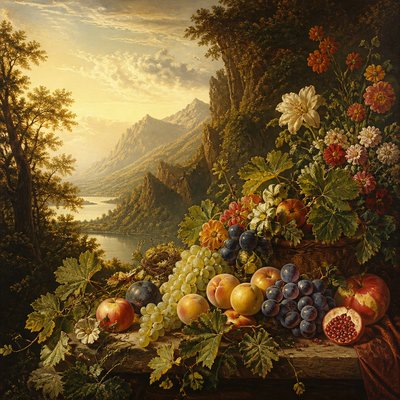
Plein Air Landscape Art Style
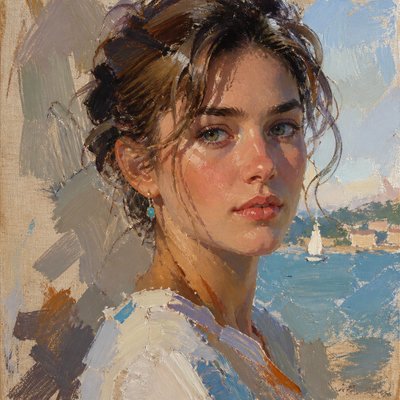
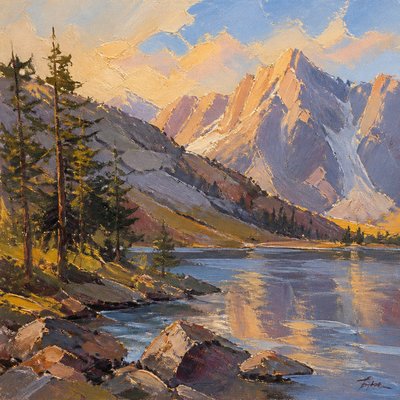
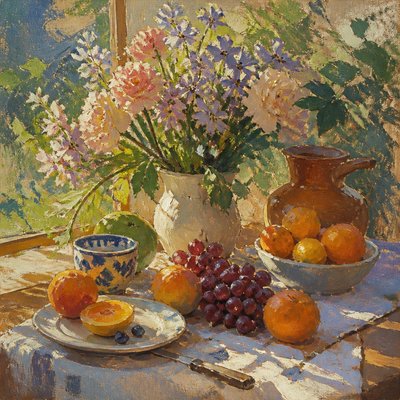
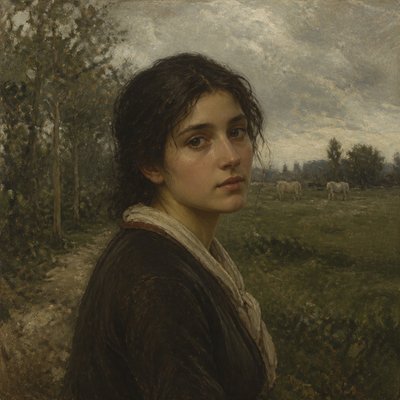
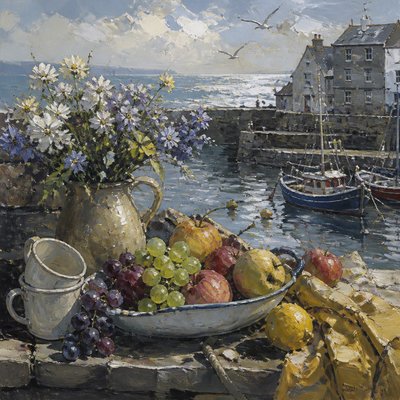
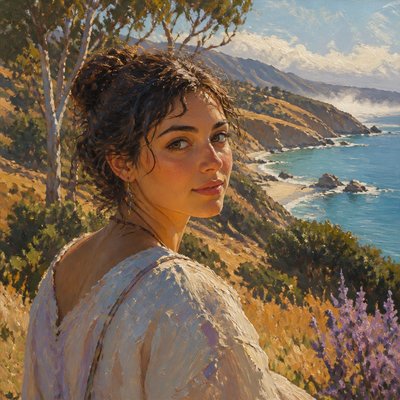
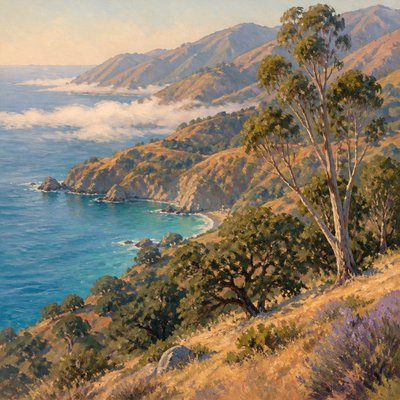
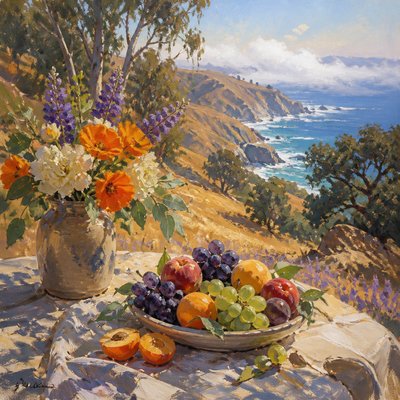
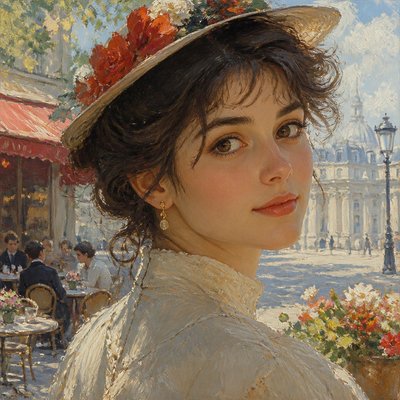
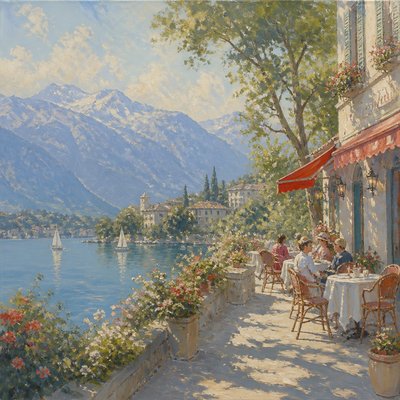
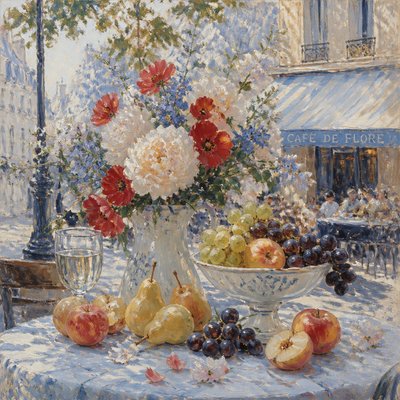
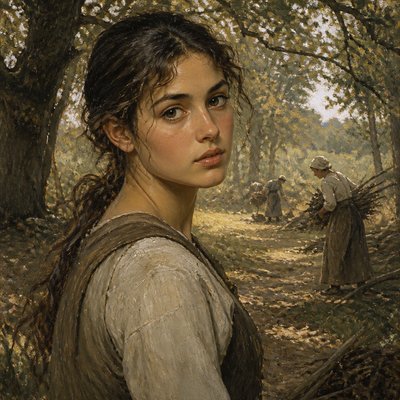
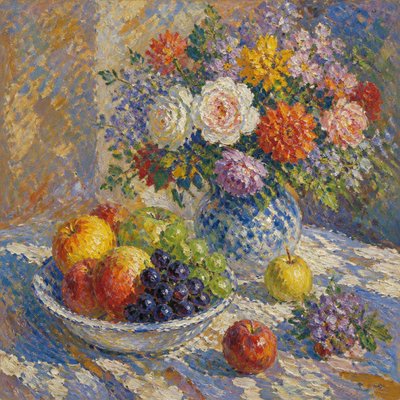
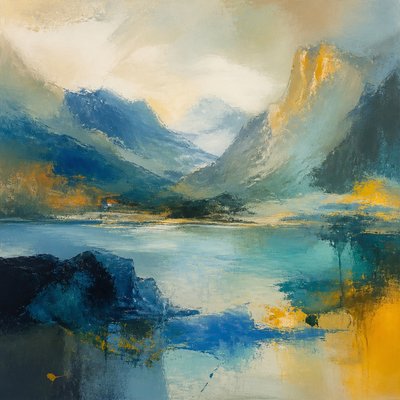
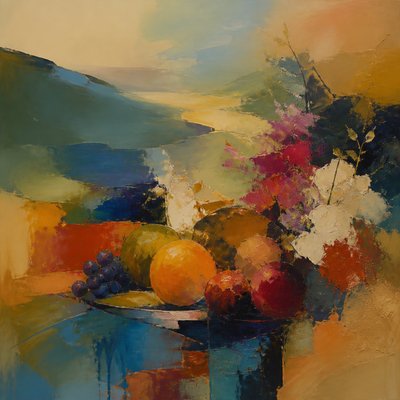
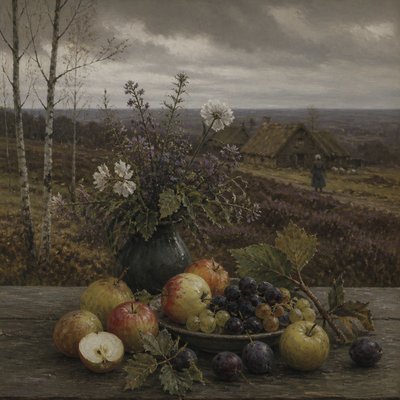
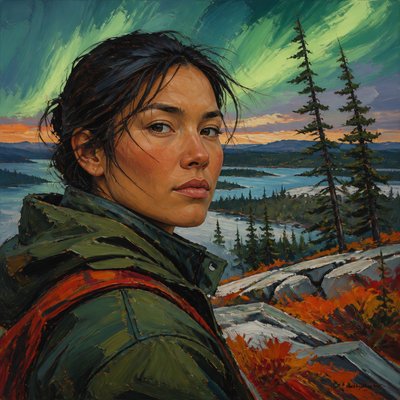
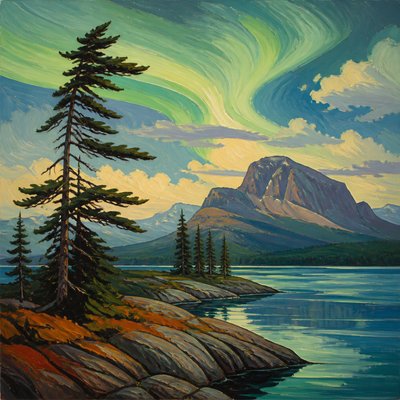
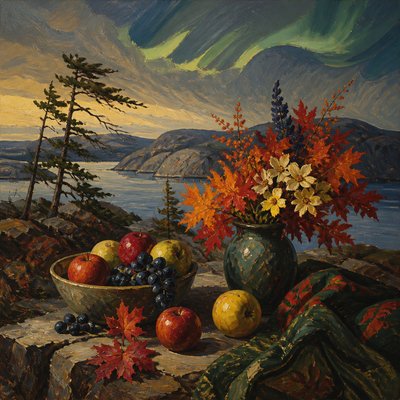
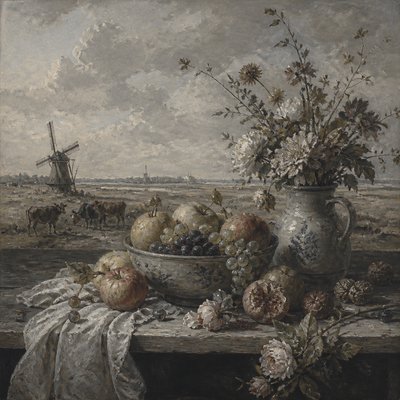
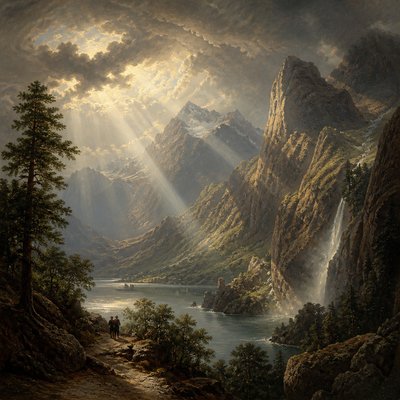
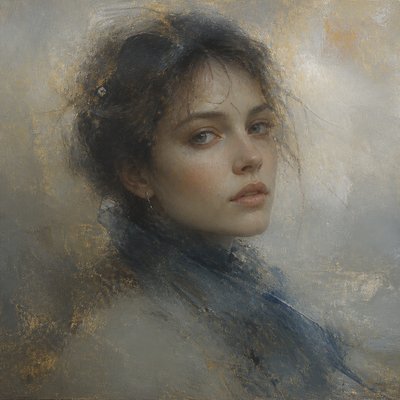
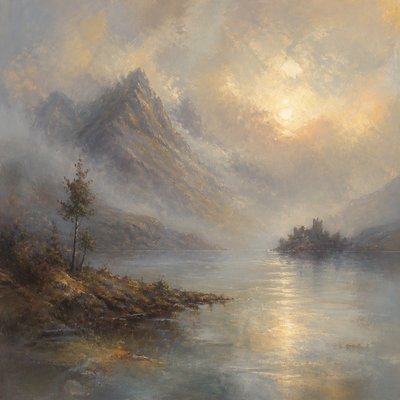
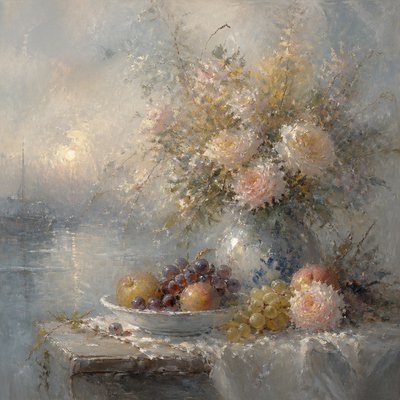
Fresh outdoor landscape painting with lively brushwork, broken color, and natural light captured on location.
Instantly rendered in Plein Air Landscape — or transform a photo
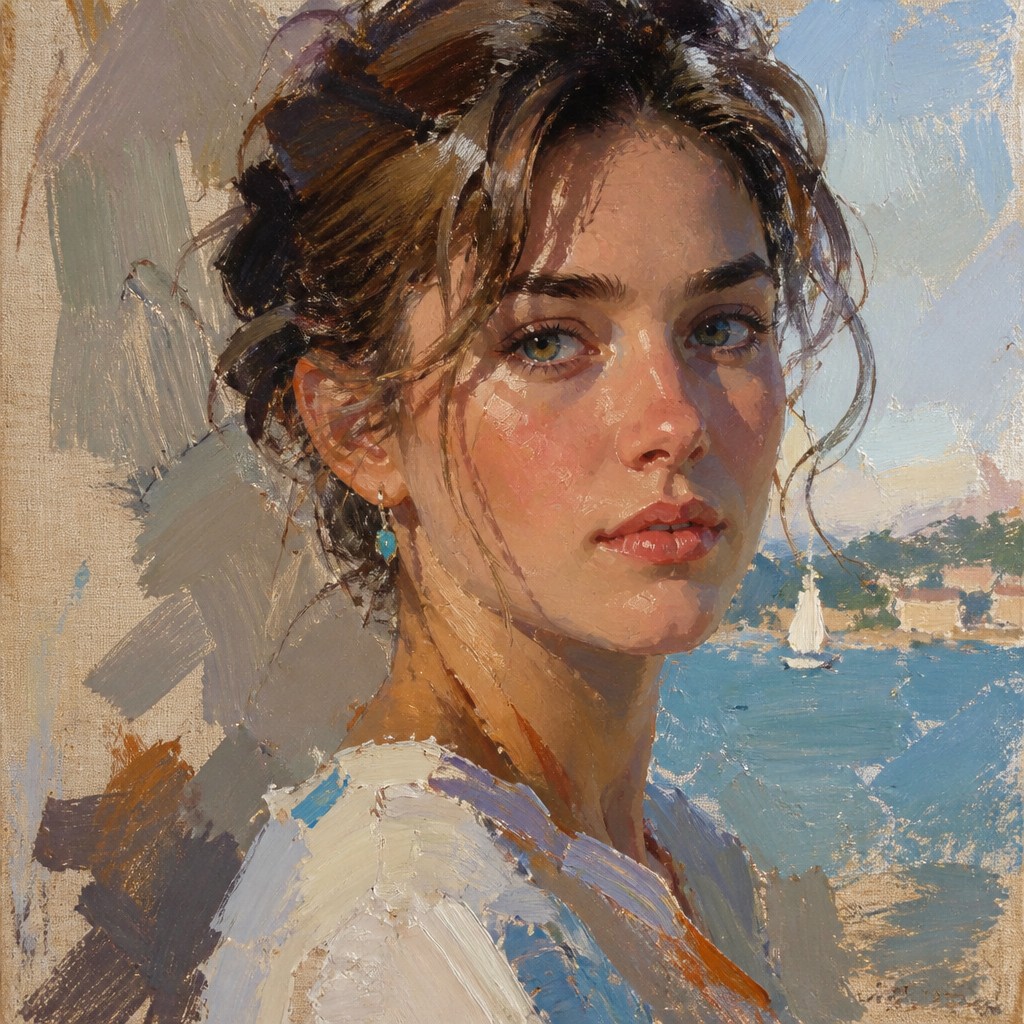
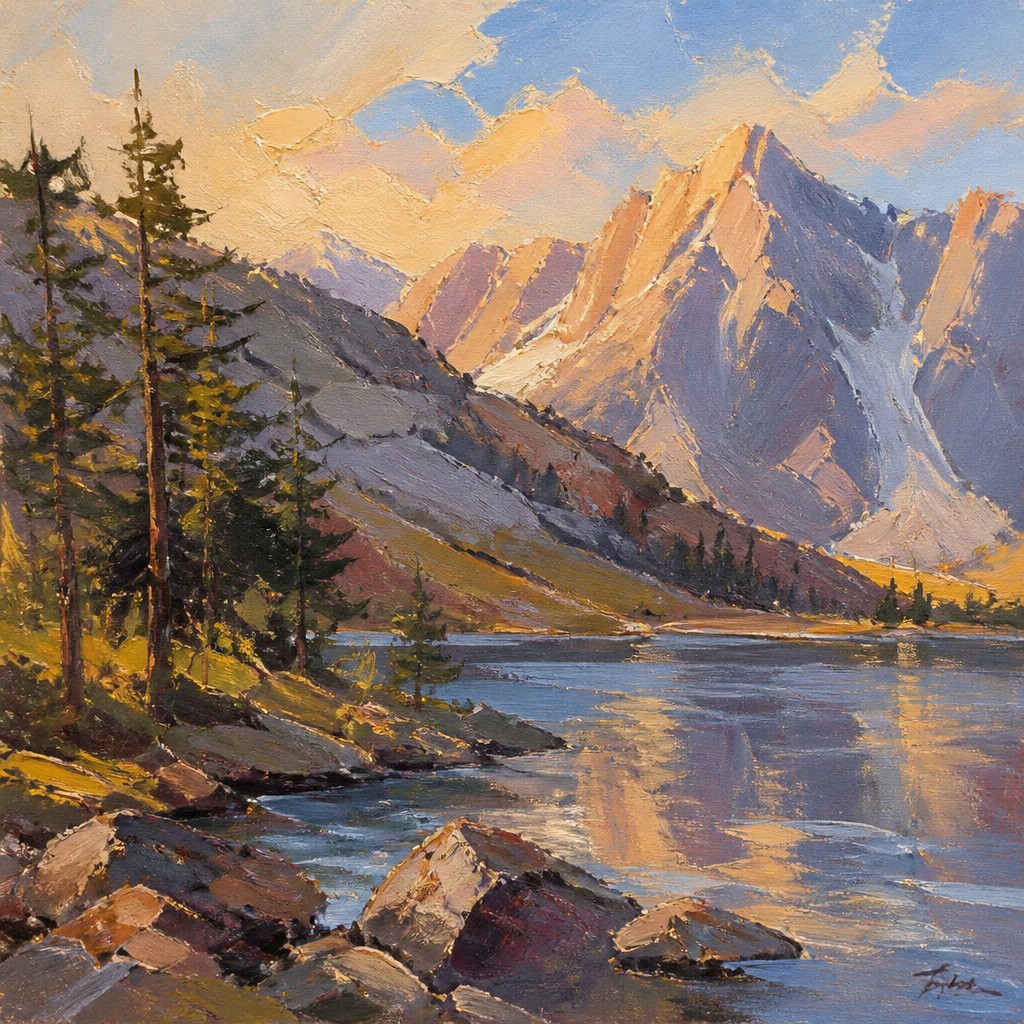
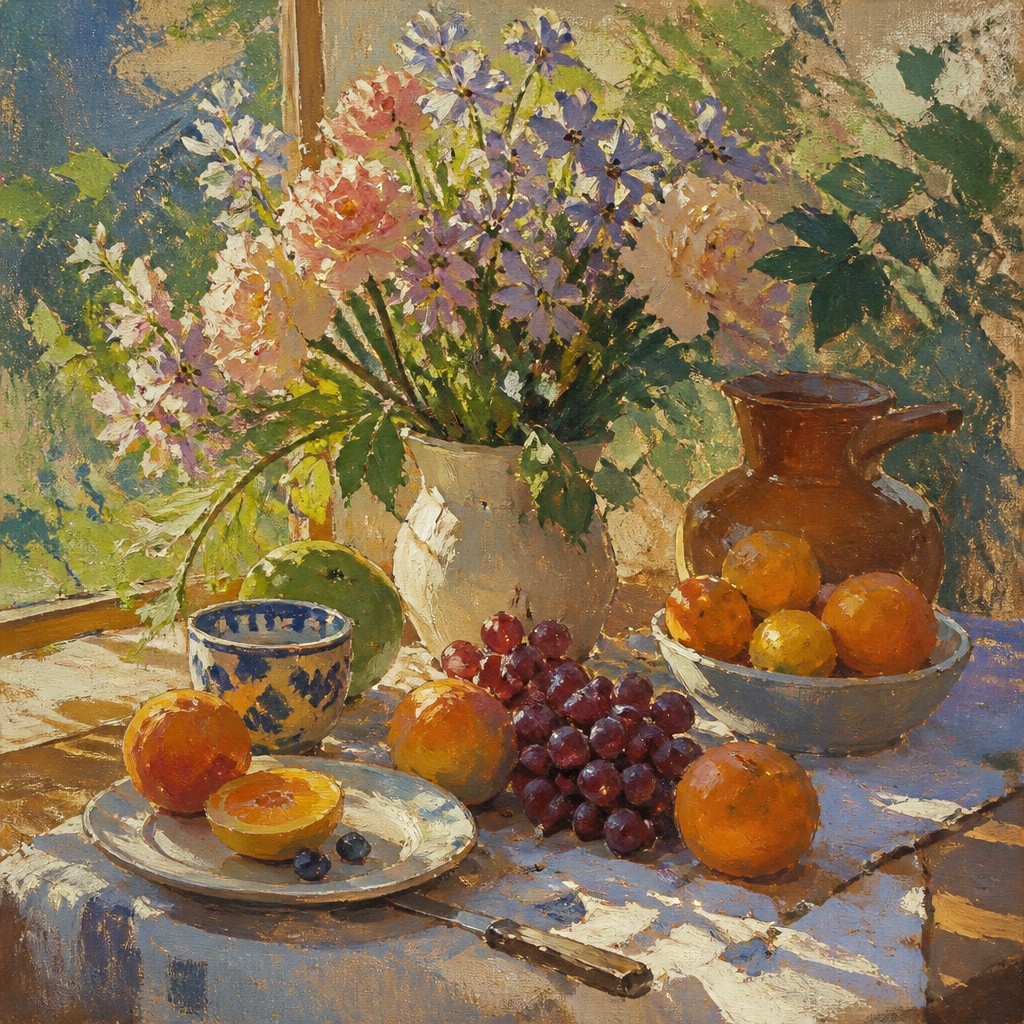
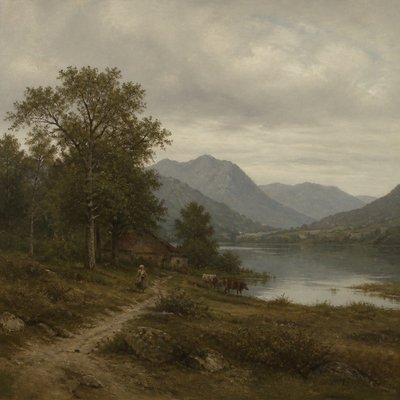
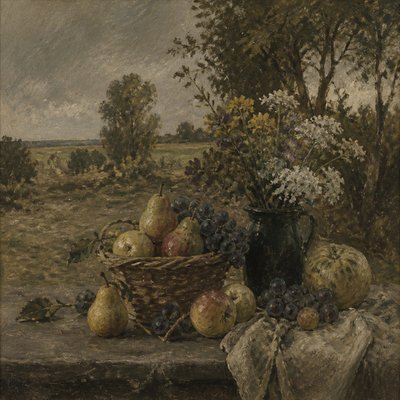
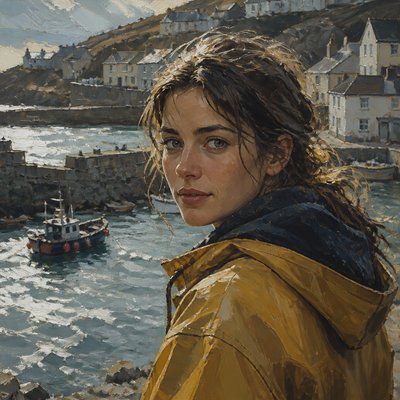
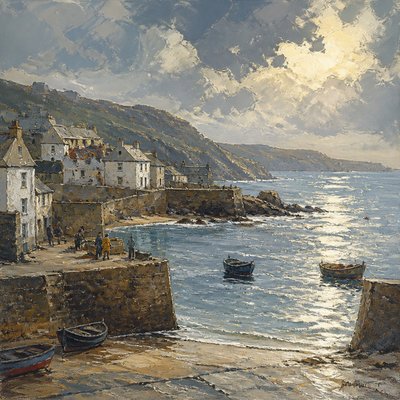
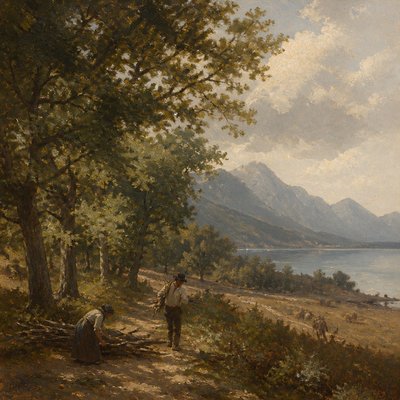
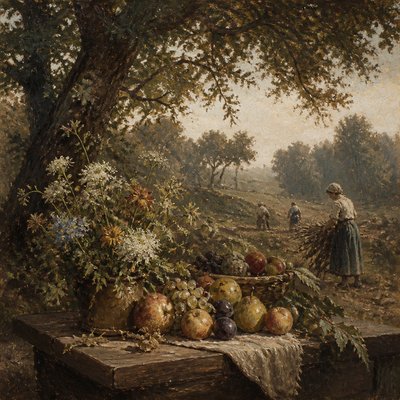
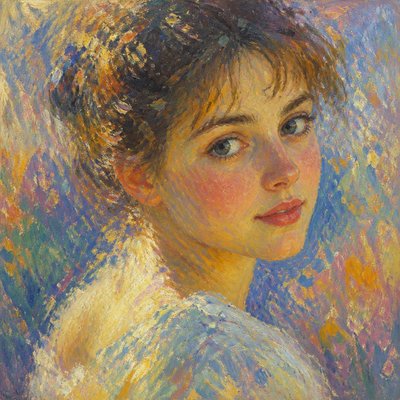
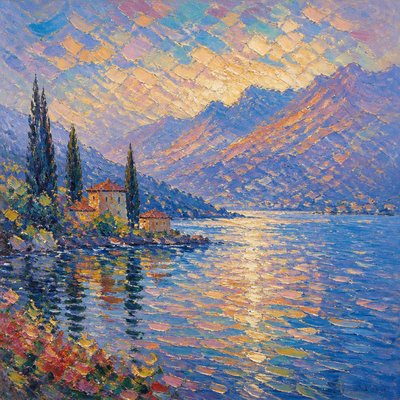
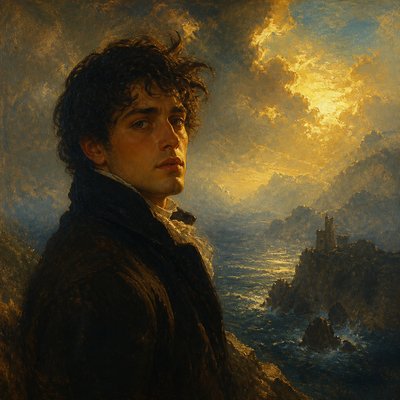
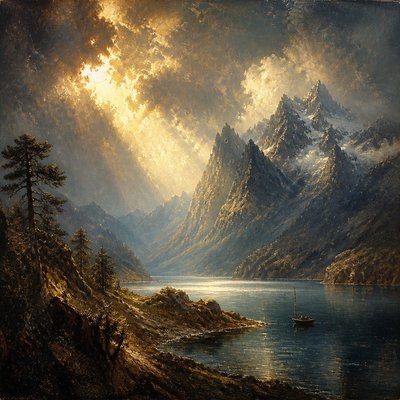
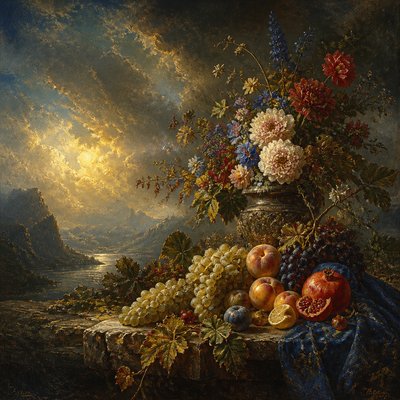
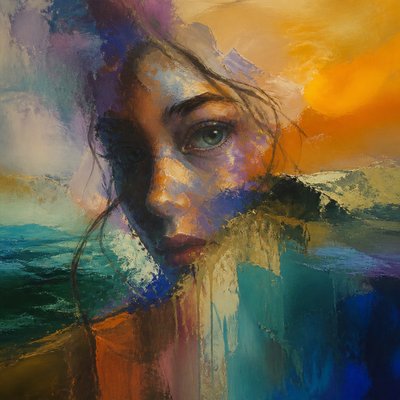
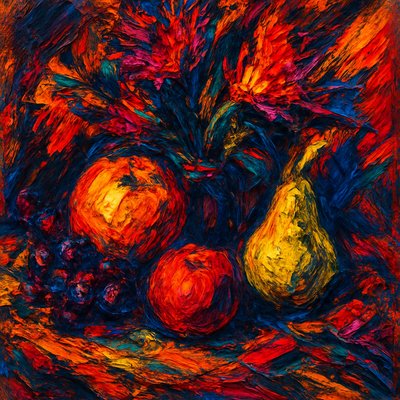
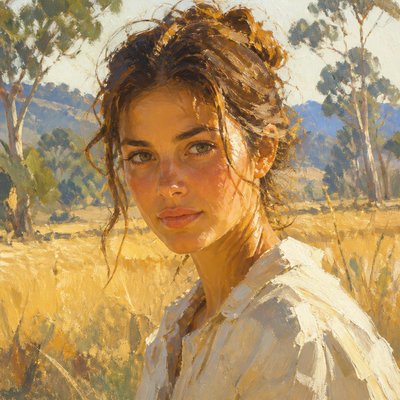
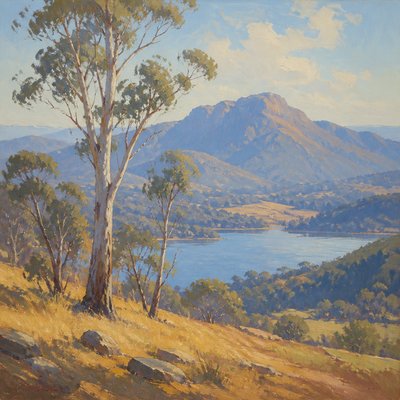
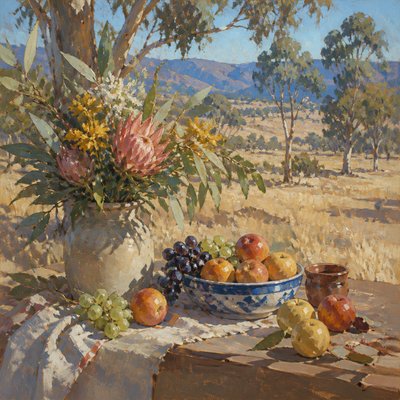
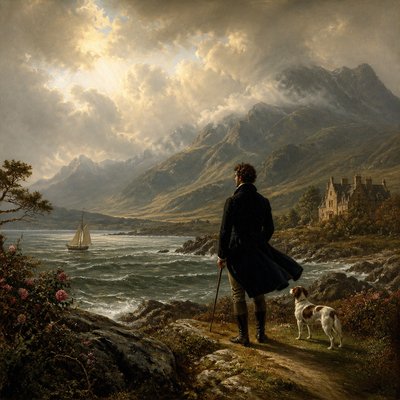
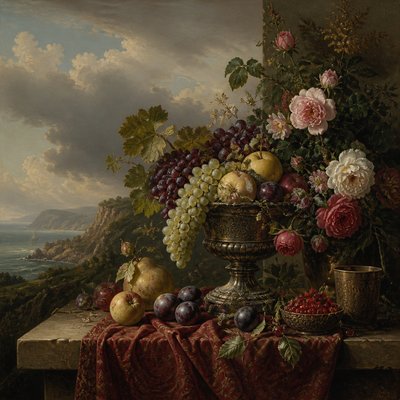
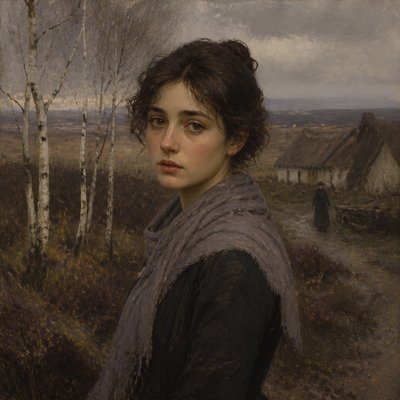
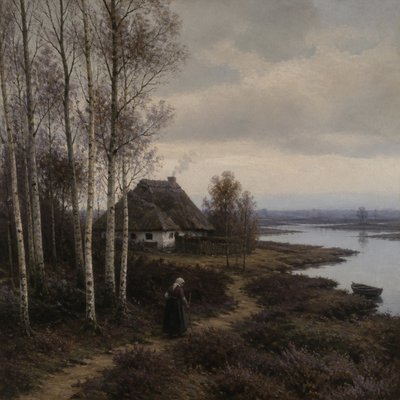
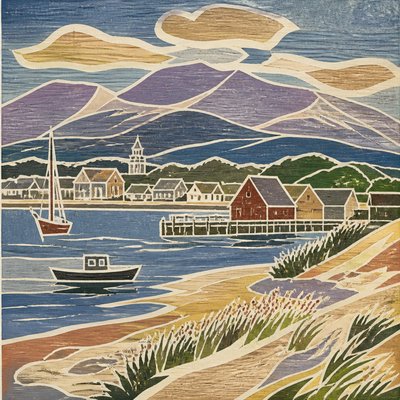
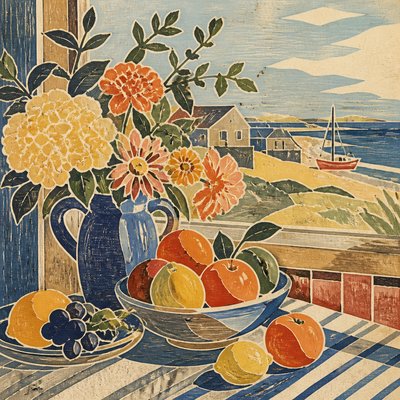
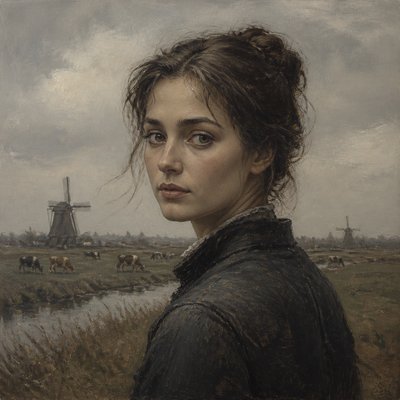
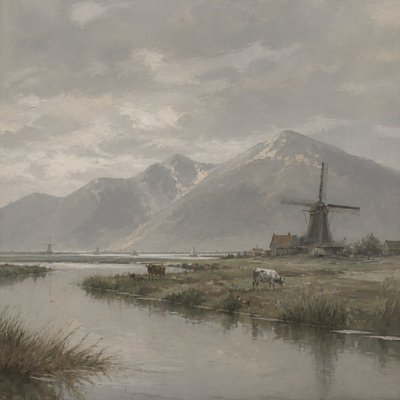
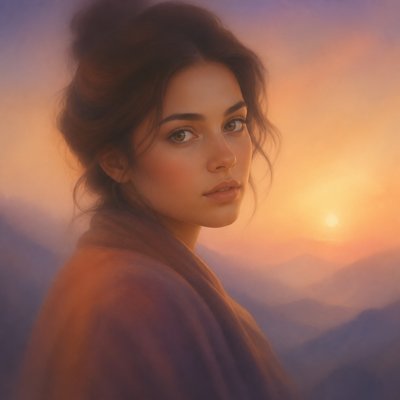
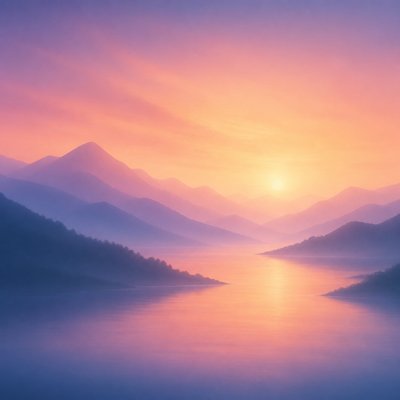
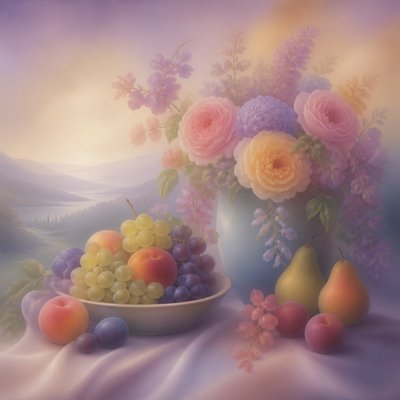
Plein Air Landscape Gallery
Tap any artwork to explore it
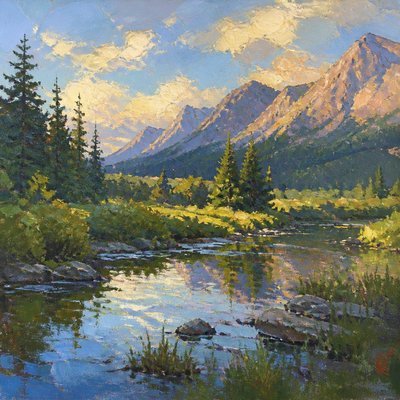
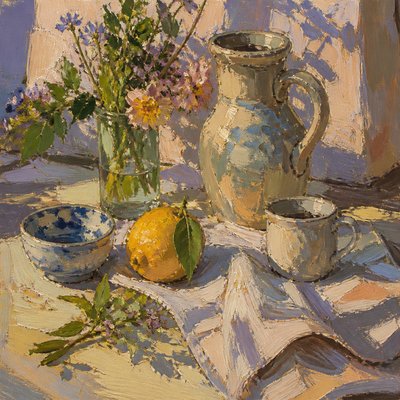
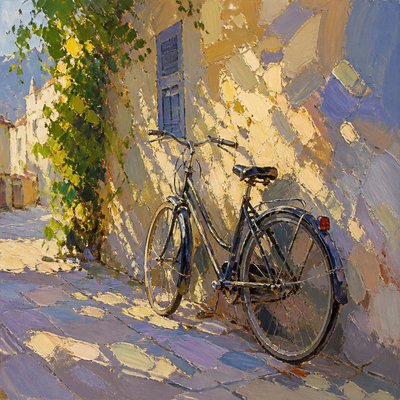
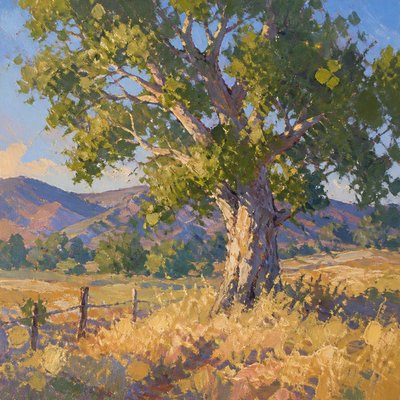
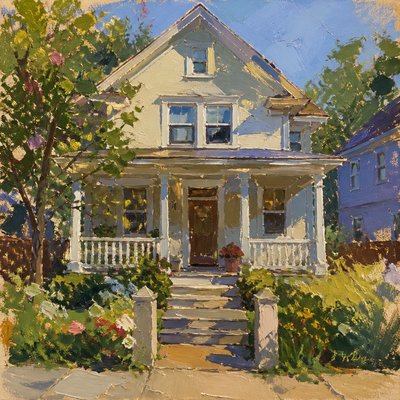
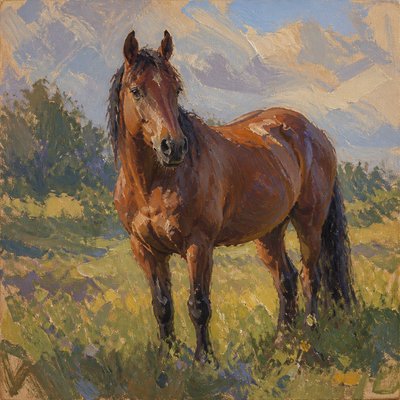
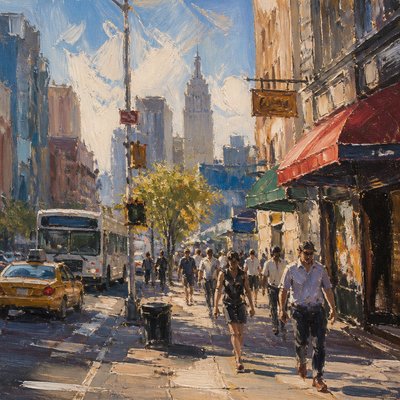
What is Plein Air Landscape Art Style?
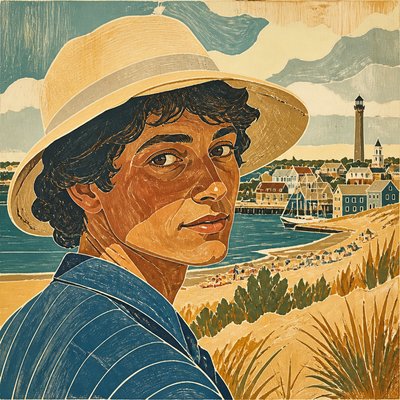
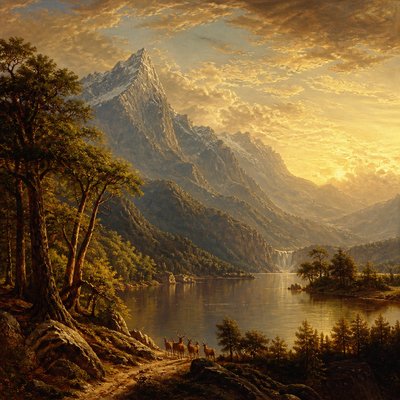
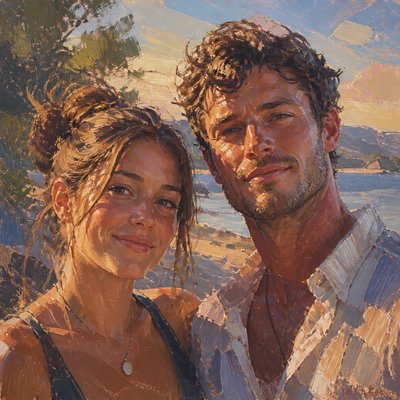
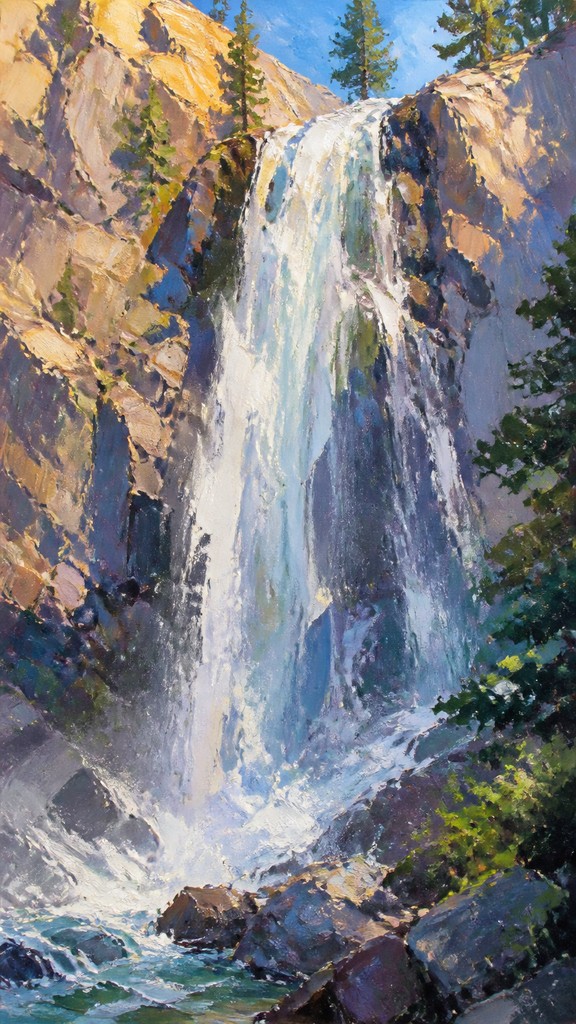
Plein air landscape art is landscape painting made outdoors, directly in front of the subject, so the artist can respond to changing light, weather, and atmosphere in real time. The result is usually immediate and lively rather than polished: visible brushstrokes, direct color decisions, and a sense of place that feels observed rather than constructed.
Its visual identity comes from the practical demands of painting on location. Because light shifts quickly, plein air painters often simplify forms, work alla prima, and use broken color, warm-and-cool contrasts, and economical marks to capture the first impression of a scene. The style often preserves traces of the process itself, including wet paint, raw canvas, and abrupt transitions that convey freshness and spontaneity.
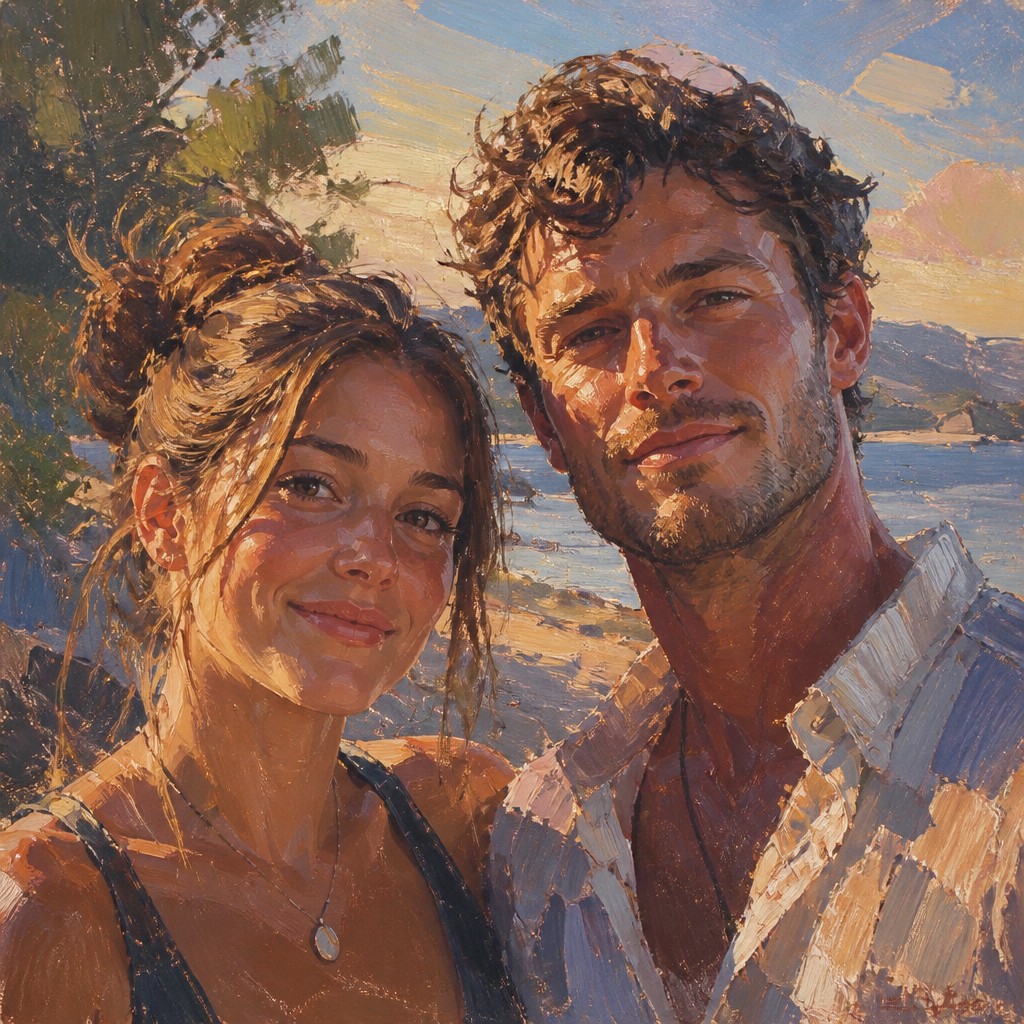
Try It On Your Photos
Upload any photo and convert it into Plein Air Landscape Art Style — drag the sliders to compare before and after.
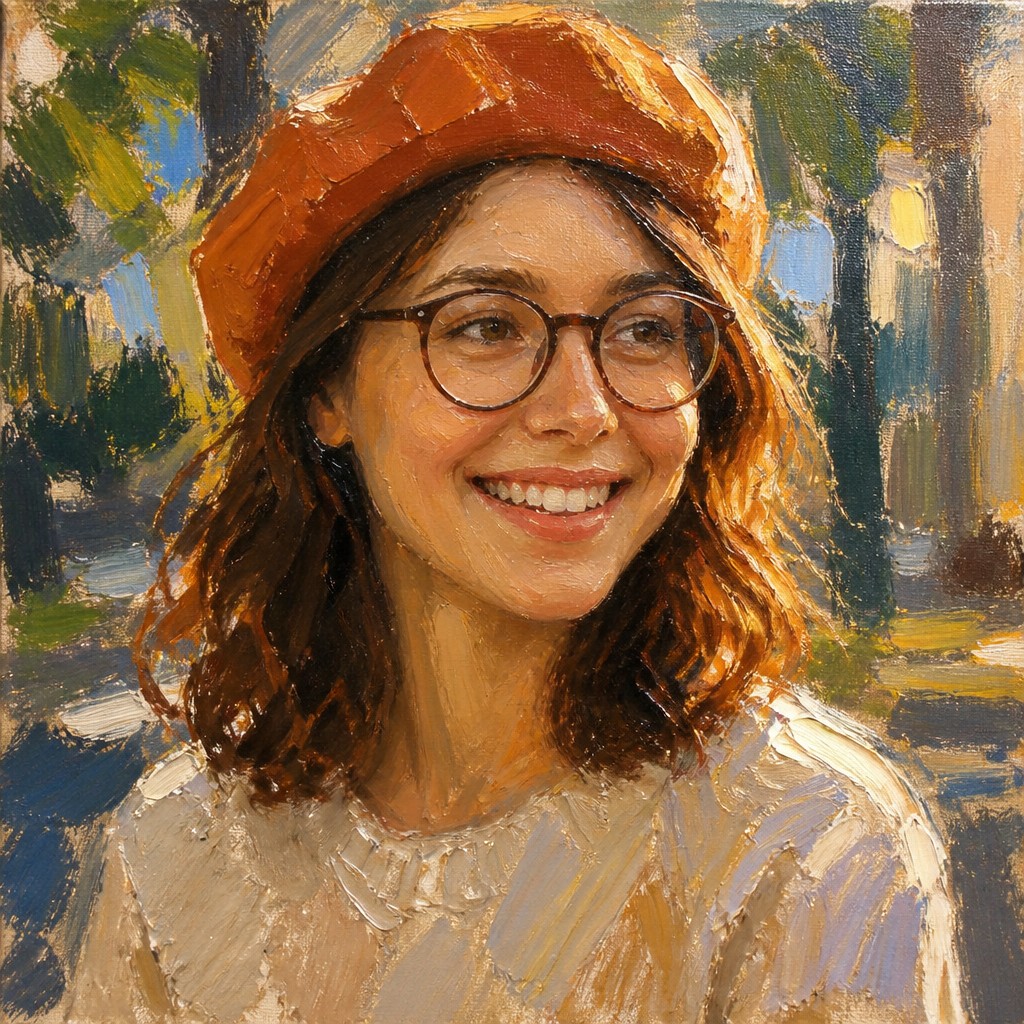

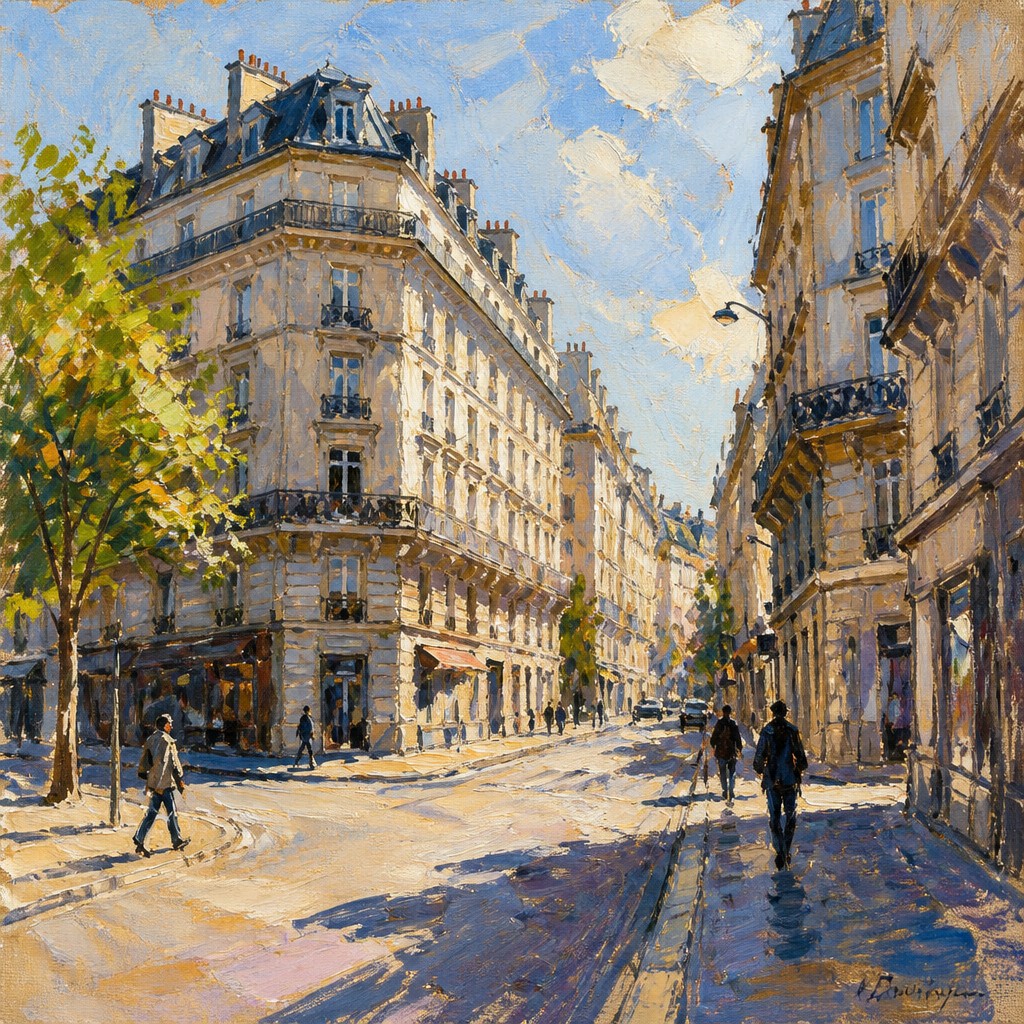

What Defines Plein Air Landscape Art Style
The signature details, up close
Immediate outdoor observation
Subjects are painted from life in open air, so the scene reflects a specific place, weather condition, and time of day. This gives the image a sense of immediacy and lived experience.
Visible, confident brushwork
Brushstrokes are often loose, directional, and easy to read, with forms suggested rather than fully polished. The surface usually preserves the energy of the artist's hand.
Broken color and optical mixing
Colors may be placed side by side instead of blended smoothly, allowing the viewer's eye to mix them at a distance. This creates shimmer, vibration, and color freshness.
Specific light conditions
The palette and value structure are organized around a particular time of day, such as early morning, midday, or late afternoon. Light is treated as a changing subject in itself.
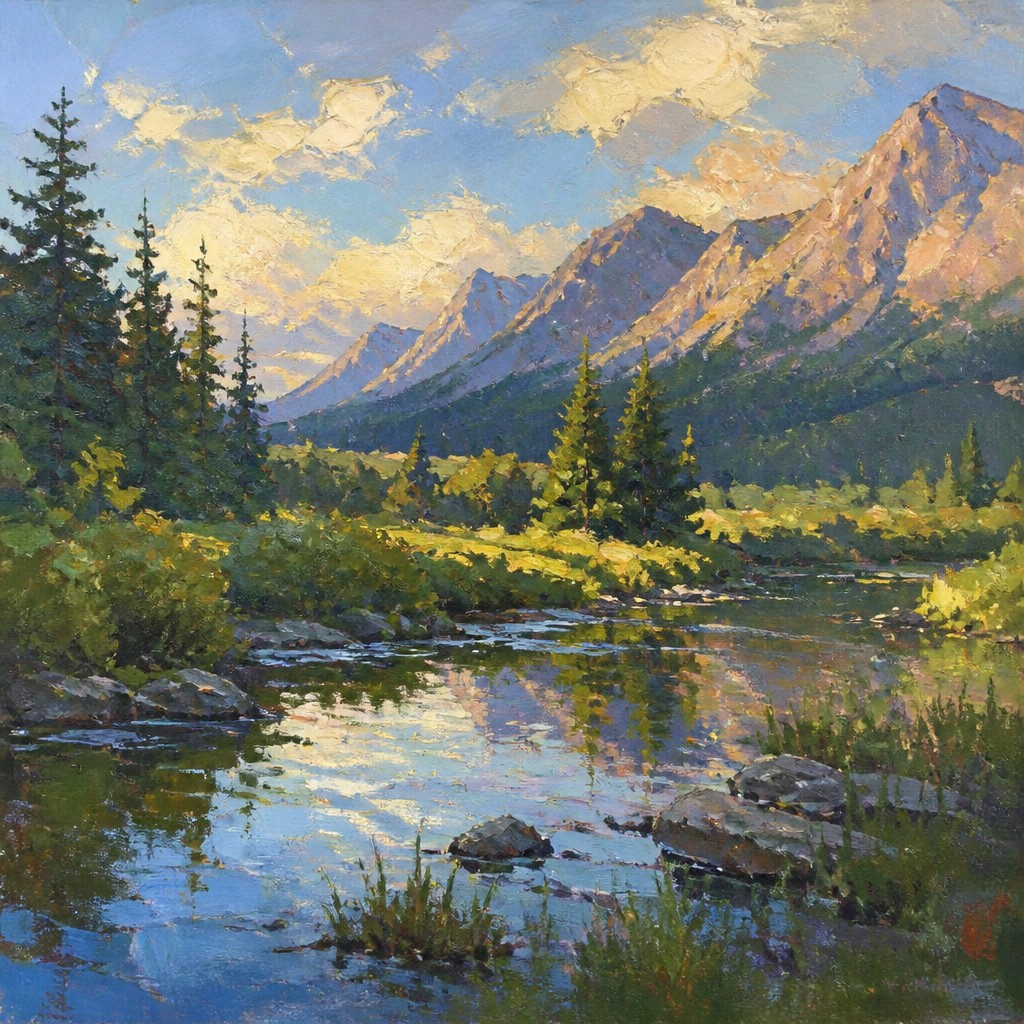
Alla prima freshness
Paint is often applied wet-on-wet in a single sitting or with minimal later revision. This keeps edges open, colors lively, and forms direct.
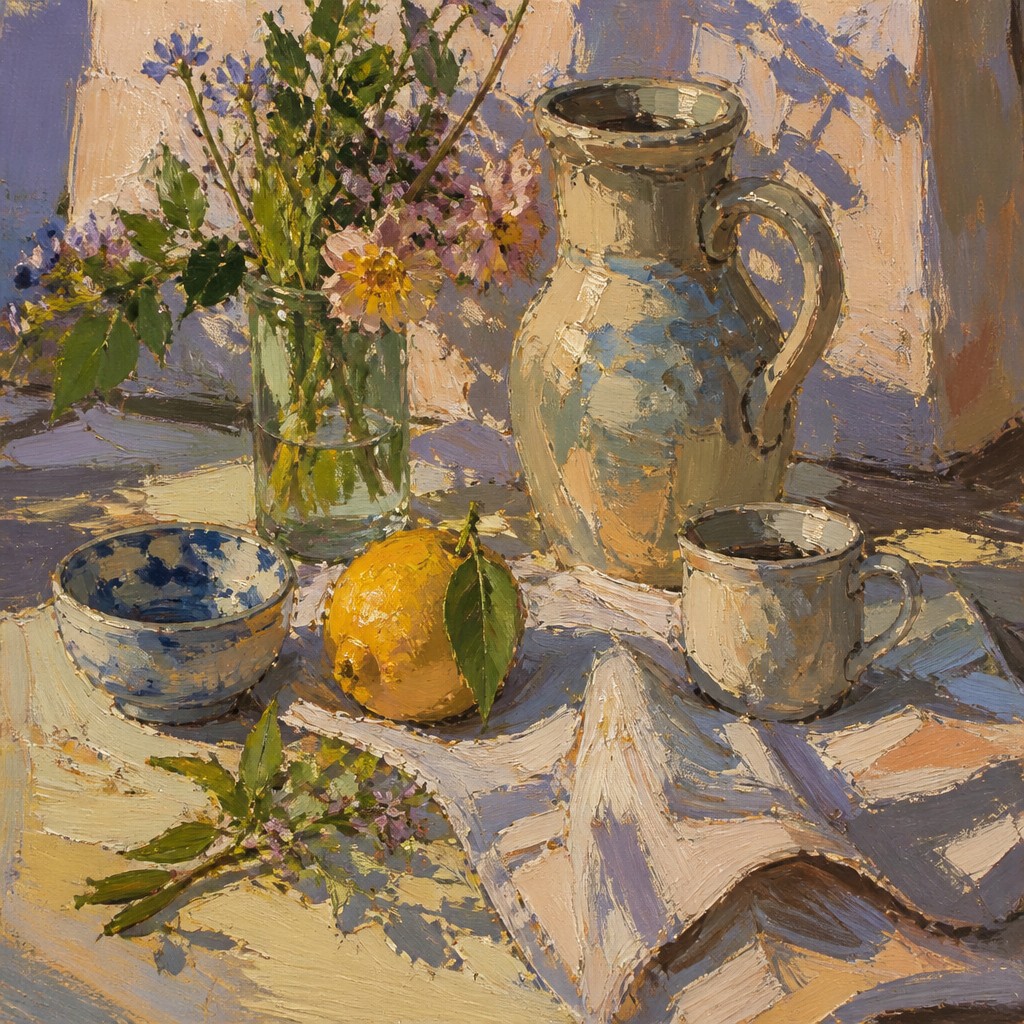
Impasto and exposed support
Some passages may be thick and tactile, while others are thin enough to let canvas or underpainting show through. The contrast reinforces the sense of speed and openness.
Try It
Create Videos in Plein Air Landscape Art Style
Styles aren't just for stills — describe a scene or animate an image and get a short video rendered in Plein Air Landscape. Press play to see this pond come to life.
Make a VideoPlein Air Landscape Prompt Ideas
Start from an idea — each one opens the generator with the style ready to go. See all 40 Plein Air Landscape prompts →
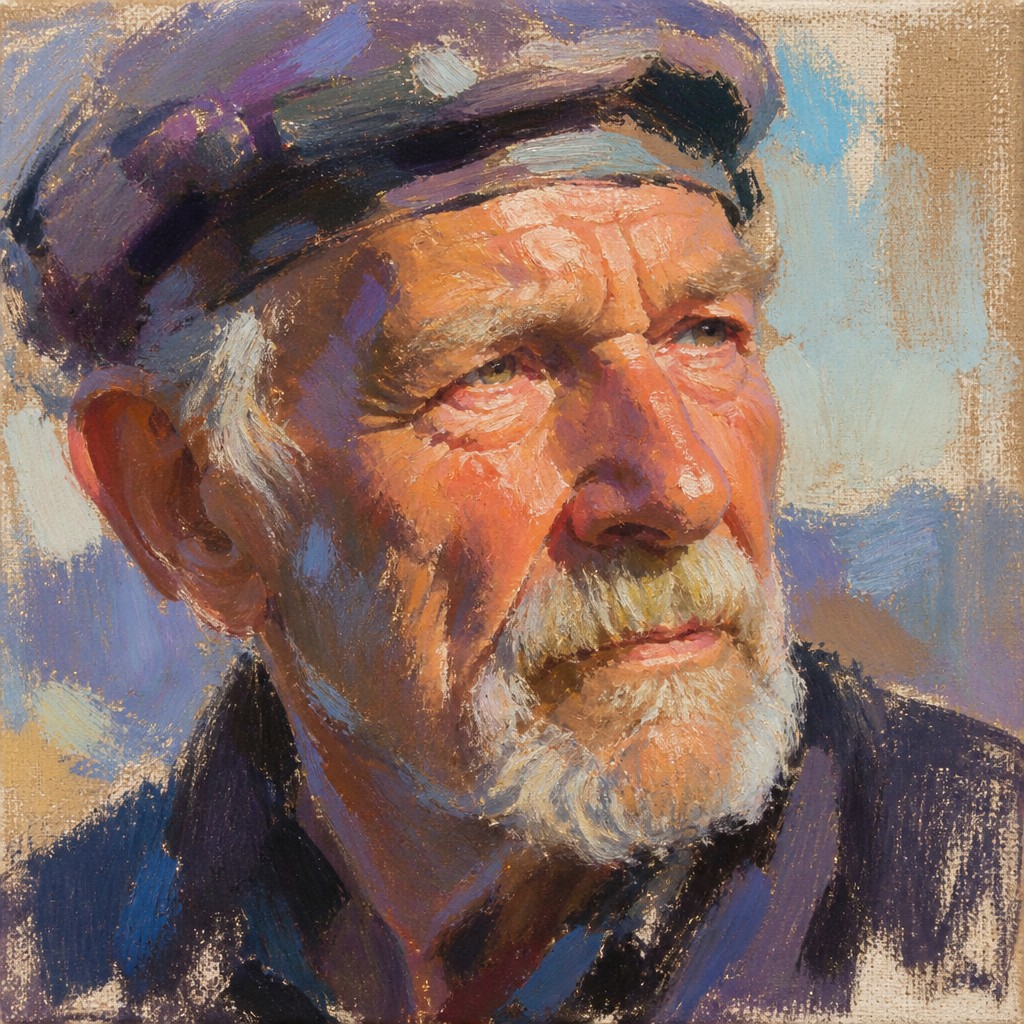
“close-up portrait of an elderly person with expressive weathered features”
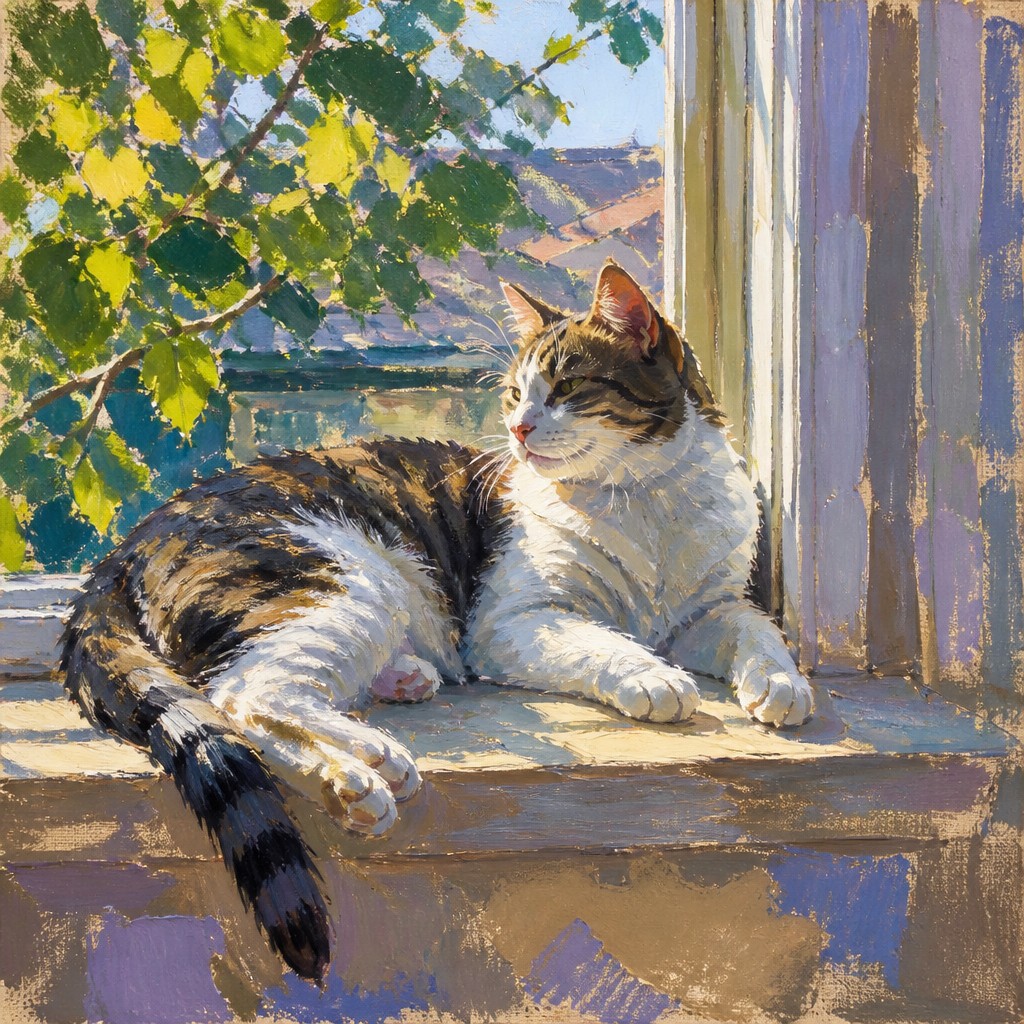
“a cat lounging in a sunlit window”
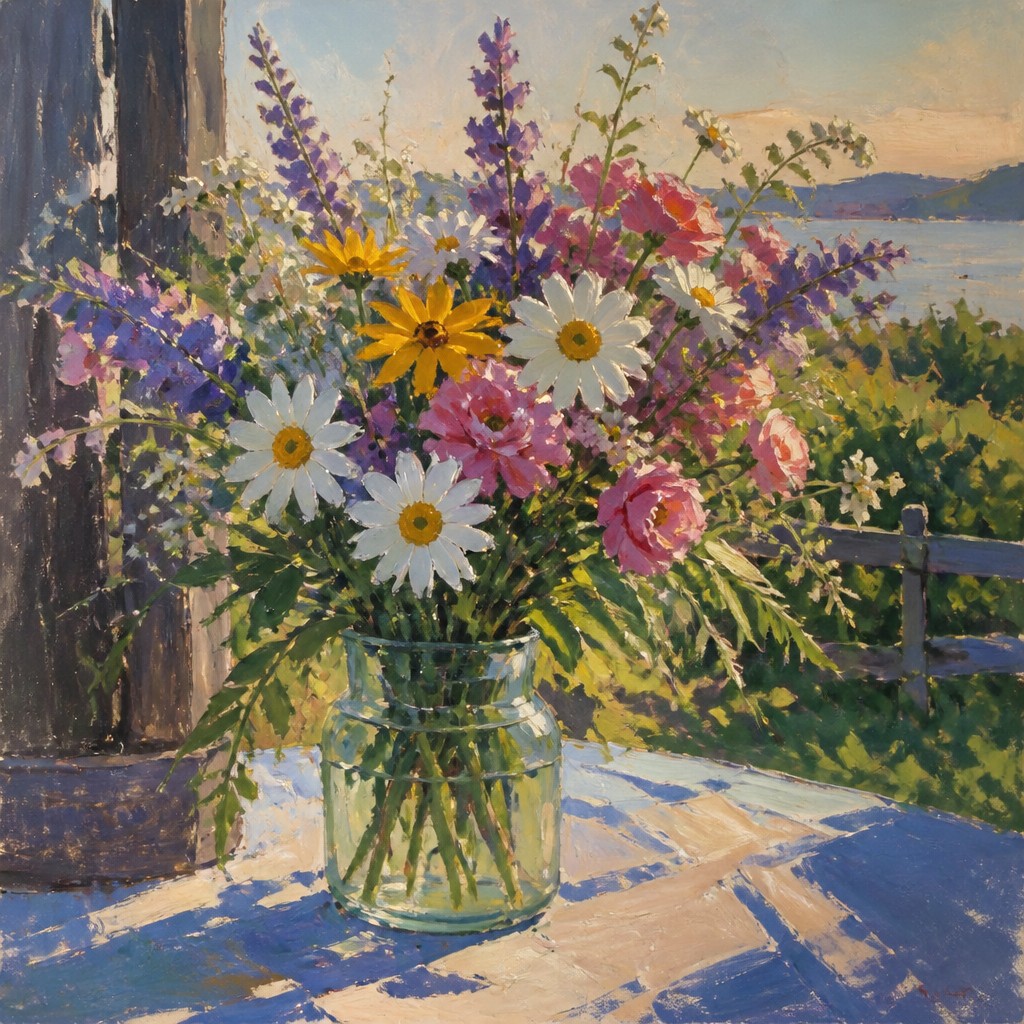
“bouquet of flowers in a glass vase”
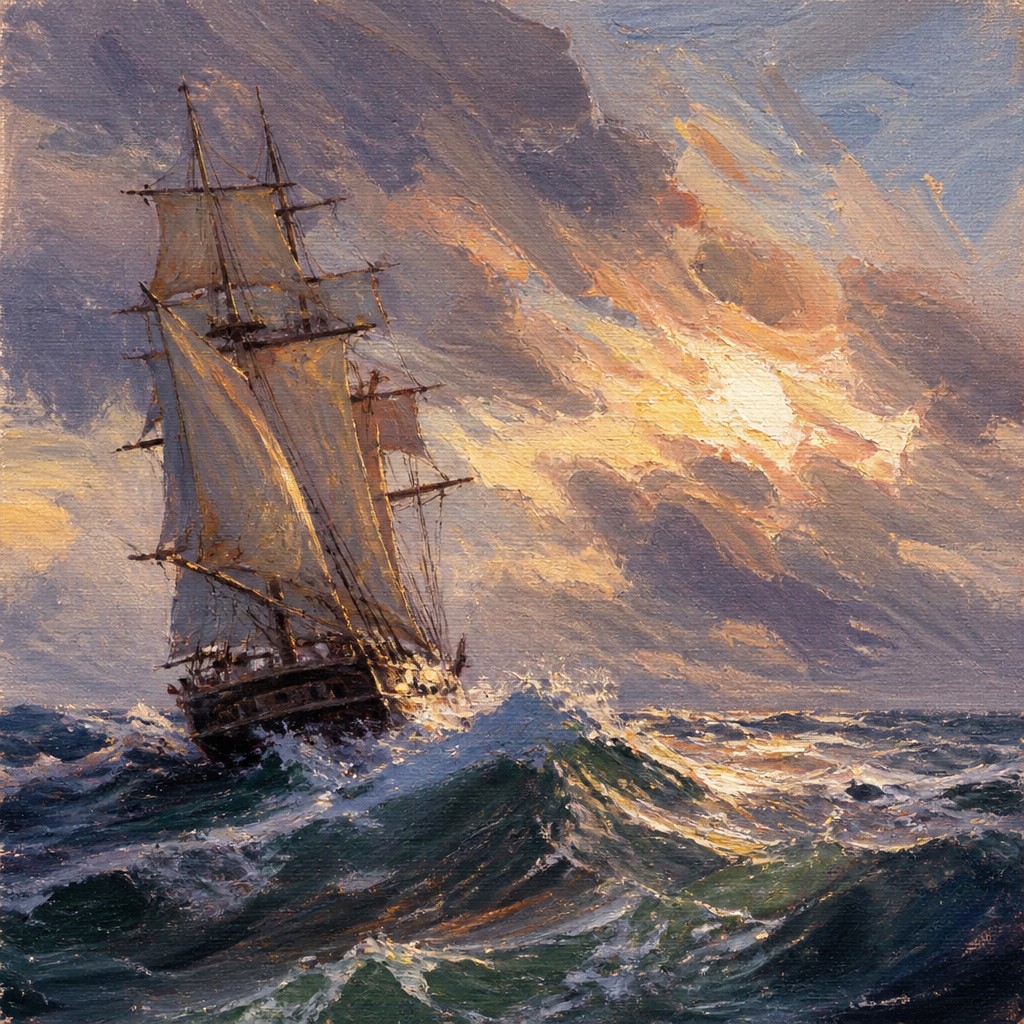
“sailing ship on a stormy sea”
How to Create Plein Air Landscape Art
Master the craft step by step — or skip straight to creating. Read the full guide →
- 1
Paint directly from nature
If working traditionally, set up on location and block in the largest light-and-shadow relationships first. Keep the session short enough to preserve the original light, and avoid excessive blending.
- 2
Use a limited, light-sensitive palette
Choose colors that can be shifted warmer or cooler to describe sunlight, shade, and reflected light. Mixing fewer pigments often helps the painting stay coherent and prevents muddy color.
- 3
Work in layers of touch, not detail
Start with broad masses, then refine only the most important accents and edges. Leave secondary areas open so the painting retains a spontaneous outdoor feel.
- 4
Balance digital control with looseness
In digital painting, use textured brushes, visible strokes, and restrained cleanup to imitate the irregularity of oil paint. Let some areas remain sketch-like or slightly unfinished so the image feels observed rather than over-rendered.
- 5
Prompt for light, medium, and process
When generating an image, specify the time of day, weather, surface texture, and fresh brushwork. Subject plus location plus lighting usually produces better results than subject alone.

The Story
History & Origins of Plein Air Landscape
Plein air painting developed as a major practice in nineteenth-century Europe, especially with the rise of portable paint tubes and lightweight easels, which made outdoor painting far more practical. It became central to French Impressionism, where leading Impressionist landscape painters used direct observation of light and atmosphere as a core artistic method. The practice also continued in the work of post-Impressionists and landscape painters who valued immediacy, including prominent later outdoor study painters in both landscape and portrait contexts.
Although the term is closely associated with Impressionism, the underlying lineage extends into earlier naturalistic landscape traditions and later plein air revival movements in Europe and North America. Today it remains a living practice among landscape painters who work from nature, as well as digital artists who simulate the look of outdoor painting by emphasizing fresh marks, limited overworking, and the sensation of changing light.
Influences: This style is closely related to French Impressionism, especially the landscape work of leading Impressionist painters, as well as later outdoor studies by prominent post-Impressionist and portrait painters in their landscape work. It also draws from broader naturalistic landscape painting and from modern color theories that emphasize simultaneous contrast, atmospheric perspective, and the perceptual effects of changing light.
Frequently Asked Questions
What defines plein air landscape art?
It is landscape painting created outdoors, directly from observation, with an emphasis on capturing the scene as it appears at a specific moment. The style is typically identified by fresh brushwork, visible paint handling, and strong attention to natural light.
Is plein air the same as Impressionism?
Not exactly. Impressionism is a historical movement that made plein air practice central, but plein air itself is a method and visual approach rather than a single movement. You can paint plein air in realist, Impressionist, post-Impressionist, or contemporary styles.
Why do plein air paintings look looser than studio paintings?
Artists working outdoors have to respond quickly to changing conditions, so they simplify forms and prioritize large value relationships over fine detail. That practical constraint often produces a looser, more immediate surface.
What colors and techniques are common in this style?
Painters often use broken color, warm-and-cool contrasts, and wet-on-wet application to preserve freshness. Impasto highlights and thin, transparent passages may be combined to suggest both solidity and atmosphere.
Can this style be created digitally?
Yes. Digital painters can simulate plein air effects with textured brushes, visible strokes, limited blending, and careful attention to natural light. The key is to preserve the feeling of direct observation and avoid over-rendering.
Where is plein air landscape art commonly used?
It is common in fine art landscape painting, sketchbooks, travel studies, and outdoor demonstration work. Its influence also appears in concept art and illustration when artists want scenery to feel observed, luminous, and immediate.

Create your first Plein Air Landscape artwork
Describe anything — or upload a photo — and see it in Plein Air Landscape Art Style in seconds.
Make Something with Plein Air Landscape
Compare Plein Air Landscape
Related Styles
Discover similar art styles