Plein Air Landscape vs Realistic Landscape: What's the Difference?
Plein air landscape art captures scenes outdoors, often with quick, responsive brushwork, broken color, and a strong emphasis on changing natural light. Because it is painted on location, it usually feels immediate, atmospheric, and alive with the conditions of the moment.
Realistic landscape art aims for a more photographic level of description, with precise detail, accurate color, and smooth, nearly invisible brushwork. People compare these styles because both depict nature, but they differ in priorities: one emphasizes direct observation and painterly energy, while the other emphasizes finish, clarity, and faithful representation.
Same Prompt, Both Styles
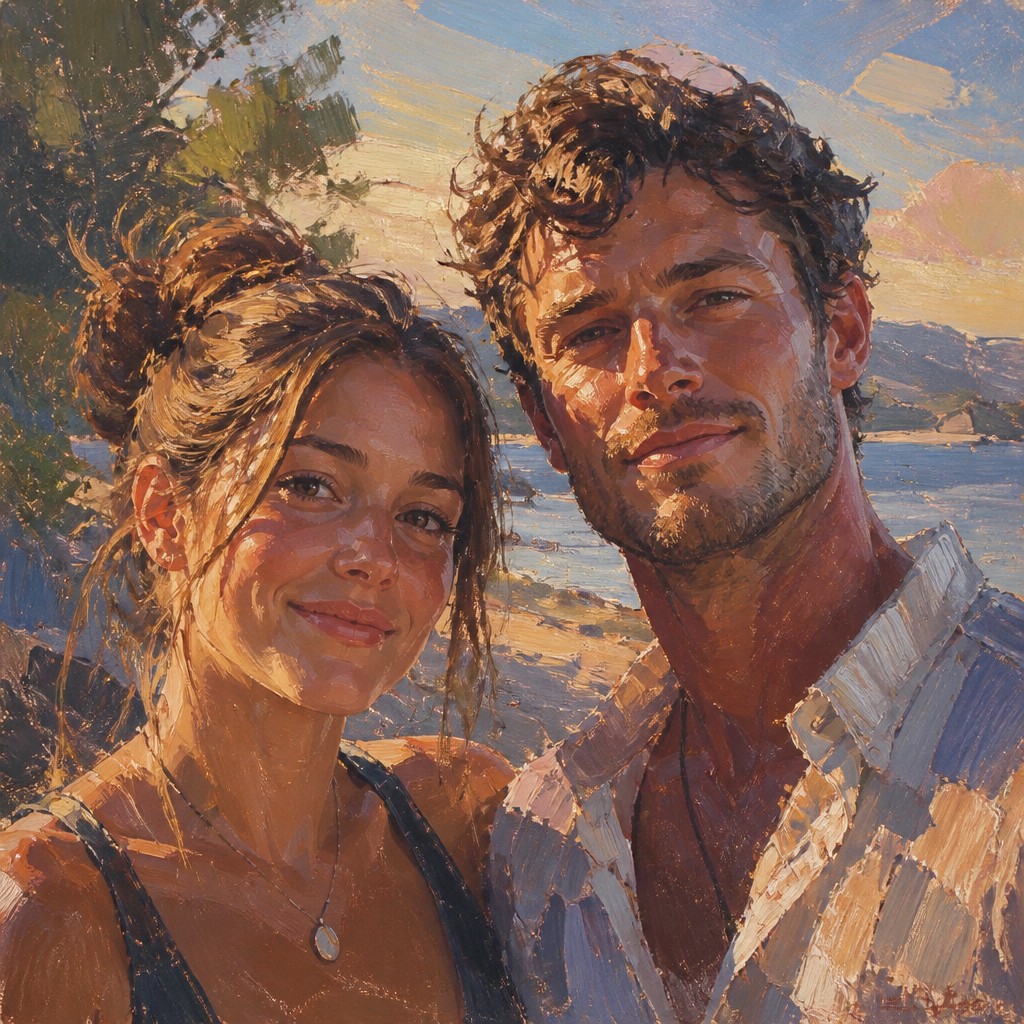
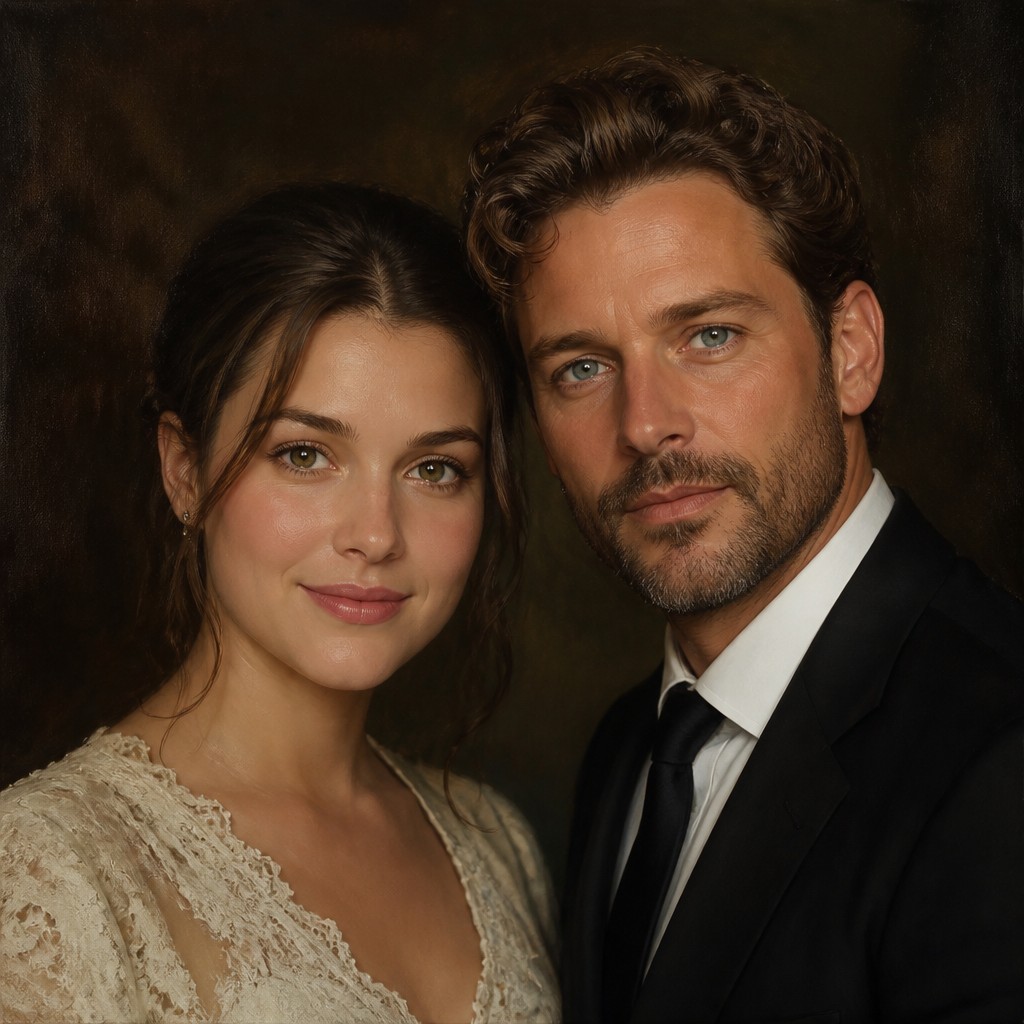
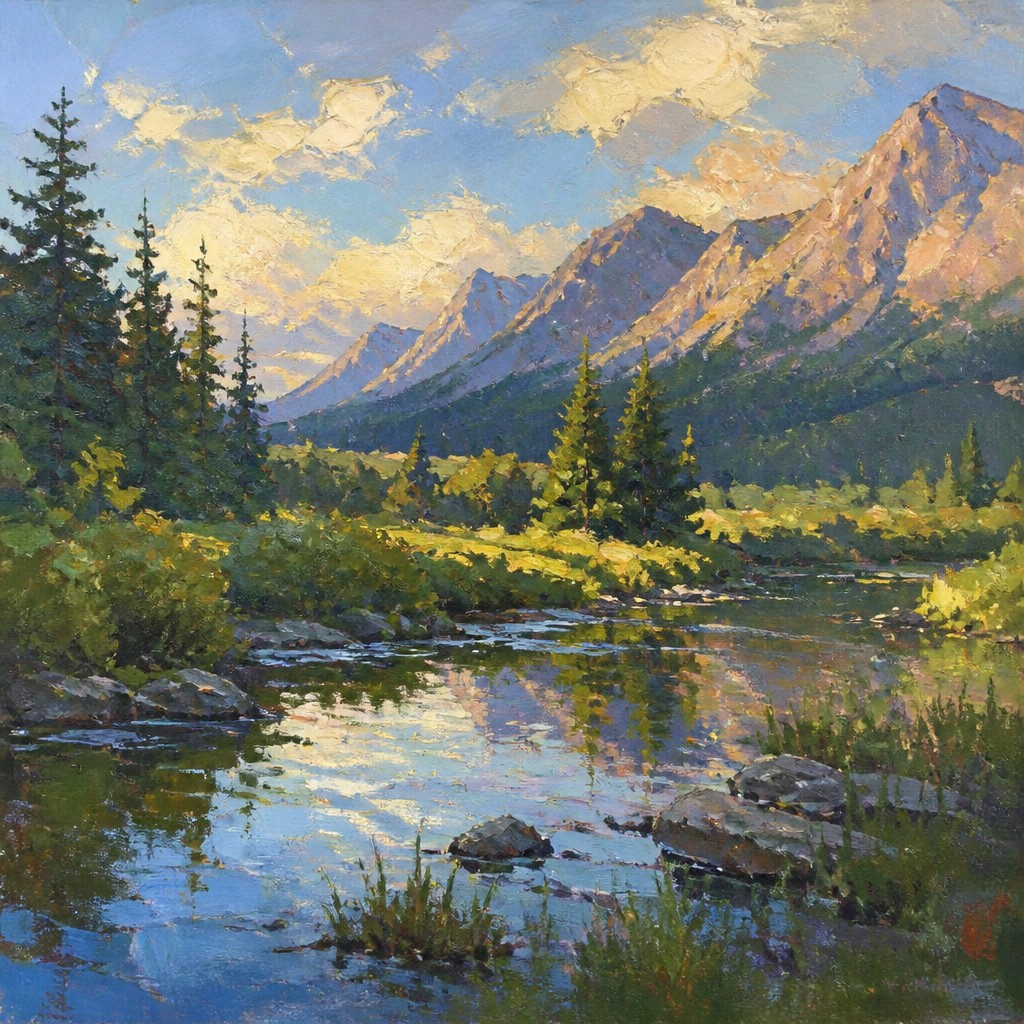
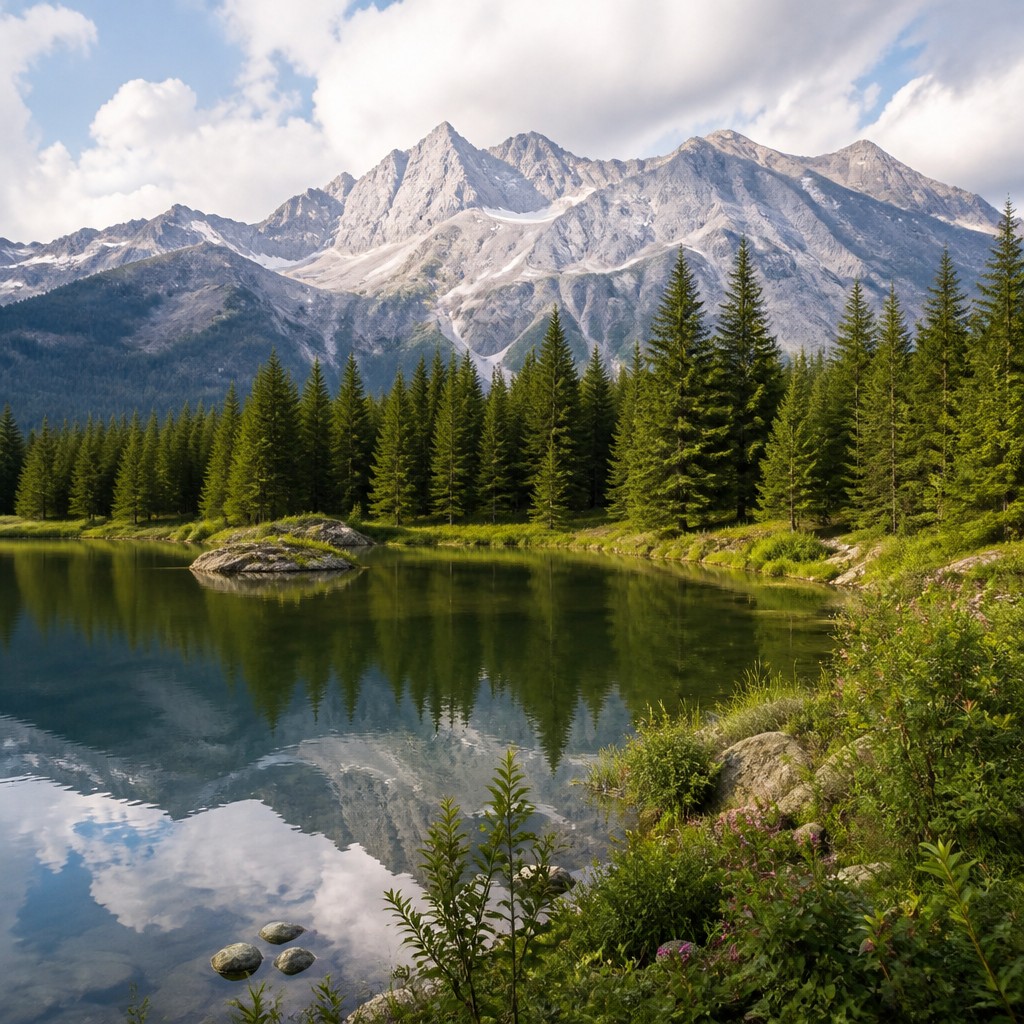
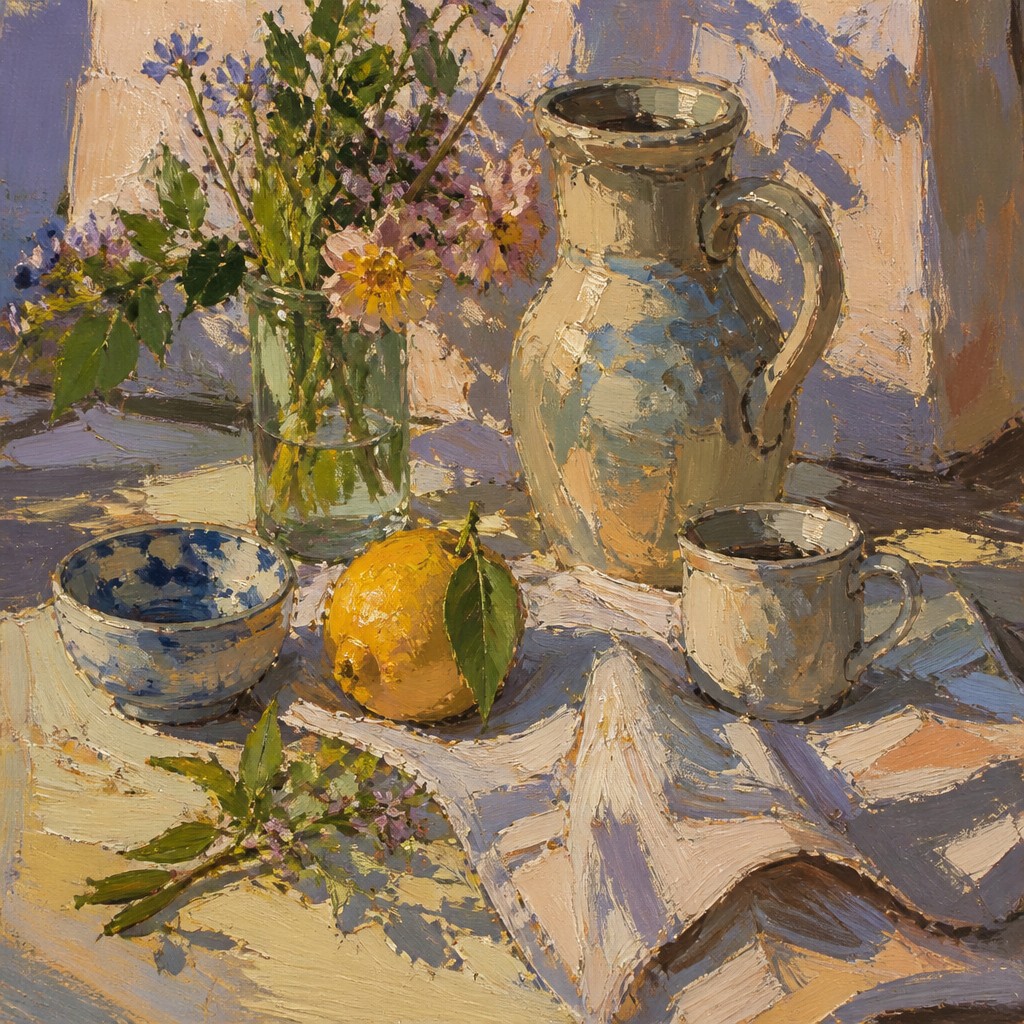
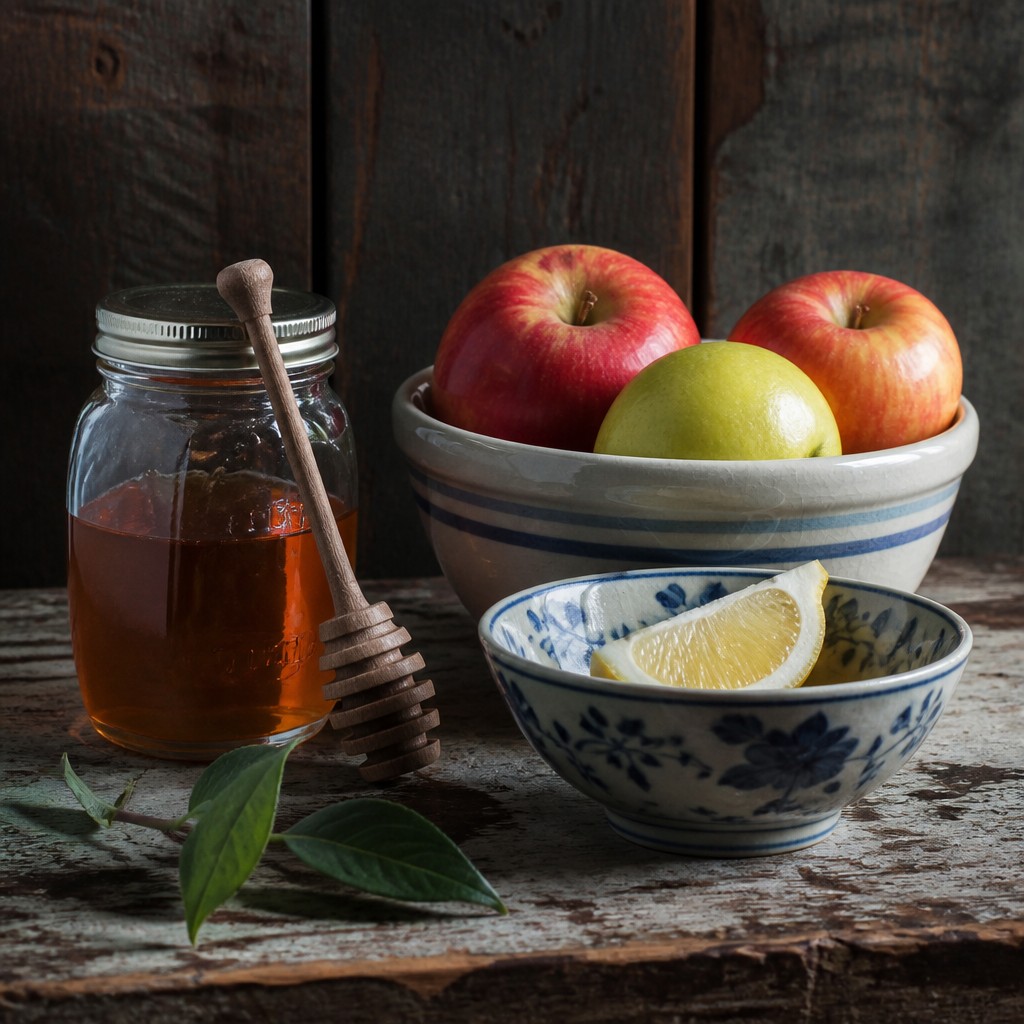
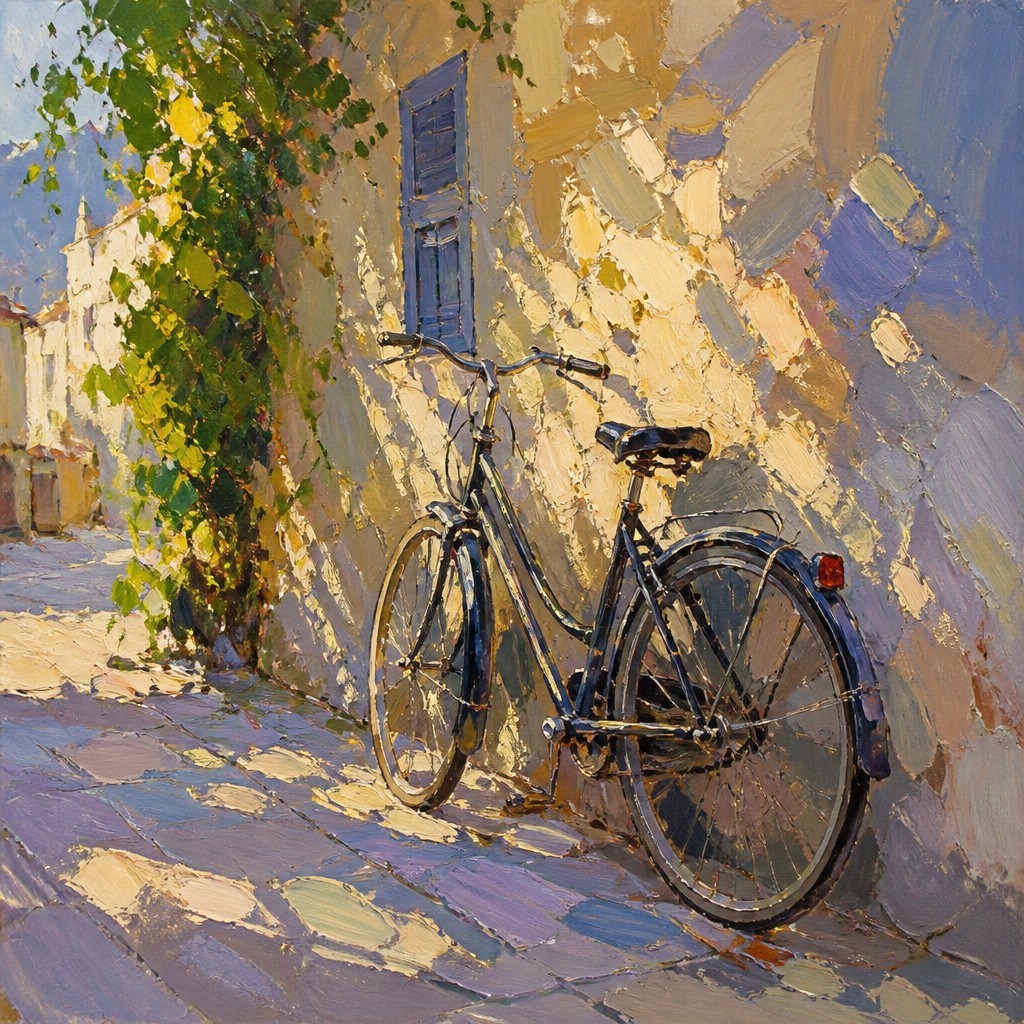
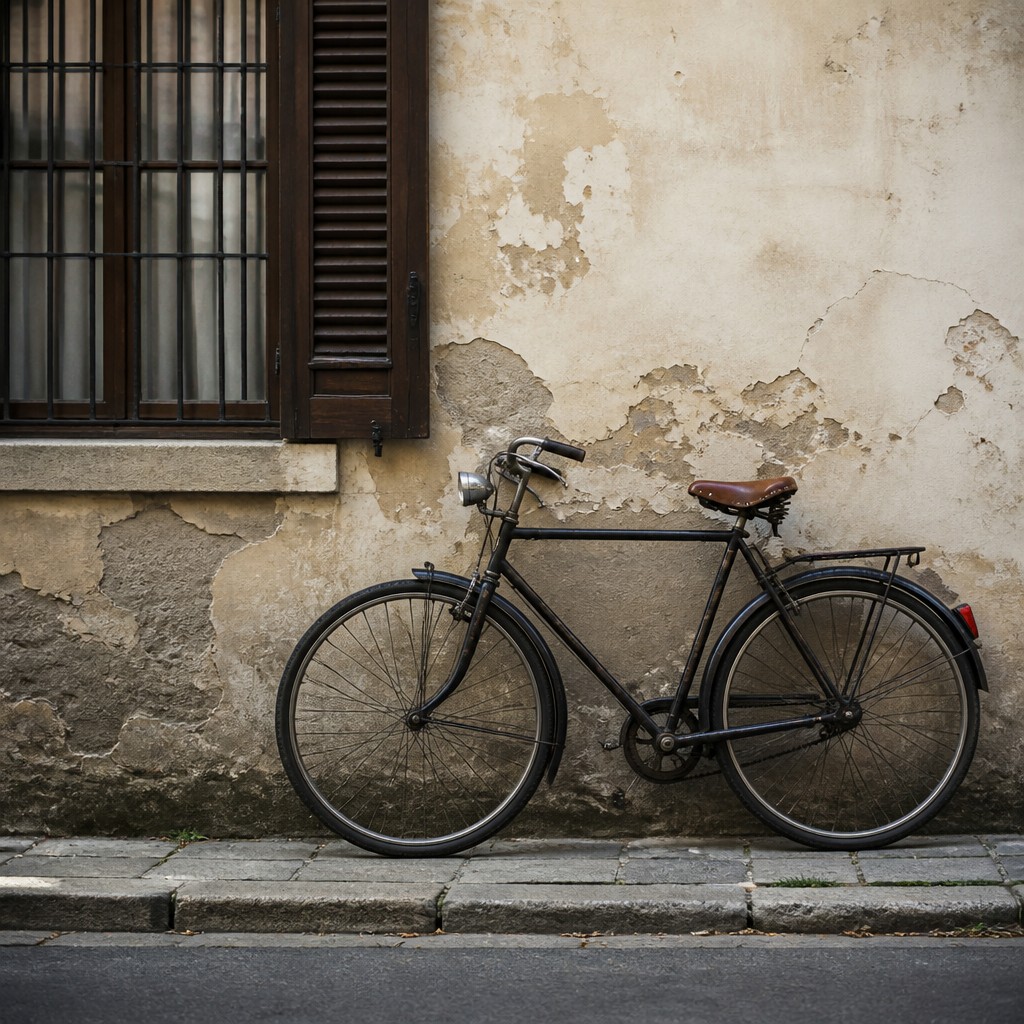
Each pair below was generated from the identical prompt — only the style changed.
“portrait of two people together”
“wide landscape with natural scenery”
“still life with everyday objects”
“bicyle resting against a wall”
Key Differences
| Plein Air Landscape | Realistic Landscape | |
|---|---|---|
| Brushwork | Visible, lively strokes that show the artist's response to the scene. | Blended, controlled brushwork that aims to disappear into the image. |
| Color handling | Broken color and shifting tones to capture light in the moment. | Carefully matched local color for a stable, convincing result. |
| Light and atmosphere | Emphasizes changing outdoor light and fleeting conditions. | Builds depth through consistent lighting and atmospheric clarity. |
| Detail level | Suggests forms with selective detail and broad visual statements. | Describes fine textures, edges, and small natural features precisely. |
| Working method | Usually painted on location to observe the landscape directly. | Often developed from studies, references, or extended studio work. |
| Overall effect | Fresh, spontaneous, and slightly improvisational. | Polished, steady, and highly representational. |
| Mood | fresh, atmospheric, observant, spontaneous | naturalistic, tranquil, immersive, contemplative, awe-inspiring |
| Energy | lively | calm |
| Detail level | moderate | intricate |
| Color | natural, luminous, weather-shifted, varied | true-to-life, balanced earth and sky tones |
| Texture | visible brushstrokes, painterly, tactile | smooth, highly controlled, invisible brushwork |
| Origin | 19th-century France and Britain | 19th-century Europe and North America |
| Best for | landscape prints, travel posters, book covers, nature journals, gallery scenes | landscape prints, book illustrations, wall art, travel visuals, museum reproductions |
| Difficulty | advanced | advanced |
Which Should You Choose?
Choose plein air landscape art if you want freshness, visible painterly energy, and the feeling of being outdoors in real time. Choose realistic landscape art if you prefer precise description, careful finishing, and a scene that feels close to a high-detail view of nature. If you enjoy both, think of the first as expressive observation and the second as refined accuracy.
Frequently Asked Questions
Is plein air painting less detailed than realistic landscape painting?
Usually, yes. Plein air work often prioritizes light, color, and immediacy over exact surface detail. That does not make it less skilled; it reflects a different set of priorities.
Can a painting be both plein air and realistic?
Yes. A work can be painted outdoors and still be highly detailed and carefully observed. The difference is mainly whether the artist emphasizes spontaneous brushwork or polished realism.
Which style is better for learning landscape painting?
Plein air is often recommended for learning because it trains observation of light, value, and color changes. Realistic landscape painting is also valuable for building precision, control, and patience.
Why does realistic landscape art often look smoother?
It usually uses controlled transitions, careful layering, and minimized brush marks. This helps create the illusion of a seamless, photographic scene.