Plein Air Realism Art Style
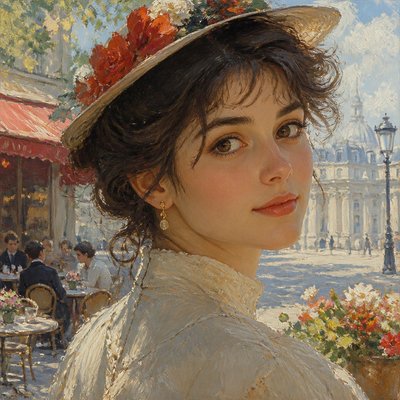
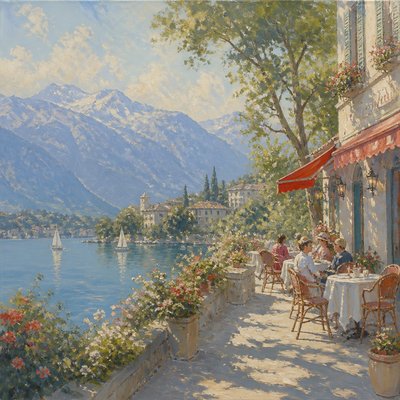
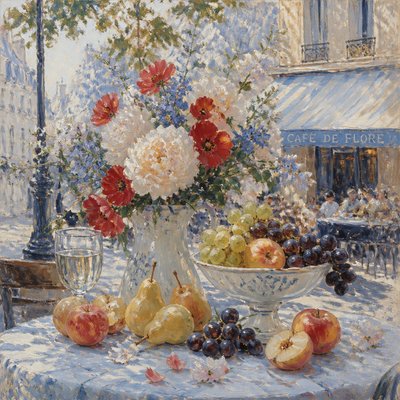
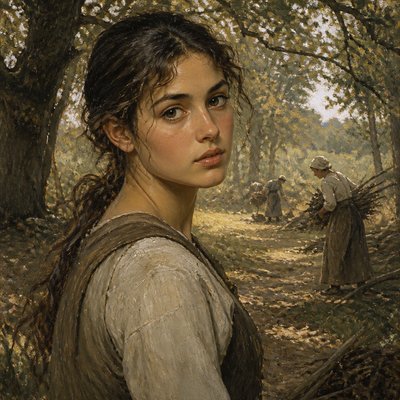
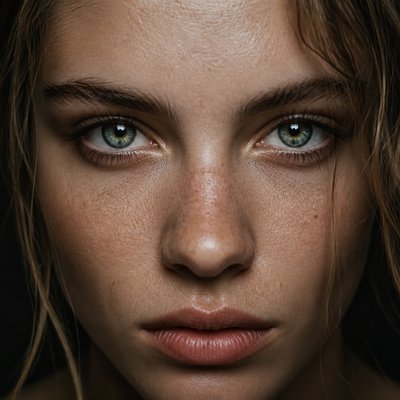
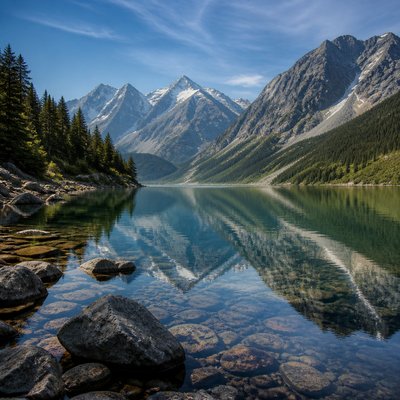
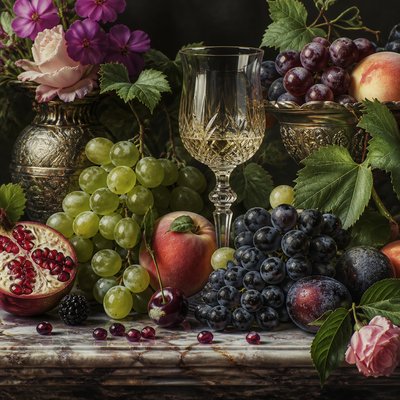
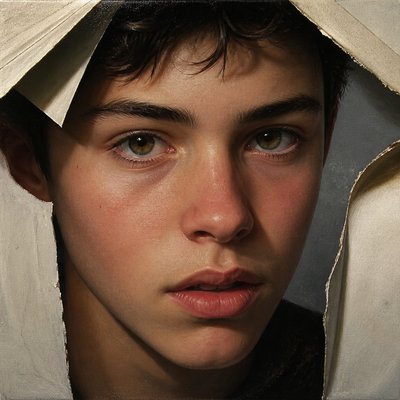
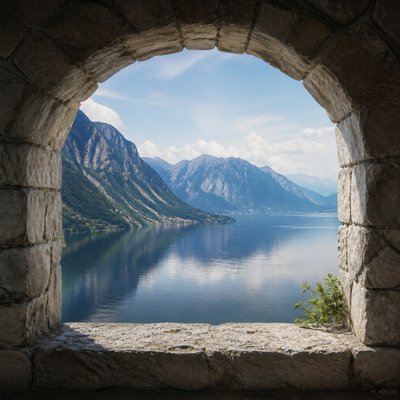
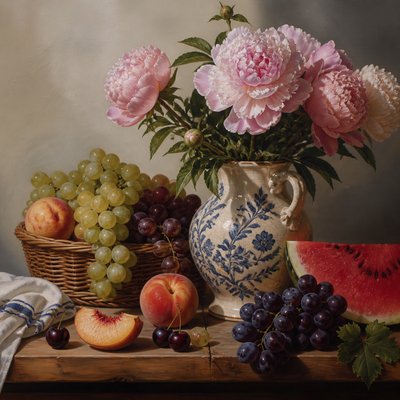
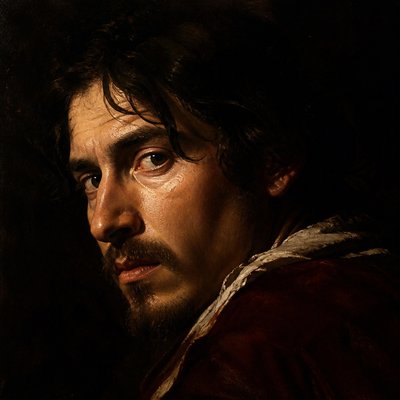
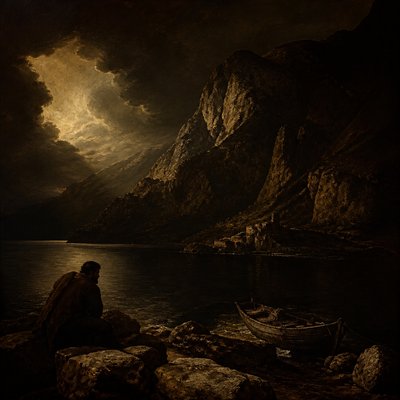
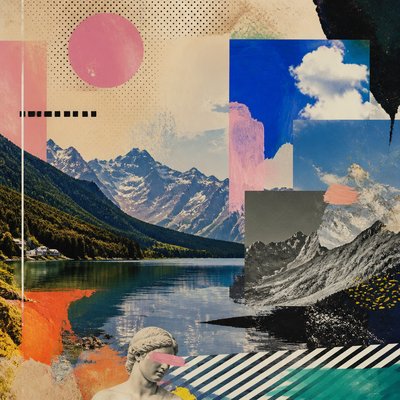
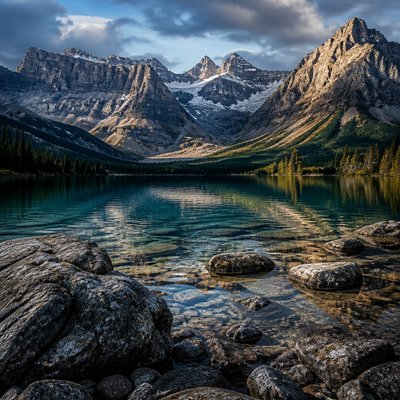
Plein air realism uses direct outdoor observation, quick brushwork, and natural light to create fresh, immediate paintings.
Instantly rendered in Plein Air Realism — or transform a photo
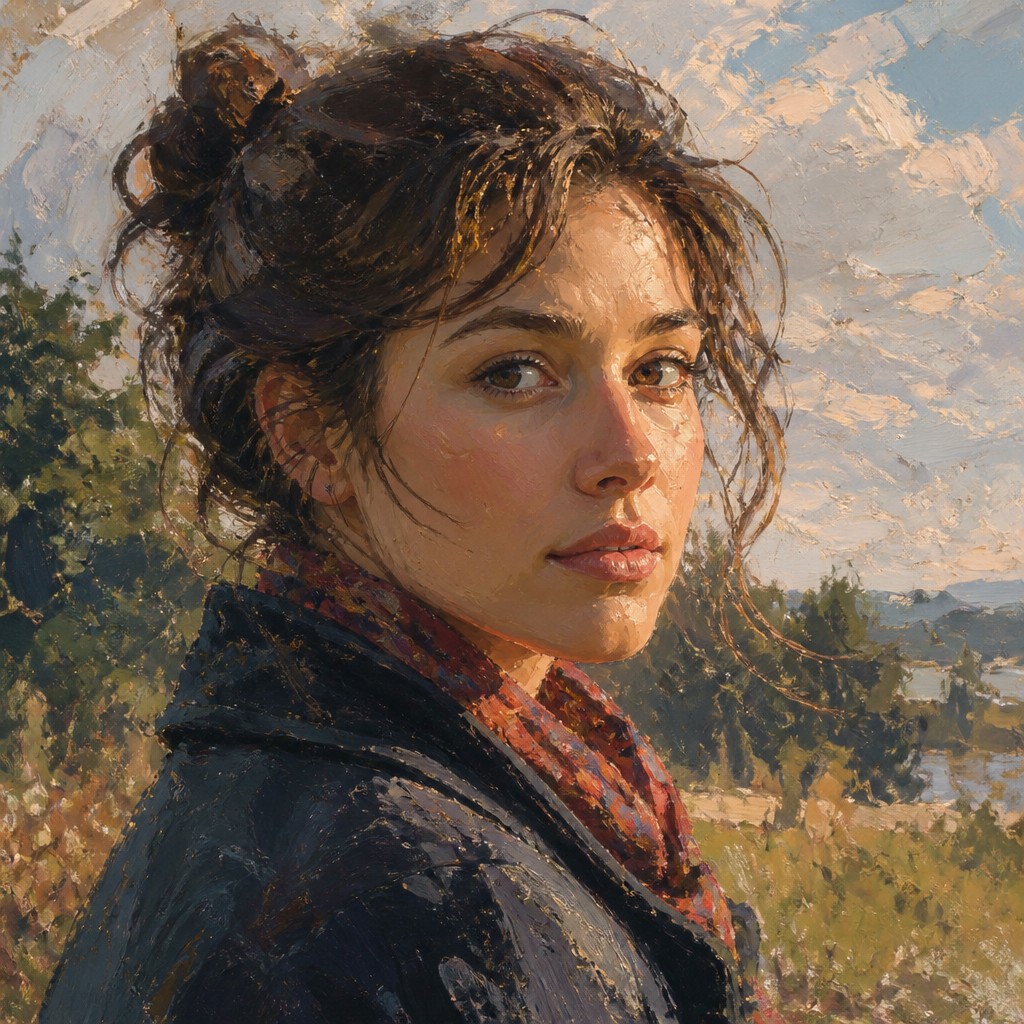
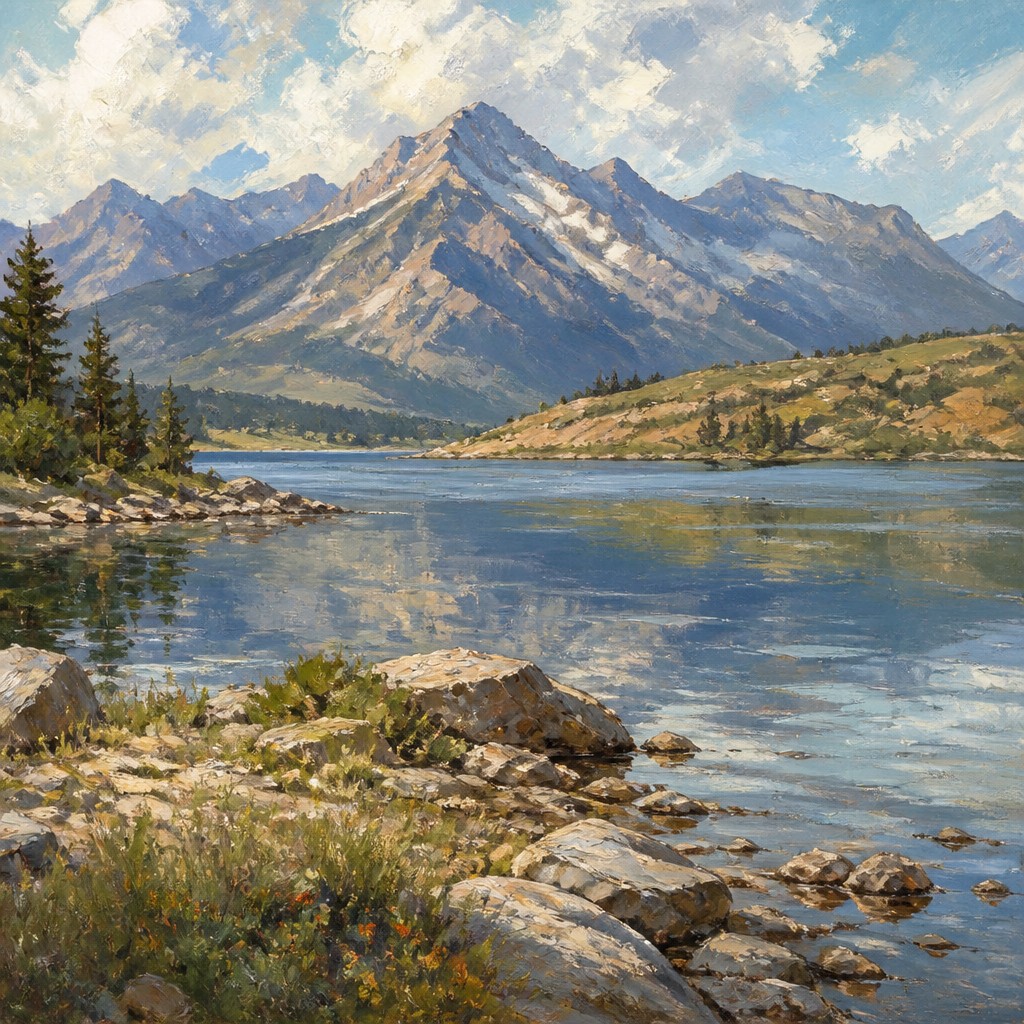
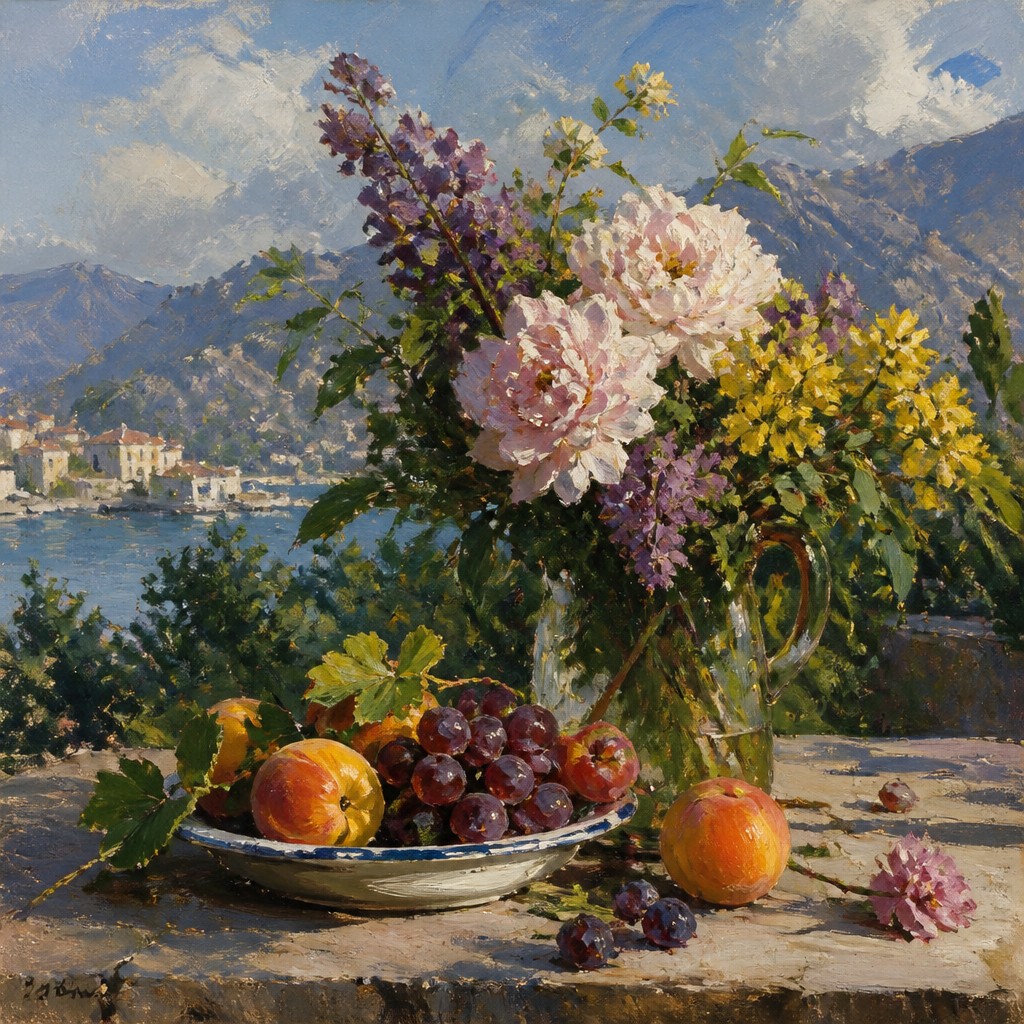
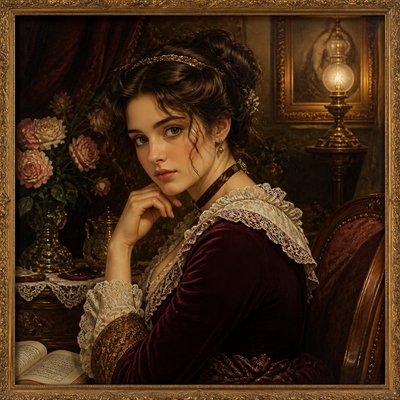
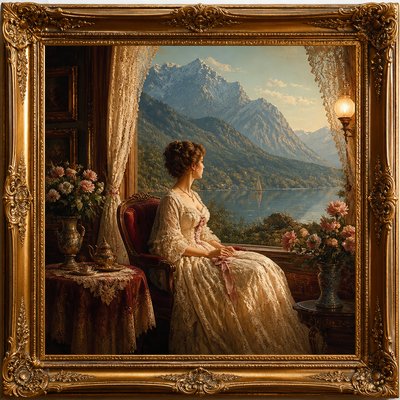
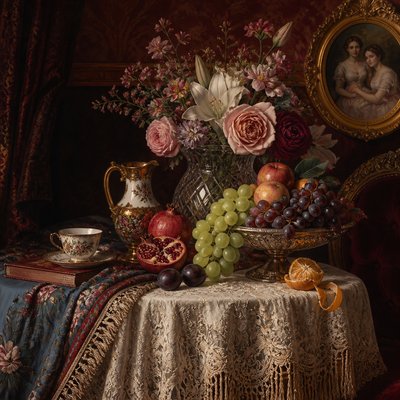
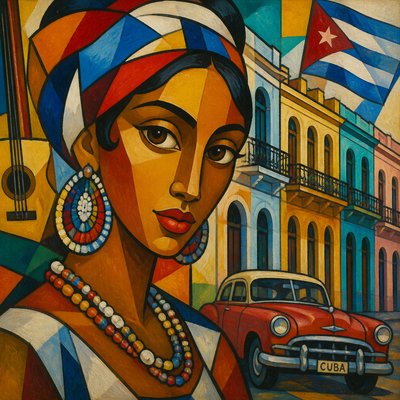
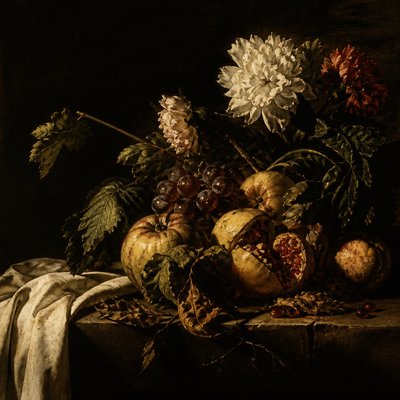
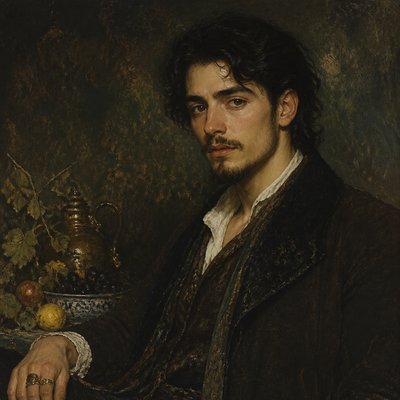
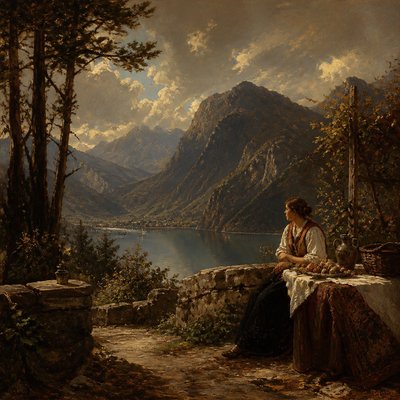
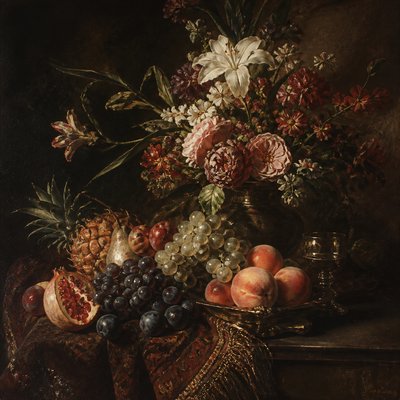
Plein Air Realism Gallery
Tap any artwork to explore it
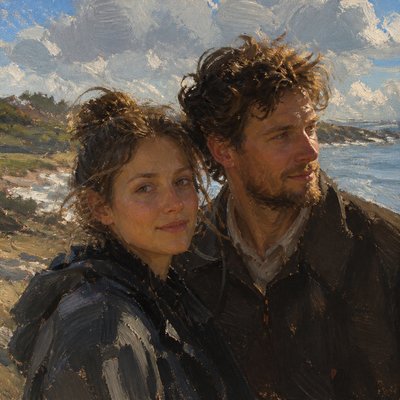
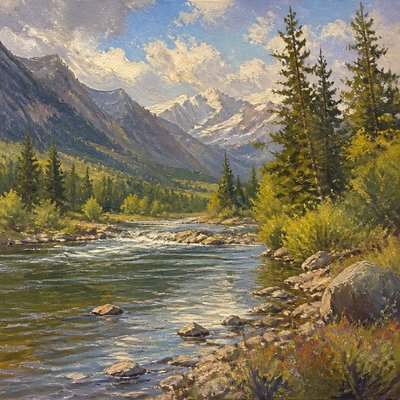
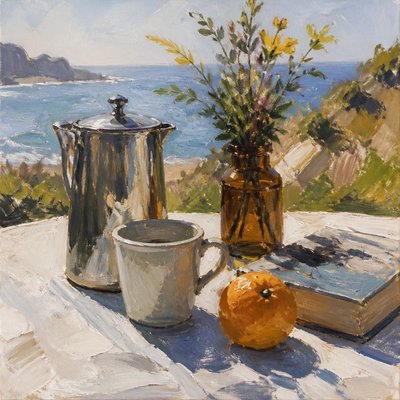
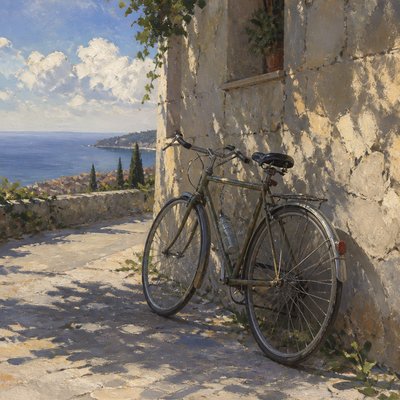
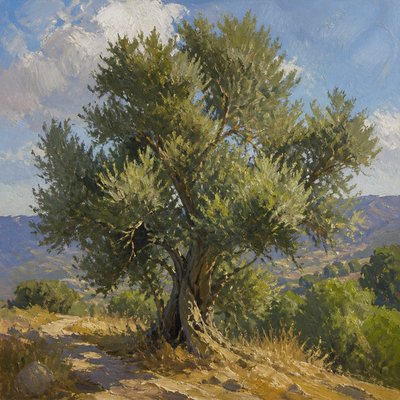
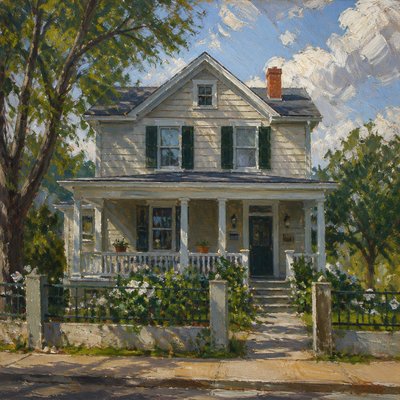
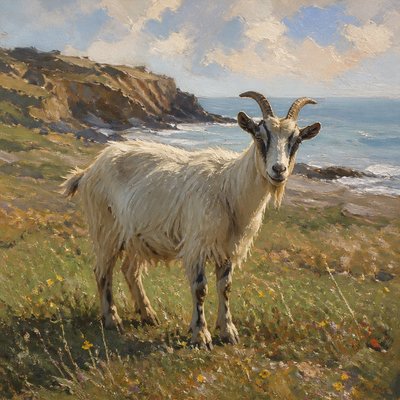
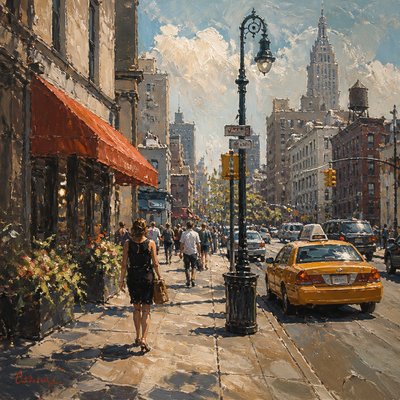
What is Plein Air Realism Art Style?
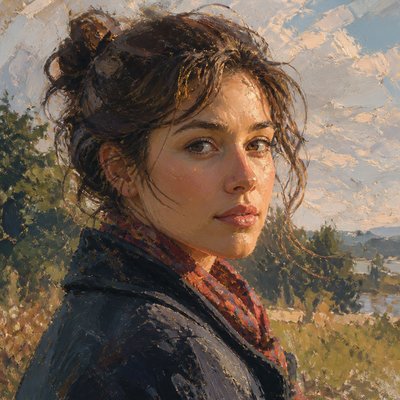
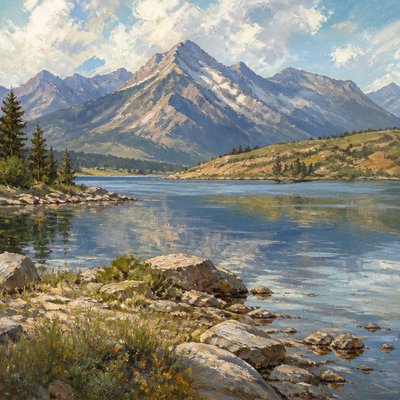
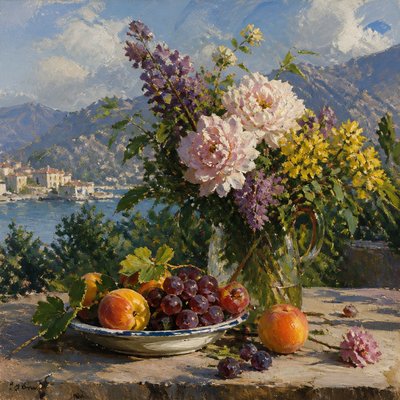
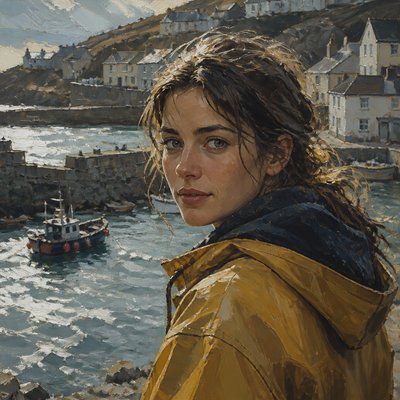
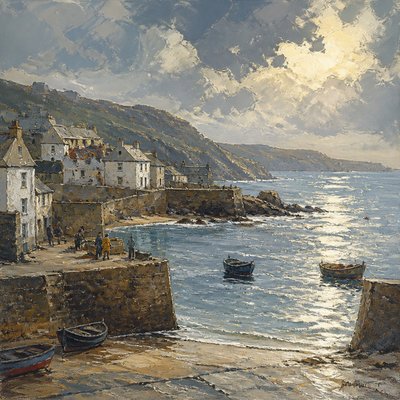
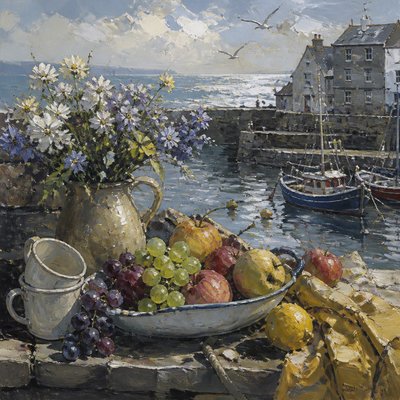
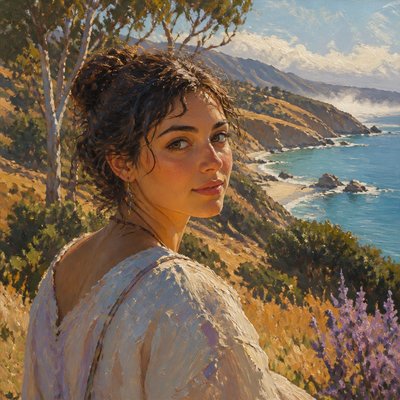
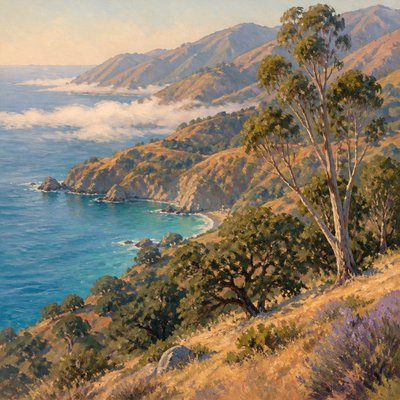
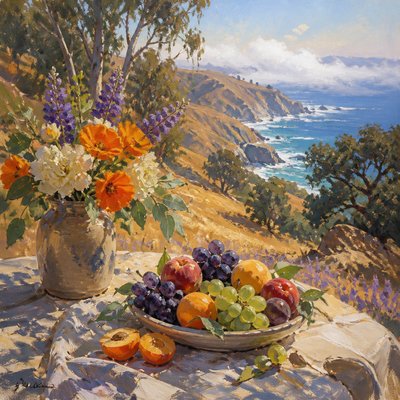
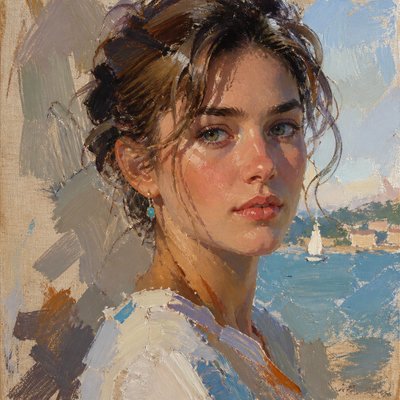
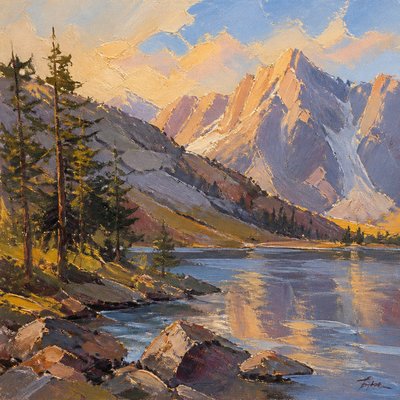
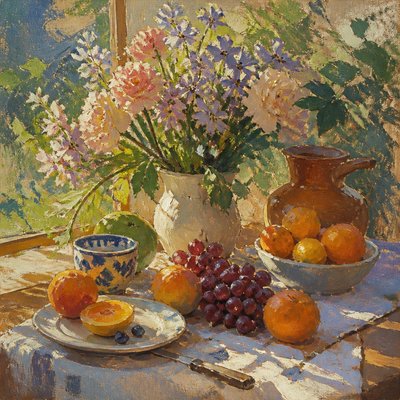
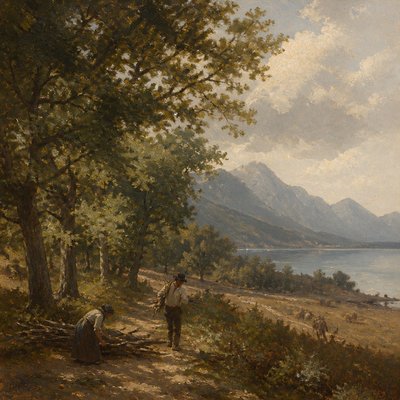
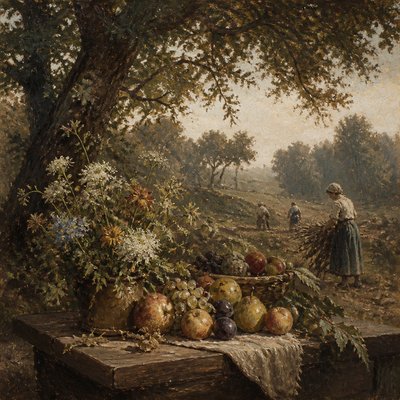
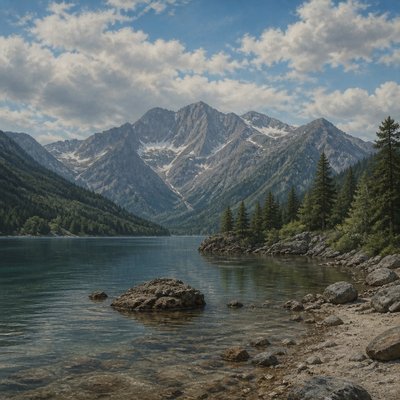
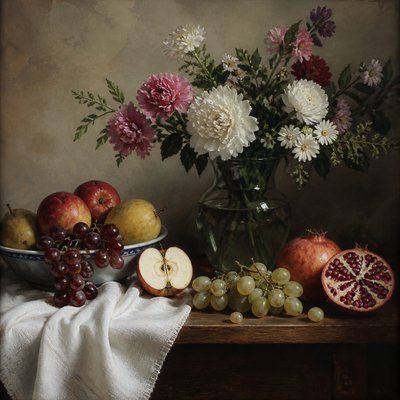
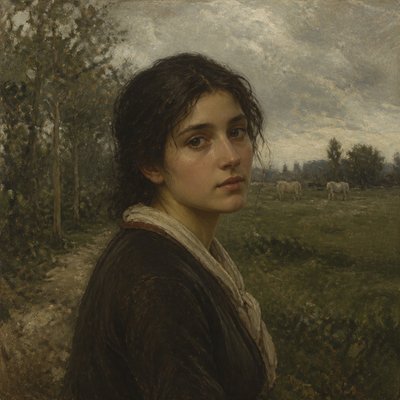
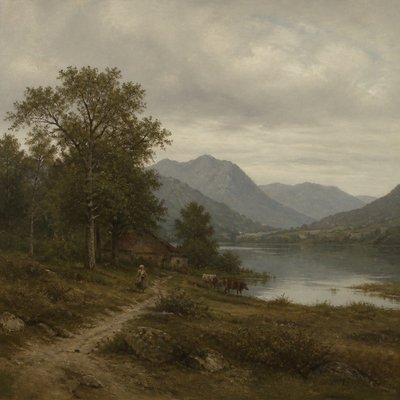
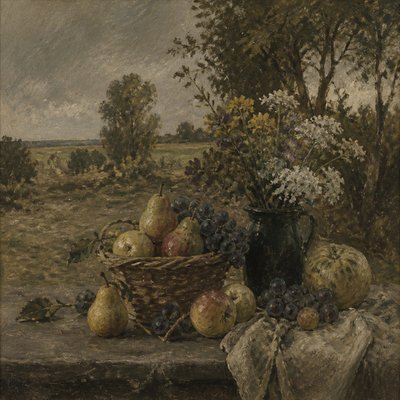
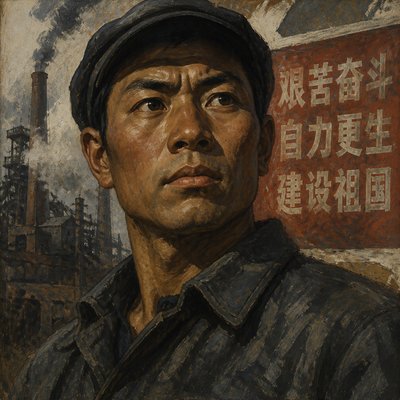
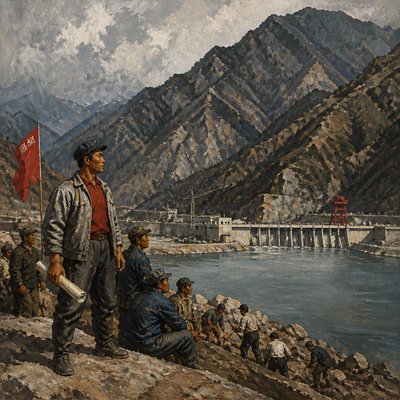
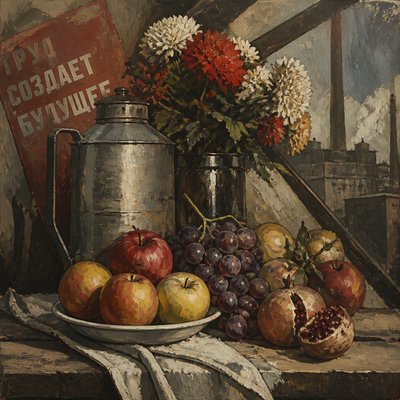
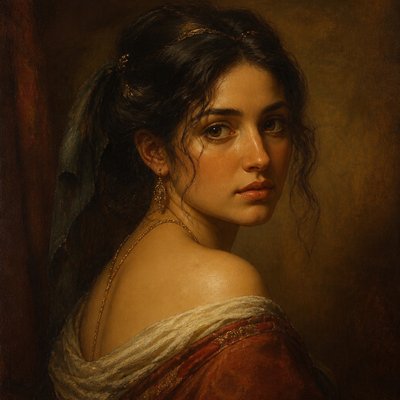
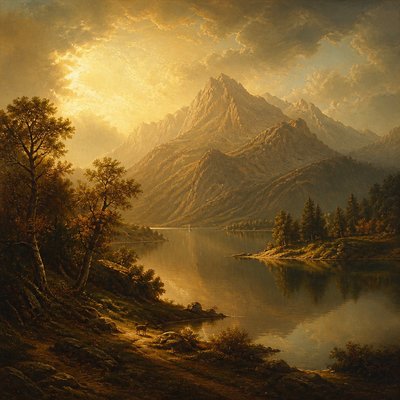
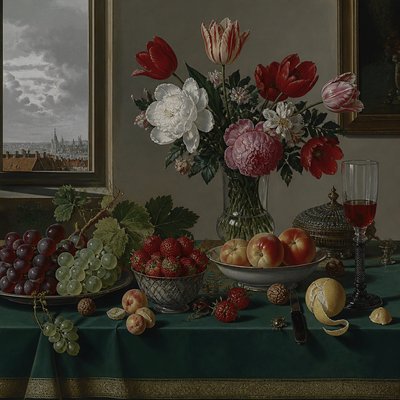
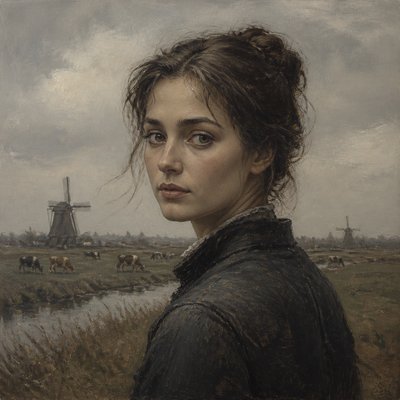
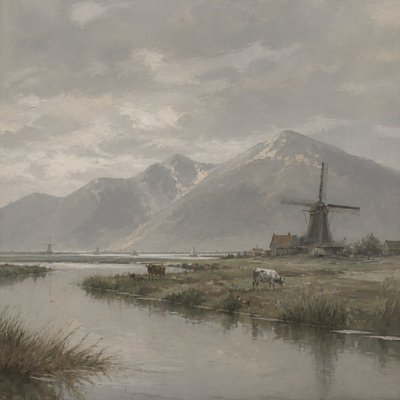
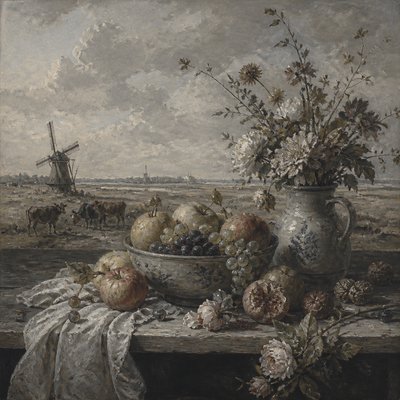
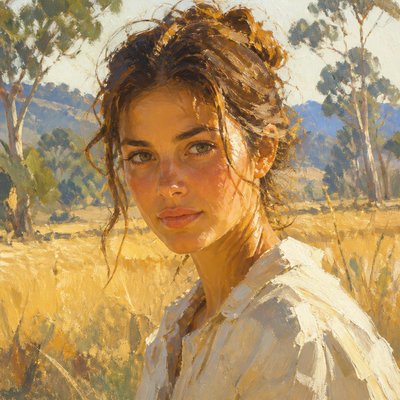
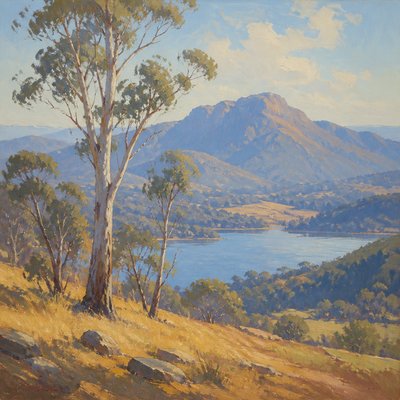
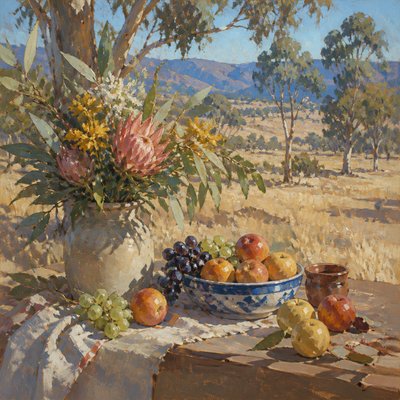
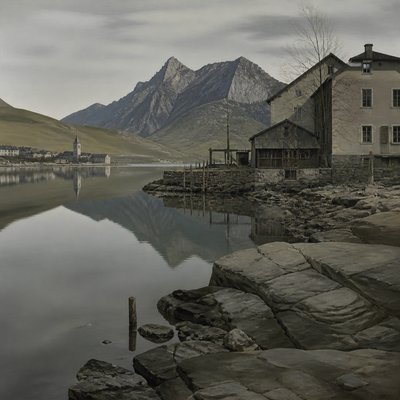
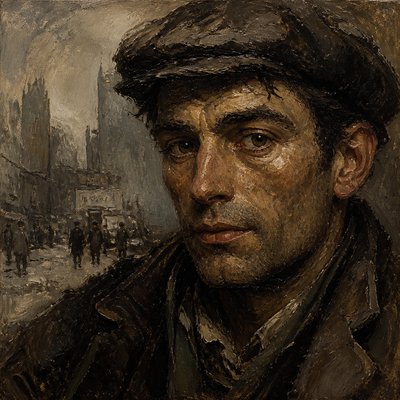
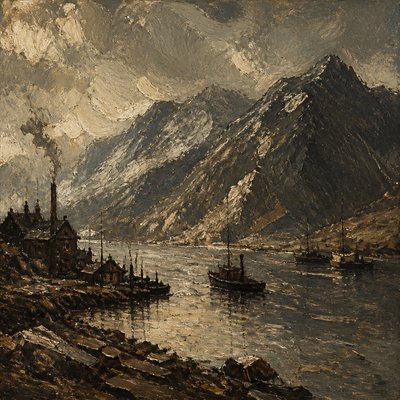
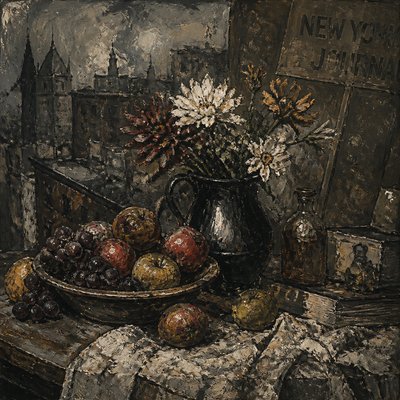
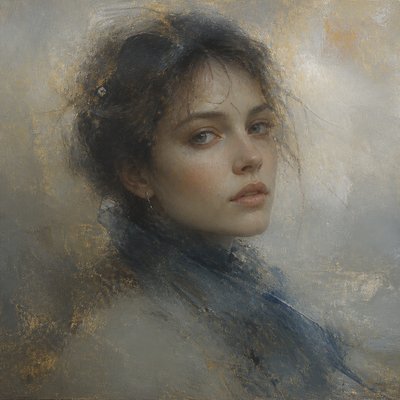
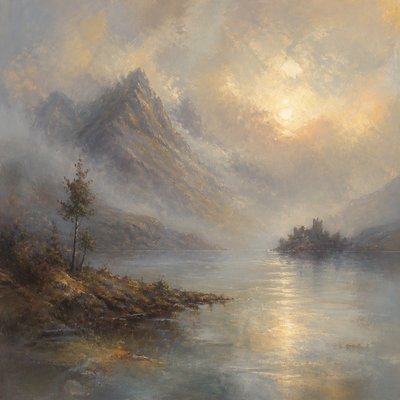
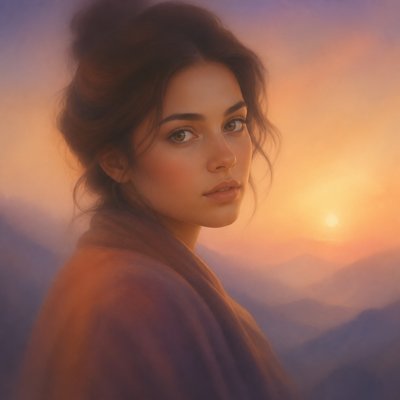
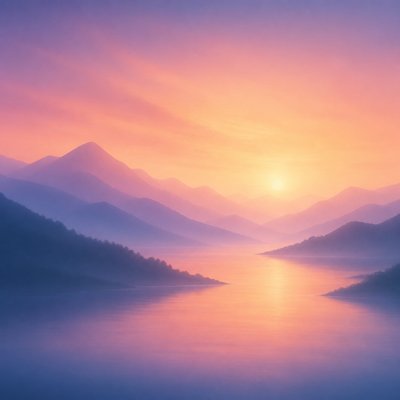
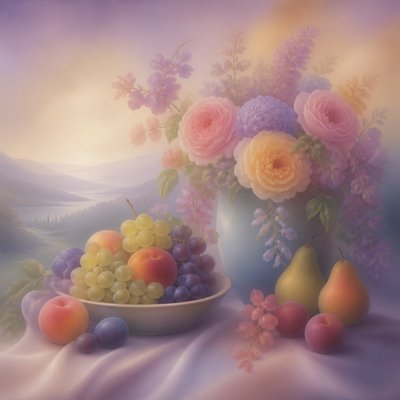
Plein air realism is a manner of painting based on direct observation outdoors, with the artist working in the open air to record the appearance of a subject as it is actually seen. The style emphasizes freshness, accuracy of light, and the sensations of a specific moment rather than polished studio finish. Its look is shaped by rapidly changing conditions: sunlight, weather, and atmosphere all affect color, value, and edge quality.
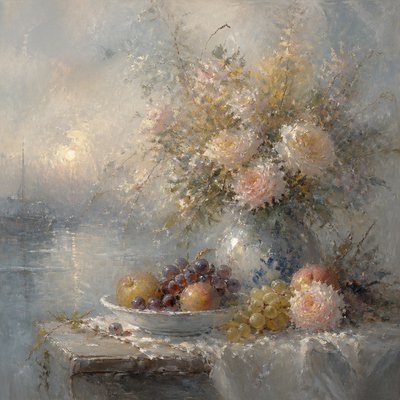
Visually, the style is recognizable by confident brushstrokes, visible paint handling, and a generally loose but believable rendering of form. It often uses broken color, warm highlights, cool shadows, and an airy sense of depth to preserve the immediacy of looking. Instead of smoothing every passage into uniform detail, plein air realism keeps some edges soft and some areas unresolved so the painting feels observed, temporary, and alive.
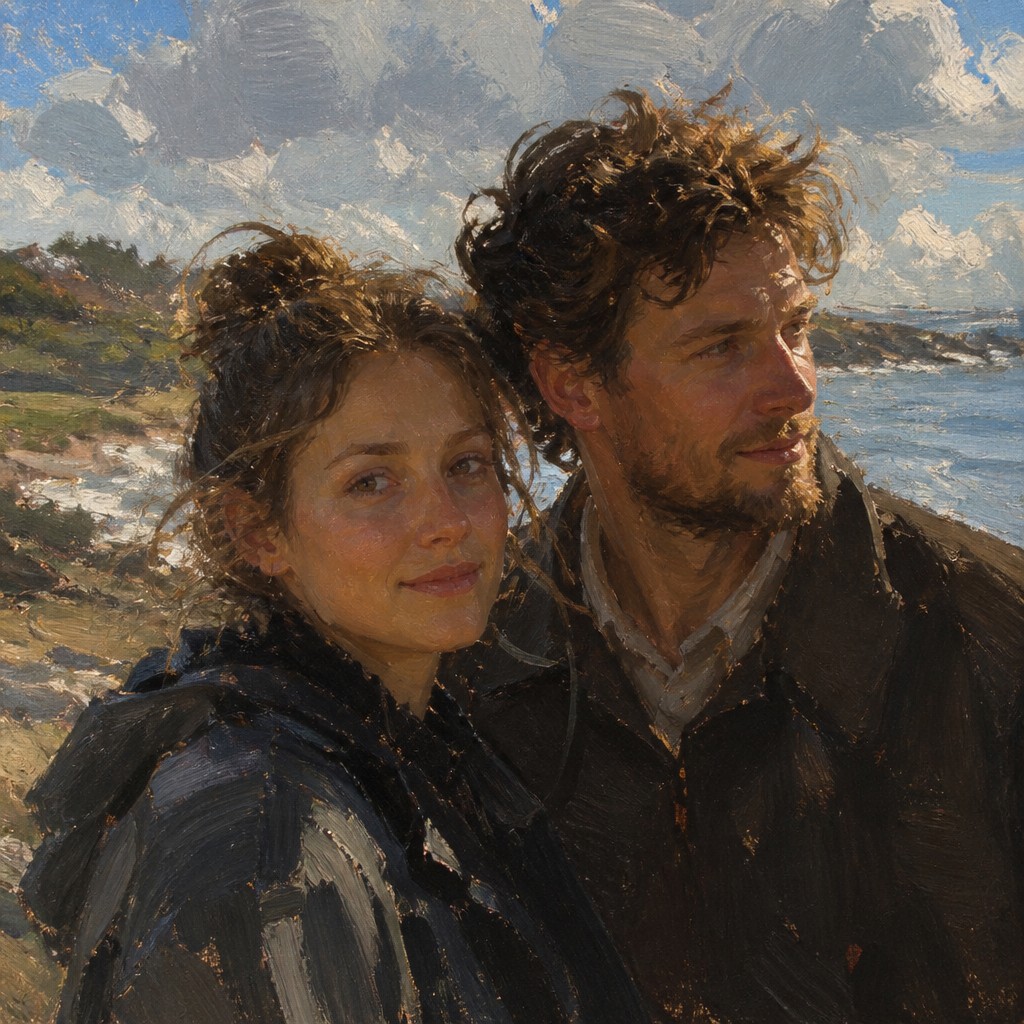
Try It On Your Photos
Upload any photo and convert it into Plein Air Realism Art Style — drag the sliders to compare before and after.
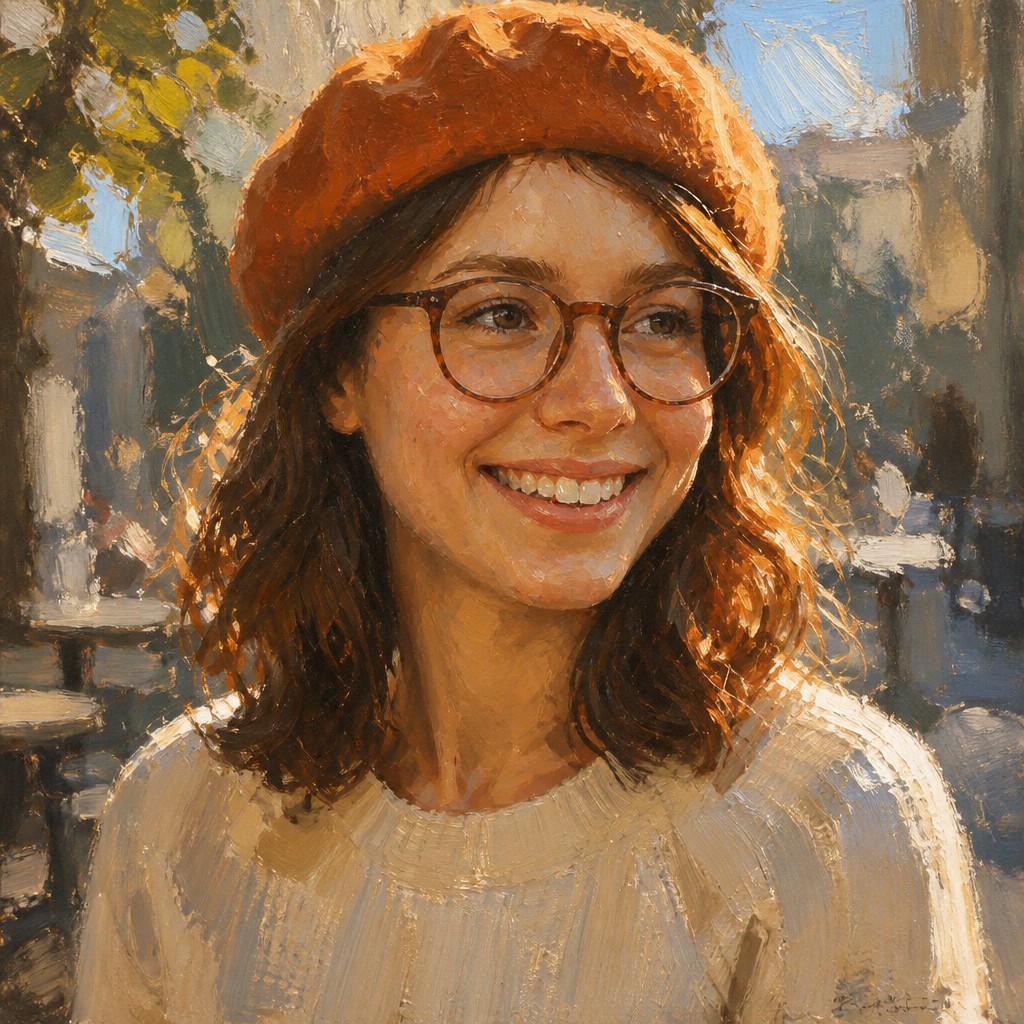

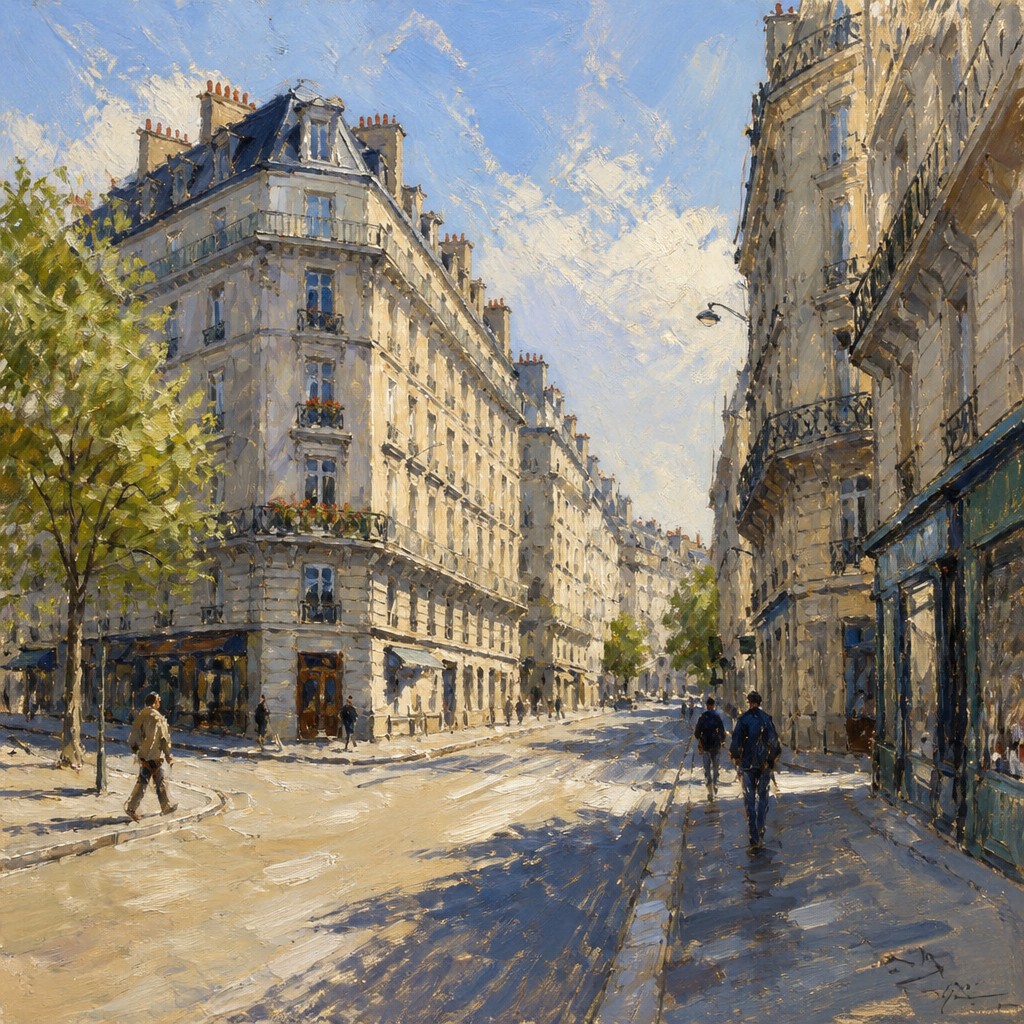

What Defines Plein Air Realism Art Style
The signature details, up close
Direct observation
The subject is painted from life outdoors, so forms and colors reflect what the eye actually sees under natural conditions. This creates a convincing sense of presence and specific place.
Quick, confident brushwork
Strokes are abbreviated and purposeful, often laid in swiftly to capture a fleeting effect before the light changes. The handling remains visible as part of the image rather than being fully hidden.
Natural light and atmosphere
Light is the organizing force of the painting, shaping volume through warm highlights, cool shadows, and atmospheric variation. Weather, time of day, and humidity often leave a strong mark on the palette.
Broken color
Colors may be placed in adjacent strokes instead of blended smoothly on the canvas, allowing optical mixing. This keeps the surface lively and helps suggest shimmering light.
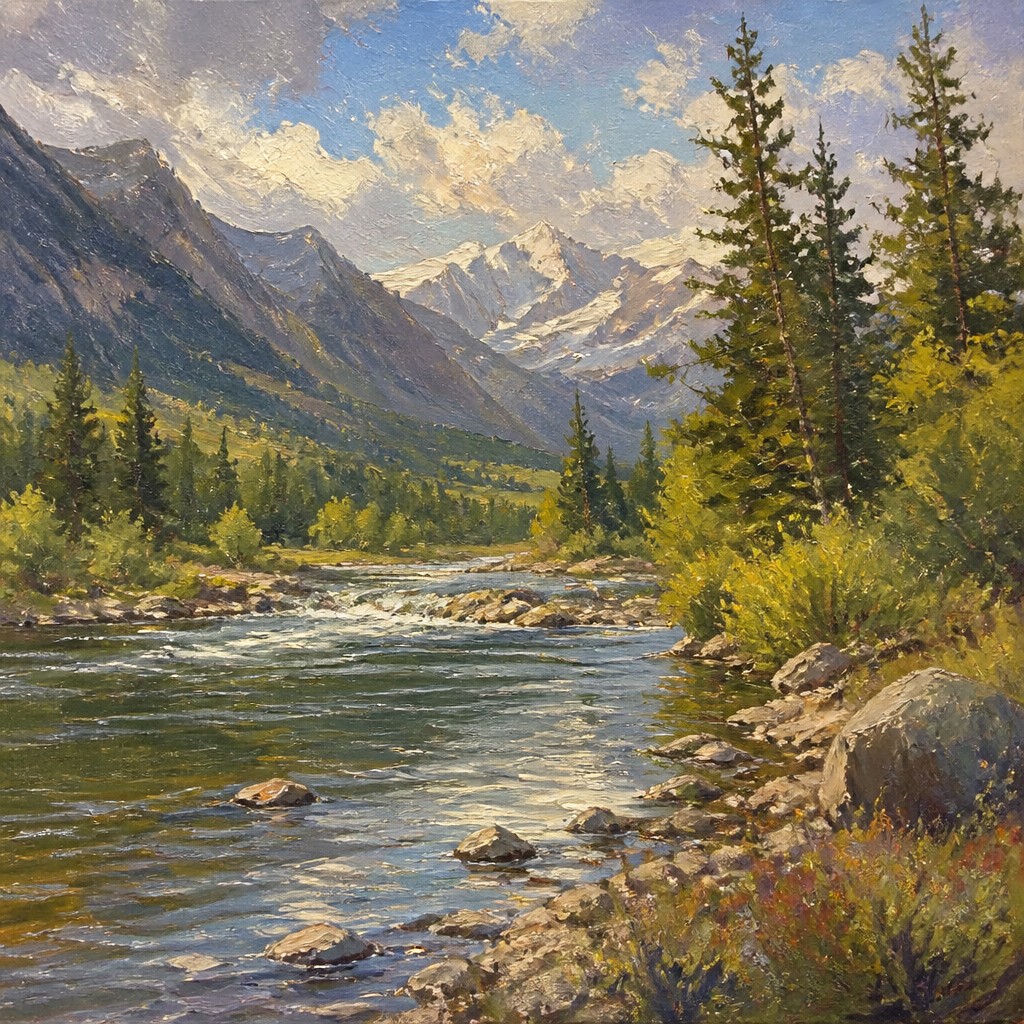
Loose edges and selective detail
Important forms are described clearly, but not every area is finished equally. Edges may soften into the background, while focal passages receive the most attention.
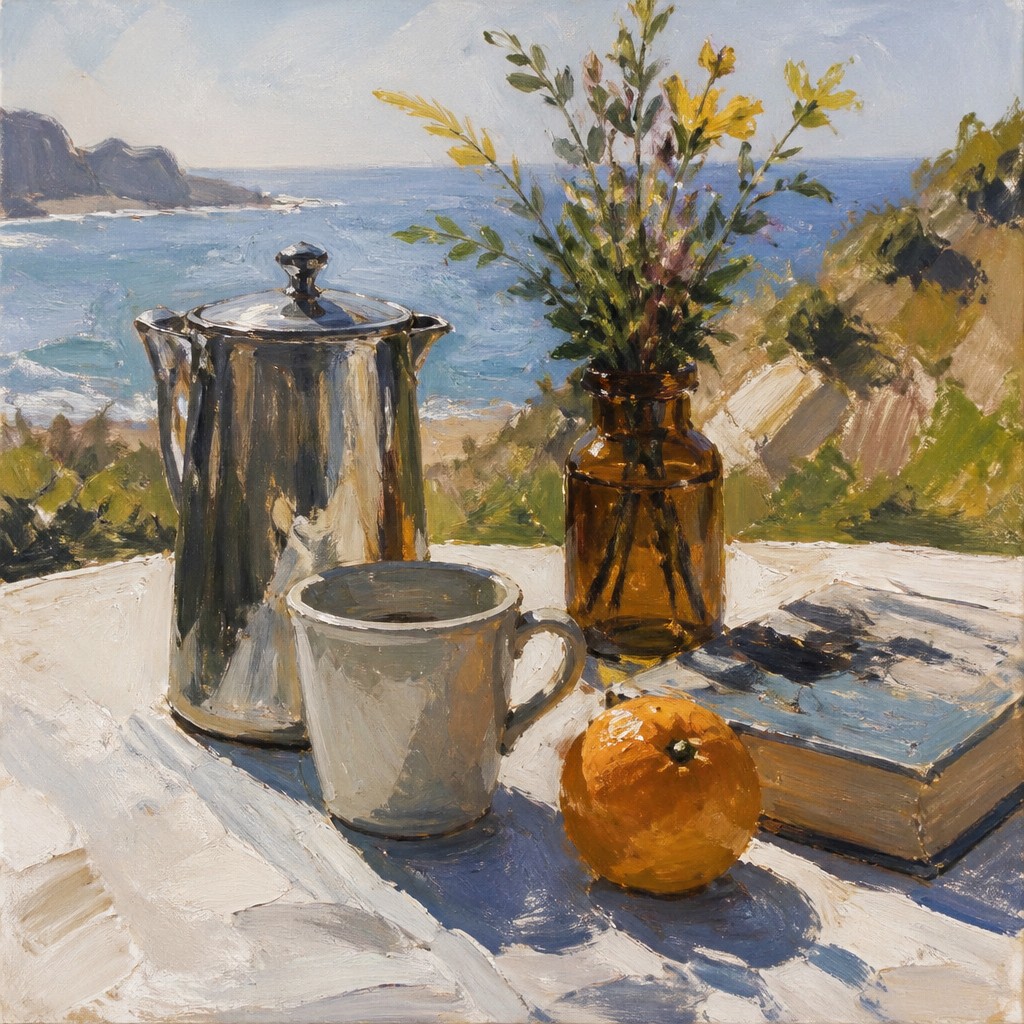
Fresh, restrained palette
The colors are usually naturalistic, often moderated by grays and earth tones rather than exaggerated saturation. Even when vivid, the palette stays tied to observed outdoor conditions.
Try It
Create Videos in Plein Air Realism Art Style
Styles aren't just for stills — describe a scene or animate an image and get a short video rendered in Plein Air Realism. Press play to see this pond come to life.
Make a VideoPlein Air Realism Prompt Ideas
Start from an idea — each one opens the generator with the style ready to go. See all 40 Plein Air Realism prompts →
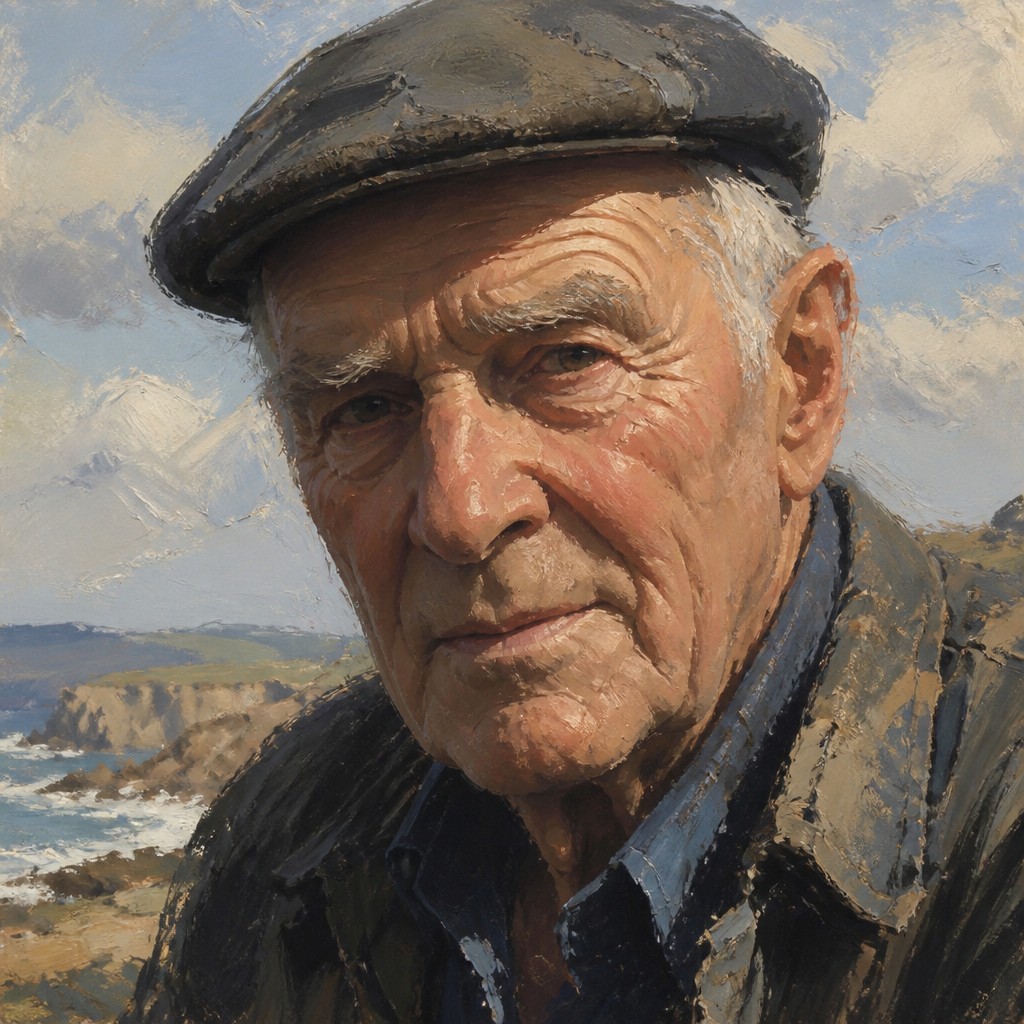
“close-up portrait of an elderly person with expressive weathered features”
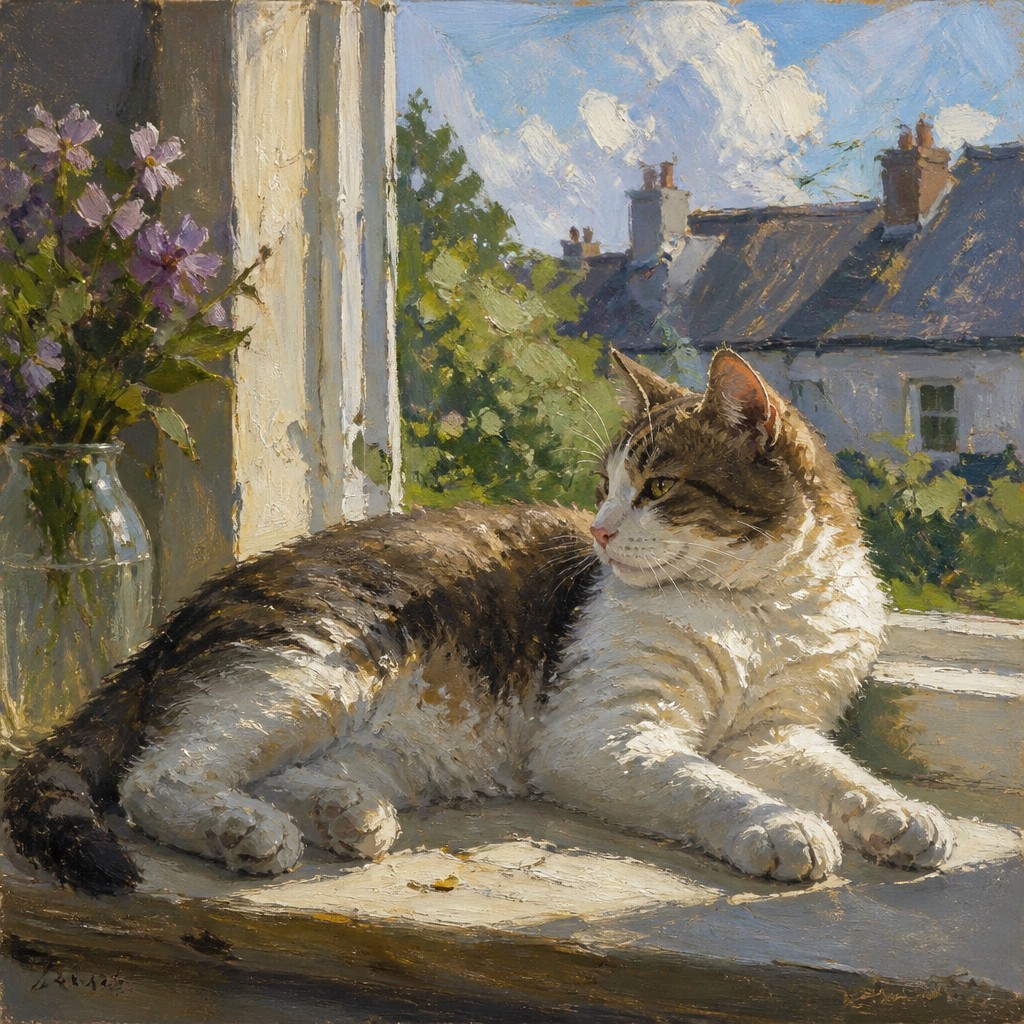
“a cat lounging in a sunlit window”
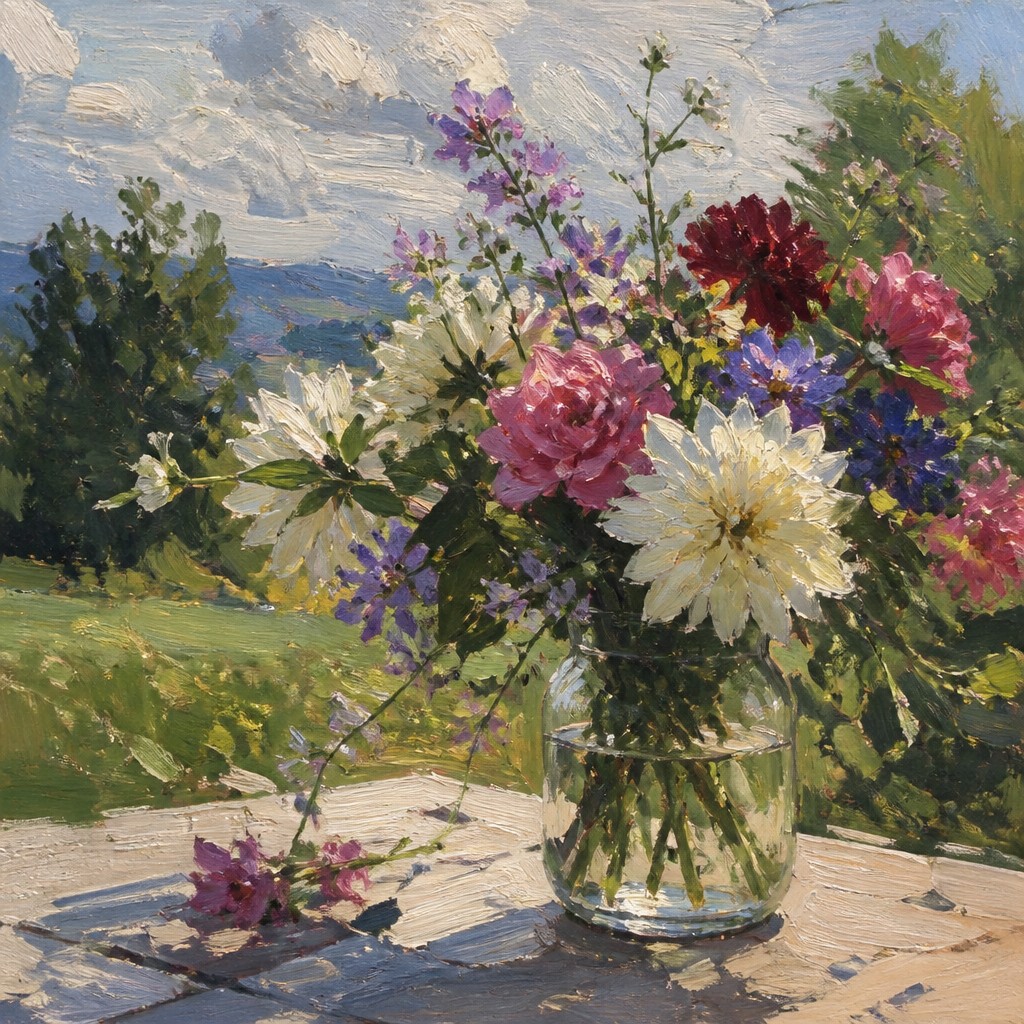
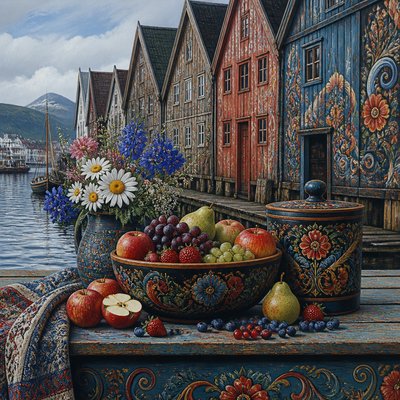
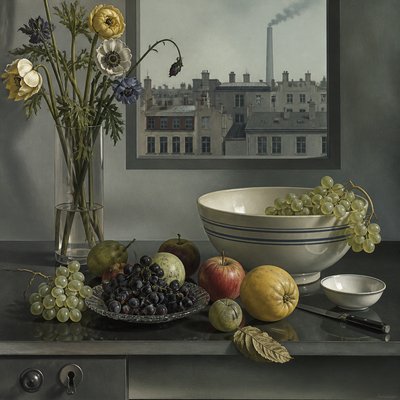
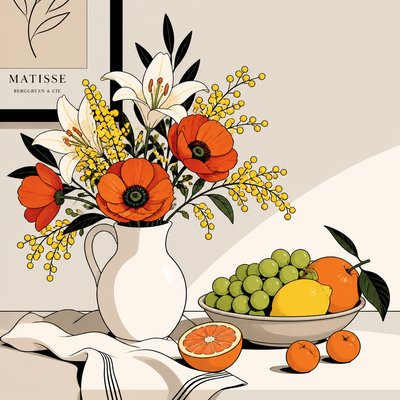
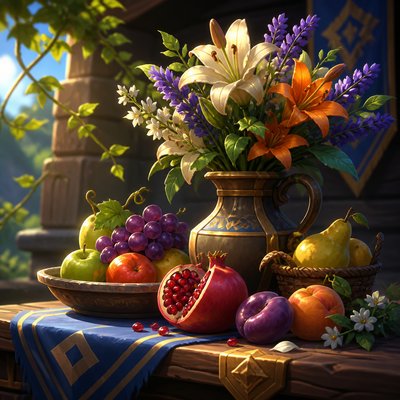
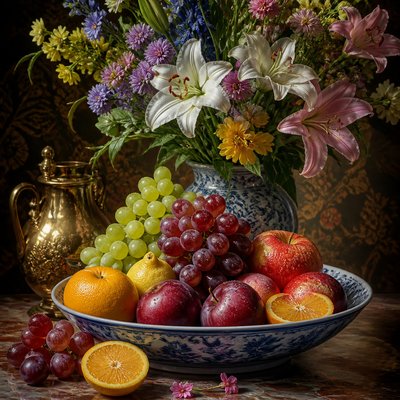
“bouquet of flowers in a glass vase”
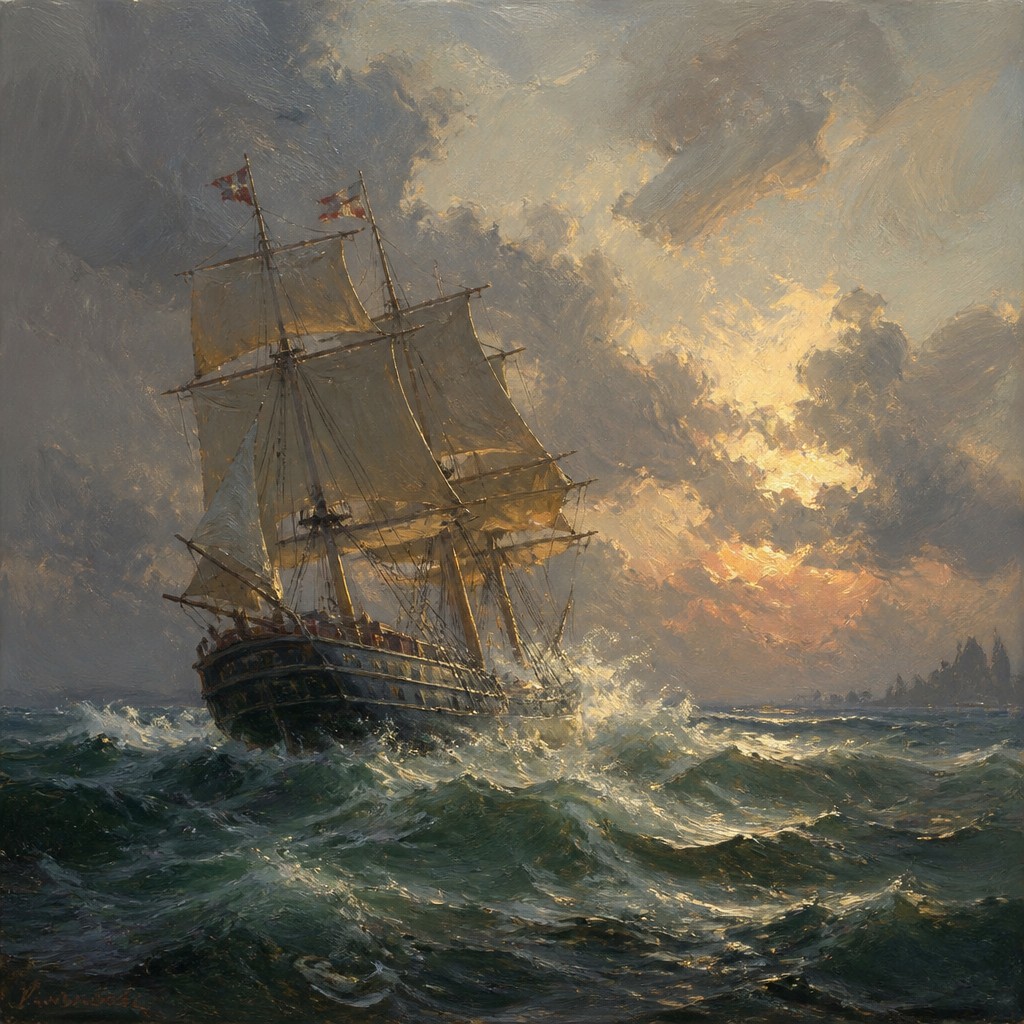
“sailing ship on a stormy sea”
How to Create Plein Air Realism Art
Master the craft step by step — or skip straight to creating. Read the full guide →
- 1
Work from direct observation
Set up on location and paint the scene as it appears in that specific moment, not as a composite of remembered details. Block in large value relationships first so the painting stays grounded in real light.
- 2
Use a limited, natural palette
Choose colors that can mix into believable outdoor neutrals, including warm and cool versions of the primaries plus earth pigments. Avoid overblending; let adjacent strokes mix optically to preserve freshness.
- 3
Keep the drawing economical
Establish the major shapes quickly and leave out minor details that do not serve the overall read. A strong massing of light and shadow is more important than precision in every leaf or brick.
- 4
Preserve visible paint handling
Use confident strokes, wet-into-wet passages, and occasional impasto to emphasize the physical surface of the painting. Digital artists can imitate this with textured brushes, broken-edge masks, and layered opacity rather than smooth airbrushing.
- 5
Match the prompt to a real outdoor effect
When generating or transforming images, specify time of day, weather, and location so the light reads convincingly. Phrases like 'morning haze,' 'late-afternoon sun,' or 'overcast coastal light' help anchor the result in plein air observation.
The Story
History & Origins of Plein Air Realism
Plein air painting became especially important in 19th-century European art, when portable paint tubes and smaller canvases made it easier for artists to work outdoors. It was central to the development of modern landscape painting and strongly associated with artists who wanted to capture transient light and atmosphere directly from nature rather than reconstructing them from memory in the studio.
The approach informed and overlapped with several real movements, especially the Barbizon School and later Impressionism, though plein air realism itself is broader than either. It continued into American landscape traditions and plein-air schools, where artists valued truthful observation, economy of means, and immediate response to changing conditions. Today the term is also used more generally for paintings that retain the look and methods of outdoor direct study.
Influences: Plein air realism draws from the outdoor landscape practices of the Barbizon School and from French Impressionism, especially the emphasis on changing light seen in leading Impressionist painters. It also relates to American landscape painting and tonal traditions that prized direct study of nature, including the work of major American outdoor landscape and figure painters in their outdoor paintings. Its broader visual lineage includes realist observation, sketch-based oil study, and the long tradition of painting from life.
Frequently Asked Questions
What defines plein air realism?
It is defined by painting directly from outdoor observation, with an emphasis on truthful light, atmosphere, and immediate mark-making. The image usually feels fresh and temporary, as if it were captured during a specific weather condition or time of day.
How is it different from Impressionism?
Plein air realism and Impressionism overlap, but they are not the same. Impressionism is a distinct historical movement with its own priorities, while plein air realism is a broader approach centered on outdoor direct study and believable natural appearances.
Does plein air realism have to be landscape painting?
No. Landscapes are the most common subject because outdoor light is central to the style, but figures, gardens, streets, harbors, and rural scenes can all be painted this way. The key is direct observation in natural light.
Why do plein air paintings often look less detailed?
Artists working outdoors must respond quickly because the light changes. That pressure encourages economy, larger shapes, and visible brushwork, which are part of the style’s appeal rather than signs of incompleteness.
How can I make a photo look like plein air realism?
Use an image with clear natural light and avoid overly crisp digital sharpening or heavy contrast. Emphasize broad value masses, visible brush texture, softened edges, and a palette that reflects the time of day and weather.
Where is this style used today?
It is common in landscape painting, outdoor sketching, teaching studies, and contemporary naturalistic oil painting. It also works well for environment concepts and transformed photos when the goal is to preserve a believable outdoor atmosphere.

Create your first Plein Air Realism artwork
Describe anything — or upload a photo — and see it in Plein Air Realism Art Style in seconds.
Make Something with Plein Air Realism
Compare Plein Air Realism
Related Styles
Discover similar art styles