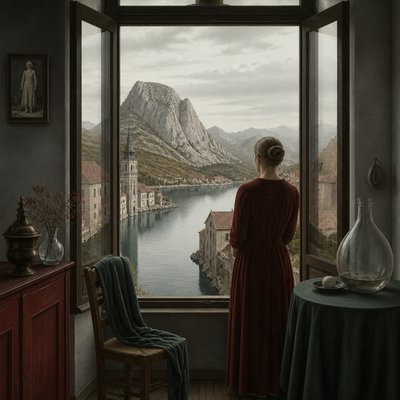
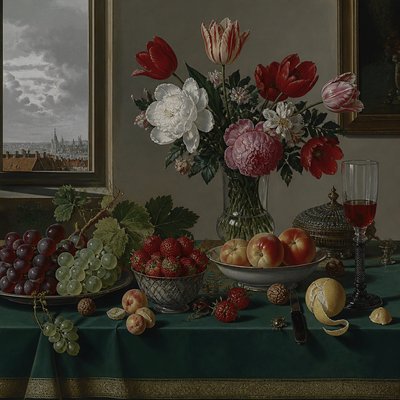
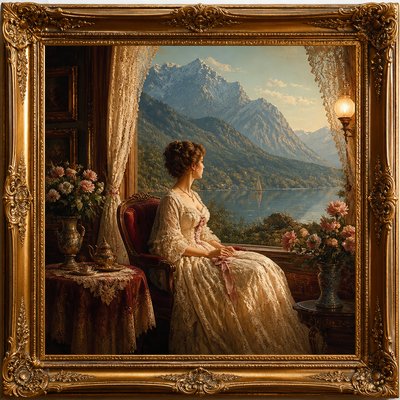
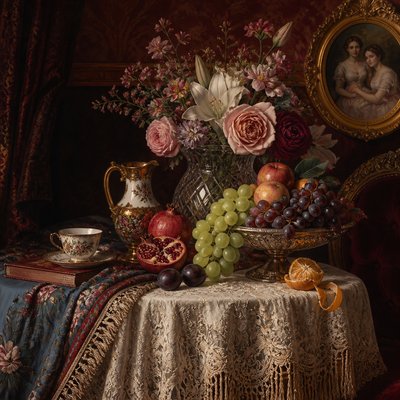
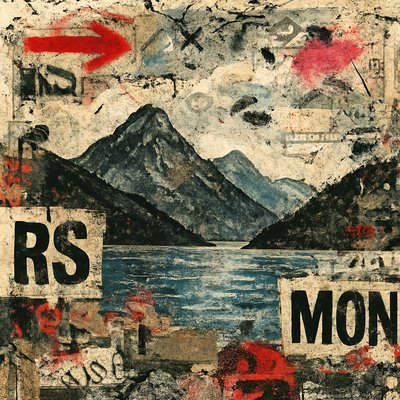
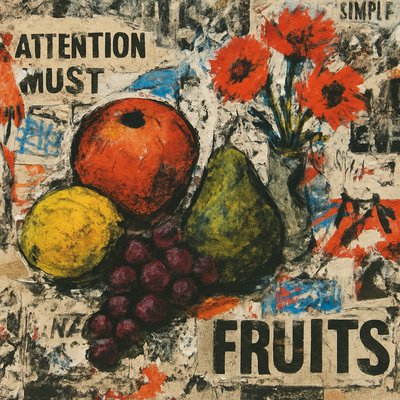
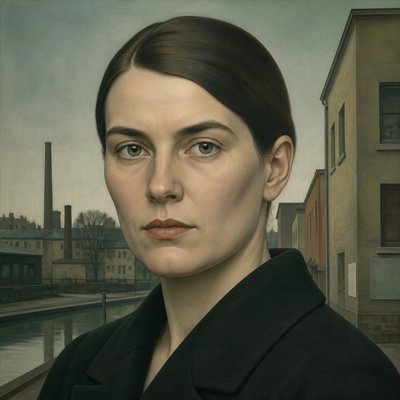
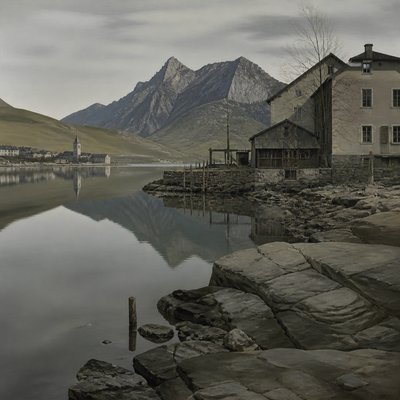
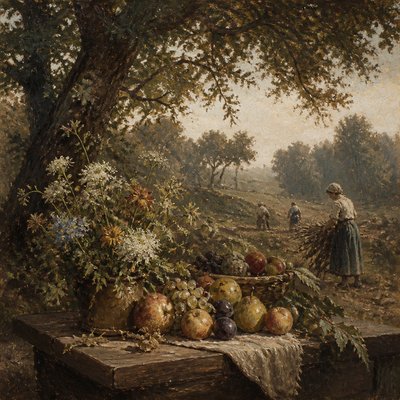
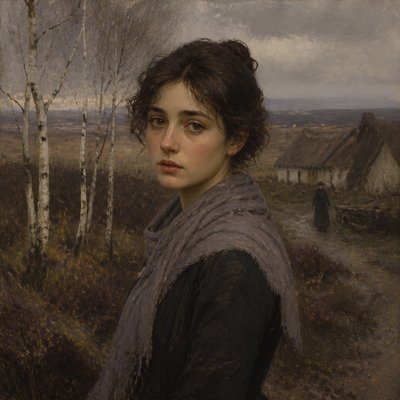
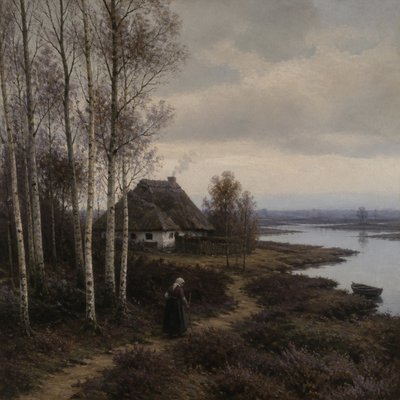
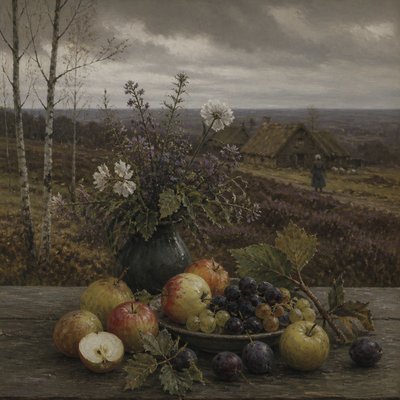
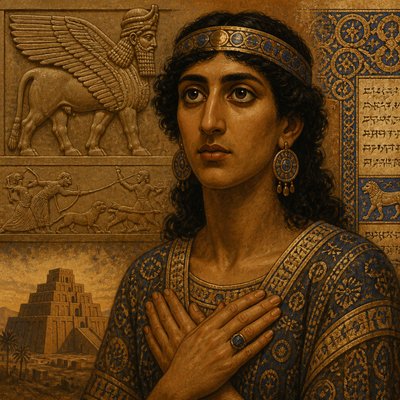
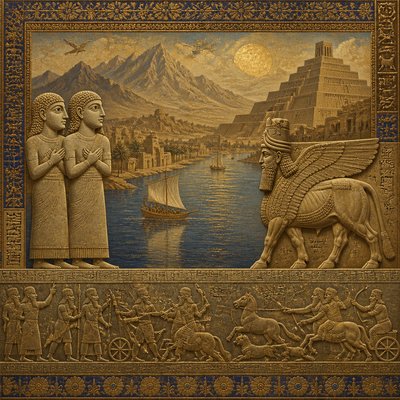
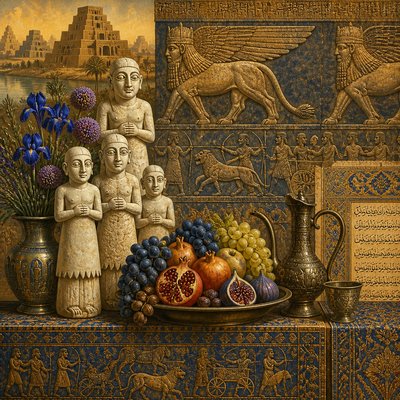
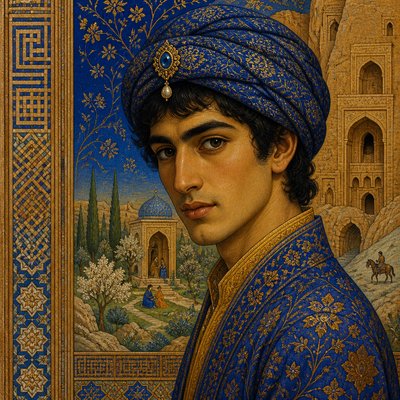
Social Realism Art Style
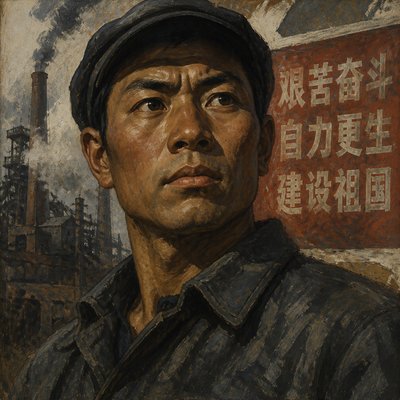
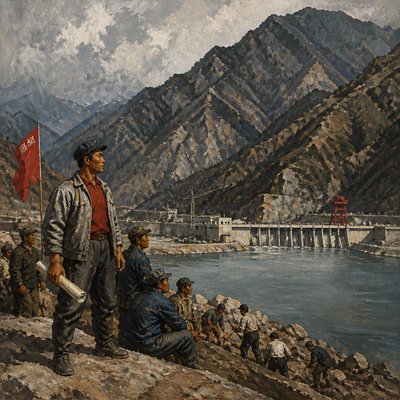
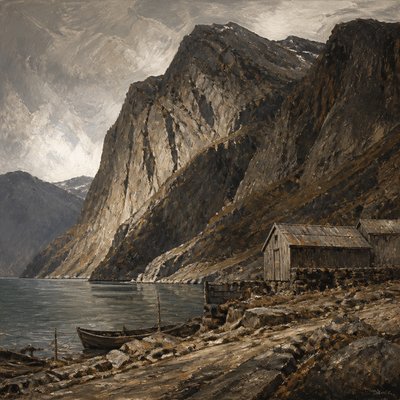
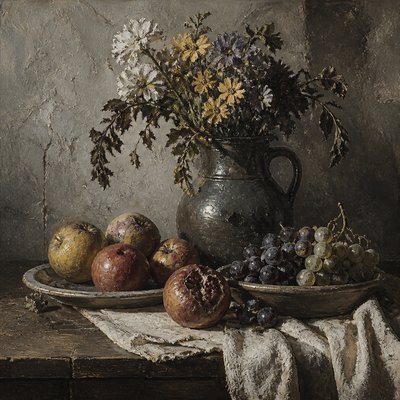
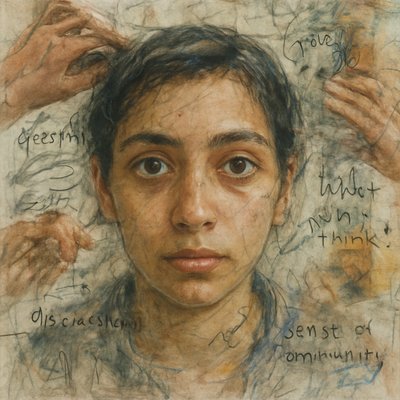
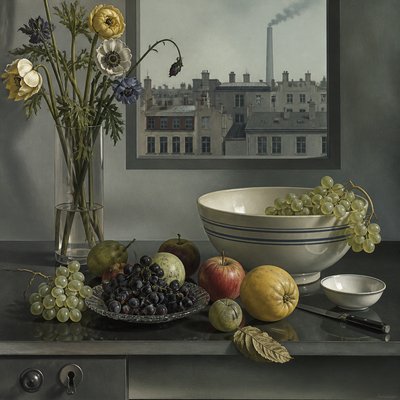
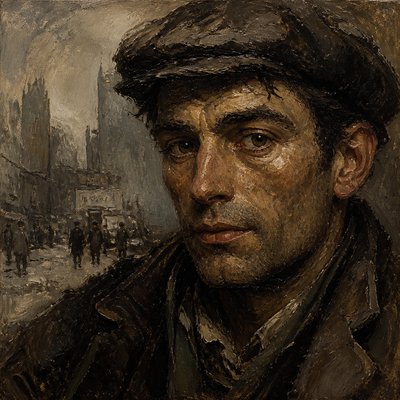
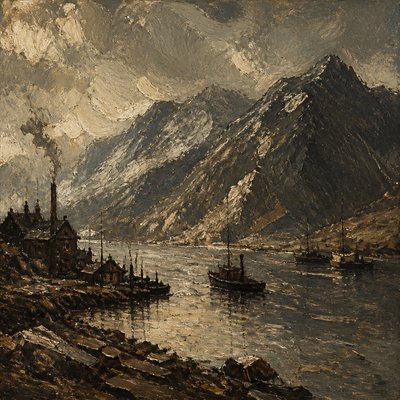
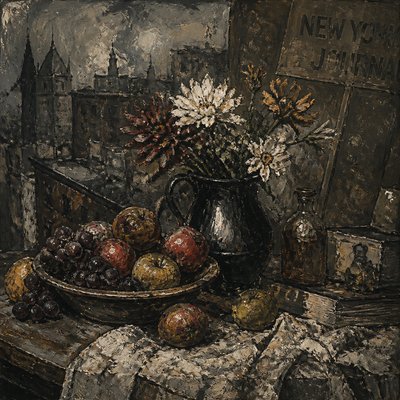
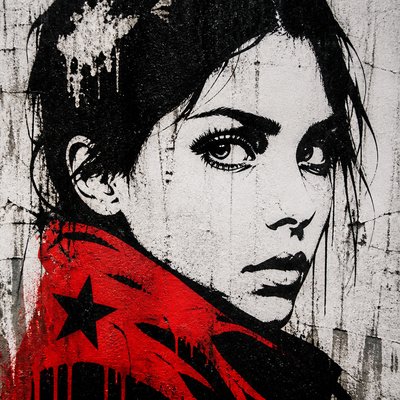
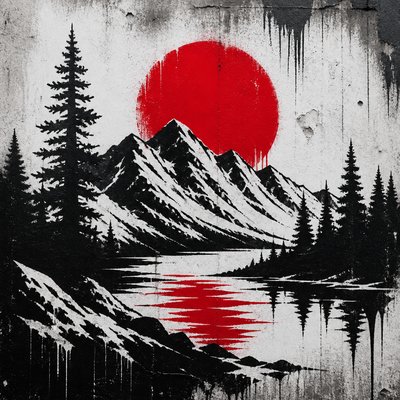
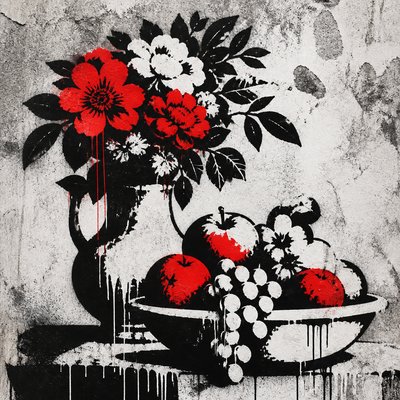
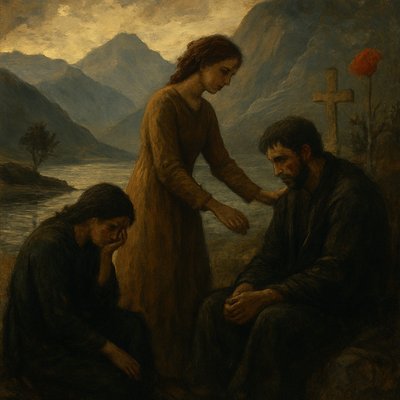
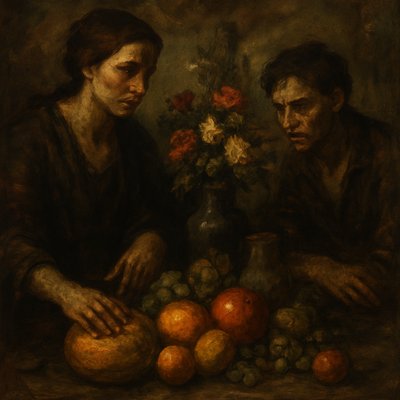
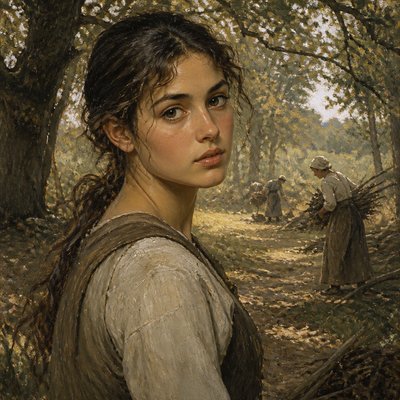
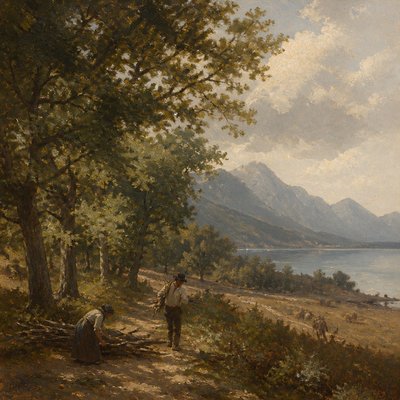
Art of working-class life, labor, and social injustice, using accessible realism, muted colors, and symbolic dignity to urge change.
Instantly rendered in Social Realism — or transform a photo
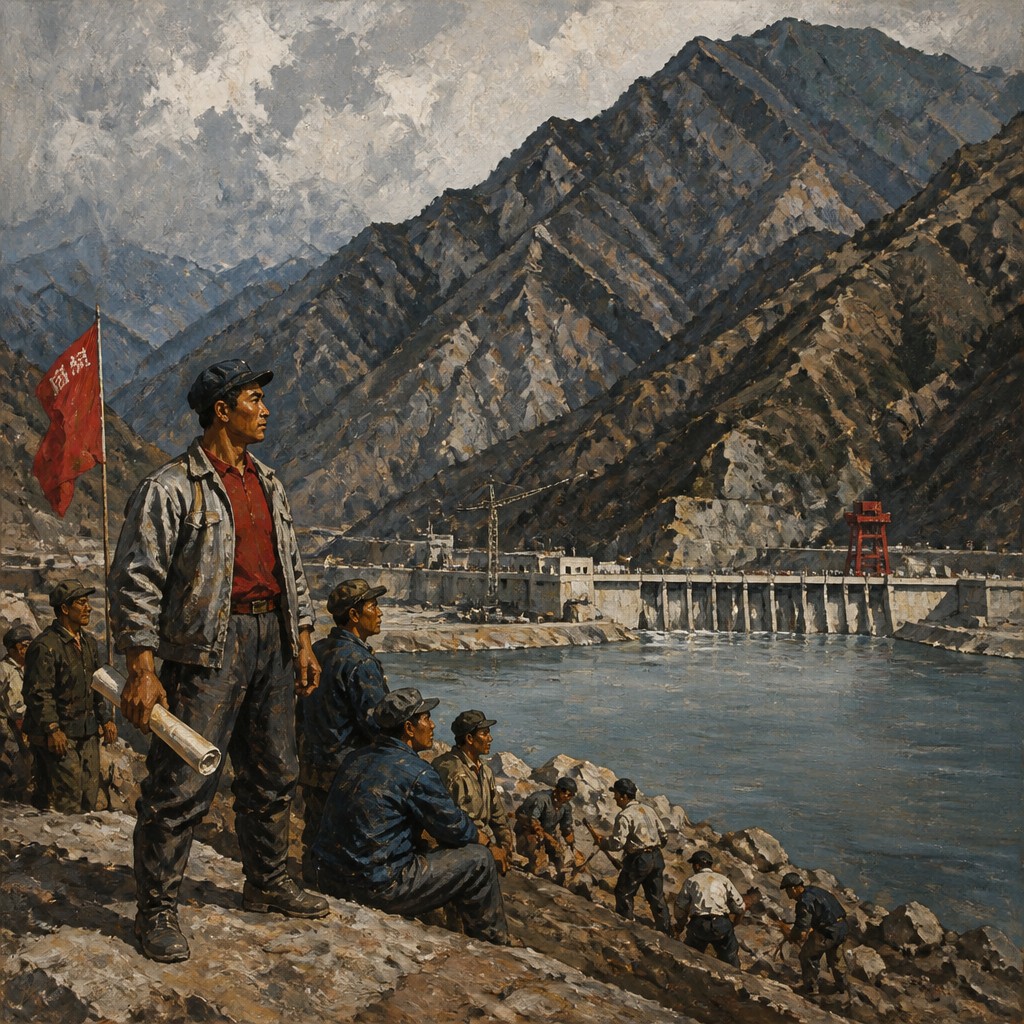
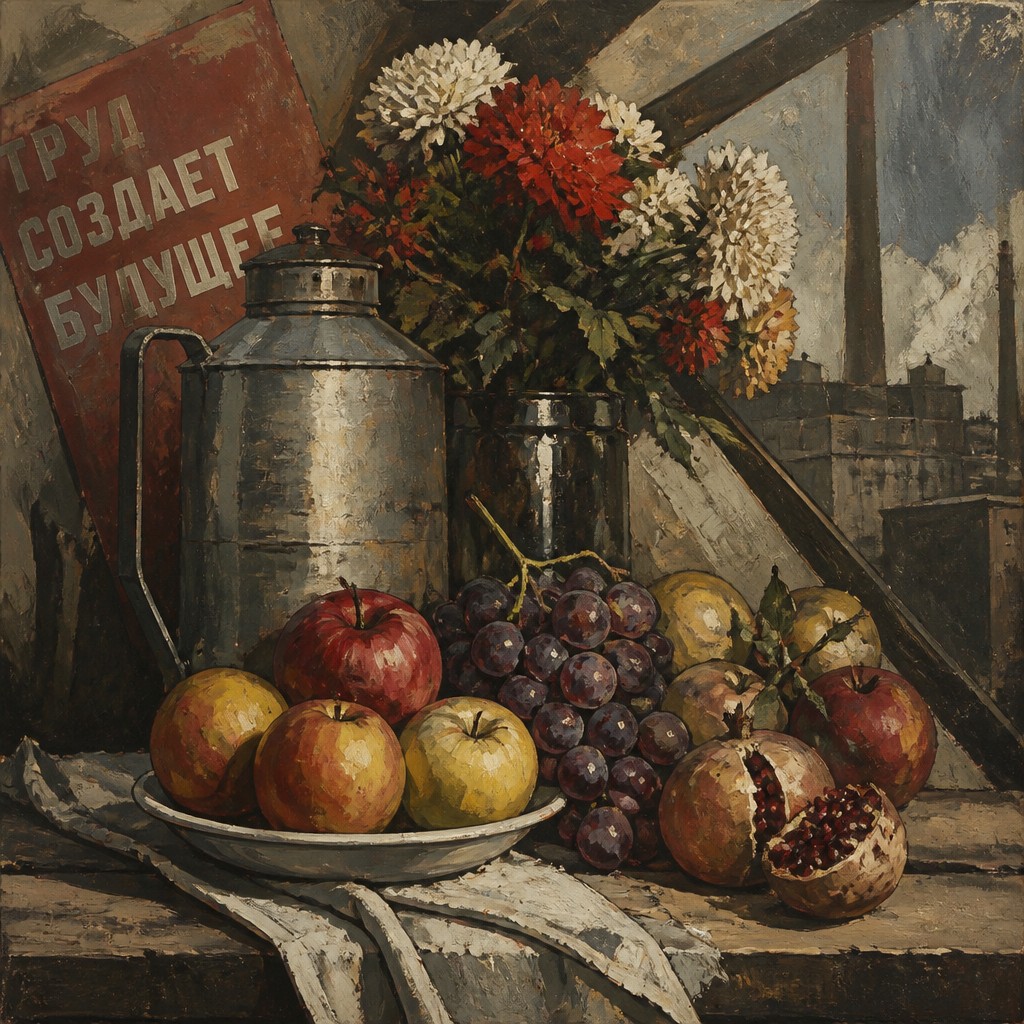
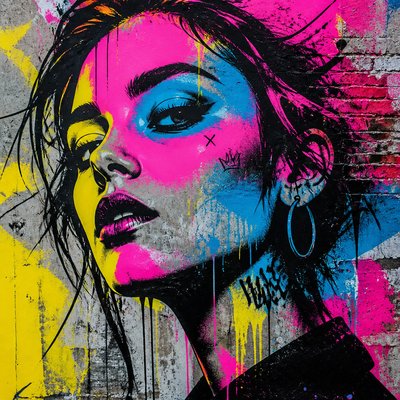
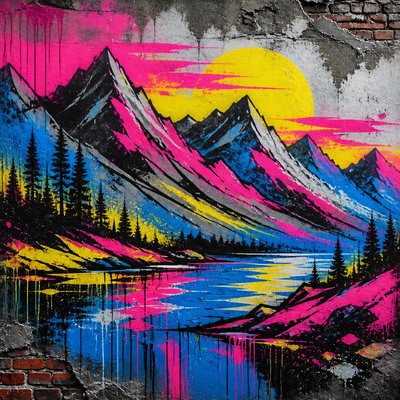
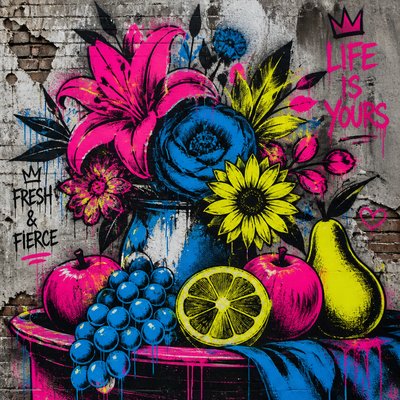
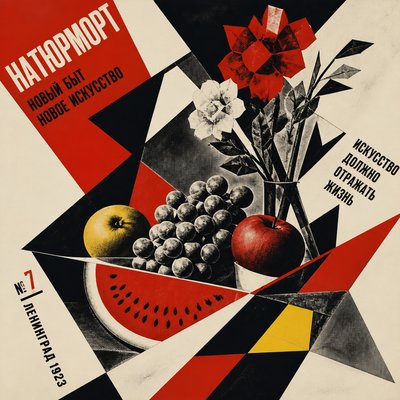
Social Realism Gallery
Tap any artwork to explore it
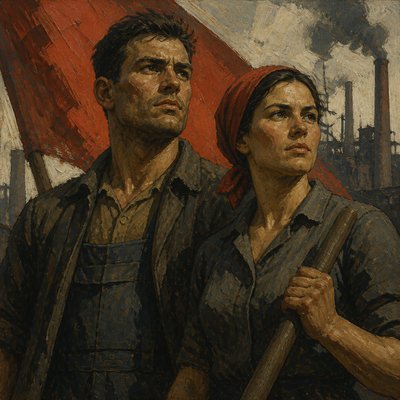
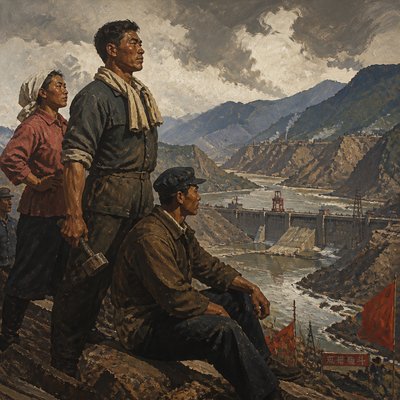
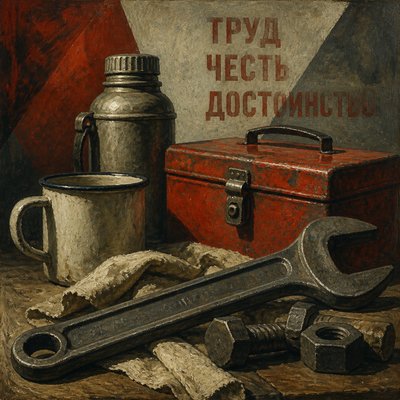
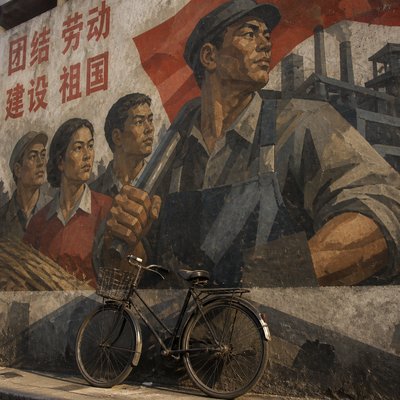
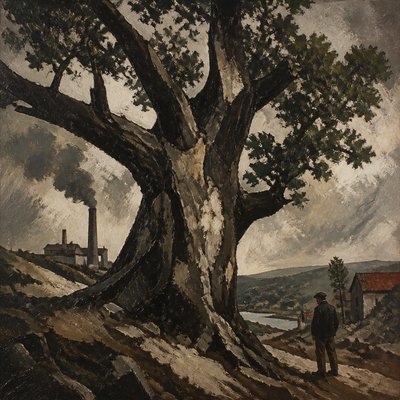
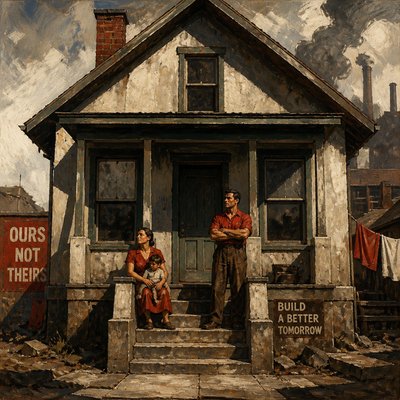
What is Social Realism Art Style?
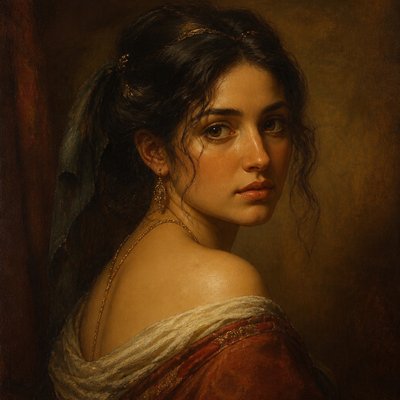
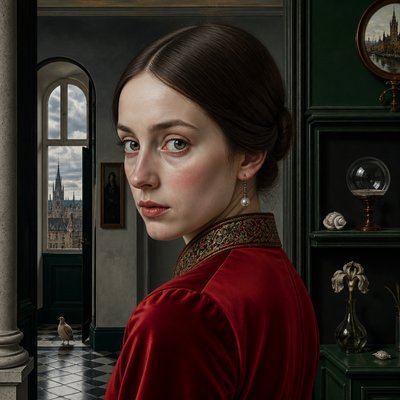
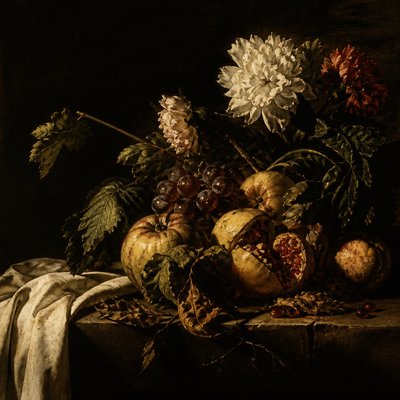
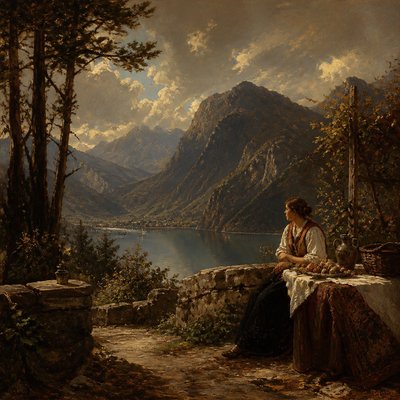
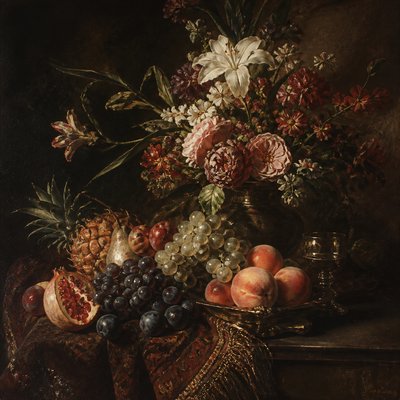
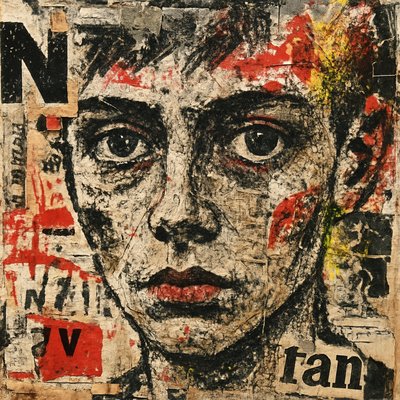
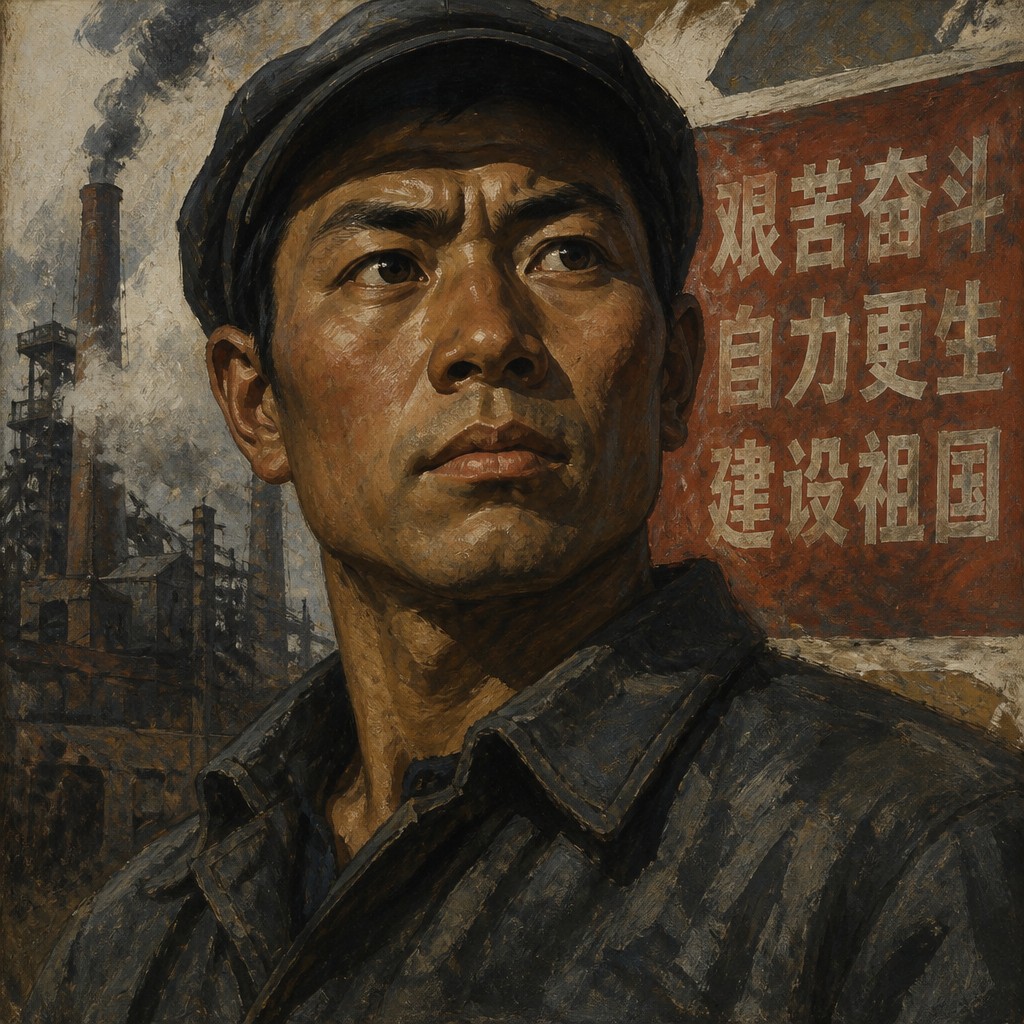
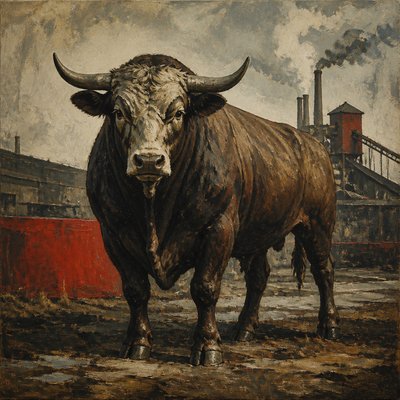
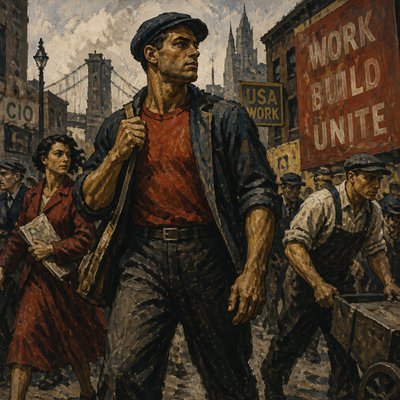
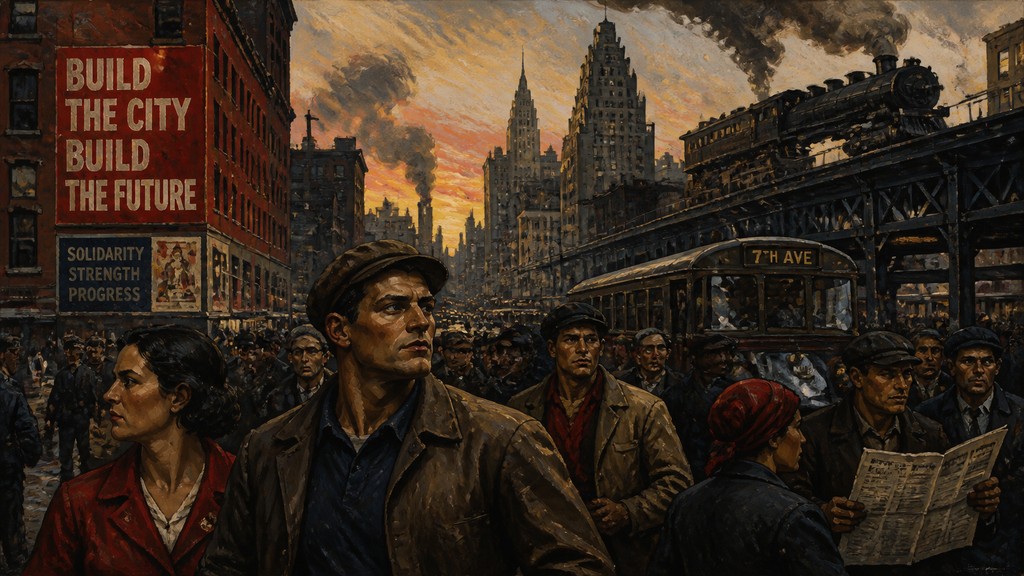
Social realism is an art style centered on the everyday lives, labor, struggles, and political realities of ordinary people, especially workers, farmers, migrants, and the urban poor. Its imagery is direct and legible: figures are rendered with emotional force and physical presence, often in scenes of hardship, protest, or collective effort. Rather than idealizing wealth or fantasy, it gives visual weight to social conditions and treats common people as historically significant subjects.
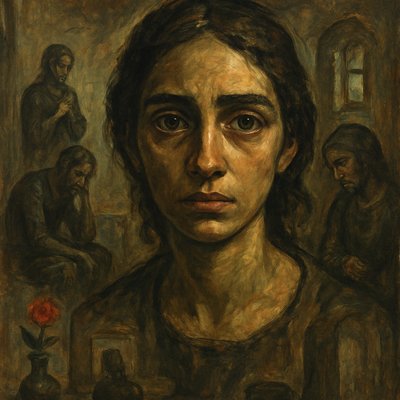
The style tends to look sturdy, plainspoken, and serious. Compositions often use strong diagonals, monumental figures, and blunt contrasts of light and shadow to create urgency and moral emphasis. Earth tones, industrial grays, and occasional red accents reinforce the sense of material hardship, solidarity, and political struggle. The overall effect is accessible and grounded, designed to communicate clearly and to make ordinary life feel dignified, urgent, and consequential.
Try It On Your Photos
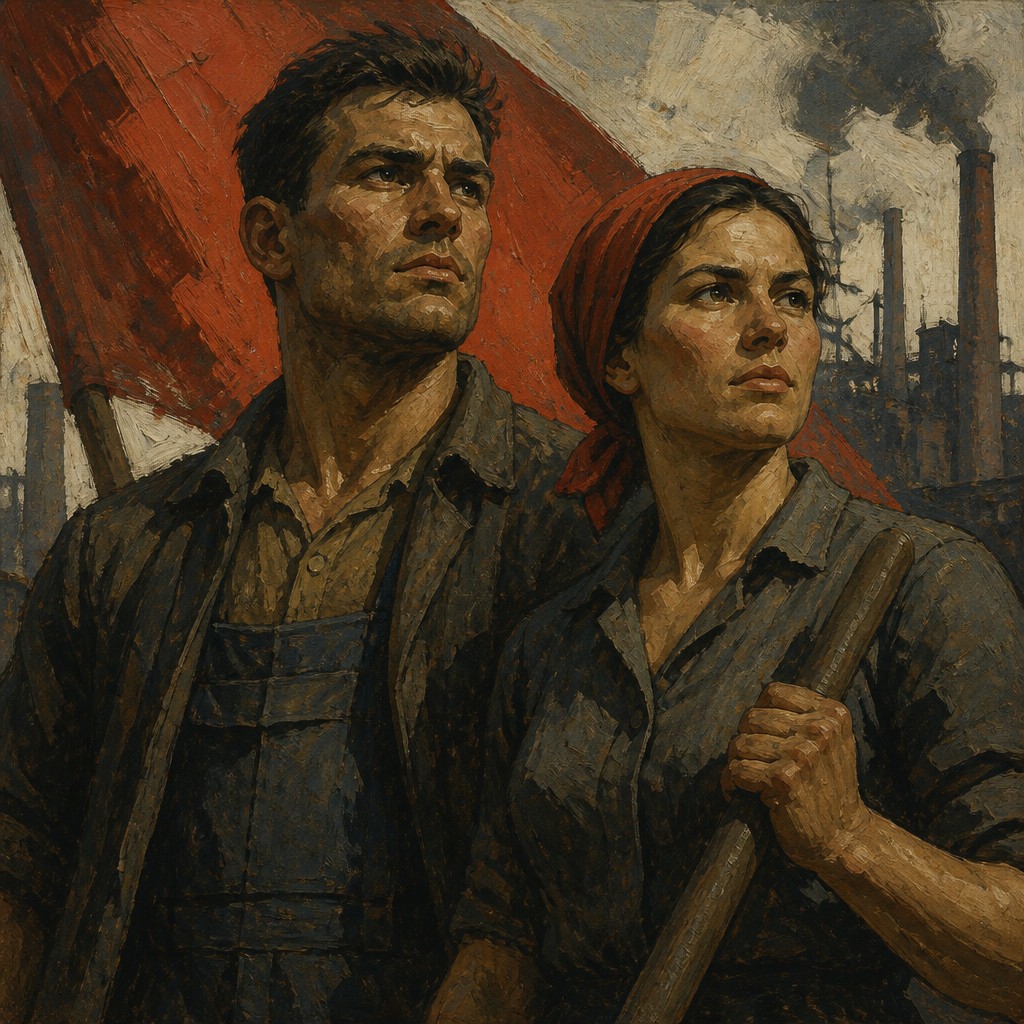
Upload any photo and convert it into Social Realism Art Style — drag the sliders to compare before and after.

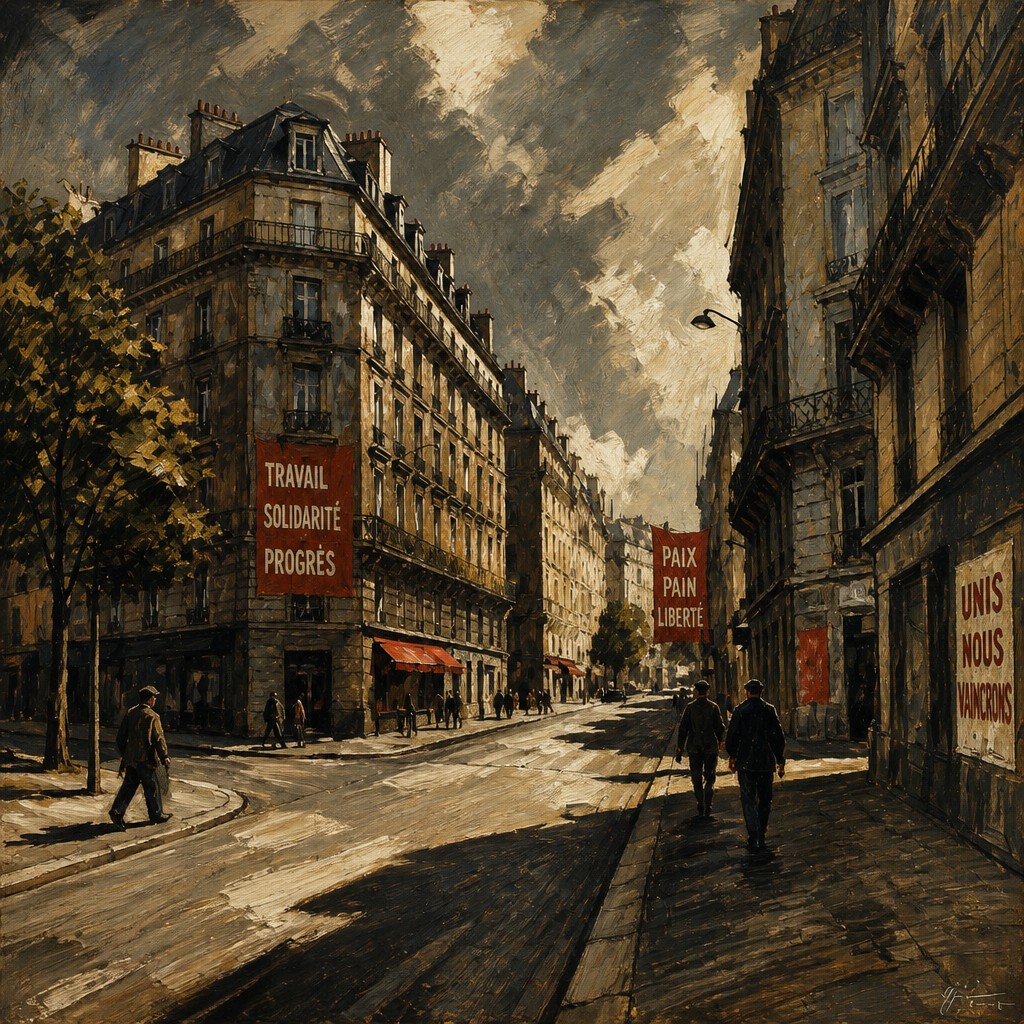

What Defines Social Realism Art Style
The signature details, up close
Working-class subject matter
The style focuses on laborers, migrants, factory workers, sharecroppers, unemployed people, and protest scenes. Everyday tasks and social conditions are treated as worthy of serious artistic attention.
Accessible realism
Figures and settings are recognizable and grounded in observable life, not abstracted into symbolism alone. The imagery is usually clear enough to communicate a social message immediately.
Monumental human presence
Ordinary people are often depicted with heroic scale or strong physical solidity. This gives them dignity and emphasizes collective strength rather than individual glamour.
Muted, earthy palette
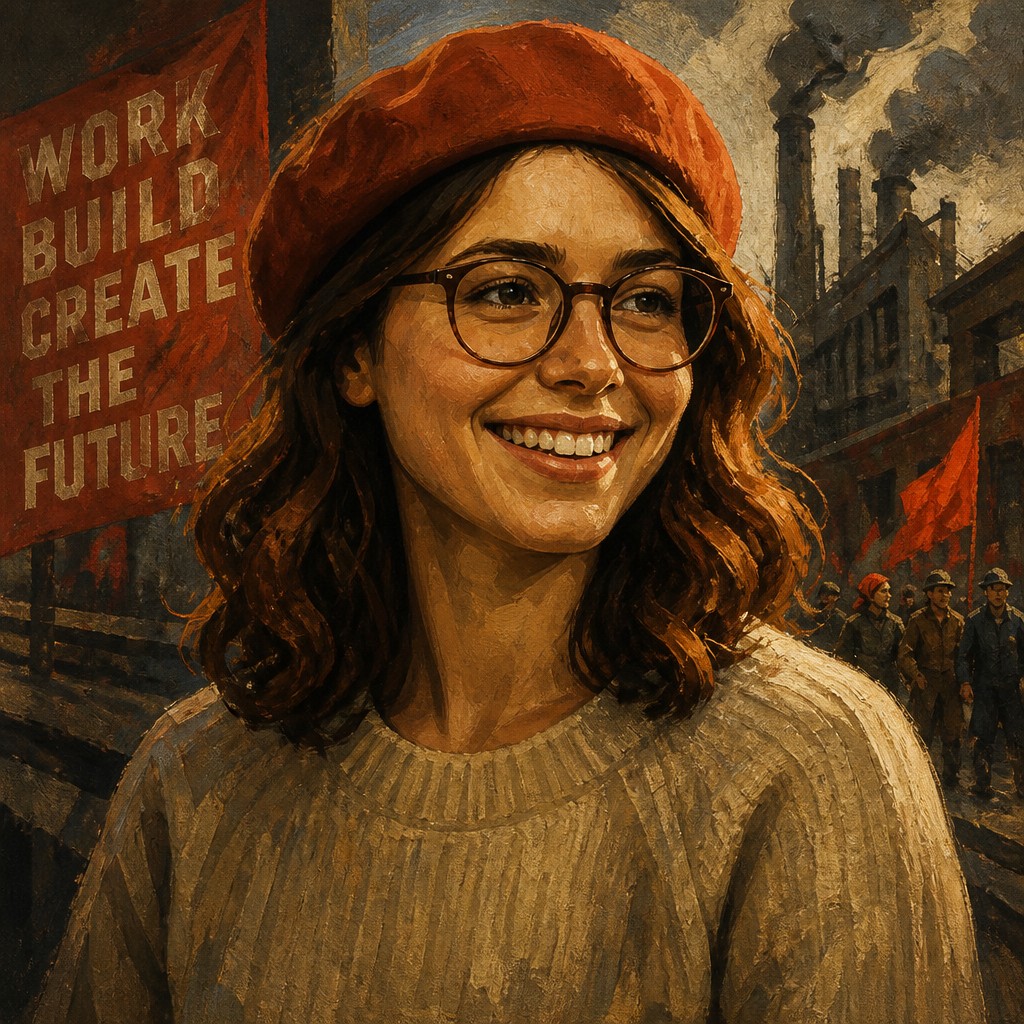
Brown, ochre, gray, black, and dull green tones are common, with red often used for emphasis in banners, clothing, or warning signs. The restrained color range reinforces hardship, smoke, dust, and industrial environments.
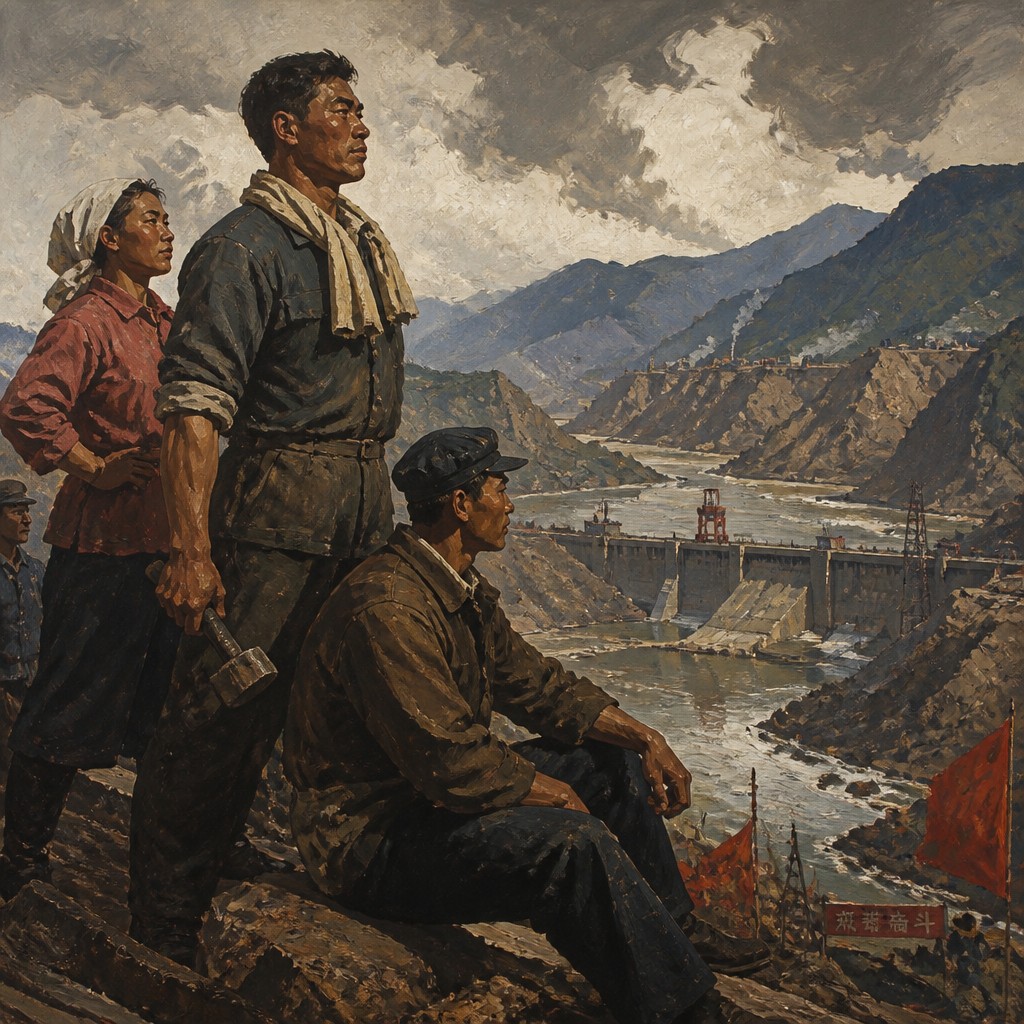
Gritty surface and deliberate brushwork
Paint handling is often rough, direct, and visibly made, with textures that suggest weathered walls, worn clothing, or scarred hands. The finish tends to feel unpolished rather than decorative.
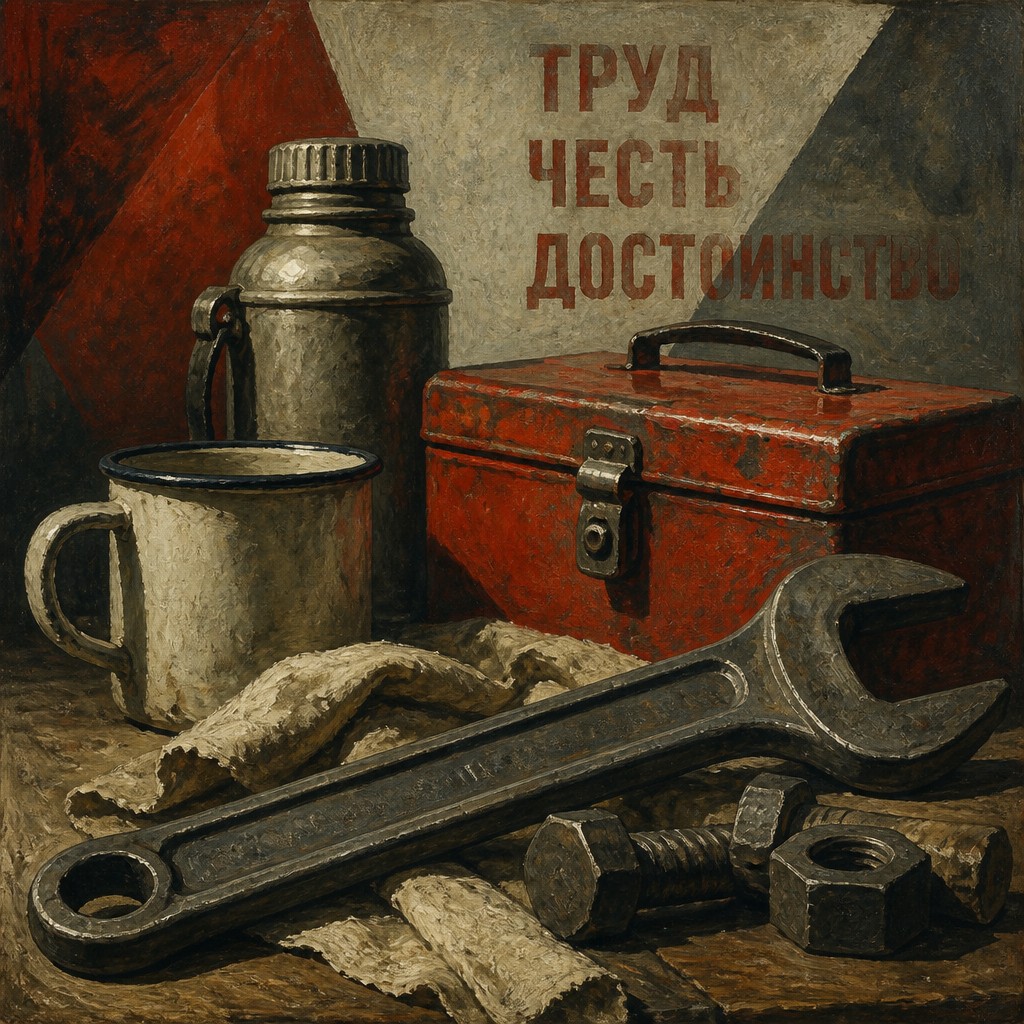
Dramatic composition
Strong diagonals, compressed spaces, and tense arrangements create momentum and emotional pressure. The composition often leads the eye toward action, confrontation, or collective movement.
Try It
Create Videos in Social Realism Art Style
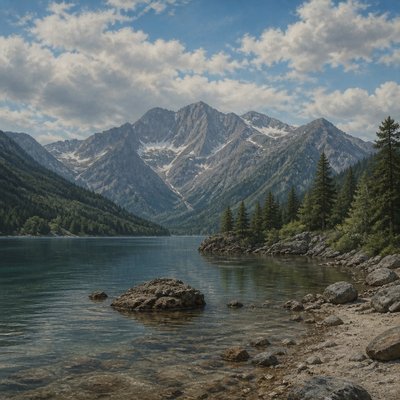
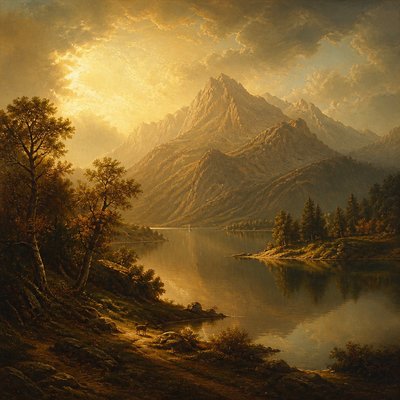
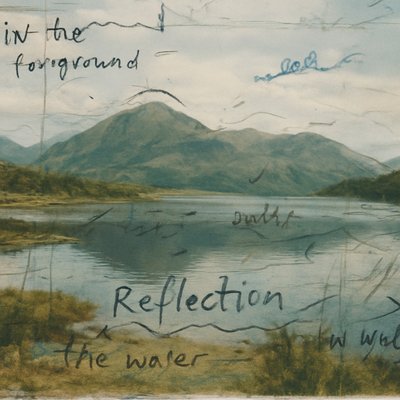
Styles aren't just for stills — describe a scene or animate an image and get a short video rendered in Social Realism. Press play to see this pond come to life.
Make a VideoSocial Realism Prompt Ideas
Start from an idea — each one opens the generator with the style ready to go. See all 40 Social Realism prompts →
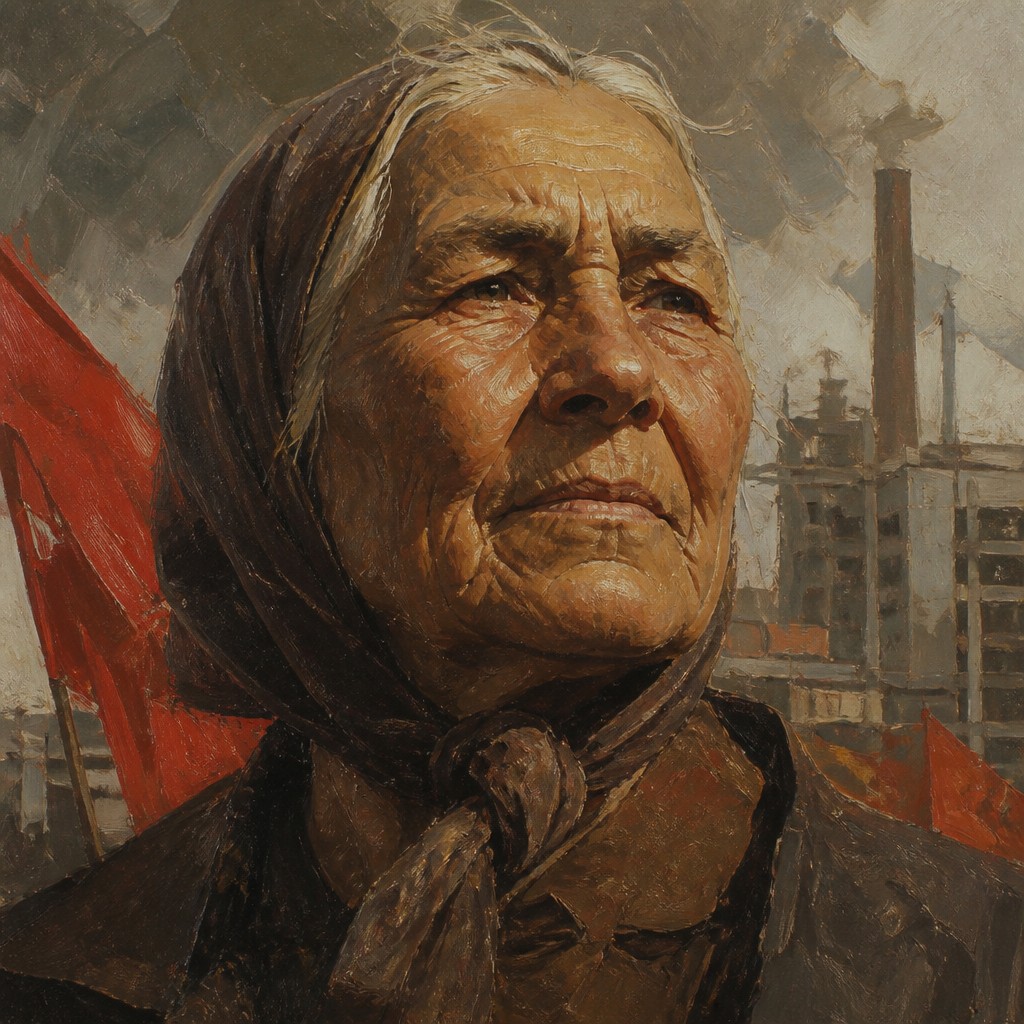
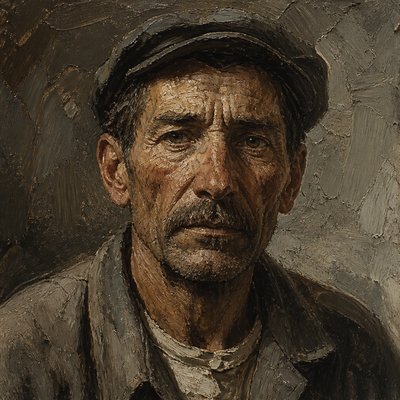
“close-up portrait of an elderly person with expressive weathered features”
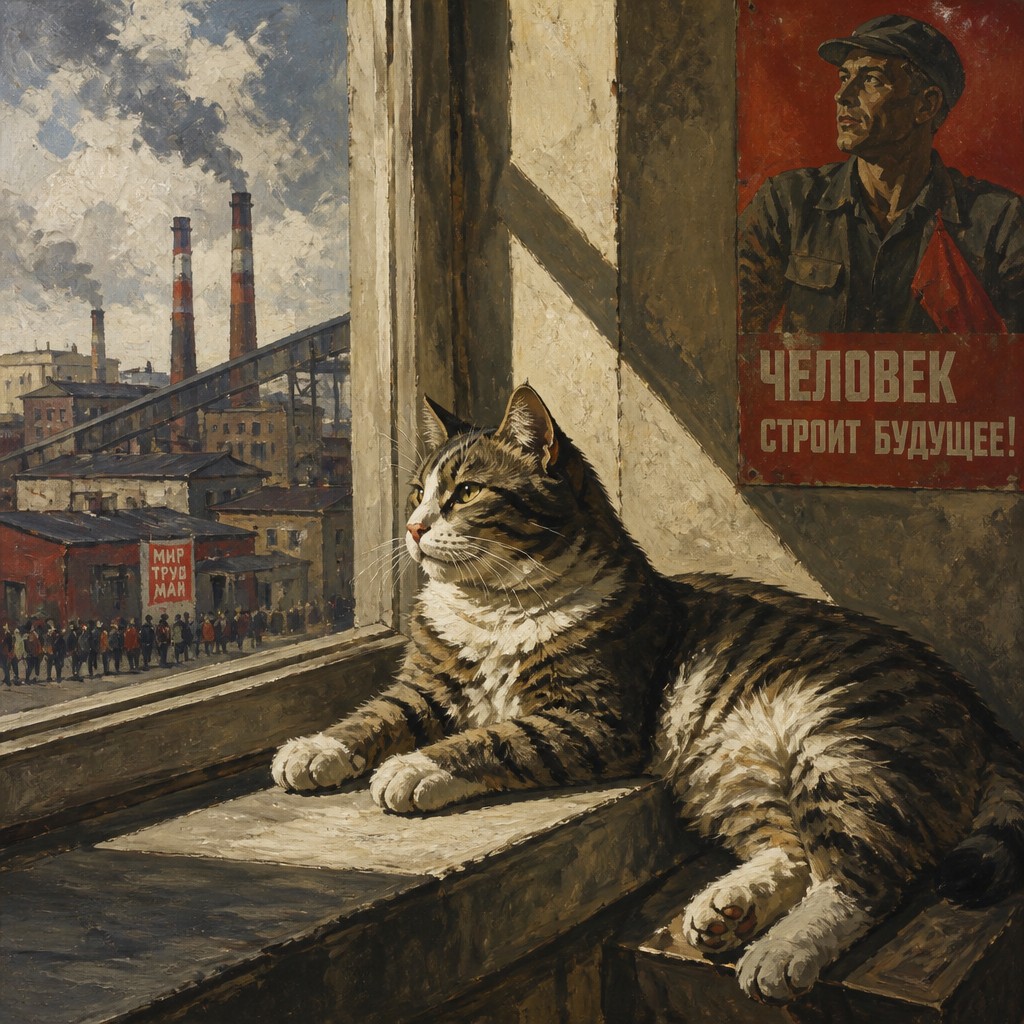
“a cat lounging in a sunlit window”
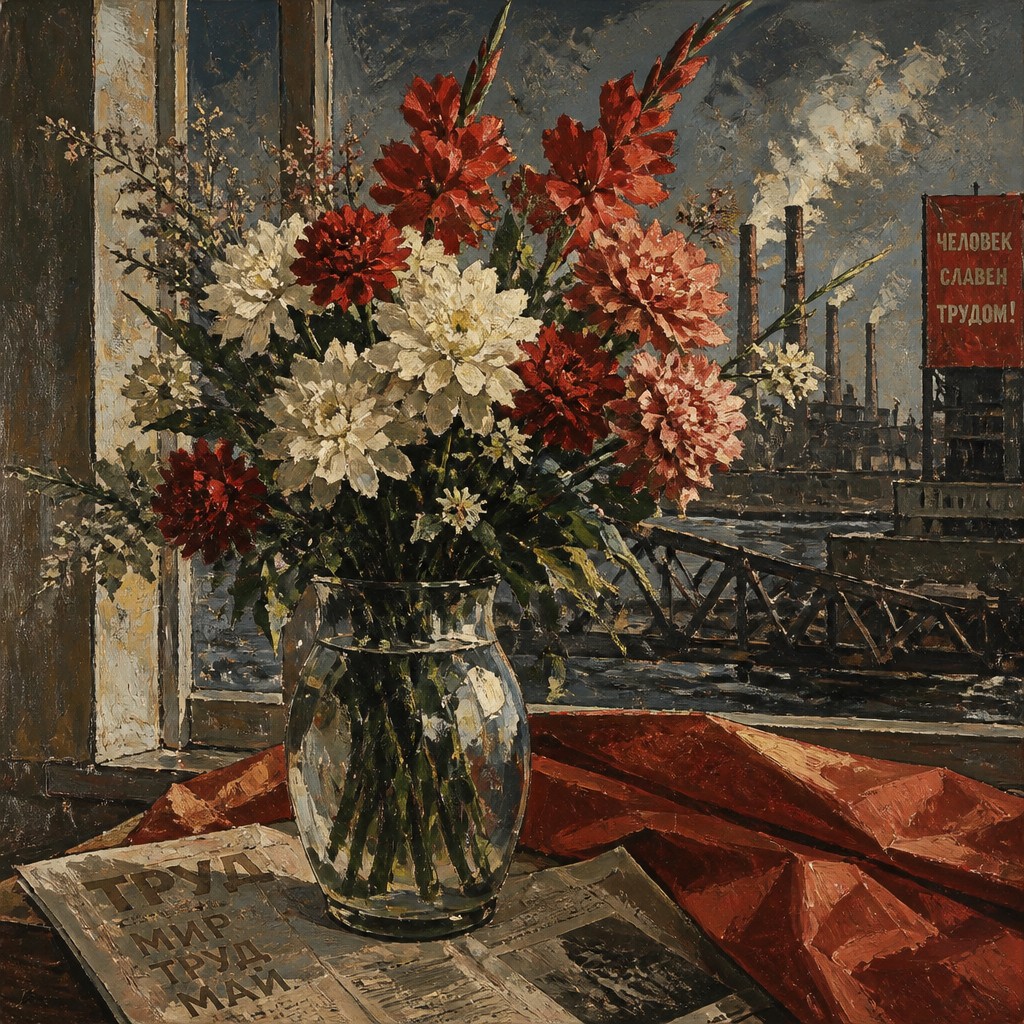
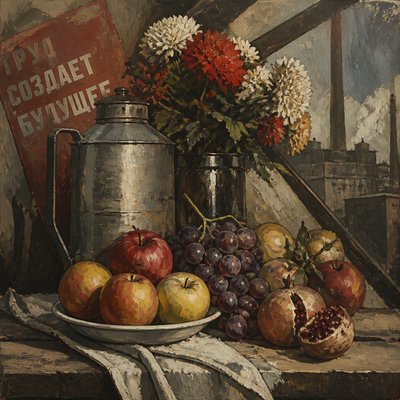
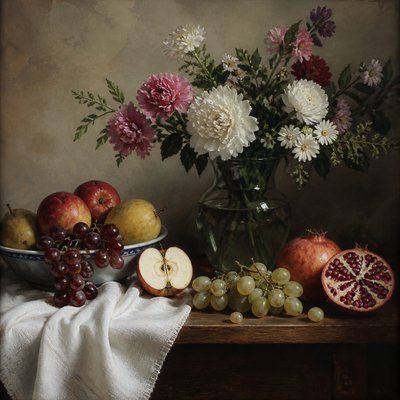
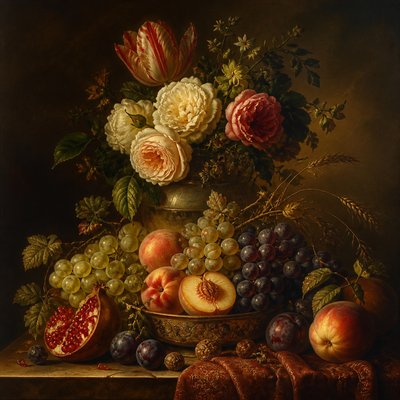
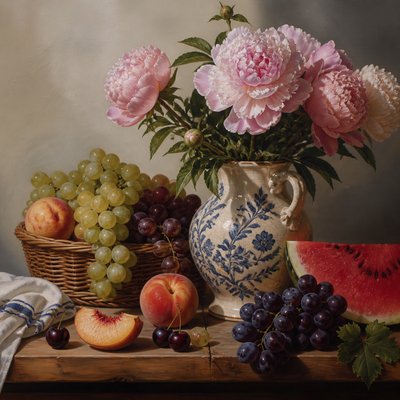
“bouquet of flowers in a glass vase”
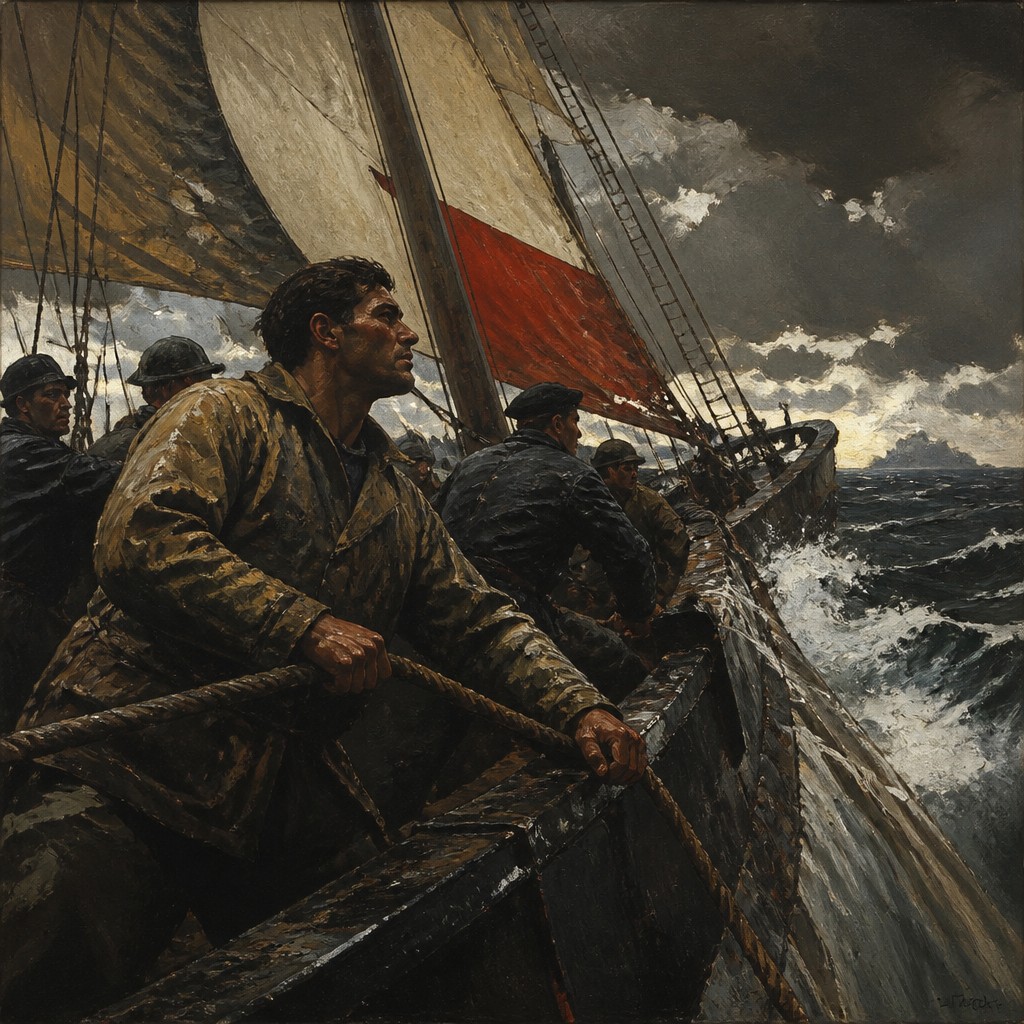
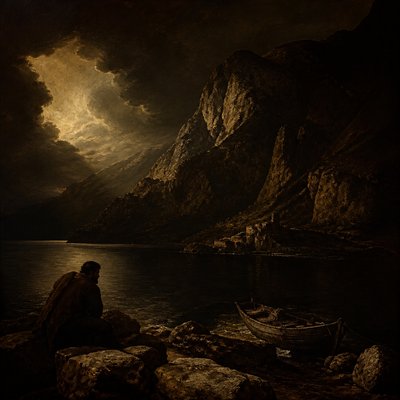
“sailing ship on a stormy sea”
How to Create Social Realism Art
Master the craft step by step — or skip straight to creating. Read the full guide →
- 1
Choose a social subject with clear stakes
Build the image around labor, protest, displacement, poverty, or mutual aid, and make the people central rather than incidental. The strongest social realist images tell a readable story about conditions, not just a setting.
- 2
Use solid forms and restrained detail
In traditional media, block in large shapes first and avoid over-rendering faces, clothing, or backgrounds. In digital work, simplify anatomy and architecture into robust masses so the figures feel physically present and monumental.
- 3
Control the palette for atmosphere
Favor earth tones, soot grays, and weathered neutrals, then reserve brighter color for signs of conflict or solidarity such as red flags, warning lights, or a worker’s scarf. This keeps the image grounded while directing attention.
- 4
Compose for tension and forward movement
Use diagonals, cropped edges, and clustered figures to suggest urgency, labor, or collective momentum. Even in a static scene, the arrangement should imply action, pressure, or unresolved conditions.
- 5
If generating from text, specify subject and mood clearly
Describe the people, setting, and social issue in concrete terms, then add cues such as rough brushstrokes, muted palette, stark contrast, and heroic proportion. Avoid vague prompts; social realism depends on legible narrative content.

The Story
History & Origins of Social Realism
Social realism developed in the late 19th and early 20th centuries alongside industrialization, urban poverty, labor movements, socialism, and reform politics. Its roots lie in earlier traditions of realist painting and printmaking that documented contemporary life, but it became especially important as artists responded to factory labor, strikes, migration, war, depression, and inequality. In the United States, the term is often associated with the interwar period and the Depression era, when leading American social realists and prominent Mexican muralists produced socially engaged images for public audiences. Related currents also appeared in Europe, Latin America, and the Soviet sphere, though the term can mean different things in different contexts.
Its development is closely tied to public mural programs, illustrated journalism, posters, and activist print culture, all of which favored clear imagery that could be understood quickly by broad audiences. Social realism shares historical overlap with political realism and documentary art, but it is distinguished by its emphasis on class consciousness and social critique. While some versions were shaped by leftist politics and labor activism, others were broader forms of moral realism concerned with injustice, resilience, and the dignity of work.
Influences: Social realism is related to 19th-century realism, the labor and documentary traditions of photography, mural painting, political poster art, and the socially engaged printmaking of the early 20th century. It overlaps with the work of major realist painters in realism, prominent Mexican muralists in muralism, leading American social realists, and influential printmakers and draughtspeople in printmaking and drawing, though each belongs to a broader historical context rather than a single unified school. It also draws visual strength from newspaper illustration, labor agitation graphics, and public art meant for mass audiences.
Frequently Asked Questions
What defines social realism art?
Social realism depicts the lives and struggles of ordinary people, especially around labor, poverty, class conflict, and political injustice. Its goal is usually to present these conditions clearly and with moral or social urgency. The style values accessibility, strong narrative content, and a sense of human dignity.
How is social realism different from realism?
Realism is a broad approach to depicting life truthfully, while social realism is more specific and explicitly concerned with social conditions and class issues. Social realism usually carries a reformist, critical, or political edge. It often emphasizes workers and collective struggle rather than neutral observation.
How is social realism different from socialist realism?
Social realism and socialist realism are related but not identical. Socialist realism was the official state art doctrine of the Soviet Union, with an optimistic, ideological vision of socialist progress. Social realism is broader and often more critical, varied, and independent, though both can show workers, labor, and political themes.
What colors are typical in social realism?
Muted earth tones, smoky grays, browns, ochres, and dark neutrals are common because they evoke labor, poverty, industry, and weathered environments. Red is often used sparingly for emphasis, especially in banners, clothing, warning signs, or political symbols.
What kind of subjects work best in this style?
Scenes of labor, migration, strikes, public housing, factories, farms, ports, street demonstrations, and daily survival all fit well. The key is that the subject should have social meaning and be shown in a direct, human, and legible way.
Can social realism be made digitally?
Yes. Digital painting and image-based workflows can reproduce the rough brushwork, muted palette, and strong value contrast associated with the style. The important part is not the tool but the visual choices: clear figures, grounded settings, and an emphasis on social narrative.
Create your first Social Realism artwork
Describe anything — or upload a photo — and see it in Social Realism Art Style in seconds.
Make Something with Social Realism
Compare Social Realism
Related Styles
Discover similar art styles