Social Realism Art Style
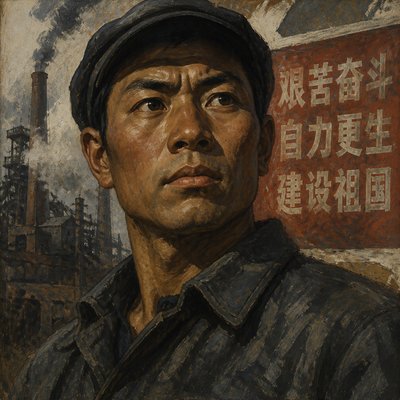
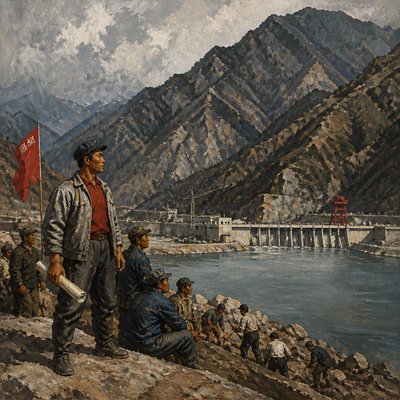
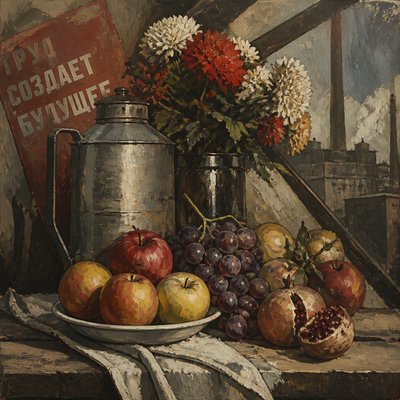
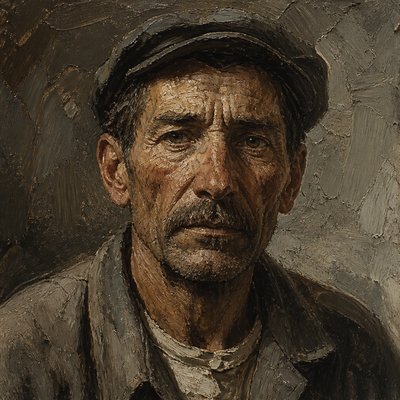
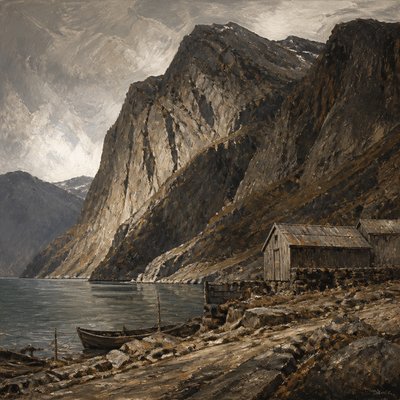
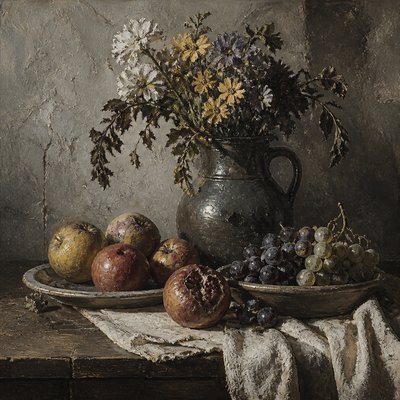
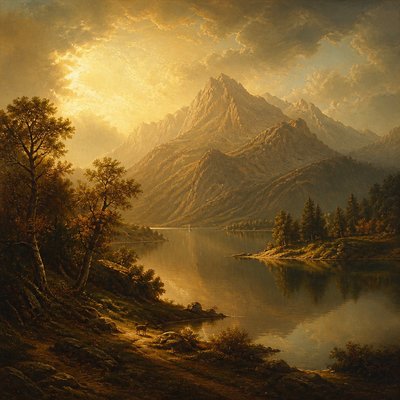
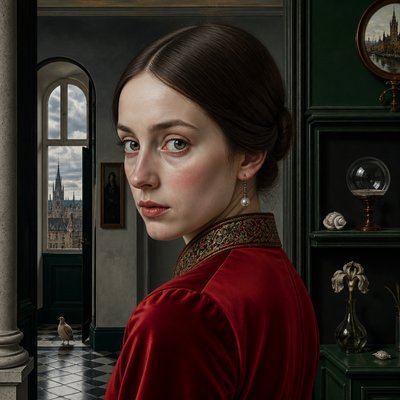
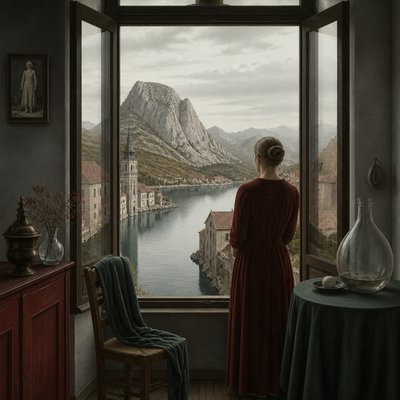
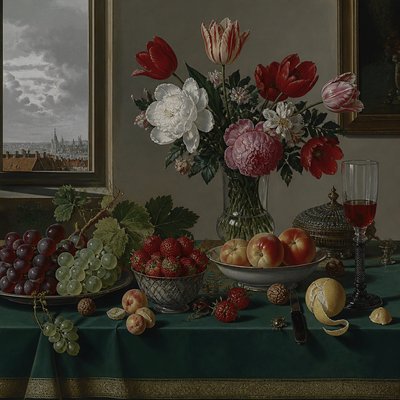
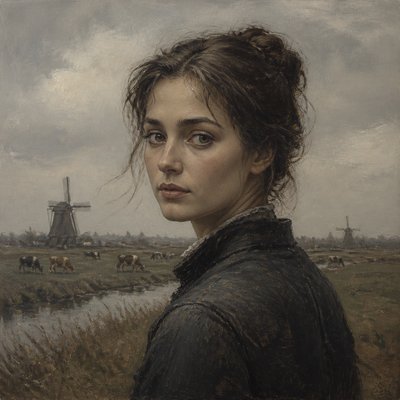
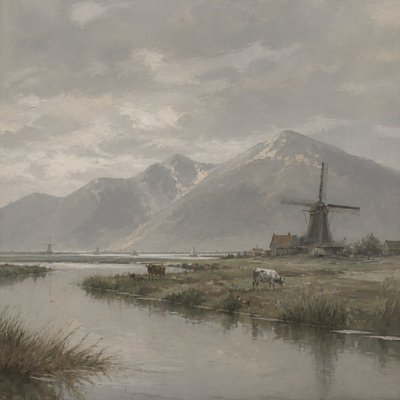
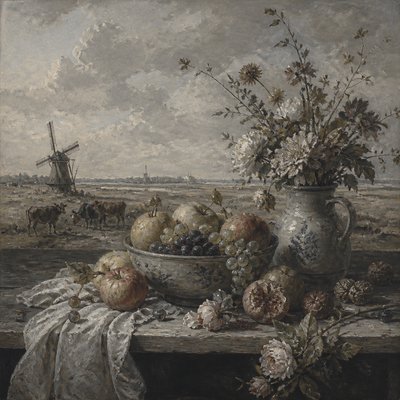
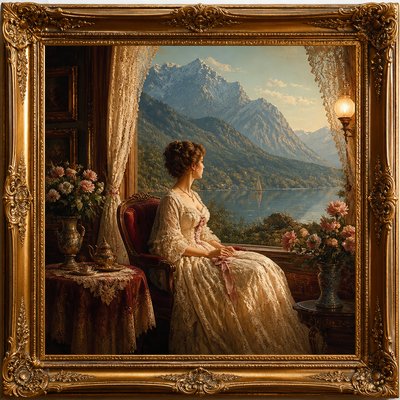
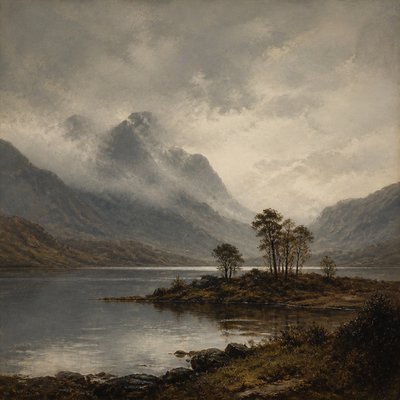
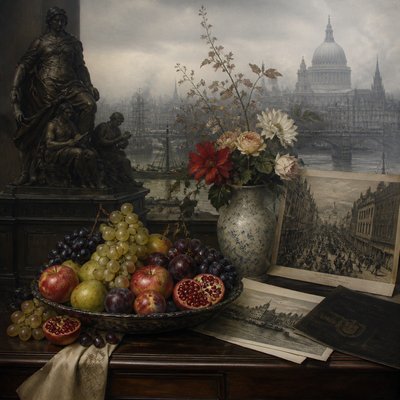
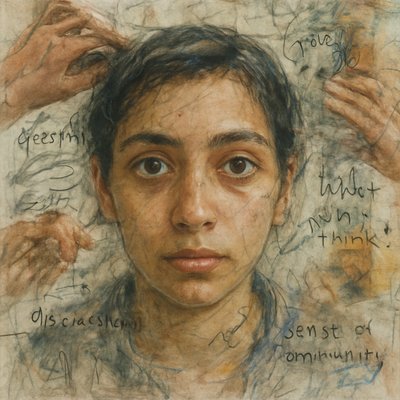
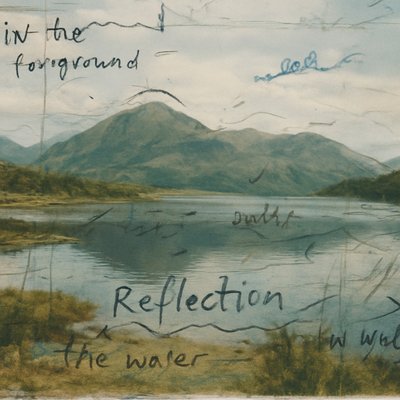
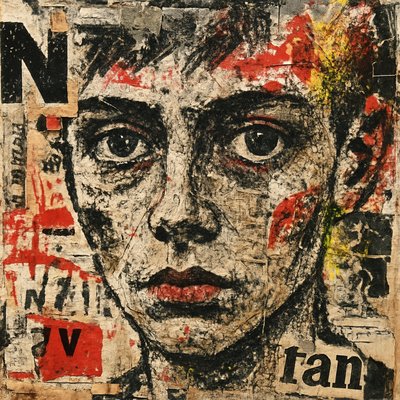
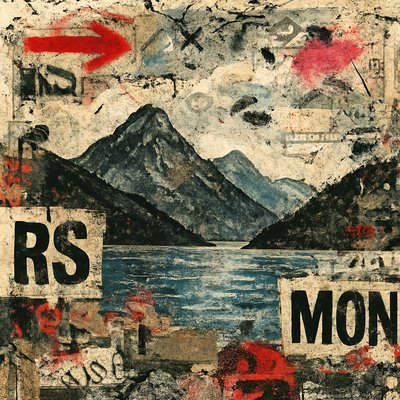
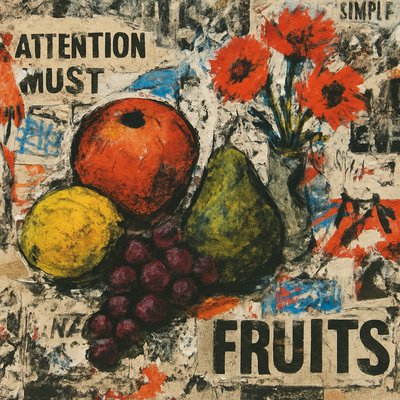
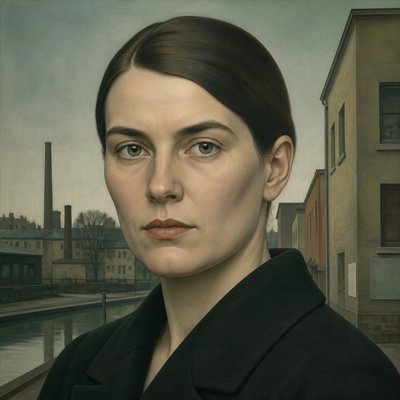
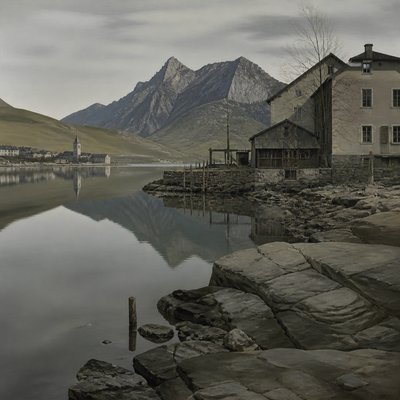
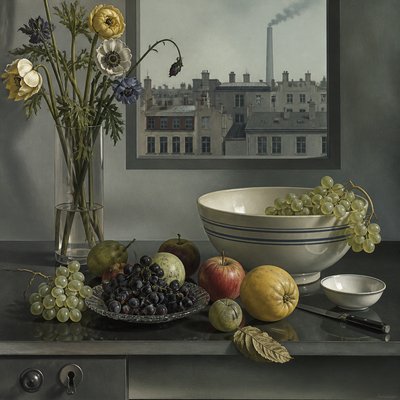
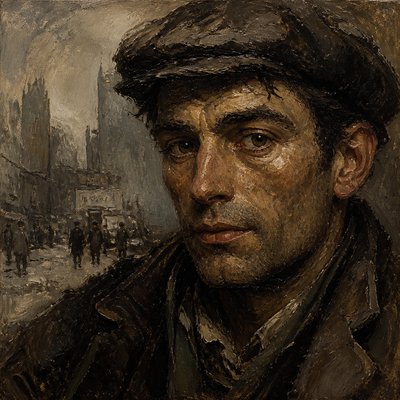
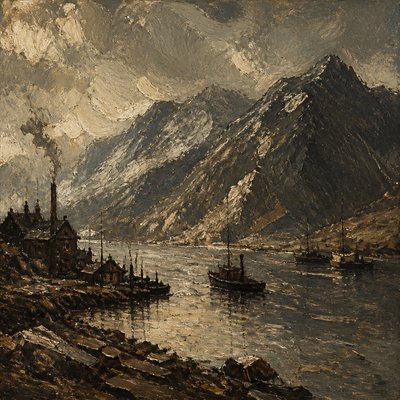
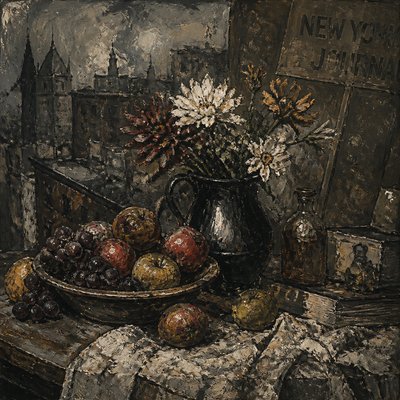
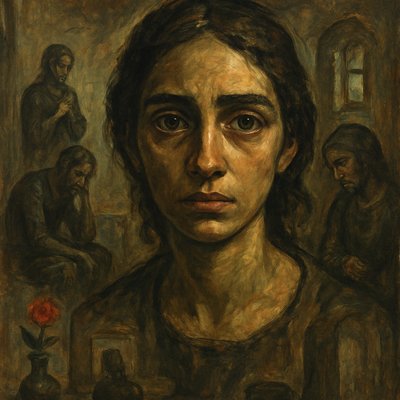
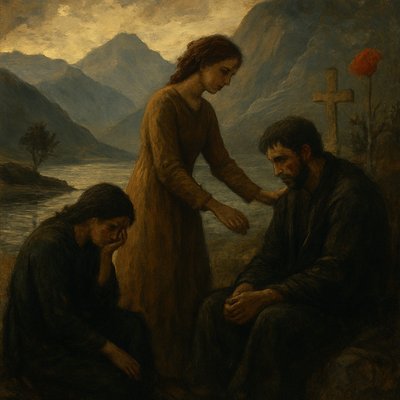
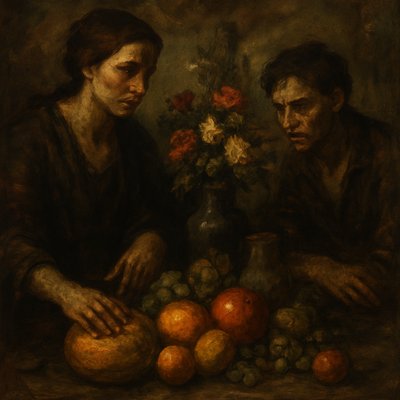
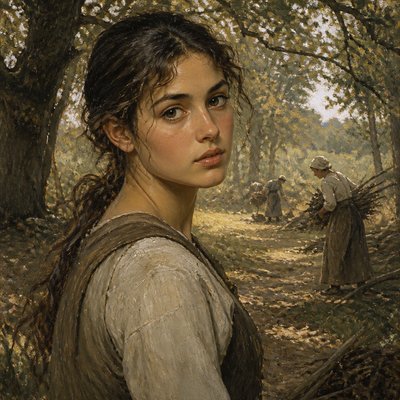
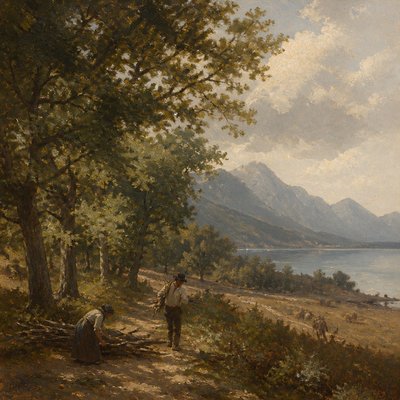
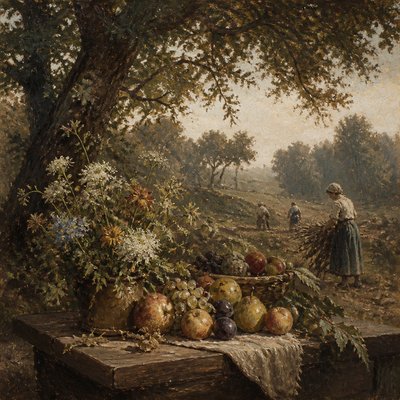
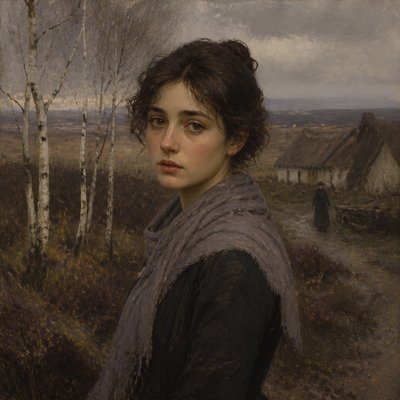
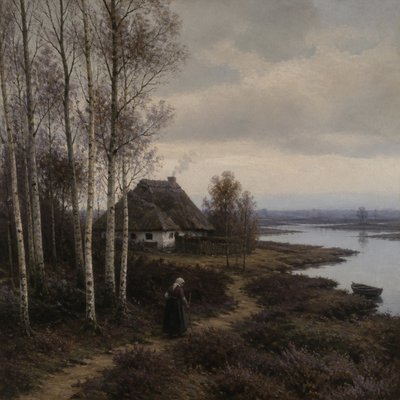
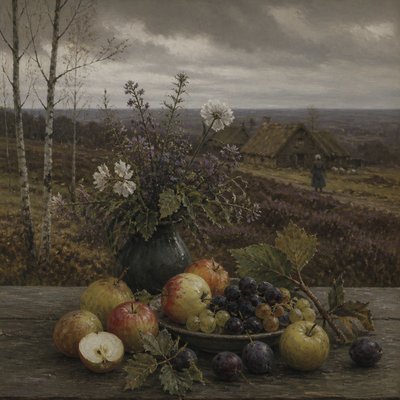
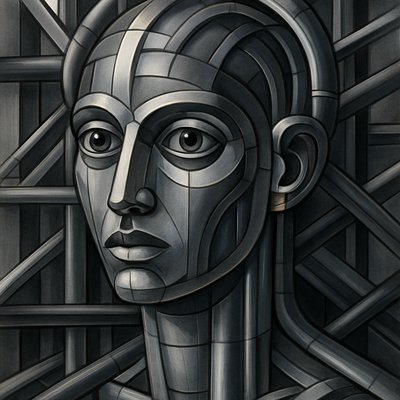
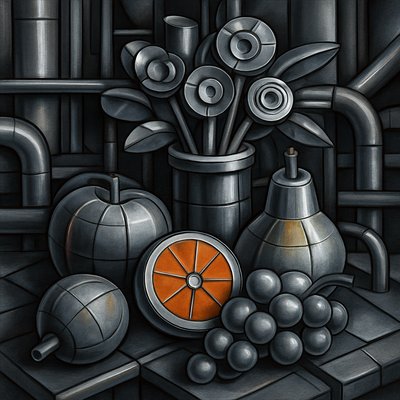
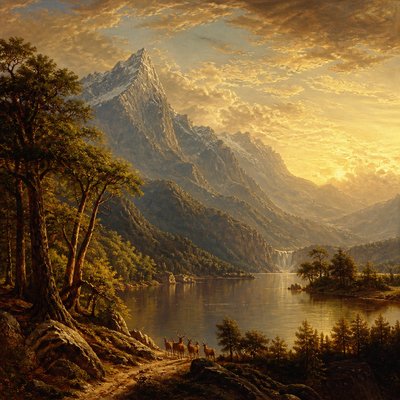
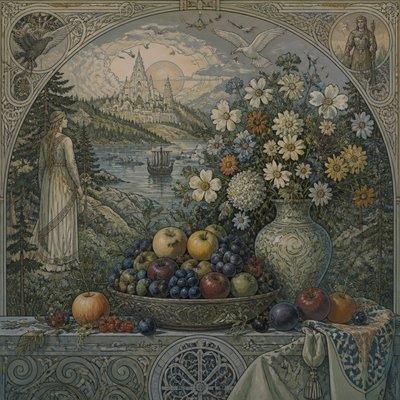
Honest, unsentimental art of everyday life and social struggle, with muted colors, strong light, and dignified realism.
Instantly rendered in Social Realism — or transform a photo
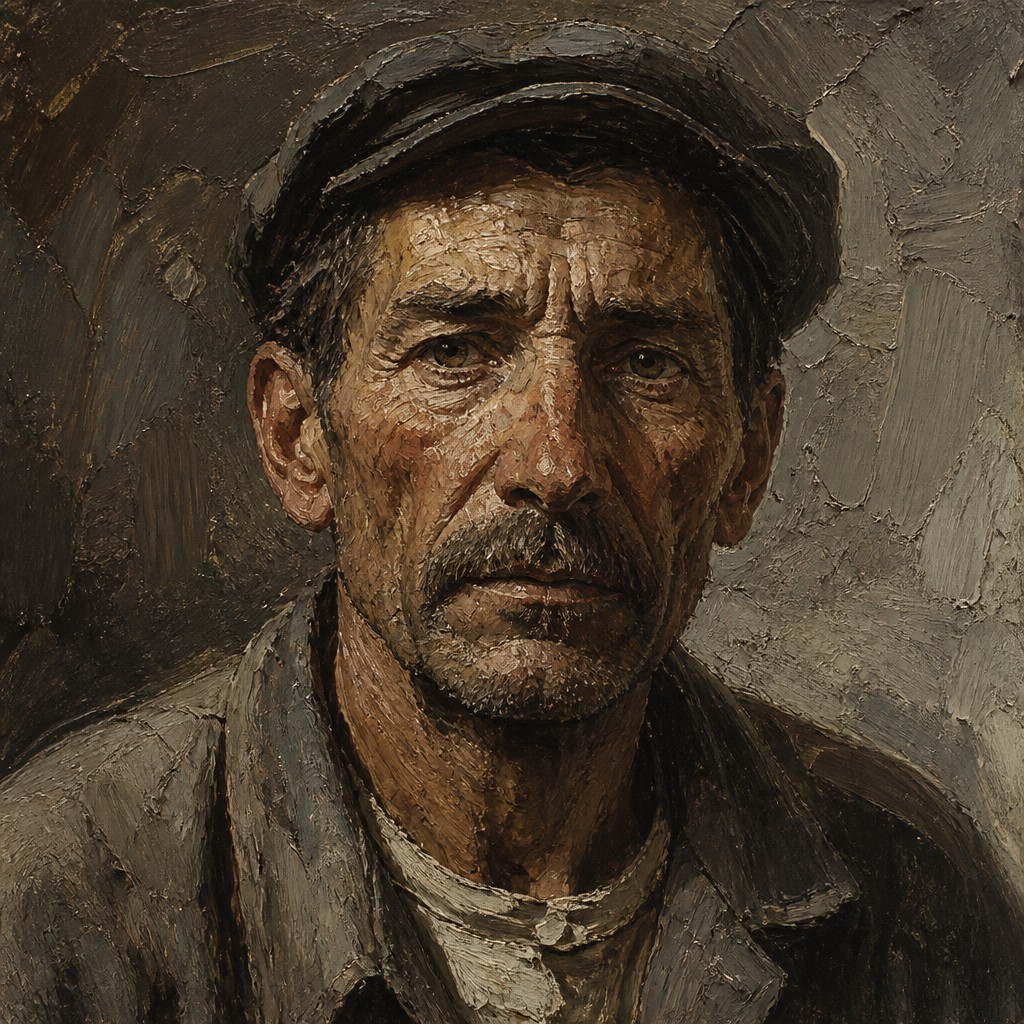
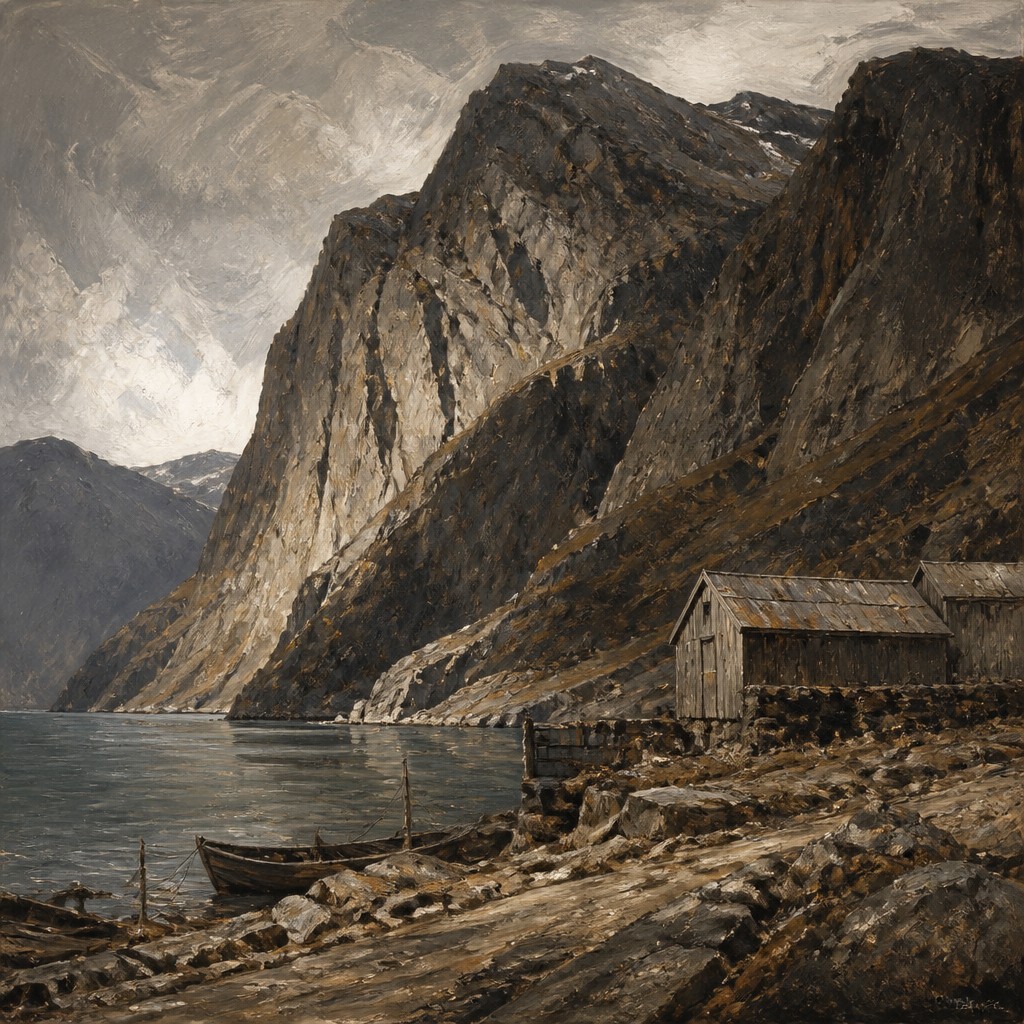
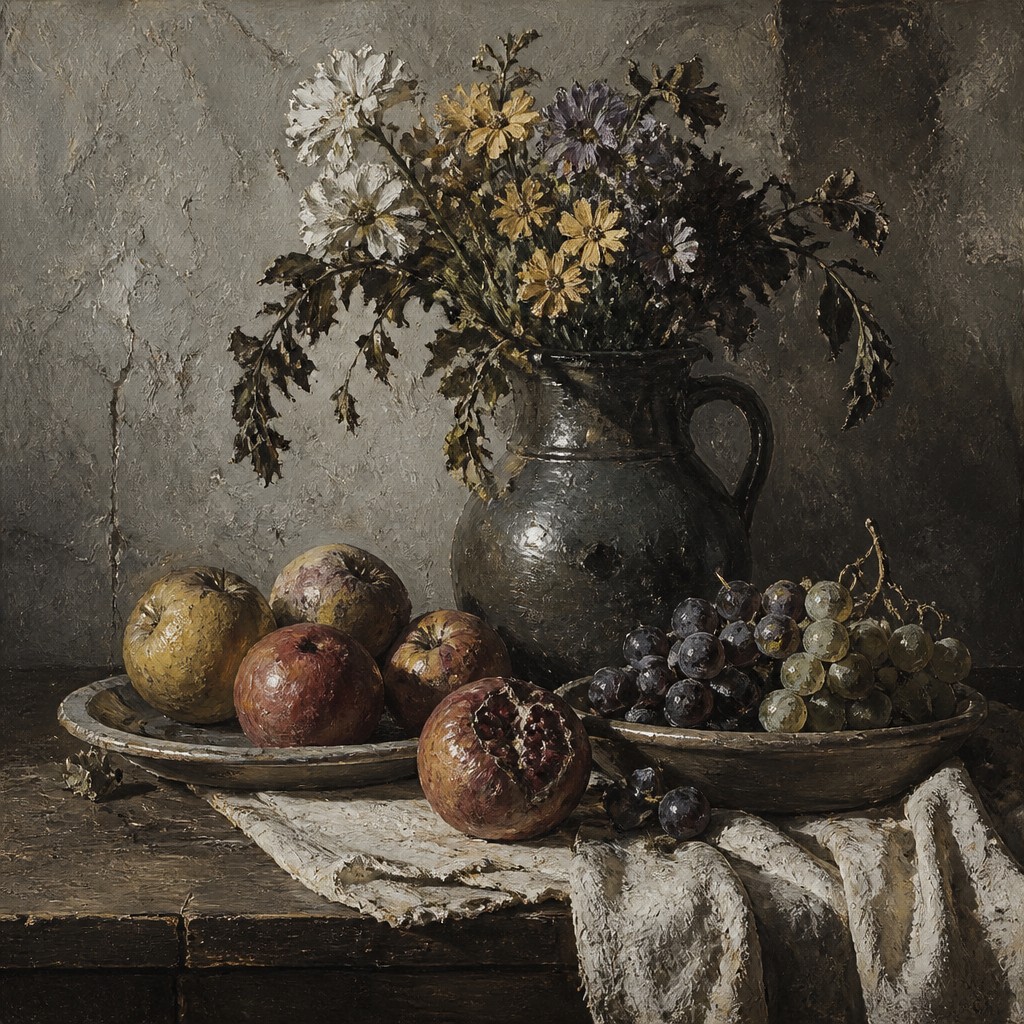
Social Realism Gallery
Tap any artwork to explore it
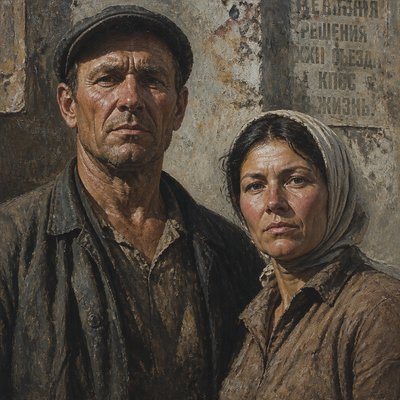
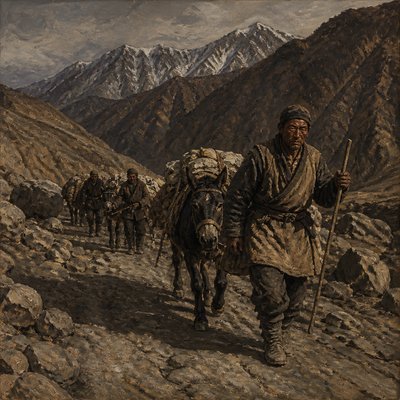
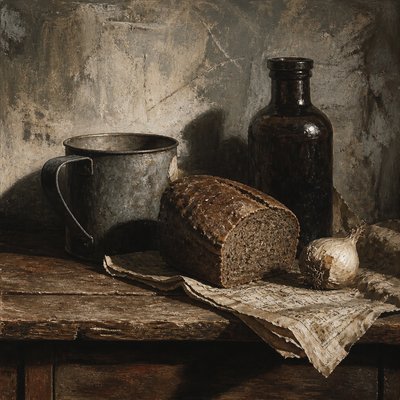
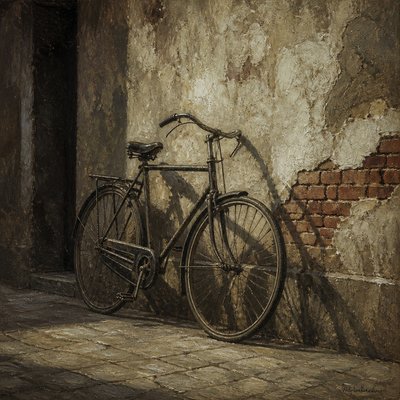
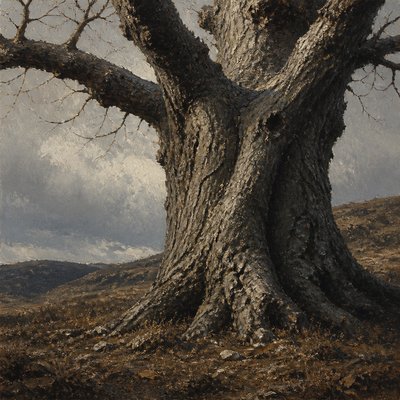
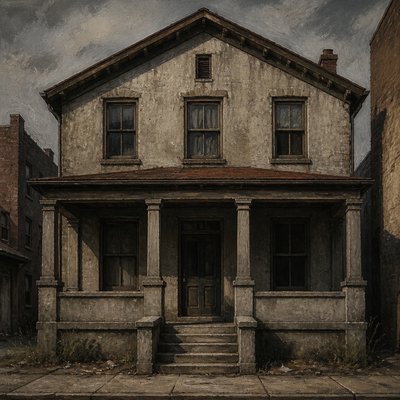
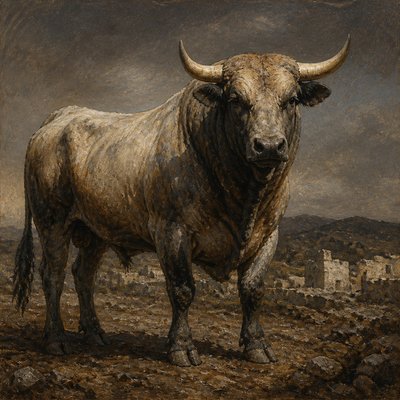
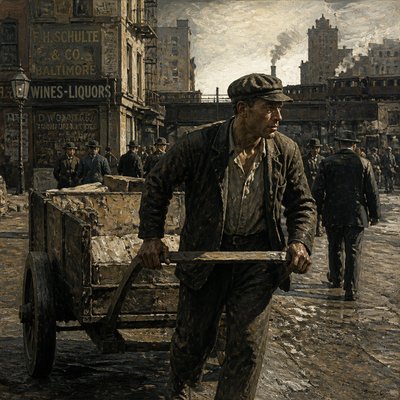
What is Social Realism Art Style?
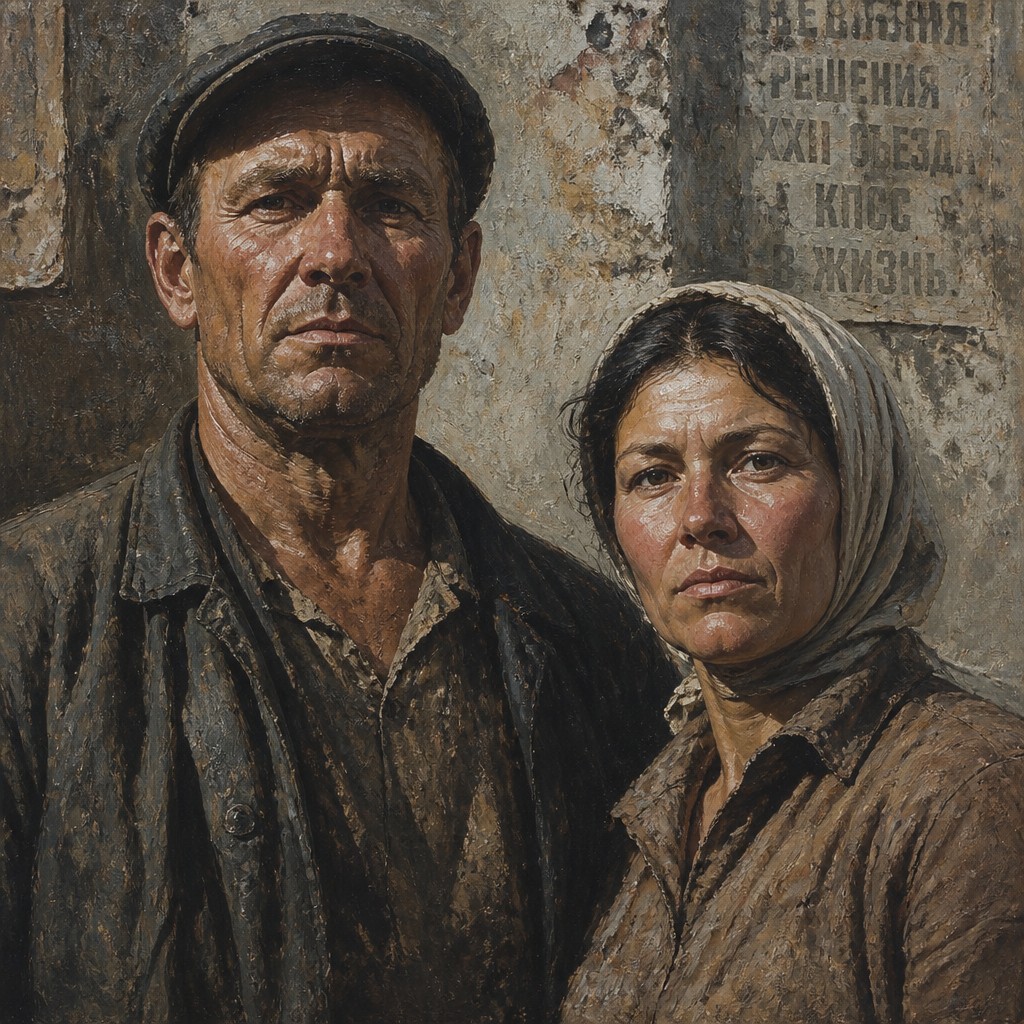
Social realism is a representational style and broad artistic tendency that depicts ordinary people, labor, poverty, protest, and social tension with clarity and moral seriousness. It favors direct observation over idealization, showing the conditions of everyday life as they are rather than as they might be wished to be.
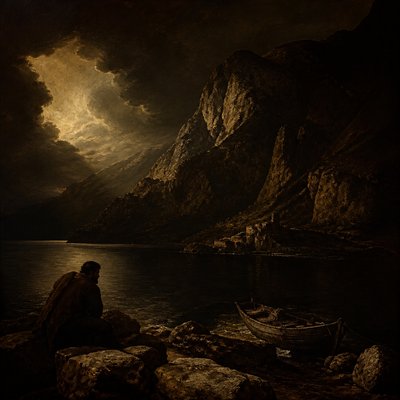
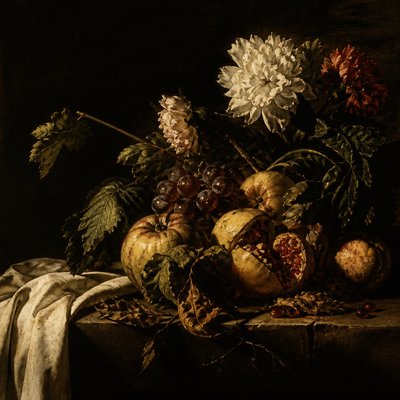
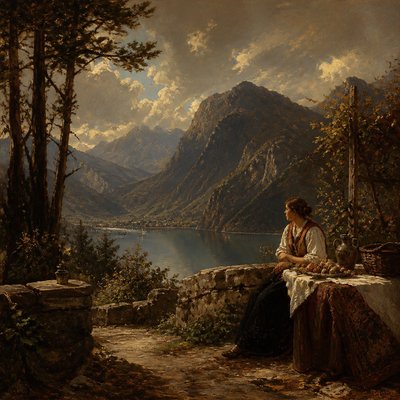
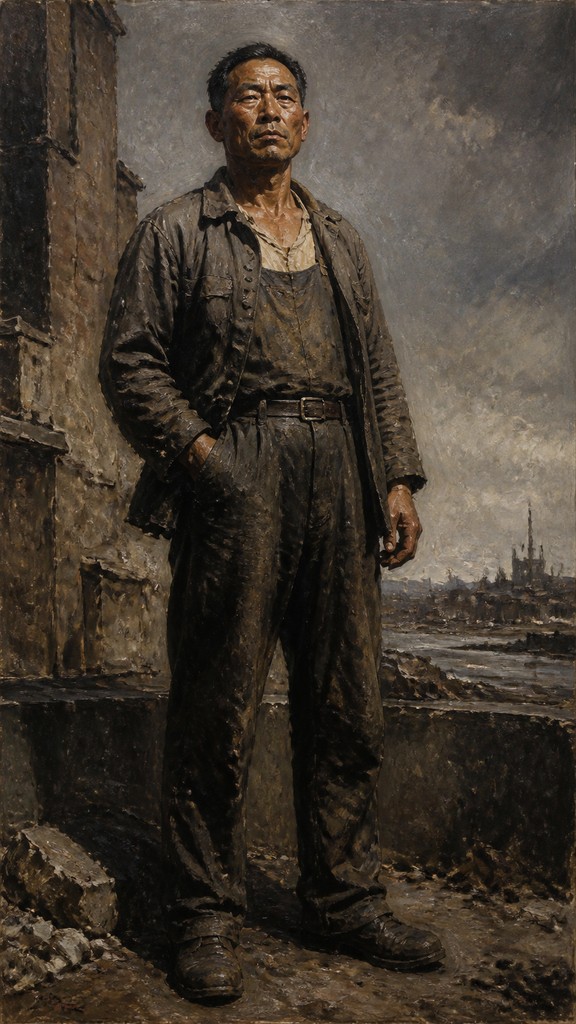
Visually, the style is defined by grounded composition, restrained color, and a weighty sense of presence. Figures often appear solid, weathered, and monumental, even when the subject is humble or difficult. The mood is sober rather than theatrical, and the technique tends to emphasize texture, strong tonal contrast, and the material facts of lived experience.
Try It On Your Photos
Upload any photo and convert it into Social Realism Art Style — drag the sliders to compare before and after.
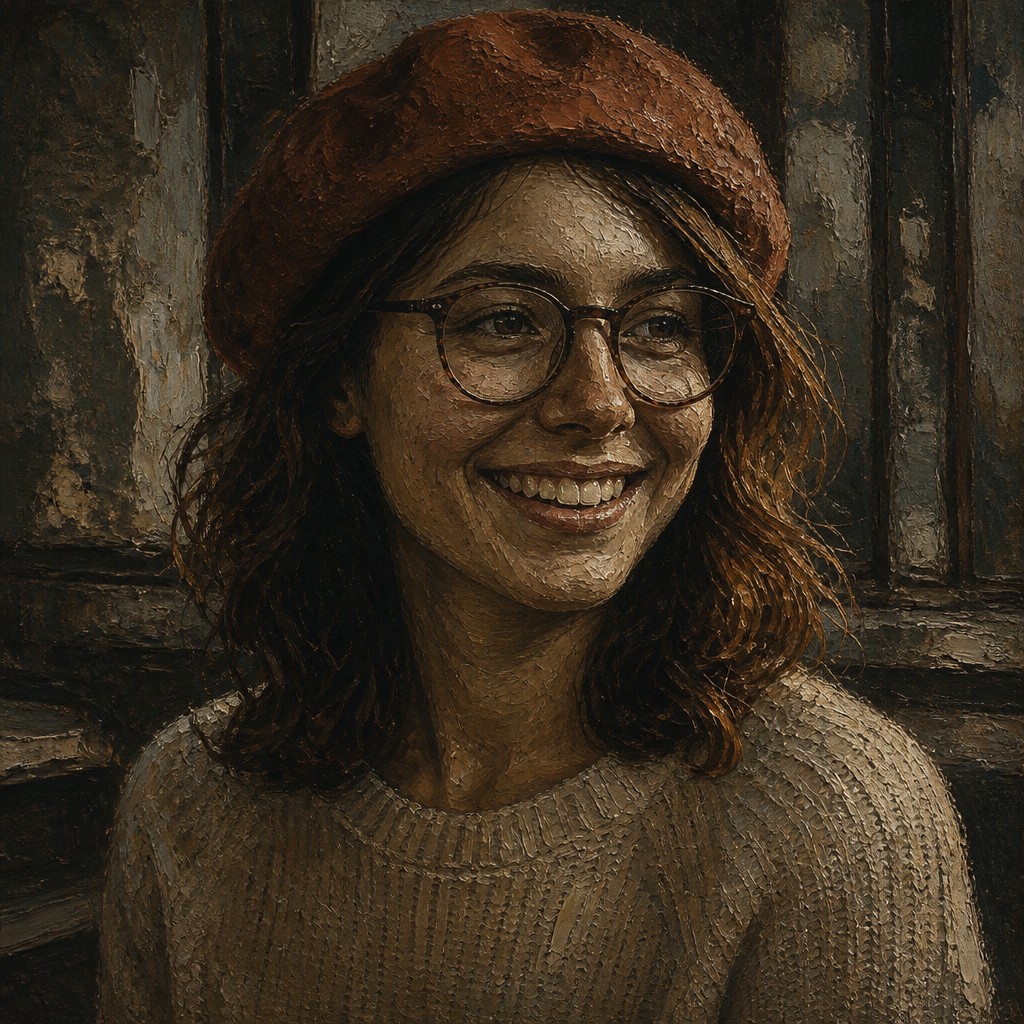

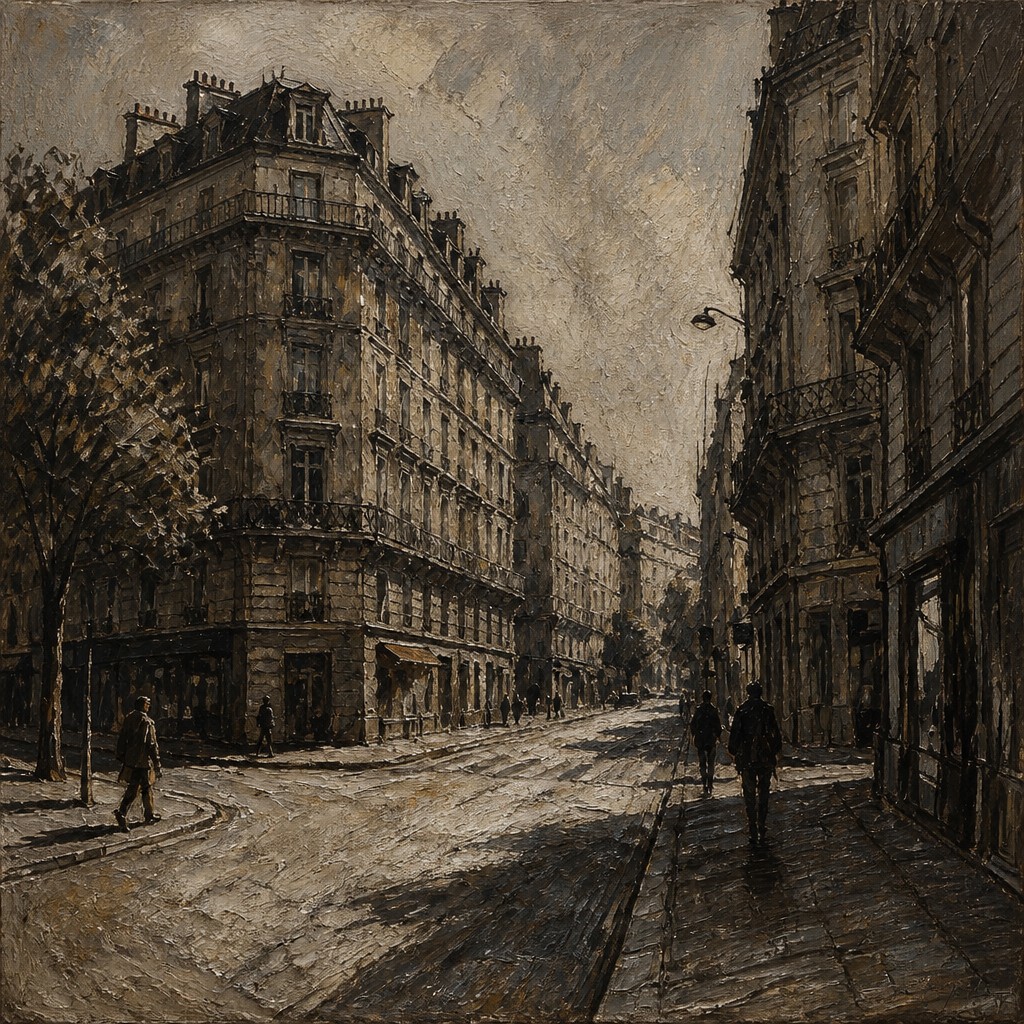

What Defines Social Realism Art Style
The signature details, up close
Everyday and working-class subjects
The style focuses on laborers, families, street life, demonstrations, and other scenes of ordinary social reality. Subjects are chosen for their human and civic significance rather than for glamour or ideal beauty.
Unidealized observation
Bodies, faces, clothing, and environments are shown honestly, including fatigue, wear, and imperfection. The image aims to feel witnessed rather than embellished.
Muted, earthy palette
Browns, grays, ochres, rust tones, and desaturated blues or greens are common. Color is usually subordinate to structure, atmosphere, and mood.
Strong tonal structure
Light and shadow are used to articulate form and to heighten the sense of physical reality. Harsh directional lighting can make figures feel sculptural and emotionally serious.
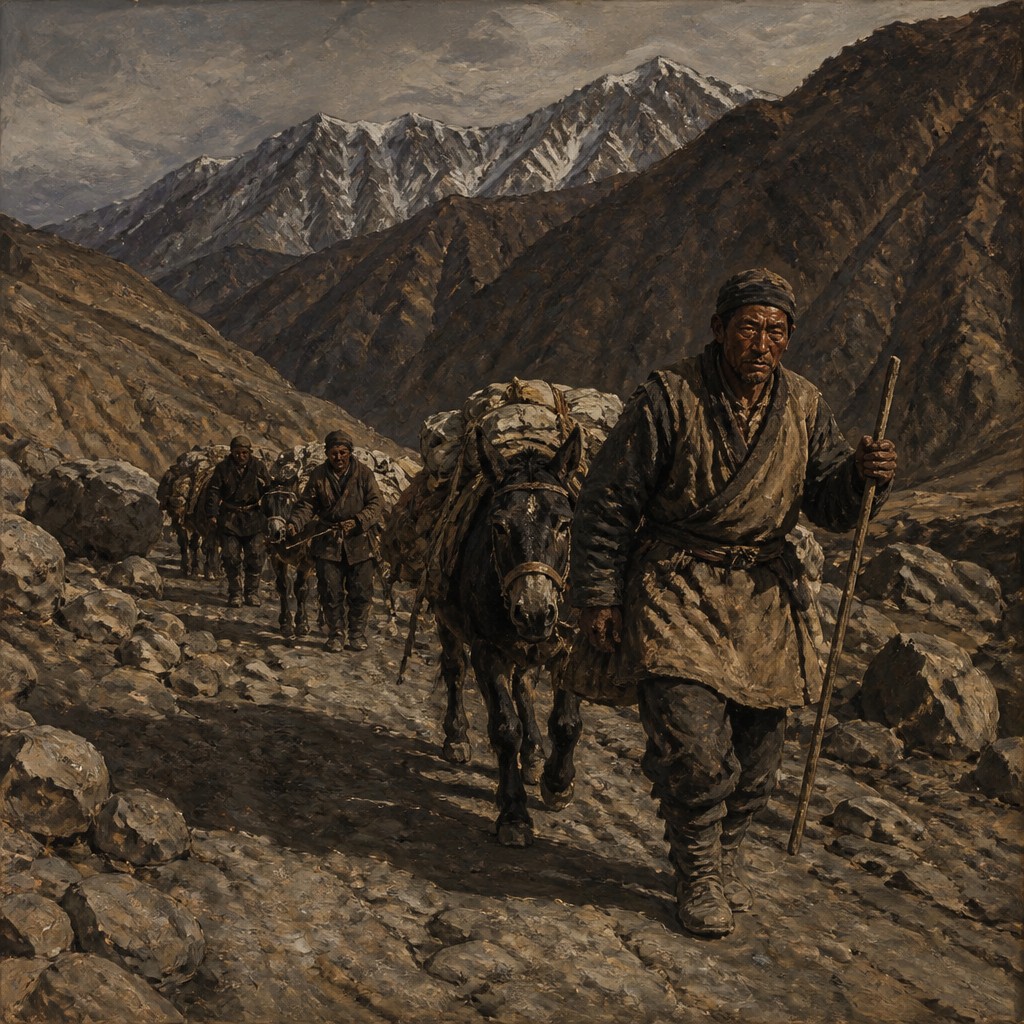
Visible material handling
Brushwork, pigment body, charcoal marks, or print textures are often left evident. Surface texture reinforces the sense of labor, endurance, and tactility.
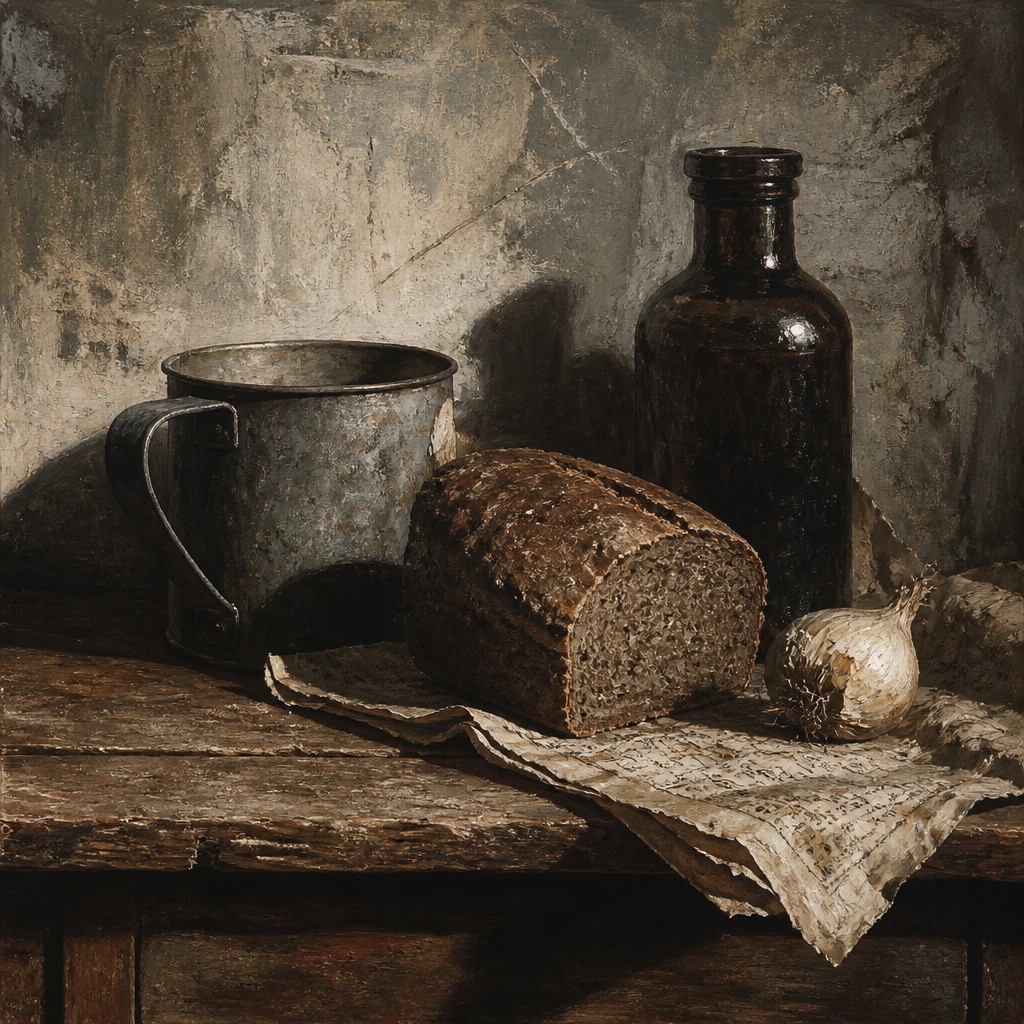
Dignified composition
Figures are often arranged with compositional weight and stability, giving even difficult subjects a monumental presence. The framing is usually clear, direct, and deliberate.
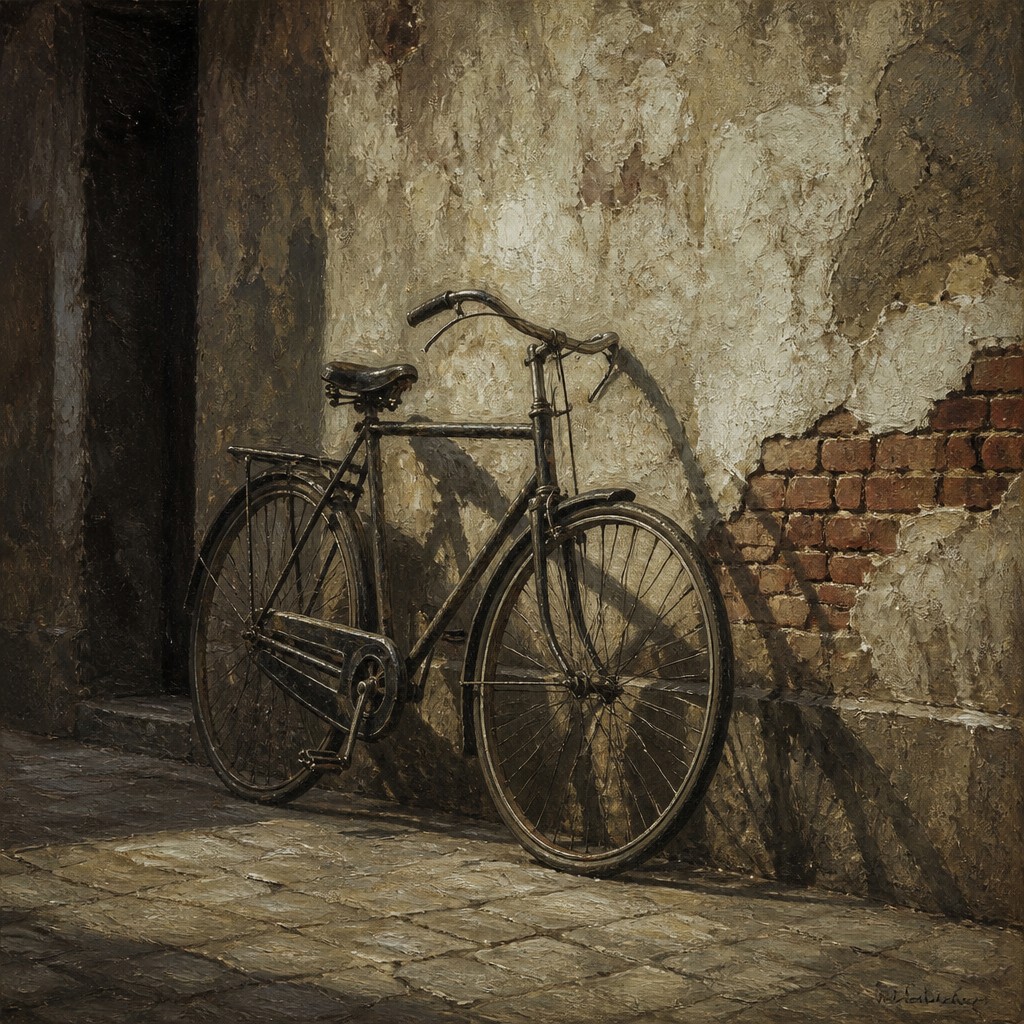
Sober, humane mood
The emotional tone is restrained, compassionate, and unsentimental. It can be critical or political, but it rarely relies on melodrama.
Try It
Create Videos in Social Realism Art Style
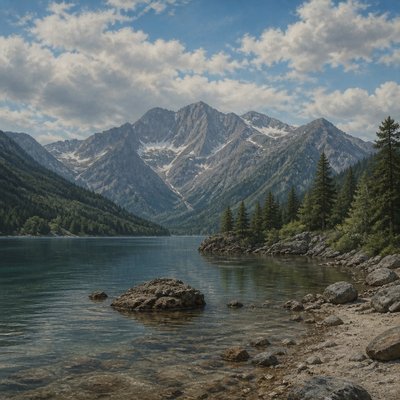
Styles aren't just for stills — describe a scene or animate an image and get a short video rendered in Social Realism. Press play to see this pond come to life.
Make a VideoSocial Realism Prompt Ideas
Start from an idea — each one opens the generator with the style ready to go. See all 40 Social Realism prompts →
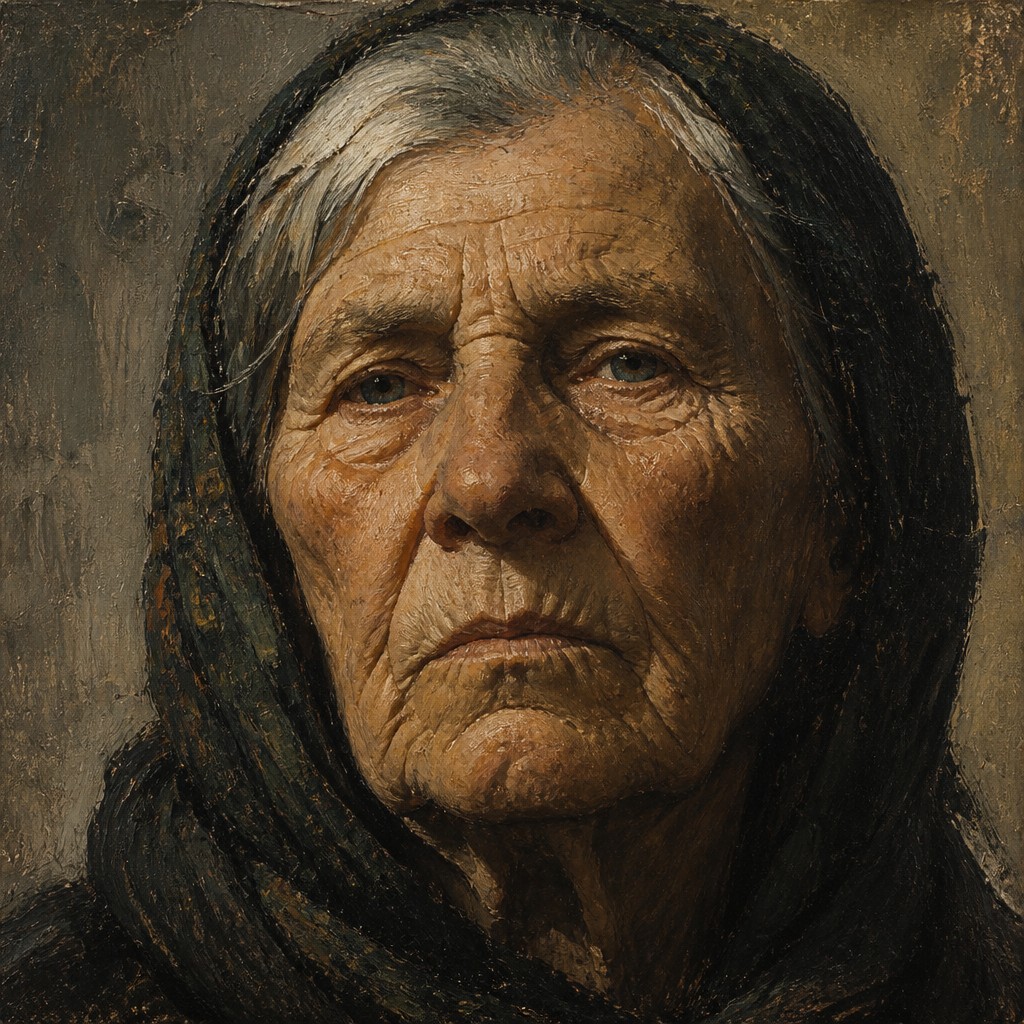
“close-up portrait of an elderly person with expressive weathered features”
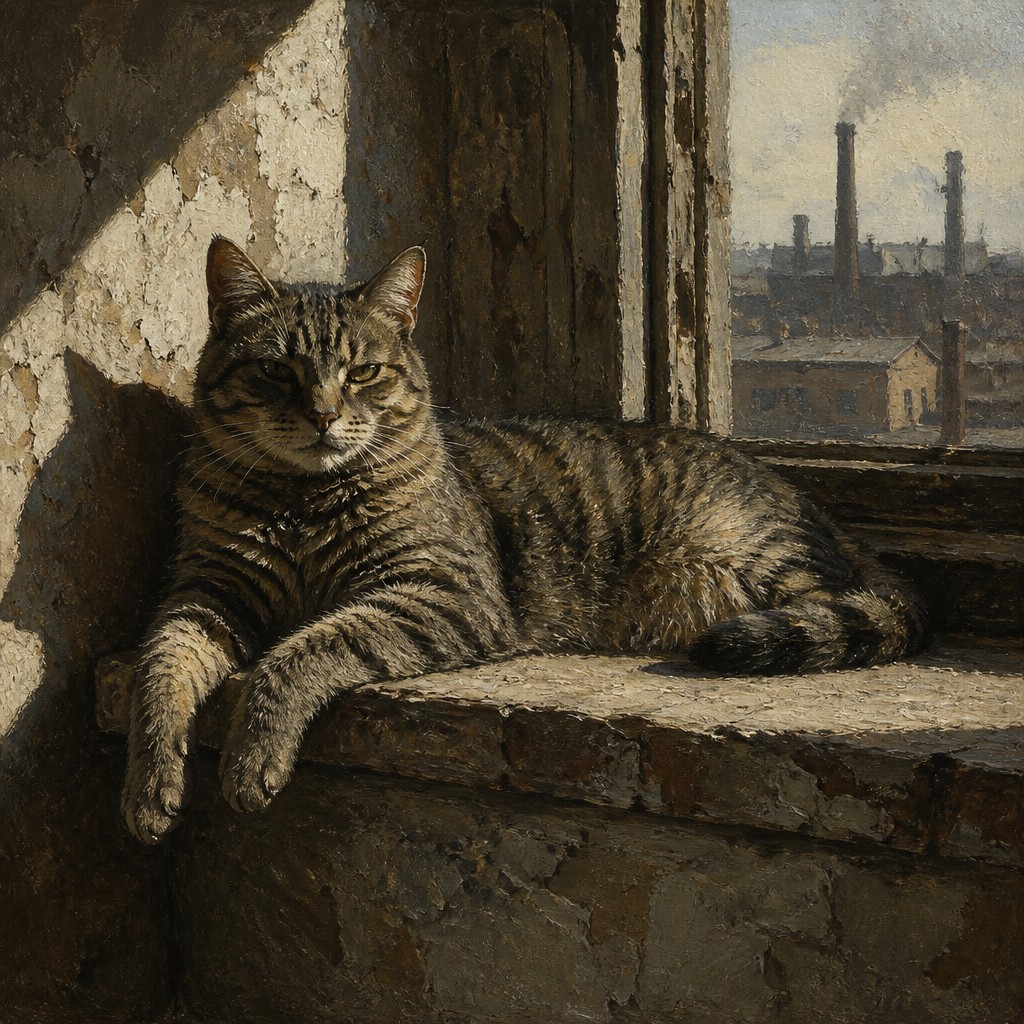
“a cat lounging in a sunlit window”
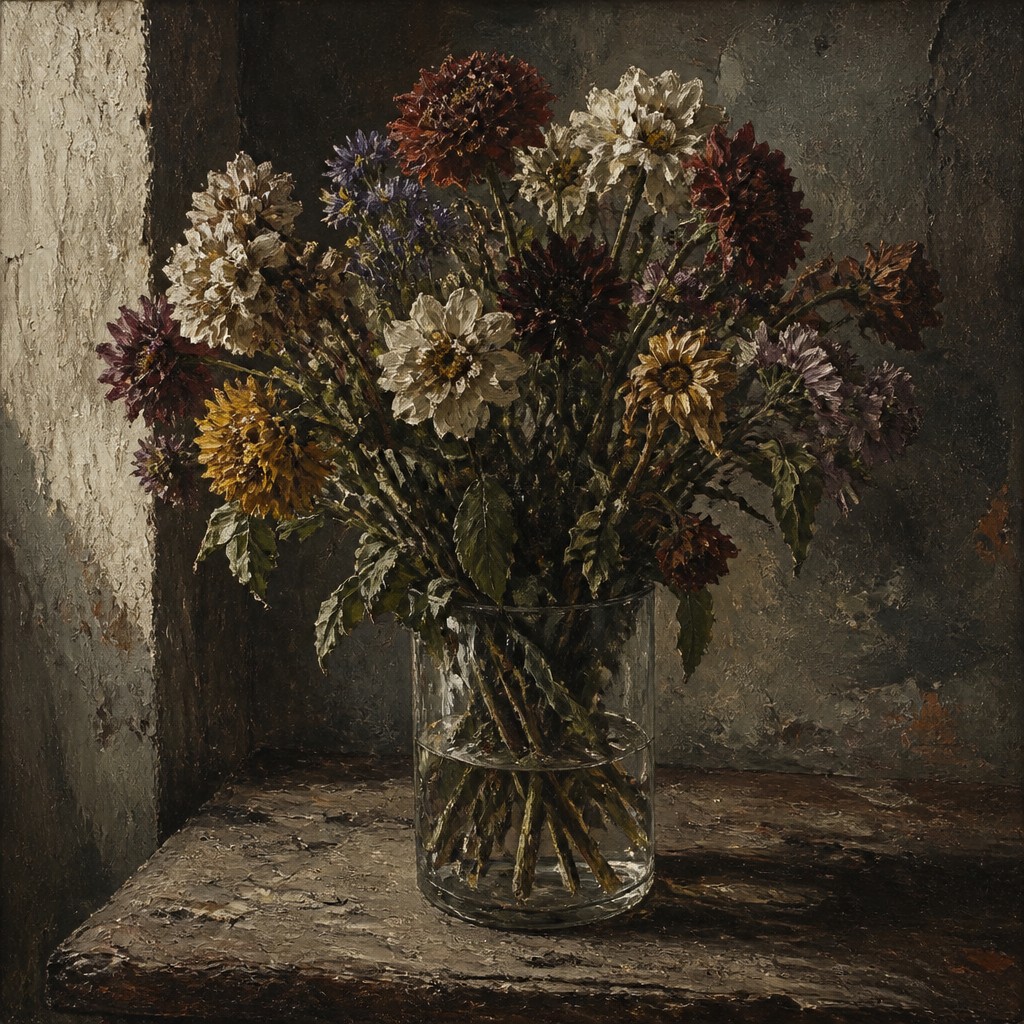
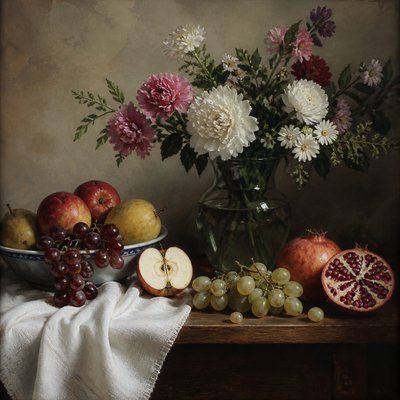
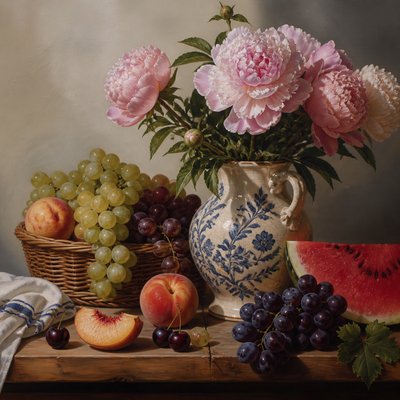
“bouquet of flowers in a glass vase”
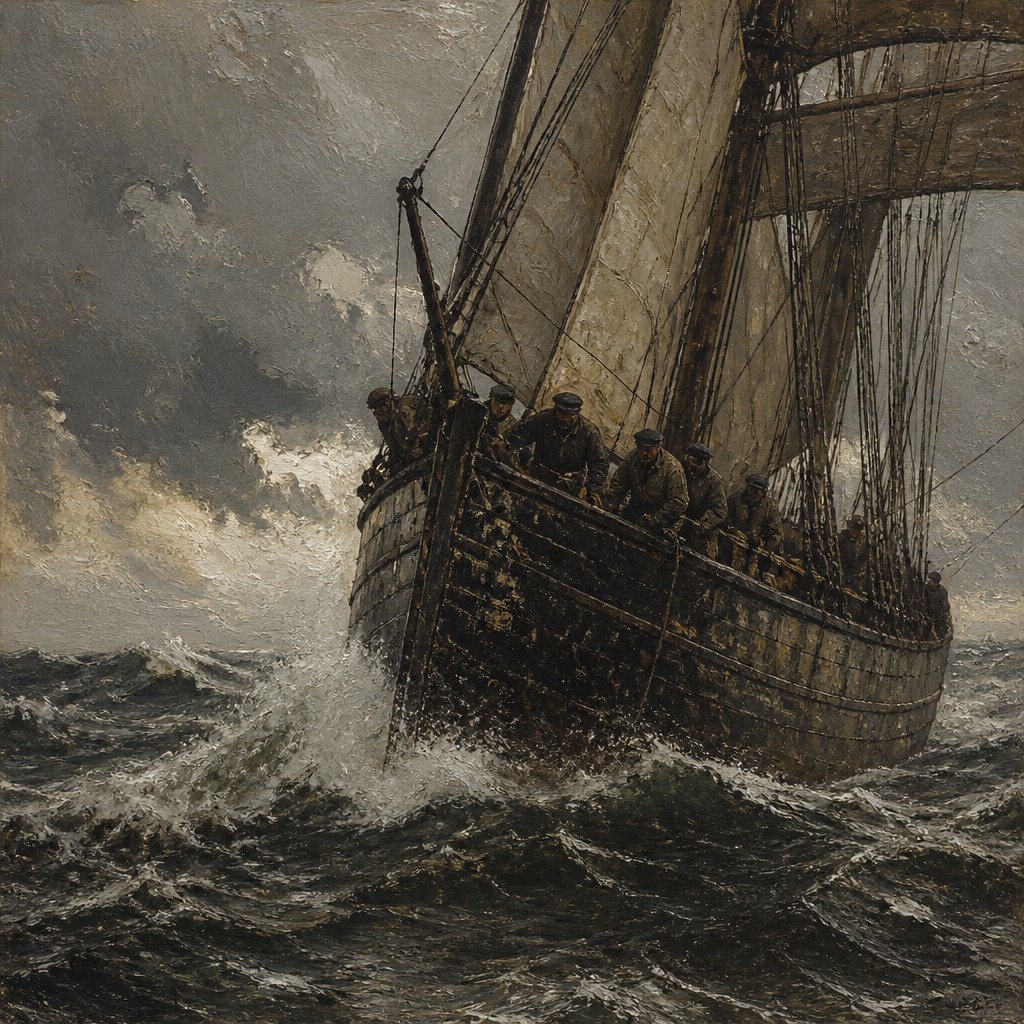
“sailing ship on a stormy sea”
How to Create Social Realism Art
Master the craft step by step — or skip straight to creating. Read the full guide →
- 1
Choose a socially grounded subject
Select scenes of labor, public life, domestic strain, migration, protest, or marginal conditions. The key is to depict people within their real circumstances, not as symbols stripped of context.
- 2
Build the image around structure and value
Use a limited palette and organize the composition through strong dark-light relationships. In painting or drawing, block in major forms first so the scene feels solid before adding detail.
- 3
Keep surfaces honest and tactile
Leave brushstrokes, charcoal edges, or print textures visible rather than polishing them away. In digital work, simulate impasto, grain, rough edges, and weathered surfaces instead of glossy smoothing.
- 4
Avoid idealization in anatomy and gesture
Let posture, clothing, hands, and facial expression reflect fatigue, tension, or resilience as appropriate. The emotional effect should come from truthful observation, not heroic exaggeration.
- 5
For prompt-based generation, specify realism plus restraint
Describe the subject, the social context, muted earth tones, harsh directional light, strong shadows, and visible texture. Useful prompt language includes documentary, unvarnished, weathered, dignified, somber, and unsentimental.
The Story
History & Origins of Social Realism
Social realism emerged in the 19th and early 20th centuries as artists across Europe and the United States turned toward modern working life, industrialization, inequality, and political struggle. It is closely related to realism, but it differs in its explicit social focus: the goal is not only accurate observation, but also witness, critique, and empathy. In the United States, the term became especially associated with Depression-era art and with artists and photographers who documented labor, urban hardship, and public protest.
Its lineage extends through Realism, Naturalism, and documentary traditions in painting, printmaking, and photography. Leading French Realist painters, incisive satirical draughtsmen, a major German printmaker, a major Mexican muralist, a socially committed American painter-illustrator, and a prominent Depression-era documentary photographer are strongly associated with social realist or socially committed work, though their practices vary widely. The style continued to influence muralism, political illustration, documentary photography, and later figurative art that seeks to record social conditions without romanticization.
Influences: Social realism is closely related to 19th-century Realism and Naturalism, especially the work of leading French Realist painters and incisive satirical draughtsmen, who treated ordinary life and labor as worthy subjects. It also connects to influential printmaking by a major German expressionist printmaker, to socially committed muralism by a major Mexican muralist, and to the documentary approach of prominent Depression-era documentary photographers. Later figurative painters and illustrators have continued this lineage whenever they use direct observation to address class, labor, war, migration, or inequality.
Frequently Asked Questions
What defines social realism in art?
Social realism depicts real people, real labor, and real social conditions without romanticizing them. It uses observation, clear structure, and restrained emotion to present human experience as socially situated.
How is social realism different from realism?
Realism is a broader commitment to depicting life truthfully, while social realism is more specific about subject matter and purpose. Social realism usually emphasizes inequality, work, public life, and social critique or witness.
Is social realism the same as socialist realism?
No. Social realism is a broader artistic tendency focused on depicting social conditions, while Socialist Realism was an official doctrine promoted in the Soviet Union that required idealized, politically affirming images. The two can overlap in subject matter, but they are historically and aesthetically distinct.
What colors and lighting are typical of this style?
Muted earth tones, grays, and desaturated hues are common, often combined with harsh or directional lighting. That lighting helps model forms strongly and gives the image a sober, documentary atmosphere.
What kinds of subjects work best in social realism?
Scenes of labor, poverty, domestic hardship, migration, protest, and everyday urban or rural life are especially suited to the style. Subjects should feel socially meaningful and physically grounded.
How can I make a modern image in this style?
Use contemporary subjects but keep the treatment direct, restrained, and unsentimental. In traditional media, focus on value, texture, and composition; in digital or generated work, ask for documentary realism, worn surfaces, and muted color rather than polished cinematic glamour.

Create your first Social Realism artwork
Describe anything — or upload a photo — and see it in Social Realism Art Style in seconds.
Make Something with Social Realism
Related Styles
Discover similar art styles