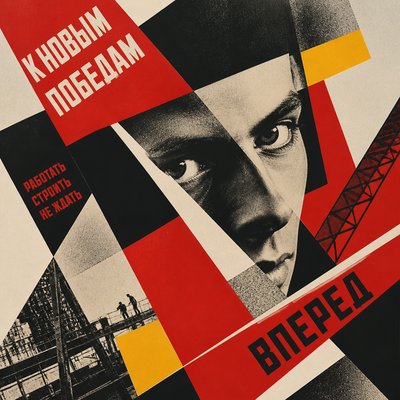
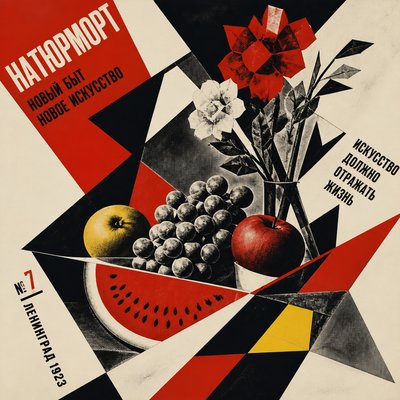
Ashcan School Art Style
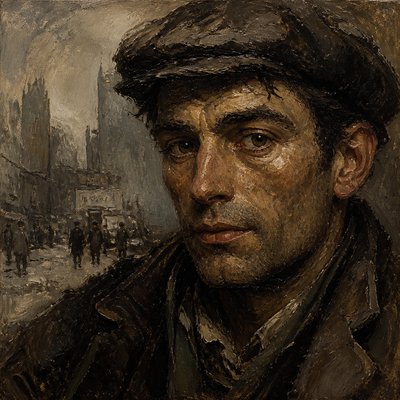
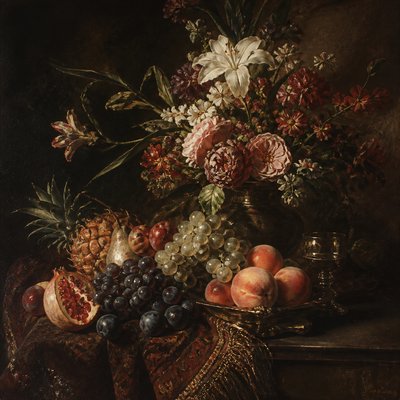
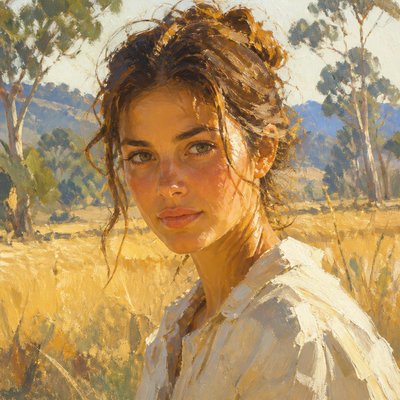
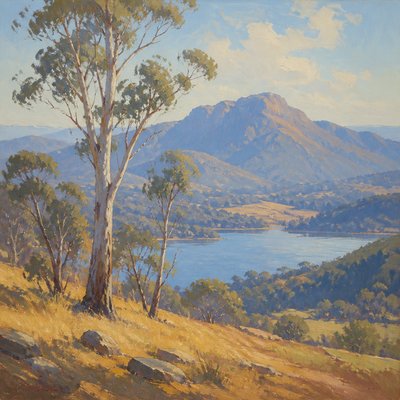
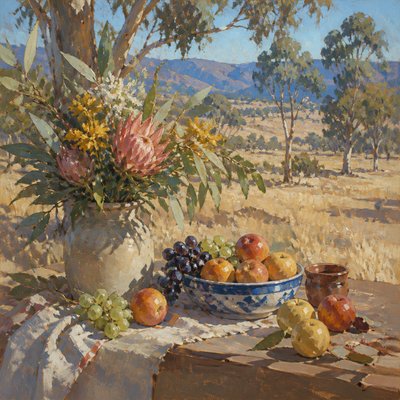
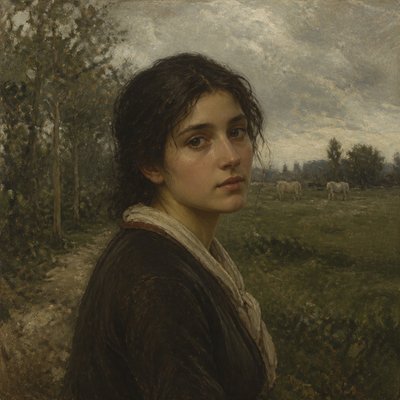
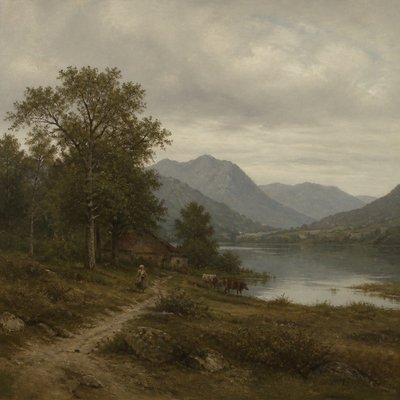
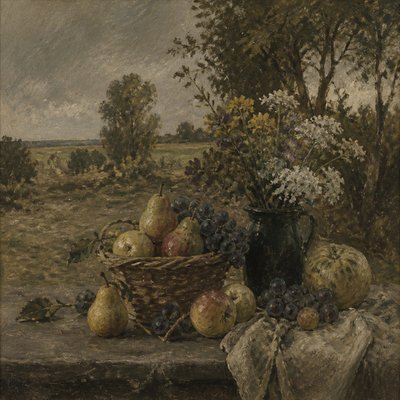
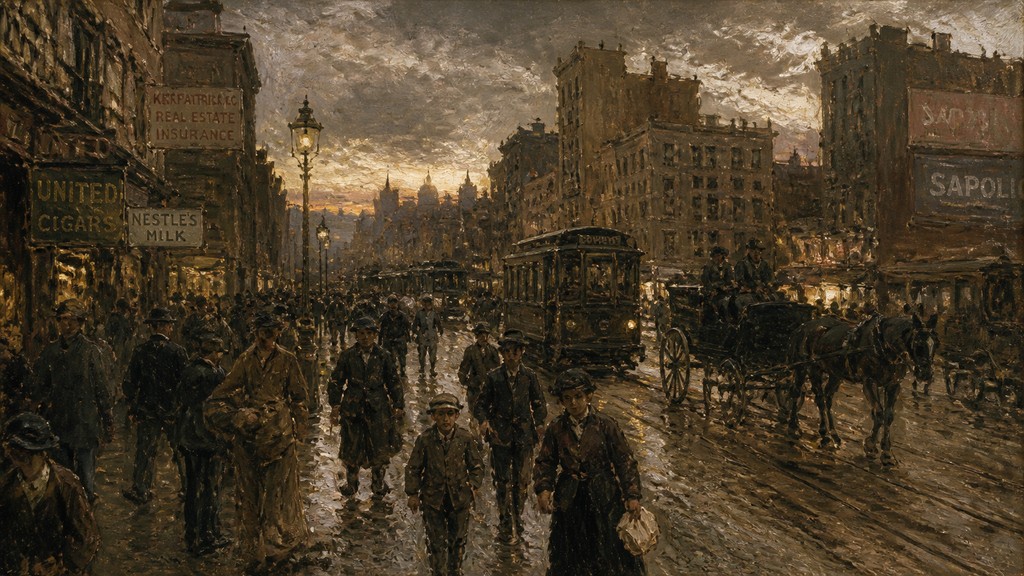
Ashcan School art: gritty urban realism of working-class life, city streets, and everyday scenes painted with loose, vigorous brushwork.
Instantly rendered in Ashcan School — or transform a photo
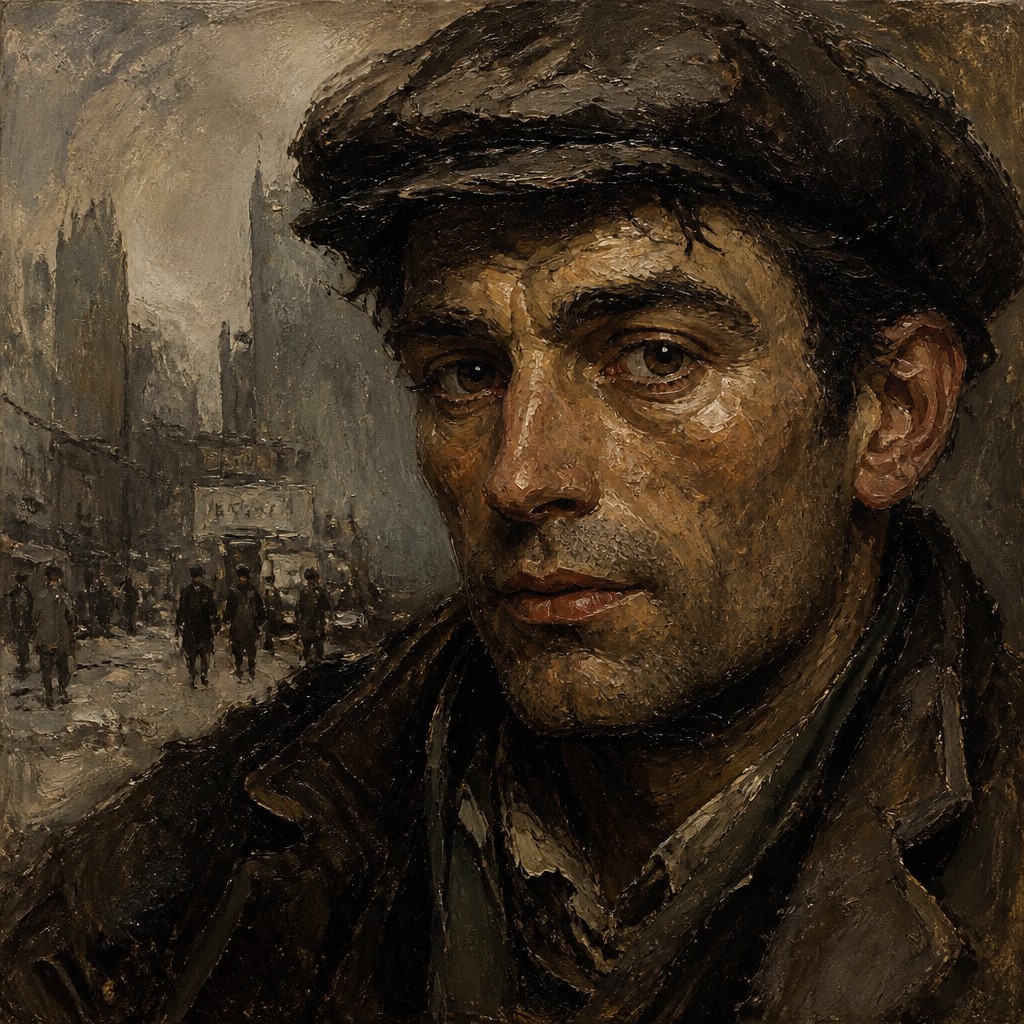
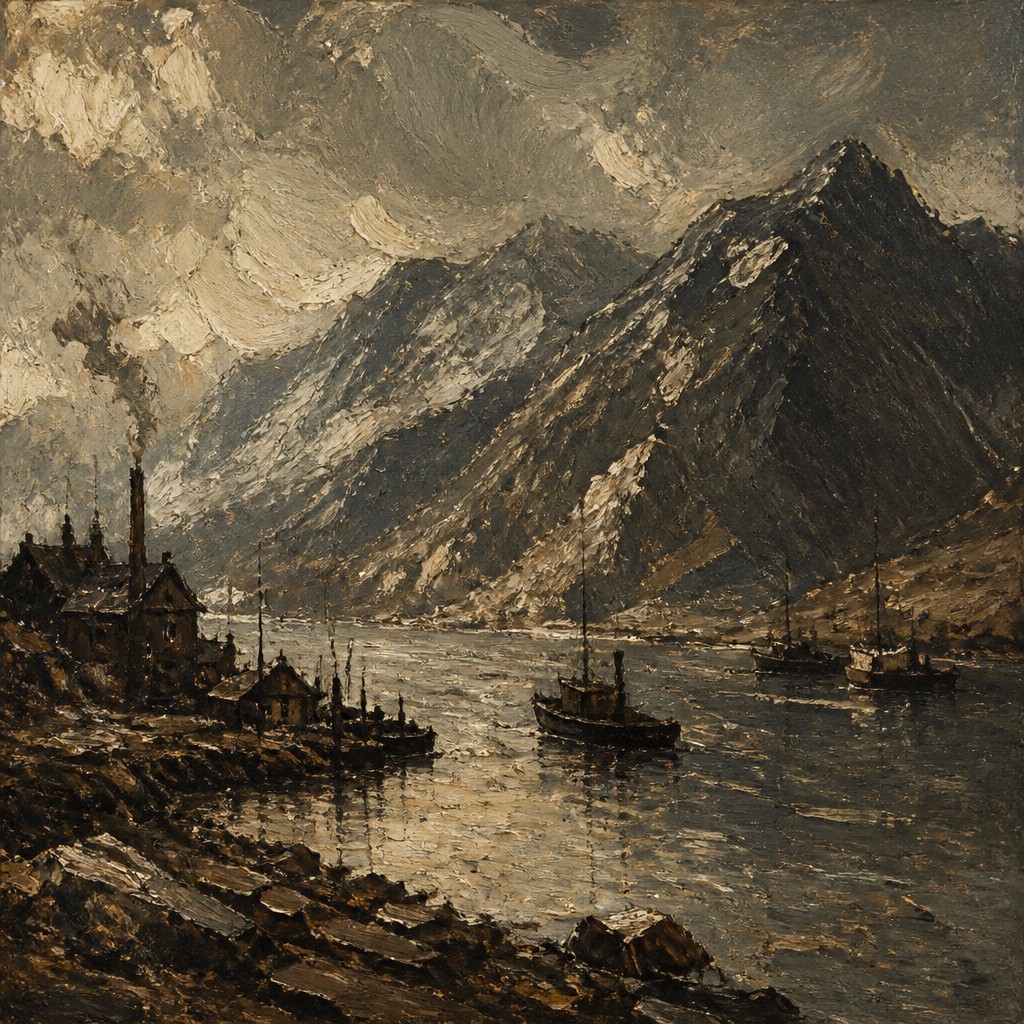
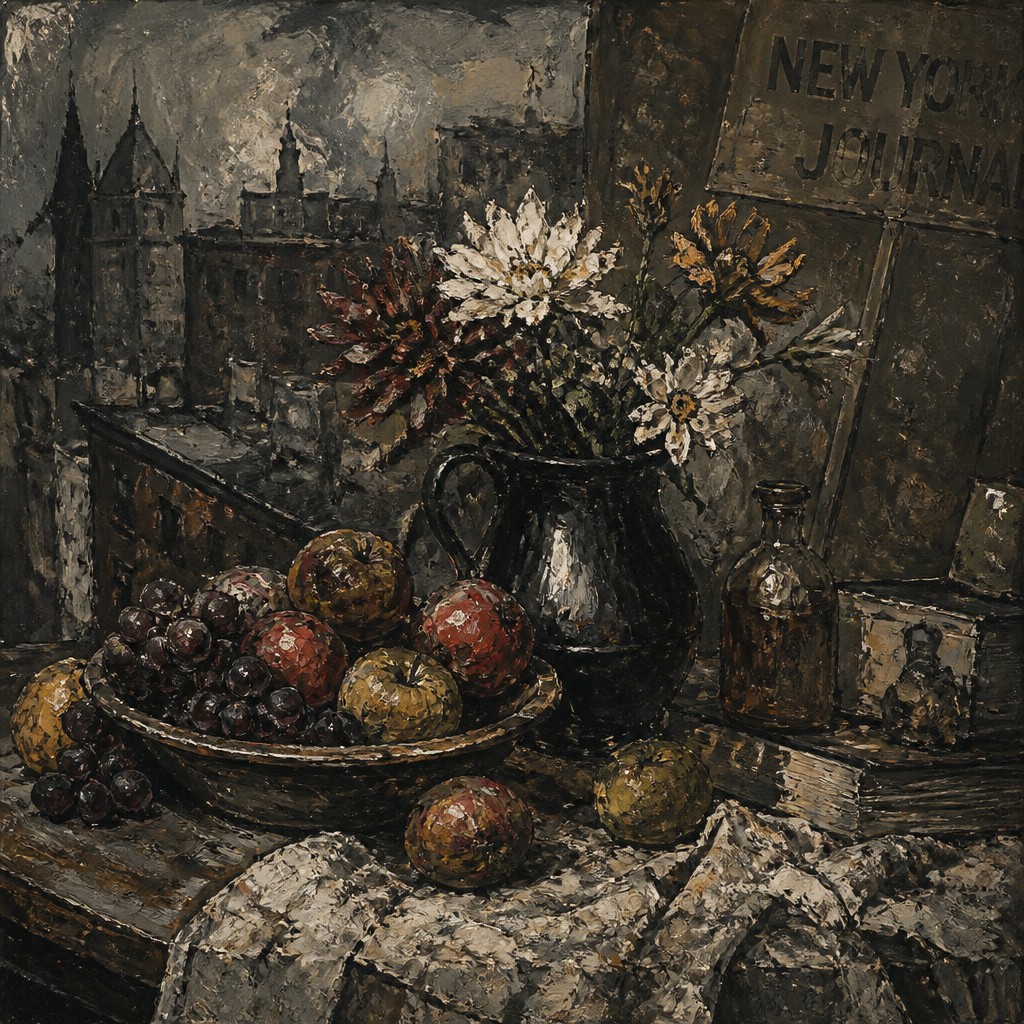
Ashcan School Gallery
Tap any artwork to explore it
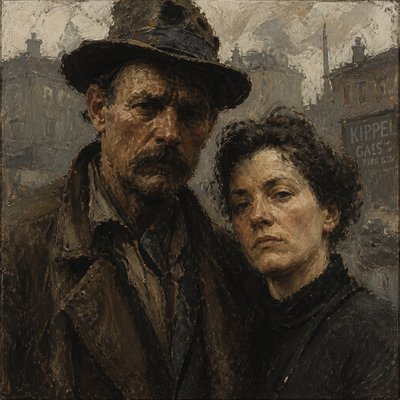
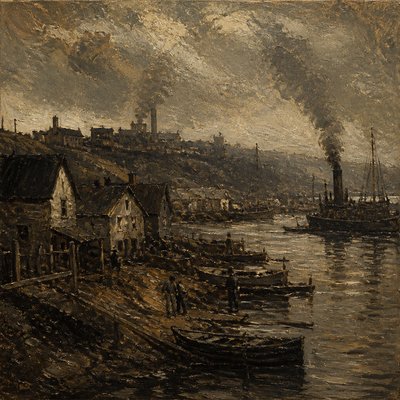
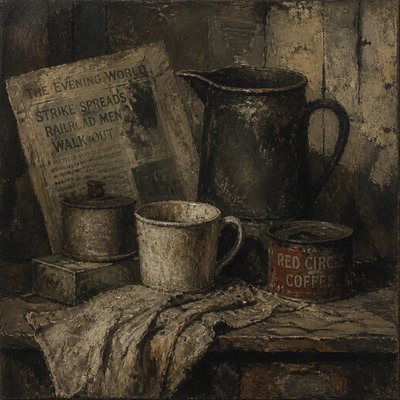
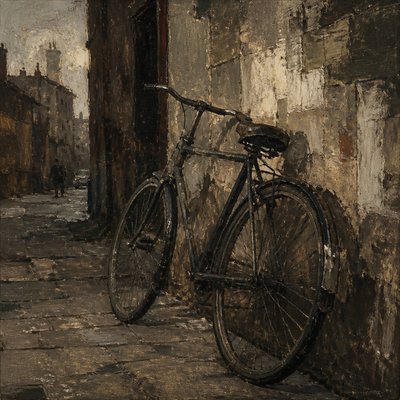
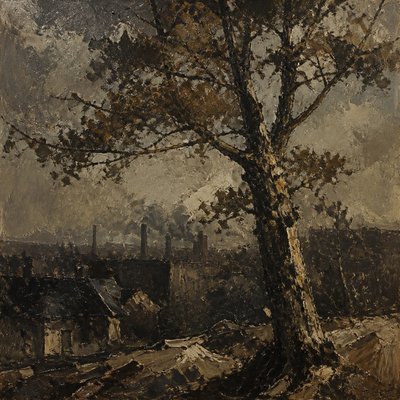
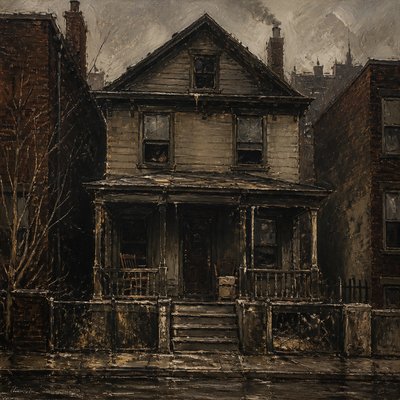
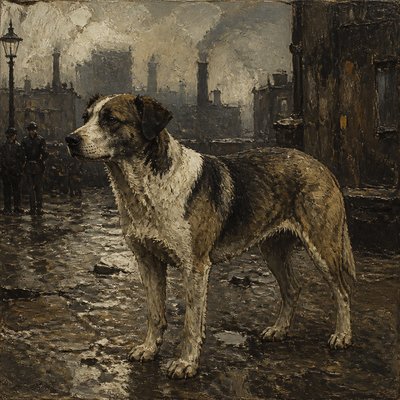
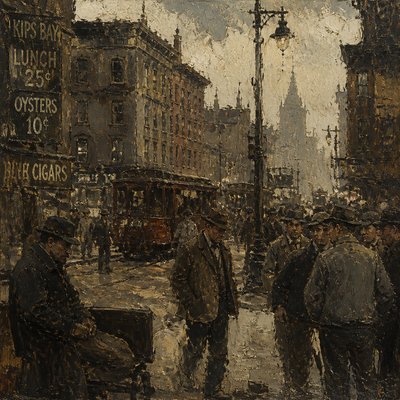
What is Ashcan School Art Style?
Ashcan School art is a turn-of-the-20th-century American realism associated with the rough, crowded, and unidealized life of the modern city. It focuses on working-class neighborhoods, street scenes, bars, tenements, playgrounds, and ordinary people rather than polished historical or academic subjects. The style is known for its direct observation, dark tonal range, and painterly surface that often feels immediate and unfinished in the best sense.
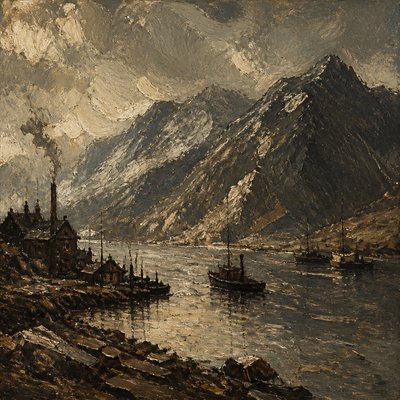
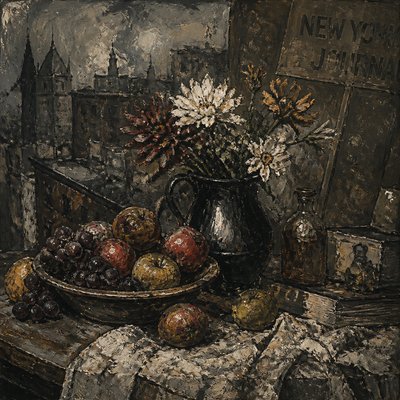
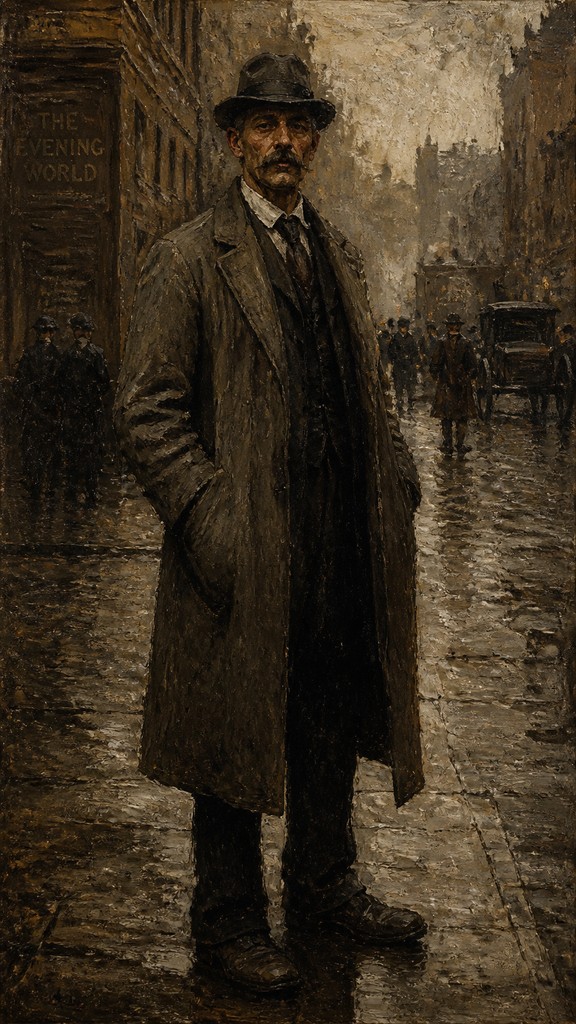
Visually, Ashcan paintings usually favor sooty browns, grays, blacks, ochres, and dirty whites, with abrupt contrasts and a compressed, urban atmosphere. Brushwork is loose and vigorous, sometimes with heavy impasto and visible handling that reinforces the sense of speed, weather, and lived experience. The aesthetic rejects idealization: figures may appear blunt, tired, humorous, or stoic, and the city is presented as a place of friction, noise, and social reality.
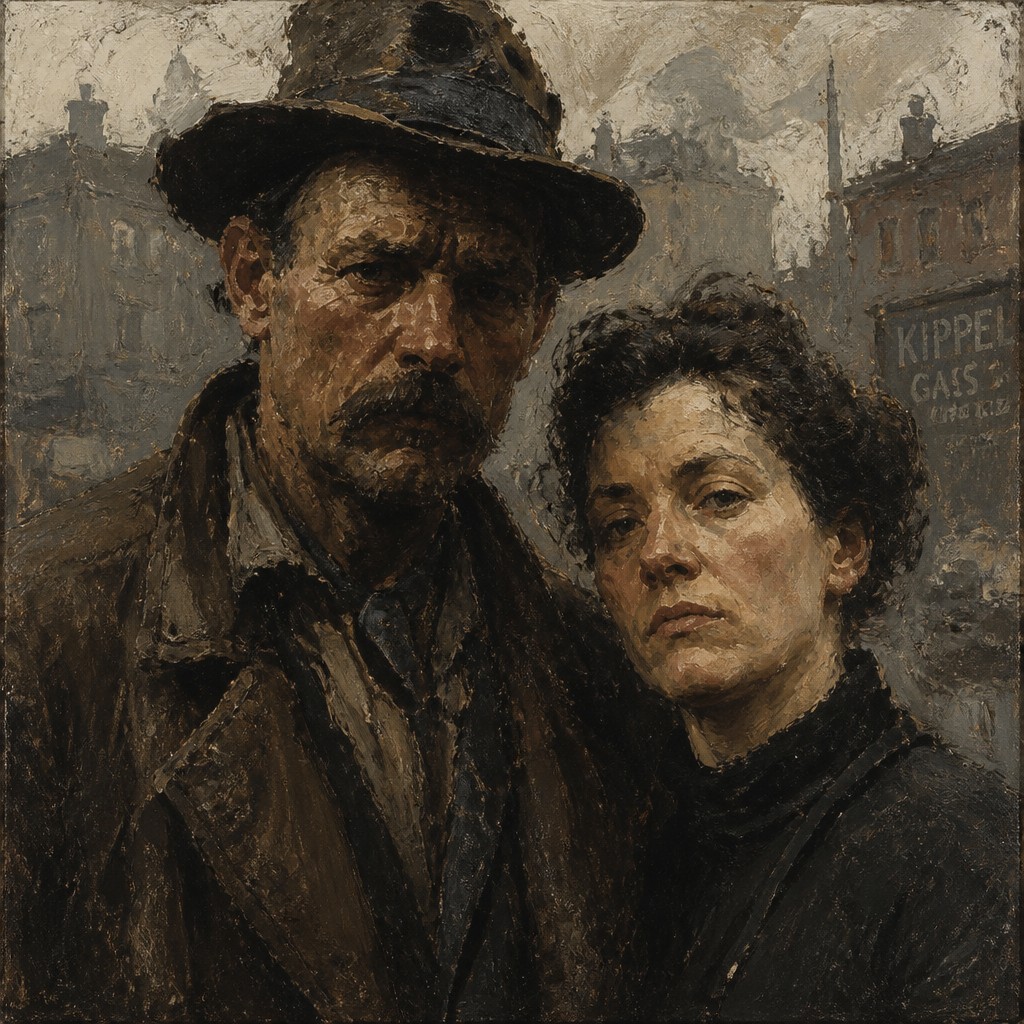
Try It On Your Photos
Upload any photo and convert it into Ashcan School Art Style — drag the sliders to compare before and after.
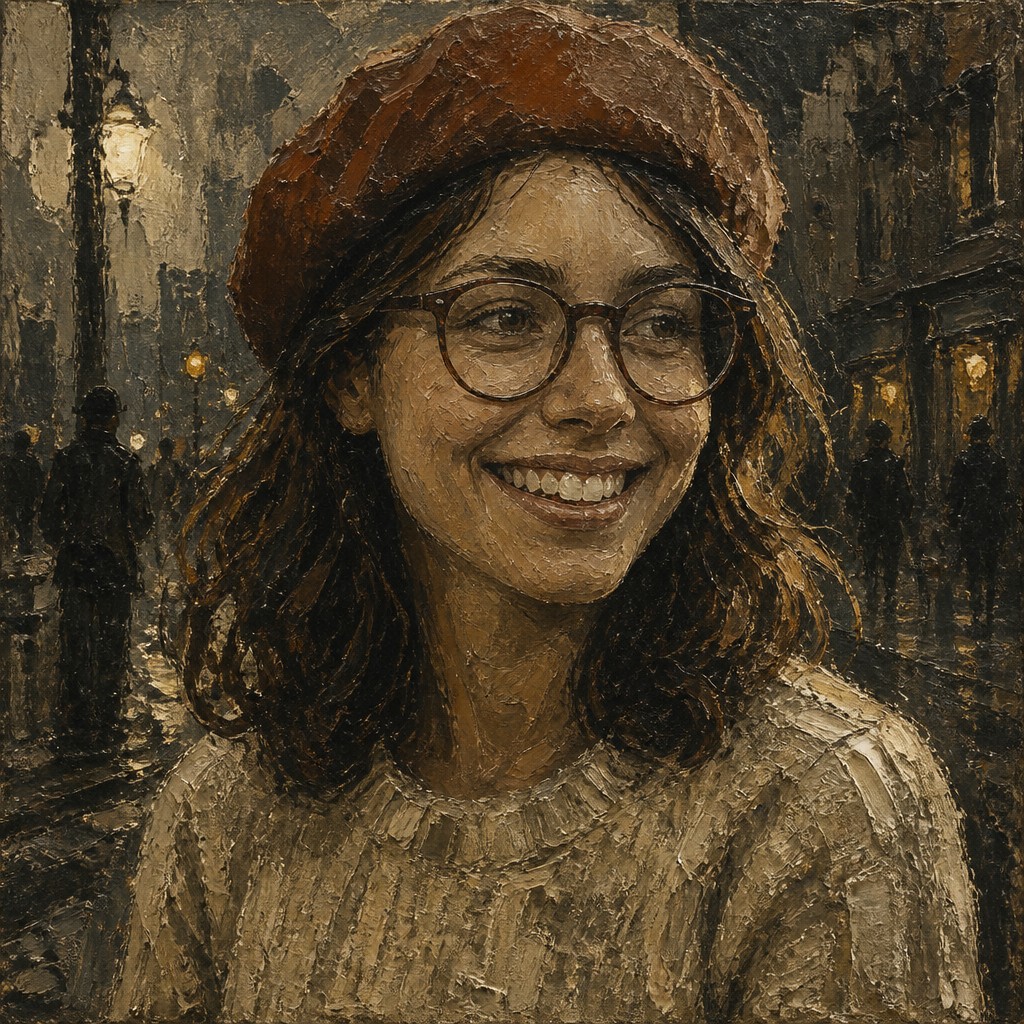

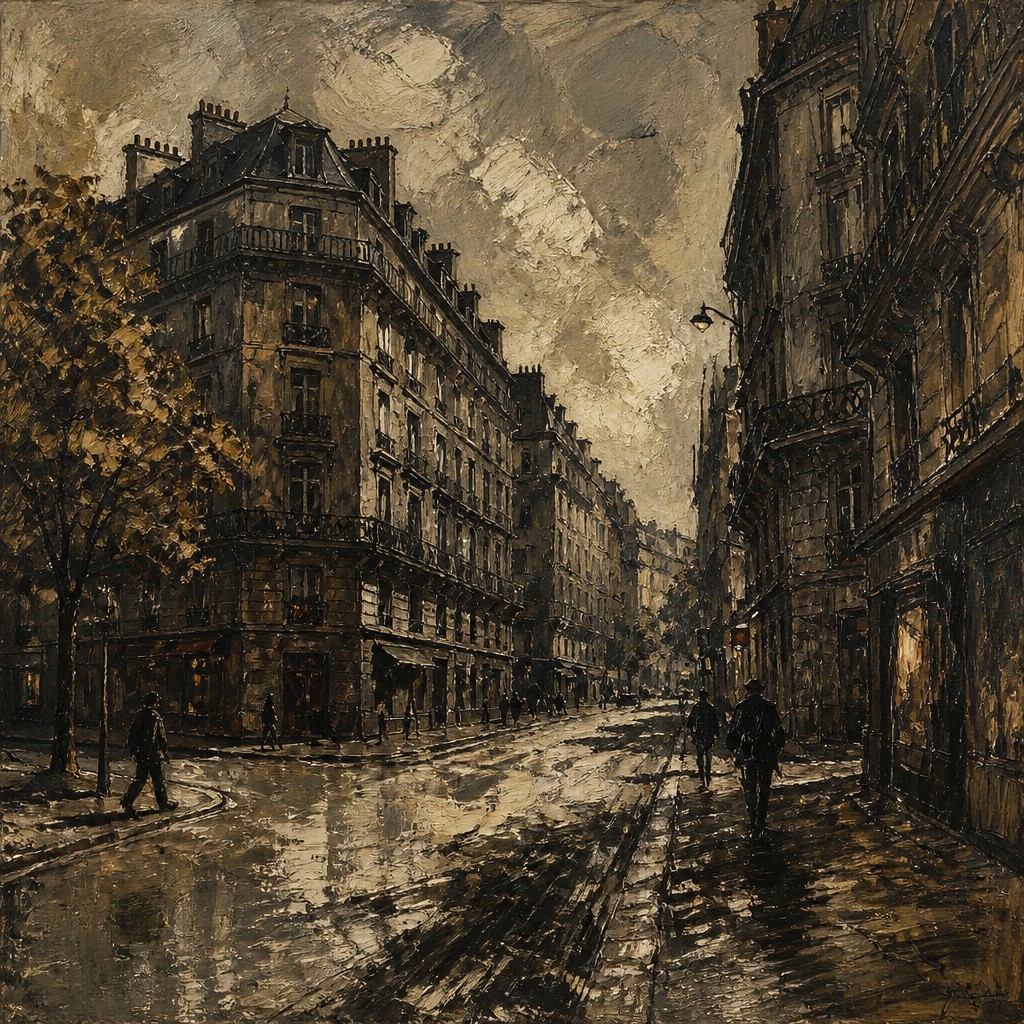

What Defines Ashcan School Art Style
The signature details, up close
Urban working-class subjects
Ashcan works commonly depict tenements, cafes, boxing matches, docks, streets, parks, and domestic interiors. The emphasis is on ordinary life rather than elite culture or polished theatrical scenes.
Loose, vigorous brushwork
Paint is often applied quickly and with visible energy, creating a rough surface and a sense of immediacy. Strokes may remain broad, broken, and expressive instead of blended into smooth finishes.
Muted, soot-dark palette
Colors tend toward browns, grays, blacks, ochres, and dirty whites. Even when stronger color appears, it is usually subdued by the urban atmosphere and tonal structure.
Dramatic city lighting
Street lamps, twilight, interior shadows, and sharp contrasts are common. Light often feels partial or unreliable, helping the scene look observed in passing rather than staged.
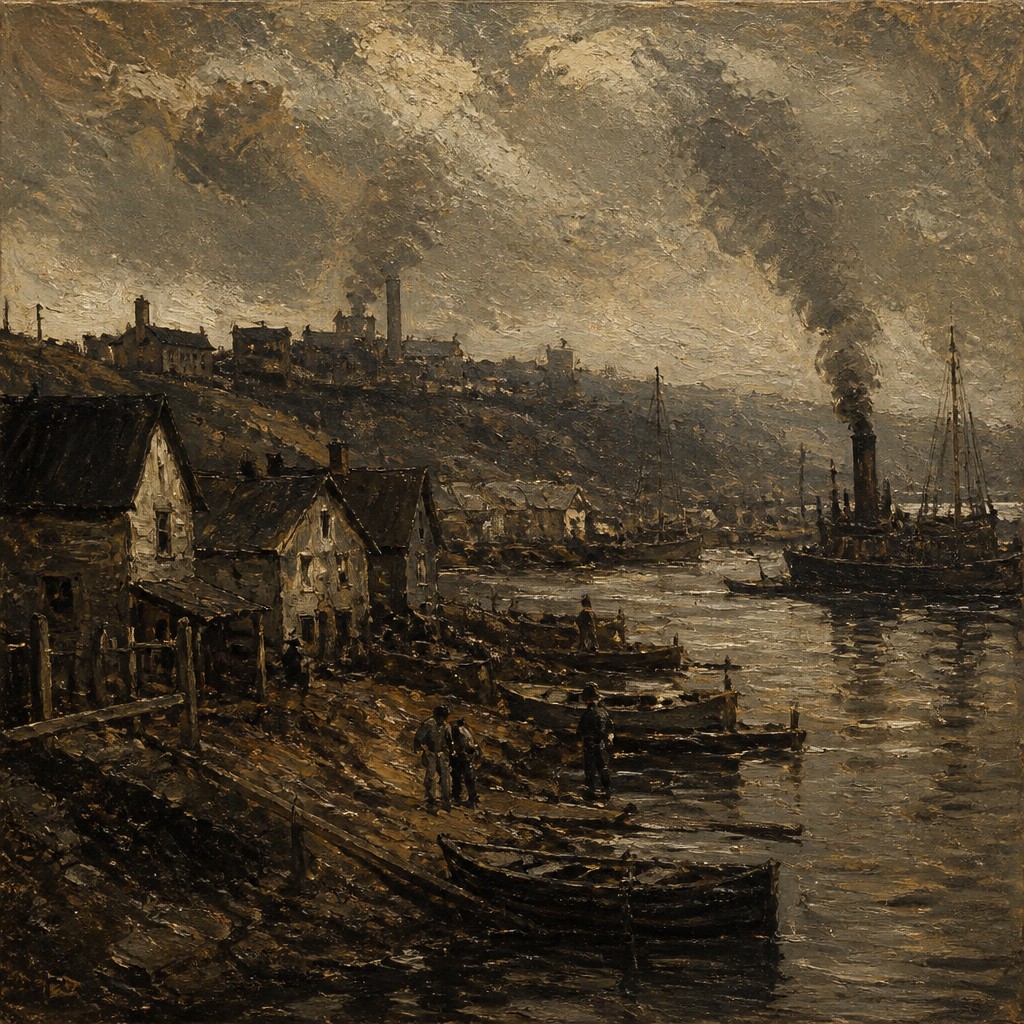
Unidealized figures
People are shown with candor, not sentimental polish. Facial expressions, posture, clothing, and setting suggest fatigue, motion, humor, or social tension.
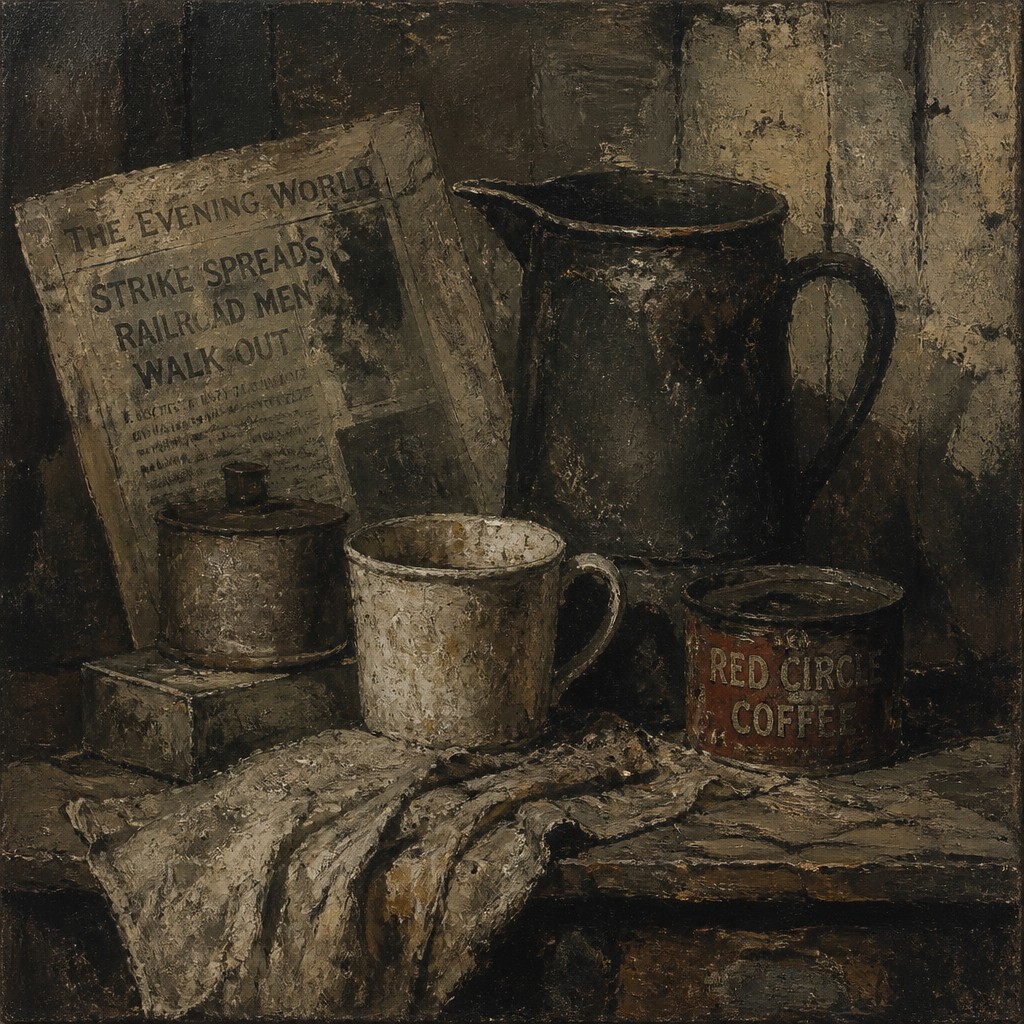
Rough, documentary realism
The style aims for honest observation of contemporary life, often with a journalistic or reportorial feeling. Details are selected for truth and atmosphere rather than decorative completeness.
Try It
Create Videos in Ashcan School Art Style
Styles aren't just for stills — describe a scene or animate an image and get a short video rendered in Ashcan School. Press play to see this pond come to life.
Make a VideoAshcan School Prompt Ideas
Start from an idea — each one opens the generator with the style ready to go. See all 40 Ashcan School prompts →
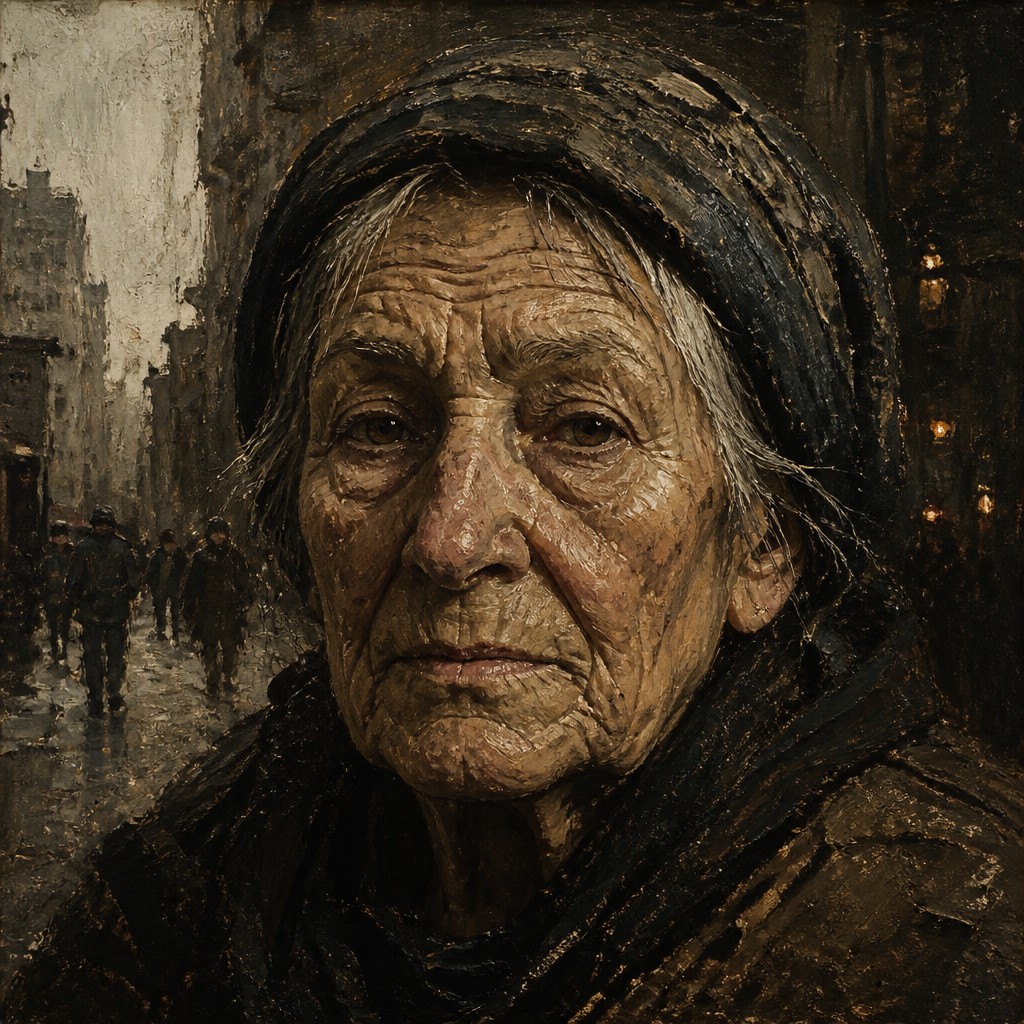
“close-up portrait of an elderly person with expressive weathered features”
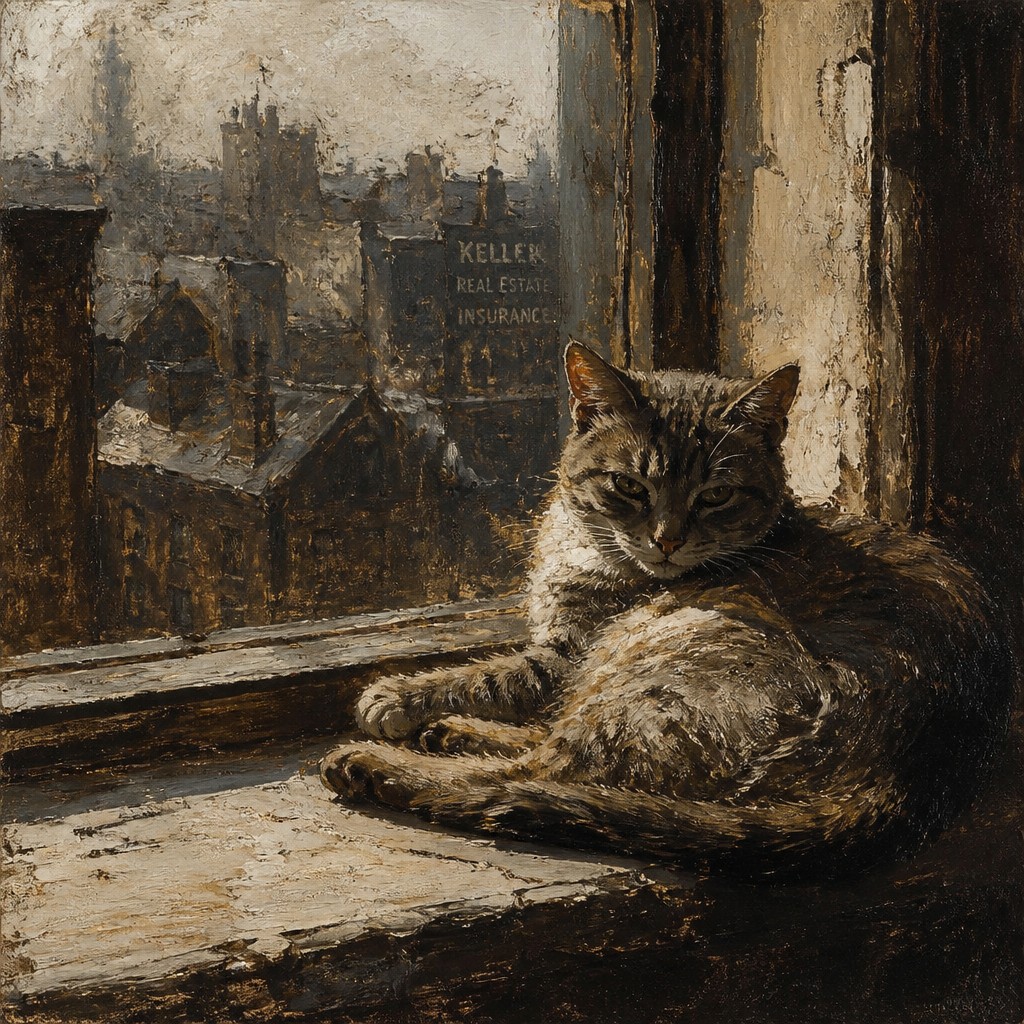
“a cat lounging in a sunlit window”
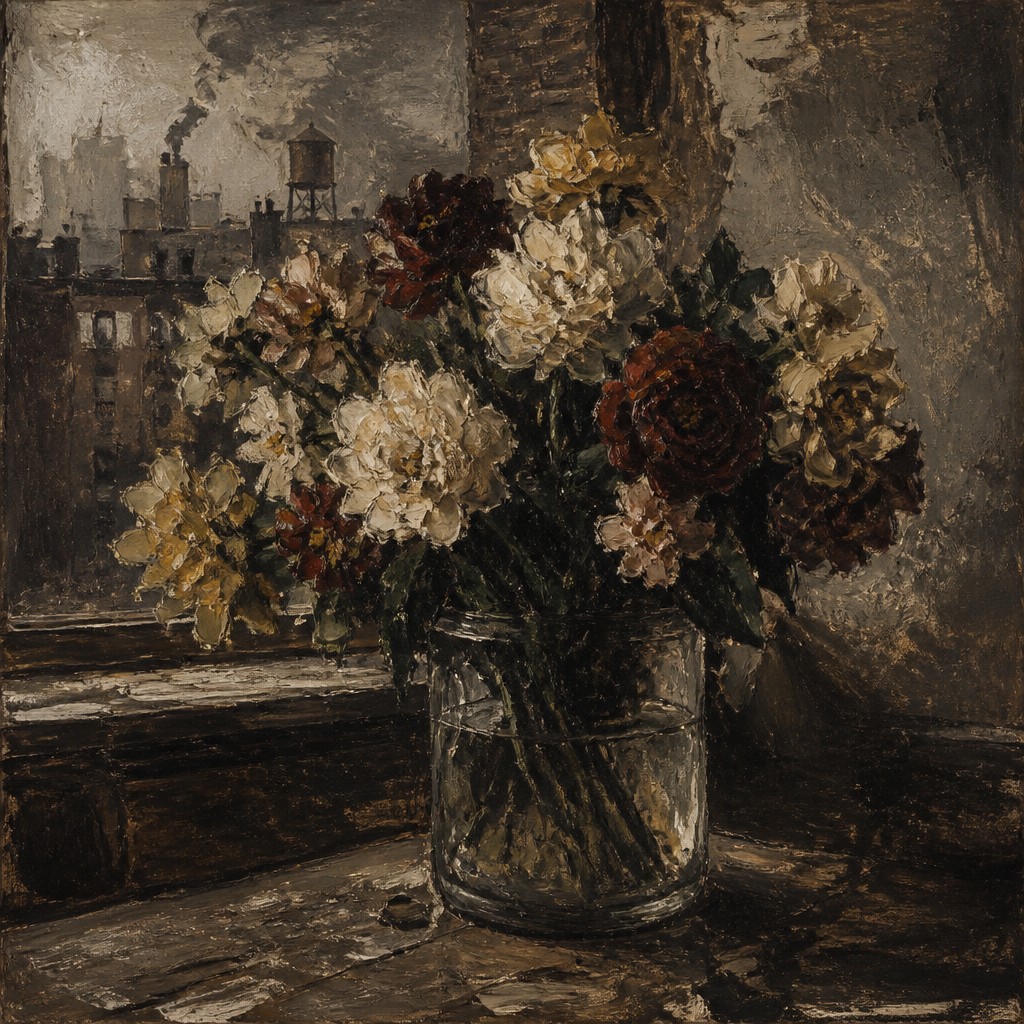
“bouquet of flowers in a glass vase”
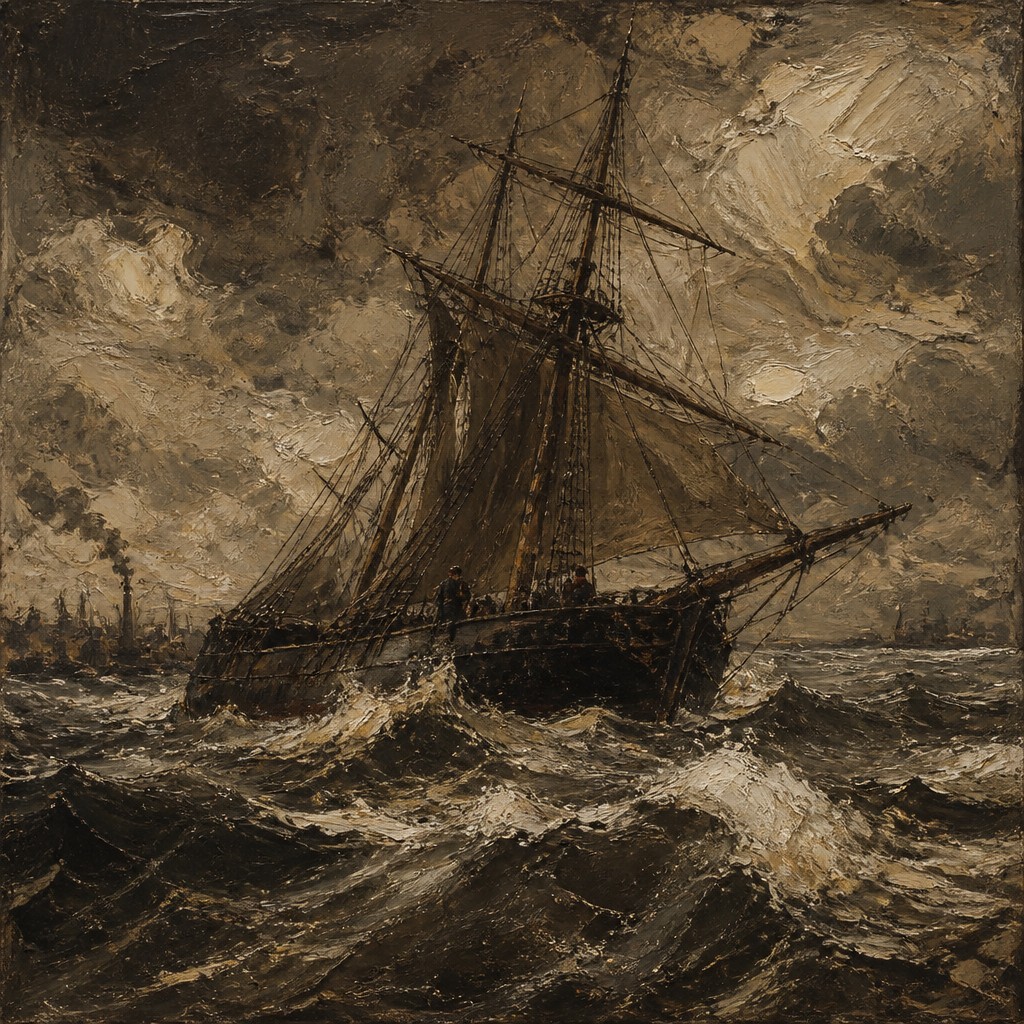
“sailing ship on a stormy sea”
How to Create Ashcan School Art
Master the craft step by step — or skip straight to creating. Read the full guide →
- 1
Choose an everyday urban subject
Start with scenes of city life: sidewalks, elevated trains, storefronts, kitchens, bars, courtyards, laborers, or children at play. The strongest Ashcan images feel like moments encountered in real life rather than posed compositions.
- 2
Build the image with tonal masses first
Whether painting traditionally or digitally, block in large dark and midtone shapes before details. This helps create the style's characteristic compressed atmosphere and keeps the composition grounded in value relationships.
- 3
Use broken, visible brushwork
Apply paint with assertive strokes, scumbling, and occasional palette-knife textures instead of smoothing everything out. In digital work, use textured brushes and avoid over-blending so the surface retains a rough, human-made quality.
- 4
Keep the palette earthy and smoky
Limit the colors to grays, browns, ochres, blackened reds, and off-whites, with only small accents of stronger color. A restrained palette is central to the style's urban mood and prevents the work from looking decorative.
- 5
Emphasize atmosphere over finish
Let haze, shadow, and uneven edges suggest weather, smoke, or city grit. For prompt-based generation, specify loose brushwork, heavy impasto, muted palette, urban realism, and unidealized working-class life.
- 6
Reference photographic or observational source material
Use candid sketches, street photos, or life studies to keep figures and gestures authentic. The style depends on direct observation, so even stylization should preserve the feeling of something actually seen.
The Story
History & Origins of Ashcan School
The Ashcan School emerged in the United States in the early 1900s, especially in New York, as part of a broader shift toward modern urban subject matter. It is most closely associated with the leading Ashcan School painters and artists often grouped as the movement's core circle. These figures were reacting against academic finish and genteel subject matter, preferring contemporary life as they saw it on the street.
Its development was tied to newspaper illustration, social realism, and the changing scale of the American metropolis. Ashcan painting overlaps with the realism of 19th-century European precedent, but it is not a direct copy of any one school; instead, it combines loose painterly handling with a documentary interest in urban experience. The movement helped prepare the way for later American modernism by proving that everyday city life could be a serious subject for high art.
Influences: Ashcan School painting is related to 19th-century realism, newspaper illustration, and the social observation found in urban literature and photography. Among canonical American painters, leading Ashcan School painters are the key names; their work connects the movement to a broader modern realism that also anticipates later social documentary traditions. The style shares some concerns with European realist painters, but its subject matter and mood are distinctly tied to New York and the early industrial city.
Frequently Asked Questions
What defines the Ashcan School style?
Its defining traits are gritty urban subject matter, working-class life, and a loose, energetic painterly technique. The paintings usually feel candid and unidealized, with a dark tonal palette and a strong sense of city atmosphere.
Is Ashcan School the same as realism?
It is a form of realism, but a very specific one. Compared with academic realism, Ashcan art is rougher, darker, and more focused on contemporary street life and social immediacy.
How is Ashcan School different from Impressionism?
Impressionism is often more interested in light effects, color vibration, and fleeting visual impressions, while Ashcan painting is more grounded in social observation and urban grit. Ashcan works usually use heavier, murkier tones and less optical brightness.
What subjects are common in Ashcan art?
Common subjects include city streets, children, laborers, bar scenes, tenements, parks, subways, and working-class interiors. The movement preferred everyday scenes that showed modern life without glamour.
How do you make art in this style today?
Use direct observation, a restricted earthy palette, and visibly loose brushwork. In digital or AI-assisted work, keep the image textured, shadowy, and candid rather than polished, symmetrical, or overly clean.
Where is Ashcan School art used?
It is most often seen in fine art painting, illustration, editorial imagery, and historical or period-inspired design. Contemporary artists also borrow its visual language when they want an urban, documentary, or socially grounded mood.
Create your first Ashcan School artwork
Describe anything — or upload a photo — and see it in Ashcan School Art Style in seconds.
Make Something with Ashcan School
Related Styles
Discover similar art styles