Stencil Street Art Style
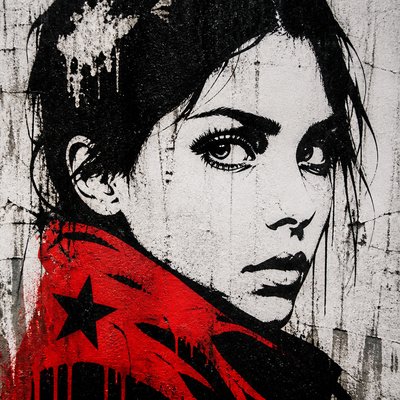
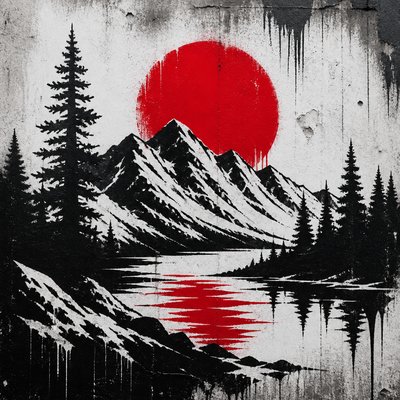
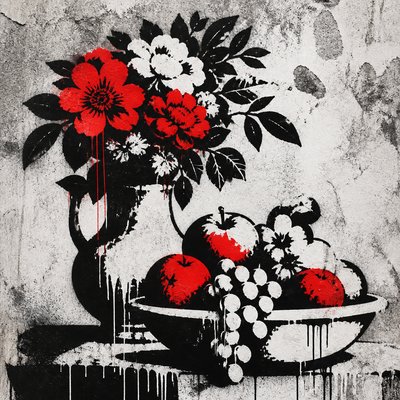
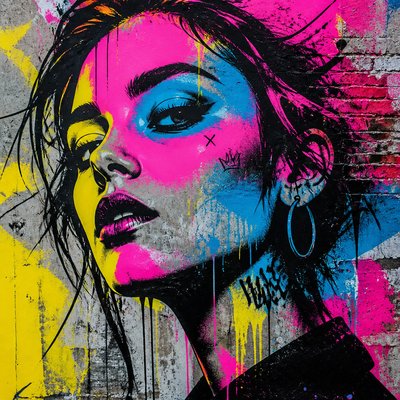
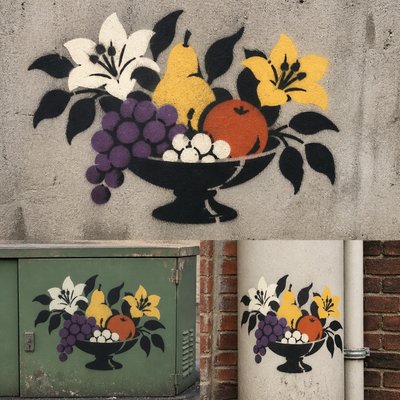
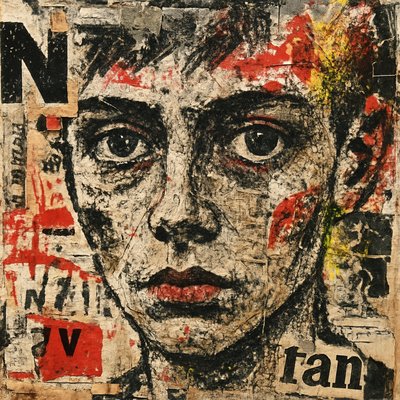
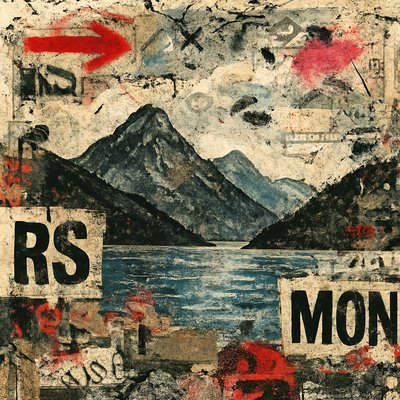
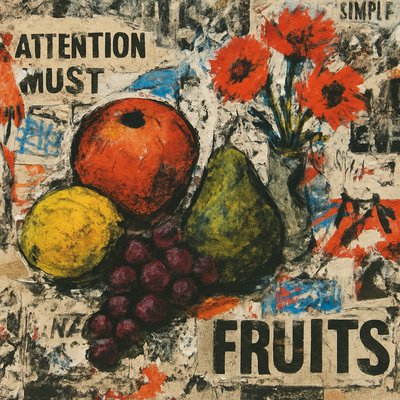
Bold stencil street art with crisp cut shapes, spray-paint textures, high contrast, and layered political-graphic impact.
Instantly rendered in Stencil Street — or transform a photo
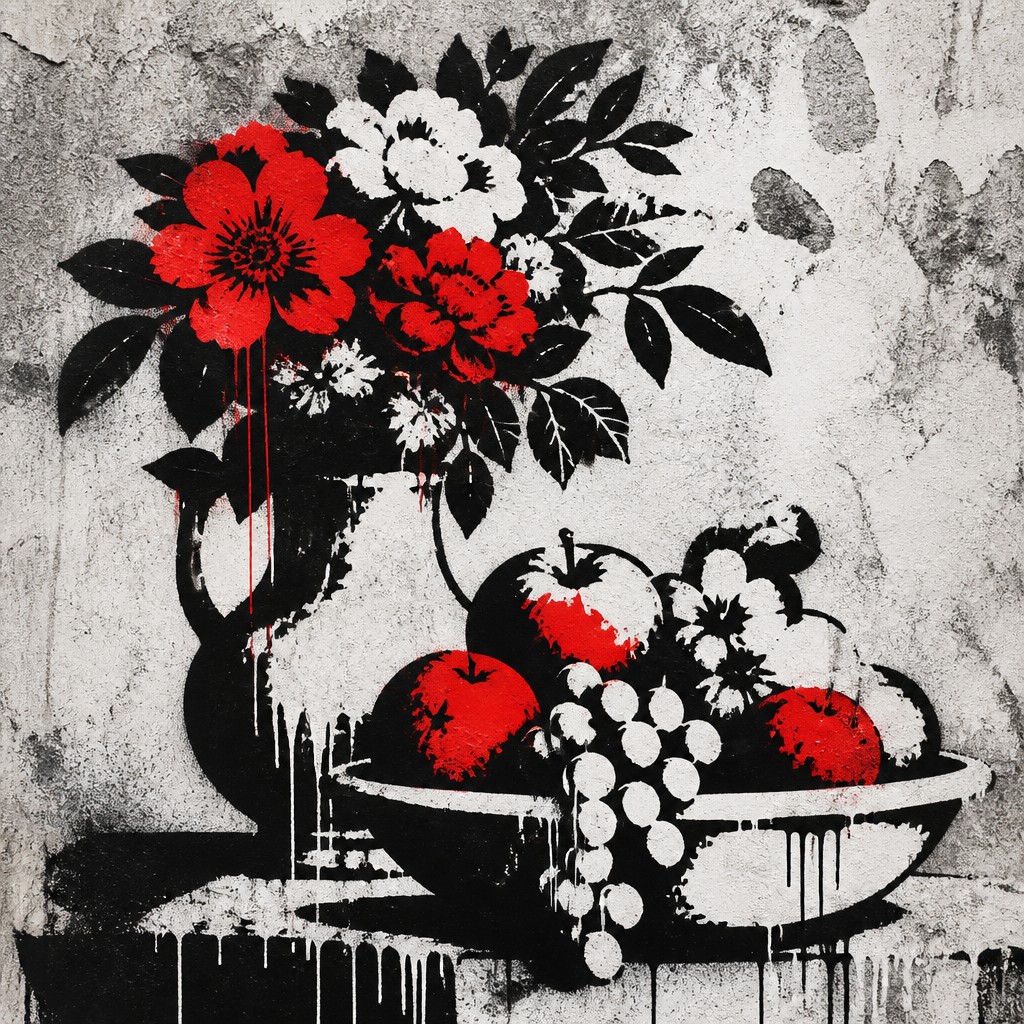
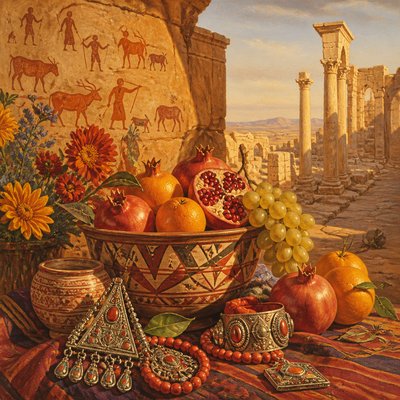
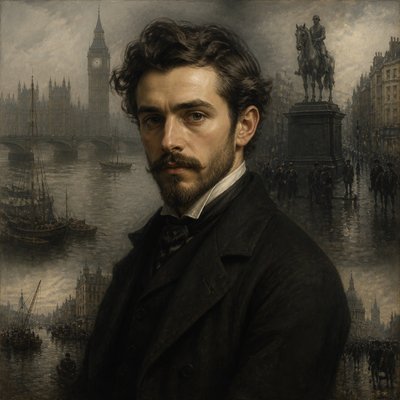
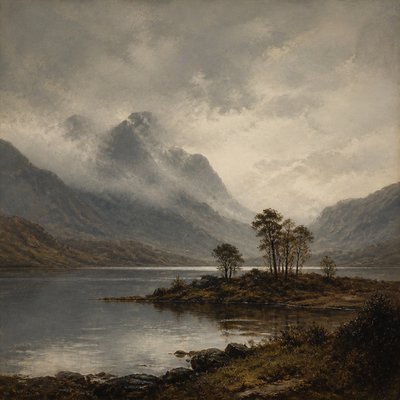
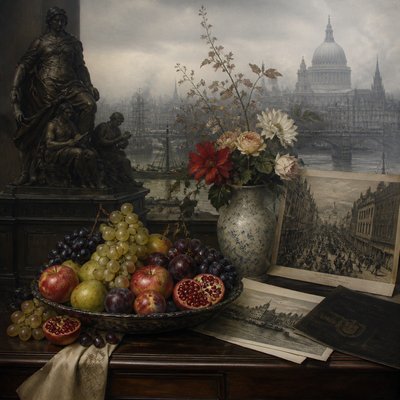
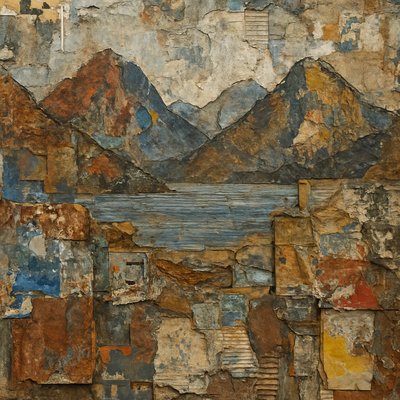
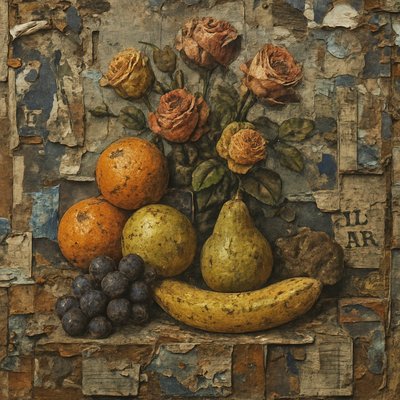
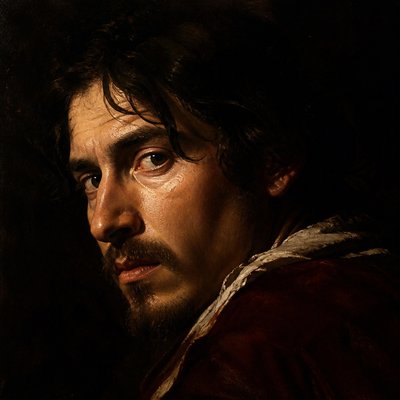
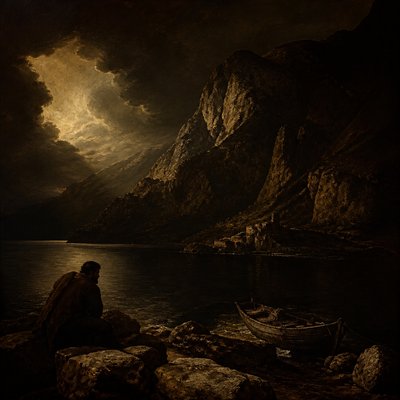
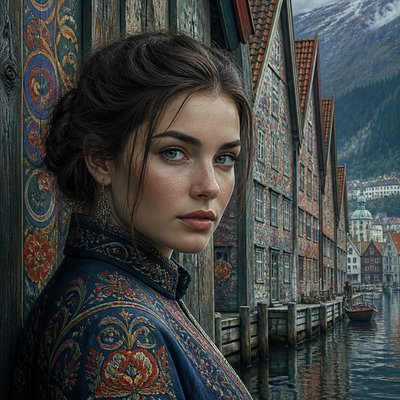
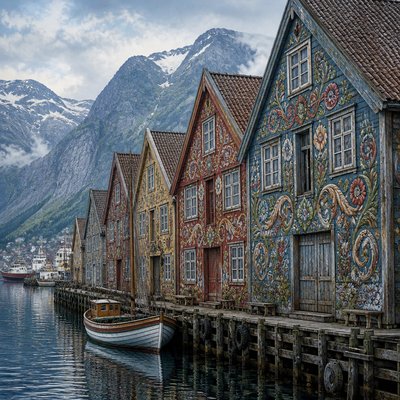
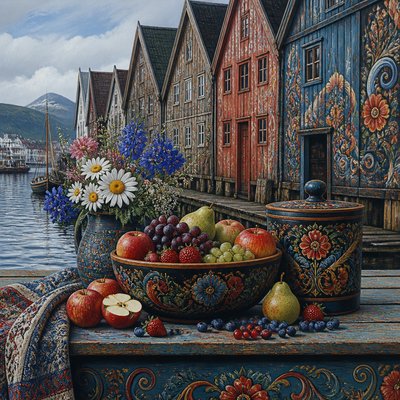
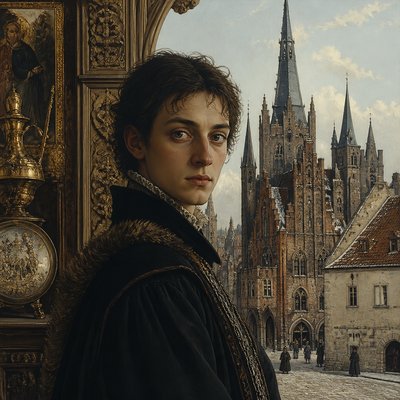
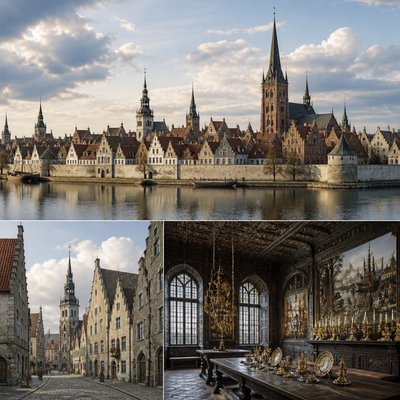
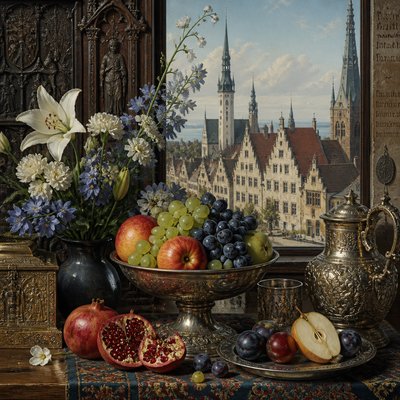
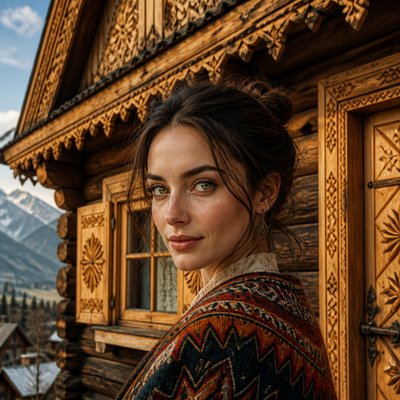
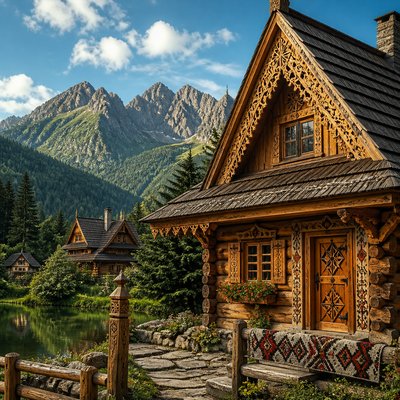
Stencil Street Gallery
Tap any artwork to explore it
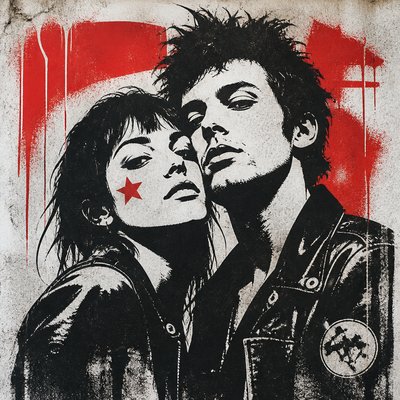
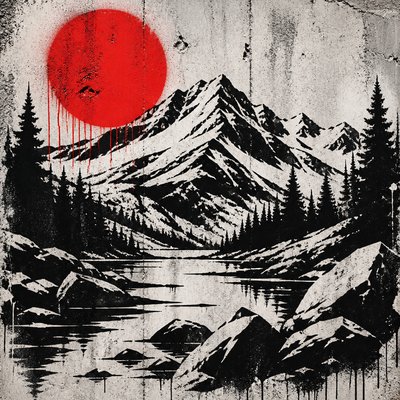
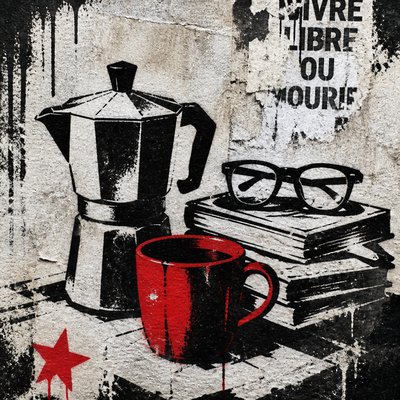
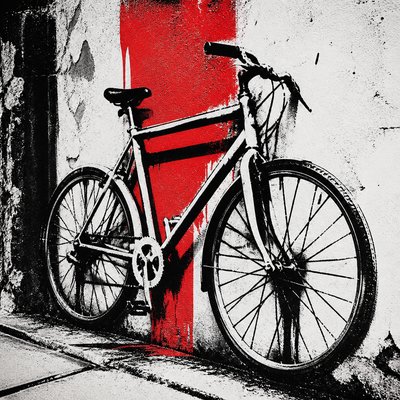
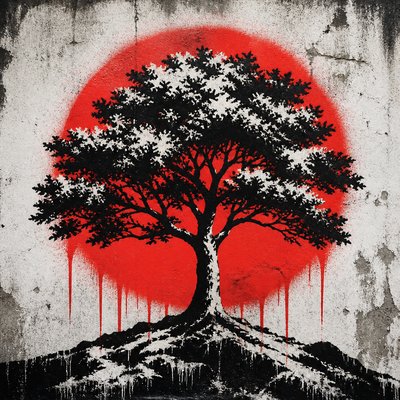
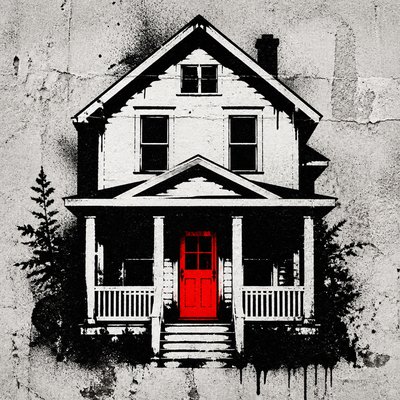
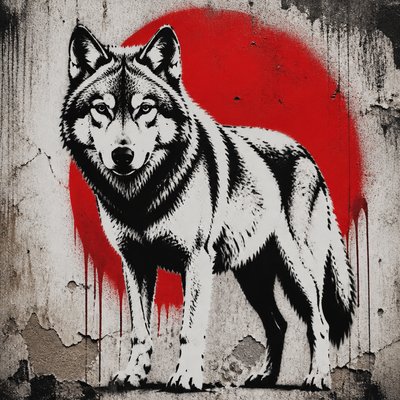
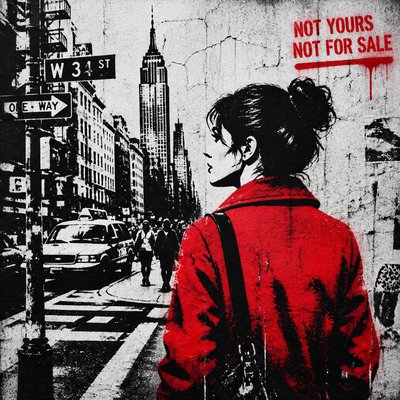
What is Stencil Street Art Style?
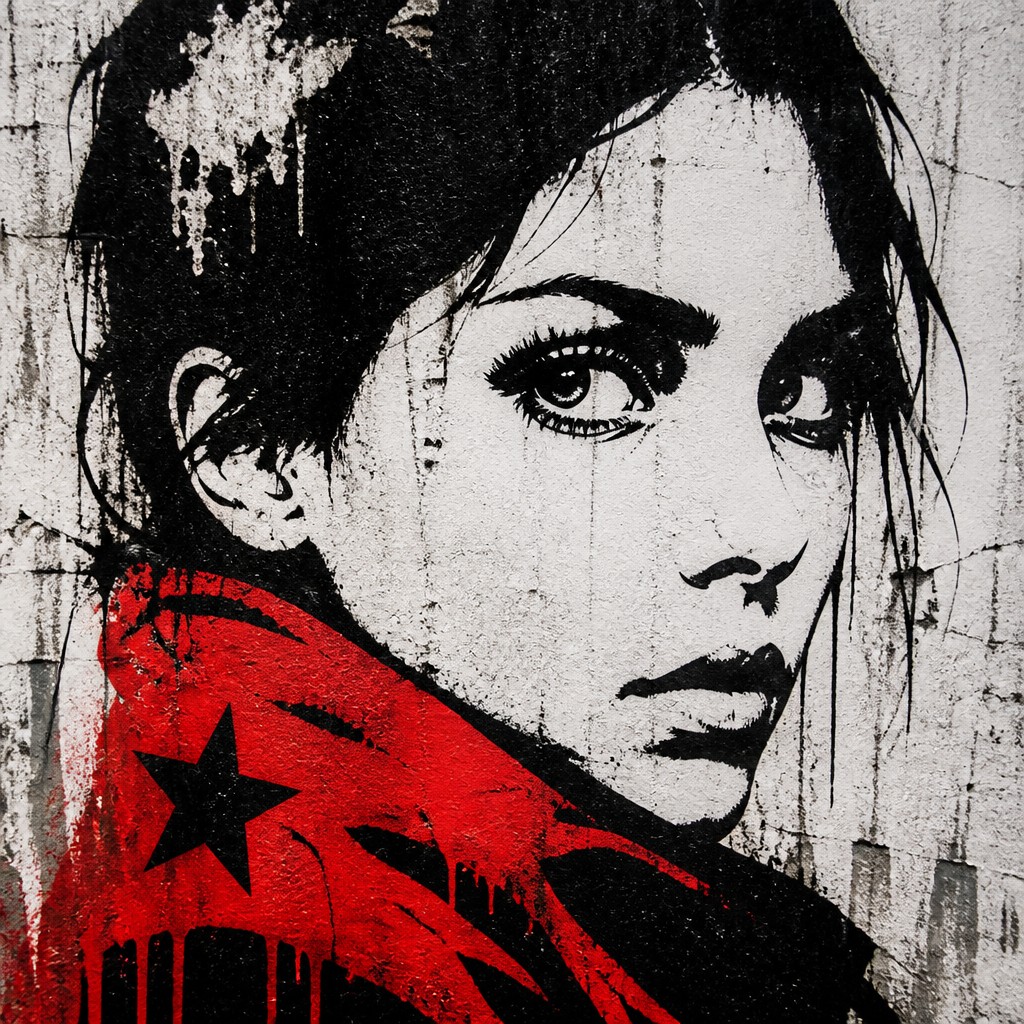
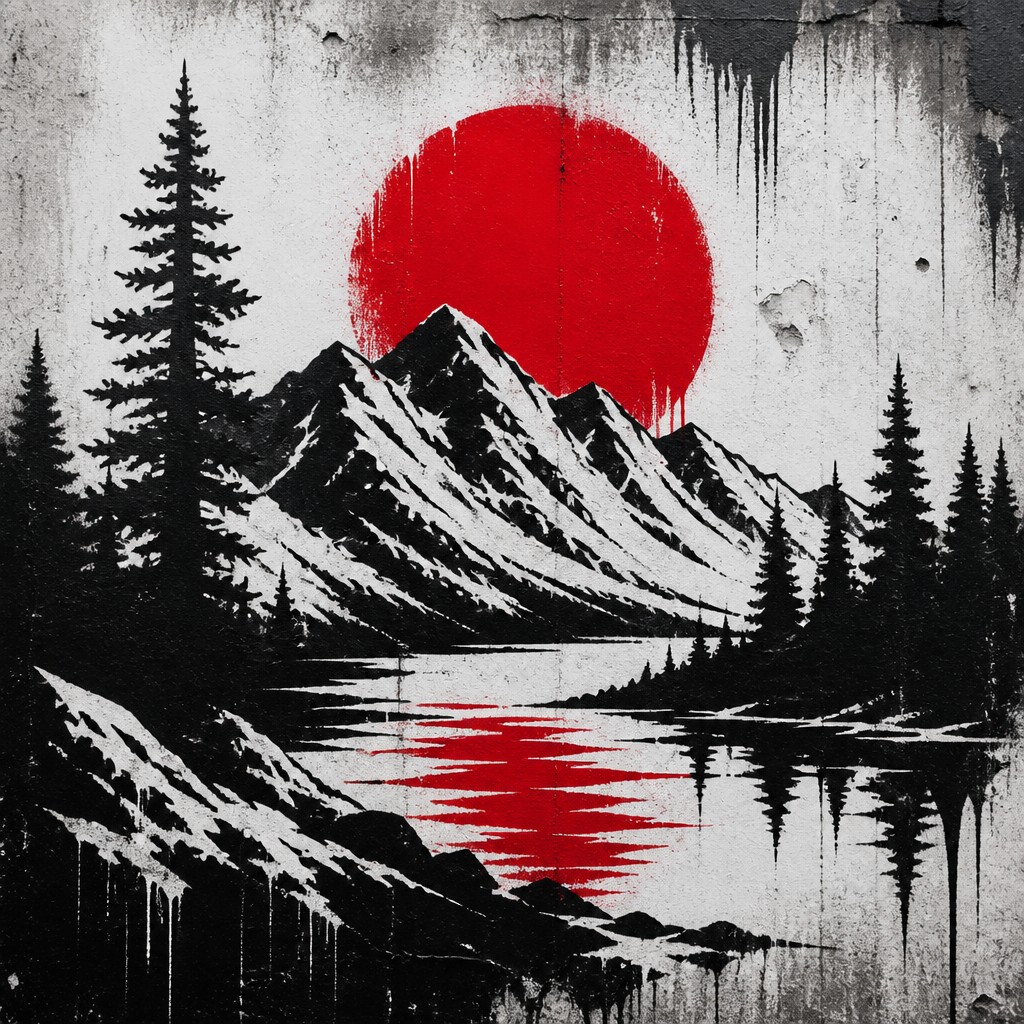
Stencil street art is a graphic, high-contrast visual style built from cut templates and repeated passes of paint. Its most recognizable qualities are sharp edges, simplified shapes, obvious layer separation, and the use of negative space to define forms. The look is immediate and public-facing: it reads quickly at a distance and often carries a strong slogan-like or symbolic impact.
The style looks the way it does because the stencil process imposes a hard threshold on image-making. Mid-tones are usually eliminated, details are distilled into flat shapes, and color is often limited to black, white, and one accent hue such as red or yellow. Overspray, drips, weathering, and rough wall texture are not incidental flaws; they are part of the style’s visual language and help connect the image to the street surface, posters, and guerrilla wall art.
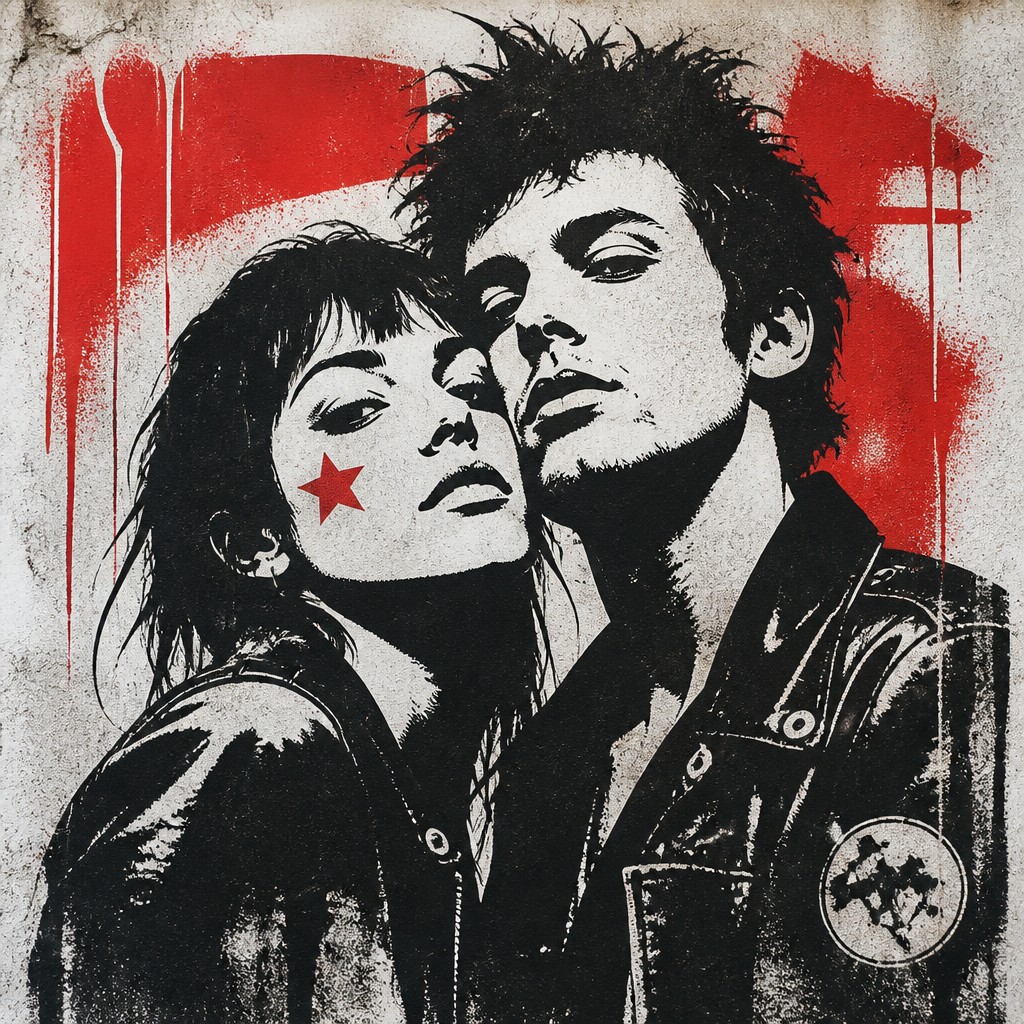
Try It On Your Photos
Upload any photo and convert it into Stencil Street Art Style — drag the sliders to compare before and after.
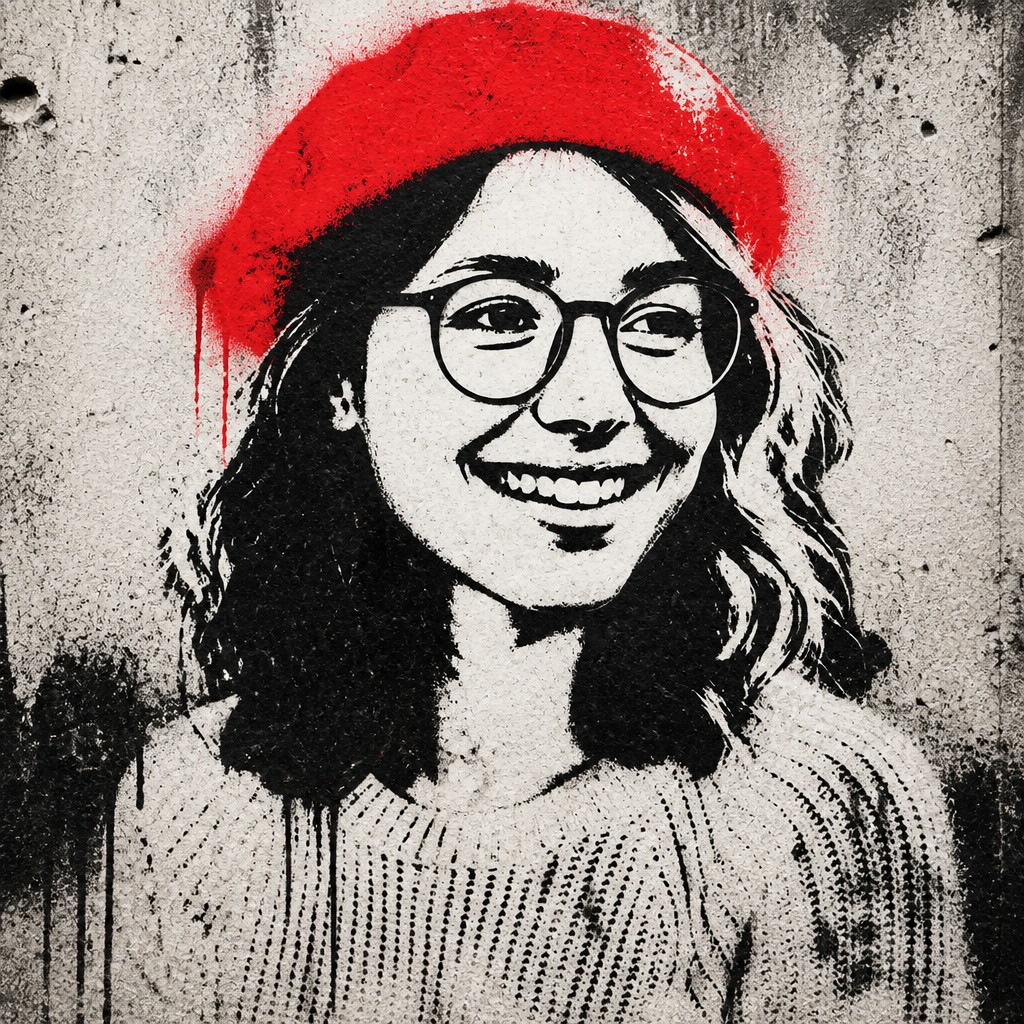

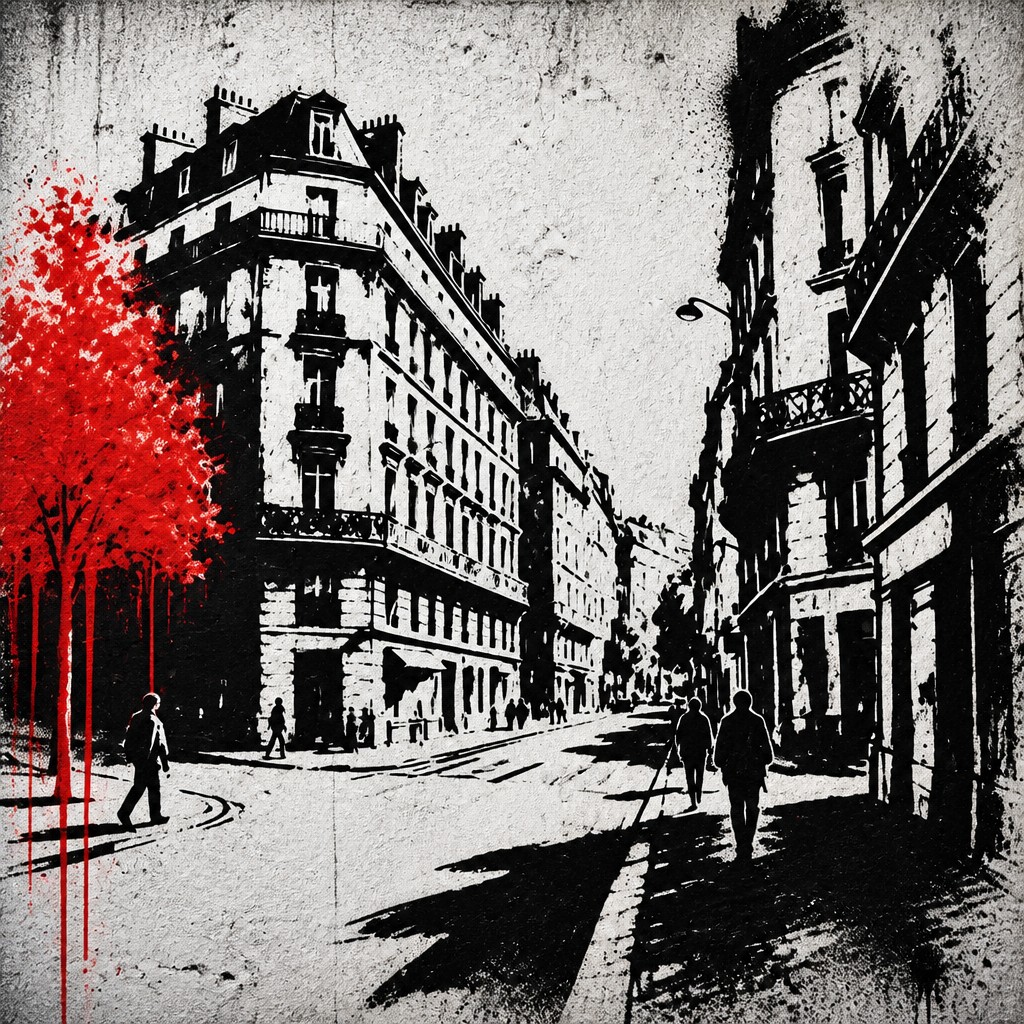

What Defines Stencil Street Art Style
The signature details, up close
Hard-edged cut shapes
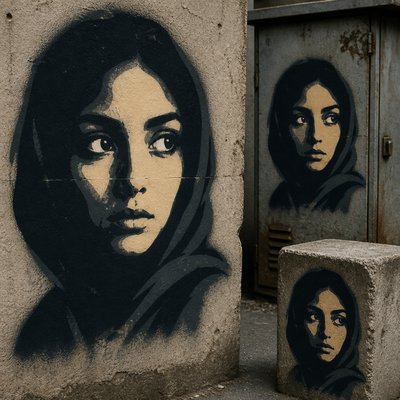
Forms are simplified into clean silhouettes defined by stencil masks. Curves, facial features, lettering, and objects are broken into readable blocks.
Strong value contrast
The style usually relies on black and white or a very limited palette. This creates immediate readability and a poster-like visual punch.
Single accent color
One vivid color is often used to emphasize a focal point, symbol, or highlight. Red and fluorescent yellow are especially common because they feel urgent and attention-grabbing.
Spray-paint surface effects
Overspray halos, misted edges, and occasional drips reveal the use of aerosol paint. These effects soften the mechanical stencil edge without losing its graphic clarity.
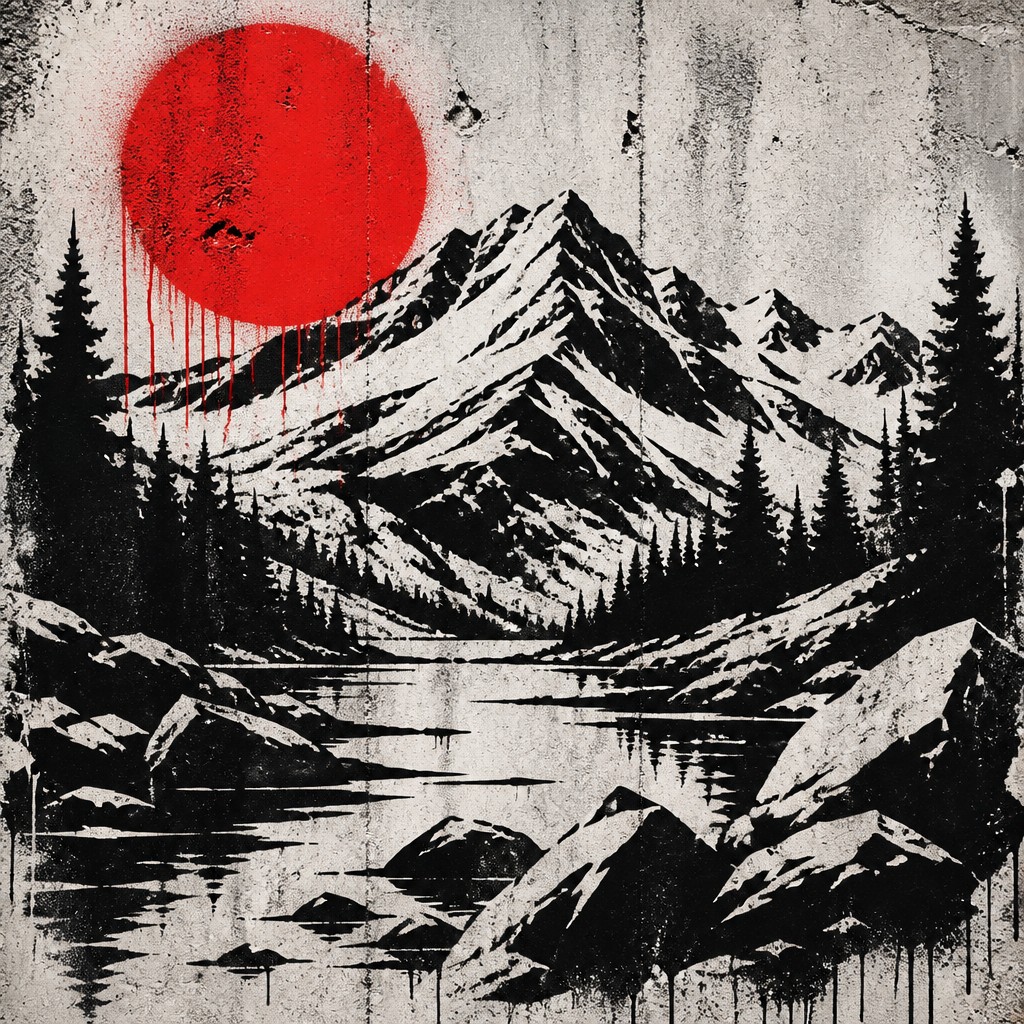
Rough urban texture
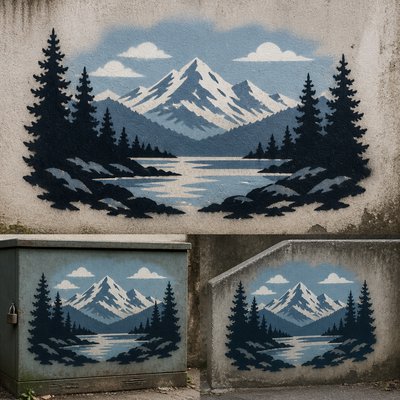
Concrete grain, chipped paint, brick, and weathered patches often remain visible. The background surface is part of the image rather than something to be erased.
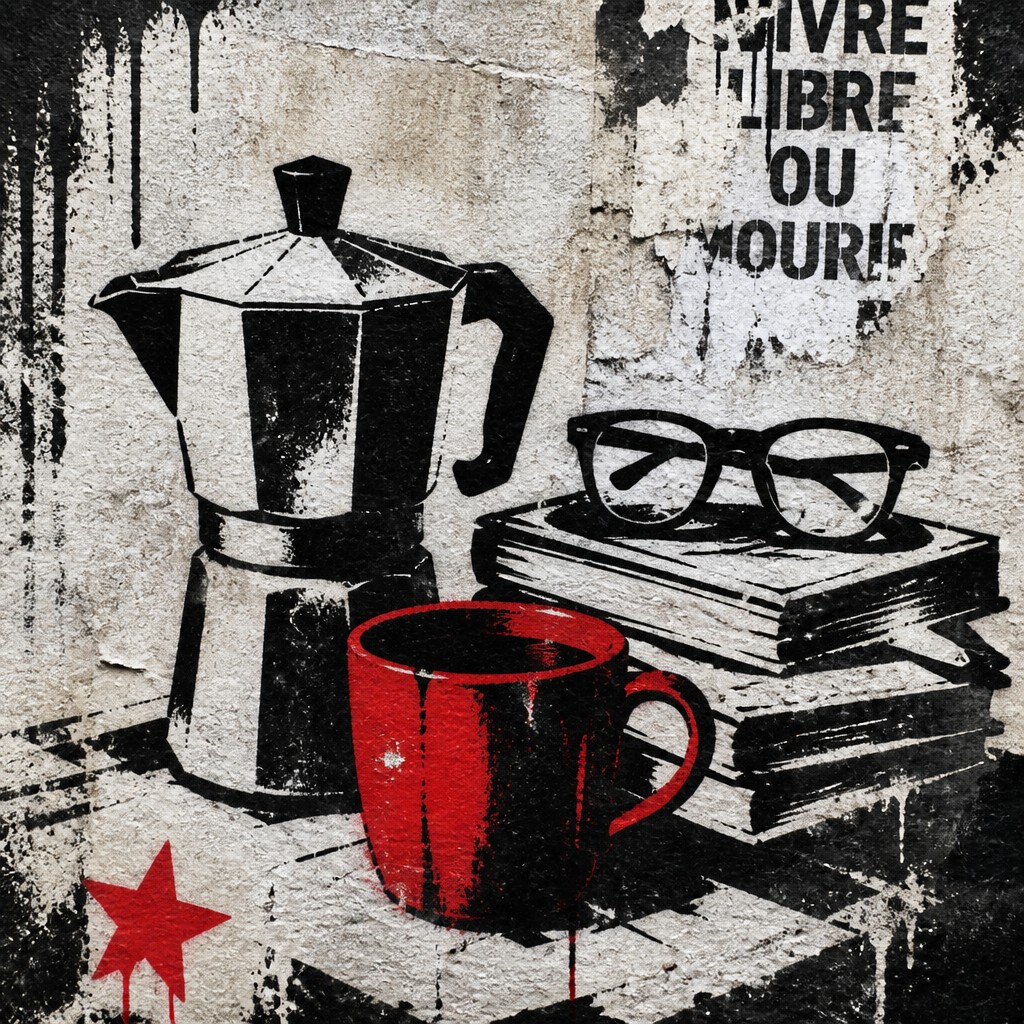
Distressed, repeated imagery
Stencil art is often made for reuse, so motifs can appear multiplied, degraded, or layered over time. This repetition gives the style a campaign-like or protest-oriented feel.
Try It
Create Videos in Stencil Street Art Style
Styles aren't just for stills — describe a scene or animate an image and get a short video rendered in Stencil Street. Press play to see this pond come to life.
Make a VideoStencil Street Prompt Ideas
Start from an idea — each one opens the generator with the style ready to go. See all 40 Stencil Street prompts →
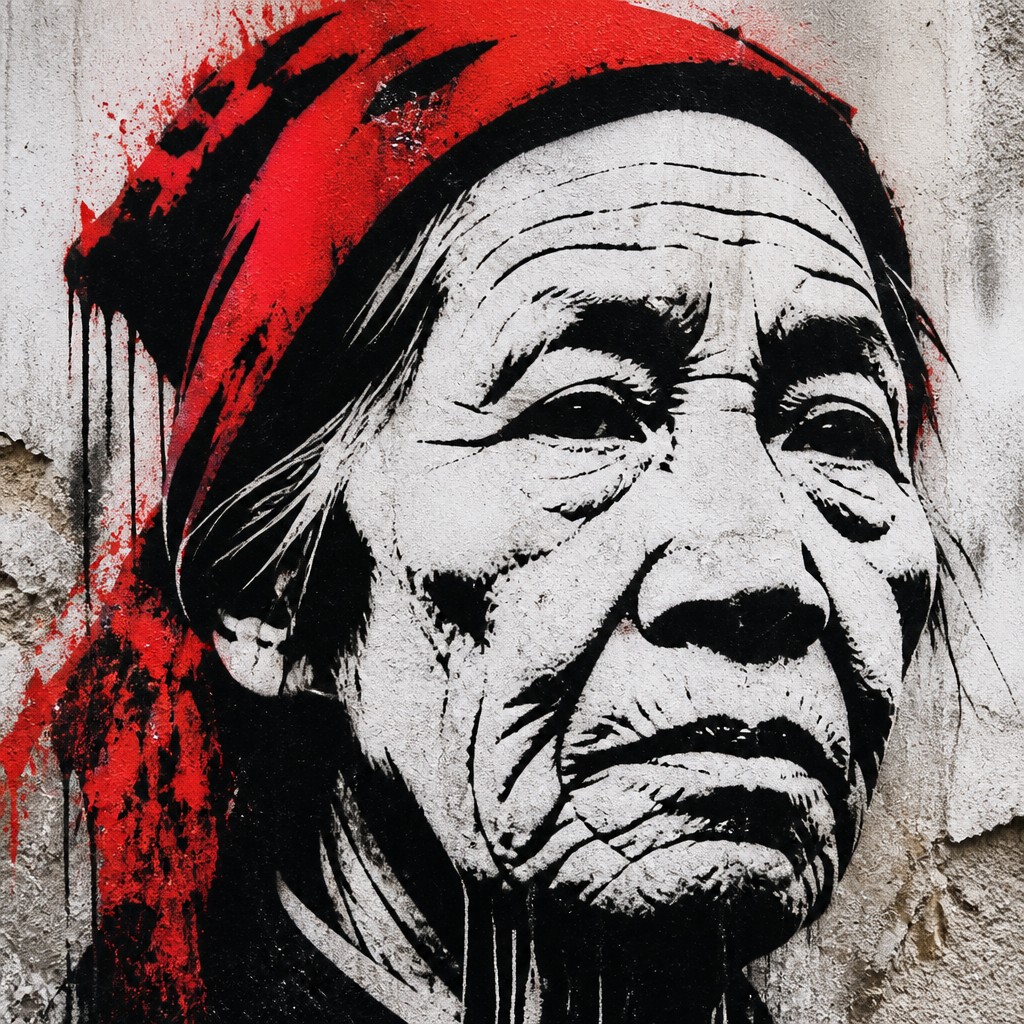
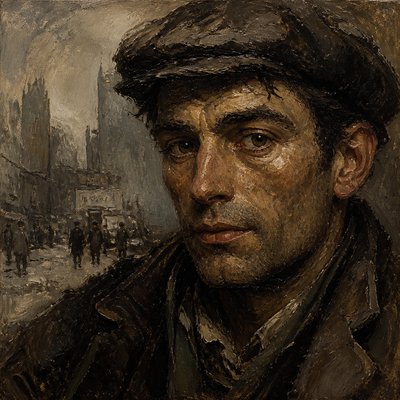
“close-up portrait of an elderly person with expressive weathered features”
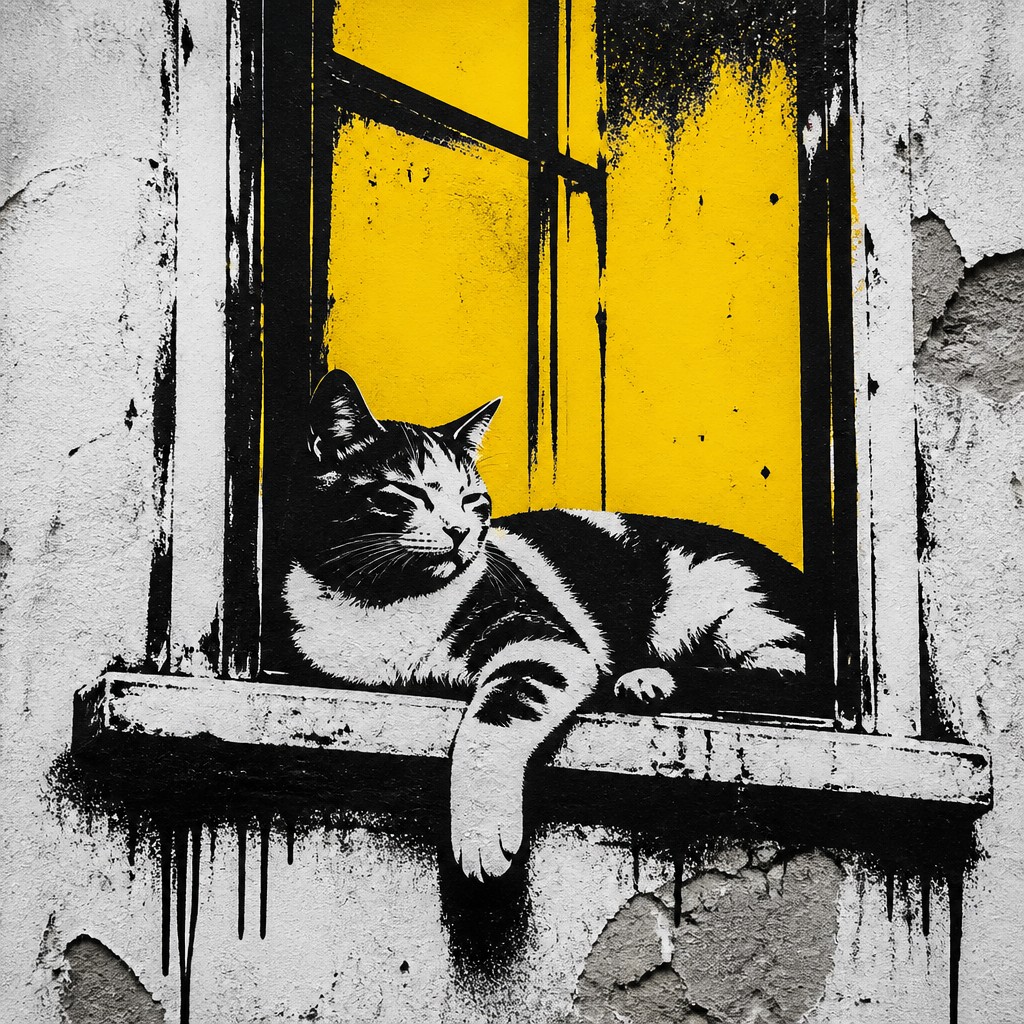
“a cat lounging in a sunlit window”
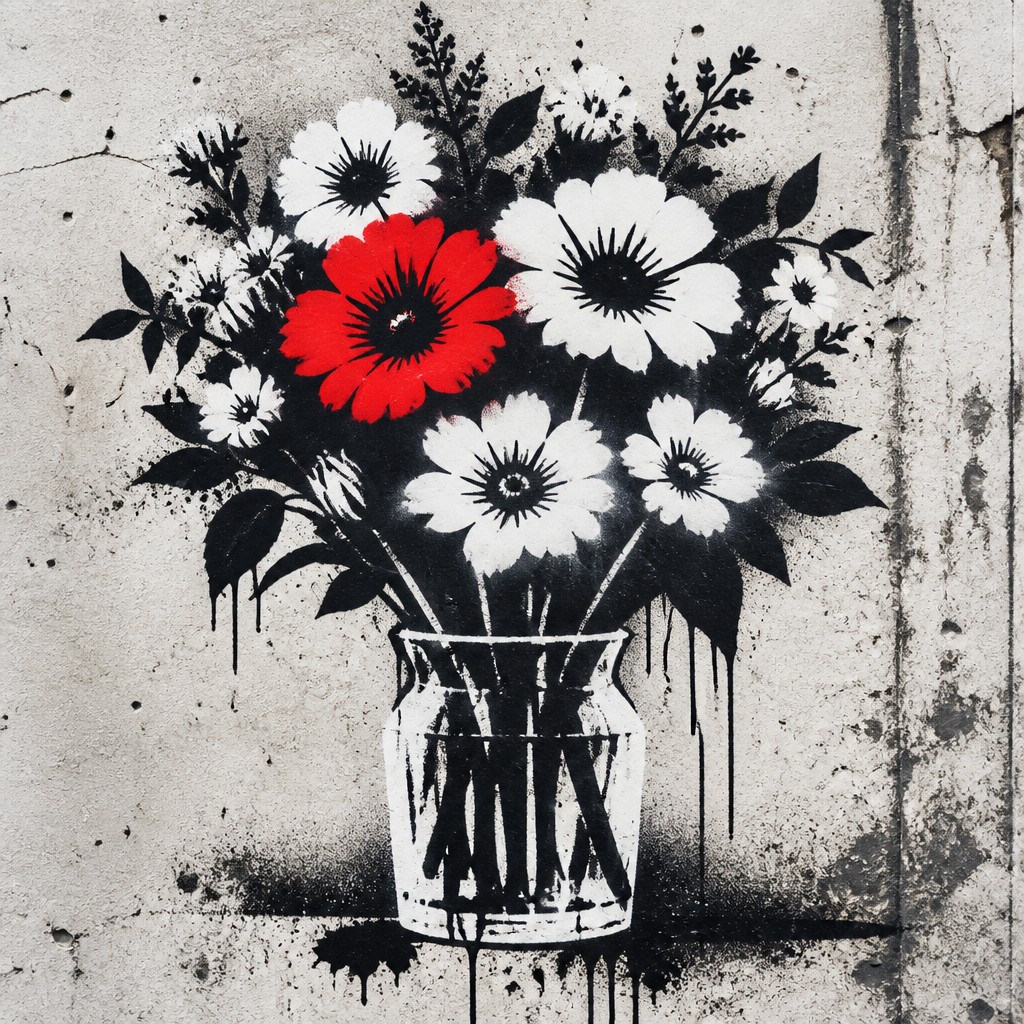
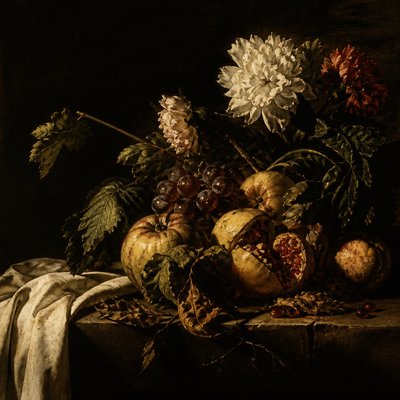
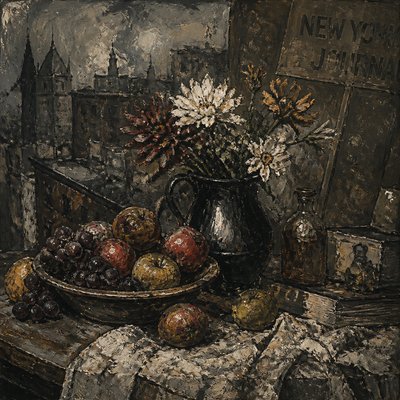
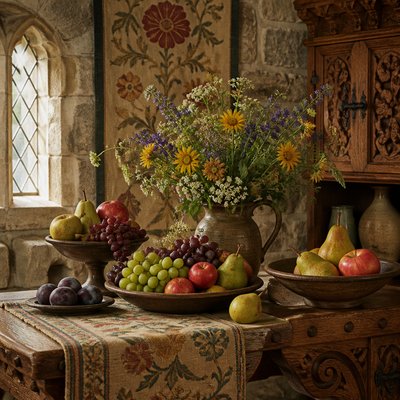
“bouquet of flowers in a glass vase”

“sailing ship on a stormy sea”
How to Create Stencil Street Art
Master the craft step by step — or skip straight to creating. Read the full guide →
- 1
Design with silhouette clarity
Start by reducing the subject to large, readable shapes with strong contours. Remove fine detail and mid-tones, because a stencil must be cut into discrete positive and negative areas.
- 2
Use a limited color plan
Work in black and white first, then add one accent color if needed. Keeping the palette narrow preserves the bold graphic contrast that defines the style.
- 3
Layer multiple stencil passes
Separate different parts of the image into different masks for shadows, highlights, and accent elements. This creates the stacked, printed look associated with street stencil work.
- 4
Preserve aerosol evidence
Let the spray can show through with soft overspray edges, slight misregistration, and occasional drips. Those imperfections help the image feel physically painted rather than digitally clean.
- 5
Let the wall matter
If working traditionally, choose a surface with visible texture and wear; if working digitally, simulate concrete grain, chipped paint, and distressed patches. The background should support the raw public-art feel.
- 6
Prompt for thresholded layering
When generating an image, ask for hard-edged stencil passes, a stark black-and-white threshold, one vivid spot color, and overspray on rough concrete. Be specific about the subject and keep the stylistic instructions focused on cut shapes and layered spray-paint effects.

The Story
History & Origins of Stencil Street
Stencil-based image making has deep roots in practical marking systems, but its modern street-art form developed through late 20th-century urban graffiti, poster art, and activist visual culture. The stencil was attractive because it allowed quick repetition, crisp shapes, and fast execution in public spaces, especially where time, visibility, and legality were concerns.
As a contemporary street-art language, it draws on the aesthetics of propaganda graphics, screen printing, photocopy art, and political posters, while also overlapping with graffiti and paste-up culture. Its development is closely tied to urban protest imagery and socially pointed public art, rather than to a single formal movement or school.
Influences: This style is related to graffiti, political poster design, screen printing, photocollage, and photocopy aesthetics, all of which favor bold shapes and fast reproduction. It also shares visual DNA with propaganda graphics and activist print culture, where major postwar pop artists and influential feminist and Black Arts Movement printmakers helped establish the power of strong contrast, repetition, and mass-media immediacy in modern visual communication.
Frequently Asked Questions
What defines stencil street art?
Its defining feature is the use of cut templates to produce crisp, repeatable images with strong contrast. The result is usually graphic, fast to read, and visually tied to the wall or public surface it occupies.
How is it different from regular graffiti?
Traditional graffiti often emphasizes handstyle lettering, freehand linework, and painterly expression. Stencil work is more controlled and reproducible, with cleaner edges and a more poster-like or emblematic look.
Why does it often use only black, white, and one bright color?
The limited palette keeps the image readable from a distance and strengthens the stencil’s high-contrast identity. A single accent color can direct attention to a face, symbol, or message without weakening the graphic impact.
Can stencil art include realism?
Yes, but realism is usually compressed into a simplified, high-contrast form. Artists typically translate subtle shading into separate stencil layers or reduce it to bold highlights and shadows.
What subjects work best in this style?
Faces, symbols, animals, protest imagery, urban scenes, and bold icons work especially well because they can be simplified into strong silhouettes. Subjects with clear contours and emotional impact are easier to recognize once distilled into stencil layers.
How can I make a photo look like stencil street art?
Reduce the image to a limited number of tones, emphasize edges, and introduce rough wall texture plus spray-paint effects. For the most convincing result, keep the forms large and the details sparse so the image reads like a cut-and-sprayed composition.
Create your first Stencil Street artwork
Describe anything — or upload a photo — and see it in Stencil Street Art Style in seconds.
Make Something with Stencil Street
Compare Stencil Street
Related Styles
Discover similar art styles