Street vs Stencil Street: What's the Difference?
Street Art Style is urban public art made for public walls, surfaces, and temporary spaces. It often uses bold graphics, spray paint, stencils, drips, and strong social or cultural messages to grab attention quickly in busy environments.
Stencil Street Art Style is a more specific branch of street art that relies on cut-out templates to create crisp shapes, repeated motifs, and sharp edges. People compare them because both are public-facing, fast-reading, and message-driven, but stencil-based work usually looks cleaner, more controlled, and more graphic.
Same Prompt, Both Styles
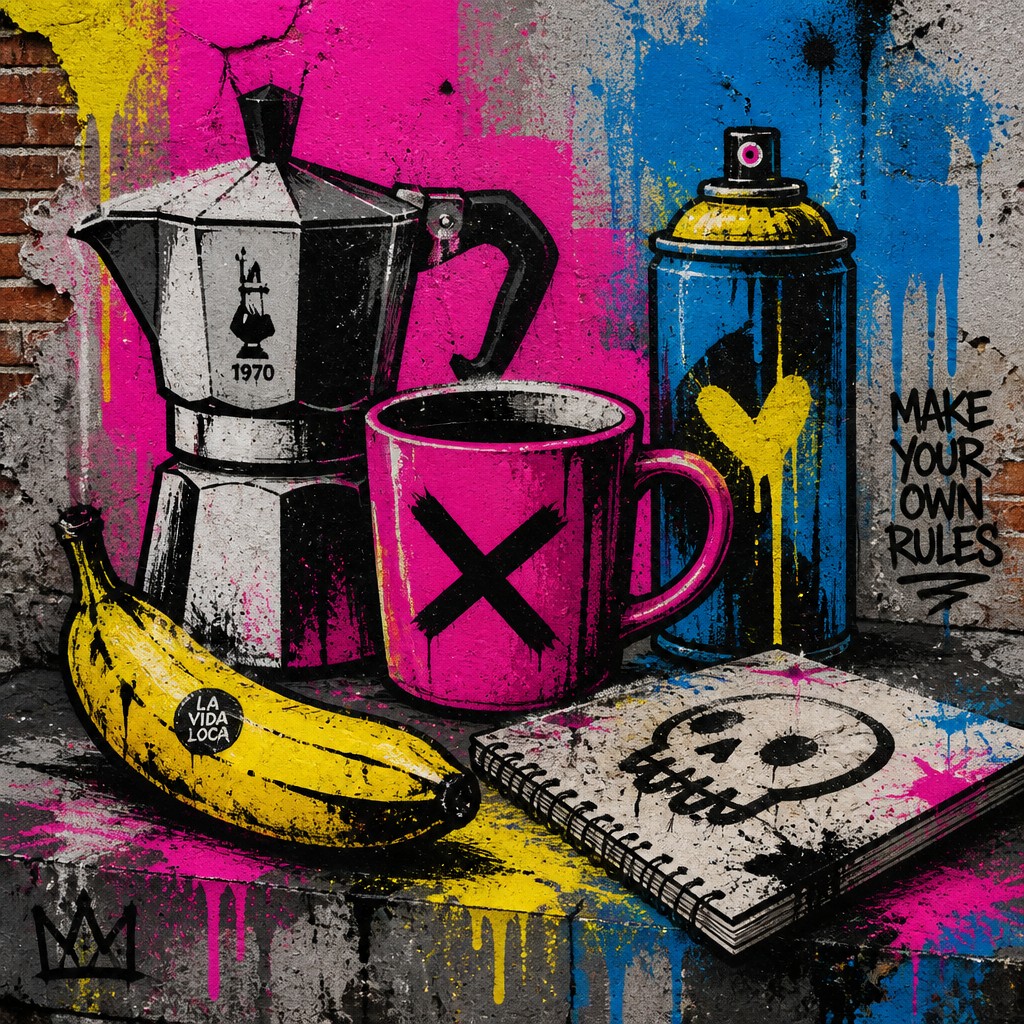
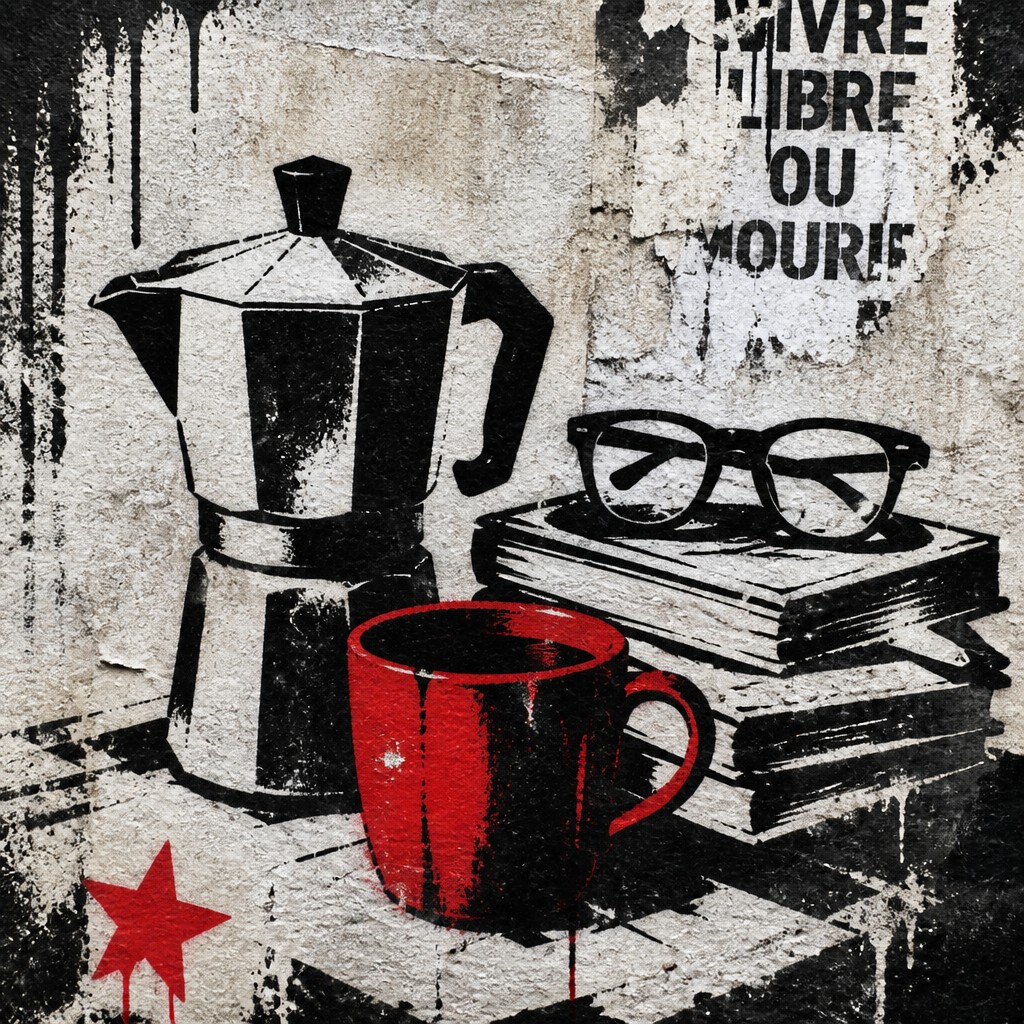
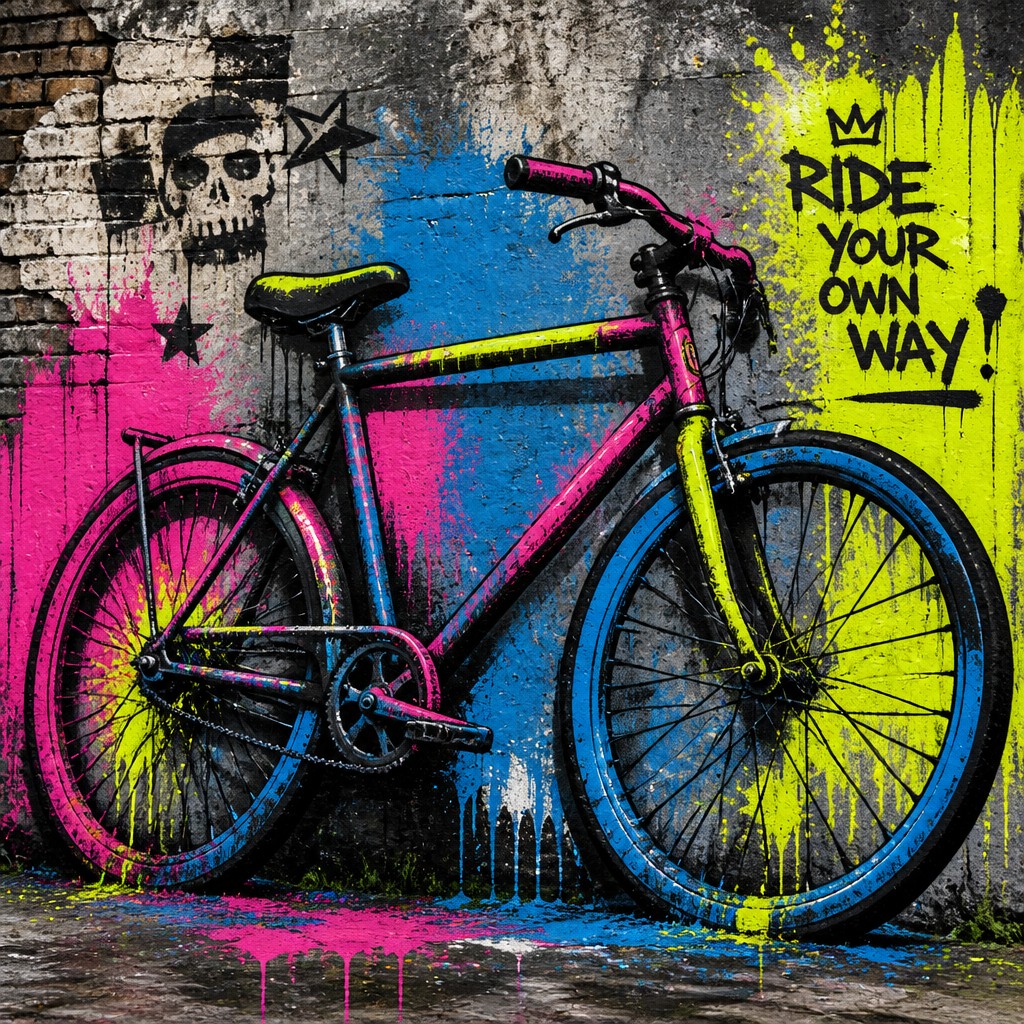
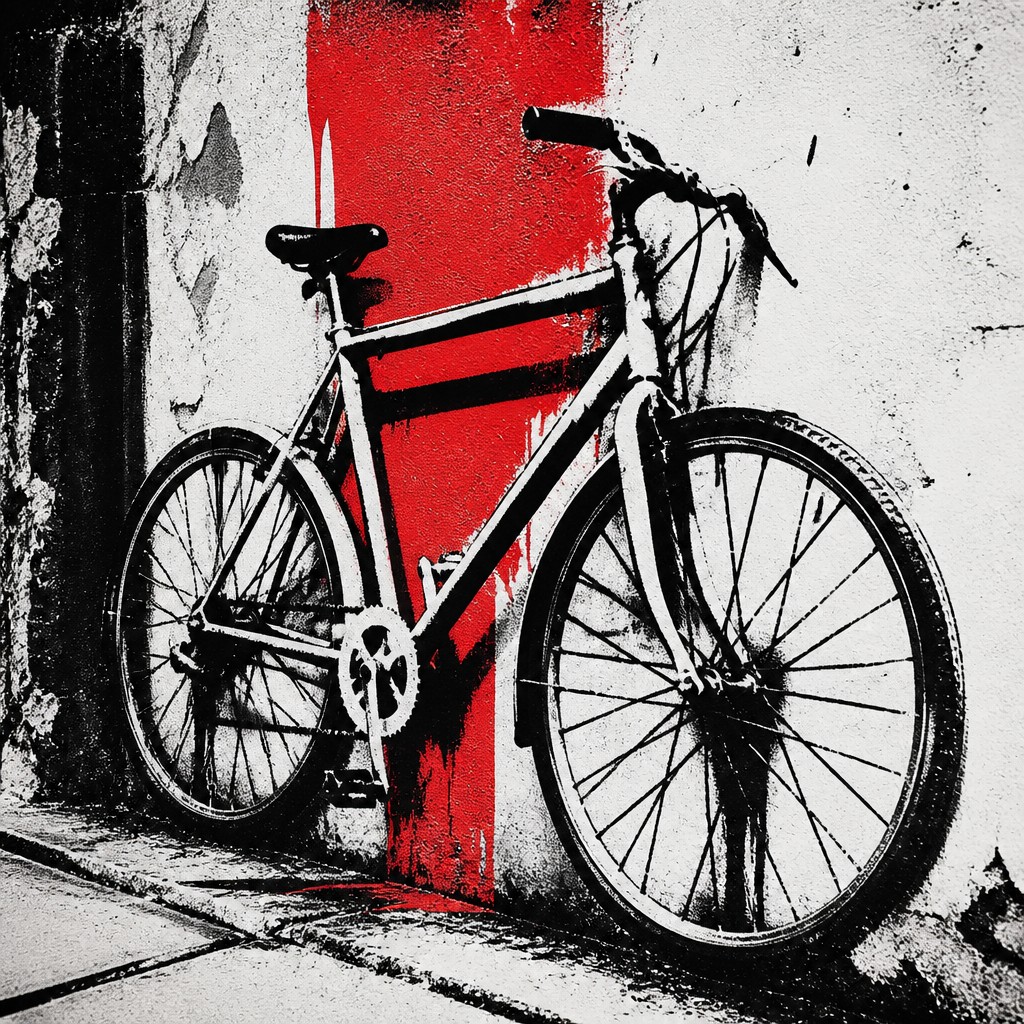
Each pair below was generated from the identical prompt — only the style changed.
“portrait of two people together”
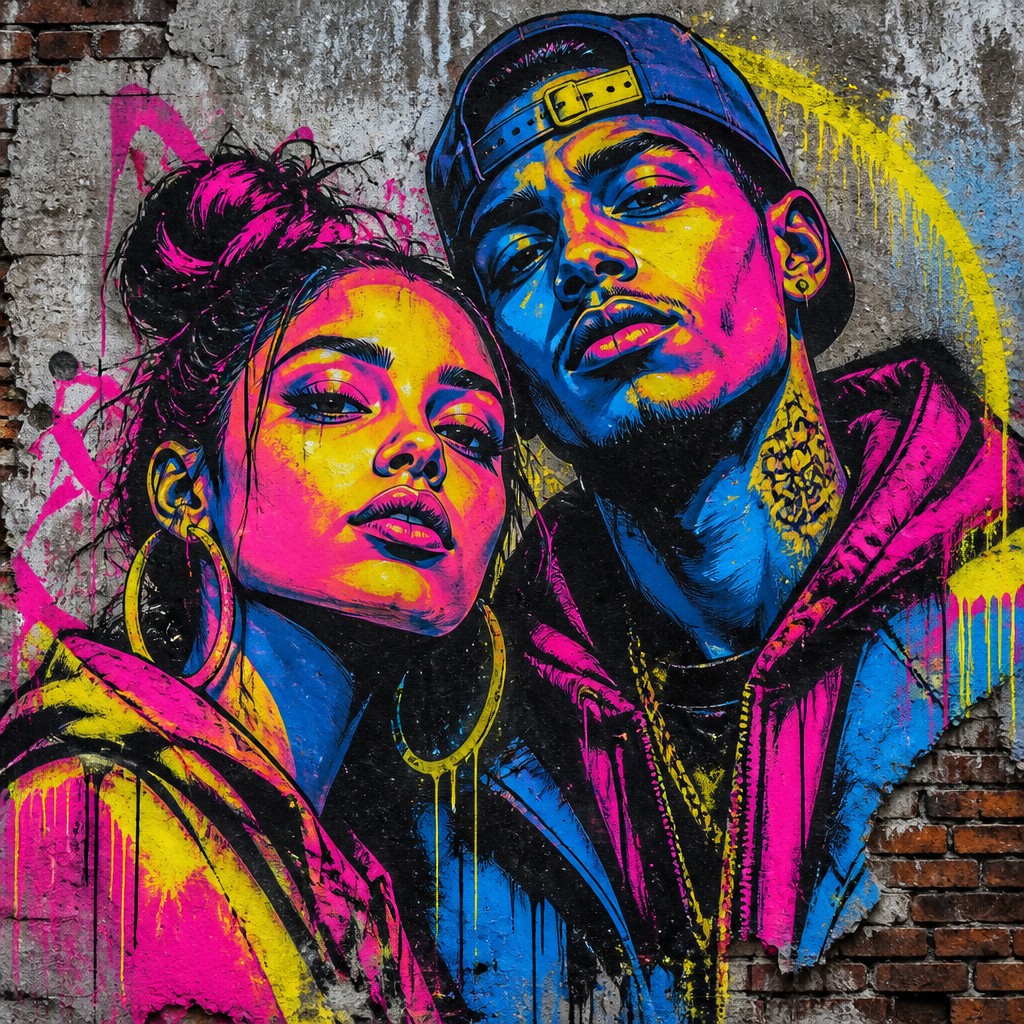
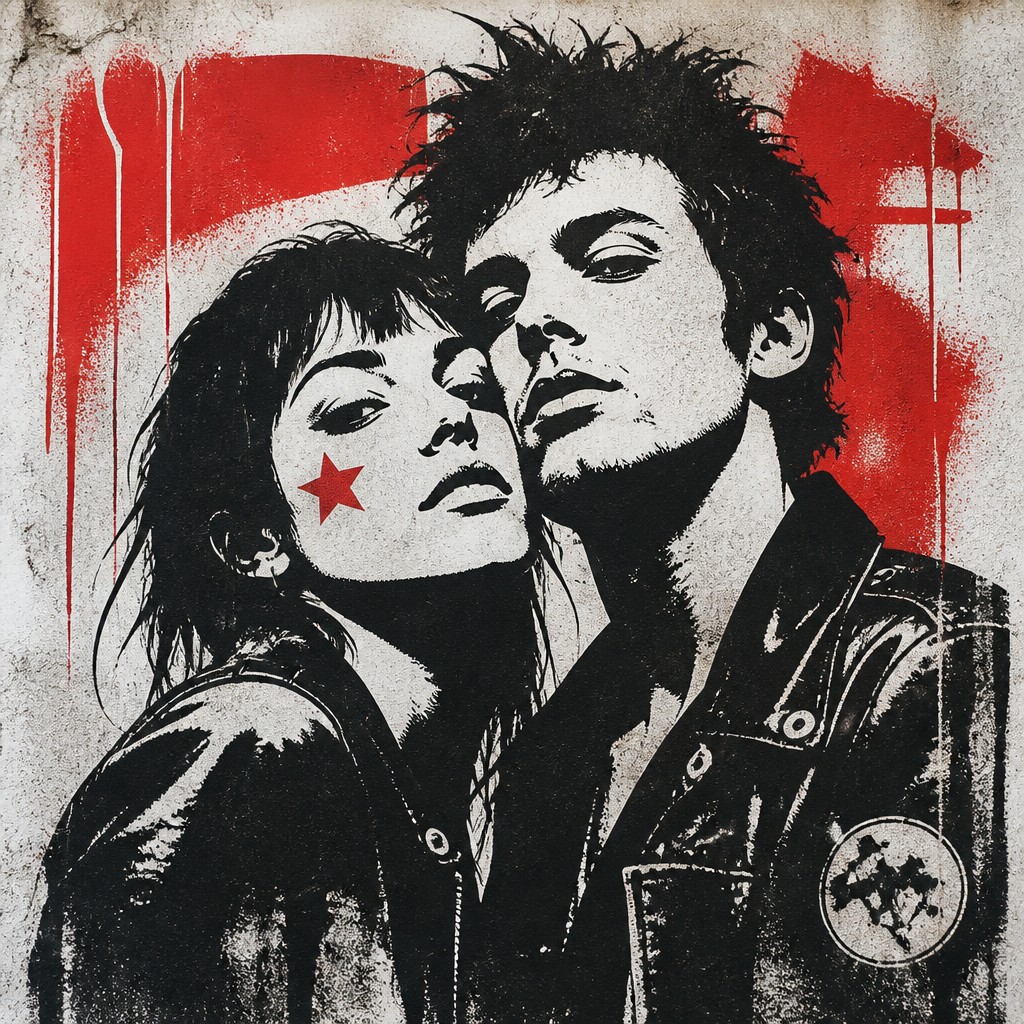
“wide landscape with natural scenery”
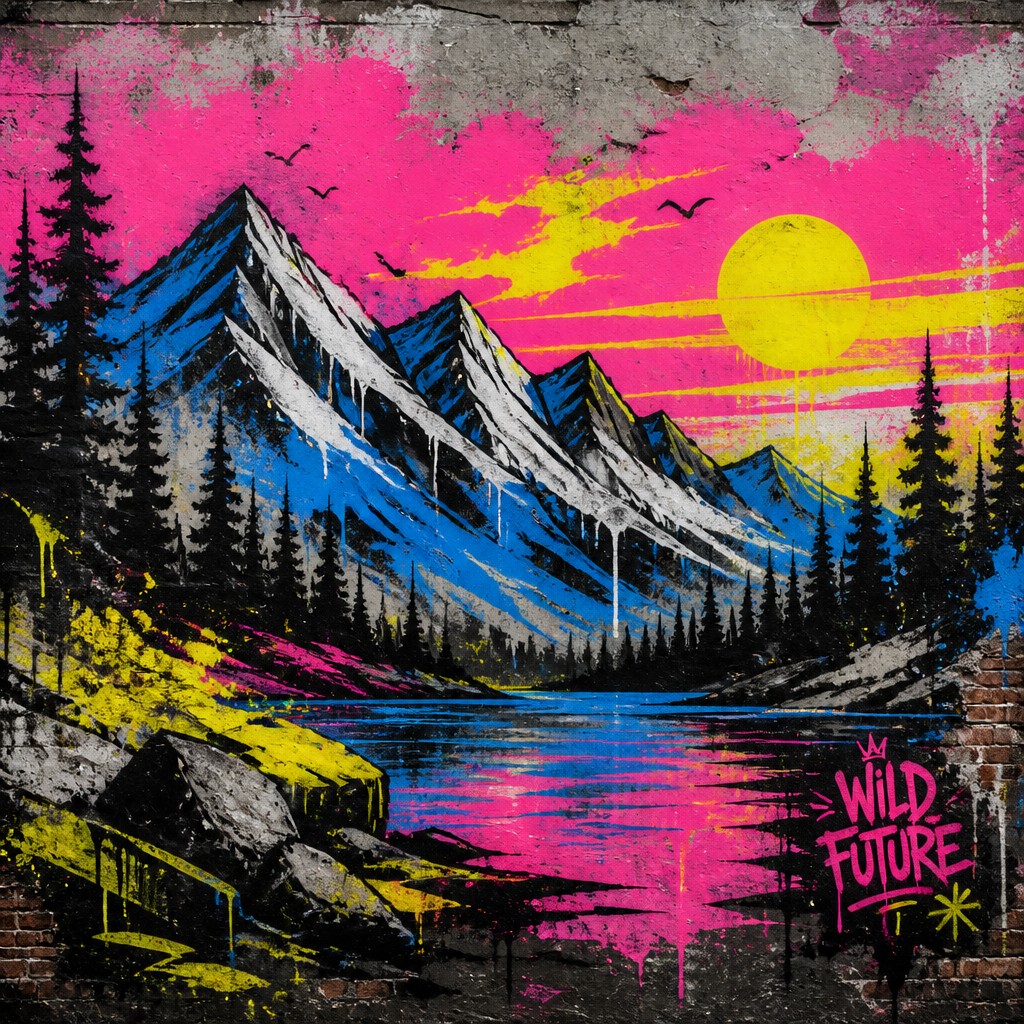
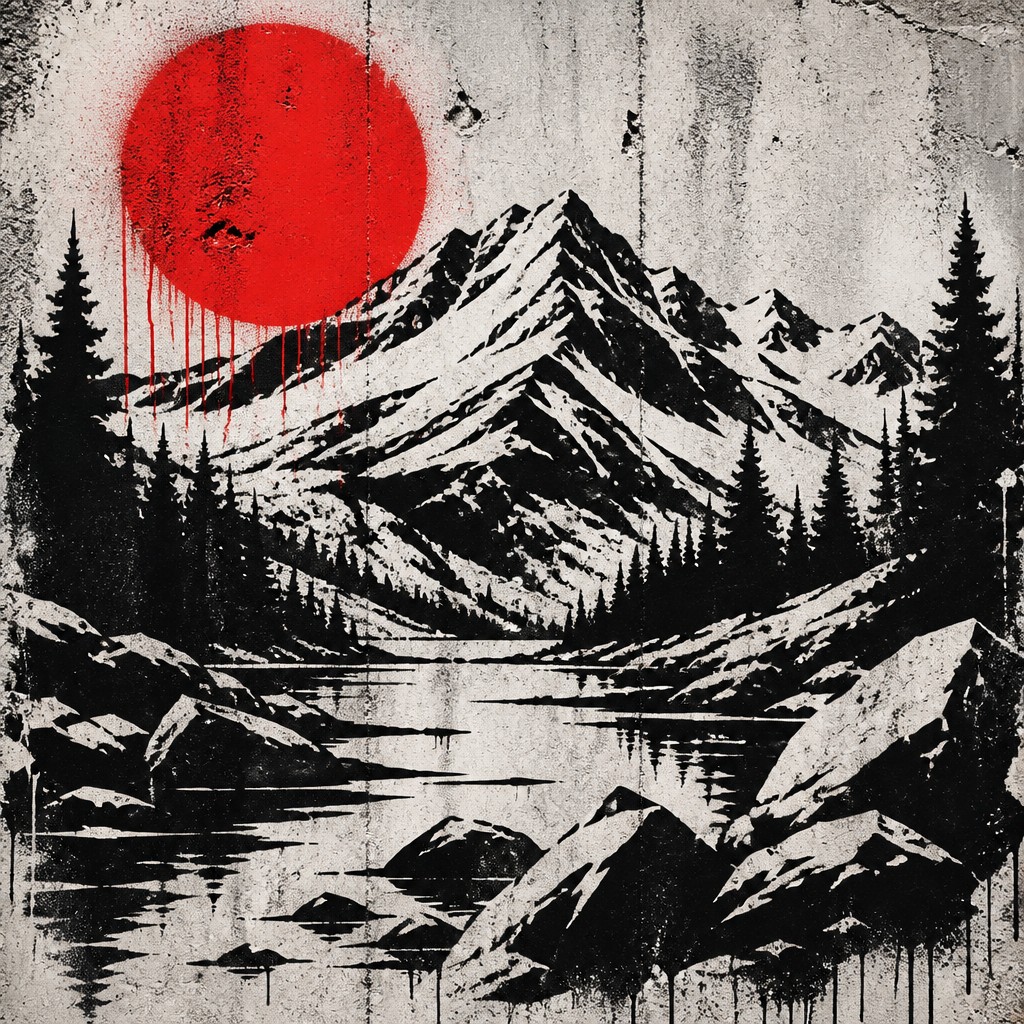
“still life with everyday objects”
“bicyle resting against a wall”
Key Differences
| Street | Stencil Street | |
|---|---|---|
| Line & form | Loose, energetic lines; forms may be rough or freehand. | Crisp edges and precise silhouettes from cut templates. |
| Surface texture | Spray drips, overspray, and layered texture are common. | Cleaner shapes with spray texture mainly around the stencil edges. |
| Visual impact | Big, expressive, and varied; can feel chaotic or spontaneous. | Immediate, graphic, and highly readable from a distance. |
| Message delivery | Can combine imagery, lettering, and symbols in flexible ways. | Often optimized for short slogans, icons, or repeated symbols. |
| Production method | May use freehand painting, paste-ups, stickers, and mixed tools. | Depends on templates, masking, and layered stencil application. |
| Composition | Broad, mural-like compositions with more improvisation. | Tighter compositions built around contrast and template layers. |
| Mood | bold, urgent, rebellious, socially engaged | bold, political, graphic, urgent |
| Energy | intense | intense |
| Detail level | moderate | moderate |
| Color | high-contrast, saturated, graphic palette | limited palette, stark contrasts, spray-painted accents |
| Texture | spray-paint, postered, weathered surfaces | crisp edges, layered overspray, flat fills |
| Origin | 1970s urban public spaces, global | late 20th century urban street art |
| Best for | murals, posters, album covers, campaign graphics, apparel graphics, editorial illustrations | posters, protest graphics, album covers, editorial art, flyers, public murals |
| Difficulty | moderate | moderate |
Which Should You Choose?
Pick Street Art Style if you want a broader urban look with more freedom, visible handwork, and a sense of movement or spontaneity. Pick Stencil Street Art Style if you want sharper definition, faster visual reading, and a more graphic political or poster-like feel. Use A for maximum expressive range; use B when clarity, repetition, and high-contrast impact matter most.
Frequently Asked Questions
Is stencil street art a type of street art?
Yes. Stencil street art is a subset of street art that uses templates to create sharper, more repeatable images. It shares the public, urban context but is usually more controlled in appearance.
Which style is easier to read from far away?
Stencil Street Art Style is often easier to read from a distance because its edges and shapes are cleaner. Street Art Style can still be highly visible, but its freer forms and textures may take longer to parse.
Which style looks more handmade?
Street Art Style often feels more handmade because brushwork, drips, and improvisation are more visible. Stencil Street Art Style can still show hand-applied spray textures, but the stencil process creates a more polished structure.
Do both styles work well for political messages?
Yes, both are often used for social and political messaging. Street Art Style can feel broader and more personal, while Stencil Street Art Style can make slogans and symbols feel sharper and more direct.