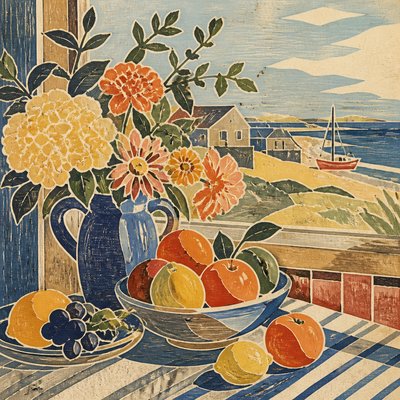
Reverse Graffiti Street Art Style
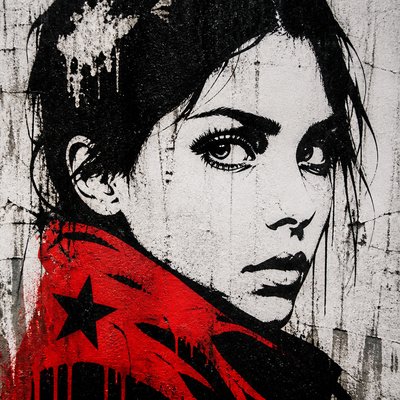
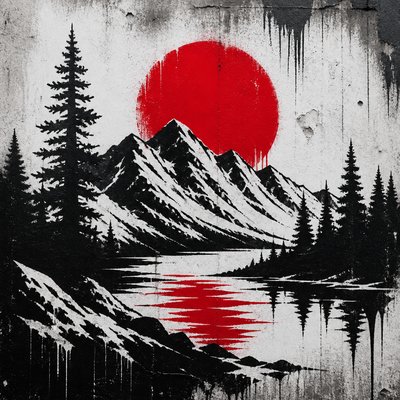
Reverse graffiti art made by cleaning grime from walls and pavement, using pressure washing, stencils, and urban texture for temporary imagery.
Instantly rendered in Reverse Graffiti Street — or transform a photo
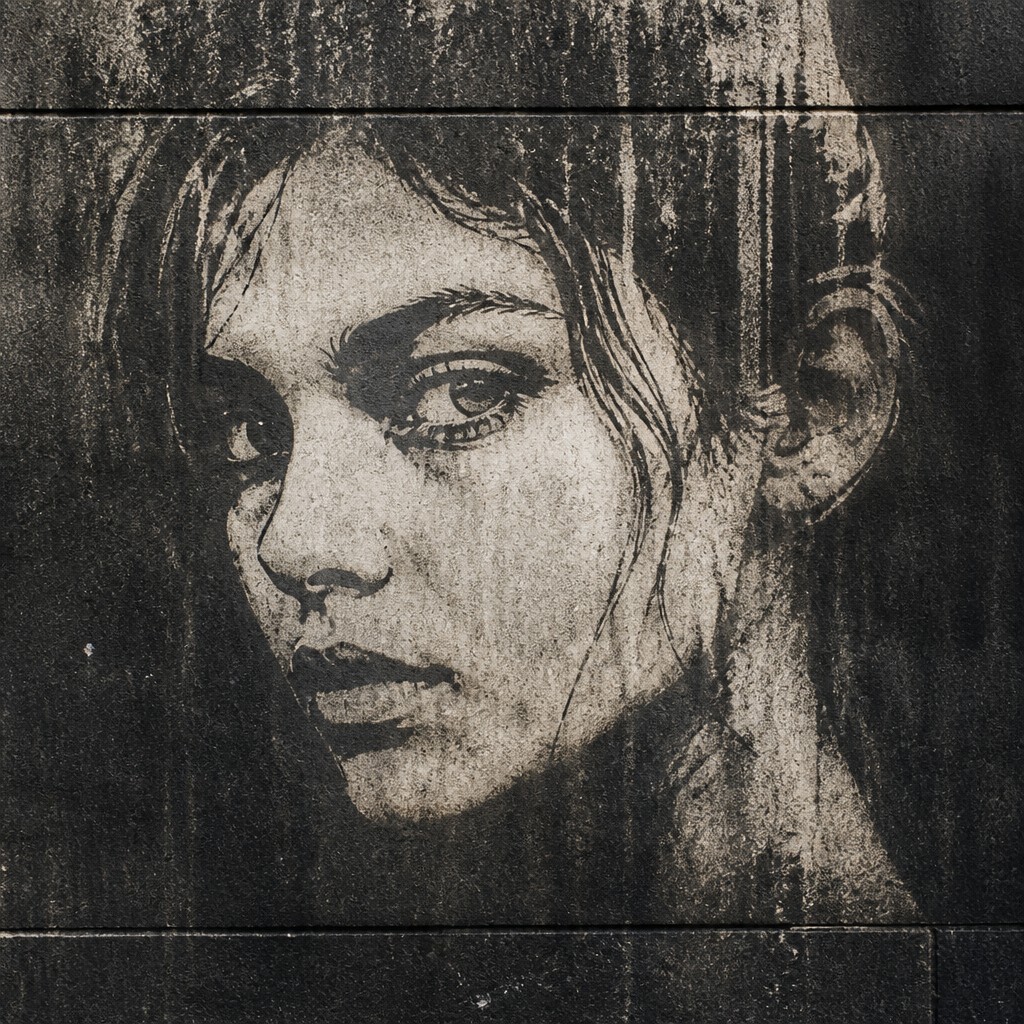
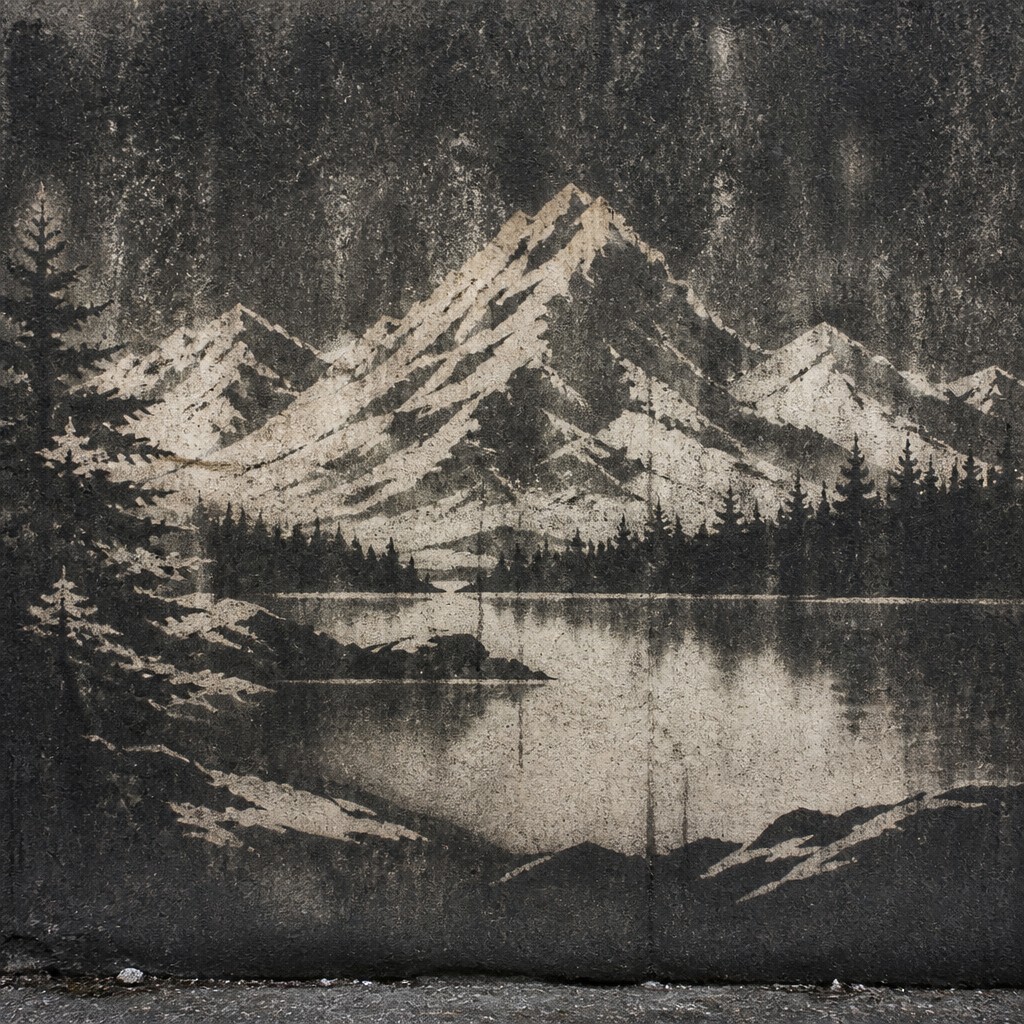
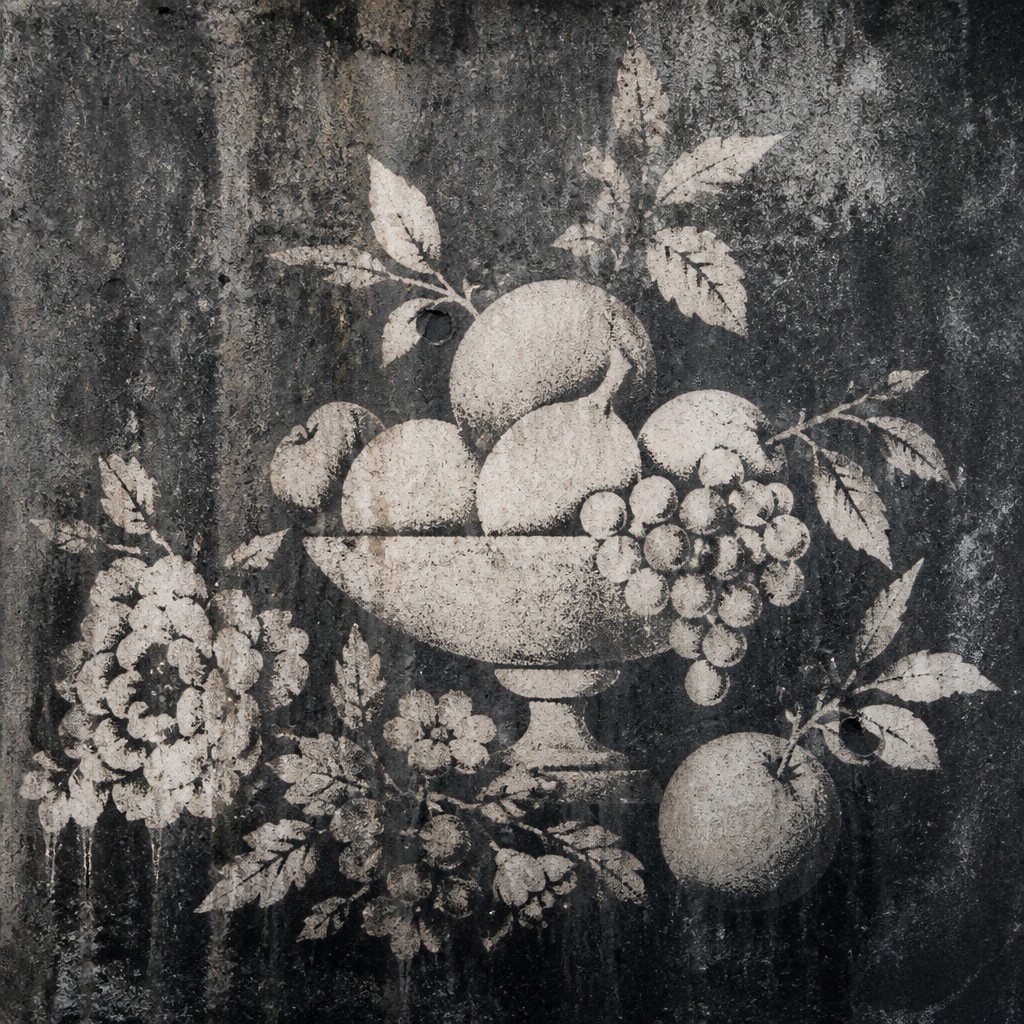
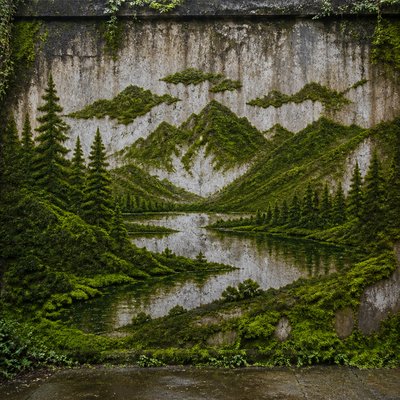
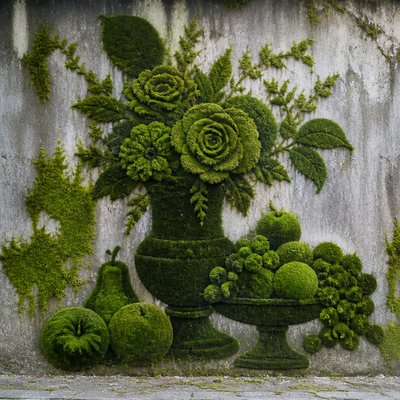
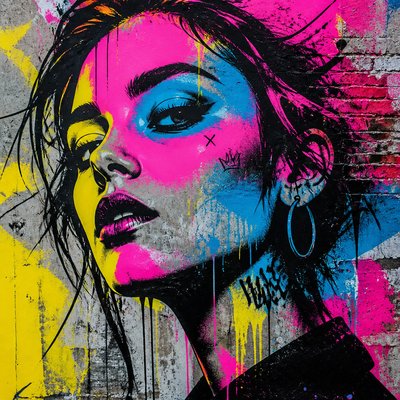
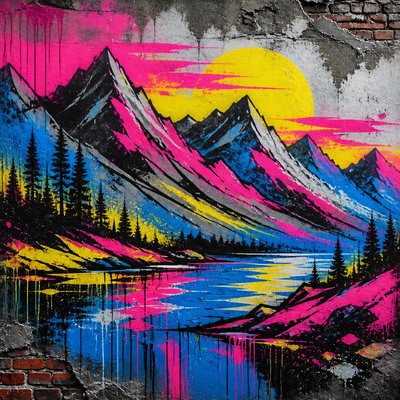
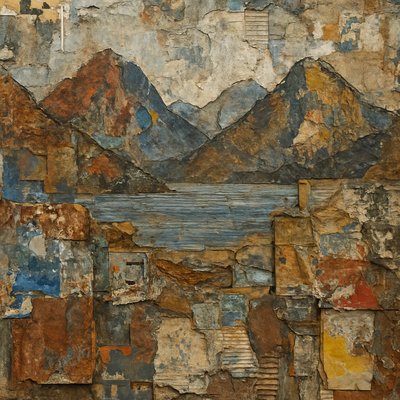
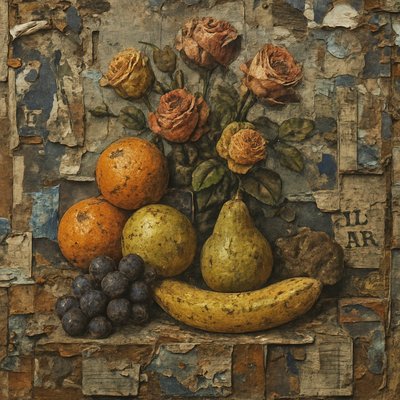
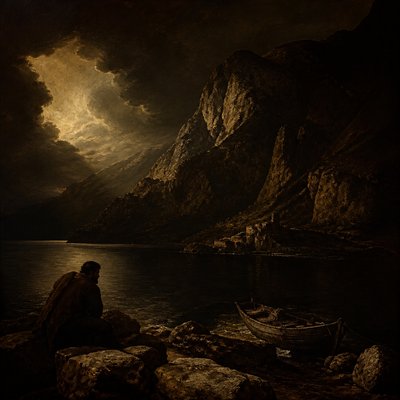
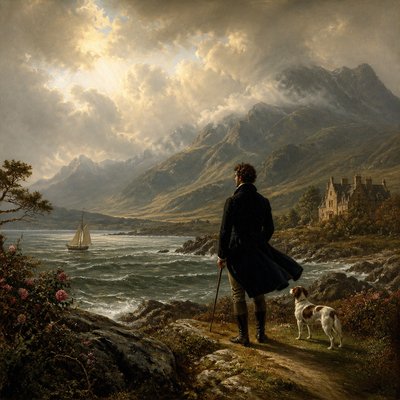
Reverse Graffiti Street Gallery
Tap any artwork to explore it

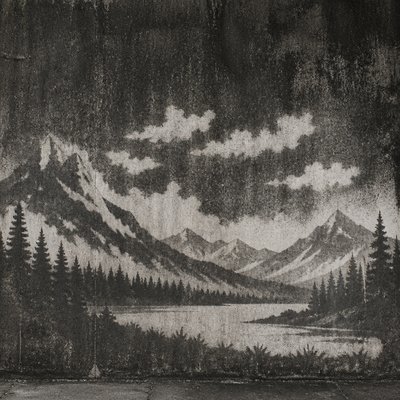
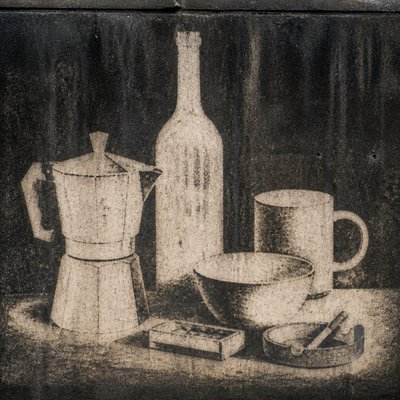
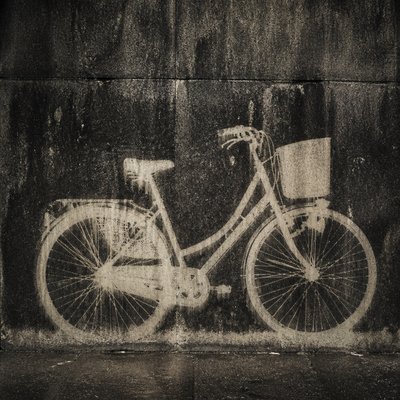
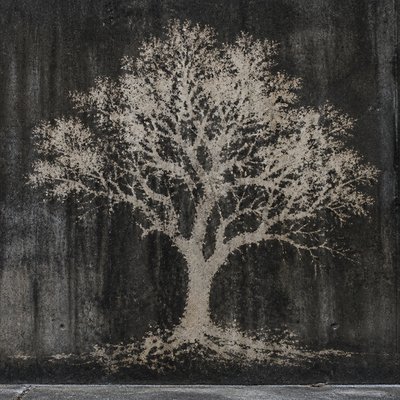
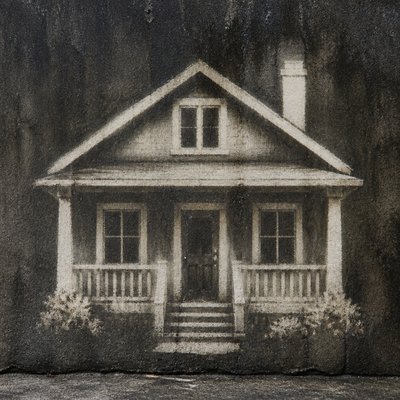
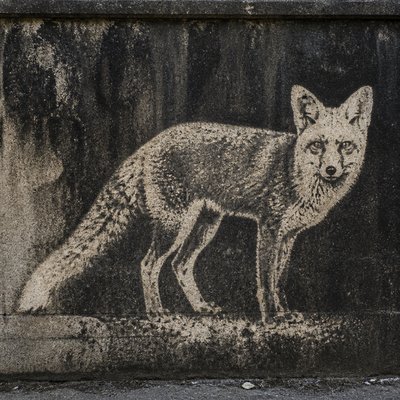
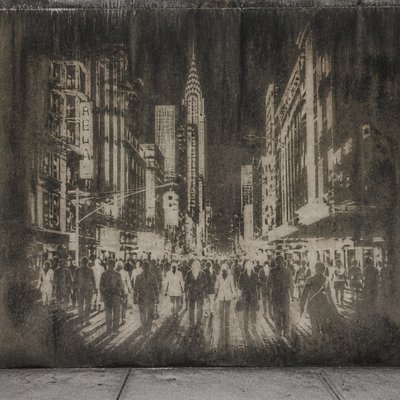
What is Reverse Graffiti Street Art Style?
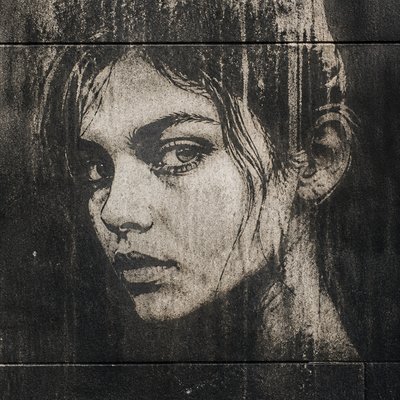
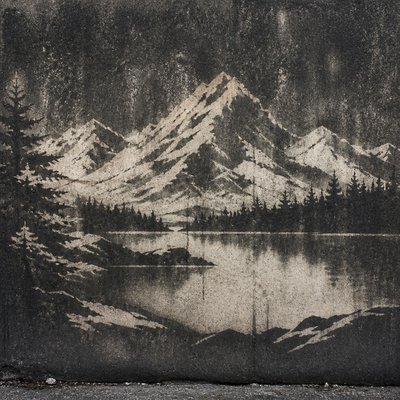
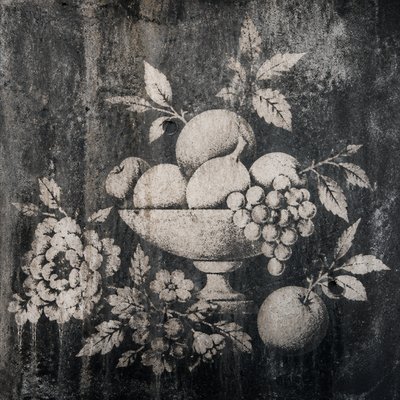
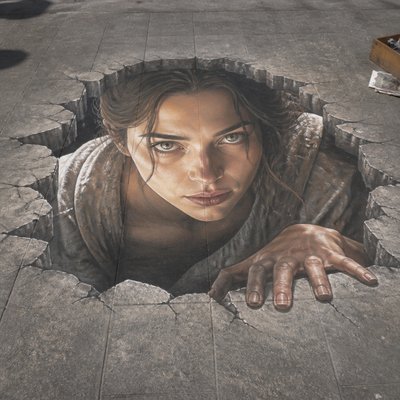
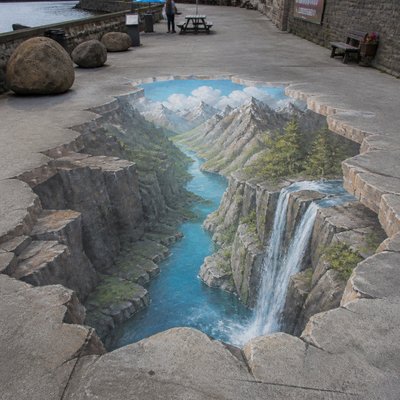
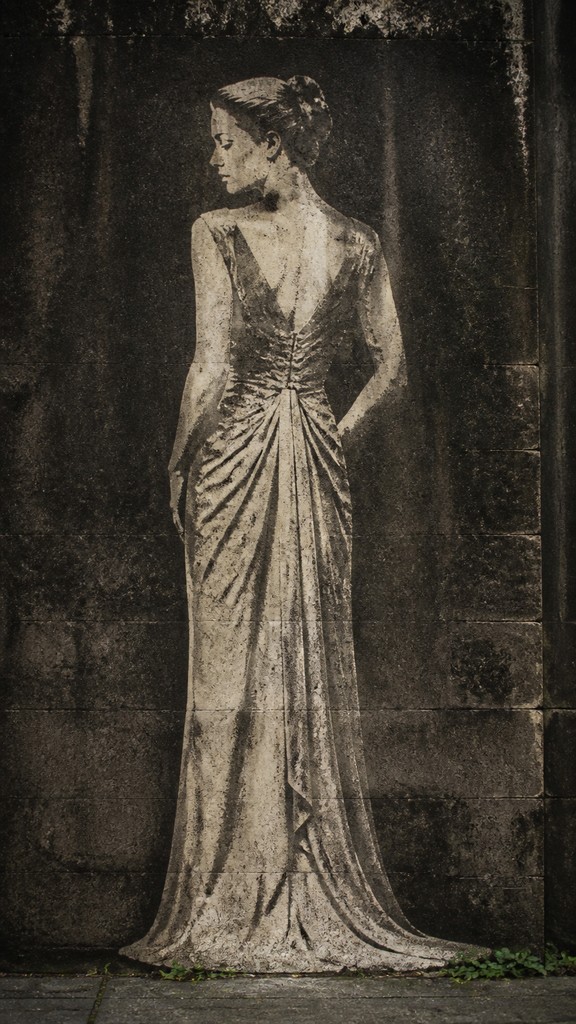
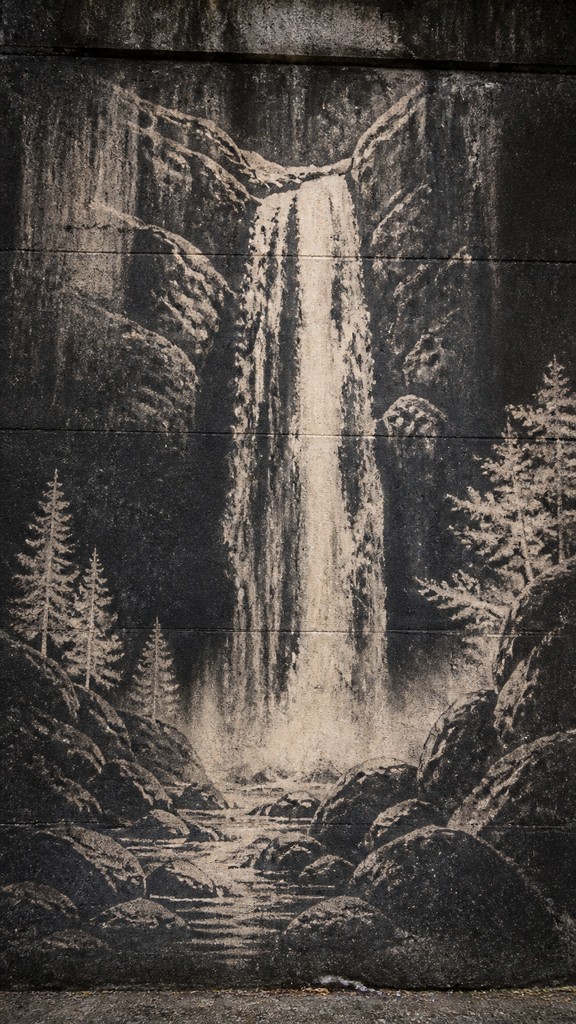
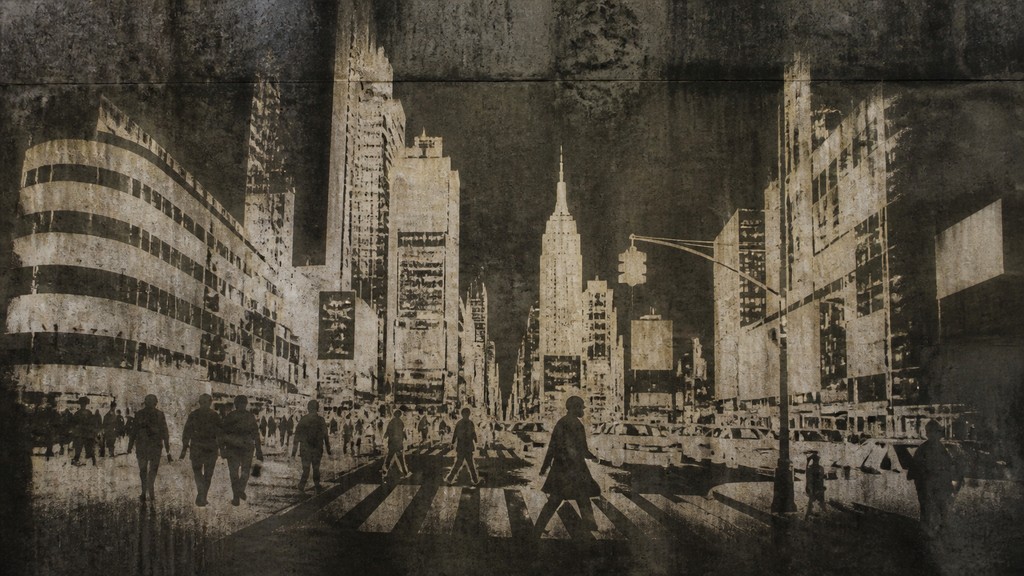
Reverse graffiti street art is an image-making approach that creates artwork by removing dirt rather than applying pigment. Instead of paint or ink, the artist uses pressure washing, scrubbing, stencils, or abrasive cleaning to reveal lighter passages within a dark, grime-coated urban surface. The result is an image formed by contrast: cleaned areas read as highlights against soot, mildew, traffic film, and weathered residue.
Its visual identity depends on the surface as much as the design. Concrete, brick, stone, tunnel walls, sidewalks, and retaining walls provide rough textures that make the cleaned shapes look provisional and embedded in the city. The style often appears monochrome or nearly monochrome, with crisp stencil edges, soft spray-like gradients, and documentary evidence of the cleaning process. Because the work is temporary and exposed to weather, foot traffic, and municipal cleaning, it carries a distinctly ephemeral, site-specific character.
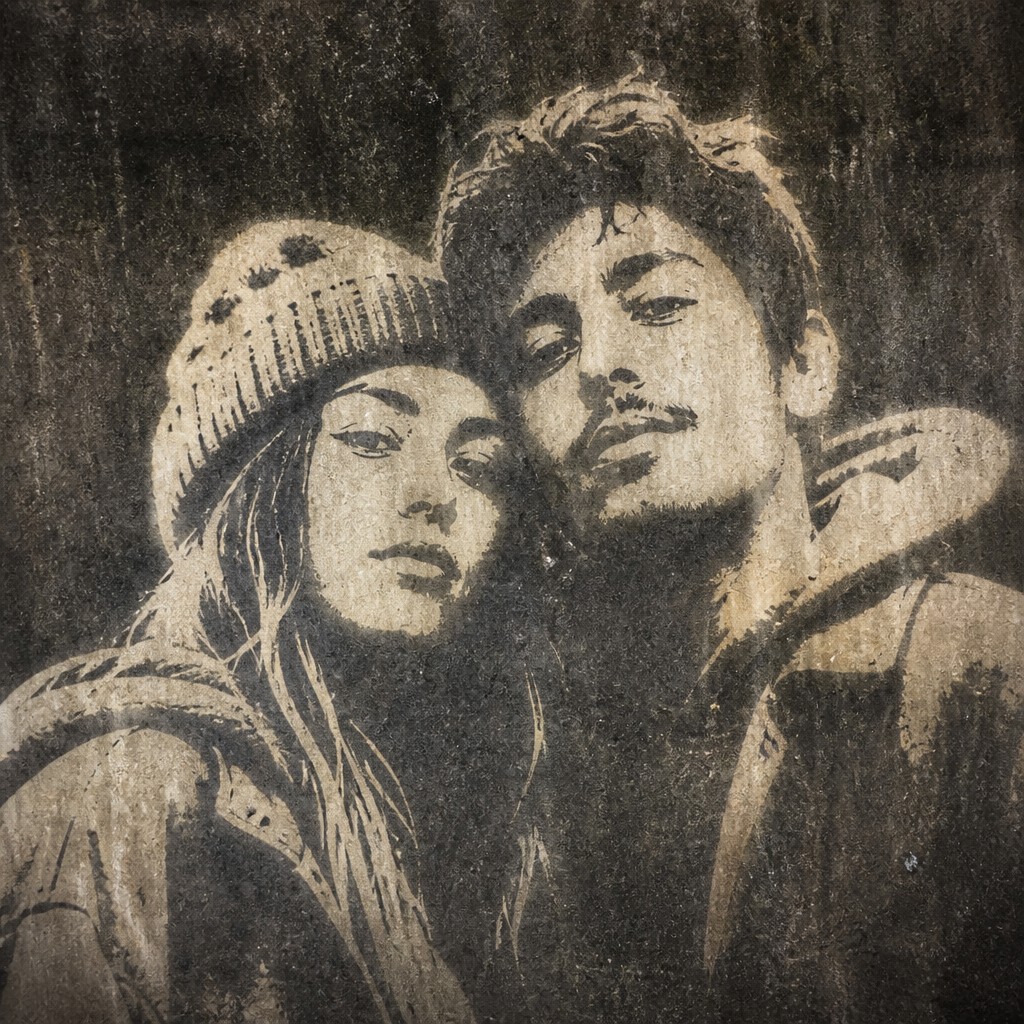
Try It On Your Photos
Upload any photo and convert it into Reverse Graffiti Street Art Style — drag the sliders to compare before and after.
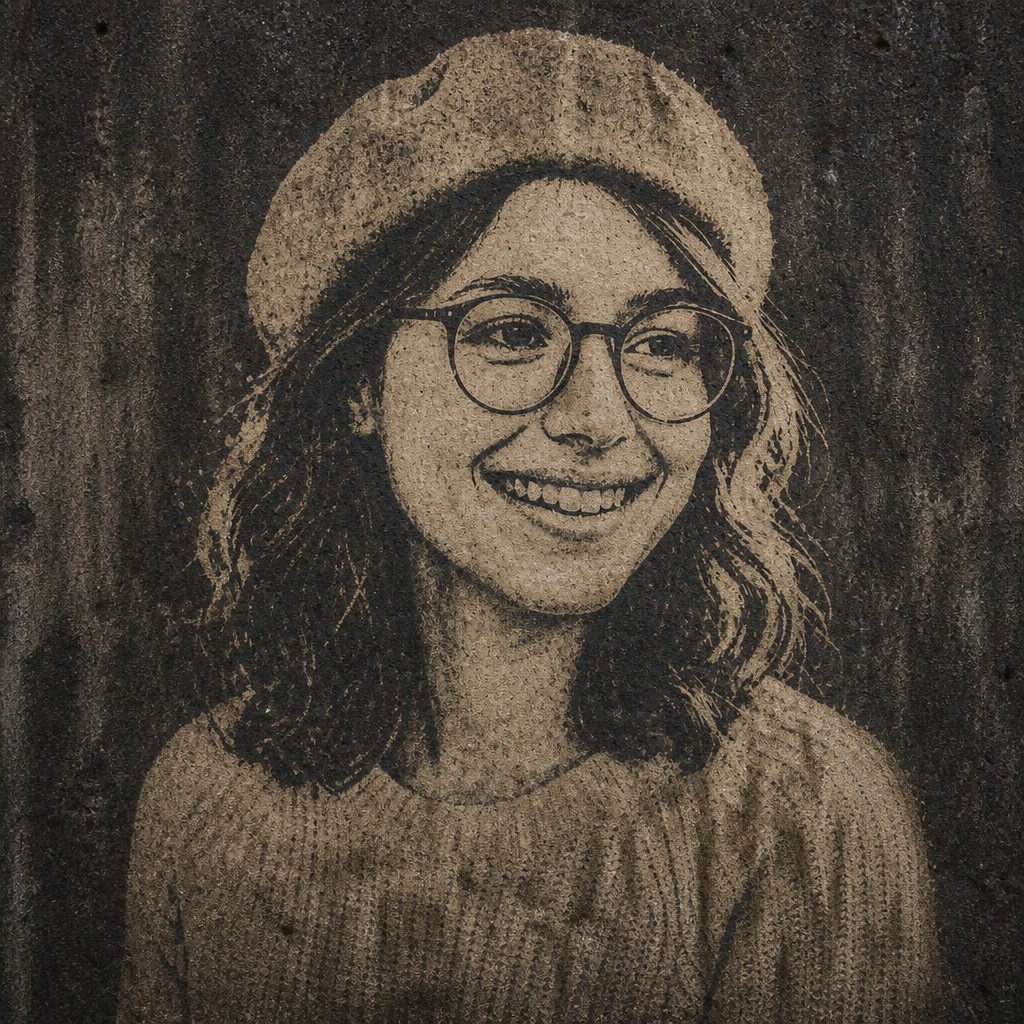

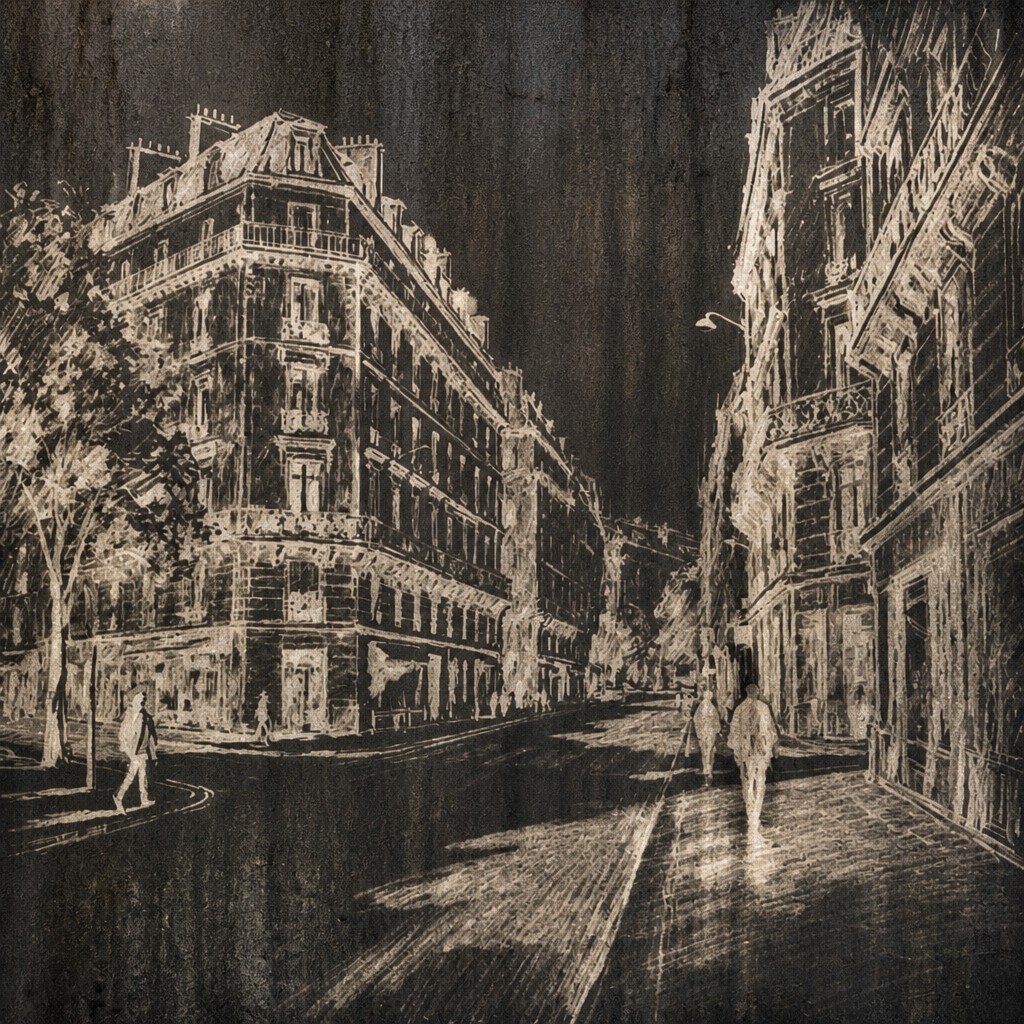

What Defines Reverse Graffiti Street Art Style
The signature details, up close
Subtractive image-making
The artwork is created by removing grime, soot, or dirt from a surface rather than adding color. This gives the image a reversed, carved-out appearance that stands out against the surrounding urban buildup.
High-contrast monochrome look
Most examples rely on light exposed areas against a dark dirty ground, producing a restrained palette of charcoal, gray, off-white, and muted stone tones. Color is usually incidental, coming from the substrate rather than from applied pigment.
Stencil-defined edges
Because many works use cut templates or masked cleaning, the forms can appear sharply outlined and graphic. Even when the edges are soft, they often retain a controlled, stencil-like clarity.
Visible surface texture
Cracks, pitting, streaks, stains, and rough aggregate remain part of the image. The surface reads not as a blank support but as an active collaborator in the composition.
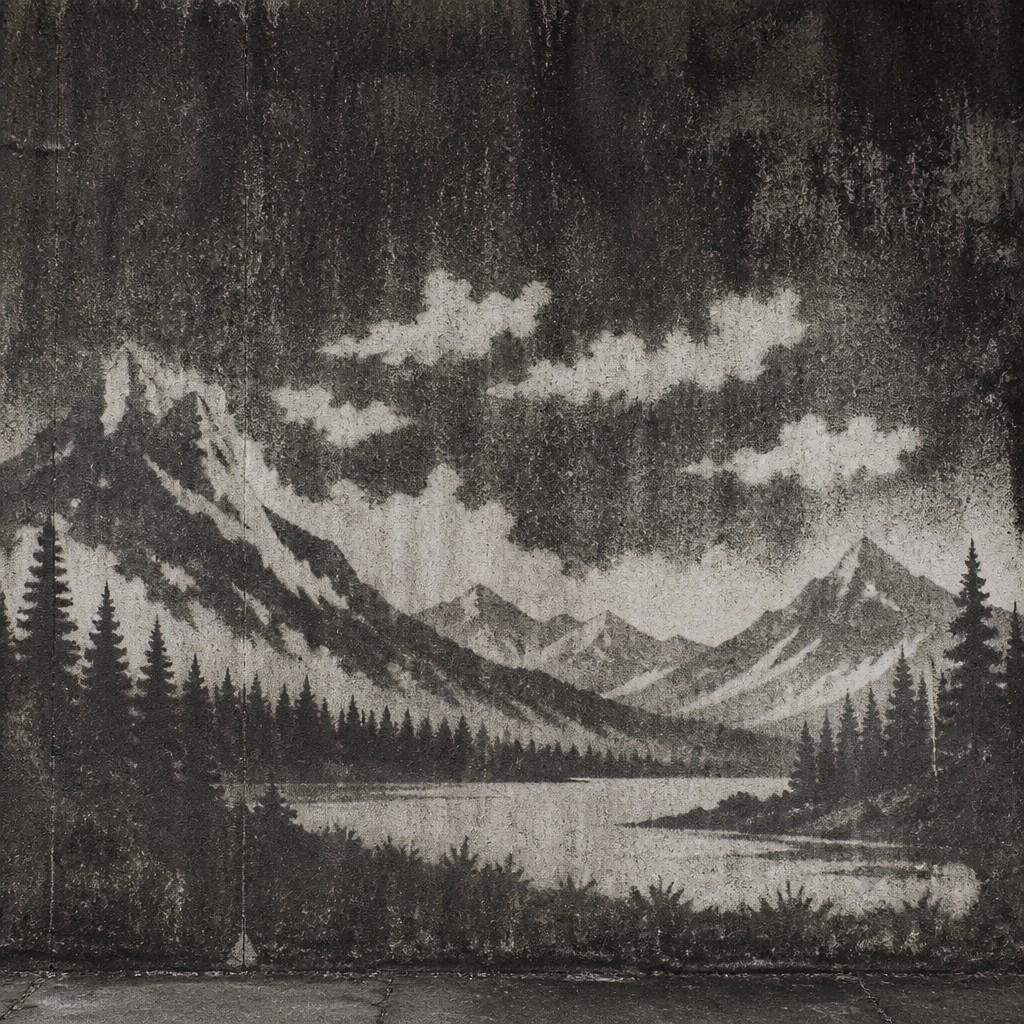
Ephemeral urban context
The style depends on publicly exposed walls, underpasses, sidewalks, and other maintenance surfaces. Weather, foot traffic, and routine cleaning mean the work is temporary and often documented in photographs.
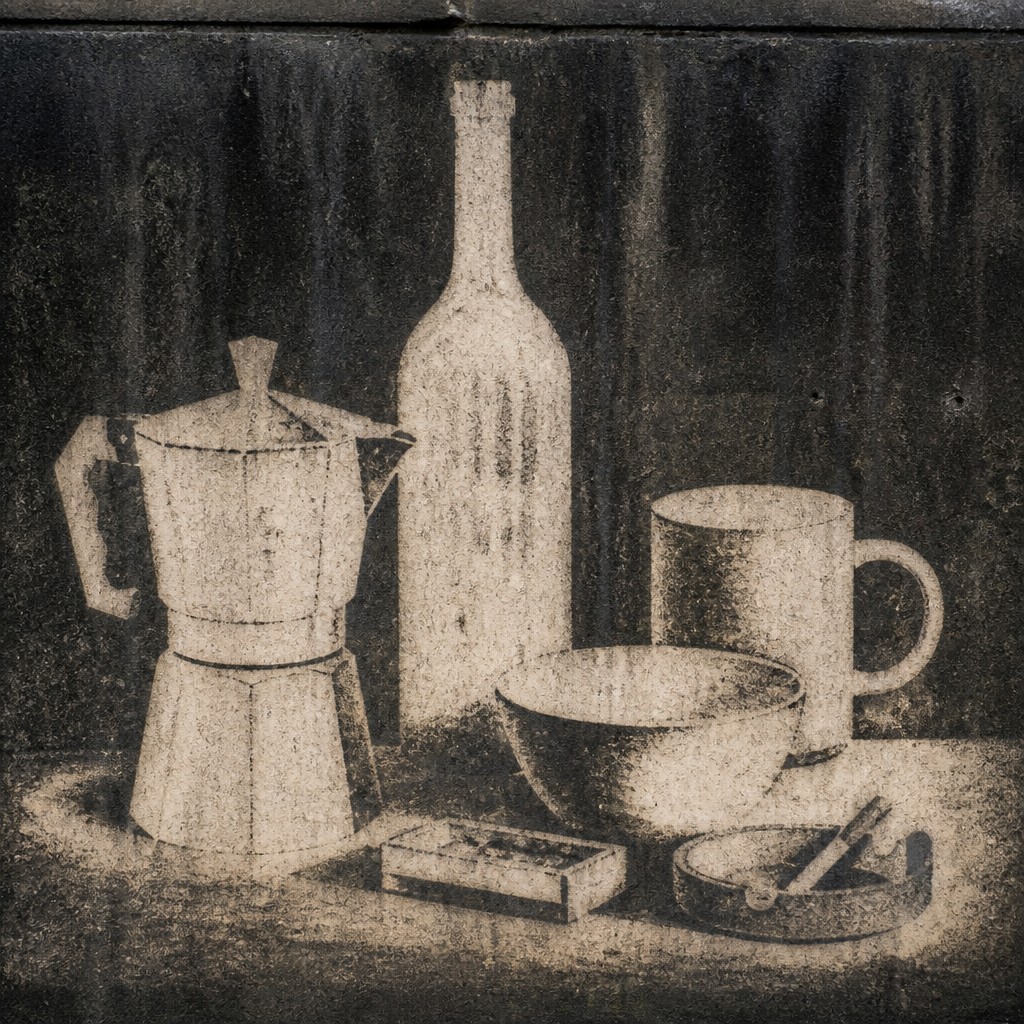
Documentary street-photography feel
Images in this style often resemble a record of a fleeting urban intervention. Perspective, ambient light, and grime patterns reinforce the sense that the artwork was found in place rather than staged in a studio.
Try It
Create Videos in Reverse Graffiti Street Art Style
Styles aren't just for stills — describe a scene or animate an image and get a short video rendered in Reverse Graffiti Street. Press play to see this pond come to life.
Make a VideoReverse Graffiti Street Prompt Ideas
Start from an idea — each one opens the generator with the style ready to go. See all 40 Reverse Graffiti Street prompts →
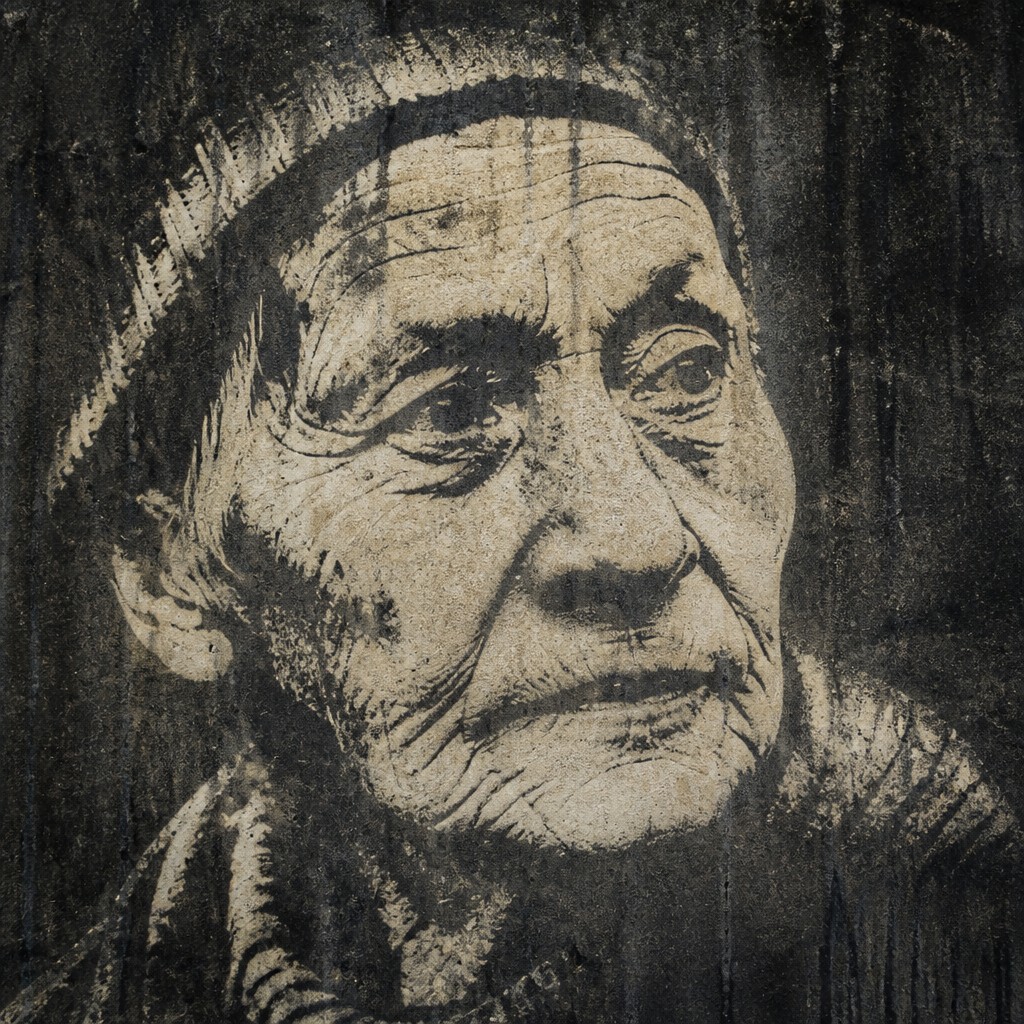
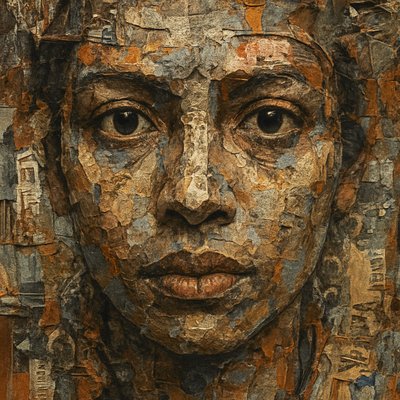
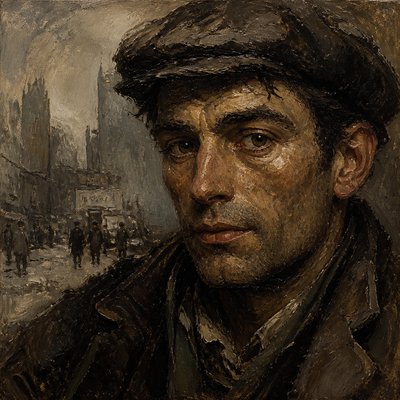
“close-up portrait of an elderly person with expressive weathered features”
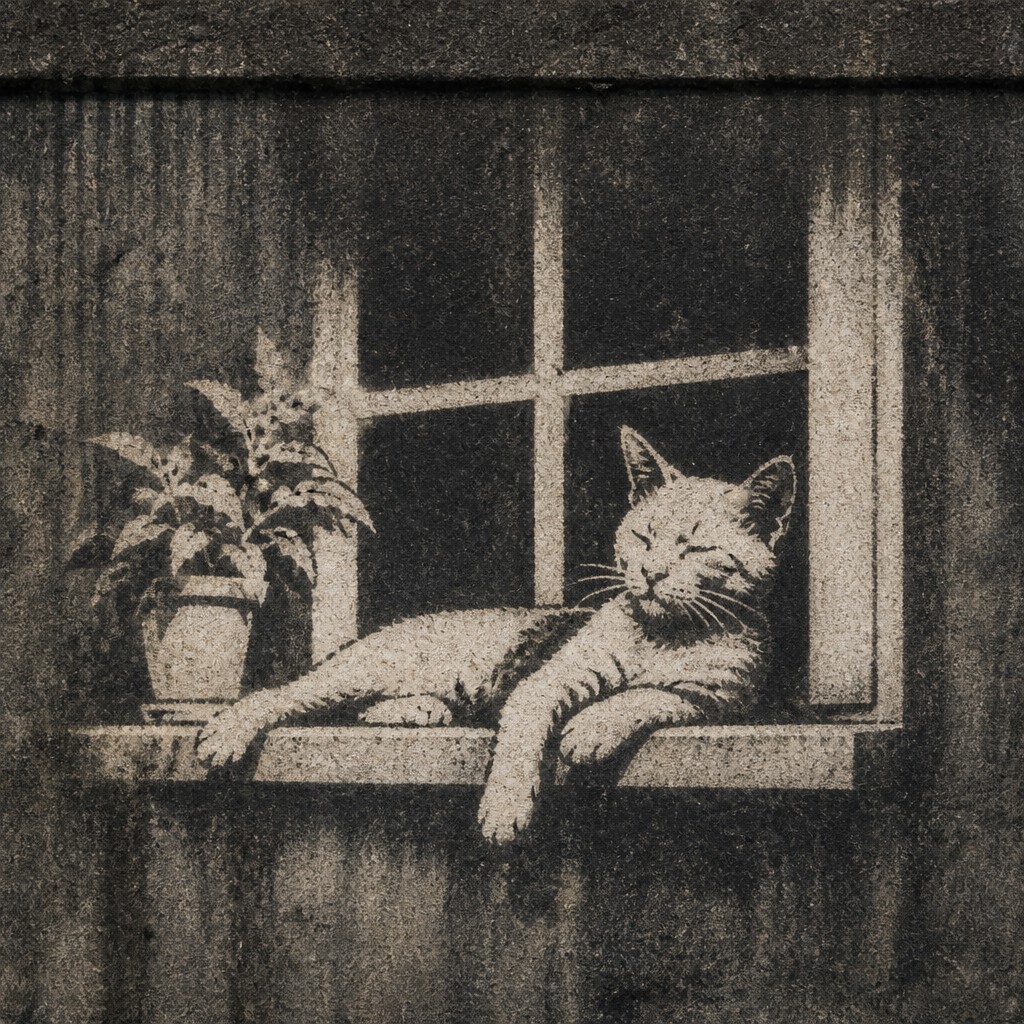
“a cat lounging in a sunlit window”
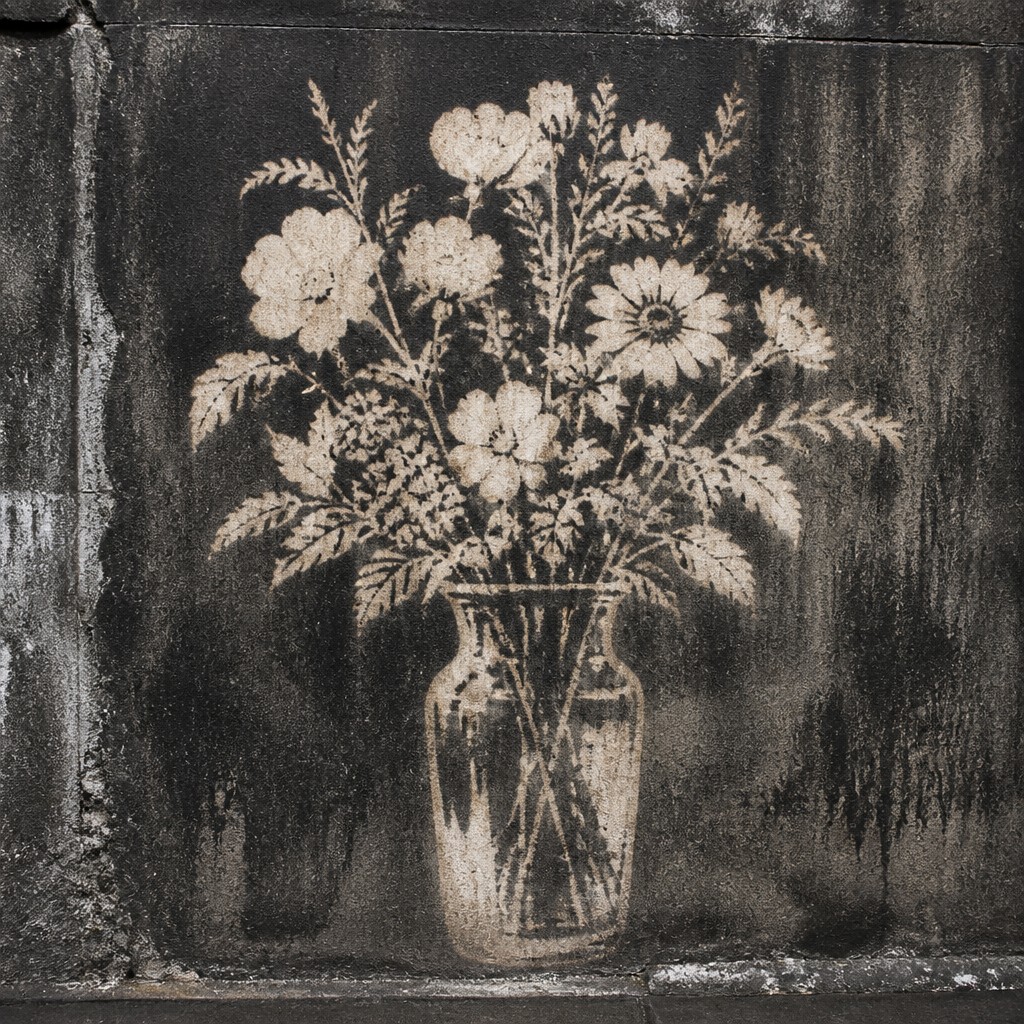
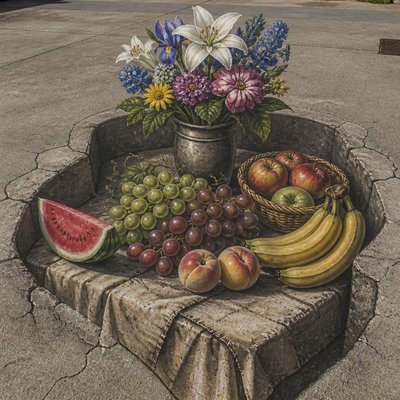
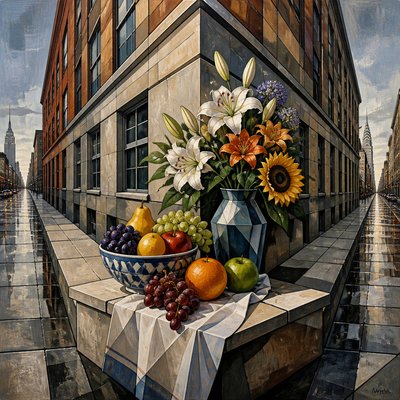
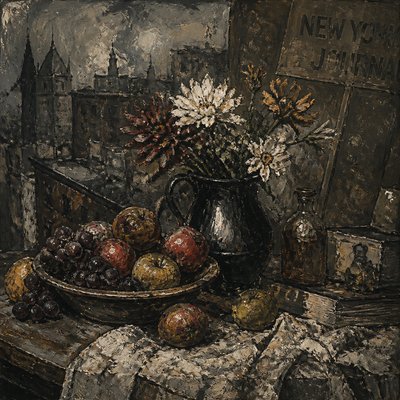
“bouquet of flowers in a glass vase”
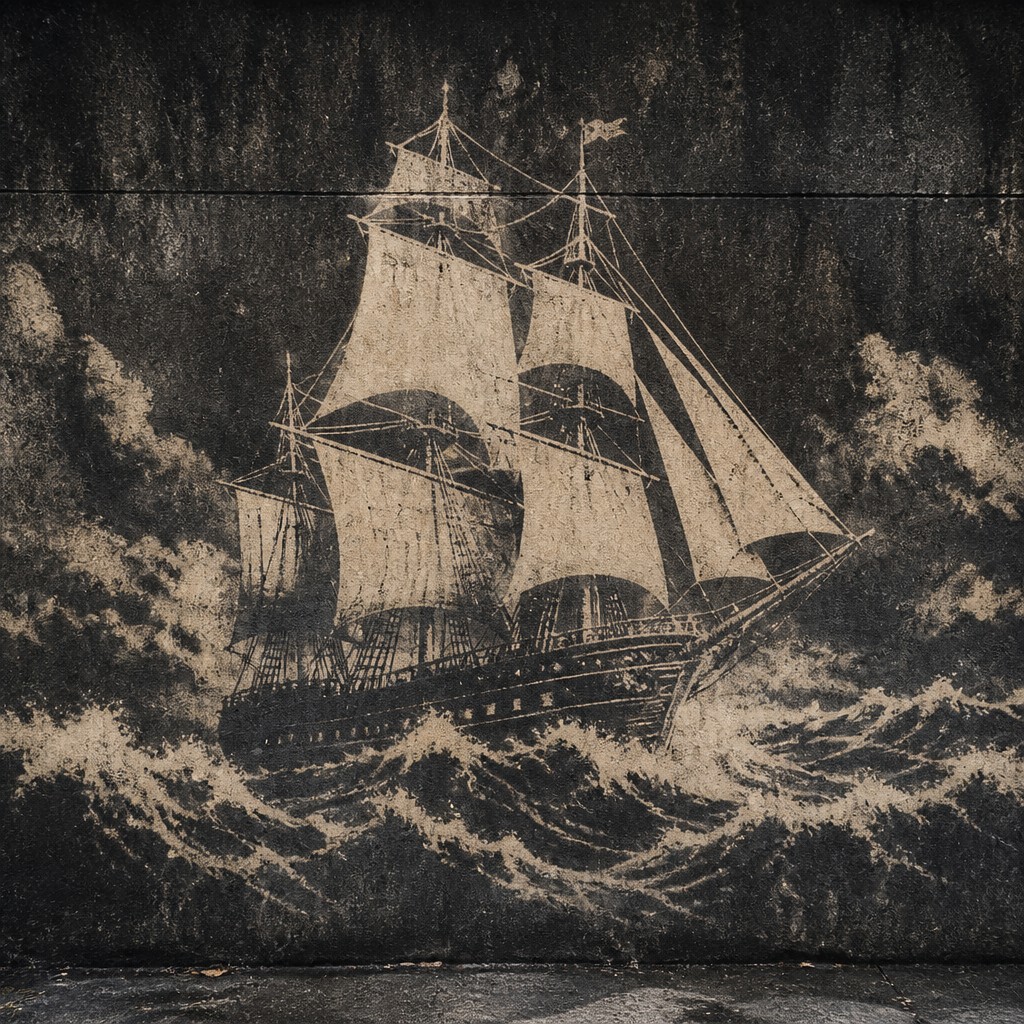
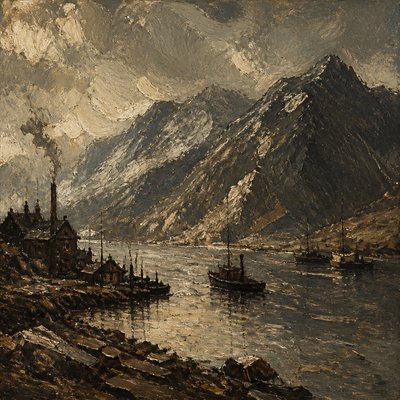
“sailing ship on a stormy sea”
How to Create Reverse Graffiti Street Art
Master the craft step by step — or skip straight to creating. Read the full guide →
- 1
Use subtraction as the core method
Traditional makers can work with stencils, pressure washers, brushes, cloths, or safe cleaning tools to reveal a design on a dirty wall or pavement. Plan the composition around negative space, since the clean surface is the mark.
- 2
Choose a surface with readable grime
Concrete, brick, stone, tunnel walls, and sidewalk slabs work best because their texture holds dirt unevenly and produces strong contrast. Avoid surfaces that are too smooth or too clean, since the effect depends on accumulated urban residue.
- 3
Design for bold silhouettes
Simple, high-contrast shapes read best from a distance and survive the irregularities of real-world texture. Fine detail should be limited or broken into larger forms so it remains legible against streaks and stains.
- 4
Preserve texture and wear in digital work
In digital painting or image editing, build the image by masking out darker grime layers to reveal lighter substrate beneath. Add rough concrete texture, spray falloff, streaking, and uneven cleaning edges so the result does not look flat or vector-clean.
- 5
Prompt for documentary realism
When generating an image, specify a grime-coated urban surface, selective pressure-washed highlights, stencil-crisp shapes, and monochrome tonal range. Including words like weathered, soot-covered, concrete, documentary, and ephemeral helps keep the result grounded in this style.
The Story
History & Origins of Reverse Graffiti Street
Reverse graffiti emerged in the early 21st century as a form of environmental and urban intervention, especially in cities where pollution and surface grime became the material to work with. It developed from a mix of street art, stencil culture, performance-based intervention, and public-space critique, with artists using existing dirt as a medium rather than introducing new substances. The technique is sometimes called clean graffiti, dust tagging, or grime writing, depending on context and method.
Its aesthetic lineage connects to stencil art, mural practice, and site-specific public art, but it also belongs to a broader tradition of ephemeral mark-making and anti-monumental urban expression. Because the image is produced by subtraction, it parallels other negative-process practices in art history, while remaining distinctively tied to contemporary cities, maintenance surfaces, and media documentation. The photographed aftermath is often as important as the act itself, since the work may disappear quickly once the surface is cleaned or weathered again.
Influences: Reverse graffiti draws from stencil street art, site-specific public art, and the visual logic of negative space found in printmaking and masking techniques. It also shares an affinity with documentary urban photography, in which surface condition, weathering, and context are integral to meaning. Compared with spray-paint muralism associated with major late-20th-century neo-expressionist and pop-inspired street artists, reverse graffiti is less about applied color and more about revealing what is already present on the wall.
Frequently Asked Questions
What defines reverse graffiti art?
Reverse graffiti is artwork made by cleaning part of a dirty surface so the image appears through contrast. The method uses removal, not application, which makes the cleaned sections function like drawn lines or painted highlights. Its look depends heavily on the grime, texture, and condition of the surface.
How is it different from regular graffiti?
Traditional graffiti adds pigment, marker, or etching to a surface, while reverse graffiti removes dirt to create an image. Visually, it tends to be more monochrome and surface-driven. Conceptually, it often reads as a commentary on urban maintenance, pollution, and public space.
Is reverse graffiti permanent?
Usually not. Because it depends on exposed grime and dirty surfaces, the image can fade quickly through rain, weathering, or routine cleaning. That ephemerality is part of the style's identity.
What surfaces work best for this style?
Rough, porous, and visibly dirty materials such as concrete, brick, stone, and pavement work best. These surfaces hold grime unevenly, which creates natural contrast and makes cleaned areas stand out clearly. Smooth or freshly cleaned surfaces produce a weaker effect.
How do artists make reverse graffiti images?
Artists commonly use pressure washing, brushes, sponges, or stencils to remove dirt in controlled shapes. In digital versions, the effect is built by masking lighter forms out of a dark textured base and adding realistic grime variation around the edges. The key is to preserve the sense of subtraction rather than painting on top.
Where is reverse graffiti usually used?
It is most often seen in urban public spaces such as walls, tunnels, sidewalks, retaining walls, and underpasses. Because the work responds directly to a specific site, it is commonly documented through photography rather than preserved as a permanent object.
Create your first Reverse Graffiti Street artwork
Describe anything — or upload a photo — and see it in Reverse Graffiti Street Art Style in seconds.
Make Something with Reverse Graffiti Street
Related Styles
Discover similar art styles