Graffiti Art Style
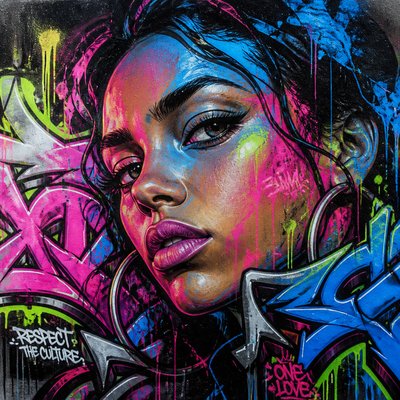
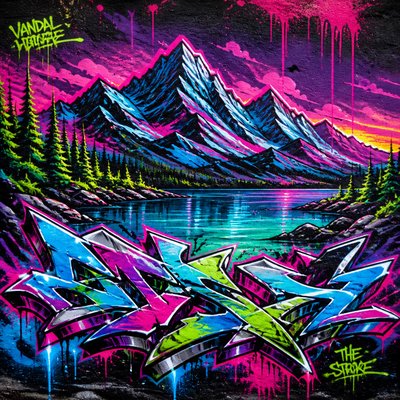
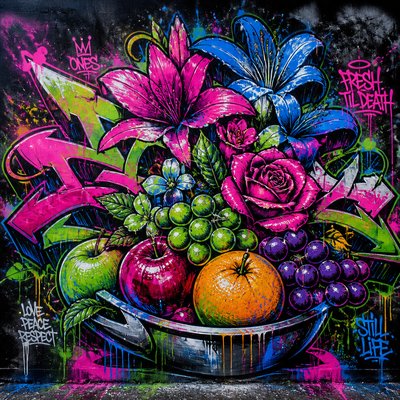
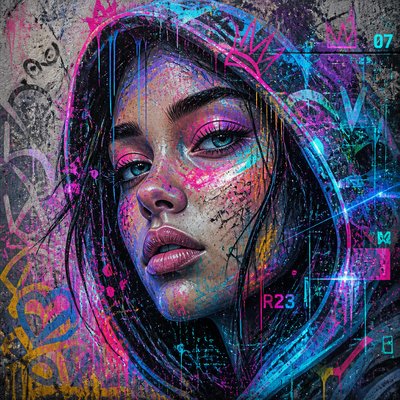
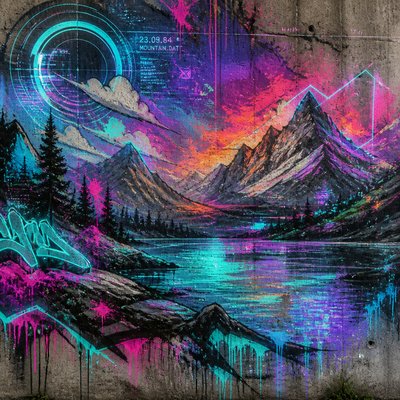
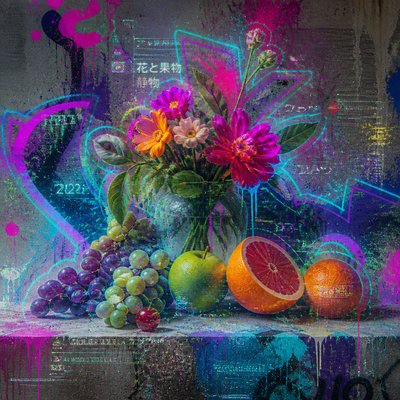
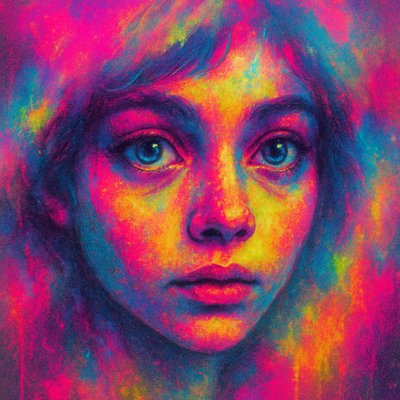
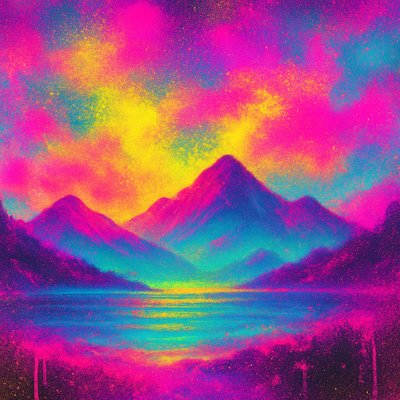
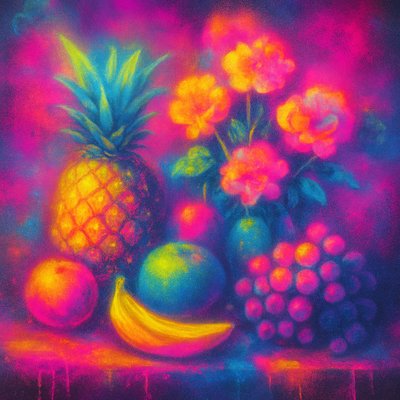
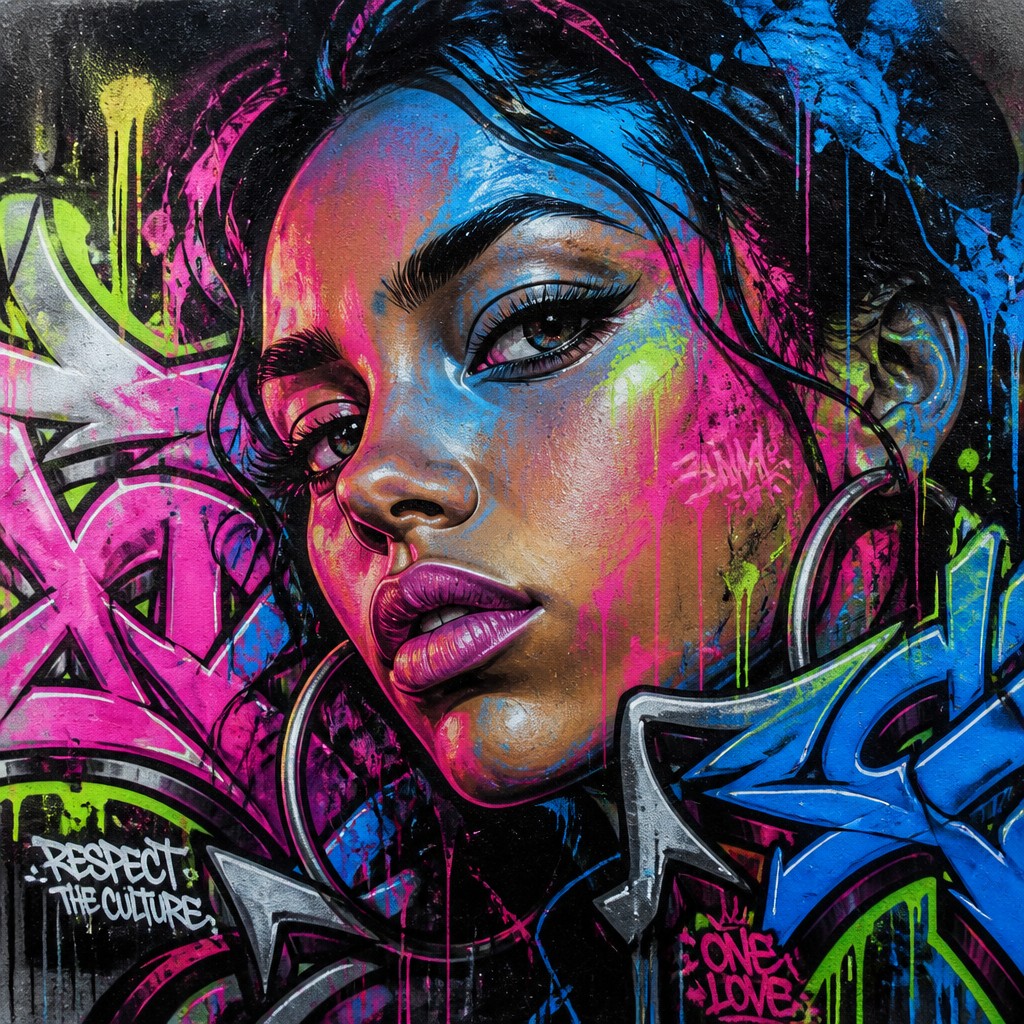
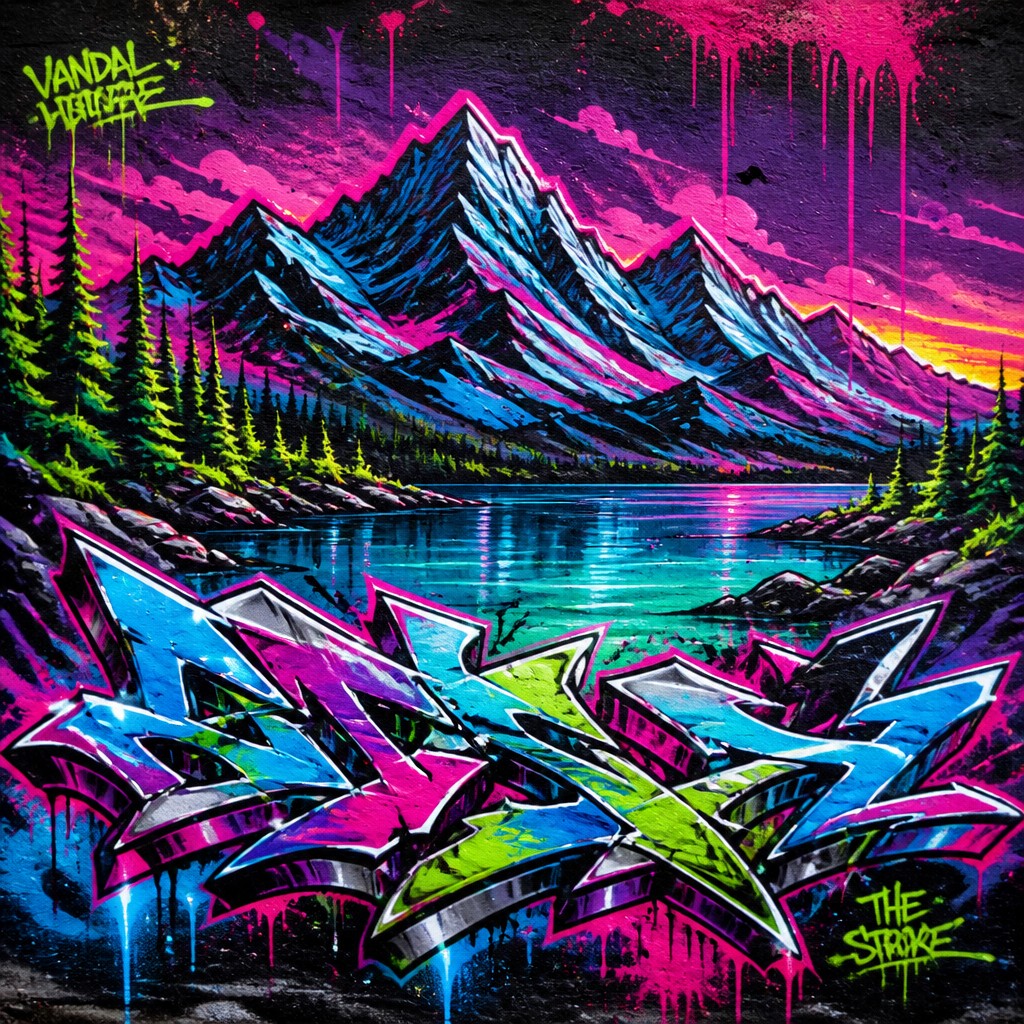
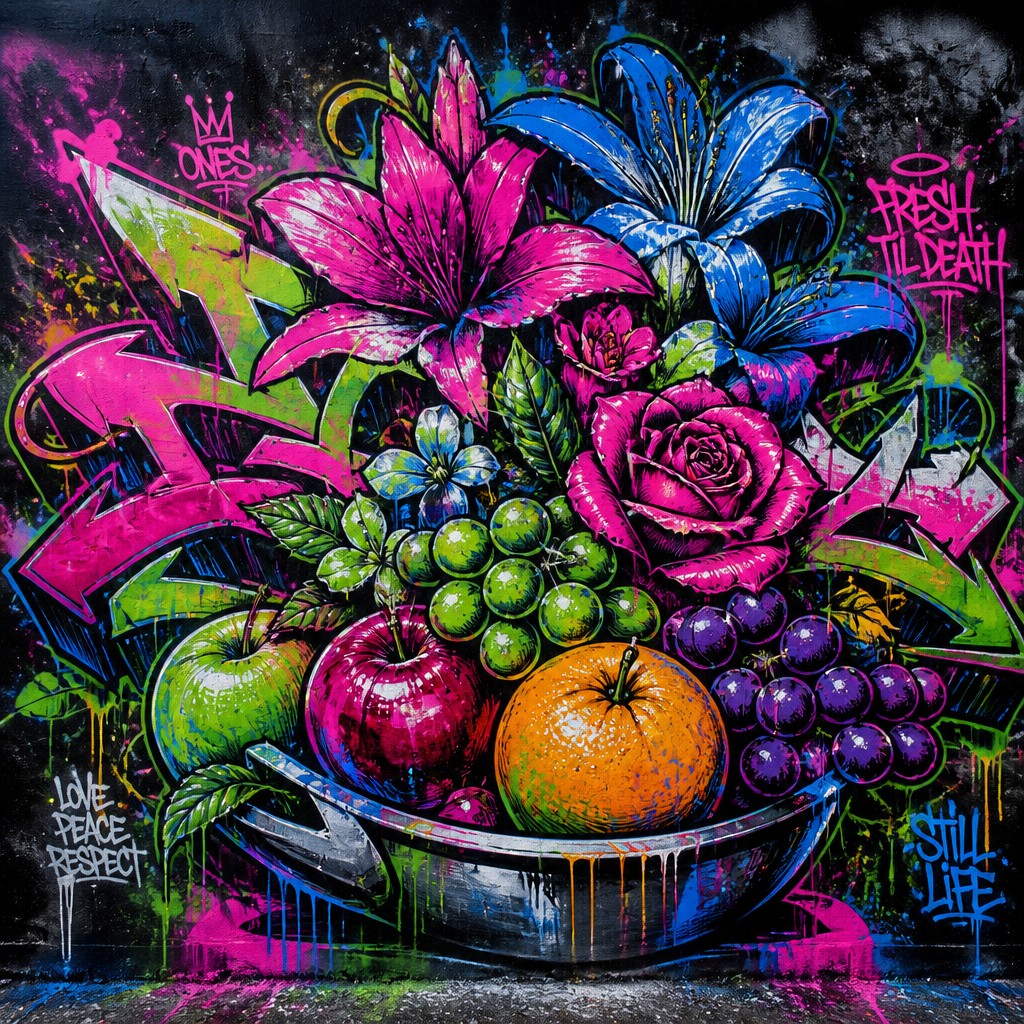
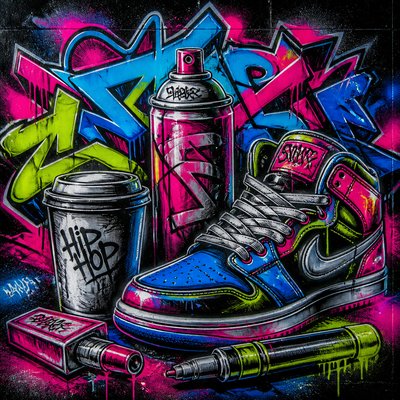
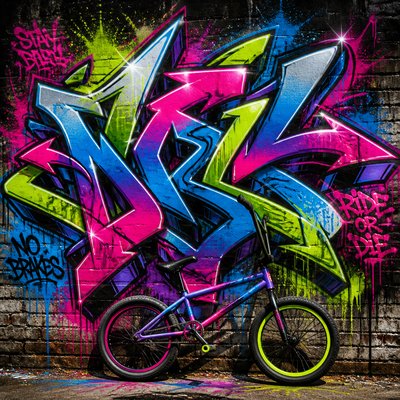
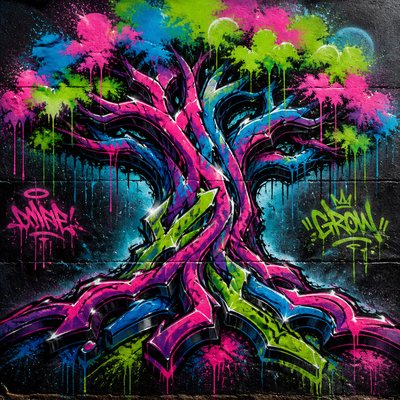
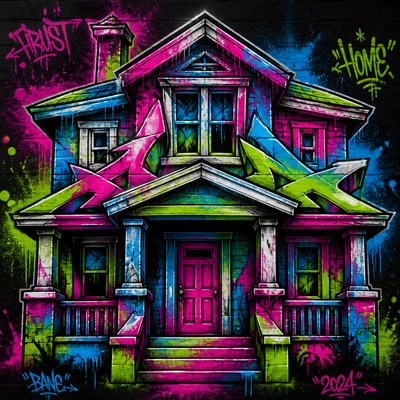
Bold urban lettering with aerosol drips, wildstyle lines, crew tags, and hip-hop energy—graffiti art’s raw street visual language.
Instantly rendered in Graffiti — or transform a photo
Graffiti Gallery
Tap any artwork to explore it
What is Graffiti Art Style?
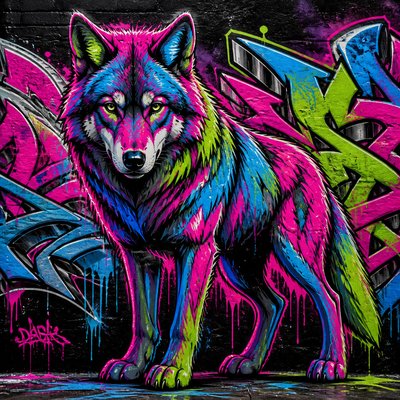
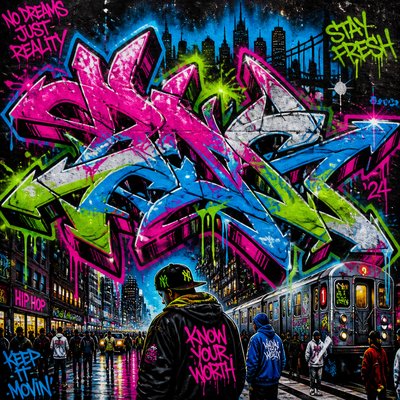
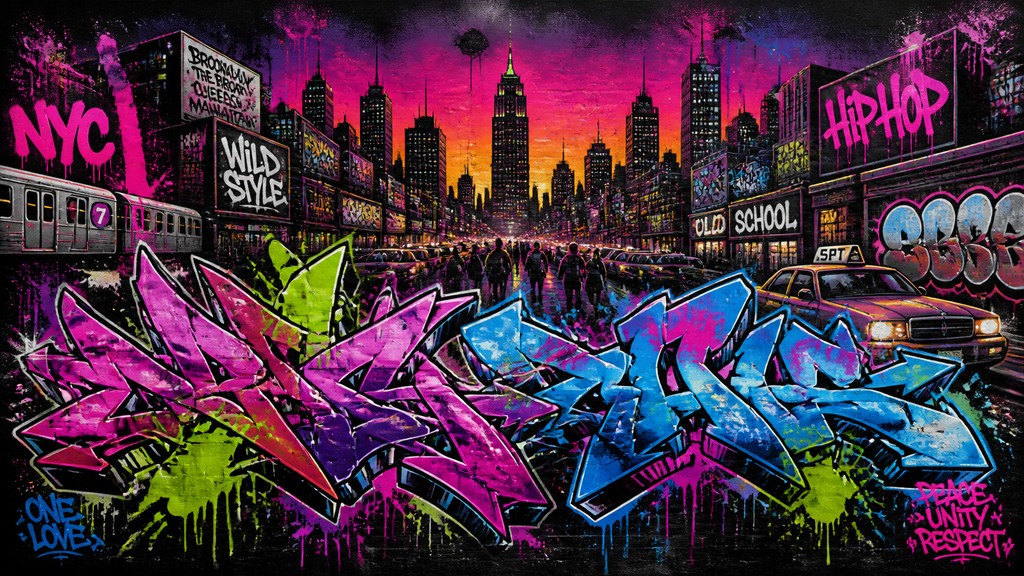
Graffiti art is a letter-centered urban visual language built around stylized typography, tags, throw-ups, and full-color mural pieces. Its core identity comes from aerosol spray paint: quick marks, fat-cap sweeps, thin-cap details, overspray, drips, and layered outlines that turn names and words into dynamic images.
The style is closely tied to hip-hop culture and to the practical conditions of making art in public spaces. Graffiti often favors high-contrast color, exaggerated letterforms, chrome effects, 3D shadows, and dense composition because writers needed marks that could be made fast, read from a distance, and compete visually with the city environment.
Try It On Your Photos
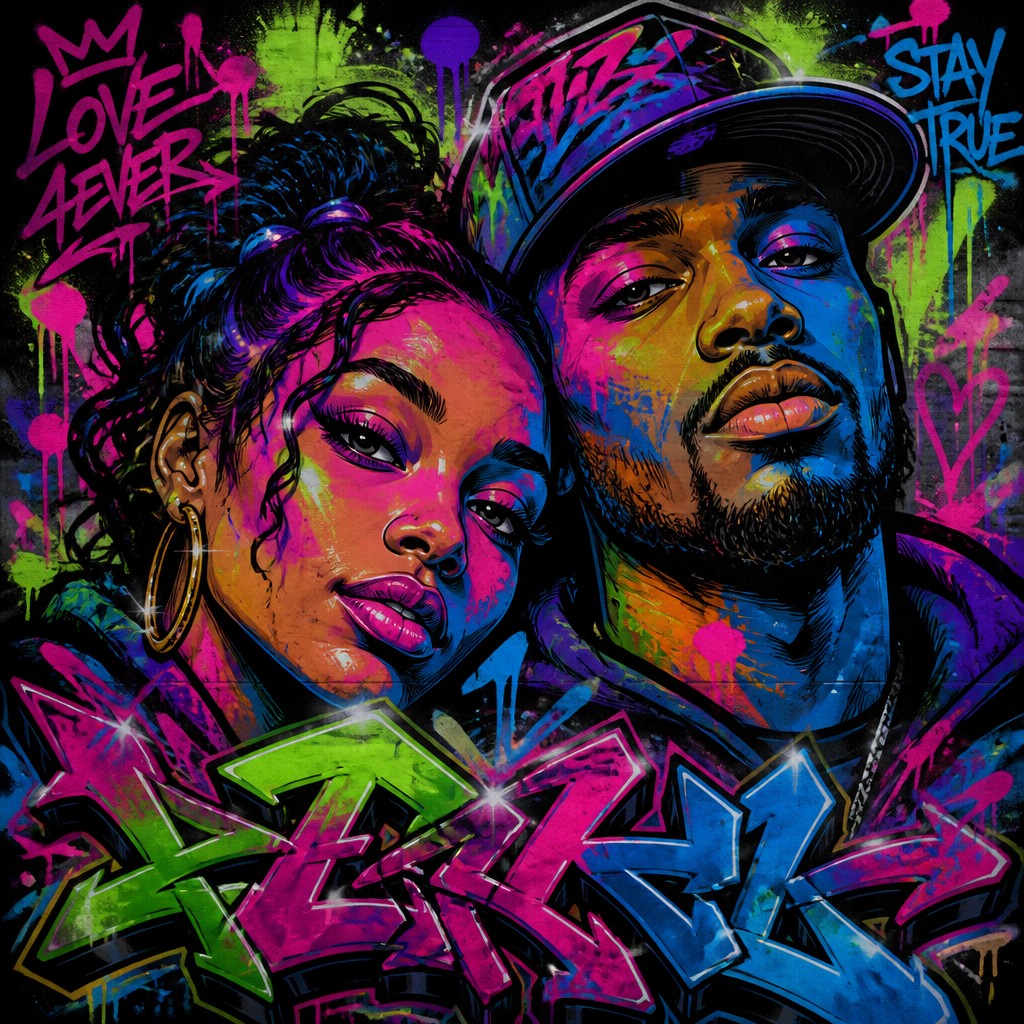
Upload any photo and convert it into Graffiti Art Style — drag the sliders to compare before and after.

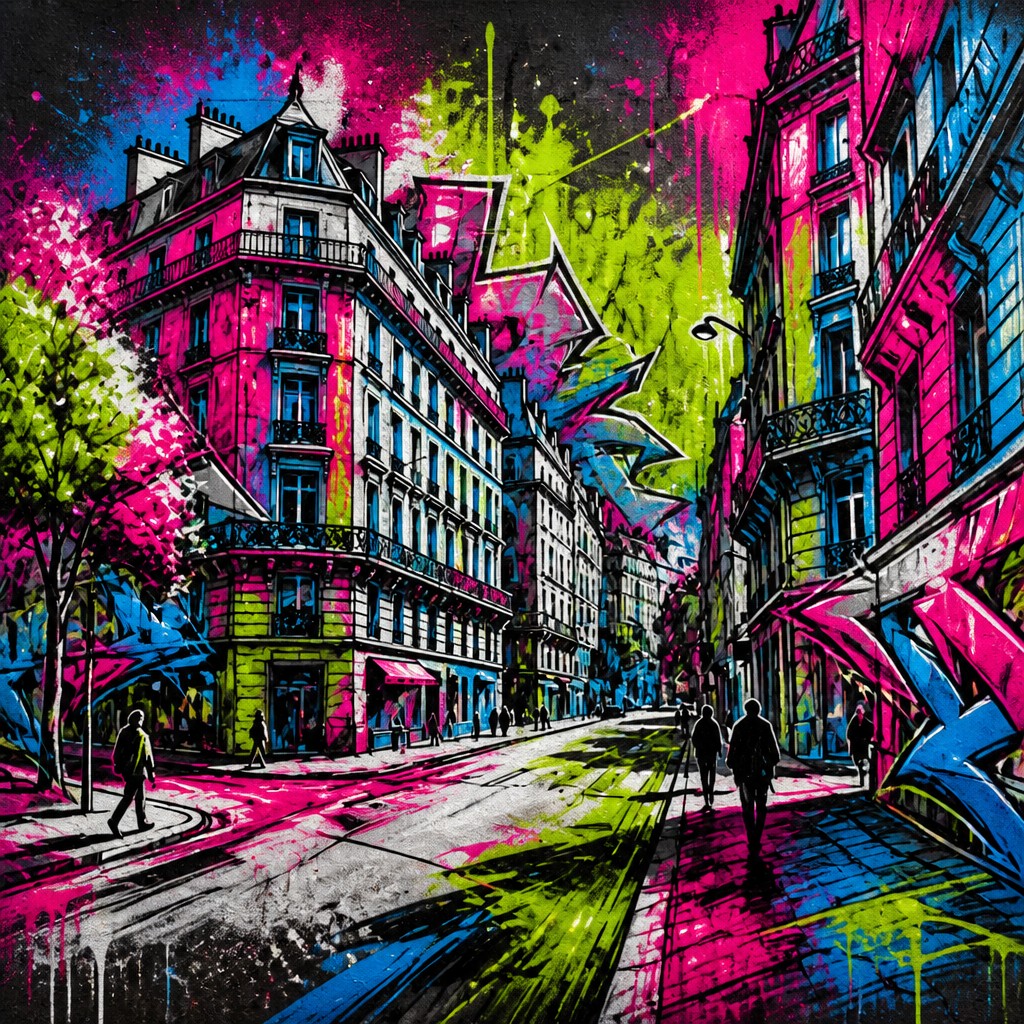

What Defines Graffiti Art Style
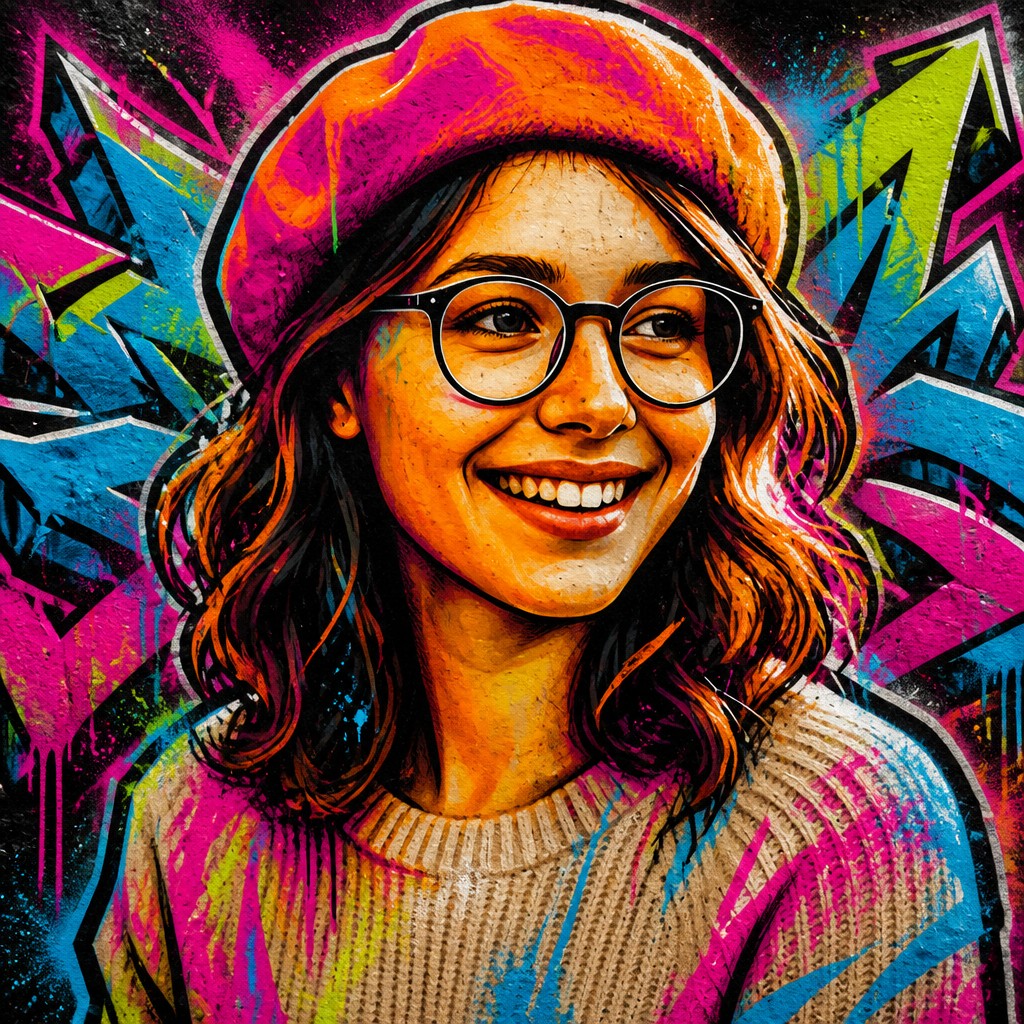
The signature details, up close
Letter-first composition
The central subject is usually a name, crew tag, slogan, or short phrase rather than a pictorial scene. Letterforms are stretched, interlocked, and distorted until they become both text and image.
Aerosol texture
Visible spray mist, soft-edge fades, drips, and paint pooling are key markers of the medium. These effects signal speed, layering, and direct physical engagement with a wall or panel.
Wildstyle structure
Many pieces use tangled arrows, hooks, overlaps, and sharp joints that make the lettering intentionally complex. This creates visual intensity and also reflects the competitive, insider language of graffiti crews.
Bright, high-contrast color
Fluorescent pinks, electric blues, acid greens, yellows, and metallic silvers are common because they read strongly against dark or weathered surfaces. Color is often used in layered fills, outlines, and highlights to create depth.
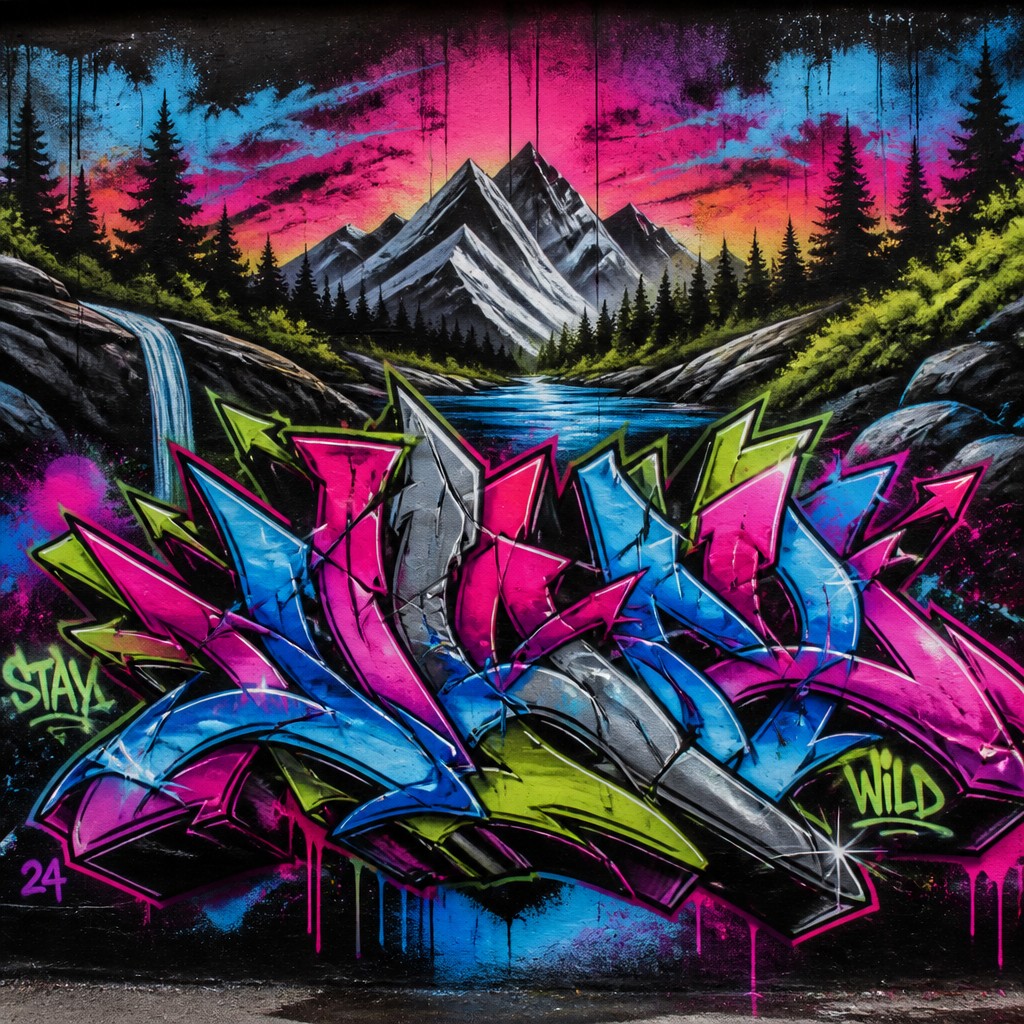
3D outlines and shadows
Thick outer contours, drop-shadows, and chrome effects give letters volume and push them off the wall. This illusionistic treatment is one of the style’s most recognizable features.
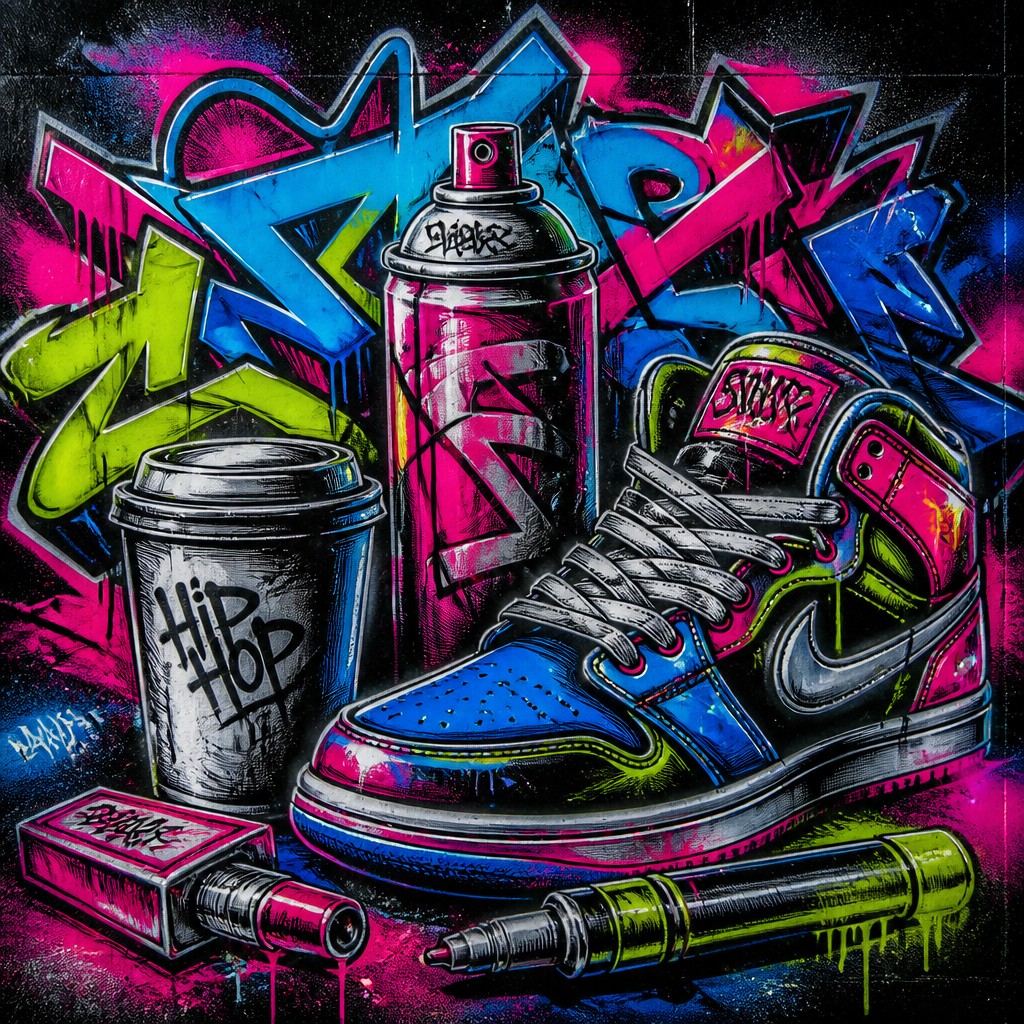
Urban surface integration
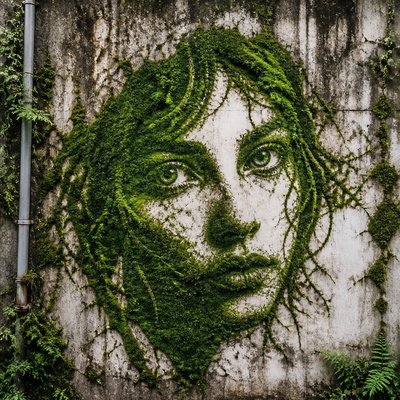
Concrete, brick, metal, shutters, and train surfaces often remain visible beneath the paint. The texture of the setting is not erased; it becomes part of the composition and reinforces the street-based context.
Try It
Create Videos in Graffiti Art Style
Styles aren't just for stills — describe a scene or animate an image and get a short video rendered in Graffiti. Press play to see this pond come to life.
Make a VideoGraffiti Prompt Ideas
Start from an idea — each one opens the generator with the style ready to go. See all 40 Graffiti prompts →
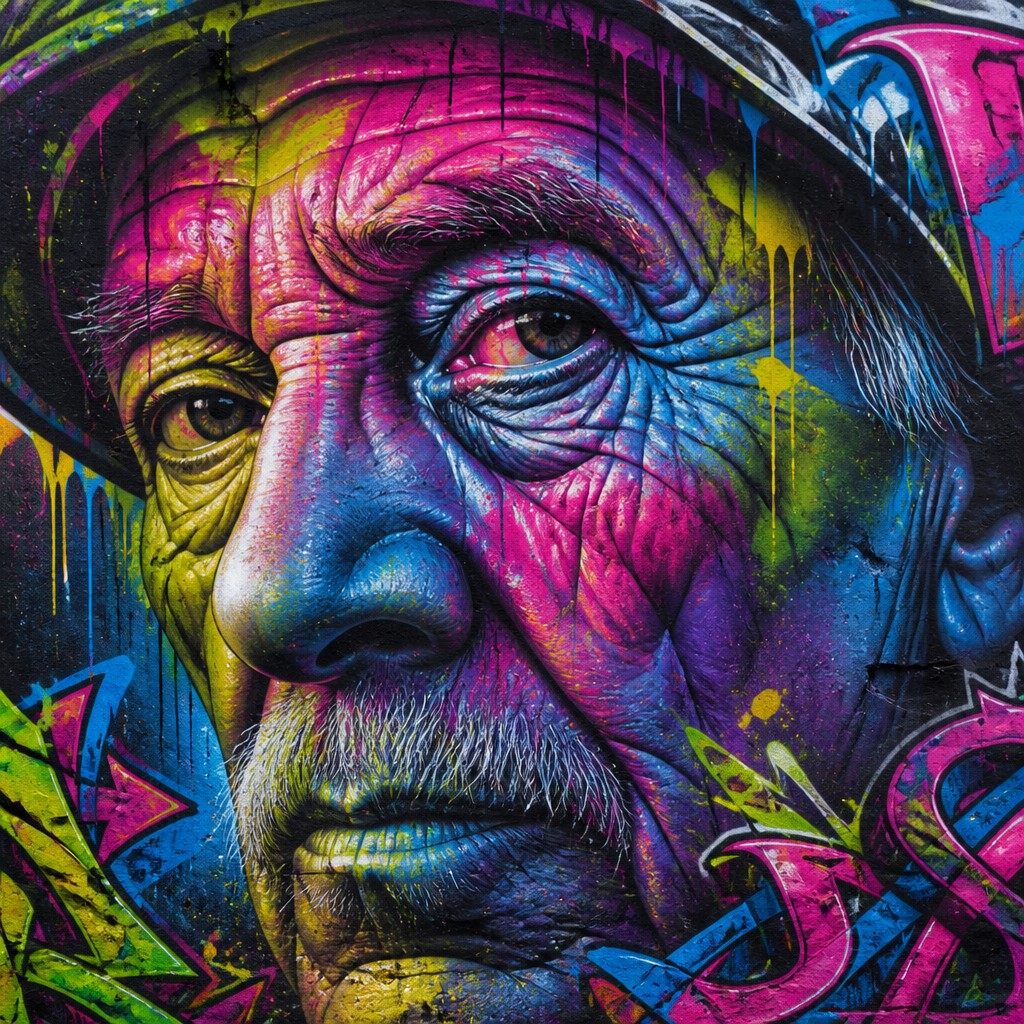
“close-up portrait of an elderly person with expressive weathered features”
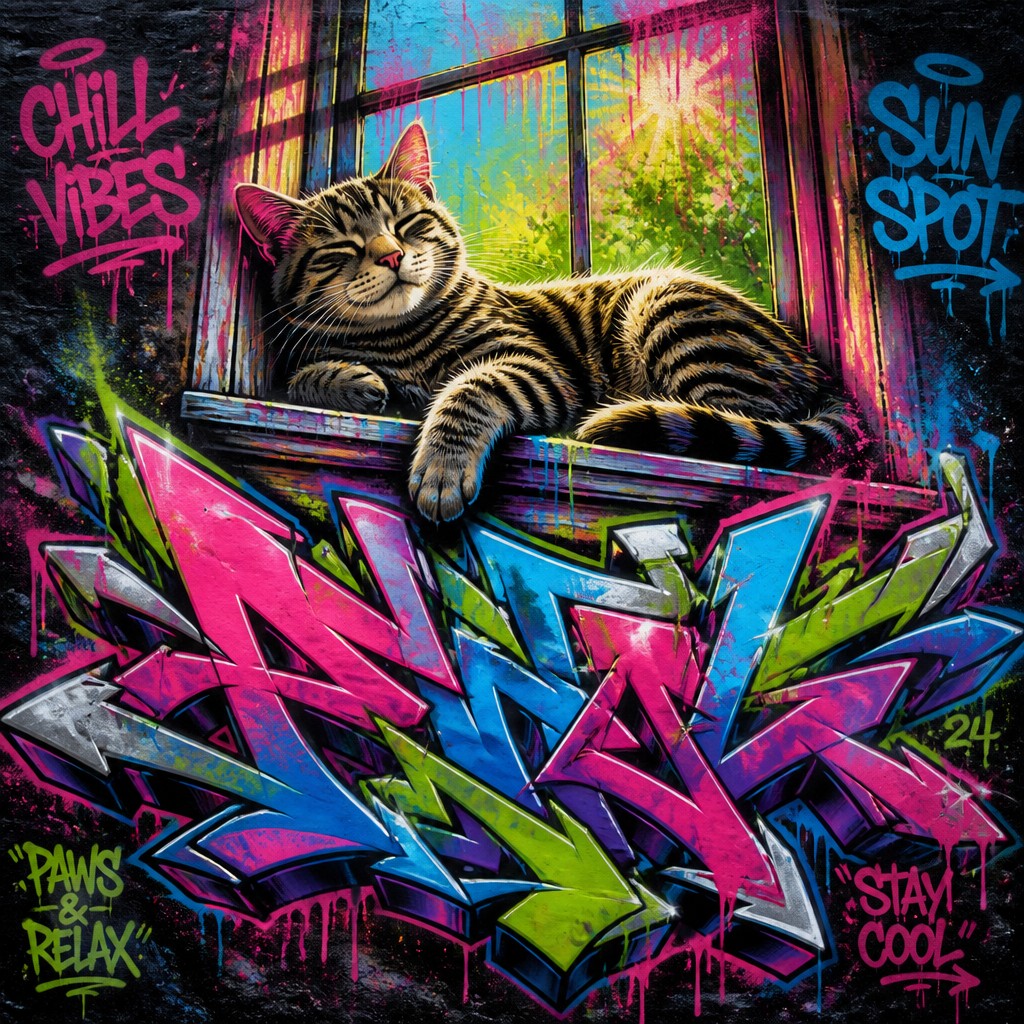
“a cat lounging in a sunlit window”
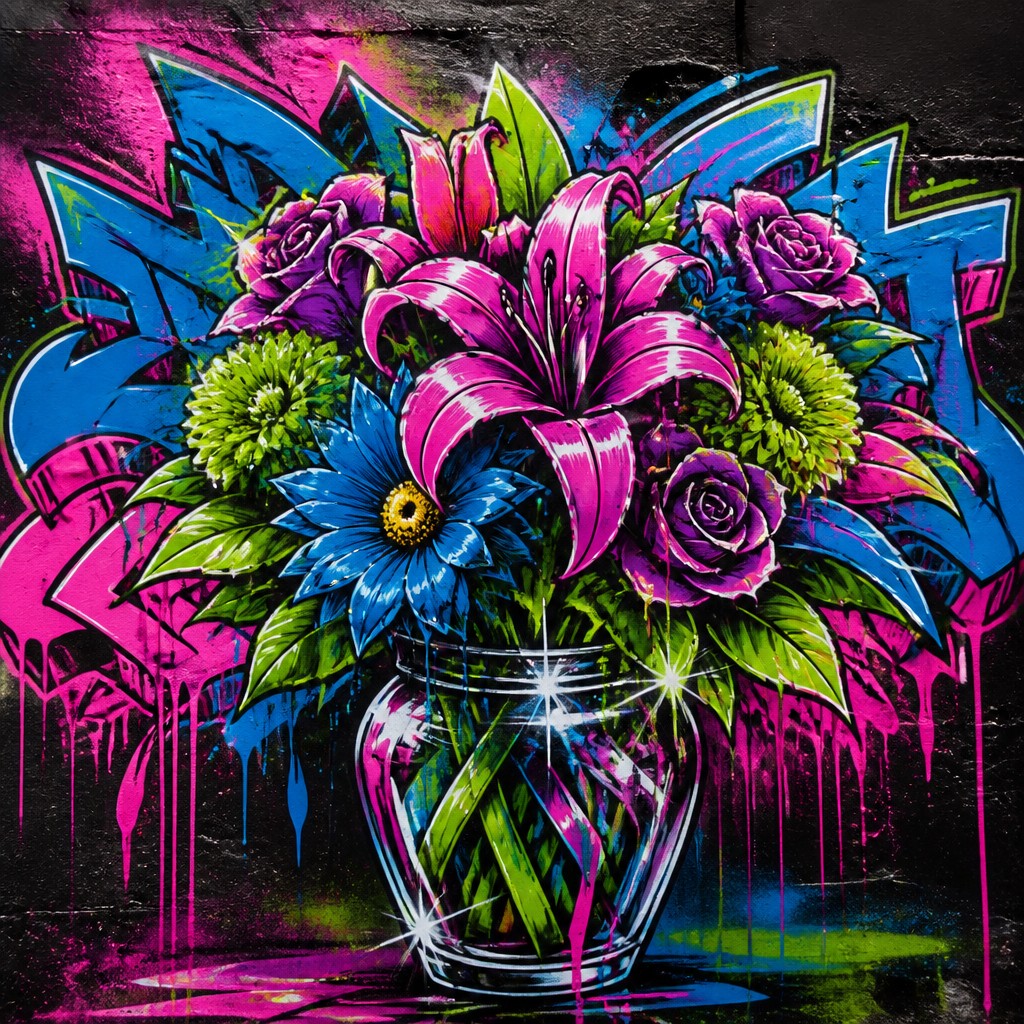
“bouquet of flowers in a glass vase”
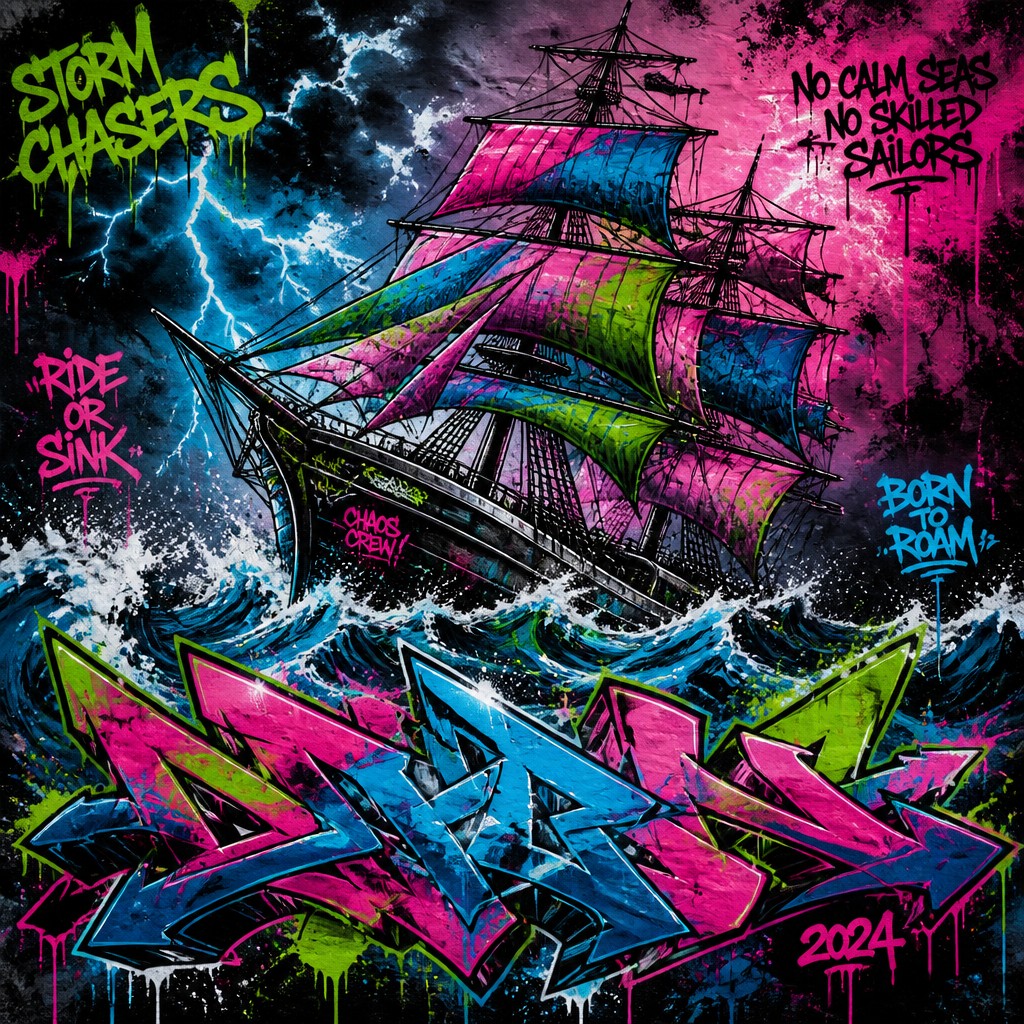
“sailing ship on a stormy sea”
How to Create Graffiti Art
Master the craft step by step — or skip straight to creating. Read the full guide →
- 1
Design the lettering first
Start with a readable tag, crew name, or short phrase, then push the letterforms into more angular, rounded, or interlocked shapes. Keep a balance between legibility and stylistic distortion so the piece still reads as lettering.
- 2
Build depth with outlines and shadows
Lay in a strong fill, then add a bold outer outline, an offset shadow, and selective chrome or highlight accents. In digital work, use separate layers for fills, outlines, shine, and texture so the forms stay crisp.
- 3
Use spray-paint logic
Traditional artists can mimic cap variation by combining broad passes, tight line work, and controlled fades; digital artists can simulate overspray, drips, and soft mist with textured brushes. Uneven edges and small paint errors help the piece feel authentic.
- 4
Echo the wall or surface
Do not treat the background as empty space—introduce brick texture, concrete grain, peeling paint, or weathering. Even in a clean composition, a rough urban backdrop helps anchor the style in street culture.
- 5
Generate with subject plus surface cues
When writing prompts, name the subject clearly and include materials such as aerosol paint, wall texture, drips, overspray, and bold layered outlines. Specify color contrasts and dimensional effects to steer the result toward graffiti rather than generic lettering.

The Story
History & Origins of Graffiti
Modern graffiti developed in late-1960s and 1970s New York City, where writers began signing walls, subway cars, and public infrastructure with increasingly elaborate tags and later whole-piece murals. Early pioneers helped establish the visual grammar of the form, and crews, neighborhood identity, and subway culture all shaped its evolution. As styles matured, wildstyle, bubble letters, blockbusters, and highly rendered characters became distinct approaches within the broader graffiti tradition.
Graffiti’s aesthetic lineage draws from sign painting, comic-book lettering, illustration, poster design, and the improvisational energy of hip-hop. Its techniques were transformed by aerosol paint, which allowed fast coverage, layering, and broad tonal variation; from there, graffiti spread internationally into murals, legal walls, fine-art contexts, and graphic design while retaining its emphasis on lettering, public visibility, and urban edge.
Influences: Graffiti art grew from sign painting, comic-book and cartoon lettering, poster design, and the graphic urgency of hip-hop-era urban culture. Its visual language also overlaps with abstract expressionism in its emphasis on gesture and scale, though graffiti is more text-driven and public-facing. Within real historical and design traditions, its relationship to hand-lettered signage, cartooning, and mural painting is especially important; it should not be reduced to a single fine-art precedent because its identity comes from street practice, materials, and community authorship.
Frequently Asked Questions
What defines graffiti art style?
Graffiti art is defined by stylized lettering, bold outlines, aerosol paint effects, and strong urban energy. It usually centers on names, tags, or crew marks rather than traditional narrative scenes. The style often includes drips, overspray, layered fills, and 3D shadows.
How is graffiti different from street art?
Graffiti is usually more letter-based and tied to writer culture, tags, and stylized name writing. Street art is a broader category that can include stencils, murals, paste-ups, posters, and figurative work. Many artists work in both, but graffiti typically prioritizes lettering and crew identity.
What is wildstyle?
Wildstyle is a graffiti approach in which letters are heavily interwoven, distorted, and often difficult for outsiders to read. It uses arrows, extensions, overlaps, and sharp angles to create a dense, aggressive visual rhythm. This makes it one of the most iconic and challenging graffiti forms.
What materials are used in graffiti art?
The classic material is aerosol spray paint, often combined with markers, paint pens, acrylics, and sometimes rollers or house paint for larger walls. Digital artists can imitate the style with textured brushes, layered outlines, and spray effects. Surface texture matters as much as the paint itself.
How do I make graffiti art look authentic?
Focus on strong letter structure, layered outlines, visible spray texture, and a composition that feels fast and energetic. Avoid making it look too clean or flat; graffiti usually benefits from rough edges, drips, and surface wear. The final image should feel like it belongs to a wall, train, or urban panel.
Where is graffiti art commonly used today?
It appears on legal walls, murals, album covers, skate and streetwear graphics, posters, branding, and editorial illustration. It is also widely used in digital artwork because its lettering and color systems adapt well to poster-like compositions. Even when polished, it often keeps the visual language of the street.
Create your first Graffiti artwork
Describe anything — or upload a photo — and see it in Graffiti Art Style in seconds.
Make Something with Graffiti
Compare Graffiti
Related Styles
Discover similar art styles