Graffiti vs Wildstyle Graffiti Street: What's the Difference?
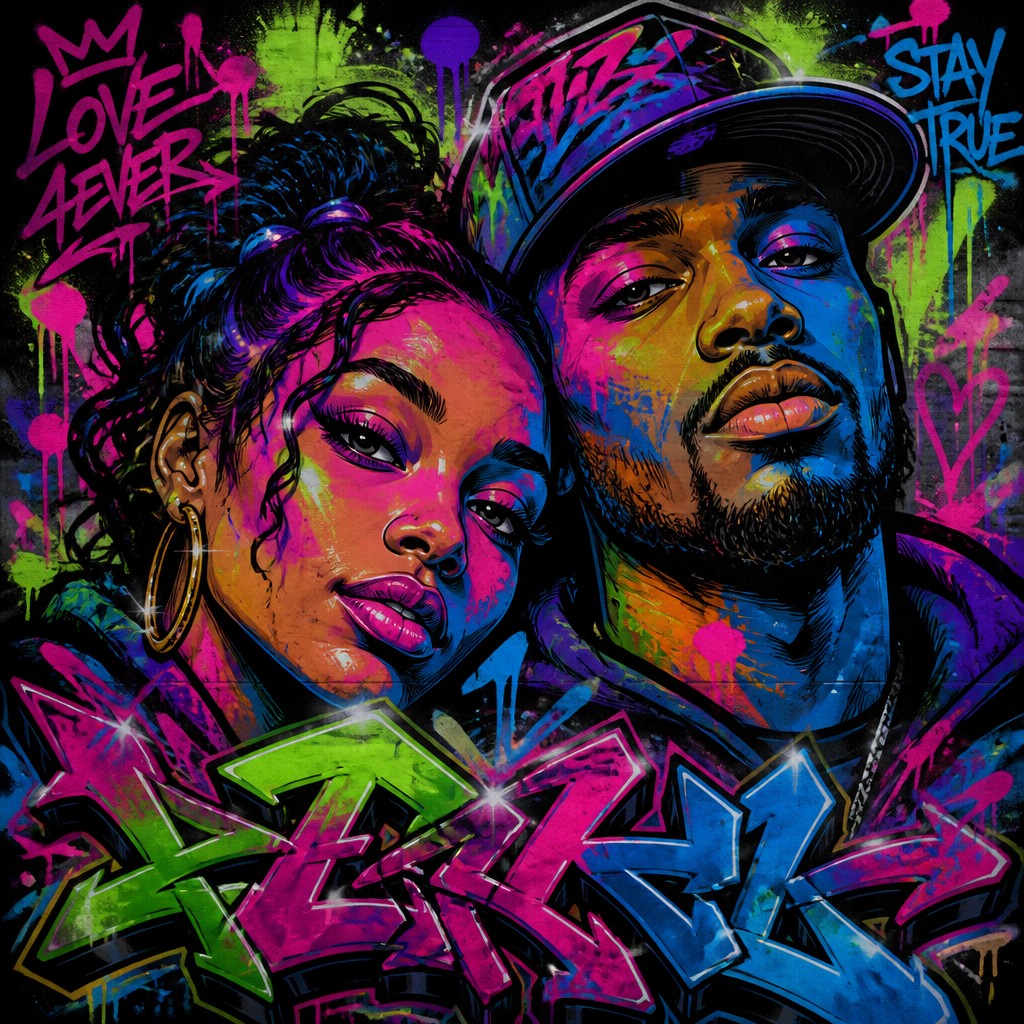
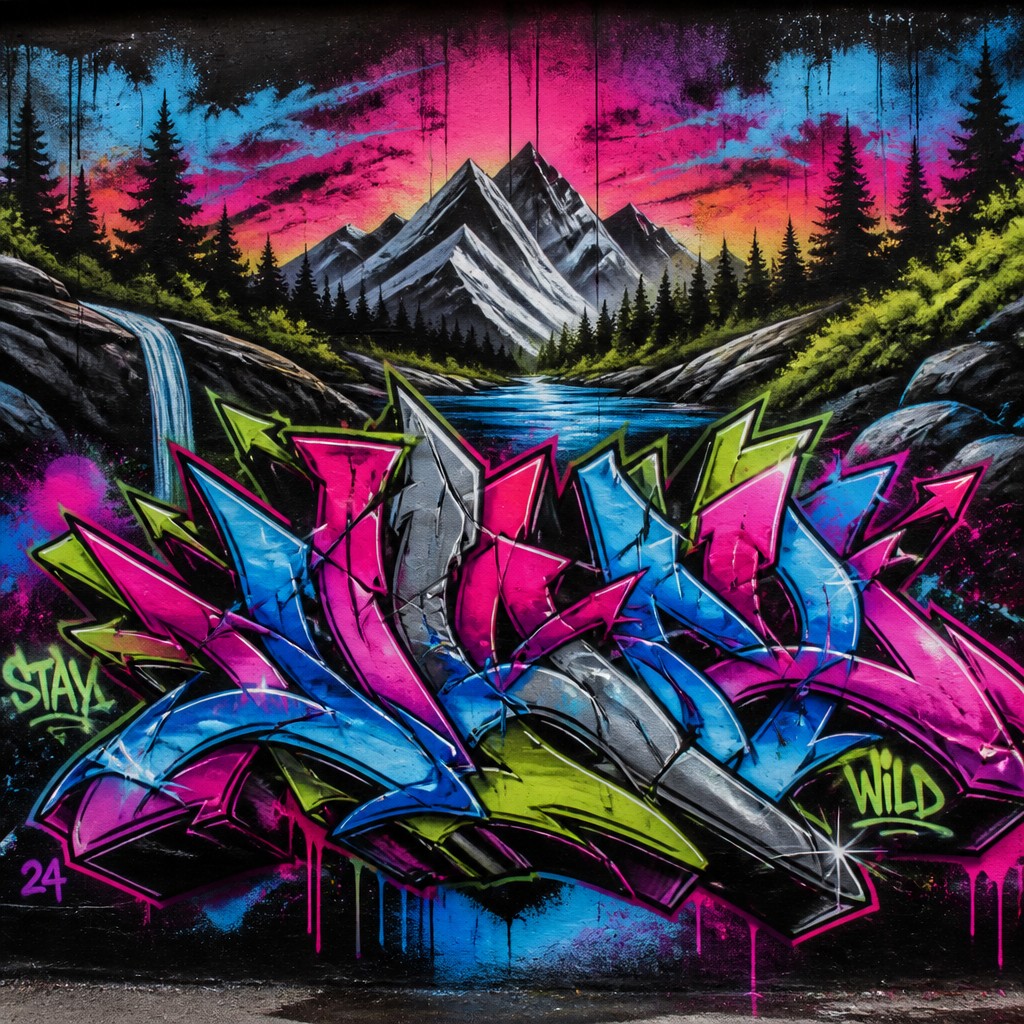
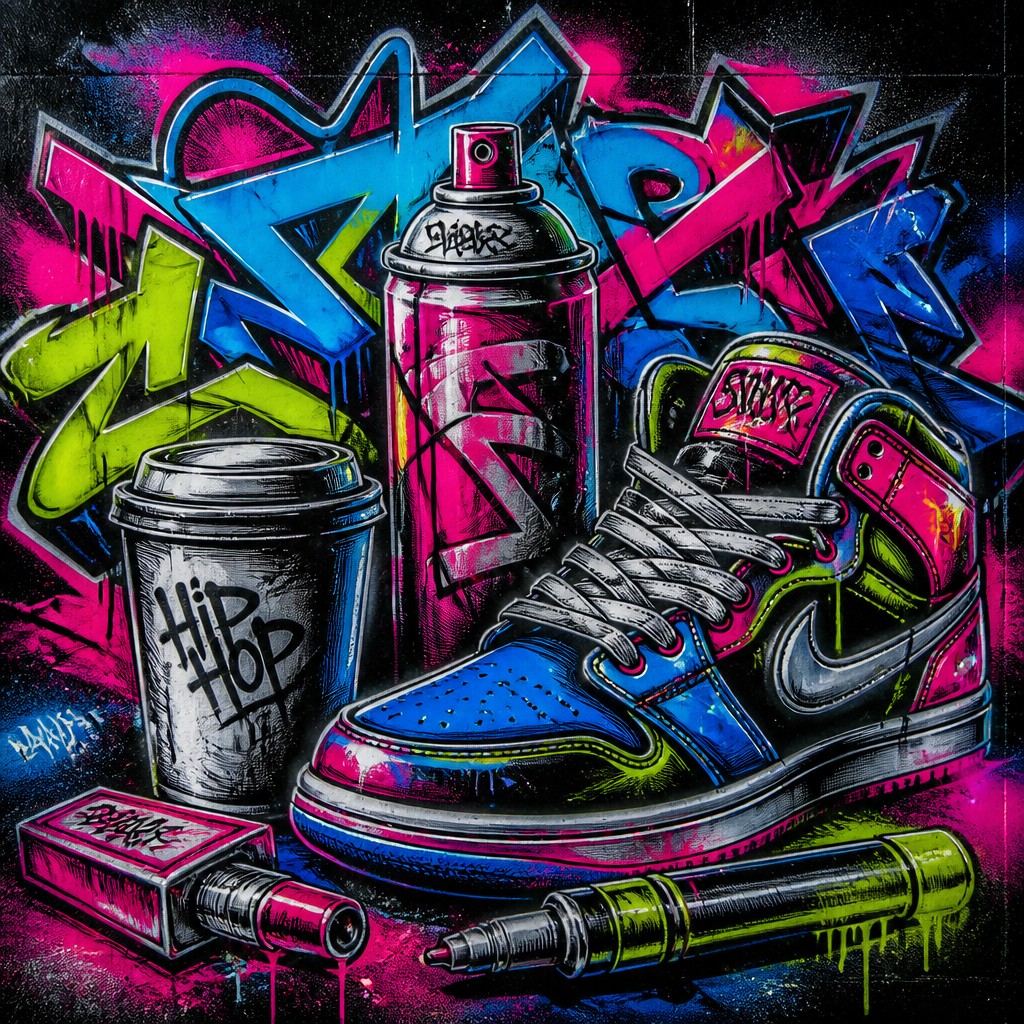
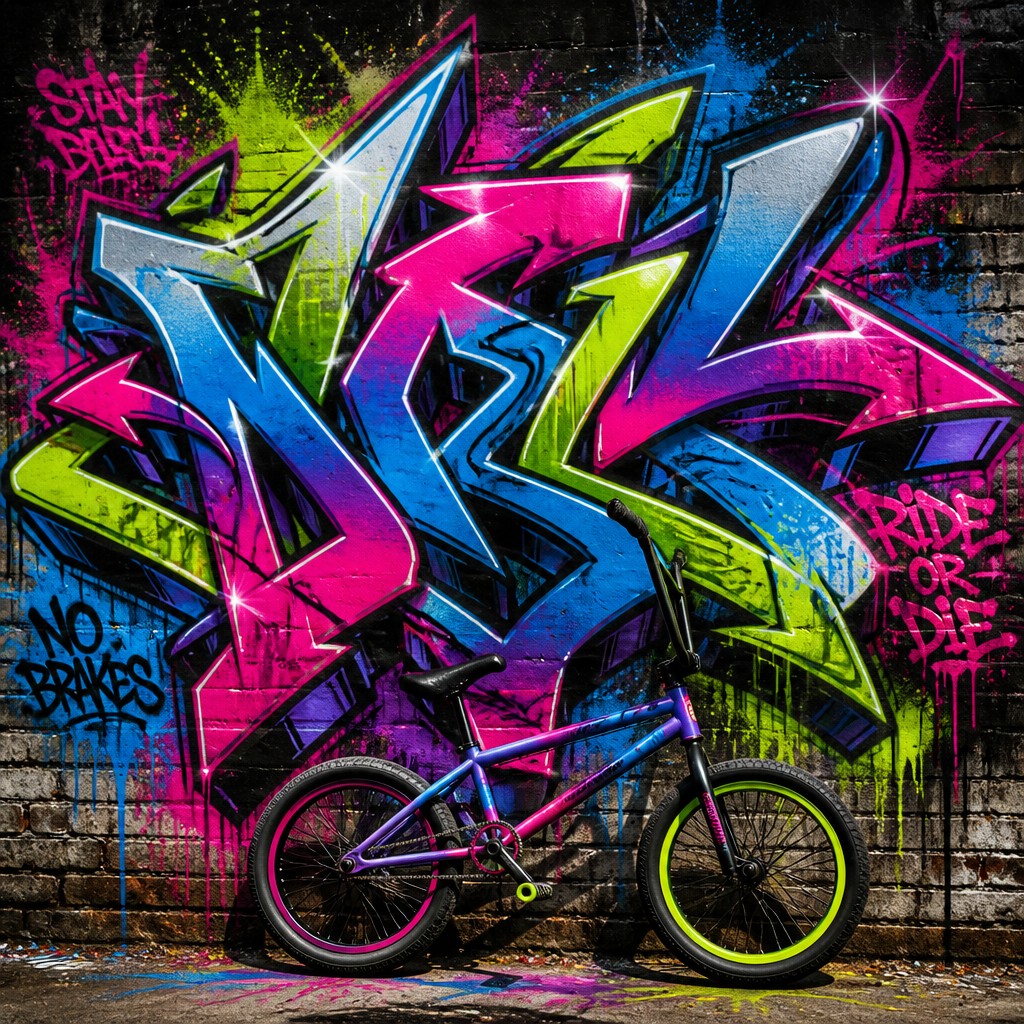
Graffiti Art Style is a broad urban visual language built from bold lettering, aerosol drips, crew tags, fast marks, and hip-hop energy. It often feels raw, spontaneous, and street-rooted, with an emphasis on readable impact, rhythm, and the culture of public marking.
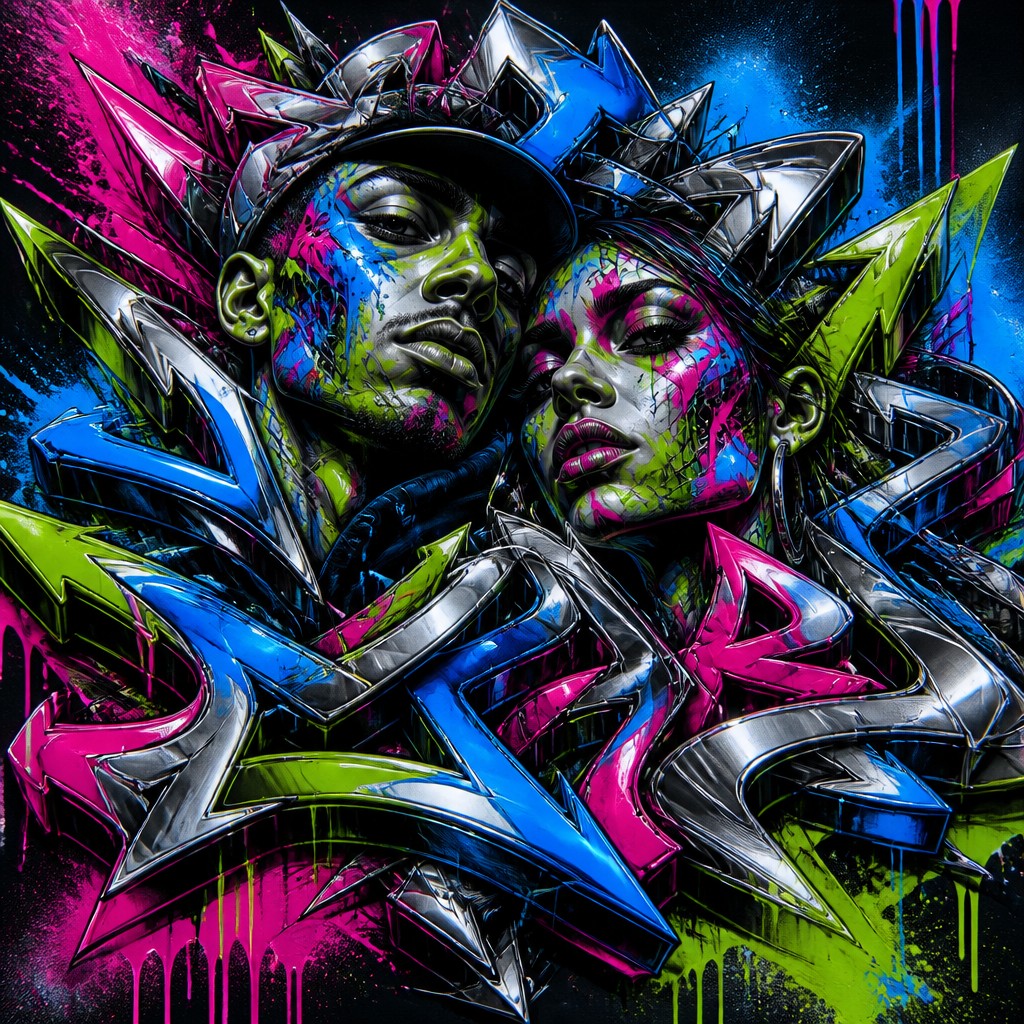
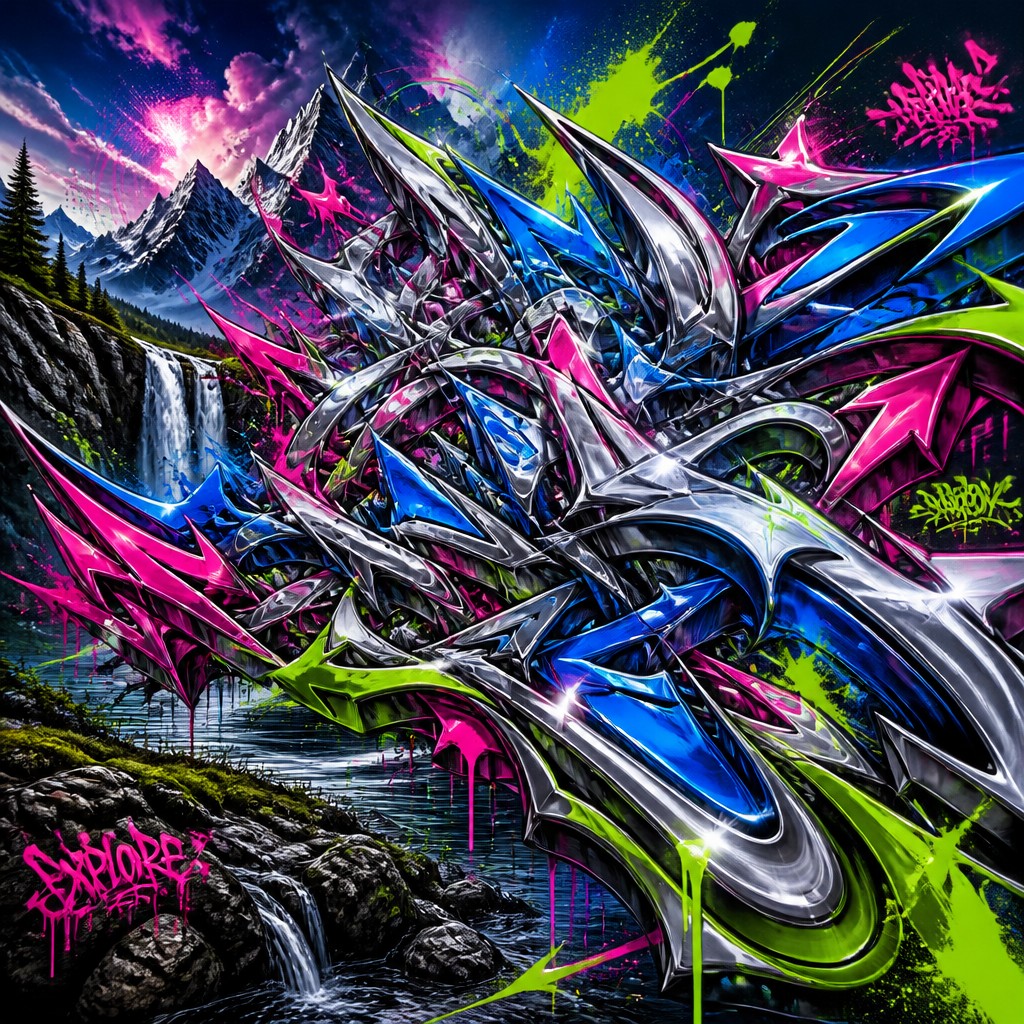
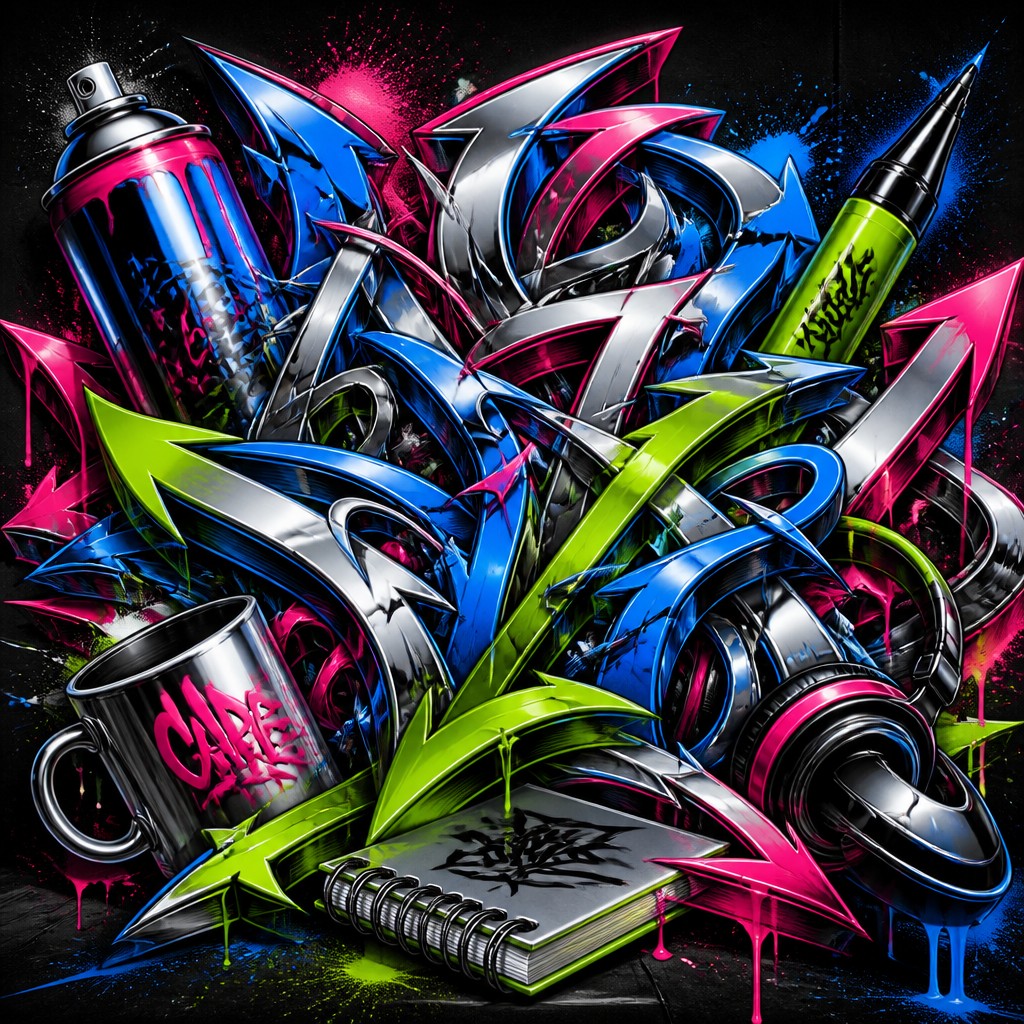
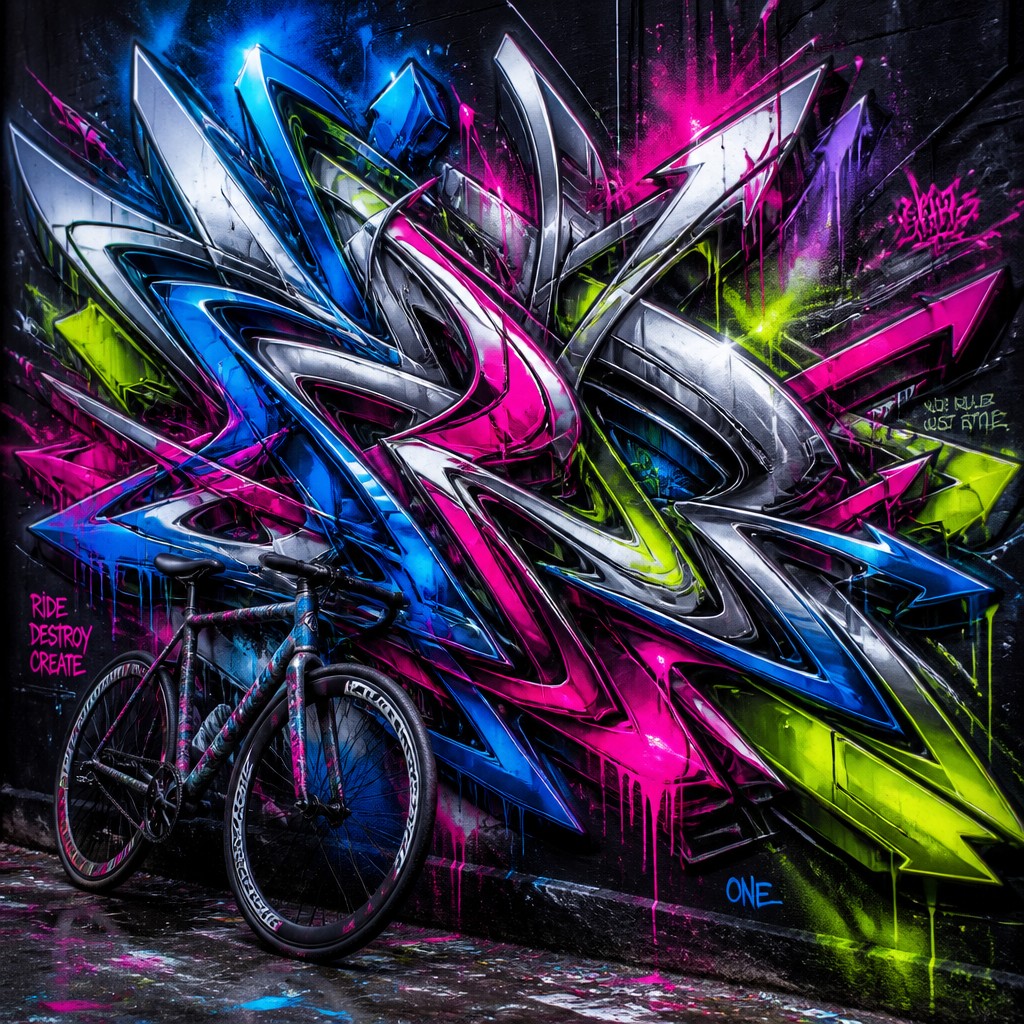
Wildstyle Graffiti Street Art Style is a more intricate branch of graffiti focused on tightly interlocking letters, arrows, chrome fills, and heavy outlines. People compare the two because both share the same urban origins and spray-paint look, but they differ in complexity, legibility, and how aggressively they push letter structure.
Same Prompt, Both Styles
Each pair below was generated from the identical prompt — only the style changed.
“portrait of two people together”
“wide landscape with natural scenery”
“still life with everyday objects”
“bicyle resting against a wall”
Key Differences
| Graffiti | Wildstyle Graffiti Street | |
|---|---|---|
| Letter complexity | Simpler, bolder lettering with clear shapes and direct visual punch. | Highly interwoven letters with extensions, arrows, and layered structure. |
| Readability | Usually easier to read at a glance. | Often difficult to read, designed more for style than clarity. |
| Visual energy | Feels raw, expressive, and street-authentic. | Feels explosive, intricate, and highly charged. |
| Surface treatment | Uses drips, tags, and loose spray texture often. | Uses chrome fills, bold outlines, and polished contrast. |
| Line & form | Broad strokes and freer letter construction. | Sharp angles, tight connections, and elaborate forms. |
| Best use | Great for posters, murals, and designs needing immediate impact. | Great for detailed pieces where letter system complexity is the focus. |
| Mood | bold, rebellious, urban, kinetic, expressive | chaotic, electric, aggressive, urban, dynamic |
| Energy | intense | intense |
| Detail level | detailed | intricate |
| Color | high-contrast brights, black, chrome, neon accents | high-contrast neon, bold outlines, layered fills |
| Texture | sprayed, drippy, layered, rough-edged | paint-sprayed, glossy, layered, edgy |
| Origin | 1970s New York City street culture | 1970s New York City graffiti |
| Best for | album covers, posters, streetwear graphics, event flyers, murals, brand stickers | album covers, posters, streetwear graphics, skate art, murals |
| Difficulty | advanced | advanced |
Which Should You Choose?
Pick Graffiti Art Style if you want a broader, more readable urban look with strong attitude and faster visual recognition. Choose Wildstyle Graffiti Street Art Style if you want a denser, more technical piece that emphasizes complexity, movement, and layered letter construction. In short, A is better for bold clarity, while B is better for intricate expression.
Frequently Asked Questions
Is wildstyle just a type of graffiti?
Yes. Wildstyle is a more complex form within graffiti, centered on interlocking letter structures and stylized distortion. Graffiti art style is the wider category that includes many approaches, from simple tags to elaborate murals.
Which style is easier for beginners to learn?
Graffiti Art Style is usually easier because it can start with simple bold lettering and basic spray effects. Wildstyle typically takes more practice because the letters are compressed, connected, and harder to design clearly.
Which style is more readable from a distance?
Graffiti Art Style is generally more readable because its letterforms are bolder and less compressed. Wildstyle often prioritizes complexity over legibility, so it can become harder to read at distance.
Do both styles use the same tools and techniques?
They often share similar tools, especially spray paint and markers, and both may use outlines, fills, and highlights. The main difference is in how those tools are used: A tends to be looser and broader, while B is tighter and more structured.