Graffiti vs Street: What's the Difference?
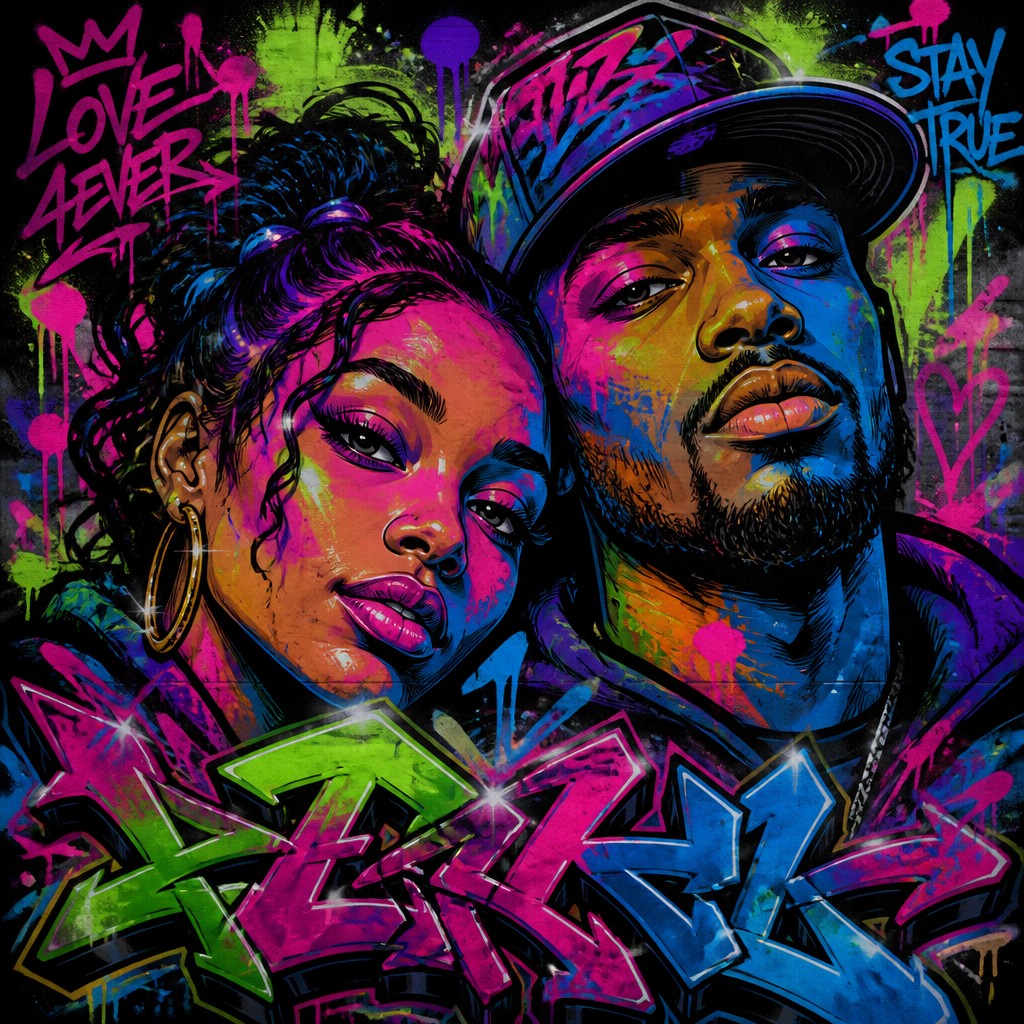
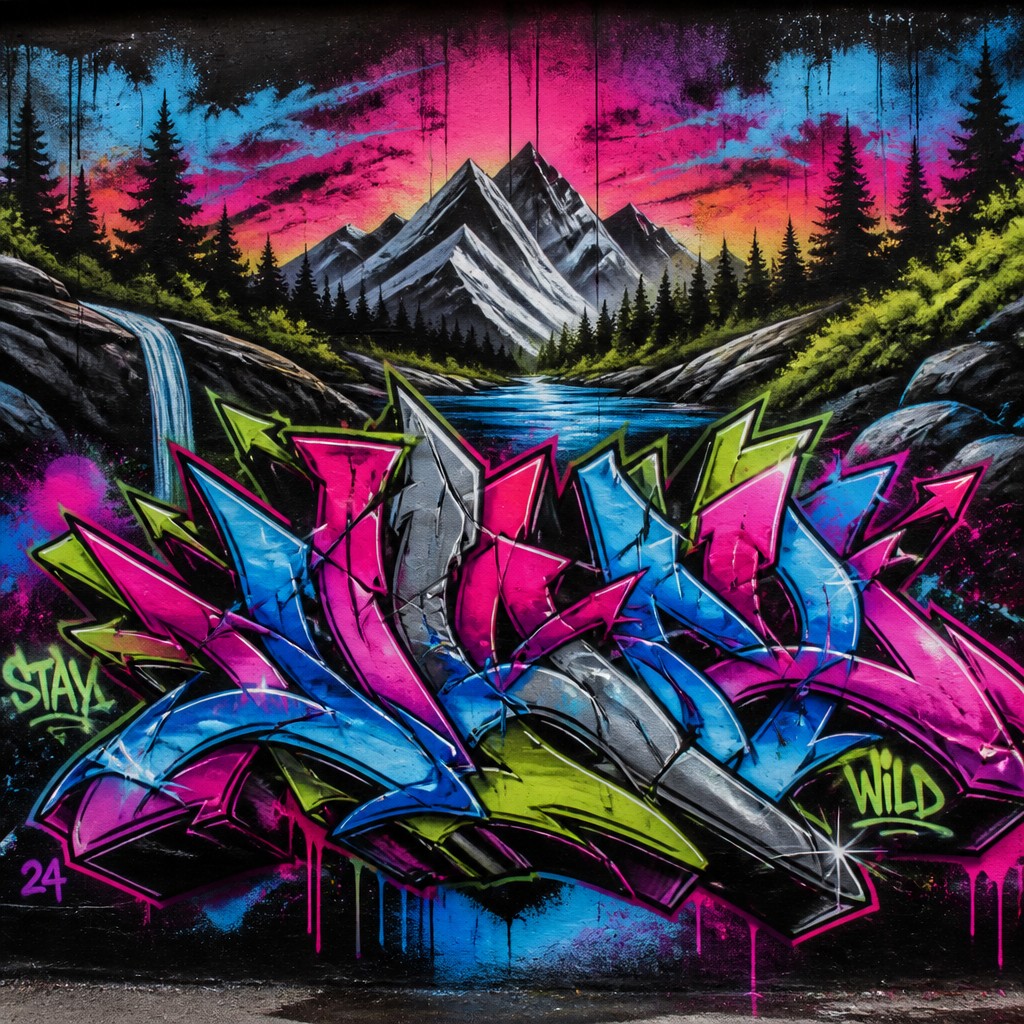
Graffiti art style is rooted in bold urban lettering, aerosol drips, wildstyle forms, crew tags, and a fast, high-energy visual language. It emphasizes style, identity, and letter-based expression, often prioritizing rhythm, movement, and individual or group presence in public space.
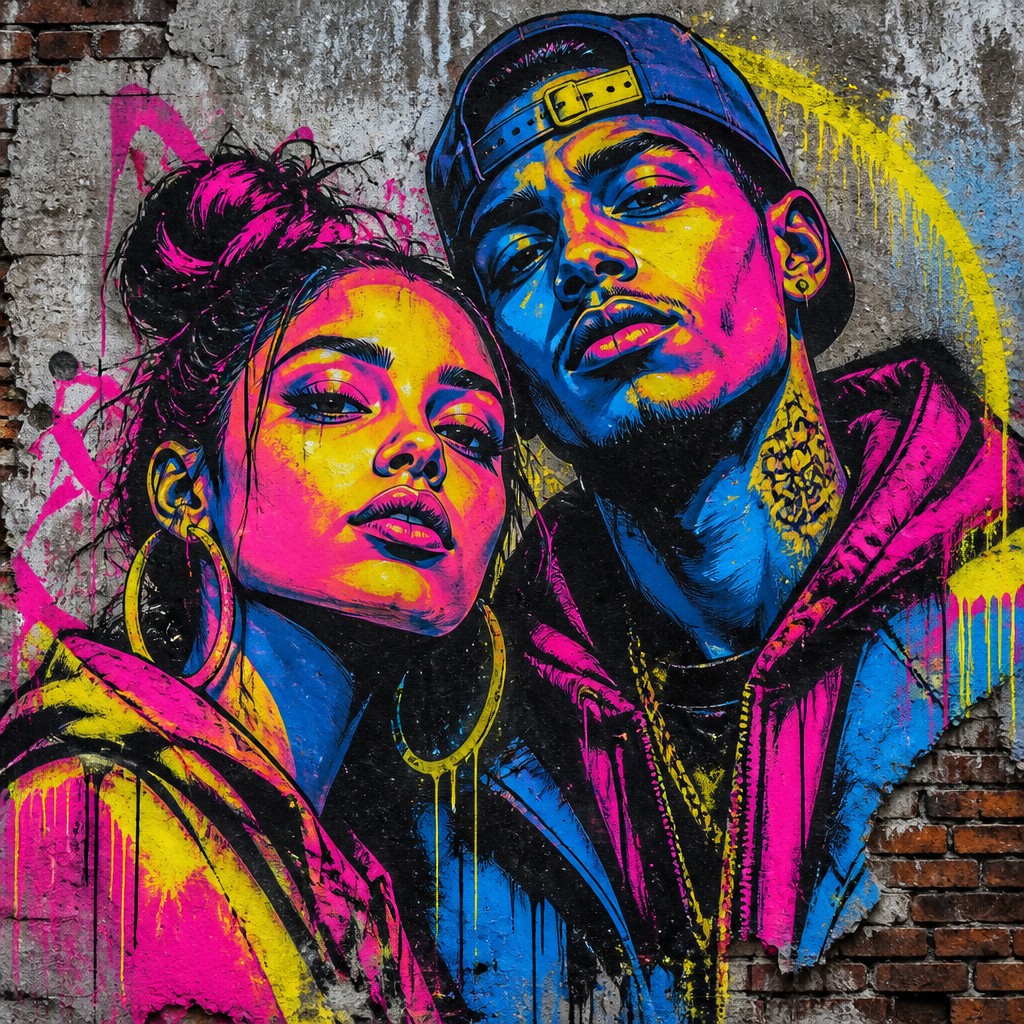
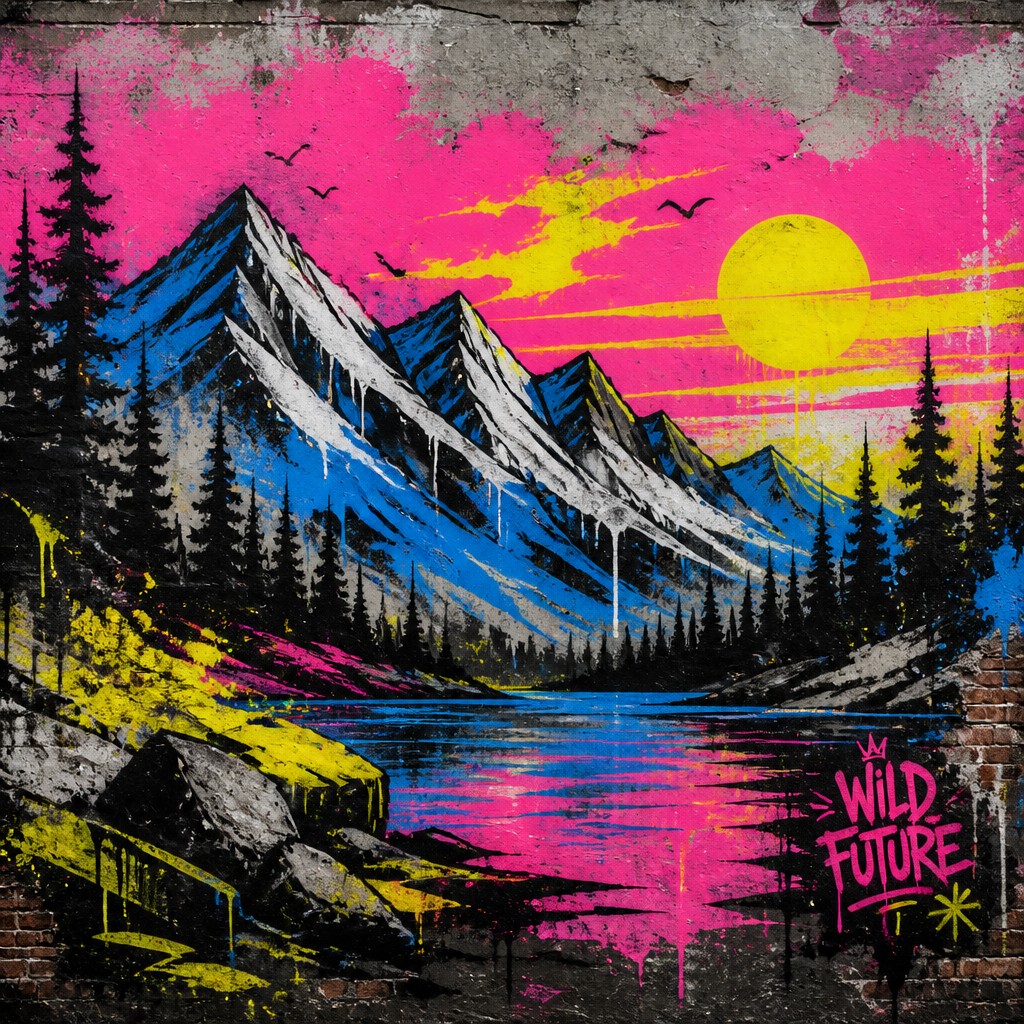
Street art style is broader public-facing art that uses spray paint, stencils, bold graphics, drips, and clear messaging to reach a wide audience. People compare the two because both grew from urban environments, often use similar materials, and can appear in the same places, yet they differ in purpose, readability, and how directly they communicate ideas.
Same Prompt, Both Styles
Each pair below was generated from the identical prompt — only the style changed.
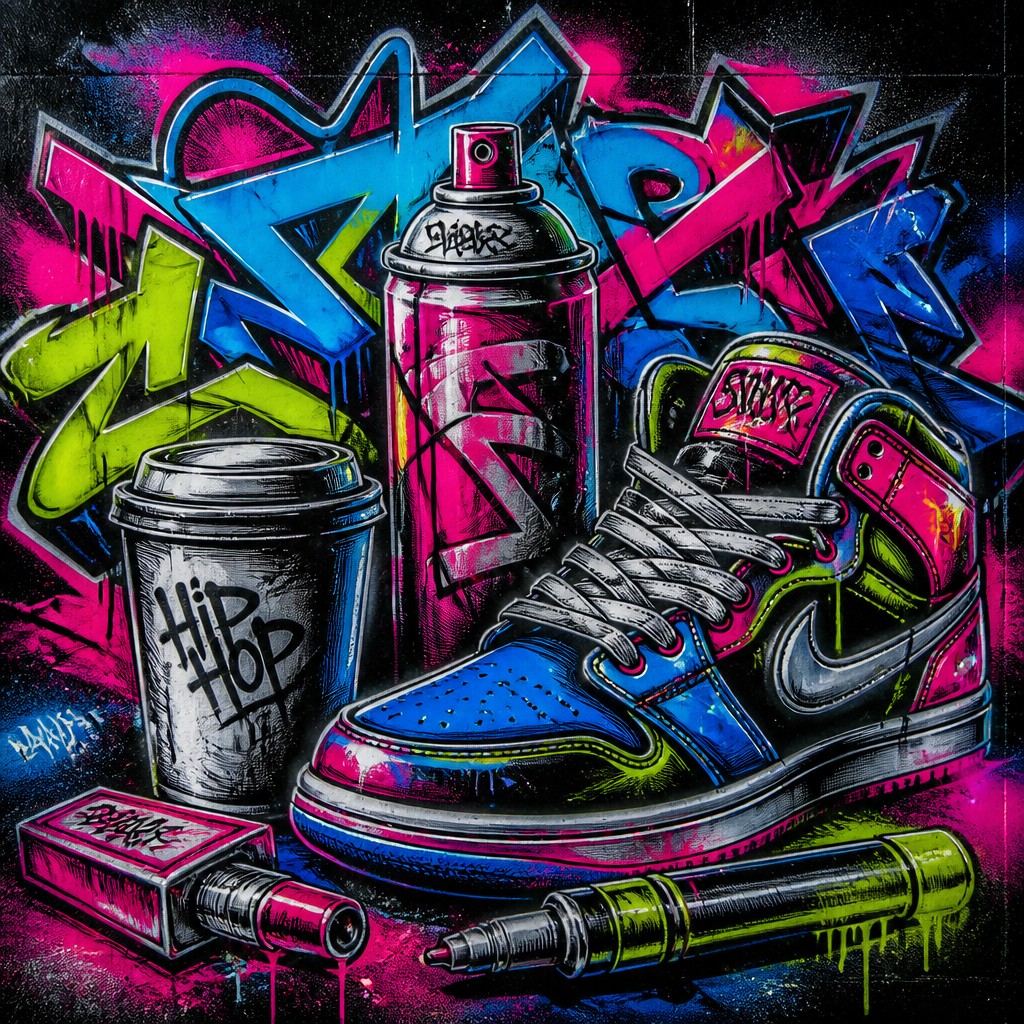
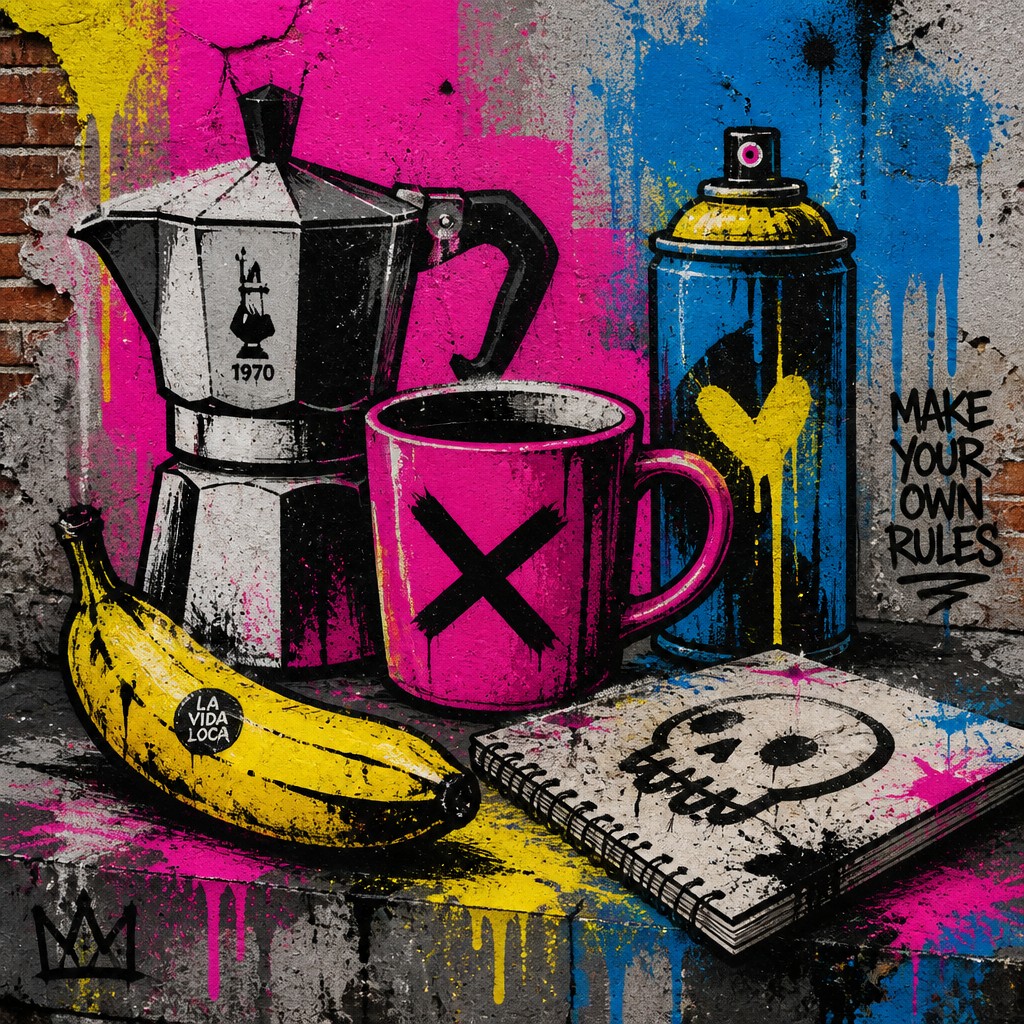
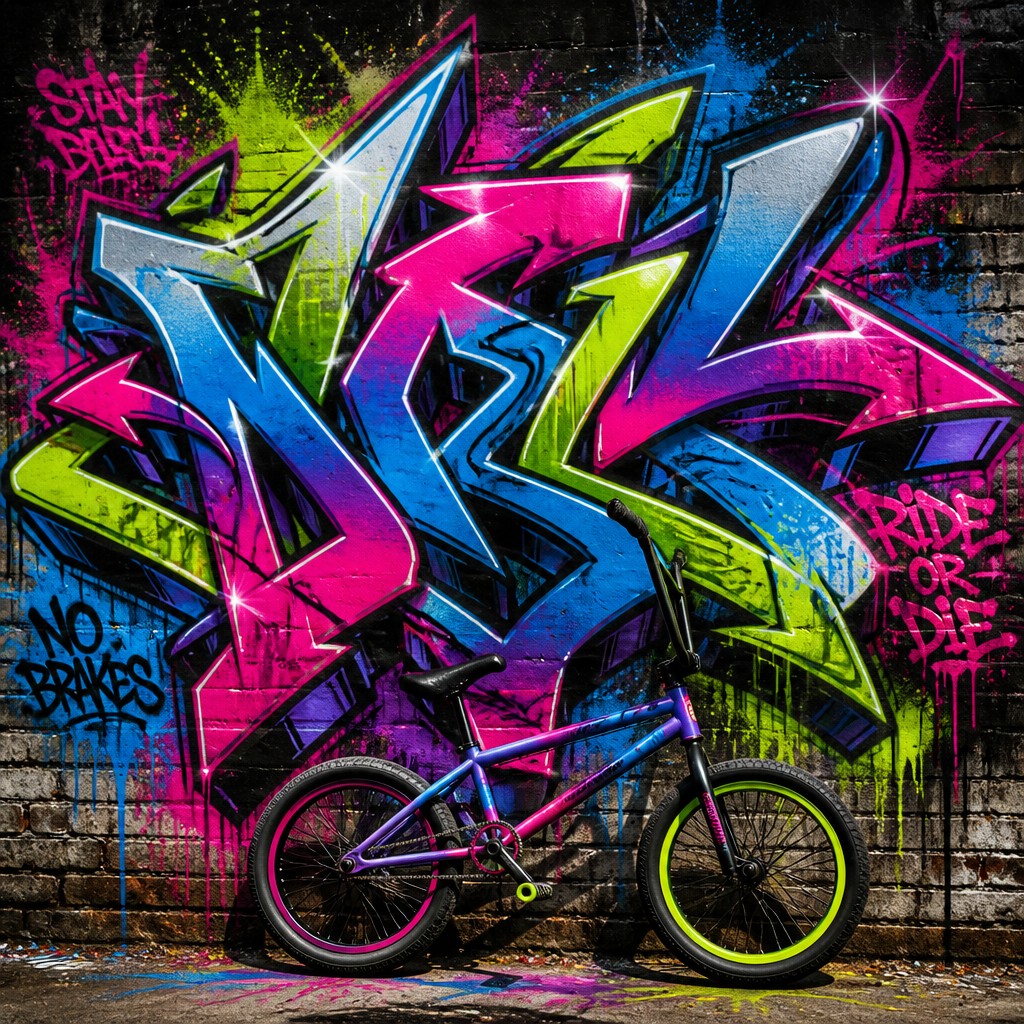
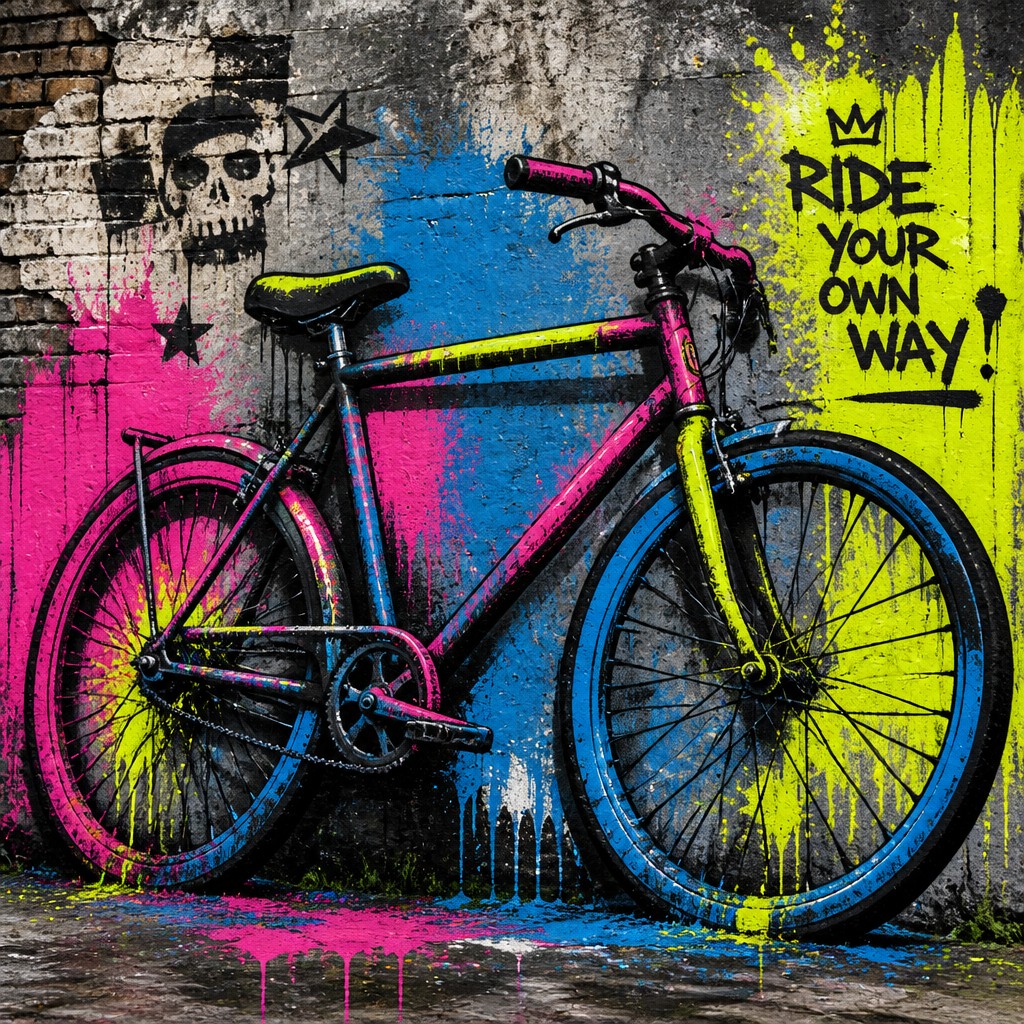
Key Differences
| Graffiti | Street | |
|---|---|---|
| Core focus | Letterforms, tags, and stylized names drive the composition. | Images, symbols, and messages usually lead the composition. |
| Visual language | Wildstyle, overlapping strokes, and energetic lettering dominate. | Bold graphics, stencils, and simplified shapes are common. |
| Readability | Often intentionally hard to read, especially in complex pieces. | Usually clearer and easier for passersby to understand quickly. |
| Purpose | Centers style, reputation, and personal or crew identity. | Often aims to communicate a social, cultural, or political message. |
| Public impact | Builds impact through letter style and visual intensity. | Builds impact through immediate recognition and message clarity. |
| Typical tools | Primarily aerosol paint with marker-style linework and fill. | Spray paint plus stencils, posters, and mixed graphic methods. |
| Composition style | Dense, layered, and movement-heavy with drips and connectors. | Often more open, graphic, and image-centered for fast viewing. |
| Mood | bold, rebellious, urban, kinetic, expressive | bold, urgent, rebellious, socially engaged |
| Energy | intense | intense |
| Detail level | detailed | moderate |
| Color | high-contrast brights, black, chrome, neon accents | high-contrast, saturated, graphic palette |
| Texture | sprayed, drippy, layered, rough-edged | spray-paint, postered, weathered surfaces |
| Origin | 1970s New York City street culture | 1970s urban public spaces, global |
| Best for | album covers, posters, streetwear graphics, event flyers, murals, brand stickers | murals, posters, album covers, campaign graphics, apparel graphics, editorial illustrations |
| Difficulty | advanced | moderate |
Which Should You Choose?
Pick graffiti art style if your goal is expressive lettering, complex forms, and a look built around tags, crews, and urban energy. Choose street art style if you want stronger messaging, clearer imagery, and a public-facing piece that communicates quickly to a broad audience. If you need both identity and message, the styles can overlap, but the deciding factor is whether the work should lead with letters or with ideas.
Frequently Asked Questions
Is graffiti art the same as street art?
Not exactly. Graffiti art is more focused on lettering, tags, and style-based identity, while street art is broader and often image- or message-driven. They overlap in materials and setting, which is why they are often grouped together.
Which style is easier for viewers to understand quickly?
Street art is usually easier to read at a glance because it often uses clear graphics or symbols. Graffiti art can be more complex and intentionally harder to decode, especially in wildstyle forms.
Which style is more about lettering?
Graffiti art is the lettering-centered style. Its core visual interest usually comes from stylized letters, tags, and how the forms are shaped and connected.
Can the two styles be combined?
Yes, many works blend them. A piece might use graffiti-style letters alongside street-art-style stencils, symbols, or social messages, depending on the intended effect.