Augmented Reality Graffiti
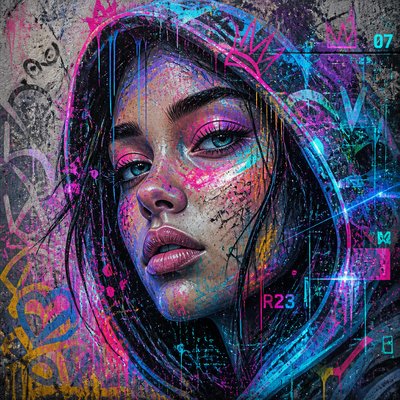
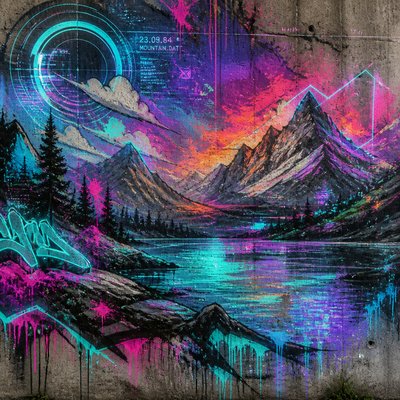
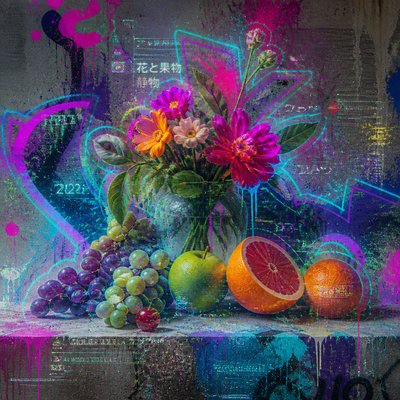
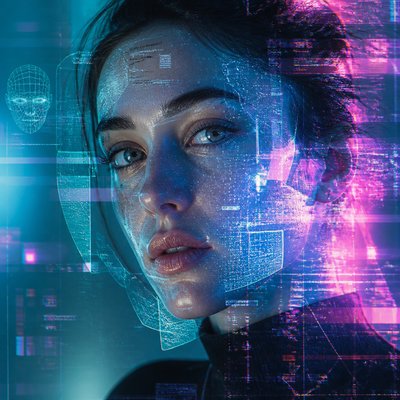
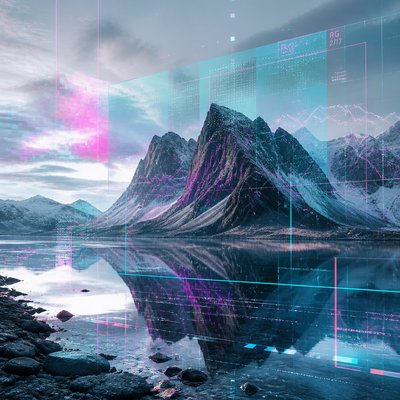
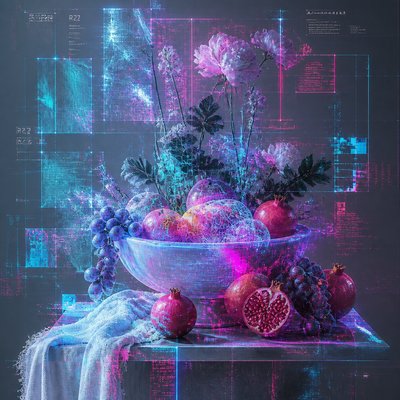
Street art fused with holographic overlays, glitch effects, and neon digital light—graffiti that exists in both physical and virtual space.
Instantly rendered in Augmented Reality Graffiti — or transform a photo
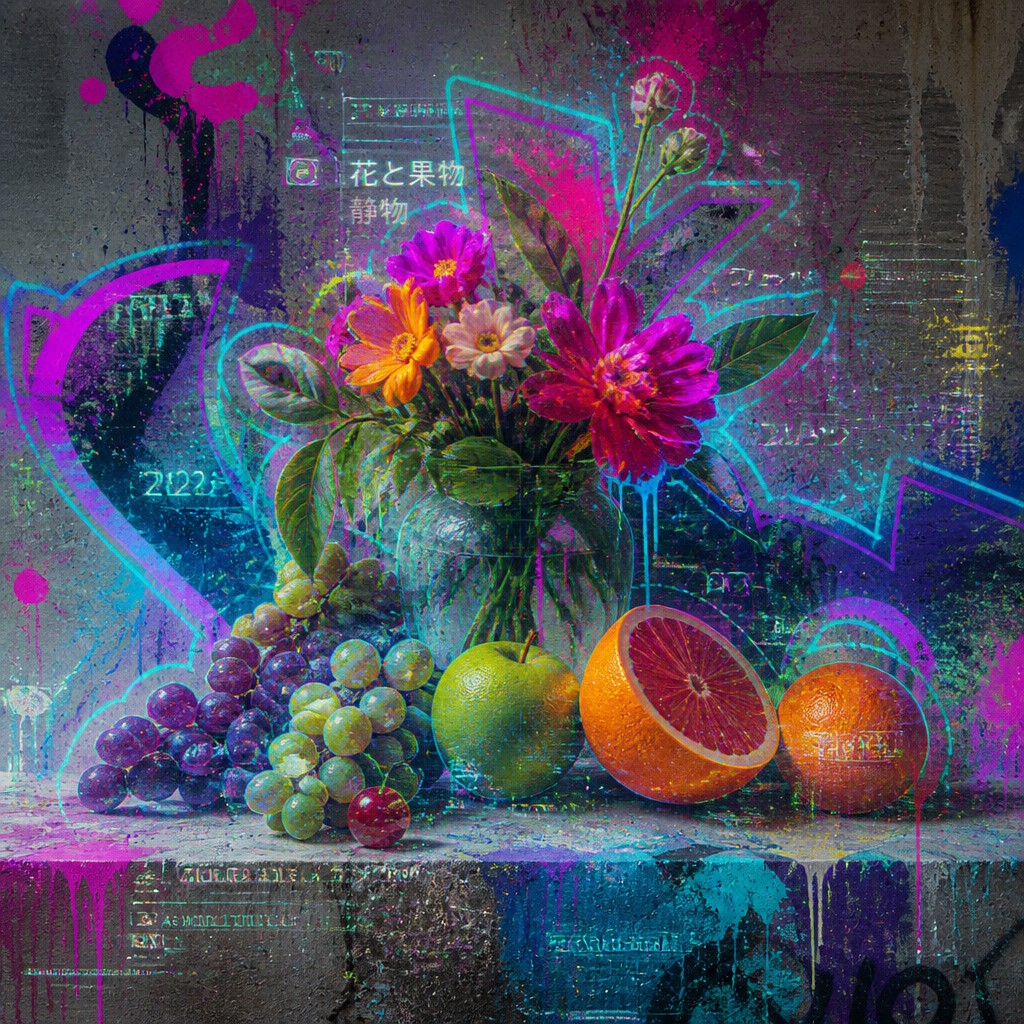
Augmented Reality Graffiti Gallery
Tap any artwork to explore it
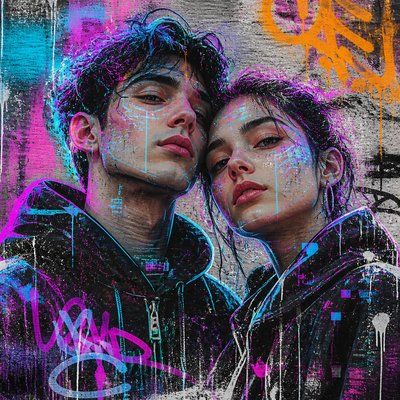
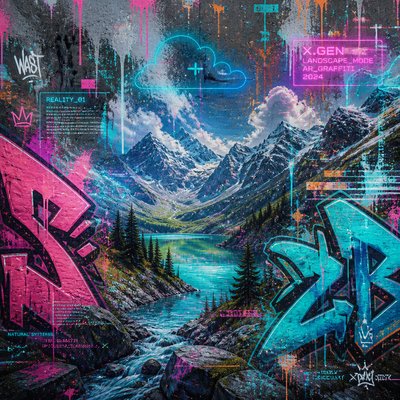
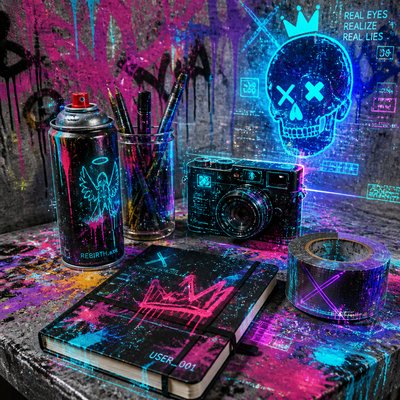
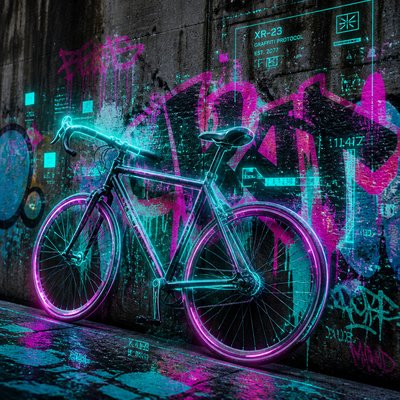
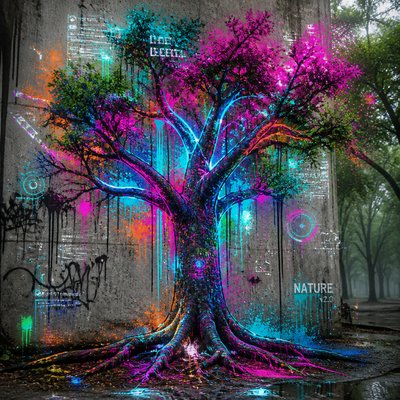
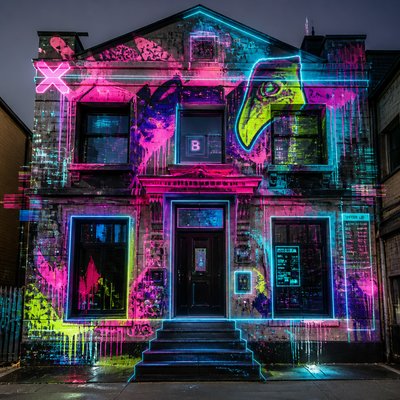
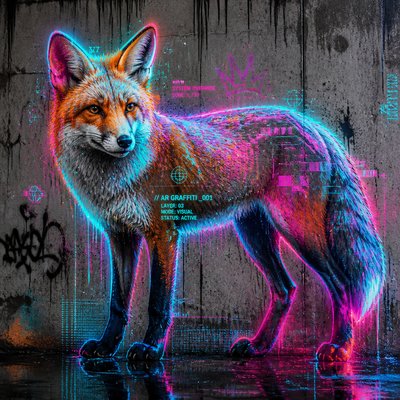
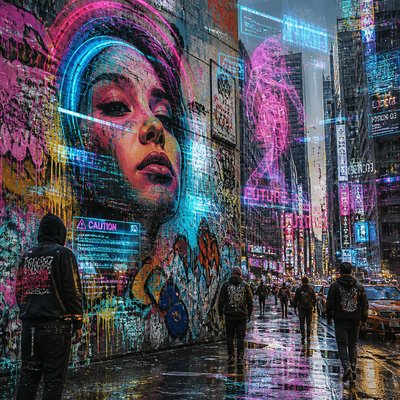
What is Augmented Reality Graffiti?
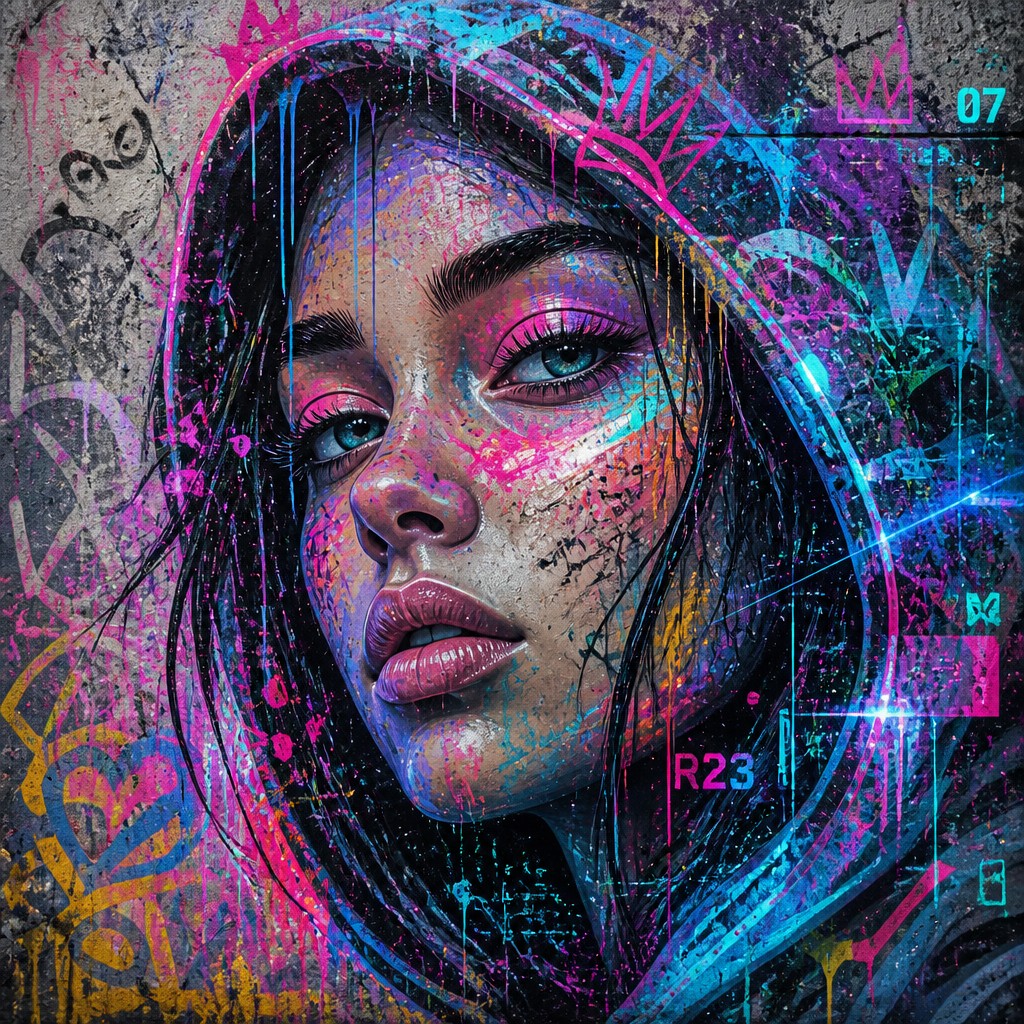
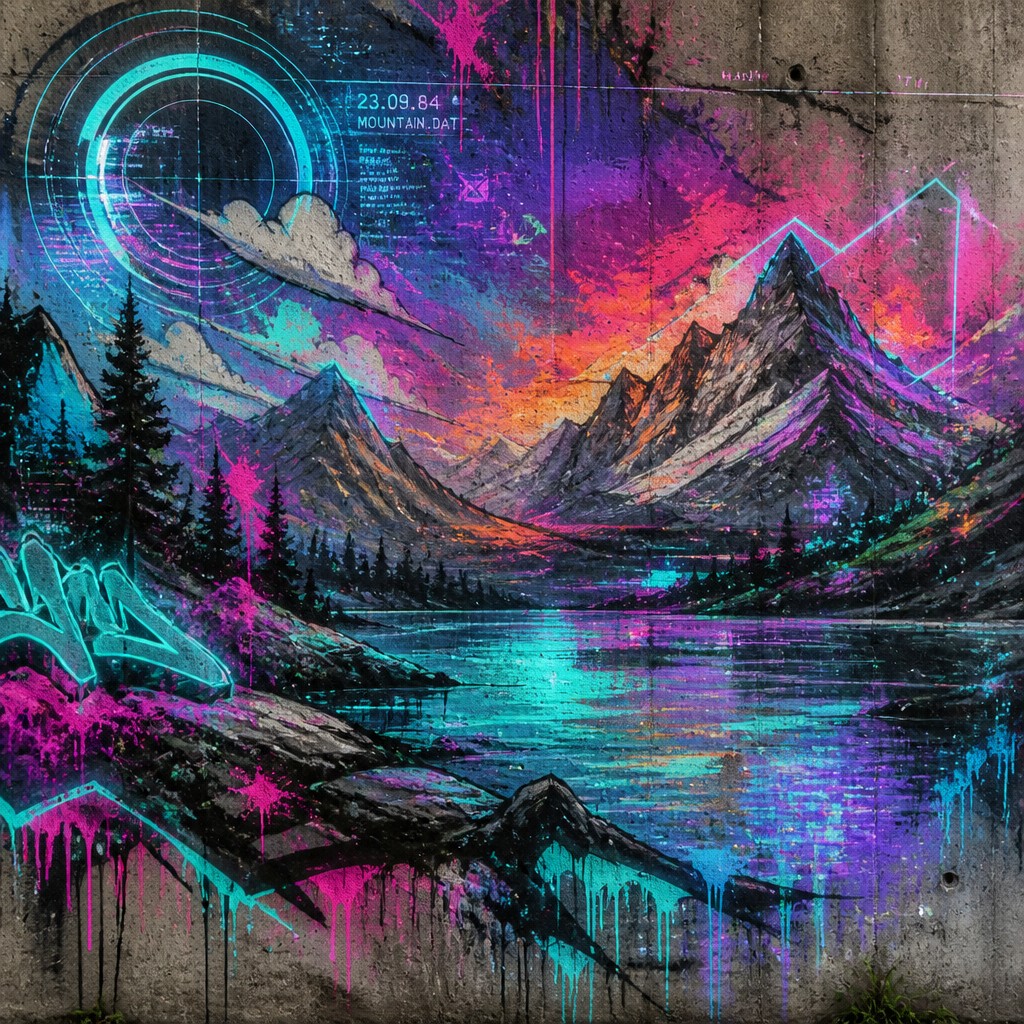
Augmented Reality Graffiti is a contemporary hybrid style that imagines graffiti as a layered encounter between the physical wall and a digital overlay. It combines the tactile qualities of street art—spray-paint mist, drips, stencil edges, concrete texture, tagging, and mural scale—with luminous projected elements that appear to float above or penetrate the surface. The result is an image language where a city wall seems to host both handmade marks and responsive digital light at once.
Its visual identity is defined by contrast: rough versus smooth, opaque versus translucent, analog versus synthetic, urban grime versus polished neon. Common effects include holographic panels, chromatic aberration, pixel fragmentation, scan lines, and light trails that trace graffiti contours. The style looks this way because it draws on real graffiti traditions while imagining a world of mixed reality, projection mapping, and immersive media layered onto the street.
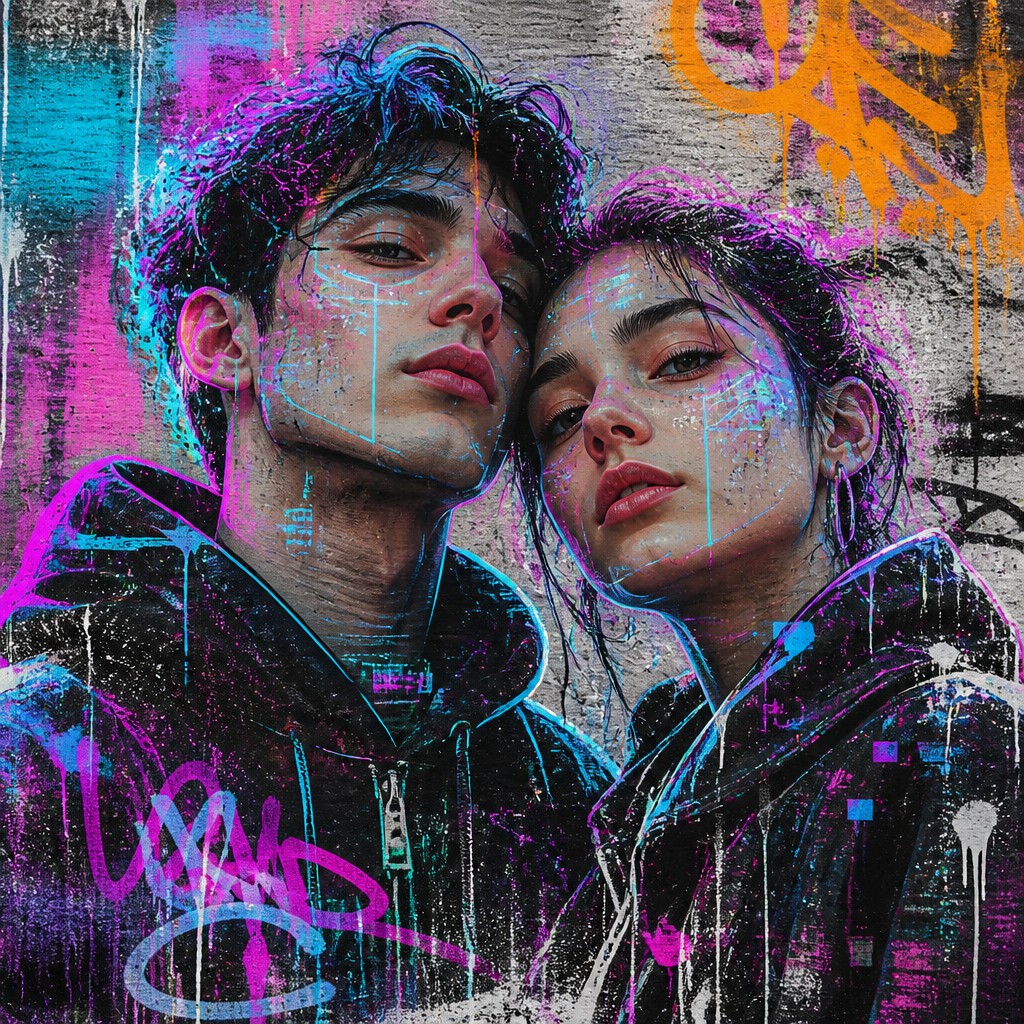
Try It On Your Photos
Upload any photo and convert it into Augmented Reality Graffiti — drag the sliders to compare before and after.
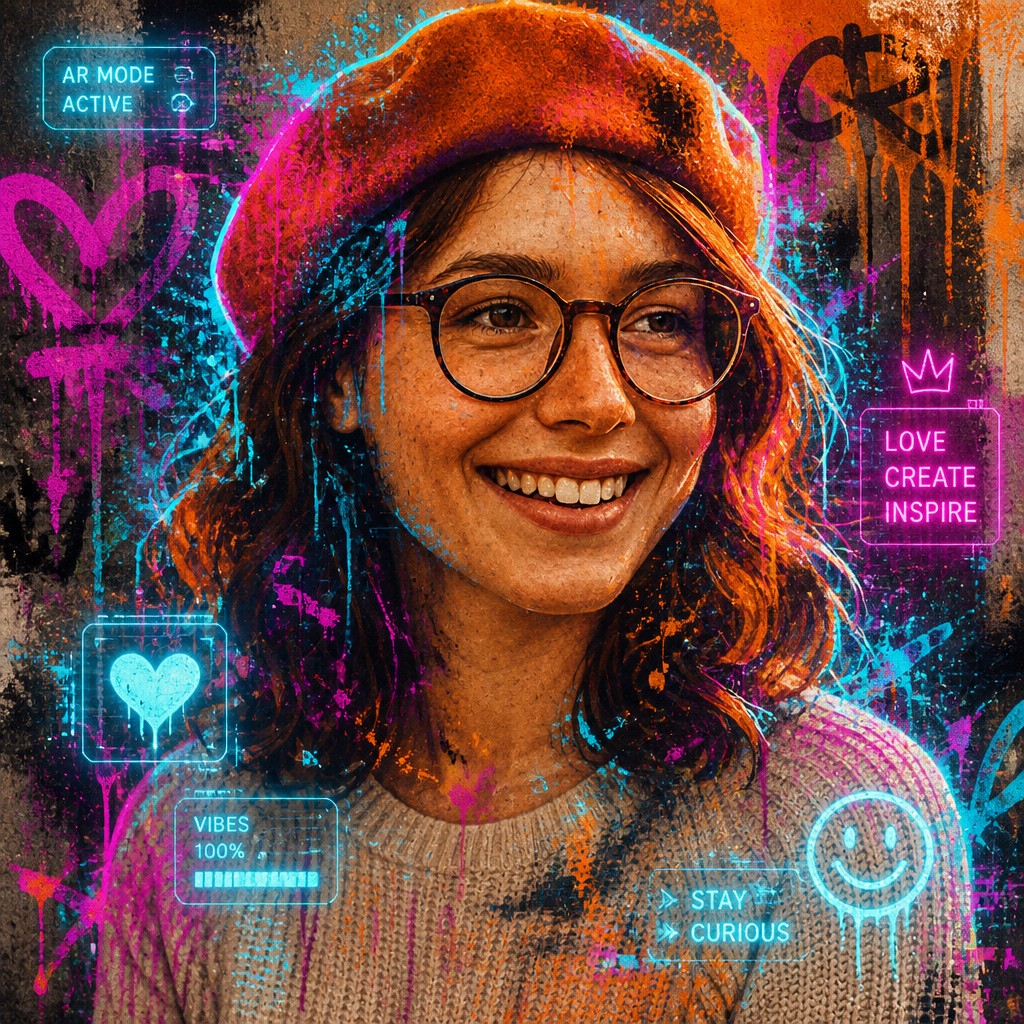

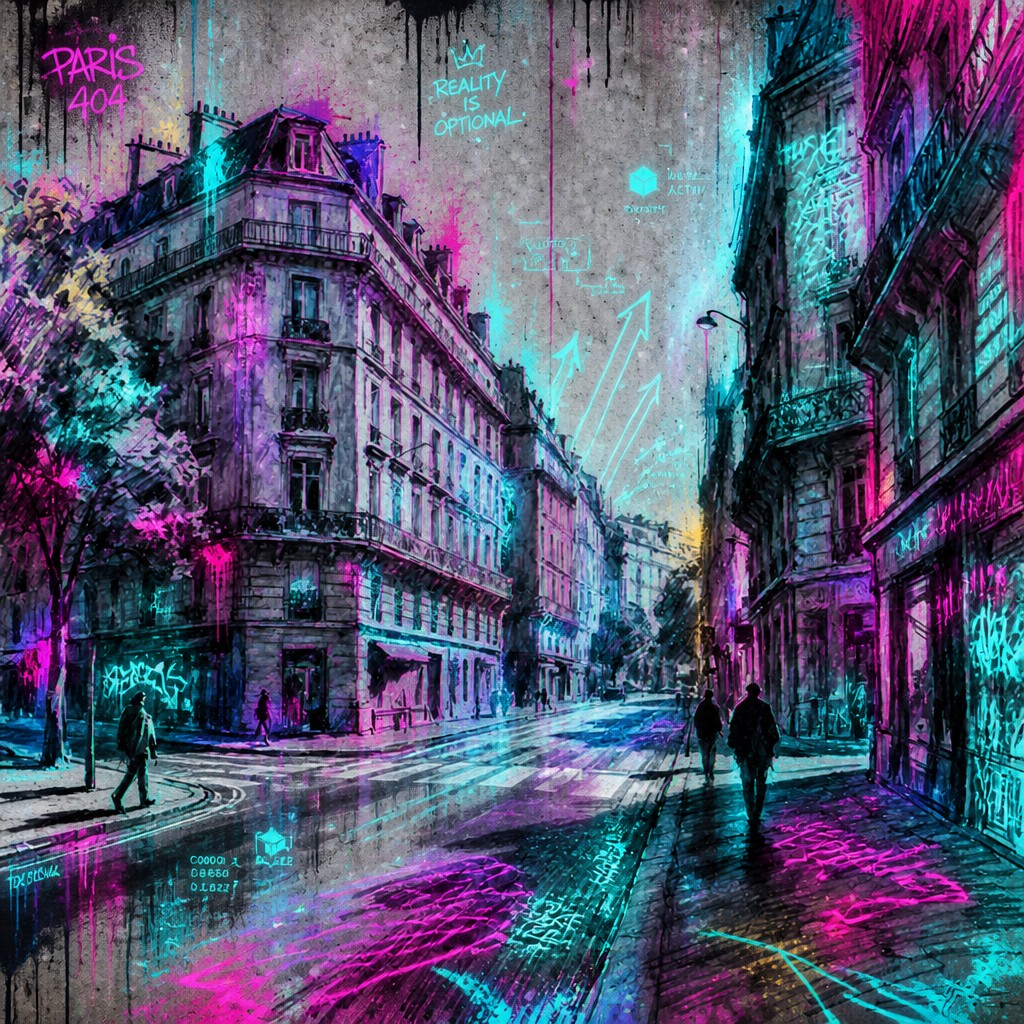

What Defines Augmented Reality Graffiti
The signature details, up close
Spray-paint foundations
The base layer usually resembles authentic graffiti: aerosol texture, overspray, drips, marker lines, stencil edges, and irregular hand-drawn forms. These marks anchor the image in street-art materiality.
Glowing digital overlays
Semi-transparent holographic shapes, panels, and symbols appear to hover above the wall. They often read as projected interfaces, augmented tags, or luminous annotations.
Urban surface texture
Concrete, brick, metal, peeling paint, and weathered plaster are often visible beneath the digital layer. The surface is never neutral; it contributes grime, age, and physical resistance.
Glitch and distortion effects
Pixelation, chromatic aberration, scan-line artifacts, and fragmented data-like noise suggest a digital signal passing through an unstable environment. These effects help unify the analog and virtual components.
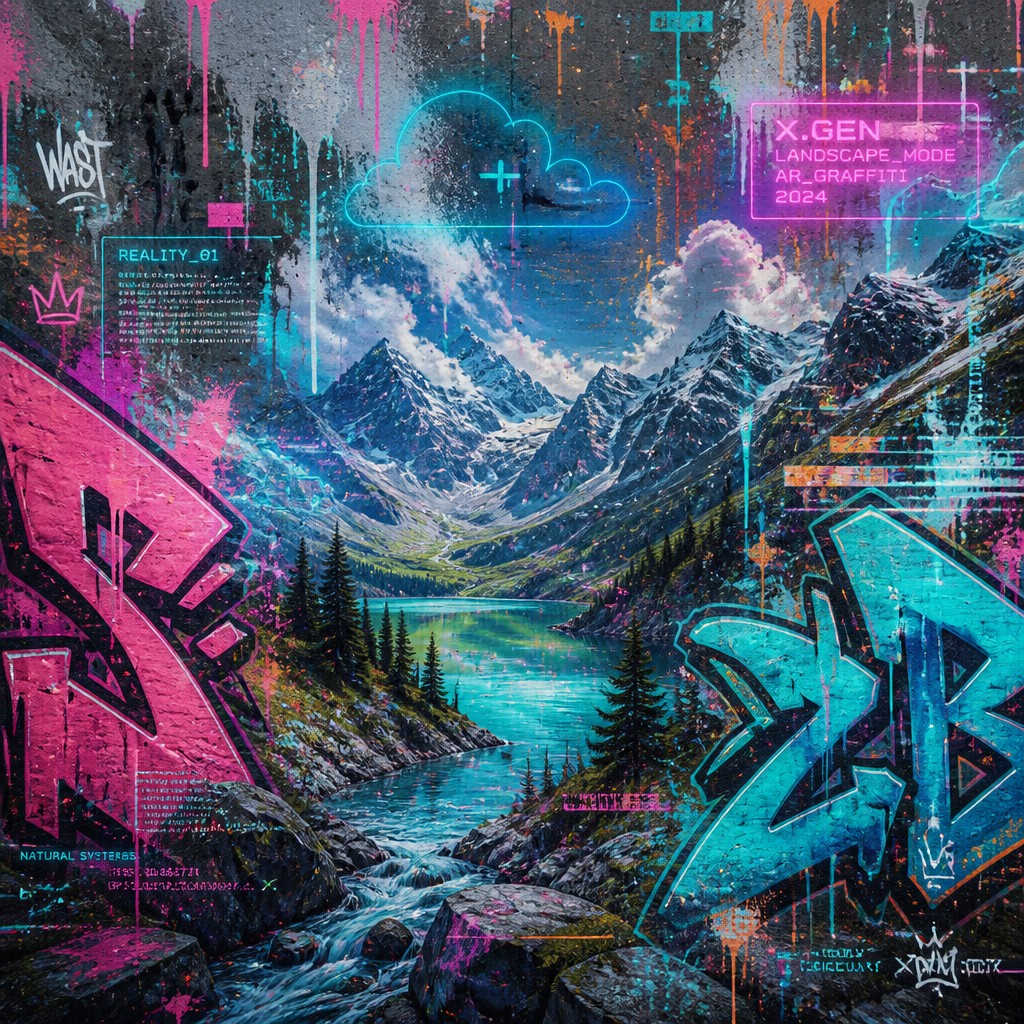
Neon contrast palette
Fluorescent cyan, magenta, violet, electric blue, and acid green often clash with soot gray, rust, beige, and black. The contrast makes the augmented elements feel emissive against the muted city backdrop.
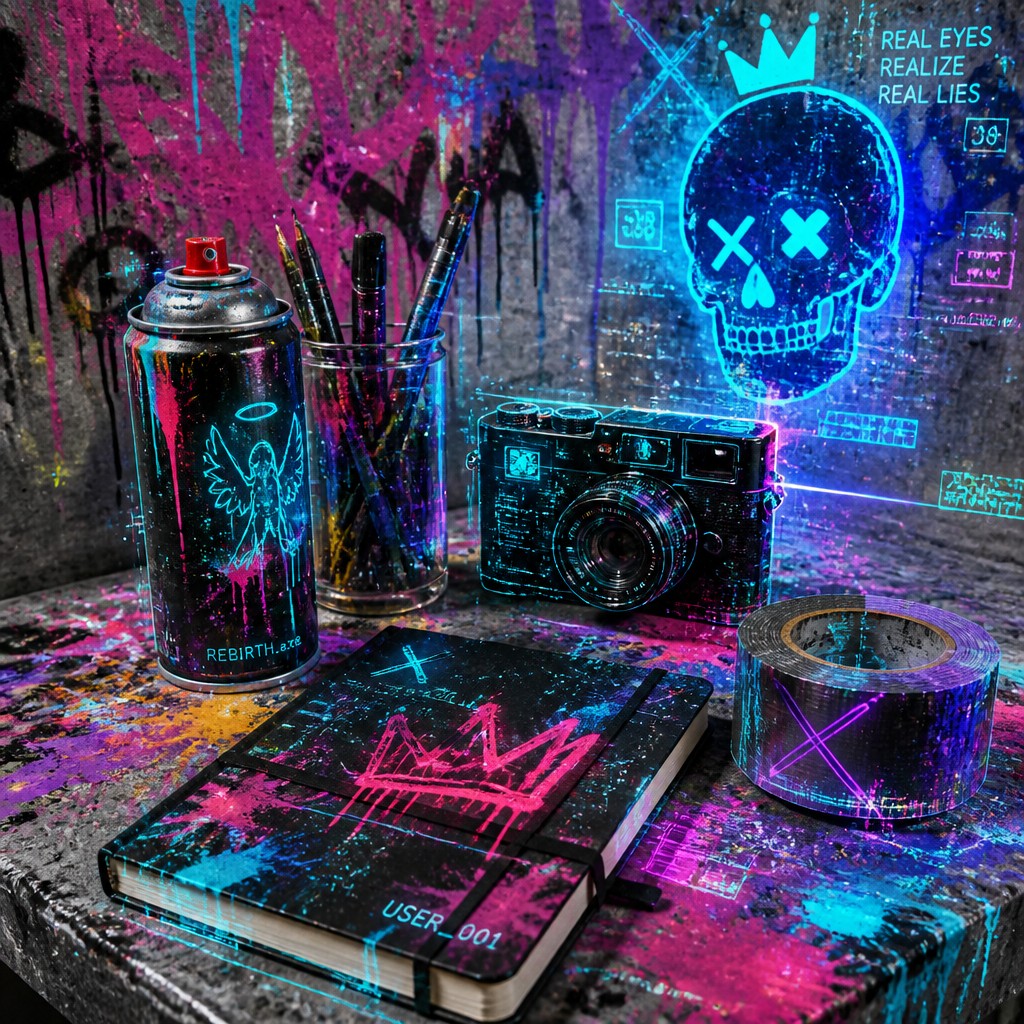
Layered depth and transparency
Objects and marks are stacked in multiple planes so that painted forms, light projections, and background architecture all remain legible. The image should feel spatially complex, as if several realities overlap.
Try It
Create Videos in Augmented Reality Graffiti
Styles aren't just for stills — describe a scene or animate an image and get a short video rendered in Augmented Reality Graffiti. Press play to see this pond come to life.
Make a VideoAugmented Reality Graffiti Prompt Ideas
Start from an idea — each one opens the generator with the style ready to go. See all 40 Augmented Reality Graffiti prompts →
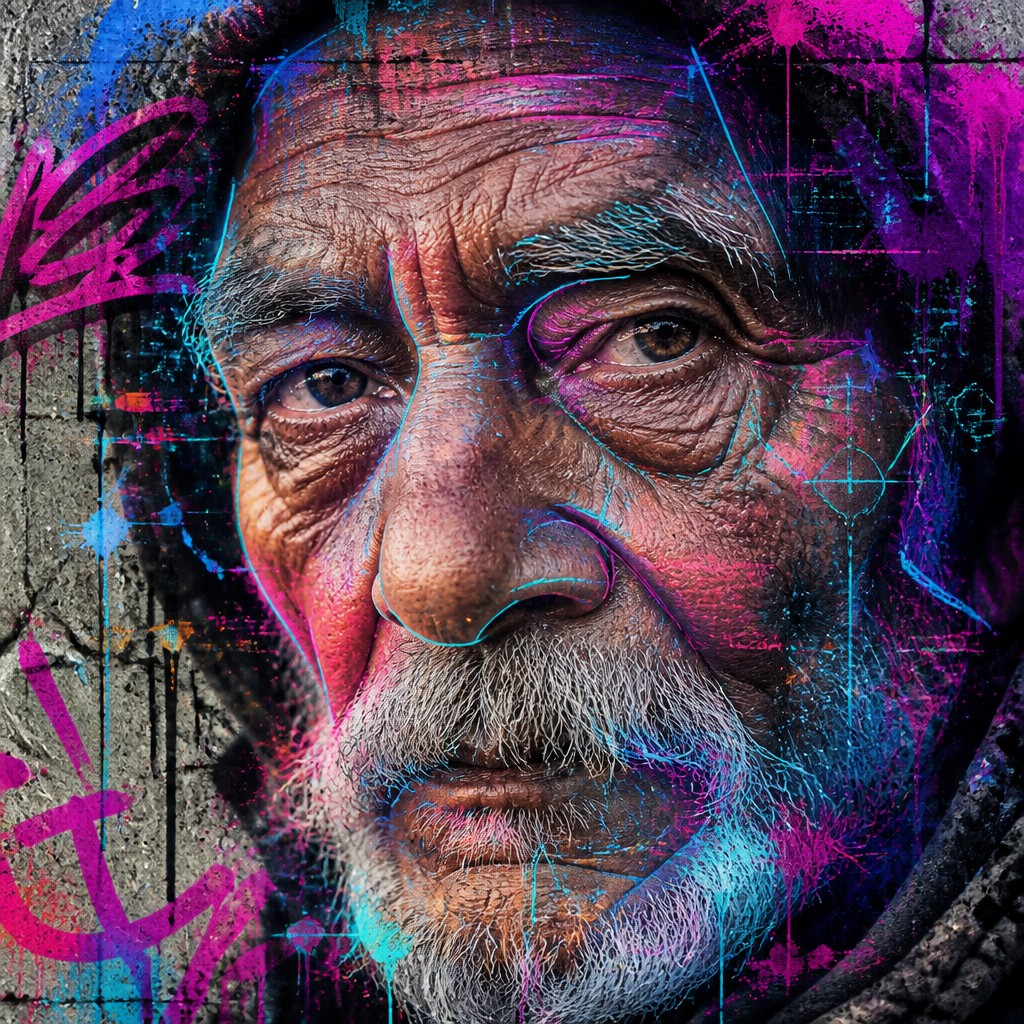
“close-up portrait of an elderly person with expressive weathered features”
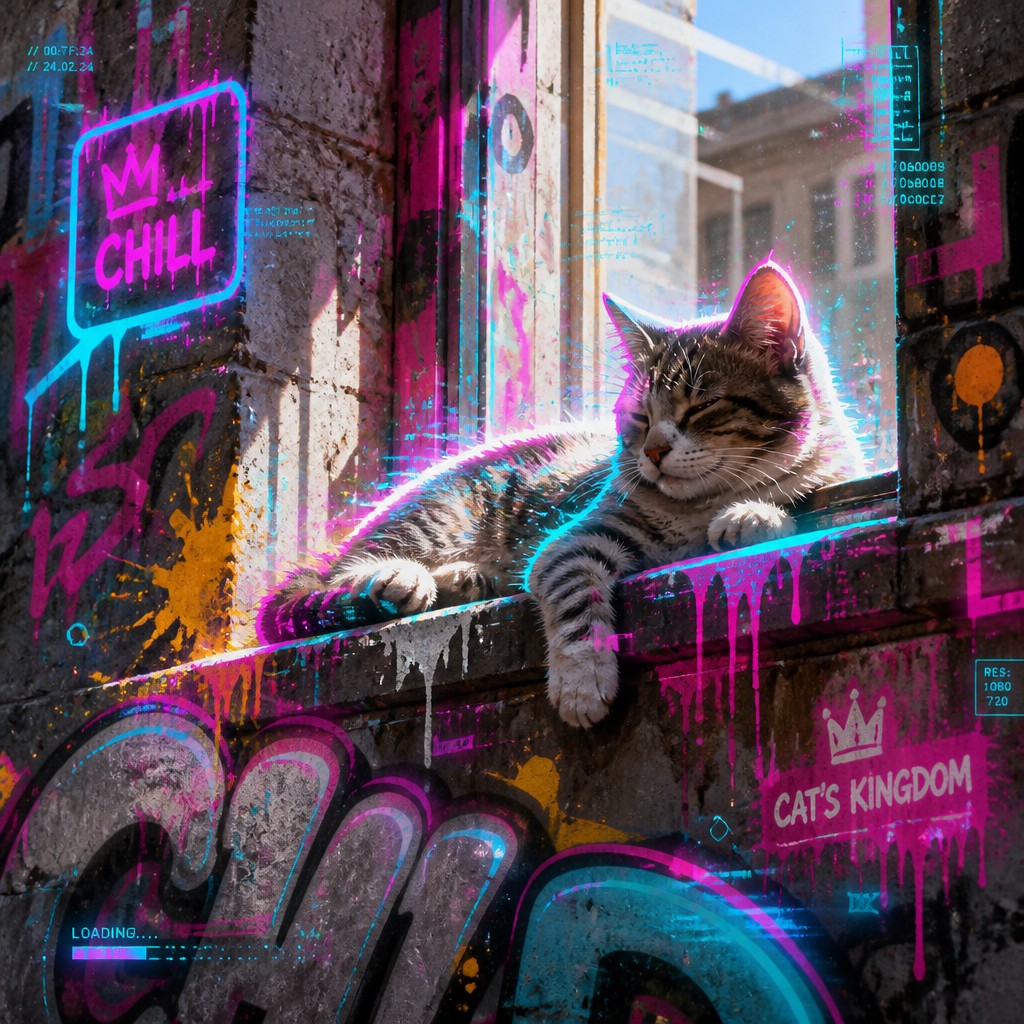
“a cat lounging in a sunlit window”
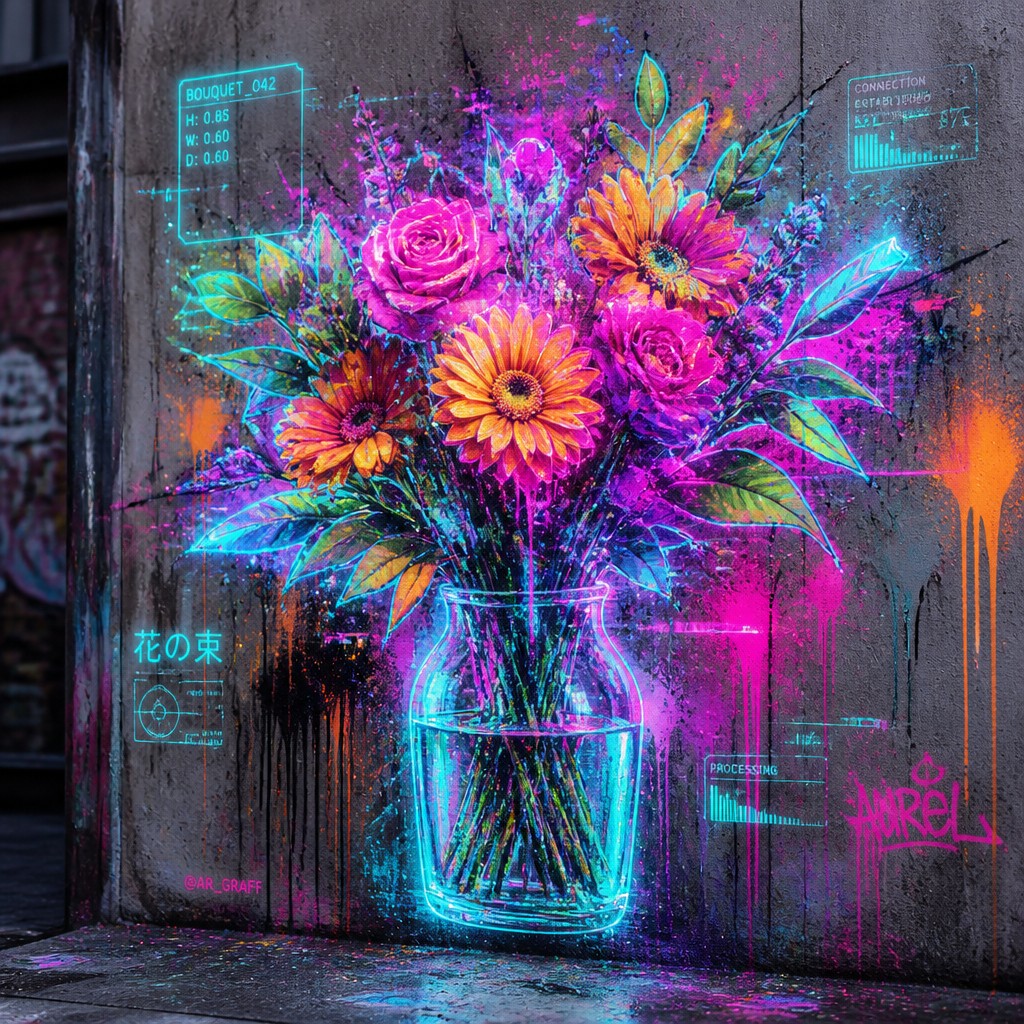
“bouquet of flowers in a glass vase”
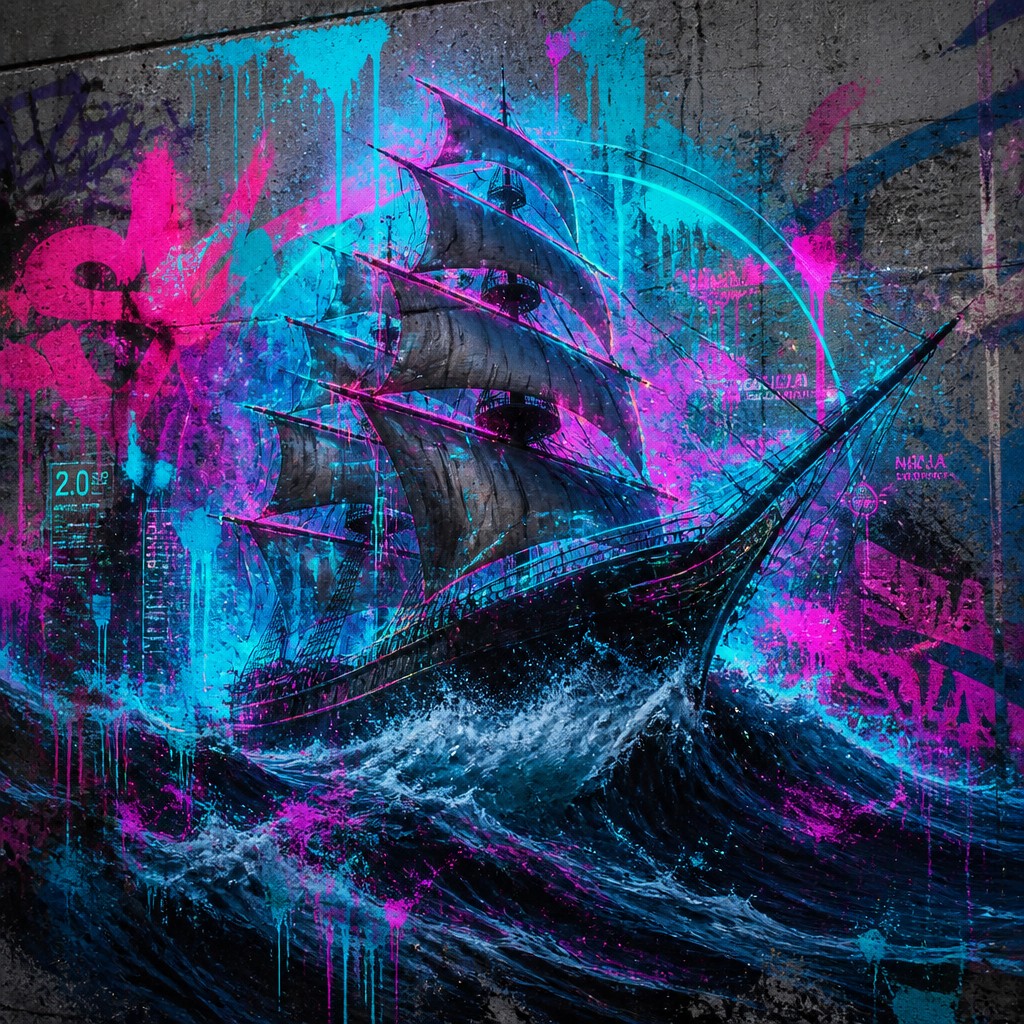
“sailing ship on a stormy sea”
How to Create Augmented Reality Graffiti Art
Master the craft step by step — or skip straight to creating. Read the full guide →
- 1
Start with a believable street surface
Build the scene on a textured wall, alley, subway platform, or warehouse facade so the graffiti reads as physically embedded in an urban setting. In traditional work, use rough paper, concrete studies, or layered acrylic and spray-like marks to simulate that surface.
- 2
Paint the analog graffiti first
Establish tags, lettering, murals, or iconographic shapes using spray-paint effects, ink drips, and bold contour lines. Keep the handmade layer readable before adding any digital intervention.
- 3
Add projected light as a second system
Overlay translucent cyan and magenta forms that look like holograms, interface frames, or mapped light. In digital workflows, use glow, additive blending, and soft transparency; in mixed media, glaze or layer brighter color to suggest projection.
- 4
Use distortion to merge the layers
Introduce chromatic aberration, pixel breakup, scan lines, or slight misregistration where the paint meets the projected image. These imperfections make the augmented elements feel integrated rather than pasted on.
- 5
Balance grit with precision
Keep the street-art marks rough and irregular while the digital overlays stay crisp, luminous, and geometrically controlled. That tension is central to the style's identity.
- 6
When generating with text, specify both materials and effects
Describe the subject, then request spray-paint textures, glowing holographic overlays, concrete grain, neon light trails, and glitch artifacts. The more clearly you separate physical wall details from digital augmentation, the more convincing the result.

The Story
History & Origins of Augmented Reality Graffiti
Augmented Reality Graffiti is not a historical art movement with a fixed origin; it is an emergent aesthetic lineage shaped by several overlapping visual traditions. Its most direct roots lie in graffiti and street art, especially the spray-painted lettering, muralism, tagging culture, and stencil-based interventions that developed in late 20th-century urban environments. It also borrows from digital art, motion graphics, and projection-based public art, where light and software become the medium rather than paint alone.
The style reflects the broader contemporary interest in mixed reality, where physical surfaces are treated as interfaces. It resonates with post-internet image culture, glitch aesthetics, cyberpunk design, and installation art that uses projection mapping or responsive screens to alter the perception of space. Rather than documenting a single historical period, it synthesizes the look of street practice and the visual language of digital augmentation.
Influences: This style draws most strongly from graffiti art and street art, including the lettering traditions of New York graffiti culture and the mural-scale interventions associated with influential neo-expressionist painters, major figures in postwar outsider-style drawing and raw mark-making, and stencil-based urban imagery from a prominent anonymous street-art practice. It also reflects digital art, projection mapping, glitch aesthetics, cyberpunk visual culture, and mixed-reality installation practices, all of which contribute the luminous, interface-like layer that distinguishes it from conventional graffiti.
Frequently Asked Questions
What defines Augmented Reality Graffiti?
It is graffiti or mural imagery that appears to exist both on a physical wall and as a digital overlay. The defining traits are spray-paint texture, urban surface wear, and luminous projected elements such as holograms, interface shapes, and glitch effects. The style depends on contrast between handmade street marks and synthetic light.
Is this the same as regular graffiti or street art?
No. Regular graffiti usually emphasizes lettering, tagging, characters, or mural imagery made directly on a surface, while this style adds a second, digitally coded layer. It suggests augmented space rather than a purely painted wall. The digital layer is what makes it distinct.
What visual effects are most important in this style?
Spray mist, paint drips, concrete texture, neon glow, chromatic aberration, pixel fragments, and translucent holographic shapes are the most characteristic. Without the gritty wall surface, the image can drift into general sci-fi digital art. Without the luminous overlay, it becomes ordinary graffiti.
How do I make it look believable?
Ground the image in a specific urban surface and let the digital layer interact with that surface instead of floating randomly. Add weathering, uneven paint absorption, and partial occlusion so the projection seems to be striking a real wall. Small imperfections usually help more than perfectly clean effects.
Where is this style commonly used?
It is often used for album art, event posters, concept art, futuristic street scenes, fashion visuals, game environments, and speculative urban design. It works well anywhere a hybrid of rebellious street culture and advanced technology is needed.
Can I create this style in traditional media?
Yes. You can approximate it with layered spray-paint effects, stencils, acrylic glazes, reflective ink, collage, or hand-painted glow effects. Mixed media is especially effective because it naturally mirrors the style's tension between physical matter and projected light.

Create your first Augmented Reality Graffiti artwork
Describe anything — or upload a photo — and see it in Augmented Reality Graffiti in seconds.
Make Something with Augmented Reality Graffiti
Related Styles
Discover similar art styles