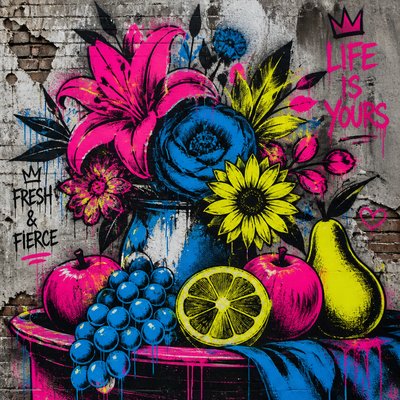
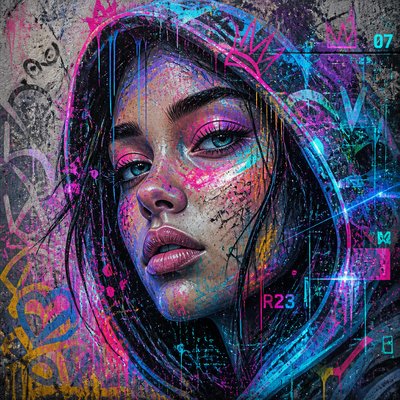
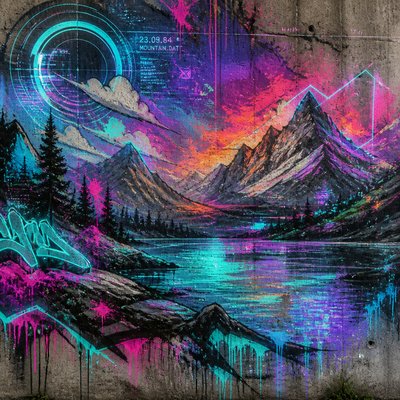
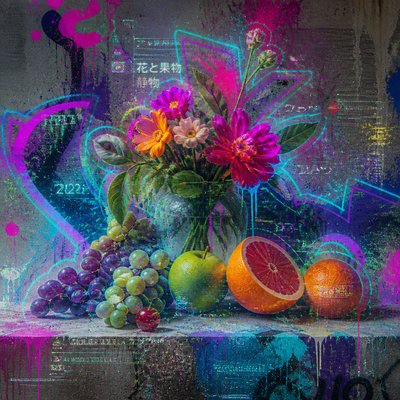
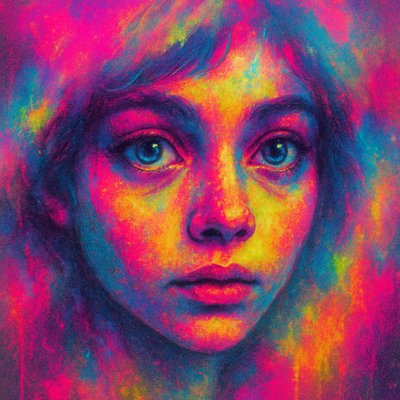
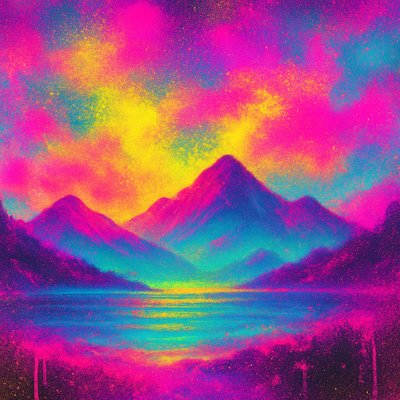
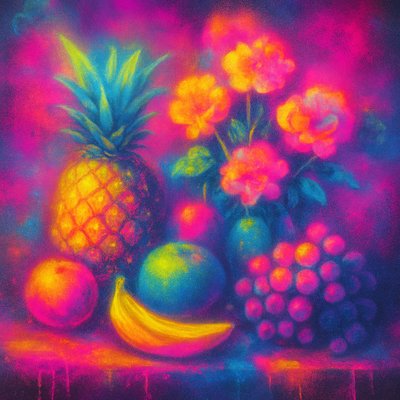
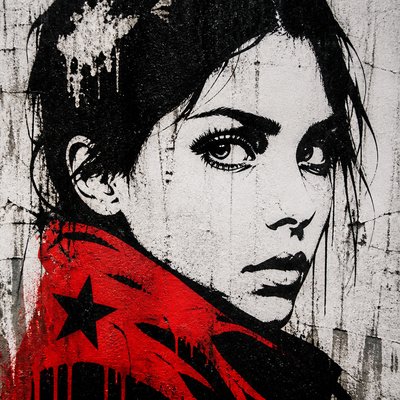
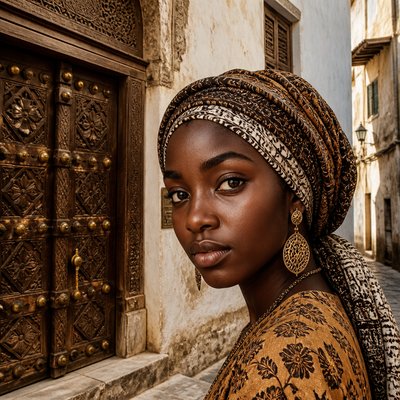
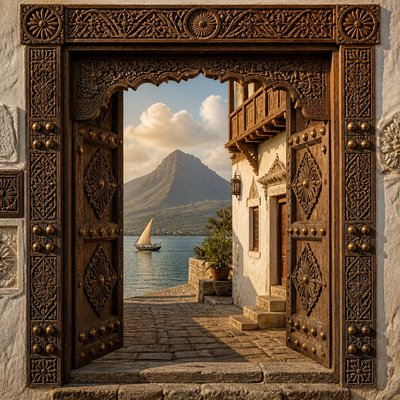
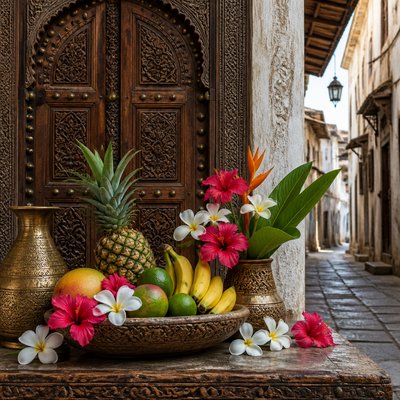
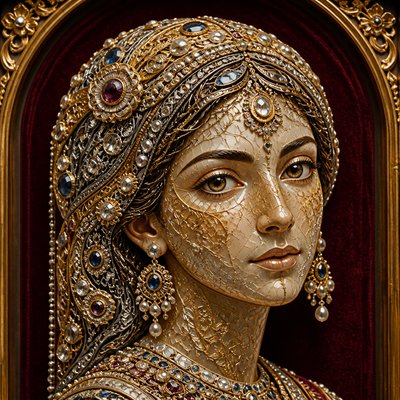
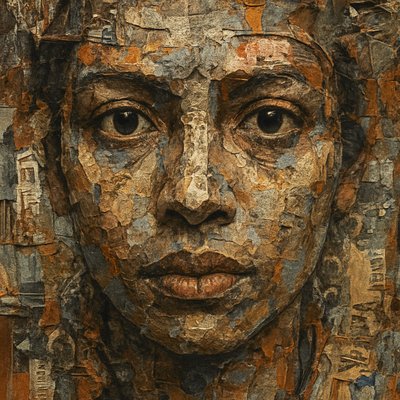
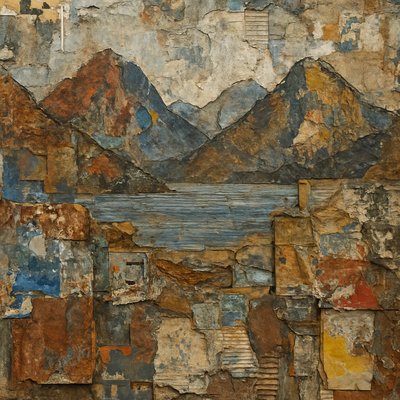
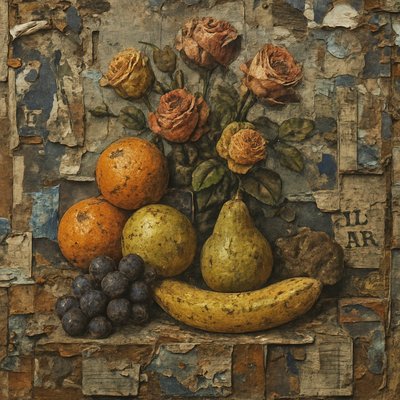
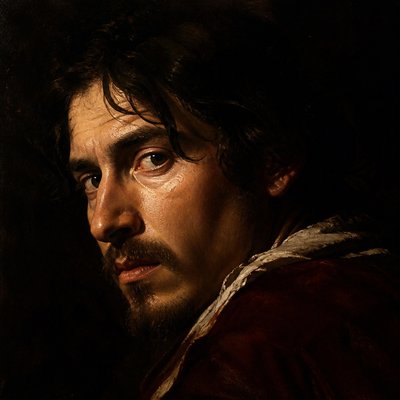
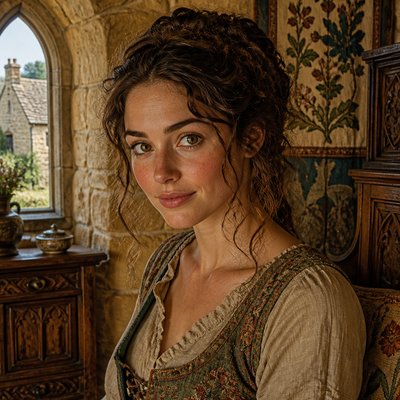
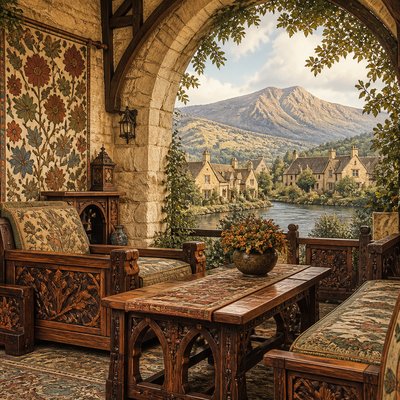
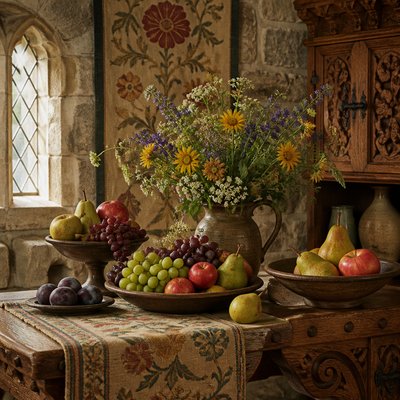
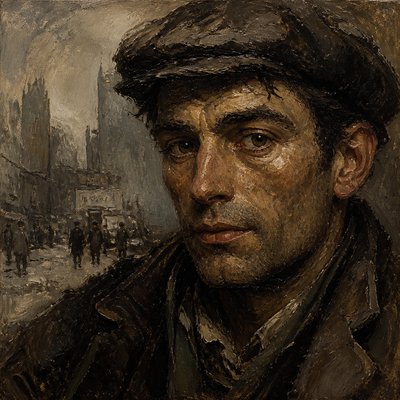
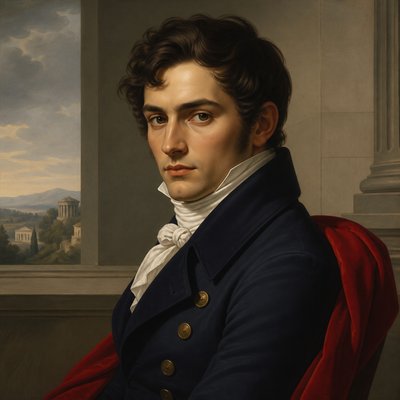
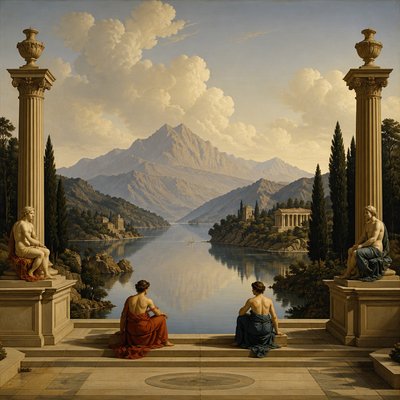
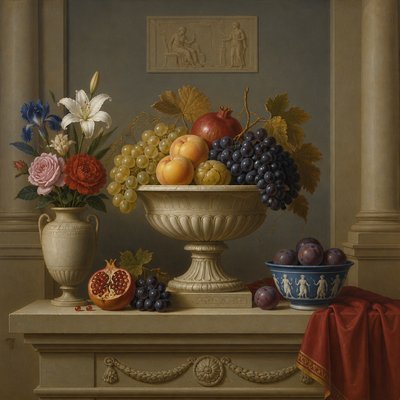
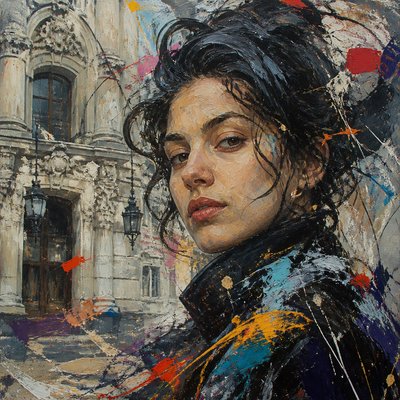
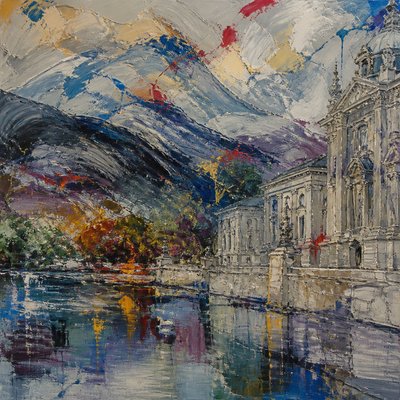
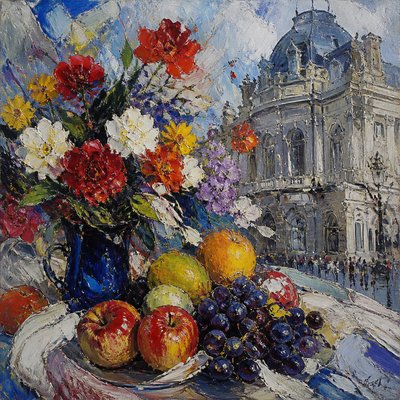
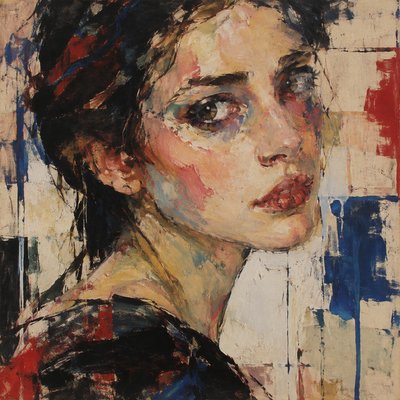
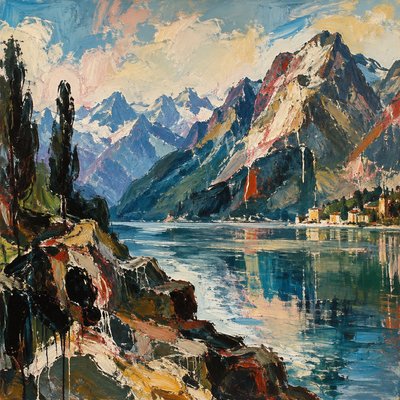
Wildstyle Graffiti Street Art Style
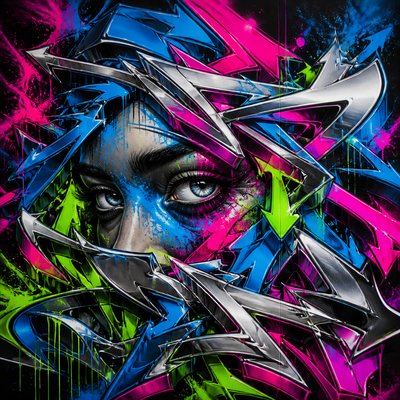
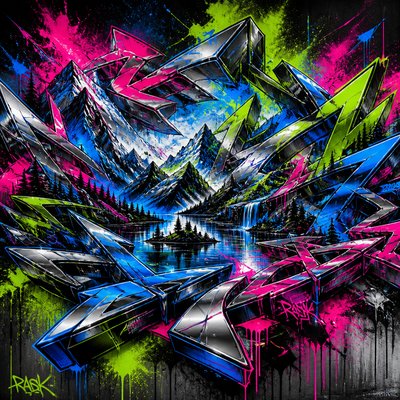
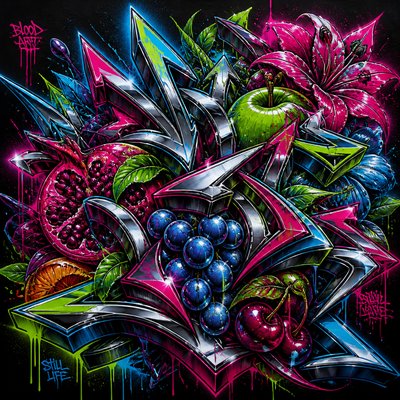
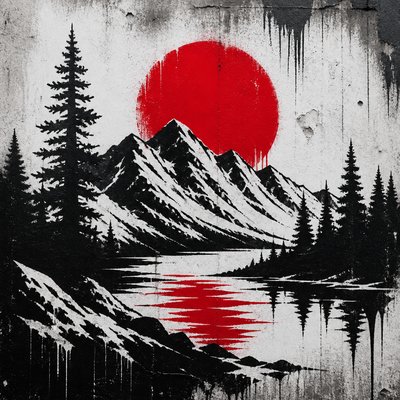
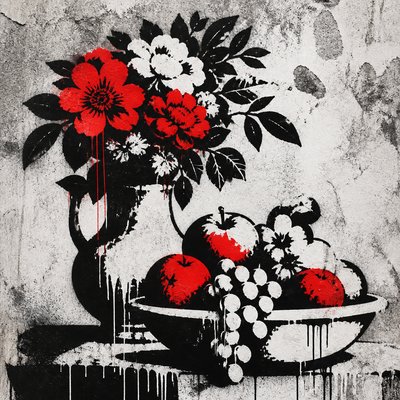
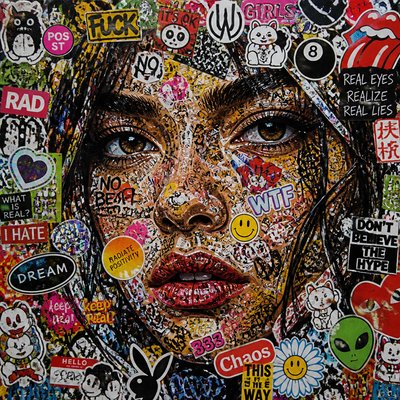
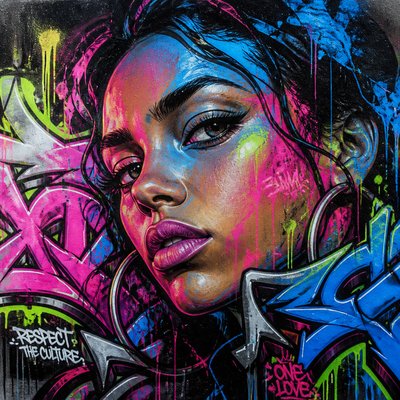
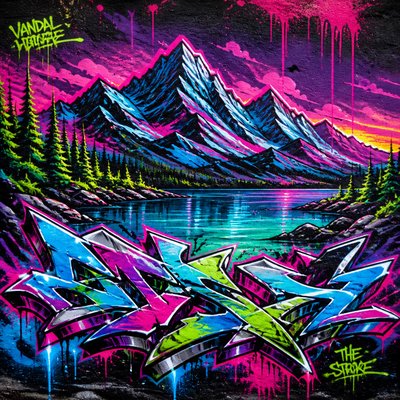
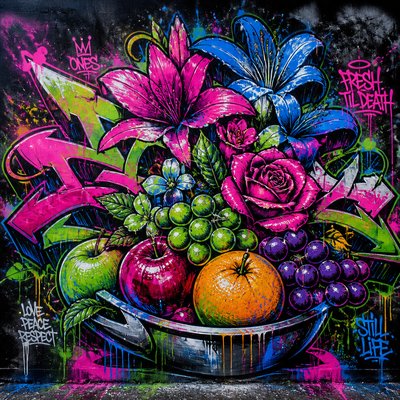
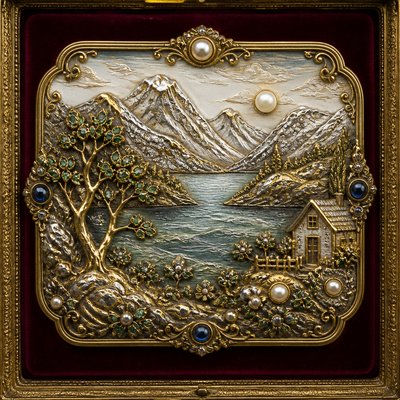
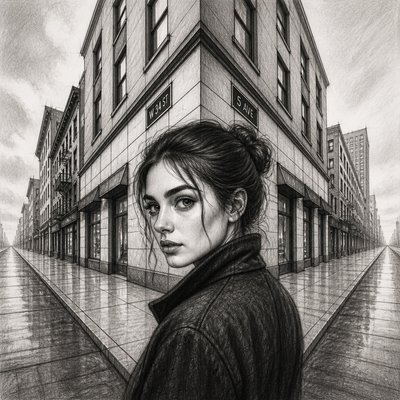
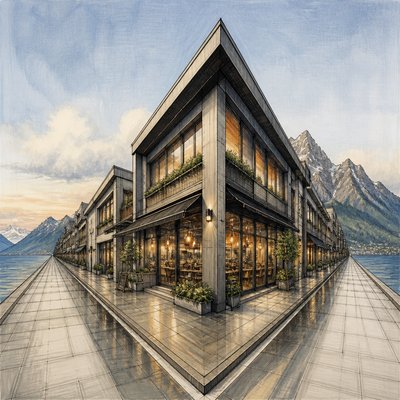
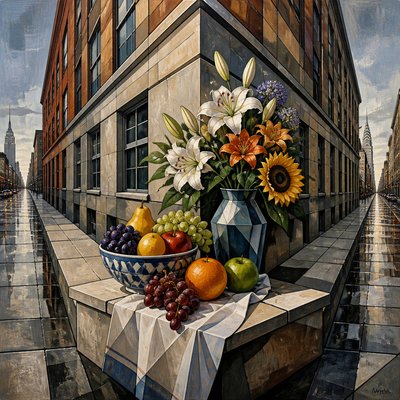
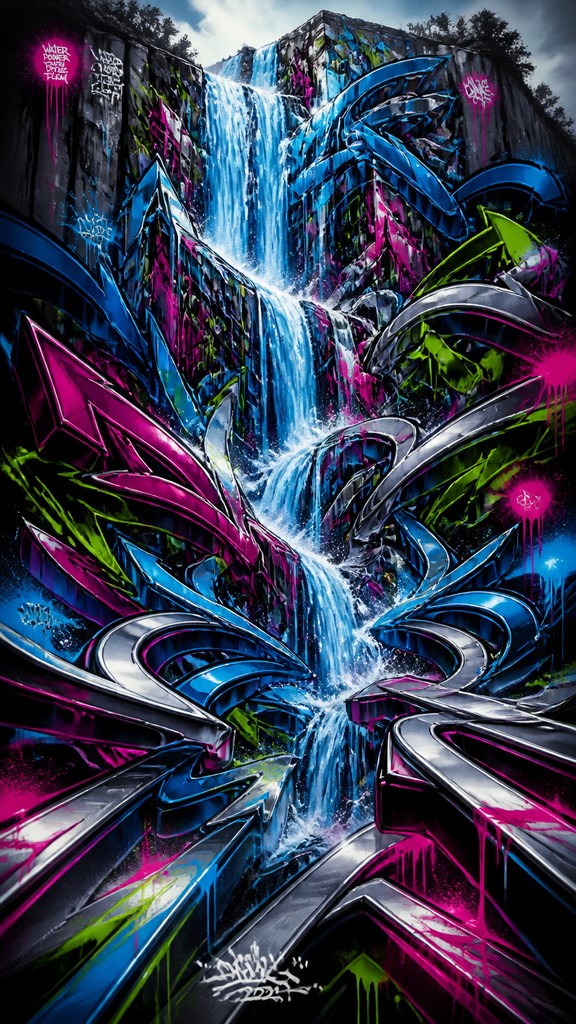
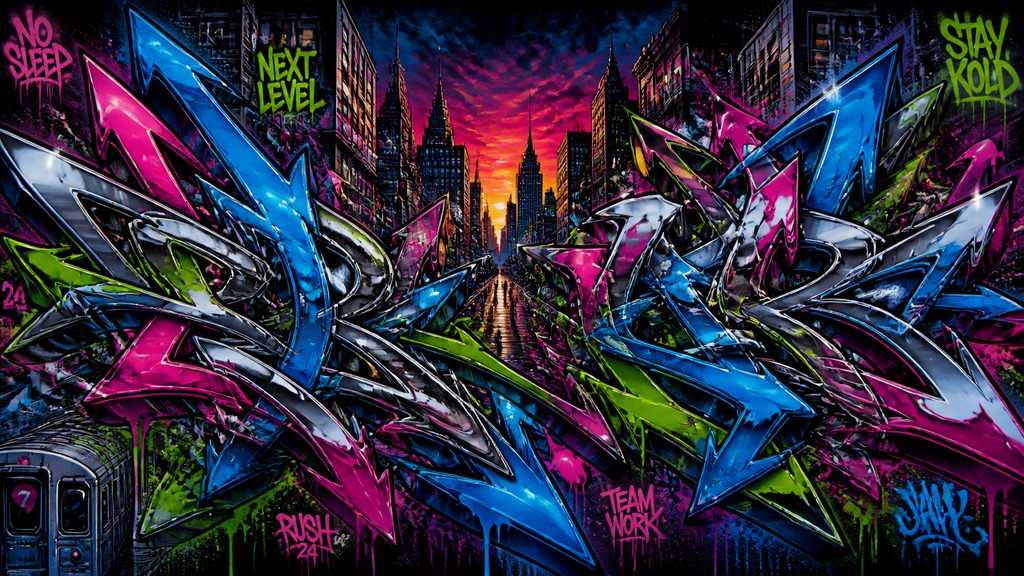
Complex interlocking graffiti letters with arrows, chrome fills, bold outlines, and explosive urban energy.
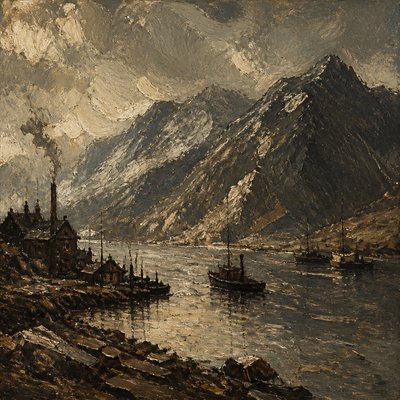
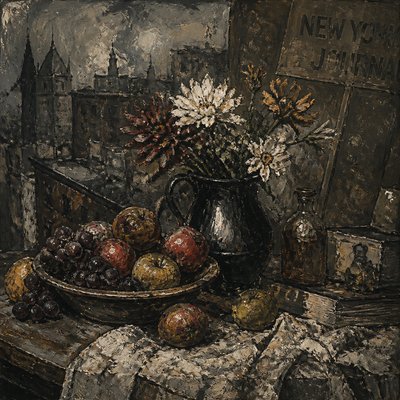
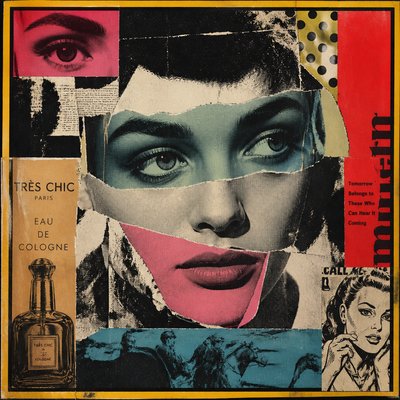
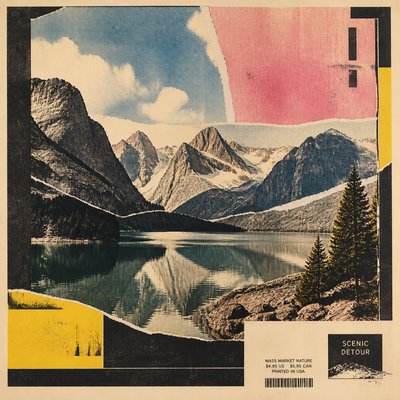
Instantly rendered in Wildstyle Graffiti Street — or transform a photo
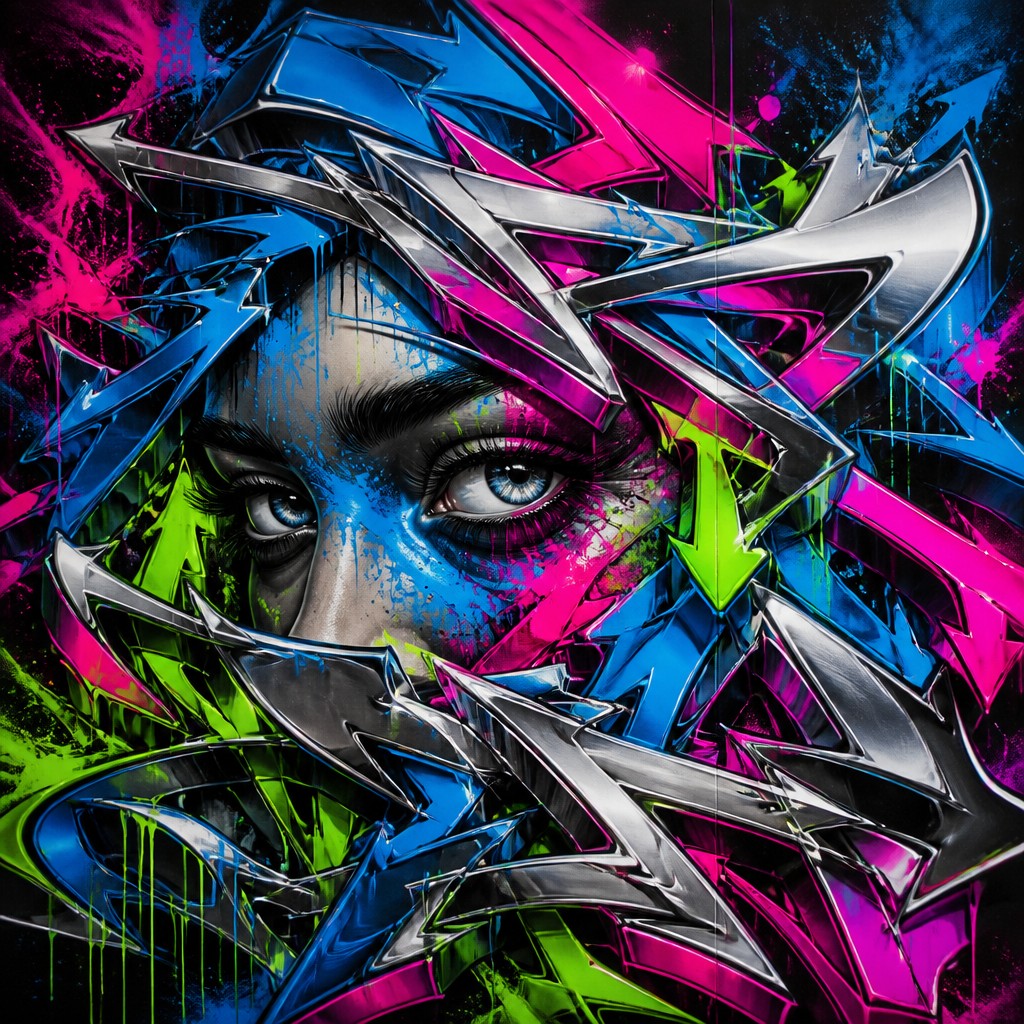
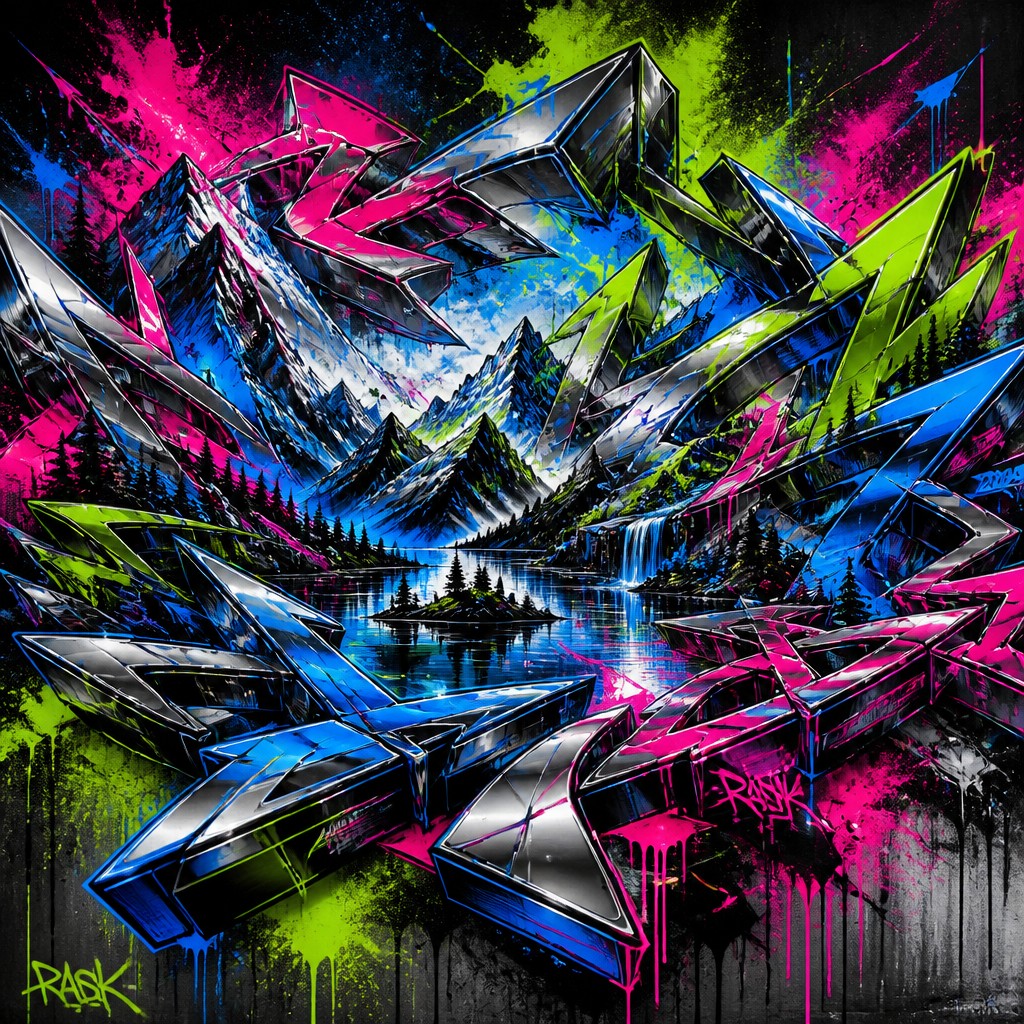
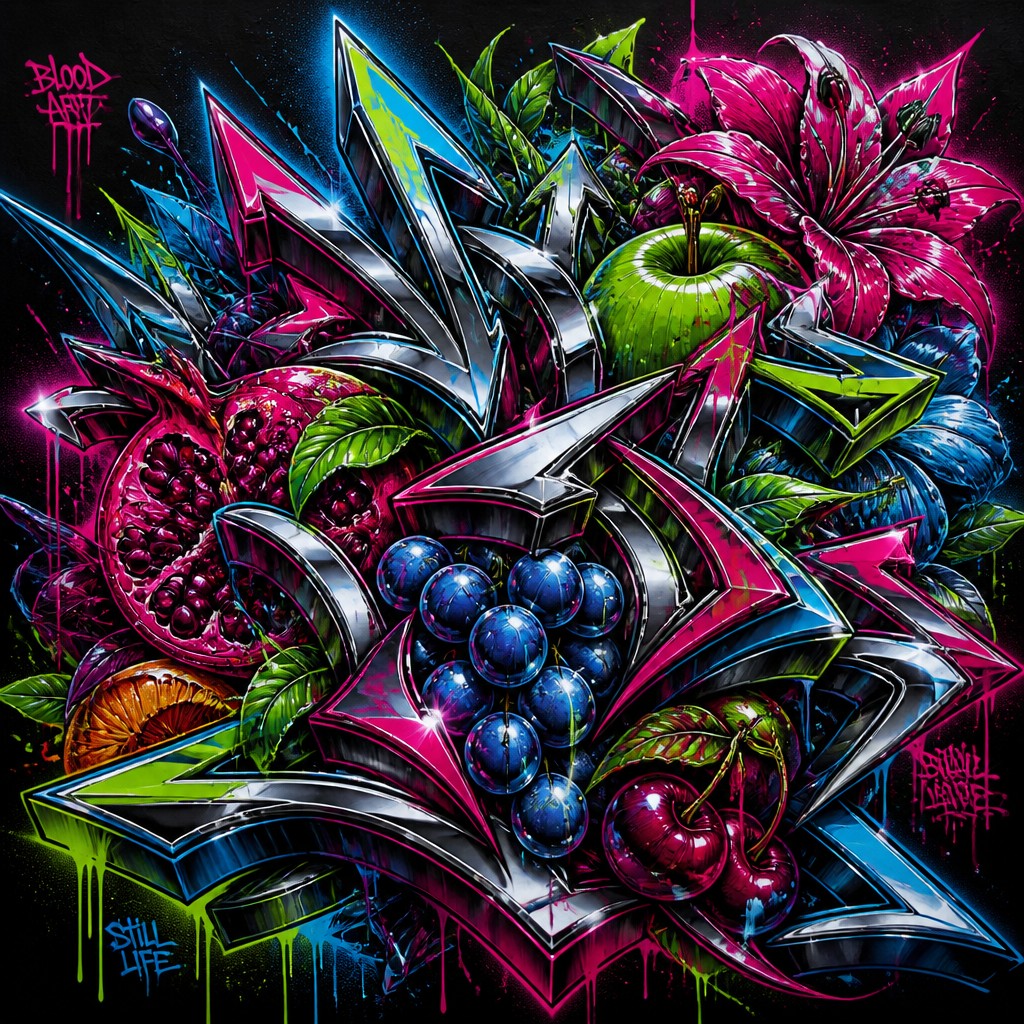
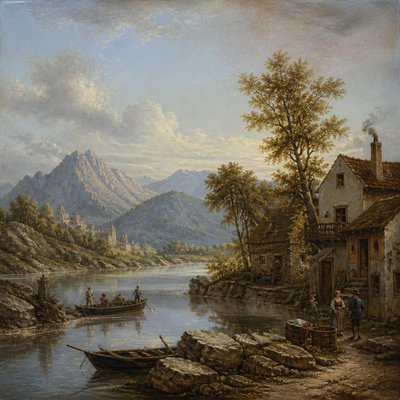
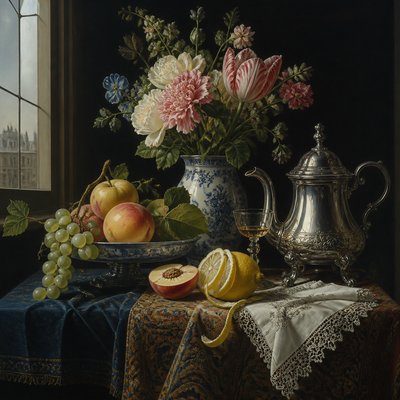
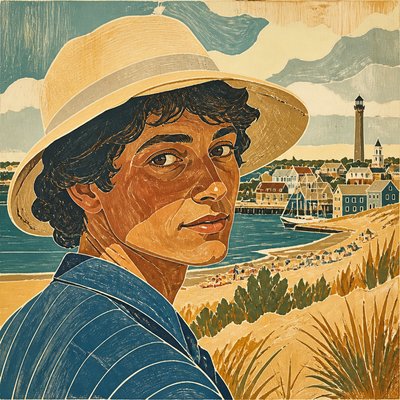
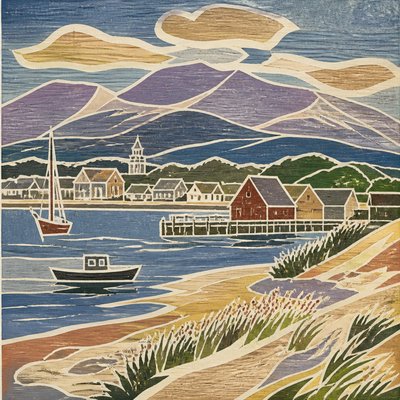
Wildstyle Graffiti Street Gallery
Tap any artwork to explore it
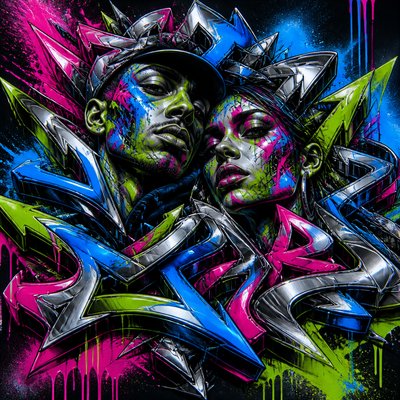
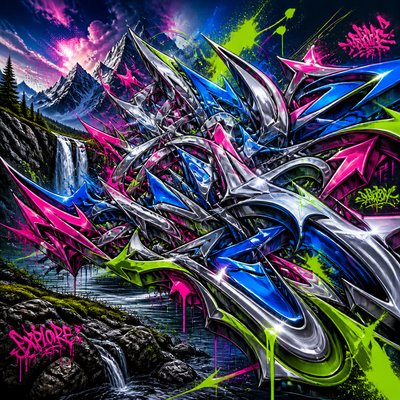
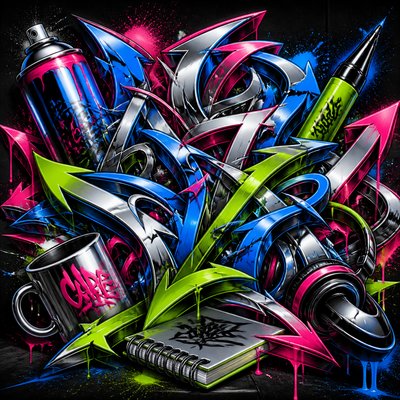
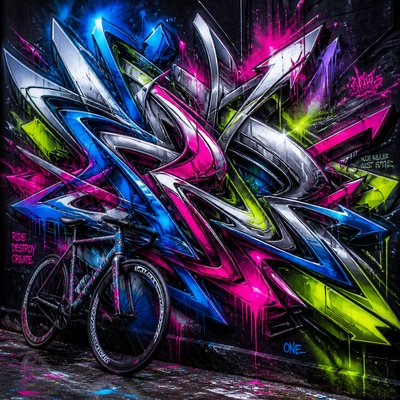
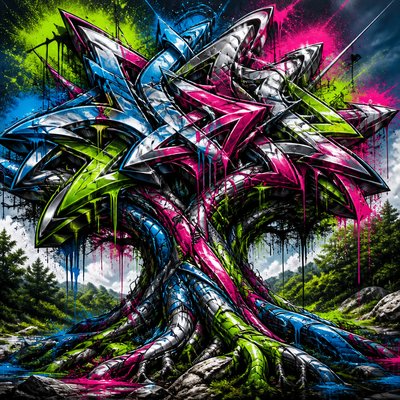
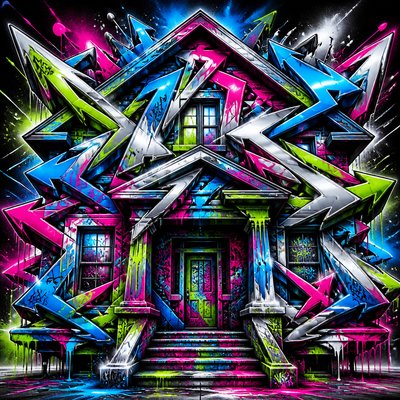
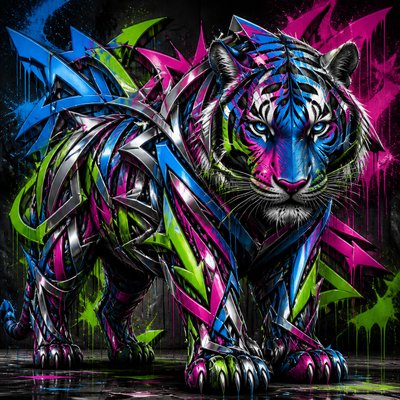
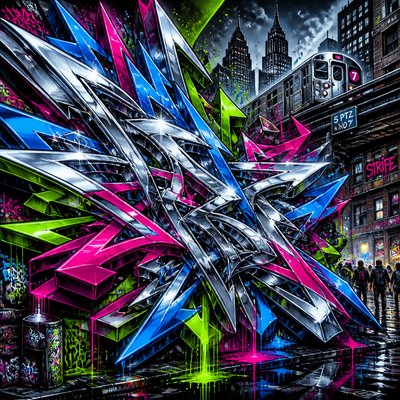
What is Wildstyle Graffiti Street Art Style?
Wildstyle graffiti is the most intricate and technically demanding branch of letter-based street art. It is defined by interlocking forms, compressed letter structures, arrows, spikes, connectors, and layered embellishments that often push legibility to the edge of collapse. The result is a dense visual system in which the word is still present, but secondary to rhythm, motion, and structural complexity.
Its appearance comes from the demands of graffiti itself: writers working in fast, public, highly visible contexts developed highly stylized letterforms that could be executed quickly yet stand out from a distance. Over time, those functional marks evolved into elaborate compositions with three-dimensional depth, metallic effects, spray textures, and aggressive angular movement. Wildstyle is not just decorative lettering; it is a visual language built from urban mark-making, competition, and the need to transform writing into a commanding image.
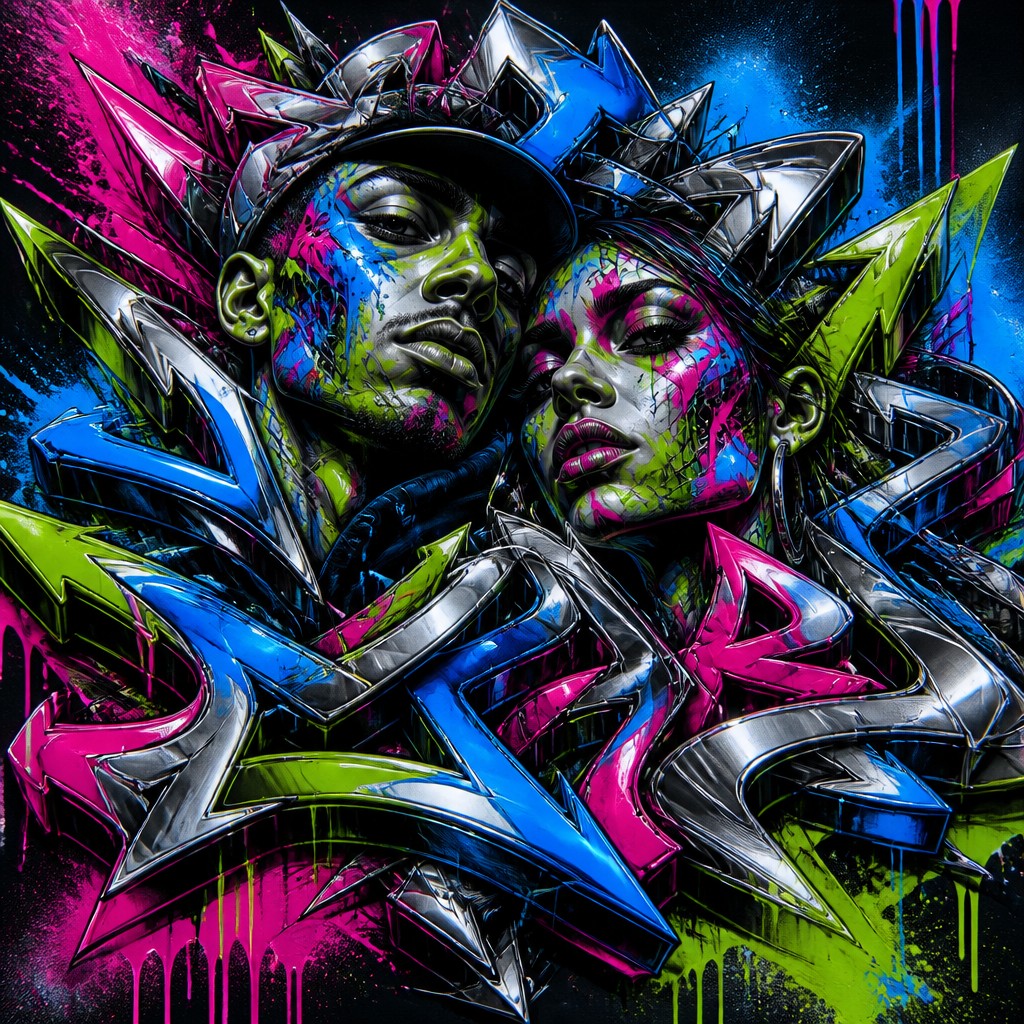
Try It On Your Photos
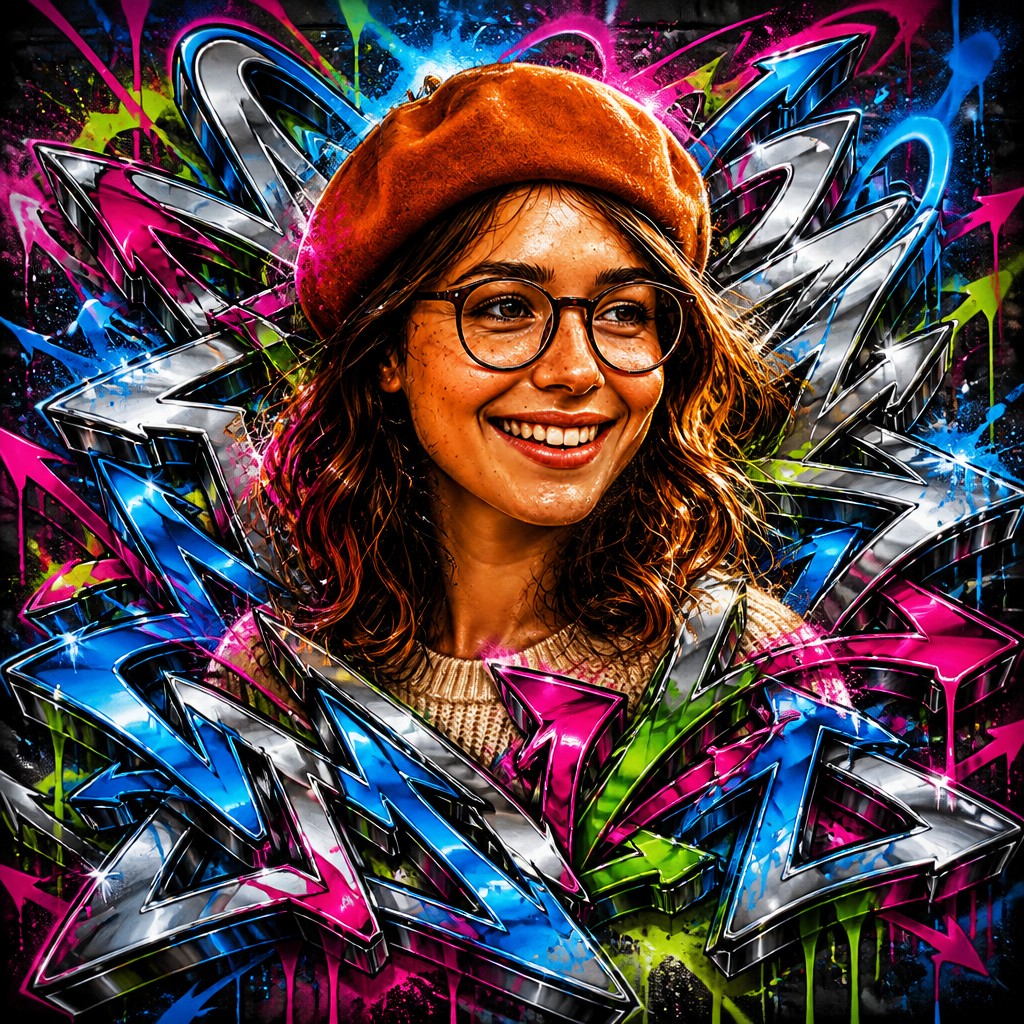
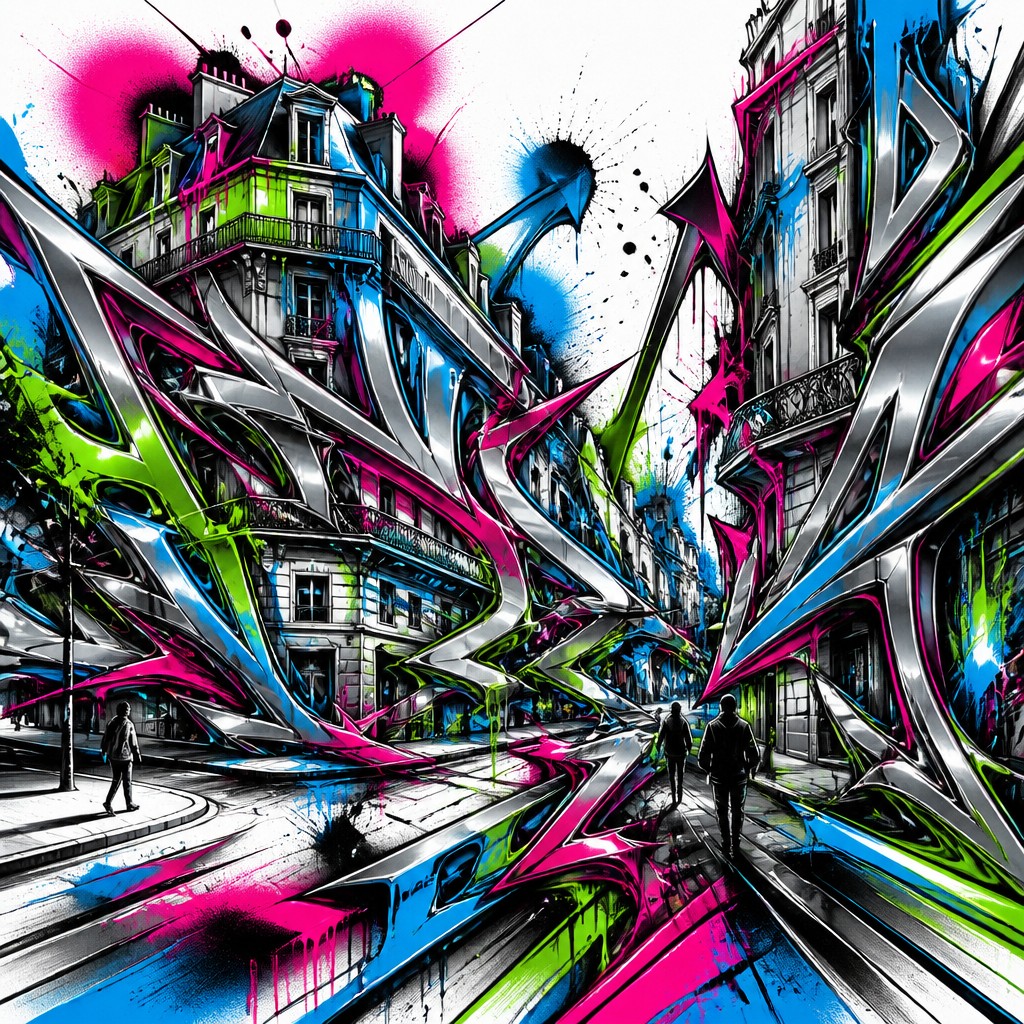
Upload any photo and convert it into Wildstyle Graffiti Street Art Style — drag the sliders to compare before and after.


What Defines Wildstyle Graffiti Street Art Style
The signature details, up close
Interlocking letter structure
Letters are fused into a dense network of curves, angles, and overlaps. Readability is often intentionally reduced in favor of visual intensity and structural complexity.
Arrows, spikes, and directional motion
Sharp arrow forms and blade-like extensions create a sense of momentum and attack. These accents help guide the eye through the composition and reinforce its kinetic energy.
Three-dimensional depth
Forms often appear extruded or layered in forced perspective. Shadow planes, bevels, and stacked outlines make the lettering feel built from sculptural volumes rather than flat lines.
High-contrast spray palette
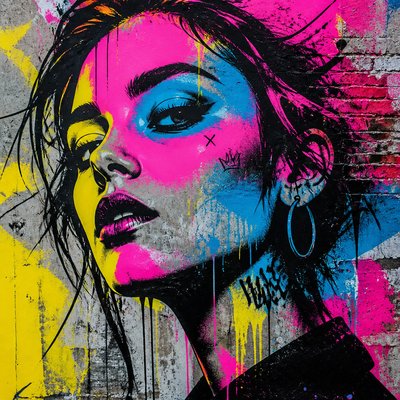
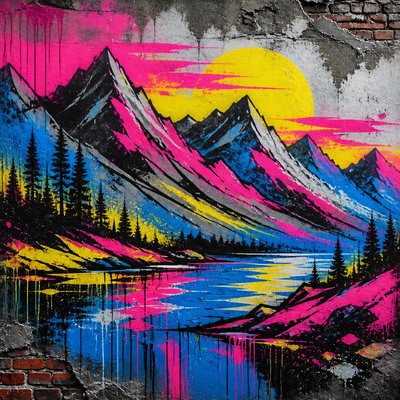
Electric colors, dark outlines, and bright highlights are common, often with chrome, neon, or candy-like fills. The palette is designed to pop against walls, trains, and other urban surfaces.
Spray texture and overspray
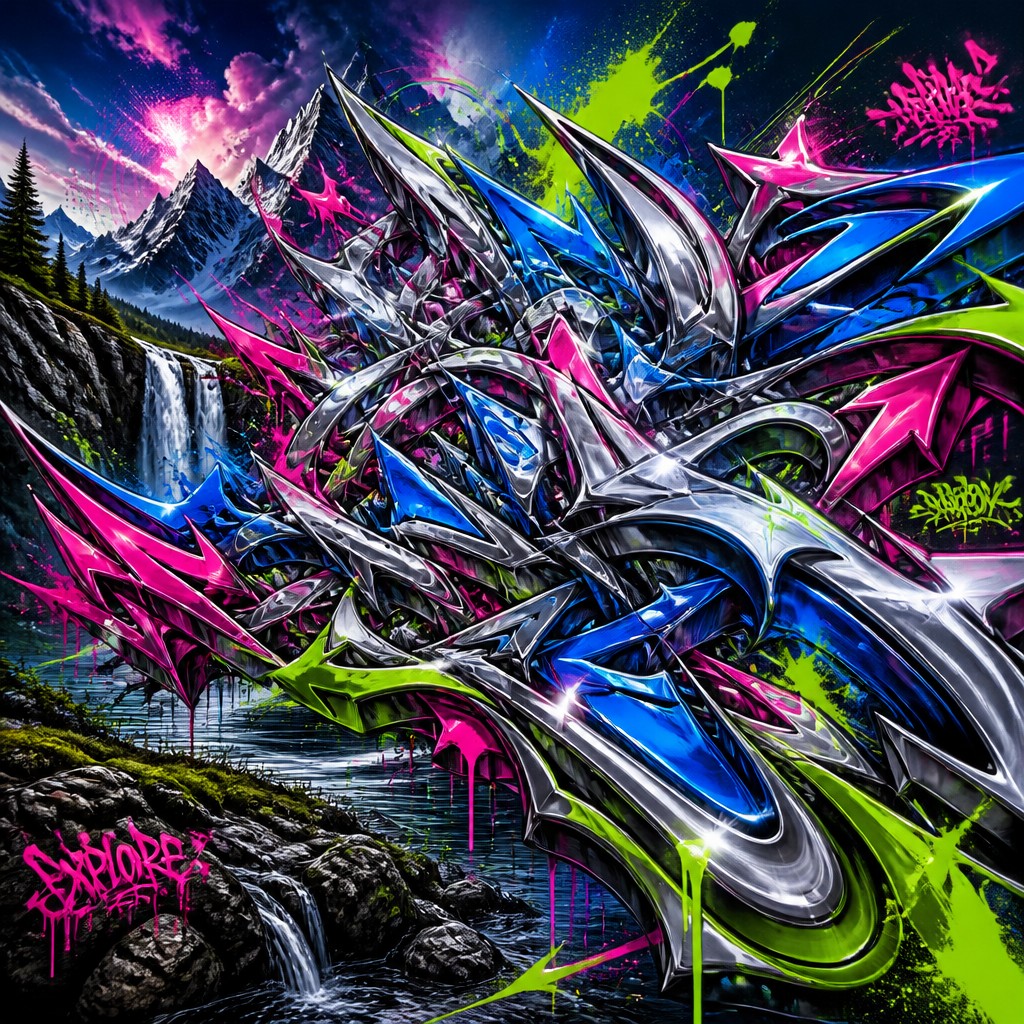
Soft halos, drips, fades, and paint mist preserve the material presence of aerosol paint. These effects balance the hard geometry of the letters with a raw, handmade finish.
Decorative layering
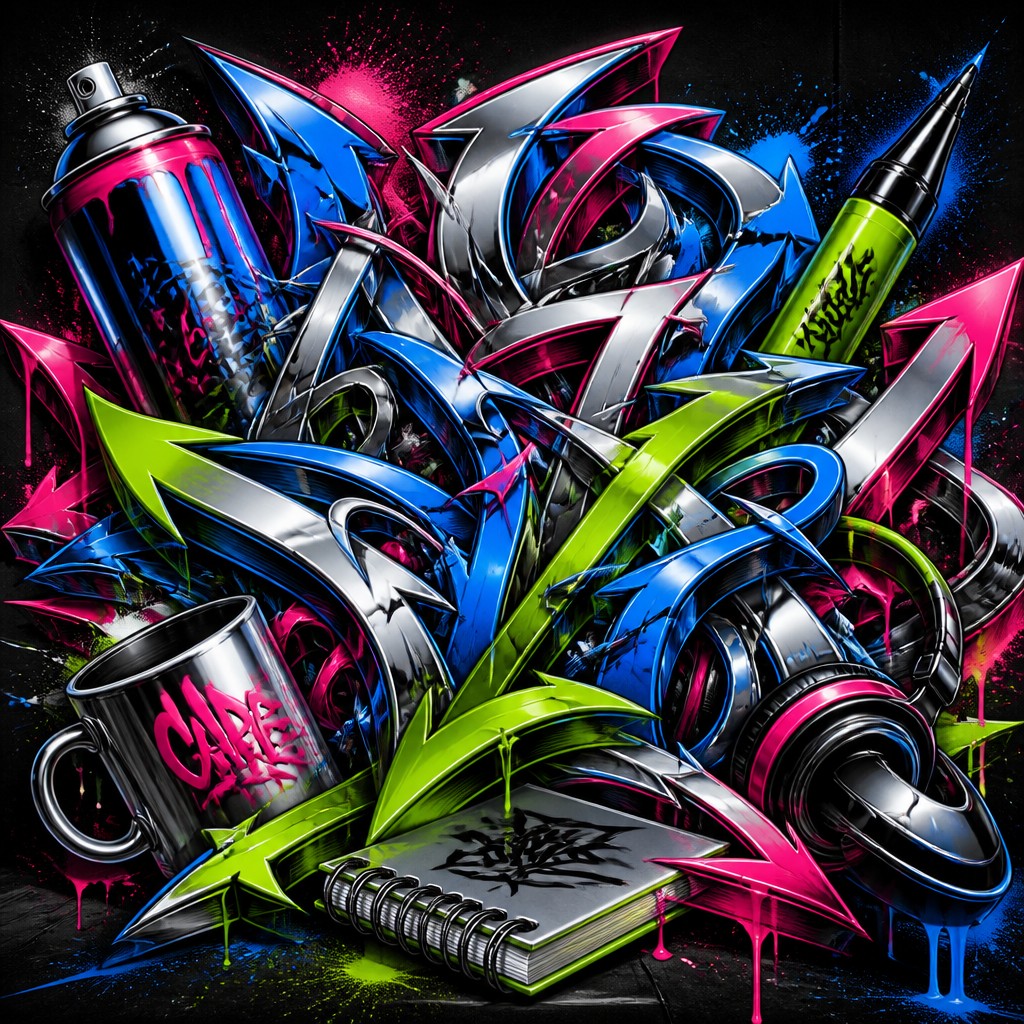
Small tags, stars, bubbles, flames, and abstract flourishes may be woven into the structure. The composition often reads as a dense field of marks rather than a single clean word.
Try It
Create Videos in Wildstyle Graffiti Street Art Style
Styles aren't just for stills — describe a scene or animate an image and get a short video rendered in Wildstyle Graffiti Street. Press play to see this pond come to life.
Make a VideoWildstyle Graffiti Street Prompt Ideas
Start from an idea — each one opens the generator with the style ready to go. See all 40 Wildstyle Graffiti Street prompts →
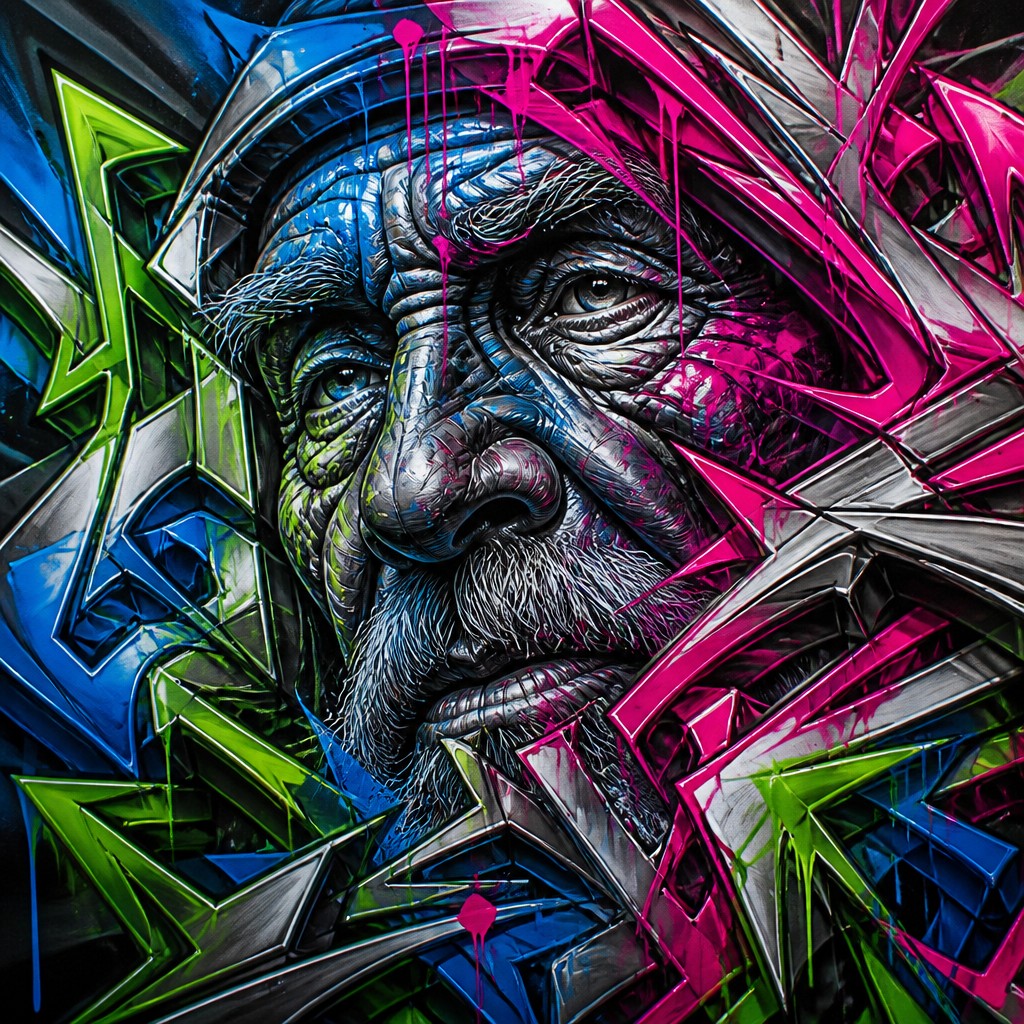
“close-up portrait of an elderly person with expressive weathered features”
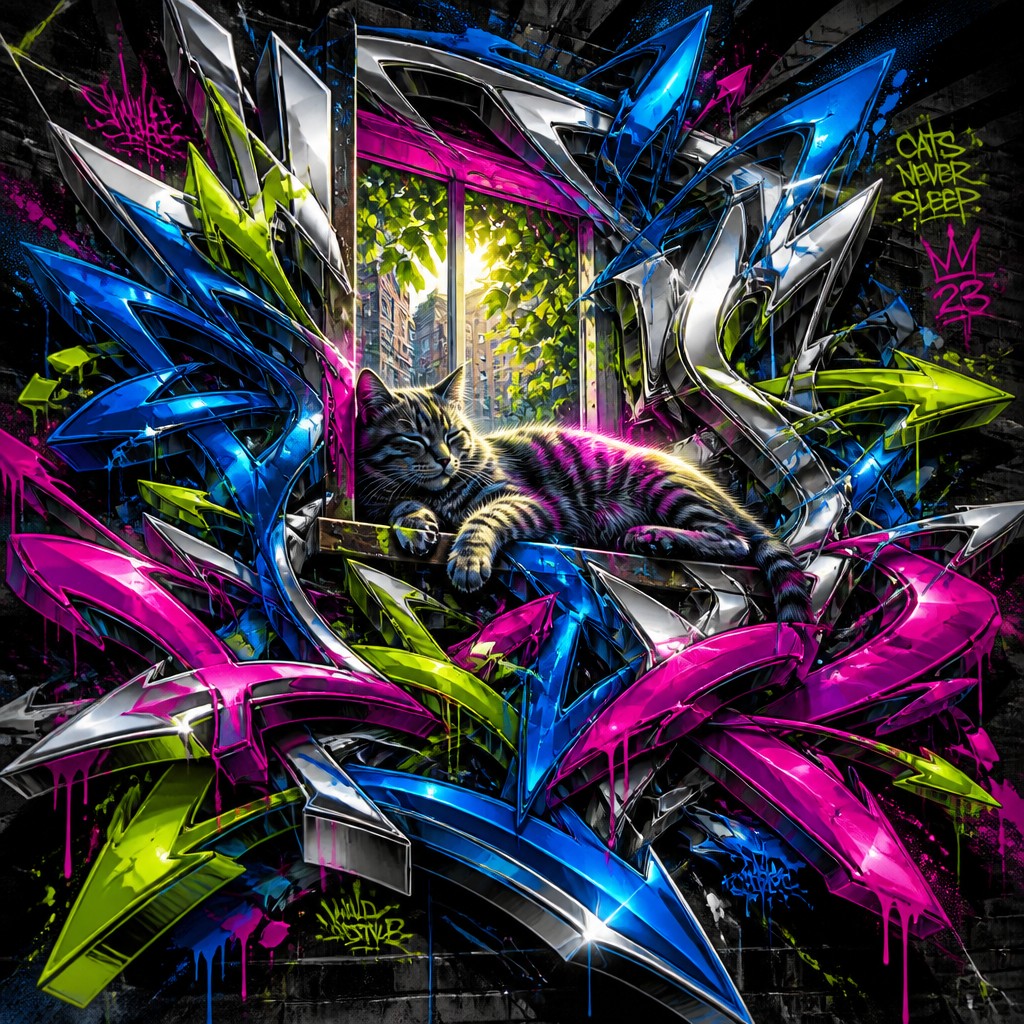
“a cat lounging in a sunlit window”
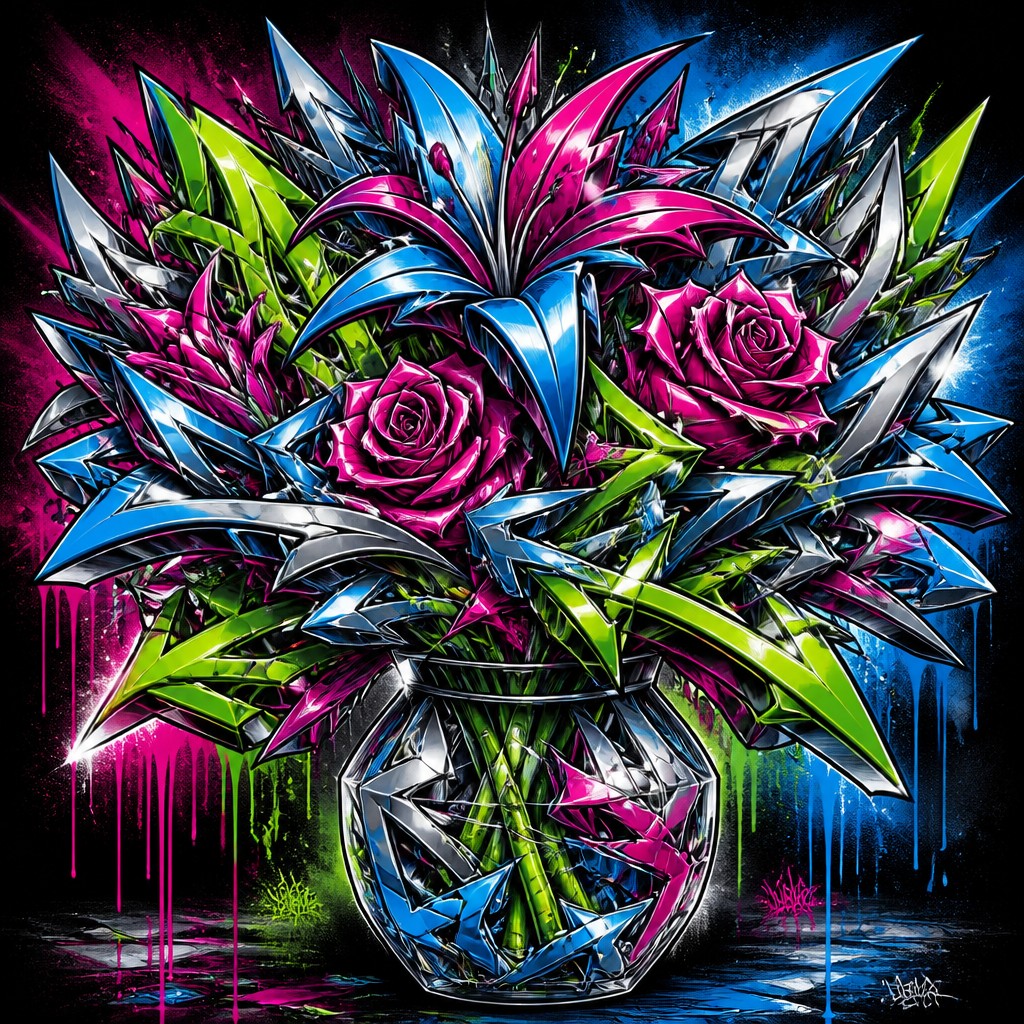
“bouquet of flowers in a glass vase”
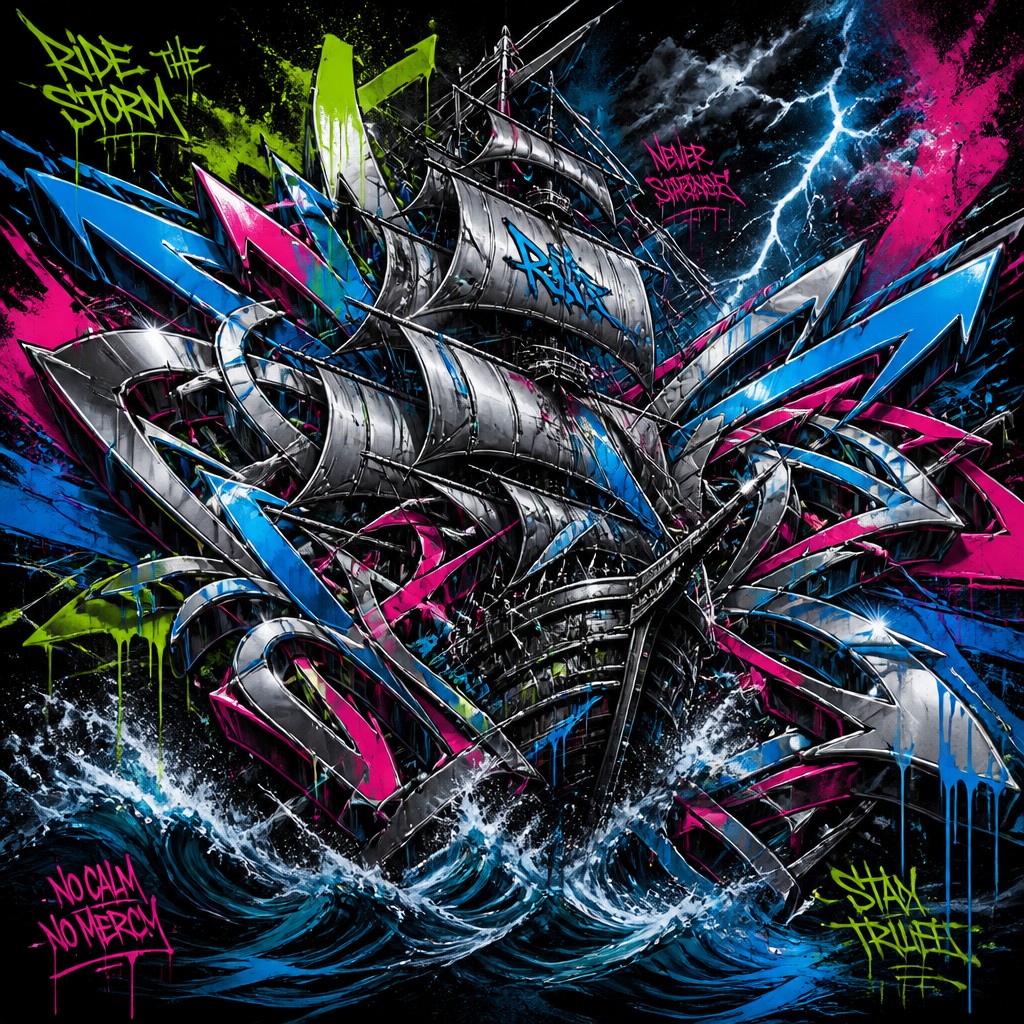
“sailing ship on a stormy sea”
How to Create Wildstyle Graffiti Street Art
Master the craft step by step — or skip straight to creating. Read the full guide →
- 1
Build the word as a structural maze
Start with a simple block-letter skeleton, then compress, overlap, and connect the forms until the word becomes a unified system. Keep the underlying letter logic visible enough that the piece still feels intentional, even when it is highly unreadable.
- 2
Use arrows and connectors to control flow
Add directional spikes, bridges, and extension bars to link one letter to the next. These elements should create a strong visual path through the piece rather than random decoration.
- 3
Add depth with stacked outlines and shadows
Use a clear front face, a secondary extrusion, and a darker shadow plane to create 3D volume. In digital work, separate these layers cleanly; in paint, plan the shadow direction before filling color.
- 4
Balance hard edges with spray effects
Pair sharp outlines and technical detail with soft aerosol fades, drips, and overspray. This contrast keeps the image grounded in graffiti materials rather than looking purely vector-based.
- 5
For image generation, describe both word form and surface behavior
Include cues like interlocking letters, aggressive angular connections, chrome fills, bold outlines, spray drips, and forced perspective. Mention the subject, then specify the lettering treatment so the result reads as graffiti rather than generic abstract art.

The Story
History & Origins of Wildstyle Graffiti Street
Wildstyle emerged from New York City graffiti culture in the early 1970s, alongside the broader development of modern writing. As graffiti writers competed for visibility and originality, letterforms became increasingly distorted, fused, and embellished, with crews and individual artists developing signature structures that were difficult for outsiders to read. The style became a hallmark of advanced technical skill within graffiti circles, especially as murals, train pieces, and large wall works allowed more time for refinement.
Its aesthetic lineage draws from multiple sources: handstyle writing, comic-book and cartoon exaggeration, psychedelic poster design, 3D illusionism, and the wider visual vocabulary of urban signage and graphic design. Unlike a formal academic movement with a single founder, wildstyle developed collaboratively and competitively across cities, with key graffiti artists refining it in the 1970s and 1980s. It remains one of the most recognizable expressions of graffiti culture because it concentrates the movement’s core values: style, speed, risk, and individuality.
Influences: Wildstyle is closely related to the wider history of graffiti writing and to letter-based traditions in urban graphic culture. It borrows from handstyle tagging, comic-book action lines, 3D rendering, and the visual language of signage and poster art, while sharing a fascination with distortion found in psychedelic design and certain strains of contemporary graphic illustration. In the broader art historical field, its emphasis on dynamic composition and optical depth can be compared loosely to illusionistic painting, but its specific vocabulary belongs to street writing rather than to canonical easel painting.
Frequently Asked Questions
What makes wildstyle different from regular graffiti lettering?
Wildstyle is much more complex, with letters compressed, intertwined, and modified until they are difficult to read. Standard graffiti lettering often prioritizes clarity and quick recognition, while wildstyle prioritizes structure, flow, and technical display. It is usually considered a more advanced and elaborate form of graffiti writing.
Why is wildstyle hard to read?
The style intentionally pushes letterforms together using arrows, overlaps, extensions, and decorative connectors. This creates a dense composition where visual energy matters more than immediate legibility. For experienced graffiti readers, the word can still be deciphered from the underlying structure.
Is wildstyle the same as street art?
Wildstyle is a graffiti style within the broader world of street art, but it is more specifically tied to writing and letter-based culture. Street art also includes murals, stencils, paste-ups, characters, and large illustrative works that may not use letters at all. Wildstyle remains centered on the transformation of words into image.
How do artists make wildstyle look three-dimensional?
They use outlines, shadow planes, bevels, and perspective shifts to make letters appear extruded or stacked in space. Strong contrast between the front face and the side surfaces helps the forms feel sculptural. Highlights and chrome effects can further reinforce the illusion.
Where is wildstyle commonly used?
It appears on walls, freight trains, panels, canvases, clothing graphics, album art, and posters. In contemporary practice it also shows up in digital illustration and design work that borrows from graffiti aesthetics. Its strong visual identity makes it effective anywhere bold lettering is needed.
Can wildstyle be made digitally?
Yes. Digital drawing programs make it easier to layer outlines, adjust perspective, and experiment with color and glow effects. Many artists sketch the letter structure first, then refine the depth, shadows, and spray textures with separate layers for precision.
Create your first Wildstyle Graffiti Street artwork
Describe anything — or upload a photo — and see it in Wildstyle Graffiti Street Art Style in seconds.
Make Something with Wildstyle Graffiti Street
Compare Wildstyle Graffiti Street
Related Styles
Discover similar art styles